

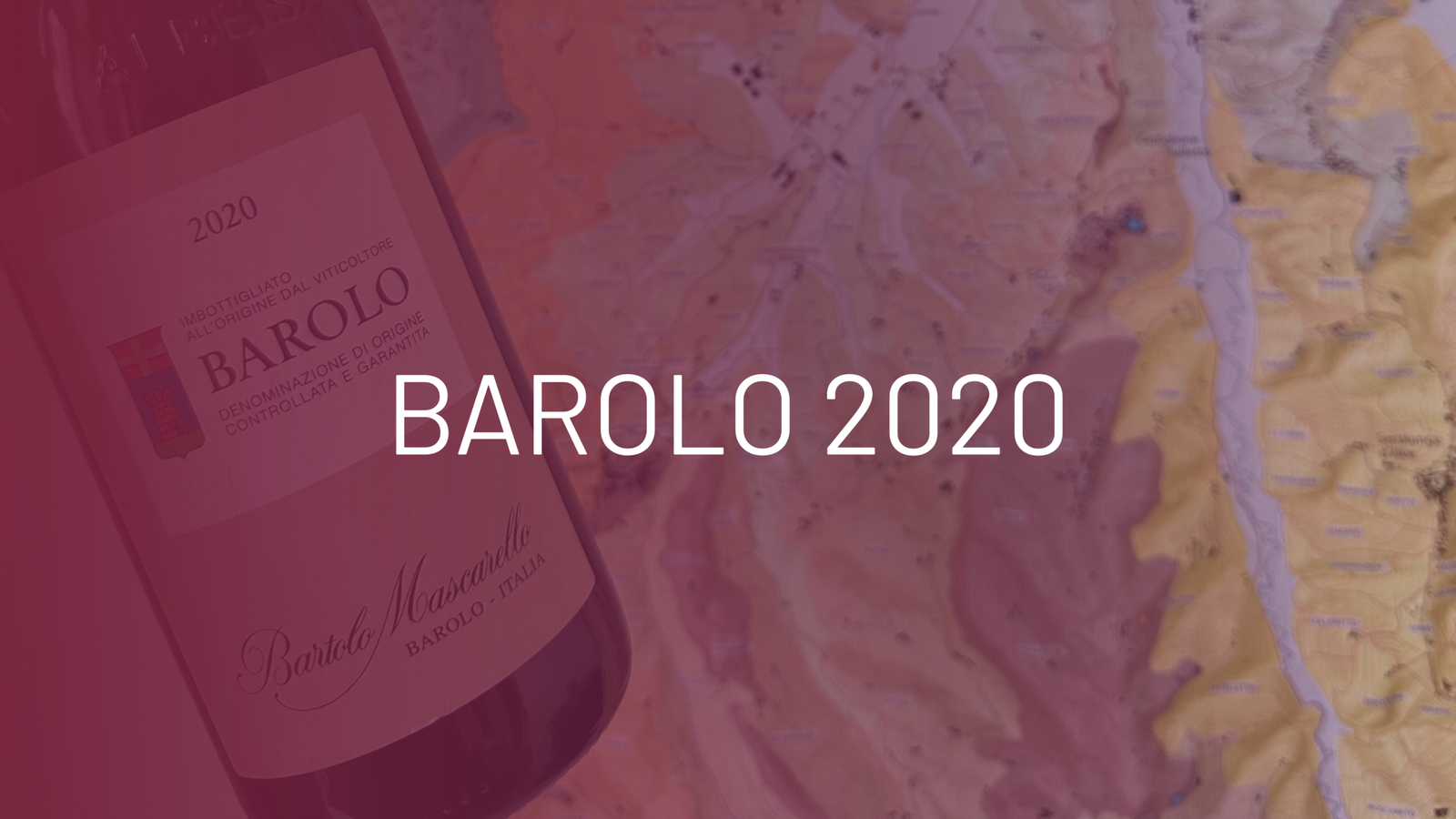
Barolo 2020: 6 years in
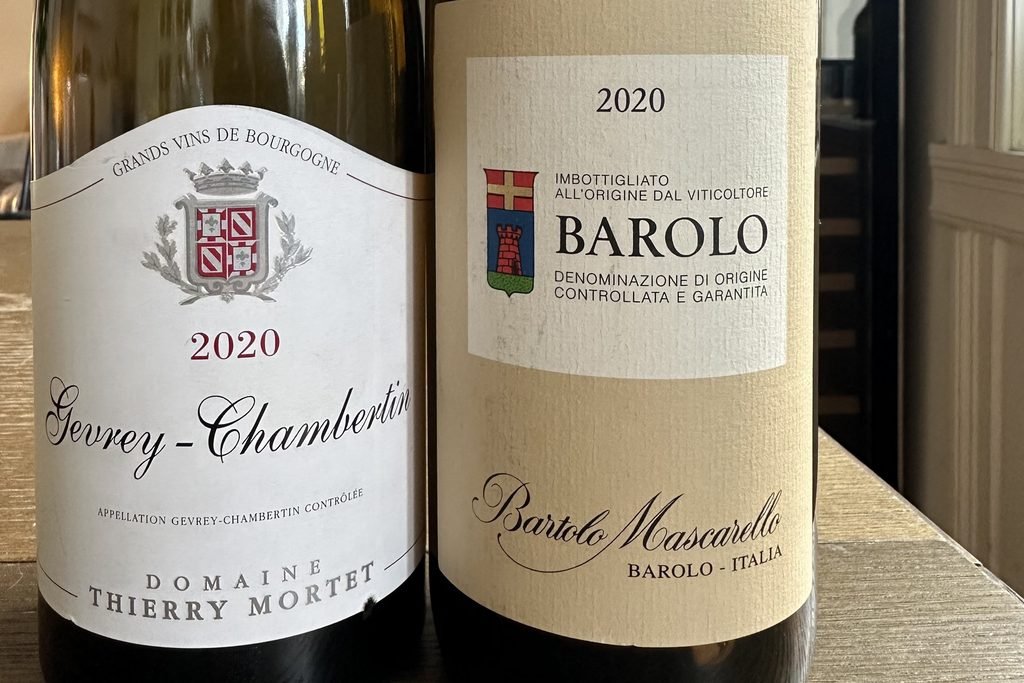
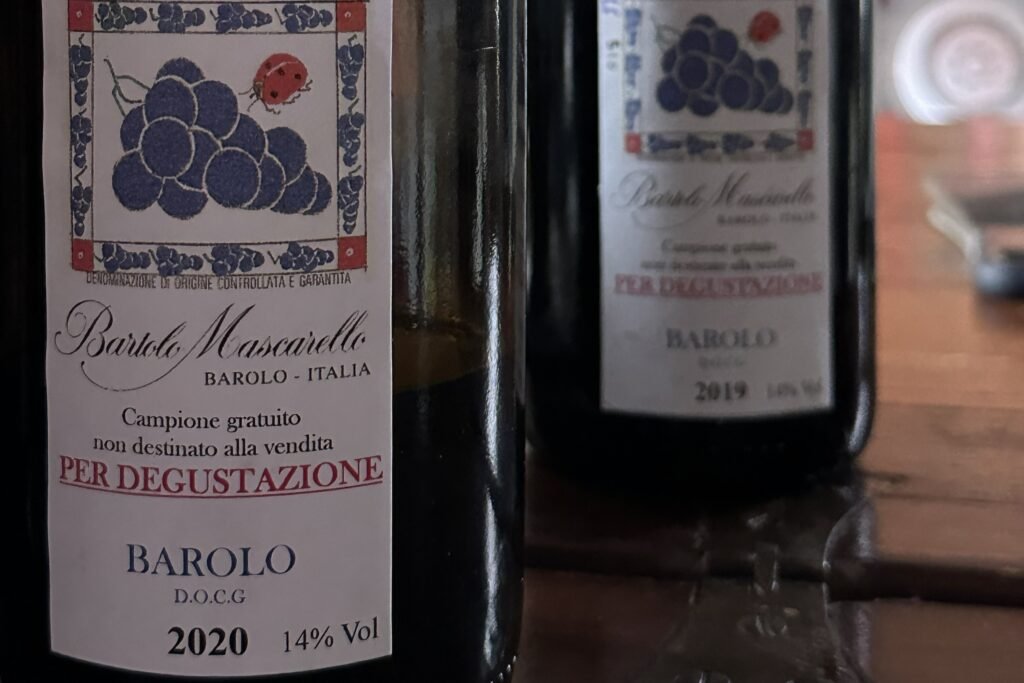
This past weekend, a friend brought over a 2020 Gevrey-Chambertin. Fair’s fair, so I pulled out a 2020 Barolo, a Bartolo Mascarello, and we put the two side by side. I even poured it blind for my friend, just for fun. Smooth, floral, elegant, exactly the kind of Barolo I love. Lighter in color than people might expect from a Barolo, and gentler on tannin than the big, brooding style some folks think Barolo has to be.
That’s not a flaw in the bottle. That’s 2020. And maybe also a flaw in people’s perception of Barolo.
What 2020 actually was
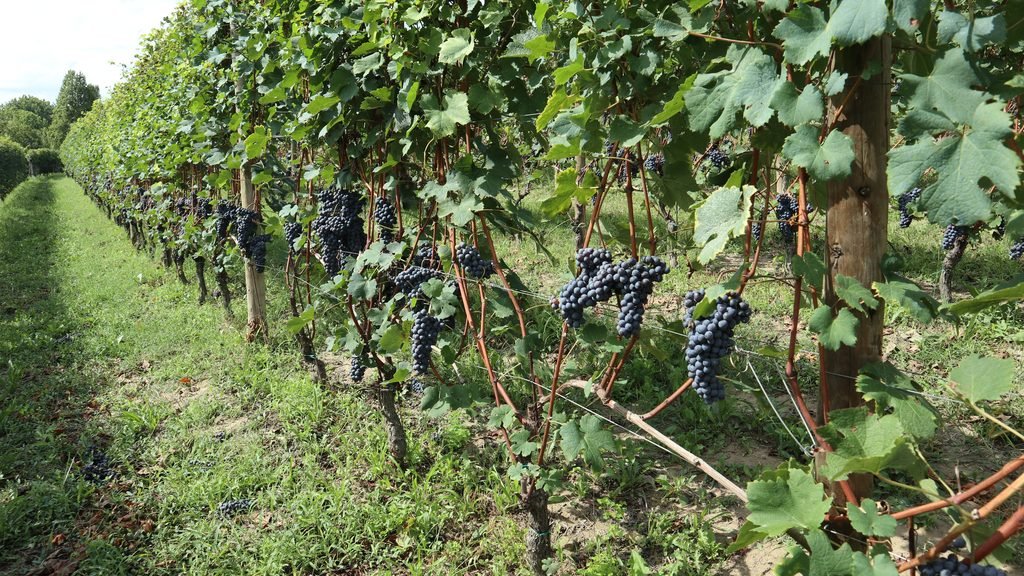
2020 was a strange one on paper. Total rainfall from January to October actually came in below the long-term average, but the vintage never felt dry, because rain kept falling in small, frequent amounts rather than a few big storms. That was enough to keep humidity high and mildew pressure real in the vineyards, even without much total water. At the same time, heat accumulation ran well above average, close to genuinely hot years like 2003 and 2017.
Harvest was unusually staggered too. Some vineyards, Brunate especially, were picked early and mostly finished before an early October rain event that dumped close to 90mm over two days. Others ran much later, with some producers still picking into the second week of October. Quite a few wineries also broke from their usual habit of harvesting a vineyard in one pass, choosing instead to pick a site two or three separate times.
Now, we can look at statistics, compare vintages and take the weather into consideration, but it’s up to the winemaker in any given year how the wine will turn out! Like I always say: there is no such thing as a bad vintage.
Tracking this vintage myself
I’ve actually got notes on this Bartolo Mascarello Barolo 2020 vintage going back further than last weekend. I tasted the same wine in October 2023, still young at that point, and wrote it down as balsamic, almost green (just almost), with a floral, slightly subdued nose. Round tannins, good body, a long finish. Two years on, it’s opened up beautifully into exactly the elegant, floral wine I love this producer for.
That same elegant character shows up across the vintage, not just in this one bottle. I tasted Roberto Voerzio’s Cerequio and Rocche straight from barrel back in 2021, and even then the difference between sites was obvious: Cerequio had a bit more structure, Rocche was a touch softer. Chiara Boschis’s Langhe Nebbiolo I called “an amazing vintage” that would age beautifully, and Marengo’s Nebbiolo d’Alba got the same reaction, fruity and good tannins, complex without ever feeling heavy. Paolo Giordano’s 2020 read more herbal and masculine to me, which really is representative of the soil rather than the vintage.
Looking at what was in the glass
Bartolo Mascarello’s Barolo doesn’t really need an introduction. It’s one of the most traditional, most sought-after names in the region, still made exactly the way Bartolo himself insisted on: no barriques, no single-cru bottling, just a blend across several of Barolo’s most historic sites. Maria Teresa herself needs no introduction. She farms roughly a hectare in Barolo itself, about 1.2 hectares in Rocche dell’Annunziata in La Morra, half a hectare in Rué, a small quarter hectare in San Lorenzo, and a small piece of Monrobiolo di Bussia. Five different crus going into one wine, which is probably part of why it has that layered, elegant complexity rather than any single vineyard’s bolder signature.
This bottle was a beautiful example of that house style. Lighter in color, soft and refined on tannin. Proof that a serious, ageworthy wine doesn’t need to be a heavy one.
Why the Barolo 2020 vintage deserves more credit
I think the Barolo 2020 gets underrated for exactly the reason people should love it more. It’s not a year that hits you over the head, and it doesn’t need to. It’s elegant, drinkable now without giving up its ability to age, and it shows a side of Nebbiolo that doesn’t get talked about enough: soft, floral, genuinely graceful. Mine was a perfect example of that, not an exception to it.
Anyway, if you want to go deeper on any Piemonte vintage, or look up a specific vineyard’s history, Enogea 360 is a good place to start.
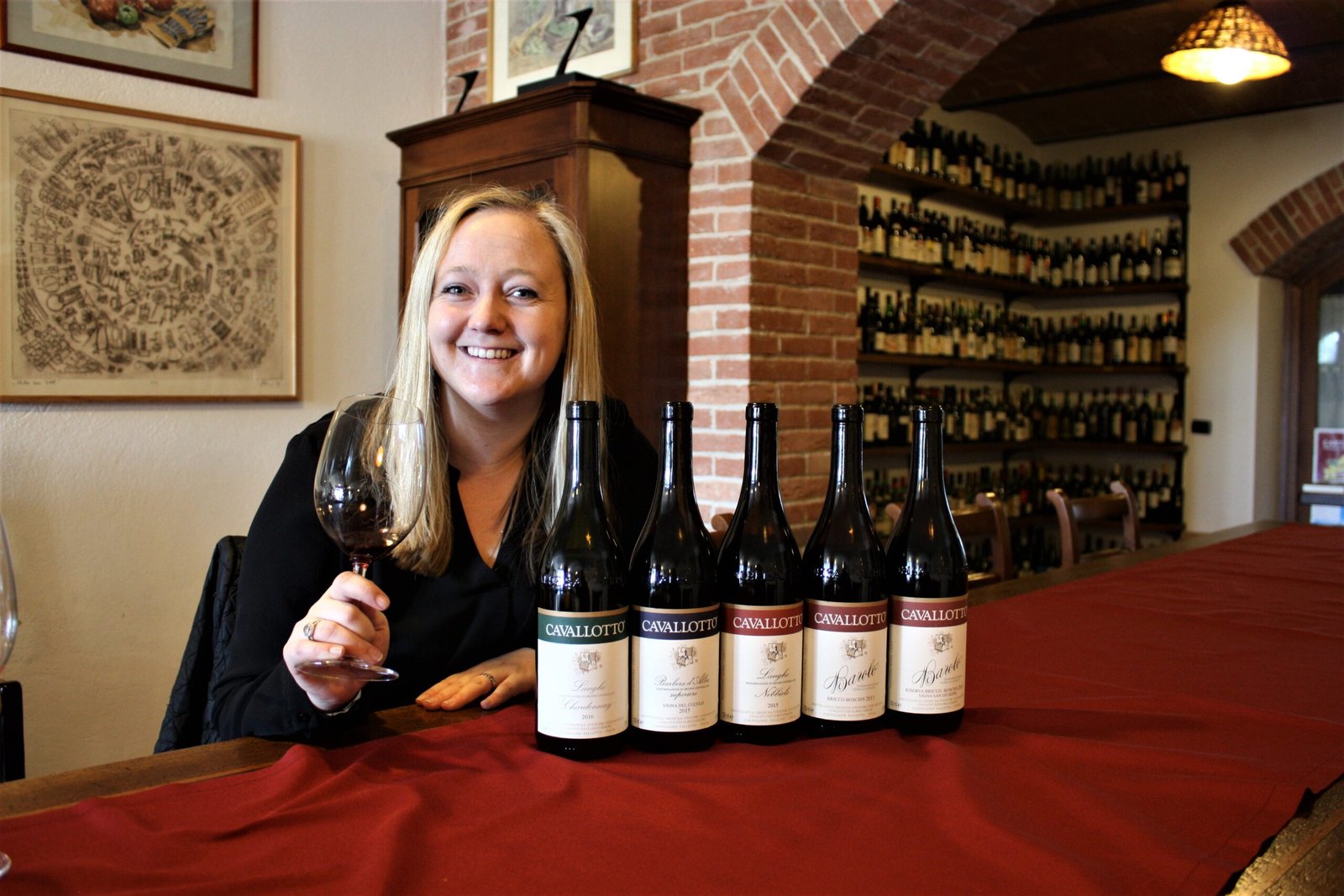
Sixteen years in Piemonte, and counting
- WSET Level 2 Certified
- Traveling to Piemonte every year since 2011
- Hands-on summers at Vietti and Altare in Barolo
- Hosting Piemontegirl Tastings in Oslo and Piemontegirl Tours in Piemonte