Summer Wine 

Summer came and went in Norway already, but here’s to hoping it makes a comeback soon so we can start drinking some summer wine! Disclaimer: you’re allowed to drink a so called “summer wine” anytime. Don’t let the rain and cold discourage you. I’m sure you can find an occasion to open an Arneis regardless of the weather.  
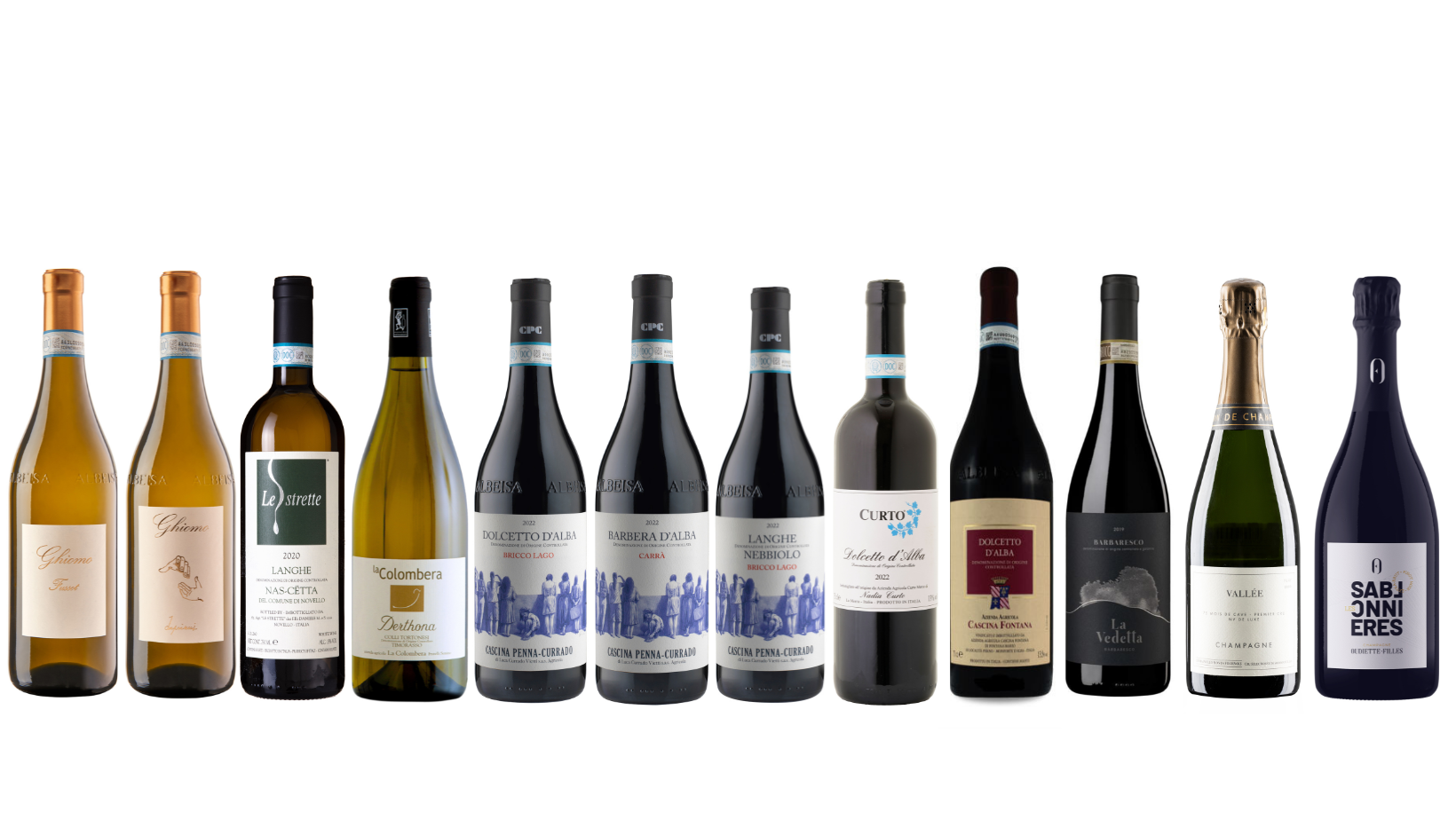
Speaking of Arneis, if you haven’t already tried the ones from Ghiomo, you definitely should! He likes Arneis so much, he makes two different ones! The Fussot is a more “everyday” white wine, while the Inprimis is more of a “food wine”. Don’t get me wrong, they both pair well with foods like fish, shellfish, salads and white meat. But if you’re looking for a wine to just sip on the terrace on a hot summer day, or on the couch while watching the newest Netflix flick, the Fussot is the wine to go for. 

While we’re on the white wines from Piemonte, I want to recommend the Le Strette Nascetta. Most of you have probably never heard of Nascetta, but that’s because there haven’t been that many around the past years. Thankfully both Elvio Cogno and Le Strette have continued to make this wine! It was long thought that this wine didn’t have any aging potential at all, but in 1993 Elvio Cogno opened a 1986 Nascetta with Valter Fissore and a journalist named Armando Gambera, and the 7 year old wine had help up nicely! I mean, it hadn’t aged for 50 years like a Bordeaux, but who knows, maybe it has potential to age way longer than 7 years!  

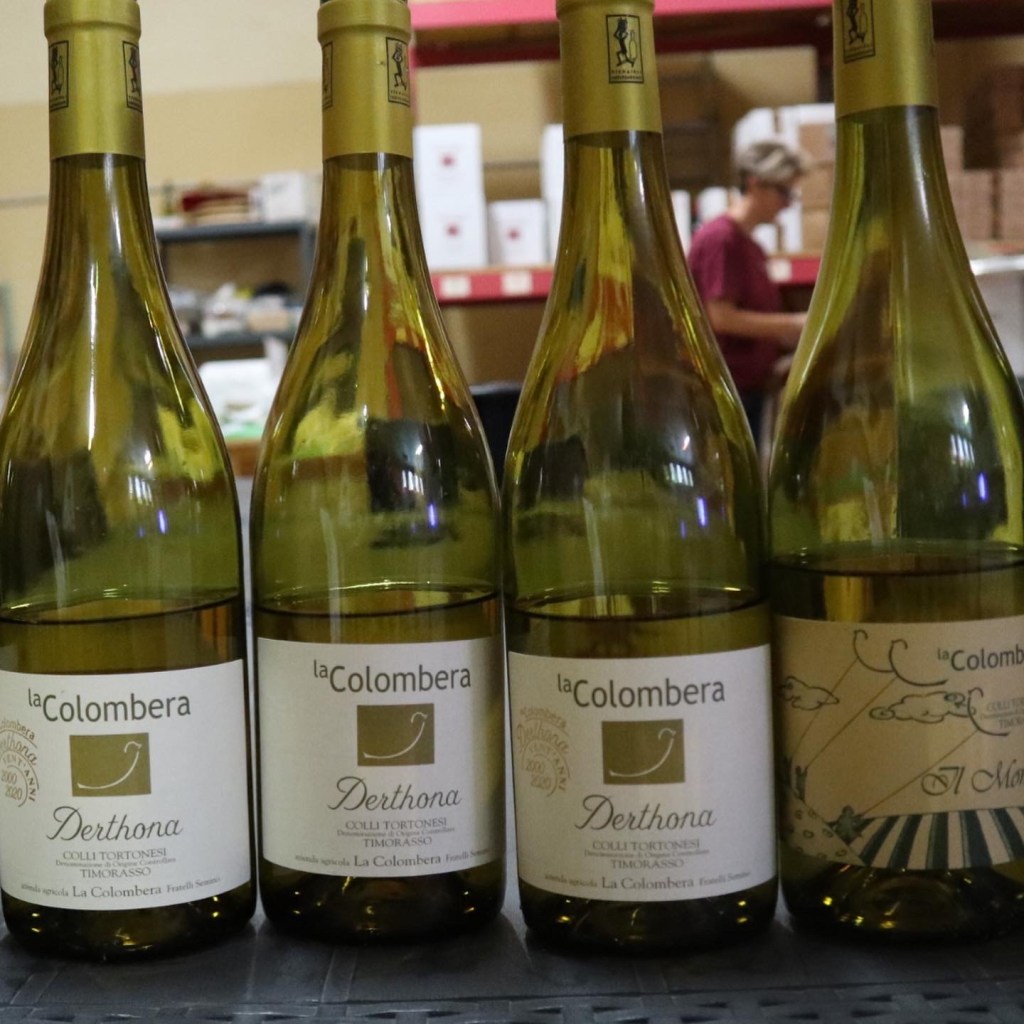
Another grape that quite recently made a sort of comeback is Timorasso. But although it has become popular recently, there are some who have been making Timorasso for a while already. If you’re ever in Tortona, give Elisa a call. She makes really good Timorasso, like the Derthona. And she’s very fun to visit!  
Now, I have to ask: did you know that Elena and Luca have started up a new winery and released 3 new wines?! No? Well, now you do! And yes, they are available in Norway! While I haven’t been to visit the new winery, I have tried the wines. Unsurprisingly, they are very good! The Barbera is super fresh and quite aromatic, and the Langhe Nebbiolo is fruity, balanced with a long finish. And the Dolcetto tastes just like a Dolcetto should taste and has hereby been added to the list of my favorite Dolcetto’s! 

Speaking of Dolcetto, Nadia Curto Dolcetto d’Alba and Cascina Fontana Dolcetto D’Alba are also high on my list of favorites. And while Dolcetto is my go-to Pizza Wine, it’s also perfect to enjoy on a warm summer day. Maybe while wearing Entoteca del Ponte’s “Make Dolcetto Great Again” t-shirt!  
If you’ve read this far, you’re clearly dedicated. So, the last three wines are suggested especially for you. Because you deserve only the best. That’s why I think you should try the La Vedetta Barbaresco. I also think you deserve some Champagne, so if you want to treat yourself, go for the Domaine Les Monts Fournois Valleé or Ouditette x Filles Les Sablonnières. The latter needs to be ordered via e-mail, by phone or in-store, but I have faith that you can manage. It’s worth it. I promise.  

And with that, I wish you a wonderful summer with lots of summer wine! 
summer wine

Value Wines

Value wines

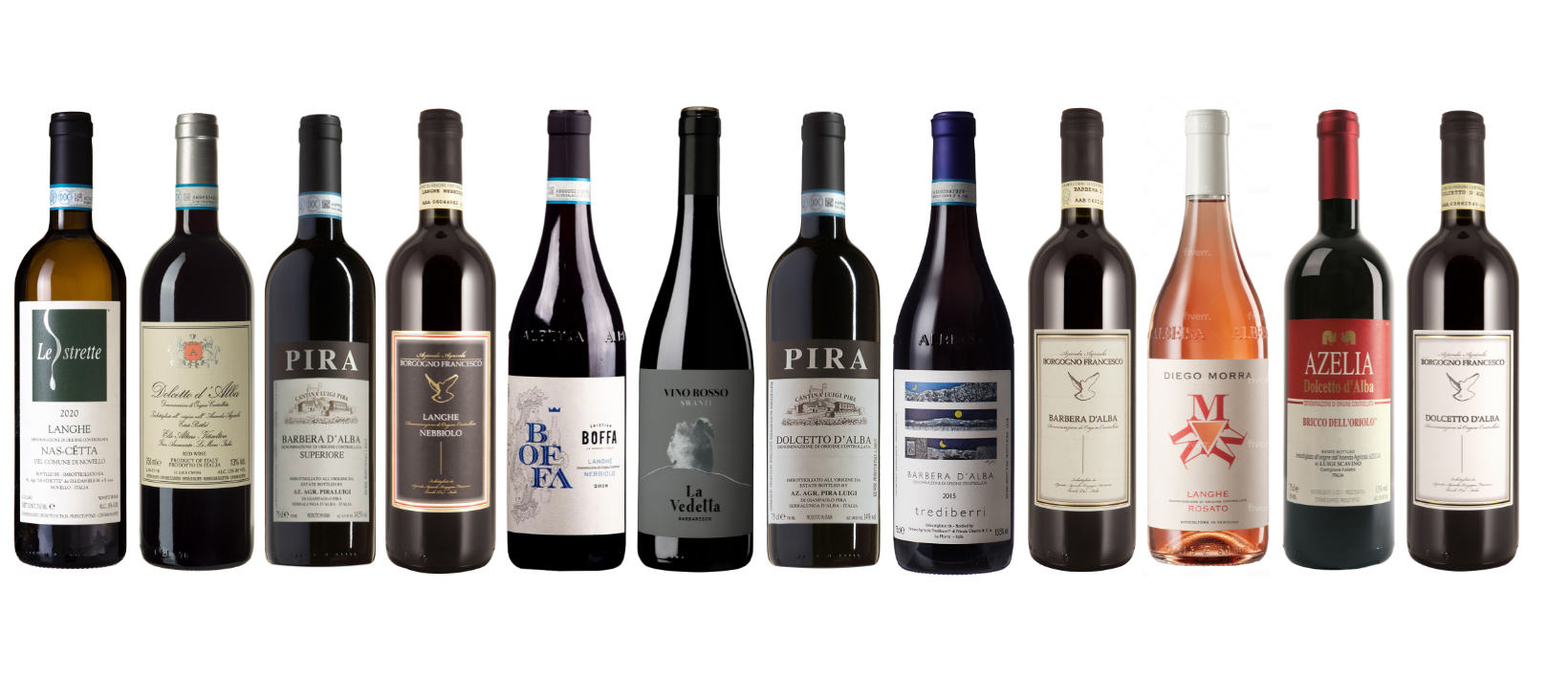
Listen, it’s entirely possible to enjoy quality “value wines”. And what do I mean when I say “value wines”? I mean wines with a high quality-price ratio; wines that won’t break the bank, but are still of high quality. People are very often under the impression that to be able to drink good wines, you have to break the bank. And sure, wine can cost quite a bit. But there are plenty of options out there that are on the more affordable side. So here are some of my favorite value wines from Piemonte, all under 300 NOK.

value wines

Wines under 300

In this category, there are tons of options. If you’ve never tried Nascetta, this is your sign to change that. I discovered Le Strette some years ago, and their Langhe Nascetta del Comune di Novello is one of my favorites! Moving on to reds, the Elio Altare Dolcetto is still under 300NOK! This probably won’t last very long, so here’s your chance! Another favorite is the Luigi Pira Barbera d’Alba Superiore, which is also still in this category. Two Langhe Nebbiolo’s that are frequently found in my wine fridge are Francesco Borgono Langhe Nebbiolo and Cristian Boffa Langhe Nebbiolo. The latter is basically a “Baby Barolo”, so it’s a frickin’ steal! Now, there are not that many Barbera + Nebbiolo blends available in Norway, unfortunately. But one of the few that are available is the La Vedetta Swanti.

Wines under 250

Moving on to wines below 250NOK. The number of quality wines available are reduced in correlation to price, but there are still quite a few good options here! Two good Dolcetto’s, one from Luigi Pira and one from Cristian Boffa. Both of them are what I like to call “stainless steel” Dolcetto’s, but the one from Luigi Pira is likely to be a bit “bigger” than the one from Cristian Boffa, mostly due to the location of the grapes. As for Barbera, there’s the one from Trediberri. Aged in stainless steel and cement. Very classic and delicious. The Mauro Veglio “Angelo” Langhe Nebbiolo is another classic. Named for Mauro’s father, it’s always been a very special wine.

Wines under 200

Here’s where it gets tricky. These days, it’s not easy to find a high quality wine under 200NOK. That’s just the way it is. But there are still a select few available in Norway. The Diego Morra Langhe Rosato is now available for only 179kr. And you might think a rosé wine is only suitable for the summer. But did you know that a lot of seafood is considered “in season” in the winter? Which is perfect, because this wine is what I consider a “food wine” that will go great with shrimp, crab, salads or white meat.

Two Dolcetto’s made it into this category, both good, but very different from one another. The Azelia Dolcetto is made from very old vines located in fairly high altitude, making it quite special. You also have the Francesco Borgogno Dolcetto, a “stainless steel” Dolcetto, very clean and fresh.  

There you have it. Hope you found some treasures in here.

PS: some of these won’t be available at these prices for long, so I’d act fast. Enjoy!

Piemontese White Wines

Piemontese White Wines

There are quite a few white grape varieties being cultivated in Piemonte, but because of the popularity of Nebbiolo, many of them almost became extinct! Several of the white grapes only survived because a handful of winemakers decided to keep cultivating them. Here are some of my favorite Piemontese white wines.

Arneis

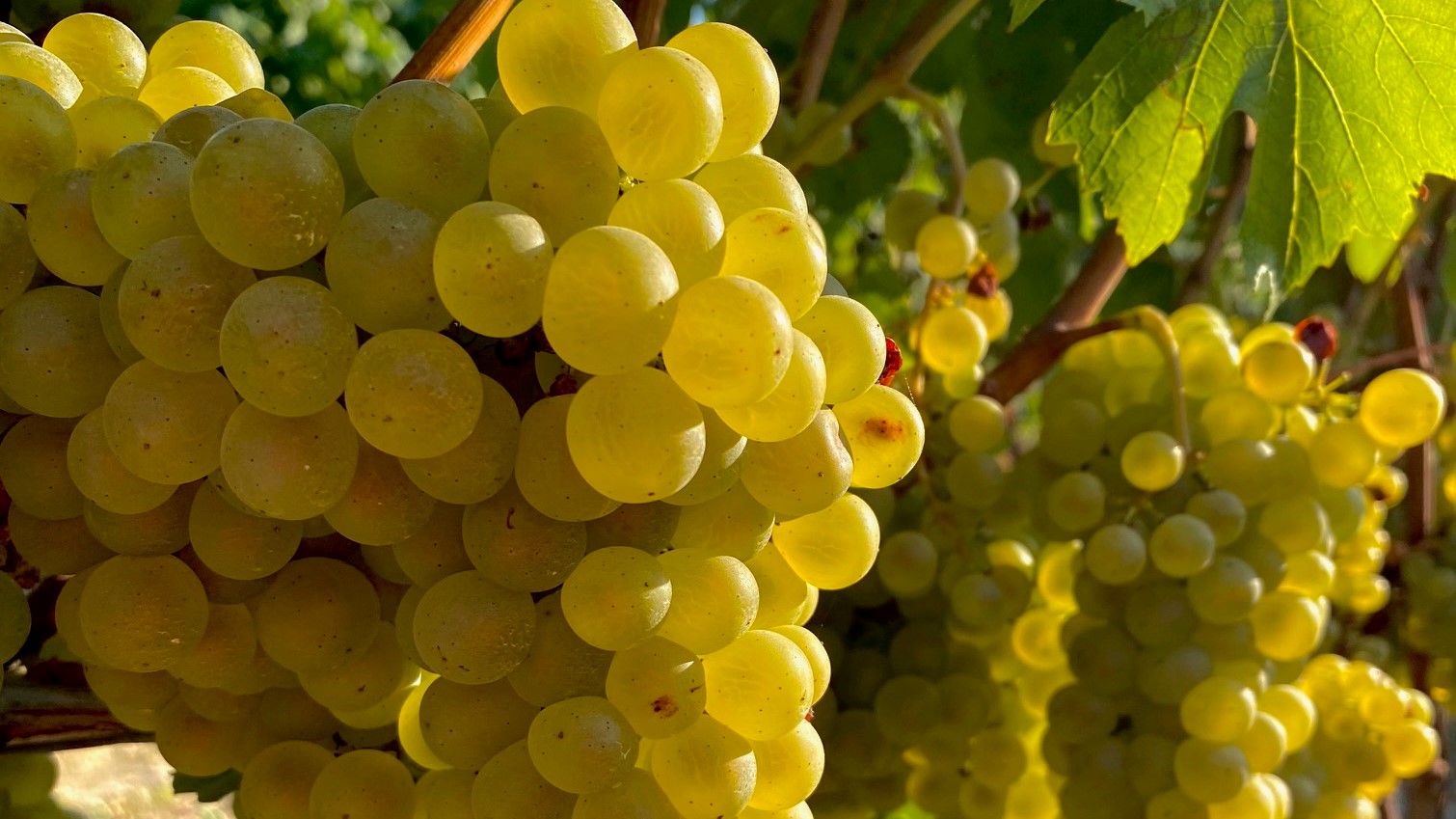
Arneis originates from Piemonte, and is most commonly found in the hills of Roero, although you can find it in other regions including Liguria, Sardinia, California and New Zealand. It has naturally low acidity and can easily get overripe. It’s also prone to powdery mildew. Arneis literally means “little rascal”, and it gets its name because it’s very difficult to cultivate.

Back in the day, Arneis was used to soften the tannins and harshness of Nebbiolo grape in the wines of Barolo. And as winemakers begun focusing on 100% Nebbiolo wines, the Arneis almost became extinct. By the 1970’s, only two winemakers were making Arneis: Vietti and Bruno Giacosa. Thankfully, that has changed in the recent years, and today you can find many good bottles of Arneis.

Nascetta

“Nas-Cetta” or “Anascetta” is another white Piemontese variety. The story of Nascetta is similar to that of the Arneis. As the popularity of Nebbiolo grew, rows of Nascetta were ripped out in favor of Nebbiolo. Nascetta was only kept alive by a handful of winemakers, like Elvio Cogno and Le Strette.

The story goes something like this: In 1993, Elvio Cogno and Valter Fissorre opened a 1986 Nascetta with a journalist named Armando Gambera, and they discovered that the 7 year old Nascetta had help up very well in the bottle. This was a pivotable moment for the local grape variety of Novello, and in 1994 Elvio Cogno released his first “Anas-Cetta”. And the rest is history! In 2002, Nascetta officially became a DOC and in 2010 it got it’s own appellation “Nascetta del Comune di Novello”.

Chardonnay

Chardonnay originated in Burgundy, France, but today you’ll find it in many corners of the world, including Piemonte. The grape itself is quite neutral, but is often associated with a variety of flavors derived from influences of oak and terroir. Chardonnay was often blended in with other grapes, like Favorita, but in Piemonte today it’s most common to find 100% Chardonnay.

Favorita

Favorita means “the favorite one”, a Piemontese white grape variety grown primarily in Piemonte and is widely planted on the left bank of the Tanaro river. It has long been a popular table wine Related to Liguria grapes Pigato and Vermentino. Has been a popular table wine. Pear notes, ability to age shorter than Arneis. Tend to ripen late and maintain fair amount of acidity. Used to be blended with Nebbiolo to soften harsh tannins, just like the many other white grape vairieties. Straw yellow, dry white wine, slightly bitter aftertaste. Pair with fish, shellfish, sushi.

3 of my favorite Piemontese white wines

3 Piemontese White Wines

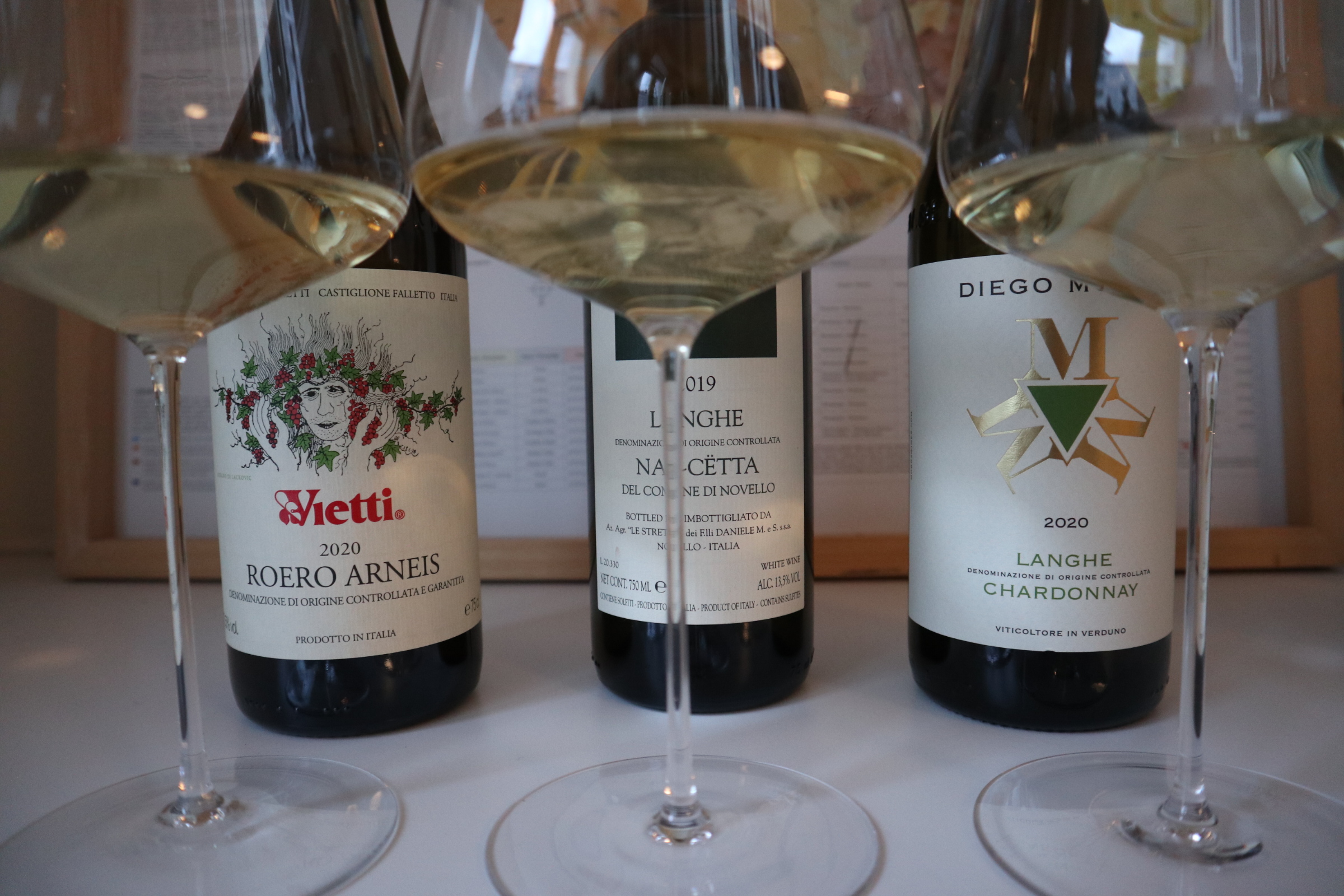
Vietti Roero Arneis 2020

Beautiful citrus aromas with hints of warmer yellow stone fruit. Very fruity in the mouth as well, with a hint of honey.

Le Strette Nas-cëtta 2019

Beautiful nose with hints of yellow stone fruit and apple. A distinct taste of honey in the mouth. Good acidity.

Diego Morra Langhe Chardonnay 2020

Yellow stone fruit and citrus aromas on the nose. Quite full bodied with good length.