Piemontese White Wines

Piemontese White Wines

There are quite a few white grape varieties being cultivated in Piemonte, but because of the popularity of Nebbiolo, many of them almost became extinct! Several of the white grapes only survived because a handful of winemakers decided to keep cultivating them. Here are some of my favorite Piemontese white wines.
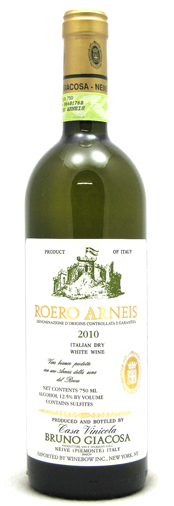
Arneis

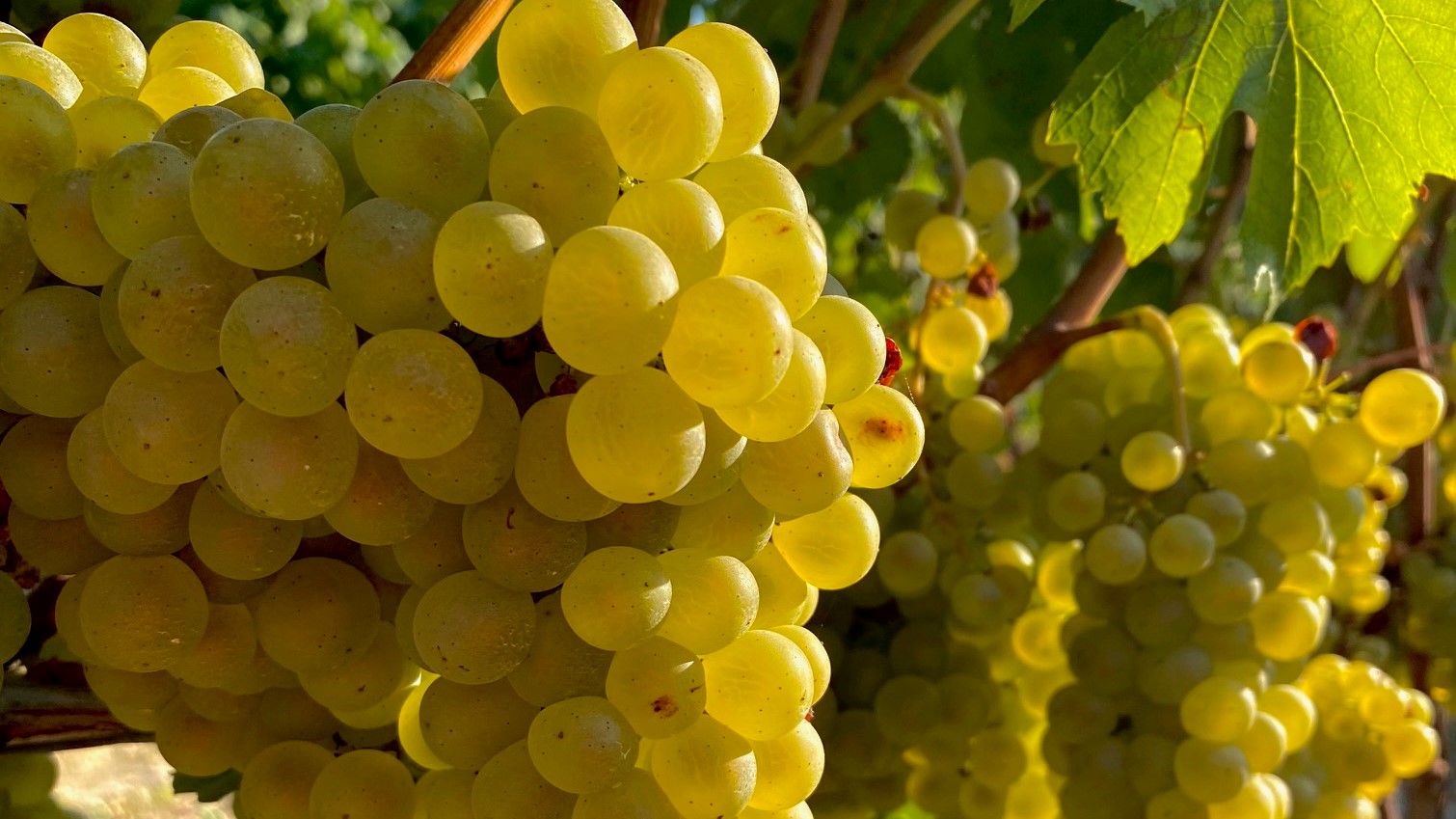
Arneis originates from Piemonte, and is most commonly found in the hills of Roero, although you can find it in other regions including Liguria, Sardinia, California and New Zealand. It has naturally low acidity and can easily get overripe. It’s also prone to powdery mildew. Arneis literally means “little rascal”, and it gets its name because it’s very difficult to cultivate.

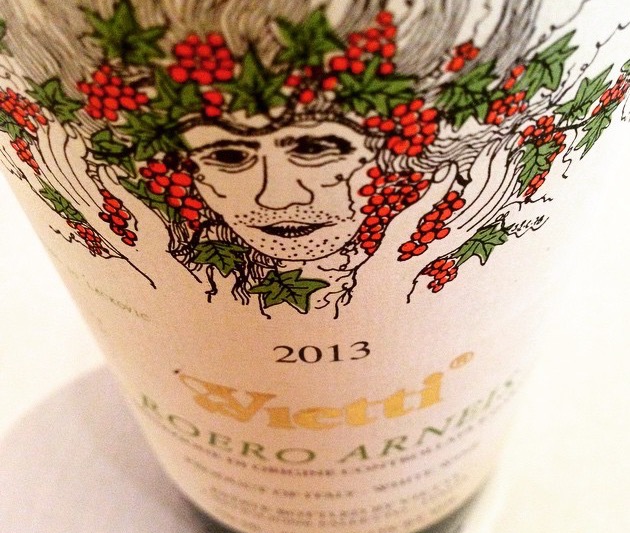
Back in the day, Arneis was used to soften the tannins and harshness of Nebbiolo grape in the wines of Barolo. And as winemakers begun focusing on 100% Nebbiolo wines, the Arneis almost became extinct. By the 1970’s, only two winemakers were making Arneis: Vietti and Bruno Giacosa. Thankfully, that has changed in the recent years, and today you can find many good bottles of Arneis.

Nascetta

“Nas-Cetta” or “Anascetta” is another white Piemontese variety. The story of Nascetta is similar to that of the Arneis. As the popularity of Nebbiolo grew, rows of Nascetta were ripped out in favor of Nebbiolo. Nascetta was only kept alive by a handful of winemakers, like Elvio Cogno and Le Strette.

The story goes something like this: In 1993, Elvio Cogno and Valter Fissorre opened a 1986 Nascetta with a journalist named Armando Gambera, and they discovered that the 7 year old Nascetta had help up very well in the bottle. This was a pivotable moment for the local grape variety of Novello, and in 1994 Elvio Cogno released his first “Anas-Cetta”. And the rest is history! In 2002, Nascetta officially became a DOC and in 2010 it got it’s own appellation “Nascetta del Comune di Novello”.

Chardonnay

Chardonnay originated in Burgundy, France, but today you’ll find it in many corners of the world, including Piemonte. The grape itself is quite neutral, but is often associated with a variety of flavors derived from influences of oak and terroir. Chardonnay was often blended in with other grapes, like Favorita, but in Piemonte today it’s most common to find 100% Chardonnay.

Favorita

Favorita means “the favorite one”, a Piemontese white grape variety grown primarily in Piemonte and is widely planted on the left bank of the Tanaro river. It has long been a popular table wine Related to Liguria grapes Pigato and Vermentino. Has been a popular table wine. Pear notes, ability to age shorter than Arneis. Tend to ripen late and maintain fair amount of acidity. Used to be blended with Nebbiolo to soften harsh tannins, just like the many other white grape vairieties. Straw yellow, dry white wine, slightly bitter aftertaste. Pair with fish, shellfish, sushi.

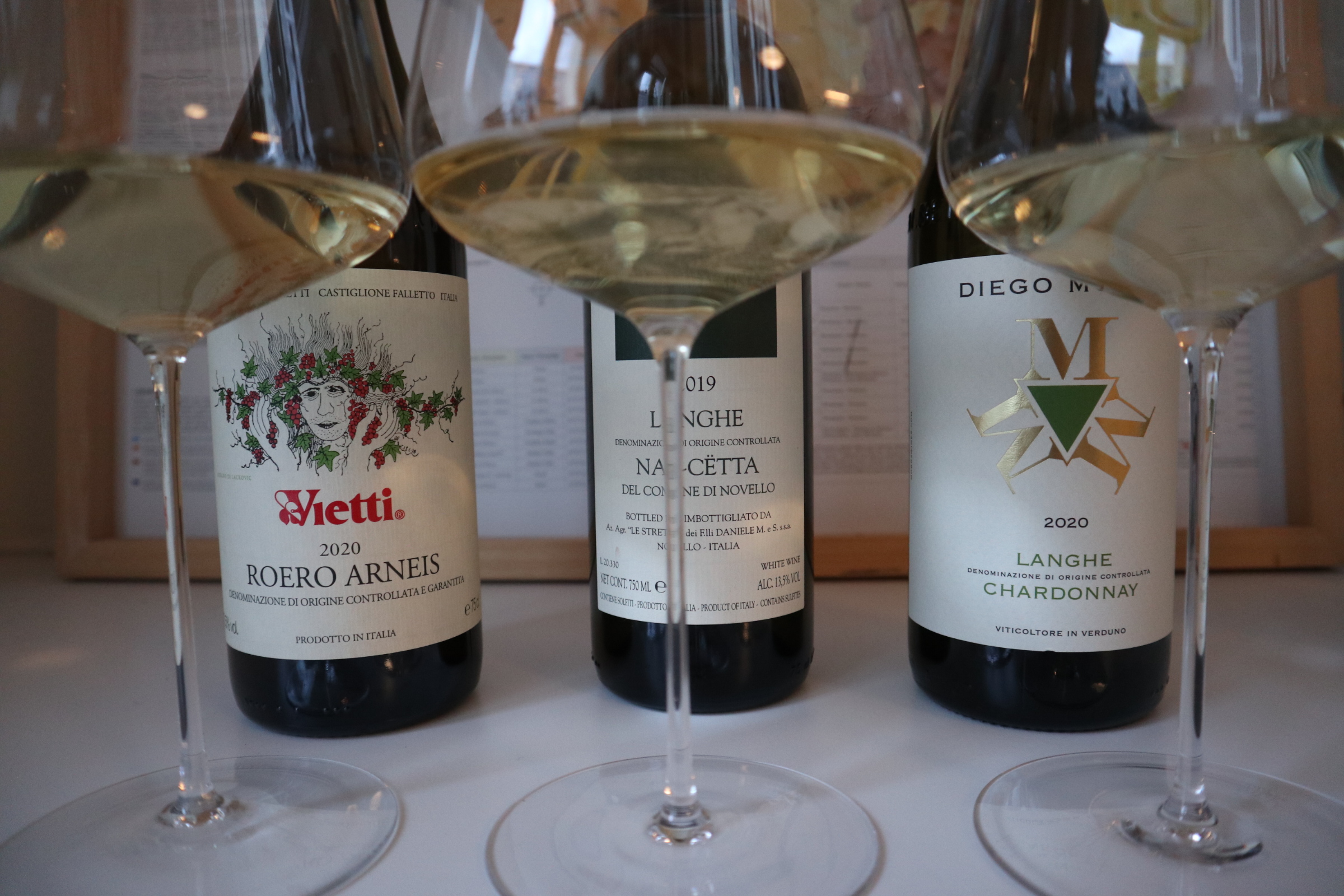
3 of my favorite Piemontese white wines
3 Piemontese White Wines

Vietti Roero Arneis 2020

Beautiful citrus aromas with hints of warmer yellow stone fruit. Very fruity in the mouth as well, with a hint of honey.

Le Strette Nas-cëtta 2019

Beautiful nose with hints of yellow stone fruit and apple. A distinct taste of honey in the mouth. Good acidity.

Diego Morra Langhe Chardonnay 2020

Yellow stone fruit and citrus aromas on the nose. Quite full bodied with good length.
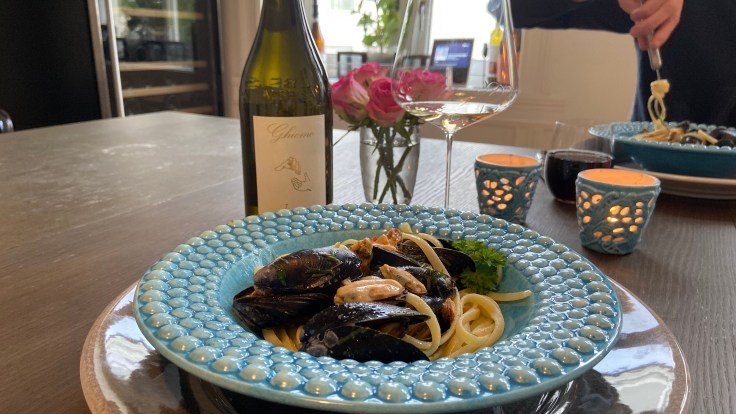
Mussel Linguine

Mussel Linguine is a dish perfect for summer. Pair it with a nice glass of white wine and you’re good to go! It’s also fairly easy to make, and requires few ingredients.

Mussel Linguine paired with Ghiomo Langhe Arneis

What you need for Mussel Linguine

  • Mussels (1 nett)
  • 3-4 garlic cloves (sliced)
  • Chives
  • Parsley
  • Chili (optional)
  • Olive oil
  • Dry white wine (about 2 dl)
  • Pepper
  • Linguine (or other

How to make it

  1. Steam 3/4 of the mussels. You can use just water or water with some white wine. When these are done, strain them and separate the mussels from their shells. Lay aside to use later.
  2. Chop the chives and parsley so it’s ready to use later. Chop the chili as well if you’re using it.
  3. In a pot, add the olive oil and sliced garlic. Let it simmer on low/medium heat for about 10 minutes. Make sure the garlic does not burn. You can also add the chili here if you want.
  4. In another pot, boil water for the linguine. When the water boils, add the linguine. Simultaneously, increase the heat on the pot with the olive oil and garlic. Remember to stir.
  5. When you have about 5 minutes left, add the 2 dl of white wine to the olive oil and increase the hear again. When the wine is boiling, add the remaining 1/4 of the mussels. Let simmer/boil for about 5 minutes.
  6. Reduce heat on the mussels, add the 3/4 of the peeled mussels.
  7. When the linguine is cooked, strain it and add the pasta to the mussels. Make sure to save some of the pasta water in a cup.
  8. Add the chives, parsley and some pepper and serve!

Pro tip for the Mussel Linguine

Make sure to get a little of the “sauce” from the bottom of the pot into every serving! It’s easily the best part and if you serve the dish with some bread, you basically have a second course right there!

Why steam 3/4 of the mussels before?

This is mostly for the aesthetics, as well as convenience. By removing the shell from 3/4 of the mussels, your plate doesn’t just look less “crowded” but you also spend less time peeling the mussels from the shells why you eat. You don’t need to do this. You can steam them all at the same time in step 5.

White Wine for the summer under 300kr

White wine mood?

Looking for a good white wine to drink this summer?

White Wine

It’s summer, and white wine is on the menu for many people. Vinmonopolet has many good wines, but here are a few of my favorite ones you can find now. Note: some you may have to order, they might not be at a specific Vinmonpol that you visit. And for non Norwegain readers, I am sure you can find them other places too!

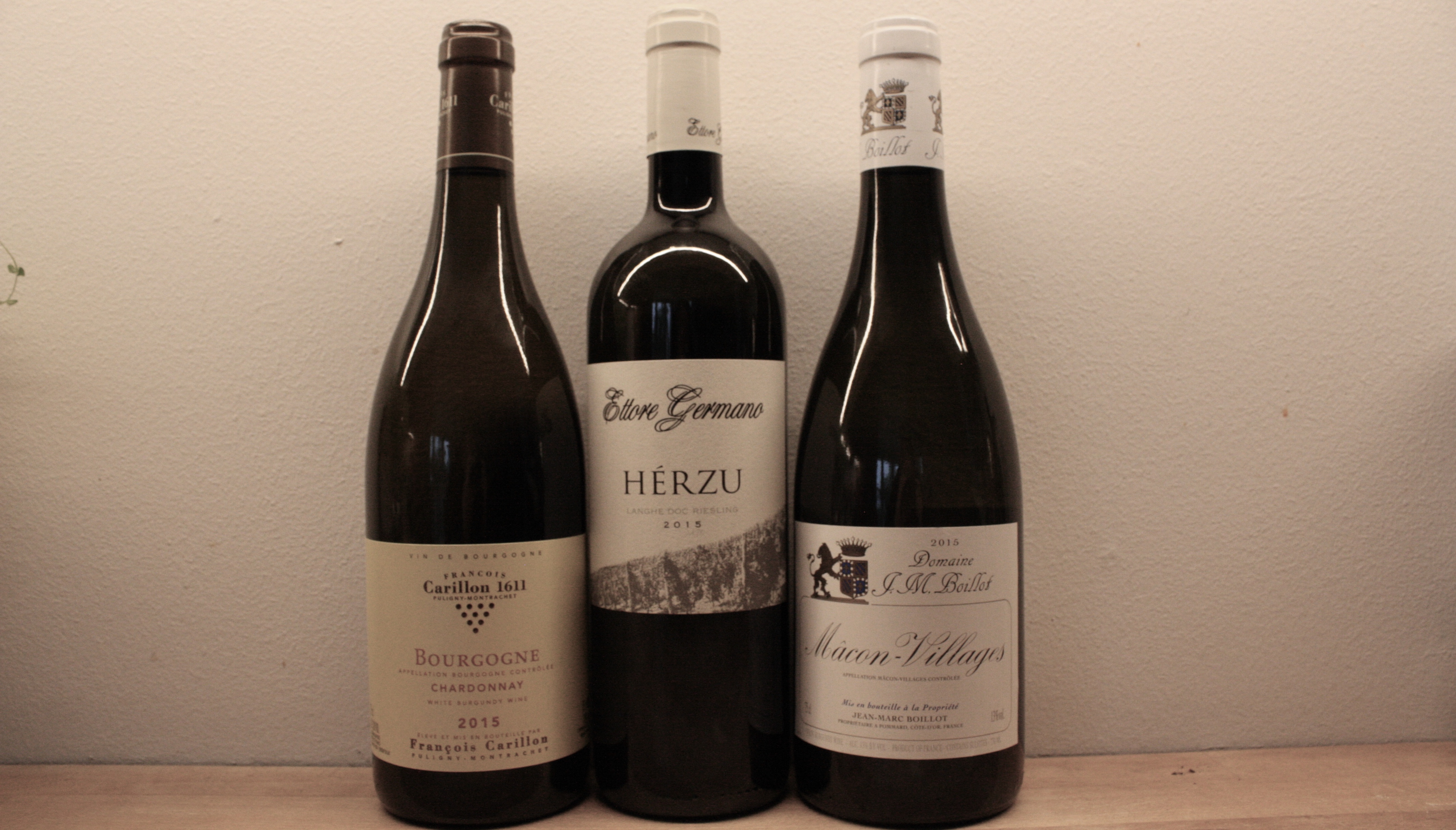
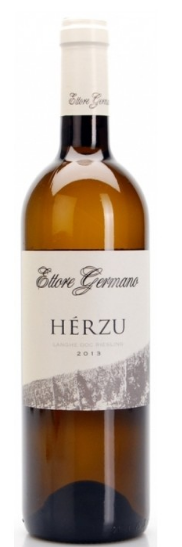
Herzu by Ettore Germano

A light, dry, refreshing riesling that is grown in Piemonte. I am not usually a big fan of riesling because I find them too sweet, but this one is perfect. Truly one of my favorite white wines!

Bourgogne Chardonnay by Matrot

Matrot makes wonderful wines, and what’s even better is that you can find a really good one under 200kr. They are proof that amazing wines do not have to cost a fortune. Truly a fresh, balanced wine.

Bourgogne Chardonnay by Carillon

Another good chardonnay that’s also not very expensive. Carillon produces great white burgundy, and it’s great that we can drink such good wines without breaking the bank!

Macon-Villages by Jean-Marc Boillot

Macon-Village is one of my favorite appellations in burgundy. There are so many good producers that make Macon-Villages, and JM Boillot is no exception.

Favorite Italian Whites part 2

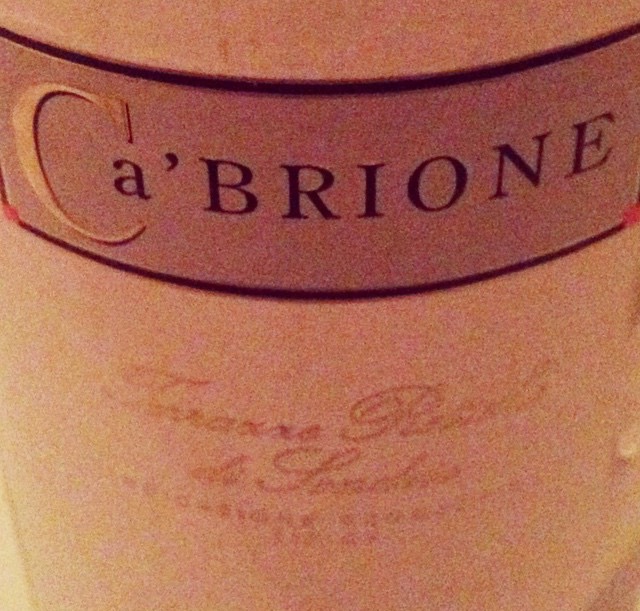
Ca Brione, Nino Negri: I drank the Ca Brione for the first time in a tiny wine bar located in the beautiful town of Bellagio on Lago di Como. It was an instant favorite. Refreshing on a warm summer day, but really suits any season.

cabrione

Langhe Chardonnay, Cavallotto: Again, Cavallotto is one of my favorite producers, and in addition to his Pinner, his Langhe Chardonnay is very good! I prefer chardonnay less sweet and oaky, so a langhe chardonnay from Piemonte is just perfect for me!

Roero Arneis, Vietti: Slighly biased since I worked with them and they are my good friends, but I think this is one of the best whites from the Barolo region. Very fresh, earthy and easy to drink.

arneis