Have you tried the recent release from Marengo? Wondering if you should? I think it’s a no brainer, but maybe these tasting notes might help persuade you!
Dolcetto d’Alba 2020
This Dolcetto is on fire! Quite concentrated with good structured and lots of fruit. It lasts forever! So good!
Barbera d’Alba Vigna Pugnane 2019
What a beautiful Barbera nose with aromas of red berries and spices. Explosive, both on the nose and in the mouth.
Nebbiolo d’Alba Valmaggiore 2019
The Marengo Nebbiolo d’Alba Valmaggiore might be my favorite Marengo wine. And one of my favorite Nebbiolo’s. The 2019 is no different! A very balanced wine with good structure and elegant tannins. On the nose you’ll find rose petals, mineral notes and a hint of tobacco.
Barolo: Recent Release from Marengo
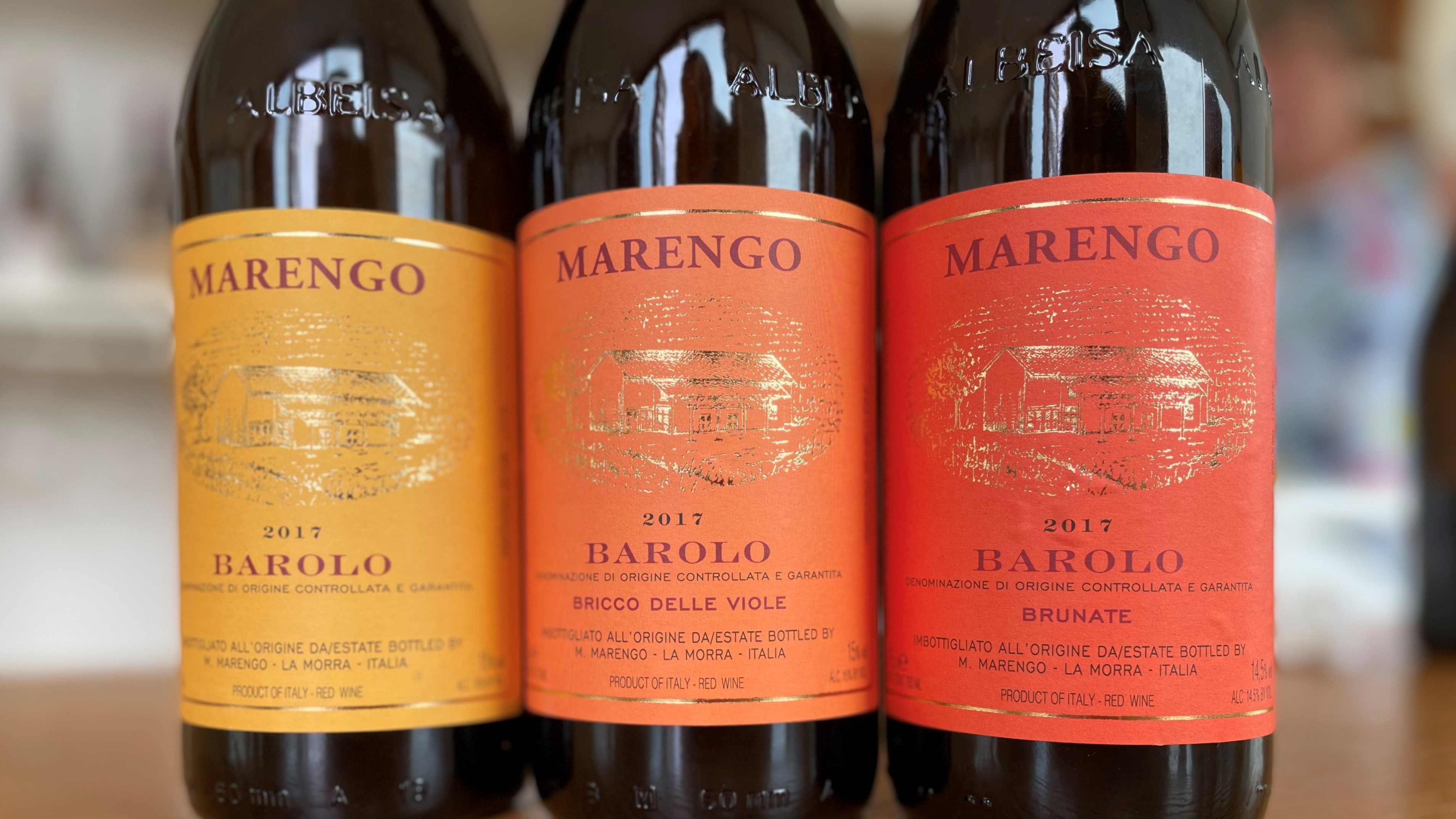
Marengo Barolo 2017
The classic Barolo is a bit concentrated, similar to many other 2017 Barolo’s. The tannins are big and a bit more chewy compared to the 2016, but the wine is good!
Barolo Bricco Delle Viole 2017
The Bricco delle Viole has a beautiful floral nose with aromas of dark fruit. Also quite concentrated. Very easy to drink with lots of fruit and good length.
Marengo Barolo Brunate 2017
The Brunate was a little bit closed at first, but opens up in the glass and becomes the Brunate we all know and love. A big but elegant wine with hints of tobacco and leather.
Meet the Marengo Family
Marengo: Geek or nerd, in the modern, positive, definition of the words. The same way Bill Gates is often referred to as a nerd, an expert and enthusiast, and obsessed with intellectual pursuit of winemaking.
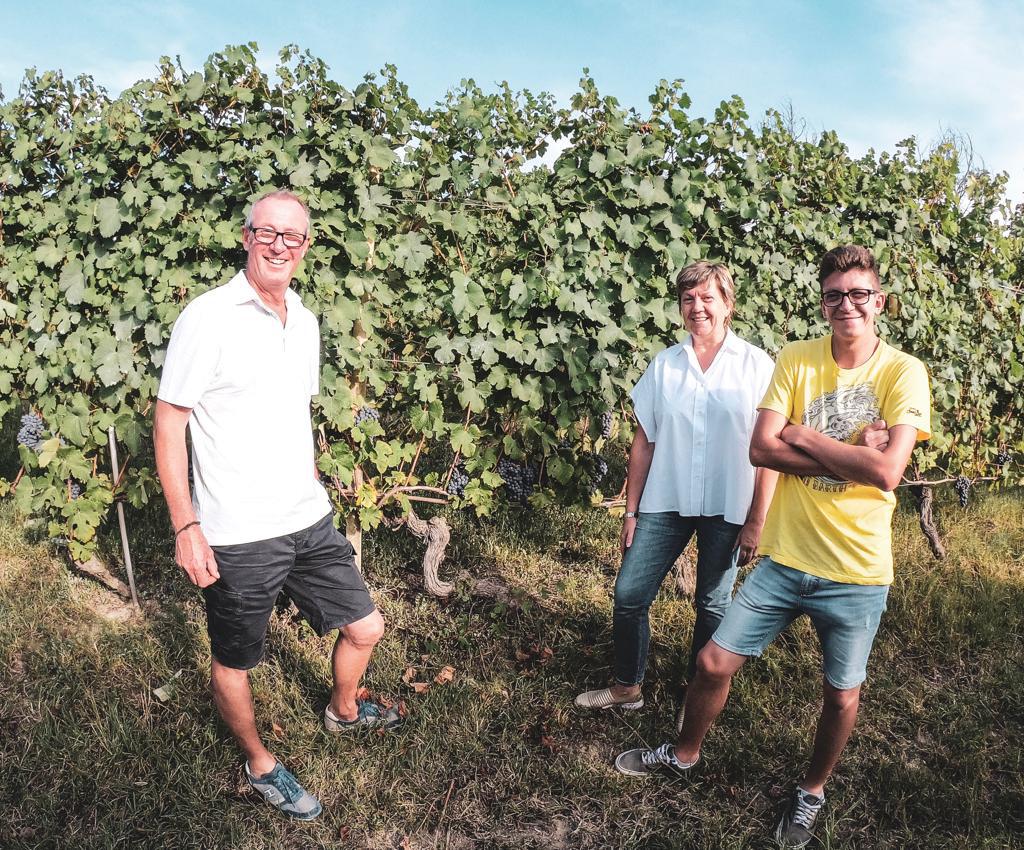
Jenny and Marco Marengo are warm and generous people, who are very passionate about their wines. Their son, Stefano, recently joined the winery full time, and the three of them work enthusiastically together in the pursuit of excellent winemaking.
If you ever feel like you need an introduction to Piemonte, you’ve come to the right place! And even if you don’t feel like you need one, my bet is that you’re still in the right place. One of my all time favorite things to do, is share my love of wine with others. And so that’s what I do.
My goal is for you to learn something new while having fun. I want to introduce you to good wines and wonderful winemakers. I aspire to create a space where you can ask any question you might have. In fact, the more questions you have, the better the experience will be. And I want you to know: at a Piemontegirl Tasting there are no stupid questions.
“A True Learning Experience”
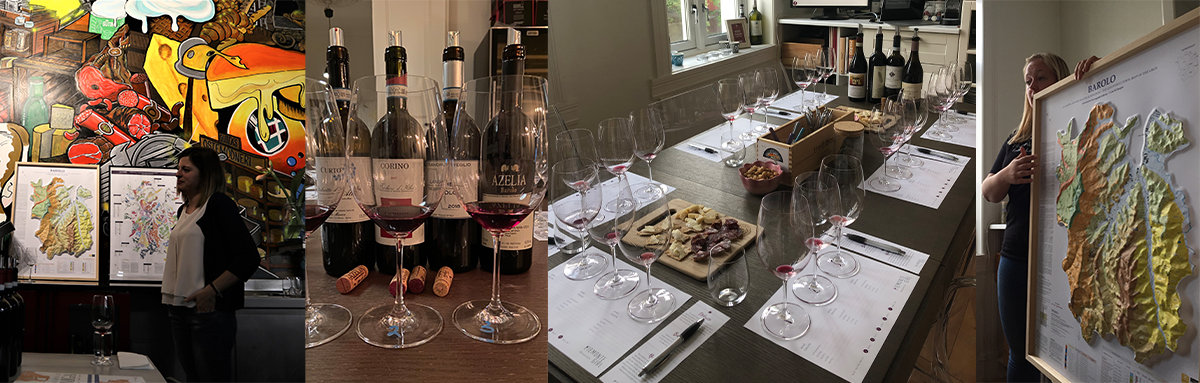
We were lucky to have Piemonte Girl take the wine club Garva through tasting of the four wines above. That proved to be a great tasting event combined with a true learning experience. Piemonte Girl has extensive knowledge of the wines we tasted and the Piedmont wine region. Funny that she also spiced it all up with small anecdotes from her time living in Piedmont and working at vineyards there. An experience to be repeated.
“Introduction to Piemonte” is a perfect way to discover what Piemonte has to offer! Together we will taste the three most important red grape varieties. This course is “one size” fits all, and is suitable for everyone. You don’t need any previous knowledge.
Piemontegirl will bring glasses, wine, snacks and many good stories. This course includes 4 wines.
Price: 3499kr *max 8 people
Introduction to Piemonte Virtual Tasting
Just because Piemontegirl is currently located in Oslo and the winemaker from Langhe is located in Piemonte, does not mean we can’t share a meal and some wine together.
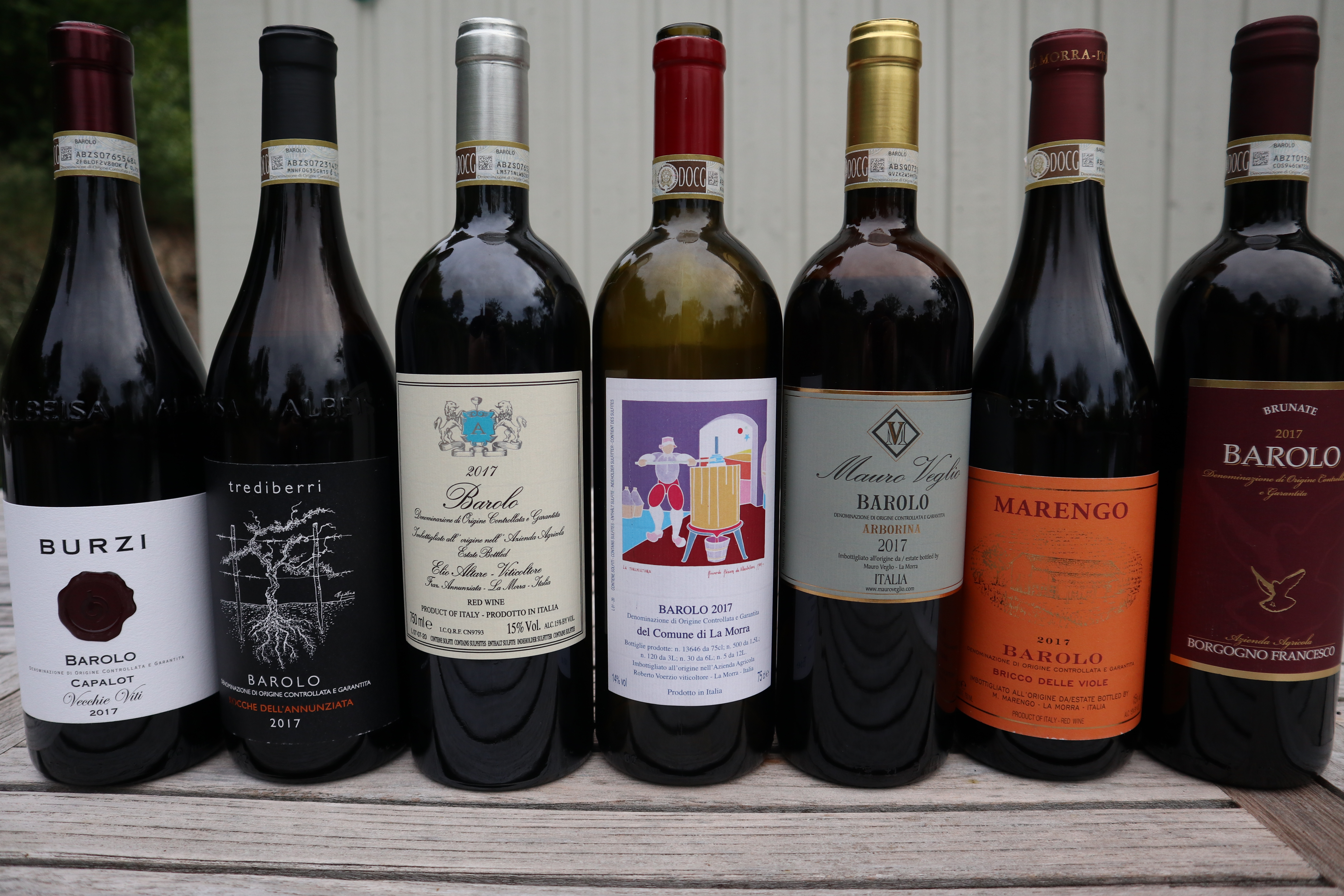
Below are tasting notes of Barolo 2017 in alphabetical order.
Altare Barolo The Altare Barolo 2017 has a beautiful Nebbiolo nose. Floral, fruity and mineral; Just like a Barolo should smell. On the nose you’ll also find aromas of cherry, chocolate, tobacco and rose petals. A balanced and approachable Barolo with good length!
Andrea Oberto Barolo La Morra A subtle but floral Barolo with aromas of red fruit. The tannins are present, but not in any way aggressive. In Andrea’s own words, it’s “molto morbido”, which means “very soft”.
Andrea Oberto Barolo Arbarella The Albarella is even more subtle nose, with aromas of tobacco, spices and red fruit. The tannins are round, but a bit bigger than the La Morra.
Andrea Oberto Barolo Rocche dell’Annunziata Round, good bodied and balanced. A big and complex wine that might need some time to open up in the glass. My favorite out of the three 2017 Barolo’s from Andrea Oberto.
Burzi Capalot A more concentrated Barolo with aromas of dark red fruit and berries with a hint of tobacco. Some floral notes as wel
Cascina Fontana Barolo 2017 Beautiful on the nose, big in the mouth with robust tannins. This wine will benefit from some time in the bottle.
Cavallotto Bricco Boschis Beautiful nose with aromas of roses, herbs, red fruit and a hint of chocolate. Medium round tannins with a good finish.
Chiara Boschis Barolo Cannubi The Cannubi is always more elegant than the Via Nuova and Mosconi. An attractive, voluptuous Barolo with good structure.
Chiara Boschis Barolo Via Nuova The Via Nuova has slightly bigger tannins compared to the Cannubi. In addition to the aromas of red fruit there are hints of herbs and spices.
Chiara Boschis Barolo Mosconi The Mosconi was very floral and slightly feminine on the nose. Also quite aromatic. But in the mouth it’s more masculine. A big Barolo.
Crissante Alessandria Barolo Del Comune di La morra The Barolo Del Comune di La morra 2017 consists of 60% Rogeeri, 20% San Biagio and 20% Bettolotti. The wine ages for 24 months botte grande. The 2017 is quite concentrated and a bit war, with aromas of dark red fruit.
Diego Morra Barolo Zinzasco Typical Barolo nose with aromas of red fruit, roses and spices. Well-rounded tannins and good balance. A beautiful wine.
Diego Morra Barolo Monvigliero The Monvigliero is a bit “bigger” than the Zinxasco. Aromas of dark red fruit, spices and white pepper. Warm but not ripe. Big but balanced. A well rounded Barolo!
Ettore Germano Barolo Serralunga A fruity, floral and fresh Barolo with a slight hint of mint. A more masculine Barolo with gripping tannins. Long finish. A very good wine.
Ettore Germano Barolo Prapo The Prapo Barolo is a bit more concentrated compared to the Cerretta. Warmer fruit, also a tad warmer in the mouth. A more linear wine, straight to the point.
Ettore Germano Barolo Cerretta The Cerretta Barolo is quite fresh, with good fruit. A bit more complex than Prapo, with good fruit and some mineral notes.
Francesco Borgogno Barolo Brunate The Francesco Borgogno Brunate was not as concentrated as many of the other Barolo 2017’s I’ve tasted. A big but elegant wine. Leaves you wanting more.
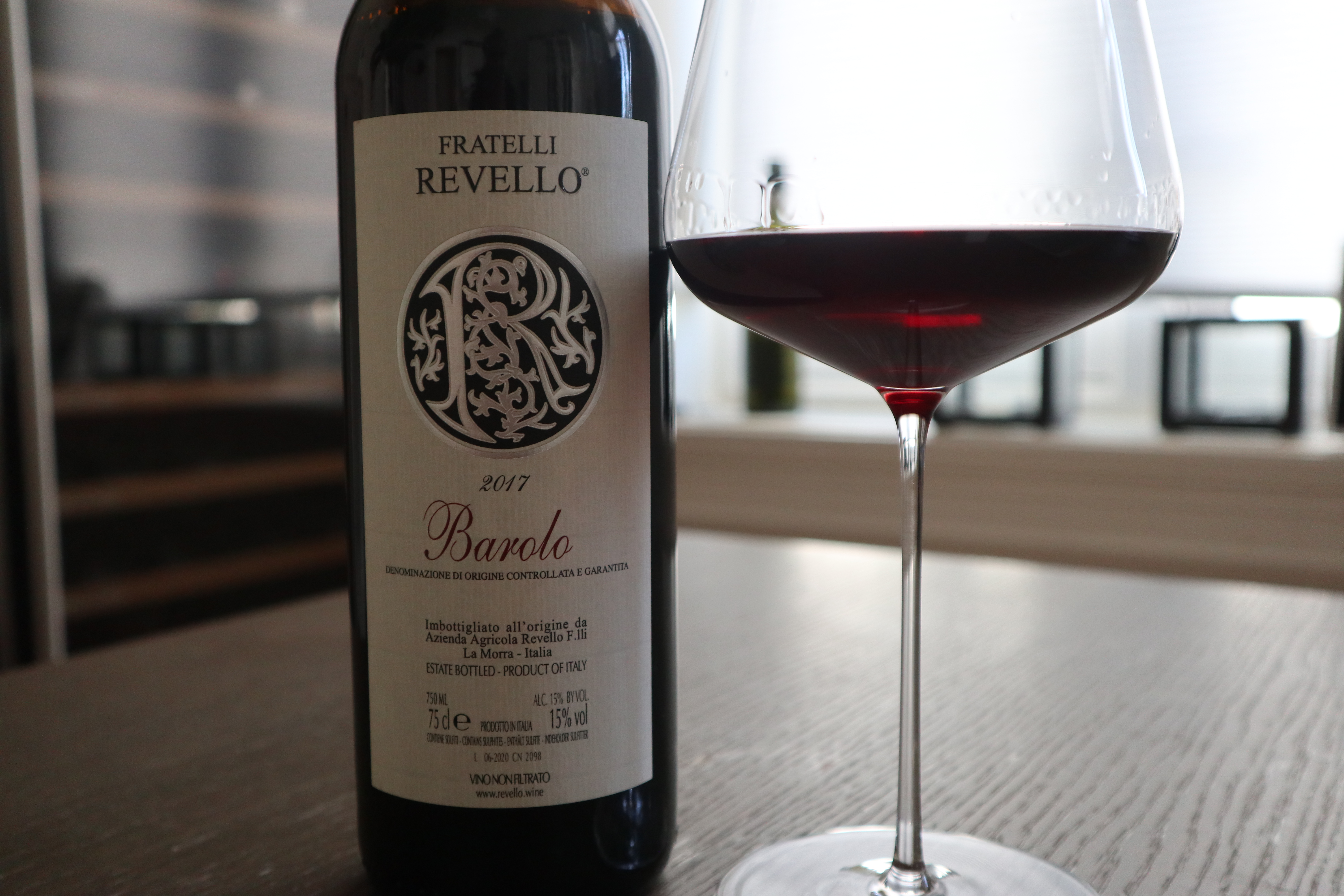
Fratelli Revello Barolo The Fratelli Revello Barolo 2017 has that beautiful Barolo aroma. As with other 2017’s, it’s more concentrated than 2016, with aromas of dark fruit. There are also floral notes, a feminine touch, typical of wines from La Morra. Quite structured in the mouth, with good balance. The 2017’s are very young, and will probably benefit from some time in the bottle.
Fratelli Revello Barolo Conca The Conca is more masculine than the classico. But it’s also a bit fruitier with aromas of red berries, Big tannins and good structure.
Giovanni Corino Barolo del Comune di La Morra A complex nose, with hints of fruit. A more concentrated Barolo with relatively big tannins.
Giovanni Corino Barolo Bricco Manescotto The Bricco Manescotto is quite similar to the Barolo del Comune di La Morra on the nose. Aromas of fruit and tobacco. Fruity in the mouth, followed by tannins.
Giovanni Corino Barolo Arborina An aromatic Barolo with good concentration. Floral and fruity on the nose. A balanced wine with good tannins. Nice length as well. A great Barolo 2017!
Luigi Pira Barolo Vignarionda The Luigi Pira Barolo Vignarionda is considered Pira’s top wine. Aged for 24 months in a mix of barrique, tonneau and botte grande. Floral and fruity on the nose, with hints of mineral and we earth. The Vignarionda is a big, but the tannins disappear quickly, and you’re left with a well-balanced Barolo.
Marengo Barolo The classic Barolo is a bit concentrated, similar to many other 2017 Barolo’s. The tannins are big and a bit more chewy, especially compared to the 2016, but the wine is good!
Marengo Bricco Delle Viole The Bricco delle Viole has a beautiful floral nose with aromas of dark fruit. Also quite concentrated. Very easy to drink with lots of fruit and good length.
Marengo Barolo Brunate The Brunate was a little bit closed at first, but opens up in the glass and becomes the Brunate we all know and love. A big but elegant wine with hints of tobacco and leather.
Mauro Veglio Arborina The 2017 Arborina is perhaps a bit more masculine than the 2016. Aromas of darker fruits, flowers and a hint of tobacco. A very approachable Barolo.
Nadia Curto Barolo La Foia The Nadia Curto Barolo La Foia is made exclusively with grapes from the Arborina vineyard. The 2017 was quite aromatic with notes of red fruits, flowers and a hint of tobacco. A good example of a 2017 Barolo!
Nadia Curto Barolo Arborina The Arborina 2017 is a bit warmer than the Barolo La Foia 2017, with notes of darker red fruits and berries.
Principiano Barolo An austere Barolo with aromas of leather and wet earth. Spicy in the mouth. A very interesting wine.
Roberto Voerzio Barolo del Comune di La Morra The Roberto Voerzio Barolo del Comune di La Morra 2017 is quite concentrated. Aromas of red fruits with a hint of tobacco. Floral aromas of rose petals and violets. Feminine but concentrated. Develops in the mouth: Starts big, mellows out. Long finish.
Trediberri Rocche dell’Annunziata The Trediberri Rocche is very inviting. Fruity and floral with aromas of red fruits and cherry. Perhaps a hint of licorice as well. Good balance and good length. An approachable wine.
Vietti Castiglione A very fruity Barolo with a spicy nose. Perhaps a hint of mint? Balanced, approachable but also a bit austere. A very complex wine.
The Fratelli Revello Barolo 2017 has that beautiful Barolo aroma. As with other 2017’s, it’s more concentrated than 2016, with aromas of dark fruit. There are also floral notes, a feminine touch, typical of wines from La Morra. Quite structured in the mouth, with good balance. The 2017’s are very young, and will probably benefit from some time in the bottle.
2017 vs 2016
Every vintage is different. Some are hot, some are cold, some are dry and some are wet. And then you have everything in between. You could refer to 2017 as a dry vintage. There was basially a drought from August to November. 2 days of rain in September “saved” the harvest, along with the water reserve from the rainfall in the spring. I’ve only tasted a handful of 2017 Barolo’s so far, but the vintage seems promising.
The Fratelli Revello Barolo 2016 seduces you with aromas of red berries, licorice, tobacco and roses. The wine is powerful yet elegant, with a round fruity feel backed up by a good structure.
The Fratelli Revello story dates all the way back to 1945, but it wasn’t until 1967 they started to vinify their grapes under a family label – Giovanni Revello & Figli. In 1990, Carlo and Lorenzo Revello took over the estate, and worked together until 2016 when they decided to go in different directions. Fratelli Revello stayed with Lorenzo while Carlo started his own label: Carlo Revello & Figli.
It’s quite common for wineries to divide and “multiply” as the family grows. The same happened to the Corino’s in 2005. Just imagine how many would end up working at a winery if everyone had 2-4 children each! I think it’s a win-win, because then each sibling gets to make wine in their own way and we get another interpretation of the wine!
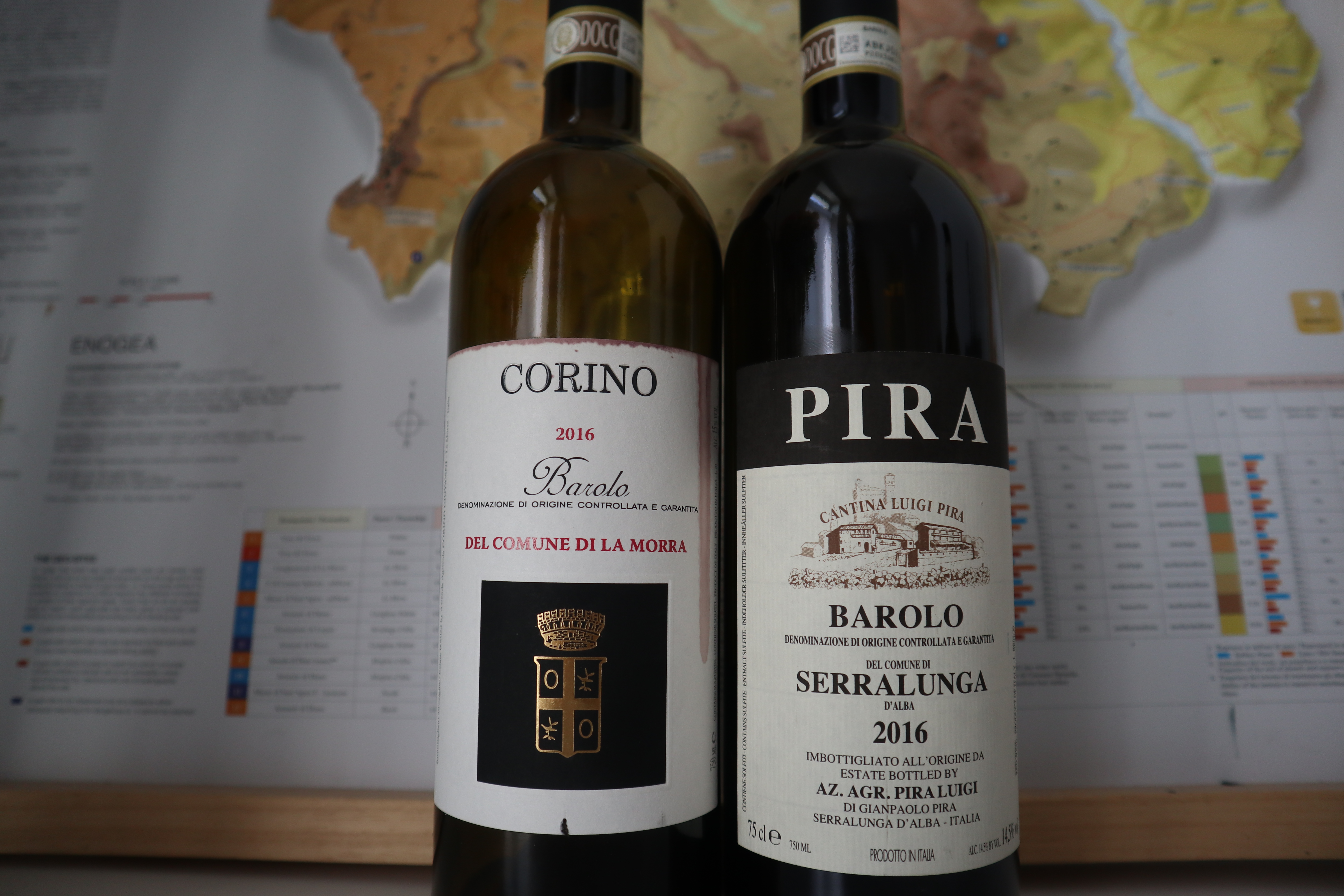
What is a Barolo del comune di “La Morra” or a Barolo de comune di “Serralunga”? The Comune Barolo’s are relatively new, and were previously called just Barolo. In the Barolo region there is a distinction between Barolo and single vineyard Barolo, the difference being where the grapes come from.
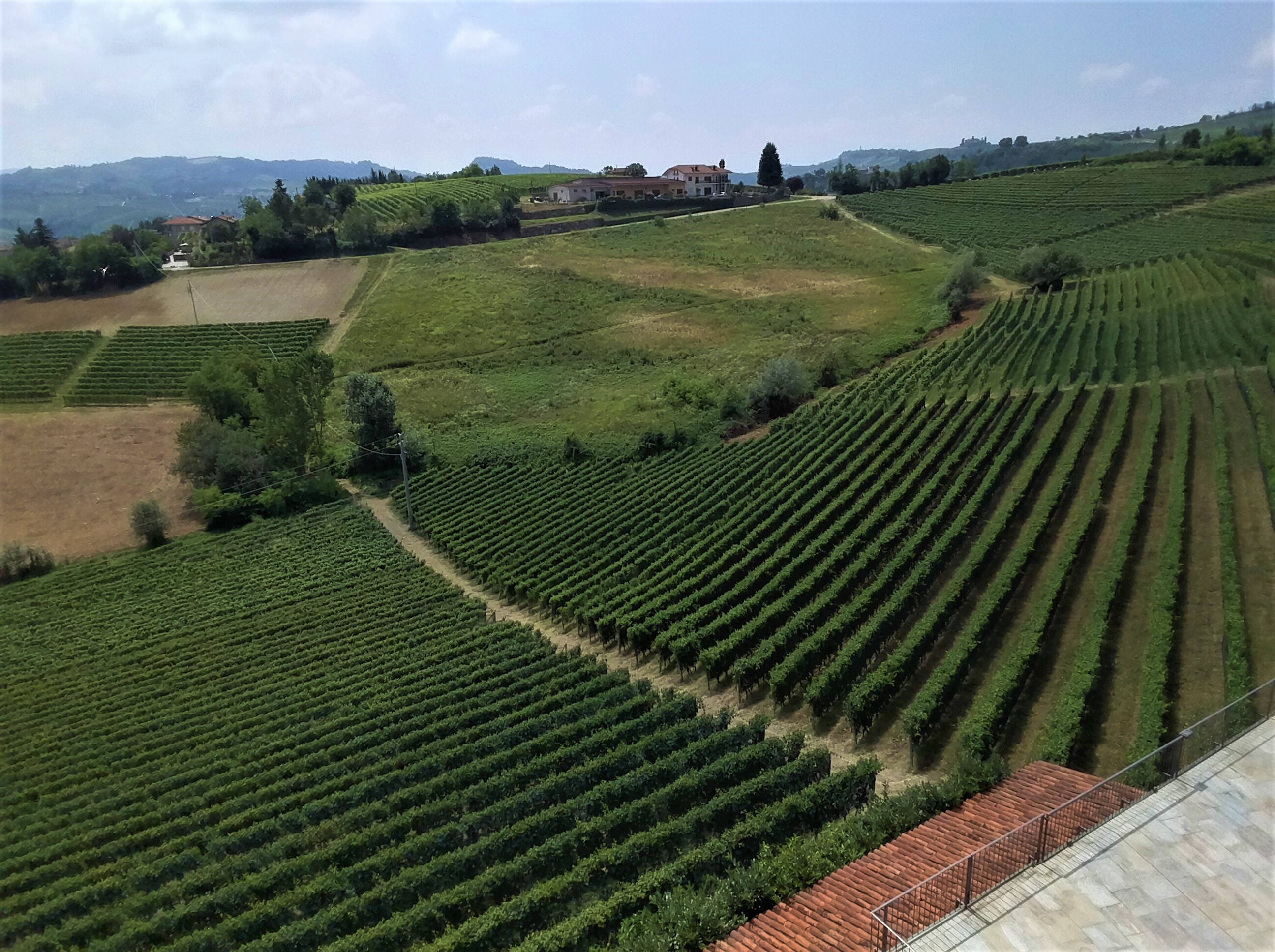
Arborina in La Morra
Blend vs. single Vineyard
In the classic Barolo, the grapes usually come from different vineyards and are blended together into one wine, as opposed to the single vineyard Barolo, where all the grapes come from one specific vineyard.
Most winemakers these days make both a blend and single vineyard Barolo’s. I say most, but there are of course exceptions, like Maria Teresa Mascarello. There is only one Bartolo Mascarello Barolo, and it’s a blend from four different vineyards. Exceptions aside, you’ll find most winemakers have both a single vineyard Barolo as well as some single vineyard Barolo’s in their line-up.
Comune vs Classic Barolo
What is the difference between the “Barolo del commune di” and the Barolo Classico? In the Comune Barolo, all the grapes come from the specific Comune, whereas in the Barolo Classico the grapes can come from any of the Barolo villages. But why make the distinction? Terroir plays an integral part in Barolo, and the terroir differs from town to town, making a Comune Barolo an interesting concept. It’s not single vineyard representing a Cru, but it does represent the Comune. *as with the rules for single vineyard wines, they can add up to 15% of the grapes from any Barolo vineyard.
For instance, the Giovanni Corino Barolo del Comune di La Morra has quite different characteristics from the Luigi Pira Barolo del Comune di Serralunga. The La Morra Barolo is a bit more feminine and elegant, whereas the Serralunga Barolo is more masculine and structured.
Note: there are other factors that affect the wine, but it is generally accepted that the wines from La Morra are more feminine than wines from Serralunga.
Tasting Notes
Giovanni Corino Barolo del Comune di La Morra
Beautiful floral aromas, as well as cherry and other red fruit. Elegant and balanced, with a feminine touch. One year in the bottle has rounded the tannins quite a bit, and the wine has perhaps become even more approachable!
Luigi Pira Barolo del Comune di Serralunga
Aromas of cherry and black currant, darker fruits than the Barolo from La Morra. The tannins are also a bit bigger and the wine is more structured. A big but elegant wine. After one year in the bottle, the tannins are still quite persistent. I think this wine could benefit from a few more years in the cellar.
Norwegians will celebrate constitution day next week and I’ve found some of my best wine tips for the occasion! PS: these wines fit any celebration, or just a regular Tuesday! So you can keep reading even if you’re not celebrating 17 Mai
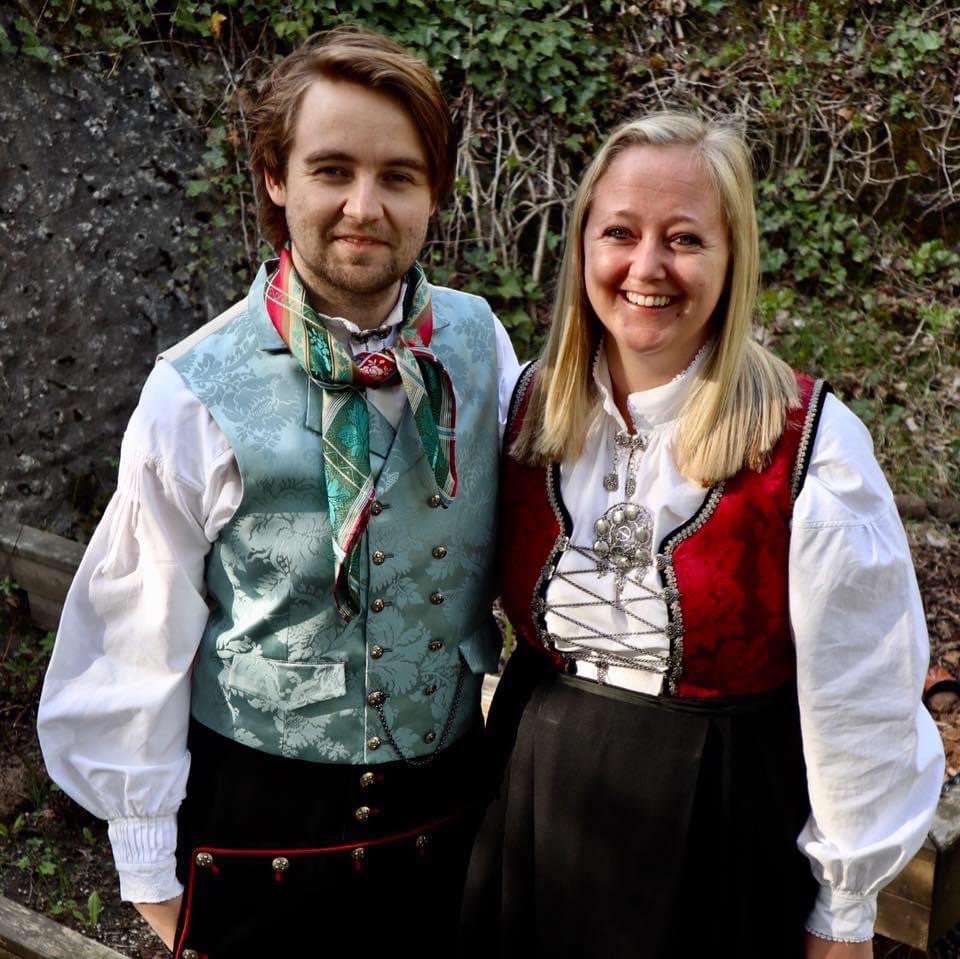
17 mai outfits
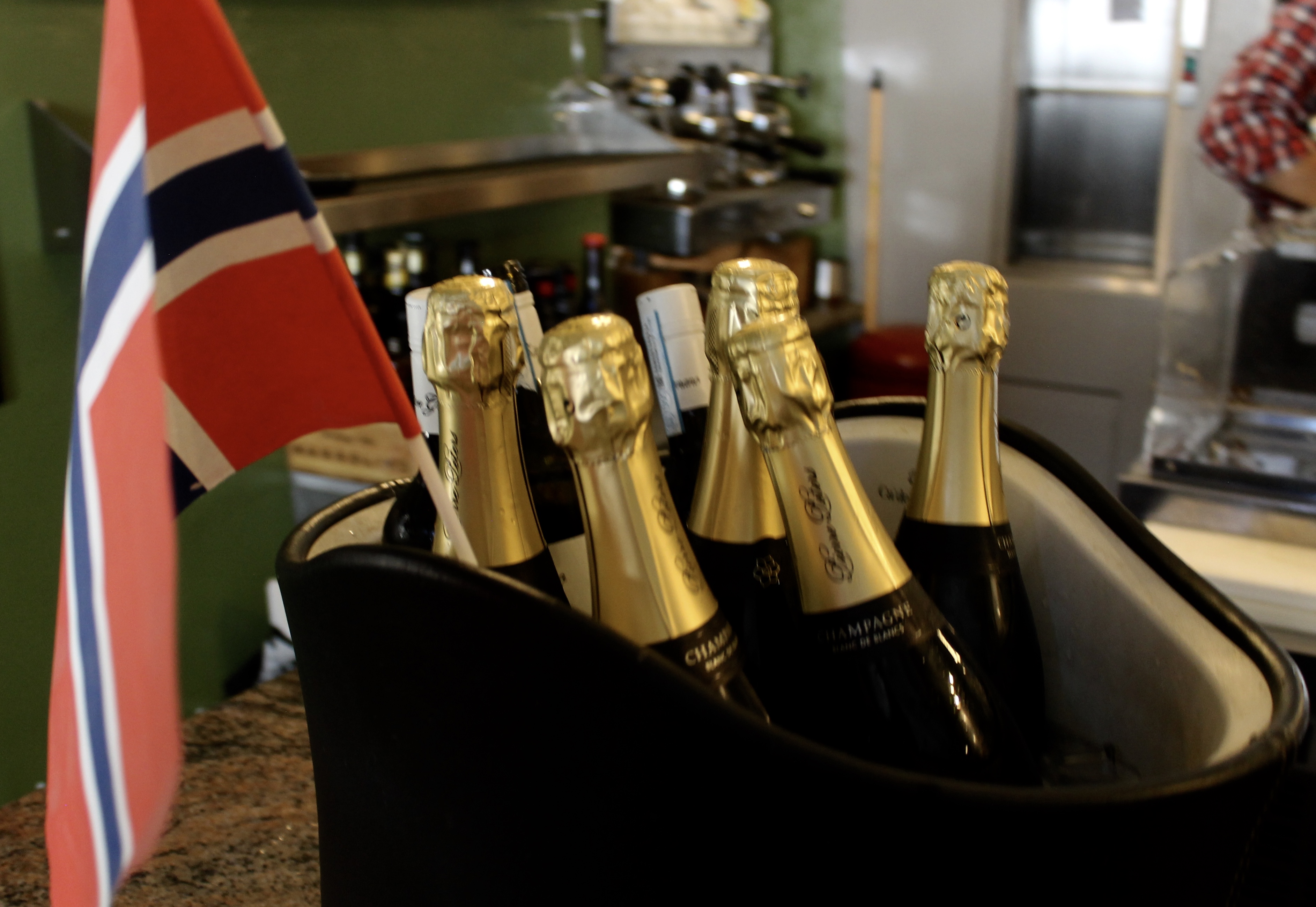
17 Mai Champagne Breakfast
It is customary to attend a Champagne Breakfast the morning of 17 Mai. And even if you don’t, it’s a safe bet that you will drink Champagne (or other bubbles) later in the day!
Even though I usually prefer Champagne, there are some alternative choices. One of my good friends from Langhe, Ettore Germano, makes multiple sparkling wines. I’d recommend the Ettore Germano Alta Langa Extra Brut. And the Nyetimber Classic Cuvee is a good English sparkling.
What do you pair with the 17 Mai hot dog?
Those of you who have followed me for a while probably know about the infamous “Hot dog and Barolo” event that takes place late May. If you haven’t tried Barolo with a hot dog, you should! What better way to make a fairly simple food feel extra celebratory? The Cavallotto Barolo Bricco Boschis 2017 is a very good option!
Although Barolo is a good option, you might want some less expensive wine on deck! A Langhe Nebbiolo would do the trick! Here are some of my favorite Langhe Nebbiolo 2019.
Wine for the Chef
Now, this might be the most important wine of the day! The chef obviously needs a glass to enjoy while cooking! My personal favorite would be a Dolcetto, but a glass of white would also work well!
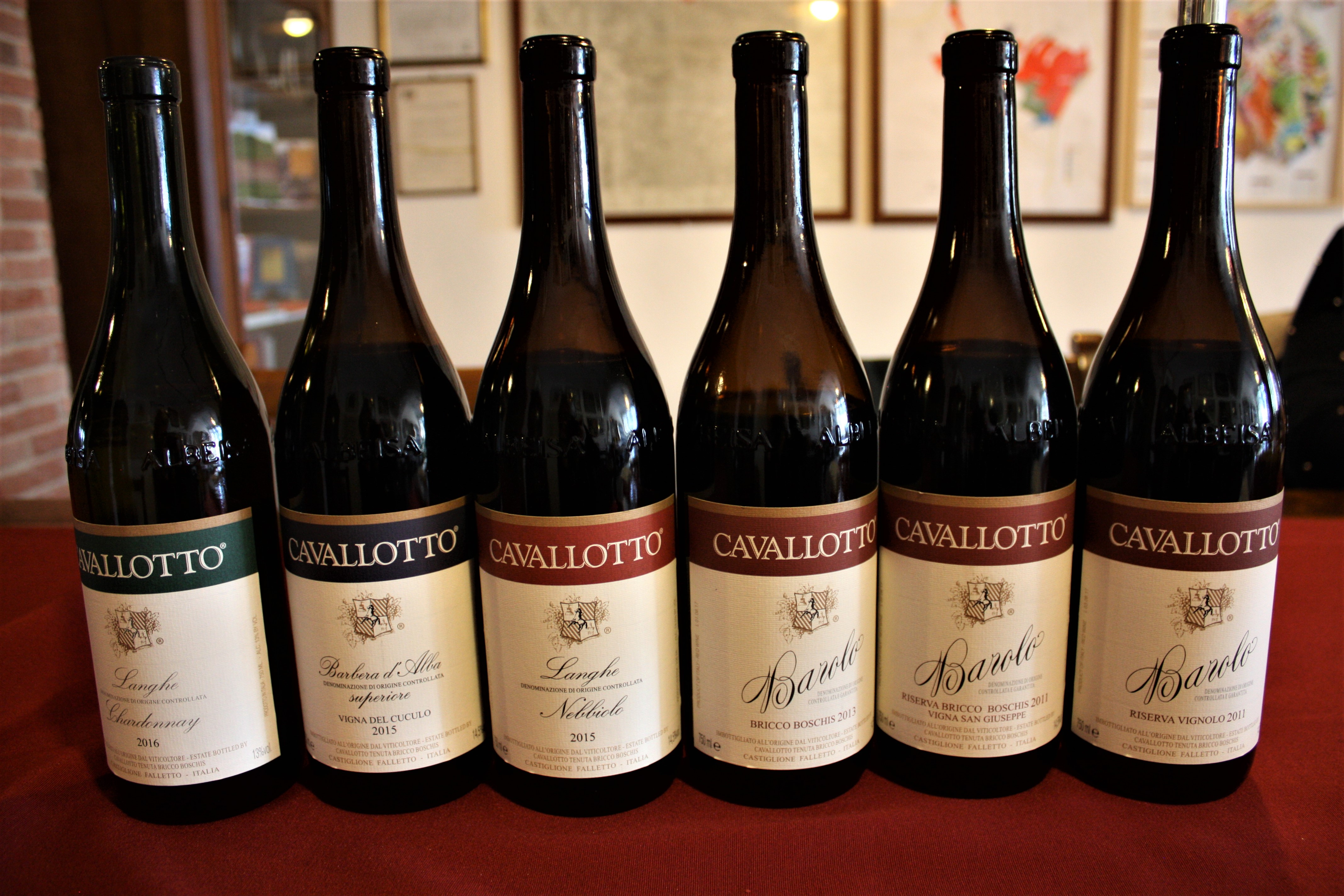
The Cavallotto estate dates back to 1928, but the first bottle of Cavallotto Barolo wasn’t released until 1948. Back then it wasn’t common to bottle wine under a family label. Most farmers sold their grapes or sold the wine in bulk. Olivio and Gildo Cavallotto were the ones who began to vinify and bottle the wine under the family name, and today their children Alfio, Giuseppe and Laura continue the work of their family.
Wines
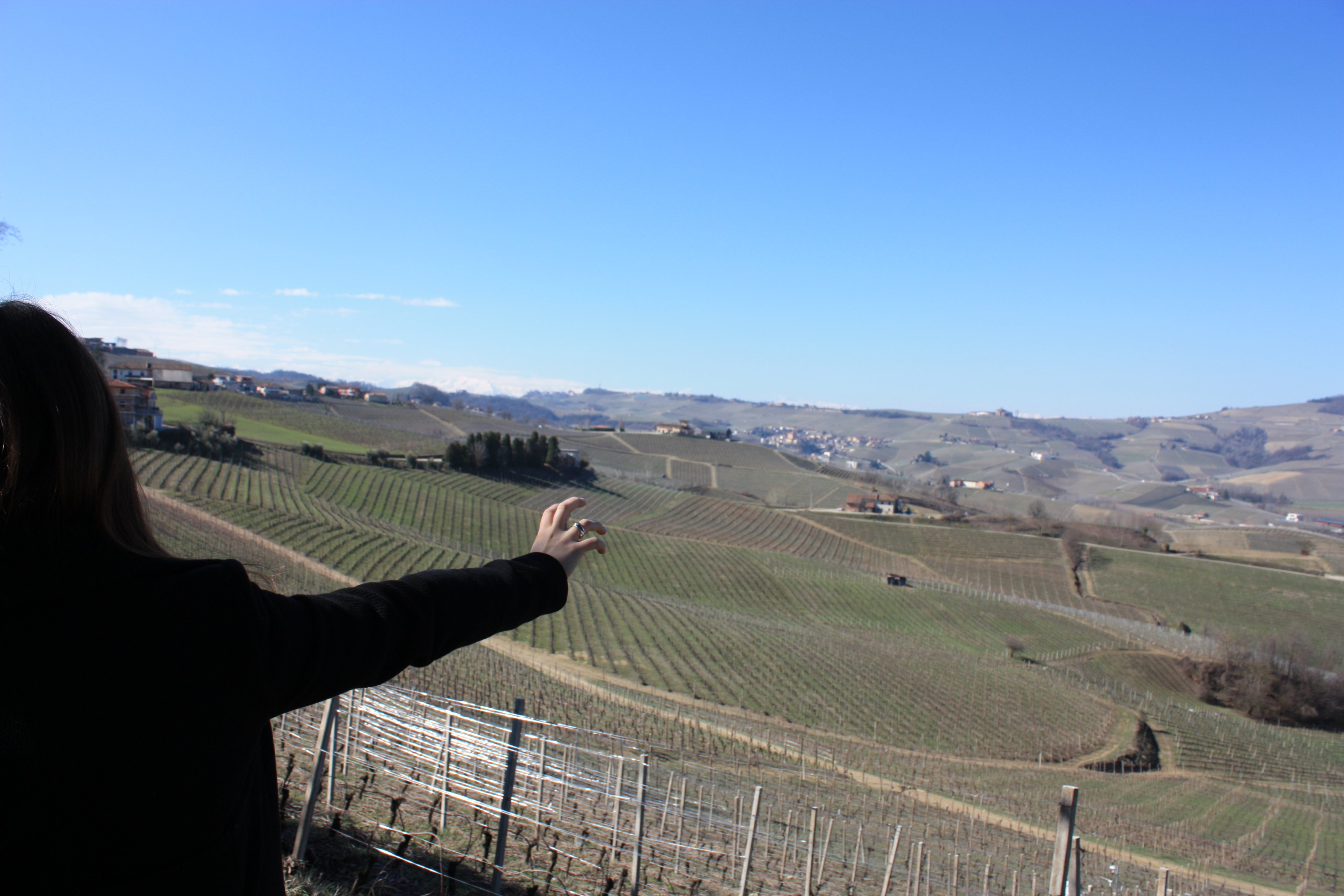
All the Cavallotto vineyards are located around the estate in Castiglione, and most of the grapes grow in the historic Bircco Boschis vineyard. Of the 25 hectares a whopping 17 hectares (more than half) is Nebbiolo for Barolo. In addition to the usual suspects (Dolcetto, Barbera and Nebbiolo), the Cavallotto family also cultivates Freisa, Pinot Noir, Chardonnay and Grignolino.
Winemaking
Contemporary Traditionalists – that’s what I would call the Cavallotto family. They use “modern” technology like temperature controlled stainless steel tanks and modern crushing techniques, but “traditional” ageing methods with bigger barrels. Honestly, I think the whole “modern” vs “traditionalist” debate is out of date, and there is so much more to the whole story than what type of oak is used. Just ask Chiara Boschis!
Sustainable winemaking – another term to use about the Cavallotto family! As it says on their website, “Alfio and Giuseppe Cavallotto, both enologists, are deeply attentive to their vineyard practices, and all work is performed according to a fundamental respect for the land.”
Fun fact
The Cavallotto have multiple weather stations, where they monitor the weather closely. They started this because the local weather station was located in Alba, and the climate there is quite different from the climate in Castiglione.
Fun fact II
Alfio is experimenting with alternative methods to spray plants with natural herbicides and one of the options currently on the table is drones.
Wines
Wines available in: Norway Australia Germany Hong Kong Italy Netherlands Switzerland UK USA
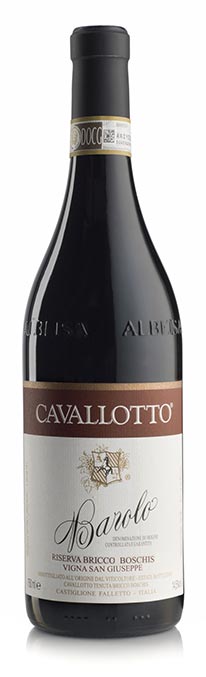
Barolo Riserva Bricco Boschis Vigna San Giuseppe
BASIC INFORMATION
Product name: Barolo Riserva Bricco Boschis Vina San Giuseppe Grape: Nebbiolo Classification: DOCG Number of bottles produced: 9 000 Fragrance: fruity, floral, spices Taste: fresh acidity, ripe fruits, long finish Food pairing: prosciutto, salami, red meat, grilled fish, aged cheese
VINIFICATION (Wine-making)
Method: fermented with indigenous yeasts, macerated with submerged cap for 20-35 days. Ageing: Traditional in Slavonian Oak Casks for 4-5 years. Minimum aging in bottle: 12 months
VINEYARD
Vineyard: San Giuseppe Exposure: South-West Year planted/Age of plants: 1961 / 60 years old
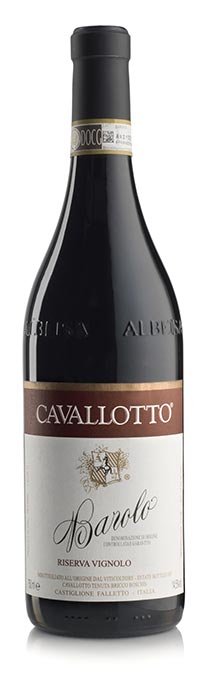
Barolo Riserva Vignolo
BASIC INFORMATION
Product name: Barolo Riserva Vignolo Grape: Nebbiolo Classification: DOCG Number of bottles produced: 6 500 Fragrance: fruity, floral, spices Taste: structured, long finish Food pairing: prosciutto, salami, red meat, grilled fish, aged cheese
VINIFICATION (Wine-making)
Method: fermented with indigenous yeasts, macerated with submerged cap for 20-35 days. Ageing: Traditional in Slavonian Oak Casks for 4-5 years. Minimum aging in bottle: 12 months
VINEYARD
Vineyard: Vignolo Exposure: South-West Year planted/Age of plants: 1966/ 55 years old
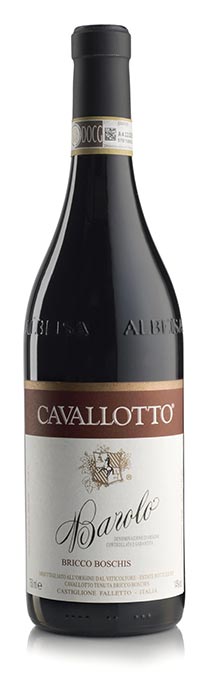
Barolo Bricco Boschis
BASIC INFORMATION
Product name: Barolo Bricco Boschis Grape: Nebbiolo Classification: DOCG Number of bottles produced: about 35 000 Fragrance: fruity, floral, spices Taste: dark fruits, licorice, ripe tannins Food pairing: prosciutto, salami, red meat, grilled fish, aged cheese
VINIFICATION (Wine-making)
Method: fermented with indigenous yeasts, macerated with submerged cap for 20-35 days Ageing: Traditional in Slavonian Oak Casks for 3-3.5 years Minimum aging in bottle: 6-12 months
VINEYARD
Vineyard: Various parcels inside Bricco Boschis, including the historic Punta Marcello and Colle SudOvest plots Exposure: : South, South-West, South-East, West Year planted/Age of plants: 1971/ 50 years old
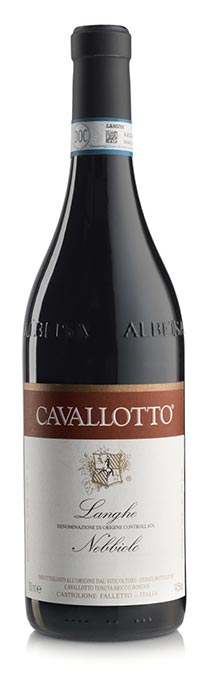
Langhe Nebbiolo
This Nebbiolo comes from Barolo vineyards, generally from the youngest vines.
BASIC INFORMATION
Product name: Langhe Nebbiolo Grape: Nebbiolo Classification: DOC Number of bottles produced: about 20 000 Fragrance: red fruits and flowers, spices Taste: red fruit, spices, intense, structured Food pairing: pasta, simple red meat, seasoned cheese
VINIFICATION (Wine-making)
Method: fermented with indigenous yeasts, macerated with submerged cap for 20-35 days Ageing: Traditional in Slavonian Oak Casks for 15-18 months Minimum aging in bottle: 6 months
VINEYARD
Vineyard: Various inside Bricco Boschis, Codana and Pernanno; grown in 100% Nebbiolo da Barolo parcels Exposure: South-East, South, South-West, West Age of plants: 50-60 years old
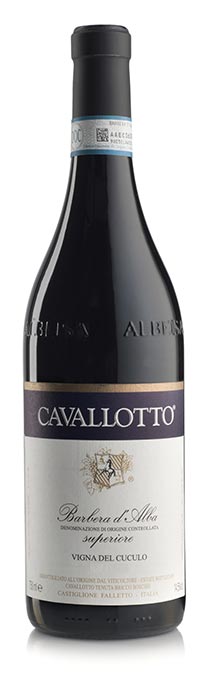
Barbera d’Alba
BASIC INFORMATION
Product name: Barbera d’Alba Vigna Cuculo Grape: Barbera Classification: DOC Number of bottles produced: around13 000 Fragrance: red fruit, ref flowers Taste: black stone fruit, cassis, fresh, goof acidity Food pairing: salami, pasta, pizza, robust white meat, aged cheese
VINIFICATION (Wine-making)
Method: fermented with indigenous yeasts, macerated with submerged cap for 10-15 days Ageing: Traditional in Slavonian Oak Casks for 15-18 months Minimum aging in bottle: 6 months
VINEYARD
Vineyard: the “Vigna Cuculo” parcel inside Bricco Boschis Exposure: Southwest/West Age of plants: 59 years old
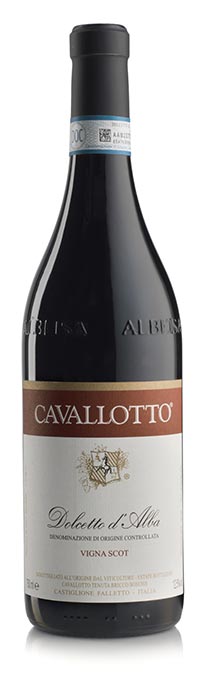
Dolcetto D’Alba Vigna Scot
BASIC INFORMATION
Product name: Dolcetto d’Alba Vigna Scot Grape: Dolcetto Classification: DOC Number of bottles produced: 13 000 Fragrance: cherries and other red fruit Taste: red fruit and berries, spices, mineral notes Food pairing: appetizers, pizza
VINIFICATION (Wine-making)
Method: fermented with indigenous yeasts, macerated with submerged cap for 3-4 days Ageing: In large Slavonian oak botti of 50 hl for 6 months, then in cement tanks for 6 months Minimum aging in bottle: none
VINEYARD
Vineyard: Vigna Scot parcel between Bricco Boschis and Vignolo Exposure: East/North-East Year planted: 1979
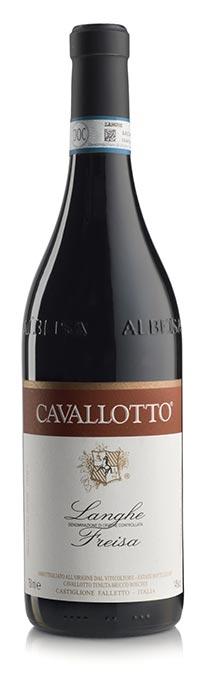
Langhe Freisa
BASIC INFORMATION
Product name: Langhe Freisa Grape: Freisa Classification: DOC Number of bottles produced: 3 000 Fragrance: cherry, strawberry and other red fruits, flowers and spices Taste: Well-structured and complex Food pairing: pasta, pizza, simple red meat
VINIFICATION (Wine-making)
Method: fermented with indigenous yeasts, macerated with submerged cap for 3-5 days Ageing: Traditional in Slavonian Oak Casks for 12-15 months Minimum aging in bottle: 6 months
VINEYARD
Vineyard: Bricco Boschis Exposure: West Year planted: 1991
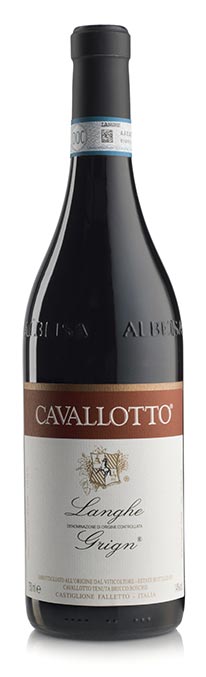
Langhe “Grign”
BASIC INFORMATION
Product name: Langhe Grign Grape: Grignolino Classification: DOC Number of bottles produced: Fragrance: strawberries, red fruits, herbs Taste: mid-weight and aromatic, red fruit, mineral Food pairing: appetizers, pasta, simple red meat, seasoned cheese
VINIFICATION (Wine-making)
Method: fermented with indigenous yeasts, macerated with submerged cap for 5 days Ageing: steel tanks for 12 months Minimum aging in bottle: 6 months
VINEYARD
Vineyard: Bricco Boschis Exposure: West and South- West Year planted: 1974
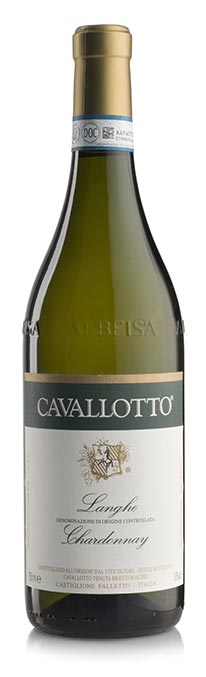
Langhe Chardonnay
BASIC INFORMATION
Product name: Langhe Chardonnay Grape: Chardonnay Classification: DOC Number of bottles produced: 4 000 Color: pale straw colored Fragrance: apple, pear, lime, tropical fruit, minerals Taste: apple, peach, mineral notes Food pairing: aperitivo, white meat, seafood
VINIFICATION (Wine-making)
Method: Low-pressure, very gentle whole berry pneumatic pressing before fermentation. Fermentation controlled at 16°-18°C for 45 days under slight pressure in stainless steel autoclaves Ageing: The wine is aged sûr lie for 9 months in the steel autoclave with daily batonnage Minimum aging in bottle: 6 months
VINEYARD
Vineyard: Slopes between Bricco Boschis and Vignane Exposure: East/North-East Year planted: 1972
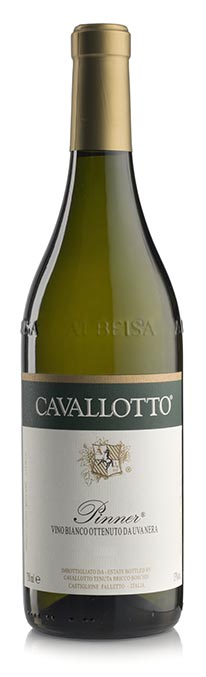
Pinner
BASIC INFORMATION
Product name: Pinner Grape: Pinot Noir Classification: Number of bottles produced: 6 000 Color: pale straw colored Fragrance: tropical fruit, minerals Taste: peach, melon, citrus Food pairing: aperitivo, white meat, seafood
VINIFICATION (Wine-making)
Method: Low-pressure, very gentle whole berry pneumatic pressing before fermentation. Fermentation controlled at 16°-18°C for 45 days under slight pressure in stainless steel autoclaves Ageing: The wine is aged sûr lie for 9 months in the steel autoclave with daily batonnage Minimum aging in bottle: 6 months
VINEYARD
Vineyard: Vignolo and Bricco Boschis Exposure: East/North-East Year planted: 1972
 PIEMONTEGIRL