Value Wines

Value wines

Listen, it’s entirely possible to enjoy quality “value wines”. And what do I mean when I say “value wines”? I mean wines with a high quality-price ratio; wines that won’t break the bank, but are still of high quality. People are very often under the impression that to be able to drink good wines, you have to break the bank. And sure, wine can cost quite a bit. But there are plenty of options out there that are on the more affordable side. So here are some of my favorite value wines from Piemonte, all under 300 NOK.
value wines

Wines under 300

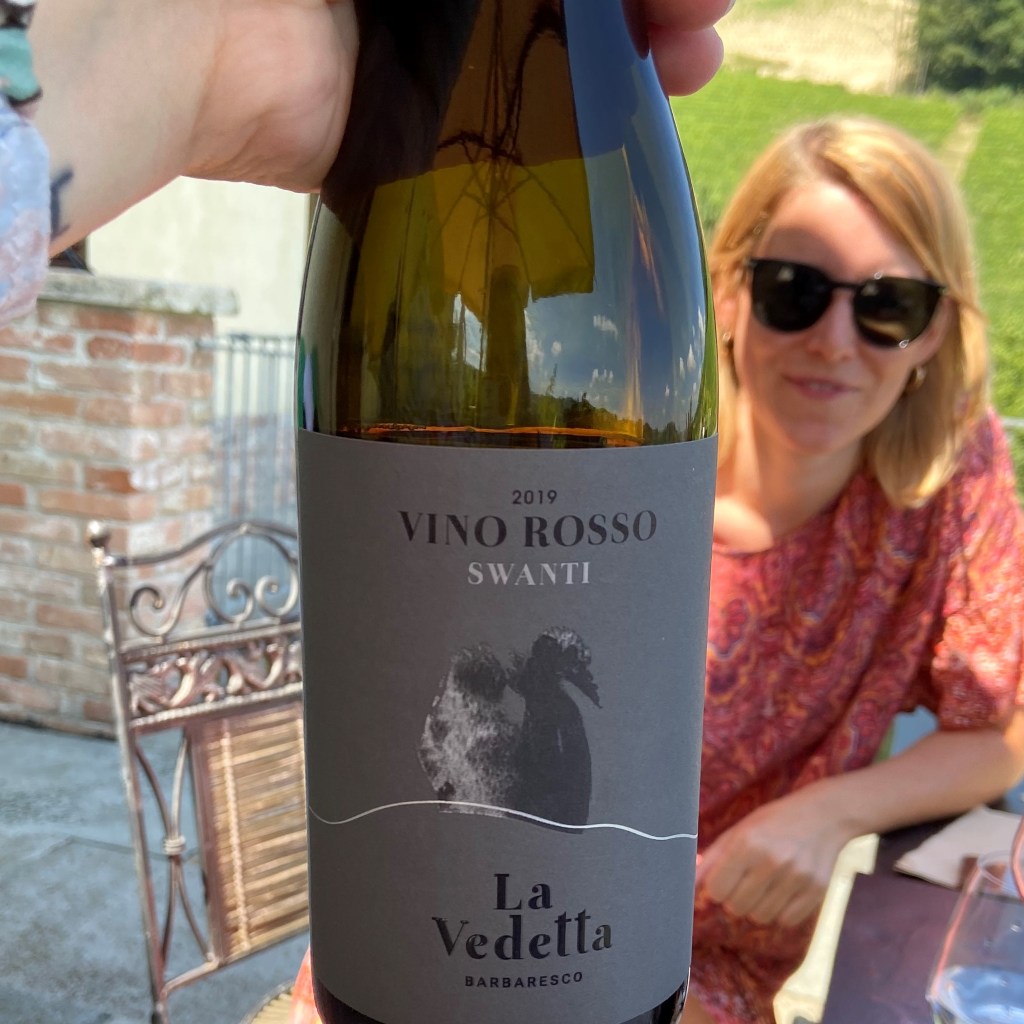
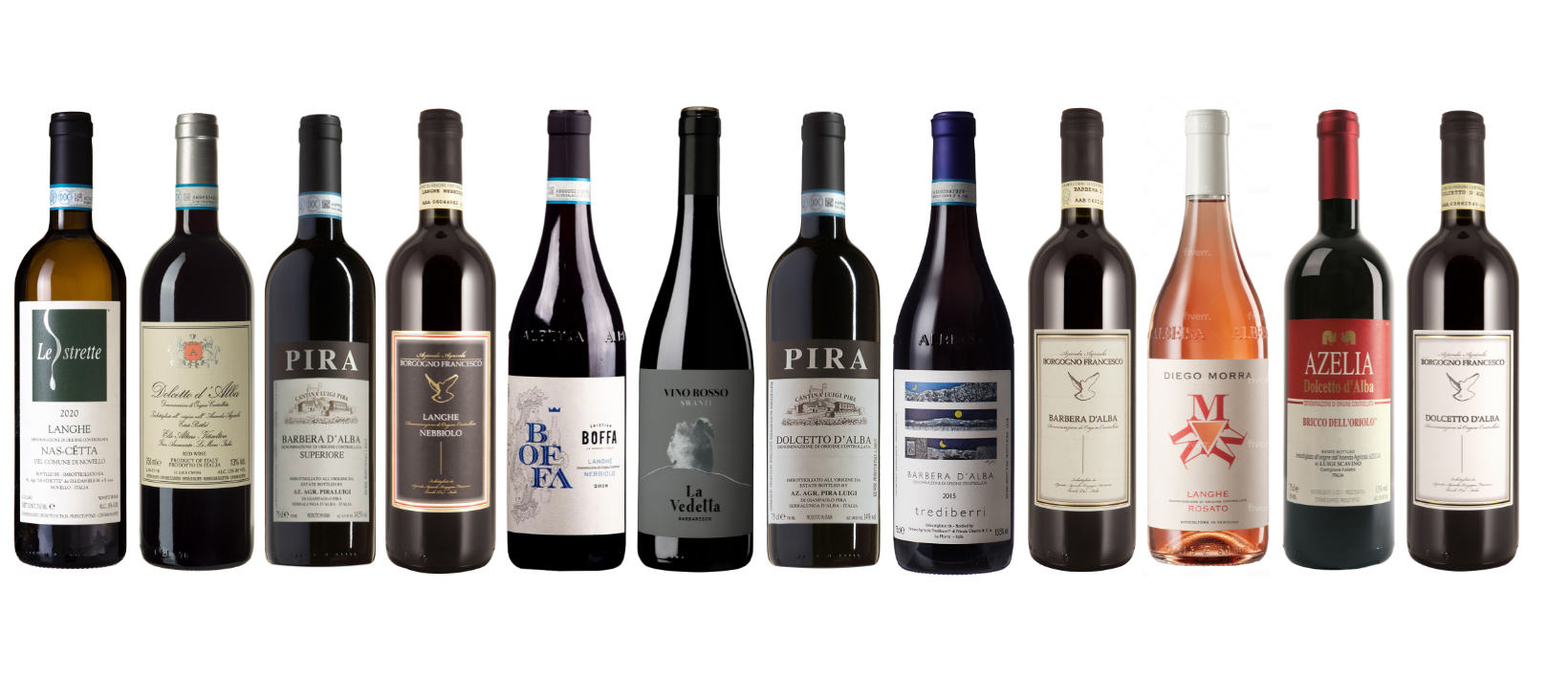
In this category, there are tons of options. If you’ve never tried Nascetta, this is your sign to change that. I discovered Le Strette some years ago, and their Langhe Nascetta del Comune di Novello is one of my favorites! Moving on to reds, the Elio Altare Dolcetto is still under 300NOK! This probably won’t last very long, so here’s your chance! Another favorite is the Luigi Pira Barbera d’Alba Superiore, which is also still in this category. Two Langhe Nebbiolo’s that are frequently found in my wine fridge are Francesco Borgono Langhe Nebbiolo and Cristian Boffa Langhe Nebbiolo. The latter is basically a “Baby Barolo”, so it’s a frickin’ steal! Now, there are not that many Barbera + Nebbiolo blends available in Norway, unfortunately. But one of the few that are available is the La Vedetta Swanti.

Wines under 250

Moving on to wines below 250NOK. The number of quality wines available are reduced in correlation to price, but there are still quite a few good options here! Two good Dolcetto’s, one from Luigi Pira and one from Cristian Boffa. Both of them are what I like to call “stainless steel” Dolcetto’s, but the one from Luigi Pira is likely to be a bit “bigger” than the one from Cristian Boffa, mostly due to the location of the grapes. As for Barbera, there’s the one from Trediberri. Aged in stainless steel and cement. Very classic and delicious. The Mauro Veglio “Angelo” Langhe Nebbiolo is another classic. Named for Mauro’s father, it’s always been a very special wine.

Wines under 200

Here’s where it gets tricky. These days, it’s not easy to find a high quality wine under 200NOK. That’s just the way it is. But there are still a select few available in Norway. The Diego Morra Langhe Rosato is now available for only 179kr. And you might think a rosé wine is only suitable for the summer. But did you know that a lot of seafood is considered “in season” in the winter? Which is perfect, because this wine is what I consider a “food wine” that will go great with shrimp, crab, salads or white meat.

Two Dolcetto’s made it into this category, both good, but very different from one another. The Azelia Dolcetto is made from very old vines located in fairly high altitude, making it quite special. You also have the Francesco Borgogno Dolcetto, a “stainless steel” Dolcetto, very clean and fresh.  

There you have it. Hope you found some treasures in here.

PS: some of these won’t be available at these prices for long, so I’d act fast. Enjoy!
Freisa

Freisa is not something I hear about often. On the contrary, I very rarely hear about people drinking Freisa. I don’t really see it in my social media feeds either. But why? What happened to the formerly well-established grape variety? And is it perhaps making a comeback?

Freisa dates back to the 1800s, and it was a fairly popular grape variety back in the day. But we don’t see it a lot these days. I won’t dive deep into the potential reasons for this, but it might have something to do with the increased popularity of Nebbiolo. Many other grape varieties suffered the same fate there, including many white piemontese varieties. Fortunately, like with these white grape varieties, Freisa is slowly but surely making a comeback.

Four different Freisa

Freisa – Nebbiolo’s brother from another mother?

I’m just kidding. Kind of. Freisa is related to Nebbiolo, but they are not siblings. It is believed they share a parent-offspring relationship, and Nebbiolo is most likely one of the parents of Freisa. The other parent is still unknown. Nevertheless, this means that they share very similar DNA. Which again explains why they share so many similarities. They have a similar color. They both have tannins and acidity, which gives them the ability to age.

They are similar, but they have their differences. And their differences might explain why one gained popularity and the other one didn’t. While Nebbiolo is fairly elegant and quite complex, Freisa might be considered more rustic and a bit less complex. In an online discussion I had with Nadia Curto she described Freisa as “a country wine, because the smell is not only roses, it’s also leather and herbal notes.” She goes on to say that “we love very much this wine. We open with a smile. It’s a wine of our tradition and probably also the grandparents when they drink Freisa they are reminded of the past and it’s very nice.”

Freisa – still or sparkling?

There are a few different ways to make Freisa. Outside Langhe it’s not uncommon to make it sparkling or sweet. While in Langhe, the only sparkling one I know of is the one made by Maria Teresa. I also recently learned that it was common to “pass” Freisa over Nebbiolo, to give it a stronger character.  Today, wines are generally made “pure”, i.e Langhe Nebbiolo is 100% Nebbiolo and Barbera d’Alba is 100% Barbera. Besides, the Freisa we know today doesn’t need any help from Nebbiolo to get a strong character. This has a lot to do with climate change and warmer seasons, but I won’t get into that right now.

Freisa Tasting Notes

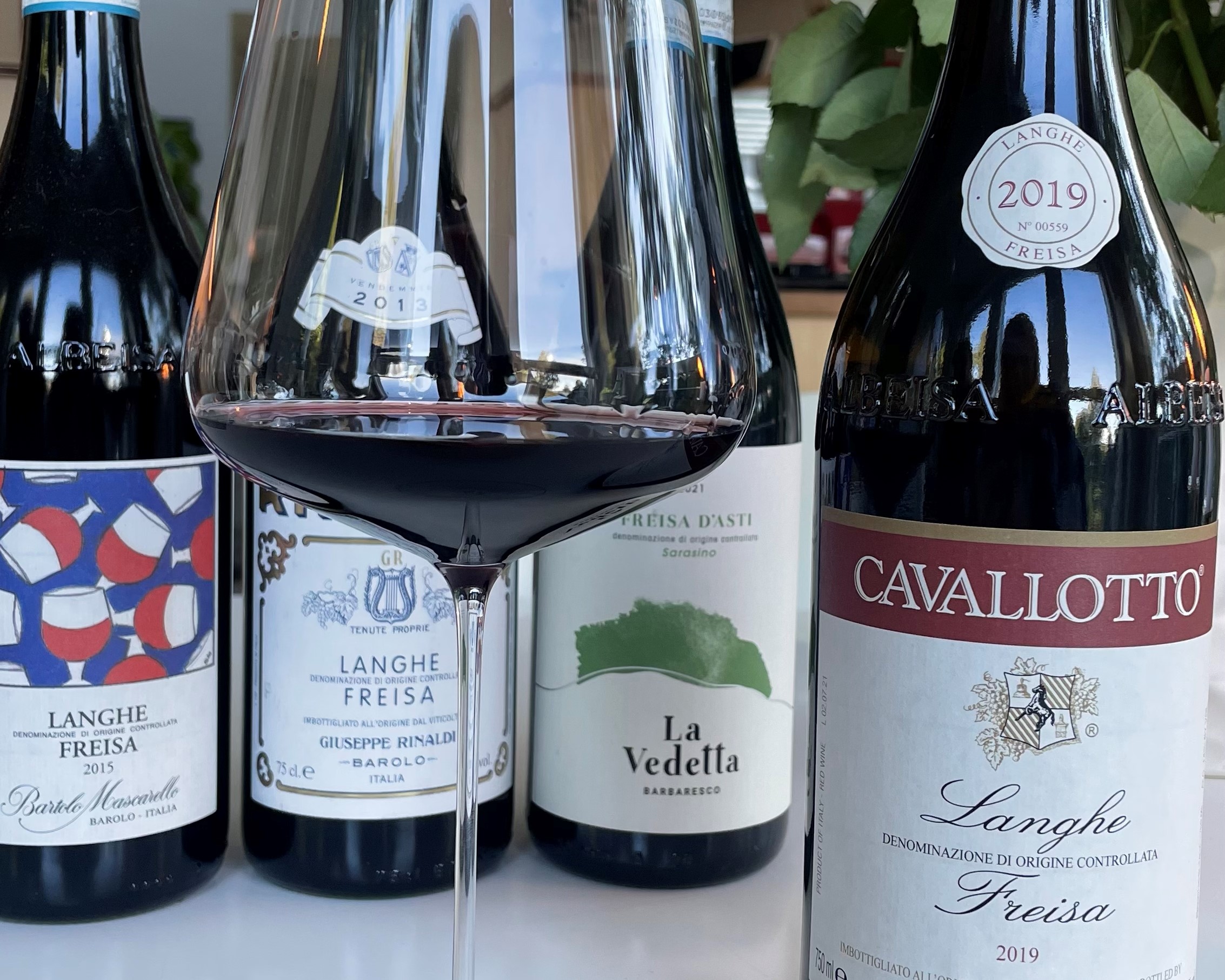
I recently tasted four different Freisa, from four different producers and four different vintages.

Rinaldi 2013
This wine has aged beautifully! I was impressed with the level of tannins and acidity. There were some hints of tertiary aromas on the nose, but still fresh and fruity. Truly a beautiful example of Freisa.

Bartolo Mascarello 2015
As usual, the onefrom Maria Teresa was sparkling. Personally, I prefer my Freisa “still”, but this is nevertheless a very good wine. It’s also more on the rustic side, especially compared to Rinaldi and Cavallotto.

Cavallotto 2019
The one from Cavallotto was quite concentrated with aromas of dark fruits. There was also quite some grip in the tannins. Some leather aromas in this one. Good acidity with a long finish.

Cavallotto 2021
Clean nose, mineral, floral with some spice notes. The tannins are quite hefty, but it’s still round in the mouth with good acidity. Quite rustic, which is fairly typical for this variety.

La Vedetta 2021
Very fresh and crisp. Fruity, with aromas fresh red fruit. Easy to drink, with elegant tannins.

News at Vinmonopolet

Elio Altare Dolcetto

It’s a pleasure to see the Dolcetto from Altare on Vinmonopolet.no. For as long as I can remember it has been my go-to Dolcetto, and even with Covid screwing up prices, it’s still below 300kr.  

Luigi Pira Barbera Superiore Magnum 2018

The Barbera Superiore from Pira disappeared at record speed after the last release, but is making a comeback in Magnum!

Alberto Viberti Barbera

Mr. Viberti is the new kid on the block! This young man, who works at the family winery Cascina Ballarin, decided to forge a new path for himself and now makes his own wines!

Trediberri Nebbiolo

Yes, Nicola’s wines have been available in Norway for quite some time BUT for the first time the Langhe Nebbiolo will be on the shelves in most stores across Norway!

La Vedetta Swanti

Swanti combines the best of Barbera and Nebbiolo, and the result is amazing. I find I really like blends. I also know you will just love the woman the wine is named after!

Cascina Fontana Barolo del Commune di Castiglione 2015

As Mario says: “It’s not that I release my wines late. The others release theirs early.” And with that I welcome his Castiglione Barolo 2015 to Norway!