
You’ve probably hear the words Biodynamic, Organic or Natural before. But do you actually know what it means? I thought I had a pretty good idea, but when digging deeper I realized that I hadn’t quite grasped these terms. For example, I didn’t know that when it says “organic” you’re allowed to use some additives. Did you?
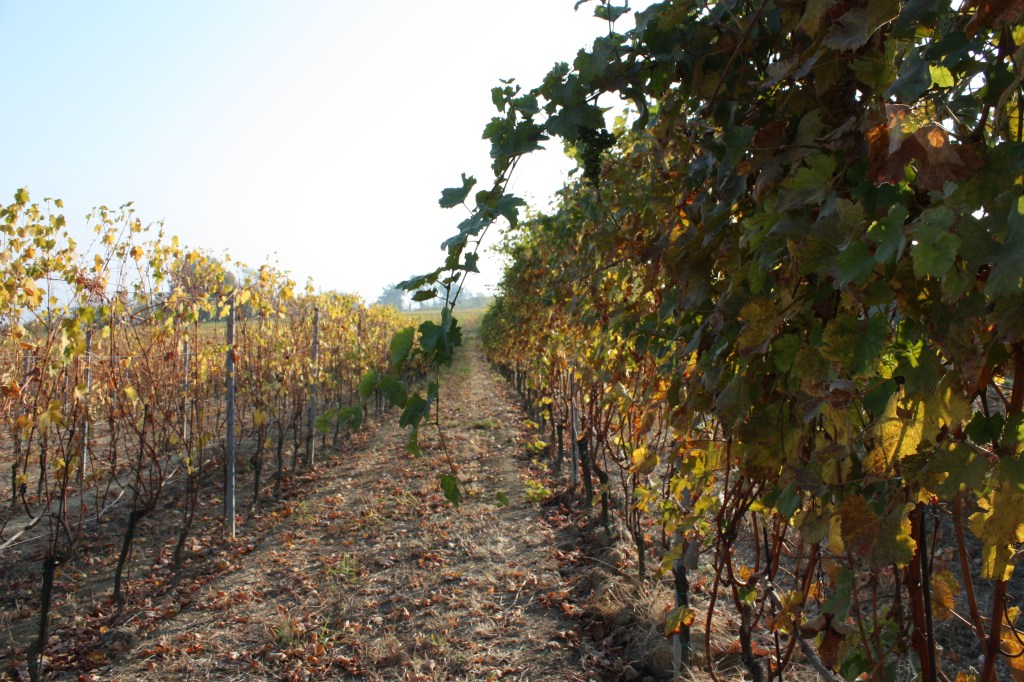
Biodynamic
Biodynamic agriculture started with Rudolph Steiner. It was the first of the organic agricultural movements, but in addition to being “organic”, the biodynamic approach includes various esoteric concepts, emphasizing spiritual and mystical perspectives. Biodynamic farming uses management practices that are intended to “restore, maintain and enhance ecological harmony”. One of the main ideas or theories revolve around the phases of the moon. This means that the farmers chose to plant, cultivate or harvest based on the phases of the moon.
Unlike “Organic” farming, “Biodynamic” farming prohibits the use of chemicals and manufactured additives, including commercial yeast. However, this does not mean that the wine is sulfur free. Nor does it mean that no other “natural” additives have been used, like manure.
Organic
If a wine says it’s “Organic”, it means that if follows the principles of organic farming, which typically excludes the use of artificial chemical fertilizer or pesticides. But, did you know that in an “Organic” wine, other additives are allowed? In an organic wine you can find manufactured yeast, egg whites and other animal enzymes. So correct me if I am wrong, but this technically means that the term “organic” only applies to products used in the vineyard? Does that make any sense?
And then there is the whole sulfite debate. The rules for this differs in the US and Europe. In the US, if a wine is organic, you are not allowed to add any sulfites. Whereas in Europe, you can add sulfites. And then you have to remember that virtually no wine is sulfite free, since sulfur occur naturally in all living things, including grapes. Which brings us to the next category, “Natural” wine.
Natural
The “Natural Wine Movement” started in Beaujolais with the goal of using less pesticides and chemicals. The problem with the term “Natural Wine” is that it’s somewhat ambiguous, and can mean different things for different people. But here are some “rules” that seem to apply to the term:
- Organic or biodynamic grapes
- Dry farmed
- Hand-picked
- No added sugar or yeast
- Minimal or no filtration
- No heavy manipulation
- Minimal or no sulfites added
Basically, it means the farmers try not to intervene.
What are sulfites and why use it in wine?
Sulfites are substances that naturally occur in some foods and the human body. But it’s also used as food additives. How does that apply to wine? Very simply, sulfites help preserve wine and slow chemical reactions which cause wine to go bad. Ever notice that some wines can stay corked in the fridge for days, and others “die” almost immediately? This is related to the amount of sulfur in the wine. And let me be clear, the amount of sulfur used in the wines I drink is way lower than the amount of sulfur used in other food products available at the grocery store!
Biodynamic? Organic? Do I care?
Honestly, I’ve never paid much attention to these terms. Most of (or all) the wines I drink are made by passionate farmers, who stay away from pesticides and chemicals. They also stay away from “fake” yeast and rarely use any form of filtration, including egg whites.
When I use the word “organic”, I most often mean farming practices that cycle resources, promote ecological balance, and conserve biodiversity. In other words, NOT “organic wine.” A great example is my friend Silvia Altare. She farms organically, but does not use manufactured yeast or any form of filtration. Technically her wines could be classified “organic” as they comply with the criteria, but then she is automatically lumped together with other farmers who add yeast, sugar, egg whites and other things..
In conclusion, do I care about a wine being certified “organic” or “biodynamic”? No. My question now is, after having read this article, do you?


 PIEMONTEGIRL