Let’s talk about Barolo
Most of you are probably already quite familiar, but let’s talk about Barolo. I mean, what is Barolo? I honestly don’t really know where to start but I guess I could start with the basics. Barolo is a wine made in the Barolo area, and it’s made with the Nebbiolo grape. There are strict rules with regards to the location and the vinification process of the grapes, and unless you follow those rules, you can’t call it a Barolo. I’ll just touch on some of the rules really quickly:
- The grapes have to come from inside the Barolo area, which includes 11 villages
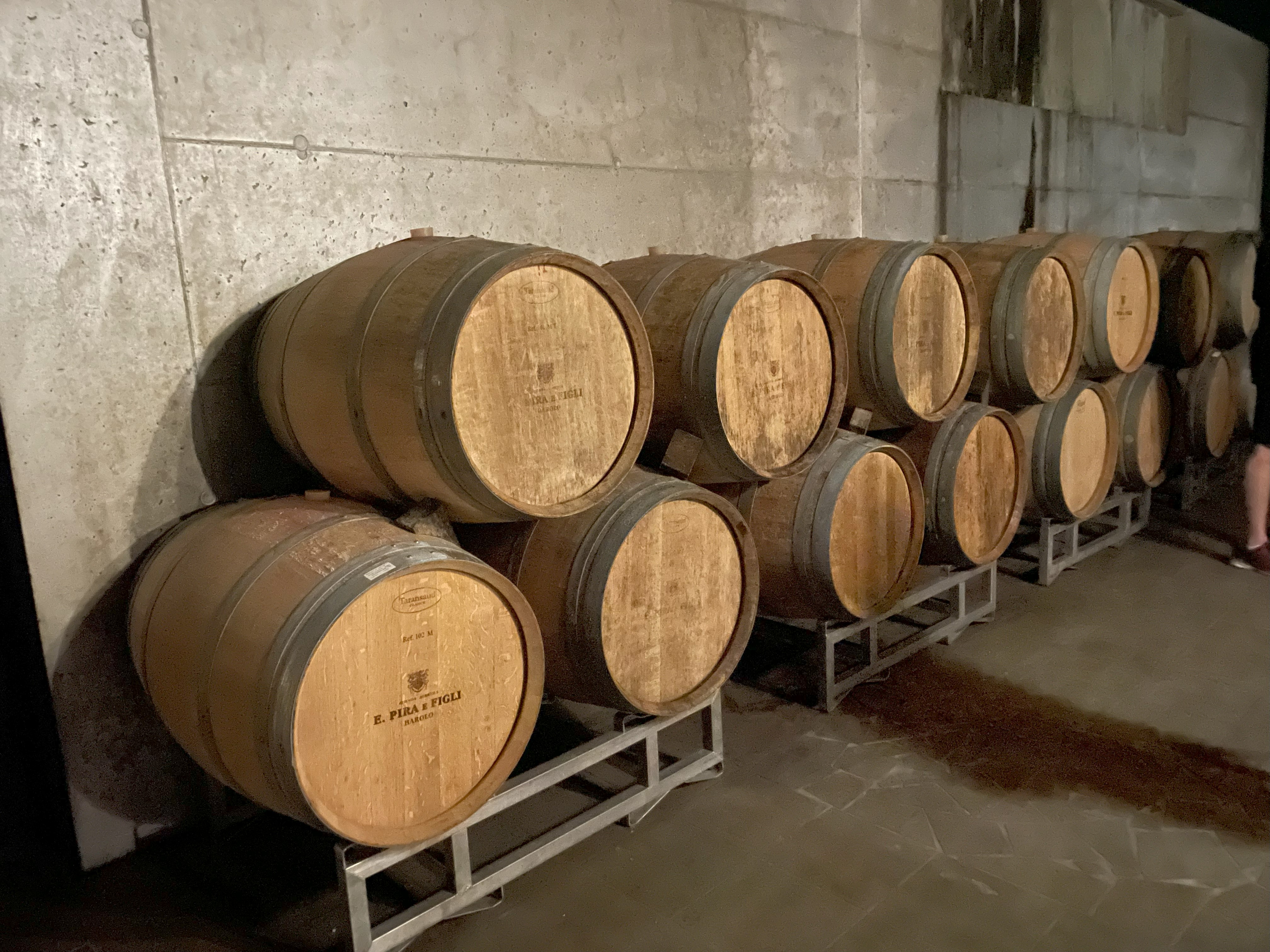
- The wine has to age for a minimum of 18 months in oak
- The wine should age for 36 months in total, the rest of the aging taking place in the bottle
Barolo – where to start?
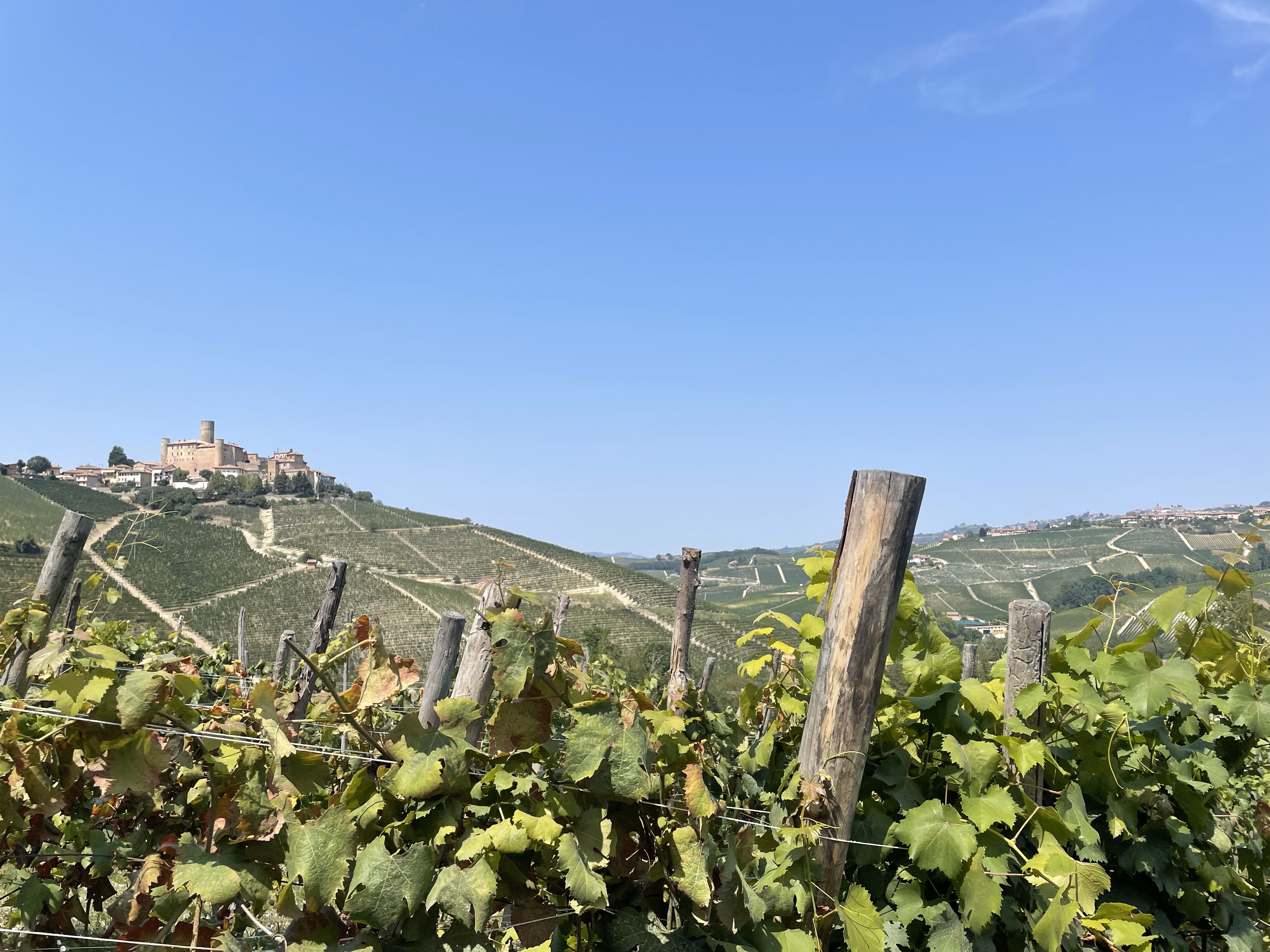
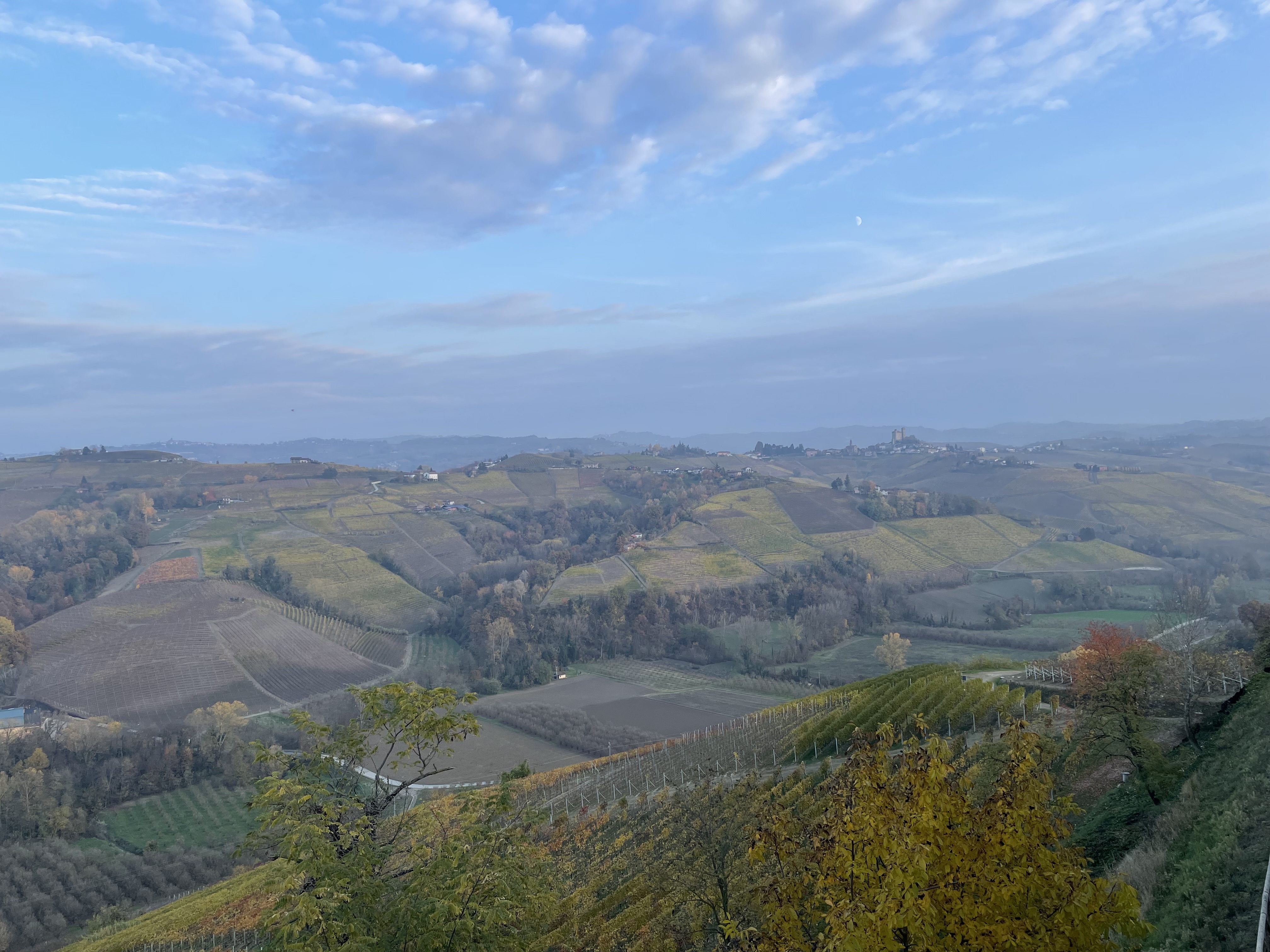
Now, like I mentioned before, there are 11 villages in which you can make Barolo. Some are more “famous” than others, like the Barolo village. But one of the most important things when it comes to Barolo is the terroir. The terroir varies quite dramatically across the Barolo area, in the different villages. So much so that it’s common to make Barolo’s with grapes harvested from very specific vineyards, and there are called single vineyard or cru Barolo’s. One of the most important educators on this topic is Alessandro Masnaghetti, aka Map Man Masna. I think terroir should have it’s own article, so I won’t go into too much detail here, but basically, the soil, the altitude, the climate and the biodiversity in each village plays a huge role in how the wine tastes. And I swear it’s evident in the different wines. Don’t believe me? Try it for yourself and see!
Where to start?
Ok, let’s talk about Barolo and how to start exploring the different kinds. One way, is to start at the top (literally) and work your way down. In the north you’ll find the village of Verduno. Burlotto is one of the first winemwakers that come to mind here, but his wines are nearly impossible to find these days. But don’t worry! Diego Morra also makes a Barolo Monvigliero, as well as a classic Barolo, so you could start there. Next up on this mini tour of Barolo: La Morra. The Cristian Boffa Barolo del Comune di La Morra is a safe bet. Another favorite is the Brunate from Marengo. And let’s not forget about Arborina. Nadia Curto, Giovanni Corino and Elio Altare come to mind. There are obviously many more wines I could suggest, but the article would be 7 pages long with a 100 links…
Moving right along to Castiglione Falletto, one of the wines that immediately come to mind is the Barolo from Cavallotto. Alfio and Giuseppe make really good wines, from their Pinner to their top cru Barolo. In certain vintages, I’d dare to say that their Langhe Nebbiolo resembles a “baby Barolo”. Just a friendly tip… From Barolo there’s the Francesco Borgogno Castellero. You could try to get your hands on a Chiara Boschis Cannubi, but those are a bit harder to come by.
We’ve made it all the way to Serralunga, at least for those of you who kept reading. If you haven’t already, you have to try the Barolo from Daniele Grasso. I could give a lengthy explanation why, but this is already a long article, so you’ll just have to take my word for it. Serralunga, similar to other towns in the Barolo area, is quite known for one vineyard in particular: Vignarionda. I’d give the one from Luigi Pira a try. But Vignarionda can be quite punchy, and is on the more expensive side, so another option is the Barolo del Comune di Serralunga. It will be a bit more approachable and won’t leave as big a dent in your wallet.
Last, but not least: Monforte d’Alba. There are some important Cru’s in Monforte as well, but my mind immediately goes to the Gianfranco Alessandria Barolo San Giovanni. Their classic Barolo is also a Monforte Barolo, so that’s another option. A more unknown cru within the borders of Monforte is Perno. You might know Perno because of Repubblica di Perno, one of my favorite restaurants. Right across the street you’ll find a brand new winemaker named Paolo Giordano. He makes a Perno Barolo, and it’s definitely worth a try.
Disclaimer: I know I didn’t touch on all 11 villages here, but I tried to include some of the most important ones. The thing to note is that I didn’t forget them! Maybe that’s a topic for the next article?
 PIEMONTEGIRL