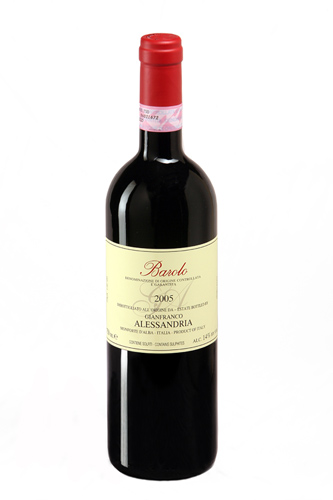
You can immediately tell that the Gianfranco Alessandria Barolo 2016 is from Monforte. The “masculine” nose and big tannins give it away. On the nose you’ll also find hints of oak, but in the mouth this “disappears”, leaving you with a beautifully balanced wine. As with a typical Barolo, there are also notes of rose petals, red fruits and spices. The 2016 is an excellent vintage with immense potential!
The grapes in the Gianfranco Alessandria Barolo 2016 come from the same vineyard as the San Giovanni, but some of the plants are younger, about 25-45 years old. They use 100% French oak (20% new, 80% used) for 24 months before bottling.
Antonio Galloni’s thoughts
The 2016 Barolo is bright, floral and beautifully lifted. Crushed flowers, sweet red berry and mint all grace this subtle, nuanced Barolo. Medium in body, with lovely freshness and good depth, the 2016 has so much to offer. This is a very pretty, and refined straight Barolo. The 2016 has the potential to be a real overachiever. I especially like the wine’s inner sweetness and perfume.
Antonio Galloni
Gianfranco Alessandria
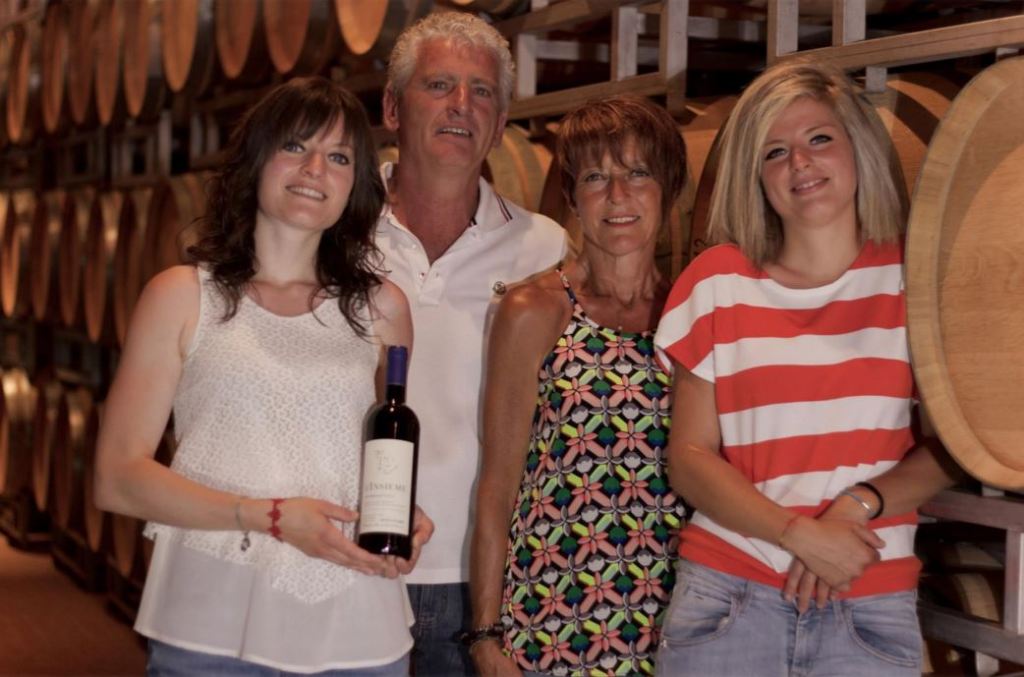
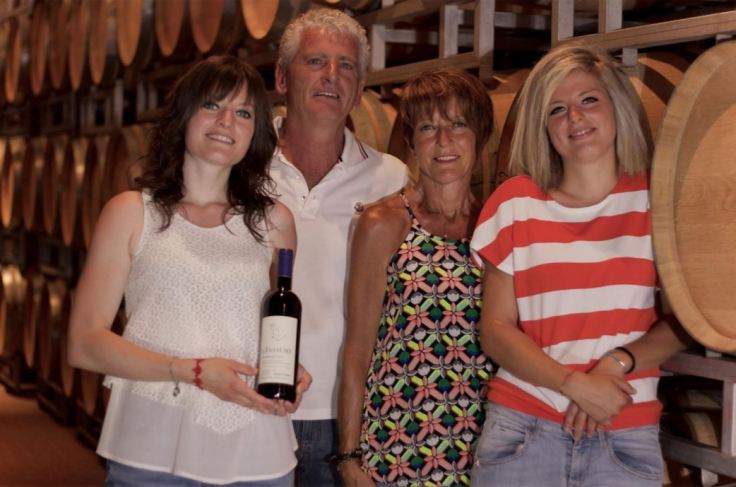
Smile. That’s what first comes to mind when I think of the Gianfranco Alessandria family of four. I have not met any family that smiles as much as and beautifully as they do. Their work is based on natural principles, respecting the time and methods required to obtain a product most correct in its form. They work as natural as possible only using minimal amounts of sulfur and copper sulfate, out of respect for the environment, as well as their own personal health.
You can check out the complete winemaker profile here.
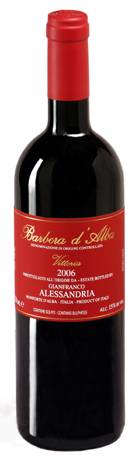
The Gianfranco Alessandria Vittoria is a barbera superiore. The wine is named after Gianfranco’s oldest daughther, Vittoria. When you call a barbera “superiore” it usually means that the wine has aged for a bit in oak. Sometimes the wine is also released a year later than the classic barbera.
Right to left: Vittoria, Gianfranco, Bruna & Marta
Gianfranco Alessandria and his family have a winery in Monforte, where they cultivate 5.5 hectares. Even though they make excellent wine, I would say that the main “trademark” for this family is smiling. I don’t think I know another family that smiles as much as the Alessandria family does.
Marta, the youngest daughter and last to officially join the family business just finished her studies at oenology school, and brings a lot of energy with her to work.
In addition to their Vittoria barbera, they make 7 other wines, including a classic barbera. You’ll find two barolo’s in their lineup: a classic barolo and a barolo San Giovanni.
Vittoria Barbera d’Alba
The vines used for the Gianfranco Alessandria Vittoria were planted in 1936. The vinyeard has south-east exposure.
After the fermentation, the wine ages in french oak barrels, using 40% new oak and 60% used oak. The end result is a very intense ruby red wine with purple hues. You’ll find herbaceous and fruity aromas with hints of mature black fruit.
This wine is currently not available in Norway, but it is available in other countries, like: Denmark Germany United Kingdom Italy
Smile. That’s what first comes to mind when I think of the Gianfranco Alessandria family of four. I have not met any family that smiles as much as and beautifully as they do. And while they smile a lot, they also work hard every day to make the best wine possible. Marta, the youngest daughter and last to officially join the family business just finished her studies at oenology school, and brings a lot of energy with her to work. The family travel the world to promote their wine and their story, and if you’re lucky you can catch up with them in New York, London, Verona or at their winery in Monforte.
Wines of Gianfranco Alessandria
Gianfranco Alessandria makes 8 wines in
total, spread out over 5.5 hectares. In their portfolio they have a Barolo and a
cru Barolo, Barolo San Giovanni. In addition to the usual suspects like
Dolcetto d’Alba, Barbera d’Alba and Langhe Nebbiolo, they also make a barbera superiore
named after Vittoria, a special Barolo called EnPiasì and a L’Insieme.
Winemaking
Their work is based on natural principles, respecting the time and methods required to obtain a product most correct in its form. They work as natural as possible only using minimal amounts of sulfur and copper sulfate, out of respect for the environment, as well as their own personal health. From the beginning Gianfranco Alessandria worked with a drastic reduction in the yields of grapes per hectare, which encouraged better ripening of the fruits, making them healthier and more robust to have a wine of higher quality. The vinification is with short macerations in temperature-controlled, vertical fermenters and ageing in small, french oak barrels. The way they work the and is a beautiful journey, which takes them among vineyards, winery and the world.
Fun fact
The EnPiasì wine is a result of Marta’s oenology education. The first year she made it, was for her exam, and to make it in time she had to declassify it from DOCG to DOC (she was missing a month or two of ageing.) EnPiasì means “a pleasure” and it sure was a pleasure to drink! And not it’s a part of the Gianfranco Alessandria portfolio
Fun fact II
Marta can sometimes be found at the local pizza restaurant, pitching in when they need extra hands!
Gianfranco Alessandria Portfolio
Wines available in:
Italy United Kingdom Australia Canada Russia Japan & other European countries
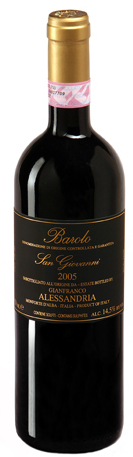
Barolo San Giovanni
A single vinyeard barolo, with vinyeard located in Monforte with a south-east exposure, this wine brings some of the best Monforte has to offer. The plants are 70 years old, spread out over 1 hectar, and with a drastic selection of the grapes (about 1.30kg per vine) the final wine is a perfect example of a barolo from this region.
Product name: Barolo San Giovanni Grape: Nebbiolo Classification: DOC
Color: intense ruby color with garnet Fragrance: fruity and spicy aromas Taste: right balance between acidity, tannin and structure.
VINIFICATION (Wine-making)
Ageing: 100% French Oak (50% new, 50% used) for 24 months
VINEYARD
% of Grape/Cépage: nebbiolo Soil: mixed white soil: tufo-limestone and sand Exposure: south-east Age of plants: 60-65 years old
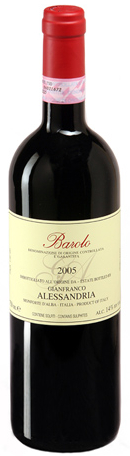
Barolo
The grapes come from the same vineyard as the San Giovanni, but some of the plants are younger, about 25-45 years old.
Product name: Barolo Grape: Nebbiolo Classification: DOCG Number of bottles produced:
Color: ruby-garnet inflections Fragrance: ripe fruit, wild rose and licorice Taste: soft and balanced with focused tannins
VINIFICATION (Wine-making)
Ageing: 100% French oak (20% new, 80% used) for 24 months
VINEYARD
Soil: mixed white soil: tufo-limestone and sand Exposure: south-east Year of plantation: 1975-2000
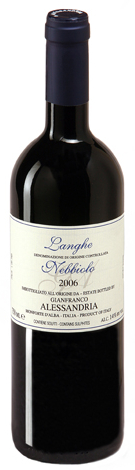
Langhe Nebbiolo
For the Langhe Nebbiolo, Gianfranco Alessandria uses young nebbiolo plants. The wine spends about 6 months in barrique, with 15-20% new oak.
Colour: garnet highlight Fragrance: wild rose and delicate red fruits Taste: elegant with rounded tannins
VINIFICATION (Wine-making)
Ageing: French oak (10% new, 90% used) for 5-6 months
VINEYARD
Soil: mixed white soil: tufo-limestone and sand Exposure: south-east Year of plantation: 2005-2018
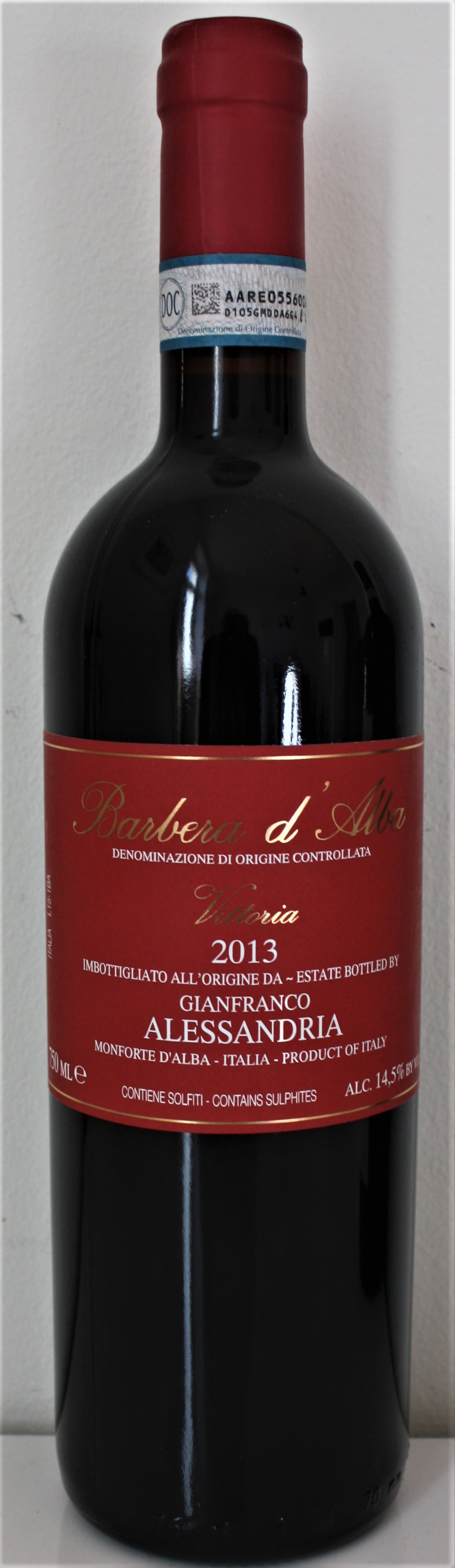
Barbera d’Alba Vittoria
The Barbera d’Alba Vittora is named after the oldest daugther, Vittoria. It’s a barbera superiore, so in contrast to the other barbera, this wine is aged in wood for about 18 months.
Product name: Barbera d’Alba Vittoria Grape: Barbera Classification: DOC
Colour: intense ruby, purple hues. Garnet hue when ageing Fragrance: herbaceous and fruity aromas with hints of mature black fruit Taste: long and persistent finish with balancing acidity
VINIFICATION (Wine-making)
Ageing: French oak (40% new, 60% used) for about 18 months. (Second passage only)
VINEYARD Exposure: south-east Year of plantation: from 1936 +
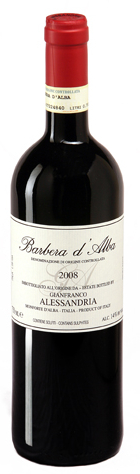
Barbera d’Alba
This is their “regular” barbera, aged only in steel tanks for about 6 months, allowing the fruit to express itself naturally.
Color: ruby red dark color, very intense Fragrance: hints of red fruit like cherry, blackberry, strawberry Taste: medium bodied, velvety and important acidity
VINIFICATION (Wine-making)
Ageing: steel tank for about 5-6 months
VINEYARD
Exposure: south-east Year of plantation: 1960 – 2009
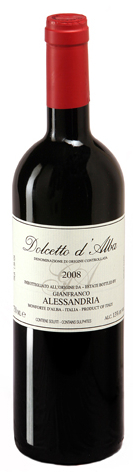
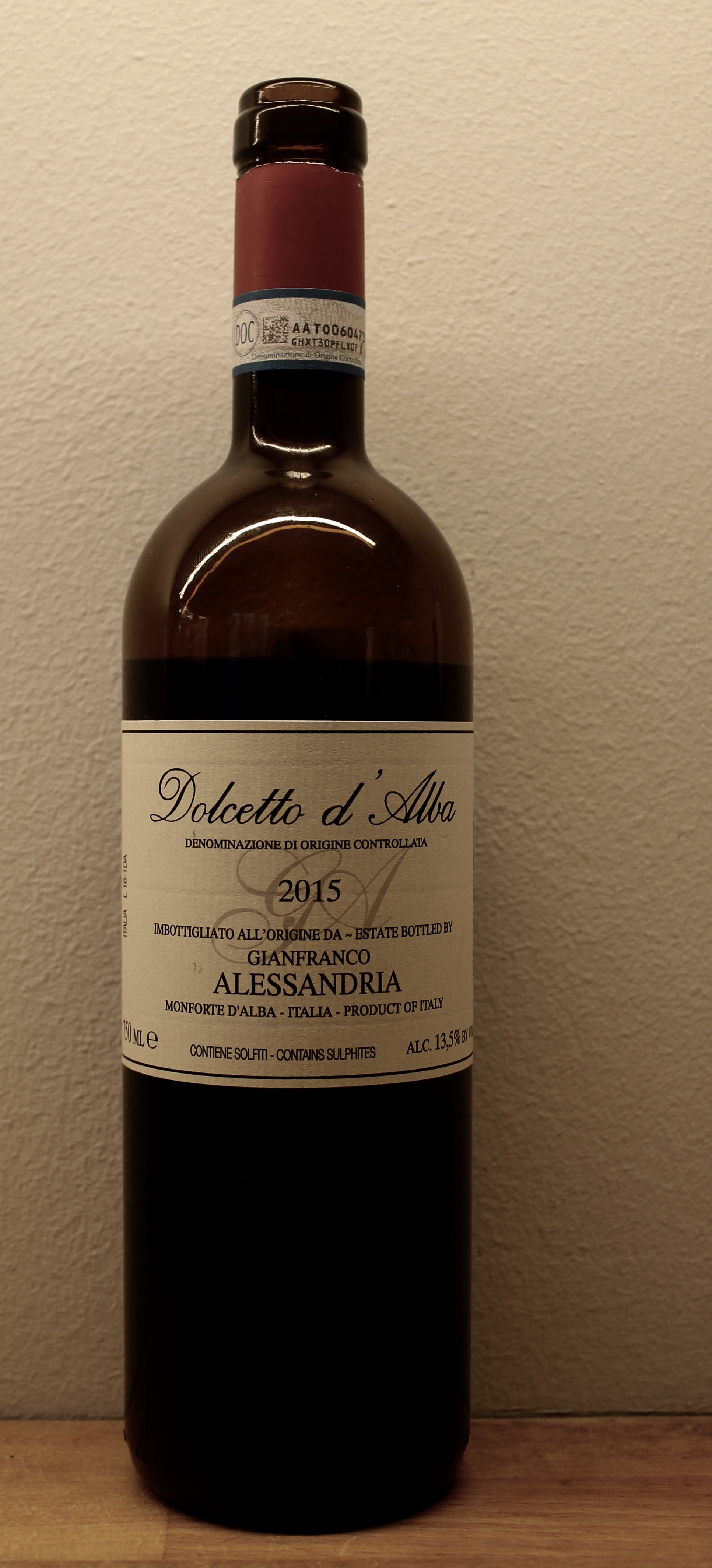
Dolcetto d’Alba
Dolcetto, the every day wine, is made in stainless steel tanks. The dolcetto is known for its very intense ruby red color. Some of the plants that are used for this wine were planted in 1970.
Color: ruby red with intense violet hues Fragrance: fresh, fruity Taste: fresh, fruity and youthful
VINIFICATION (Wine-making)
Ageing: steel tank for about 5-6 months
VINEYARD
Exposure: south-east Year of plantation: 1970+
Barolo EnPiasì
The EnPiasì wine is a result of Marta’s oenology education. The first year she made it, was for her exam, and to make it in time she had to declassify it from DOCG to DOC (she was missing a month or two of ageing.) The name EnPiasì means “a pleasure”.
Product name: Barolo EnPiasì Grape: Nebbiolo Classification: DOCG Number of bottles produced: 150 magnum
Colour: light ruby color, with garnet reflections Fragrance: fruity and spicy aromas Taste: fresh and vigorous, round palate. Right balance between acidity round tannins and structure
VINIFICATION (Wine-making)
Method: harvest by hand, around middle of October. Destemming by hand, berry by berry. Fermentation is 1000lt barrel (frenc oak) for about 12-15 days with temperature around 24-26Malolactic fermentation in steel tanks. Temperature: 24-26 degrees celcius Length: 12-15 days Aging: 100% French oak (third passage) in 225lt barrel for 24 months
VINEYARD
% of Grape/Cépage: Soil: mixed white soil: tufo-limestone and sand Exposure: south-east Year of plantation/age of plants: 60-65 years old
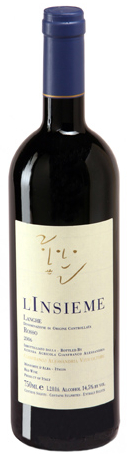
L’Insieme Langhe Rosso
L’Insieme is group of winegrowers from the Langhe, united by a project, a dream and a goal. Elio Altare is the founder. The project aims to make wines which, under a single brand, tell a story of friendship and collaboration, of hard work, shared passion for the Langhe and its outstanding grapes. The dream is that, from this union, the resultant label will be a symbol of friendship and mutual aid. A wine that is our personal way of thanking the land that gave us our roots and its support.
Our goal is to make L’Insieme wine a practical ethical tool, allowing us to fund projects of high social value as a way of giving back to our local area a part of the good fortune and beauty it has given us. The wine is It is actually a combination obtained from the individual decisions taken by each producer, from traditional grape varieties such as the Nebbiolo, Barbera and Dolcetto, with grapevines introduced only recently to the Langhe area, such as Cabernet Sauvignon, Merlot or Pinot Nero.
This was my first time visiting Gianfranco Alessandria, although not the first time trying his wines. His two daughters, Vittoria and Marta, showed us around and tasted with us. Gianfranco took over the winery after his father died in 1986, which happened to be the year of the freak hailstorm that destroyed all the vines, so no wine was produced that year.
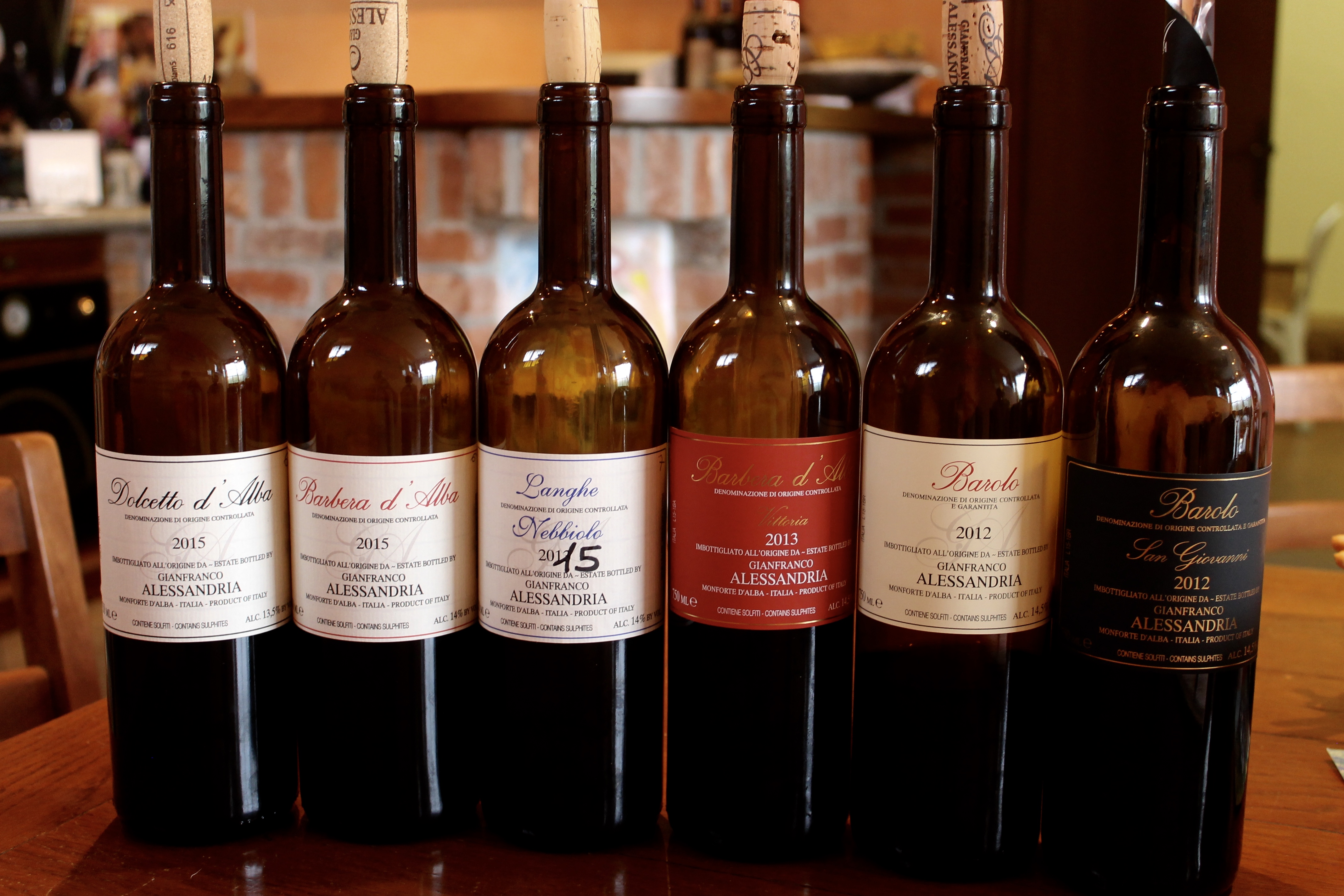
Today the family produced about 45 000 bottles of wine spread out across the different wines. They produce Dolcetto, Barbera, Barbera “Superiore”, Langhe Nebbiolo, Barolo and one Barolo Cru.
We tried the 2015 Dolcetto, Barbera and Langhe Nebbiolo. 2015 is looking good, very powerful and intense compared to the 2014 which are more light. Then we tried the Barbera “Vittoria” 2013, a more concentrated and powerful Barbera due to the age of the vines and the more strict selection of grapes. The 2012 Barolo does not have as strong a structure as the 2011, but it is a more classic vintage. It may take some more time in the bottle, but I though it drank very nicely. Last we tried their Cru, Barolo San Giovanni 2o12. I have tried this before, but a 2000 (it was 15 years old at the time) and it was fantastic. I am excited to see the evolution of the 2012.
Finally back in Piemonte. It’s vacation time, which means lots of eating and drinking. And many winery visits. The next few days are full of exciting visits many different producers.
We started the day at Blenheim, after we strapped ourselves into the bunad. I had been looking forward to Blenheim, however I was very disappointed. The service was awful, the food was not great and they had strayed from their “from farm to table” philosophy. A shame, really, because I really liked Blenheim.
After Blenheim, we went straight to a T. Edwards wine tasting to meet up with Veglio and Gianfranco Alessandria. The highlight of my day. I stood in between their two booths and drank wine, ate piemonte hazelnuts and poured wine for the customers. My happy place.
After the tasting, the whole group went to the Bowery Hotel and had some champagne. Epic. Just Epic.



 PIEMONTEGIRL