I am a wine lover currently located in Boston. I drink wine mostly from Piemonte and Burgundy.
Two summers in a row I have worked at Vietti in Piemonte.
Planning to visit Piemonte? Looking for recommendations, suggestions & tips? Then you’ve come to the right place.
With over a decade of experience in Piemonte, I am prepared to help make your trip extraordinary. I promise to do absolutely everything I can so that you have the experience of a lifetime.
Visit Piemonte
I can help you
Find accommodations
Book winery visits
Book lunches and dinners
Organize activities – biking, hiking, truffle hunt, cooking class, and more
I can fully & honestly say: you really made our trip to Piedmont!!! I can’t thank you enough for the winery recommendation and the wonderful list of restaurants you told us about, including which had wonderful views. We have been to Piedmont many times already but you had the magic list that we actually never would have thought about. Your recommendations ended up being the highlights of trip. Grazie mille and we will gladly be in touch next time for more advice.
SARAH FROM FRANCE
We traveled to Piemonte for our honeymoon and had the most incredible time thanks to Piemontegirl! She helped us plan everything for the trip and it was just perfect. We loved the hotel she recommended along with the restaurants and wineries she helped us book. We highly recommend her if you are planning a trip to the area!
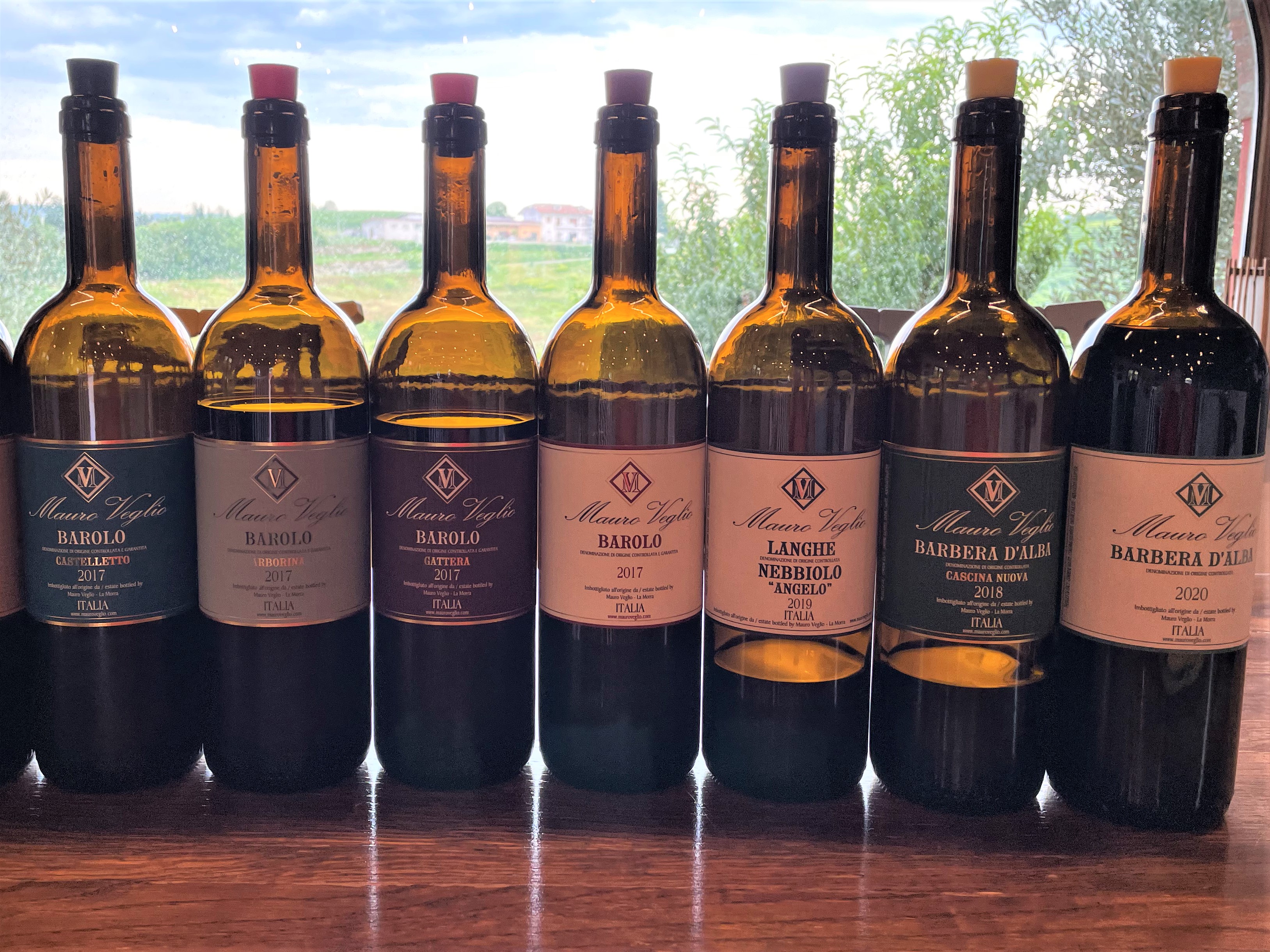
This summer I tasted the most recent release from Veglio. If I had to pick a favorite from the lineup it would be the Barolo Gattera 2017!
Mauro Veglio Barbera 2020
The 2020 Barbera from Mauro Veglio is very fruity with good acidity. It’s very drinkable, light and fruity, despite the 15% alcohol.
Mauro Veglio Barbera Cascina Nuova 2018
The Cascina Nuova is their Barbera Superiore, so it’s no surprise that this wine is more complex. The ageing in wood has given the wine some spice notes as well as good structure. A balanced wine with good acidity.
Mauro Veglio Langhe Nebbiolo 2019
This wine has a beautiful nose, with aromas of fresh red fruit. It’s a bit concentrated in the mouth, but that’s not uncommon for the 2019’s. Good structure, good tannins, good length.
Mauro Veglio Barolo 2017
The grapes in the Classic Barolo are sourced from Arborina, Castellero, and a small part of Gattera. Good nose, with red fruit and some spice notes. Quite fresh and easy to drink.
Mauro Veglio Gattera 2017
I like this wine a lot. A more masculine nose with aromas of tobacco, spices and some herbs. Quite soft tannins for a 2017.
Mauro Veglio Arborina 2017
The Arborina has that beautiful feminine nose. Quite aromatic for a 2017. A bit warm in the mouth, with round tannins.
Mauro Veglio Castelletto 2017
More rustic nose on the Castelletto 2017, maybe even some leather. A more masculine Barolo, which is not surprising since it’s from Monforte. Dark red fruit and cherry aromas. The tannins are a bit more aggressive as well, structured with a good body.
Here are my notes on the Roberto Voerzio La Serra 2015: I like it. Concise and to the point. There was just something about it. So drinkable. So approachable. So good. And out of all the wines I tasted that day, the La Serra was clearly a favorite.
La Serra
The La Serra vineyard is located in La Morra, right at the top above Cerequio and Case Nere. Why is the location so important? Altitude. Like MapMan Masna says: “elevation is always called into question, because at these heights (the border between La Serra and Cerequio is at exactly 400 meters) even 20-30 meters of difference can be important.”
2015
2015 is know as a “warm” vintage. But, being bookended by 2014 and 2016, 2015 kind of gets lost in translation. May, June and July were very hot, with very little rain, and it was not looking great for a while. Then, August came along with a whole 8 days of rain, followed by a relatively normal September, and a bit of rain in October, giving the vintage what it needed to avoid a 2003 situation.
Roberto Voerzio La Serra 2015
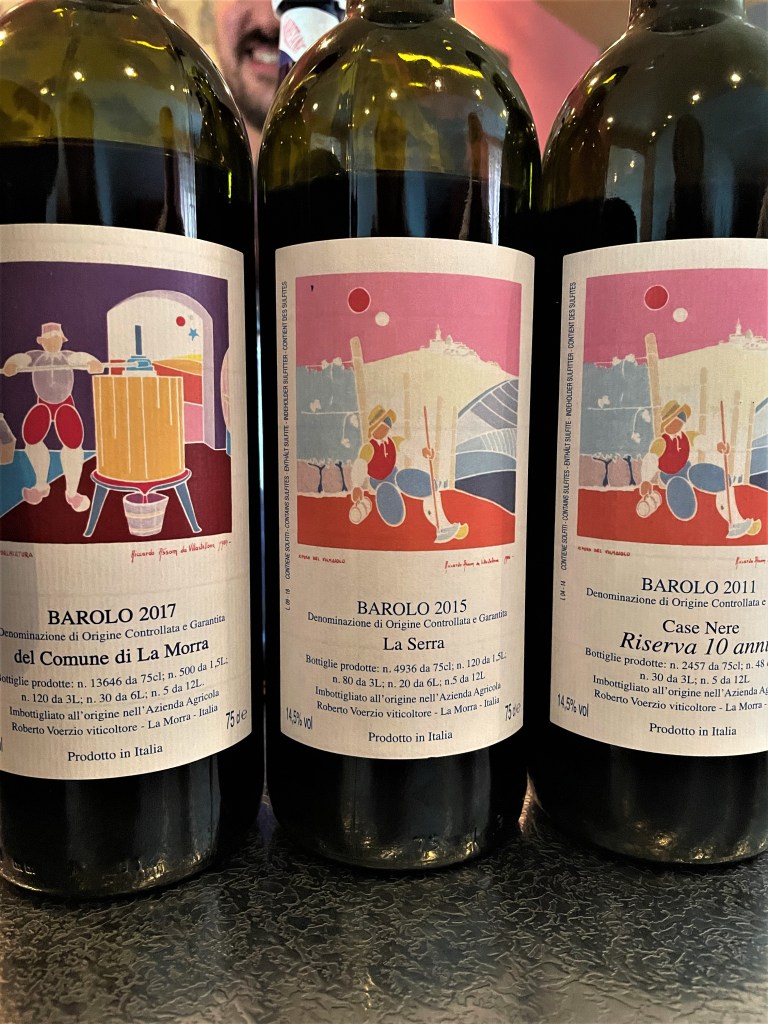
The Roberto Voerzio La Serra 2015 was so approachable with incredibly smooth tannins and lots of good fruit. I tasted it next to the Barolo del Comune di La Morra 2017 and the Case Nere Riserva 2011, and I can honestly say that the La Serra 2015 was my favorite out of the two!
Tasting Notes
During my visit to Roberto Voerzio, I tasted quite a few wines. Here are some notes:
Roberto Voerzio Cerequio 2020
Barrel tasting. The Cerequio 2020 had a beautiful nose. Fruity, fresh. This wine has a bit of structure. Will obviously develop further over the next few years.
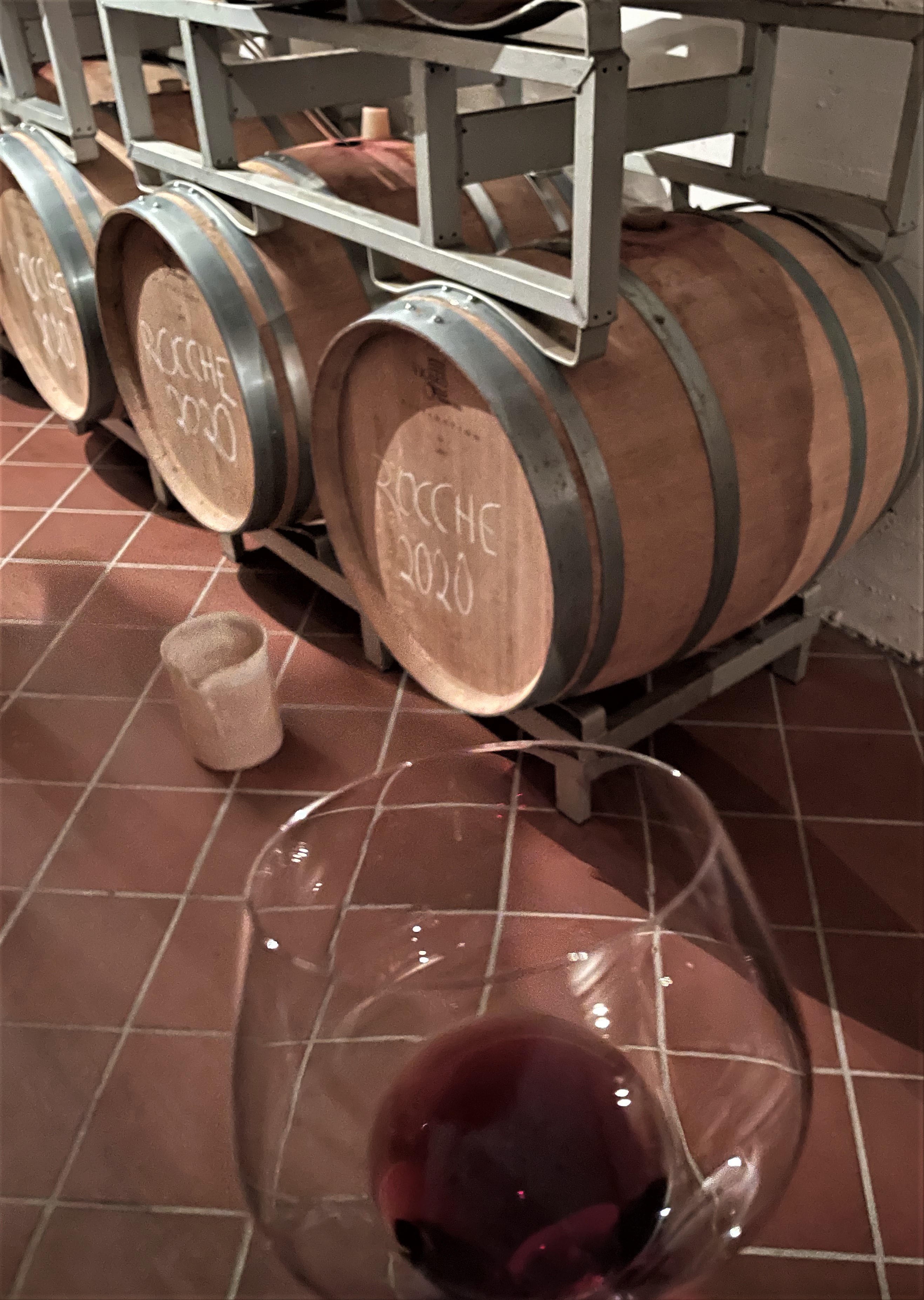
Roberto Voerzio Rocche 2020
Barrel tasting. The Rocche had less structure than Cerequio, as of right now, maybe a bit more classic? This is a wine I look forward to taste once it’s in the bottle!
Roberto Voerzio Sarmassa 2019
Barrel tasting. The Sarmassa is made only in magnums! It had a beautiful nose, with a bit more concentration than Rocche, quite typical of the 2019 vintage. A very good wine, a good roundness in the mouth.
Roberto Voerzio La Serra 2019
Barrel tasting. The 2019 La Serra was even more concentrated than the Sarmassa with harsher tannins as well. A big wine with aromas of darker fruits, dark cherry. Very different to the 2015!
Roberto Voerzio Brunate 2018
Tasted from tank. Wow, what an incredible nose. Elegant and concentrated, all at the same time with aromas of dark fruit. Elegant in the mouth as well. A classic wine.
Roberto Voerzio Fossati 2018
Tasted from tank. The Fossati is one of the more masculine wines I tasted that day. Aromas of tobacco, some herbs, red fruit. The tannins were quite harsh, at least compared to the other wines tasted.
Roberto Voerzio Barolo del Comune di La Morra 2017
The Barolo del Comune di La Morra 2017 is a mix of grapes from Boiolo 50% and 50% other cru’s. This was the first wine I tasted during this visit that had really prominent oak notes. Probably because the other wines had some months(+) left in the barrels.
Roberto Voerzio Case Nere riserva 2011
When tasting the Case Nere Riserva 2011, we had reached the end of the visit. And to be honest, we were all a bit preoccupied with out lunch plans, so the only note I have here is: “Quite impressive”. Incidentally, it’s the wine we ended up bringing to lunch. Pretty good way to end the tasting!
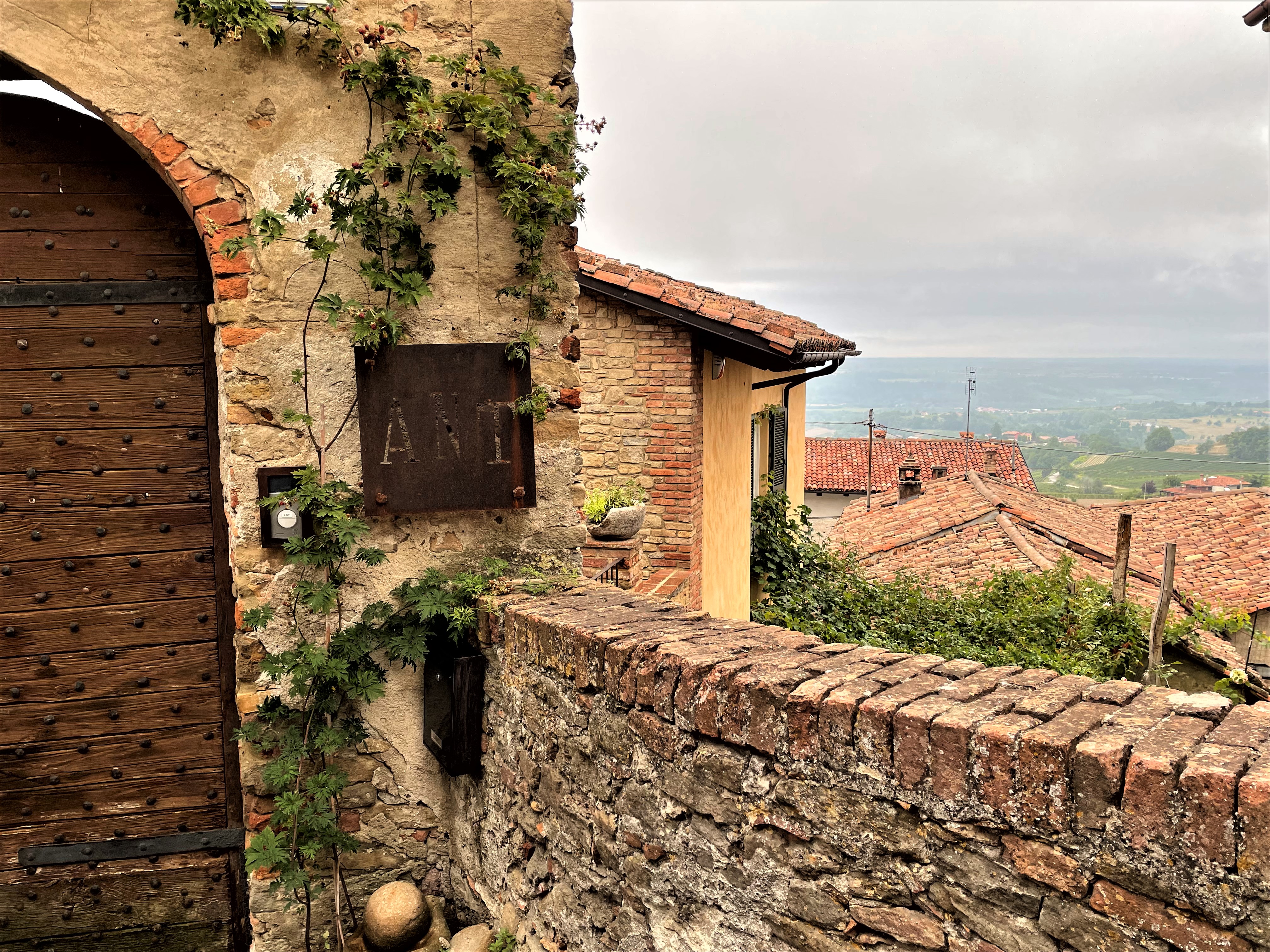
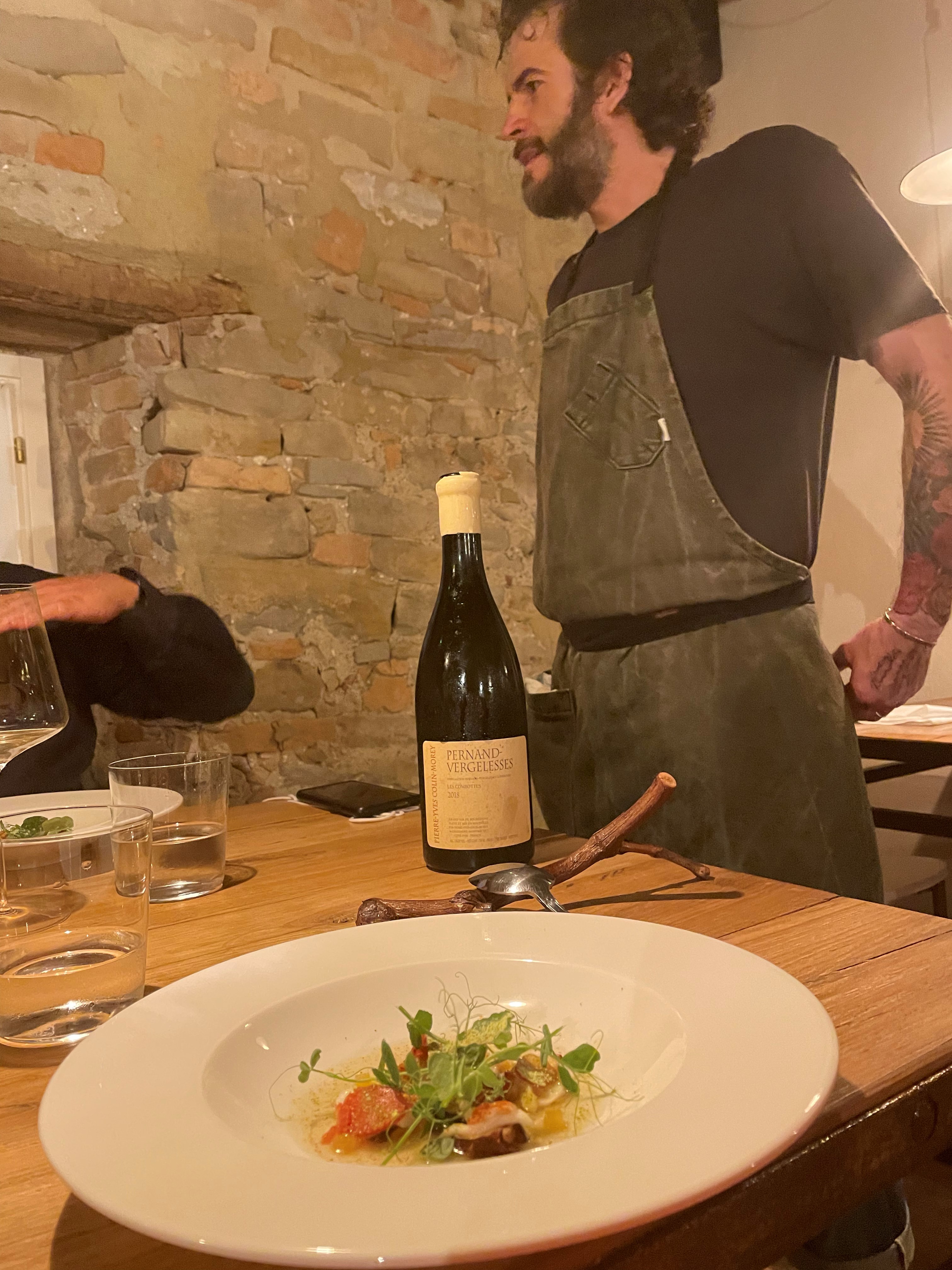
One of the highlights on my trip to Langhe, was the dinner at ANT. Honestly, using the word dinner to describe it doesn’t do it any justice. So let me rephrase: one of the highlights on my trip to Langhe was the incredible culinary experience at ANT. Alex, and the rest of the team at ANT, brought me on a journey that I didn’t even know I needed. And it’s a journey you should take as well.
The Adventure Begins
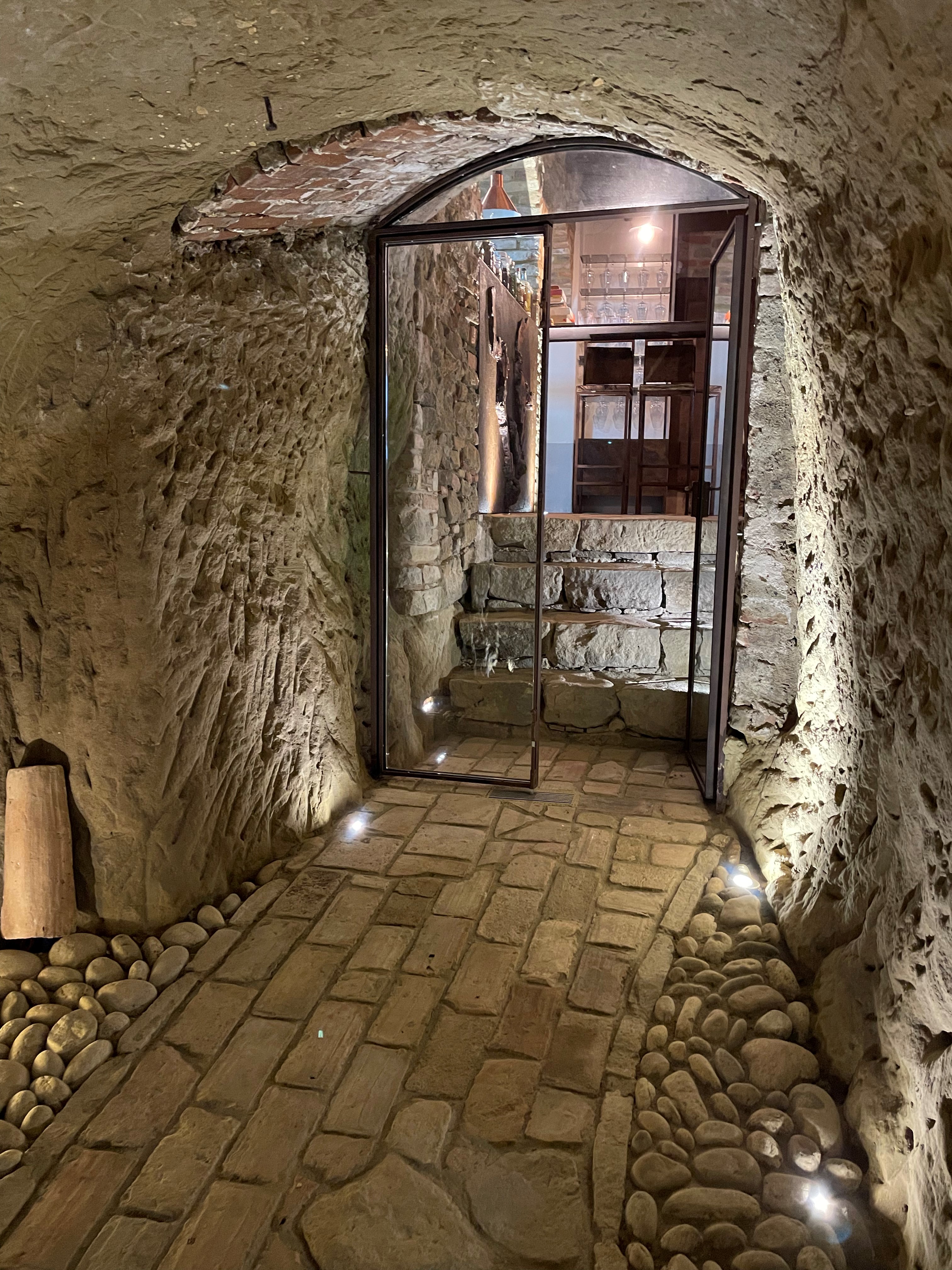
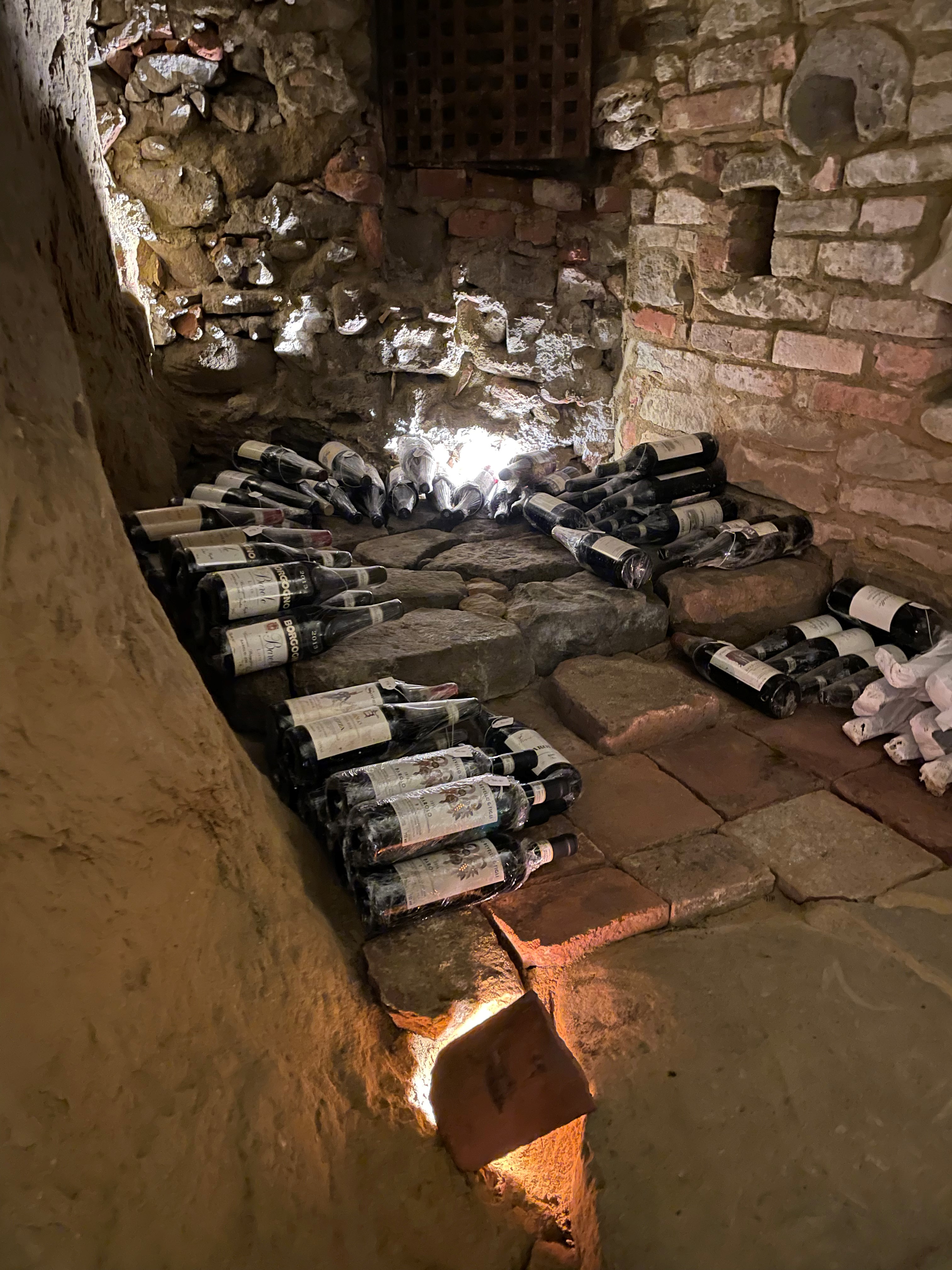
The evening started with a deep dive in their untraditional, mesmerizing wine cellar. ANT does not have a wine list. Instead, you get to pick the wines yourself, from the many options laid out before you. And they are literally laid out – along the pathway, in corners, in the wall. It felt almost like going on a treasure hunt. When you’ve found your bottle(s), you return to your table, and wait for the first dish to arrive.
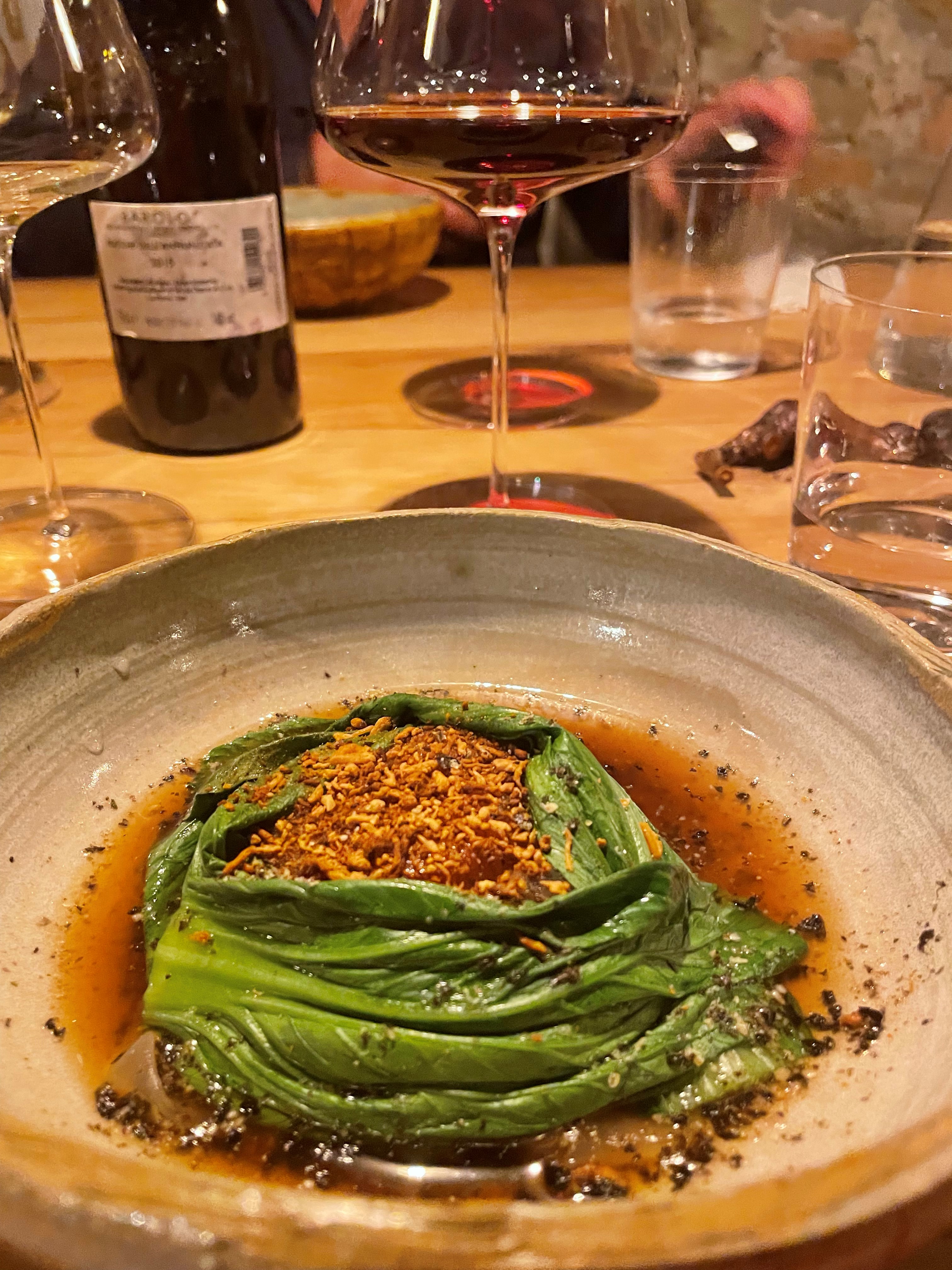
No, I haven’t skipped a step. Just like there is no wine list, there is no menu. So you don’t order. They will just bring you food, one dish after another. Now, here’s where I was quite nervous. Because, believe it or not, I am a picky eater. And to not have the option to pick and choose frankly scared the shit out of me. But I decided to dive in, head first, and just embrace the concept. And I am so glad I did.
The ANT Adventure Continues
The first thing to arrive on the table was a drink, which had been prepared right beside our table. I took one sip, and wasn’t a huge fan. But then the food came. When we asked what it was, Alex told us that they normally don’t tell you what you’re eating until after. Again, my stomach did a summersault, but hey, I had decided to embrace the concept, so I did. Now, back to the drink I didn’t immediately like. With this first dish, which was something fried in a mayo ish sauce, it was a perfect match. And this would be the theme the rest of the evening.
The team at ANT managed to entertain our tastebuds the whole evening, with the most unlikely combinations of ingredients. One dish was a sort of salad with slices of salami, leaves of different sorts, tomato, strawberry, octopus and a clear sauce. Might sound quite odd, but the combination was exquisite. And this comes from someone who does not eat squid.
Throughout the evening I kept having the feeling of “I’m not sure I love it, but at the same time I can’t stop eating it and it’s actually delicious”. Because, again, I am a picky eater, but the food was just so well thought out and prepared, that it didn’t matter that I “normally don’t like this”. It was definitely a night where my tastebuds were challenged and entertained all at the same time. And I will gladly do it again. And again!
The Ingredients
Almost all the ingredients at ANT is locally sourced. It’s also home-made. And they try to not waste any food. The ice cream we had for dessert was made with leftovers from the week before. They even try to use parts of an ingredient that normally would not be used, always keeping it interesting! And the menu changes every week, with no repeats, which means you’ll never eat the same thing twice. Like Alex said, “we cook dishes that feel like the right thing for the time and the moment”.
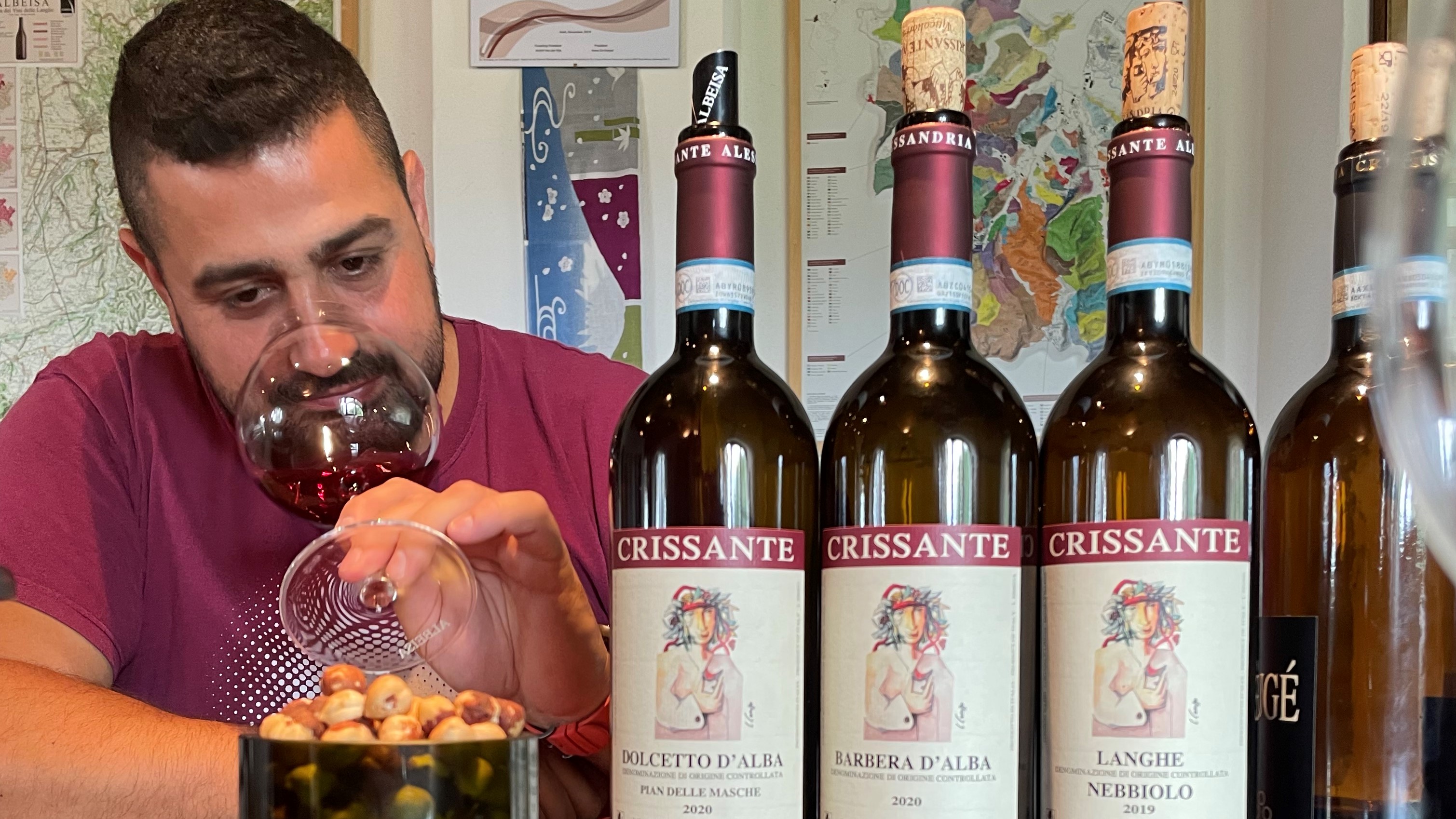
Crissante Alessandria started making wine back in 1958. As with many other families in the area, Alessandria’s family cultivated vineyards but instead of bottling under their family name, they sold the grapes. Crissante Alessandria started with just a few hectares in Roggeri and Capalot, but over the years they aquired more land in Langhe. The few hectares has now grown into 6 hectares.
Today, the Crissante brothers Alberto and Luca run the winery in Santa Maria, continuing their family’s legacy.
Winemaking
Crissante Alessandria ages their wines in a mix of small, medium and big barrels, with mostly long fermentations, using both pump over and punch down. They respect mother nature, and may change their vinification method depending on the vintage.
Apart from the Barolo Mac Magnum La Punta, most of the Barolo’s go through the same vinification process: about 2 weeks of maceration in stainless steel tank at 28 degree with temperature control, followed by “Follatura manuale” and remontage process 4 times for day for the first 5 days. They then age for 24 months in oak.
The entry level wines go through fermentation for approximately 10 days in temperature-controlled steel tanks in contact with the skins, frequent pump-overs and punch-downs especially during the first 5 days of maceration. The wines spend some time in stainless steel tanks before bottling.
Fun fact
Crissante Alessandria also cultivates and sells hazelnuts.
Crissante Alessandria Wines
Today, the winery makes quite a few wines from their 6 hectares: Barolo Roggeri, Barolo Capalot, Barolo Galina, Barolo La Punta Capalot Mac Magnum, Dolcetto D’alba, Barbera d’Alba superiore RUGE’, Langhe Nebbiolo and Nebbiolo rosè.
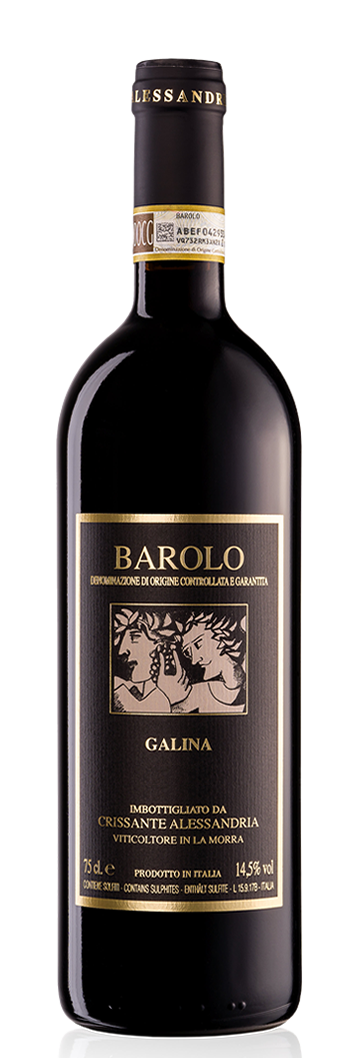
Barolo Galina
BASIC INFORMATION
Product name: Barolo Galina Grape: 100% Nebbiolo Classification: DOCG Number of bottles produced: 5500 Color: intense garnet red Fragrance: hints of ripe fruits, apricot and blackberries Taste: Full bodies, warm and well balanced with soft tannins Food pairing:
VINIFICATION
Method: about 2 weeks of maceration in stainless tank at 28 degree temperature control; “Follatura manuale” and remontage process 4 times for day for the first 5 days until the end of pressing process. Aging: 24 months in barrique and tonneaux
VINEYARD
Vineyard: Galina “area”, south of the La Morra Hill Soil: Limestone with fine sand Exposure: South Altitude: 230-300 Year planted: 2014
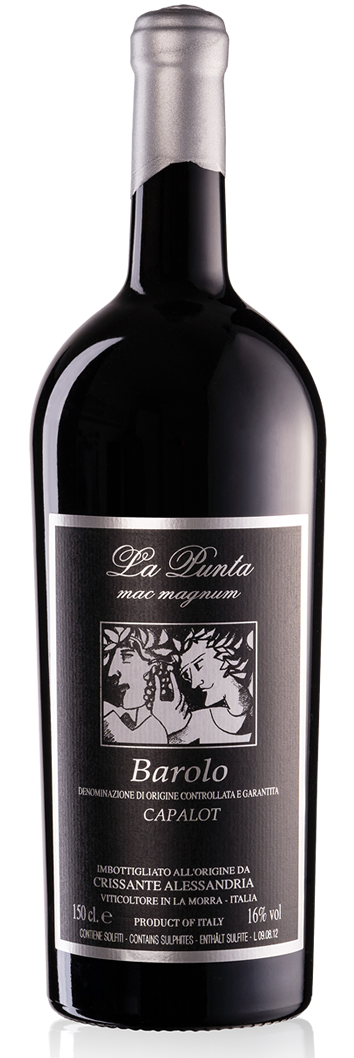
Barolo Mac Magnum La Punta
BASIC INFORMATION
Product name: Barolo Mac Magnum La Punta Grape: 100% Nebbiolo Classification: DOCG Number of bottles produced: Color: garnet red Fragrance: ripe red fruits, licorice and vanilla Taste: full body, elegant with soft tannins Food pairing: meats, cheese
VINIFICATION (Wine-making)
Method: manual de-stemming, grape by grape, before pressing. Fermentation two weeks long in contact with the skins, with only manual pump-overs. The must and wine never come in contact with electric pumps and are always transferred manually as in ancient times with the utmost respect for the product. Aging: in 300 liter barrels for at least 2 years Minimum aging in bottle: 9 months
VINEYARD
Vineyard: Capalot Soil: limestone with fine sand Exposure: south/east Year planted: 1966
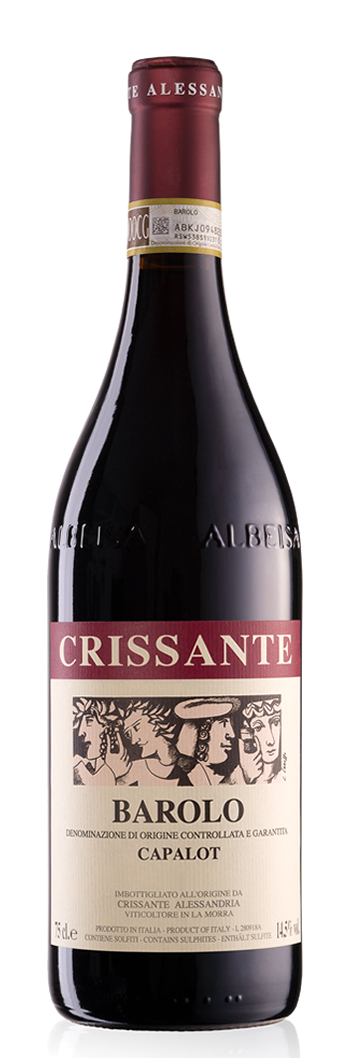
Barolo Capalot
BASIC INFORMATION
Product name: Barolo Capalot Grape: 100% Nebbiolo Classification: DOCG Number of bottles produced: 4000 Color: intense garnet red Fragrance: red fruits, blackberries and plums Taste: fruity, with hint of vanilla
VINIFICATION (Wine-making)
Method: about 2 weeks of maceration in stainless tank at 28 degree temperature control; “Follatura manuale” and remontage process 4 times for day for the first 5 days until the end of pressing process Aging: botte grande for 24 months Minimum aging in bottle:
VINEYARD
Vineyard: Capalot Soil: limestone with fine sand Exposure: south/east Altitude: 300-330 Year planted: 1951
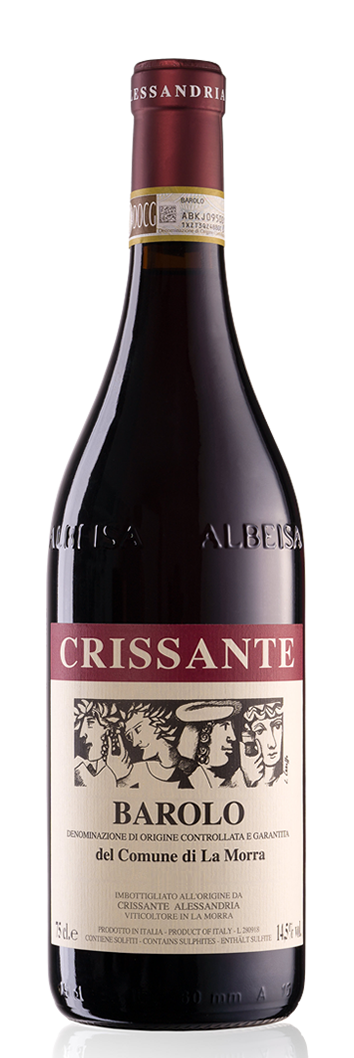
Barolo Del Comune Di La Morra
BASIC INFORMATION
Product name: Barolo del Comune di La Morra Grape: 100% Nebbiolo Classification: DOCG Number of bottles produced: 16 000 Color: brilliant garnet ruby Fragrance: cherry, ripe strawberry, hint of dried apricots Taste: full body, silky tannins Food pairing: meat, cheese, pasta
VINIFICATION (Wine-making)
Method: about 2 weeks of maceration in stainless steel tank at 26-28 degree with temperature control. Punching down and remontage process 4 times for day from the fifth day until the end of fermentation process Aging: botte grande for 24 months Minimum aging in bottle: about 9 months
VINEYARD
Vineyard: 60% Roggeri, 20% San Biagio, 20% Bettolotti Soil: Roggeri – clay with limestone, San Biagio – light clay and sand, Bettolotti – light clay and sand Exposure: : Roggeri – south-east, San Biagio – south, Bettolotti – east Year planted: range from 2016 to 1957
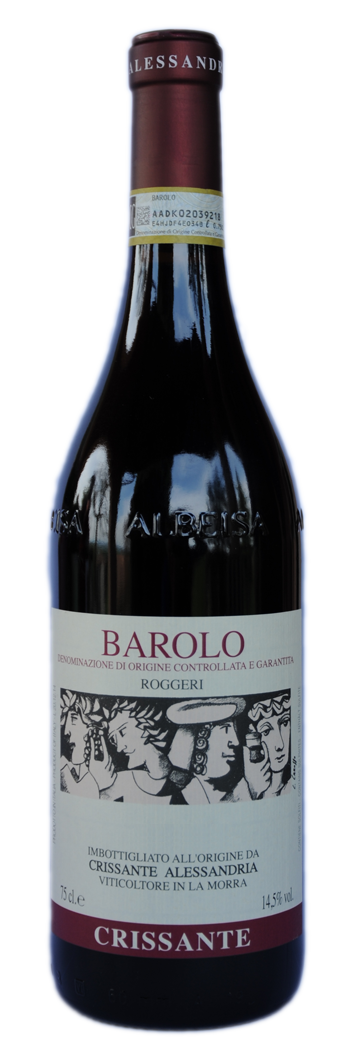
Barolo Roggeri
BASIC INFORMATION
Product name: Barolo Roggeri Grape: 100% Nebbiolo Classification: DOCG Number of bottles produced: 15 000 Color: intense garnet red Fragrance: mature fruits like plum, apricot and blackcurrant with hint of purple flowers Taste: good body, velvety tannins, long finish Food pairing: meat, cheese, pasta
VINIFICATION (Wine-making)
Method: about 2 weeks of maceration in stainless steel tank at 28 degree with temperature control. “Follatura manuale” and remontage process 4 times for day for the first 5 days Aging: botte grande for 24 months
VINEYARD
Vineyard: Roggeri Soil: clay with limestone Exposure: south, south-east Altitude: 280-300 Year planted: 1957
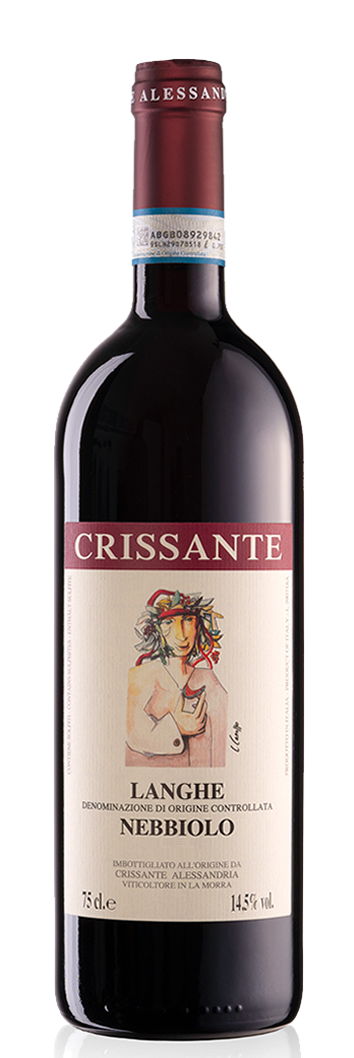
Langhe Nebbiolo
BASIC INFORMATION
Product name: Langhe Nebbiolo Grape: 100% Nebbiolo Classification: DOC Number of bottles produced: 1200 Color: ruby red with garnet reflections Fragrance: red fruit, raspberry, cherry, and violets Taste: warm, pleasant tannins, aftertaste of cherries Food pairing: cheese, pasta, meat
VINIFICATION (Wine-making)
Method: fermentation for approximately 10 days in temperature-controlled steel tanks in contact with the skins, frequent pump-overs and punch-downs especially during the first 5 days of maceration Aging: 12 months in used barrique Minimum aging in bottle: about 6 months
VINEYARD
Vineyard: vineyards in La Morra Soil: clayey and calcareous soil with underlying marl Exposure: East Year planted: 2009
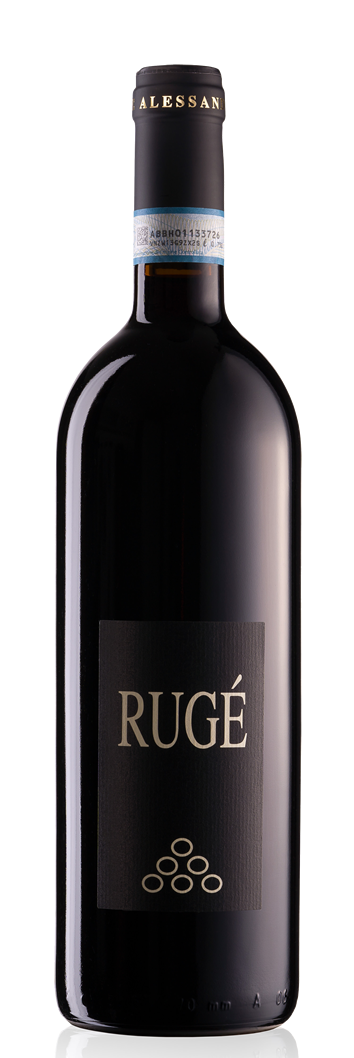
Barbera d’Alba Superiore Rugé
BASIC INFORMATION
Product name: Barbera d’Alba Superiore Rugè Grape: 100% Barbera Classification: DOC Number of bottles produced: 2000 Color: ruby red with garnet nuances Fragrance: blackcurrant, licorice, mature cherry Taste: rich, full bodied, red fruit, vanilla Food pairing: pasta, lamb,
VINIFICATION (Wine-making)
Method: about 2 weeks of maceration in stainless steel tank at 28 degrees with temperature control. “Follatura manuale” and remontage process 4 times for day for the first 5 days until the end of pressing process. Aging: tonneaux for 12 months
VINEYARD
Vineyard: from La Morra Soil: clay and limestone Exposure: south, east Altitude: 250-300 Year planted: 1954
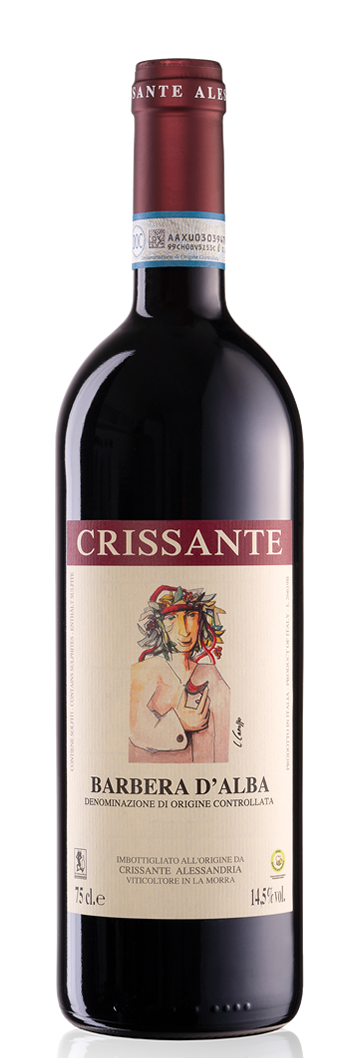
Barbera d’Alba
BASIC INFORMATION
Product name: Barbera d’Alba Grape: 100% Barbera Classification: DOC Number of bottles produced: 2500 Color: lively ruby red with violet hues Fragrance: cherry, raspberry and blackberry Taste: intense, full-bodied, fresh acidity Food pairing: meat, cheese, pasta
VINIFICATION (Wine-making)
Method: fermentation for 10/12 days in steel tanks in contact with the skins, frequent pump-overs and punch-downs especially during the first 7 days of maceration. Aging: stainless steel
VINEYARD
Vineyard: Bricco San Biagio Soil: mark, calcareous, slightly sandy Exposure: east Altitude: 200-250 Year planted: 1990
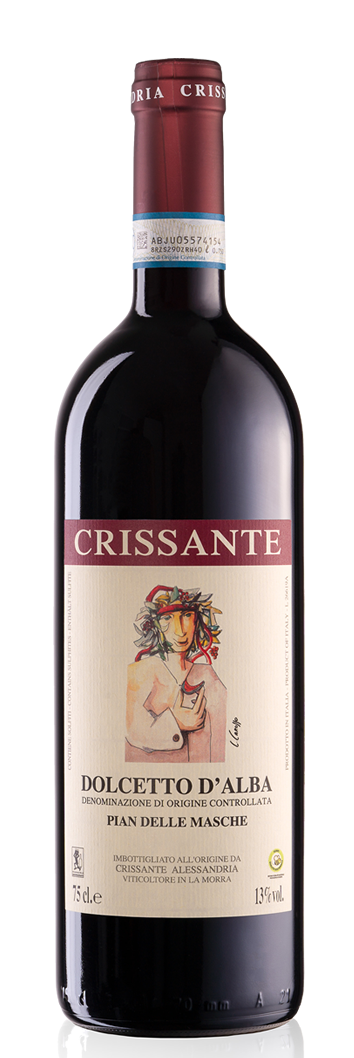
Dolcetto d’Alba
BASIC INFORMATION
Product name: Dolcetto d’Alba Grape: 100% Dolcetto Classification: DOC Number of bottles produced: 1200 Color: intense ruby red with violet hues Fragrance: cherries, redcurrant, violets Taste: soft, good body, almond aftertaste Food pairing: pizza, appetizers, main courses
VINIFICATION (Wine-making)
Method: fermentation for seven days in steel tanks in contact with the skins, frequent pump-overs and punch-downs especially during the first 4 days of maceration Aging: stainless steel
VINEYARD
Vineyard: vineyards in La Morra Soil: marl, calcareous Exposure: east Altitude: 300-350 Year planted: 1968
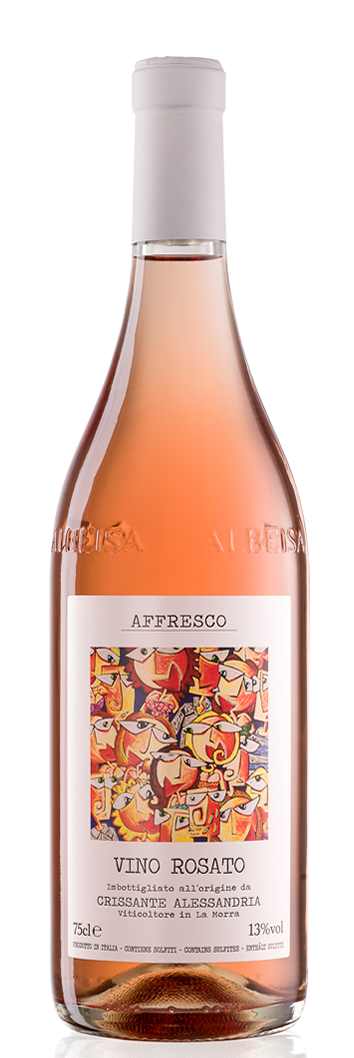
Rosato Affresco
BASIC INFORMATION
Product name: Rosato Affresco Grape: Classification: Number of bottles produced: 1500 Color: pale pink Fragrance: raspberries, cherries, floral notes Taste: fruity with fresh acidity Food pairing: aperitivo, appetizers, seafood
VINIFICATION (Wine-making)
Method: racking a few hours after pressing and after brief contact with the skins, where a small amount of color is extracted. Long fermentation lasting three to four weeks in temperature controlled stainless steel tanks at low temperature in contact with the skins. It remains in the stainless steel tanks for the winter months with exposure to the natural cold Aging: stainless steel
VINEYARD
Vineyard: various Soil: marly-calcareous from different vineyards Exposure: east, south-east Year planted: various
Have you tried the recent release from Marengo? Wondering if you should? I think it’s a no brainer, but maybe these tasting notes might help persuade you!
Dolcetto d’Alba 2020
This Dolcetto is on fire! Quite concentrated with good structured and lots of fruit. It lasts forever! So good!
Barbera d’Alba Vigna Pugnane 2019
What a beautiful Barbera nose with aromas of red berries and spices. Explosive, both on the nose and in the mouth.
Nebbiolo d’Alba Valmaggiore 2019
The Marengo Nebbiolo d’Alba Valmaggiore might be my favorite Marengo wine. And one of my favorite Nebbiolo’s. The 2019 is no different! A very balanced wine with good structure and elegant tannins. On the nose you’ll find rose petals, mineral notes and a hint of tobacco.
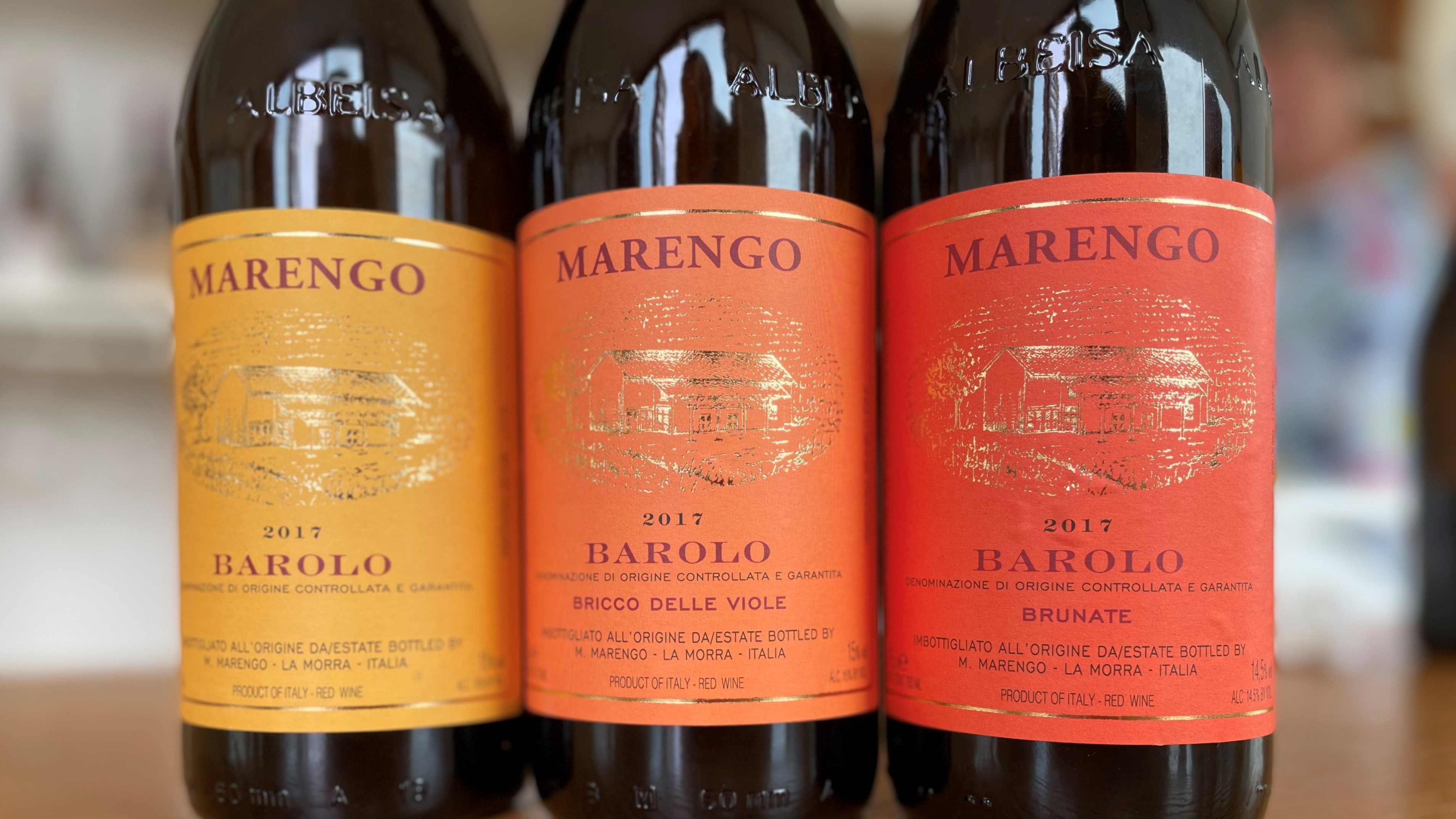
Barolo: Recent Release from Marengo
Marengo Barolo 2017
The classic Barolo is a bit concentrated, similar to many other 2017 Barolo’s. The tannins are big and a bit more chewy compared to the 2016, but the wine is good!
Barolo Bricco Delle Viole 2017
The Bricco delle Viole has a beautiful floral nose with aromas of dark fruit. Also quite concentrated. Very easy to drink with lots of fruit and good length.
Marengo Barolo Brunate 2017
The Brunate was a little bit closed at first, but opens up in the glass and becomes the Brunate we all know and love. A big but elegant wine with hints of tobacco and leather.
Meet the Marengo Family
Marengo: Geek or nerd, in the modern, positive, definition of the words. The same way Bill Gates is often referred to as a nerd, an expert and enthusiast, and obsessed with intellectual pursuit of winemaking.
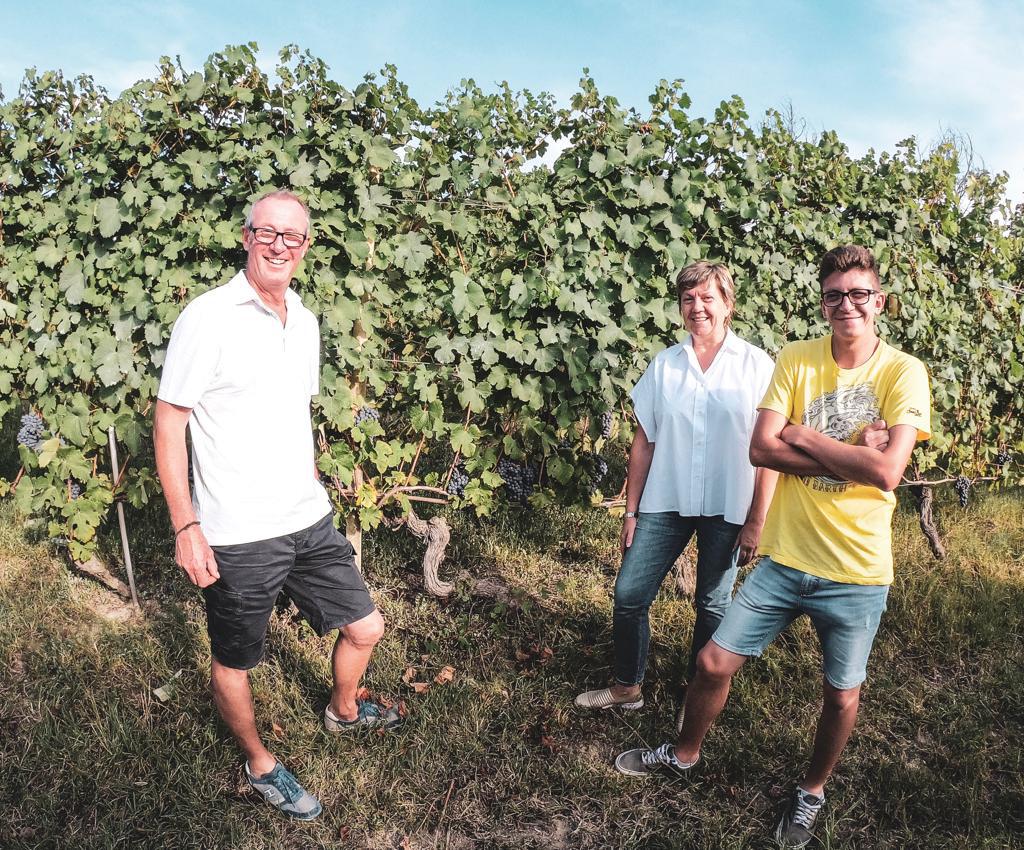
Jenny and Marco Marengo are warm and generous people, who are very passionate about their wines. Their son, Stefano, recently joined the winery full time, and the three of them work enthusiastically together in the pursuit of excellent winemaking.
If you ever feel like you need an introduction to Piemonte, you’ve come to the right place! And even if you don’t feel like you need one, my bet is that you’re still in the right place. One of my all time favorite things to do, is share my love of wine with others. And so that’s what I do.
My goal is for you to learn something new while having fun. I want to introduce you to good wines and wonderful winemakers. I aspire to create a space where you can ask any question you might have. In fact, the more questions you have, the better the experience will be. And I want you to know: at a Piemontegirl Tasting there are no stupid questions.
“A True Learning Experience”
We were lucky to have Piemonte Girl take the wine club Garva through tasting of the four wines above. That proved to be a great tasting event combined with a true learning experience. Piemonte Girl has extensive knowledge of the wines we tasted and the Piedmont wine region. Funny that she also spiced it all up with small anecdotes from her time living in Piedmont and working at vineyards there. An experience to be repeated.
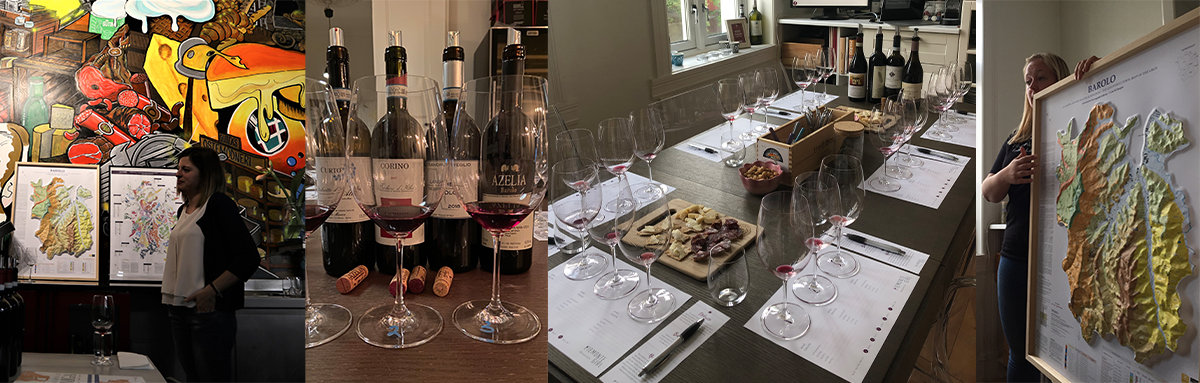
“Introduction to Piemonte” is a perfect way to discover what Piemonte has to offer! Together we will taste the three most important red grape varieties. This course is “one size” fits all, and is suitable for everyone. You don’t need any previous knowledge.
Piemontegirl will bring glasses, wine, snacks and many good stories. This course includes 4 wines.
Price: 3499kr *max 8 people
Introduction to Piemonte Virtual Tasting
Just because Piemontegirl is currently located in Oslo and the winemaker from Langhe is located in Piemonte, does not mean we can’t share a meal and some wine together.
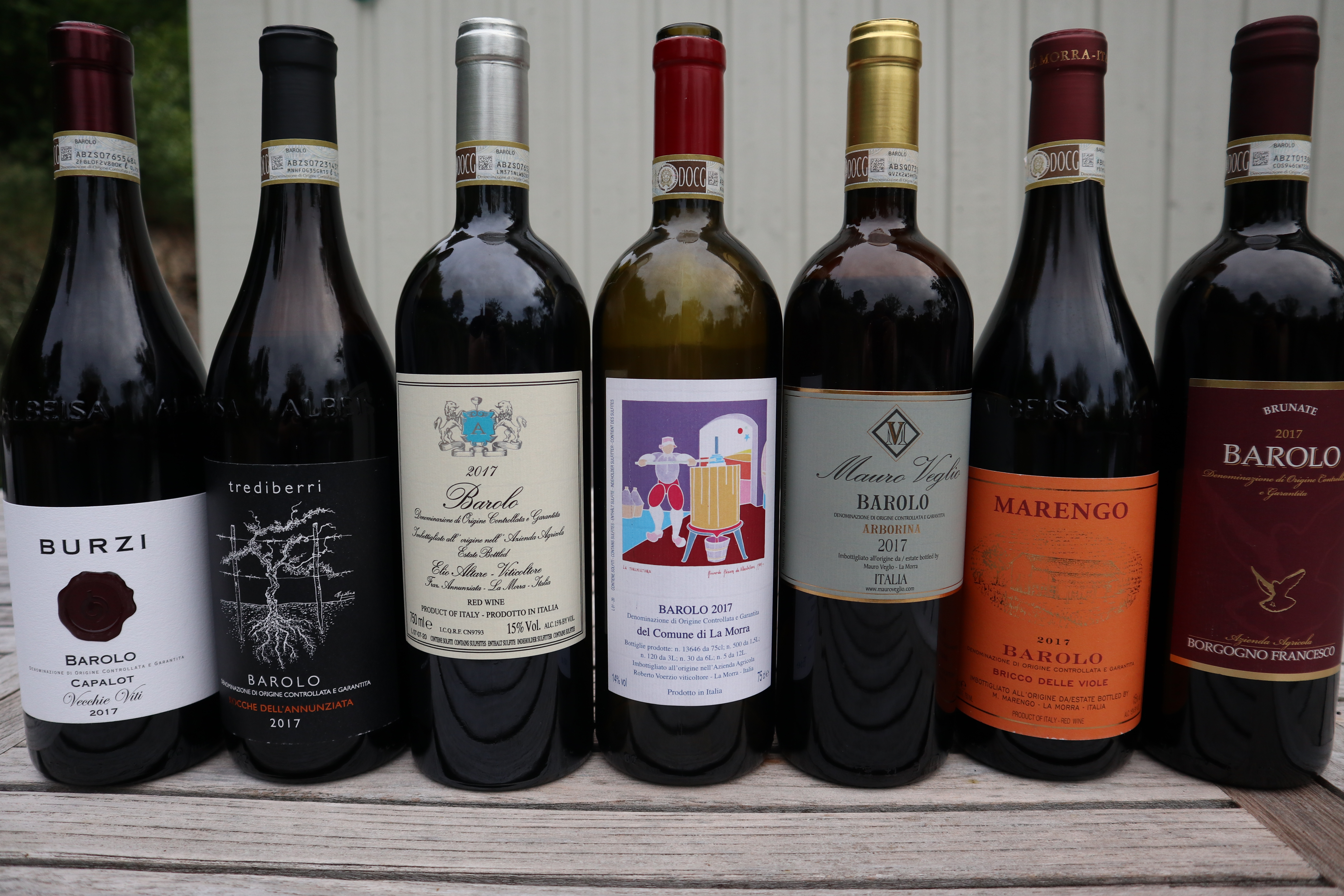
Below are tasting notes of Barolo 2017 in alphabetical order.
Altare Barolo The Altare Barolo 2017 has a beautiful Nebbiolo nose. Floral, fruity and mineral; Just like a Barolo should smell. On the nose you’ll also find aromas of cherry, chocolate, tobacco and rose petals. A balanced and approachable Barolo with good length!
Andrea Oberto Barolo La Morra A subtle but floral Barolo with aromas of red fruit. The tannins are present, but not in any way aggressive. In Andrea’s own words, it’s “molto morbido”, which means “very soft”.
Andrea Oberto Barolo Arbarella The Albarella is even more subtle nose, with aromas of tobacco, spices and red fruit. The tannins are round, but a bit bigger than the La Morra.
Andrea Oberto Barolo Rocche dell’Annunziata Round, good bodied and balanced. A big and complex wine that might need some time to open up in the glass. My favorite out of the three 2017 Barolo’s from Andrea Oberto.
Burzi Capalot A more concentrated Barolo with aromas of dark red fruit and berries with a hint of tobacco. Some floral notes as wel
Cascina Fontana Barolo 2017 Beautiful on the nose, big in the mouth with robust tannins. This wine will benefit from some time in the bottle.
Cavallotto Bricco Boschis Beautiful nose with aromas of roses, herbs, red fruit and a hint of chocolate. Medium round tannins with a good finish.
Chiara Boschis Barolo Cannubi The Cannubi is always more elegant than the Via Nuova and Mosconi. An attractive, voluptuous Barolo with good structure.
Chiara Boschis Barolo Via Nuova The Via Nuova has slightly bigger tannins compared to the Cannubi. In addition to the aromas of red fruit there are hints of herbs and spices.
Chiara Boschis Barolo Mosconi The Mosconi was very floral and slightly feminine on the nose. Also quite aromatic. But in the mouth it’s more masculine. A big Barolo.
Crissante Alessandria Barolo Del Comune di La morra The Barolo Del Comune di La morra 2017 consists of 60% Rogeeri, 20% San Biagio and 20% Bettolotti. The wine ages for 24 months botte grande. The 2017 is quite concentrated and a bit war, with aromas of dark red fruit.
Diego Morra Barolo Zinzasco Typical Barolo nose with aromas of red fruit, roses and spices. Well-rounded tannins and good balance. A beautiful wine.
Diego Morra Barolo Monvigliero The Monvigliero is a bit “bigger” than the Zinxasco. Aromas of dark red fruit, spices and white pepper. Warm but not ripe. Big but balanced. A well rounded Barolo!
Ettore Germano Barolo Serralunga A fruity, floral and fresh Barolo with a slight hint of mint. A more masculine Barolo with gripping tannins. Long finish. A very good wine.
Ettore Germano Barolo Prapo The Prapo Barolo is a bit more concentrated compared to the Cerretta. Warmer fruit, also a tad warmer in the mouth. A more linear wine, straight to the point.
Ettore Germano Barolo Cerretta The Cerretta Barolo is quite fresh, with good fruit. A bit more complex than Prapo, with good fruit and some mineral notes.
Francesco Borgogno Barolo Brunate The Francesco Borgogno Brunate was not as concentrated as many of the other Barolo 2017’s I’ve tasted. A big but elegant wine. Leaves you wanting more.
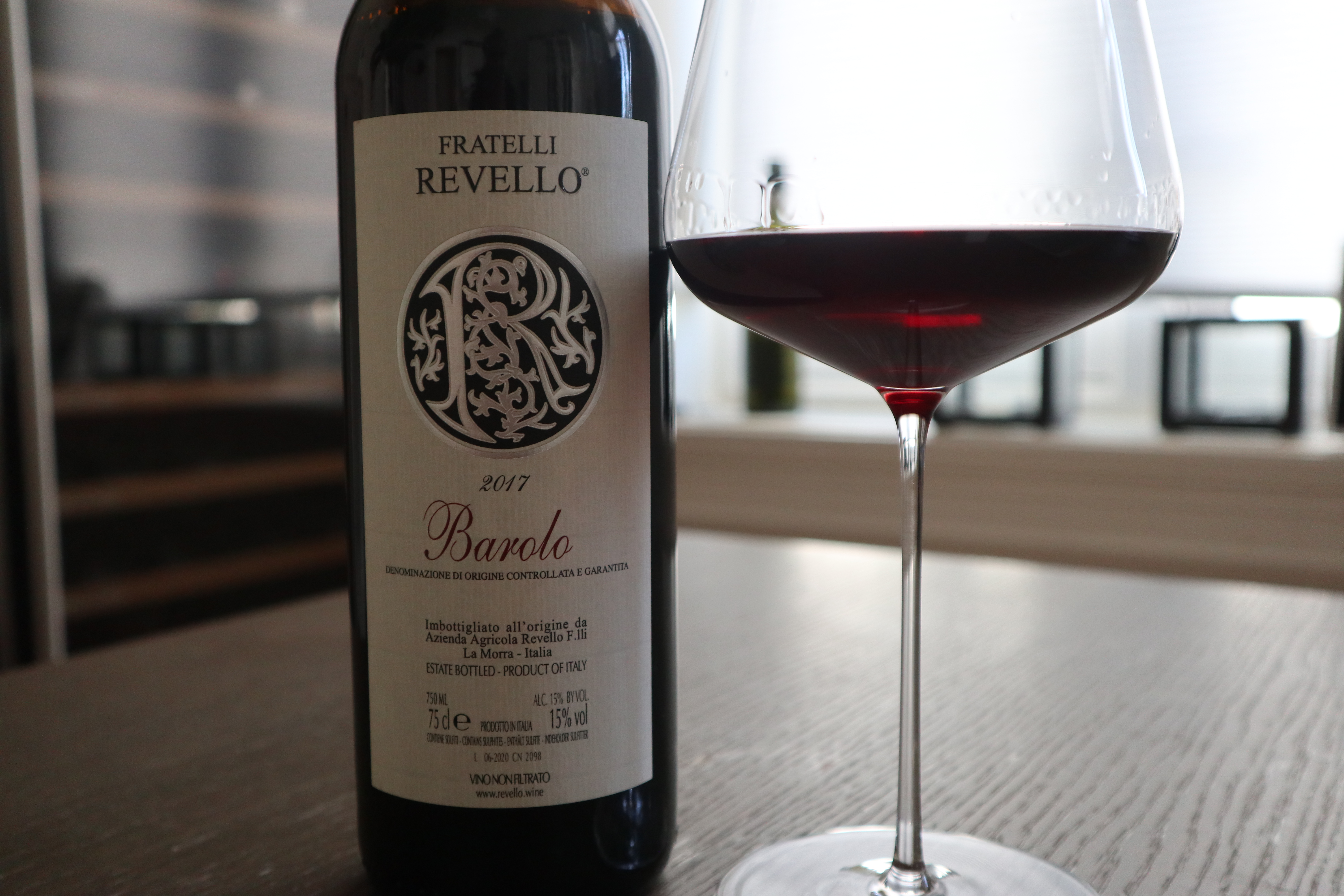
Fratelli Revello Barolo The Fratelli Revello Barolo 2017 has that beautiful Barolo aroma. As with other 2017’s, it’s more concentrated than 2016, with aromas of dark fruit. There are also floral notes, a feminine touch, typical of wines from La Morra. Quite structured in the mouth, with good balance. The 2017’s are very young, and will probably benefit from some time in the bottle.
Fratelli Revello Barolo Conca The Conca is more masculine than the classico. But it’s also a bit fruitier with aromas of red berries, Big tannins and good structure.
Giovanni Corino Barolo del Comune di La Morra A complex nose, with hints of fruit. A more concentrated Barolo with relatively big tannins.
Giovanni Corino Barolo Bricco Manescotto The Bricco Manescotto is quite similar to the Barolo del Comune di La Morra on the nose. Aromas of fruit and tobacco. Fruity in the mouth, followed by tannins.
Giovanni Corino Barolo Arborina An aromatic Barolo with good concentration. Floral and fruity on the nose. A balanced wine with good tannins. Nice length as well. A great Barolo 2017!
Luigi Pira Barolo Vignarionda The Luigi Pira Barolo Vignarionda is considered Pira’s top wine. Aged for 24 months in a mix of barrique, tonneau and botte grande. Floral and fruity on the nose, with hints of mineral and we earth. The Vignarionda is a big, but the tannins disappear quickly, and you’re left with a well-balanced Barolo.
Marengo Barolo The classic Barolo is a bit concentrated, similar to many other 2017 Barolo’s. The tannins are big and a bit more chewy, especially compared to the 2016, but the wine is good!
Marengo Bricco Delle Viole The Bricco delle Viole has a beautiful floral nose with aromas of dark fruit. Also quite concentrated. Very easy to drink with lots of fruit and good length.
Marengo Barolo Brunate The Brunate was a little bit closed at first, but opens up in the glass and becomes the Brunate we all know and love. A big but elegant wine with hints of tobacco and leather.
Mauro Veglio Arborina The 2017 Arborina is perhaps a bit more masculine than the 2016. Aromas of darker fruits, flowers and a hint of tobacco. A very approachable Barolo.
Nadia Curto Barolo La Foia The Nadia Curto Barolo La Foia is made exclusively with grapes from the Arborina vineyard. The 2017 was quite aromatic with notes of red fruits, flowers and a hint of tobacco. A good example of a 2017 Barolo!
Nadia Curto Barolo Arborina The Arborina 2017 is a bit warmer than the Barolo La Foia 2017, with notes of darker red fruits and berries.
Principiano Barolo An austere Barolo with aromas of leather and wet earth. Spicy in the mouth. A very interesting wine.
Roberto Voerzio Barolo del Comune di La Morra The Roberto Voerzio Barolo del Comune di La Morra 2017 is quite concentrated. Aromas of red fruits with a hint of tobacco. Floral aromas of rose petals and violets. Feminine but concentrated. Develops in the mouth: Starts big, mellows out. Long finish.
Trediberri Rocche dell’Annunziata The Trediberri Rocche is very inviting. Fruity and floral with aromas of red fruits and cherry. Perhaps a hint of licorice as well. Good balance and good length. An approachable wine.
Vietti Castiglione A very fruity Barolo with a spicy nose. Perhaps a hint of mint? Balanced, approachable but also a bit austere. A very complex wine.
The Fratelli Revello Barolo 2017 has that beautiful Barolo aroma. As with other 2017’s, it’s more concentrated than 2016, with aromas of dark fruit. There are also floral notes, a feminine touch, typical of wines from La Morra. Quite structured in the mouth, with good balance. The 2017’s are very young, and will probably benefit from some time in the bottle.
2017 vs 2016
Every vintage is different. Some are hot, some are cold, some are dry and some are wet. And then you have everything in between. You could refer to 2017 as a dry vintage. There was basially a drought from August to November. 2 days of rain in September “saved” the harvest, along with the water reserve from the rainfall in the spring. I’ve only tasted a handful of 2017 Barolo’s so far, but the vintage seems promising.
The Fratelli Revello Barolo 2016 seduces you with aromas of red berries, licorice, tobacco and roses. The wine is powerful yet elegant, with a round fruity feel backed up by a good structure.
The Fratelli Revello story dates all the way back to 1945, but it wasn’t until 1967 they started to vinify their grapes under a family label – Giovanni Revello & Figli. In 1990, Carlo and Lorenzo Revello took over the estate, and worked together until 2016 when they decided to go in different directions. Fratelli Revello stayed with Lorenzo while Carlo started his own label: Carlo Revello & Figli.
It’s quite common for wineries to divide and “multiply” as the family grows. The same happened to the Corino’s in 2005. Just imagine how many would end up working at a winery if everyone had 2-4 children each! I think it’s a win-win, because then each sibling gets to make wine in their own way and we get another interpretation of the wine!
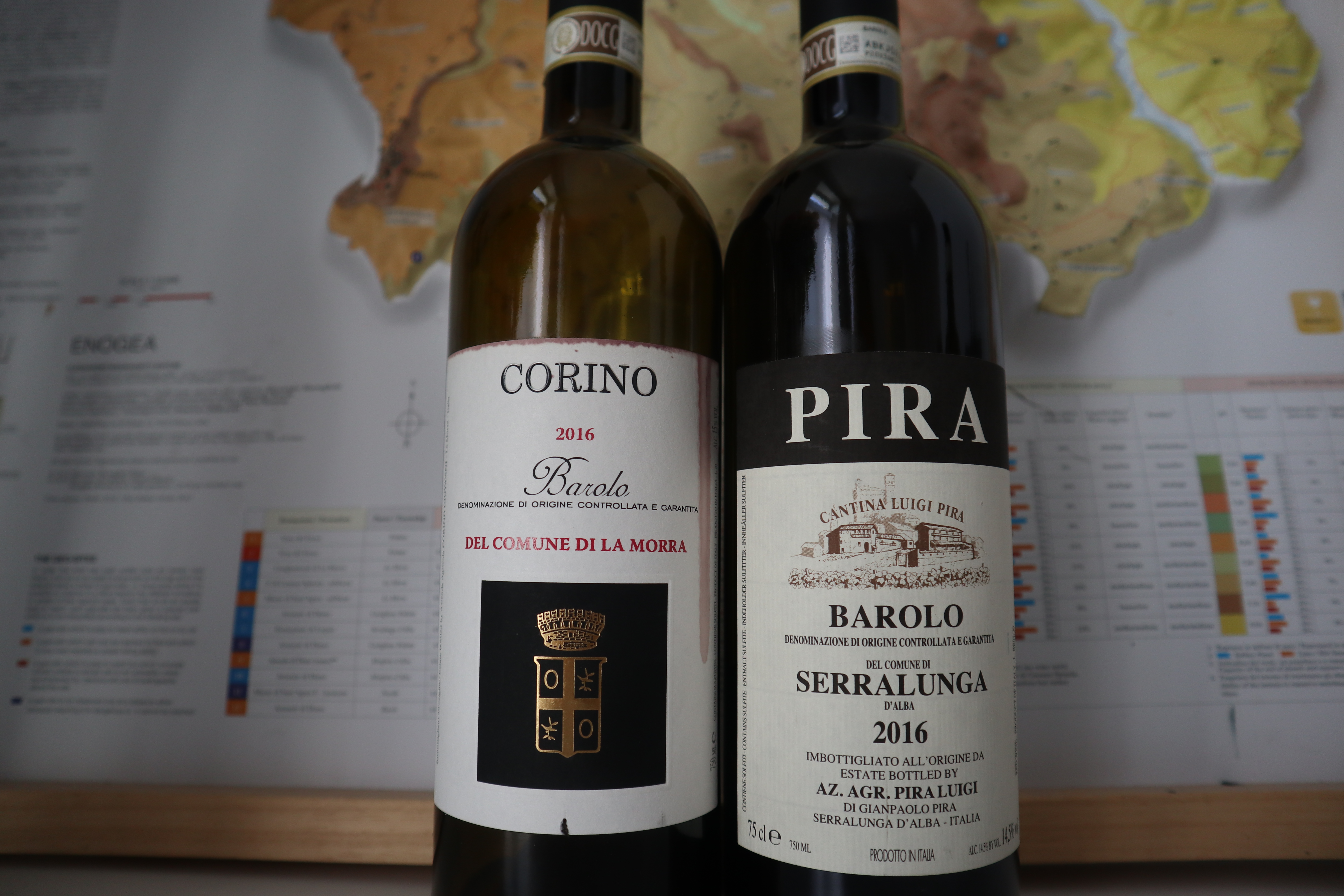
What is a Barolo del comune di “La Morra” or a Barolo de comune di “Serralunga”? The Comune Barolo’s are relatively new, and were previously called just Barolo. In the Barolo region there is a distinction between Barolo and single vineyard Barolo, the difference being where the grapes come from.
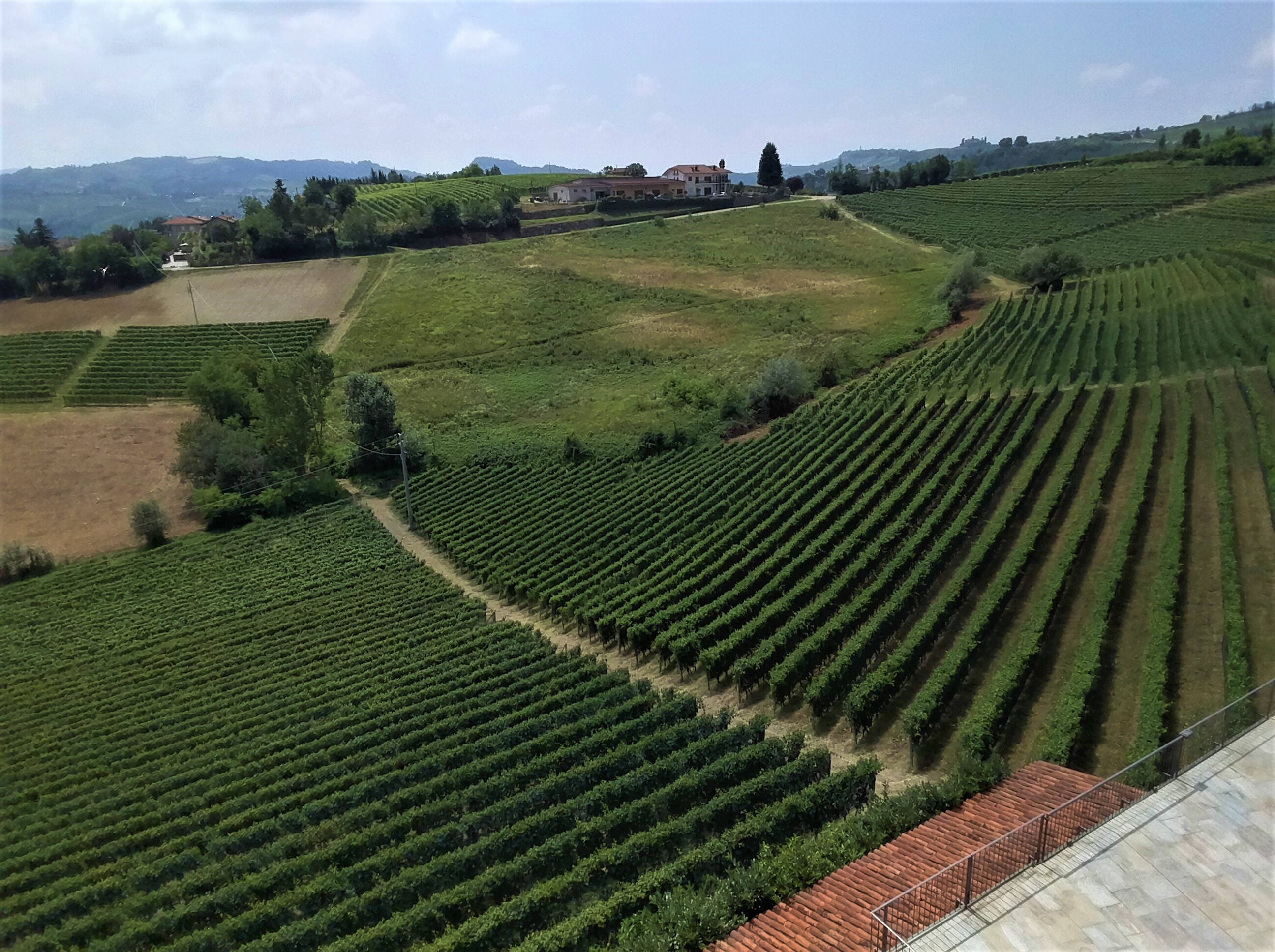
Arborina in La Morra
Blend vs. single Vineyard
In the classic Barolo, the grapes usually come from different vineyards and are blended together into one wine, as opposed to the single vineyard Barolo, where all the grapes come from one specific vineyard.
Most winemakers these days make both a blend and single vineyard Barolo’s. I say most, but there are of course exceptions, like Maria Teresa Mascarello. There is only one Bartolo Mascarello Barolo, and it’s a blend from four different vineyards. Exceptions aside, you’ll find most winemakers have both a single vineyard Barolo as well as some single vineyard Barolo’s in their line-up.
Comune vs Classic Barolo
What is the difference between the “Barolo del commune di” and the Barolo Classico? In the Comune Barolo, all the grapes come from the specific Comune, whereas in the Barolo Classico the grapes can come from any of the Barolo villages. But why make the distinction? Terroir plays an integral part in Barolo, and the terroir differs from town to town, making a Comune Barolo an interesting concept. It’s not single vineyard representing a Cru, but it does represent the Comune. *as with the rules for single vineyard wines, they can add up to 15% of the grapes from any Barolo vineyard.
For instance, the Giovanni Corino Barolo del Comune di La Morra has quite different characteristics from the Luigi Pira Barolo del Comune di Serralunga. The La Morra Barolo is a bit more feminine and elegant, whereas the Serralunga Barolo is more masculine and structured.
Note: there are other factors that affect the wine, but it is generally accepted that the wines from La Morra are more feminine than wines from Serralunga.
Tasting Notes
Giovanni Corino Barolo del Comune di La Morra
Beautiful floral aromas, as well as cherry and other red fruit. Elegant and balanced, with a feminine touch. One year in the bottle has rounded the tannins quite a bit, and the wine has perhaps become even more approachable!
Luigi Pira Barolo del Comune di Serralunga
Aromas of cherry and black currant, darker fruits than the Barolo from La Morra. The tannins are also a bit bigger and the wine is more structured. A big but elegant wine. After one year in the bottle, the tannins are still quite persistent. I think this wine could benefit from a few more years in the cellar.

 PIEMONTEGIRL