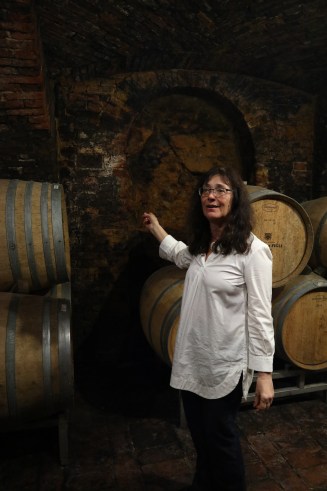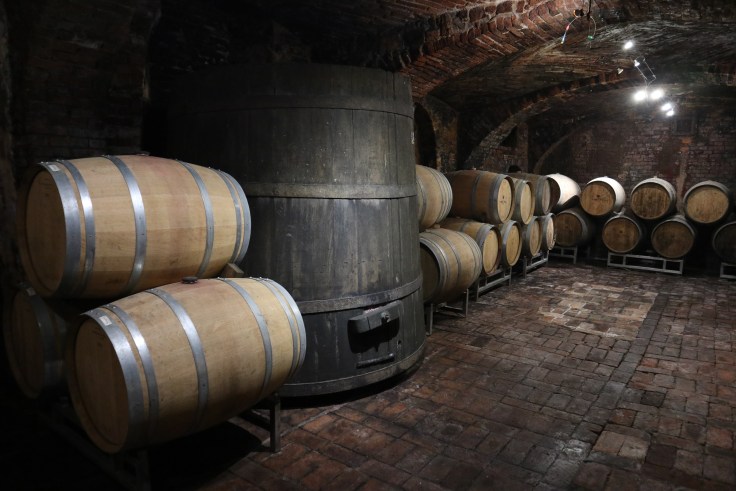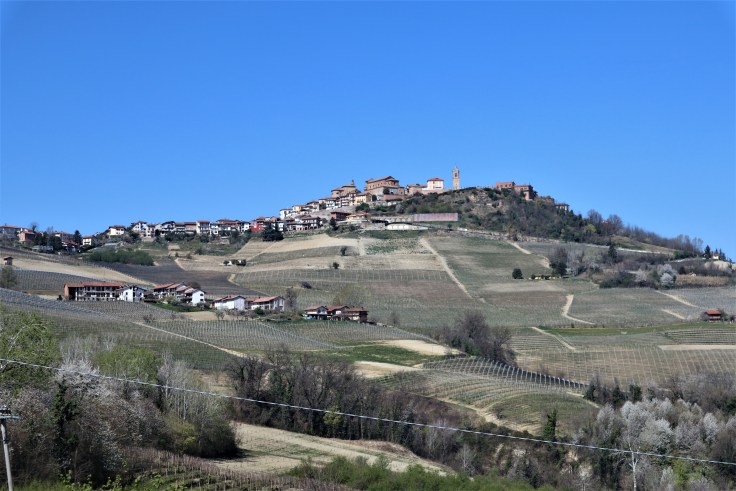
A Family Affair

A Family Business

In the wine industry, it’s very common to work with your family. You pass the winery onto your children, your children pass it onto their children. And so it goes for generations. But what happens if your son or daughter don’t want to make wine? What happens if you don’t have any children? What happens if you disagree? Or, worst case; what happens if you don’t get along?

Winemakers are people, just like you and me. Do we always get along with our family? Do we always follow in the footsteps of our parents? No. My whole family works in one industry, and I chose another. But is it easy to chose a different path when you’re raised in the family business? I know that some of the Oddero family members became doctors instead of winemakers. Nicola at Trediberri studied business before he became a winemaker. Something that often happens, is a winery “splitting up”. Example: one sibling continues with the same winery while the other sibling starts up a new one. In La Morra you have Revello Fratelli and Carlo Revello & Figli, where the two sons decided to split up and do their own thing. Now, “splitting up” doesn’t have to be the cause of a fight or argument. Sometimes it’s just the right thing to do. Maybe they have different visions or strategies. Maybe they both have multiple kids who want to continue the tradition, and it makes sense to divide and conquer.

Complicated Also For Wine Lovers

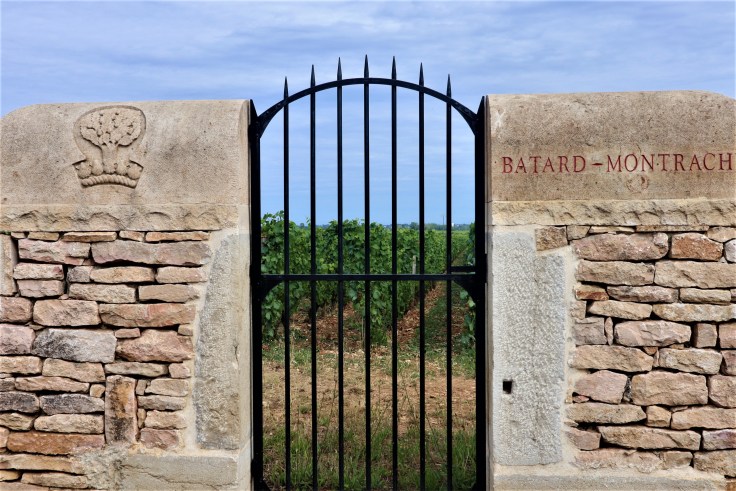
I am not saying that this is as bad for us wine lovers as it is for the families involved, because it is not, but that is not to say that this phenomenon does not influence the lives of someone who just loves to enjoy wine.  I mean, have you ever thought about how many wineries have the same or similar names?! How many Boillots are there in Burgundy? Moreys? Colins? Or to make matters worse, someone decides to call their son Colin-Morey. It’s not weird that you sometimes feel confused when buying wine. Which one was the Colin you wanted? Pierre Yves Colin Morey or Marc Colin? Or a completely different Colin. The strangest part is that some of them are actually related, while others just have the same last name. Which just makes it harder for us consumers to navigate the vast world of wine.  
Did I Say Complicated?

For long, this was a burgundian “problem”.  In Piemonte, for example, the next generation just kept the name of their fathers.  But now with changes at the Fontana, Revello, Vietti, and Veglio wineres amongst others, one really needs to pay attention to be on top of which wine is which, and who makes what.  Take this example from La Morra:  A few years ago, news broke that Andrea Oberto’s son left the winery. But not only did he stop working with his father, he started his own winery, mere feet from his father. What will happen to Andrea Oberto now? Will his daughter (who I believe does some office work for the winery) step in and fill the shoes of her brother? Will Andrea have to pass his legacy onto someone outside the family?

A consequence of Fabio Oberto starting up his own company, La Collina di Dioniso, is that the wines of Andrea Oberto are no longer available in Norway. But you can find Andrea’s wines in La Morra, Piemonte, at the local restaurants and the local wine store. Interestingly enough, you can’t find Fabio’s wines there. What do you think that means?

And what does it mean for the consumer? For the producer? For the importer? This is so complicated I don’t even want to try to analyze. But just think about it next time you find Fabio Oberto’s wines instead of Andrea Oberto’s. So much is happening behind the scenes – at the wine store, at the importers office and in the homes of these wine families.
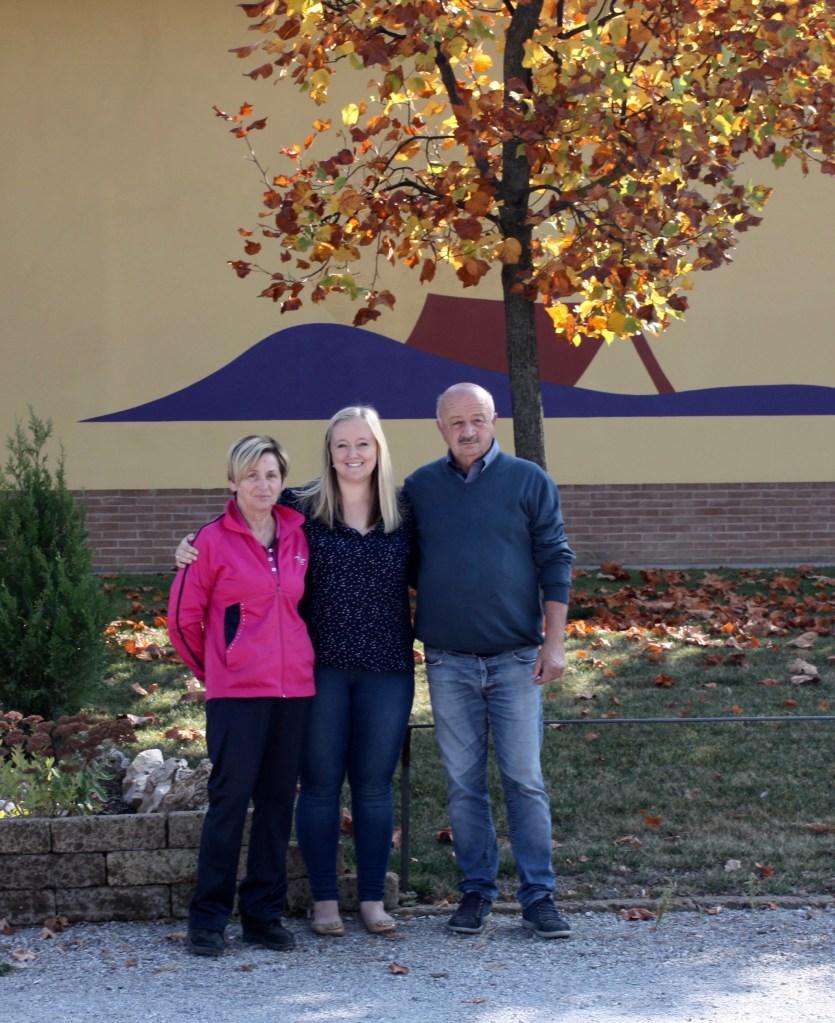
Andrea Oberto & his wife

Happily Ever After

What does a happily ever after look like at a winery in Piemonte? My answer would be: Happiness is in the eye of the beholder. I mean, who are we really to have an opinion on whether a winery stays in the family, if they split up or stay together, or even sell? Most of us have no clue what is going on in each of these families, and it’s up to them to find out what suits them the best.
When to travel to Piemonte

In my opinion, March to mid-August is the best time to visit Piemonte. The summer months can be quite hot, but if you have a hotel with a pool it’s quite manageable. Besides, I spend most of my time in a dark wine cellar, so the outside temperature doesn’t really matter.  If Festivals are your thing perhaps September and October better floats your boat.

January

January is the coolest month in Piemonte. Temperatures can drop below 0 degrees Celsius and rarely go above 10 degrees Celsius. It is a vacation month for many Piemontese. Check availability of hotels, restaurants, and winemakers before you plan to go in January.

February

Temperatures still low in February, but slowly starting to climb. Piemonte will be quite calm, but the winemakers are working hard. Wineries will most likely be open, and less busy as February is sort of an off-season.

March

Piemonte starts warming up. Temperatures can rise to about 15 degrees. Some days you can even sit outside and have lunch. Especially if you’re Norwegian.

A highlight in March is the Wine Fair Prowein. Although this event takes place in Germany, it still affects Piemonte because many winemakers will travel there to present their wines.

April

April is the month of Vinitaly. Chances are many of the producers head to Verona for about a week, so winery visits might be difficult those days.

Another happening in April is Easter. And the day after Easter Sunday is Pasquetta. On this day, families come together and celebrate. Long lunches, picnics, barbeque, drinking, dancing & more.

May

May is one of the best months to visit Piemonte. Temperatures reach 20’s, the hills of Langhe are green and it’s time for the event Barbaresco a Tavola! Every year, multiple restaurants in Barbaresco participate in a wine tasting where you  try about 20 different Barbaresco wines blind.

Serralunga stand their ground to, inviting you to their “Wine Festival a Serralunga d’Alba” late in the month.  May is also Barbera month, with both Castagnole Lanze and Nizza Monferrato having barbera festivals.

June

Summertime! Wineries open, flowers blooming and temperatures soaring. Toward the end of the month, there is a big wine event called Hill Barolo La Morra. At this event you get the opportunity to taste the new vintage of Barolo.

July

If you like music festivals & wine, July is the month for you. Collisioni Festival takes place every July in Barolo. Previous performers include Patti Smith, Bob Dylan, Elton John, Neil Young, Steven Tyler, Placebo, Passenger, Mark Knopfler & Lenny Kravitz.

Another music event in Piemonte is the Monforte In Jazz Festival.

August

August 15th, or Ferragosto, means it’s vacation time for the people of Langhe. A lot of wineries will be closed, for a week or two while the hardworking winemakers take some well deserved time off.

At the end of August, there is a very fun event called Mangialonga. It’s a “non competitive enogastronomic hike” and takes place in La Morra.

September

Harvest usually starts mid to late September. For wine enthusiast it might be wise to book the trip at the beginning, but you never know when it will start. Hence chances of winery visits are diminished. 

Weather wise it’s a beautiful time to visit, and there are plenty of other things to do in the area. Like eat and drink. In fact, the first Sunday in September there is Degusta La Morra – an event where the winemakers of La Morra put up booths in the streets and for only £15 you can try as many wines as you like!

Verduno hosts a dinner where Pelaverga is the center of attention. Find out more here.

Bra hold their annual Cheese Festival, simply called “Cheese”, the 3rd weekend of September. Asti their Festival of Festivals (Festival delle Sagre in Italian), celebrating the customs and tradition of country life. And Verduno their “Festa del Verduno Pelaverga” celebrating their native grape Pelaverga. Neive says hello too, with their “Neive Vino e…”

October

Harvest continues into October. The end of the harvest depends on the vintage, so if you want to visit wineries, the later you go, the better chance you have.

If you’re unable to book any winery visits, you can try wines at the Cantina Comunale instead. Every Saturday in October (into November) you can try wines from the winemakers of La Morra.

October = truffles. And truffles = lots of tourists. The Truffle Festival in Alba starts early October and last until late November.

October is also the wettest month, on average, so if you want to avoid rain, maybe postpone your trip to November.

November

Truffle Festival still going strong, and some say the best truffles are found in November.

The first 3 Sundays in November, you can try wines from the winemakers of La Morra at the Cantina Comunale.

December

Things are quieting down in Piemonte. Christmas is approaching, the vines are sleeping and there is not so much to do in the vineyards. Why not celebrate New Years Eve, or Cappdanno, in one of the many amazing restaurants? I assure you they have Champagne!

Favorites

We all have our favorite wines or winemakers, and here are some of my favorites at the moment.

For Fun

Cascina Fontana Dolcetto 225,-
Looking for a wine to drink on a Tuesday night along with a bowl of pasta? Then this is your guy! And it the summer, chilling it a little may help cool you down in the hot summer months!

Trediberri Barbera 189,-
Trediberri’s first vintage was 2011 and his wines quality has skyrocketed! And at this price, this barbera is fricking steal!

Azelia Dolcetto 2013 179,-
A very interesting dolcetto, with grapes grown outside the Barolo area. This means that some of the best vineyards are actually used for Dolcetto instead of Nebbiolo, giving the grapes the best circumstances, making this Dolcetto extraordinary!

For Summer

Vietti Moscato 199,-
Get a bowl of strawberries and pop open this – it’s like you died and went to heaven. I love moscato, and I don’t even need a dessert. So good!

Trediberri Langhe Rosato 139,-
I am not a huge rose person, but if I had to pick one it’s for sure Trediberri’s Langhe Rosato. Fresh, not super sweet and made with love.

Agrapart Blanc de Blanc 508,-
Champagne is growing on me, and I really like this one. And as for Champagne, this is not super expensive. Blanc de blanc typically suits me best, and Agrapart makes a really good one!

Buy & Drink in 10 years

Marengo Barolo Brunate 599,-
Cavallotto Barolo Bricco Boschis 507,-
Corino Barolo 379,-

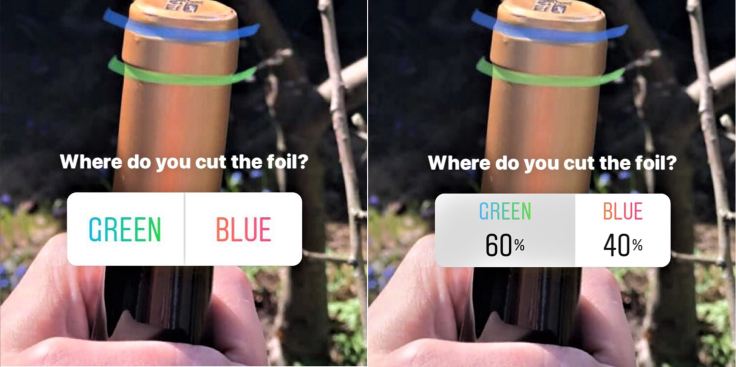
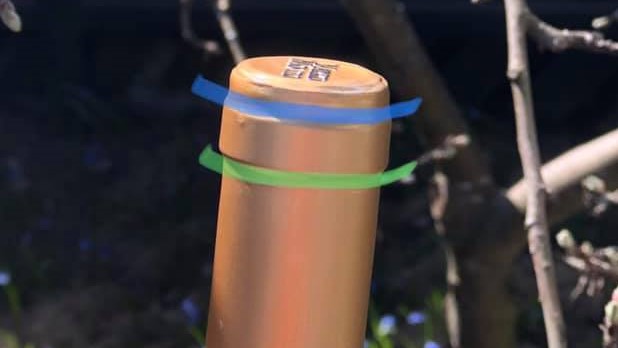
Team Green or Team Blue?

Team Green or Team Blue?

How do you cut the foil?

Does it matter? Is there a right way? Apparently, people have a lot of opinions on the subject. Here are a few of the preferences:
Green
Blue
In between green and blue
Take the whole foil off
Use a foil cutter (and then the type of cutter decides)
Used to be green, now blue (or vice versa)
Don’t care

Does it matter?

Apart from peoples preferences, is there a reason to do it one way or the other? Does one way affect the wine or the pouring of the wine? Some people say that cutting by the blue line will interfere with the wine, because the wine can come in contact with the foil on the way into the glass or the decanter. Others say cutting by the blue line will increase chances of spilling the wine while pouring.

What do the winemakers say?

Without “outing” any winemakers, it was interesting so see to which team they pledged allegiance. And just like my instagram story, they favor green. Here are some of the winemakers that participated in the survey:
Carlotta Rinaldi
Nadia Curto
Giovanni Corino
Alberto Viberti
Alessandro Veglio
Lorenzo Scavino from Azelia

What do the the experts say?

Most of the experts are Team Green. However, they dispute the fact that the foil affects the wine if it comes in contact. It’s more about the look, the ease of removing the foil and the ease of pouring without spilling

Jancis Robinson: Team Green
Wine Folly: Team Green
Dr. Vinny (Wine Spectator): Foil Cutter

Conclusion?

It doesn’t really matter. Most people are Team Green. And some are neither. In the end, do whatever you prefer. And what team am I?

The Barolo “Boy”

Chiara Boschis – a Barolo “boy”

About 30 years ago there was a revolution in the Langhe area, when the so called “modernists” where born. You may be able to debate how it started, but it can be argued that Elio played a big role when he brought his father’s big barrel outside and turned it into kindling. What followed was a sort of “war” between the modernists and traditionalists.

Chiara Boschis

I’m not sure you’ve heard of the “Barolo Boys“, but they are the main characters in this so called war. And amid all the boys – Elio Altare, Accomasso, Beppe Rinaldi & Roberto Voerzio – you have Chiara Boschis. Chiara assumed responsibility of the winery in 1980, and back then it was uncommon for women to be winemakers. But she persevered and the results are outstanding.

Chiara Boschis Wine Cellar

Chiara is a fiery, feisty, fantastic person with boatloads of passion. And her incredible energy is contagious. Chiara is not just a winemaker, she is a hard core farmer on a mission to save the planet. Global warming or global climate change is a common topic in the area these days.

Extreme weather & temperatures creates all sorts of issues for the vines. This year, there has been almost no rain, and rain is crucial in this period when the buds are appearing on the vines. And if there is frost after the buds have appeared, then there is a whole other set of issues. Just look at Burgundy the past week.

But Chiara, along with many other winemakers in the area, fights with all she’s got. Biodiversity & organic are popular words these days, and for Chiara they are words to live by! She always looks for new ways to aid the land where she grows her wine. She continuously thinks of new ways to improve. Chiara never gives up!

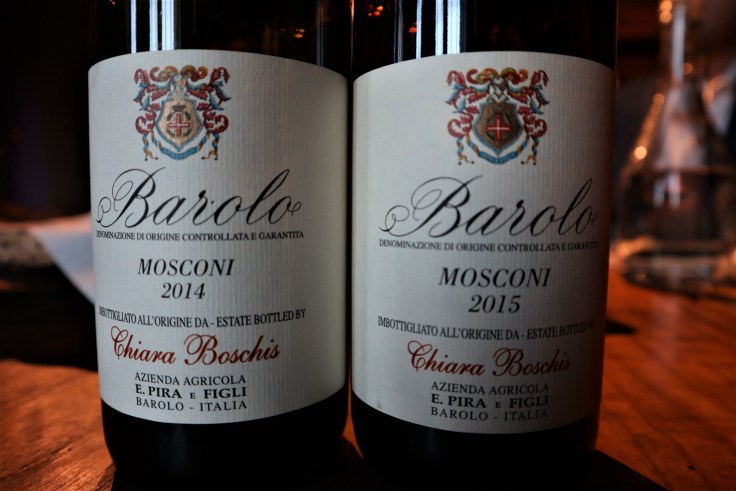
As for the wines, Chiara always strives for perfection. 2014 was a difficult year, so 2015 I think would automatically be a good year (compared to the 2014). As with any agricultural product, the wine reflects the vintage was well as the soil. Chiara Boschis made excellent wines both years, but I think I prefer 2015 over 2014 Mosconi. I look forward to the next vintages, as well as the transformation of the wines in the bottle.

Gaia Gaja @ Vinoteket

Vinoteket, a hot new meeting place for wine enthusiast, recently hosted Gaia Gaja for a winetasting. Clearly, I was in attendance. Although I have tried quite a few of the wines from Gaja, I have never been to the winery.
All in all we tasted 5 different wines, 3 from Piemonte and 2 from Tuscany (who knew!).

Gaja has recently started a new project in Tuscany, and at the tasting Gaia showed us two of the wines from there. First, the Camarcanda, which is 80% Cabernet Sauvignon and 20% Cabernet Franc. A simple, but structured wine from a flat area with limestone soil.

Bolgheri is a simple beauty

Gaia Gaja

The second wine from Tuscany is the Brunello di Montalcino, the “brown grape” from Montalcino. With 100% sangiovese, a Brunello can be very tannic if made “poorly”. Gaja brought the Brunello from 2014, a difficult vintage, but a vintage that resulted in lower tannins and good acidity.

Wines from Piemonte

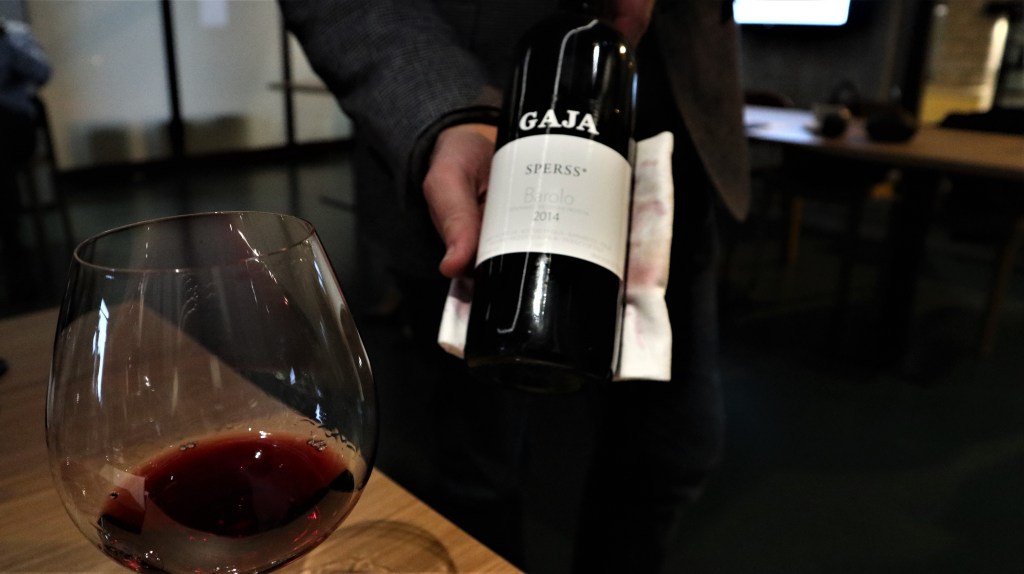
From Piemonte, we tried Conteisa, Spress and Sori Tildin. Conteisa, where the grapes are from La Morra, was more elegant and fruity than Sperss, where the grapes are from Serralunga. Both balanced wines with good structure and good acidity. Compared to the wines from Tuscany, Gaia feels like the nebbiolo wines are less persistent, more quiet.

Nebbiolo allows the vintage to be in front

Gaia Gaja

Sori Tildin comes from a vineyard planted veritcally (very unusual) which allows for a higher density of vines. Located on the top of the hill, southfacing on dense soil means the wine is very concentrated. Rich, dark fruits with a hint of mineralism.

Gaja on climate change & biodiversity

Although she spoke a lot about the wines, she also spend a significant amount of time on the topics climate change and biodiversity. Climate change has become an issue in the vineyards, as the weather is even more unpredictable than normal, making the work in the vineyards more and more difficult. A proposed solution to this problem is more biodiversity.

If you look out into the landscape in Piemonte, you’ll see miles and miles of vineyards as far as the eye can see. The problem with this “mono agriculture” is a lack of biodiversity. Despite protests from Angelo Gaja, they decided to hire consultants to help. Bee keeping, different types of herbal essence, leaving the grass growing, planting trees – all of these ideas are meant to encourage biodiversity.

A truly interesting woman, who comes from a winery with an incredible history! If I were to describe Gaia in 3 words:
Passionate
Fierce
Intelligent

News at Vinmonopolet

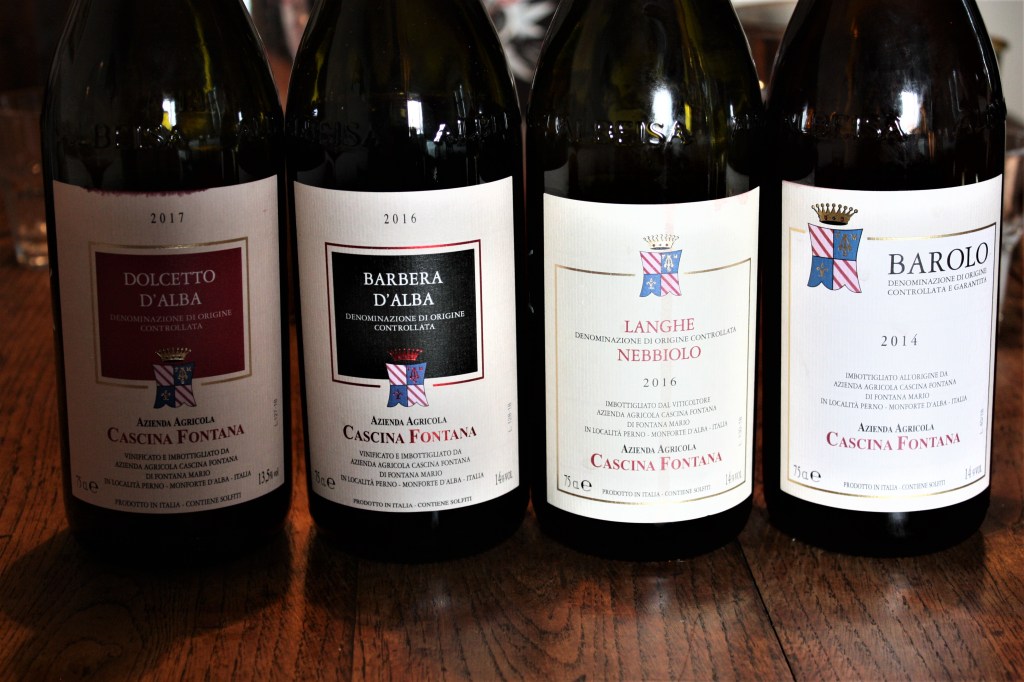
Here are some new additions to Vinmonopolet’s selection. I love that Nadia Curto has made it on the list, it’s been a while since I’ve seen her wines in Norway. Cavallotto and Cascina Fontana are also favorites of mine. Looking forward to a year full of wine!

Cavallotto Barolo Bricco Boschis Vigna San Giuseppe Riserva 2012 916,-

Massolino Barolo Margheria 2014 615,-

Curto Barolo Arborina 2014 487,-

Curto Dolcetto d’Alba 2017 229,-

Cascina Fontana Barbera d’Alba 2015 309,-

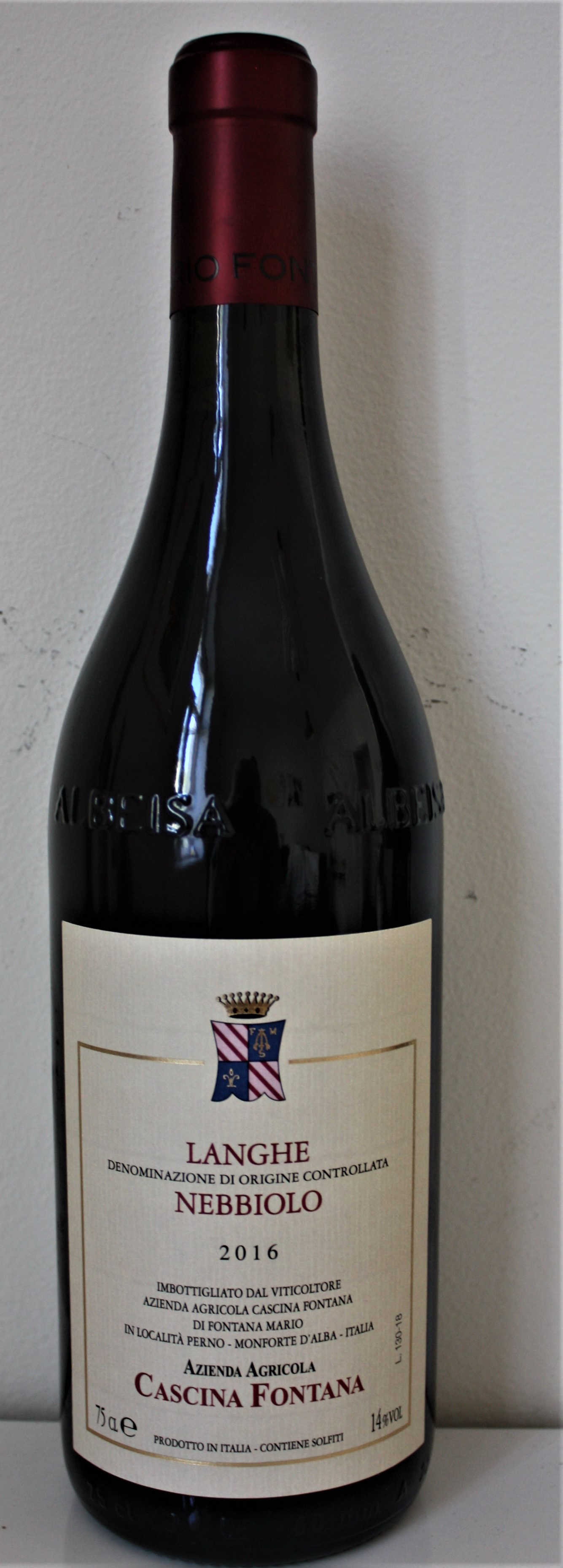
Cascina Fontana Langhe Nebbiolo

Cascina Fontana Langhe Nebbiolo 2016

Mario Fontana makes a killer Lanhghe Nebbiolo! The grapes for his nebbiolo comes from the historic vineyard of Castello di Sinio and some from Il Pozzo in Castiglione Falletto.

Fontana makes wines in the traditional way, with large casks, as the wine will reflect. I find this wine to be well balanced and fresh – a very good example of a Langhe Nebbiolo. Hope you enjoy it!

wow cascina fontana langhe nebbioloWine: Langhe Nebbiolo

Producer: Cascina Fontana

Region/Appellation: Piemonte, Italy

Grape varieties: Nebbiolo

Vintage: 2016

Eye: garnet red

Nose: rose petals, strawberries, balsamico

Mouth: well-balanced tannins, long finish, fresh

Price Point: $18

Available at Vinmonopolet: no

Available at Systembolaget: no

New year, new wine adventures

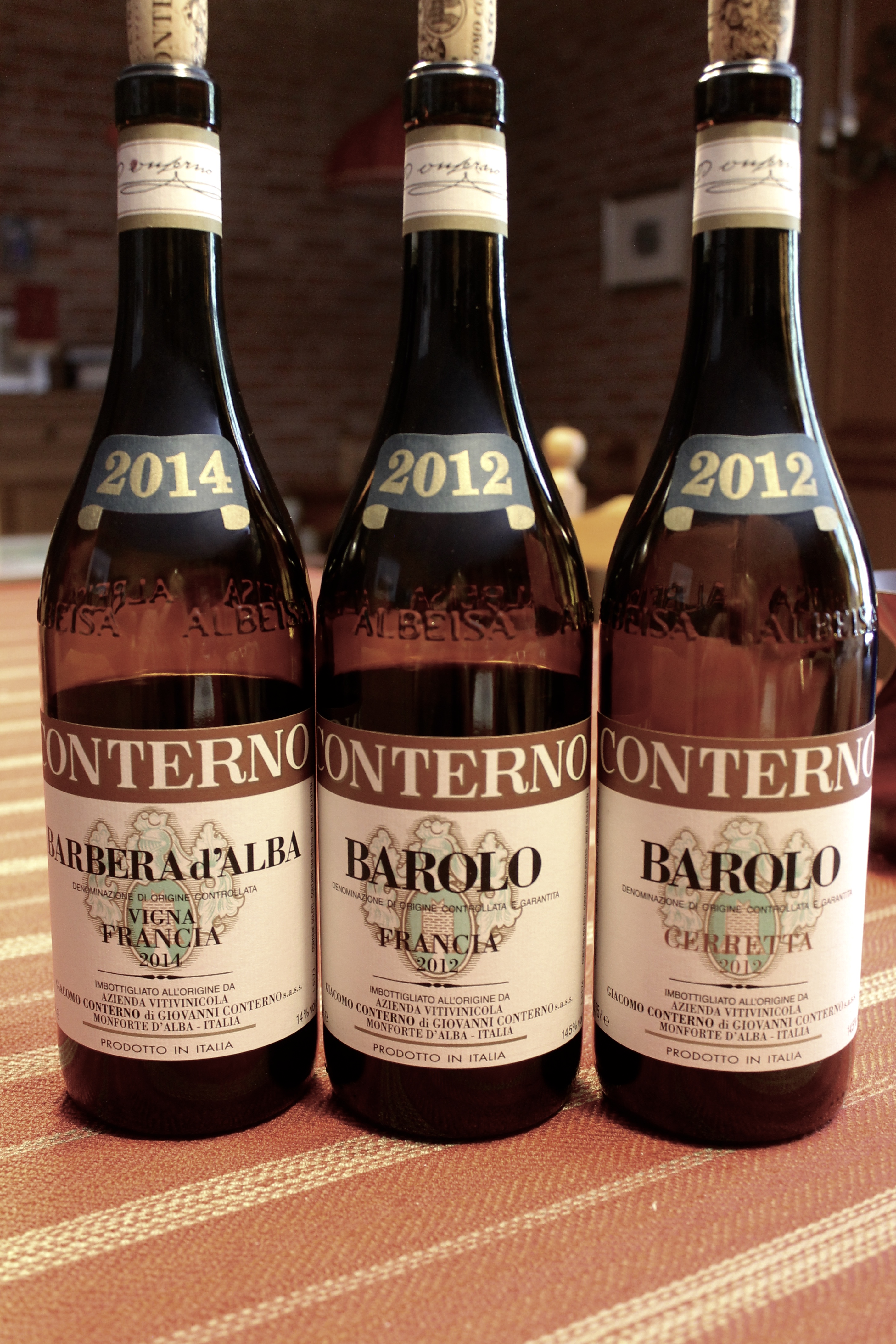
I have previously shared a sort of wine bucket list, but as it turns out I only checked off 1 out of the 5 items. Thanks to some wonderful friends of mine, I was able to visit with Conterno.

New year, new goals!

In 2019 I want to try a few new things, both restaurants and wineries. Maybe even some new experiences, like hot air ballooning over Barolo or going truffel hunting.

Wineries to try

  • Cappellano
  • F. Rinaldi
  • Giacosa

Restaurants to try

  • La Ciau Del Tornavento
  • Nesto
  • Agnulot