Langhe Nebbiolo 2018

Although the focus is on the 2016 Barolo’s these days, I think it’s important to give some attention to the Langhe Nebbiolo’s! Since the 2016 Barolo’s should be bought and then put away for a long time, it’s nice to have a wine to enjoy in the meantime. You get the same characteristics as a Barolo, but you don’t have to wait to long for the wine to be approachable. On my last trip to Langhe I got to taste quite a few Langhe Nebbiolo 2018. Here are my tasting notes in alphabetical order.
Alberto Viberti LogHero 2018

Alberto is the new kid on the block. He works for his family winery Cascina Ballarin in La Morra, but has his own project on the side. His Nebbiolo goes through fermentation in cement tanks. Alberto does not use any oak with his Nebbiolo. The grapes come from Roero, and the soil there gives this wine a little bit of pepper notes.  A very good Nebbiolo for a “rookie”. Looking forward to seeing how he evolves!

Andrea Oberto Langhe Nebbiolo 2018

And oldie, but a goodie! I think the world should drink more Andrea Oberto! And why not start with his Nebbiolo. On the nose you’ll find tobacco and roses. The wine is fruity with a long finish. A very good wine made by a wonderful man.

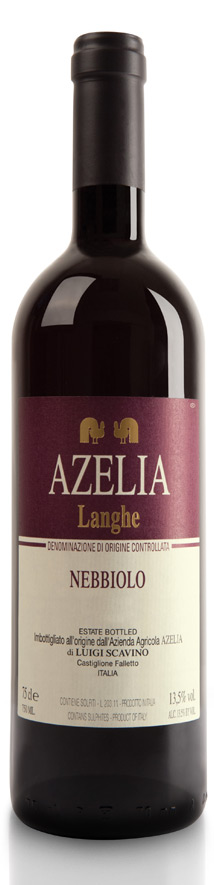
Azelia Langhe Nebbiolo 2018

The focus this year has been on Azelia’s new Barolo Cerretta, but let’s not forget about all the other wines they make! The Nebbiolo is quite structured in 2018. Notes of spices, licorice, leather, cherries and flowers. The tannins are round and the wine fruity, making it very drinkable.

Cascina Fontana Langhe Nebbiolo 2018

Mario uses both cement  and Slavonian oak for his Nebbiolo, for a total of 12 months. The 2018 is less concentrated than 2017 with lots of dark fruit and a bouquet of flowers. The wine is elegant with a long finish.

Cavallotto Langhe Nebbiolo 2018

I tasted the 2017 and 2018 side by side. The 2017 was very good, but when tasting it next to the 2018 it almost fell a little short. In the 2018 there is an explosion of floral notes. A very powerful nose. One of the more expressive Nebbiolo’s I’ve tried. The wine is young with big tannins, but they disappear quite quickly and you’re left with beautiful floral notes.

Cristian Boffa Langhe Nebbiolo 2018

This Nebbiolo is made with 16 year old vines from the Santa Maria vineyard. Cristian uses about 20% botte grande and 80% cement for 6 months. On the nose there are notes of strawberry jam, fruits, and flower, and the tannins are very smooth.  As a relatively new player in the game, it will be interesting to see the evolution of Cristian Boffa! Stay tuned.
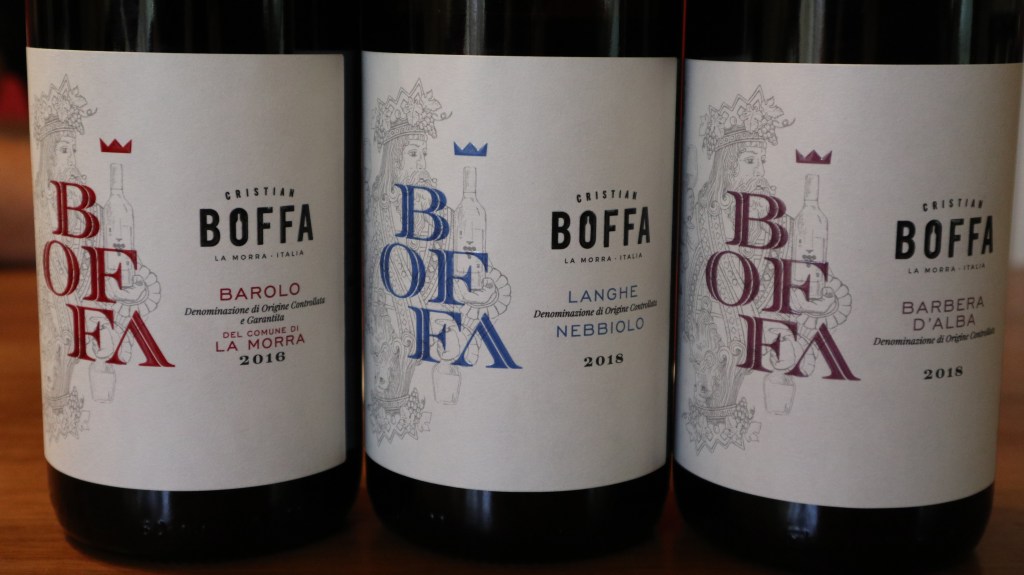
Cristian Boffa Langhe Nebbiolo

Diego e Damiano Barale Langhe Nebbiolo 2018

A very drinkable Nebbiolo from Monforte, with vines planted by their grandfather in the San Giovanni vineyard about 40-50 years ago. The brothers use 2nd or 3rd passage tonno because they prefer to taste the natural tannins. One interesting aspect of the vinification is that they take out the seeds, a practice they learned from Vaira. A beautiful nose, elegant tannins and a long finish.

Diego Morra Langhe Nebbiolo 2018

Diego ages his Nebbiolo for a long time in the bottle, compared to other winemaker. Before the prolonged aging in bottle, the wine spends about 6 months in tonno, with 10% new oak. This might be one of my favorites. Very approachable, round tannins and a fresh expression.

Gianfranco Alessandria Langhe Nebbiolo 2018

Here’s a wine with a typical Nebbiolo nose: red berries, roses, hint of leather and spices. Aged 6 months in barrique with 10% new oak. The grapes come from San Giovanni, so there’s the Monforte power but the tannins are still elegant and sweet, making it quite approachable.   

Giovanni Corino Langhe Nebbiolo 2018

Of all the Corino wines, this might be my favorite. So elegant with fresh fruit and raspberry. Good structure with round tannins.

Luigi Pira Langhe Nebbiolo 2018

Released a year later than most of its “peers”, the Langhe Nebbiolo from Pira has spent about 12 months in small and big oak barrels. In addition to the terroir, the oak helps to give the wine its structure and complexity. Aroma of red fruit, leather, spices and tobacco as well as a hint of oak notes. Fruity in the mouth, crisp and complex. Persistent tannins with a long finish.

Mauro Veglio Angelo 2018

At first the Angelo came off a little green, but with some air it disappeared and I was left with licorice and raspberries. Very crisp! The tannins are there but they disappear. A relatively approachable Nebbiolo.
Azelia Barolo Cerretta 2016

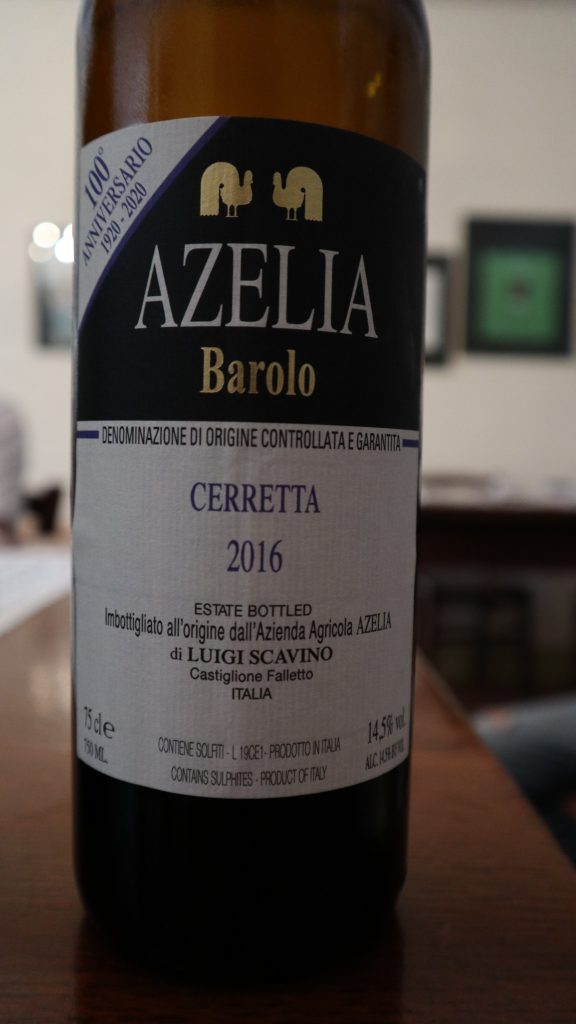
Azelia Barolo Cerretta 2016

The 30 year wait is over for the Scavino family! The Azelia Barolo Cerretta 2016 is finally ready for the world. Just in time for the Centenary celebration of the Azelia winery! What’s important to note is that the Cerretta vineyard has been in the family for about 30 years, but the age of the vines kept Luigi from making the Cerretta Cru Barolo.

The vines, about 30 years old, face South/South-West in the Serralunga Vineyard. After about 55-60 days with submerged cap, the wine moves into big barrels and stay there for 30 months.

Azelia

The story of Azelia starts in 1920 when Cavalier Lorenzo Scavino started to vinify the grapes from the family owned vienyards. This would be the start of an incredible journey for the Scavino family.

When it comes to the “style” of winemaking, Azelia adopted a method in the cellar that represents a fusion between modern and traditional; a method I like to call Contemporary Traditionalist. But, as I’ve mentioned before, who really cares as long as the wines are good? As Luigi says, “It’s always a matter of balance.”

Azelia Barolo Cerretta 2016

Azelia Barolo Cerretta 2016

The Cerretta 2016 has an explosive nose: black fruit, spices, tobacco, chocolate. The tannins are big but sweet, typical of a 2016 Barolo from Serralunga. I would put this aside for 10+ years at least and drink some Nebbiolo while you wait.

Azelia Langhe Nebbiolo

The 2015 Azelia Langhe Nebbiolo brings me right back to the tasting room that lies at the beginning of the “Champagnemilå” hill in Castiglione. The old clock ticks away in the background, drowned out by a passioante Lorenzo who is telling me about this wines (for the umpteenth time). Oh how I wish I was back there right now.

I’ll have to make do with drinking Azelia wines in Oslo while practicing Social Distancing.

Azelia

The story of Azelia starts in 1920 when Cavalier Lorenzo Scavino started to vinify the grapes from the family owned vienyards. This would be the start of an incredible journey for the Scavino family. Today, Luigi, Lorella and their son Lorenzo run the show. Lorenzo, who bears the name of his great grandfather, represents the 5th generation of winemakers in the family.

You can read more about Azelia in the Winemaker Profile.

Azelia Langhe Nebbiolo

The Azelia Langhe Nebbiolo come from vines with an average age of 20 years. After a short temperature controlled fermentation in rotorfermenters, the wine moves into steel tanks where it stays until its bottled.

Since I don’t have access to the current release of Azelia Langhe Nebbiolo I had to “make do” with the 2015 vintage.

Fruity – the first thing that comes to mind. Digging deeper you’ll find strawberry, red fruit, some tobacco & hint of roses. All those good things that a nebbiolo should smell. And then there’s the tannins. They are there, but they are smooth. 2015 was a warm vintage with very little rain, which often results in “warm” wines, i.e. ripe fruit, hints of toffee, etc. But the Langhe Nebbiolo from Azelia was fresh, full of red fruits and berries! Just the way I like it!

For my Norwegians

I just checked and the Langhe Nebbiolo is sold out at Vinmonopolet… I believe a new shipment is coming in, but while you wait you can try his Barbera or perhaps a Barolo!?

Azelia

Azelia

My good friend Lorenzo is the youngets generation of the Azelia family. Fun fact: one of the people in the world that makes me laugh the most is Lorenzo Scavino. I’m not sure why, but I swear I’m in stitches like 50% of the time I spend with Lorenzo.

The story of Azelia starts in 1920 when Cavalier Lorenzo Scavino started to vinify the grapes from the family owned vienyards. This would be the start of an incredible journey for the Scavino family. Today, Luigi, Lorella and their son Lorenzo run the show. Lorenzo, who bears the name of his great grandfather, represents the 5th generation of winemakers in the family.

Winemaking

When it comes to the “style” of winemaking, Azelia adopted a method in the cellar that represents a fusion between modern and traditional; a method I like to call Contemporary Traditionalist. But, as I’ve mentioned before, who really cares as long as the wines are good? As Luigi says, “It’s always a matter of balance.”

Azelia Wines

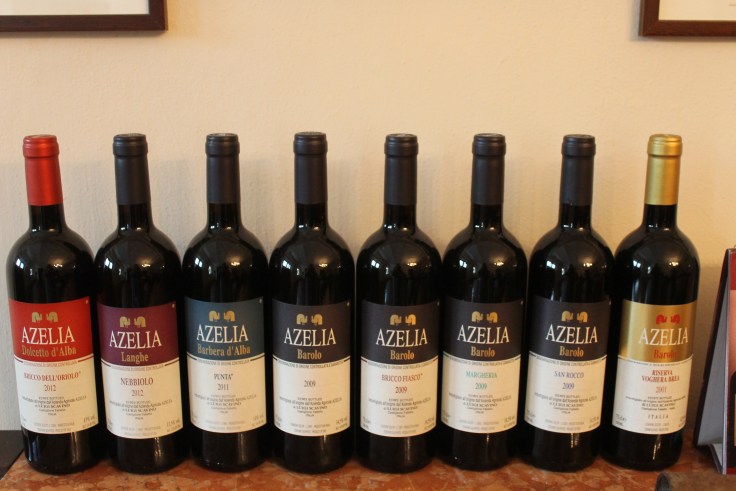
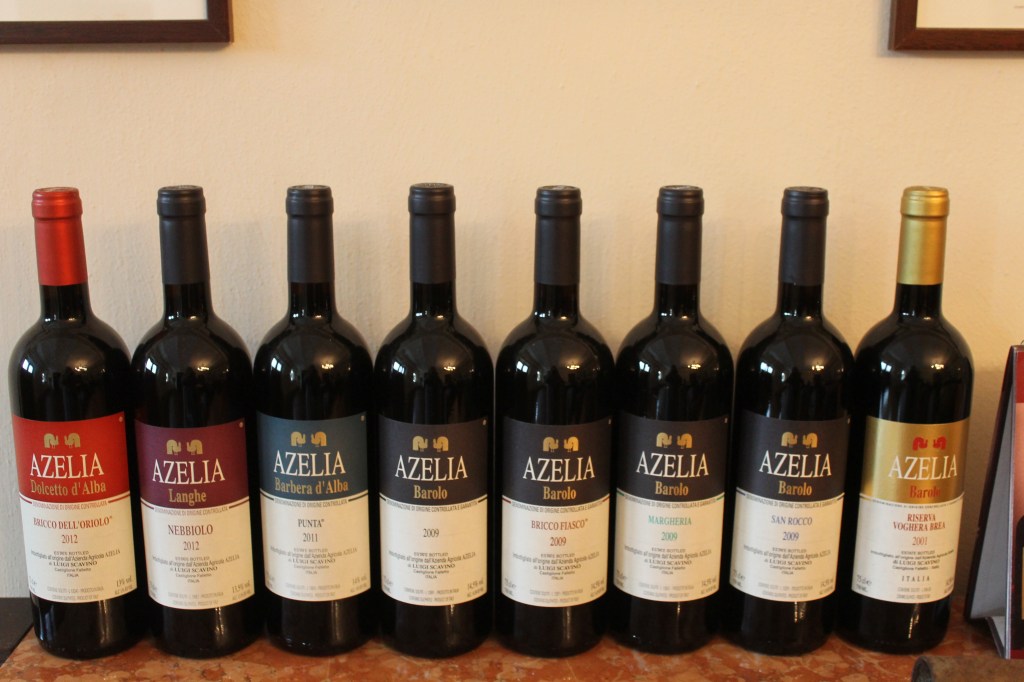
Azelia has 16 hectares across Castiglione Falletto, Serralunga d’Alba and Monelupe Albese. Some of their vineyards include Margheria, Bricco Fiasco and San Rocco, of which they make excellent Cru Barolo’s.

With 8 wines in their lineup, there are many good options to chose from. In addition to the Barolo’s, Azelia also makes Dolcetto, Langhe Nebbiolo and a Barbera Superiore.

Fun fact about the Azelia Label

Because there are a few Scavino’s in the area, Lorenzo the 1st decided to use a different name on the label: Azelia. Azelia (Azalae) is a wild flower similiar to Daisy that used to grow in the Langhe. Sadly, this flower no longer grows in this region.

And you might have noticed an image of a peacock on the label. It’s there because the family’s farm used to have many peacocks running around.

Fun fact II

You may have heard of the winemakers Paolo Scavino and Cavallotto. Well, as it turns out that the Azelia, Cavallotto and Paolo Scavino families are related (somehow). I forget exactly which family member is related to who, but how cool is it to have winemaker in your blood! Must have been some good genes in that family!

Azelia Wines

Wines available in:
Norway
Italy
Sweden
Switzerland
USA
United Kingdom

*List is not complete

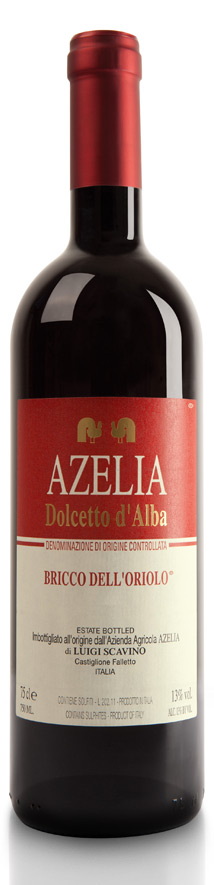
Dolcetto d’Alba

What distinguishes this Dolcetto from many other in the Barolo region, is the location of the vineyard. Located outside of the “borders” in Montelup Albese, the soil of this vineyard gives the wine a very different impression than if it were grown inside the “borders”.

Tekstboks: PICTURE OF AZELIA DOLCETTO

BASIC INFORMATION

Product name: Dolcetto d’Alba
Grape: 
Dolcetto
Classification: DOC
Number of bottles produced: 15,600
Color: Intense purple red color
Fragrance:
Red fruits, blackberry, rose, sweet spices
Taste:
Aromatic and mineral, fruity and flolar
Food pairing:
pizza, pasta, aperitivo

VINIFICATION (Wine-making)

Method: Rotorfermentors, vinification with indigeneous yeast
Temperature:
27 degrees celcius
Length:  7 days
Ageing: Stainless steel

VINEYARD:

Soil:  Calcareous tending to sandy
Exposure:  South, 600 m a.s.l.
Age of plants:  45 years

Tekstboks: PICTURE OF AZELIA LANGHE NEBBIOLO

Langhe Nebbiolo

BASIC INFORMATION

Product name: Langhe Nebbiolo
Grape: Nebbiolo
Classification: DOC
Number of bottles produced: 10,200
Color:
Fragrance:
Violet and floral aromas, cherry, strawberry, currant
Taste:
Good acidity, ripe tannins, easy to drink

VINIFICATION (Wine-making)

Method: Rotorfermentors, vinification with indigeneous yeast
Temperature:
28 degrees celcius
Length:  7 days
Ageing: Stainless steel

VINEYARD:

Soil: White calcareous
Exposure: 
Age of plants: Average of 20 years

TASTING NOTES:

2015 Langhe Nebbiolo

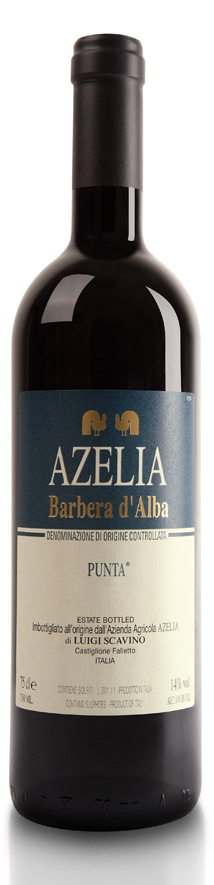
Barbera d’Alba Punta

Tekstboks: PICTURE OF AZELIA BARBERA

The age of the vines used for the Barbera are around 60 years old! It’s also a Barbera Superiore, which means it spends some time in oak.

BASIC INFORMATION

Product name: Punta
Grape: Barbera
Classification: DOC
Number of bottles produced: 6,700
Color:
Fragrance:
Forrest berries, prune and blackberry.
Taste:
Balanced acidity, fresh, fruity
Food pairing:

VINIFICATION (Wine-making)

Method: Rotorfermentors, vinification with indigenous yeast
Temperature:
29 degrees celcius
Length:  15 days
Ageing: 14 months in small barrels

VINEYARD:

Soil: Calcareous and Clayey
Exposure:  South-west
Age of plants: 60 years old

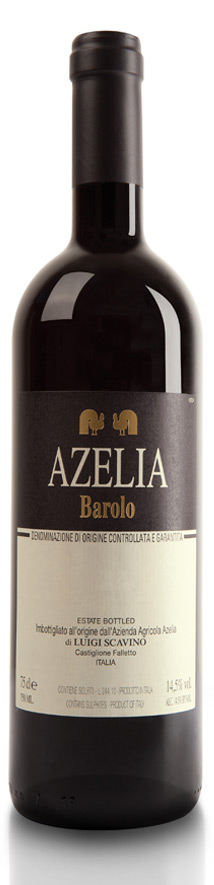
Azelia Barolo

Tekstboks: PICTURE OF AZELIA BAROLO

A classic Barolo with grapes from both Castiglione Falletto and Serralunga d’Alba. Spends about 2 years in big barrels. In the vintages where the Riserva isn’t made, those grapes go into this wine,

BASIC INFORMATION

Product name: Barolo
Grape: Nebbiolo
Classification: DOCG
Number of bottles produced: 26,400 bottles, 600 magnums
Fragrance:
Sweet nose, hints of cherry, black currant and licorice
Taste:
Fruity tannins

VINIFICATION (Wine-making)

Method: Rotorfermentors, vinification with indigenous yeast
Temperature:
31 degrees Celcius
Length:  4-5 weeks with submerged cap
Ageing: 24 months in large casks
Minimum aging in bottle: 1 year

VINEYARD:

Soil: White calcareous tending to clayey
Exposure: South-West
Age of plants: 45 years

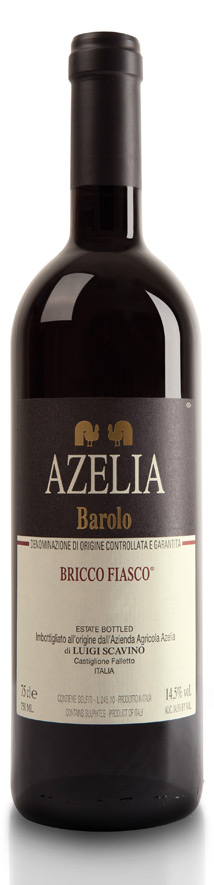
Barolo Bricco Fiasco

Tekstboks: PICTURE OF BOTTLE

The Barolo Bricco Fiasco has been made since 1978. A historic cru from Castiglione Falletto. The age of the vines average 65 years.

BASIC INFORMATION

Product name: Bricco Fiasco
Grape: Nebbiolo
Classification: DOCG
Number of bottles produced: 6,800 bottles, 520 magnums and 60 double magnums
Fragrance: Perfumed, floarl, red fruit
Taste: Rich, warm, fresh, ripe tannins

VINIFICATION (Wine-making)

Method: Vertical fermenters in stainless steel, vinification with indigenous yeast  
Temperature:
31 degrees Celsius
Length:  4-5 weeks with submerged cap
Ageing: 24 months in small barrels
Minimum aging in bottle: 1 year

VINEYARD:

Soil: White calcareous
Exposure: South
Age of plants: 65 years

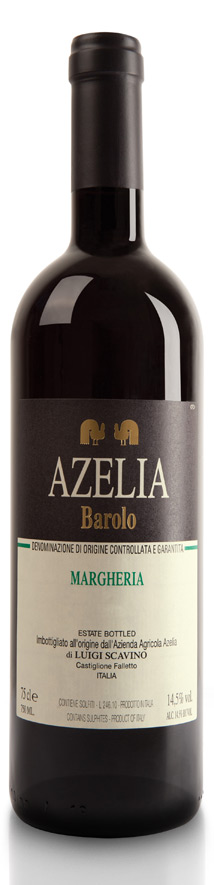
Barolo Margheria

Tekstboks: PICTURE OF BOTTLE

This was one of the first Barolo’s Luigi decided to put in big barrels. Typical Serralunga style. Energetic.

BASIC INFORMATION

Product name: Margheria
Grape: Nebbiolo
Classification: DOCG
Number of bottles produced: 8,100 bottles, 520 magnums, 60 double magnums
Fragrance:
Complex aromas, black fruits, licorice and spices
Taste:
Persistent tannins that give it structure, long finish

VINIFICATION (Wine-making)

Method: Vertical fermenters in stainless steel, vinification with indigenous yeast  
Temperature:
31 degrees celcius
Length:  4-5 weeks with submerged cap
Ageing: 28 months in large casks
Minimum aging in bottle: 1 year

VINEYARD:

Location: Serralunga d’Alba
Soil: Clayey with tufaceous marls
Exposure: South
Age of plants: 50 years

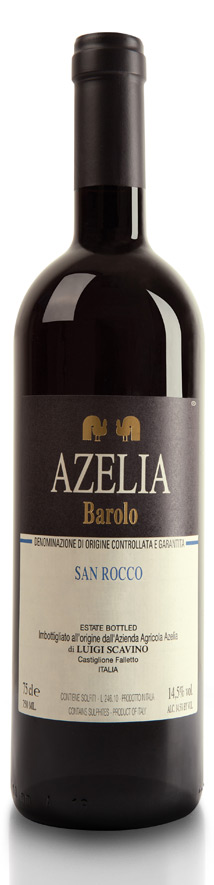
Barolo San Rocco

Tekstboks: PICTURE OF BOTTLE

BASIC INFORMATION

Product name: San Rocco
Grape: Nebbiolo
Classification: DOCG
Number of bottles produced: 6,400 bottles, 520 magnums, 60 double magnums
Fragrance:
Licorice, spices, dark fruits
Taste:
Fruity, cherry and blueberry. Sweet, ripe tannins, complex.

VINIFICATION (Wine-making)

Method: Vertical fermenters in stainless steel, vinification with indigenous yeast  
Temperature:
31 degrees celcius
Length:  4-5 weeks with submerged cap
Ageing: 24 months in small barrels
Minimum aging in bottle: 1 year

VINEYARD:

Location: Serralunga d’Alba
Soil: Clayey and Calcareous
Exposure: South
Age of plants:  55 years

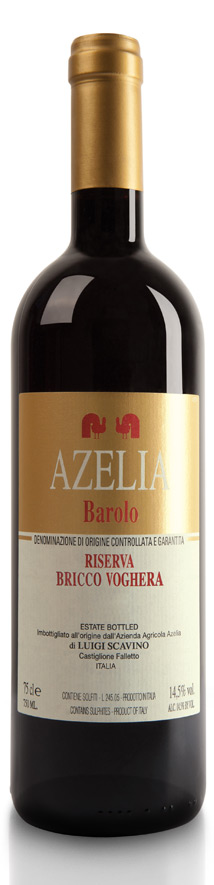
Barolo Riserva Bricco Voghera

Tekstboks: PICTURE OF BOTTLE

The Riserva from Azelia is only made in excellent vintages, and is released after 6 years.

BASIC INFORMATION

Product name: Riserva Bricco Voghera
Grape: Nebbiolo
Classification: DOCG
Number of bottles produced: 3,100 bottles, 340 magnums and 60 double magnums
Fragrance: Dried flowers, dried fruit, great freshness
Taste:
Black cherry, prune, rose, violet, dark chocolate, round tannins, long finish

VINIFICATION (Wine-making)

Method: Vertical fermenters and stainless steel, vinification with indigenous yeast
Temperature:
31 degrees Celcius
Length:  4-5 weeks with submerged cap
Ageing: 30 months in large casks

VINEYARD:

Location: Serralunga d’Alba
Soil: Clayey and calcareous
Exposure: South
Age of plants: 75 years old

*Pictures from the Azelia Website

Wines under 300kr

If you’re located in Norway, check out these wines that are currently available at Vinmonopolet. These days it can be difficult to find a good quality wine under 300kr, for various reasons, but here are some worth mentioning.

Don’t worry, you don’t have to queue for these wines

White Wine

Kruger-Rumpf Schiefer Trocken 168kr
The wines from Kruger-Rumpf are growing on me, and although this was a little “green” on the nose, I quite enjoyed it. As we wine people say: “It was good in the mouth.” Which means we like it. Riesling, known for its acidity, didn’t disappoint in this wine. Lots of citrus and yellow stone fruit flavors.

Roche De Bellene Bourgogne Chardonnay 190kr
If you’re looking for a white burgundy and don’t want to break the bank, try this one.

Domaine de Bellene Saint-Romain Vieilles Vignes 310kr
(Yes, I know its not under 300, but I think its still worth mentioning).
Those extra 10kr are well worth it, in my opinion.

Red Wine

Azelia Barbera 289kr
Recently back on the market in Norway, this Barbera will definately become a staple at my house. You know when you’re drinking a wine, and you just can’t seem to put the glass down? That’s exactly what happened with Azelia’s Barbera. Acidity on point, lots of fruit, long finish – all good things when reviewing a wine.

Burlotto Barbera 2018 285kr
The 2018 Barbera from Burlotto recently arrived in Norway and it’s good. High in acidity, but still balanced, the fruit sort of explodes in your mouth and puts a smile on your face.

Luigi Pira Dolcetto 199kr
Currently one of the best buys at Vinmonopolet. Dolcetto’s are few and far between in Norway, but this one made it in and it’s a good one.

Trediberri Langhe Nebbiolo 189kr
Never get tired of mentioning this wine. As we say in Norway, “Løp å kjøp”!

Barbera – My Favorites

I was recently asked about barbera, and if I had a favorite. This is a tough question to answer, because there are so many good ones. And so many different styles. I don’t think I could pinpoint just one, and here’s why.

Barbera vs Barbera Superiore

Barbera is a grape, and just like with Nebbiolo, there are multiple ways to make it. Most winemakers have a “classic” barbera, a wine made in steel tanks with no influence of wood. The wine completes both malolactic and alcoholic fermentation in steel tanks, and remain there until bottling. These wines tend to be high in acidity, full bodied with aromas of red fruits.

You will also find barbera superiore, and this wine will have influence of oak. After pressing the juice, the wine is transferred into barrels and complete the malolactic and alcoholic fermentation in barrels instead of steel tanks.* The wood gives the wine some tannins, helps balance the acidity and you might find hints of oak flavor.

“The Mario Fontana Way”

Mario Fontana is what we would call a “traditional” wine maker, and uses big barrels for all his wines. Except his Barbera. A few years ago, he decided to use cement for this grape because that made more sense to him. And we see this with other winemakers. They may chose to interpret the grapes in different ways, and use new types of material when cultivating them. Kinda cool, right?

Now, you can see where choosing a favorite can be difficult. However, there are a few I tend to chose over and over again.

Barbera

What’s available Vinmonopolet

Trediberri Barbera d’Alba 189kr
Altare Barbera d’Alba 285kr
Burlotto Barbera d’Alba 285kr
Azelia Punta (superiore) 289kr
Cavallotto Vigna Cuculo (superiore) 300kr
Vietti La Crena (superiore) 460kr

Other Favorites

Altare Larigi
Giovanni Corino Ciabot dù Re
Burlotto Aves
Marengo Vigna Pugnane

There are so many others, but if I had to chose a few then these are high on my list.

*this might vary from winery to winery, but is a general idea of how to make this wine

Favorites

We all have our favorite wines or winemakers, and here are some of my favorites at the moment.

For Fun

Cascina Fontana Dolcetto 225,-
Looking for a wine to drink on a Tuesday night along with a bowl of pasta? Then this is your guy! And it the summer, chilling it a little may help cool you down in the hot summer months!

Trediberri Barbera 189,-
Trediberri’s first vintage was 2011 and his wines quality has skyrocketed! And at this price, this barbera is fricking steal!

Azelia Dolcetto 2013 179,-
A very interesting dolcetto, with grapes grown outside the Barolo area. This means that some of the best vineyards are actually used for Dolcetto instead of Nebbiolo, giving the grapes the best circumstances, making this Dolcetto extraordinary!

For Summer

Vietti Moscato 199,-
Get a bowl of strawberries and pop open this – it’s like you died and went to heaven. I love moscato, and I don’t even need a dessert. So good!

Trediberri Langhe Rosato 139,-
I am not a huge rose person, but if I had to pick one it’s for sure Trediberri’s Langhe Rosato. Fresh, not super sweet and made with love.

Agrapart Blanc de Blanc 508,-
Champagne is growing on me, and I really like this one. And as for Champagne, this is not super expensive. Blanc de blanc typically suits me best, and Agrapart makes a really good one!

Buy & Drink in 10 years

Marengo Barolo Brunate 599,-
Cavallotto Barolo Bricco Boschis 507,-
Corino Barolo 379,-

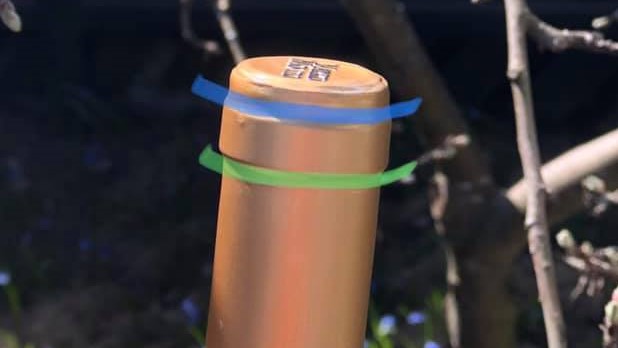
Team Green or Team Blue?

Team Green or Team Blue?

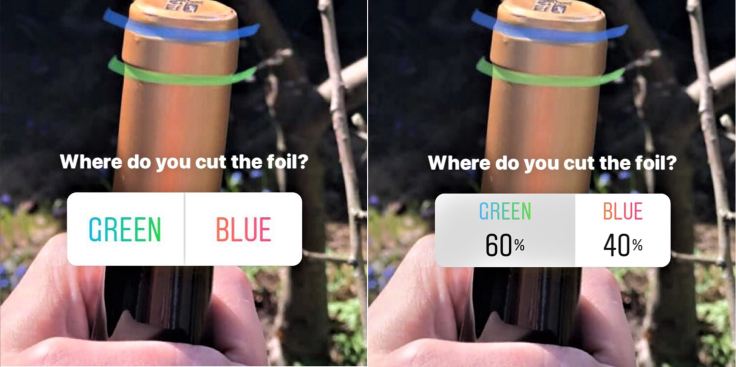
How do you cut the foil?

Does it matter? Is there a right way? Apparently, people have a lot of opinions on the subject. Here are a few of the preferences:
Green
Blue
In between green and blue
Take the whole foil off
Use a foil cutter (and then the type of cutter decides)
Used to be green, now blue (or vice versa)
Don’t care

Does it matter?

Apart from peoples preferences, is there a reason to do it one way or the other? Does one way affect the wine or the pouring of the wine? Some people say that cutting by the blue line will interfere with the wine, because the wine can come in contact with the foil on the way into the glass or the decanter. Others say cutting by the blue line will increase chances of spilling the wine while pouring.

What do the winemakers say?

Without “outing” any winemakers, it was interesting so see to which team they pledged allegiance. And just like my instagram story, they favor green. Here are some of the winemakers that participated in the survey:
Carlotta Rinaldi
Nadia Curto
Giovanni Corino
Alberto Viberti
Alessandro Veglio
Lorenzo Scavino from Azelia

What do the the experts say?

Most of the experts are Team Green. However, they dispute the fact that the foil affects the wine if it comes in contact. It’s more about the look, the ease of removing the foil and the ease of pouring without spilling

Jancis Robinson: Team Green
Wine Folly: Team Green
Dr. Vinny (Wine Spectator): Foil Cutter

Conclusion?

It doesn’t really matter. Most people are Team Green. And some are neither. In the end, do whatever you prefer. And what team am I?

Wine of the Week

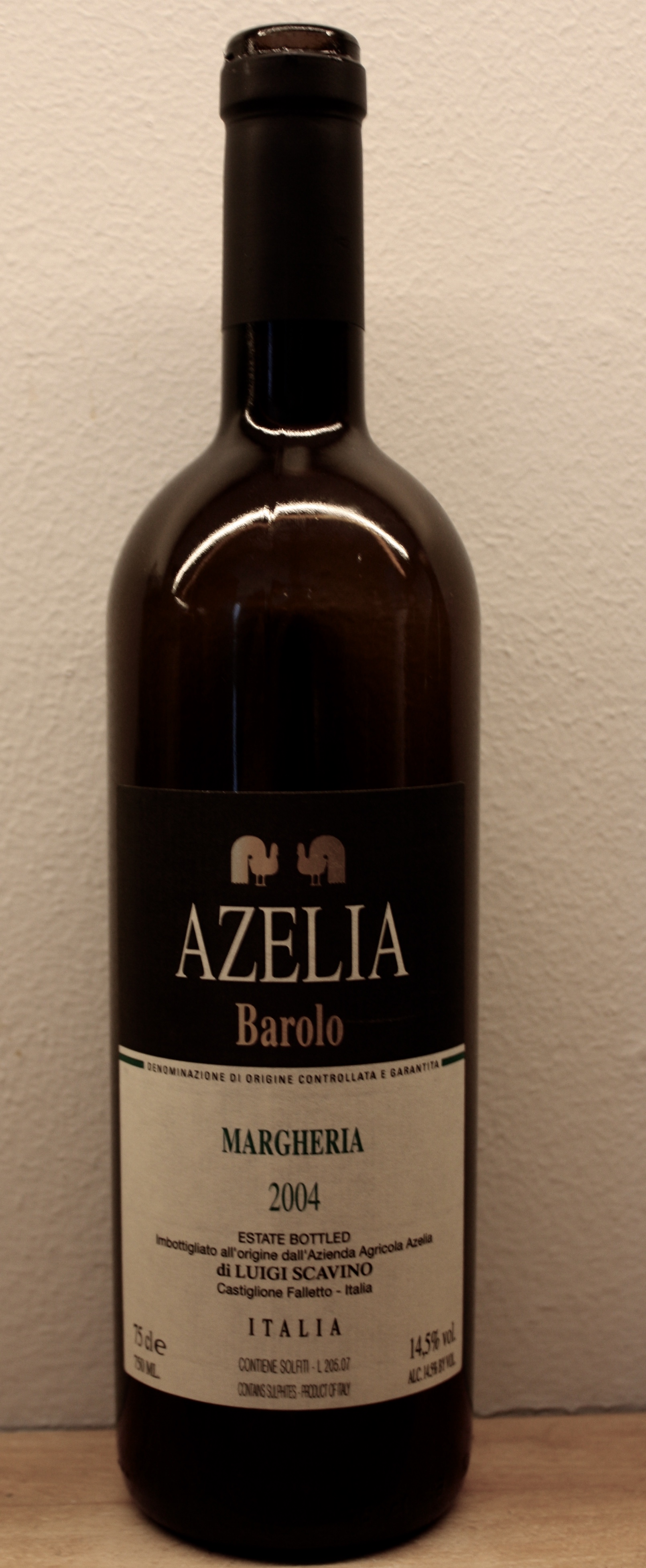
Azelia Barolo Margheria 2004
IMG_9101

Wine: Barolo Margheria

Producer: Azelia

Region/Appellation: Piemonte, Italy

Grape varieties: Nebbiolo

Vintage: 2004


Eye: red-brown, translucent

Nose: mineral, earthy, salty, dark cherries, roses

Mouth: medium-full bodied, earthy, tannins present

Price Point: $60

Available at Vinmonopolet: yes

Available at Systembolaget: no