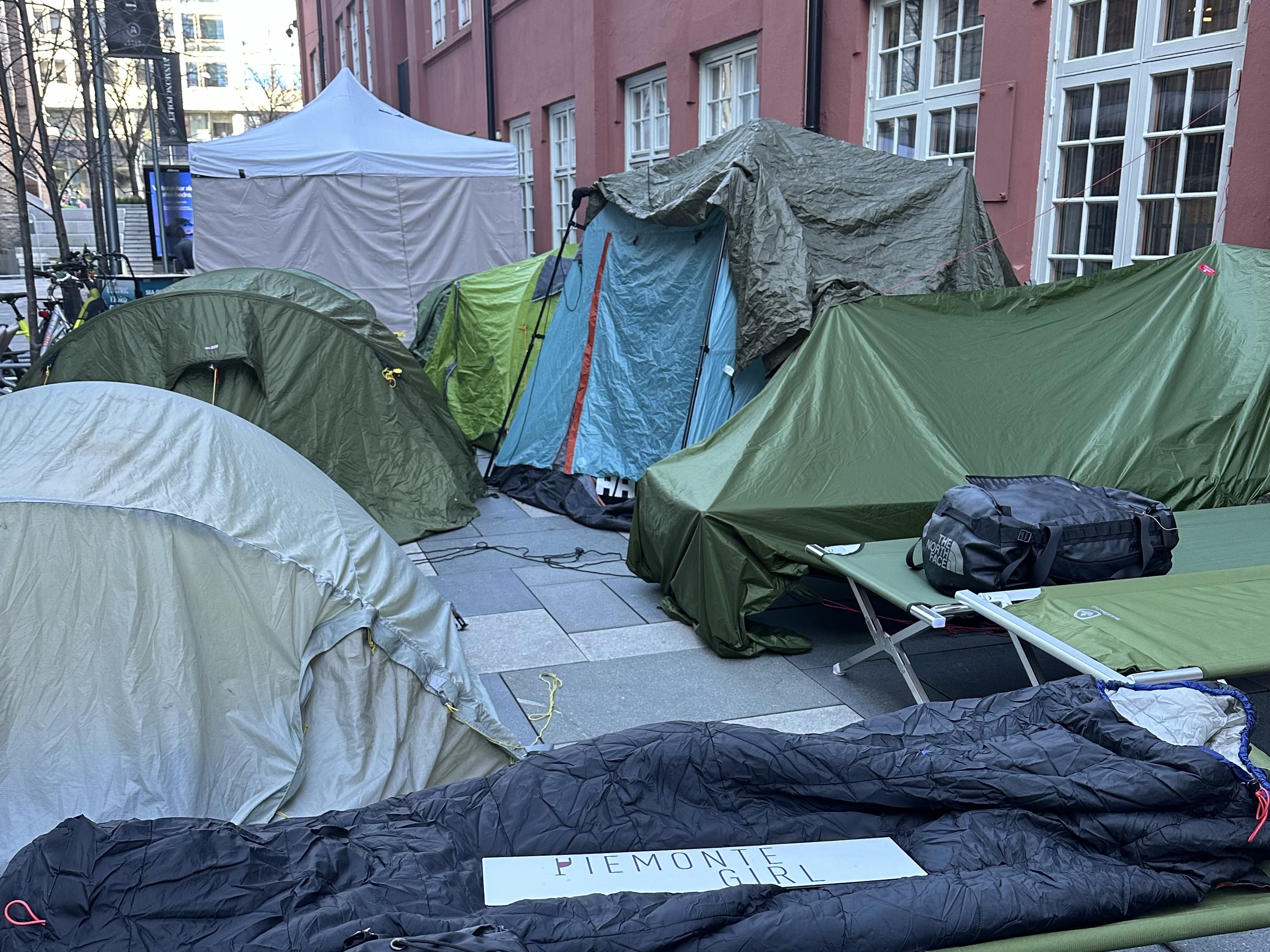
If it was on purpose, I totally get it. Either way, don’t worry! There are countless amazing wines available that you don’t have to sleep outside in the freezing Norwegian winter for. And with the selection of wines available at these releases being as disappointing as they are, there’s almost no point in queuing anymore. With a few exceptions. Also, if you have no idea what I’m talking about, you can read about it here.
Anyways, if Burgundy is what you’re looking for then there are a few options that won’t cost you an arm and a leg. It’s expensive, but that’s just the reality these days. My point is that here are some wines that don’t require queuing and won’t break the bank. Wines that are of high quality but for some reason didn’t make the cut for the list of the Burgundslipp.
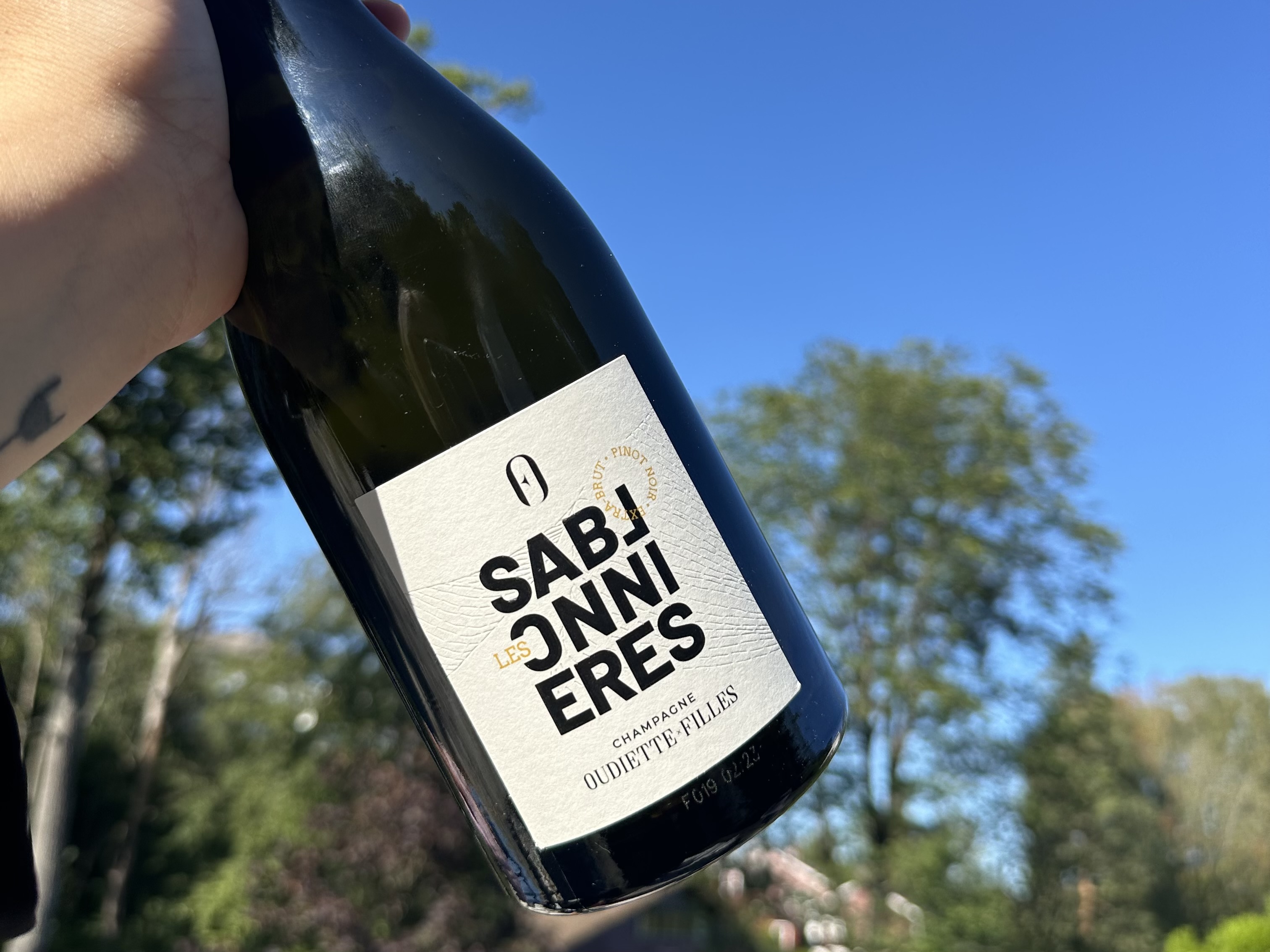
Since we’re on the topic of wine from France it’s har to skip past Champagne. Also an expensive region, but sadly, again, that’s just reality. I like highlighting some lesser know winemakers, so I’d like to direct your attention to two sisters making Champagne in Epernay. I can’t wait to visit them one day, but until then I am enjoying their wines as often as I can.
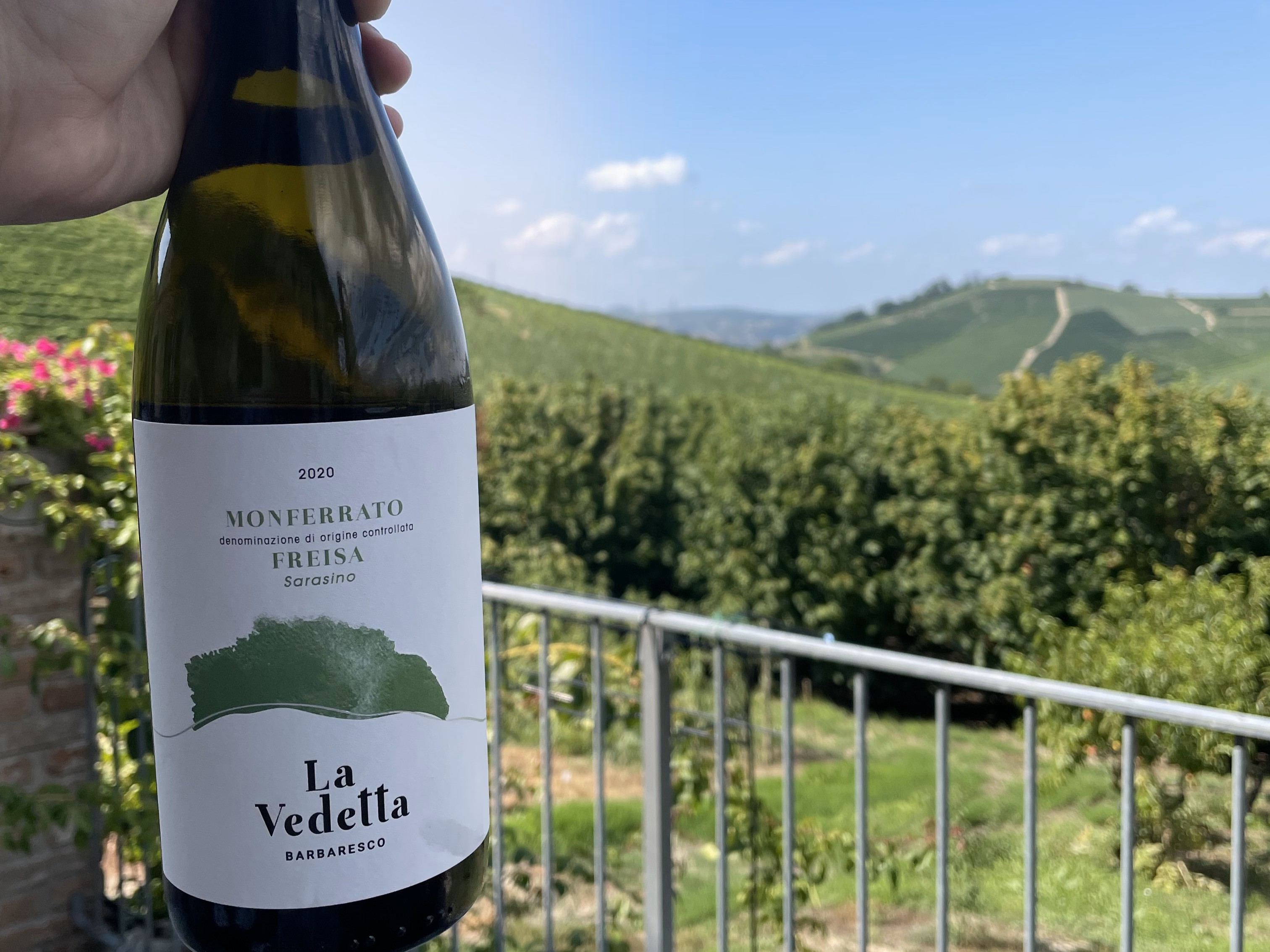
You’re probably thinking “Finally!”. I get why some are confused about why Piemontegirl is talking so much about wines outside Piemonte. Which is fair. But you can relax now. We’re back to regularly scheduled programming. And there are quite a few gems to be found in Piemonte.
Before we dive into Barolo 2019, I want to just touch on something quickly. One can go on an on about rainfall, temperature, weather conditions, natural disasters and more, but in the end, you can’t judge a wine before you have it in a glass in front of you. I am not saying that weather isn’t important. And it definitely affects the wine. I am just saying that because vintage is defined as “warm” or “cold” or “dry”, doesn’t mean that all wines in that vintage reflect the general characteristics that go with that classification. If you catch my drift?
Anyways, a lot of good things have been said about Barolo 2019, and the vintage 2019, and I find I tend to agree. I’ve tried a few 2019’s, and my immediate thoughts are: concentrated, intense, aromatic. Now, that’s not to say that every Barolo 2019 is intense, or aromatic. But looking over my notes, those are words that pop up frequently. 2019 will most likely be remembered as a “classic” vintage, but the temperatures were quite high, which is probably what contributed to the fairly high concentration in the wines. I’m no expert, so feel free to refer to Masnaghetti or Berry Bro’s for a more detailed vintage report.
Now, moving on to the reason you’re here: Barolo 2019 tasting notes! PS: they are in alphabetical order
Tasting Notes
Bartolo Mascarello Barolo 2019 Beautiful, clean, crisp nose. Complex, delicious. My notes literally say “Mouth is amazing. Full of tastes”. Smooth, but big at the same time. Round tannins. Quite high in acidity, so it has a good aging potential!
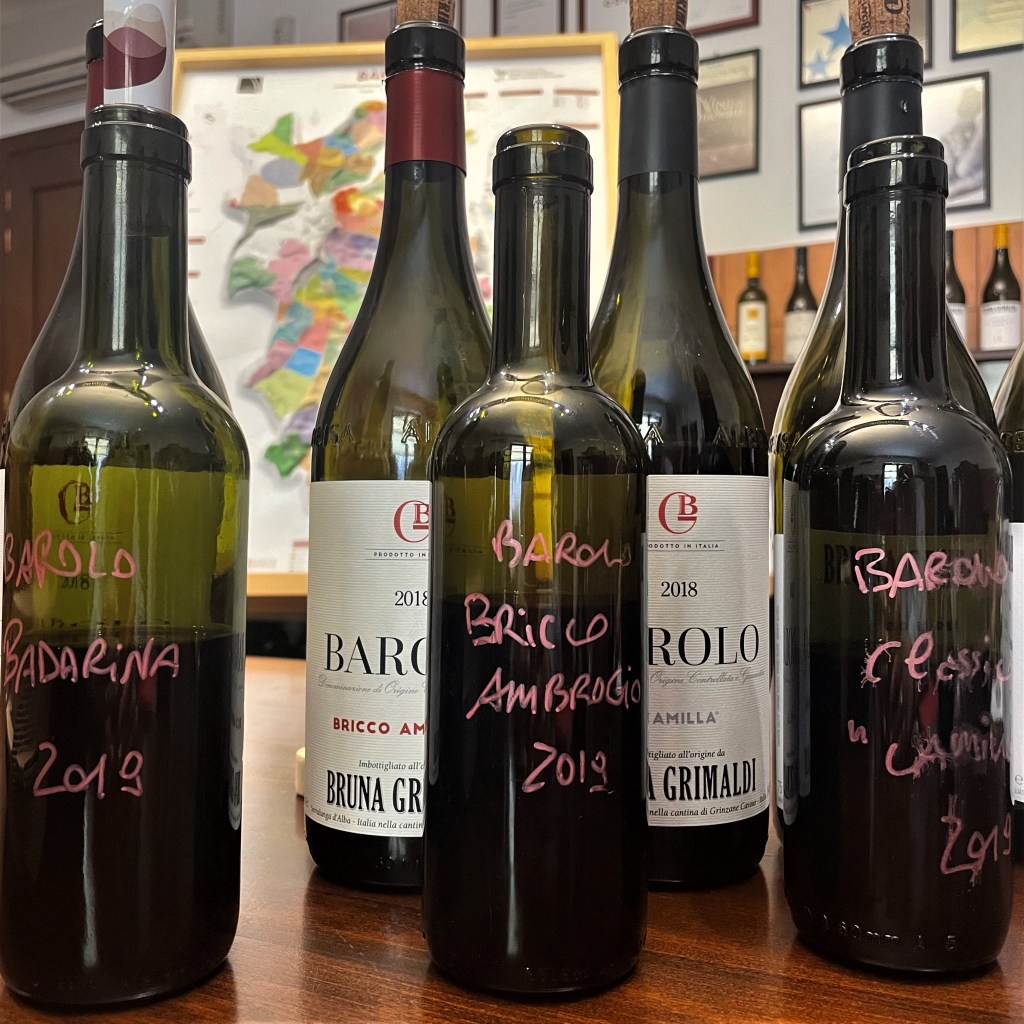
Bruna Grimaldi Barolo Camilla 2019 Beautiful nose. Aromas of dark fruit, with some spice notes. Very different from the 2019. More tension, bigger tannins.
Bruna Grimaldi Barolo bricco Ambrogio 2019 Vegetal, herbal. A bit closed on the nose, needs some time to open up. More tension in this one as well, compared to the 2018.
Bruna Grimaldi Barolo Badarina 2019 Beautiful nose, less vegetal than the Bricco Amborgio. Balsamic, herbal and fruity. I even caught a glimpse of some chocolate. A super wine!
Cavallotto Barolo 2019 Floral notes, with a hint of spices. Clean and crisp. Round in the mouth, with a long aftertaste. An approachable, balanced Barolo.
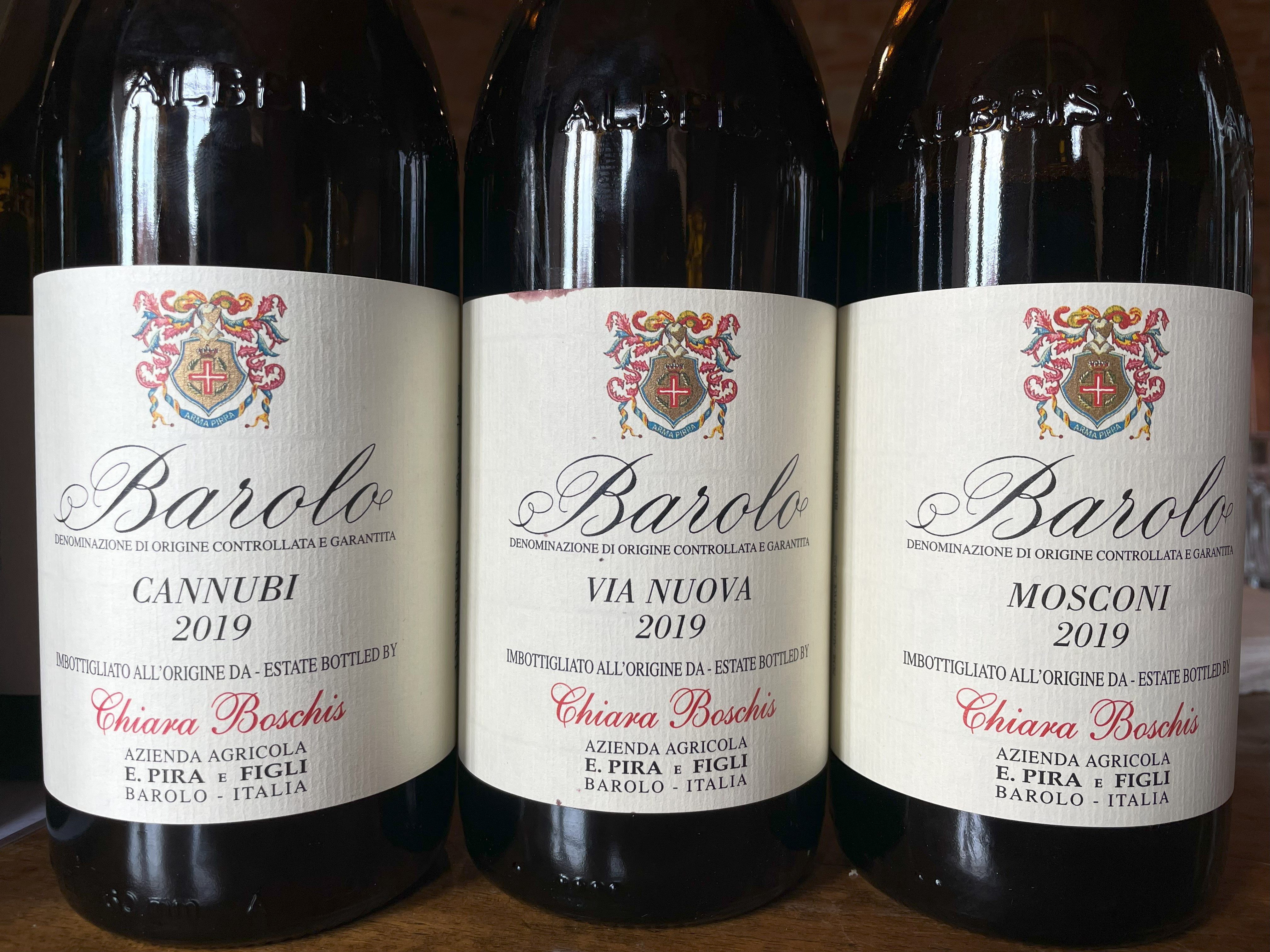
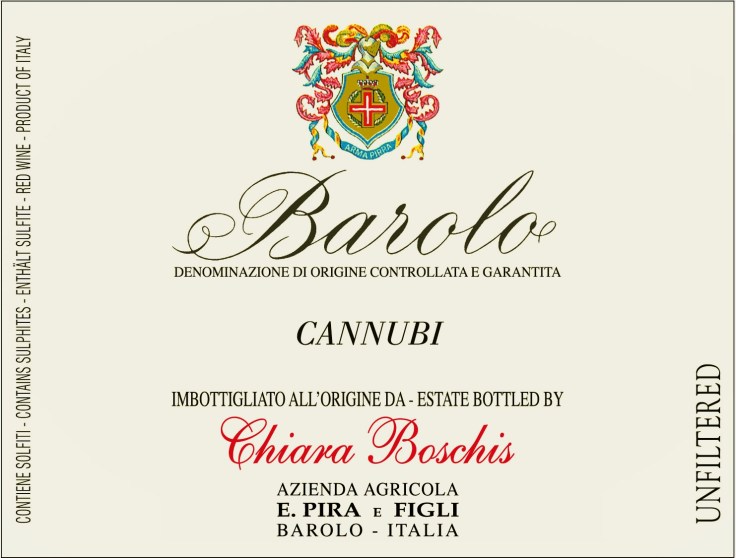
Chiara Boschis Barolo Cannubi 2019 The Cannubi is often a favorite of mine, and the 19 is no different. It’s such a beautiful wine. Aromas of red fruits, maybe a hint of strawberry? The 19 is intense, but the tannins are round. Good body with a long finish. And I think maybe I detect a hint of herbs?
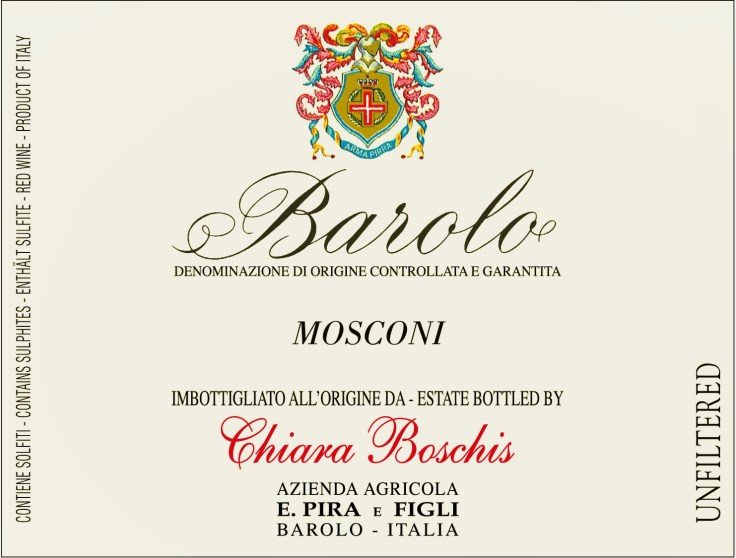
Chiara Boschis Barolo Mosconi 2019 The Mosconi is slightly more masculine. The fruit is darker, and there is a hint of balsamic. The nose is intense. Although the tannins are more intense, they are still round. This is a wine with good body and a long finish.
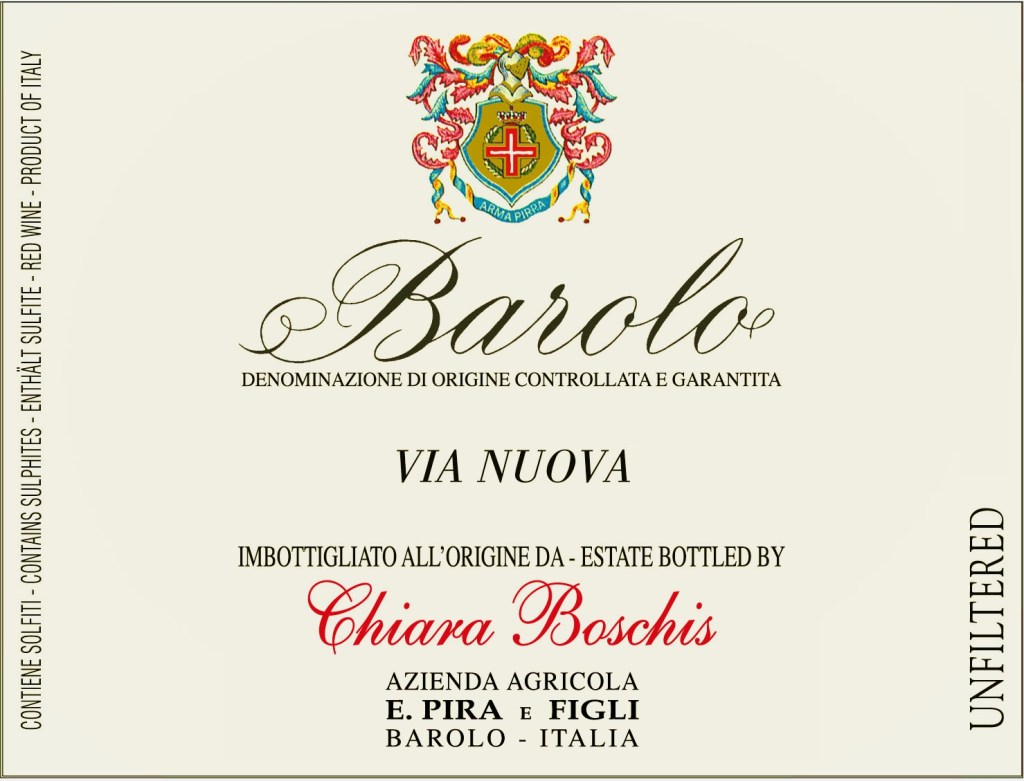
Chiara Boschis Barolo Via Nuova 2019 The Via Nuova is even more masculine than the Mosconi. The fruit is not as dark in this wine, but there is a stronger hint of balsamic. A very intense wine. The tannins are also more intense, but not overpowering.
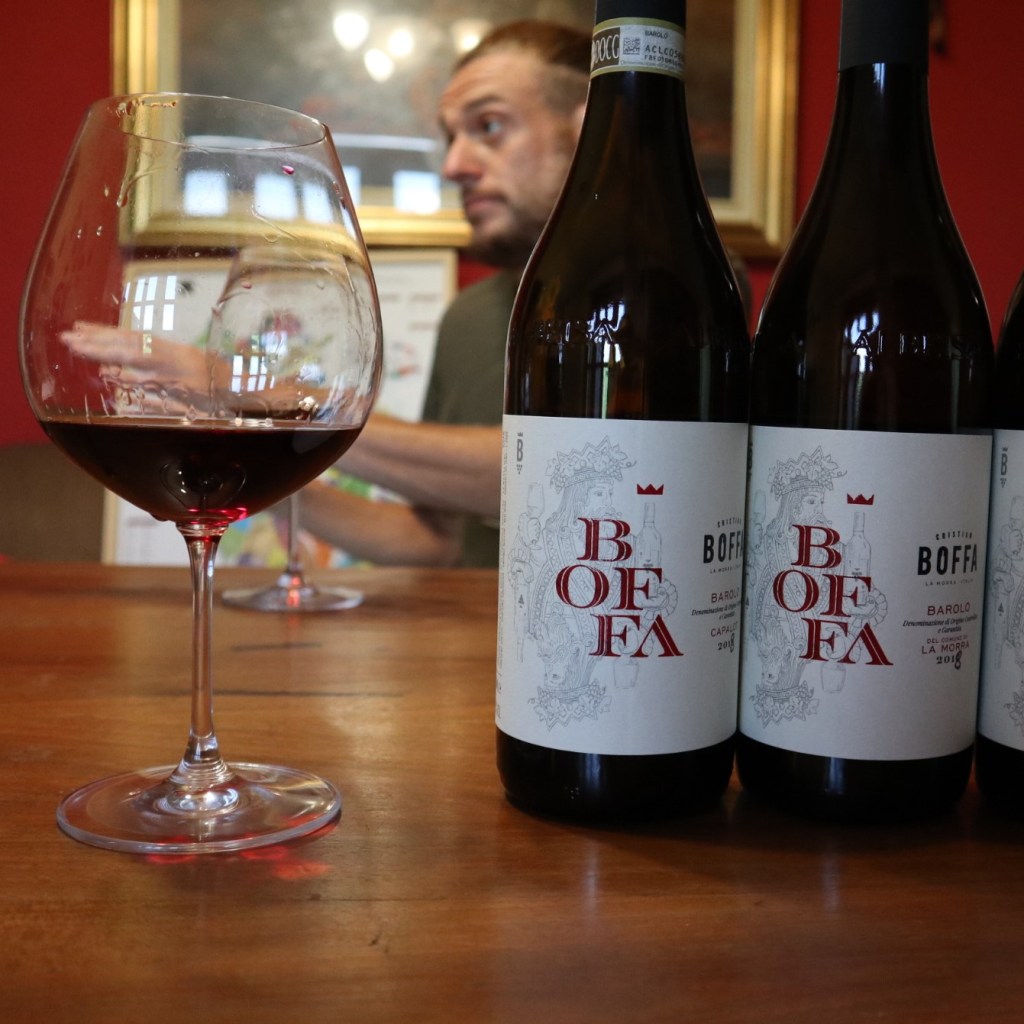
Cristian Boffa Barolo del Comune di la Morra 2019 An aromatic and intense wine, with a beautiful nose. Floral aromas, as well as red fruit, cherry. A mineral and crisp nose. Quite easy to drink, very approachable tannins, with a long finish.
Cristian Boffa Barolo Capalot 2019 More aggressive tannins in the Capalot, compared to the Comune di La Morra, but not overpowering. A beautiful, intense nose. Quite complex. Has good aging potential!
Elio Altare Barolo Arborina 2019 Beautiful nose, has that typical La Morra feel to it. Floral and fruity. Good tannins, with a little bit of oomph.
Luigi Pira Barolo Serralunga 2019 Their classic Barolo contain grapes from multiple vineyards including Marenca, Margheria, Sorano and Rivete. It’s aged in big barrel for 24 months. Beautiful, typical Barolo nose. Floral with hints of leather and balsamic. Big tannins, but still very fruity. A good bodied wine with a long finish.
Luigi Pira Barolo Margheria 2019 The Margheria is quite a bit more aromatic than the Serralunga. Crisp with aromas red fruit and hints of herbs and spices. Very crisp in the mouth. An elegant wine with quite approachable tannins.
Luigi Pira Barolo Marenca 2019 The Marenca spends 12 months tonneaux and 12 months in big barrels. The nose is similar to the Margheria. Maybe a bit more balsamic. The grapes come from a steep hill. The bunches are smaller, more concentrated. This is a bit more punchy, with bigger tannins.
Luigi Pira Barolo Vignarionda 2019 Now on the to grand finale: Vignarionda! The Vignarionda has a bit more masculine nose with aromas of tobacco and herbs. Powerful, but elegant. Tannins are big but not punchy.
Marengo Barolo 2019 The classic Barolo has an intense nose with aromas of red fruit, flowers, tobacco and a hint of spices. The tannins are smooth. Round in the mouth, with good balance and quite long finish.
Marengo Barolo Bricco Delle Viole 2019 Beautiful nose on the Bricco Delle Viole. More explosive than intense. A bit more floral and fruity than the classic Barolo. Bigger tannins, but still smooth. A balanced, beautiful wine.
Marengo Barolo Brunate 2019 The Brunate was, not surprisingly, a bit more complex than the other two. Beautiful nose with aromas of red fruit and spices, with a hint of floral notes. Bigger tannins, more structure, yet smooth. Good balance with a long finish.
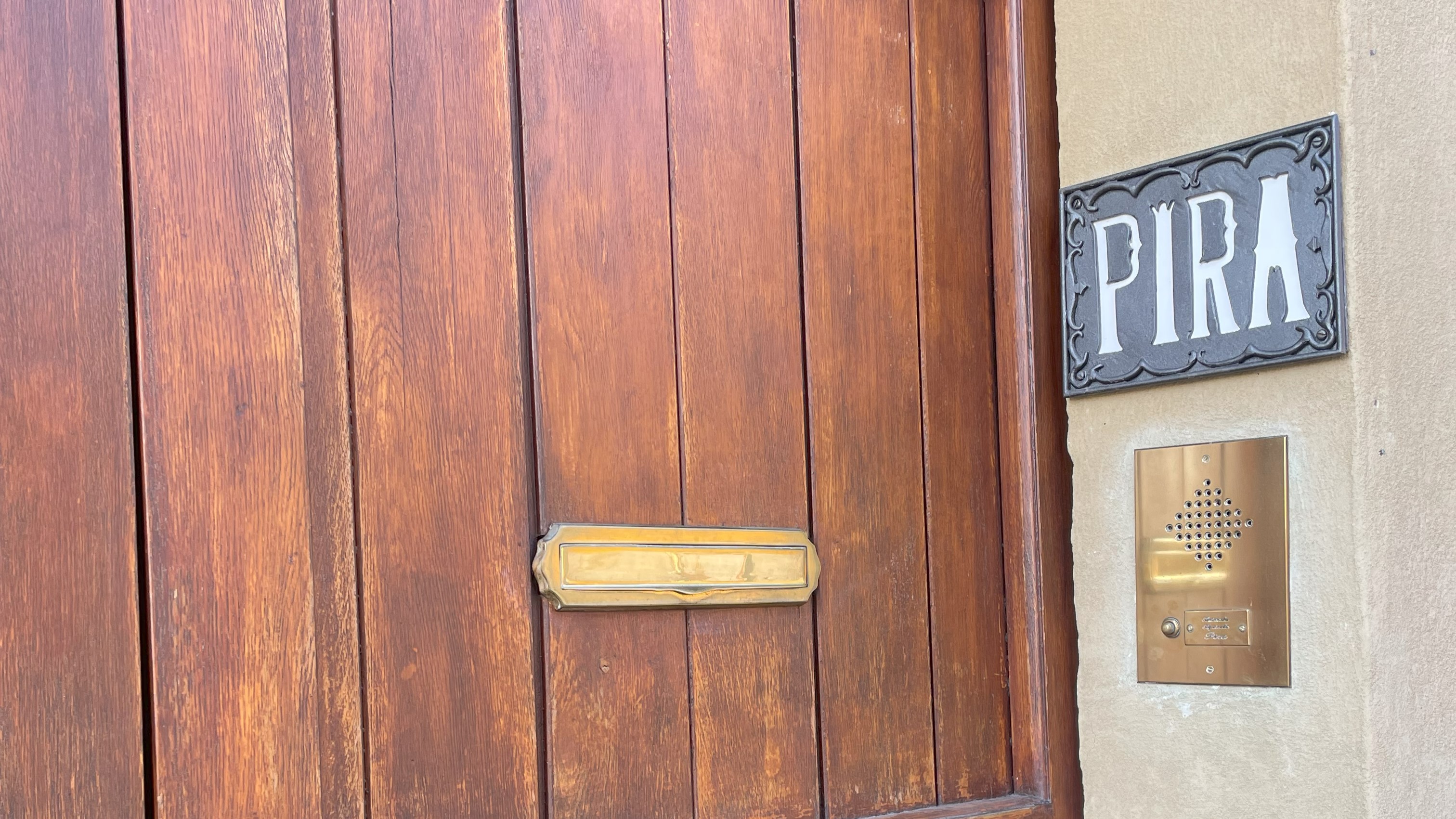
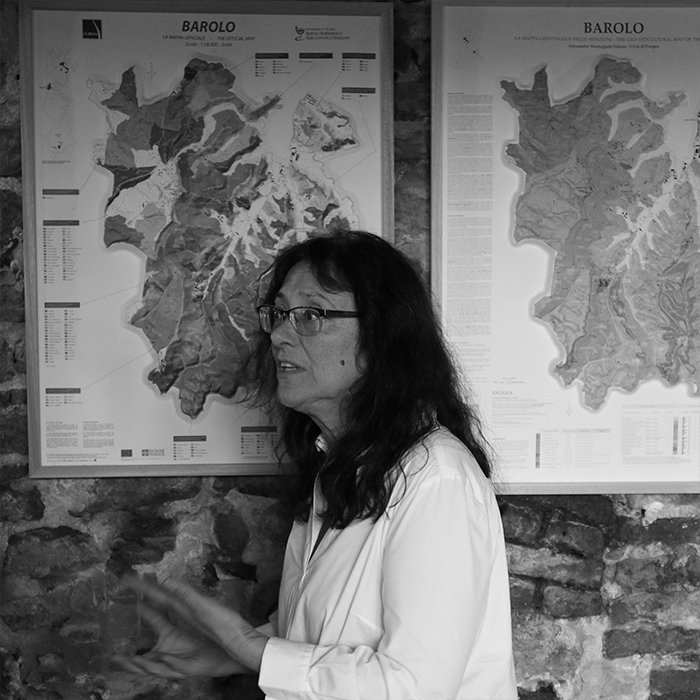
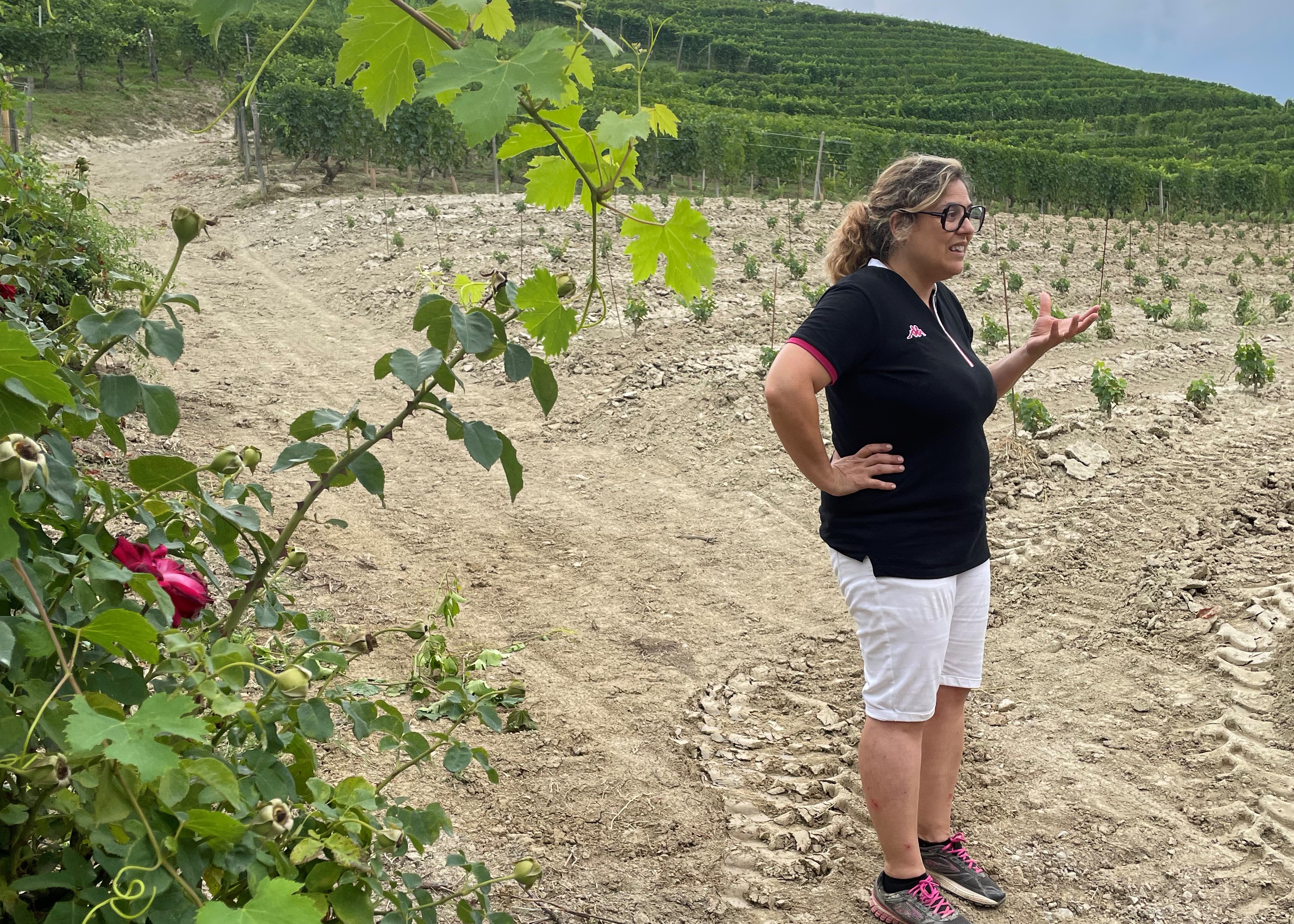
It’s 8:59 am, and I am standing outside the big wooden door of Chiara’s winery. I am there to taste the Chiara Boschis Barolo 2019. As soon as the clock strikes 9:00, I ring the doorbell. The door opens, but Chiara is nowhere to be found. Not surprisingly, she is in the vineyard. For those of you who know Chiara, you know that she definitely prefers being in the vineyard to being in the tasting room. That’s not to say she doesn’t like showing her wines to wine lovers, or working in the cellar. She just prefers working in the vineyard.
While I wait for Chiara to return from the vineyard, I smile, as I think back to what she said during one of our live streams during the pandemic. “The wine comes from the grape.” The wine comes from the grape. So simple. And so true. Wine is indeed made from grapes. And in many ways, the wine is made in the vineyard. That’s one of the reasons why Chiara’s wines are so fantastic. She spends an incredible amount of time working with the vines, doing everything she can before the harvest, giving the grapes the best shot possible at becoming excellent wines. I’ve often thought her wines remind me a little bit of her: beautiful, energetic, bold. And although the wines reflect the vintages, the quality is consistent. Every year.
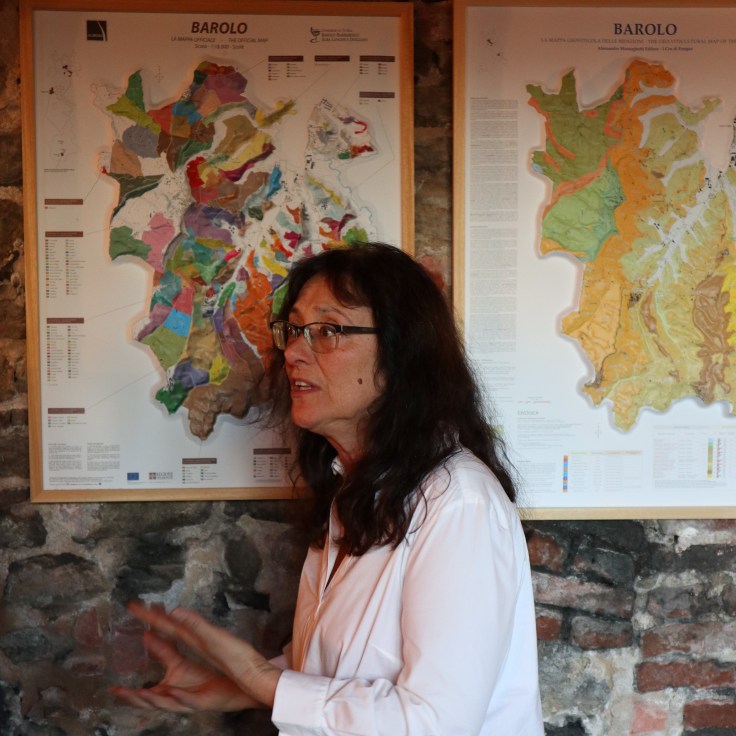
The door bursts open, and Chiara comes running in. And before we know it, we’re sitting down with the 2019 Barolo’s in front of us! Every visit with Chiara is incredibly educational and informative. Her knowledge of wine and winemaking is second to none, and you are guaranteed to learn something new every time you chat with her! And I always love to hear about her new projects. I am especially excited about this new one (stay tuned)!
Chiara Boschis Barolo 2019
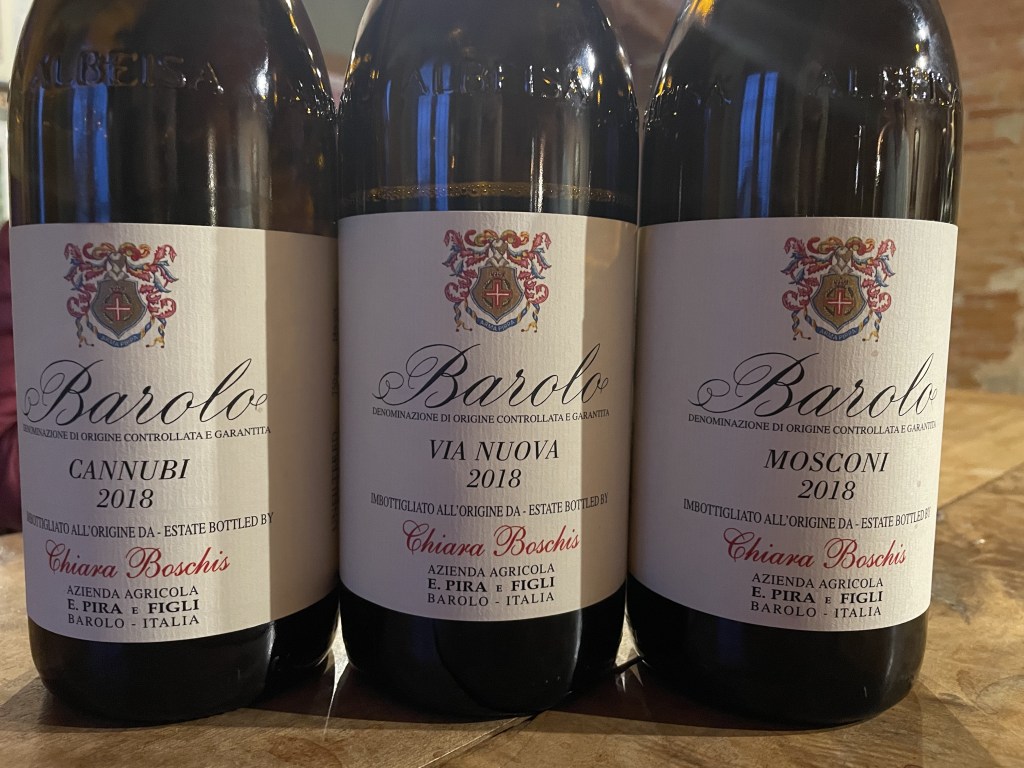
We’ve finally reached the “tasting note” portion. For comparison, I’ve attached my tasting notes on the 2018’s below. I think the 18’s were a bit more feminine and approachable, compared to the 19’s. This reflects the difference in the vintages, and as always the quality is consistent.
Chiara Boschis Barolo Cannubi 2019
The Cannubi is often a favorite of mine, and the 19 is no different. It’s such a beautiful wine. Aromas of red fruits, maybe a hint of strawberry? The 19 is intense, but the tannins are round. Good body with a long finish. And I think maybe I detect a hint of herbs?
Chiara Boschis Barolo Mosconi 2019
The Mosconi is slightly more masculine. The fruit is darker, and there is a hint of balsamic. The nose is intense. Although the tannins are more intense, they are still round. This is a wine with good body and a long finish.
Chiara Boschis Barolo Via Nuova 2019
The Via Nuova is even more masculine than the Mosconi. The fruit is not as dark in this wine, but there is a stronger hint of balsamic. A very intense wine. The tannins are also more intense, but not overpowering.
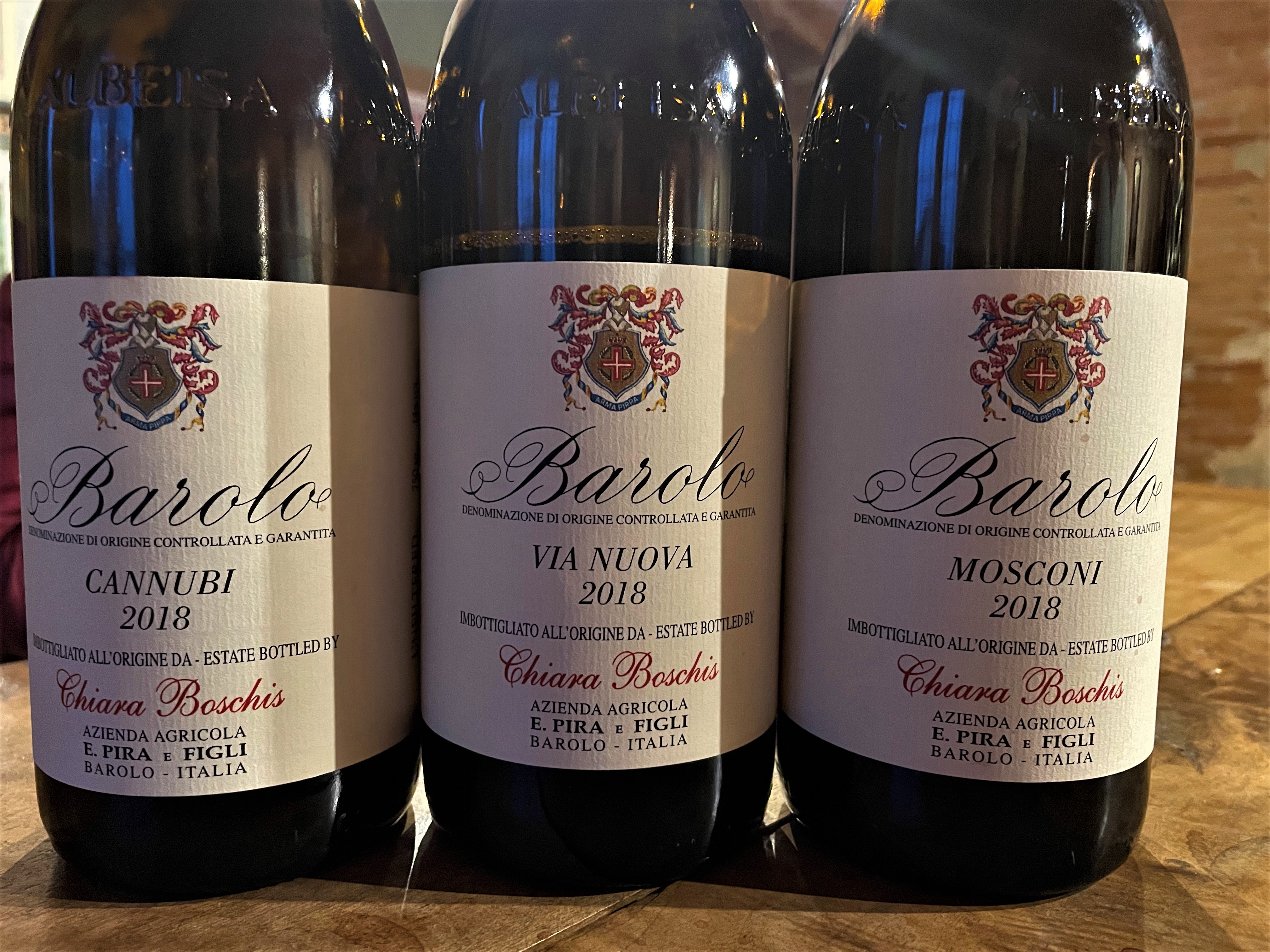
Chiara Boschis’ 2018 Barolo’s
Chiara Boschis Barolo Cannubi 2018
I kid you not, my notes actually say “holy shit”. What a nose! Crisp, mineral, complex, rich, beautiful, feminine. There are aromas of tar and roses. Good depth and long finish. Chiara herself describes the Cannubi as “a kind wine”. And I can’t argue with that.
Chiara Boschis Barolo Via Nuova 2018
The Via Nuova is a bit more austere. A fruity and balanced wine. I agree with Chiara that the 2018 Barolo’s are more Burgundian than other recent vintages.
Chiara Boschis Barolo Mosconi 2018
I guess the word I’d use about Mosconi is “more”. More complex nose, more masculine, more spices, more structure. There are also hints of orange, apricot, peach and white pepper in this wine.
Barolo 2018 – delicious or disappointing? That is the question. But we’ll dig into that a little later. First, let’s look at some facts. As a stark contrast to 2017, which was very dry, 2018 was quite rainy. There were 62 days of rain during the growing season, just like 2014, which was considered one of the rainiest years of all time. But a few things distinguish 2014 from 2018, including the temperature. The temperature was on average higher in 2018 compared to 2014, especially towards the end of the growing season.
So what does all this mean? Well, first of all, too much rain leads to a lot of work in the vineyards. All that humidity creates perfect conditions for downy mildew, a fungus growing on the grapes. The winmakers combat this by spraying copper sulfate, but they basically have to spray after every rainfall. If you have half a hectare, that’s probably not too big a deal, but when you have three, five, or 14, it’s a lot of work.
The heavy rain combined with the high temperatures, also means quite a lot of growth in the vineyards. Which in turn meant they had to be vigilant about managing their vineyards. I think that’s really the key in any vintage: work in the vineyard. Fabio from Burlotto prefers to call himself a “winegrower” and not a “winemaker”, because he first and foremost considers himself a farmer. And when you pay a lot of attention in the vineyards, “it’s difficult to have a bad vintage.”[i] And I agree. In my experience, a good winemaker will make good wines in every vintage. And so in some vintages, like 2018, my advice would be to chose the winemaker and not the wine, if that makes sense.
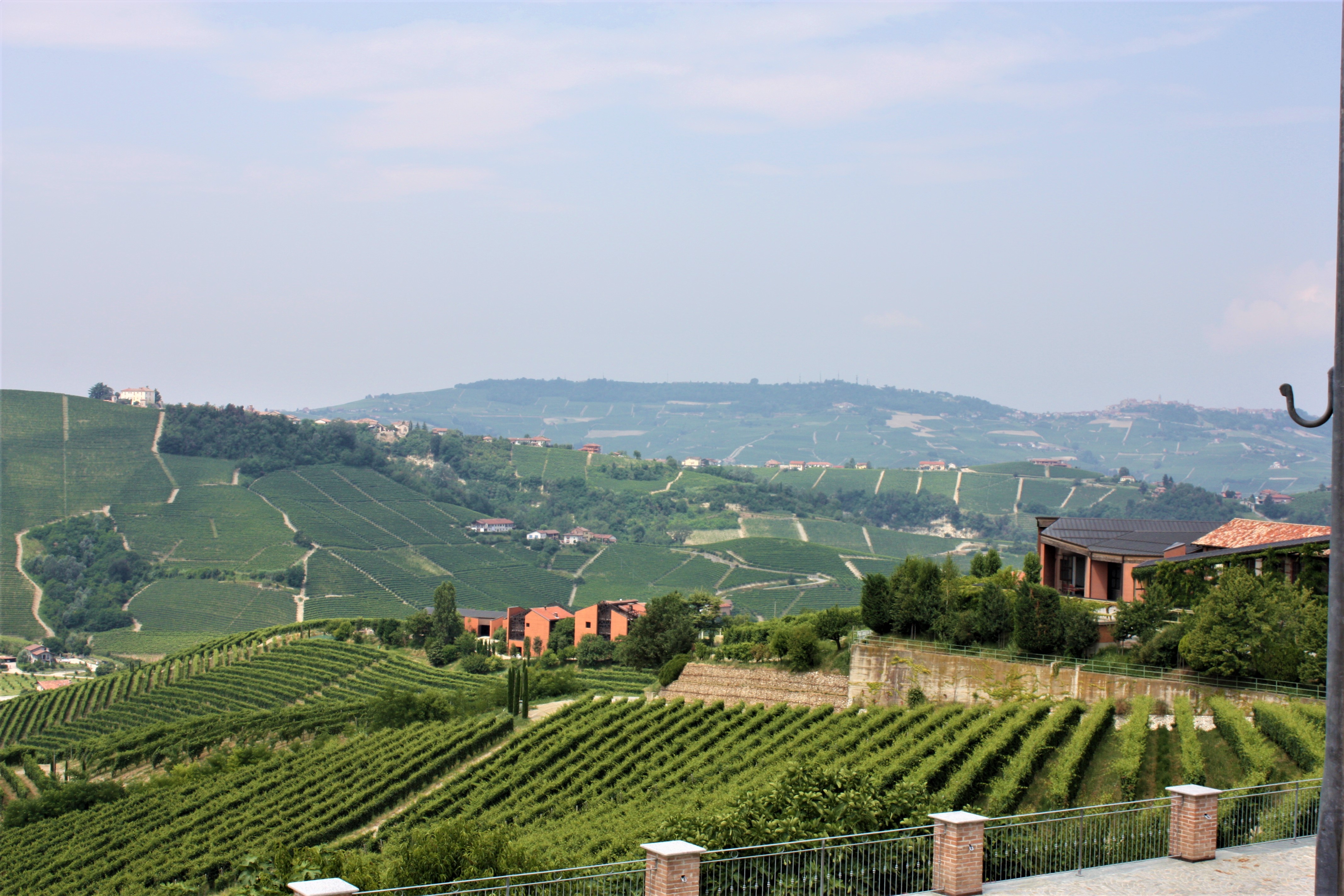
Langhe July 2018
Barolo 2018 – many different opinions
I am not the first to share some thoughts on Barolo 2018. There have been split “reviews” on this vintage, both from the winemakers and from the wine reviewers. Some are on the more dramatic side, to the point of almost condemning the vintage. Others bear a more hopeful tone, highlighting that despite the difficulties of the vintage, the resulting wines are actually of higher quality than excepted.
Galloni said it’s “the most erratic, frustratingly inconsistent Barolo vintage” he has ever encountered. [ii]
Masnaghetti, a great source of information when it comes to Langhe, and the godfather of the Barolo maps, wrote this in his Barolo 2018 Vintage report: “In the history of Barolo, and not merely of Barolo, the vintages which presented themselves at their origin as problematical have been anything but rare. But, in a hypothetical classification of all the vintages, very few would be able to rival 2018.”[iii] But although the season was difficult, he thinks the wines will be “classified in the future as of good level.”
Joshua Dunning, the talent behind Word On The Grapevine, called the vintage a “tangram”. If you had to google that word, don’t worry, I did too. A tangram is “a Chinese puzzle made by cutting a square of thin material into five triangles, a square, and a rhomboid which are capable of being recombined in many different figures”. [iv] And I think it’s a fairly spot on description. He goes on to say that “challenges notwithstanding, the finished wines are an altogether more positive picture than their contributory climatic components might suggest.”[v]
Davy Żyw from Berry Bro’s and Rudd dared to say that the Barolo 2018 has “a Pinot Noir-style personality.”[vi] The same comparison was made by Fabio Alessandria when I visited him November 2021. Davy Żyw made some good points in his Barolo 2018 Vintage Report, including that the “best wines of the ’18 vintage showcase the strength of this multifaceted and extraordinary terroir, elegantly choreographed and infused by an equal sense of calm and place.”
Now, some of you might be waiting for Piemontegirl’s opinion on Barolo 2018. I have to start by saying that I believe there is not such thing as a bad vintage. However, I do believe there are bad wines. I think there is a difference between the two. What is it that they say? The proof is in the pudding? Well, in this case, the wine… There are so many really good 2018 Barolo’s out there. Floral. Fruity. Balanced. Elegant. Crisp. Wow. Beautiful. Incredible. These are only some of the words I used to describe Barolo 2018. And so yes, the growing season was difficult. And yes, overall this vintage might lack some structure compared to 2017, 2016 and 2015. But there are plenty of good Barolo’s out there. You just have to find them.
Here are some of my favorites:
Barolo 2018 Tasting Notes
Bruna Grimaldi Barolo Bricco Ambrogio 2018
A classic nose, floral and fruity. Silky tannins. A very approachable Barolo.
Bruna Grimaldi Barolo Badarina 2018
A slightly vegetal and austere wine. Aromas of red fruit, leather and balsamic. Good structure.
Burlotto Barolo 2018
Masculine nose with aromas of leather and tobacco, but still fruity and quite approachable. A gentle and elegant wine.
Burlotto Barolo Acclivi 2018
The Acclivi is a bit deeper than the Classico. So elegant in the mouth with a very gentle structure. Fruity and crisp, with a long finish.
Burlotto Barolo Monvigliero 2018
Incredible nose with aromas of white pepper and red fruit, with a hint of spice. It was actually a bit spicy in the mouth as well. A very distinctive wine with a lot of personality.
Burlotto Barolo Cannubi 2018
With the Cannubi, the word elegance springs to mind. Elegant nose, elegant tannins, elegant structure. If I were to pick a wine to demonstrate how a Barolo should smell, this one would be a perfect example.
Chiara Boschis Barolo Cannubi 2018
I kid you not, my notes actually say “holy shit”. What a nose! Crisp, mineral, complex, rich, beautiful, feminine. There are aromas of tar and roses. Good depth and long finish. Chiara herself describes the Cannubi as “a kind wine”. And I can’t argue with that.
Chiara Boschis Barolo Via Nuova 2018
The Via Nuova is a bit more austere. A fruity and balanced wine. I agree with Chiara that the 2018 Barolo’s are more Burgundian than other recent vintages.
Chiara Boschis Barolo Mosconi 2018
I guess the word I’d use about Mosconi is “more”. More complex nose, more masculine, more spices, more structure. There are also hints of orange, apricot, peach and white pepper in this wine.
Cristian Boffa Barolo 2018
A delicate and balanced Barolo, with aromas of red fruit and strawberry. Long finish, with round, sweet tannins. A very good Barolo!
Diego Morra Barolo Zinzasco 2018
Beautiful nose with aromas of fruit, flowers and white pepper. Round tannins and good body. A wine with quite a lot of depth.
Diego Morra Barolo Monvigliero 2018
Floral aromas with hints of white pepper. A very good wine with good structure. Might need some time to open up fully.
Fratelli Revello Barolo Gattera 2018
The Revello Gattera has aromas of red fruit, liquorice and roses. It’s an elegant wine with soft tannins.
Marengo Barolo Bricco Delle Viole 2018
Wow! What an incredible nose. So floral and fruity, yet complex. Smooth tannins. Easy to drink.
Marengo Barolo Brunate 2018
Tried this straight from the tank, before it went into the bottle. A beautiful wine. Complex nose with aromas of leather, tobacco and a hint of chocolate. Good balance and structure. Long finish. balance.
Marengo Barolo Riserva 2018
“Very young, but so good.” Enough said. Or maybe not, but that’s all my notes said…
Nadia Curto Barolo La Foia 2018
Amazing nose with aromas of roses, red fruit and a hint of tar? Good body with round, smooth tannins.
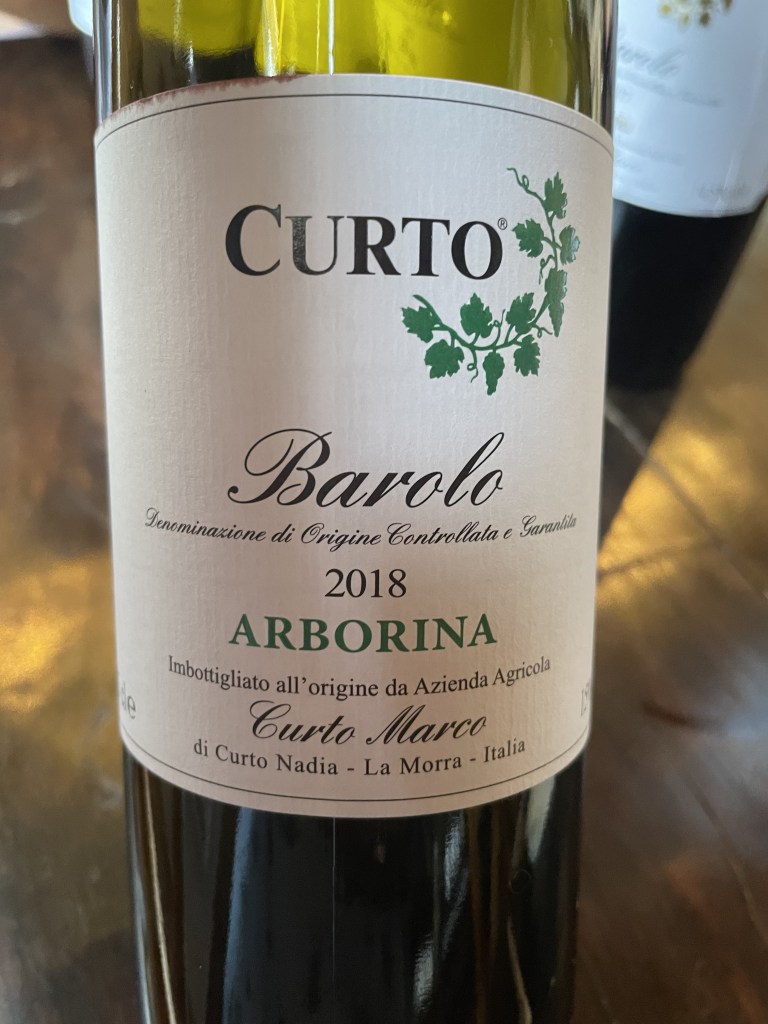
Nadia Curto Barolo Arborina 2018
The Arborina might be a bit more complex than the La Foia. More leather, tobacco and spice aromas. More powerful, more intense. This might be due to the south exposure and long extraction.
Paolo Giordano Barolo 2018
I was really impressed by this wine. Good structure, but still easy to drink. Round, well integrated tannins. And it really opened up in the glass.
Roberto Voerzio Barolo Del Comune de La Morra 2018
A complex wine with a good nose. Aromas of spices and a hint of mint. Delicious. Good grip in the tannins. A long finish.
Roberto Voerzio Barolo Brunate 2018
I’ve tasted this both from tank and from bottle. The tank sample had an incredible nose. Concentrated with aromas of dark fruit. Elegant. Classic. Then, when I tasted from the bottle the nose was quite closed. But it had that wonderful combination of a feminine nose and complex body. Tannins were a but dry, but the aftertaste was incredible. Long finish.
Roberto Voerzio Barolo Fossati 2018
I also tasted this from both tank and bottle. When I tasted from the tank the wine was quite masculine with aromas of tobacco, some herbs and quite harsh tannins. Then, when tasted from the bottle, the nose was still quite masculine, but the harsh tannins were gone and the wine was quite feminine. With a long, good finish.
Roberto Voerzio Barolo La Serra 2018
A wine with an interesting nose. Red fruit, spices and a hint of licorice? Smooth tannins, good body and good deoth. Easy to drink. Integrated tannins.
Roberto Voerzio Barolo Cerequio 2018
Stunning! I really liked this wine. Aromas of red fruit and tobacco. A bit austere maybe. But WOW what a delicious wine. A good example of how maybe the nose and taste don’t always “go together”.
The first time I tried Chiara Boschis’ 2018 Barolo’s, they came straight from the tank. It was bottling day at the winery, and the 2018 Barolo’s were making their way from tank to bottle. The wines were obviously a bit stressed, but I remember thinking that the 2018 vintage was something to look forward to! And I was right.
I know there have been mixed messages about the 2018 vintage, but I will say what I always say: there is no such thing as a bad vintage. And Chiara Boschis’ 2018 Barolo’s are proof. Seriously, they are stunning.
But before we dig into the 2018 Barolo’s, I’d like to share my notes on her other wines as well. I myself am a huge fan of Dolcetto, and don’t think the wine gets nearly enough attention! And guess what, Chiara thinks “there might be a return of Dolcetto”.
Chiara Boschis Dolcetto 2021
One of my absolute favorite things about Dolcetto is it’s aroma. And the one from Chiara Boschis is no exception! Beautiful nose; so fruity. But the wine isn’t just fruity. It also has some structure. She makes one of the more complex Dolcetto’s in Langhe. A true treat.
Chiara Boschis Barbera 2020
A stunning Barbera. 2020: bad year for human kind, good year for wine. A bit of an austere nose with aromas of red fruits. Good structure and great potential for aging.
Chiara Boschis Langhe Nebbiolo 2020
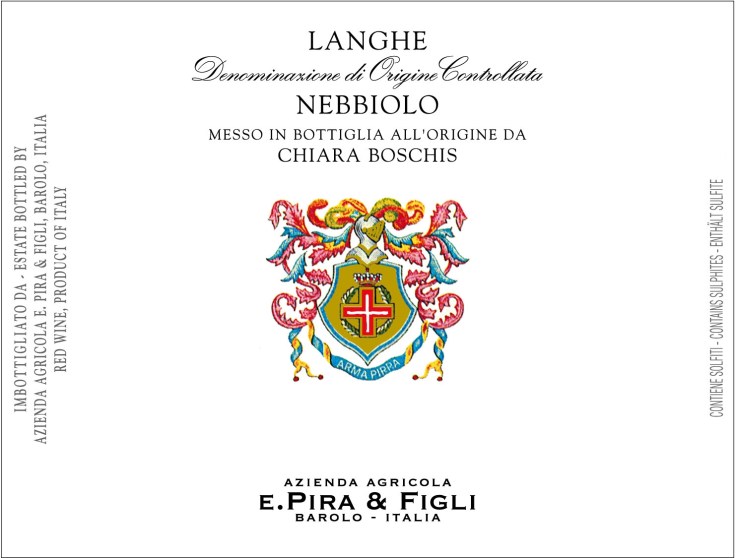
Typical Nebbiolo nose with aromas of red fruit and rose petals. A very fruity and fresh Nebbiolo.
Chiara Boschis’ 2018 Barolo’s
… and a surprise treat at the end!
Chiara Boschis’ 2018 Barolo’s
Chiara Boschis Barolo Cannubi 2018
I kid you not, my notes actually say “holy shit”. What a nose! Crisp, mineral, complex, rich, beautiful, feminine. There are aromas of tar and roses. Good depth and long finish. Chiara herself describes the Cannubi as “a kind wine”. And I can’t argue with that.
Chiara Boschis Barolo Via Nuova 2018
The Via Nuova is a bit more austere. A fruity and balanced wine. I agree with Chiara that the 2018 Barolo’s are more Burgundian than other recent vintages.
Chiara Boschis Barolo Mosconi 2018
I guess the word I’d use about Mosconi is “more”. More complex nose, more masculine, more spices, more structure. There are also hints of orange, apricot, peach and white pepper in this wine.
Chiara Boschis Barolo Via Nuova 2010
The Chiara Boschis Barolo Via Nuova 2010 is still so fresh! It’s basically a baby. Floral and feminine with almost no tertiary aromas. Still has good structure. You can keep this for quite a while, if you’re still lucky enough to have a bottle or two.
Today, there are tons of women in wine. Just typing this statement feels weird, because why would there not be women working in wine? But rewind about 50 years; it wasn’t that common.
We all know (and love) Chiara Boschis, who today is one of the most important winemakers in Langhe. When she first started out, she was “sort of an exotic fruit” because the fact of the matter was, “there were no women in the winemaking.” Thankfully, it’s not like that today.
These days, there are so many incredibly talented women in wine. There is Carlotta Rinaldi, who is working tirelessly to “leave to the next generation a better place, a better soil or at least as good as our grandfathers and our fathers gave to us.” Then you have Diana Snowden Seysses, a badass woman doing everything in her power to be as sustainable as she possibly can. After experiencing extreme heatwaves in 2017, she started “learning about climate change with maternal fervor.” Her knowledge on climate change and C02 emissions is incredible, and I think we can all learn a lot from her!
Women in Wine – every step of the way
Women in wine are working in every step from the vineyard to the wine stores. And although the actual winemaking is a very important job (otherwise we wouldn’t be drinking really good wine), the other aspects of this industry are also very important. Marketing, Sales, Shipping, Logistics, Design – these are all areas involved in getting the wine out of the winery and into our cellars.
So you have Marta Alessandria and Nadia Curto, who spend a lot of time working in the vineyards and in the wine cellar. And then you have Isabella Oddero and Jenny Battaglino, who work mostly with getting the wine out of the winery and into wine stores (or your wine cellar). Which means you’ll likely find them in the tasting room showing their wines to people from all over the world, or in the office, trying to keep up with the many e-mails that pop up in their inbox every day. Honestly, you wouldn’t believe all the paperwork and bureaucracy that goes on in a winery. But someone has to do it! Which makes it a very important job. So thank you, Isabella and Jenny, and all the other women working in this industry, for all the hard work that you do!
More Wonderful Women
Nadia Curto, a hardworking farmer, doing everything in her power to avoid using chemicals and working sustainably.
Marta Alessandria, an energetic winegrower, who spends most of her time in the vineyards, working in harmony with nature.
Maria Teresa Mascarello, a force to be reckoned with, who makes some of the best wine this world has ever seen!
Swantje Rausch, a persevering young woman, who uprooted her entire life to come make wine in Barbaresco.
Clothilde Lafarge, a young, fierce winegrower, making some of the best wines Burgundy has to offer.
Silvia Altare, an incredibly intelligent woman, who has taught me so much over the years.
Veronica Corino, a passionate and kind winemaker, working hard in the vineyard, the cellar and the tasting room.
It’s not like we need yet another reason to love Chiara Boschis, but CannuBio definitely makes the list! And what is CannuBio you might ask? Well, it’s one of the many projects Chiara is currently working on.
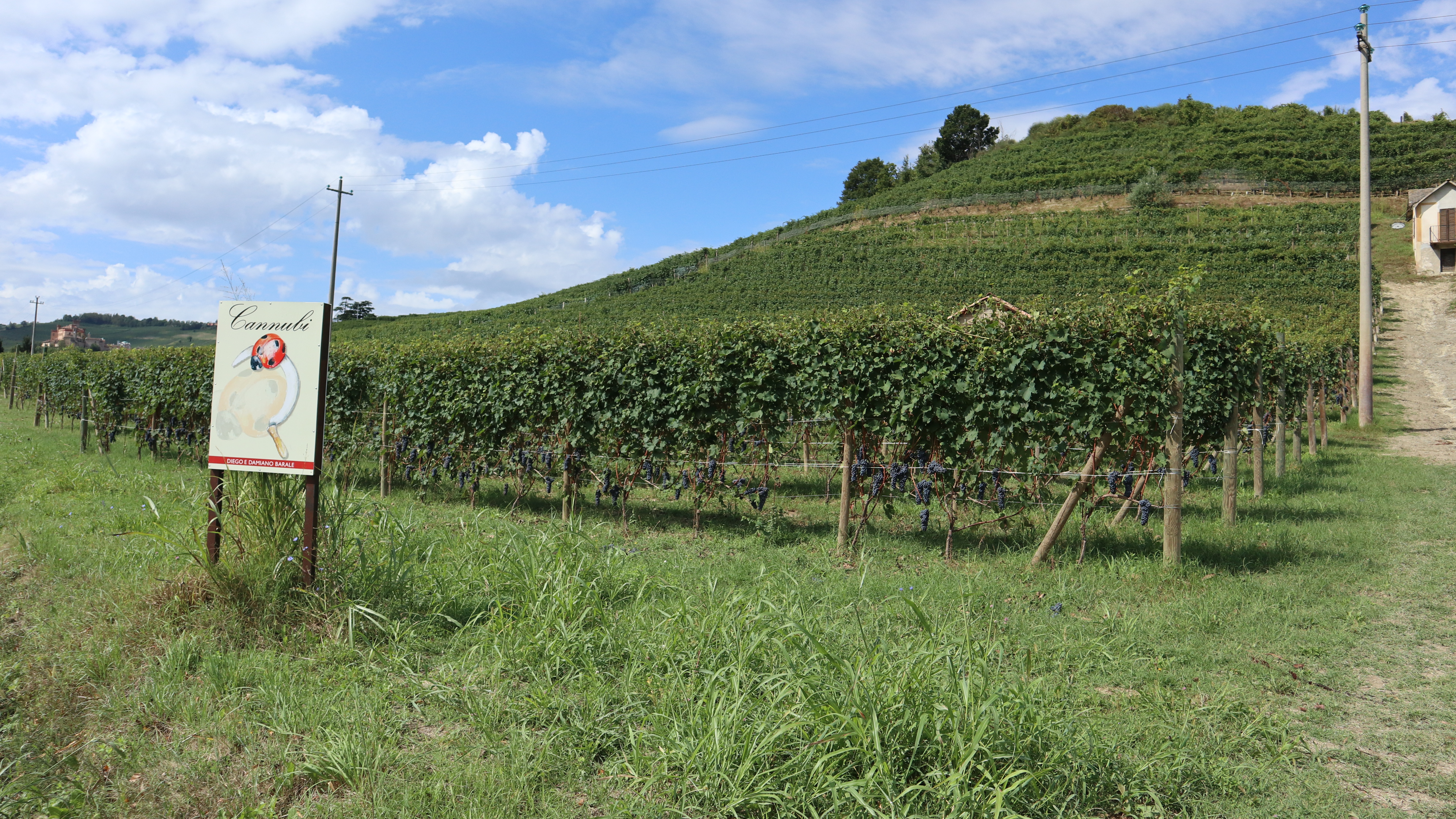
Chiara Boschis has always worked in a sustainable and organic way, but in 2010, she decided to get the organic certification. She thinks it’s “very important to push on this and let people know. And to start to change the mind of the people.” One of the reasons why it’s important for Chiara to try and convince others to farm organically, is because her plants can be affected by her neighbors actions. So even if she farms organically, if one of her neighbors use chemicals, some of it might transfer over to her plants. This is a problem in any vineyard, including Cannubi, where the parcels are quite small. So she decided to start a project: CannuBio.
CannuBio
In Cannubi, there are 26 different owners. And Chiara, accompanied by what she calls the “guru of the organic farming”, went around to all the different owners and tried to convince the ones who weren’t already doing so, to start farming organically. One by one they agreed, and today 23 have joined the CannuBio project.
“I had nothing to lose. Even if it seems a crazy project, you know, the classical mission impossible, I really wanted hard to try to convince the other people.”
Chiara Boschis
One of the winemakers farming in Cannubi, is Fabio Alessandria from Burlotto. He sees first hand how important this project is, acknowledging that “when all the vineyard is treated like this, the benefit are much bigger than a single winemaker working this way”. And the benefits aren’t just limited to this one vineyard. In addition, he says that this project “motivated (them) to work more and more in this way”.
What does it all mean?
One of the main aspects of organic farming, is to avoid using chemicals. But for Chiara, it’s about so much more. Of course, not using chemicals is incredibly important, but “it’s really an holistic approach that means to care about every aspect of the agriculture and the winemaking. Not using chemicals is number 1 but you need to create the right environment which means of course to take care of the fauna and the birds, the insect, organize the soil, to have cover crop, flowers in the vineyard, manage the canopy.”
Let’s take it one step further, from organic farming to sustainable winemaking. As Carlotta Rinaldi says, “it’s a wider conversation, than just saying organic or biodynamic, using chemicals or not using chemicals.” It’s the whole picture. She goes on: “It doesn’t just cover treatments, it covers the amount of time of passages of the tractor in the vineyard for example.”
What motivates them to farm organically?
Another winemaker who farms organically is Nadia Curto. And when asked what motivates her to farm organically, Nadia had the best answer: “One more philanthropic reason, for we would like to offer to the customer wine that are healthy, that don’t give problem to the stomach. to the head, etc. But also for an ego reason because we are in the front line in the field, and so when we use chemicals we breathe these chemicals and we stay really in between that situation and so also for myself, and for the child, for my dog, because the little dog runs every day in the field, and so it’s very important to also protect this situation, for try to stay better.”
I think this is so important to keep in mind: they are on the front lines. They are in the field. They spend a lot of time in the vineyard. Of course they don’t want to be surrounded by chemicals. I bet you don’t either. I mean, we are so concerned with avoiding chemicals in the other aspects of our lives. Why shouldn’t this be extended to the wine we consume? And, for many of you, it probably already does. But I bet there are a lot of people who buy organic spinach, free range eggs, or BPA free water bottles, yet they drink wine that was made using chemicals.
So that was the “egoistic” and ethical reason behind organic farming. But Nadia also says that “the wine is better”. Why? “The wine without chemicals is something different. Every time is something unique. The character is special. When you drink a natural wine the heart become big, the joy arrive, its something different because give the life” she adds.
The future of CannuBio
Chiara’s goal is to reach 100% participation rate of the project in Cannubi, but it’s easier said than done. One of the hopes was that this idea would spread to other vineyards like Brunate. But Carlotta says that so far, “the response was a bit difficult.” However, even if it seems like a “mission impossible”, no one is giving up. And the CannuBio project had other positive “side effects” like the birth of the Green Experience. What started as a passion project in Cannubi, evolved into something bigger. And it’s definitely not the end.
So, let’s keep talking about it. Let’s do our part. And let’s support those who farm organic, so that they can do their part.
Chiara Boschis has quite a story to tell! After the winemaker from the founding family E. Pira died in an accident and left no heirs, the Boschis family took over the estate in 1981 and continued the winemaking under the name E. Pira. And thus started Chiara’s incredible journey. The winery underwent drastic changes when Chiara took over. The previously traditonal winery became a major player in the Barolo Revolution.
Today, Chiara has 11 hectares split between Barolo, Monforte and Serralunga. She practices sustainable winemaking every step of the way, working hard to take care of the beautiful nature in Langhe. Her brother Giorgio joined the winery along with his daughthers, with Giorgio taking more responsibility in the cellar while Chiara is often found in the vineyards.
Wines
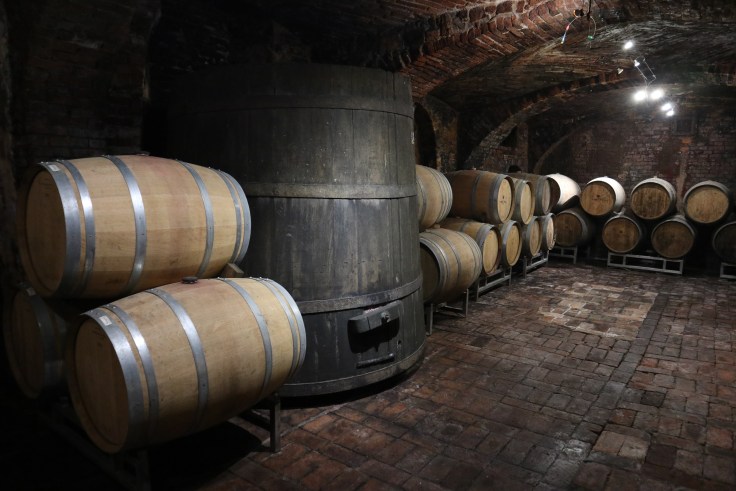
Chiara Boschis makes a Dolcetto d’Alba, Barbera d’Alba Superiore, Langhe Nebbiolo, Barolo Via Nuova, Barolo Mosconi and Barolo Cannubi. Apart from the Dolcetto, all the wines spends some time in small oak barrels. The percentage of new oak varies, but you’ll usually find 1/3 new, 1/3 second passage and 1/3 three passages or more.
The Barolo Via Nuova used to be made as a Cru. But following a regulation change, Via Nuova was no longer considered a Cru. Instead of adopting the new name, Terlo, Chiara decided to make the wine as a blend, which meant she could keep the name Via Nuova. Via Nuova was the name of a small vineyard near Barolo, and the name comes from the road that connects Novello and Barolo. Today, you can only travel this road by foot, through the vineyards. Today, this wine is made up of grapes from multiple vineyards: Terlo, Liste, Gabutti, Baudana, Ravera and Mosconi.
Cannubi is the most famous Cru in Barolo, with a history dating all the way back to the 1970’s. This historical Cru is also known as a Grand Cru of the area, and is easily Chiara’s most recognized wine. And I am all for the Barolo’s, but let’s take a step back and talk about the Barbera d’Alba Superiore.
Some have said that the Barbera Superiore from Chiara Boschis drinks like a Barolo. Others might call this an exaggeration, but considering the way she makes this wine, it might not be far off. The Barbera Superiore spends about 12-16 months in oak, and while that’s nothing compared to the 24 months for a Barolo, it’s a significant amount of time for a Barbera. Combine this with the age of the plants, and you’ve got a more complicated and structure Barbera!
Winemaking
After spending some time with the “Barolo Boys”, Chiara decided to use small barrels instead of big barrels in the winemaking – something that was highly uncommon at that time. It wasn’t the only change she made; along with the introduction of barrique came longer maceration and fermentation times as well as a reduction of grapes per vine in the vineyard, aslo known has Green Harvest.
Today, this might not seem so revolutionary, but these changes were so drastic that at the time, people were quite taken aback. Apparently, some neighbors saw that Chiara was dropping almost half the grapes on the ground and called her father with concerns. But if you know Chiara, that certainly was not going to stand in her way. In fact, her methods paid off! Her very first wine was the 1990 Barolo Cannubi Riserva, which earnetd the “Tre Bicchieri” from Gambero Rosso in Italy.
Fun fact
One of her many projects: Cannubi Bio – 80% of the 26 growers in Cannubi now work organically, and it’s all thanks to the initiative of Chiara Boschis!
Fun fact II
Chiara uses barrique, but doesn’t always like the taste of oak. Therefore, she has reduced the amount of new oak in her winemaking, down to about 1/3.
Where can you find Chiara Boschis?
Chiara Boschis lives in Barolo, but her wines available are available all over the world.
Norway France Germany Italy Netherlands Portugal Slovakia Switzerland United Kingdom USA
*list might not be complete
Barolo Cannubi
Cannubi is the most famous Cru in Barolo, with a history dating all the way back to the 1970’s. This historical Cru is also known as a Grand Cru of the area, and is easily Chiara’s most recognized wine.
BASIC INFORMATION
Product name: Chiara Boschis Barolo Cannubi Grape: Nebbiolo Classification: DOCG Number of bottles produced: About 4800 bottles Color: lively garnet red Fragrance: sweet ripe red fruits, spices, balsamic notes Taste: persistent but elegant tannins, soft but austere Food pairing: braised meat, game, seasoned cheese
VINIFICATION (Wine-making)
Method: Fermentation in stainless steel tanks with frequent pumping over, followed by 24 months in French oak Temperature: Length: Ageing: 24 months in french oak Minimum aging in bottle: 1 year
VINEYARD
Vineyard: Cannubi Soil: Sandy clay Exposure: South
Barolo Mosconi
BASIC INFORMATION
Product name: Barolo Mosconi Grape: Nebbiolo Classification: DOCG Number of bottles produced: About 4800 bottles Color: Intense lively garnet red Fragrance: flowers, ripe fruit, some spice notes Taste: big, structured, typical Monforte style Food pairing: braised meat, game, seasoned cheese
VINIFICATION (Wine-making)
Method: 2 week maceration followed by 24 months in barrique (1/3 new, 1/3 second use, 1/3 three+ uses) Ageing: 24 months in lightly toasted French oak Minimum aging in bottle: 12 months
VINEYARD
Vineyard: Mosconi Soil: Clay, limestone Exposure: South Age of plants: Average age of 50 years
Barolo Via Nuova
Via Nuova was the name of a small vineyard near Barolo, and the name comes from the road that connects Novello and Barolo. Today, you can only travel this road by foot, through the vineyards. This wine is made up of grapes from multiple vinyeards: Terlo, Liste, Gabutti, Baudana, Ravera and Mosconi.
BASIC INFORMATION
Product name: Barolo Via Nuova Grape: Nebbiolo Classification: DOCG Number of bottles produced: Color: Bright garnet red Fragrance: floral and fruity Taste: structured, persistent tannins, fruity Food pairing: braised meat, game, seasoned cheese
VINIFICATION (Wine-making)
Method: Fermentation and maceration on the skin for about 2 weeks, before ageing in lightly toastes barrique Ageing: 24 months in lightly toasted French oak (1/3 new, 1/3 second use, 1/3 three+ uses) Minimum aging in bottle: 12 months
VINEYARD
Vineyard: Terlo, Liste, Gabutti, Baudana, Ravera and Mosconi Soil: Various types. Clay marl Exposure: Various. South, South-East Year of plantation/age of plants: various
Langhe Nebbiolo
BASIC INFORMATION
Product name: Langhe Nebbiolo Grape: Nebbiolo Classification: DOC Number of bottles produced: Color: ruby red, tending to garnet with purple reflections Fragrance: fruity Taste: fruity, velvety Food pairing: pasta, risotto, cold cuts
VINIFICATION (Wine-making)
Method: Fermentation in stainless steel tanks and aged for 14 months in second-passage french oak barrles Ageing: 14 months in second passage French oak Minimum aging in bottle: 2 months
VINEYARD
Vineyard: Various Soil: Various Exposure: Various
Barbera d’Alba Superiore
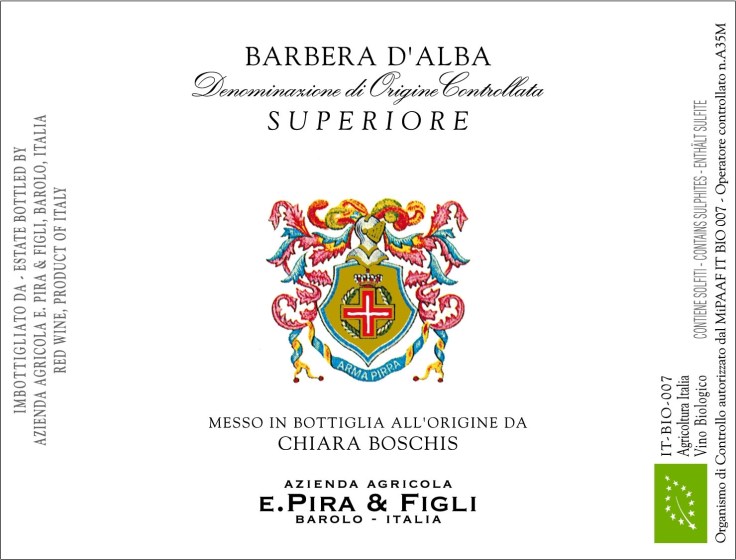
Chiara Boschis Barbera d’Alba Superiore almost reminds you of a Barolo – heavy yet fruity. And the high acidity is balanced without compromising the fruitiness.
Method: About 1 week maceration, followed by 12-16 months in used French Oak Ageing: 12-16 months in French Oak Minimum aging in bottle: 2-3 months
VINEYARD
Vineyard: Mosconi, Gabutti and Ravera Soil: Calcareous clay soil Exposure: Eastern Age of plants: Mosconi 55 years old, Gabutti 15 years old and Ravera15 years old
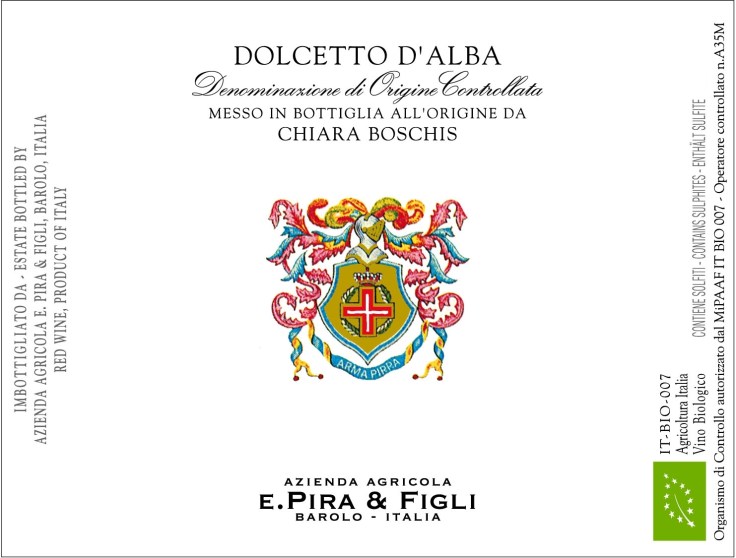
Dolcetto d’Alba
BASIC INFORMATION
Product name: Dolcetto d’Alba Grape: Dolcetto Classification: DOC Number of bottles produced: About 4 500 bottles Color: Intense ruby red Fragrance: Floral and fruity Taste: Fresh, fruity, balanced Food pairing: Appetizers, pizza, cheeses, light dishes, aperitivo
VINIFICATION (Wine-making)
Method: Temperature controlled fermentation, aged in stainless steel. Punching down technique is used during the fermentation Temperature: temperature control Ageing: Only stainless steel
VINEYARD
Vineyard: Ravera, Le Coste and Mosconi Soil: Limestone, clay Age of plants: Ravera 15 years old, Le Coste 25 years old, and Mosconi 50 years old
Can’t access it? Send me a message and I can send it to you!
Piemonte Slipp x Piemonte Girl
Thursday – It’s happening! Similar to the Burgund Slipp, exclusive & rare wines from Piemonte will be released Thursday morning, spread throughout special stores across the country. You’ll find me at Aker Brygge! You can also follow #PiemonteSlipp on Instagram to stay tuned.
Which wines can you expect?
Compared to the Burgundy release, the number of wines are fewere and the prices lower. Some of my favorites are on the list, like Chiara Boschis, Francesco Rinaldi and Brovia. It’s not limited to Piemonte, wines from Tuscany, Sicilia and more also made the list. You might also get your hands on a Soldera for 4000kr (roughly $450).
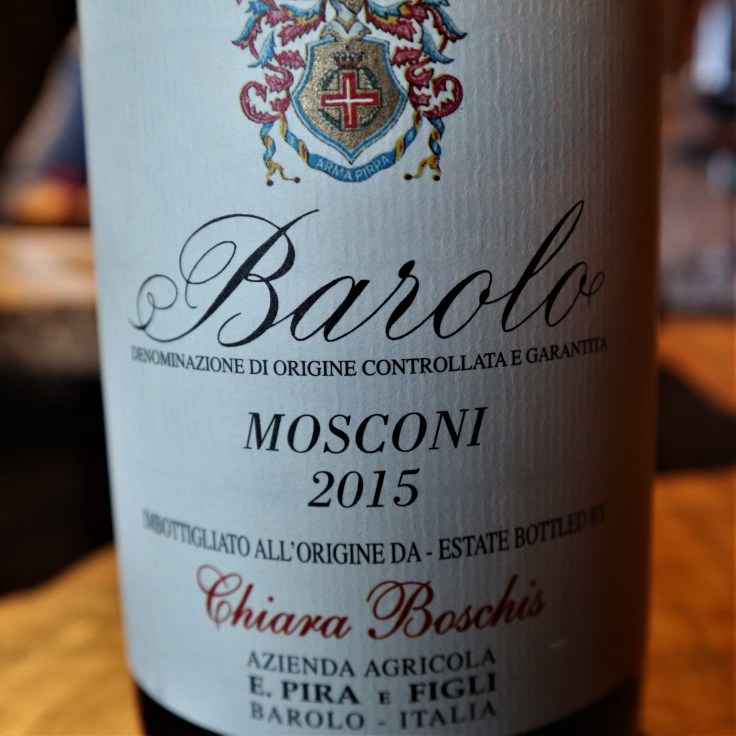
Chiara Boschis Mosconi
One of the wines to be released is Chiara Boschis Barolo Mosconi 2015. A single vineyard cru from Monforte, aged in barrique for 2 years and then one year in bottle. Although the wine is from a more “masculine” terroir, Chiara manages to integrate the tannins very well, allowing the floral notes of barolo to surface. The spice notes, like chocolate and pepper, are also present. 2015 was a good vintage, but I would keep this wine for at least 10 years.
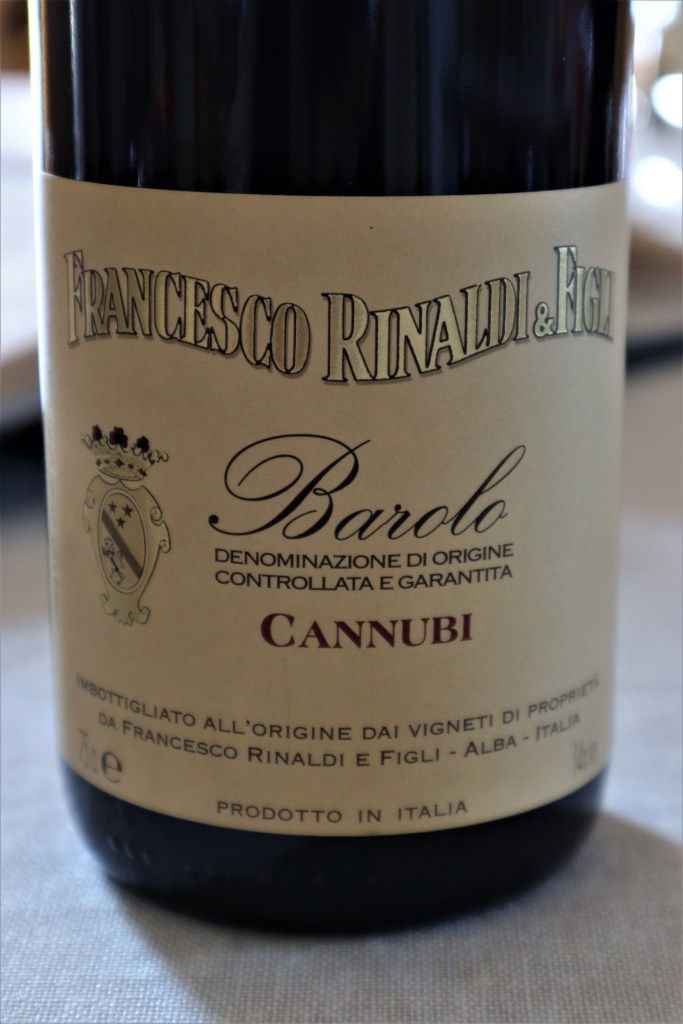
Francesco Rinaldi Cannubi
Cannubi, a historic cru in Piemonte, also made the Piemonte Slipp list! Francesco Rinaldi, located in Barolo next to the Cannubi hills, take pride in this barolo. The soil in Barolo is more sandy than in Monforte, giving the wine more floral and fruity flavors. You can drink it now, or keep 10+ years. I find that the wines from La Morra, Barolo & Castiglione are more apporachable early, compared to wines from Serralunga and Monforte. But this is all about personal taste as well.
Oher wines at the Piemonte Slipp
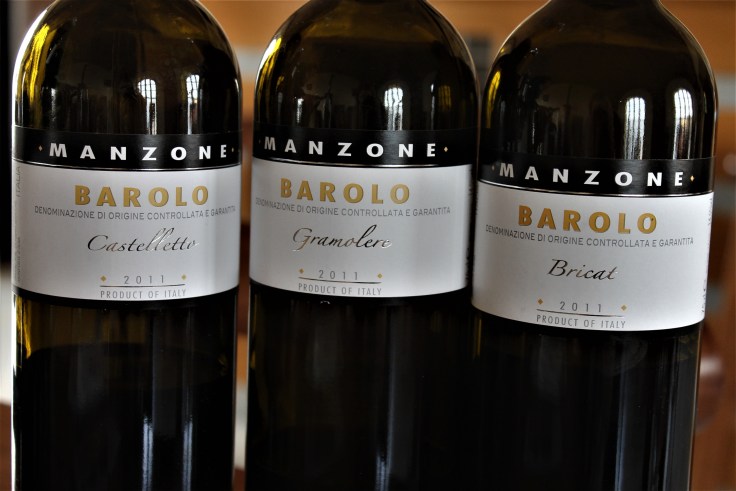
Famous names like Bruno Giacosa, Roagna, Manzone, Elvio Cogno & Aldo Conterno are also on the list. There will also be a few magnums. And it doesn’t seem like any of the wines have a quota, like with the Burgundy Release, so it’s every woman for herself! Wish me luck!
What is missing at the Piemonte Slipp?
There are many names that have not made the list (at least not yet). Where are the wines from Giuseppe Rinaldi? Or Bartolo Mascarello? Burlotto? What about Elio Altare? I also think the Rocche dell’Annunziata from Trediberri should be on the list… Still trying to wrap my head around how the system works at Vinmonopolet, so if anyone knows, feel free to enlighten me!
 PIEMONTEGIRL