Freisa

Freisa is not something I hear about often. On the contrary, I very rarely hear about people drinking Freisa. I don’t really see it in my social media feeds either. But why? What happened to the formerly well-established grape variety? And is it perhaps making a comeback?

Freisa dates back to the 1800s, and it was a fairly popular grape variety back in the day. But we don’t see it a lot these days. I won’t dive deep into the potential reasons for this, but it might have something to do with the increased popularity of Nebbiolo. Many other grape varieties suffered the same fate there, including many white piemontese varieties. Fortunately, like with these white grape varieties, Freisa is slowly but surely making a comeback.
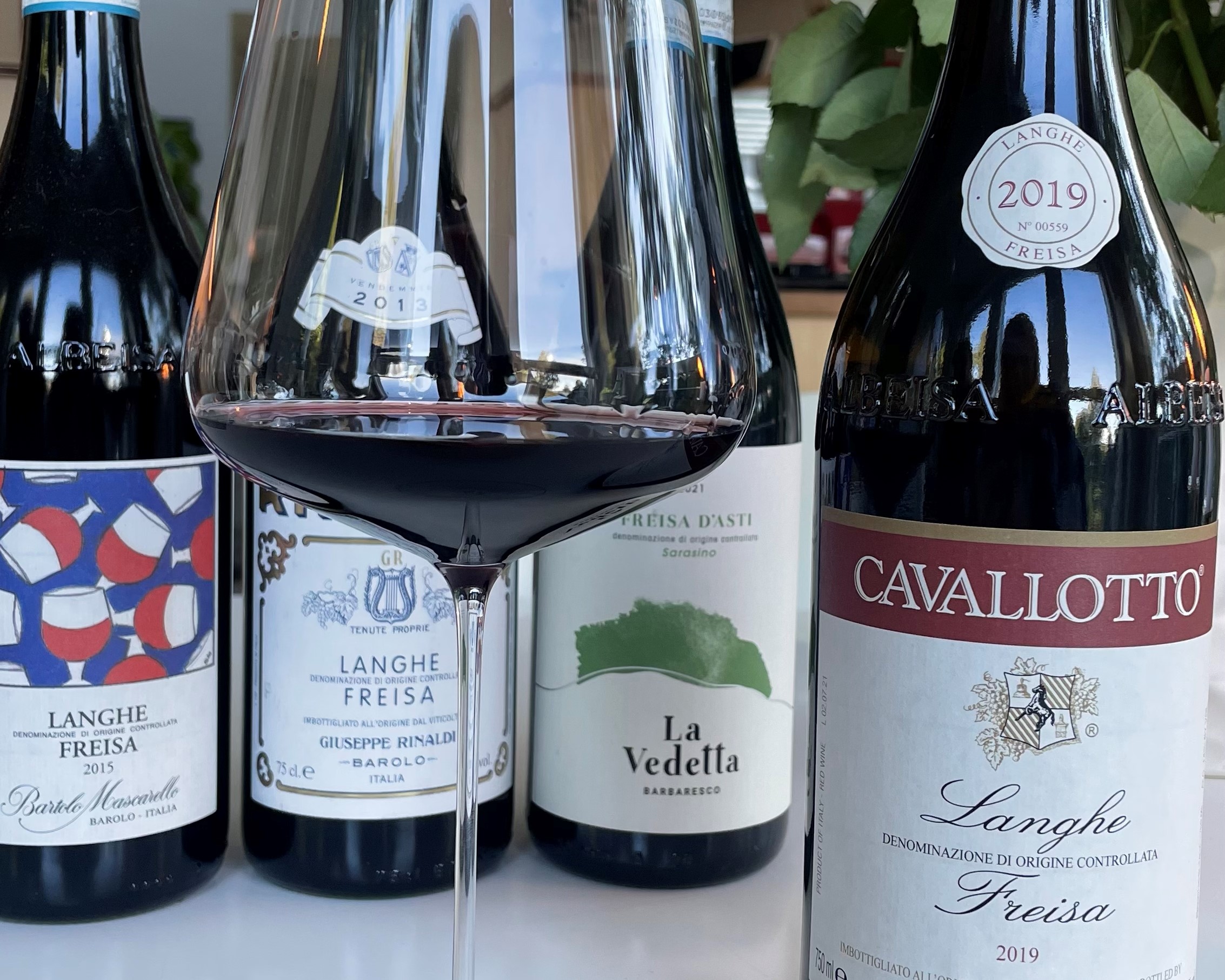
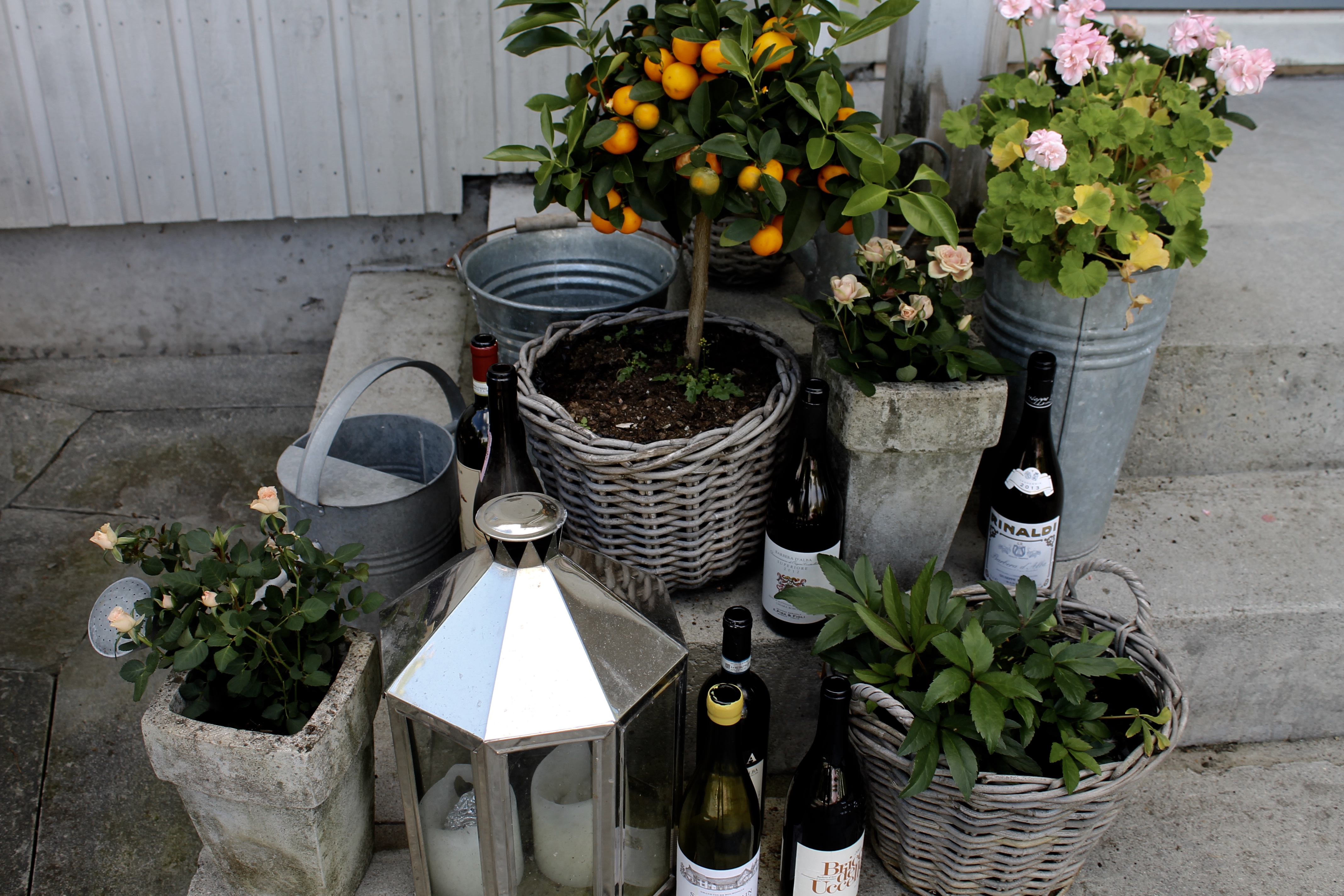
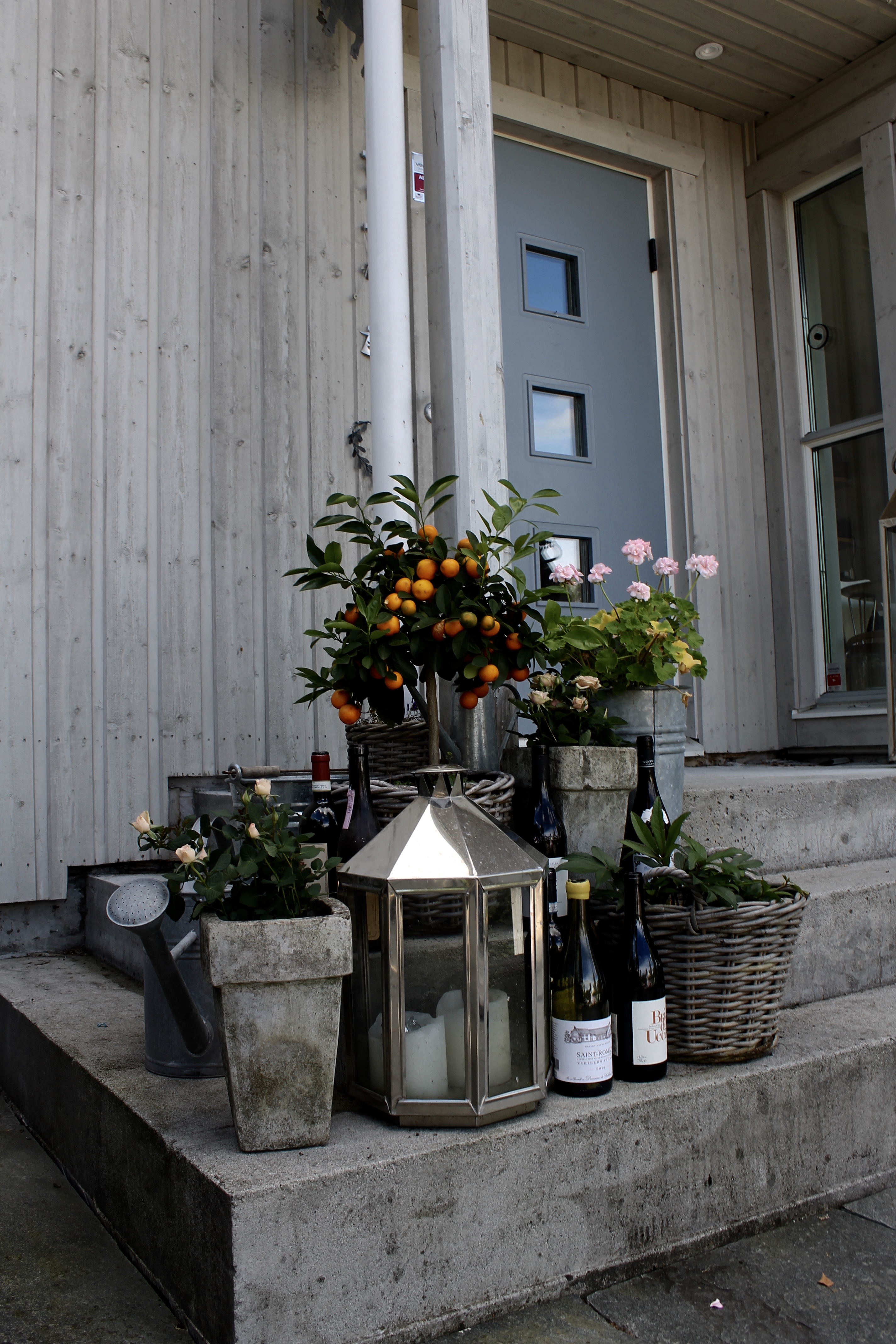
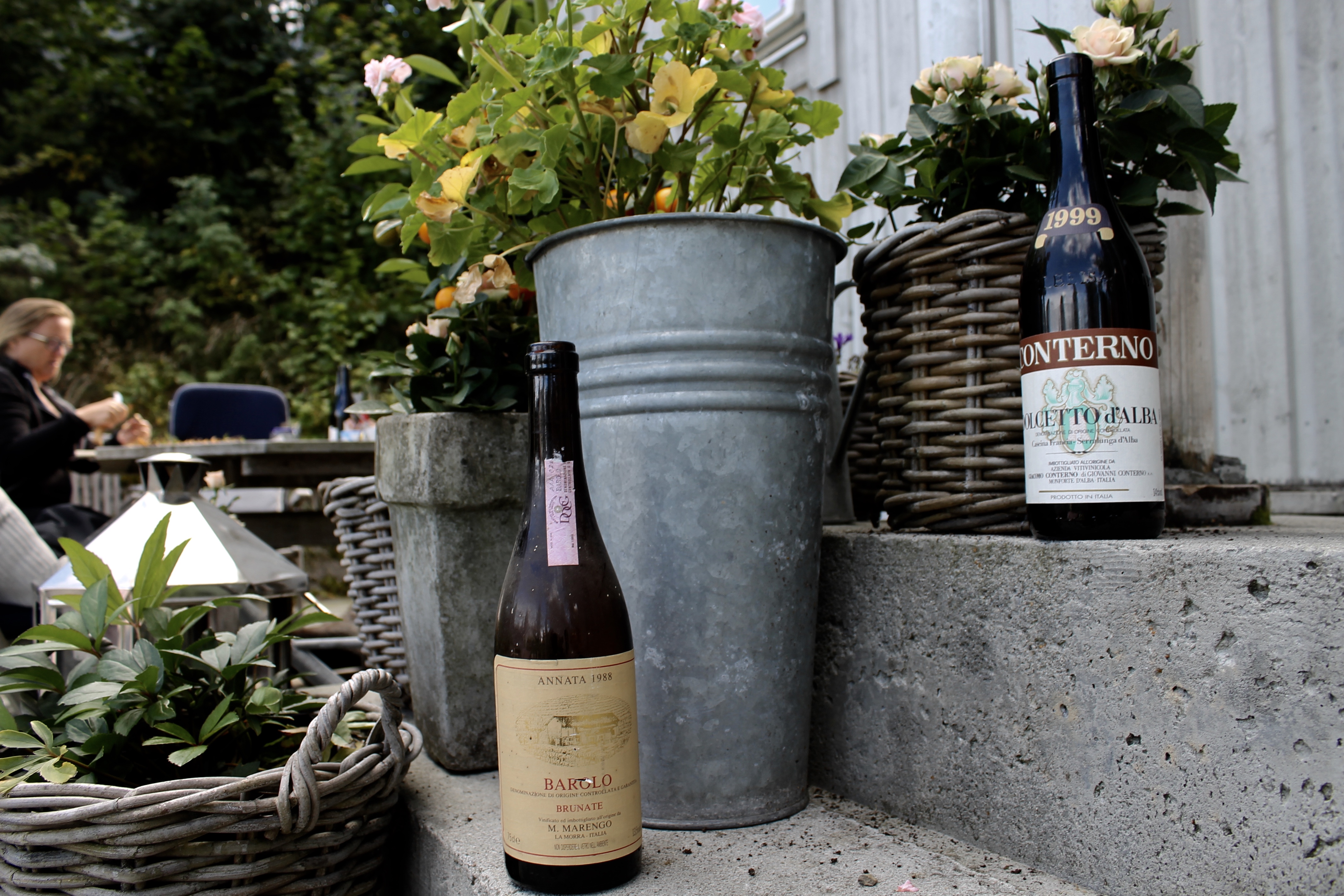
Four different Freisa

Freisa – Nebbiolo’s brother from another mother?

I’m just kidding. Kind of. Freisa is related to Nebbiolo, but they are not siblings. It is believed they share a parent-offspring relationship, and Nebbiolo is most likely one of the parents of Freisa. The other parent is still unknown. Nevertheless, this means that they share very similar DNA. Which again explains why they share so many similarities. They have a similar color. They both have tannins and acidity, which gives them the ability to age.

They are similar, but they have their differences. And their differences might explain why one gained popularity and the other one didn’t. While Nebbiolo is fairly elegant and quite complex, Freisa might be considered more rustic and a bit less complex. In an online discussion I had with Nadia Curto she described Freisa as “a country wine, because the smell is not only roses, it’s also leather and herbal notes.” She goes on to say that “we love very much this wine. We open with a smile. It’s a wine of our tradition and probably also the grandparents when they drink Freisa they are reminded of the past and it’s very nice.”

Freisa – still or sparkling?

There are a few different ways to make Freisa. Outside Langhe it’s not uncommon to make it sparkling or sweet. While in Langhe, the only sparkling one I know of is the one made by Maria Teresa. I also recently learned that it was common to “pass” Freisa over Nebbiolo, to give it a stronger character.  Today, wines are generally made “pure”, i.e Langhe Nebbiolo is 100% Nebbiolo and Barbera d’Alba is 100% Barbera. Besides, the Freisa we know today doesn’t need any help from Nebbiolo to get a strong character. This has a lot to do with climate change and warmer seasons, but I won’t get into that right now.

Freisa Tasting Notes

I recently tasted four different Freisa, from four different producers and four different vintages.

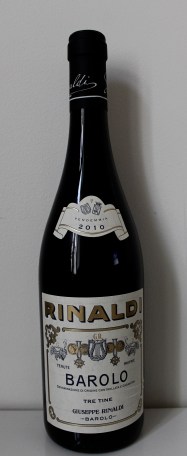
Rinaldi 2013
This wine has aged beautifully! I was impressed with the level of tannins and acidity. There were some hints of tertiary aromas on the nose, but still fresh and fruity. Truly a beautiful example of Freisa.

Bartolo Mascarello 2015
As usual, the onefrom Maria Teresa was sparkling. Personally, I prefer my Freisa “still”, but this is nevertheless a very good wine. It’s also more on the rustic side, especially compared to Rinaldi and Cavallotto.

Cavallotto 2019
The one from Cavallotto was quite concentrated with aromas of dark fruits. There was also quite some grip in the tannins. Some leather aromas in this one. Good acidity with a long finish.

Cavallotto 2021
Clean nose, mineral, floral with some spice notes. The tannins are quite hefty, but it’s still round in the mouth with good acidity. Quite rustic, which is fairly typical for this variety.

La Vedetta 2021
Very fresh and crisp. Fruity, with aromas fresh red fruit. Easy to drink, with elegant tannins.
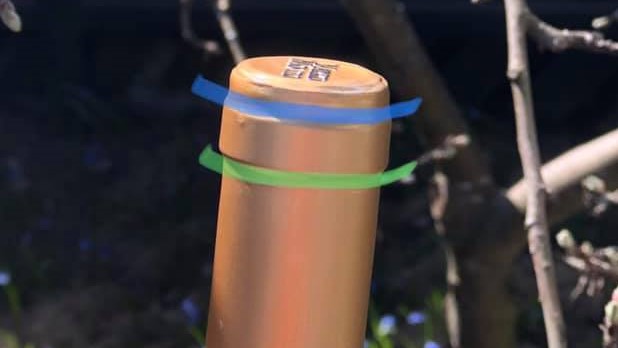
Team Green or Team Blue?

Team Green or Team Blue?

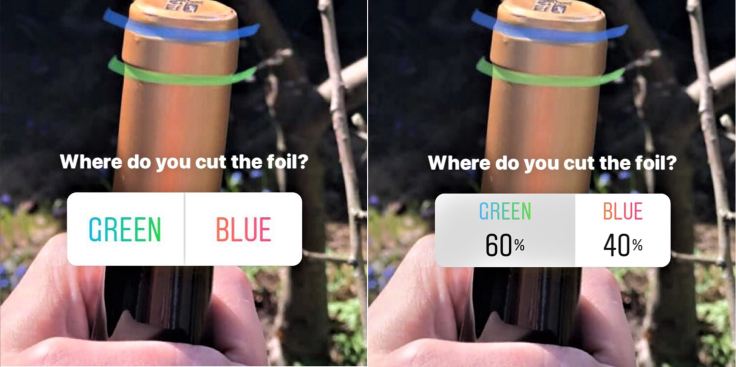
How do you cut the foil?

Does it matter? Is there a right way? Apparently, people have a lot of opinions on the subject. Here are a few of the preferences:
Green
Blue
In between green and blue
Take the whole foil off
Use a foil cutter (and then the type of cutter decides)
Used to be green, now blue (or vice versa)
Don’t care

Does it matter?

Apart from peoples preferences, is there a reason to do it one way or the other? Does one way affect the wine or the pouring of the wine? Some people say that cutting by the blue line will interfere with the wine, because the wine can come in contact with the foil on the way into the glass or the decanter. Others say cutting by the blue line will increase chances of spilling the wine while pouring.

What do the winemakers say?

Without “outing” any winemakers, it was interesting so see to which team they pledged allegiance. And just like my instagram story, they favor green. Here are some of the winemakers that participated in the survey:
Carlotta Rinaldi
Nadia Curto
Giovanni Corino
Alberto Viberti
Alessandro Veglio
Lorenzo Scavino from Azelia

What do the the experts say?

Most of the experts are Team Green. However, they dispute the fact that the foil affects the wine if it comes in contact. It’s more about the look, the ease of removing the foil and the ease of pouring without spilling

Jancis Robinson: Team Green
Wine Folly: Team Green
Dr. Vinny (Wine Spectator): Foil Cutter

Conclusion?

It doesn’t really matter. Most people are Team Green. And some are neither. In the end, do whatever you prefer. And what team am I?

Looking for a good summer wine?

In need of good a summer wine?

Wines are good all year, but some work better than others as “summer wine”. Below are a few of my favorites to drink during the summer months (or weeks if you live in Norway!)

Summer wine 2017

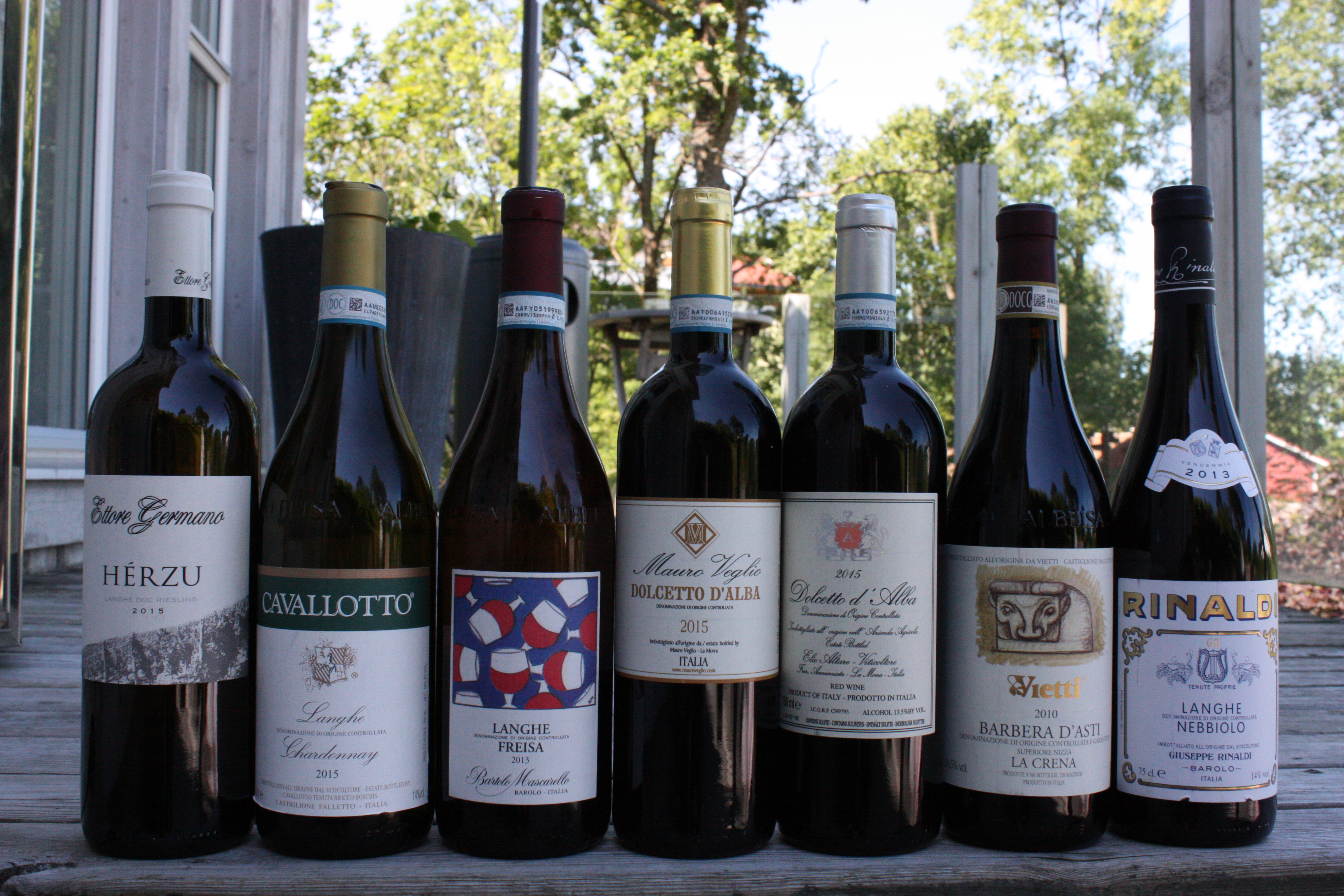
Starting from the left, we have Ettore Germano’s Herzu. It is by far one of my favorite whites from Piemonte. I don’t usually enjoy riesling, but this wine is superb, especially on a hot day. Next up is Cavallotto’s Langhe Chardonnay. Always a good choice.

Moving away from white to red, we have Freisa by Bartolo Mascarello. I am not usually very fond of freisa for some reason, but it can be quite enjoyable in the summer time (don’t know why it tastes better than in the winter, but whatever). Now, dolcetto might be my all time favorite wine to drink in the summer. A glass of slightly chilled dolcetto is hard to beat. Mauro Veglio and Elio Altare make excellent dolcetto, so you can’t go wrong there! After dolcetto comes barbera and Vietti’s La Crena might be the best of the best! Although it is a heavier wine and might be best to enjoy with food, barbera is still a very good choice! Last but not least we have Langhe Nebbiolo. The Rinaldi “nebbe” is fresh and not too heavy (although world class and on Barolo level) so if you can get your hands on this, you will not be disappointed!

Notice I did not mention barolo. Not because barolo is bad or because I don’t drink barolo in july, but because when I think of summer wine barolo is not the first thing that comes to mind. On a hot summer day I prefer a light wine, without too many tannins, and the wines mentioned above fit my “criteria”.

Do you have any favorite summer wines?

Most of these you can find at Vinmonopolet (or they should have them) but they may be sold out. I always recommend checking online.


La Bottega del Vino

One of the things I like to do is ask the “professional” foodies where they go to eat and drink, and I’m rarely disappointed. La Bottega del Vino was recommended by Ciccio from Centro Storico and he was not wrong to recommend this place. I think I spent 20 minutes with the wine list alone, and because the wine list was so amazing I had to first pick the wine and then the food — struggles.

IMG_0118

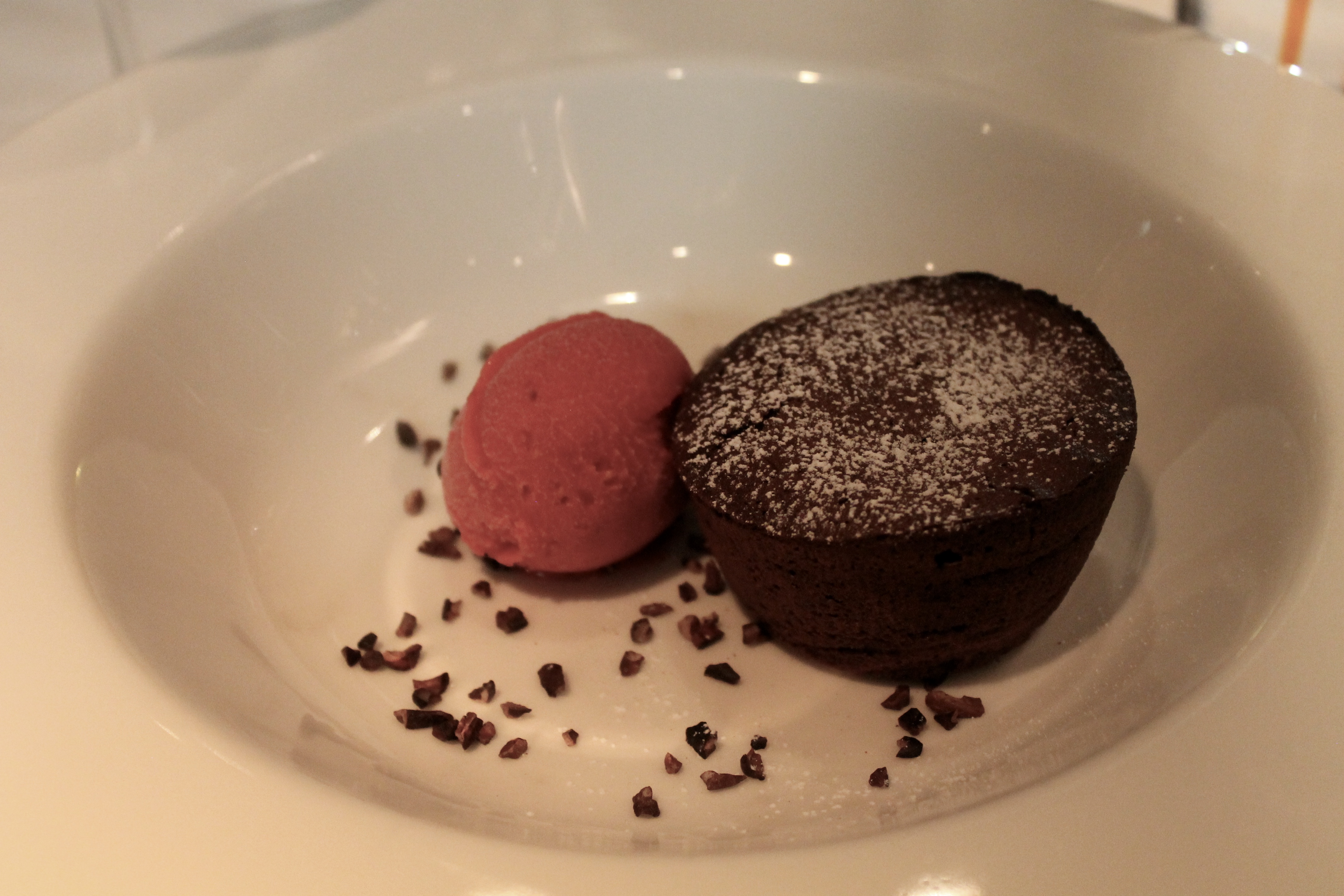
I went safe with the food: Vitello Tonnato, Raviolo cacio & pepe and a lava cake for dessert. The ravioli was really good, with tons of good flavors. I did not get a picture because I got too excited didn’t have time to take a photo… But it was good! The Vitello Tonnato was also good, but I still prefer the versions in Barolo. And chocholate cake is never a bad idea. So food wise it was a pretty good night!IMG_0120

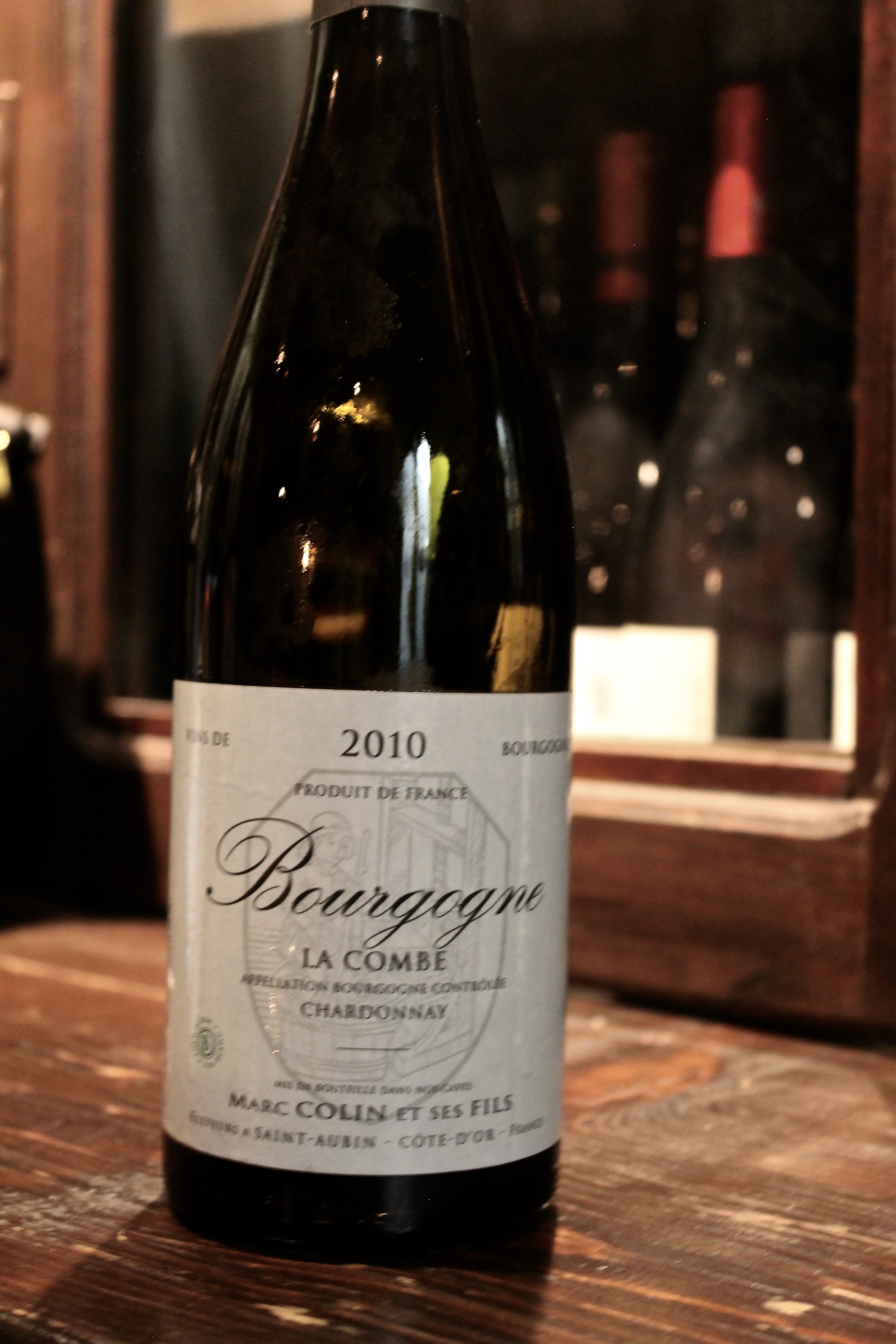
Now the wine… I know it might be strange to order french wine in Italy but when I saw they had Marc Colin on the wine list I did not have much choice. I think he makes some of the best wines in the world, and even his most “basic” wines are incredible. So you don’t have to break the bank to enjoy a good glass of chardonnay. Apart from Marc Colin they had many other amazing french wines from Matror, Liger-Belair and Domaine Leflaive. In the Piemonte section they had a good selection of Gusieppe Rinaldi, Capellano, Vietti, Cavallotto, Brezza, Gaja and Conterno. I was not disappointed and hope to return here very soon!

IMG_0123

Blurry but the wine was still good 😉


Day 6

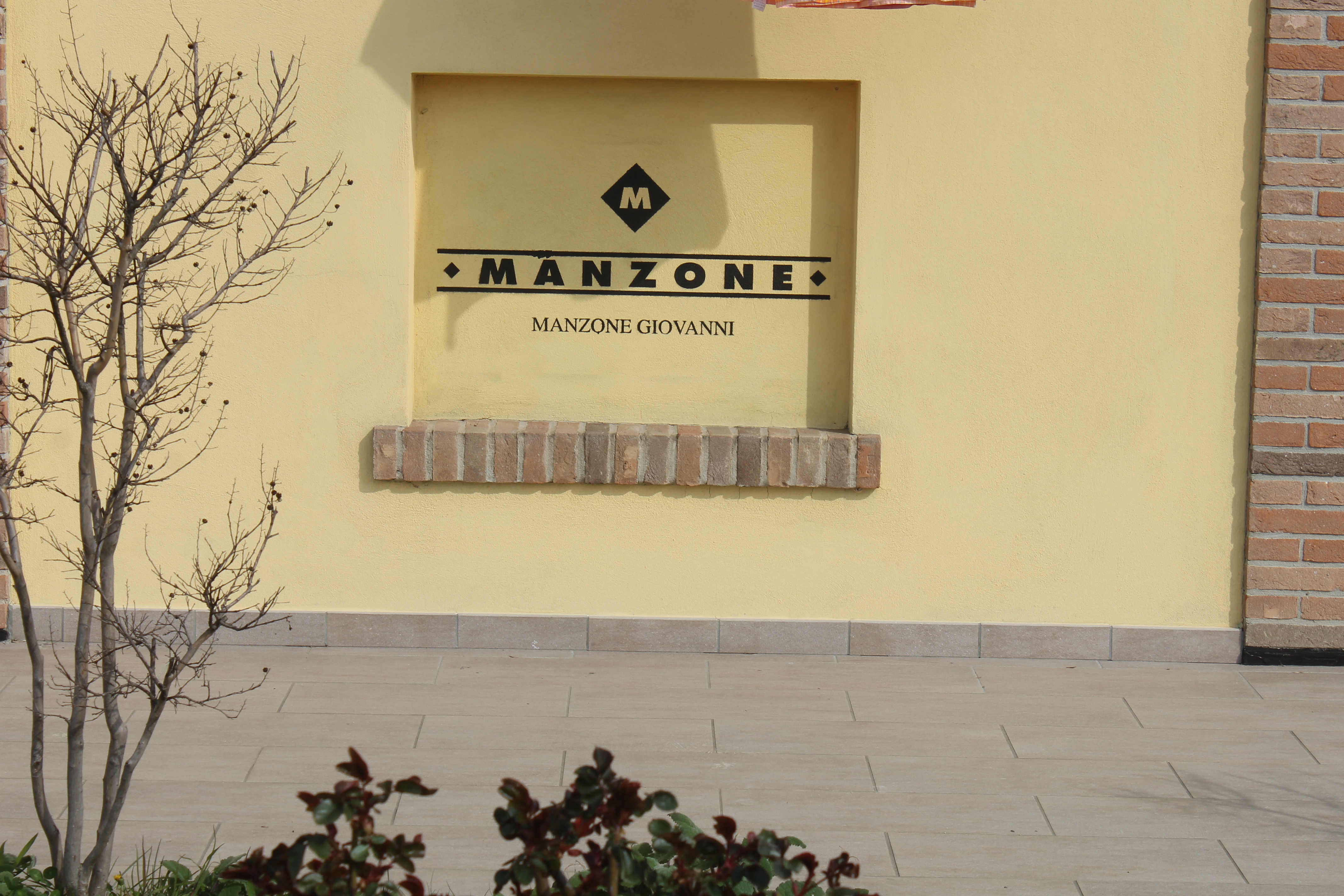
On the 6th day of my trip I started with a wine tasting at Manzone in Monforte. I had the pleasure of meeting with Mirella, and she showed me the cellar and a few of her wines. I will write more about my visit at a later time.

IMG_6394

After the tasting I drove back to La Morra for lunch at Osteria Veglio with Isabella and Pietro Oddero. I know Isabella very well from before, but I only recently had the pleasure of meeting Pietro in Oslo at Territoriet when he was here for a wine tasting. For lunch we had Marchesi di Gresy’s Sauvignon.

After lunch I drove straigth to Brezza for a quick tasting and to buy some wine. Amanda, she works at Brezza, is a very nice young lady from America. We have spent some time together from before, so the tasting was more of a catch up. She has started a blog, check it out here: http://www.amandaswineadventures.com/

After Brezza I rushed over to see Carlotta Rinaldi and her beautiful dog Vida. I always love visiting Rinaldi. The whole family is great. And it is always a blast when Beppe *Citrico* joins us, as he did this time! The visit had more to do with dogs and motorbikes than to do with wine, although we did have the chance to try some of their fantastic wines.

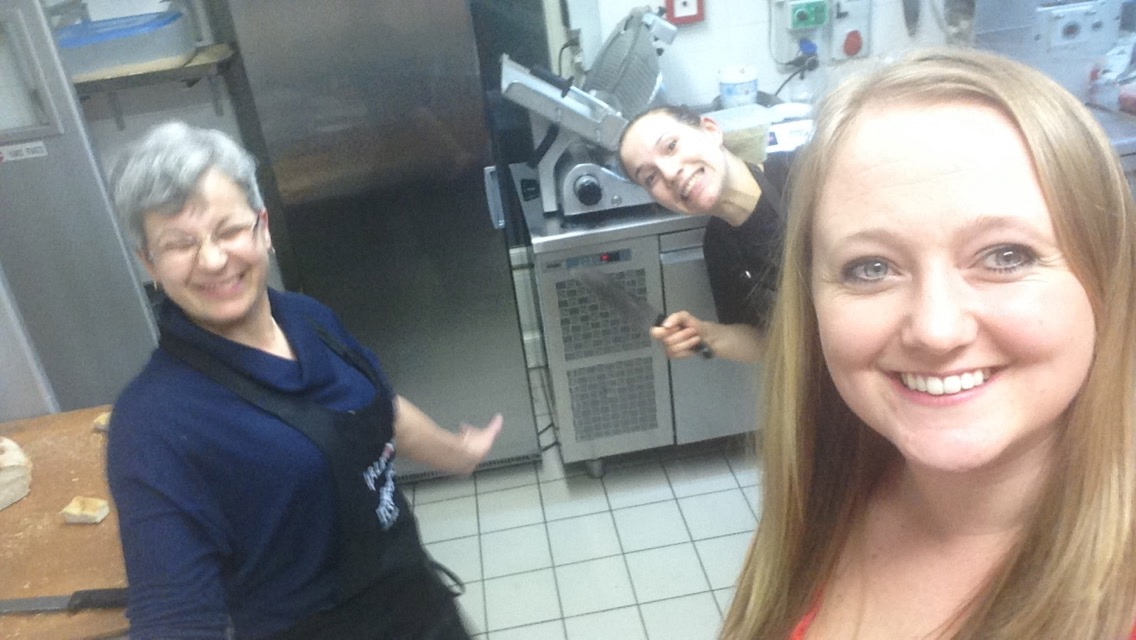
The night ended not so quietly at More e Macine with a little too much wine that I actually consumed in the kitchen. A first for me. I spent the majority of my time with the staff in the kitchen, trying both food and wine while dancing to *Watch me whip*. This was a day for the books.

IMG_2513