It’s about time to start thinking about wines for Christmas! If I’m being honest, it’s a little late to start thinking about it, so hopefully you’re way ahead of me! The options are endless, but if you’ve been following me for a while, you know I tend to stick to certain areas. Since we don’t have a ton of time, I’m diving right in!
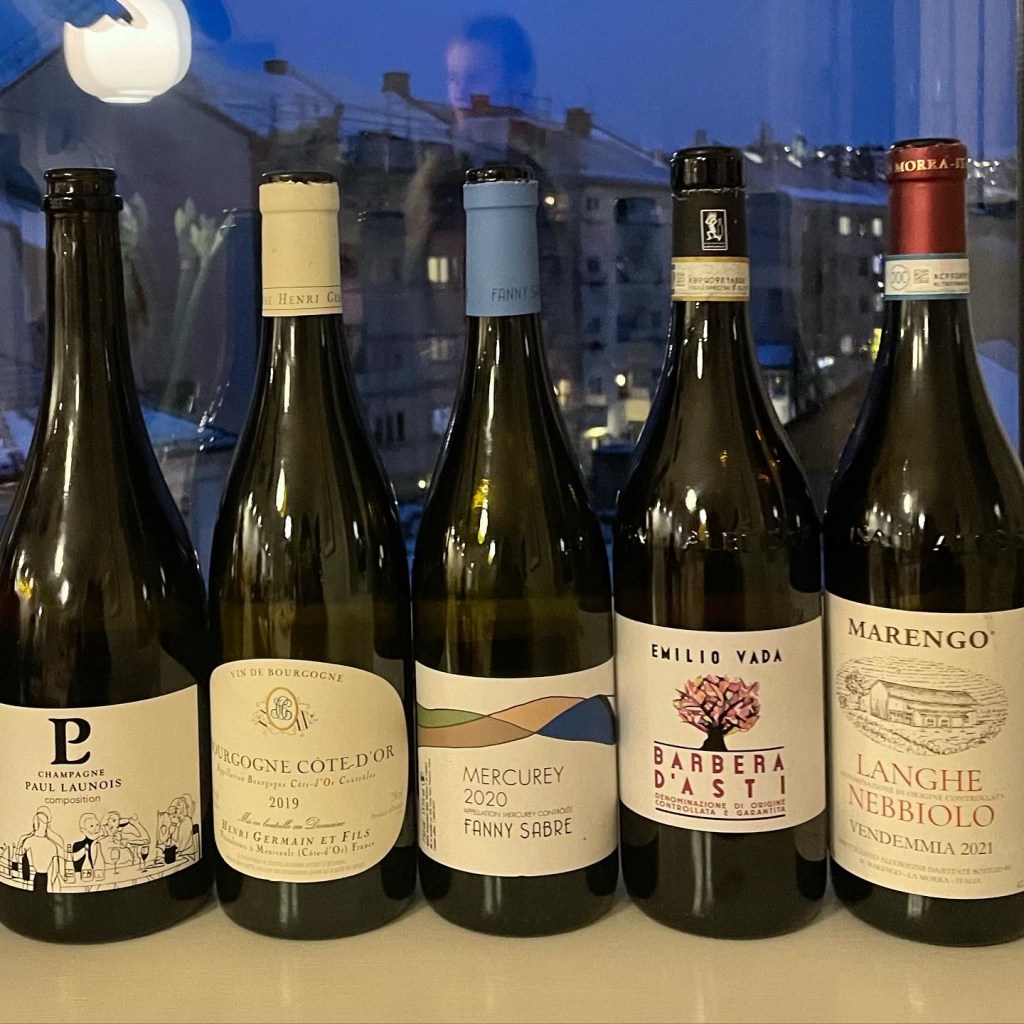
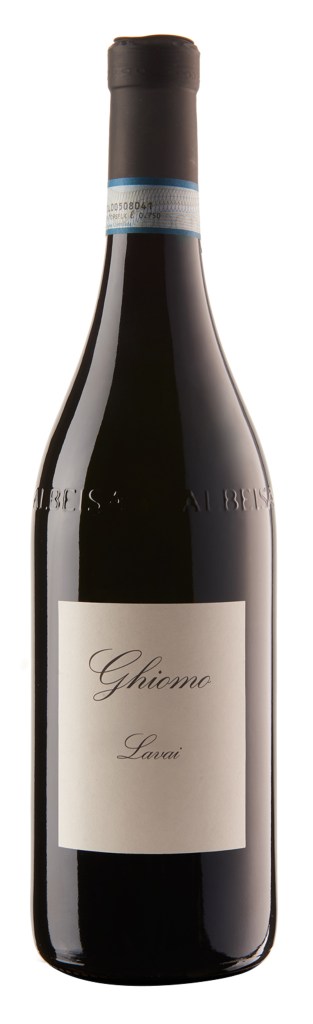
We should touch on wine pairing quickly, because it’s important when choosing wine for your Christmas (or holiday) dinner. In Norway we tend to eat very fatty, salty, heavy foods like pinnekjøtt and ribbe, and for me the obvious choice would be a Barbera. Here you could go for a mineral, fresh Barbera like the one from Emilio Vada or the one from La Vedetta. You could also up the ante and go for a little more structured Barbera. Good options include Ghiomo Lavai and Luigi Pira Barbera Superiore. These will also go well with any charcuterie board or cheese plate, as well as any ragu, or even your New Years Eve turkey, so feel free to stock up for after your Christmas celebration as well.
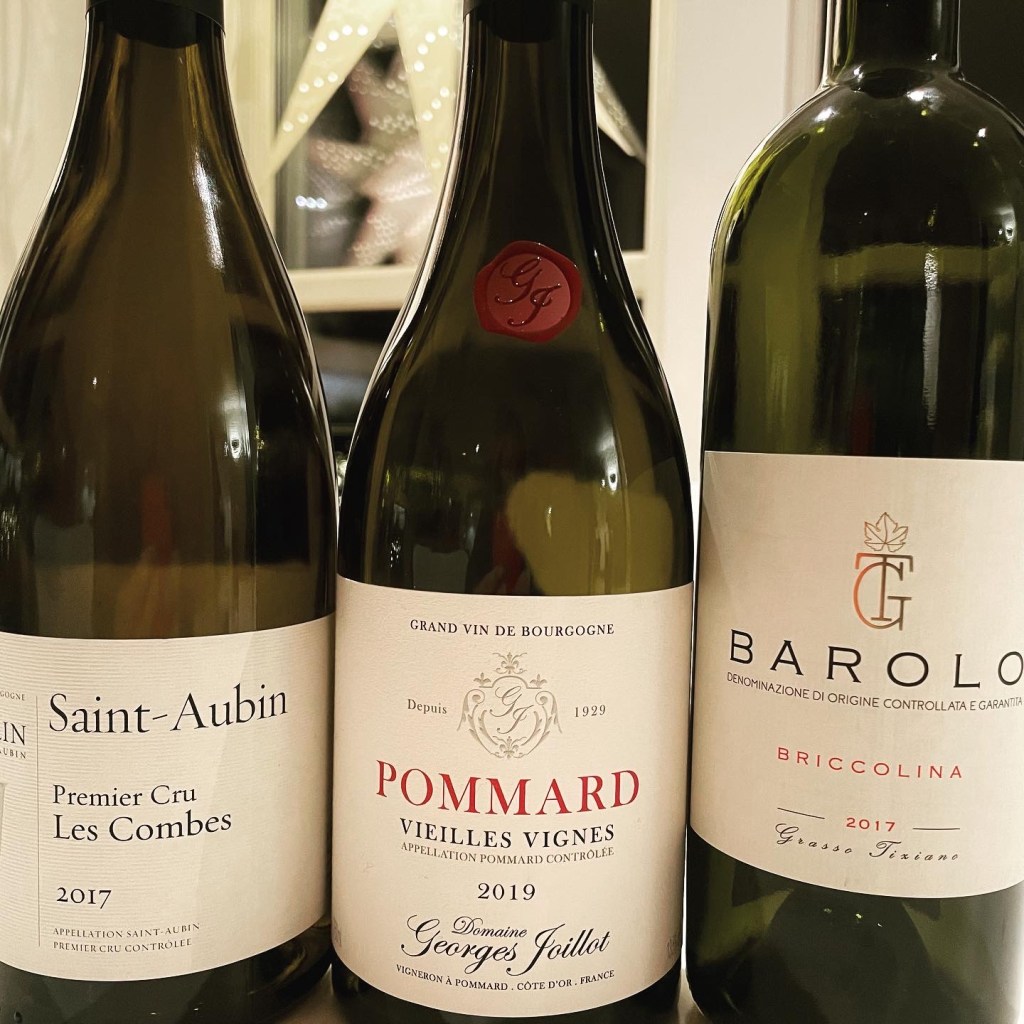
Now, if you don’t fall in the pinnekjøtt or ribbe category, but rather the juletorsk category, you might want to go for a Pinot Noir. Some of my favorites these days are the ones from Domaine Voillot, Domaine Joillot and Domaine de Bellene. You can of course also pair the cod with Barbera, but I’ve always thought it was good to have options! Since we’ve moved outside the borders of Piemonte, I might as well mention Champagne quickly. Oudiette released a new one this year, Les Sablonnieres, and although you have to order it by e-mailing or calling Vinmonopolet, it’s worth the extra 2 minutes! Just trust me on this. Seriously.
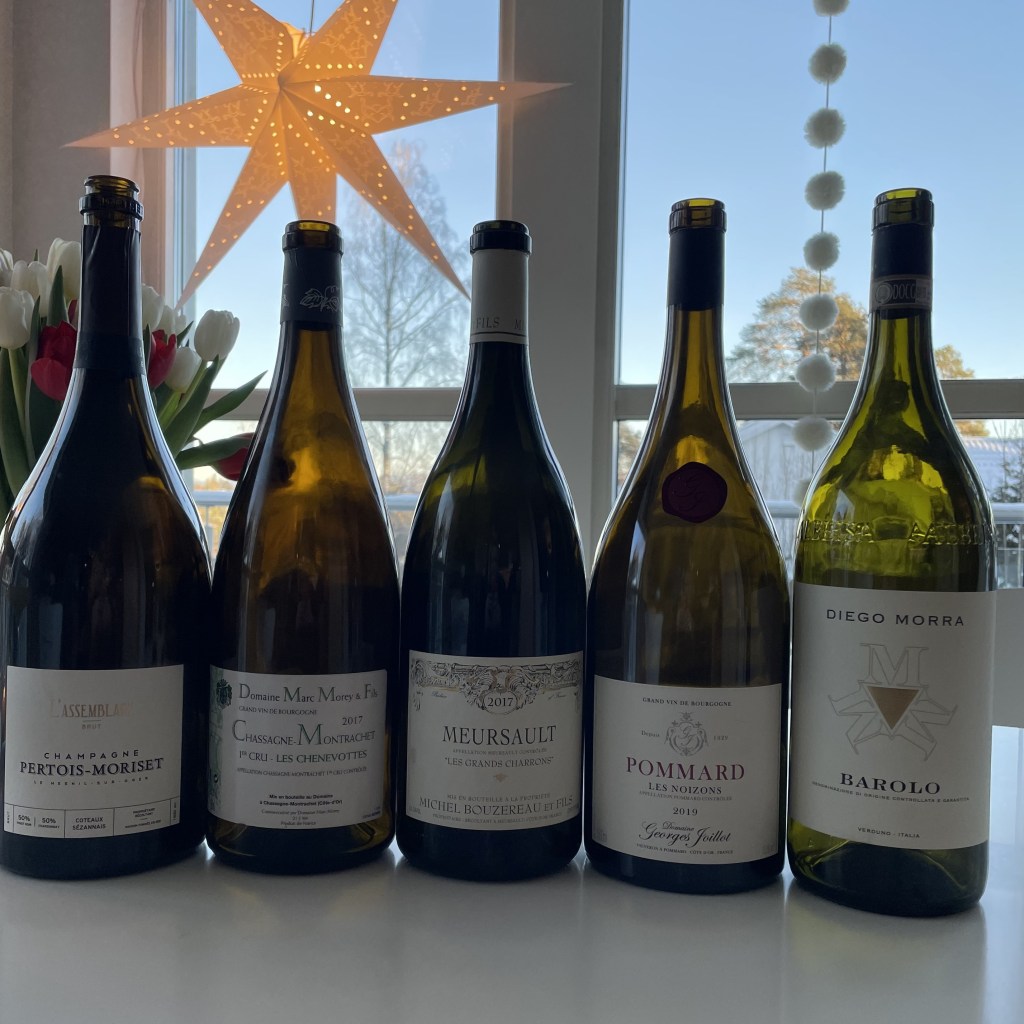
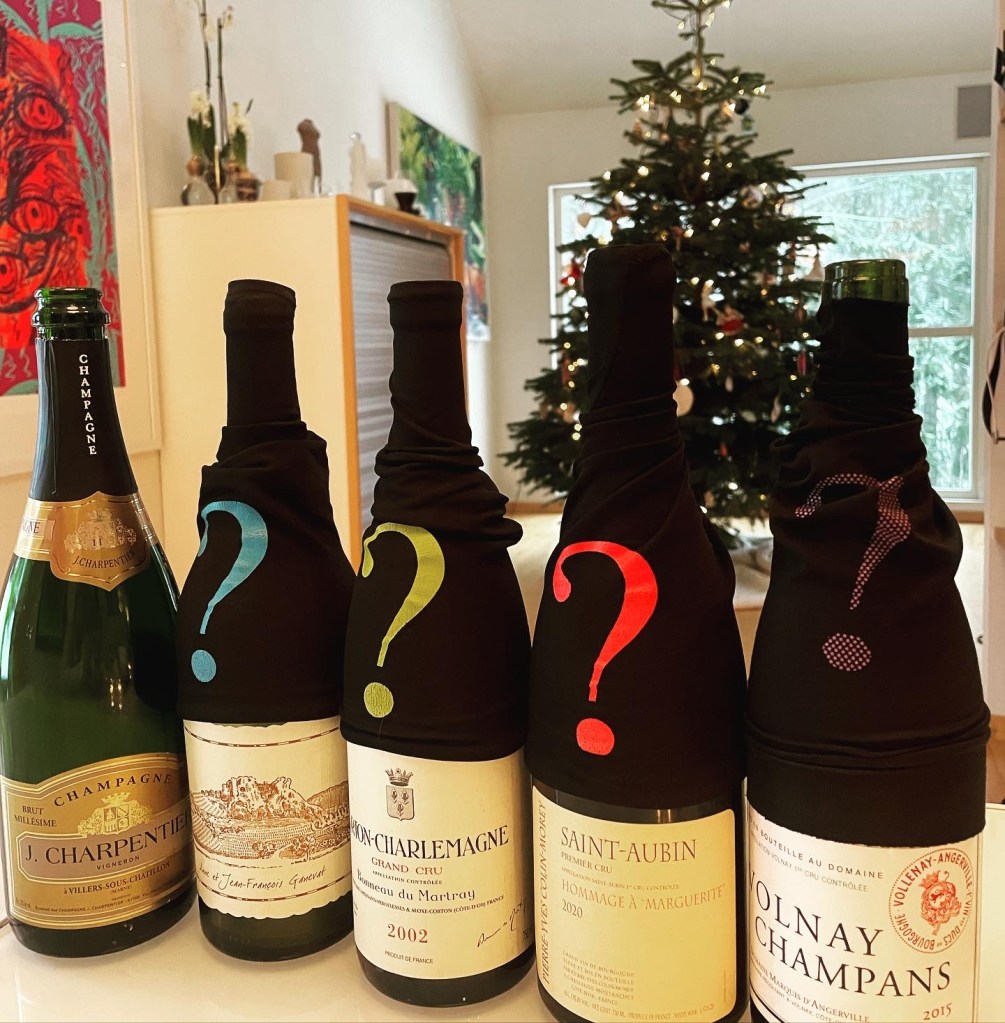
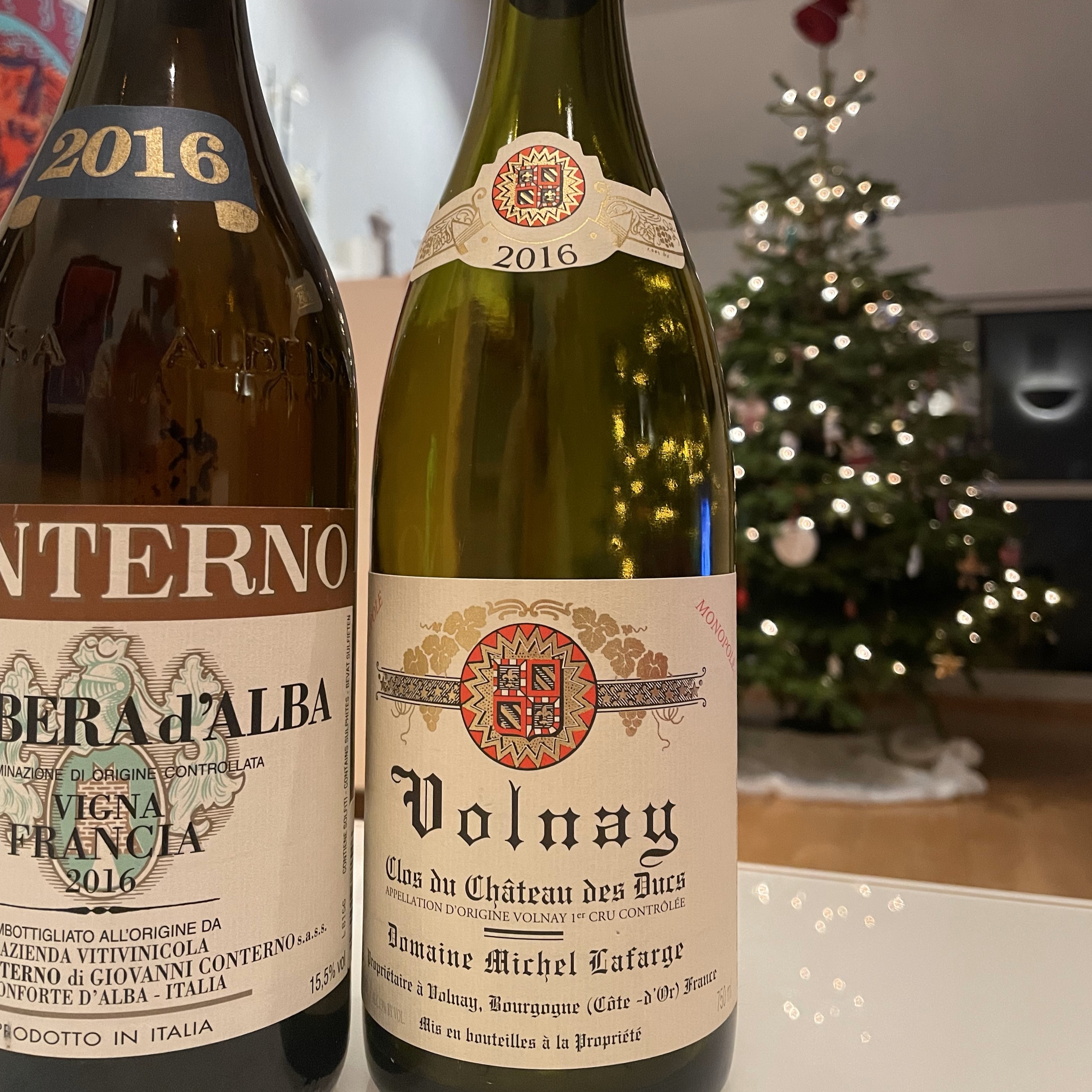
Here are some of the wines I’ve had the past few Christmases.
Wines for Christmas: Gifts
Stuck on what to get your in-laws for Christmas? Or perhaps you’re just tired of shopping? Relax, I’ve got you. You can just order wine online, from the comfort of your own home, or from your phone while you’re on the subway to work. And then you just pick it up at your local store. Since the options are endless, I’ll help you narrow it down!
Hopefully you’ll find some good ideas in here, whether it’s a wine to pair with food or a wine to give to a good friend. And if you order it right now, you might even get it in time for the holidays!
There are not that many blends in Langhe, at least not compared to other wine regions. But I find blends to be quite interesting. Combining two or more grapes often brings out the best in each, resulting in a very balanced wine. This is true for the blend between Barbera and Nebbiolo!
Barbera
Barbera is the third most planted grape variety in Italy, but you can also find it in other countries like California and Australia. You will find many wines made with 100% Barbera, known for its high levels of acidity Other characteristics include deep color, full body, and low tannins.
Nebbiolo
Nebbiolo, on the other hand, is known for its tannins. It’s probably the most important grape variety in Piemonte, and the most notable expression of Nebbiolo is Barolo. With Nebbiolo you can also make Barbaresco, Roero, Gattinara, Carema and Ghemme.
There is a long history if blending Nebbiolo with other grape varieties in Piemonte. Adding in other grapes can add some color to the otherwise light Nebbiolo, but one of the main reasons is to soften the grapes harsh tannins.
Barbera + Nebbiolo blends
I’ve found I quite like Barbera + Nebbiolo blends. The Barbera adds some acidity to the Nebbiolo, and the Nebbiolo helps calm the high acidity from the Barbera. In addition, the Nebbiolo brings some structure, and you’re left with a balanced wine.
Gianfranco Alessandria L’Insieme
L’Insieme, a project started by Elio Altare aims to make wines which, under a single brand, tell a story of friendship and collaboration, of hard work, shared passion for the Langhe and its outstanding grapes. Each winery makes their own blend, and in the one by Gianfranco Alessandria you’ll find 70% Barbera and 30% Nebbiolo. A fruity wine with good structure. One of the best L’Insieme I’ve had!
La Vedetta Swanti
La Vedetta wants to make the best Nebbiolo based blend, depending on what the vintage offers. Using Nebbiolo as a base, they experiment by adding in Freisa, Barbera or Dolcetto. In 2019, Swanti consists of 60% Nebbiolo and 40% Barbera. A balanced wine, with good acidity and good structure.
Elio Altare La Villa
Altare’s blend might be one of my favorites. You can truly feel the best of both varieties: well balanced tannins and good acidity.
Ghiomo Ruit Hora
Ruit Hora is Ghiomos “passion project”. Barbera was the grape from his father and grandfather, and he considers Nebbiolo to be the grape of today. So by adding 15% Nebbiolo to the Barbera, he aims to unite the two.
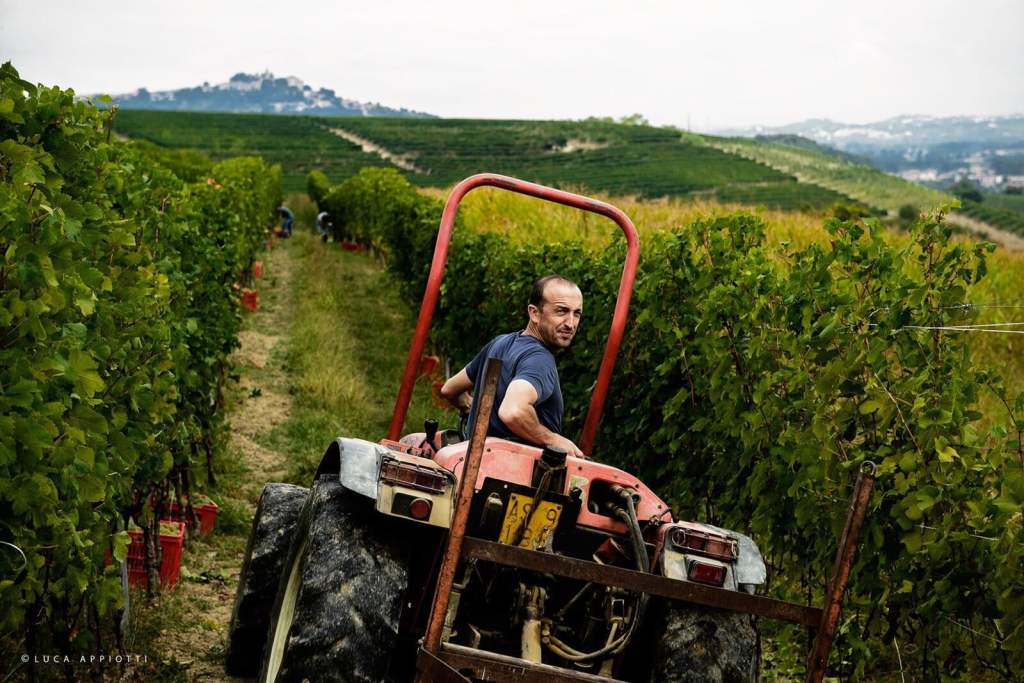
Giuseppino “Ghiomo” Anfossi is a farmer first, something he will tell you when you visit him in Guarene. Come to think of it, when you plan to visit him and his family, allow for significant time, as he has a lot on his heart and numerous stories to tell. Visiting Giuseppino, Ghiomo and Guarane is fast becoming a must when visiting Langhe and Piemonte.
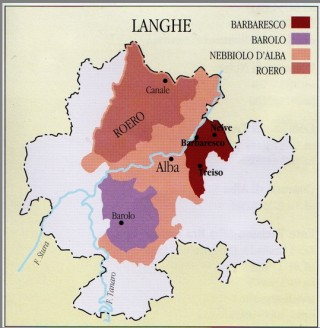
The Ghiomo estate, which was first established in the early 1800’s, is named after the Ghiomo farmhouse, formerly a monastery, in Guarene. Giuseppino’s winery and vineyards are located just 2 miles from Alba, smack in the middle of, but not inside any of, Barolo, Barbaresco and Roero.
Wines
Ghiomo makes wines true to terroir, using sustainable winemaking practices in Guarene. As Giuseppino says, he wants “to make wine for the land.” The soils in Guarene are rich in grey marl, clay, and a little sand, giving the wine great texture and character.
Winemaking
Ghiomo is a winery founded on honesty and respect for nature. Giuseppino, does not like to be defined as biodynamic, organic, or conventional, but rather as a farmer. Who lives and works for the well-being of the land and what they cultivate from it.
Giuseppino uses both big and small barrels for aging, depending on the wine. He believes barrique works well with Barbera, but he prefers bigger barrels for the Nebbiolo.
Fun fact
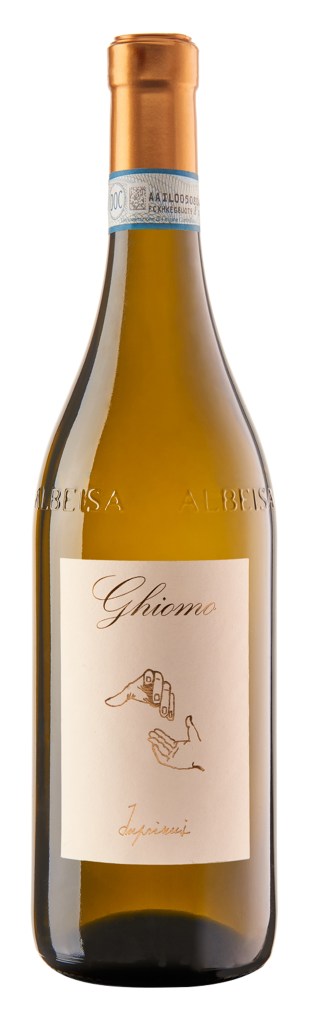
The Langhe Arneis Inprimis has a special back story. Nicola Oberto from Trediberri came up with the name, Nicola’s mom designed the label, and the hands belong to Giuseppino and Nicola’s father.
Fun fact II
Giuseppino’s oldest son plays for the Juventus team and Giuseppino’s side gig is driving him back and forth to football practice every day.
Wines
Wines available in: Norway Italy USA
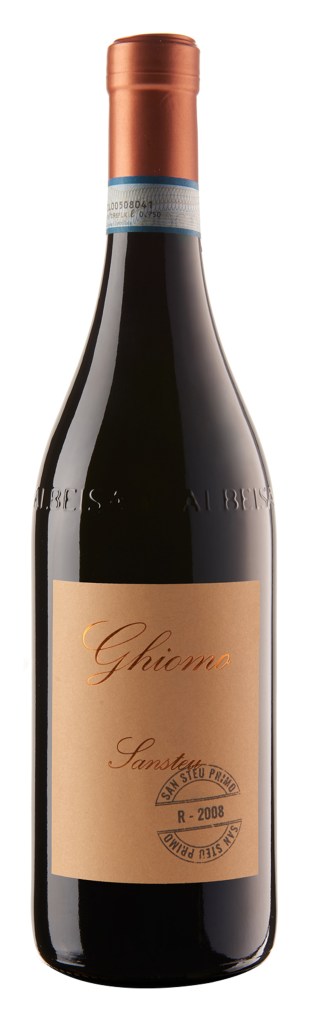
Sansteu Primo
The first vintage of Sansteu Primo was 2008, the year Giuseppino’s first son was born. This wine follows a very traditional method, where the caps are submerged in the juice for about 90-100 days followed by 16-20 months in oak. The wine spends a bit of time in steel tanks before transferred into the bottle. The Sansteu Primo will then spend a total 7 years in the winery before release!
BASIC INFORMATION
Product name: Ghiomo Sansteu Primo Nebbiolo DOC Alba Superiore Grape: Nebbiolo Classification: DOC Color: intense ruby red Fragrance: raspberry, strawberry, rose petals Taste: intense, round and structured. Rich fruit and hints of oak Food pairing: pasta, red meat, cheese
VINIFICATION (Winemaking)
Method: 90-100 day maceration with submerged cap Ageing: 16-30 months in oak Minimum aging in bottle: 4-5 years
VINEYARD
Vineyard: Fussot and Dario Soil: marl Exposure: Southeast
Sansteu
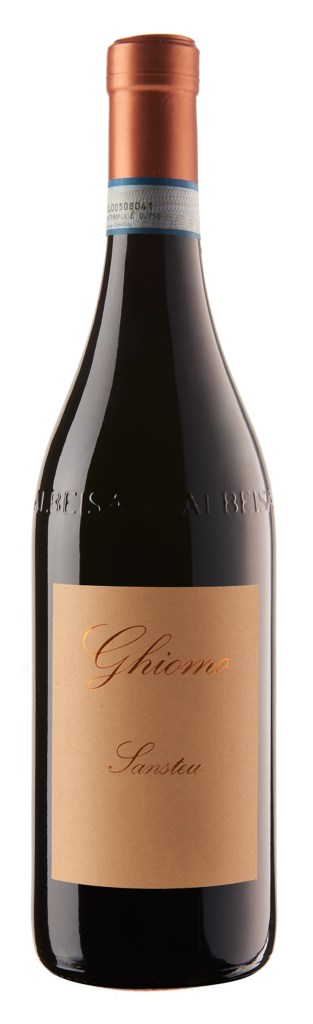
Energetic yet somewhat holding back, immediate yet layered and complex, genuinely rooted in tradition and yet aiming for the stars. Sourced from south-east facing vines in Sansteu (marly soils), the wine matures for 12 months in oak casks followed by a further six months in the bottle. Wild strawberries, wild raspberries, and crushed rose petal aromas, with a hint of white tea. A distinct salty minerality (the kind often found in red burgundies), structured and long.
BASIC INFORMATION
Product name: Sansteu Nebbiolo DOC Alba Superiore Grape: 100% Nebbiolo Classification: DOC Color: intense ruby red Fragrance: raspberry, strawberry, rose petals Taste: intense, round and structured. Rich fruit and hints of oak Food pairing: pasta, red meat, cheese
VINIFICATION (Winemaking)
Method: 70 day maceration with submerged cap Ageing: 12 months in oak Minimum aging in bottle: 6 months
VINEYARD
Vineyard: Fussot and Dario Soil: marl Exposure: Southeast
Ruit Hora
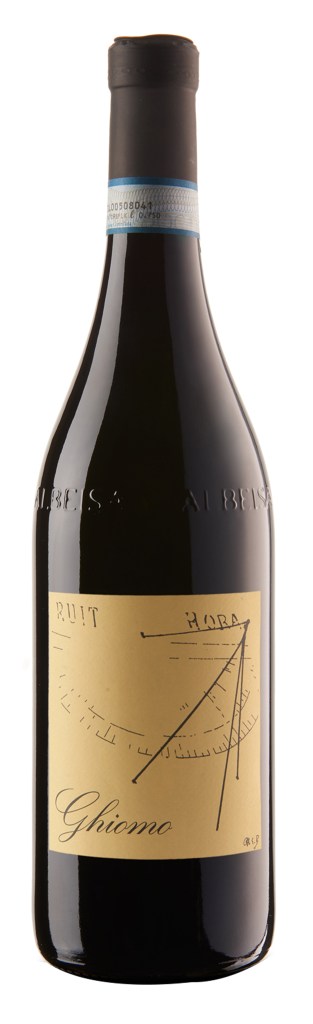
The Ruit Hora is a “wine for passion” for Giuseppino. The composition of 85% Barbera and 15% Nebbiolo combine two important grape varieties in Piemonte. Barbera was the grape from his father and grandfather and Nebbiolo is the grape of today. With this wine Giuseppino wanted to unite the two!
BASIC INFORMATION
Product name: Ruit Hora Alba Riserva DOC Grape: 85% Barbera and 15% Nebbiolo Classification: DOC Color: red with violet hues Fragrance: red fruit, hints of oak Taste: rich, big structure, tannins Food pairing: red meat, aged cheese, pasta
VINIFICATION (Winemaking)
Method: 250 hour maceration Ageing: 14 months in barrique, 3 months in stainless steel Minimum aging in bottle: 6 months
VINEYARD
Vineyard: Fussot, Dario, Vignot, San Steu, Vigna Granda, Vigna Bursa and San Lusè Soil: calcareous soil, marl Exposure: south
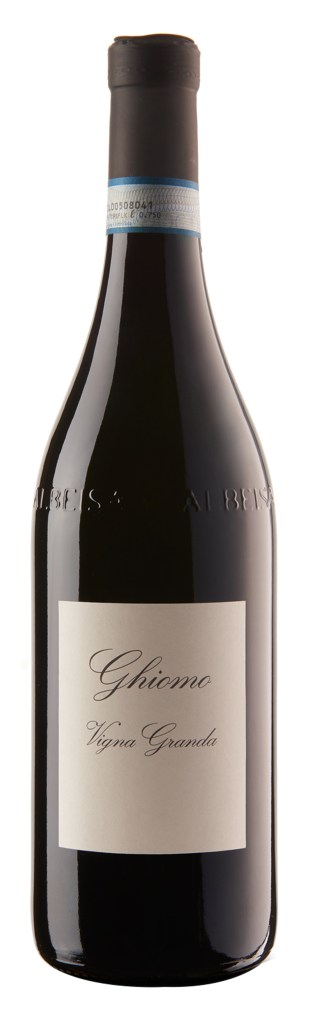
Ghiomo Vigna Granda
Expressive aromas, wild strawberries, dried tobacco leaves, and a touch of rainy day. A very nice saline minerality to the mid-palate, soft tannins, with a long chalky mineral finish.
BASIC INFORMATION
Product name: Vigna Granda Langhe Nebbiolo Grape: 100% Nebbiolo Classification: DOC Color: brilliant ruby red Fragrance: fruity, floral, mineral Taste: elegant with persistent tannins Food pairing: appetizers, light main dishes, cheese
VINIFICATION (Winemaking)
Method: 30 day maceration with submerged cap Ageing: 12 months in oak, part barrique and part botti Minimum aging in bottle: 2 months
VINEYARD
Vineyard: Vigna Granda, Vigna Bursa and San Lusè Soil: calcareous soil, marl
Ghiomo Lavai
BASIC INFORMATION
Product name: Lavai Barbera DOC Alba Superiore Grape: 100% Barbera Classification: DOC Color: violet red Fragrance: fruity Taste: potent and rich Food pairing: red meat, cheese, pasta
Norwegians are gearing up for Constitution Day. Many are graduating from school this spring. Perhaps some of you are getting ready for a birthday or an anniversary? And what better way than to celebrate with some good wine!
Champagne
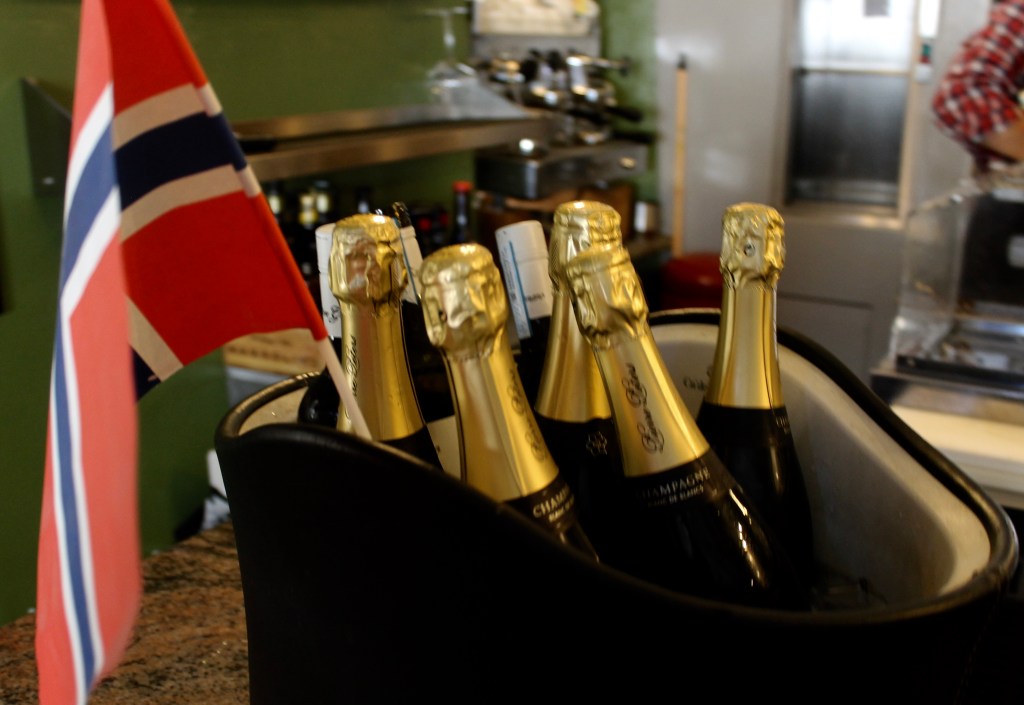
I personally celebrate with Champagne. There’s something about bubbles that puts me in a festive mood. And I have a few “regulars” that I go back for. Bereche Brut Reserve 495,00kr is one of them. A very fresh and crisp wine, with subtle bubbles, just the way I like it. Agrapart Terroirs Grand Cru Blanc de Blancs Extra Brut 568,10kr is another great wine. It’s a little more expensive, but worth it if you want to celebrate a little extra!
Pierre Peters Brut 399,90kr still has to be the Champagne with the best QPR. Even with the small increase in price, it’s still under 400kr and one of my go-to when drinking bubbly. But if I really want to celebrate, I sometimes get Philipponnat Royale Réserve Brut 559,90kr. After meeting Charles Philipponnat at a winemakers dinner many years ago it has been my favorite!
White Wine
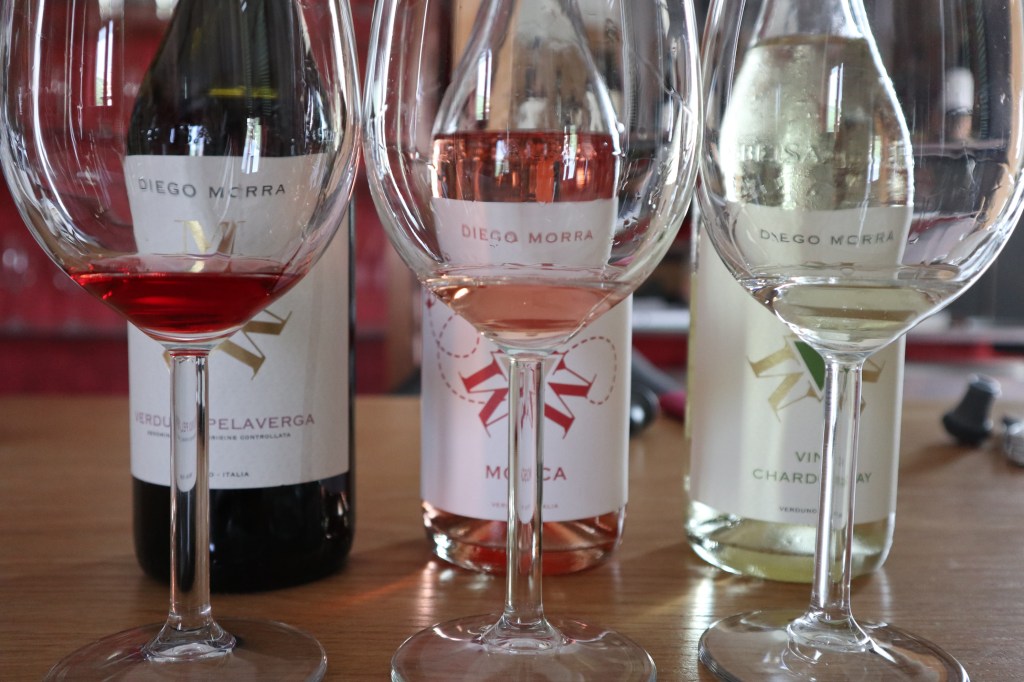
Not a fan of bubbles? Not even Champagne? Don’t worry! There are many other wines in the world. White wine is a good alternative. Vietti Roero Arneis 249,90kr is perfect for summer. Goes well with seafood, salads and light dishes. And while we are in Piemonte, maybe try the Diego Morra Chardonnay 198,00kr. Although a Chardonnay from Piemonte is typically more mineral than a Chardonnay from Burgundy, it’s still juicy and fresh. But if Burgundy is more to your liking, try the Matrot Bourgogne Chardonnay 250,00kr.
Red Wine
After drinking some Champagne and white wine, red wine often becomes an obvious choice. Need something light that doesn’t necessarily require food? Dolcetto is the grape for this scenario. Just saw that Cascina Fontana Dolcetto 260,00kr arrived in Norway, and I had to run out and get a bottle. Luigi Pira Dolcetto 205,90kr is a good, slightly cheaper option. And I know we are all excited to see the Dolcetto from Trediberri!
Speaking of Trediberri, his Barbera at only 189,90kr is still the best buy in Norway at the moment. There are plenty other great Barbera’s, and one of them is the Altare Barbera 315,00kr. Prices recently went up in Norway, and unfortunately this wine is no longer under 300kr. I blame Covid-19…
It’s officially Spring, which means that the newest vintage is making its way to stores. The same is true in Norway. So if you’re living in Norway, mark your calendars for May 8th!
In addition to new vintages, there are also new “kids on the block”! Keep reading to find out more!
Diego Morra Rosato 2019 For the first time you’ll find Diego Morra wines in Norway! This wine, a Langhe Rosato, is made with 100% Nebbiolo grapes and is what I would call a “food rosè”, perfect with summer salads or fish.
Ghiomo Inprimis Langhe Arneis 2019 Fasten your seatbelts, because this is a newcomer in Norway as well. The Ghiomo winery is located in Guarene, a commune bordering on the more well known wine regions in Piemonte like Barolo and Barbaresco. The Langhe Arneis Inprimis is a fresh and fruity white wine that pairs well with fish and shellfish. Perfect for summer!
Bartolo Mascarello Dolcetto 2018 There is not much to say about Mascarello that has not already been said. And unfortunately I’ve not tried the 2018 vintage yet, but 2018 looks more promising for Dolcetto than 2017 was. I guess time will tell.
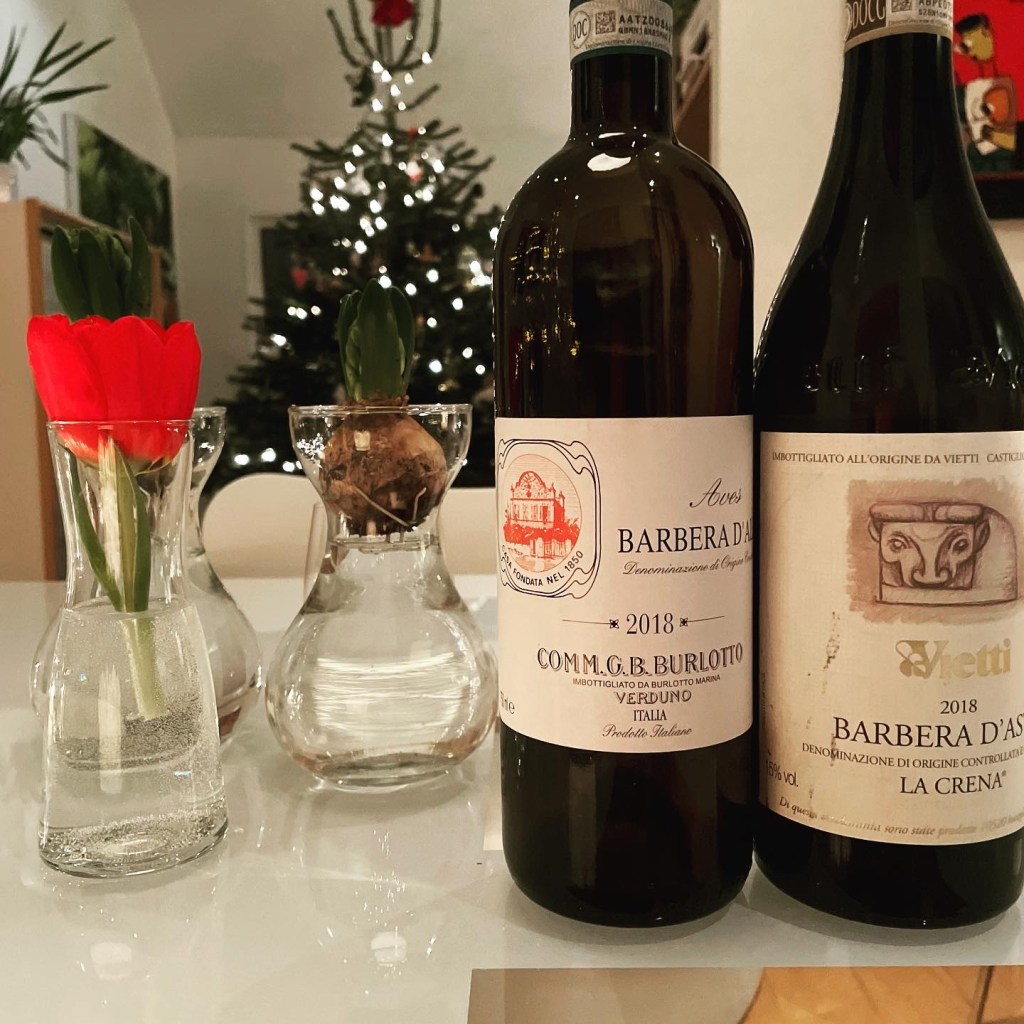
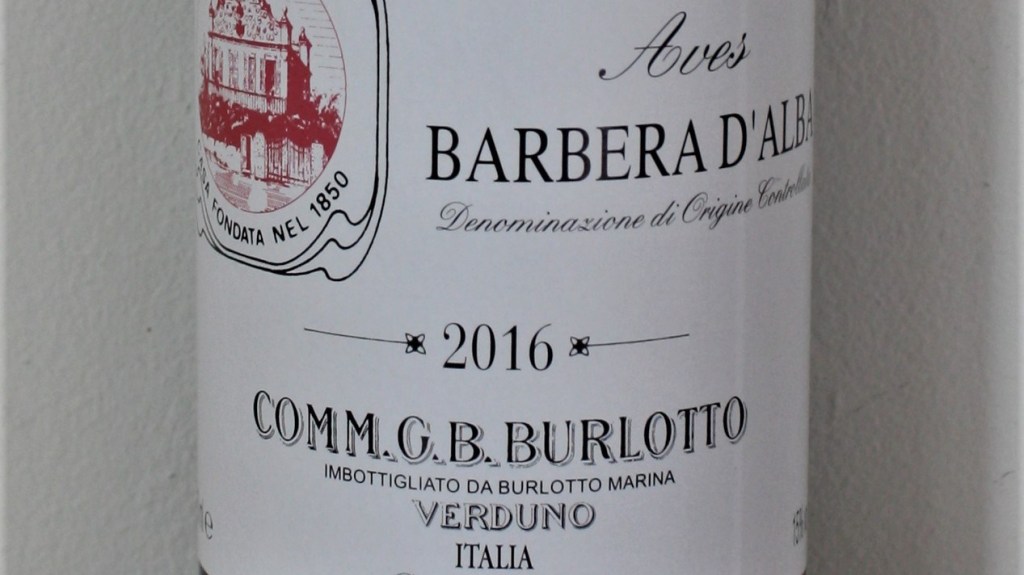
Burlotto Barbera Aves 2018 As far as Barbera goes, this might be one of my absolute favorites. His classic Barbera is good, but the Aves is just on a whole other level. I can’t wait to try the 2018 vintage!
Nadia Curto Barbera 2017 Did you know that you could get Nadia’s wines in Norway? You can! And the 2017 Barbera will be available Friday May 8th! Modernist or Traditionalist? If there is anyone I know that doesn’t “belong” in any boxes, it’s Nadia Curto. Her winemaking style is influenced by both her father and her uncle, and she applies the different methods to different wines. Does it matter what style you prefer, if your wines are good? I don’t think so.

 PIEMONTEGIRL