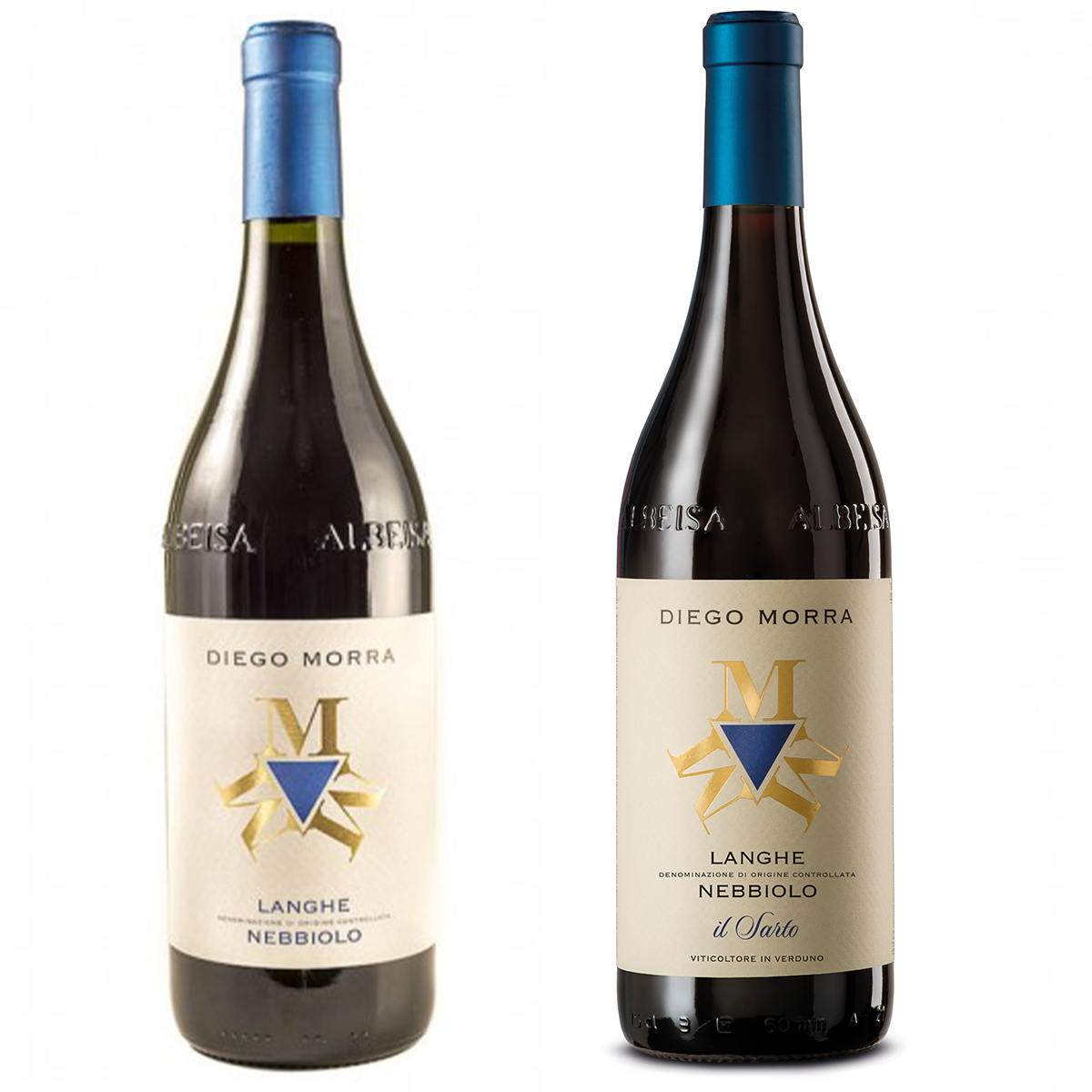
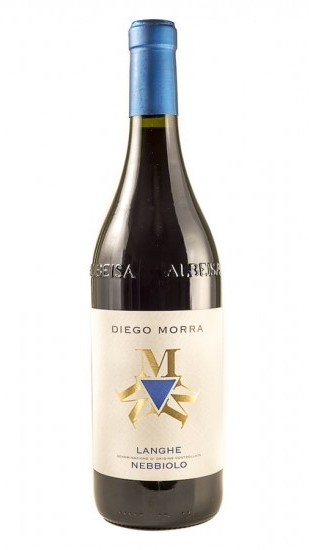
The Diego Morra Langhe Nebbiolo Il Sarto 2019 is a new and improved Langhe Nebbiolo from Diego Morra. Diego Morra’s family has been in the wine and hazelnut business since the mid 1900’s, but it’s not until recently Diego started to bottle the wine under his own label.
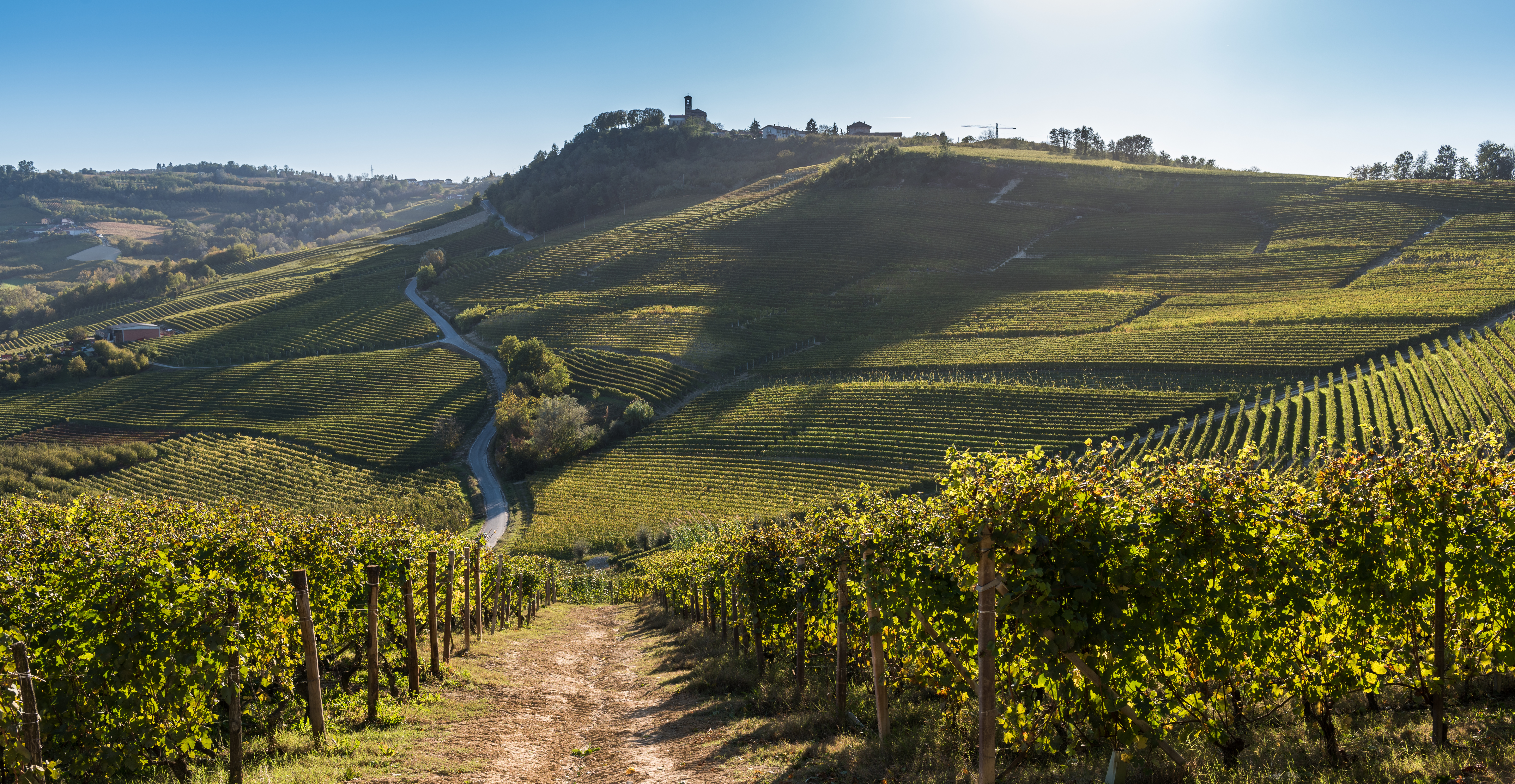
The Il Sarto sews together vineyards from two different towns which have different microclimate, exposure and terroir. One is the vineyard in the municipality of Roddi, with an altitude of about 200 meters and south exposure, and the other is from municipality of La Morra, the Castagni and Serra dei Turchi vineyards. At an altitude of about 380 meters with north-east exposure these vineyards are more fresh than the vineyard in Roddi.
Why the name Il Sarto
“Il Sarto” translates to “the tailor”. The choice of the name derives from two different reasons:
First, a tailor, with attention and craftsmanship, chooses and sews together the pieces of cloth that they consider best, giving harmony to the dress as a whole, in the same way this Nebbiolo sews together different vineyards, combining terroir from La Morra and Roddi.
Second, the tailor also represents the union of Diego Morra and Francesca. Francesca has origins in the north of Piedmont, in the area of Biella, which since the 1800 has been famous for the art of weaving, for fine fabrics that are sold all over the world. So the name “Il Sarto” also recalls the tradition of Francesca’s origins.
To sum up, Il Sarto represents two traditions sewn together: high quality wine and high quality tailoring.
Vinification
After a careful destemming, the spontaneous fermentation takes place in 8-10 days under constant temperature control (max.28-30°C), followed by short but frequent remounts and racking for about 10-12 days. The wine-making process, the malolactic fermentation and large part of the aging process (which finishes with a period in wood) takes place in stainless steel containers during a 12-16 month period.
Diego Morra Langhe Nebbiolo Il Sarto 2019 Tasting Notes:
The Diego Morra Il Sarto 2019 is quite explosive, similar to other 2019’s. Aromas of red berries, cherry and some pepper on the nose. Very fruity in the mouth, with round and approachable tannins. Very balanced with a long finish. Absolutely delicious!
Diego Morra’s family has been in the wine and hazelnut business since the mid 1900’s. But it’s not until recently Diego started to bottle the wine under his own label. This practice was quite common back in the day. Today, the wine is bottled under the label Diego Morra.
Wines
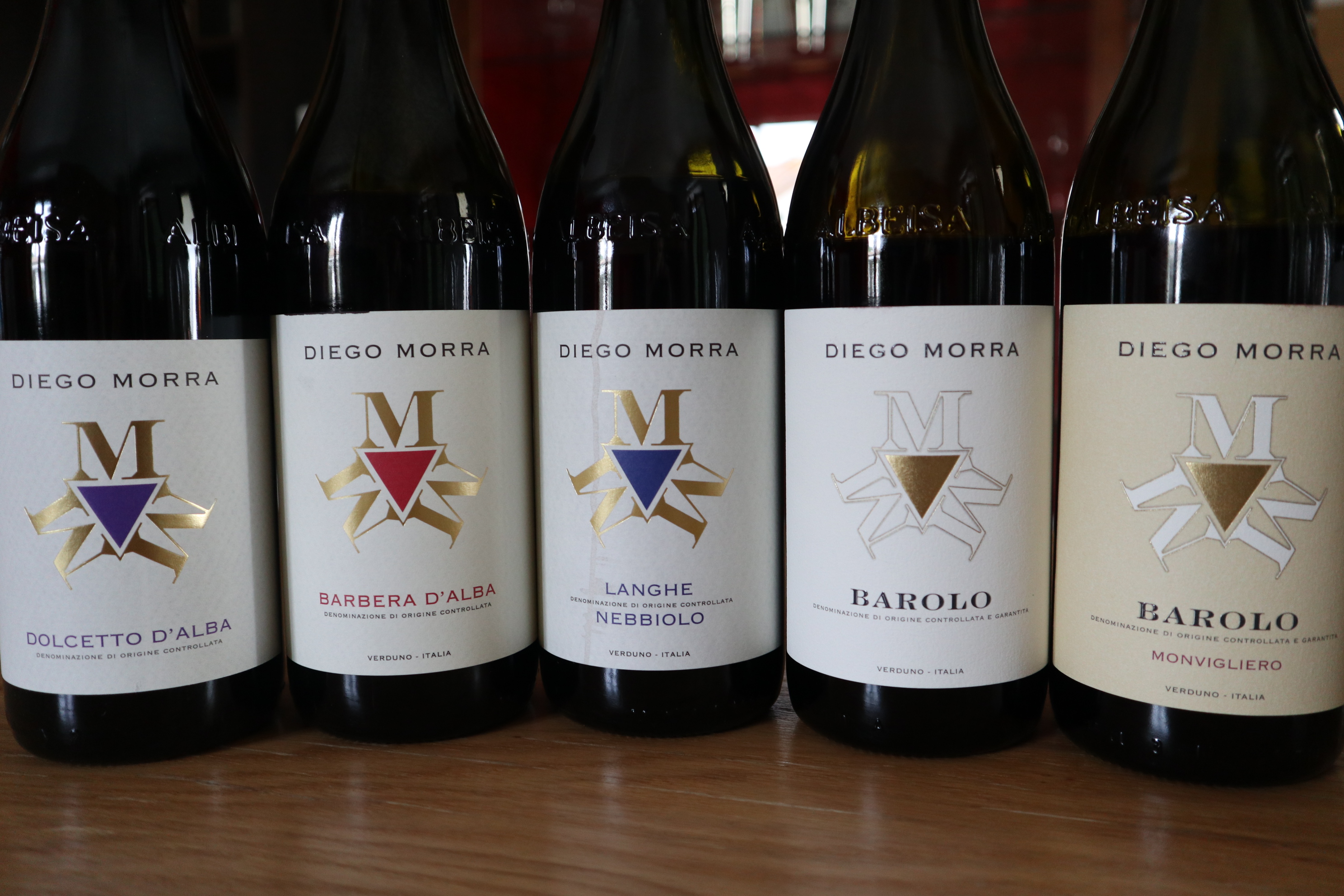
Diego Morra owns about 30 hectares of vineyards spread across the towns of Verduno, La Morra and Roddi, and they make about 80.000 bottles in total. The age of the vineyard range in age from 13 years old (Pelaverga) to 40 years old (Monvigliero).
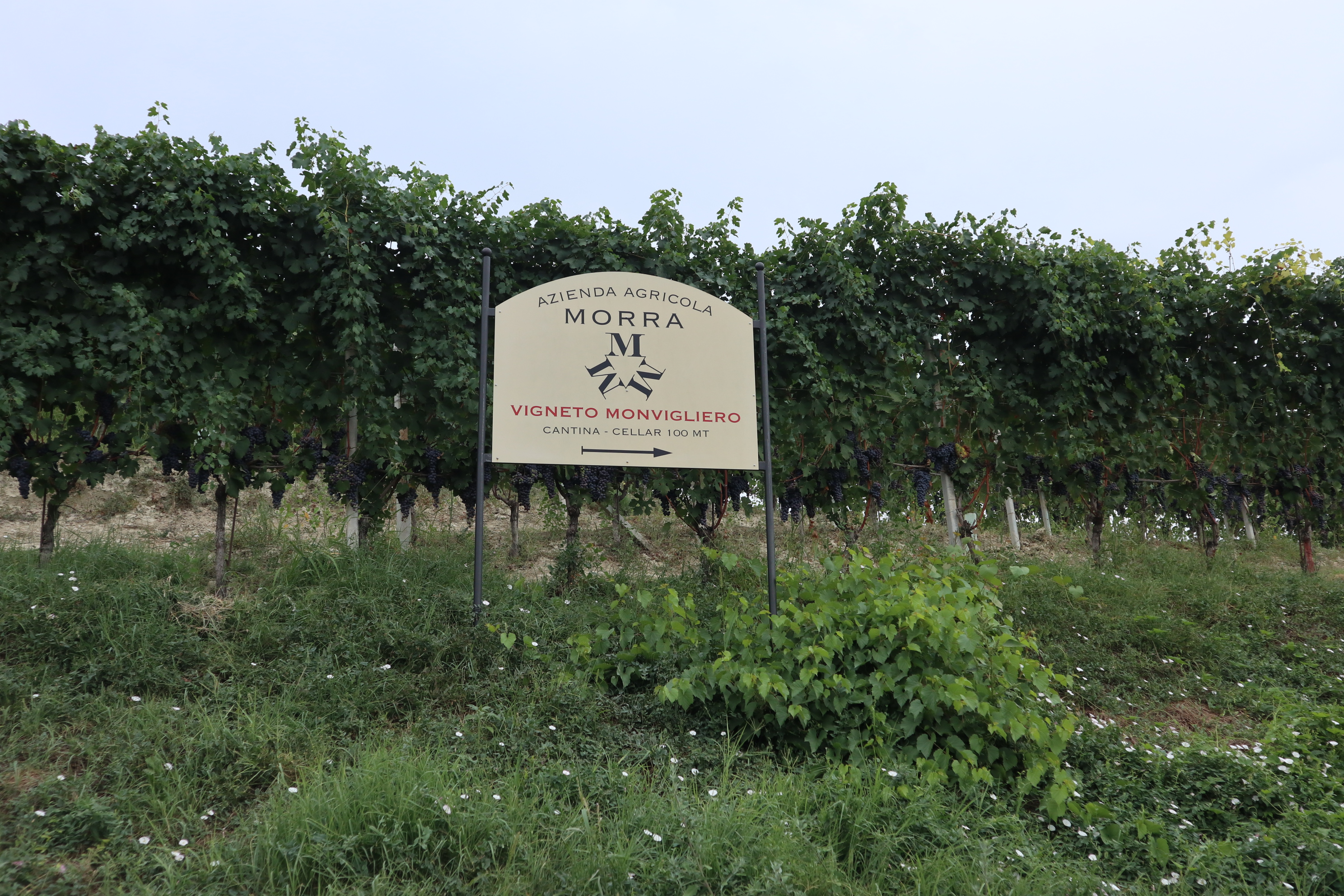
The Nebbiolo for Barolo Monvigliero comes from multiple plots in the Monvigliero vineyard that add up to total of 12 hectares, all of which have South/South-East exposure and an altitude around 230-300m. Monvigliero is generally noted for elegant wines, capable of reconciling structure and balance, with a touch of depth and austerity that neighboring crus rarely express (with the exception of Massara). Fun fact: The Pelaverga grapes also come from the Monvigliero vineyard. That’s a hell of a Pelaverga!
Winemaking
Diego does not apply one specific method when it comes to his winemaking. Instead, he adjusts his approach depending on which wine he is working with. The Barolo’s undergo 25-35 days, fermentation and maceration, while the Langhe Nebbiolo undergoes about 8-10 days. The same applies to use of barrels.
Diego Morra Fun fact
The 3 M’s on the Diego Morra label stand for Morra, Mosca and Monvigliero
Diego Morra Fun fact II
Diego Morra owns the most hectares in the Monvigliero vineyard. Which means the number of Monvigliero bottles will increase as the winery grows!
Wines
Wines available in:
Norway Italy United Kingdom United States
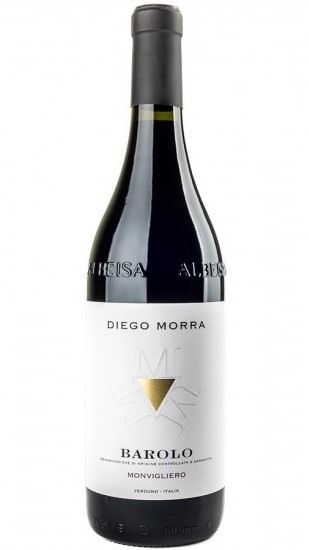
Monvigliero
BASIC INFORMATION
Product name: Barolo Monvigliero Grape: 100% Nebbiolo Classification: DOCG Number of bottles produced: 3000 Color: Red with orange hue Fragrance: mature red fruit, roses, spices, tobacco Taste: structured, round tannins, red fruit, some spice Food pairing: meat, aged cheese
VINIFICATION (Winemaking)
Method: Fermentation and maceration in stainless steel tanks at a controlled temperature of no more than 30°C for 30/35 days Ageing: French Oak tonneaux for 10 months, and after in medium barrel of 2500 lt (each one) for 20 months, followed by 6 months in stainless steel tanks Minimum aging in bottle: 9 months
VINEYARD:
Vineyard: Monvigliero Exposure: south, south-east Age of plants: 40 years old on average
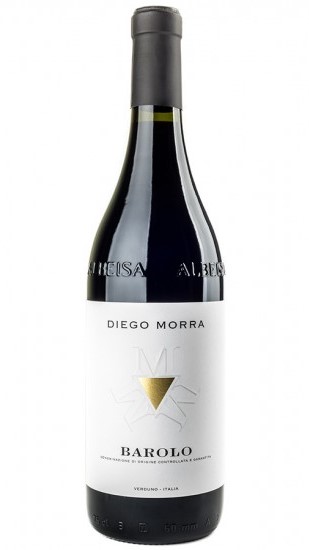
Zinzasco
About the wine Multiple cru: Monvigliero, San Lorenzo di Verduno, Boscatto, Campasso, Massara, Neirane, Breri, Castagni, Silio, Santa Maria.
BASIC INFORMATION
Product name: Barolo Zinzasco Grape: 100% Nebbiolo Classification: DOCG Number of bottles produced: 4500 Color: Red with orange hue Fragrance: spices, roses Taste: Food pairing: Braised meat, aged cheese
VINIFICATION (Wine-making)
Method: Fermentation and maceration in stainless steel tanks at a controlled temperature of no more than 30°C for 25/30 days. Ageing: French Oak tonneaux for 8 months, and after in medium barrel of 2500 lt (each one) for 16 months, followed by 6 months in stainless steel tanks Minimum aging in bottle: 6 months
VINEYARD
Vineyard: 75% La Morra & 25% Verduno Monvigliero, San Lorenzo, Boscattom Campasso, Massara, Neirane, Breri, Castagni, Silio, Santa Maria Age of plants: 28 years old on average
Langhe Nebbiolo
BASIC INFORMATION
Product name: Langhe Nebbiolo Grape: 100% nebbiolo Classification: DOC Number of bottles produced: 6000 Color: ruby red with garnet hue Fragrance: mature red fruit, red berries, notes of rose petals, with hints of oak. Taste: approachable, round tannins, some tobacco Food pairing: meat, game, aged cheese
VINIFICATION (Winemaking)
Method: 8-10 temperature controlled fermentation Aging: 6 months in 10% tonno followed by 12-16 months in stainless steel tanks. Minimum aging in bottle: 4-6 months
VINEYARD: Verduno, Roddi d’Alba, La Morra
Age of plants: 20 years old on average
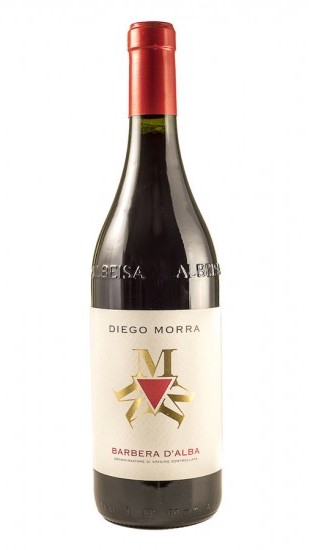
Barbera d’Alba
BASIC INFORMATION
Product name: Barbera d’Alba Grape: Barbera Classification: DOC Number of bottles produced: 6000 Color: intense ruby red hit violet hue Fragrance: red fruit, floral notes, hint of oak Taste: hints of oak, good acidity, round with hints of red fruit Food pairing: meat, aged cheese, fatty dishes
VINIFICATION (Winemaking)
Method: 8-10 days temperature controlled fermentation followed by malolactic fermentation in stainless steel tanks for about 8 months. Aging: 4-5 months in tonno, some new oak Minimum aging in bottle: 4-6 months
VINEYARD:
Exposure: south, north-east Age of plants: 25 years old on average
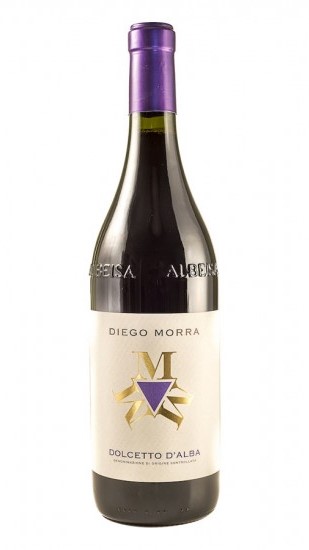
Dolcetto d’Alba
BASIC INFORMATION
Product name: Dolcetto Grape: Dolcetto Classification: DOC Number of bottles produced: 2500 Color: ruby red with violet reflections Fragrance: peach, blackberry, violets Taste: easy to drink, fruity Food pairing: meat appetizers and first courses, pizza
VINIFICATION (Winemaking)
Method: temperature controlled fermentation for 4-6 days Aging: a period in oak, and 6 months in stainless steel Minimum aging in bottle: 3 months
VINEYARD
Age of plants: 45 years old on average
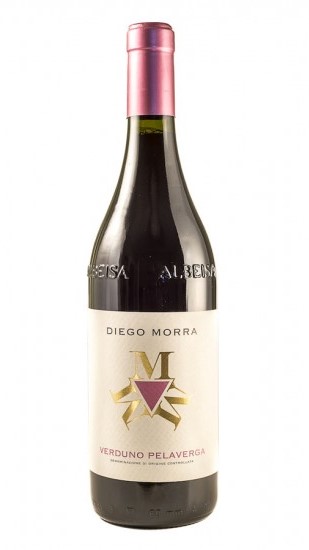
Pelaverga
BASIC INFORMATION
Product name: Pelaverga Grape: Pelaverga Classification: DOC Number of bottles produced: 10 000 Color: vibrant red Fragrance: spices, pepper Taste: fresh and fruity, with spice notes and a long finish Food pairing: salumi, aged cheese, first courses
VINIFICATION (Winemaking)
Method: temperature controlled fermentation for 4-6 days Aging: a period in oak, and 6 months in stainless steel Minimum aging in bottle: 2-3 months
VINEYARD
Exposure: south, south-east Age of plants: 13 years old Date of harvest: last 10 days of September
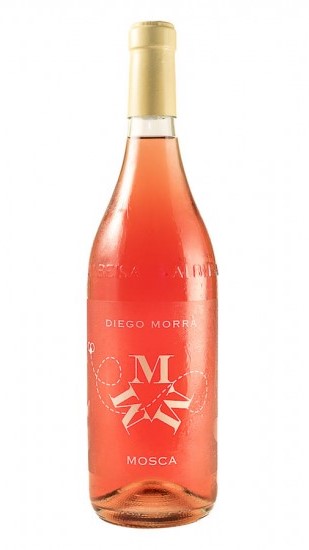
Langhe Rosato
BASIC INFORMATION
Product name: Langhe Rosato Grape: 100% Nebbiolo Classification: DOC Number of bottles produced: 4000 Color: pink Fragrance: red berries, some herbs Taste: good structure, good acidity, balanced Food pairing: light dishes, fish, salads, appetizers, aperitivo and chocolate desserts
VINIFICATION (Winemaking)
Method: quick maceration followed by a rapid racking. Fermentation under constant temperature control. All in stainless steel tanks. Minimum aging in bottle: 2 months
VINEYARD
Age of plants: 20 years old on average
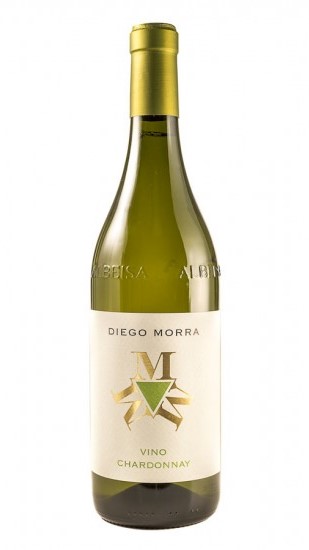
Langhe Chardonnay
BASIC INFORMATION
Product name: Langhe Chardonnay Grape: Chardonnay Classification: DOC Number of bottles produced: 4000 Color: yellow Fragrance: apple and citrus Taste: good acidity, mineral, fresh Food pairing: fish, white meat, appetizers, risotto, aperitivo
VINIFICATION (Winemaking)
Method: light pressing followed by a slow fermentation at low temperatures (max 20 degrees Celsius). No malolactic fermentation. Entire process in stainless steel tanks. Ageing: Minimum aging in bottle: 2 months
VINEYARD
Exposure: east, north-west Age of plants: 30 years old on average
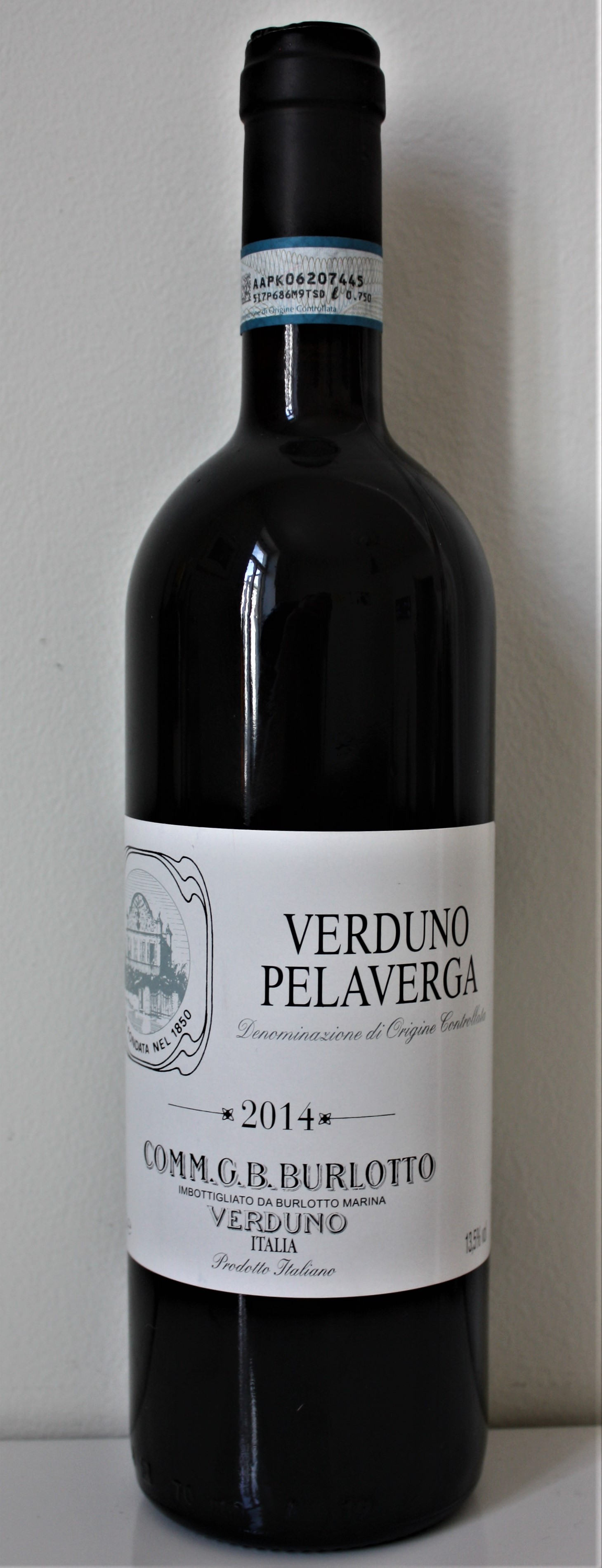
Pelaverga is a very special grape that is indigenous to Verduno in Piemonte. There are not that many winemakers that make wine with the pelaverga grape (I don’t think I have tried any other pelaverga wines) but I really like the one Burlotto makes.
Wine: Pelaverga
Producer: Burlotto
Region/Appellation: Piemonte, Italy
Grape varieties: pelaverga
Vintage: 2014
Eye: light, clear red color
Nose: white pepper, floral notes, nuts, cherries
Mouth: light, fruity, good acidity, light dry tannins
Price Point: $20
Available at Vinmonopolet: yes, but may be sold out
Burlotto – The Palm Tree King (and winemaker of course)
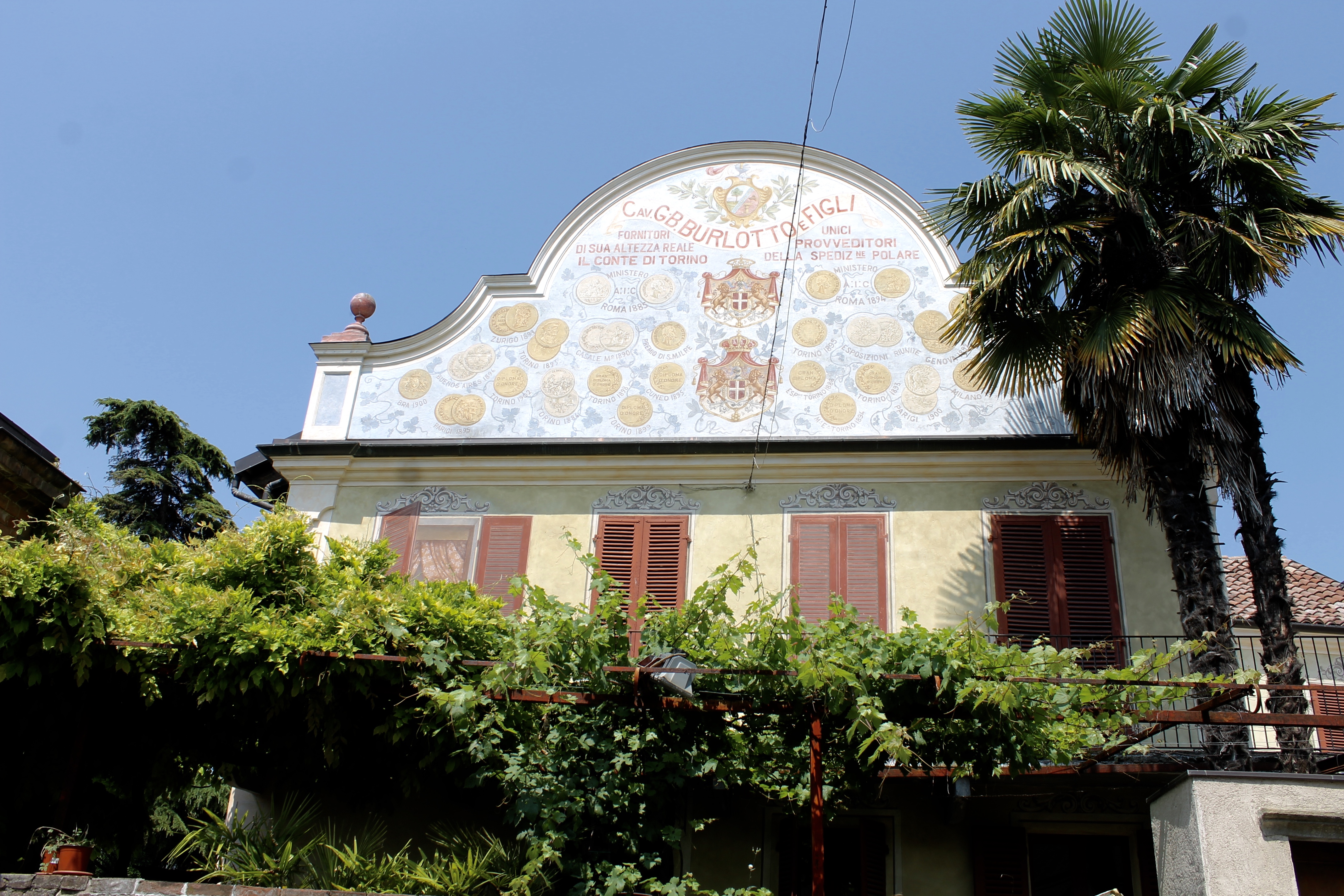
Not only does Burlotto grow palm trees, he also makes excellent wines! In a beautiful house in Verduno, you will find a winemaker of the ages (and his 2 beautiful dogs). I am known for my love of La Morra but I will happily visit Fabio in Verduno any day!
Fabio makes various wines, including a few varieties beyond the barbera and nebbiolo. In the lineup you will find a Sauvignon Blanc, Pelaverga and Freisa. He also makes a barbera “superiore” – the Aves. An impressive libabry, full of passion and high quality.
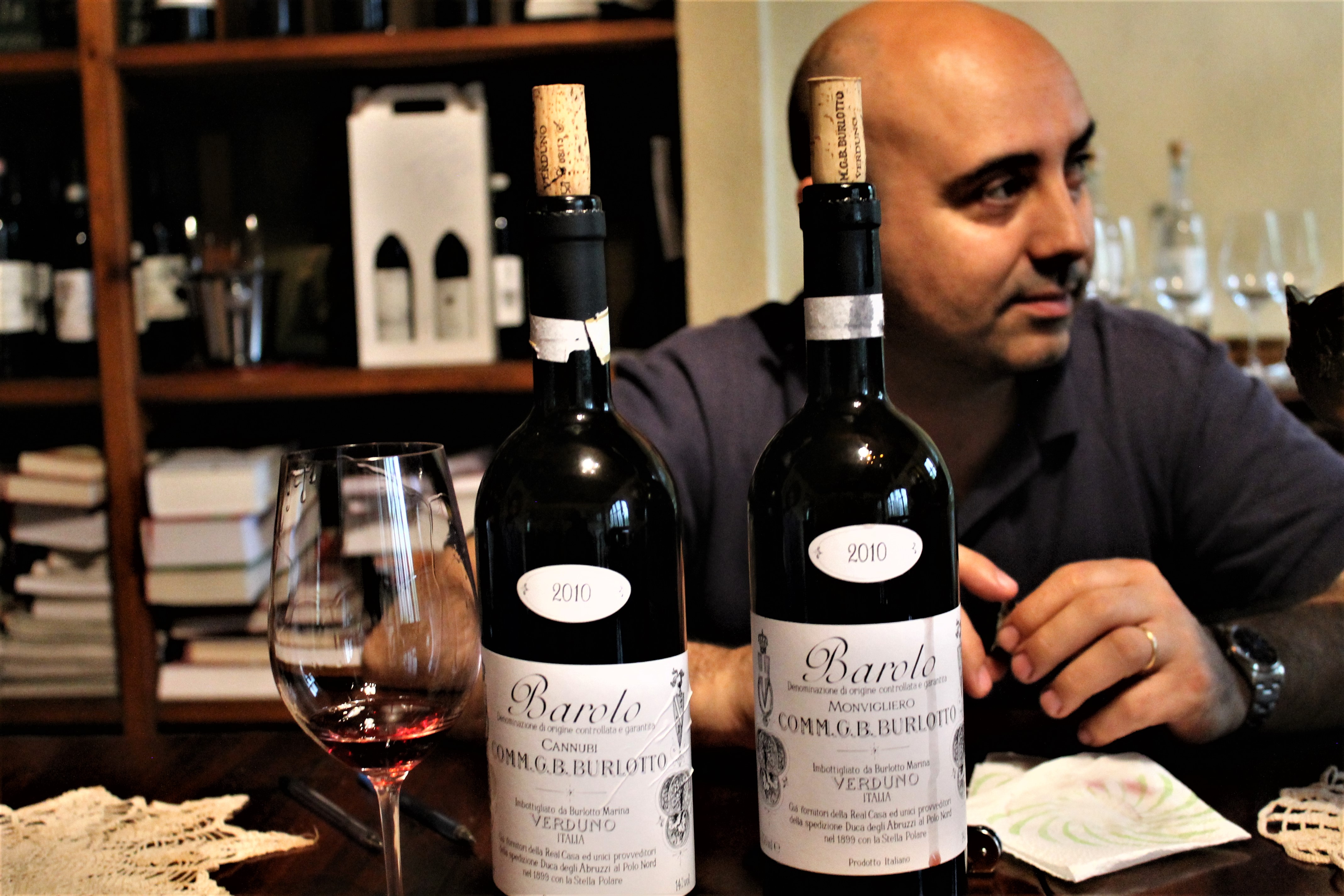
You may also know that he received 100 points from Antonio Galloni for his Monvigliero 2013 – very impressive stuff. I have always thought his wines were top quality but the 100 points must be nice regardless. If you know me, then you know that I care more about the people than I do about points on a scale, but I am very happy for him as it’s quite an honor to receive 100 points from Galloni.
Burlotto Aves: Toni’s new obssession. And honestly, can you blame him? Burlotto has been a favorite for quite some time, but for some reasone the Aves 2016 has really impressed Toni (an myself). When you drink it you think that this is how a barbera should taste.
I bet you didn’t know that Burlotto grows palm trees as well as grapes. If you get to visit his winery in Verduno, maybe he’ll show you. You can see some of them from the street, including the beautiful big one pictured below. It’s funny to me that almost all the winemakers have their own “thing”. Elio makes sausage, Corino has geese – I wonder what other winemakers are hiding behind their winemaking skills.
If you hadn’t heard about the palm trees, you have probably heard about his wines. In one word – incredible. He recently received 100 points by Galloni for his Barolo Monivgliero 2013, which is a pretty big deal in the wine world. Anyways, if you visit him maybe he’ll tell you about his other hobby and show you his amazing collection of trees (along with his wines of course).


 PIEMONTEGIRL