Today, there are tons of women in wine. Just typing this statement feels weird, because why would there not be women working in wine? But rewind about 50 years; it wasn’t that common.
We all know (and love) Chiara Boschis, who today is one of the most important winemakers in Langhe. When she first started out, she was “sort of an exotic fruit” because the fact of the matter was, “there were no women in the winemaking.” Thankfully, it’s not like that today.
These days, there are so many incredibly talented women in wine. There is Carlotta Rinaldi, who is working tirelessly to “leave to the next generation a better place, a better soil or at least as good as our grandfathers and our fathers gave to us.” Then you have Diana Snowden Seysses, a badass woman doing everything in her power to be as sustainable as she possibly can. After experiencing extreme heatwaves in 2017, she started “learning about climate change with maternal fervor.” Her knowledge on climate change and C02 emissions is incredible, and I think we can all learn a lot from her!
Women in Wine – every step of the way
Women in wine are working in every step from the vineyard to the wine stores. And although the actual winemaking is a very important job (otherwise we wouldn’t be drinking really good wine), the other aspects of this industry are also very important. Marketing, Sales, Shipping, Logistics, Design – these are all areas involved in getting the wine out of the winery and into our cellars.
So you have Marta Alessandria and Nadia Curto, who spend a lot of time working in the vineyards and in the wine cellar. And then you have Isabella Oddero and Jenny Battaglino, who work mostly with getting the wine out of the winery and into wine stores (or your wine cellar). Which means you’ll likely find them in the tasting room showing their wines to people from all over the world, or in the office, trying to keep up with the many e-mails that pop up in their inbox every day. Honestly, you wouldn’t believe all the paperwork and bureaucracy that goes on in a winery. But someone has to do it! Which makes it a very important job. So thank you, Isabella and Jenny, and all the other women working in this industry, for all the hard work that you do!
More Wonderful Women
Nadia Curto, a hardworking farmer, doing everything in her power to avoid using chemicals and working sustainably.
Marta Alessandria, an energetic winegrower, who spends most of her time in the vineyards, working in harmony with nature.
Maria Teresa Mascarello, a force to be reckoned with, who makes some of the best wine this world has ever seen!
Swantje Rausch, a persevering young woman, who uprooted her entire life to come make wine in Barbaresco.
Clothilde Lafarge, a young, fierce winegrower, making some of the best wines Burgundy has to offer.
Silvia Altare, an incredibly intelligent woman, who has taught me so much over the years.
Veronica Corino, a passionate and kind winemaker, working hard in the vineyard, the cellar and the tasting room.
Anyone else excited about the most recent release from Vietti? I am! Believe me, these are wines to get excited about! As I’ve mentioned before, I like wines in every vintage. Vietti certainly makes good wines every year, and 2018 is no exception.
2018 Vintage
Looking back at the year 2018, you might remember that it rained quite a bit. It’s comparable to 2002, but the difference between the two vintages is when the rain fell. In 2018, the rain was concentrated around the growing season, especially in May.[1] It did rain above average most of the other months as well, causing an increase in work for the winegrowers. It’s not strange that one could think the 18’s would be “light”, especially compared to the 17’s. But so far I have been rather impressed with the 2018 Barolo’s I’ve tasted so far.
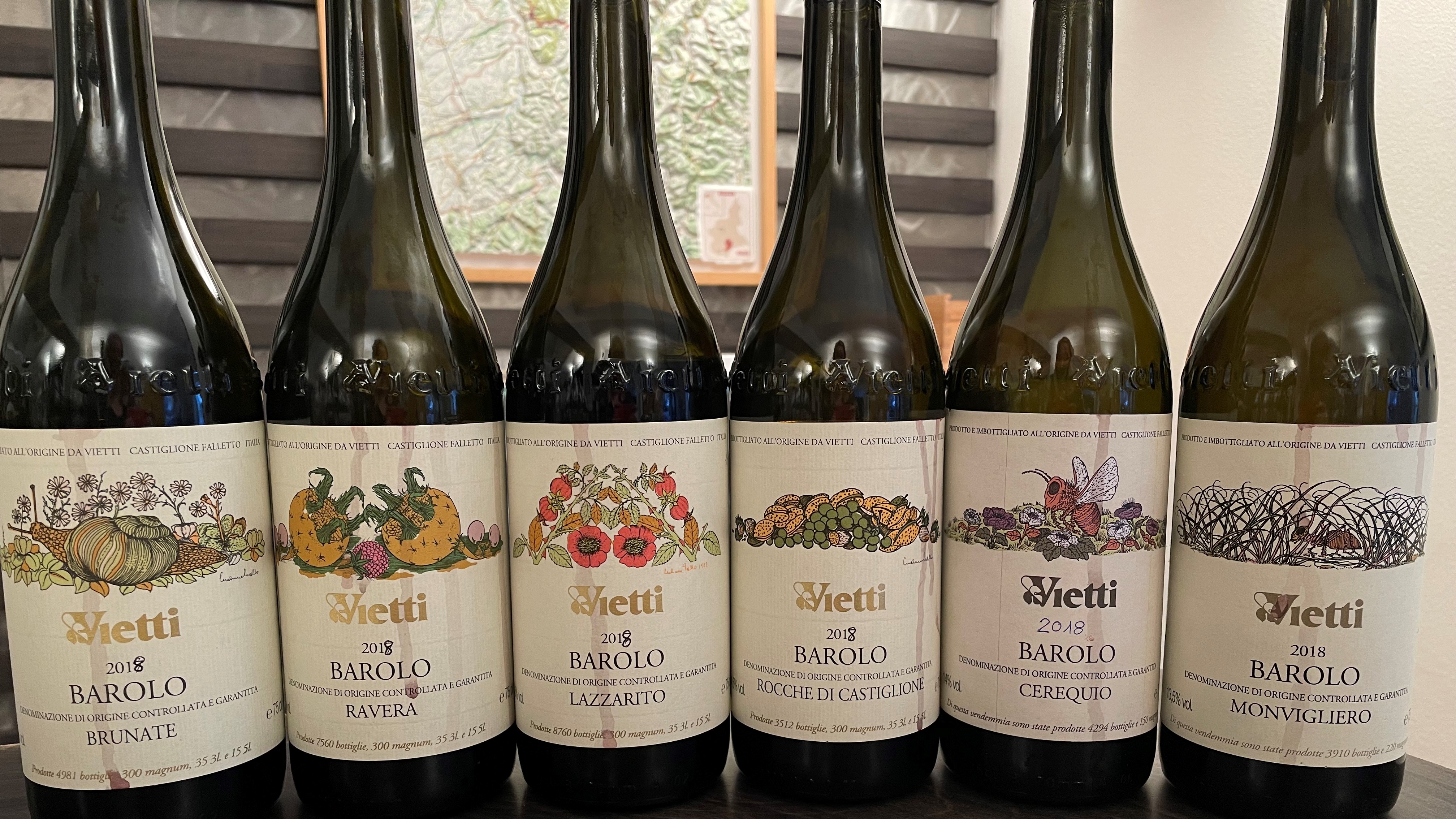
Recent Release from Vietti: Barolo 2018
Vietti Barolo Castiglione 2018
The 2018 is a bit more elegant compared to the 2017. Fruity with beautiful floral notes. A fairly structured wine with good depth.
Vietti Barolo Brunate 2018
The Brunate had a perfect Barolo nose. Complex and structured, but at the same time extremely elegant.
Vietti Barolo Ravera 2018
You can feel that power in the Ravera. Aromas of leather with a hint of balsamic. Complex but balanced.
Vietti Barolo Lazzarito 2018
Minty and herbal with a touch of balsamic. Round in the mouth, with a good finish. Very good.
Vietti Barolo Rocche di Castilgione 2018
A beautiful floral nose, a bit similar to the Brunate. Quite structured, but still elegant with a fresh fruitiness.
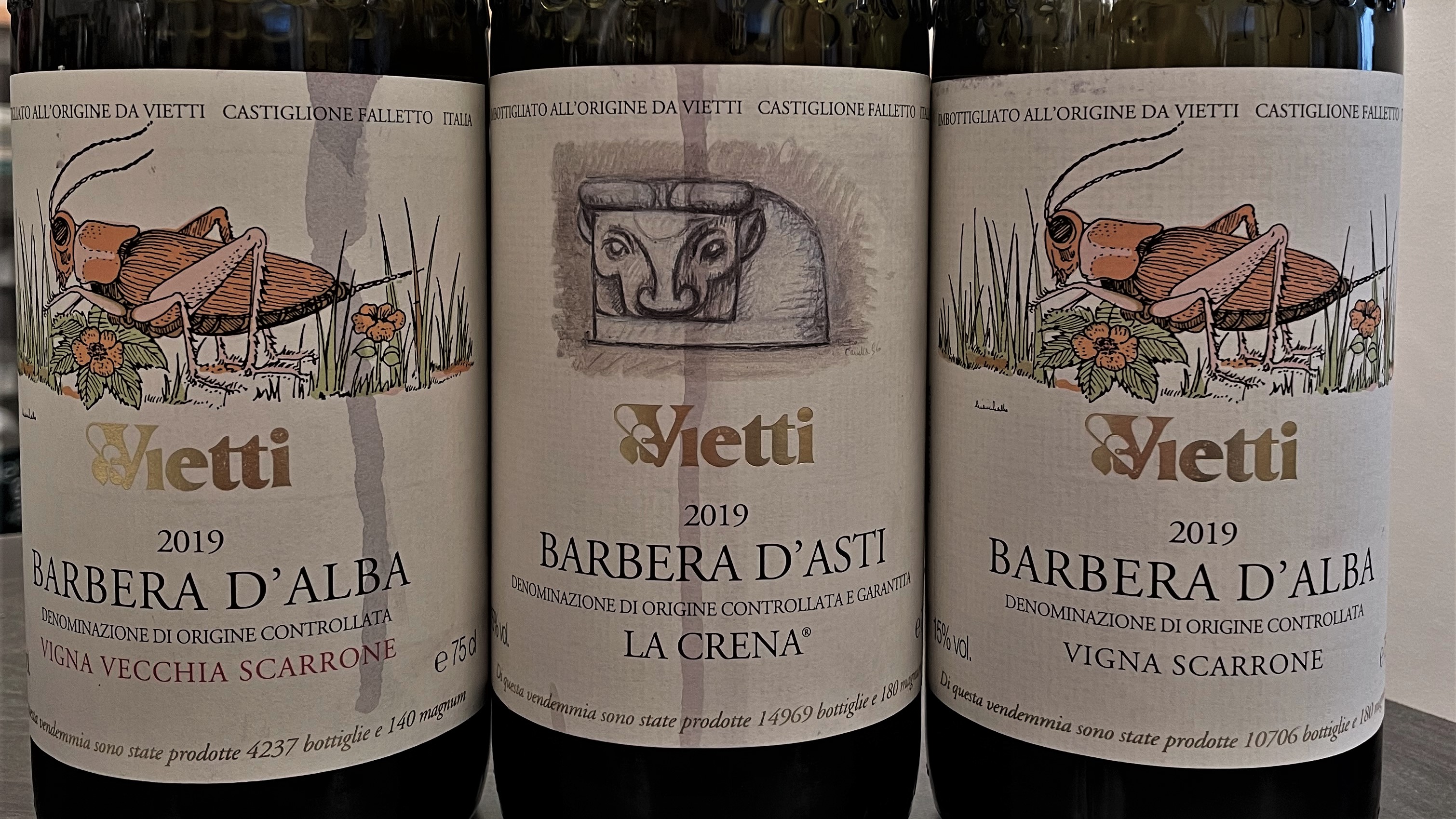
Vietti Barbera 2019
Vietti Barbera D’Alba 2019
A beautifully floral Barbera. Very aromatic. Quite concentrated, with good complexity. An incredible wine!
Vietti Barbera d’Asti 2019
A crisp and mineral Barbera, with aromas of cherry. Also quite concentrated, but a little bit less aromatic compared to the Barbera d’Alba.
Vietti Barbera d’Alba Vigna Scarrone 2019
Aromas of red fruits, especially cherry. Also some spice notes. A complex, balanced Barbera.
Vietti Barbera d’Asti La Crena 2019
The La Crena was a bit more subtle on the nose compared to the Vigna Scarrone, but also more structured in the mouth. Aromas of red fruits and spices. Will probably benefit from some time in the bottle. Has excellent potential.
Vietti Barbera d’Alba Vigna Vecchia Scarrone 2019
A very young wine that opened up in the glass. Good structure with a long finish. A full bodied, complex Barbera.
Introducing Burlotto Castelletto 2018 – the latest addition to the Burlotto estate. Fabio has been thinking about expanding his lineup for some time, looking mainly at vineyards in the south-east part of Barolo. At the beginning of 2018, opportunity came knocking. A plot in Castelletto had become available, and Fabio acquired about 1 hectares of vineyard. Which plot, you might ask? If you imagine the Castelletto hill, it’s located along the wooded area, towards the bottom. For a more accurate description, you can check out the zoom session with Fabio, where he talks about his new wine!
Castelletto
Castelletto is located in Monforte, near Gramolere, at around 250m.a.s.l. The highest part has looser, more sandy soil, while the lower part has more compact soil, giving the wine a bit more powerful tannins. The wooded area creates a slightly cooler microclimate than in Mosconi, perhaps giving the wine less intensity. At least compared to other Monforte Barolo’s, like Mosconi or Gramolere.
As Fabio said, “I adore the 18’s”. I too adore the 18’s. Don’t get me wrong, I like the 17. And 16. And 15. And 14. I think each vintage has their own characteristics, and will honestly go so far as to say that there is no such thing as a bad vintage. And it seems, on this, Fabio and I agree.
Because we pay a lot of attention in the vineyard and in the cellar, I think that it’s difficult to have a bad vintage
Fabio
According to Fabio, he had more work in the vineyards in 2018 than 2017. The spring was more humid, which led to more mildew. The wetness also led to more vegetation and good growth. Overall, the 18’s are quite approachable, gentle and elegant. Although Fabio finds it hard to predict the age of a wine, he thinks the 17 might age a bit better than 18. But as he also said, “it’s important to have wines that are more drinkable in the beginning.”
Burlotto Castelletto 2018
The Burlotto Castelletto 2018 has the structure of a Monforte Barolo, but the tannins were not invasive. So elegant in the nose, floral and fruity, with aromas of mint and orange, along with a balsamic note. A very balanced wine, with good length.
Vietti Barolo Castiglione – the “entry” Barolo from Vietti. But, I am not sure calling it an “entry” Barolo really does it justice, as it’s a very high level Barolo, so I’ll refer to it as their “classic” Barolo instead. And what do I mean by “classic”? In the Barolo lineup, the Vietti Barolo Castiglione is the only blend Barolo, made with wines from different plots in the Barolo area. The rest are single vineyard Barolo’s, including Brunate, Monvigliero, Lazzarito, and Ravera.
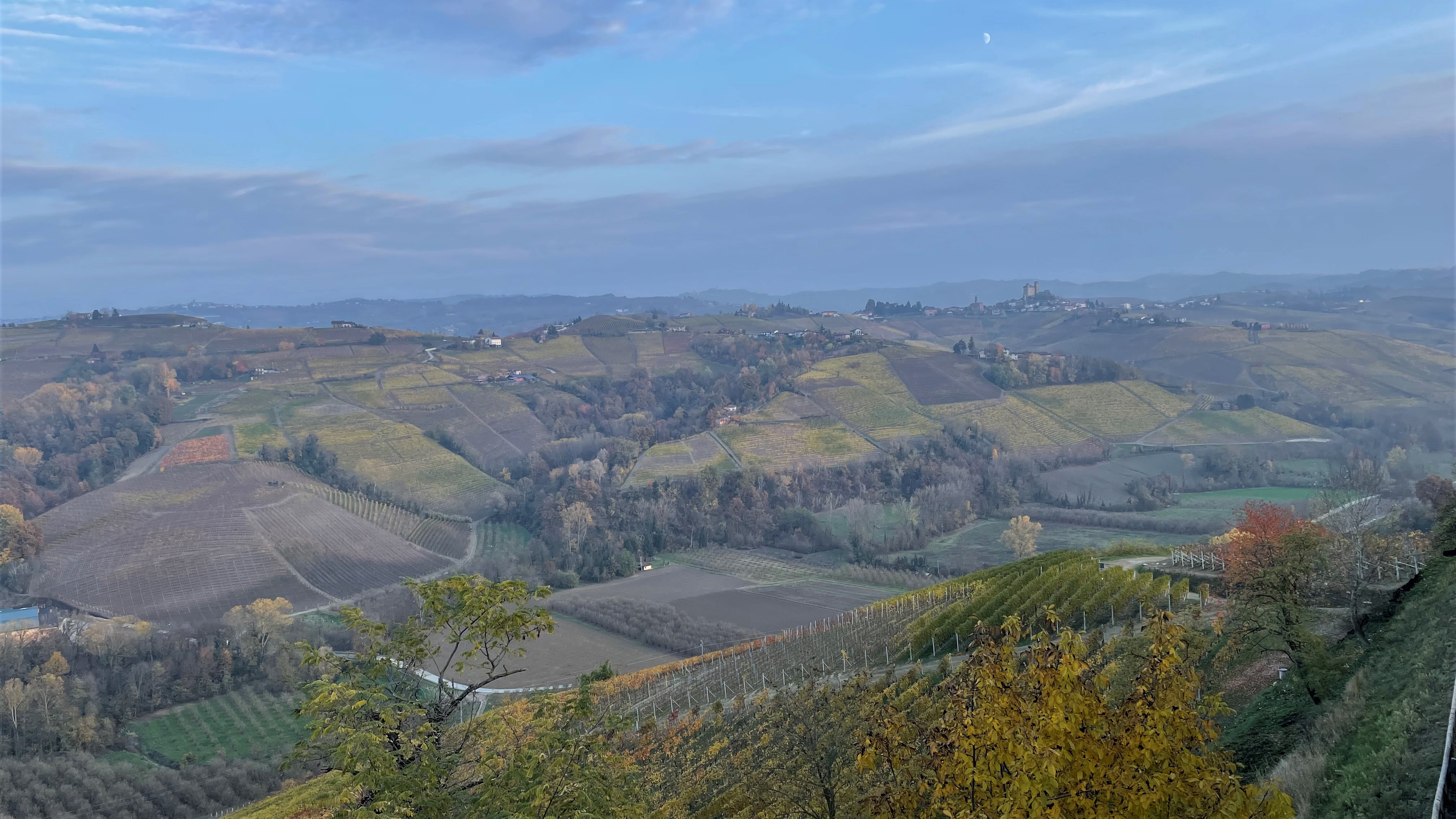
View of Serralungs vineyards, including Lazzarito
When deciding which grapes to blend in the Barolo Castiglione, they always start with Ravera and add in the others. The blend can differ every year, but usually includes some grapes from Castiglione, Monforte, Barolo and La Morra. Vietti has many different vineyards to choose from, including: Bricco Boschis, Scarrone, Villero, Codana, Parussi, Brunella, Bussia, Le Coste, Le Liste, Ginestra, Mosconi, Boiolo, Rocchettevino, Fossati and Camilla.
Winemaking
They select the grapes from many different vineyards from different villages in the Barolo area, always starting with Ravera. The different single vineyards are vinified and aged separately, and then blended right before bottling. This allows them to highlight the typical characteristics of each terroir, resulting in the best wine possible. The wine ages for about 30 months in oak barrels of different sizes, before it’s blended and then bottled.
Vietti Barolo Castiglione Tasting Notes
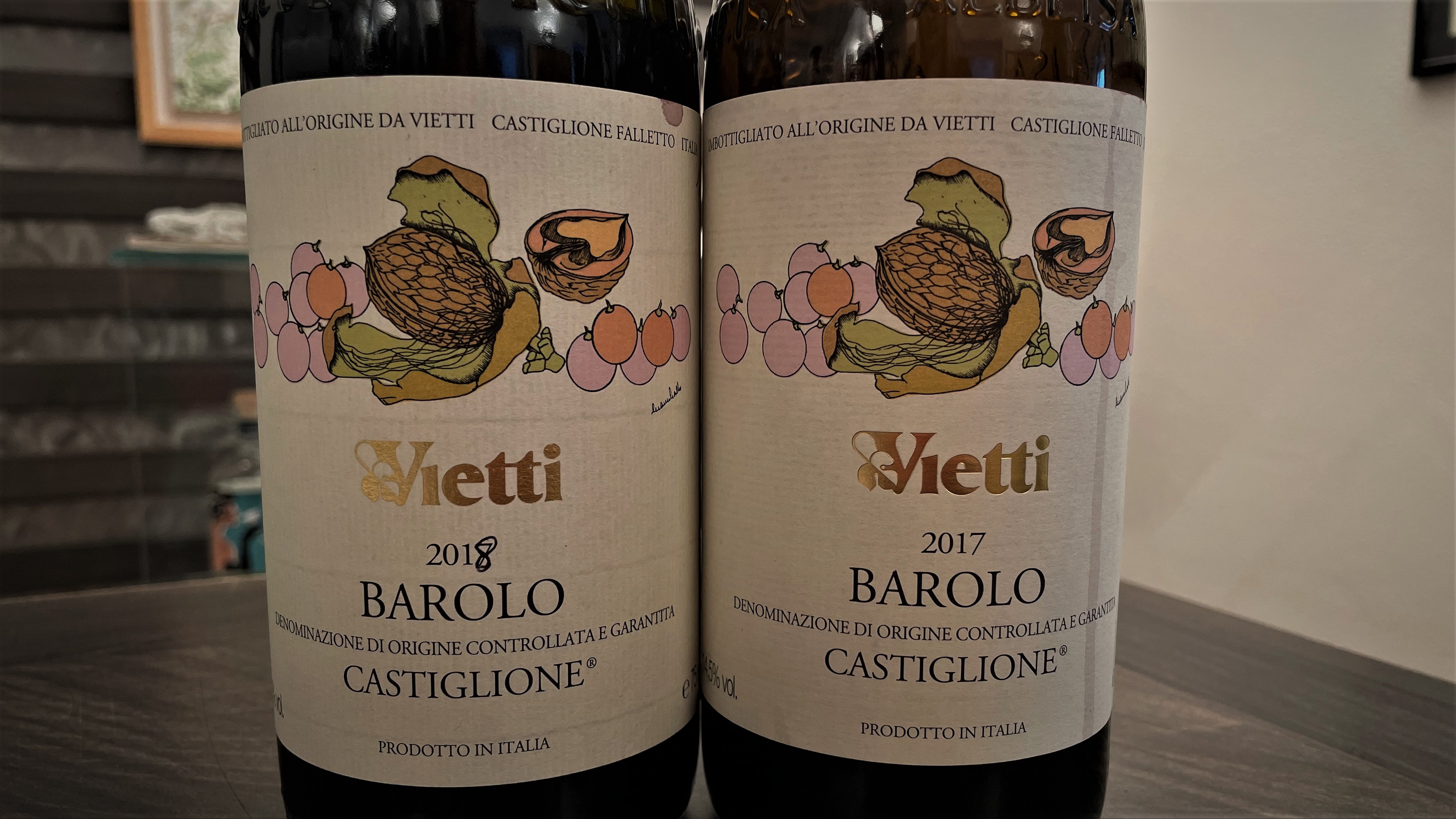
I recently tasted the 2017 and 2018 Vietti Barolo Castiglione side by side, allowing me to really see some of the differences between the two vintages. As most of us know, in 2017 is was very dry and quite hot, as opposed to 2018 which was quite rainy. But, we, myself included, must be careful not to judge a vintage before we have had the chance to taste some of the wines. More often than not I am pleasantly surprised by the wines. Even in what could be classified as a “difficult” vintage. I think Fabio Alessandria said it so well:
Because we pay a lot of attention in the vineyard and in the cellar, I think that it’s difficult to have a bad vintage
In the Vietti Barolo Castiglione 2017, I found some warm notes, of darker and a bit riper fruits, but the wine is still fresh and fruity. I also found some spice notes. The tannins are quite round, and warm, if that makes sense. I would definitely call this a balanced wine, with a good finish. The 2018 is a bit more elegant. Fruity with beautiful floral notes. A fairly structured wine with good depth.
Curious about the recent release from Burlotto? So was I.
The visits with Fabio usually tends to be one of the most educational. Yes, we taste the wines, but we also talk. About everything. And the more he talks, the more you realize how profound he is. Want to see for yourself? Check out this recording of our zoom session from last year. We talk about Dolcetto, Freisa, the 2020 and the new Burlotto entry: Castelletto 2018!
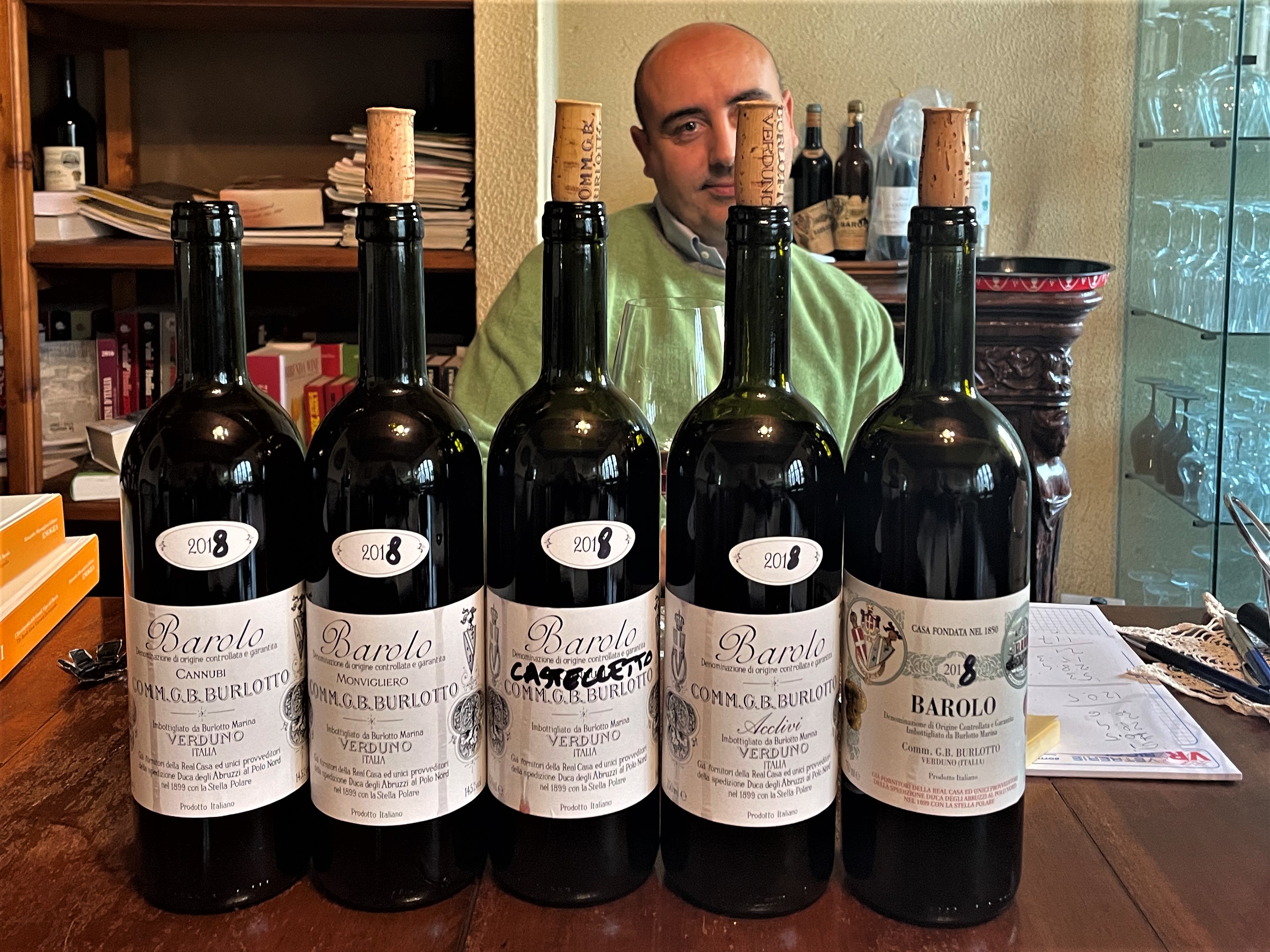
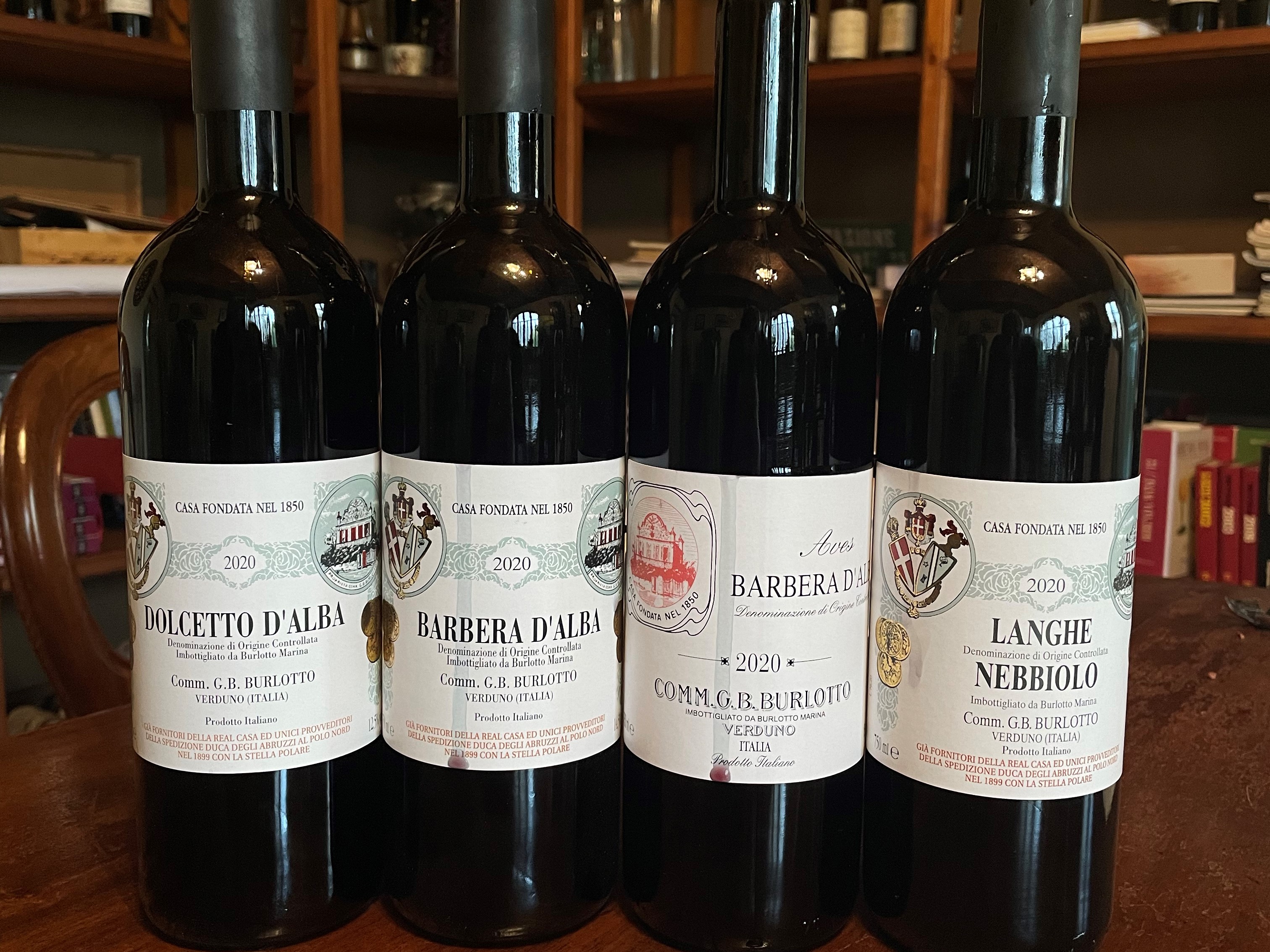
Now, back to the recent release from Burlotto. I did not taste the full lineup this time around. Both the Freisa and Pelaverga were “left out”, but I did get to sneak a peak at the 2018 Barolo’s!
Burlotto Dolcetto 2020
A very fruity and elegant Dolcetto, with a bit of structure. As Fabio says, “a lot of brightness”. There is also a sensation of bitter almonds and cherry. I am not sure if you know, but they use around 50% whole cluster in the Dolcetto, giving it that structure.
Burlotto Barbera 2020
Balanced, good body, long finish. Has a bit of spiciness and aromas of pepper, probably from stemming from the soil in Verduno. We all know the Monvigliero has that white pepper characteristic.
Burlotto Barbera Aves 2020
The Burlotto Barbera Aves is probably one of my all-time favorite Barbera’s. The 2020 is no exception. The Aves 2020 is rich and fleshy but not heavy. Spice notes and red fruit, good structure and high acidity, followed by a long finish.
Burlotto Langhe Nebbiolo 2020
Fabio decided he wouldn’t make Acclivi in 2020, so he put the grapes into the Langhe Nebbiolo instead. Perhaps that’s why this has quite a complex nose. I found aromas of fruit and flowers, as well as leather, and tobacco. Is equally complex in the mouth. It could probably benefit from a few years in the bottle.
Barolo 2018: A Preview
As Fabio said, “I adore the 18’s”. I too adore the 18’s. Don’t get me wrong, I like the 17. And 16. And 15. And 14. I think each vintage has their own characteristics, and will honestly go so far as to say that there is no such thing as a bad vintage. And it seems, on this, Fabio and I agree.
Because we pay a lot of attention in the vineyard and in the cellar, I think that it’s difficult to have a bad vintage
Fabio
According to Fabio, he had more work in the vineyards in 2018 than 2017. The spring was more humid, which led to more mildew. The wetness also led to more vegetation and good growth. Overall, the 18’s are quite approachable, gentle and elegant. Although Fabio finds it hard to predict the age of a wine, he thinks the 17 might age a bit better than 18. But as he also said, “it’s important to have wines that are more drinkable in the beginning.”
Burlotto Barolo 2018
Masculine nose with aromas of leather and tobacco, but still fruity and quite approachable. A gentle and elegant wine.
Burlotto Barolo Acclivi 2018
The Acclivi is a bit deeper than the Classico. So elegant in the mouth with a very gentle structure. Fruity and crisp, with a long finish.
Burlotto Barolo Monvigliero 2018
Incredible nose with aromas of white pepper and red fruit, with a hint of spice. It was actually a bit spicy in the mouth as well. A very distinctive wine with a lot of personality.
Burlotto Barolo Cannubi 2018
With the Cannubi, the word elegance springs to mind. Elegant nose, elegant tannins, elegant structure. If I were to pick a wine to demonstrate how a Barolo should smell, this one would be a perfect example.
Planning to visit Piemonte? Looking for recommendations, suggestions & tips? Then you’ve come to the right place.
With over a decade of experience in Piemonte, I am prepared to help make your trip extraordinary. I promise to do absolutely everything I can so that you have the experience of a lifetime.
Visit Piemonte
I can help you
Find accommodations
Book winery visits
Book lunches and dinners
Organize activities – biking, hiking, truffle hunt, cooking class, and more
I can fully & honestly say: you really made our trip to Piedmont!!! I can’t thank you enough for the winery recommendation and the wonderful list of restaurants you told us about, including which had wonderful views. We have been to Piedmont many times already but you had the magic list that we actually never would have thought about. Your recommendations ended up being the highlights of trip. Grazie mille and we will gladly be in touch next time for more advice.
SARAH FROM FRANCE
We traveled to Piemonte for our honeymoon and had the most incredible time thanks to Piemontegirl! She helped us plan everything for the trip and it was just perfect. We loved the hotel she recommended along with the restaurants and wineries she helped us book. We highly recommend her if you are planning a trip to the area!
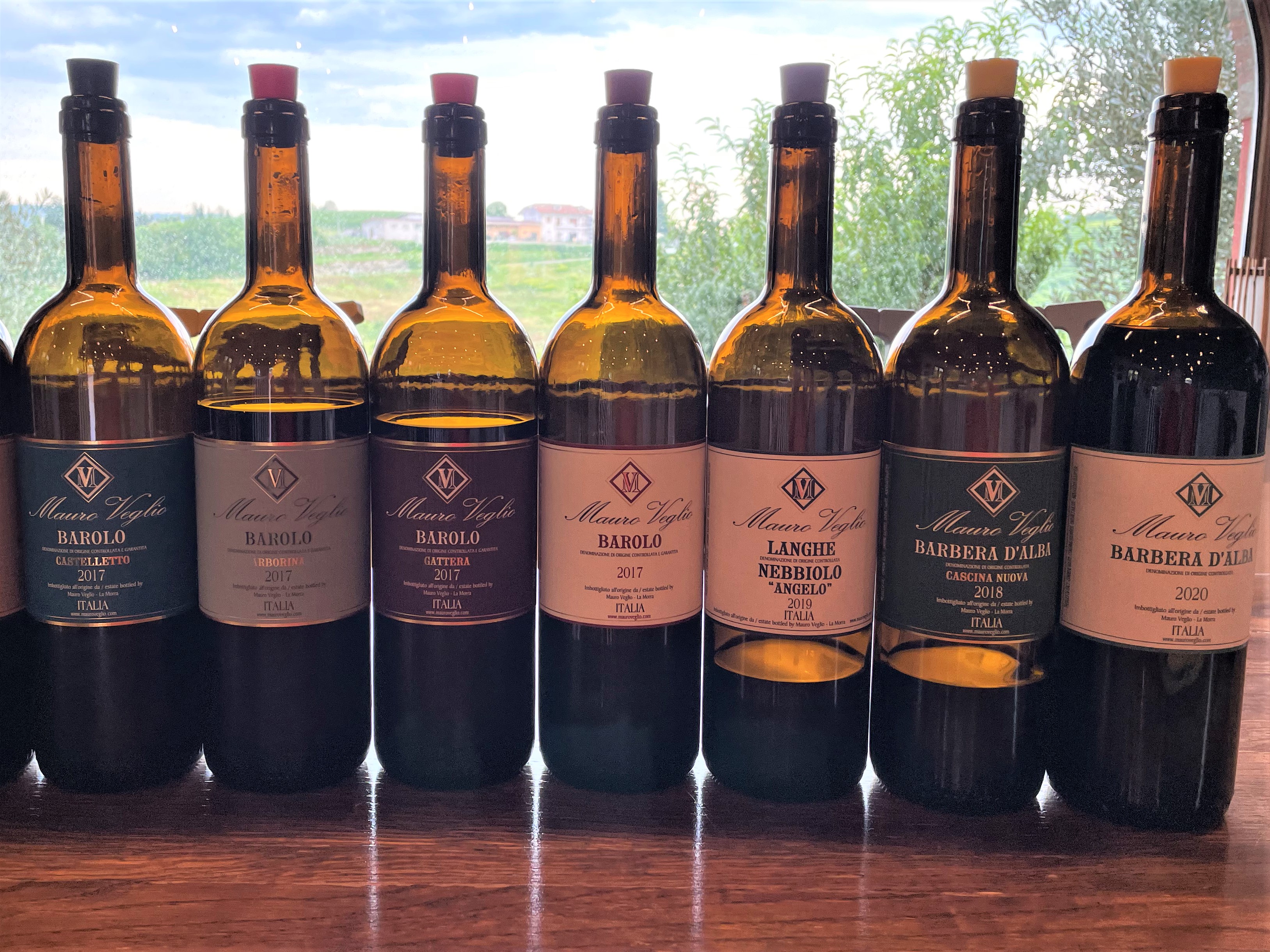
This summer I tasted the most recent release from Veglio. If I had to pick a favorite from the lineup it would be the Barolo Gattera 2017!
Mauro Veglio Barbera 2020
The 2020 Barbera from Mauro Veglio is very fruity with good acidity. It’s very drinkable, light and fruity, despite the 15% alcohol.
Mauro Veglio Barbera Cascina Nuova 2018
The Cascina Nuova is their Barbera Superiore, so it’s no surprise that this wine is more complex. The ageing in wood has given the wine some spice notes as well as good structure. A balanced wine with good acidity.
Mauro Veglio Langhe Nebbiolo 2019
This wine has a beautiful nose, with aromas of fresh red fruit. It’s a bit concentrated in the mouth, but that’s not uncommon for the 2019’s. Good structure, good tannins, good length.
Mauro Veglio Barolo 2017
The grapes in the Classic Barolo are sourced from Arborina, Castellero, and a small part of Gattera. Good nose, with red fruit and some spice notes. Quite fresh and easy to drink.
Mauro Veglio Gattera 2017
I like this wine a lot. A more masculine nose with aromas of tobacco, spices and some herbs. Quite soft tannins for a 2017.
Mauro Veglio Arborina 2017
The Arborina has that beautiful feminine nose. Quite aromatic for a 2017. A bit warm in the mouth, with round tannins.
Mauro Veglio Castelletto 2017
More rustic nose on the Castelletto 2017, maybe even some leather. A more masculine Barolo, which is not surprising since it’s from Monforte. Dark red fruit and cherry aromas. The tannins are a bit more aggressive as well, structured with a good body.
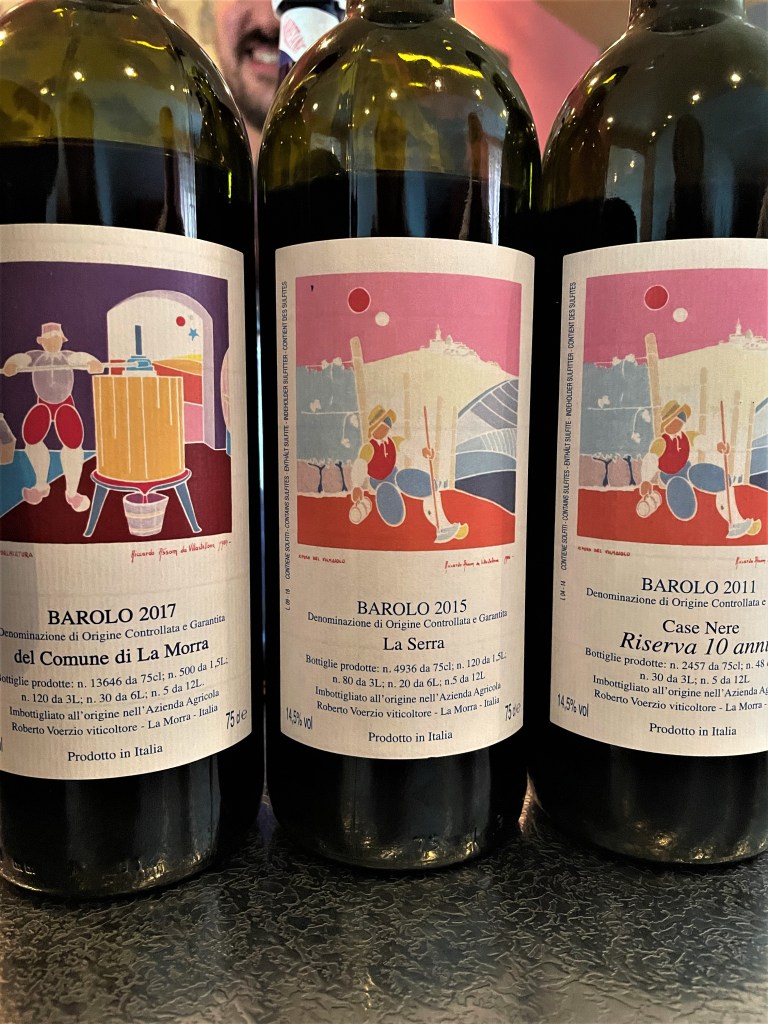
Here are my notes on the Roberto Voerzio La Serra 2015: I like it. Concise and to the point. There was just something about it. So drinkable. So approachable. So good. And out of all the wines I tasted that day, the La Serra was clearly a favorite.
La Serra
The La Serra vineyard is located in La Morra, right at the top above Cerequio and Case Nere. Why is the location so important? Altitude. Like MapMan Masna says: “elevation is always called into question, because at these heights (the border between La Serra and Cerequio is at exactly 400 meters) even 20-30 meters of difference can be important.”
2015
2015 is know as a “warm” vintage. But, being bookended by 2014 and 2016, 2015 kind of gets lost in translation. May, June and July were very hot, with very little rain, and it was not looking great for a while. Then, August came along with a whole 8 days of rain, followed by a relatively normal September, and a bit of rain in October, giving the vintage what it needed to avoid a 2003 situation.
Roberto Voerzio La Serra 2015
The Roberto Voerzio La Serra 2015 was so approachable with incredibly smooth tannins and lots of good fruit. I tasted it next to the Barolo del Comune di La Morra 2017 and the Case Nere Riserva 2011, and I can honestly say that the La Serra 2015 was my favorite out of the two!
Tasting Notes
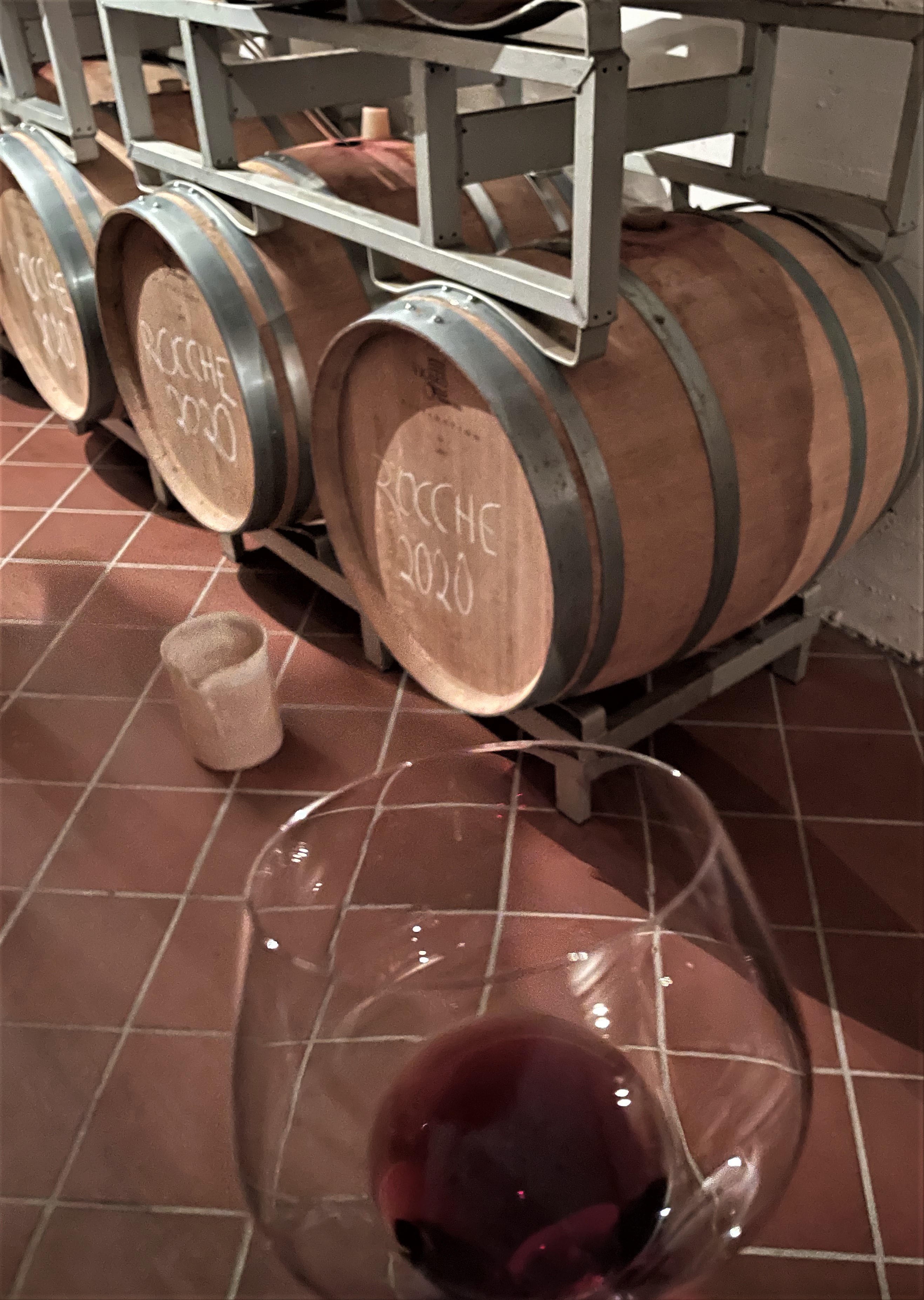
During my visit to Roberto Voerzio, I tasted quite a few wines. Here are some notes:
Roberto Voerzio Cerequio 2020
Barrel tasting. The Cerequio 2020 had a beautiful nose. Fruity, fresh. This wine has a bit of structure. Will obviously develop further over the next few years.
Roberto Voerzio Rocche 2020
Barrel tasting. The Rocche had less structure than Cerequio, as of right now, maybe a bit more classic? This is a wine I look forward to taste once it’s in the bottle!
Roberto Voerzio Sarmassa 2019
Barrel tasting. The Sarmassa is made only in magnums! It had a beautiful nose, with a bit more concentration than Rocche, quite typical of the 2019 vintage. A very good wine, a good roundness in the mouth.
Roberto Voerzio La Serra 2019
Barrel tasting. The 2019 La Serra was even more concentrated than the Sarmassa with harsher tannins as well. A big wine with aromas of darker fruits, dark cherry. Very different to the 2015!
Roberto Voerzio Brunate 2018
Tasted from tank. Wow, what an incredible nose. Elegant and concentrated, all at the same time with aromas of dark fruit. Elegant in the mouth as well. A classic wine.
Roberto Voerzio Fossati 2018
Tasted from tank. The Fossati is one of the more masculine wines I tasted that day. Aromas of tobacco, some herbs, red fruit. The tannins were quite harsh, at least compared to the other wines tasted.
Roberto Voerzio Barolo del Comune di La Morra 2017
The Barolo del Comune di La Morra 2017 is a mix of grapes from Boiolo 50% and 50% other cru’s. This was the first wine I tasted during this visit that had really prominent oak notes. Probably because the other wines had some months(+) left in the barrels.
Roberto Voerzio Case Nere riserva 2011
When tasting the Case Nere Riserva 2011, we had reached the end of the visit. And to be honest, we were all a bit preoccupied with out lunch plans, so the only note I have here is: “Quite impressive”. Incidentally, it’s the wine we ended up bringing to lunch. Pretty good way to end the tasting!
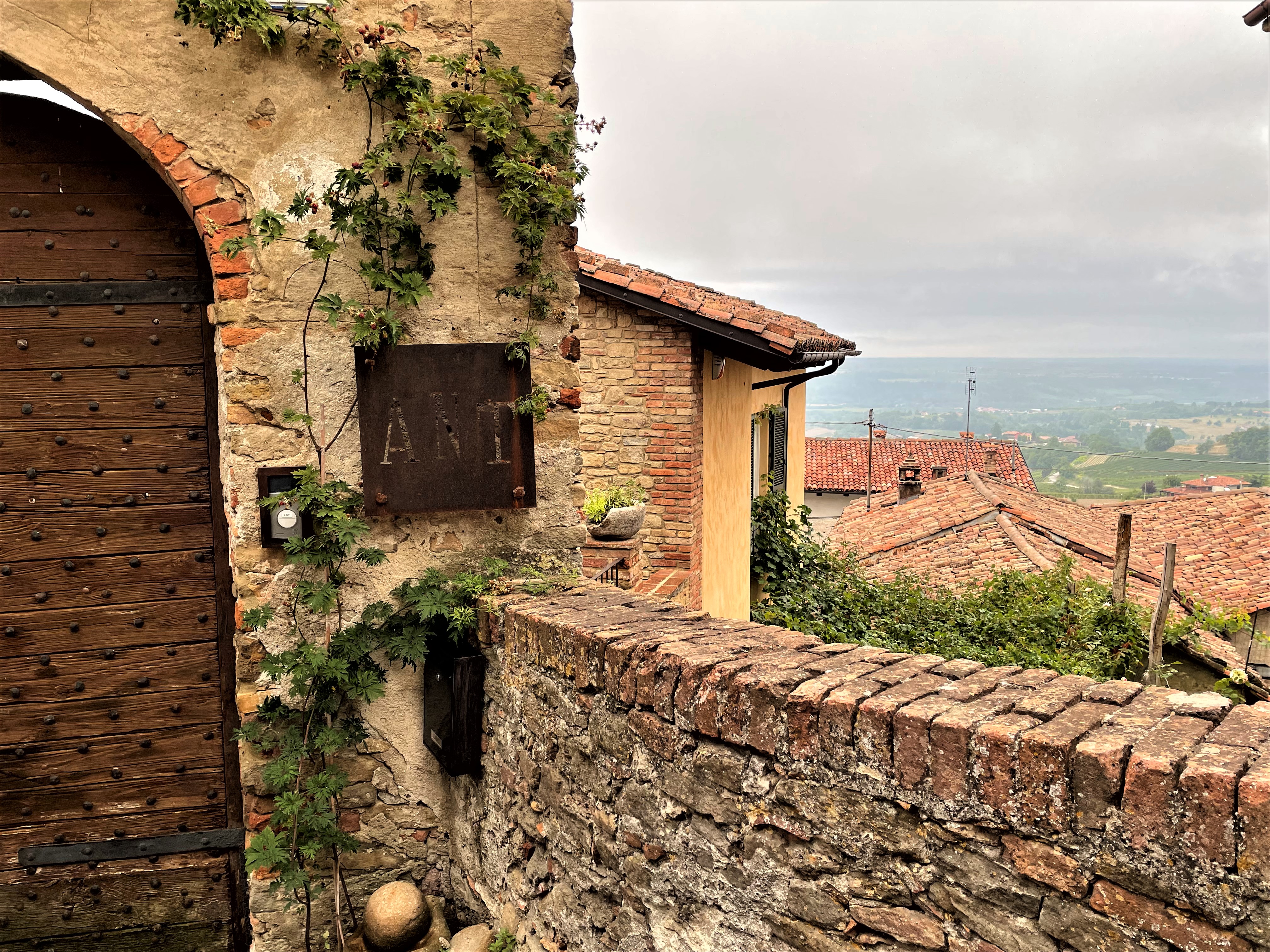
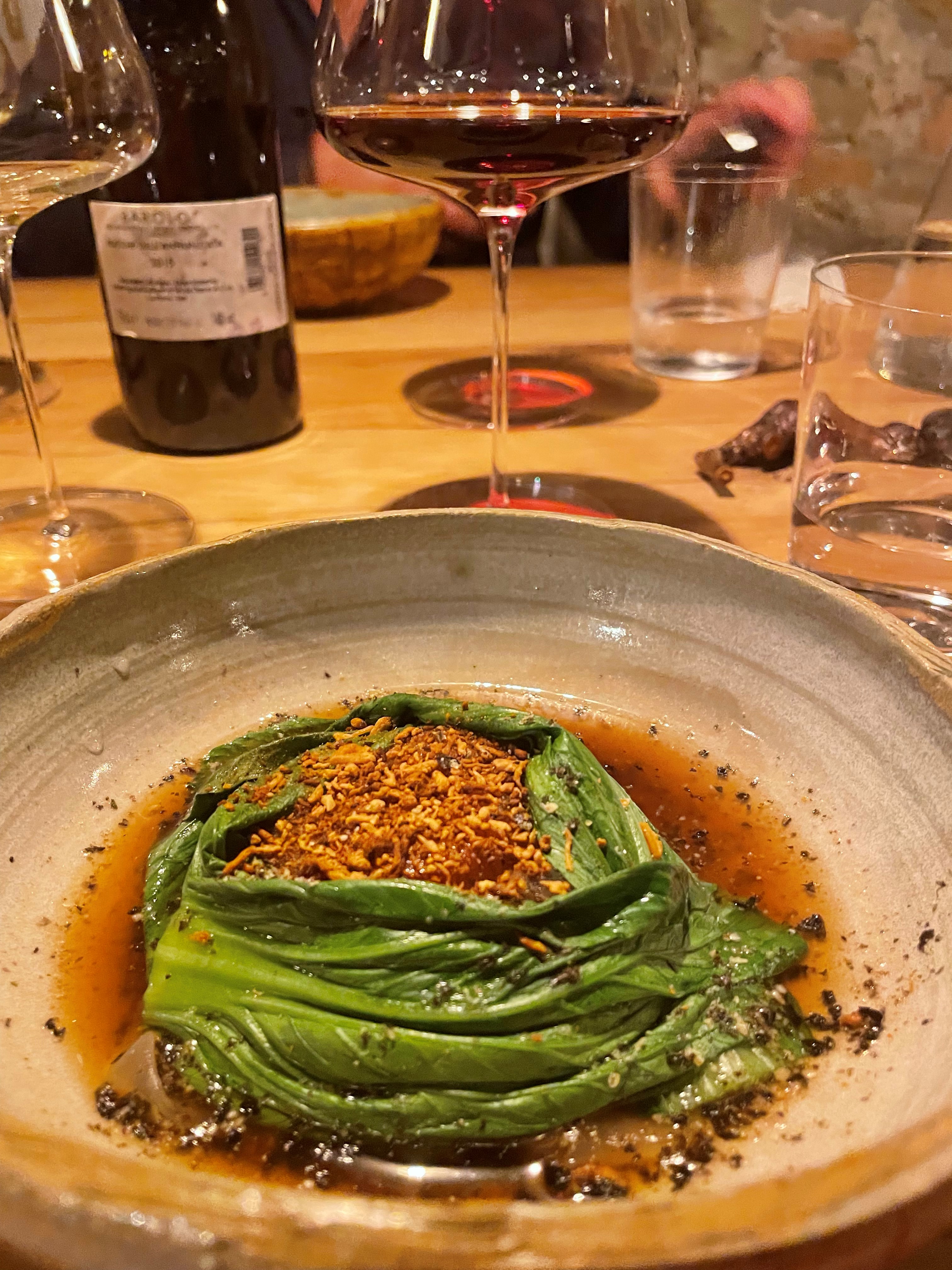
One of the highlights on my trip to Langhe, was the dinner at ANT. Honestly, using the word dinner to describe it doesn’t do it any justice. So let me rephrase: one of the highlights on my trip to Langhe was the incredible culinary experience at ANT. Alex, and the rest of the team at ANT, brought me on a journey that I didn’t even know I needed. And it’s a journey you should take as well.
The Adventure Begins
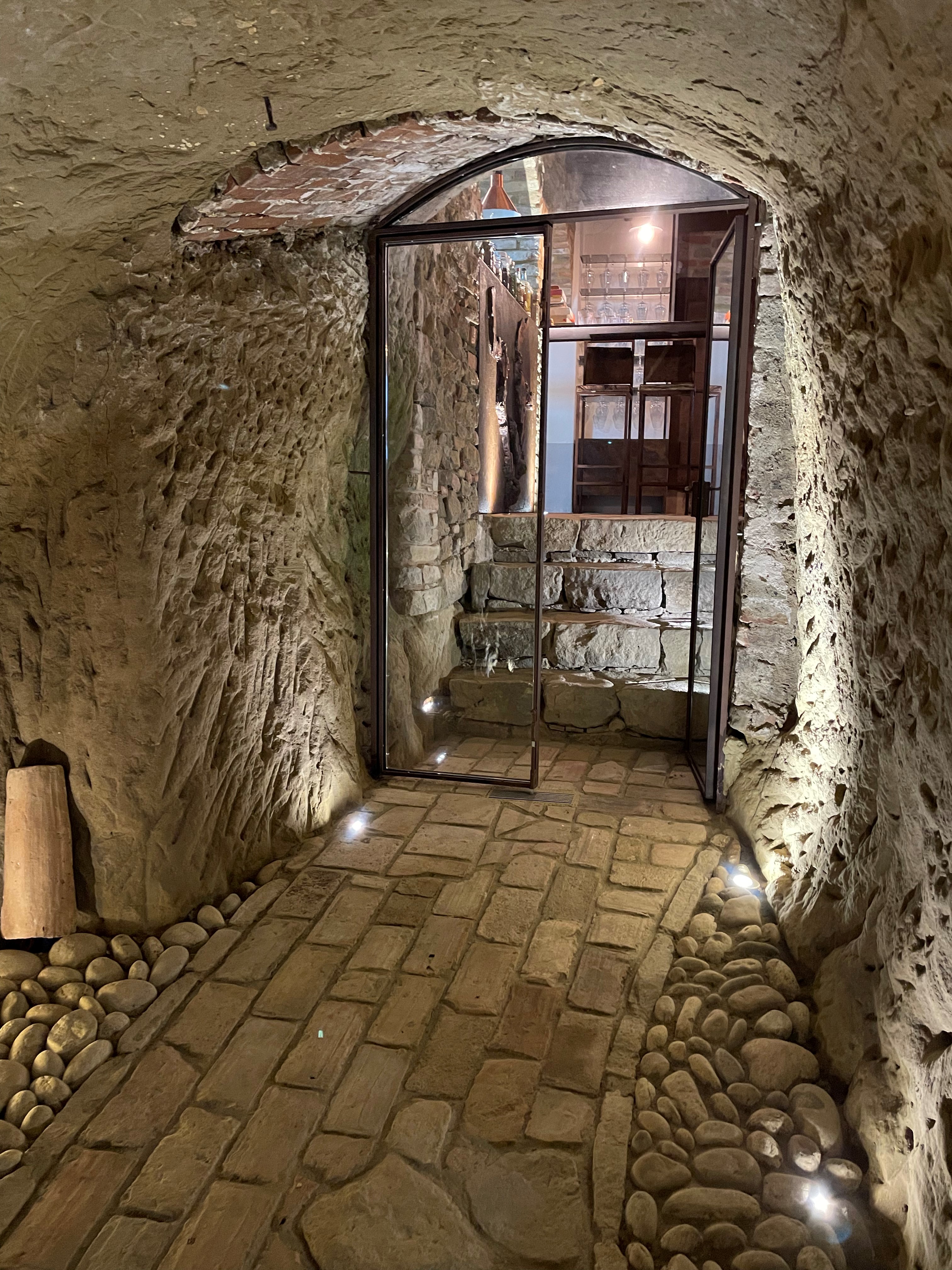
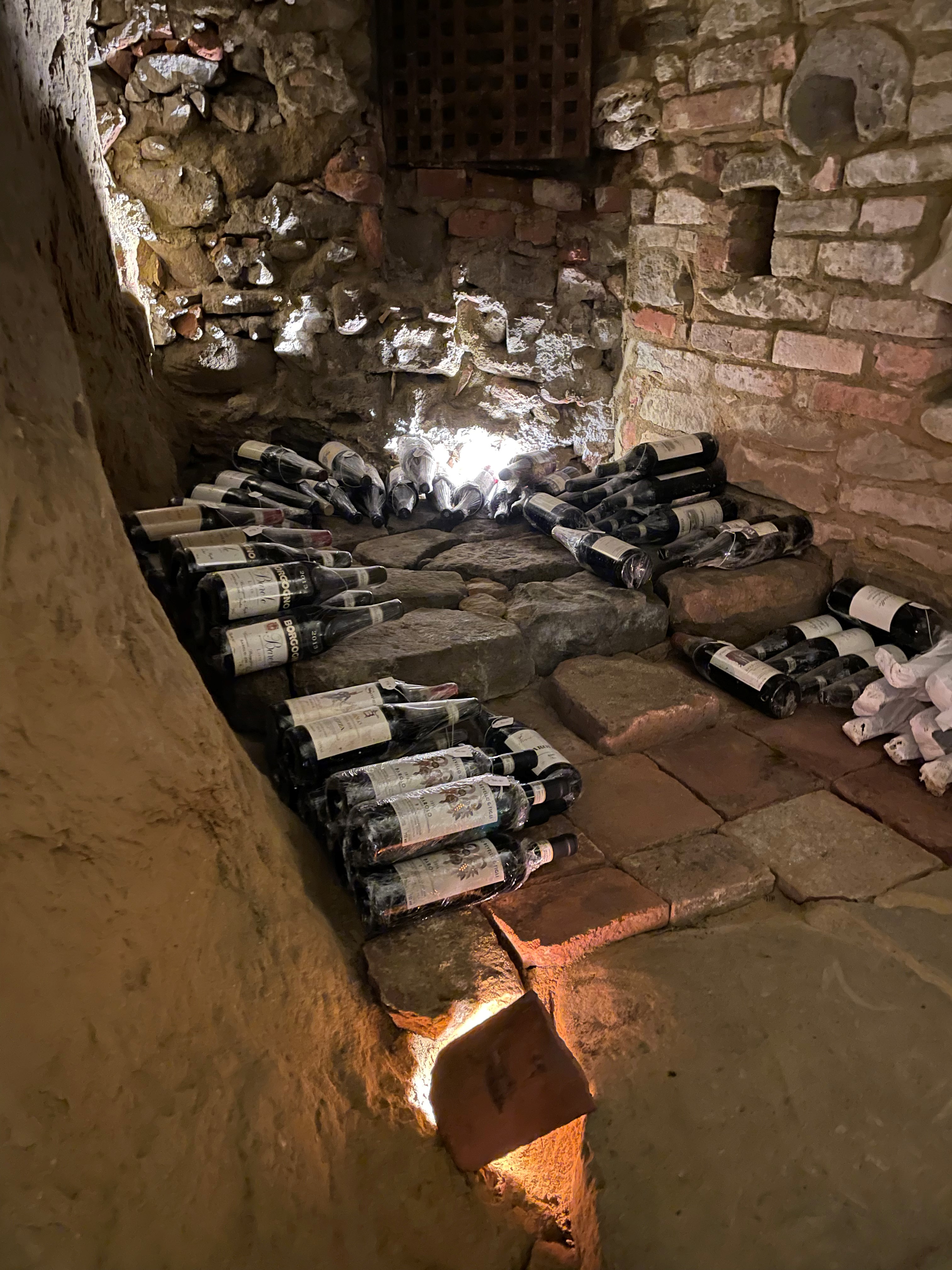
The evening started with a deep dive in their untraditional, mesmerizing wine cellar. ANT does not have a wine list. Instead, you get to pick the wines yourself, from the many options laid out before you. And they are literally laid out – along the pathway, in corners, in the wall. It felt almost like going on a treasure hunt. When you’ve found your bottle(s), you return to your table, and wait for the first dish to arrive.
No, I haven’t skipped a step. Just like there is no wine list, there is no menu. So you don’t order. They will just bring you food, one dish after another. Now, here’s where I was quite nervous. Because, believe it or not, I am a picky eater. And to not have the option to pick and choose frankly scared the shit out of me. But I decided to dive in, head first, and just embrace the concept. And I am so glad I did.
The ANT Adventure Continues
The first thing to arrive on the table was a drink, which had been prepared right beside our table. I took one sip, and wasn’t a huge fan. But then the food came. When we asked what it was, Alex told us that they normally don’t tell you what you’re eating until after. Again, my stomach did a summersault, but hey, I had decided to embrace the concept, so I did. Now, back to the drink I didn’t immediately like. With this first dish, which was something fried in a mayo ish sauce, it was a perfect match. And this would be the theme the rest of the evening.
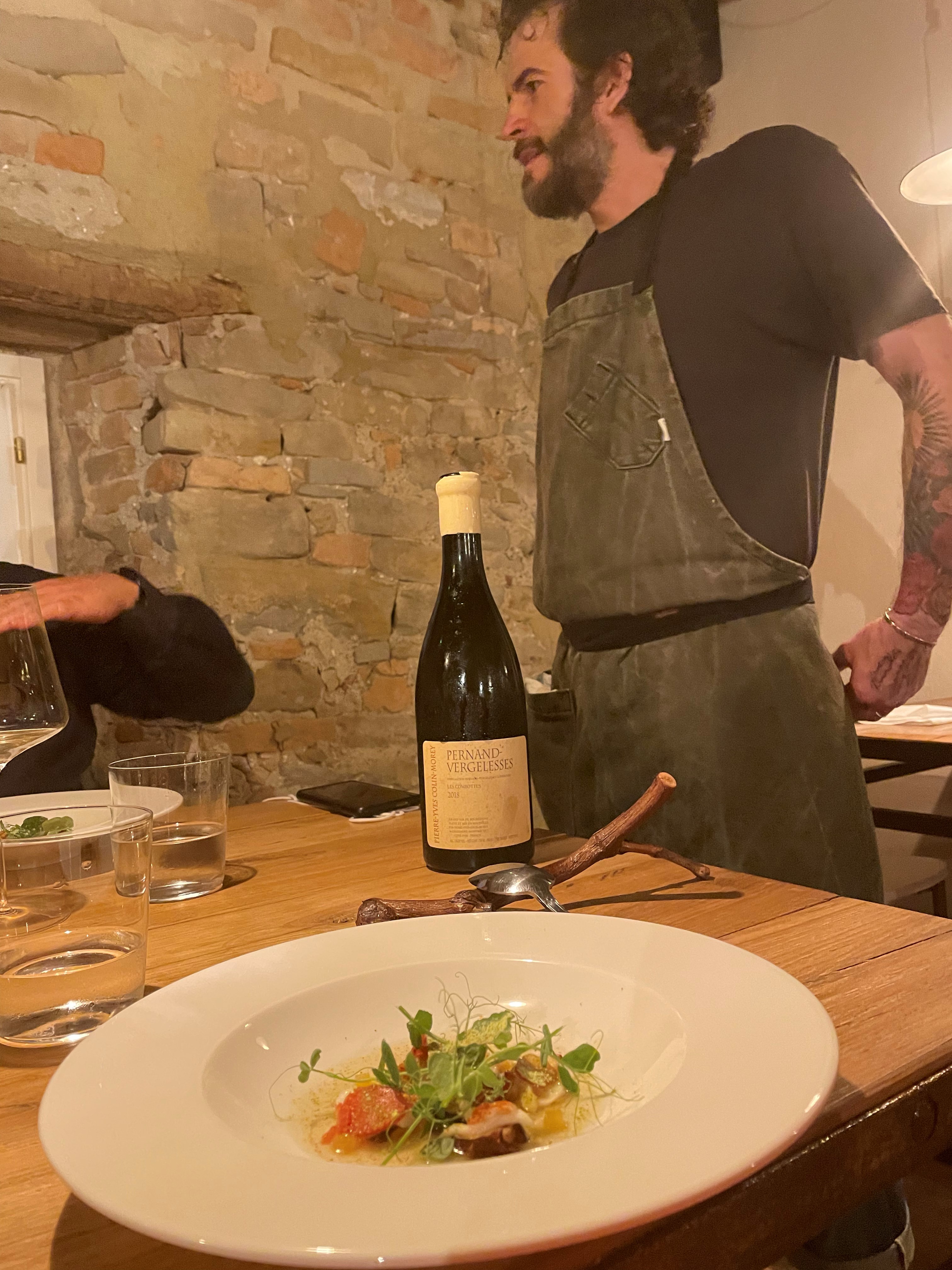
The team at ANT managed to entertain our tastebuds the whole evening, with the most unlikely combinations of ingredients. One dish was a sort of salad with slices of salami, leaves of different sorts, tomato, strawberry, octopus and a clear sauce. Might sound quite odd, but the combination was exquisite. And this comes from someone who does not eat squid.
Throughout the evening I kept having the feeling of “I’m not sure I love it, but at the same time I can’t stop eating it and it’s actually delicious”. Because, again, I am a picky eater, but the food was just so well thought out and prepared, that it didn’t matter that I “normally don’t like this”. It was definitely a night where my tastebuds were challenged and entertained all at the same time. And I will gladly do it again. And again!
The Ingredients
Almost all the ingredients at ANT is locally sourced. It’s also home-made. And they try to not waste any food. The ice cream we had for dessert was made with leftovers from the week before. They even try to use parts of an ingredient that normally would not be used, always keeping it interesting! And the menu changes every week, with no repeats, which means you’ll never eat the same thing twice. Like Alex said, “we cook dishes that feel like the right thing for the time and the moment”.
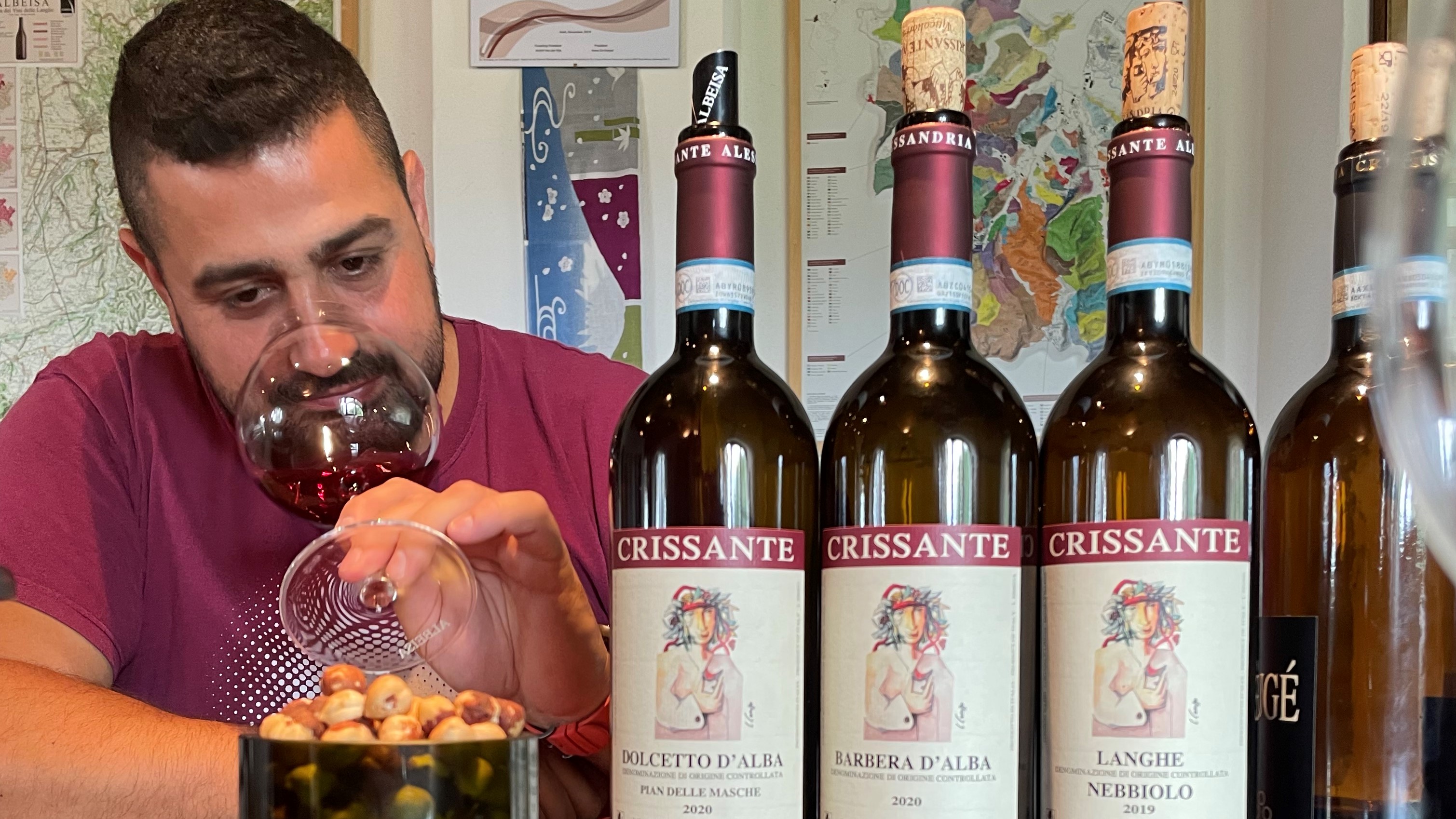
Crissante Alessandria started making wine back in 1958. As with many other families in the area, Alessandria’s family cultivated vineyards but instead of bottling under their family name, they sold the grapes. Crissante Alessandria started with just a few hectares in Roggeri and Capalot, but over the years they aquired more land in Langhe. The few hectares has now grown into 6 hectares.
Today, the Crissante brothers Alberto and Luca run the winery in Santa Maria, continuing their family’s legacy.
Winemaking
Crissante Alessandria ages their wines in a mix of small, medium and big barrels, with mostly long fermentations, using both pump over and punch down. They respect mother nature, and may change their vinification method depending on the vintage.
Apart from the Barolo Mac Magnum La Punta, most of the Barolo’s go through the same vinification process: about 2 weeks of maceration in stainless steel tank at 28 degree with temperature control, followed by “Follatura manuale” and remontage process 4 times for day for the first 5 days. They then age for 24 months in oak.
The entry level wines go through fermentation for approximately 10 days in temperature-controlled steel tanks in contact with the skins, frequent pump-overs and punch-downs especially during the first 5 days of maceration. The wines spend some time in stainless steel tanks before bottling.
Fun fact
Crissante Alessandria also cultivates and sells hazelnuts.
Crissante Alessandria Wines
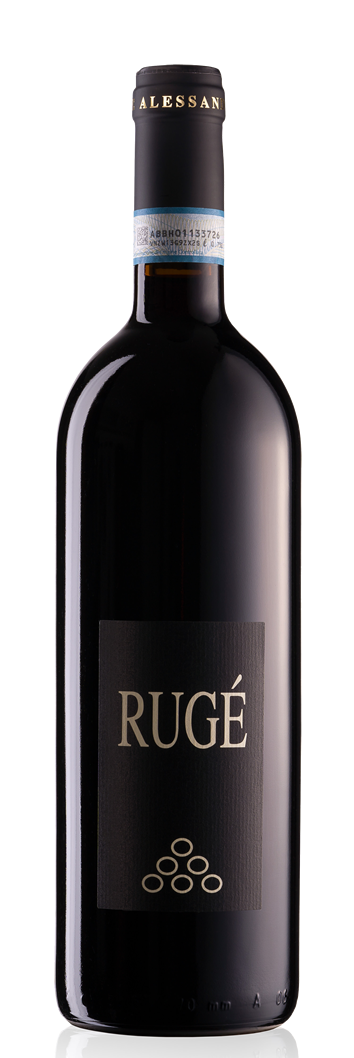
Today, the winery makes quite a few wines from their 6 hectares: Barolo Roggeri, Barolo Capalot, Barolo Galina, Barolo La Punta Capalot Mac Magnum, Dolcetto D’alba, Barbera d’Alba superiore RUGE’, Langhe Nebbiolo and Nebbiolo rosè.
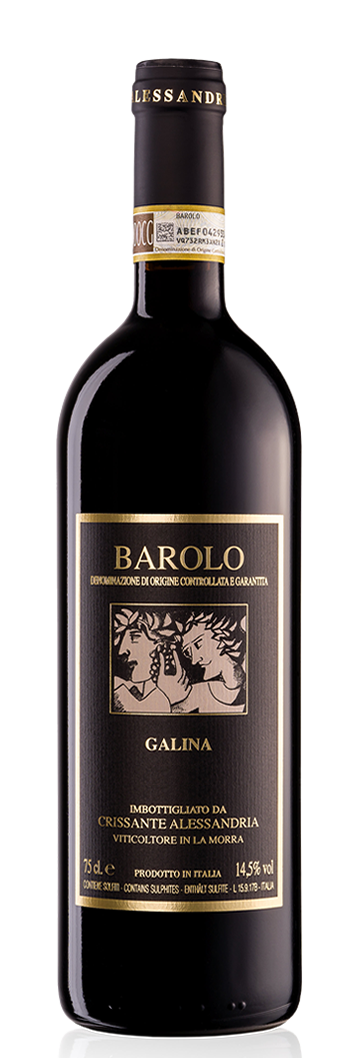
Barolo Galina
BASIC INFORMATION
Product name: Barolo Galina Grape: 100% Nebbiolo Classification: DOCG Number of bottles produced: 5500 Color: intense garnet red Fragrance: hints of ripe fruits, apricot and blackberries Taste: Full bodies, warm and well balanced with soft tannins Food pairing:
VINIFICATION
Method: about 2 weeks of maceration in stainless tank at 28 degree temperature control; “Follatura manuale” and remontage process 4 times for day for the first 5 days until the end of pressing process. Aging: 24 months in barrique and tonneaux
VINEYARD
Vineyard: Galina “area”, south of the La Morra Hill Soil: Limestone with fine sand Exposure: South Altitude: 230-300 Year planted: 2014
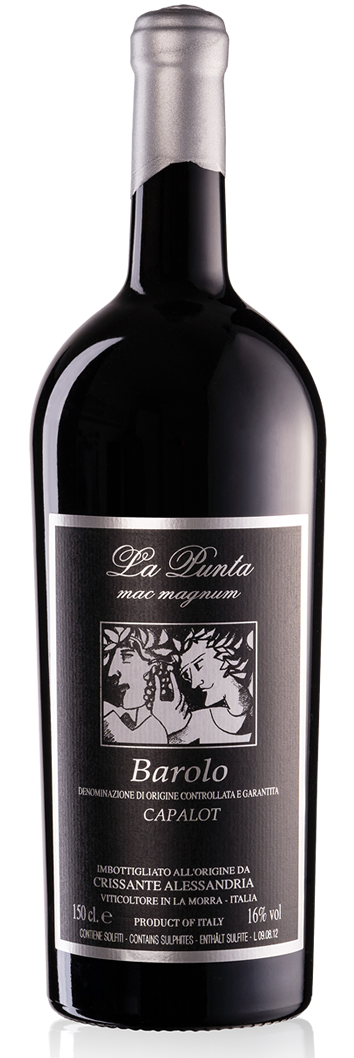
Barolo Mac Magnum La Punta
BASIC INFORMATION
Product name: Barolo Mac Magnum La Punta Grape: 100% Nebbiolo Classification: DOCG Number of bottles produced: Color: garnet red Fragrance: ripe red fruits, licorice and vanilla Taste: full body, elegant with soft tannins Food pairing: meats, cheese
VINIFICATION (Wine-making)
Method: manual de-stemming, grape by grape, before pressing. Fermentation two weeks long in contact with the skins, with only manual pump-overs. The must and wine never come in contact with electric pumps and are always transferred manually as in ancient times with the utmost respect for the product. Aging: in 300 liter barrels for at least 2 years Minimum aging in bottle: 9 months
VINEYARD
Vineyard: Capalot Soil: limestone with fine sand Exposure: south/east Year planted: 1966
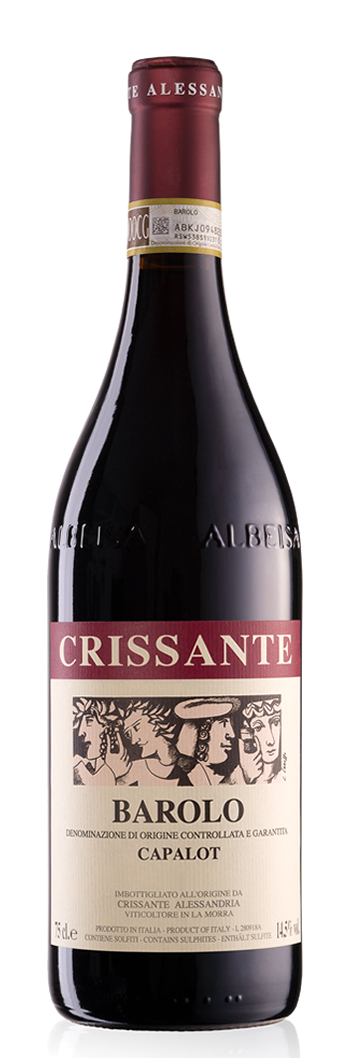
Barolo Capalot
BASIC INFORMATION
Product name: Barolo Capalot Grape: 100% Nebbiolo Classification: DOCG Number of bottles produced: 4000 Color: intense garnet red Fragrance: red fruits, blackberries and plums Taste: fruity, with hint of vanilla
VINIFICATION (Wine-making)
Method: about 2 weeks of maceration in stainless tank at 28 degree temperature control; “Follatura manuale” and remontage process 4 times for day for the first 5 days until the end of pressing process Aging: botte grande for 24 months Minimum aging in bottle:
VINEYARD
Vineyard: Capalot Soil: limestone with fine sand Exposure: south/east Altitude: 300-330 Year planted: 1951
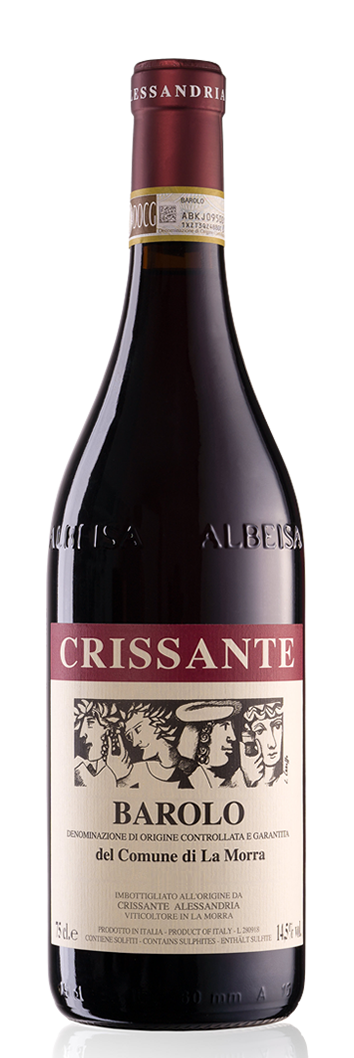
Barolo Del Comune Di La Morra
BASIC INFORMATION
Product name: Barolo del Comune di La Morra Grape: 100% Nebbiolo Classification: DOCG Number of bottles produced: 16 000 Color: brilliant garnet ruby Fragrance: cherry, ripe strawberry, hint of dried apricots Taste: full body, silky tannins Food pairing: meat, cheese, pasta
VINIFICATION (Wine-making)
Method: about 2 weeks of maceration in stainless steel tank at 26-28 degree with temperature control. Punching down and remontage process 4 times for day from the fifth day until the end of fermentation process Aging: botte grande for 24 months Minimum aging in bottle: about 9 months
VINEYARD
Vineyard: 60% Roggeri, 20% San Biagio, 20% Bettolotti Soil: Roggeri – clay with limestone, San Biagio – light clay and sand, Bettolotti – light clay and sand Exposure: : Roggeri – south-east, San Biagio – south, Bettolotti – east Year planted: range from 2016 to 1957
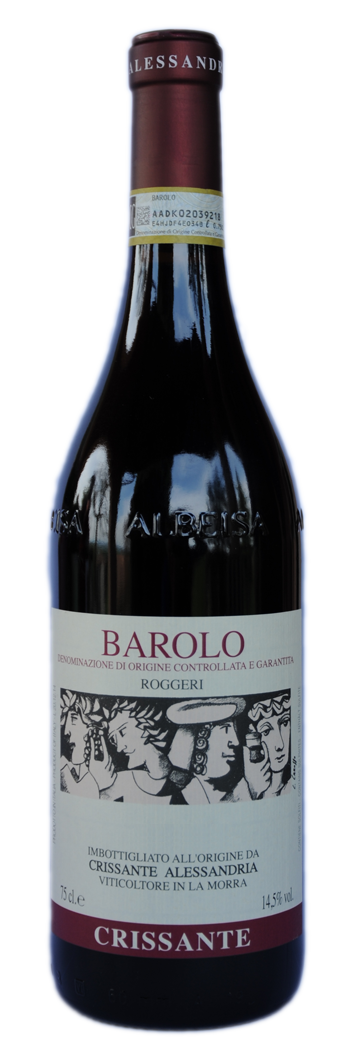
Barolo Roggeri
BASIC INFORMATION
Product name: Barolo Roggeri Grape: 100% Nebbiolo Classification: DOCG Number of bottles produced: 15 000 Color: intense garnet red Fragrance: mature fruits like plum, apricot and blackcurrant with hint of purple flowers Taste: good body, velvety tannins, long finish Food pairing: meat, cheese, pasta
VINIFICATION (Wine-making)
Method: about 2 weeks of maceration in stainless steel tank at 28 degree with temperature control. “Follatura manuale” and remontage process 4 times for day for the first 5 days Aging: botte grande for 24 months
VINEYARD
Vineyard: Roggeri Soil: clay with limestone Exposure: south, south-east Altitude: 280-300 Year planted: 1957
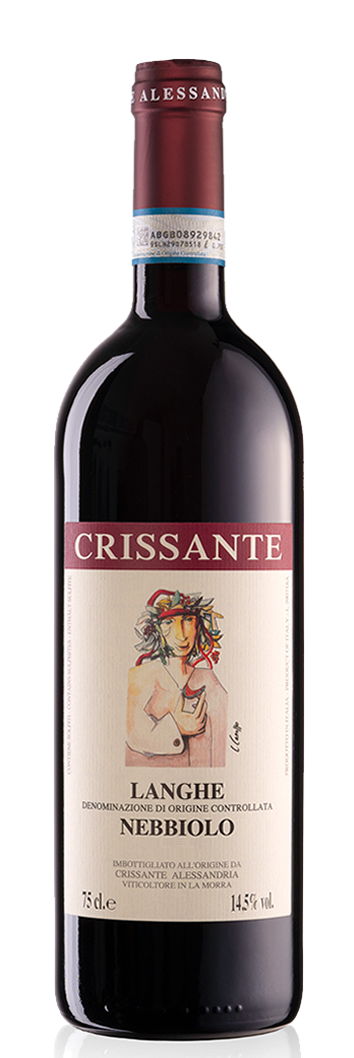
Langhe Nebbiolo
BASIC INFORMATION
Product name: Langhe Nebbiolo Grape: 100% Nebbiolo Classification: DOC Number of bottles produced: 1200 Color: ruby red with garnet reflections Fragrance: red fruit, raspberry, cherry, and violets Taste: warm, pleasant tannins, aftertaste of cherries Food pairing: cheese, pasta, meat
VINIFICATION (Wine-making)
Method: fermentation for approximately 10 days in temperature-controlled steel tanks in contact with the skins, frequent pump-overs and punch-downs especially during the first 5 days of maceration Aging: 12 months in used barrique Minimum aging in bottle: about 6 months
VINEYARD
Vineyard: vineyards in La Morra Soil: clayey and calcareous soil with underlying marl Exposure: East Year planted: 2009
Barbera d’Alba Superiore Rugé
BASIC INFORMATION
Product name: Barbera d’Alba Superiore Rugè Grape: 100% Barbera Classification: DOC Number of bottles produced: 2000 Color: ruby red with garnet nuances Fragrance: blackcurrant, licorice, mature cherry Taste: rich, full bodied, red fruit, vanilla Food pairing: pasta, lamb,
VINIFICATION (Wine-making)
Method: about 2 weeks of maceration in stainless steel tank at 28 degrees with temperature control. “Follatura manuale” and remontage process 4 times for day for the first 5 days until the end of pressing process. Aging: tonneaux for 12 months
VINEYARD
Vineyard: from La Morra Soil: clay and limestone Exposure: south, east Altitude: 250-300 Year planted: 1954
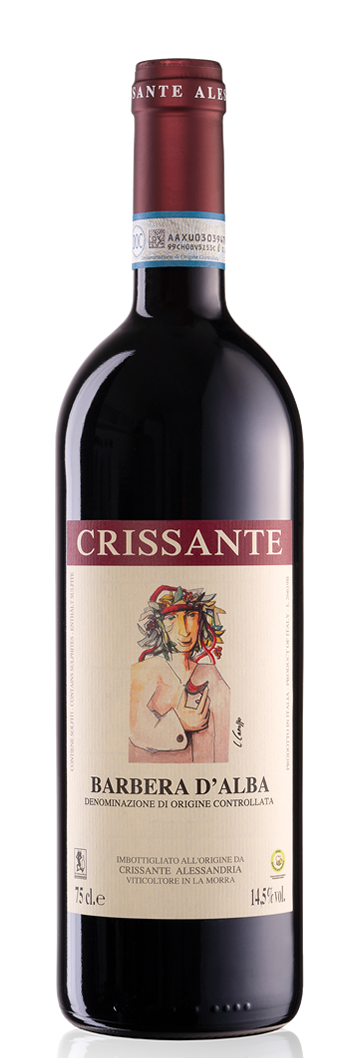
Barbera d’Alba
BASIC INFORMATION
Product name: Barbera d’Alba Grape: 100% Barbera Classification: DOC Number of bottles produced: 2500 Color: lively ruby red with violet hues Fragrance: cherry, raspberry and blackberry Taste: intense, full-bodied, fresh acidity Food pairing: meat, cheese, pasta
VINIFICATION (Wine-making)
Method: fermentation for 10/12 days in steel tanks in contact with the skins, frequent pump-overs and punch-downs especially during the first 7 days of maceration. Aging: stainless steel
VINEYARD
Vineyard: Bricco San Biagio Soil: mark, calcareous, slightly sandy Exposure: east Altitude: 200-250 Year planted: 1990
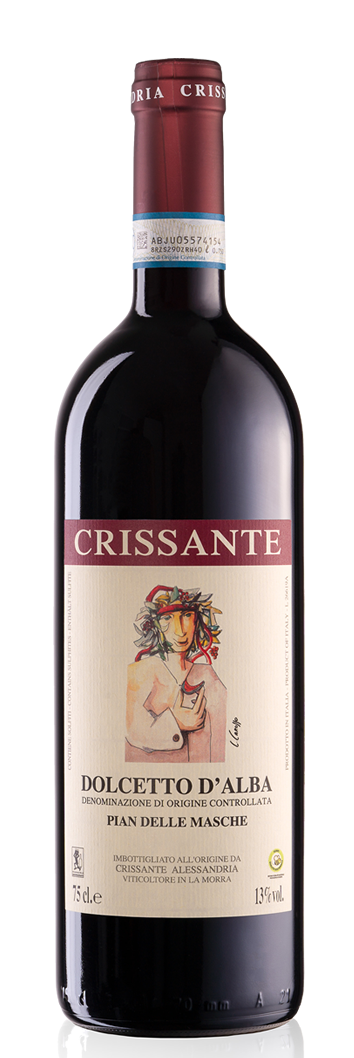
Dolcetto d’Alba
BASIC INFORMATION
Product name: Dolcetto d’Alba Grape: 100% Dolcetto Classification: DOC Number of bottles produced: 1200 Color: intense ruby red with violet hues Fragrance: cherries, redcurrant, violets Taste: soft, good body, almond aftertaste Food pairing: pizza, appetizers, main courses
VINIFICATION (Wine-making)
Method: fermentation for seven days in steel tanks in contact with the skins, frequent pump-overs and punch-downs especially during the first 4 days of maceration Aging: stainless steel
VINEYARD
Vineyard: vineyards in La Morra Soil: marl, calcareous Exposure: east Altitude: 300-350 Year planted: 1968
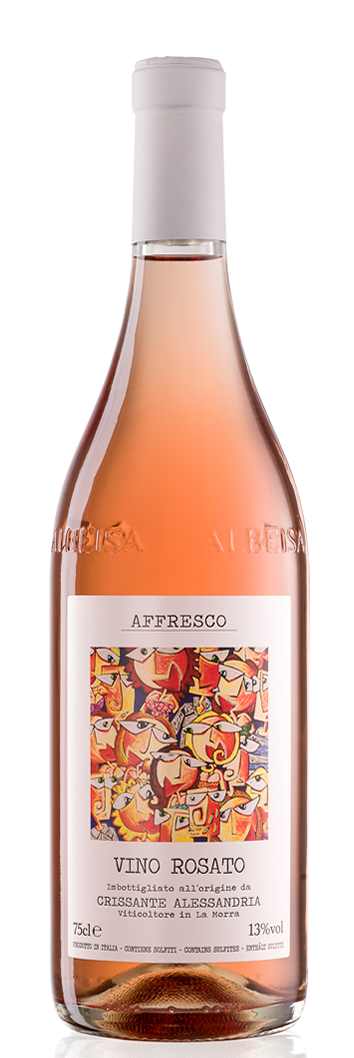
Rosato Affresco
BASIC INFORMATION
Product name: Rosato Affresco Grape: Classification: Number of bottles produced: 1500 Color: pale pink Fragrance: raspberries, cherries, floral notes Taste: fruity with fresh acidity Food pairing: aperitivo, appetizers, seafood
VINIFICATION (Wine-making)
Method: racking a few hours after pressing and after brief contact with the skins, where a small amount of color is extracted. Long fermentation lasting three to four weeks in temperature controlled stainless steel tanks at low temperature in contact with the skins. It remains in the stainless steel tanks for the winter months with exposure to the natural cold Aging: stainless steel
VINEYARD
Vineyard: various Soil: marly-calcareous from different vineyards Exposure: east, south-east Year planted: various


 PIEMONTEGIRL