There’s not much that hasn’t already been said about Roberto Voerzio. But if I were to try and describe Roberto with one word, the word that comes to mind is “profound”. Yes, he’s a winemaker. Or, more aptly, a winegrower. But he’s so much more. He’s a farmer. A father. A grandfather. A wine lover. And it’s obvious he loves what he does. Hearing him talk about wine is like listening to a great piece of art. And I feel lucky to have had that opportunity.
There are many well-known winemakers in Piemonte, but the winemaking style of Roberto really stands out. Many years ago, the “Barolo Boys revolution” brought about a new approach to winemaking. I won’t go into too much detail right now, but the very general gist is: smaller barrels, shorter maceration, green harvest, and cleaner workspaces. Now, why am I bringing this up right now? Well, it’s mostly to talk about green harvest.
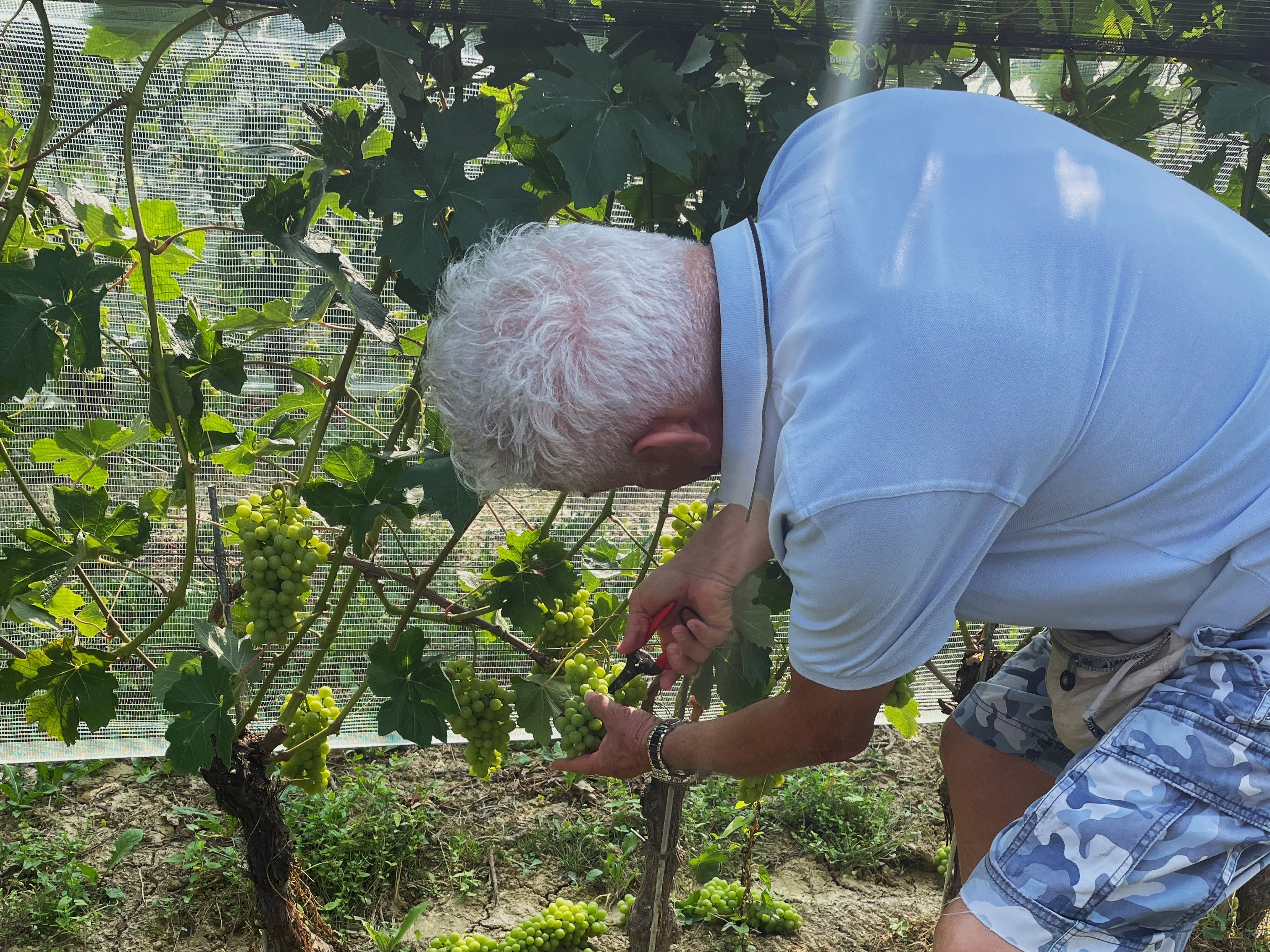
Don’t know what green harvest is? Not to worry, I’ll explain. When a winegrower does green harvest, it means that they are removing grape clusters from the vine. They do this to give the remaining grape clusters even more nutrients. The mindset here is quality over quantity. But imagine you’re a poor farmer, scraping by, and your daughter comes home and starts cutting away grapes that could be used to make wine. Let’s just say it was quite an adjustment.
Today, green harvest is a common practice across the board. And after a little detour, we’re about to get to the point. Because Roberto Voerzio has taken the concept of green harvest to the extreme. He cuts away more grapes than any other farmer (that I know of). Now, you could potentially get at least 1,800g per vine, probably even more. But for his Pozzo, he leaves only about 300g of grapes per vine. 300grams! It’s definitely one of the more extreme examples, but Roberto’s wines are some of the most concentrated wines I’ve encountered in Langhe.
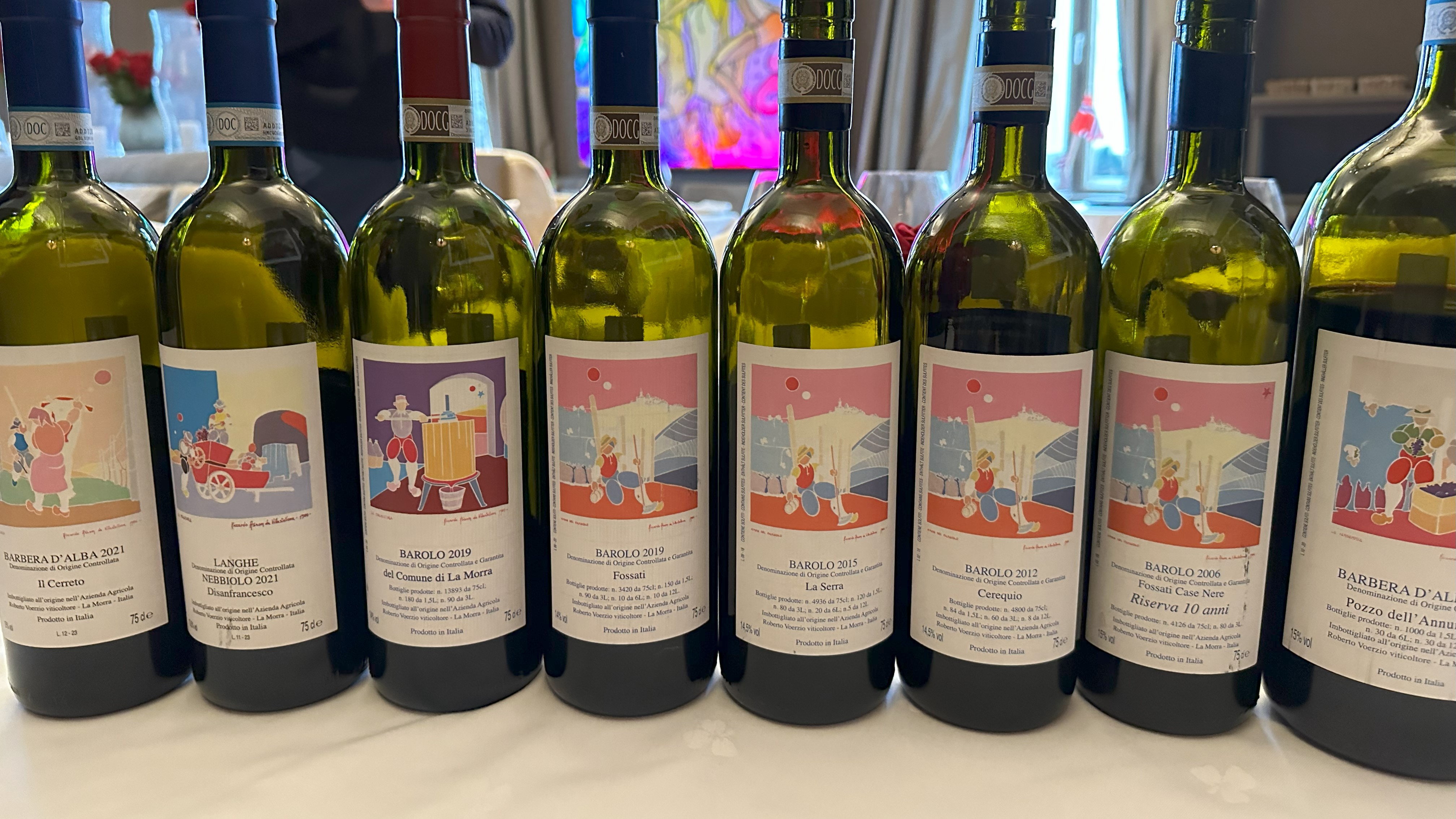
Roberto Voerzio Barbera Il Cerreto 2021
Beautiful nose. Very aromatic. Very concentrated with aromas of dark red fruit. Also quite concentrated in the mouth. Almost felt like I was eating frutti di bosco. In the best way. Long finish.
Roberto Voerzio Langhe Nebbiolo 2021
Not as aromatic as the Il Cerreto, and has aromas of more mature red fruit. Quite fresh. Smooth tannins.
Roberto Voerzio Barolo del Comune di La Morra 2019
The Barolo del Comune di La Morra is made with grapes from 4 different vineyards: Case Nere, La Serra, Fossati and Cerequio. It was a bit closed on the nose at first but opened up very well in the glass. Fruity with smooth tannins.
Roberto Voerzio Barolo Fossati 2019
A beautifully elegant wine. Aromatic and intense. Tannins are quite robust. This might be my favorite wine from this tasting. A very impressive wine.
Roberto Voerzio Barbera La Serra 2015
A super aromatic wine with a beautiful nose. Intense and dense. Tannins are a bit “sharp” at first, but disappear and leave you with a round, elegant wine.
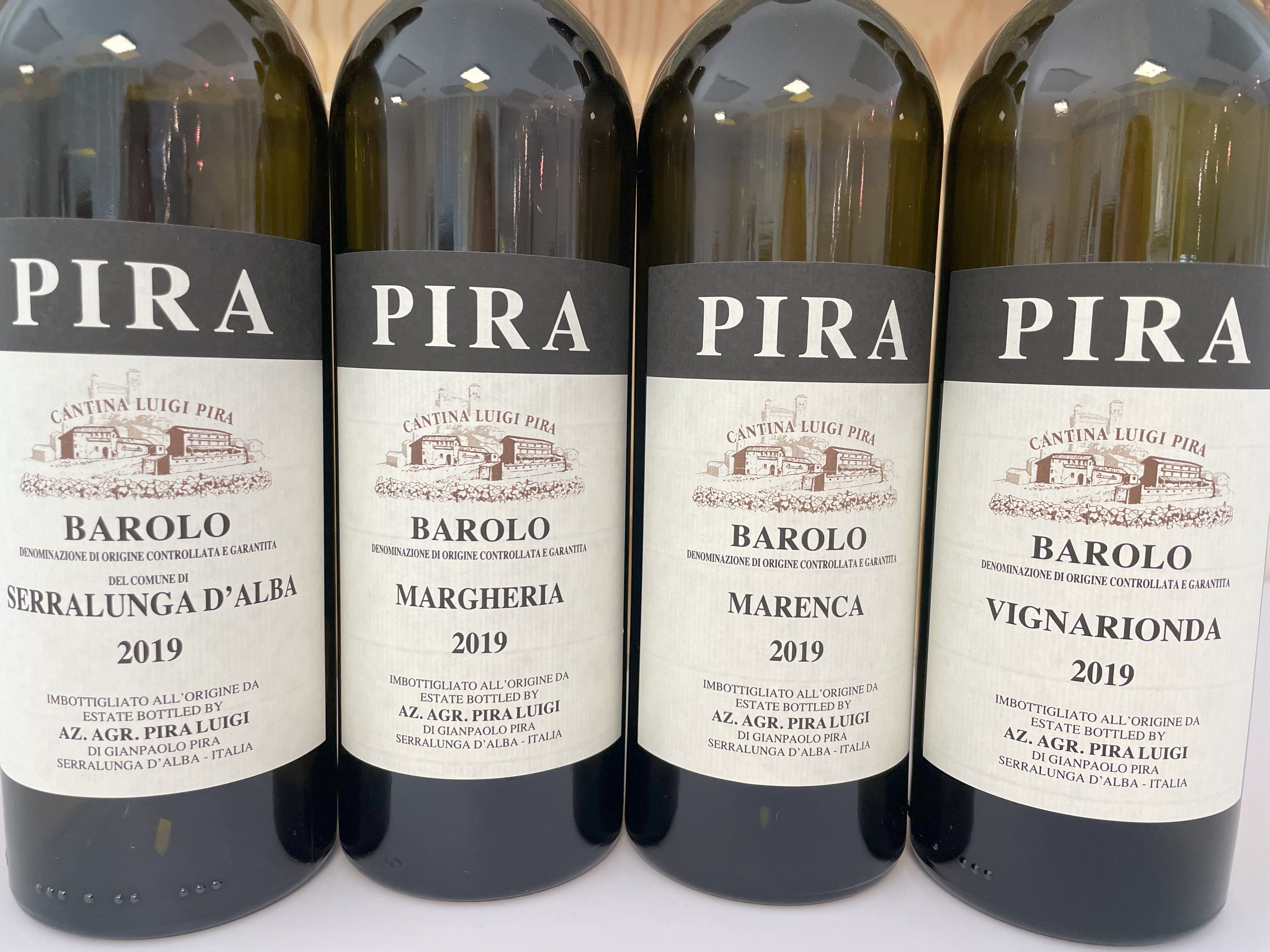
I tasted the Luigi Pira Barolo 2019 ’s over Easter, and while they have been available worldwide for a while, the new vintage of Barolo normally doesn’t hit the Norwegian market until the fall. But let’s not get into the intricate world of Vinmonopolet now.
For those of you who are not familiar with Luigi Pira, let me just do a quick introduction. The winery was founded in the 1950’s by Luigi Pira. Today, it’s his son Gianpaolo who runs the show, with his wife Tiziana and their two daughters. It’s been a pleasure to see this winery grow and evolve, and in my opinion the wines just keep getting better and better.
Anyway, here are my tasting notes:
Luigi Pira Dolcetto 2022
The grapes for the dolcetto come from north facing vineyards right by the winery. Really good dolcetto nose. Intense and aromatic. Fruity in the mouth, mostly dark red berries, like blackcurrant. Integrated tannins. Yum!
Luigi Pira Barbera d’Alba Superiore 2021
The Barbera spends 12 months in big barrels. A very fruity and elegant wine, with a hint of spices. Balanced with good acidity and a medium body.
Luigi Pira Barolo Serralunga 2019
Their classic Barolo contain grapes from multiple vineyards including Marenca, Margheria, Sorano and Rivete. It’s aged in big barrel for 24 months. Beautiful, typical Barolo nose. Floral with hints of leather and balsamic. Big tannins, but still very fruity. A good bodied wine with a long finish.
Luigi Pira Barolo Margheria 2019
The Margheria is quite a bit more aromatic than the Serralunga. Crisp with aromas red fruit and hints of herbs and spices. Very crisp in the mouth. An elegant wine with quite approachable tannins.
Luigi Pira Barolo Marenca 2019
The Marenca spends 12 months tonneaux and 12 months in big barrels. The nose is similar to the Margheria. Maybe a bit more balsamic. The grapes come from a steep hill. The bunches are smaller, more concentrated. This is a bit more punchy, with bigger tannins.
Luigi Pira Barolo Vignarionda 2019
Now on the to grand finale: Vignarionda! The Vignarionda has a bit more masculine nose with aromas of tobacco and herbs. Powerful, but elegant. Tannins are big but not punchy.
Barolo 2018 – delicious or disappointing? That is the question. But we’ll dig into that a little later. First, let’s look at some facts. As a stark contrast to 2017, which was very dry, 2018 was quite rainy. There were 62 days of rain during the growing season, just like 2014, which was considered one of the rainiest years of all time. But a few things distinguish 2014 from 2018, including the temperature. The temperature was on average higher in 2018 compared to 2014, especially towards the end of the growing season.
So what does all this mean? Well, first of all, too much rain leads to a lot of work in the vineyards. All that humidity creates perfect conditions for downy mildew, a fungus growing on the grapes. The winmakers combat this by spraying copper sulfate, but they basically have to spray after every rainfall. If you have half a hectare, that’s probably not too big a deal, but when you have three, five, or 14, it’s a lot of work.
The heavy rain combined with the high temperatures, also means quite a lot of growth in the vineyards. Which in turn meant they had to be vigilant about managing their vineyards. I think that’s really the key in any vintage: work in the vineyard. Fabio from Burlotto prefers to call himself a “winegrower” and not a “winemaker”, because he first and foremost considers himself a farmer. And when you pay a lot of attention in the vineyards, “it’s difficult to have a bad vintage.”[i] And I agree. In my experience, a good winemaker will make good wines in every vintage. And so in some vintages, like 2018, my advice would be to chose the winemaker and not the wine, if that makes sense.
Langhe July 2018
Barolo 2018 – many different opinions
I am not the first to share some thoughts on Barolo 2018. There have been split “reviews” on this vintage, both from the winemakers and from the wine reviewers. Some are on the more dramatic side, to the point of almost condemning the vintage. Others bear a more hopeful tone, highlighting that despite the difficulties of the vintage, the resulting wines are actually of higher quality than excepted.
Galloni said it’s “the most erratic, frustratingly inconsistent Barolo vintage” he has ever encountered. [ii]
Masnaghetti, a great source of information when it comes to Langhe, and the godfather of the Barolo maps, wrote this in his Barolo 2018 Vintage report: “In the history of Barolo, and not merely of Barolo, the vintages which presented themselves at their origin as problematical have been anything but rare. But, in a hypothetical classification of all the vintages, very few would be able to rival 2018.”[iii] But although the season was difficult, he thinks the wines will be “classified in the future as of good level.”
Joshua Dunning, the talent behind Word On The Grapevine, called the vintage a “tangram”. If you had to google that word, don’t worry, I did too. A tangram is “a Chinese puzzle made by cutting a square of thin material into five triangles, a square, and a rhomboid which are capable of being recombined in many different figures”. [iv] And I think it’s a fairly spot on description. He goes on to say that “challenges notwithstanding, the finished wines are an altogether more positive picture than their contributory climatic components might suggest.”[v]
Davy Żyw from Berry Bro’s and Rudd dared to say that the Barolo 2018 has “a Pinot Noir-style personality.”[vi] The same comparison was made by Fabio Alessandria when I visited him November 2021. Davy Żyw made some good points in his Barolo 2018 Vintage Report, including that the “best wines of the ’18 vintage showcase the strength of this multifaceted and extraordinary terroir, elegantly choreographed and infused by an equal sense of calm and place.”
Now, some of you might be waiting for Piemontegirl’s opinion on Barolo 2018. I have to start by saying that I believe there is not such thing as a bad vintage. However, I do believe there are bad wines. I think there is a difference between the two. What is it that they say? The proof is in the pudding? Well, in this case, the wine… There are so many really good 2018 Barolo’s out there. Floral. Fruity. Balanced. Elegant. Crisp. Wow. Beautiful. Incredible. These are only some of the words I used to describe Barolo 2018. And so yes, the growing season was difficult. And yes, overall this vintage might lack some structure compared to 2017, 2016 and 2015. But there are plenty of good Barolo’s out there. You just have to find them.
Here are some of my favorites:
Barolo 2018 Tasting Notes
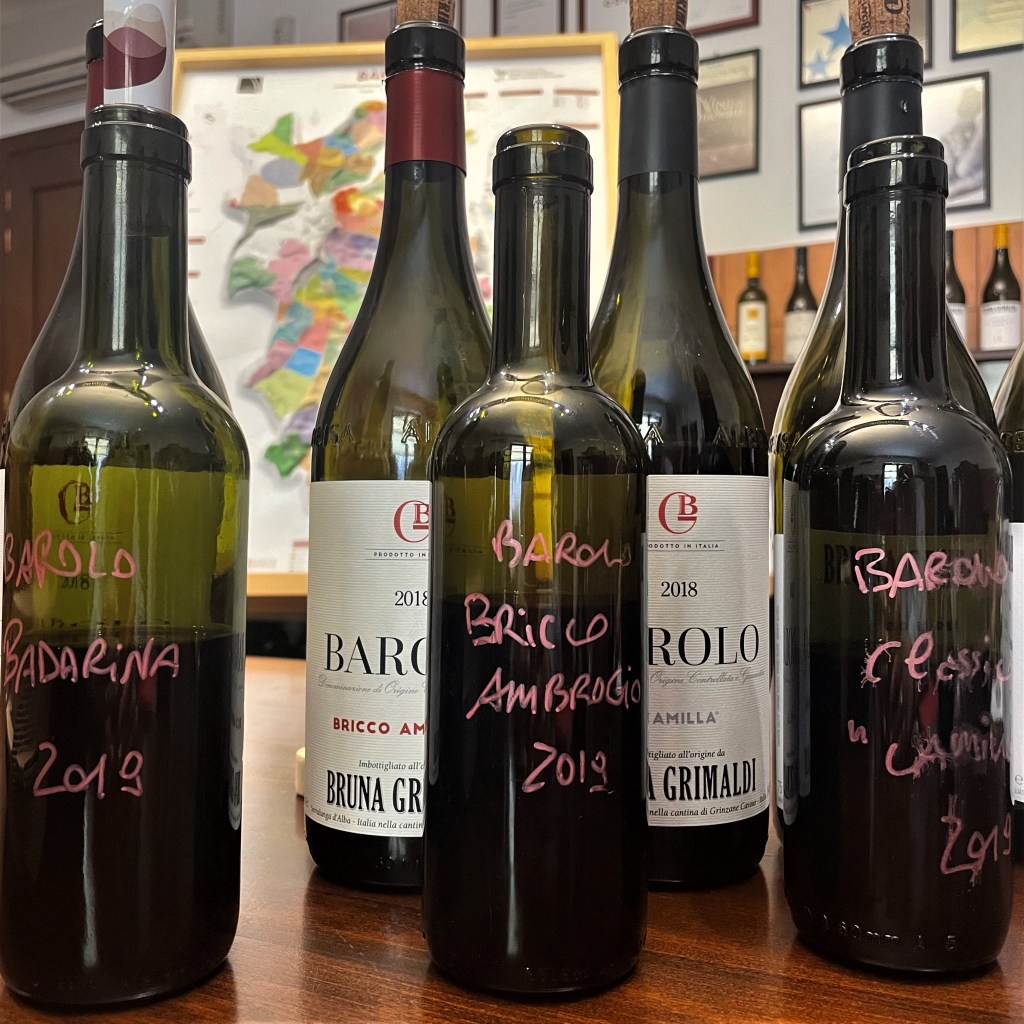
Bruna Grimaldi Barolo Bricco Ambrogio 2018
A classic nose, floral and fruity. Silky tannins. A very approachable Barolo.
Bruna Grimaldi Barolo Badarina 2018
A slightly vegetal and austere wine. Aromas of red fruit, leather and balsamic. Good structure.
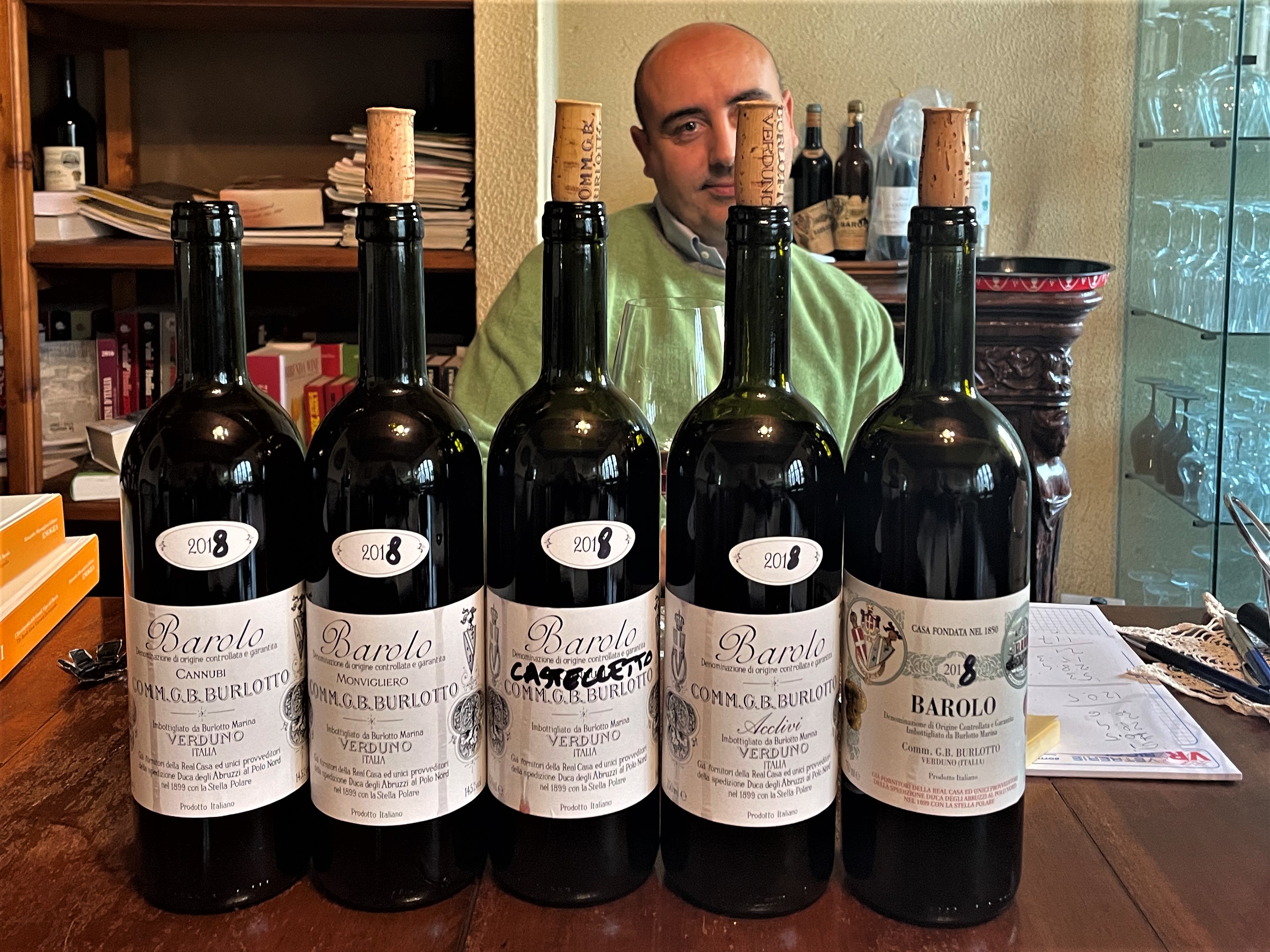
Burlotto Barolo 2018
Masculine nose with aromas of leather and tobacco, but still fruity and quite approachable. A gentle and elegant wine.
Burlotto Barolo Acclivi 2018
The Acclivi is a bit deeper than the Classico. So elegant in the mouth with a very gentle structure. Fruity and crisp, with a long finish.
Burlotto Barolo Monvigliero 2018
Incredible nose with aromas of white pepper and red fruit, with a hint of spice. It was actually a bit spicy in the mouth as well. A very distinctive wine with a lot of personality.
Burlotto Barolo Cannubi 2018
With the Cannubi, the word elegance springs to mind. Elegant nose, elegant tannins, elegant structure. If I were to pick a wine to demonstrate how a Barolo should smell, this one would be a perfect example.
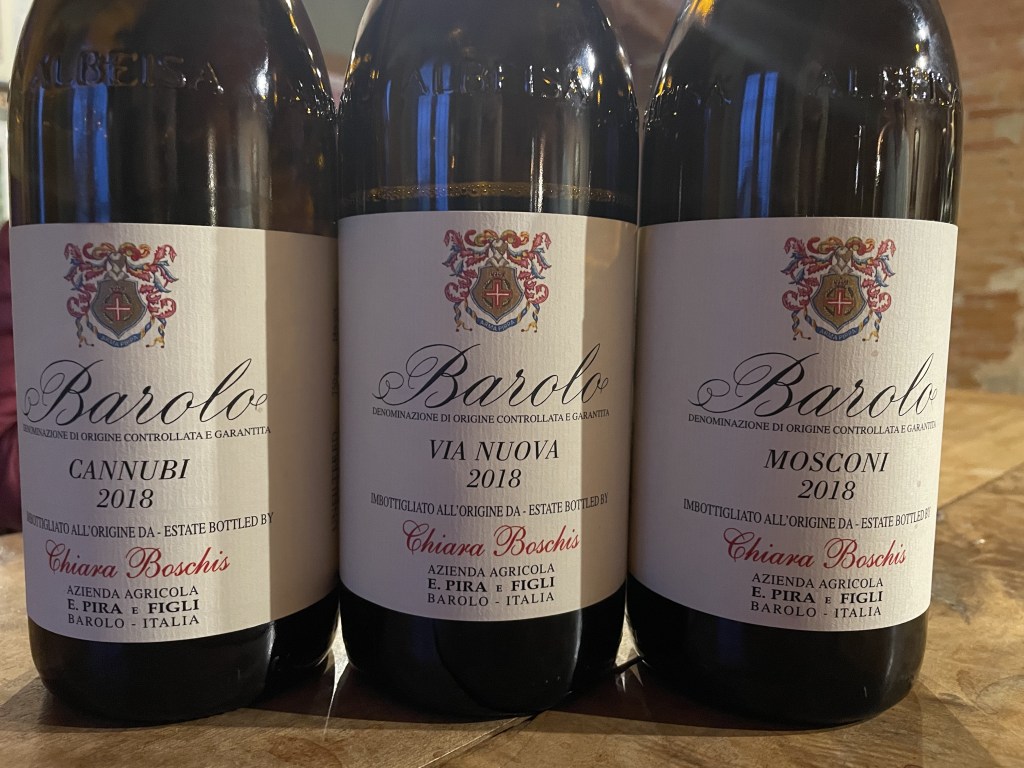
Chiara Boschis Barolo Cannubi 2018
I kid you not, my notes actually say “holy shit”. What a nose! Crisp, mineral, complex, rich, beautiful, feminine. There are aromas of tar and roses. Good depth and long finish. Chiara herself describes the Cannubi as “a kind wine”. And I can’t argue with that.
Chiara Boschis Barolo Via Nuova 2018
The Via Nuova is a bit more austere. A fruity and balanced wine. I agree with Chiara that the 2018 Barolo’s are more Burgundian than other recent vintages.
Chiara Boschis Barolo Mosconi 2018
I guess the word I’d use about Mosconi is “more”. More complex nose, more masculine, more spices, more structure. There are also hints of orange, apricot, peach and white pepper in this wine.
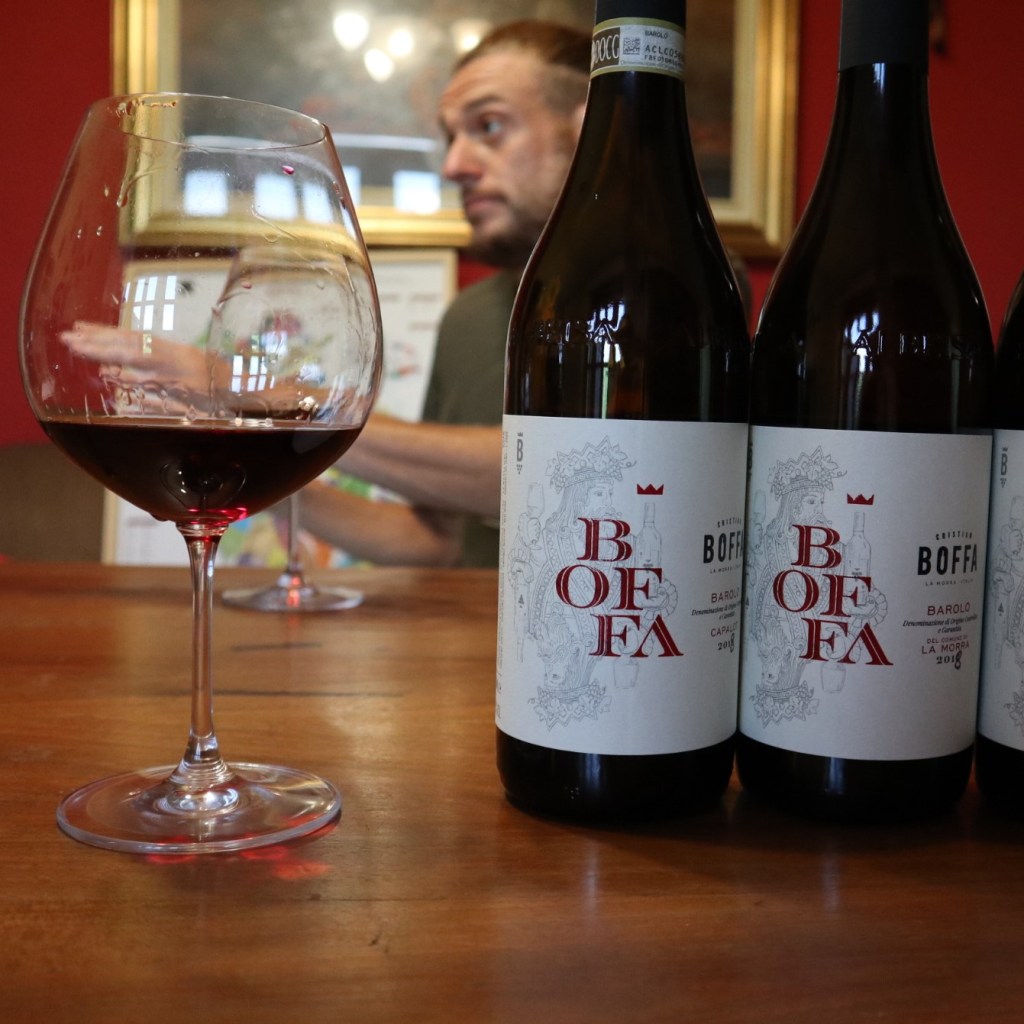
Cristian Boffa Barolo 2018
A delicate and balanced Barolo, with aromas of red fruit and strawberry. Long finish, with round, sweet tannins. A very good Barolo!
Diego Morra Barolo Zinzasco 2018
Beautiful nose with aromas of fruit, flowers and white pepper. Round tannins and good body. A wine with quite a lot of depth.
Diego Morra Barolo Monvigliero 2018
Floral aromas with hints of white pepper. A very good wine with good structure. Might need some time to open up fully.
Fratelli Revello Barolo Gattera 2018
The Revello Gattera has aromas of red fruit, liquorice and roses. It’s an elegant wine with soft tannins.
Marengo Barolo Bricco Delle Viole 2018
Wow! What an incredible nose. So floral and fruity, yet complex. Smooth tannins. Easy to drink.
Marengo Barolo Brunate 2018
Tried this straight from the tank, before it went into the bottle. A beautiful wine. Complex nose with aromas of leather, tobacco and a hint of chocolate. Good balance and structure. Long finish. balance.
Marengo Barolo Riserva 2018
“Very young, but so good.” Enough said. Or maybe not, but that’s all my notes said…
Nadia Curto Barolo La Foia 2018
Amazing nose with aromas of roses, red fruit and a hint of tar? Good body with round, smooth tannins.
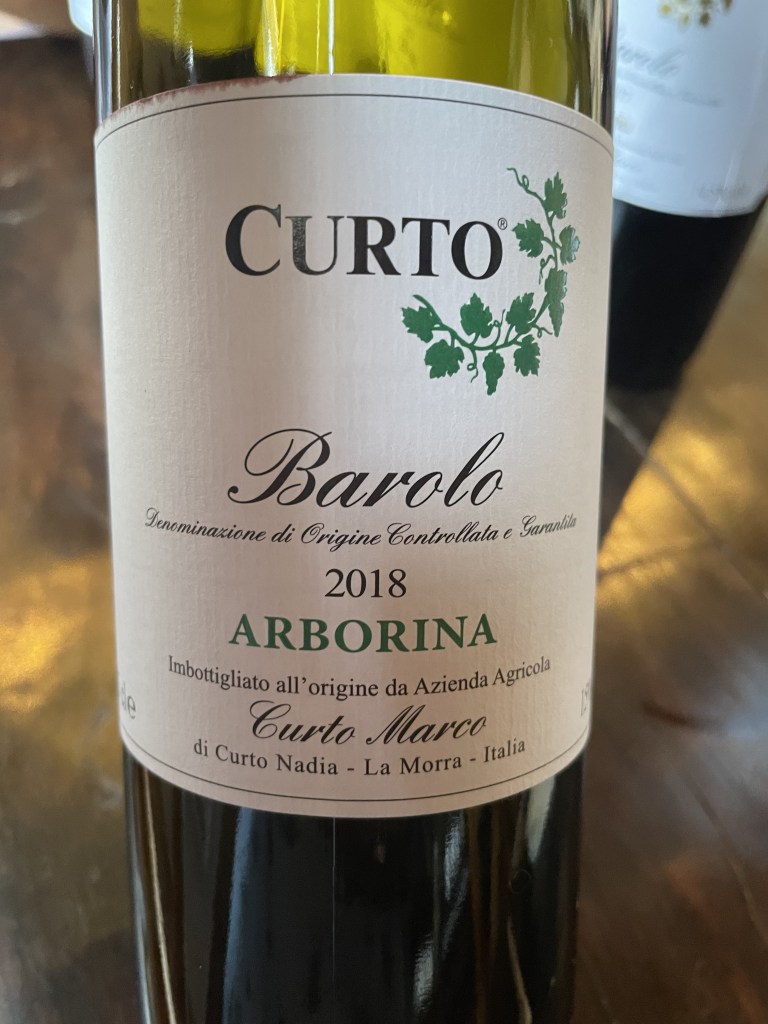
Nadia Curto Barolo Arborina 2018
The Arborina might be a bit more complex than the La Foia. More leather, tobacco and spice aromas. More powerful, more intense. This might be due to the south exposure and long extraction.
Paolo Giordano Barolo 2018
I was really impressed by this wine. Good structure, but still easy to drink. Round, well integrated tannins. And it really opened up in the glass.
Roberto Voerzio Barolo Del Comune de La Morra 2018
A complex wine with a good nose. Aromas of spices and a hint of mint. Delicious. Good grip in the tannins. A long finish.
Roberto Voerzio Barolo Brunate 2018
I’ve tasted this both from tank and from bottle. The tank sample had an incredible nose. Concentrated with aromas of dark fruit. Elegant. Classic. Then, when I tasted from the bottle the nose was quite closed. But it had that wonderful combination of a feminine nose and complex body. Tannins were a but dry, but the aftertaste was incredible. Long finish.
Roberto Voerzio Barolo Fossati 2018
I also tasted this from both tank and bottle. When I tasted from the tank the wine was quite masculine with aromas of tobacco, some herbs and quite harsh tannins. Then, when tasted from the bottle, the nose was still quite masculine, but the harsh tannins were gone and the wine was quite feminine. With a long, good finish.
Roberto Voerzio Barolo La Serra 2018
A wine with an interesting nose. Red fruit, spices and a hint of licorice? Smooth tannins, good body and good deoth. Easy to drink. Integrated tannins.
Roberto Voerzio Barolo Cerequio 2018
Stunning! I really liked this wine. Aromas of red fruit and tobacco. A bit austere maybe. But WOW what a delicious wine. A good example of how maybe the nose and taste don’t always “go together”.
Introducing Burlotto Castelletto 2018 – the latest addition to the Burlotto estate. Fabio has been thinking about expanding his lineup for some time, looking mainly at vineyards in the south-east part of Barolo. At the beginning of 2018, opportunity came knocking. A plot in Castelletto had become available, and Fabio acquired about 1 hectares of vineyard. Which plot, you might ask? If you imagine the Castelletto hill, it’s located along the wooded area, towards the bottom. For a more accurate description, you can check out the zoom session with Fabio, where he talks about his new wine!
Castelletto
Castelletto is located in Monforte, near Gramolere, at around 250m.a.s.l. The highest part has looser, more sandy soil, while the lower part has more compact soil, giving the wine a bit more powerful tannins. The wooded area creates a slightly cooler microclimate than in Mosconi, perhaps giving the wine less intensity. At least compared to other Monforte Barolo’s, like Mosconi or Gramolere.
As Fabio said, “I adore the 18’s”. I too adore the 18’s. Don’t get me wrong, I like the 17. And 16. And 15. And 14. I think each vintage has their own characteristics, and will honestly go so far as to say that there is no such thing as a bad vintage. And it seems, on this, Fabio and I agree.
Because we pay a lot of attention in the vineyard and in the cellar, I think that it’s difficult to have a bad vintage
Fabio
According to Fabio, he had more work in the vineyards in 2018 than 2017. The spring was more humid, which led to more mildew. The wetness also led to more vegetation and good growth. Overall, the 18’s are quite approachable, gentle and elegant. Although Fabio finds it hard to predict the age of a wine, he thinks the 17 might age a bit better than 18. But as he also said, “it’s important to have wines that are more drinkable in the beginning.”
Burlotto Castelletto 2018
The Burlotto Castelletto 2018 has the structure of a Monforte Barolo, but the tannins were not invasive. So elegant in the nose, floral and fruity, with aromas of mint and orange, along with a balsamic note. A very balanced wine, with good length.
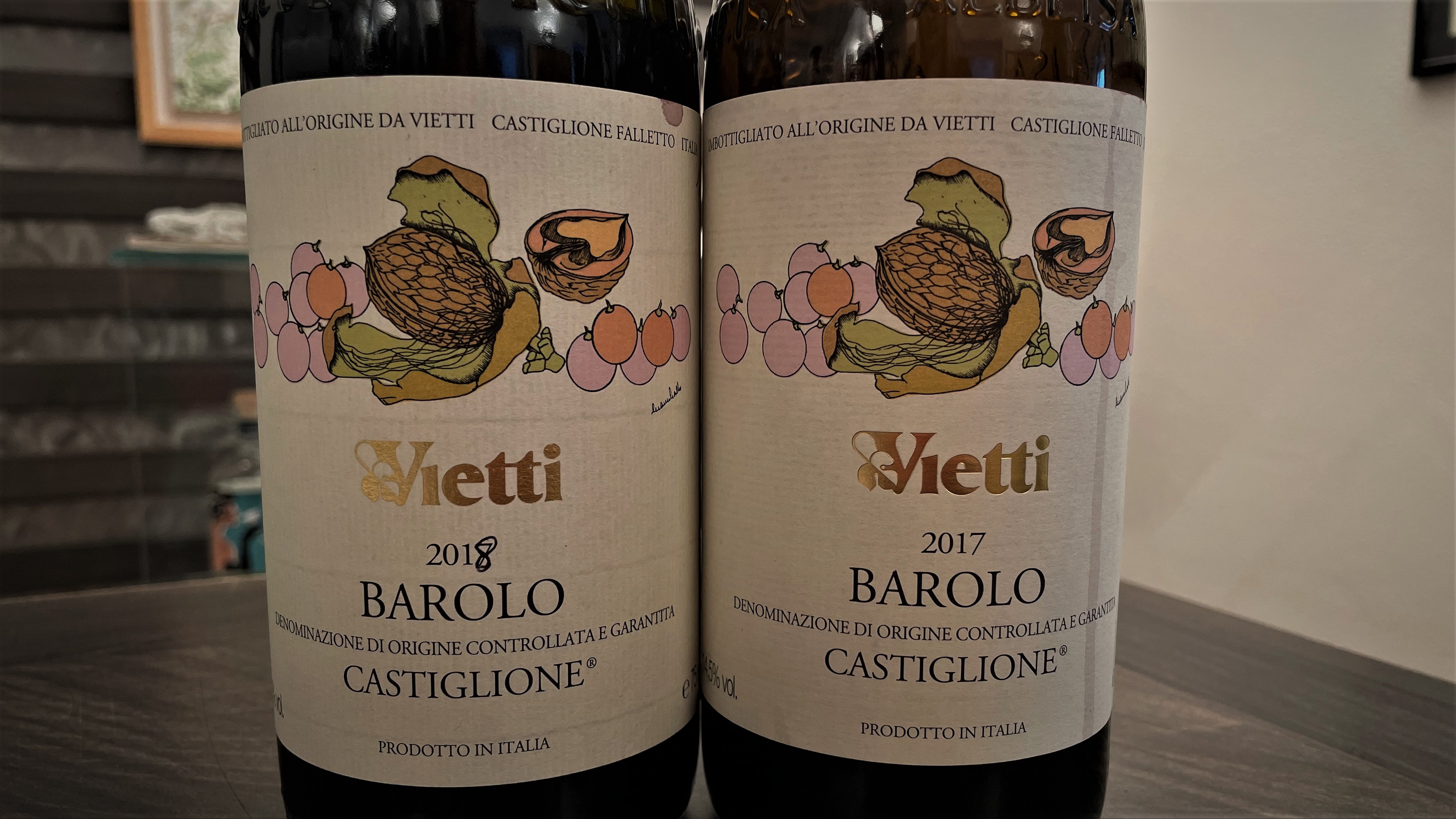
Vietti Barolo Castiglione – the “entry” Barolo from Vietti. But, I am not sure calling it an “entry” Barolo really does it justice, as it’s a very high level Barolo, so I’ll refer to it as their “classic” Barolo instead. And what do I mean by “classic”? In the Barolo lineup, the Vietti Barolo Castiglione is the only blend Barolo, made with wines from different plots in the Barolo area. The rest are single vineyard Barolo’s, including Brunate, Monvigliero, Lazzarito, and Ravera.
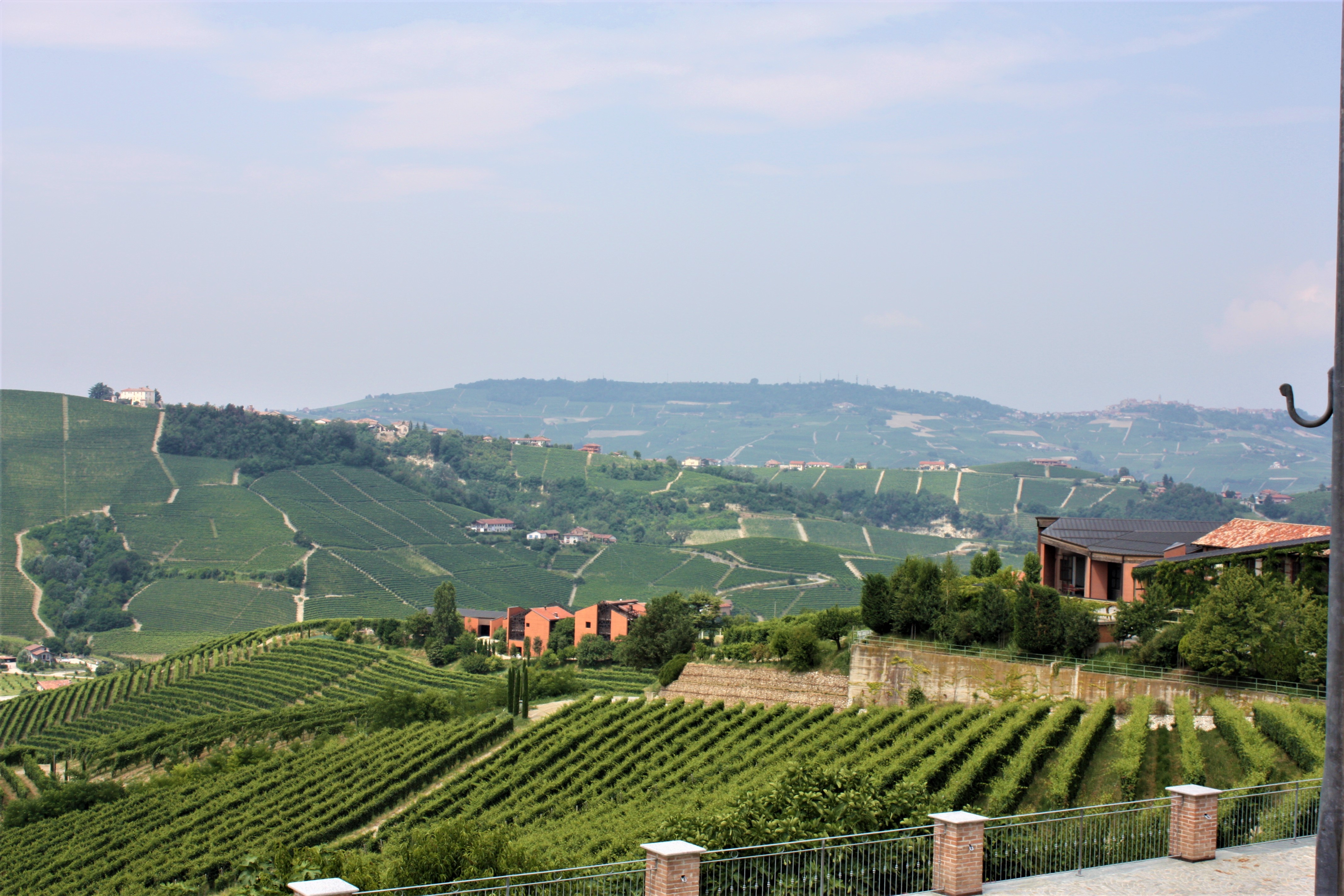
View of Serralungs vineyards, including Lazzarito
When deciding which grapes to blend in the Barolo Castiglione, they always start with Ravera and add in the others. The blend can differ every year, but usually includes some grapes from Castiglione, Monforte, Barolo and La Morra. Vietti has many different vineyards to choose from, including: Bricco Boschis, Scarrone, Villero, Codana, Parussi, Brunella, Bussia, Le Coste, Le Liste, Ginestra, Mosconi, Boiolo, Rocchettevino, Fossati and Camilla.
Winemaking
They select the grapes from many different vineyards from different villages in the Barolo area, always starting with Ravera. The different single vineyards are vinified and aged separately, and then blended right before bottling. This allows them to highlight the typical characteristics of each terroir, resulting in the best wine possible. The wine ages for about 30 months in oak barrels of different sizes, before it’s blended and then bottled.
Vietti Barolo Castiglione Tasting Notes
I recently tasted the 2017 and 2018 Vietti Barolo Castiglione side by side, allowing me to really see some of the differences between the two vintages. As most of us know, in 2017 is was very dry and quite hot, as opposed to 2018 which was quite rainy. But, we, myself included, must be careful not to judge a vintage before we have had the chance to taste some of the wines. More often than not I am pleasantly surprised by the wines. Even in what could be classified as a “difficult” vintage. I think Fabio Alessandria said it so well:
Because we pay a lot of attention in the vineyard and in the cellar, I think that it’s difficult to have a bad vintage
In the Vietti Barolo Castiglione 2017, I found some warm notes, of darker and a bit riper fruits, but the wine is still fresh and fruity. I also found some spice notes. The tannins are quite round, and warm, if that makes sense. I would definitely call this a balanced wine, with a good finish. The 2018 is a bit more elegant. Fruity with beautiful floral notes. A fairly structured wine with good depth.
Curious about the recent release from Burlotto? So was I.
The visits with Fabio usually tends to be one of the most educational. Yes, we taste the wines, but we also talk. About everything. And the more he talks, the more you realize how profound he is. Want to see for yourself? Check out this recording of our zoom session from last year. We talk about Dolcetto, Freisa, the 2020 and the new Burlotto entry: Castelletto 2018!
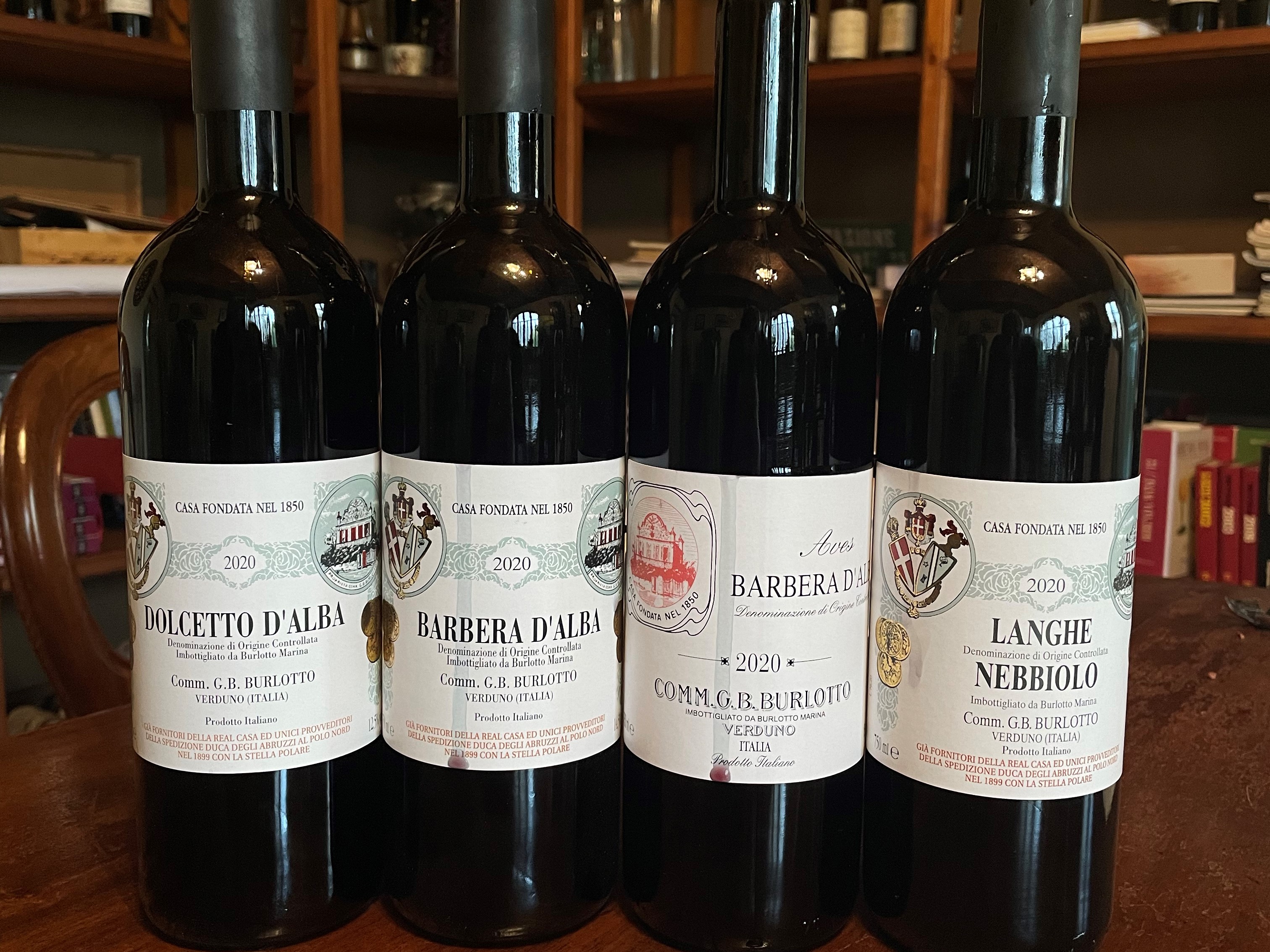
Now, back to the recent release from Burlotto. I did not taste the full lineup this time around. Both the Freisa and Pelaverga were “left out”, but I did get to sneak a peak at the 2018 Barolo’s!
Burlotto Dolcetto 2020
A very fruity and elegant Dolcetto, with a bit of structure. As Fabio says, “a lot of brightness”. There is also a sensation of bitter almonds and cherry. I am not sure if you know, but they use around 50% whole cluster in the Dolcetto, giving it that structure.
Burlotto Barbera 2020
Balanced, good body, long finish. Has a bit of spiciness and aromas of pepper, probably from stemming from the soil in Verduno. We all know the Monvigliero has that white pepper characteristic.
Burlotto Barbera Aves 2020
The Burlotto Barbera Aves is probably one of my all-time favorite Barbera’s. The 2020 is no exception. The Aves 2020 is rich and fleshy but not heavy. Spice notes and red fruit, good structure and high acidity, followed by a long finish.
Burlotto Langhe Nebbiolo 2020
Fabio decided he wouldn’t make Acclivi in 2020, so he put the grapes into the Langhe Nebbiolo instead. Perhaps that’s why this has quite a complex nose. I found aromas of fruit and flowers, as well as leather, and tobacco. Is equally complex in the mouth. It could probably benefit from a few years in the bottle.
Barolo 2018: A Preview
As Fabio said, “I adore the 18’s”. I too adore the 18’s. Don’t get me wrong, I like the 17. And 16. And 15. And 14. I think each vintage has their own characteristics, and will honestly go so far as to say that there is no such thing as a bad vintage. And it seems, on this, Fabio and I agree.
Because we pay a lot of attention in the vineyard and in the cellar, I think that it’s difficult to have a bad vintage
Fabio
According to Fabio, he had more work in the vineyards in 2018 than 2017. The spring was more humid, which led to more mildew. The wetness also led to more vegetation and good growth. Overall, the 18’s are quite approachable, gentle and elegant. Although Fabio finds it hard to predict the age of a wine, he thinks the 17 might age a bit better than 18. But as he also said, “it’s important to have wines that are more drinkable in the beginning.”
Burlotto Barolo 2018
Masculine nose with aromas of leather and tobacco, but still fruity and quite approachable. A gentle and elegant wine.
Burlotto Barolo Acclivi 2018
The Acclivi is a bit deeper than the Classico. So elegant in the mouth with a very gentle structure. Fruity and crisp, with a long finish.
Burlotto Barolo Monvigliero 2018
Incredible nose with aromas of white pepper and red fruit, with a hint of spice. It was actually a bit spicy in the mouth as well. A very distinctive wine with a lot of personality.
Burlotto Barolo Cannubi 2018
With the Cannubi, the word elegance springs to mind. Elegant nose, elegant tannins, elegant structure. If I were to pick a wine to demonstrate how a Barolo should smell, this one would be a perfect example.
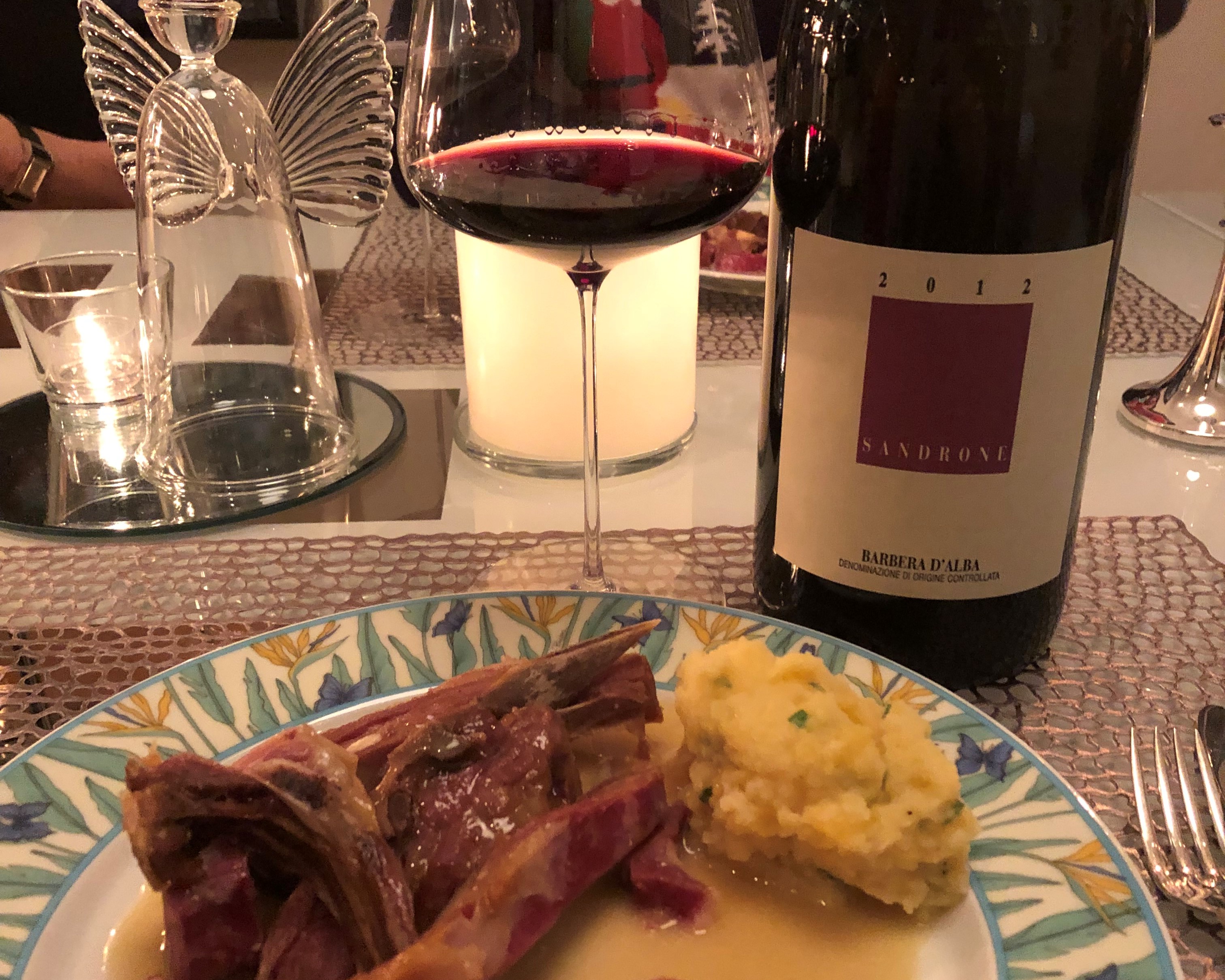
I’ve tasted quite a few Barbera 2020 this past year, and since I drink a lot of Barbera during the holiday season, I thought it’d be the perfect time to highlight some of my favorite ones! Barbera pairs very well with a lot of Norwegian Christmas food like pinnekjøtt, ribbe and turkey. The acidity in the Barbera goes very well with fatty foods, which is the common denominator in a lot of Norwegian Christmas food. But keep in mind the wine pairing also depends on the side dishes.
Anyways, here are some of my Barbera 2020 highlights. The tasting notes are in alphabetical order.
Alberto Viberti Barbera
I tasted the Alberto Viberti Barbera 2020 2 weeks after it was bottled, so the wine was a bit stressed. But even then this wine showed very well. A very fruity Barbera that will only get better after a while in the bottle.
Burlotto Barbera
The grapes in the Burlotto Barbera come from vineyards in Verduno and Roddi, including a vineyard that borders Monvigliero. Therefore it’s not odd to find notes of pepper in this wine. A very balanced Barbera with good acidity and good body.
Burlotto Barbera Aves
The Aves has a tad more acidity than the classic Barbera, good structure and a long finish. Notes of spices and red fruit. The Aves is rich and fleshy, but not heavy.
Crissante Alessandria Barbera
The Crissante Alessandria Barbera has quite a brilliant color. Notes of red fruit with a good acidity. A balanced wine.
Diego Morra Barbera
Notes of cherry and spices. Round with a good body. A very good wine, both on the nose and in the mouth.
Emilio Vada Barbera d’Asti
The Emilio Vada Barbera d’Asti 2020 has a very fresh nose with notes of raspberry. A very drinkable Barbera.
Ettore Germano Barbera d’Alba
Beautiful barbera with intense notes of Cherry. Quite concentrated in the mouth with good structure.
Fratelli Revello Barbera d’alba
A bit concentrated on the nose, but not warm. Aromas of dark red fruit. This wine would go very well with food.
Ghiomo Lavai
I tasted the Lavai 20 days after bottling, so it was very young. A wine with good balance that developed in the mouth. A balanced wine with a long finish.
La Vedetta Barbera Sarasino
A fruity, full bodied wine. A bit concentrated on the nose with aromas of dark red fruit.
Malabaila di Canale Barbera
This Barbera was very drinkable. Aromas of dark red fruits. Could I sense some notes of blueberry?
Marengo Barbera
A floral and fruity wine with a long finish. Balanced with good acidity.
Mauro Veglio Barbera
A very drinkable Barbera. Light and fruity. Couldn’t feel the 15% alcohol at all!
Nadia Curto Barbera
A fresh and mineral Barbera with notes of cherry. Balanced with good acidity. Cherry, fresh, mineral. Good acidity, balanced.
Paolo Scavino Barbera
Dark dark purple with bright hue, a very intense color. Fruity in the mouth with a bit of structure. Aromas of plum and ripe cherry.
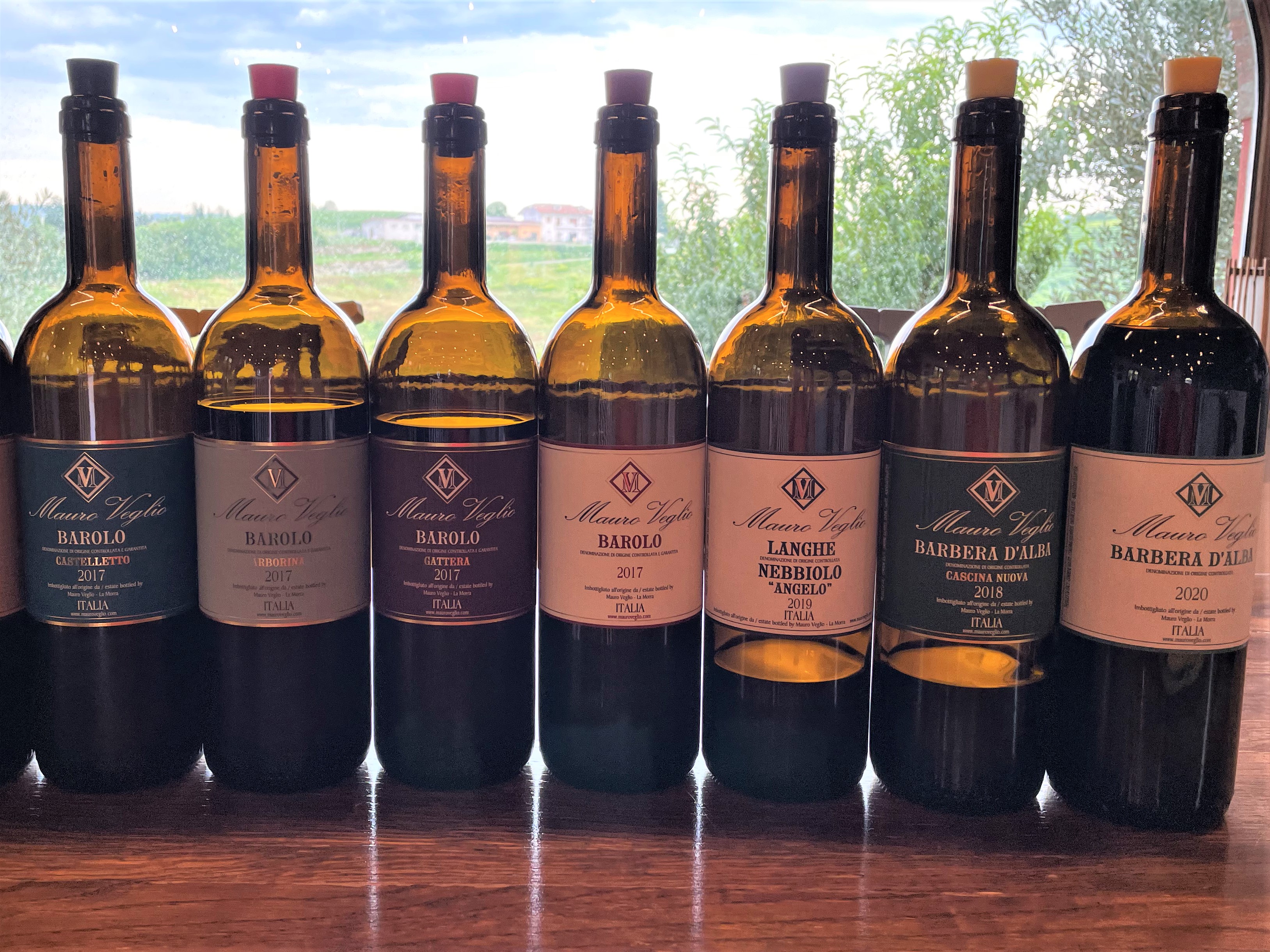
This summer I tasted the most recent release from Veglio. If I had to pick a favorite from the lineup it would be the Barolo Gattera 2017!
Mauro Veglio Barbera 2020
The 2020 Barbera from Mauro Veglio is very fruity with good acidity. It’s very drinkable, light and fruity, despite the 15% alcohol.
Mauro Veglio Barbera Cascina Nuova 2018
The Cascina Nuova is their Barbera Superiore, so it’s no surprise that this wine is more complex. The ageing in wood has given the wine some spice notes as well as good structure. A balanced wine with good acidity.
Mauro Veglio Langhe Nebbiolo 2019
This wine has a beautiful nose, with aromas of fresh red fruit. It’s a bit concentrated in the mouth, but that’s not uncommon for the 2019’s. Good structure, good tannins, good length.
Mauro Veglio Barolo 2017
The grapes in the Classic Barolo are sourced from Arborina, Castellero, and a small part of Gattera. Good nose, with red fruit and some spice notes. Quite fresh and easy to drink.
Mauro Veglio Gattera 2017
I like this wine a lot. A more masculine nose with aromas of tobacco, spices and some herbs. Quite soft tannins for a 2017.
Mauro Veglio Arborina 2017
The Arborina has that beautiful feminine nose. Quite aromatic for a 2017. A bit warm in the mouth, with round tannins.
Mauro Veglio Castelletto 2017
More rustic nose on the Castelletto 2017, maybe even some leather. A more masculine Barolo, which is not surprising since it’s from Monforte. Dark red fruit and cherry aromas. The tannins are a bit more aggressive as well, structured with a good body.
Here are my notes on the Roberto Voerzio La Serra 2015: I like it. Concise and to the point. There was just something about it. So drinkable. So approachable. So good. And out of all the wines I tasted that day, the La Serra was clearly a favorite.
La Serra
The La Serra vineyard is located in La Morra, right at the top above Cerequio and Case Nere. Why is the location so important? Altitude. Like MapMan Masna says: “elevation is always called into question, because at these heights (the border between La Serra and Cerequio is at exactly 400 meters) even 20-30 meters of difference can be important.”
2015
2015 is know as a “warm” vintage. But, being bookended by 2014 and 2016, 2015 kind of gets lost in translation. May, June and July were very hot, with very little rain, and it was not looking great for a while. Then, August came along with a whole 8 days of rain, followed by a relatively normal September, and a bit of rain in October, giving the vintage what it needed to avoid a 2003 situation.
Roberto Voerzio La Serra 2015
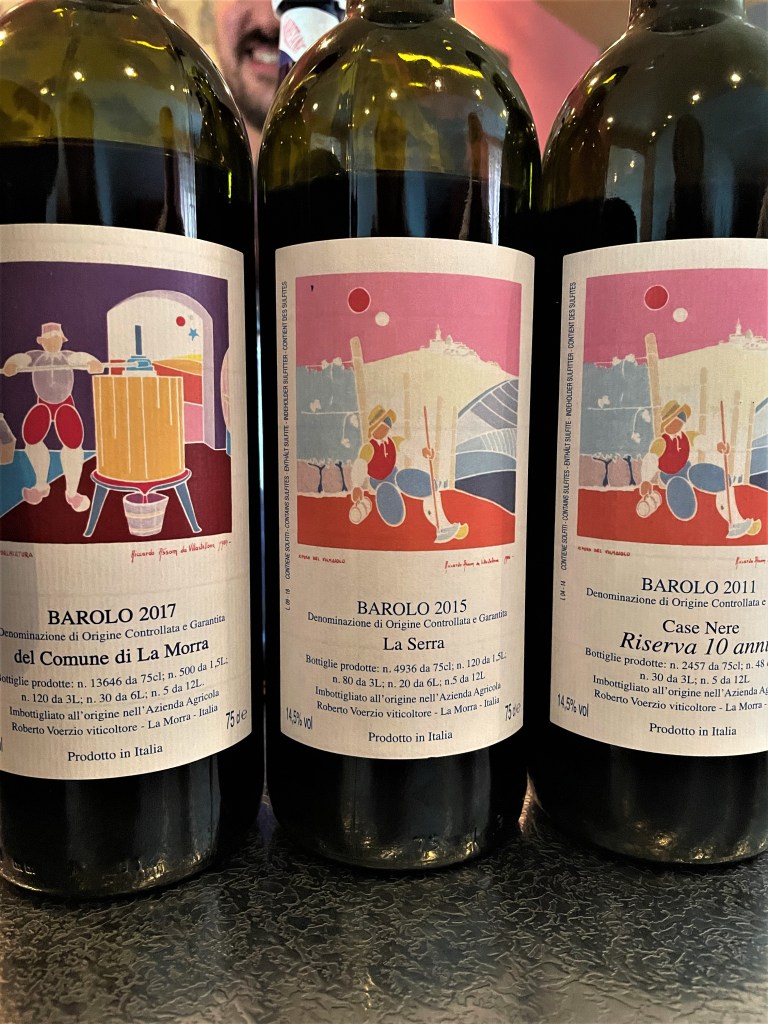
The Roberto Voerzio La Serra 2015 was so approachable with incredibly smooth tannins and lots of good fruit. I tasted it next to the Barolo del Comune di La Morra 2017 and the Case Nere Riserva 2011, and I can honestly say that the La Serra 2015 was my favorite out of the two!
Tasting Notes
During my visit to Roberto Voerzio, I tasted quite a few wines. Here are some notes:
Roberto Voerzio Cerequio 2020
Barrel tasting. The Cerequio 2020 had a beautiful nose. Fruity, fresh. This wine has a bit of structure. Will obviously develop further over the next few years.
Roberto Voerzio Rocche 2020
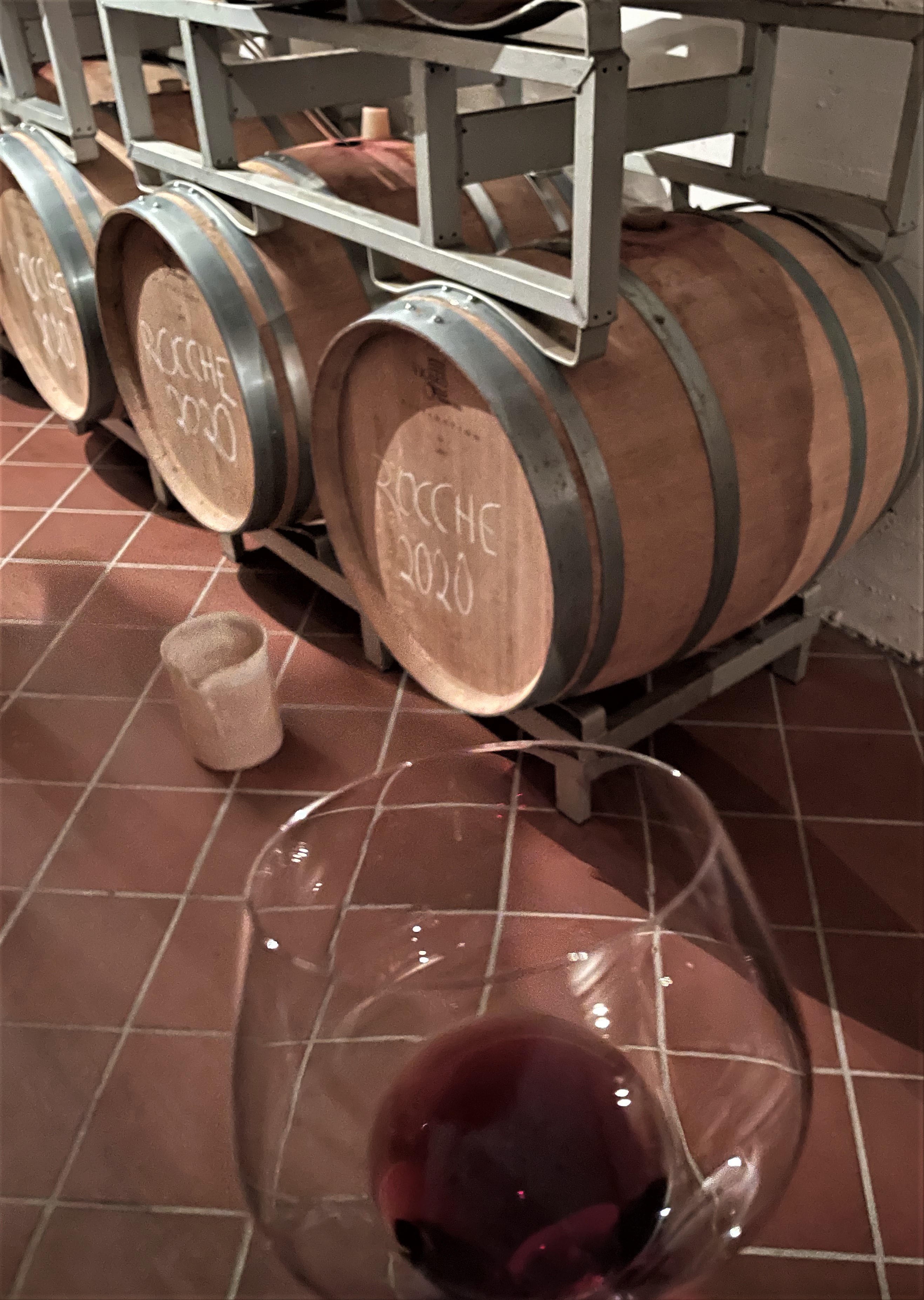
Barrel tasting. The Rocche had less structure than Cerequio, as of right now, maybe a bit more classic? This is a wine I look forward to taste once it’s in the bottle!
Roberto Voerzio Sarmassa 2019
Barrel tasting. The Sarmassa is made only in magnums! It had a beautiful nose, with a bit more concentration than Rocche, quite typical of the 2019 vintage. A very good wine, a good roundness in the mouth.
Roberto Voerzio La Serra 2019
Barrel tasting. The 2019 La Serra was even more concentrated than the Sarmassa with harsher tannins as well. A big wine with aromas of darker fruits, dark cherry. Very different to the 2015!
Roberto Voerzio Brunate 2018
Tasted from tank. Wow, what an incredible nose. Elegant and concentrated, all at the same time with aromas of dark fruit. Elegant in the mouth as well. A classic wine.
Roberto Voerzio Fossati 2018
Tasted from tank. The Fossati is one of the more masculine wines I tasted that day. Aromas of tobacco, some herbs, red fruit. The tannins were quite harsh, at least compared to the other wines tasted.
Roberto Voerzio Barolo del Comune di La Morra 2017
The Barolo del Comune di La Morra 2017 is a mix of grapes from Boiolo 50% and 50% other cru’s. This was the first wine I tasted during this visit that had really prominent oak notes. Probably because the other wines had some months(+) left in the barrels.
Roberto Voerzio Case Nere riserva 2011
When tasting the Case Nere Riserva 2011, we had reached the end of the visit. And to be honest, we were all a bit preoccupied with out lunch plans, so the only note I have here is: “Quite impressive”. Incidentally, it’s the wine we ended up bringing to lunch. Pretty good way to end the tasting!
Have you tried the recent release from Marengo? Wondering if you should? I think it’s a no brainer, but maybe these tasting notes might help persuade you!
Dolcetto d’Alba 2020
This Dolcetto is on fire! Quite concentrated with good structured and lots of fruit. It lasts forever! So good!
Barbera d’Alba Vigna Pugnane 2019
What a beautiful Barbera nose with aromas of red berries and spices. Explosive, both on the nose and in the mouth.
Nebbiolo d’Alba Valmaggiore 2019
The Marengo Nebbiolo d’Alba Valmaggiore might be my favorite Marengo wine. And one of my favorite Nebbiolo’s. The 2019 is no different! A very balanced wine with good structure and elegant tannins. On the nose you’ll find rose petals, mineral notes and a hint of tobacco.
Barolo: Recent Release from Marengo
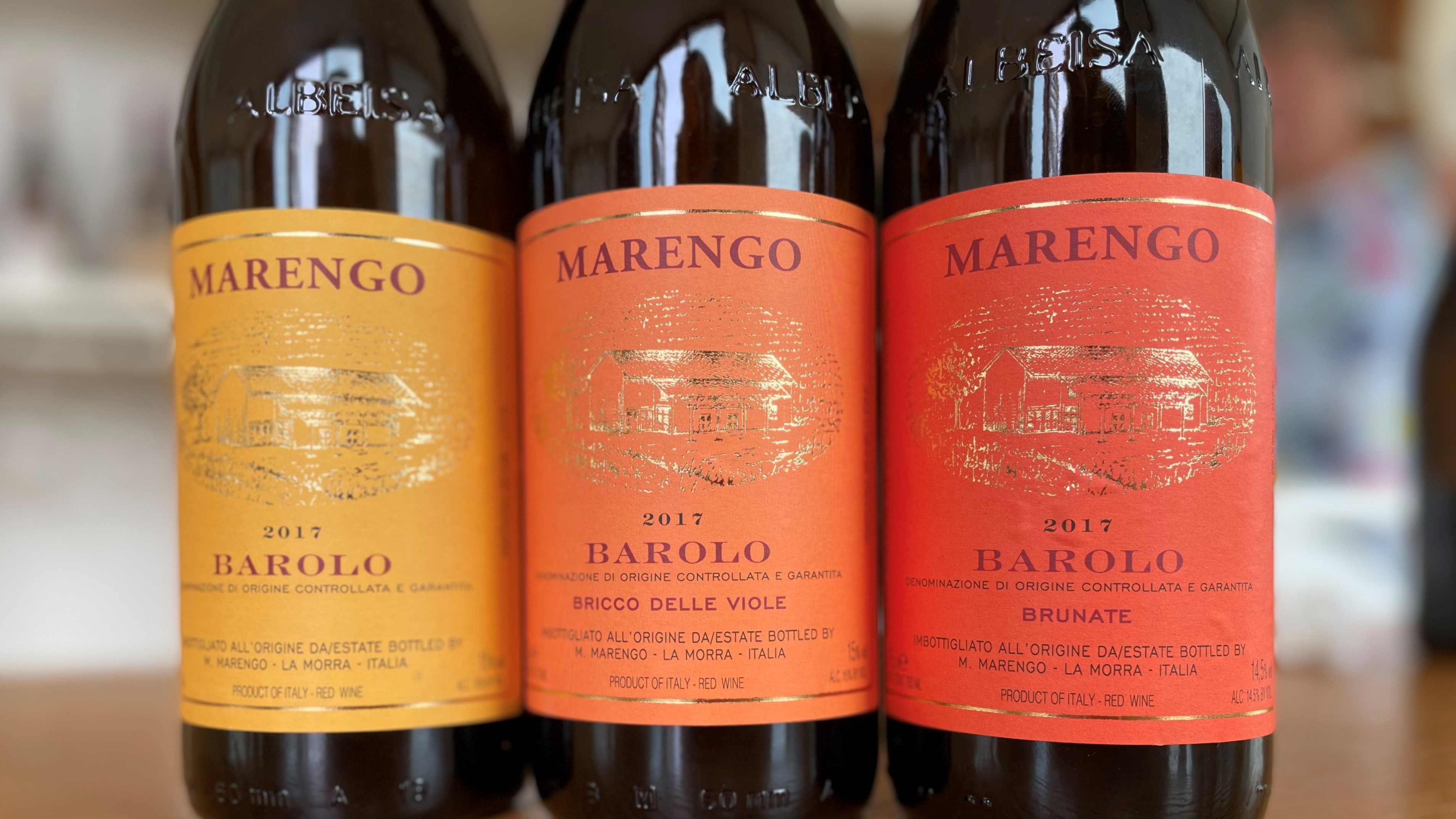
Marengo Barolo 2017
The classic Barolo is a bit concentrated, similar to many other 2017 Barolo’s. The tannins are big and a bit more chewy compared to the 2016, but the wine is good!
Barolo Bricco Delle Viole 2017
The Bricco delle Viole has a beautiful floral nose with aromas of dark fruit. Also quite concentrated. Very easy to drink with lots of fruit and good length.
Marengo Barolo Brunate 2017
The Brunate was a little bit closed at first, but opens up in the glass and becomes the Brunate we all know and love. A big but elegant wine with hints of tobacco and leather.
Meet the Marengo Family
Marengo: Geek or nerd, in the modern, positive, definition of the words. The same way Bill Gates is often referred to as a nerd, an expert and enthusiast, and obsessed with intellectual pursuit of winemaking.
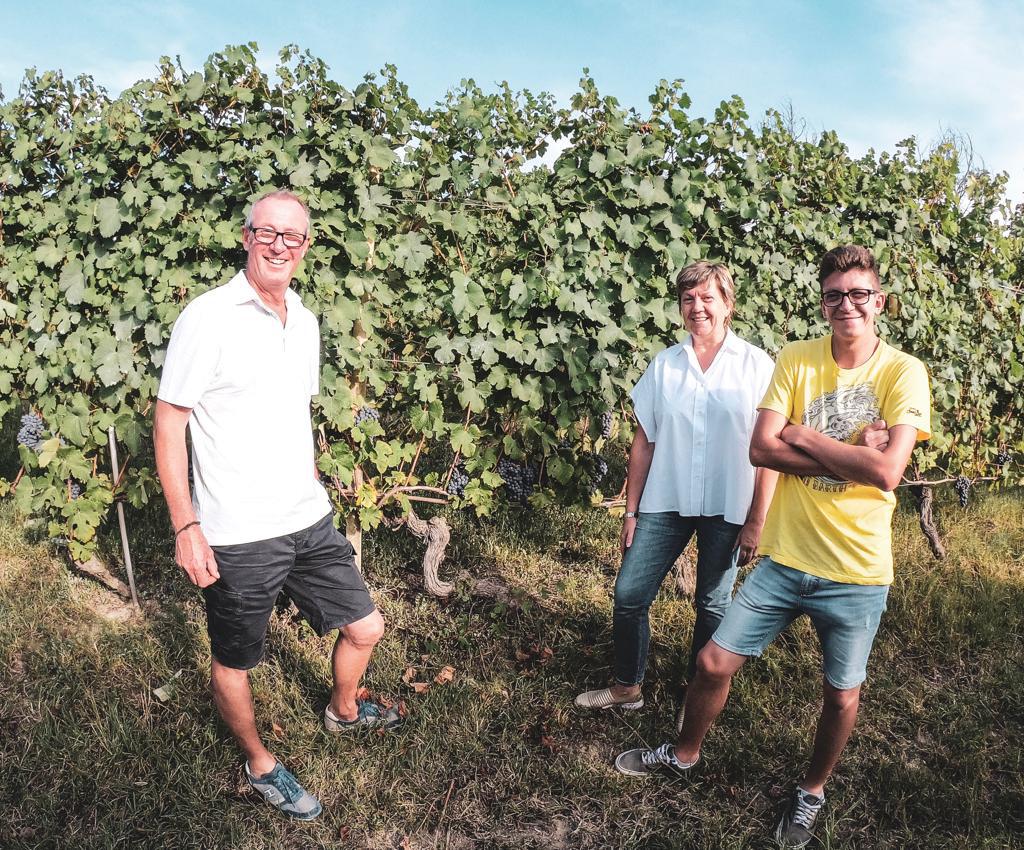
Jenny and Marco Marengo are warm and generous people, who are very passionate about their wines. Their son, Stefano, recently joined the winery full time, and the three of them work enthusiastically together in the pursuit of excellent winemaking.

 PIEMONTEGIRL