Dolcetto 2019

Dolcetto 2019

The Dolcetto 2019 are quite structured with lots of fruit. I find them to be a bit more complex, especially compared to 2018, giving the wine a little more “oomph”. One could argue that the Dolcetto from 2017 also had “oomph” but perhaps not complex. The warm temperature of the 2017 vintage gave the wines a bigger character, but also a lack of balance when it came to acidity and alcohol. Keep in mind, this is one person’s opinion and taste, opinions and tastes which might differ from yours.

I really like Dolcetto 2019. I know that is a general statement, but after tasting quite a few Dolcetto from 2019, I feel like I can be fairly general. Everything is relative, and my opinion may stem from the fact that I was not as impressed by Dolcetto in 2017 and 2018 as I am by 2019. Below are some of my tasting notes in alphabetical order. Enjoy!

Dolcetto 2019

Burlotto Dolcetto

Concentrated nose with aromas of cherry and red fruits. Also quite concentrated in the mouth. A beautiful Dolcetto!

Cascina Fontana Dolcetto

A perfect Dolcetto nose. Elegant and rich with good structure. The grapes come from a vineyard in Sinio where the soil is composed of limestone with some clay. Mario vinifies his Dolcetto in stainless steel tanks.

Diego e Damiano Barale Dolcetto

Fruity and fresh, yet complex, both on the nose and in the mouth. Violets and dark berries on the nose. The vines, grown in San Giovanni, are 50 years old.

Diego Morra Dolcetto

The 2019 is more intense and structured than 2018. Aromas of dark berries and spices. Good minerality Long finish.  

Elio Grasso Dolcetto

The Elio Grasso Dolcetto was concentrated, but also light (if that makes sense?). Aromas of blackcurrant and other wild berries.

Emilio Vada Dolcetto

Concentrated on the nose with subtle aromas of red and dark fruit. There are some floral notes as well. A very drinkable Dolcetto!

Francesco Borgogno Dolcetto

Typical dolcetto nose with lots of fruit and dark berries. More powerful and structured than 2018. A very balanced wine!

Luigi Pira Dolcetto

A powerful wine with a crisp nose. Fresh and fruity with good acidity. Aromas of blackcurrant, dark fruit and berries.

Marengo Dolcetto

Powerful aromas of dark berries. A good wine that’s easy to drink. Fruity. More structure than 2018

Nadia Curto Dolcetto

Nadia had an issue with storms in her Gattera vineyard where the Dolcetto grows. Maturation of the grapes was blocked due to the storm which resulted in a Dolcetto with a higher acidity. Aromas of blackcurrant, cherry and other dark berries.

Paolo Scavino Dolcetto

As with most of the 2019 Dolcetto’s, the Paolo Scavino Dolcetto is quite structured. I really like it. Concentrated and explosive. Fruity with good length.

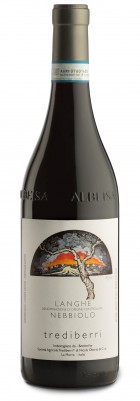
Trediberri Dogliani Bricco Mollea

The Bricco Mollea vineyard is located in Vicoforte, far south in Langhe. Dolcetto’s from Dogliani tend to be more intense than Dolcetto’s from La Morra, and if you combine the terroir with the 62 year old plants, you get a complex and intense Dolcetto.
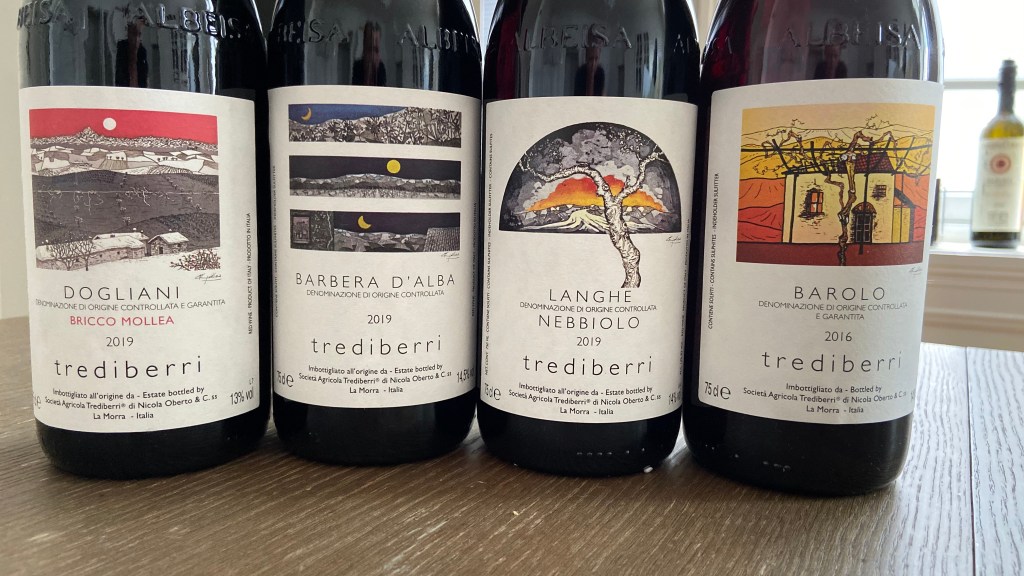
Trediberri Dogliani Dolcetto 2019

Barbera 2018

Barbera 2018

Words used to describe Barbera 2018: supple, mid-weight, lighter. In 2018, rain was concentrated principally during the initial period, in the month of May, a critical moment in the growing season. Cool weather dominated the first half of 2018, but higher temperatures came and the good weather persisted through the harvest period.

I found the Barbera 2018 to be quite balanced, with good acidity and good fruit. Below are some of the Barbera’s I’ve recently tasted.

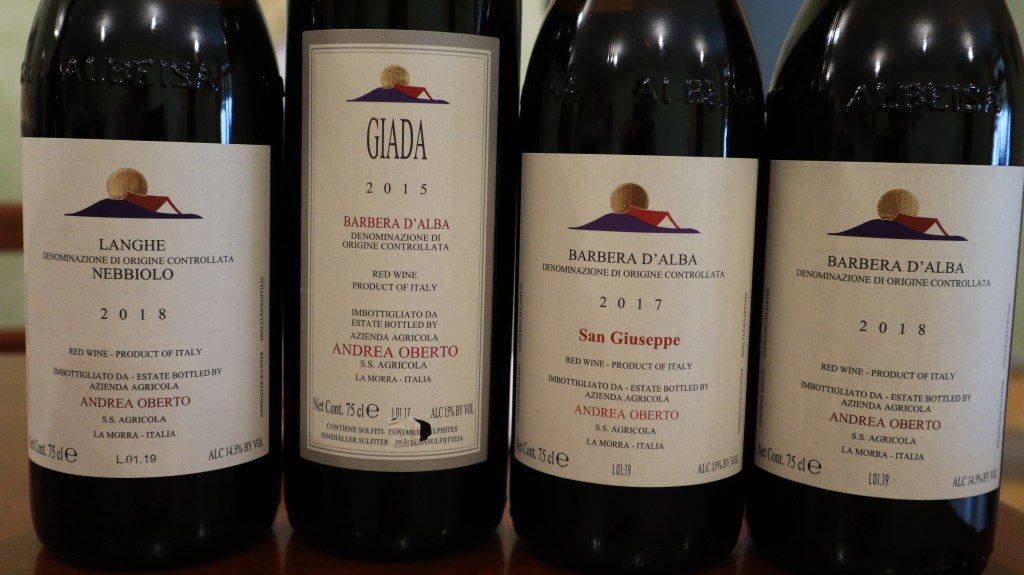
Barbera 2018 from Andrea Oberto

Barbera 2018 – Tasting Notes

Andrea Oberto Barbera d’Alba
100% Barbera, 3-4 months in 3rd passage oak (barrique), followed by aging in steel tanks. Good acidity, with lots of fruit. A very good Barbera.

Burlotto Barbera Aves
The Aves is quite high in alcohol, but you don’t feel it in the mouth.  Good acidity, with notes of cherries and dark fruit.

Cascina Fontana Barbera
Barbera, the Mario Fontana way! Aging 50% barrique, 50% cement for 12 months, blend after aging. Mario releases his Barbera after one year in bottle. A very fresh wine with good acidity. Notes of darker fruit and wet forest floor.

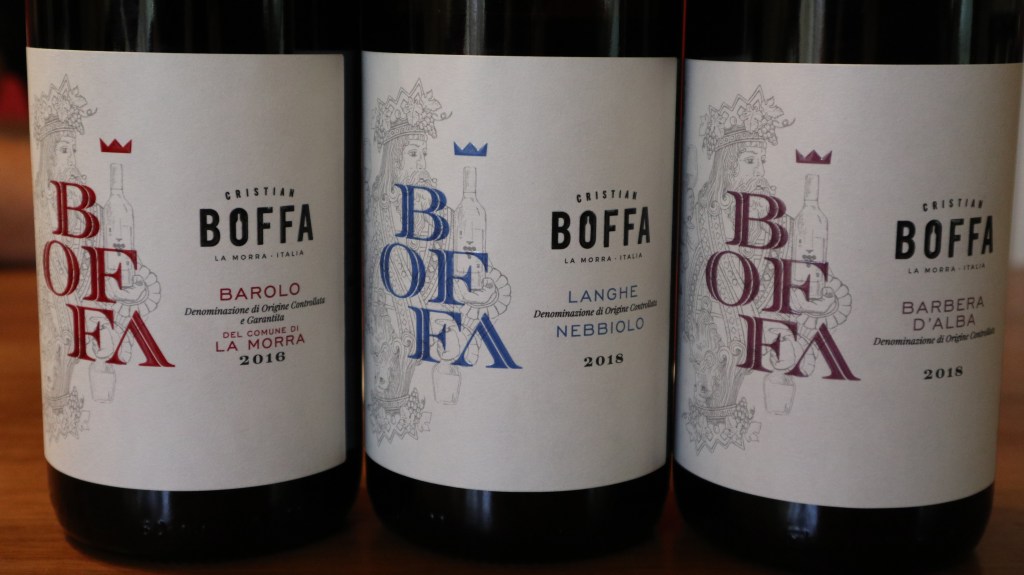
Cristian Boffa Barbera
100% Barbera from 3 different vineyards, with the age of the plants ranging from 15 to 50 years old. Aged 6-8 months in mostly used barrique. You can feel the alcohol a little on the nose and the mouth. Not your typical Barbera, probably because of the age of the vines. Notes of licorice on the nose.

Diego Morra Barbera
Aged 4-5 months in tonno, with a small percentage of new oak. Good acidity. Red fruit and cherry notes, with hints of oak. A mineral Barbera that’s quite round in the mouth.

Gianfranco Alessandria Barbera
Barbera 2018 has smaller character than 2017 and 2019. Notes of darker berries, like plum. A balanced wine with good acidity.

La Vedetta Barbera d’Asti Sarasino
A Barbera from Asti, with grapes coming from a hill called Sarasino. Red fruit and cherry notes. This Barbera has quite high acidity.

Marengo Barbera
You can feel the oak on the nose, not in the mouth. Notes of Strawberry on the nose. A very balanced Barbera with good structure and good acidity.

Vietti Barbera Tre Vigne
Beautiful nose with aromas of red cherry and fresh red fruit. Crisp with good acidity and good structure. A balanced wine with a long finish!

Langhe Nebbiolo 2018

Although the focus is on the 2016 Barolo’s these days, I think it’s important to give some attention to the Langhe Nebbiolo’s! Since the 2016 Barolo’s should be bought and then put away for a long time, it’s nice to have a wine to enjoy in the meantime. You get the same characteristics as a Barolo, but you don’t have to wait to long for the wine to be approachable. On my last trip to Langhe I got to taste quite a few Langhe Nebbiolo 2018. Here are my tasting notes in alphabetical order.

Alberto Viberti LogHero 2018

Alberto is the new kid on the block. He works for his family winery Cascina Ballarin in La Morra, but has his own project on the side. His Nebbiolo goes through fermentation in cement tanks. Alberto does not use any oak with his Nebbiolo. The grapes come from Roero, and the soil there gives this wine a little bit of pepper notes.  A very good Nebbiolo for a “rookie”. Looking forward to seeing how he evolves!

Andrea Oberto Langhe Nebbiolo 2018

And oldie, but a goodie! I think the world should drink more Andrea Oberto! And why not start with his Nebbiolo. On the nose you’ll find tobacco and roses. The wine is fruity with a long finish. A very good wine made by a wonderful man.

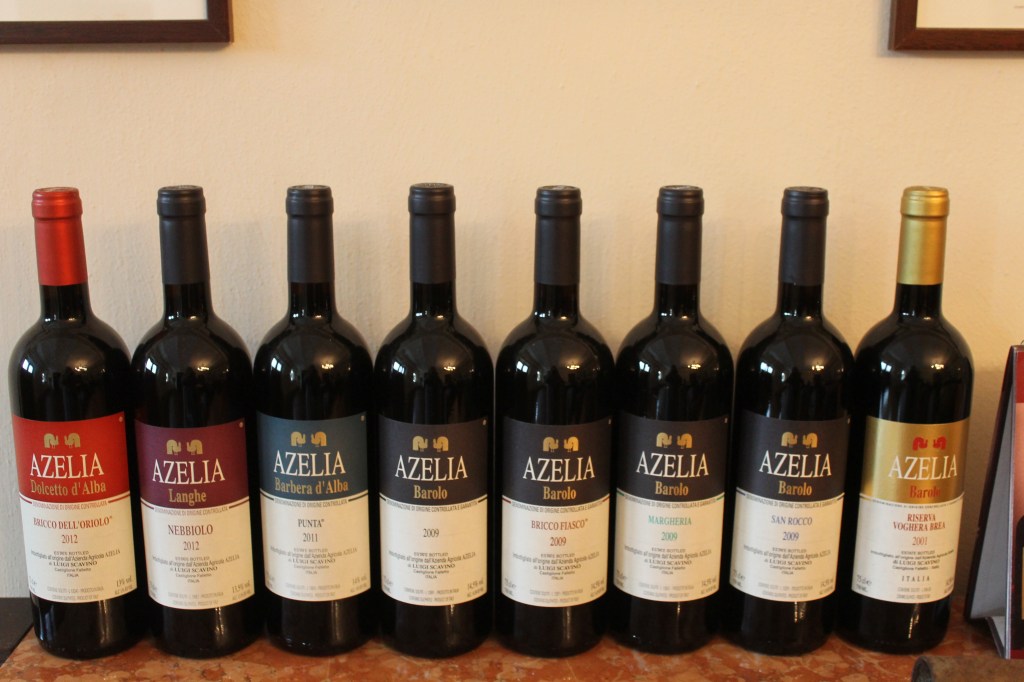
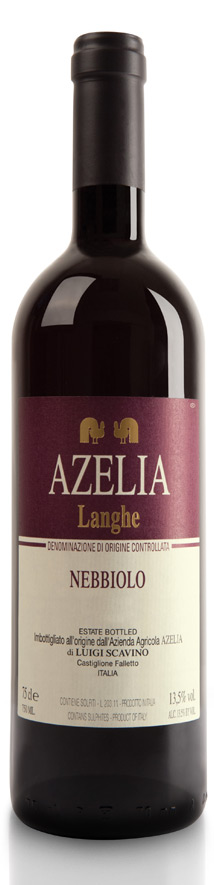
Azelia Langhe Nebbiolo 2018

The focus this year has been on Azelia’s new Barolo Cerretta, but let’s not forget about all the other wines they make! The Nebbiolo is quite structured in 2018. Notes of spices, licorice, leather, cherries and flowers. The tannins are round and the wine fruity, making it very drinkable.

Cascina Fontana Langhe Nebbiolo 2018

Mario uses both cement  and Slavonian oak for his Nebbiolo, for a total of 12 months. The 2018 is less concentrated than 2017 with lots of dark fruit and a bouquet of flowers. The wine is elegant with a long finish.

Cavallotto Langhe Nebbiolo 2018

I tasted the 2017 and 2018 side by side. The 2017 was very good, but when tasting it next to the 2018 it almost fell a little short. In the 2018 there is an explosion of floral notes. A very powerful nose. One of the more expressive Nebbiolo’s I’ve tried. The wine is young with big tannins, but they disappear quite quickly and you’re left with beautiful floral notes.

Cristian Boffa Langhe Nebbiolo 2018

This Nebbiolo is made with 16 year old vines from the Santa Maria vineyard. Cristian uses about 20% botte grande and 80% cement for 6 months. On the nose there are notes of strawberry jam, fruits, and flower, and the tannins are very smooth.  As a relatively new player in the game, it will be interesting to see the evolution of Cristian Boffa! Stay tuned.

Cristian Boffa Langhe Nebbiolo

Diego e Damiano Barale Langhe Nebbiolo 2018

A very drinkable Nebbiolo from Monforte, with vines planted by their grandfather in the San Giovanni vineyard about 40-50 years ago. The brothers use 2nd or 3rd passage tonno because they prefer to taste the natural tannins. One interesting aspect of the vinification is that they take out the seeds, a practice they learned from Vaira. A beautiful nose, elegant tannins and a long finish.

Diego Morra Langhe Nebbiolo 2018

Diego ages his Nebbiolo for a long time in the bottle, compared to other winemaker. Before the prolonged aging in bottle, the wine spends about 6 months in tonno, with 10% new oak. This might be one of my favorites. Very approachable, round tannins and a fresh expression.

Gianfranco Alessandria Langhe Nebbiolo 2018

Here’s a wine with a typical Nebbiolo nose: red berries, roses, hint of leather and spices. Aged 6 months in barrique with 10% new oak. The grapes come from San Giovanni, so there’s the Monforte power but the tannins are still elegant and sweet, making it quite approachable.   

Giovanni Corino Langhe Nebbiolo 2018

Of all the Corino wines, this might be my favorite. So elegant with fresh fruit and raspberry. Good structure with round tannins.

Luigi Pira Langhe Nebbiolo 2018

Released a year later than most of its “peers”, the Langhe Nebbiolo from Pira has spent about 12 months in small and big oak barrels. In addition to the terroir, the oak helps to give the wine its structure and complexity. Aroma of red fruit, leather, spices and tobacco as well as a hint of oak notes. Fruity in the mouth, crisp and complex. Persistent tannins with a long finish.

Mauro Veglio Angelo 2018

At first the Angelo came off a little green, but with some air it disappeared and I was left with licorice and raspberries. Very crisp! The tannins are there but they disappear. A relatively approachable Nebbiolo.

Burlotto Barolo 2016

Burlotto Barolo 2016

My first encounted with the Burlotto Barolo 2016 happened to coincide with my first ever tasting in the little church. Covid-19 has changed many things, including how Fabio conducts his tastings. Fortunately, the only difference was the venue. The wines are still top quality, like they were 10-20 years ago (long before Galloni gave the 100 points). And Fabio is the same: kind, funny and honest.

The 2016 vintage has already gotten a lot of good press. This includes the Burlotto Barolo 2016 wines. Cannubi 2016 and Monvigliero 2016 recently recieved 100 points from Wine Advocate. But I have to say, the classic Barolo really blew me away. Literally my first note was “Holy Shit.” And it’s true what Fabio said: “The classico is open for business”.

2016 is a vintage of harmony

Fabio
Langhe Sauvignon 2019

2019 is a vintage with a lot of tension. One the nose of Langhe Sauvignon you get the stereotypical goosberry notes. Normally it’s not my favorite grape, but i quite like the 2019 vintage. High in acidity and salty in the mouth.

Pelaverga 2019

Can we call Pelaverga the unsung hero of Verduno? Maybe that’s taking it too far, but I don’t think Pelaverga get’s the attention it deserves. A perfect wine for a hot summer day. Goes well with food but can also be enjoyed as an aperitivo. The 2019 is almost sweet, leaving a very good feeling in the mouth. Spicy but light at the same time, and only has 13% alcohol.

Barbera Aves 2018

This might be one of my absolute favorite Barbera’s. It’s not the first time I say this and it probably won’t be the last. The 2018 edition does not disappoint. Highacidity with dark fruits. Good grip, balanced. The Aves 2018 is high in alcohol but you don’t feel it in the mouth. How he does that is beyond me.

Langhe Freisa 2018

Strange nose. Almost like a pinot noir. Strawberry, fruity. Powerful tannins, bold wine.

Burlotto Barolo 2016

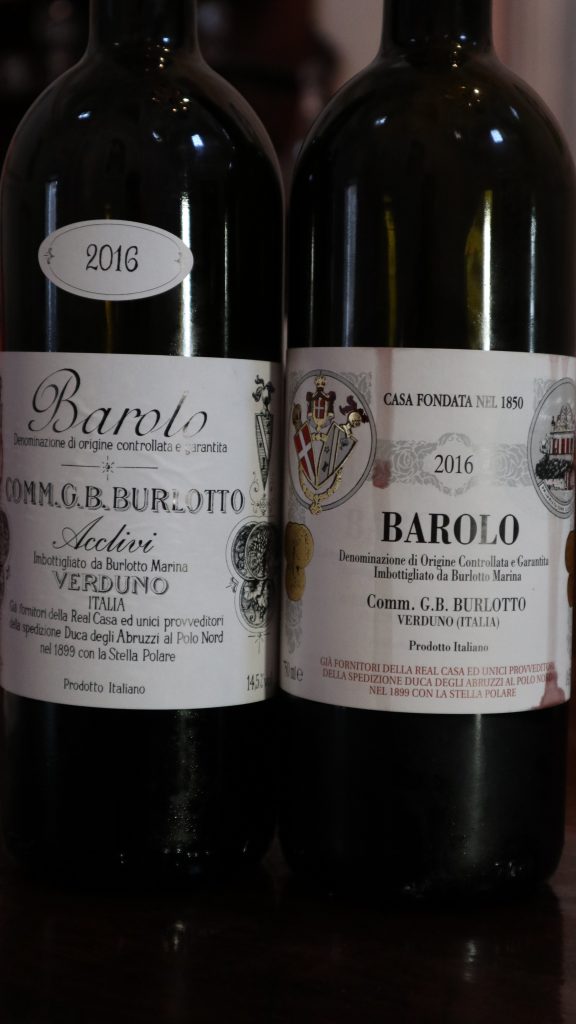
Burlotto Barolo 2016 and Burlotto Barolo Acclivi 2016

Barolo 2016

Holy shit. The Barolo Classico 2016 is so approachable. Spices, tobacco, some chocolate and violets on the nose. The tannins are sweet and the wine is elegant.

The Barolo Classico 2016 is very engaging now

Fabio

Barolo Acclivi 2016

My first thought: What an xtreme difference to the classic. The nose was so much more explosive. Roses, wet forest floor, spices. Smooth tannins. Spicy in the mouth.

Barolo Monvigliero 2016

Again, so different on the nose. Typical monvigliero notes, almost like perfume. Spicy and floral. Impressive wine that is both powerful and elegant at the same time, with a long finish.

Barolo Cannubi 2016

Floral, fruity, fresh. Bigger in the mouth than the other three. Big but with sweet tannins, making it relatively approachable now. But this is a wine I would store for a while.

Sneak Peak on the 2017

The 2017 Barolo’s are slightly more extreme and more concentrated than 2016. 2017 was a warm vintage, but Fabio does not see any sign of overripening in the wine. Overall he was quite happy with 2017 vintage. There is an important structure in the tannins. The wines will likely have a strong body.

Gianfranco Alessandria Barolo 2016

Gianfranco Alessandria Barolo 2016

Gianfranco Alessandria Barolo 2016
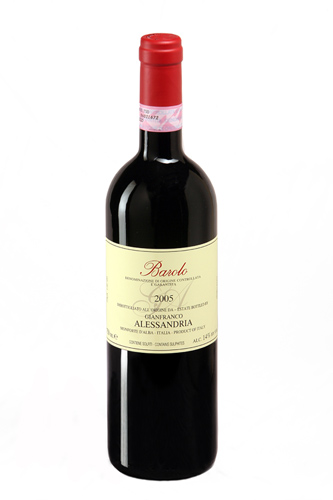
Picture shows vintage 2005

You can immediately tell that the Gianfranco Alessandria Barolo 2016 is from Monforte. The “masculine” nose and big tannins give it away. On the nose you’ll also find hints of oak, but in the mouth this “disappears”, leaving you with a beautifully balanced wine. As with a typical Barolo, there are also notes of rose petals, red fruits and spices. The 2016 is an excellent vintage with immense potential!

The grapes in the Gianfranco Alessandria Barolo 2016 come from the same vineyard as the San Giovanni, but some of the plants are younger, about 25-45 years old. They use 100% French oak (20% new, 80% used) for 24 months before bottling.

Antonio Galloni’s thoughts

The 2016 Barolo is bright, floral and beautifully lifted. Crushed flowers, sweet red berry and mint all grace this subtle, nuanced Barolo. Medium in body, with lovely freshness and good depth, the 2016 has so much to offer. This is a very pretty, and refined straight Barolo. The 2016 has the potential to be a real overachiever. I especially like the wine’s inner sweetness and perfume.

Antonio Galloni

Gianfranco Alessandria

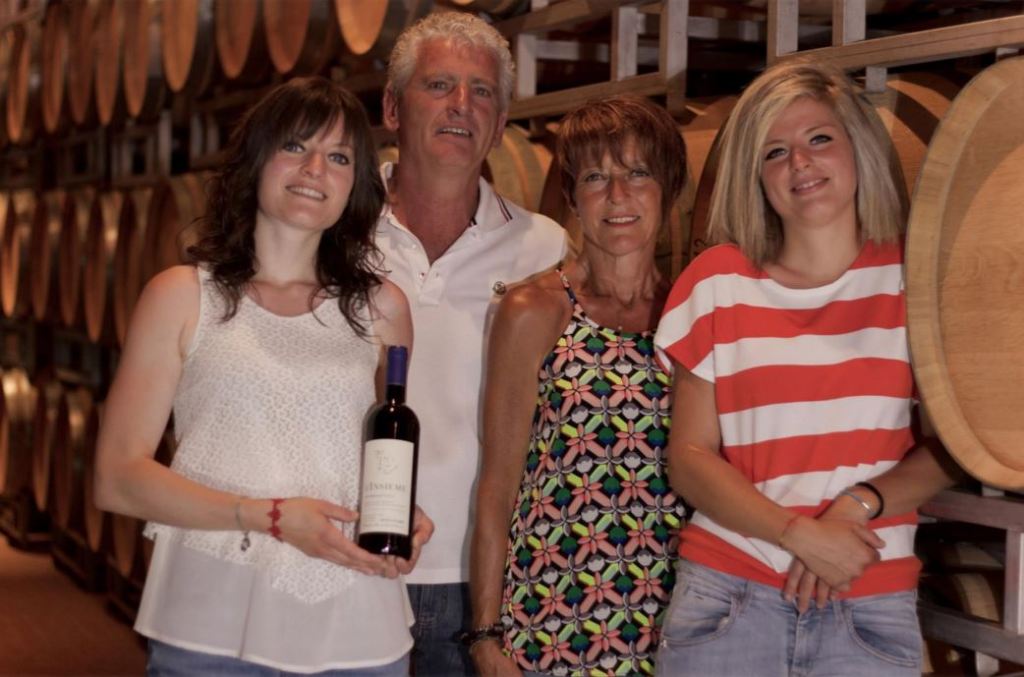
Smile. That’s what first comes to mind when I think of the Gianfranco Alessandria family of four. I have not met any family that smiles as much as and beautifully as they do. Their work is based on natural principles, respecting the time and methods required to obtain a product most correct in its form. They work as natural as possible only using minimal amounts of sulfur and copper sulfate, out of respect for the environment, as well as their own personal health.

You can check out the complete winemaker profile here.

Giovanni Corino Giachini 2016

Giovanni Corino Giachini

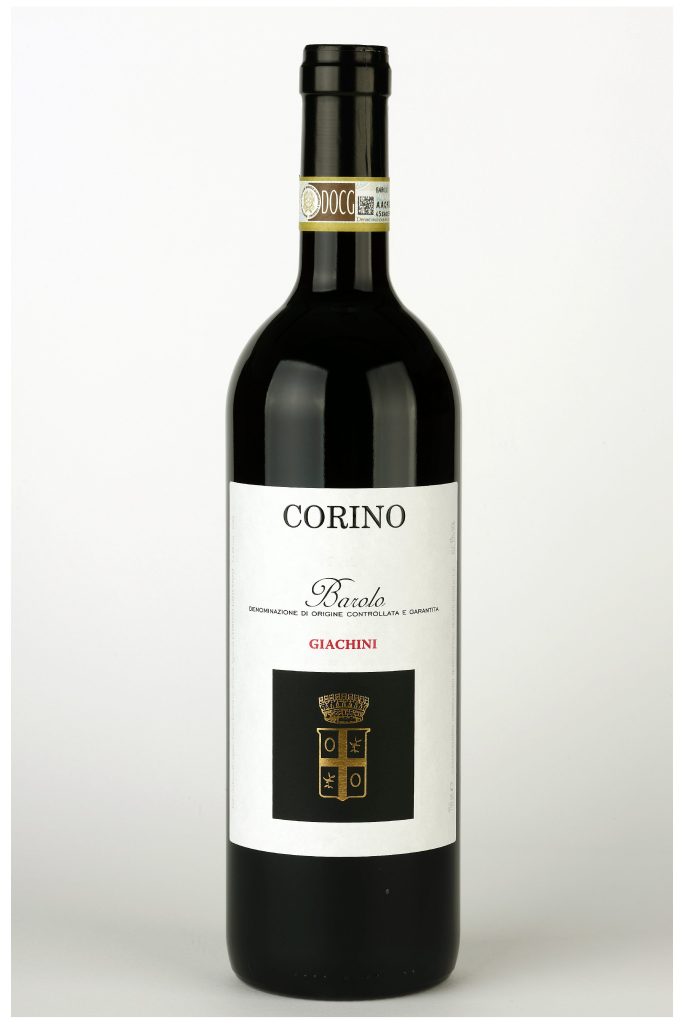
Giovanni Corino Giachini Barolo 2016 Botttle

The Giovanni Corino Giachini is very elegant, with typical La Morra Barolo flavors. 2016 is recognized as an incredible vintage, and if you can, you should store the 2016 Barolo’s for a long, long time.

However, the Giachini 2016 is drinable now. The tannins are big, but elegant. You’ll find lots of fruit, some tar and rose petals.

Giovanni Corino follows what some like to call the “modern style” of wine making using small oak barrels, also called barrique.

Maceration takes place between 5-7 days in a temperature controlled rotaryfermenter, at about 25 – 30 degrees celcius. The Giachini Barolo then moves into the oak barrels where it stays for 24 months.

Giovanni Corino

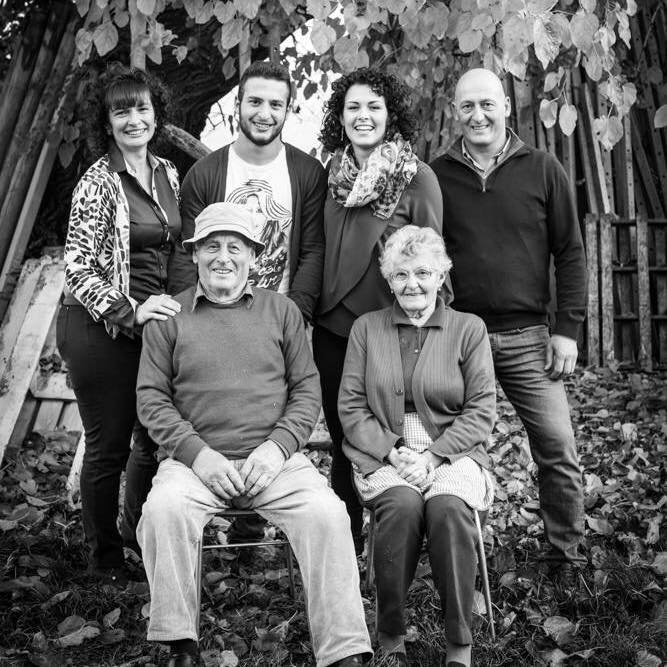
Giovanni Corino started making his own wines in the 1980’s. As many of the other winemakers in the area, his family farmed land and sold the fruit. Today, Giovanni spends more time in his vegetable garden than in the vineyards. Giovanni’s son Giuliano runs the show today, along with his wife Stefania and their two children, Veronica and Andrea.


Antonio Galloni on the Giachini Barolo 2016

The 2016 Barolo Giachini is bold and fleshy, with lovely textural richness that will emerge with more time in bottle. Black cherry, plum, lavender and dark spice nuances develop effortlessly. The Giachini has a track record of developing beautifully in the cellar; I imagine that will be the case here as well. All of the elements are present for that to happen.

Antonio Galloni

Azelia Langhe Nebbiolo

The 2015 Azelia Langhe Nebbiolo brings me right back to the tasting room that lies at the beginning of the “Champagnemilå” hill in Castiglione. The old clock ticks away in the background, drowned out by a passioante Lorenzo who is telling me about this wines (for the umpteenth time). Oh how I wish I was back there right now.

I’ll have to make do with drinking Azelia wines in Oslo while practicing Social Distancing.

Azelia

The story of Azelia starts in 1920 when Cavalier Lorenzo Scavino started to vinify the grapes from the family owned vienyards. This would be the start of an incredible journey for the Scavino family. Today, Luigi, Lorella and their son Lorenzo run the show. Lorenzo, who bears the name of his great grandfather, represents the 5th generation of winemakers in the family.

You can read more about Azelia in the Winemaker Profile.

Azelia Langhe Nebbiolo

The Azelia Langhe Nebbiolo come from vines with an average age of 20 years. After a short temperature controlled fermentation in rotorfermenters, the wine moves into steel tanks where it stays until its bottled.

Since I don’t have access to the current release of Azelia Langhe Nebbiolo I had to “make do” with the 2015 vintage.

Fruity – the first thing that comes to mind. Digging deeper you’ll find strawberry, red fruit, some tobacco & hint of roses. All those good things that a nebbiolo should smell. And then there’s the tannins. They are there, but they are smooth. 2015 was a warm vintage with very little rain, which often results in “warm” wines, i.e. ripe fruit, hints of toffee, etc. But the Langhe Nebbiolo from Azelia was fresh, full of red fruits and berries! Just the way I like it!

For my Norwegians

I just checked and the Langhe Nebbiolo is sold out at Vinmonopolet… I believe a new shipment is coming in, but while you wait you can try his Barbera or perhaps a Barolo!?

Roberto Voerzio Dolcetto

Dolcetto back in Norway

Norwegians rejoice! The Roberto Voerzio Dolcetto finally came back to the Norwegian market last month! It had been a while since I’d seen his wines here. And if you haven’t already, it’s still possible to order it at Vinmonopolet.

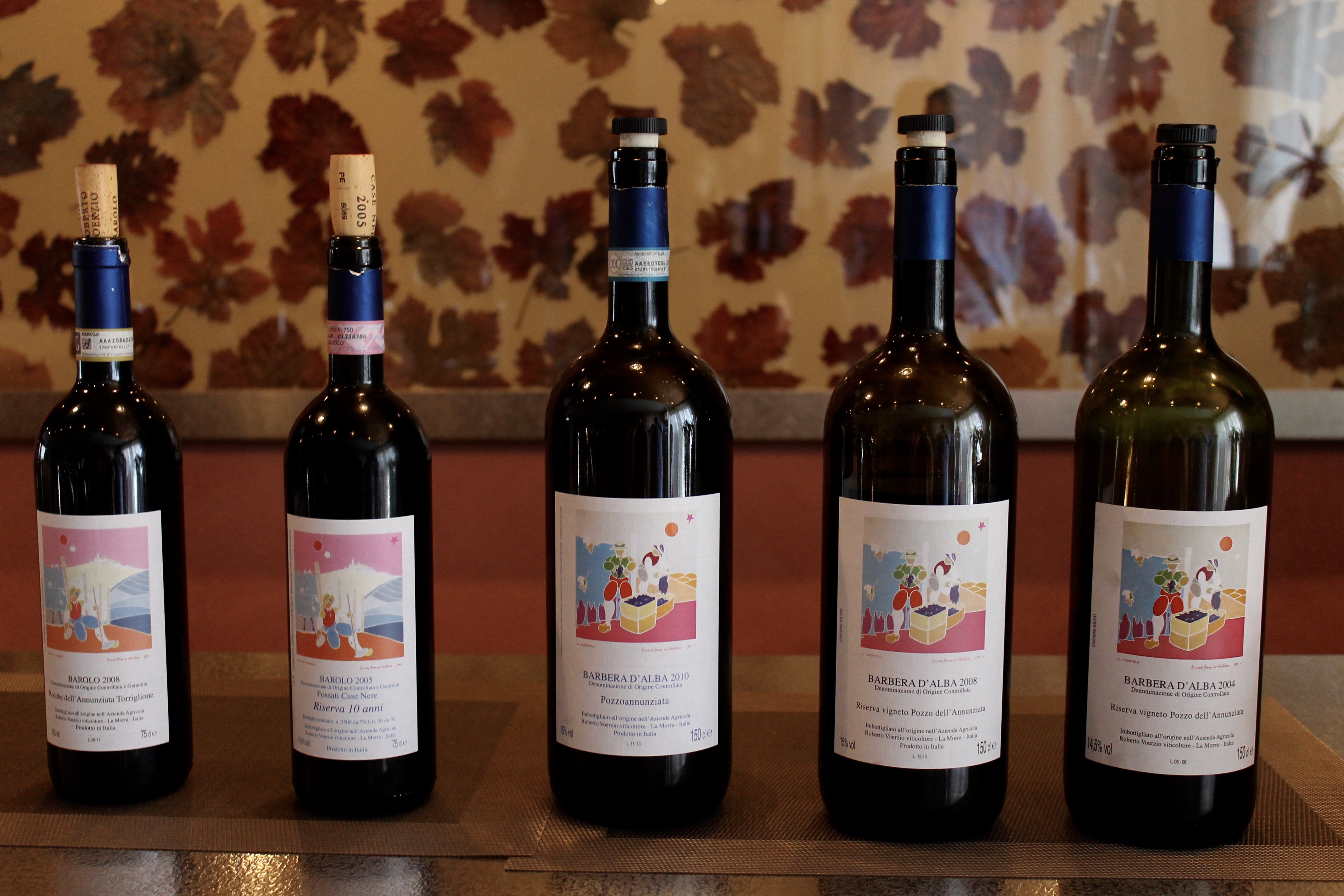
A myriad of Roberto’s other wines are also available. My personal favorite of his is the Barbera Pozzo. It only exists in Magnum bottles and since I can’t afford it, I hope to try it at the winery again this March. Or hope that someone will buy it for me. HINT: my birthday is coming up… haha

A gift from Roberto

Roberto Voerzio

Roberto’s winemaking style stands out. A “modernist”, just like Elio Altare, using small oak barrels and long maceration time. But what he is know for, is his work in the vineyard. Roberto chooses to do a very aggressive green harvest, reducing the number of grapes per plant, which results in more concentrated wine.

Voerzio Dolcetto 2018

In a blind tasting, this wine can be hard to figure out. Since Roberto doesn’t make wines that are “typical”, his Dolcetto doesn’t really seem like a Dolcetto. It could almost be mistaken for a Barbera, apart from the lack of acidity.

The first notes that hit are spices. Herbs. Licorice. Concentrated fruit in the mouth, typical of a Roberto Voerzio Dolcetto. Juicy, almost sweet. Predominantly ripe cherries, but also other ripe dark fruits. An impressive wine!

Accomasso Barolo 2010

The Man, The Myth, The Legend

Before we talk about the Accomasso Barolo, let’s talk about Lorenzo Accomasso. After his quick rise to fame, Accomasso’s wines have been harder and harder to come by. The story of Lorenzo Accomasso is a peculiar one. And he’s a peculiar man. And his wines can be a bit peculiar too. I’ve only ever had his wines a handful of times, and the experience has been quite varied to be honest.

However, I have been lucky enough to visit him twice. And it’s quite the experience. He doens’t speak a word of english or regular italian. Only dialect. So I always bring along a translator. Not that it really helps. He doesn’t really talk about wine. The last time I was there, he was very excited about the land he has just bought. At age, 80+. He really is very peculiar. Hopefully I’ll be able to visit again this year!

Elio Altare, Piemontegirl and Accomasso

Accomasso Barolo 2010

2010 has a big reputation, and this 2010 Barolo lived up to it. There’s a whole debate going on about whether or not the 2010’s are ready now, and in my limited experience with 2010 I think they could use a few more years.

The aroma’s immediately reminded me of La Morra. I love it when a wine can take you back to some of your fondest memories. A mix of fruits and herbs on the nose, really beautiful aromas. The first sip took me a bit by surprise. It’s a big wine. Tannins are strong, but still smooth, if you know what I mean.

His wines get mixed reviews, but the 2010 Accomasso Barolo was really good! I tasted it blind, and was honestly quite surprised when I saw which wine it was. It’s a very big wine, so it got even better with some food. If you have any 2010, you can keep them another 5-10 years!

Trediberri Nebbiolo

Nebbiolo in Piemonte

We all know that Nebbiolo is the main grape in Piemonte. Personally, I think there are many other great grape varieties in the area, like Dolcetto, Barbera, Chardonnay, Nascetta, Freisa – I mean the list goes on. But Nebbiolo usually gets the most attention.

And with Nebbiolo, the winemakers can make both Langhe Nebbiolo or Nebbiolo d’Alba, as well as Barolo, Barbaresco, Roero, Gattinara, Carema & Ghemme. The latter all qualify as DOCG when made in their respective areas. Honestly, the rules and regulations in Piemonte are too complicated to get into right now.

Trediberri Nebbiolo – 2018

As Nicola so eloquently put it, 2018 is as skinny as Miley Cyrus. So the Trediberri Nebbiolo in 2018 will be a bit more “thin” than 2017. But skinny or thin is not necessarily a bad thin. It’s just different.

Fruity, fresh, approachable and well balanced – all the above describe this wine. I personaly prefer 2018 over 2017. At least for the moment.

Nicola’s take on the past vintages

I know you’ve seen this before. But I have to repost it, because it’s just too good.

Every year is different, for better or worse. 2014 is known for it’s massive amounts of rain. 2010 is considered a wine for the books. But I believe a truly great winemaker can make good wine in any vintage. If you work with nature, respect nature and generally just work hard, you can make magic happen.

In recent encounter with Nicola, this is what he said about the past vintages:

2016 is all class like Jaqueline Kennedy. 2017 is as huge Pamela Anderson. And 2018 is as skinny as Miley Cyrus.

NICOLA