Crissante Alessandria

Crissante Alessandria since 1958

Crissante Alessandria started making wine back in 1958. As with many other families in the area, Alessandria’s family cultivated vineyards but instead of bottling under their family name, they sold the grapes. Crissante Alessandria started with just a few hectares in Roggeri and Capalot, but over the years they aquired more land in Langhe. The few hectares has now grown into 6 hectares.

Today, the Crissante brothers Alberto and Luca run the winery in Santa Maria, continuing their family’s legacy.
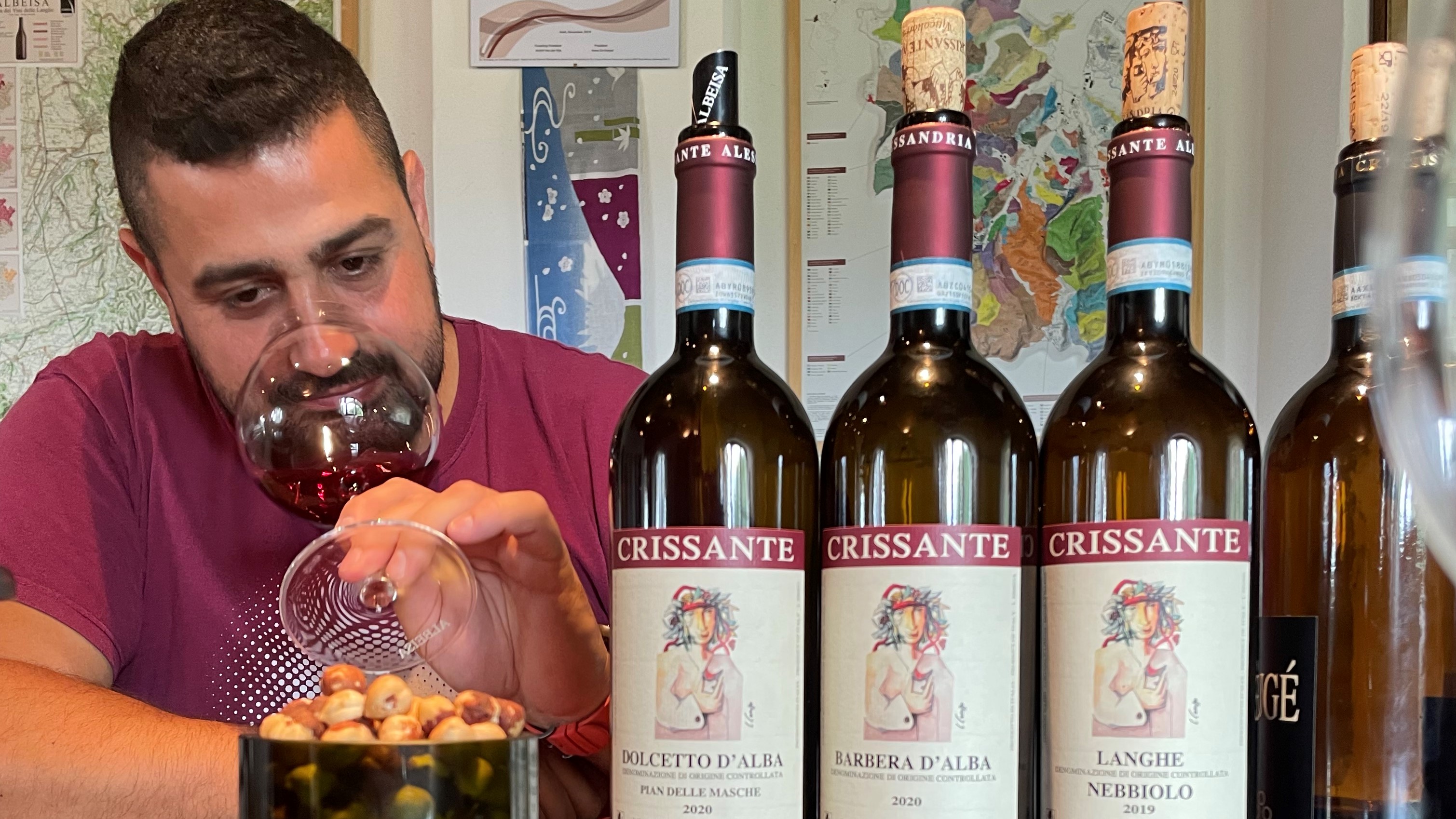
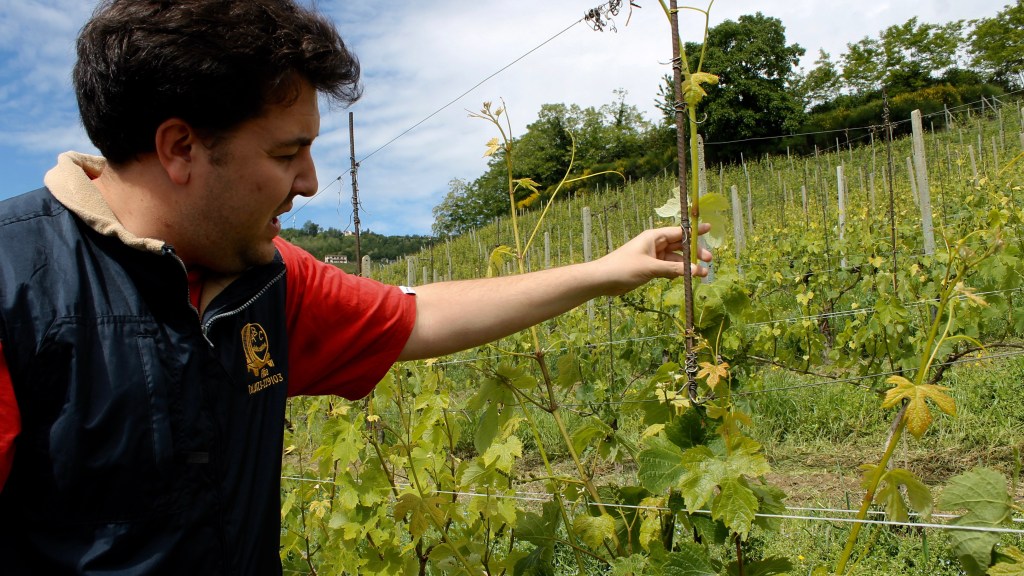
Alberto from Crissante Alessandria

Winemaking

Crissante Alessandria ages their wines in a mix of small, medium and big barrels, with mostly long fermentations, using both pump over and punch down. They respect mother nature, and may change their vinification method depending on the vintage.

Apart from the Barolo Mac Magnum La Punta, most of the Barolo’s go through the same vinification process: about 2 weeks of maceration in stainless steel tank at 28 degree with temperature control, followed by “Follatura manuale” and remontage process 4 times for day for the first 5 days. They then age for 24 months in oak.

The entry level wines go through fermentation for approximately 10 days in temperature-controlled steel tanks in contact with the skins, frequent pump-overs and punch-downs especially during the first 5 days of maceration. The wines spend some time in stainless steel tanks before bottling.

Fun fact

Crissante Alessandria also cultivates and sells hazelnuts.

Crissante Alessandria Wines

Today, the winery makes quite a few wines from their 6 hectares: Barolo Roggeri, Barolo Capalot, Barolo Galina, Barolo La Punta Capalot Mac Magnum, Dolcetto D’alba, Barbera d’Alba superiore RUGE’, Langhe Nebbiolo and Nebbiolo rosè.

Barolo Galina
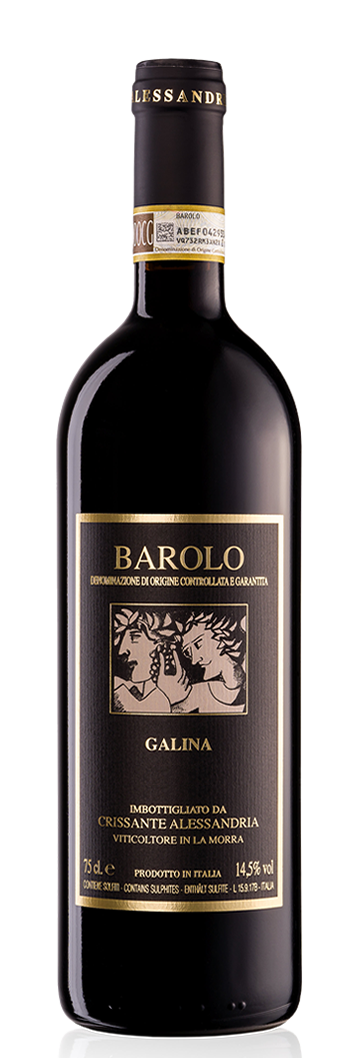
BASIC INFORMATION

Product name: Barolo Galina
Grape: 
100% Nebbiolo
Classification: DOCG
Number of bottles produced: 5500
Color: intense garnet red
Fragrance:
hints of ripe fruits, apricot and blackberries
Taste:
Full bodies, warm and well balanced with soft tannins
Food pairing:

VINIFICATION

Method: about 2 weeks of maceration in stainless tank at 28 degree temperature control; “Follatura manuale” and remontage process 4 times for day for the first 5 days until the end of pressing process.
Aging: 
24 months in barrique and tonneaux

VINEYARD

Vineyard: Galina “area”, south of the La Morra Hill
Soil: 
Limestone with fine sand
Exposure: South
Altitude: 230-300
Year planted: 2014

Barolo Mac Magnum La Punta
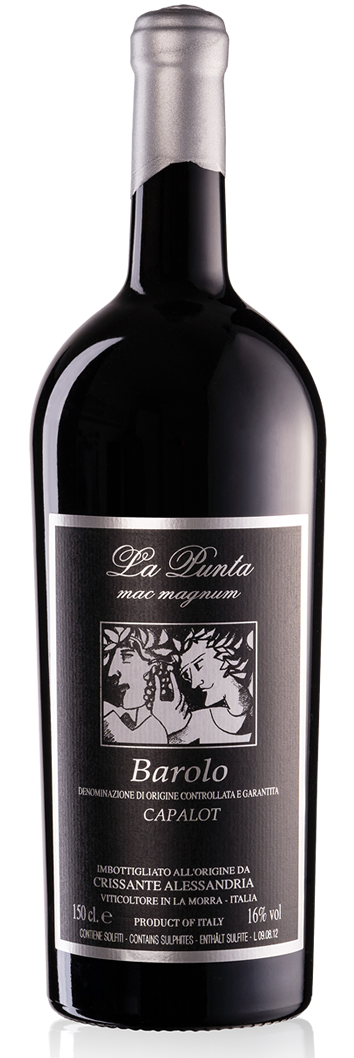
BASIC INFORMATION

Product name: Barolo Mac Magnum La Punta
Grape: 
100% Nebbiolo
Classification: DOCG
Number of bottles produced: 
Color: garnet red
Fragrance:
ripe red fruits, licorice and vanilla
Taste:
full body, elegant with soft tannins
Food pairing:
meats, cheese

VINIFICATION (Wine-making)

Method: manual de-stemming, grape by grape, before pressing. Fermentation two weeks long in contact with the skins, with only manual pump-overs. The must and wine never come in contact with electric pumps and are always transferred manually as in ancient times with the utmost respect for the product.
Aging: 
in 300 liter barrels for at least 2 years
Minimum aging in bottle:  9 months

VINEYARD

Vineyard: Capalot
Soil: 
limestone with fine sand
Exposure: south/east
Year planted:  1966

Barolo Capalot
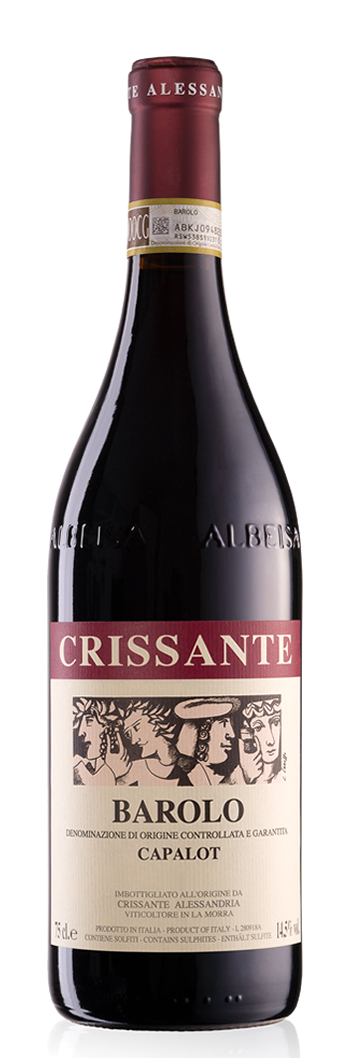
BASIC INFORMATION

Product name: Barolo Capalot
Grape: 
100% Nebbiolo
Classification: DOCG
Number of bottles produced: 4000
Color: intense garnet red
Fragrance:
red fruits, blackberries and plums
Taste:
fruity, with hint of vanilla

VINIFICATION (Wine-making)

Method: about 2 weeks of maceration in stainless tank at 28 degree temperature control; “Follatura manuale” and remontage process 4 times for day for the first 5 days until the end of pressing process
Aging: 
botte grande for 24 months
Minimum aging in bottle: 

VINEYARD

Vineyard: Capalot
Soil: 
limestone with fine sand
Exposure: south/east
Altitude: 300-330
Year planted: 1951

Barolo Del Comune Di La Morra
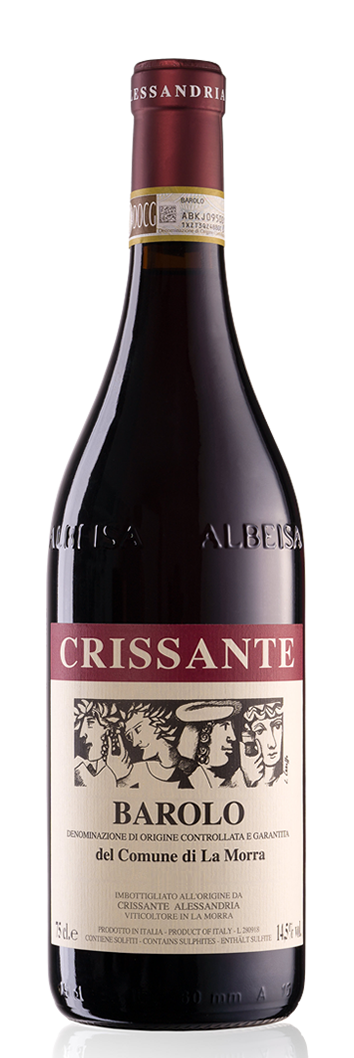
BASIC INFORMATION

Product name: Barolo del Comune di La Morra
Grape: 
100% Nebbiolo
Classification: DOCG
Number of bottles produced: 16 000
Color: brilliant garnet ruby
Fragrance:
cherry, ripe strawberry, hint of dried apricots
Taste:
full body, silky tannins
Food pairing:
meat, cheese, pasta

VINIFICATION (Wine-making)

Method: about 2 weeks of maceration in stainless steel tank at 26-28 degree with temperature control. Punching down and remontage process 4 times for day from the fifth day until the end of fermentation process
Aging: botte grande for 24 months
Minimum aging in bottle: about 9 months

VINEYARD

Vineyard: 60% Roggeri, 20% San Biagio, 20% Bettolotti
Soil: 
Roggeri – clay with limestone, San Biagio – light clay and sand, Bettolotti – light clay and sand
Exposure:  Roggeri – south-east, San Biagio – south, Bettolotti – east
Year planted: range from 2016 to 1957

Barolo Roggeri
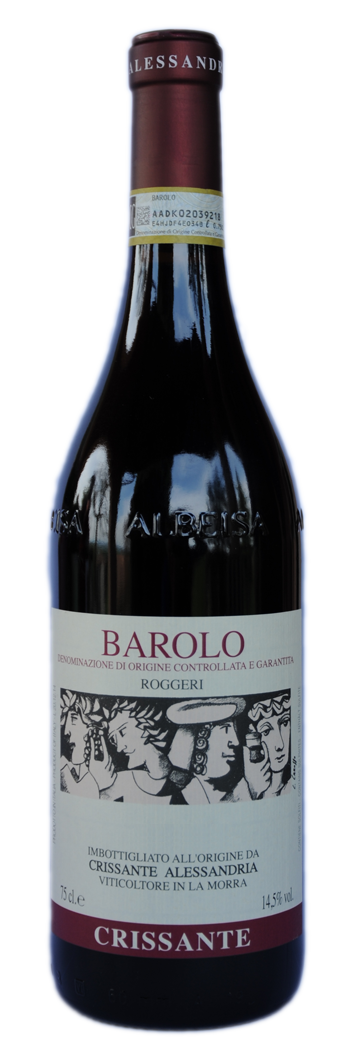
BASIC INFORMATION

Product name: Barolo Roggeri
Grape: 
100% Nebbiolo
Classification: DOCG
Number of bottles produced: 15 000
Color: intense garnet red
Fragrance:
mature fruits like plum, apricot and blackcurrant with hint of purple flowers
Taste:
good body, velvety tannins, long finish
Food pairing:
meat, cheese, pasta

VINIFICATION (Wine-making)

Method: about 2 weeks of maceration in stainless steel tank at 28 degree with temperature control. “Follatura manuale” and remontage process 4 times for day for the first 5 days
Aging: botte grande for 24 months

VINEYARD

Vineyard: Roggeri
Soil: 
clay with limestone
Exposure:  south, south-east
Altitude: 280-300
Year planted: 1957

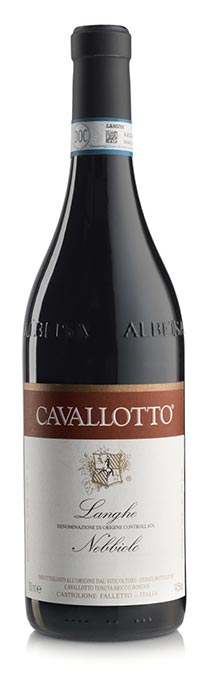
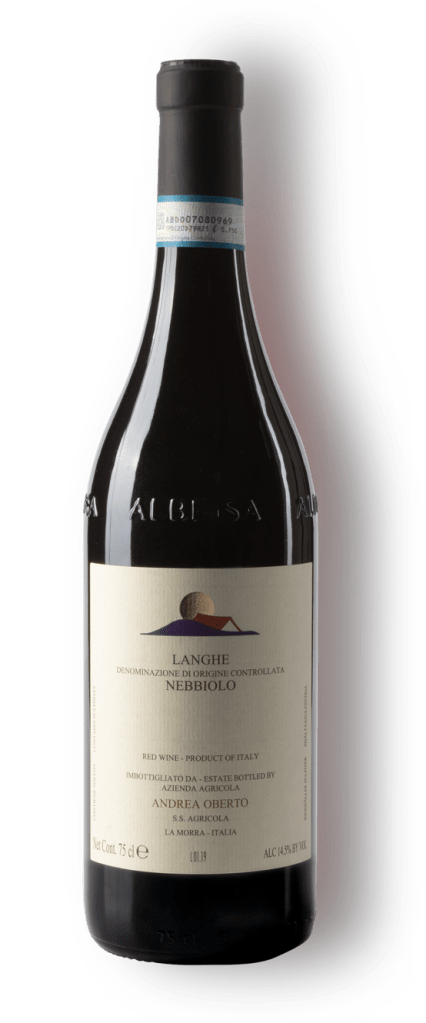
Langhe Nebbiolo
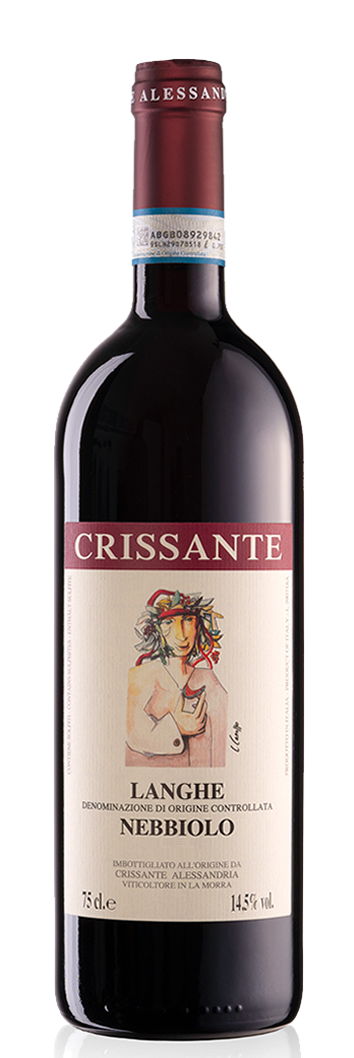
BASIC INFORMATION

Product name: Langhe Nebbiolo
Grape: 
100% Nebbiolo
Classification: DOC
Number of bottles produced: 1200
Color: ruby red with garnet reflections
Fragrance:
red fruit, raspberry, cherry, and violets
Taste:
warm, pleasant tannins, aftertaste of cherries
Food pairing:
cheese, pasta, meat

VINIFICATION (Wine-making)

Method: fermentation for approximately 10 days in temperature-controlled steel tanks in contact with the skins, frequent pump-overs and punch-downs especially during the first 5 days of maceration
Aging: 12 months in used barrique
Minimum aging in bottle: about 6 months

VINEYARD

Vineyard: vineyards in La Morra
Soil: 
clayey and calcareous soil with underlying marl
Exposure: East
Year planted: 2009

Barbera d’Alba Superiore Rugé
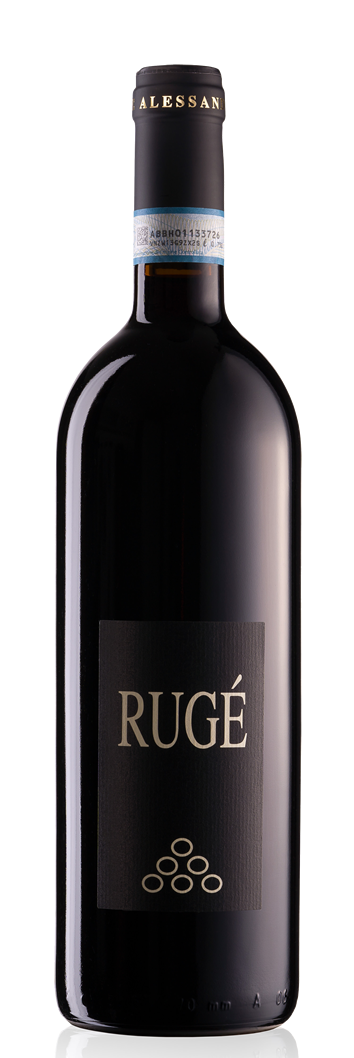
BASIC INFORMATION

Product name: Barbera d’Alba Superiore Rugè
Grape: 
100% Barbera
Classification: DOC
Number of bottles produced: 2000
Color: ruby red with garnet nuances
Fragrance:
blackcurrant, licorice, mature cherry
Taste:
rich, full bodied, red fruit, vanilla
Food pairing:
pasta, lamb,

VINIFICATION (Wine-making)

Method: about 2 weeks of maceration in stainless steel tank at 28 degrees with temperature control. “Follatura manuale” and remontage process 4 times for day for the first 5 days until the end of pressing process.
Aging: tonneaux for 12 months

VINEYARD

Vineyard: from La Morra
Soil: 
clay and limestone
Exposure: south, east
Altitude: 250-300
Year planted: 1954

Barbera d’Alba
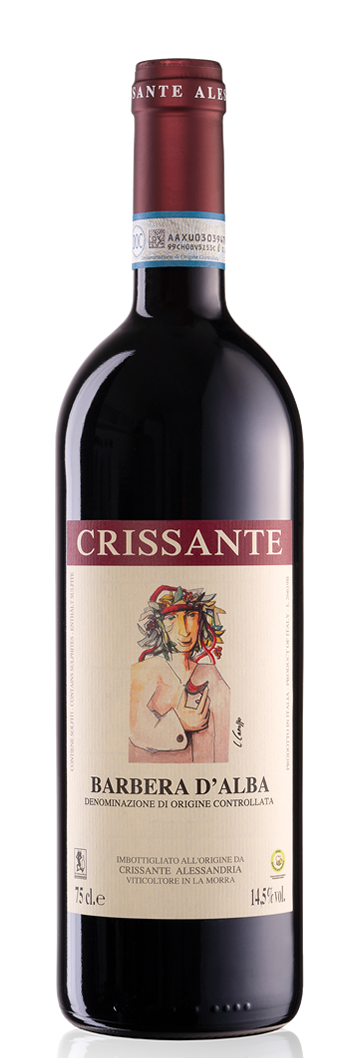
BASIC INFORMATION

Product name: Barbera d’Alba
Grape: 
100% Barbera
Classification: DOC
Number of bottles produced: 2500
Color: lively ruby red with violet hues
Fragrance:
cherry, raspberry and blackberry
Taste:
intense, full-bodied, fresh acidity
Food pairing:
meat, cheese, pasta

VINIFICATION (Wine-making)

Method: fermentation for 10/12 days in steel tanks in contact with the skins, frequent pump-overs and punch-downs especially during the first 7 days of maceration.
Aging: 
stainless steel

VINEYARD

Vineyard: Bricco San Biagio
Soil: 
mark, calcareous, slightly sandy
Exposure: east
Altitude: 200-250
Year planted: 1990

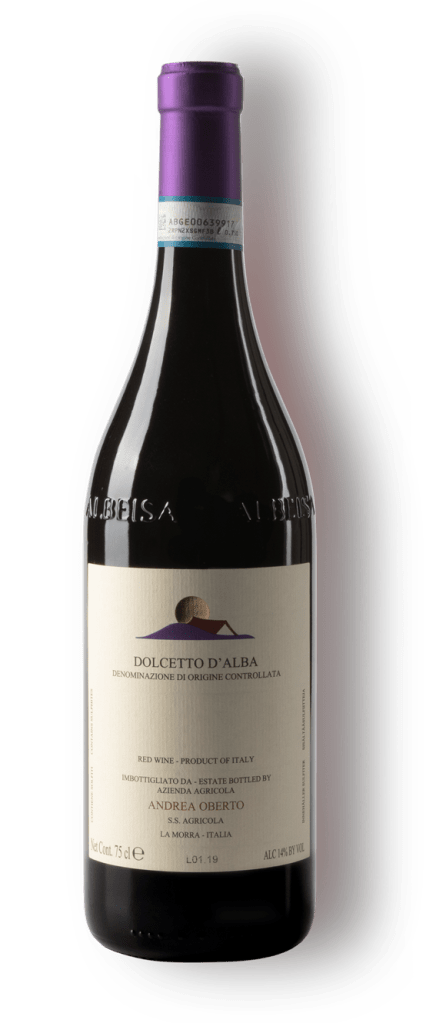
Dolcetto d’Alba
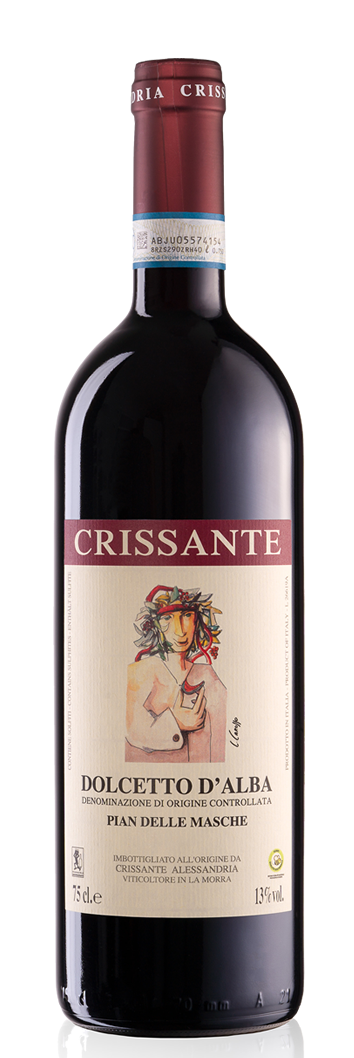
BASIC INFORMATION

Product name: Dolcetto d’Alba
Grape: 
100% Dolcetto
Classification: DOC
Number of bottles produced: 1200
Color: intense ruby red with violet hues
Fragrance:
cherries, redcurrant, violets
Taste:
soft, good body, almond aftertaste
Food pairing:
pizza, appetizers, main courses

VINIFICATION (Wine-making)

Method: fermentation for seven days in steel tanks in contact with the skins, frequent pump-overs and punch-downs especially during the first 4 days of maceration
Aging: 
stainless steel

VINEYARD

Vineyard: vineyards in La Morra
Soil: 
marl, calcareous
Exposure: east
Altitude: 300-350
Year planted: 1968

Rosato Affresco
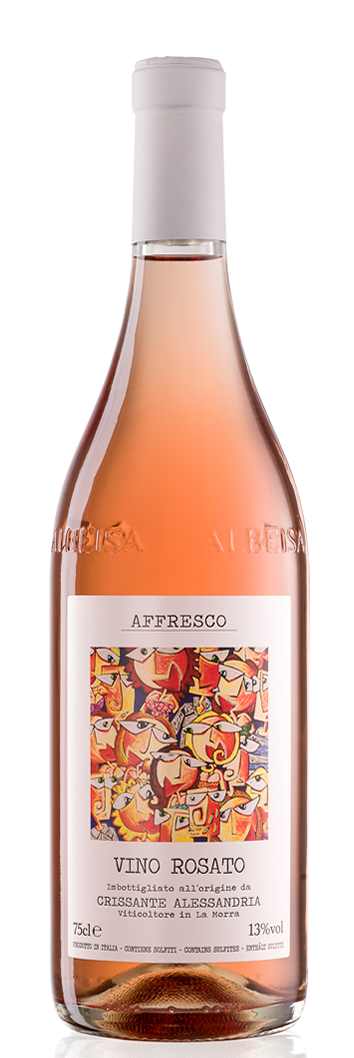
BASIC INFORMATION

Product name: Rosato Affresco
Grape: 

Classification: 
Number of bottles produced: 1500
Color: pale pink
Fragrance:
raspberries, cherries, floral notes
Taste:
fruity with fresh acidity
Food pairing:
aperitivo, appetizers, seafood

VINIFICATION (Wine-making)

Method: racking a few hours after pressing and after brief contact with the skins, where a small amount of color is extracted. Long fermentation lasting three to four weeks in temperature controlled stainless steel tanks at low temperature in contact with the skins. It remains in the stainless steel tanks for the winter months with exposure to the natural cold
Aging: stainless steel

VINEYARD

Vineyard: various
Soil: 
marly-calcareous from different vineyards
Exposure:  east, south-east
Year planted: various
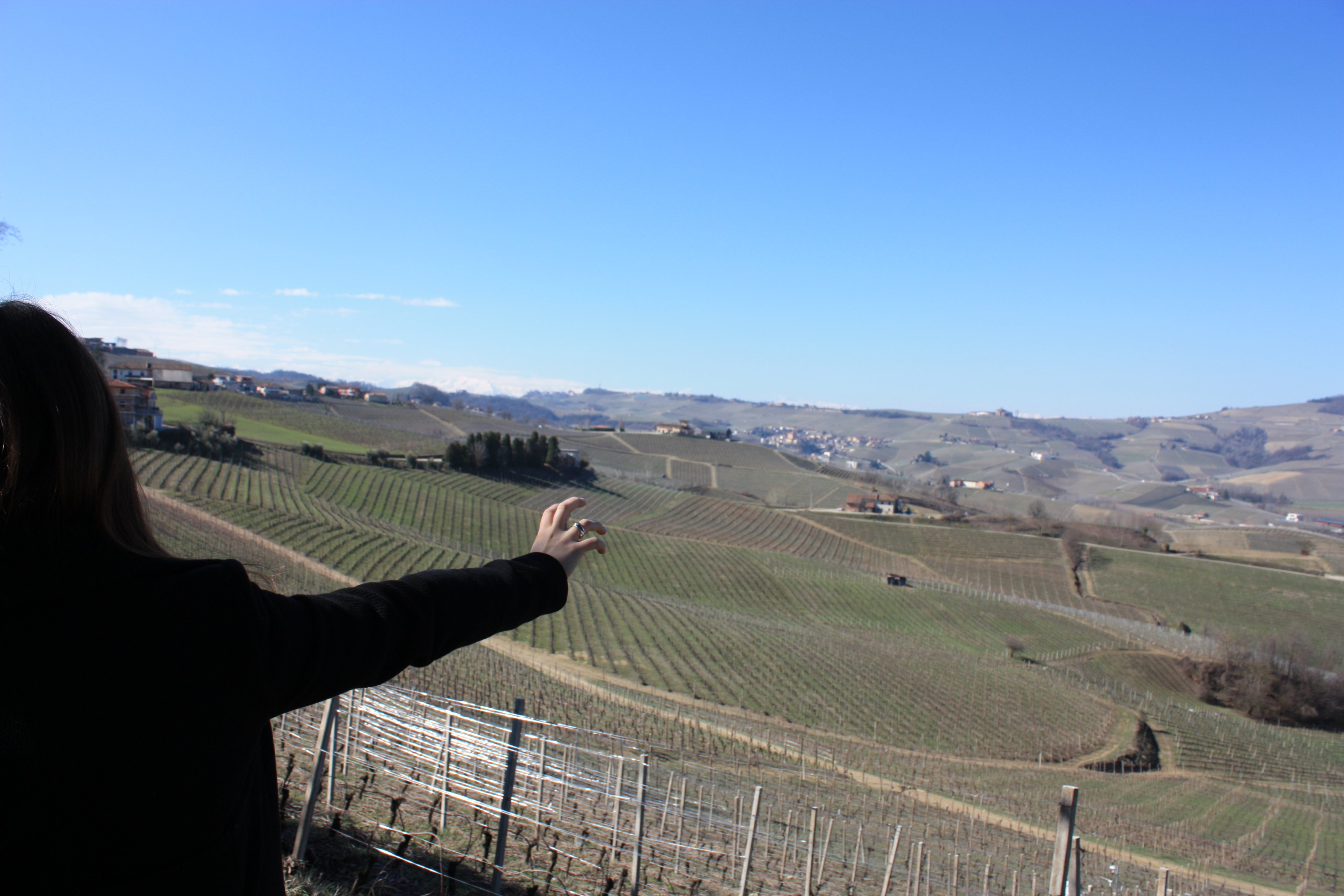
Cavallotto

Cavallotto Winery

The Cavallotto estate dates back to 1928, but the first bottle of Cavallotto Barolo wasn’t released until 1948. Back then it wasn’t common to bottle wine under a family label. Most farmers sold their grapes or sold the wine in bulk. Olivio and Gildo Cavallotto were the ones who began to vinify and bottle the wine under the family name, and today their children Alfio, Giuseppe and Laura continue the work of their family.

Cavallotto Vineyard Bricco Boschis

Wines

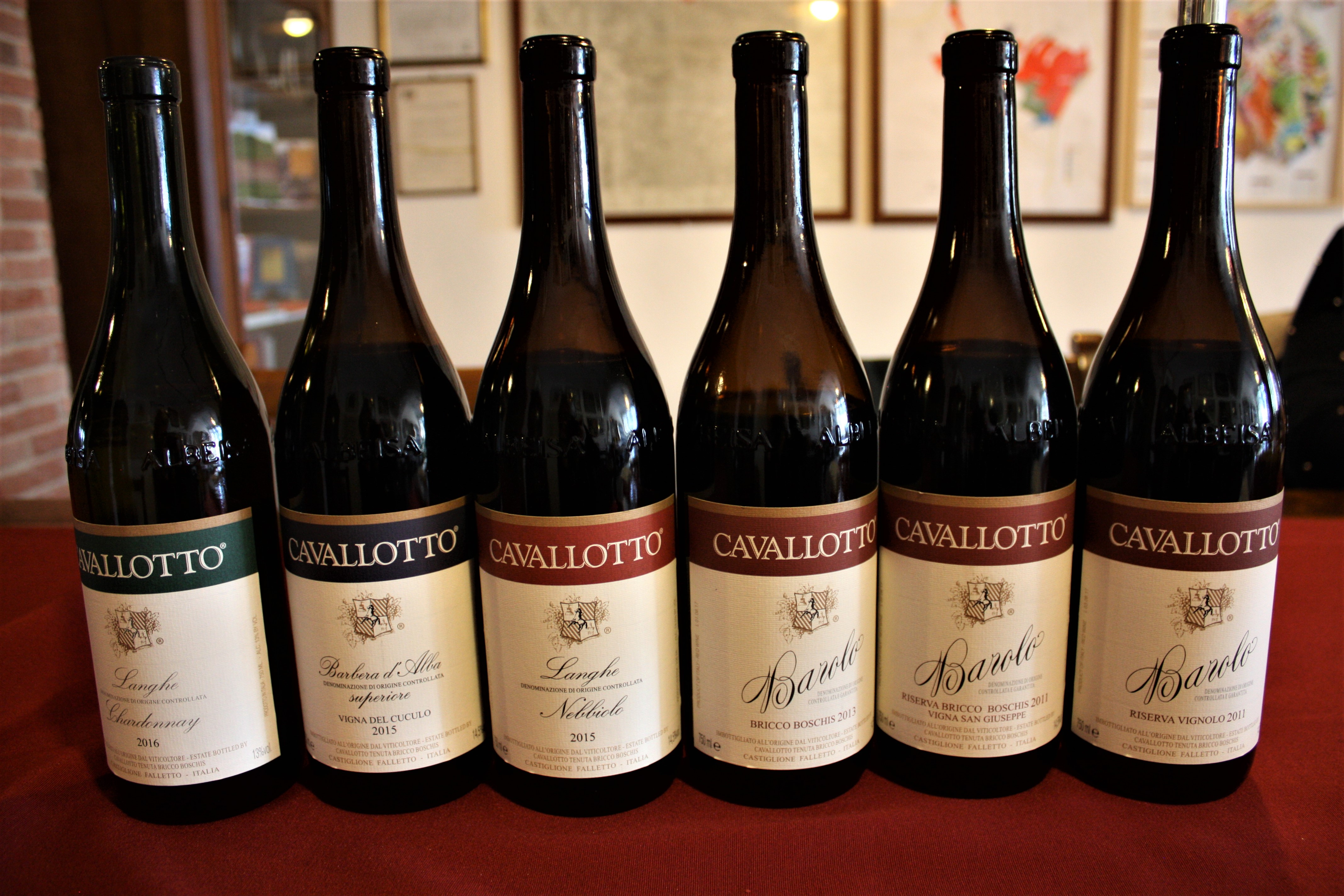
All the Cavallotto vineyards are located around the estate in Castiglione, and most of the grapes grow in the historic Bircco Boschis vineyard. Of the 25 hectares a whopping 17 hectares (more than half) is Nebbiolo for Barolo. In addition to the usual suspects (Dolcetto, Barbera and Nebbiolo), the Cavallotto family also cultivates Freisa, Pinot Noir, Chardonnay and Grignolino.  

Winemaking

Contemporary Traditionalists – that’s what I would call the Cavallotto family. They use “modern” technology like temperature controlled stainless steel tanks and modern crushing techniques, but “traditional” ageing methods with bigger barrels. Honestly, I think the whole “modern” vs “traditionalist” debate is out of date, and there is so much more to the whole story than what type of oak is used. Just ask Chiara Boschis!

Sustainable winemaking – another term to use about the Cavallotto family! As it says on their website, “Alfio and Giuseppe Cavallotto, both enologists, are deeply attentive to their vineyard practices, and all work is performed according to a fundamental respect for the land.”

Fun fact

The Cavallotto have multiple weather stations, where they monitor the weather closely. They started this because the local weather station was located in Alba, and the climate there is quite different from the climate in Castiglione.

Fun fact II

Alfio is experimenting with alternative methods to spray plants with natural herbicides and one of the options currently on the table is drones.

Wines

Wines available in:
Norway
Australia
Germany
Hong Kong
Italy
Netherlands
Switzerland
UK
USA

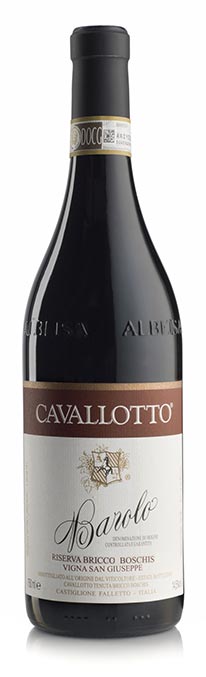
Barolo Riserva Bricco Boschis Vigna San Giuseppe

BASIC INFORMATION

Product name: Barolo Riserva Bricco Boschis Vina San Giuseppe
Grape: 
Nebbiolo
Classification: DOCG
Number of bottles produced: 9 000
Fragrance: fruity, floral, spices
Taste:
fresh acidity, ripe fruits, long finish
Food pairing:
prosciutto, salami, red meat, grilled fish, aged cheese

VINIFICATION (Wine-making)

Method: fermented with indigenous yeasts, macerated with submerged cap for 20-35 days.
Ageing: Traditional in Slavonian Oak Casks for 4-5 years.
Minimum aging in bottle: 12 months

VINEYARD

Vineyard: San Giuseppe
Exposure: South-West
Year planted/Age of plants:  1961 / 60 years old

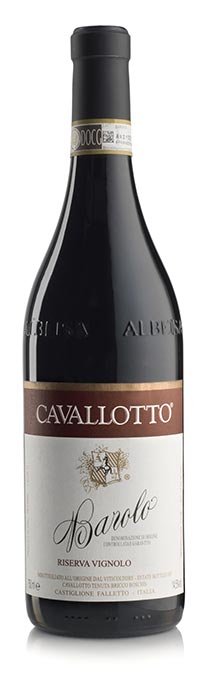
Barolo Riserva Vignolo

BASIC INFORMATION

Product name: Barolo Riserva Vignolo
Grape: 
Nebbiolo
Classification: DOCG
Number of bottles produced: 6 500
Fragrance: fruity, floral, spices
Taste:
structured, long finish
Food pairing:
prosciutto, salami, red meat, grilled fish, aged cheese

VINIFICATION (Wine-making)

Method: fermented with indigenous yeasts, macerated with submerged cap for 20-35 days.
Ageing: 
Traditional in Slavonian Oak Casks for 4-5 years.
Minimum aging in bottle: 12 months

VINEYARD

Vineyard: Vignolo
Exposure: South-West
Year planted/Age of plants:  1966/ 55 years old

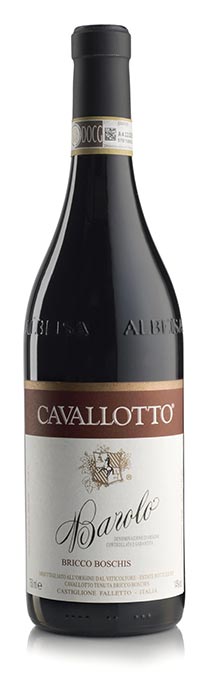
Barolo Bricco Boschis

BASIC INFORMATION

Product name: Barolo Bricco Boschis
Grape: 
Nebbiolo
Classification: DOCG
Number of bottles produced: about 35 000
Fragrance: fruity, floral, spices
Taste:
dark fruits, licorice, ripe tannins
Food pairing:
prosciutto, salami, red meat, grilled fish, aged cheese

VINIFICATION (Wine-making)

Method: fermented with indigenous yeasts, macerated with submerged cap for 20-35 days
Ageing: Traditional in Slavonian Oak Casks for 3-3.5 years
Minimum aging in bottle: 6-12 months

VINEYARD

Vineyard: Various parcels inside Bricco Boschis, including the historic Punta Marcello and Colle SudOvest plots
Exposure: : South, South-West, South-East, West
Year planted/Age of plants:  1971/ 50 years old

Langhe Nebbiolo

This Nebbiolo comes from Barolo vineyards, generally from the youngest vines.

BASIC INFORMATION

Product name: Langhe Nebbiolo
Grape: 
Nebbiolo
Classification: DOC
Number of bottles produced: about 20 000
Fragrance: red fruits and flowers, spices
Taste:
red fruit, spices, intense, structured
Food pairing:
pasta, simple red meat, seasoned cheese

VINIFICATION (Wine-making)

Method: fermented with indigenous yeasts, macerated with submerged cap for 20-35 days
Ageing: 
Traditional in Slavonian Oak Casks for 15-18 months
Minimum aging in bottle: 6 months

VINEYARD

Vineyard: Various inside Bricco Boschis, Codana and Pernanno; grown in 100% Nebbiolo da Barolo parcels
Exposure: South-East, South, South-West, West
Age of plants:  50-60 years old

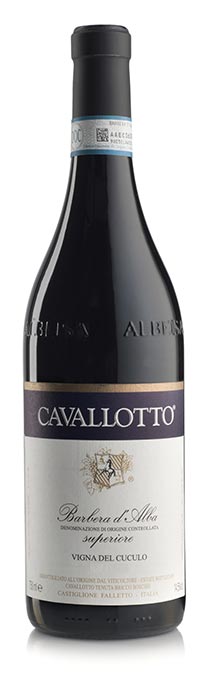
Barbera d’Alba

BASIC INFORMATION

Product name: Barbera d’Alba Vigna Cuculo
Grape: 
Barbera
Classification: DOC
Number of bottles produced: around13 000
Fragrance: red fruit, ref flowers
Taste:
black stone fruit, cassis, fresh, goof acidity
Food pairing:
salami, pasta, pizza, robust white meat, aged cheese

VINIFICATION (Wine-making)

Method: fermented with indigenous yeasts, macerated with submerged cap for 10-15 days
Ageing: 
Traditional in Slavonian Oak Casks for 15-18 months
Minimum aging in bottle: 6 months

VINEYARD

Vineyard: the “Vigna Cuculo” parcel inside Bricco Boschis
Exposure: Southwest/West
Age of plants:  59 years old

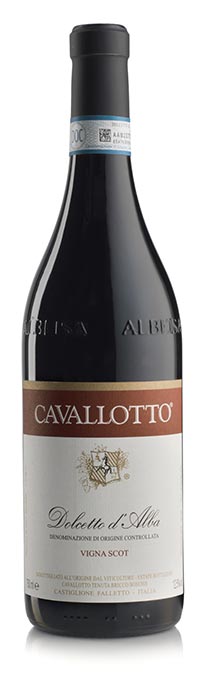
Dolcetto D’Alba Vigna Scot

BASIC INFORMATION

Product name: Dolcetto d’Alba Vigna Scot
Grape: 
Dolcetto
Classification: DOC
Number of bottles produced: 13 000
Fragrance:
cherries and other red fruit
Taste:
red fruit and berries, spices, mineral notes
Food pairing:
appetizers, pizza

VINIFICATION (Wine-making)

Method: fermented with indigenous yeasts, macerated with submerged cap for 3-4 days
Ageing: 
In large Slavonian oak botti of 50 hl for 6 months, then in cement tanks for 6 months
Minimum aging in bottle: none

VINEYARD

Vineyard: Vigna Scot parcel between Bricco Boschis and Vignolo
Exposure: East/North-East
Year planted: 1979

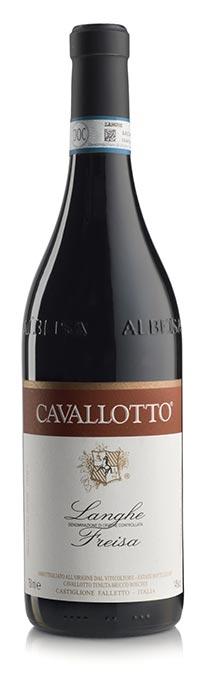
Langhe Freisa

BASIC INFORMATION

Product name: Langhe Freisa
Grape: 
Freisa
Classification: DOC
Number of bottles produced: 3 000
Fragrance: cherry, strawberry and other red fruits, flowers and spices
Taste:
Well-structured and complex
Food pairing:
pasta, pizza, simple red meat

VINIFICATION (Wine-making)

Method: fermented with indigenous yeasts, macerated with submerged cap for 3-5 days
Ageing: 
Traditional in Slavonian Oak Casks for 12-15 months
Minimum aging in bottle: 6 months

VINEYARD

Vineyard: Bricco Boschis
Exposure: West
Year planted: 1991

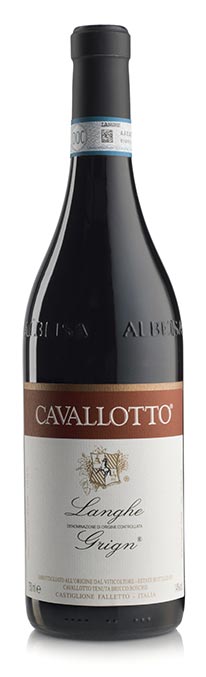
Langhe “Grign”

BASIC INFORMATION

Product name: Langhe Grign
Grape: 
Grignolino
Classification: DOC
Number of bottles produced: 
Fragrance: strawberries, red fruits, herbs
Taste:
mid-weight and aromatic, red fruit, mineral
Food pairing:
appetizers, pasta, simple red meat, seasoned cheese

VINIFICATION (Wine-making)

Method: fermented with indigenous yeasts, macerated with submerged cap for 5 days
Ageing: 
steel tanks for 12 months
Minimum aging in bottle: 6 months

VINEYARD

Vineyard: Bricco Boschis
Exposure: West and South- West
Year planted: 1974

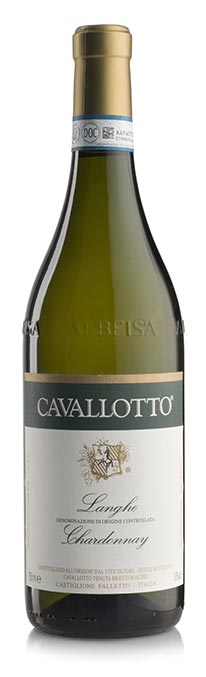
Langhe Chardonnay

BASIC INFORMATION

Product name: Langhe Chardonnay
Grape: 
Chardonnay
Classification: DOC
Number of bottles produced: 4 000
Color: pale straw colored
Fragrance:
apple, pear, lime, tropical fruit, minerals
Taste:
apple, peach, mineral notes
Food pairing:
aperitivo, white meat, seafood

VINIFICATION (Wine-making)

Method: Low-pressure, very gentle whole berry pneumatic pressing before fermentation. Fermentation controlled at 16°-18°C for 45 days under slight pressure in stainless steel autoclaves
Ageing: 
The wine is aged sûr lie for 9 months in the steel autoclave with daily batonnage
Minimum aging in bottle: 6 months

VINEYARD

Vineyard: Slopes between Bricco Boschis and Vignane
Exposure: East/North-East
Year planted: 1972

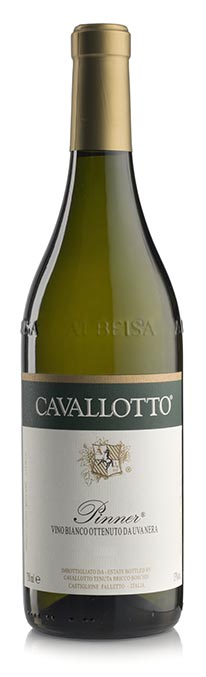
Pinner

BASIC INFORMATION

Product name: Pinner
Grape: 
Pinot Noir
Classification: 
Number of bottles produced: 6 000
Color: pale straw colored
Fragrance:
tropical fruit, minerals
Taste:
peach, melon, citrus
Food pairing:
aperitivo, white meat, seafood

VINIFICATION (Wine-making)

Method: Low-pressure, very gentle whole berry pneumatic pressing before fermentation. Fermentation controlled at 16°-18°C for 45 days under slight pressure in stainless steel autoclaves
Ageing: The wine is aged sûr lie for 9 months in the steel autoclave with daily batonnage
Minimum aging in bottle: 6 months

VINEYARD

Vineyard: Vignolo and Bricco Boschis
Exposure:  East/North-East
Year planted: 1972

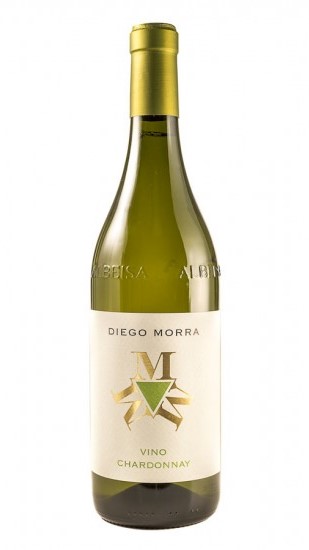
Diego Morra

Diego Morra

Diego Morra’s family has been in the wine and hazelnut business since the mid 1900’s. But it’s not until recently Diego started to bottle the wine under his own label. This practice was quite common back in the day. Today, the wine is bottled under the label Diego Morra.

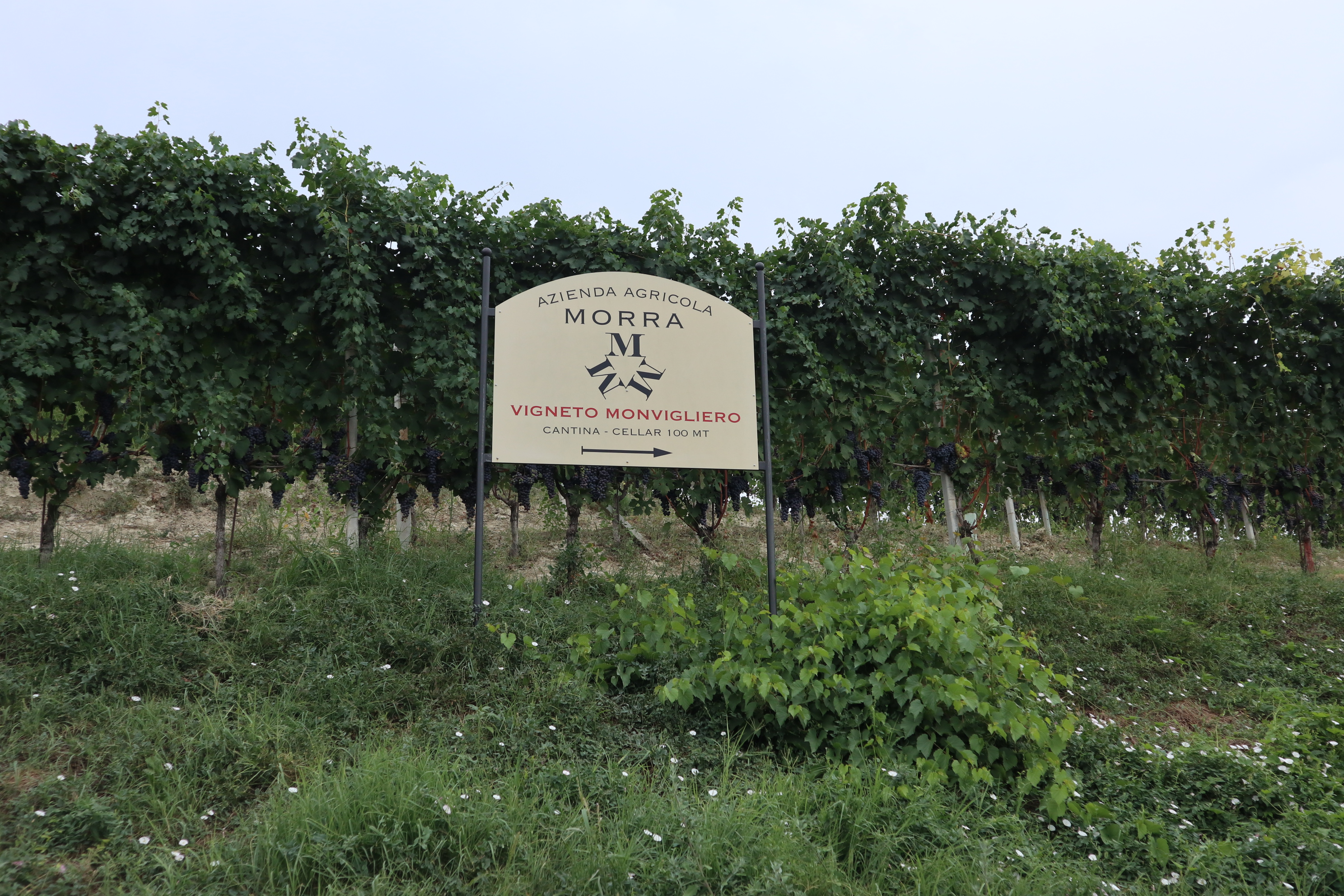
Diego Morra Monvigliero Sign

Wines

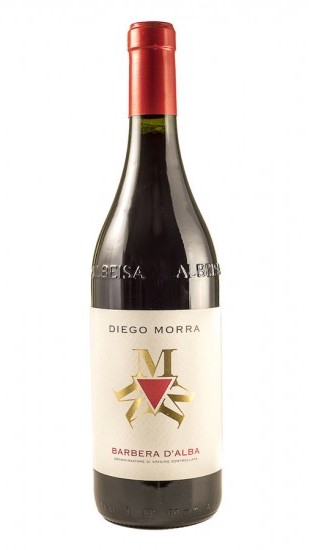
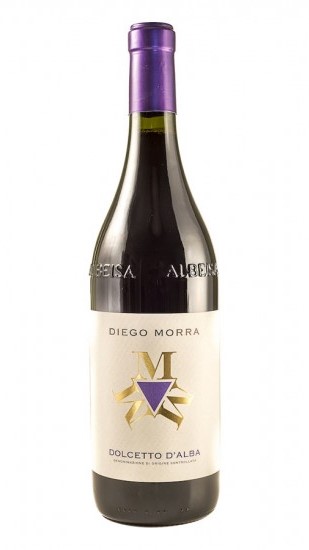
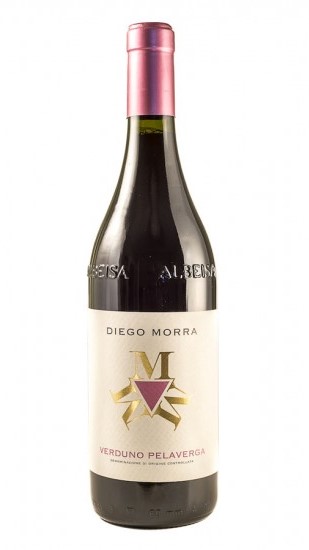
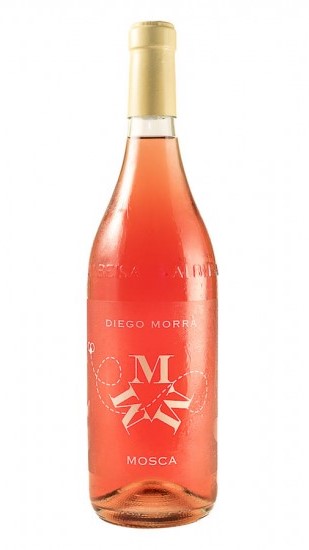
Diego Morra owns about 30 hectares of vineyards spread across the towns of Verduno, La Morra and Roddi, and they make about 80.000 bottles in total. The age of the vineyard range in age from 13 years old (Pelaverga) to  40 years old (Monvigliero).

The Nebbiolo for Barolo Monvigliero comes from multiple plots in the Monvigliero vineyard that add up to total of 12 hectares, all of which have South/South-East exposure and an altitude around 230-300m. Monvigliero is generally noted for elegant wines, capable of reconciling structure and balance, with a touch of depth and austerity that neighboring crus rarely express (with the exception of Massara). Fun fact: The Pelaverga grapes also come from the Monvigliero vineyard. That’s a hell of a Pelaverga!

Diego Morra Lineup

Winemaking

Diego does not apply one specific method when it comes to his winemaking. Instead, he adjusts his approach depending on which wine he is working with. The Barolo’s undergo 25-35 days, fermentation and maceration, while the Langhe Nebbiolo undergoes about 8-10 days. The same applies to use of barrels.

Diego Morra Fun fact

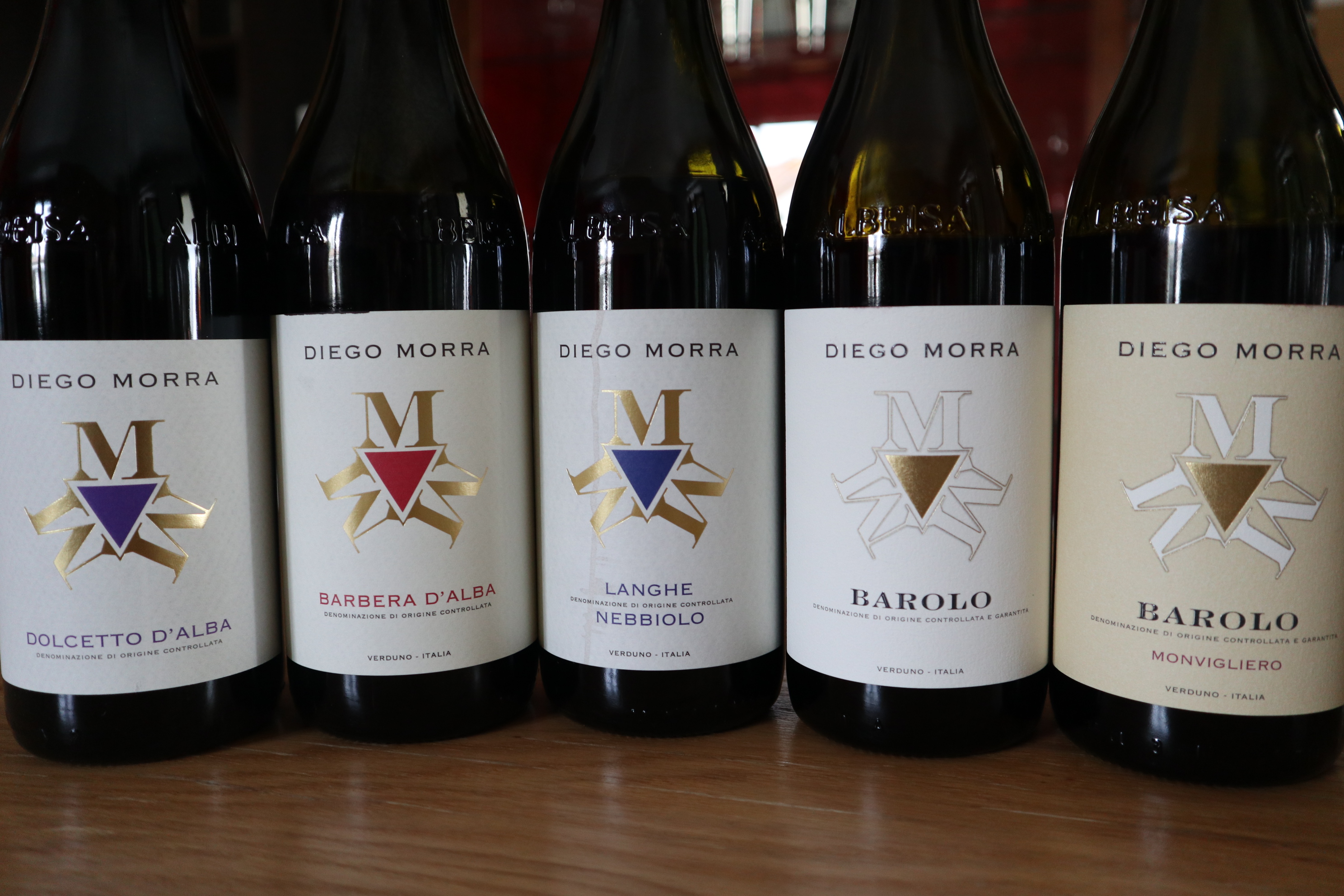
The 3 M’s on the Diego Morra label stand for Morra, Mosca and Monvigliero

Diego Morra Fun fact II

Diego Morra owns the most hectares in the Monvigliero vineyard. Which means the number of Monvigliero bottles will increase as the winery grows!

Wines

Wines available in:

Norway
Italy
United Kingdom
United States

Monvigliero

BASIC INFORMATION

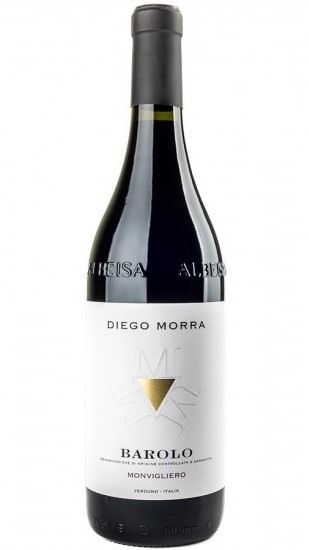
Product name: Barolo Monvigliero
Grape: 
100% Nebbiolo
Classification: DOCG
Number of bottles produced: 3000
Color: Red with orange hue
Fragrance:
mature red fruit, roses, spices, tobacco
Taste:
structured, round tannins, red fruit, some spice
Food pairing:
meat, aged cheese

VINIFICATION (Winemaking)

Method: Fermentation and maceration in stainless steel tanks at a controlled temperature of no more than 30°C for 30/35 days
Ageing: French Oak  tonneaux for 10 months,  and after in medium barrel of 2500 lt (each one) for 20 months, followed by 6 months in stainless steel tanks
Minimum aging in bottle: 9 months

VINEYARD:

Vineyard: Monvigliero
Exposure: south, south-east
Age of plants:  40 years old on average

Zinzasco

About the wine Multiple cru: Monvigliero, San Lorenzo di Verduno, Boscatto, Campasso, Massara, Neirane, Breri, Castagni, Silio, Santa Maria.

BASIC INFORMATION

Product name: Barolo Zinzasco
Grape: 
100% Nebbiolo
Classification: DOCG
Number of bottles produced: 4500
Color: Red with orange hue
Fragrance:
spices, roses
Taste:
Food pairing:
Braised meat, aged cheese

VINIFICATION (Wine-making)

Method: Fermentation and maceration in stainless steel tanks at a controlled temperature of no more than 30°C for 25/30 days.
Ageing: 
French Oak  tonneaux for 8 months,  and after in medium barrel of 2500 lt (each one) for 16 months, followed by 6 months in stainless steel tanks
Minimum aging in bottle: 6 months

VINEYARD

Vineyard: 75% La Morra & 25% Verduno
Monvigliero, San Lorenzo, Boscattom Campasso, Massara, Neirane, Breri, Castagni, Silio, Santa Maria
Age of plants:  28 years old on average

Langhe Nebbiolo

BASIC INFORMATION

Product name: Langhe Nebbiolo
Grape: 
100% nebbiolo
Classification: DOC
Number of bottles produced: 6000
Color: ruby red with garnet hue
Fragrance:
mature red fruit, red berries, notes of rose petals, with hints of oak.
Taste:
approachable, round tannins, some tobacco
Food pairing:
meat, game, aged cheese

VINIFICATION (Winemaking)

Method: 8-10 temperature controlled fermentation
Aging: 6 months in 10% tonno followed by 12-16 months in stainless steel tanks.
Minimum aging in bottle: 4-6 months

VINEYARD: Verduno, Roddi d’Alba, La Morra

Age of plants:  20 years old on average

Barbera d’Alba

BASIC INFORMATION

Product name: Barbera d’Alba
Grape: 
Barbera
Classification: DOC
Number of bottles produced: 6000
Color: intense ruby red hit violet hue
Fragrance:
red fruit, floral notes, hint of oak
Taste:
hints of oak, good acidity, round with hints of red fruit
Food pairing:
meat, aged cheese, fatty dishes

VINIFICATION (Winemaking)

Method: 8-10 days temperature controlled fermentation followed by malolactic fermentation in stainless steel tanks for about 8 months.
Aging: 4-5 months in tonno, some new oak
Minimum aging in bottle: 4-6 months

VINEYARD:

Exposure:  south, north-east
Age of plants:  25 years old on average

Dolcetto d’Alba

BASIC INFORMATION

Product name: Dolcetto
Grape: 
Dolcetto
Classification: DOC
Number of bottles produced: 2500
Color: ruby red with violet reflections
Fragrance:
peach, blackberry, violets
Taste:
easy to drink, fruity
Food pairing: meat appetizers and first courses, pizza

VINIFICATION (Winemaking)

Method: temperature controlled fermentation for 4-6 days
Aging: 
a period in oak, and 6 months in stainless steel
Minimum aging in bottle: 3 months

VINEYARD

Age of plants:  45 years old on average

Pelaverga

BASIC INFORMATION

Product name: Pelaverga
Grape: 
Pelaverga
Classification: DOC
Number of bottles produced: 10 000
Color: vibrant red
Fragrance:
spices, pepper
Taste:
fresh and fruity, with spice notes and a long finish
Food pairing:
salumi, aged cheese, first courses

VINIFICATION (Winemaking)

Method: temperature controlled fermentation for 4-6 days
Aging: 
a period in oak, and 6 months in stainless steel
Minimum aging in bottle: 2-3 months

VINEYARD

Exposure: south, south-east
Age of plants:  13 years old
Date of harvest: last 10 days of September

Langhe Rosato

BASIC INFORMATION

Product name: Langhe Rosato
Grape: 
100% Nebbiolo
Classification: DOC
Number of bottles produced: 4000
Color: pink
Fragrance:
red berries, some herbs
Taste:
good structure, good acidity, balanced
Food pairing:
light dishes, fish, salads, appetizers, aperitivo and chocolate desserts

VINIFICATION (Winemaking)

Method: quick maceration followed by a rapid racking. Fermentation under constant temperature control. All in stainless steel tanks.
Minimum aging in bottle: 2 months

VINEYARD

Age of plants:  20 years old on average

Langhe Chardonnay

BASIC INFORMATION

Product name: Langhe Chardonnay
Grape: 
Chardonnay
Classification: DOC
Number of bottles produced: 4000
Color: yellow
Fragrance:
apple and citrus
Taste:
good acidity, mineral, fresh
Food pairing:
fish, white meat, appetizers, risotto, aperitivo

VINIFICATION (Winemaking)

Method: light pressing followed by a slow fermentation at low temperatures (max 20 degrees Celsius). No malolactic fermentation. Entire process in stainless steel tanks.
Ageing: 

Minimum aging in bottle: 2 months

VINEYARD

Exposure:  east, north-west
Age of plants:  30 years old on average

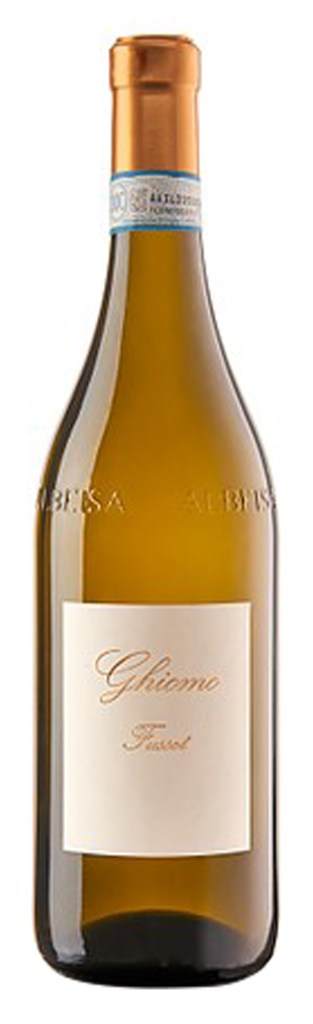
Ghiomo

Giuseppino “Ghiomo” Anfossi is a farmer first, something he will tell you when you visit him in Guarene. Come to think of it, when you plan to visit him and his family, allow for significant time, as he has a lot on his heart and numerous stories to tell. Visiting Giuseppino, Ghiomo and Guarane is fast becoming a must when visiting Langhe and Piemonte.

The Ghiomo estate, which was first established in the early 1800’s, is named after the Ghiomo farmhouse, formerly a monastery, in Guarene. Giuseppino’s winery and vineyards are located just 2 miles from Alba, smack in the middle of, but not inside any of, Barolo, Barbaresco and Roero.

Wines

Ghiomo makes wines true to terroir, using sustainable winemaking practices in Guarene. As Giuseppino says, he wants “to make wine for the land.” The soils in Guarene are rich in grey marl, clay, and a little sand, giving the wine great texture and character.

Winemaking

Ghiomo is a winery founded on honesty and respect for nature.  Giuseppino, does not like to be defined as biodynamic, organic, or conventional, but rather as a farmer.  Who lives and works for the well-being of the land and what they cultivate from it.

Giuseppino uses both big and small barrels for aging, depending on the wine. He believes barrique works well with Barbera, but he prefers bigger barrels for the Nebbiolo.

Fun fact

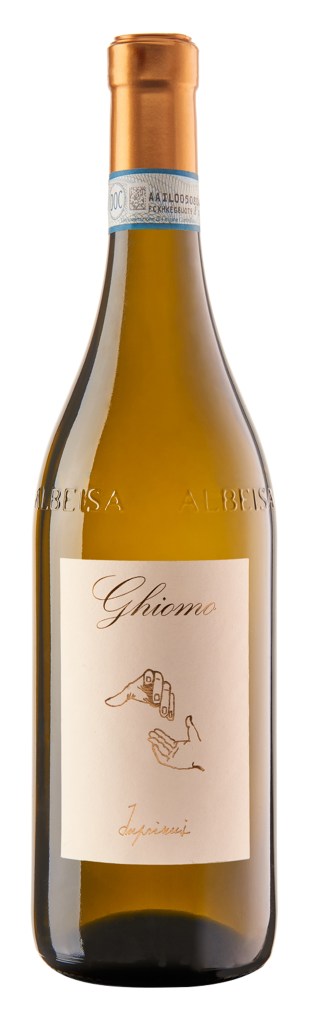
The Langhe Arneis Inprimis has a special back story. Nicola Oberto from Trediberri came up with the name, Nicola’s mom designed the label, and the hands belong to Giuseppino and Nicola’s father.

Fun fact II

Giuseppino’s oldest son plays for the Juventus team and Giuseppino’s side gig is driving him back and forth to football practice every day.

Wines

Wines available in:
Norway
Italy
USA

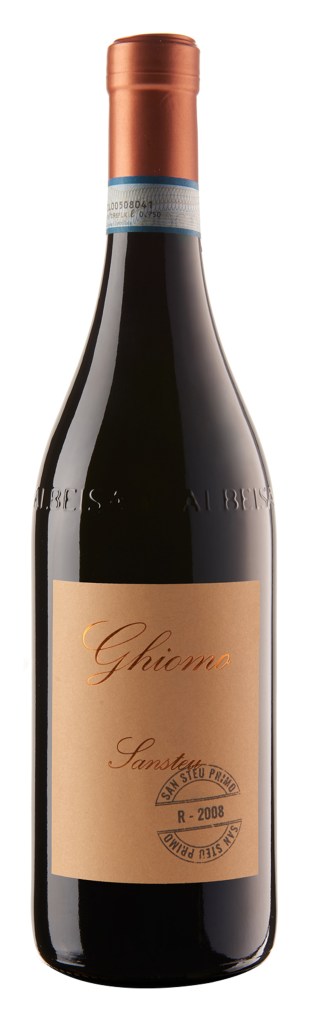
Sansteu Primo

The first vintage of Sansteu Primo was 2008, the year Giuseppino’s first son was born. This wine follows a very traditional method, where the caps are submerged in the juice for about 90-100 days followed by 16-20 months in oak. The wine spends a bit of time in steel tanks before transferred into the bottle. The Sansteu Primo will then spend a total 7 years in the winery before release!

BASIC INFORMATION

Product name: Ghiomo Sansteu Primo Nebbiolo DOC Alba Superiore
Grape: 
Nebbiolo
Classification: DOC
Color: intense ruby red
Fragrance: raspberry, strawberry, rose petals
Taste: intense, round and structured. Rich fruit and hints of oak
Food pairing: pasta, red meat, cheese

VINIFICATION (Winemaking)

Method: 90-100 day maceration with submerged cap
Ageing: 16-30 months in oak
Minimum aging in bottle: 4-5 years

VINEYARD

Vineyard: Fussot and Dario
Soil: marl
Exposure: Southeast

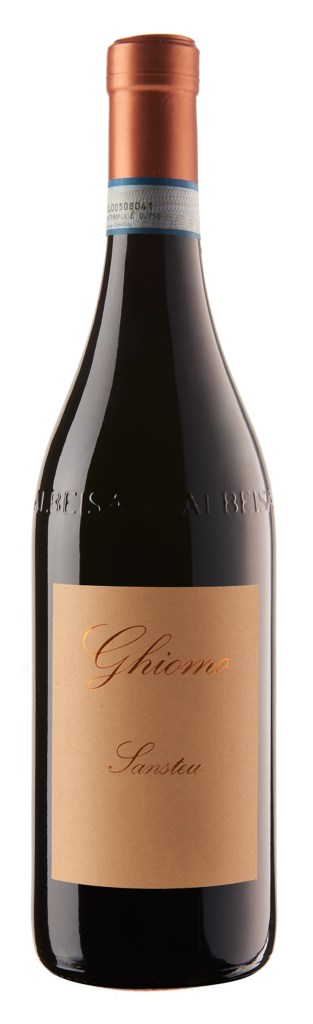
Sansteu

Energetic yet somewhat holding back, immediate yet layered and complex, genuinely rooted in tradition and yet aiming for the stars. Sourced from south-east facing vines in Sansteu (marly soils), the wine matures for 12 months in oak casks followed by a further six months in the bottle. Wild strawberries, wild raspberries, and crushed rose petal aromas, with a hint of white tea. A distinct salty minerality (the kind often found in red burgundies), structured and long.

BASIC INFORMATION

Product name: Sansteu Nebbiolo DOC Alba Superiore
Grape: 
100% Nebbiolo
Classification: DOC
Color: intense ruby red
Fragrance:
raspberry, strawberry, rose petals
Taste:
intense, round and structured. Rich fruit and hints of oak
Food pairing:
pasta, red meat, cheese

VINIFICATION (Winemaking)

Method: 70 day maceration with submerged cap
Ageing: 
12 months in oak
Minimum aging in bottle: 6 months

VINEYARD

Vineyard: Fussot and Dario
Soil: marl
Exposure: Southeast

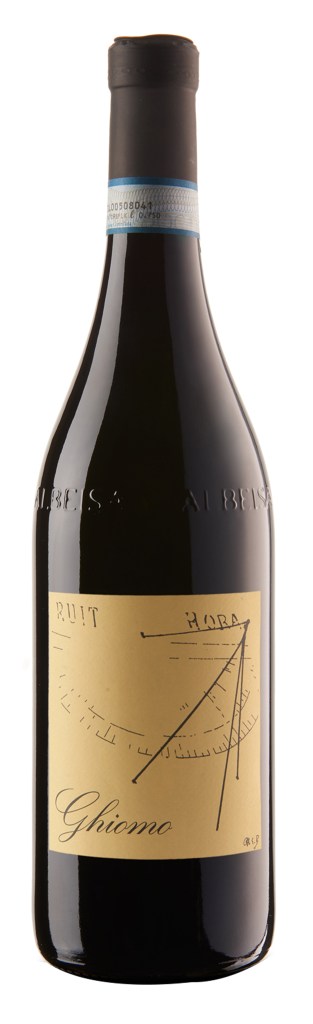
Ruit Hora

The Ruit Hora is a “wine for passion” for Giuseppino. The composition of 85% Barbera and 15% Nebbiolo combine two important grape varieties in Piemonte. Barbera was the grape from his father and grandfather and Nebbiolo is the grape of today. With this wine Giuseppino wanted to unite the two!

BASIC INFORMATION

Product name: Ruit Hora Alba Riserva DOC
Grape: 
85% Barbera and 15% Nebbiolo
Classification: DOC
Color: red with violet hues
Fragrance:
red fruit, hints of oak
Taste:
rich, big structure, tannins
Food pairing:
red meat, aged cheese, pasta

VINIFICATION (Winemaking)

Method: 250 hour maceration
Ageing: 
14 months in barrique, 3 months in stainless steel
Minimum aging in bottle: 6 months

VINEYARD

Vineyard: Fussot, Dario, Vignot, San Steu, Vigna Granda, Vigna Bursa and San Lusè
Soil:  calcareous soil, marl
Exposure: 
south

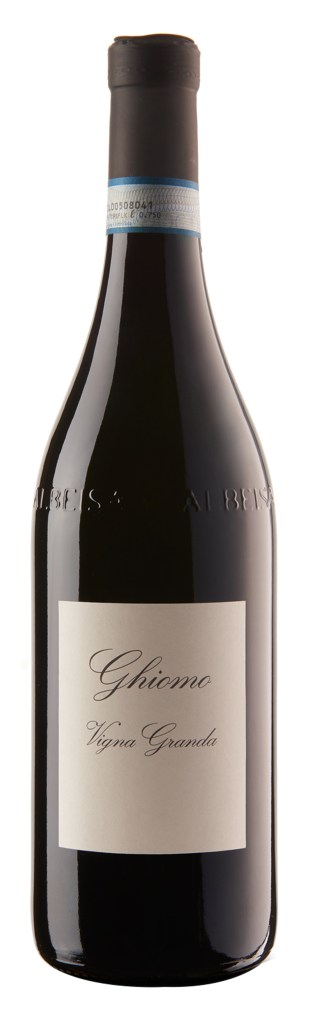
Ghiomo Vigna Granda

Expressive aromas, wild strawberries, dried tobacco leaves, and a touch of rainy day. A very nice saline minerality to the mid-palate, soft tannins, with a long chalky mineral finish.

BASIC INFORMATION

Product name: Vigna Granda Langhe Nebbiolo
Grape: 
100% Nebbiolo
Classification: DOC
Color: brilliant ruby red
Fragrance:
fruity, floral, mineral
Taste:
elegant with persistent tannins
Food pairing:
appetizers, light main dishes, cheese

VINIFICATION (Winemaking)

Method: 30 day maceration with submerged cap
Ageing: 
12 months in oak, part barrique and part botti
Minimum aging in bottle: 2 months

VINEYARD

Vineyard: Vigna Granda, Vigna Bursa and San Lusè
Soil: calcareous soil, marl

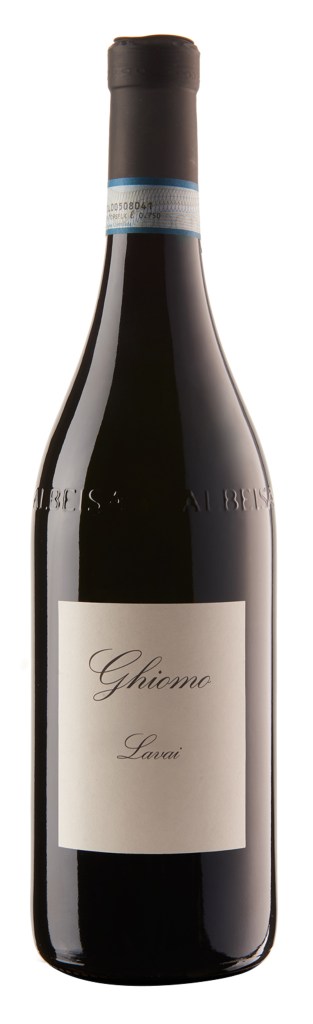
Ghiomo Lavai

BASIC INFORMATION

Product name: Lavai Barbera DOC Alba Superiore
Grape: 
100% Barbera
Classification: DOC
Color: violet red
Fragrance:
fruity
Taste:
potent and rich
Food pairing:
red meat, cheese, pasta

VINIFICATION (Winemaking)

Method: temperature-controlled fermentation, 250 hour maceration, spontaneous malolactic fermentation
Ageing: 
stainless steel tanks and barrique
Minimum aging in bottle: 6 months

VINEYARD

Vineyard: Fussot, Dario, Vignot, San Steu
Soil: 
calcareous soil, marl
Exposure: south

Arneis Inprimis

BASIC INFORMATION

Product name: Inprimis Arneis Langhe
Grape: 
100% Arneis
Classification: 
Color: Hay yellow
Fragrance:
rich, fresh, yellow flowers, tomato leaves, peach
Taste:
dry, persistent
Food pairing:
seafood, antipasti

VINIFICATION (Winemaking)

Method: Harvest multiple time, batonage.
Ageing: 
stainless steel tanks

VINEYARD

Vineyard: Fussot
Soil: marl
Exposure: Southeast
Year of plantation/age of plants: 74 years old

Arneis Fussot

Fussot is the name of the vineyard and the last name of Giuseppino. (anfossi).

BASIC INFORMATION

Product name: Fussòt Arneis Langhe DOC
Grape: 
100% Arneis
Classification: DOC
Color: Hay yellow
Fragrance: camomile, pineapple, peach
Taste:
Juicy and fresh
Food pairing:
aperitivo, white meat, seafood

VINIFICATION (Winemaking)

Aging: stainless steel tanks

VINEYARD

Vineyard: Fusòt, Gheja
Soil: marl
Exposure: southeast

Andrea Oberto

Andrea Oberto

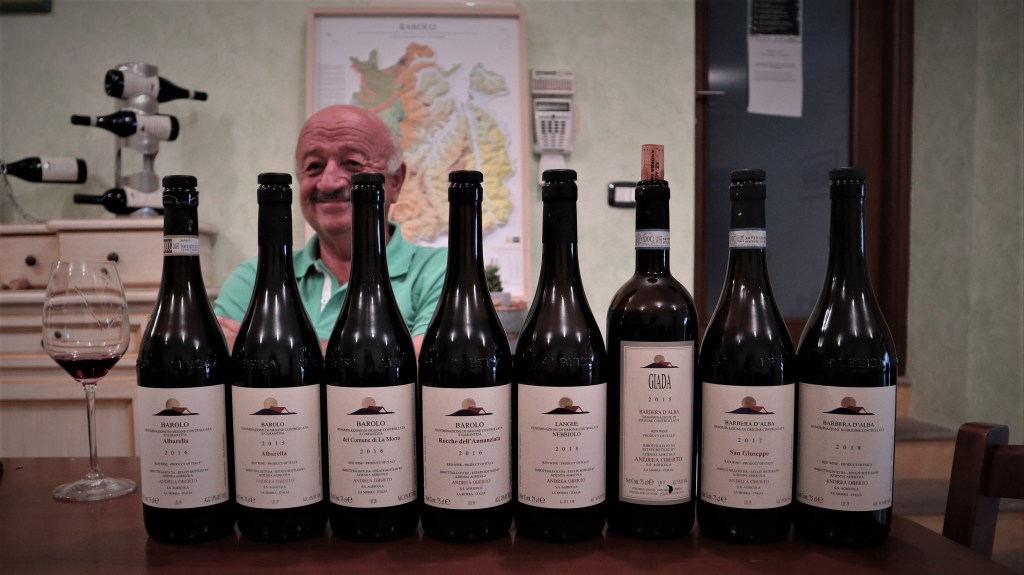
Andrea Oberto started out as a truck driver. Back in 1959, when the family bought the farmouse, they cultivated multiple crops in order to make a living.  When his father died unexpectedly, Andrea began managing the farm. After a full day of work Andrea Oberto found energy to work the three hectares of vineyard he inherited from his father, and one day he decided to be a farmer full time. The 3 hectares have become 10, and to this day it’s still Andrea who’s running the show!

Andrea Oberto behind his wines

“93 points for the classic Barolo is more important than the 95 points for Barolo Rocche dell’Annunziata” – Andrea Oberto

During my last visit with Andrea Oberto, Robert Parker had just released his tasting notes of the 2016 Barolo’s. His Barolo’s scored very well, but Andrea was particularly happy with his classic Barolo “93 points for the classic Barolo is more important than the 95 points for Barolo Rocche dell’Annunziata”.

Winemaking

Andrea Oberto practices what I like to call Sustainable Winemaking. He has an immense respect for the land, and wants to focus on quality over quantity. This includes green harvest in the vineyard, in order to achieve the highest quality. He uses small barrels (barrique) for the aging of his wines.

Andrea Oberto Fun fact

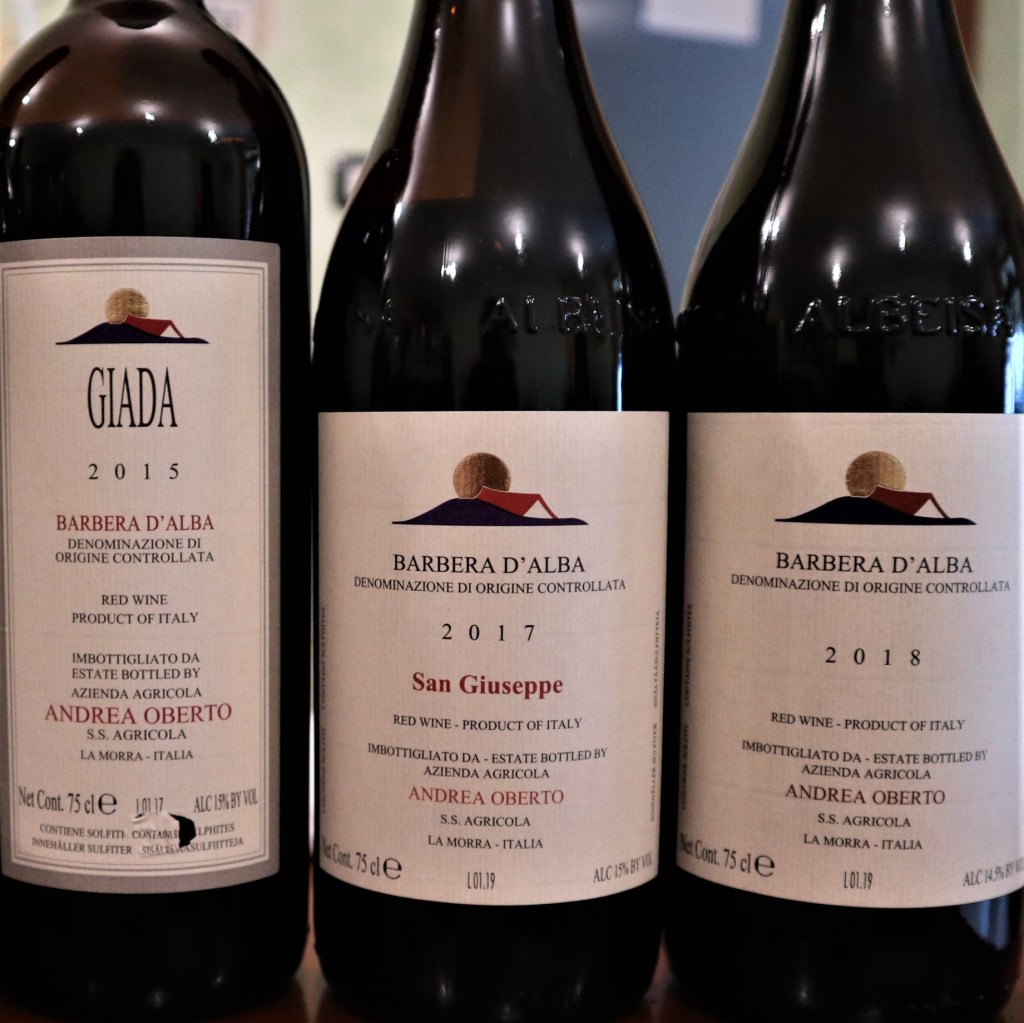
Andrea Oberto loves Barbera. He makes 3 different ones, each one with different amounts of oak.

Andrea Oberto loves Barbera

Wines

Wines available in:
Switzerland
UK
USA

NB: Andrea Oberto is not the same as Fabio Oberto.

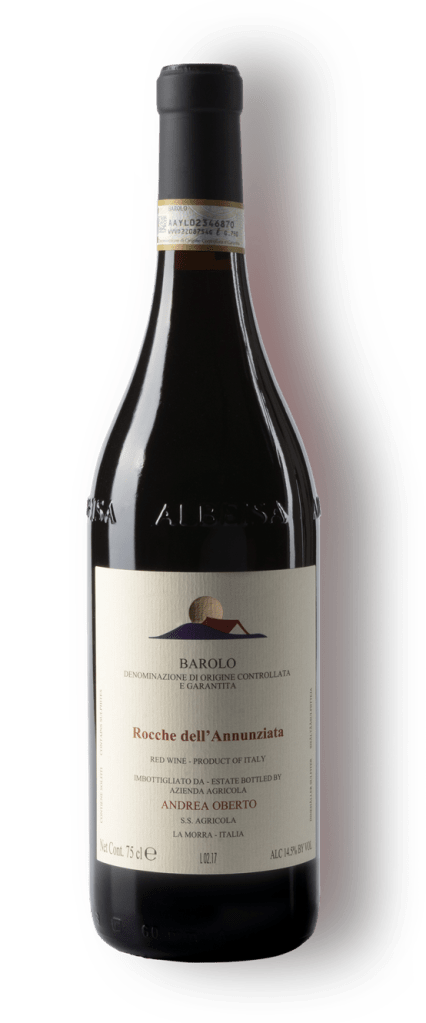
Barolo Rocche dell’Annunziata

Andrea Oberto Rocche dell'Annunziata Bottle Image

BASIC INFORMATION

Product name: Barolo Rocche dell’Annunziata
Grape: 
100% Nebbiolo
Classification: DOCG
Number of bottles produced: 3 800
Color: deep ruby red, hints of pale orange
Fragrance:
floral and spicy
Taste:
forward tannins, balanced
Food pairing:
red meat, strong blue cheese

VINIFICATION (Wine-making)

Ageing: 26 months in barrique
Minimum aging in bottle: 6 months

VINEYARD: Rocche dell’Annunziata

Soil:  sandy
Exposure:  southeast

Barolo Arbarella

BASIC INFORMATION

Product name: Barolo Arbarella
Grape: 
100% Nebbiolo
Classification: DOCG
Number of bottles produced: 5 200
Color: bright garnet red, orange tint
Fragrance:
bark, tobacco, dried flowers
Taste:
fine structure, powerful, good acidity, easy drinking
Food pairing:
braised meat, roasts, flavored cheese

VINIFICATION (Wine-making)

Aging: 24 months in barrique
Minimum aging in bottle: 6 months

VINEYARD

Soil:  clay
Exposure: southwest

Barolo

BASIC INFORMATION

Product name: Barolo
Grape: 
100% Nebbiolo
Classification: DOCG
Number of bottles produced: 16 000
Color: garnet red
Fragrance:
fruity, tar, leather
Taste:
complex, fruity, firm structure
Food pairing:
roast, truffles, aged cheese

VINIFICATION (Wine-making)

Aging: 24 months in barrique
Minimum aging in bottle: 6 months

VINEYARD

Soil: clay and limestone
Exposure: southeast

Barbera d’Alba Giada

BASIC INFORMATION

Product name: Giada
Grape: 
100% Barbera
Classification: DOC
Number of bottles produced: 5 500
Color: deep purple with ruby edges
Fragrance:
dried plum, blackberry, espresso bean
Taste:
good acidity, balanced, dry finish
Food pairing:
filled pastas, red meat

VINIFICATION (Wine-making)

Aging: 20 months in barrique, new oak
Minimum aging in bottle: 6 months in bottle

VINEYARD

Soil: clay and limestone
Exposure:  southeast

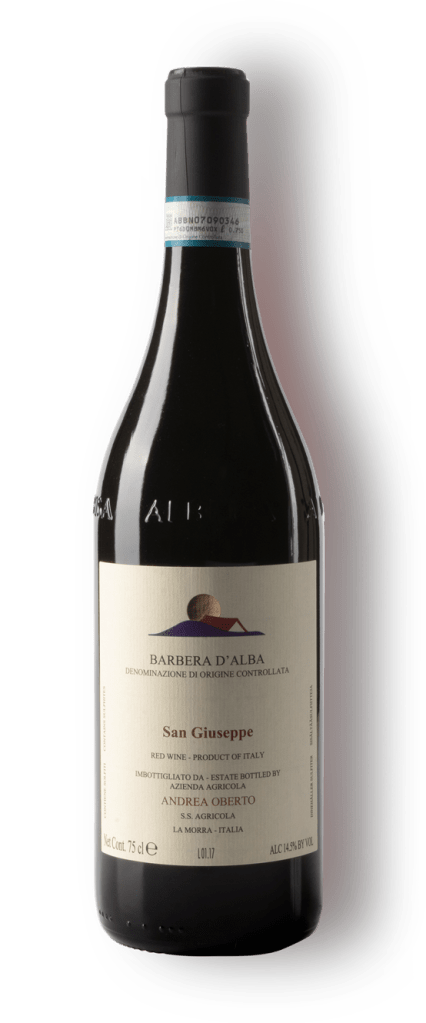
Barbera d’Alba San Giuseppe

BASIC INFORMATION

Product name: San Giusepppe
Grape: 
100% Barbera
Classification: DOC
Number of bottles produced: 6 000
Color: deep, brilliant purple
Fragrance:
generous oak notes, spices, cherries
Taste:
firm acidity, savory, red fruit
Food pairing:
appetizers, aged cheese, pasta

VINIFICATION (Wine-making)

Aging: 12 months in second passage barrique
Minimum aging in bottle: 

VINEYARD

Soil: clay and limestone
Exposure:  southwest
Year of plantation/age of plants: 
Date of harvest: 

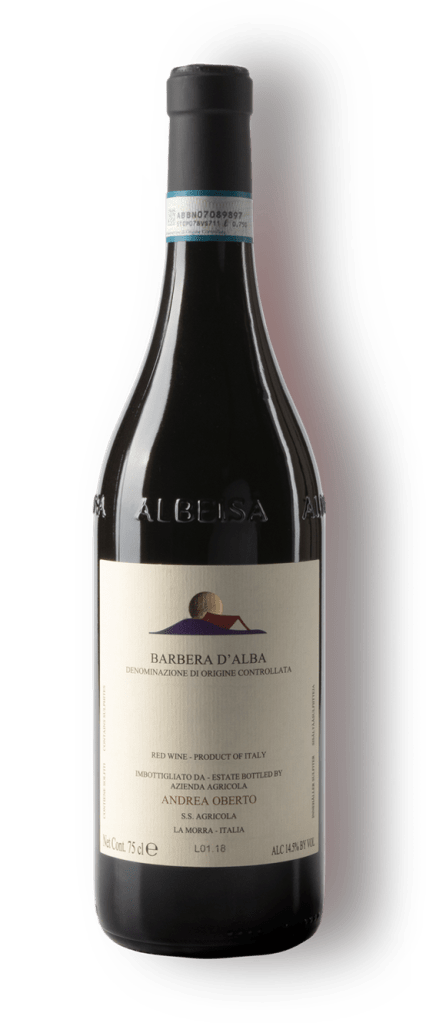
Barbera d’Alba

BASIC INFORMATION

Product name: Barbera d’Alba
Grape: 
100% Barbera
Classification: DOC
Number of bottles produced: 24 000
Color: deep ruby red
Fragrance:
well-integrated oak, ripe berry, fruit preserves
Taste:
ripe berries
Food pairing:
appetizers, medium aged cheese

VINIFICATION (Wine-making)

Aging: 4 months in third passage barrique
Minimum aging in bottle: 

VINEYARD

% of Grape/Cépage: 
Soil: clay and limestone
Exposure:  southwest

Langhe Nebbiolo

BASIC INFORMATION

Product name: Langhe Nebbiolo
Grape: 
100% Nebbiolo
Classification: DOC
Number of bottles produced: 9 500
Color: garnet ruby red
Fragrance:
fruity, hints of violets
Taste:
warm and firm, long finish
Food pairing:
fresh pasta, red meat

VINIFICATION (Wine-making)

Method:
Temperature:

Length:
Aging: 6 months in wood and stainless steel
Minimum aging in bottle: 2 months

VINEYARD

Soil:  clay and limestone
Exposure:  southeast
Year of plantation/age of plants: 
Date of harvest: 

Dolcetto d’Alba

BASIC INFORMATION

Product name: Dolcetto d’Alba
Grape: 
100% Dolcetto
Classification: DOC
Number of bottles produced: 9 500
Color: deep ruby red with violet nuances
Fragrance:
berries and dark fruit
Taste:
lively acidity, sweet almond finish
Food pairing:
appetizers, pasta

VINIFICATION (Wine-making)

Aging: stainless steel

VINEYARD

Soil:  clay and limestone
Exposure:  southwest

Trediberri

Nicola from Trediberri

Inimitable. Passionate.  Affable.  Energetic. Incomparable.  Words often used to describe Nicola Oberto, the face of Azienda Agricola Trediberri.  And, a lover of fine wine.

I often think of Nicola as a young Bill Gates – smarter than most, passionate beyond words, with an unprecedented attention to detail, and an inherent ambition to get better every day.  Bill, back in the days, would get so passionate at exhibitions selling his vision that he would forget to change his clothes for 3 days. I am not saying that Nicola does not change clothes, but I am not saying that it is not entirely possible either.

Add multifaceted. Always a smile lurking, the jokes come regularly, yet probably one of the most serious people you will ever meet.  So visionary at times that you’re afraid he is going to disappear in into the sky, yet fully grounded.  With ideas at the forefront of wine making innovation, but always wholly rooted in the tradition.

Do not take my word for it – visit the Trediberri winery and vineyards, and you will have an experience for life.

The Trediberri Family

Nicola is quick to put out though, this is not his show alone, this is a family effort.  His father, Federico, spent 40 years working for Renato Ratti, a renowned winery in La Morra.  You do not perhaps see Anna Rosa (mother of Nicola and wife of Federico) too often, but there is no underestimating her.  She is guiding the work in the vineyards as much as anybody.  Finally, you have Stefania, who keeps the checks and balances in the winery.  In addition to making sure there is always gas in Nicola’s car.

Sign of Trediberri

Winemaking

“We love to drink wine, therefore the greatest recognition for us is a bottle that is quickly finished.”

Want to try to put Trediberri in a box labelled “Modernist” or “Traditionalist”? Forget about it. Instead, Trediberri follows a beautiful philosophy: equilibrium. Using cement tanks, stainless steel tanks and wood barrels, they modify the method each year in order to make the wine as balanced and as drinkable as possible!

Trediberri Fun fact

Whilst there is absolutely no chance of the industrious Nicola Oberto ever running out of gas, there is a big chance his car will.  We have yet to figure out the underlying logic behind the fear of a full tank of gas, but it sure makes every trip in his car an adventure.

Fun fact II

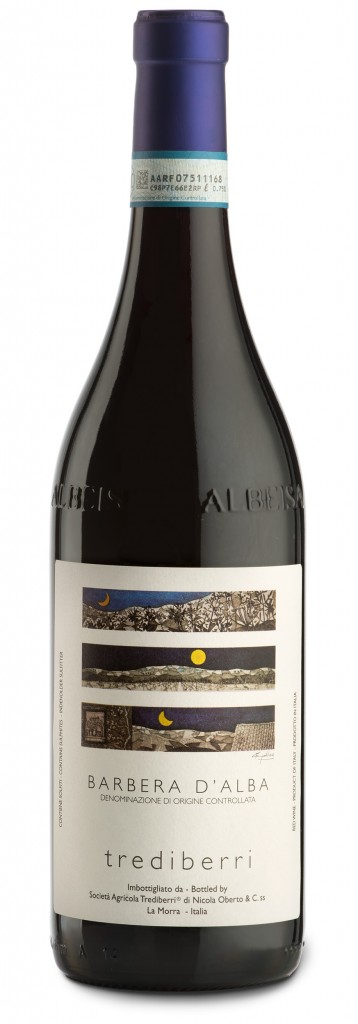
The Trediberri winery of La Morra got its name from the fact that it pulls together the triumvirate of Nicola Oberto, his father Federico and their associate Vladimiro Rambaldi.  Together they invested. 5 hectars of Berri vineyards, a hamlet of La Morra, back in 2008.  Hence, Tre – Di – Berri.

Wines

Wines available in:
Norway
Australia
Denmark
Germany
Hong Kong
Italy
United Kingdom
United States
& more

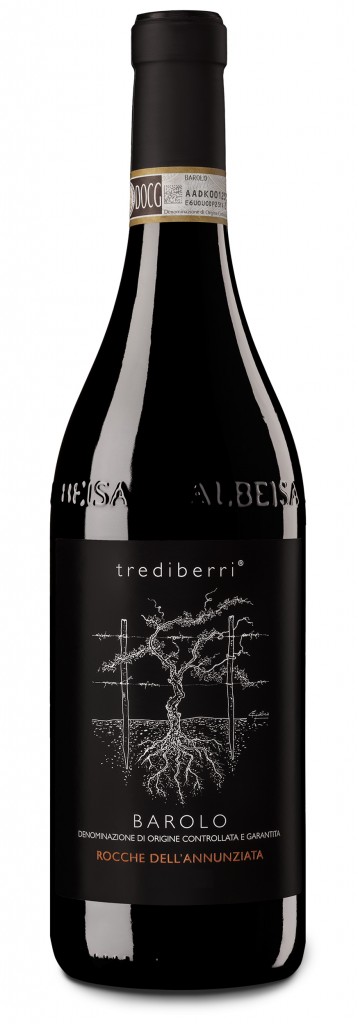
Barolo Rocche Dell’Annunziata

Rocche dell’Annunziata is synonynmous with body, elegance and complexity.

indigenous yeasts, 11 days of alcoholic fermentation in concrete (3-4 pump-overs per day) + 7 days of skin post-fermentative maceration (1-2 pump-over a day)

Tekstboks: PICTURE OF BOTTLE Trediberri Rocche

BASIC INFORMATION

Product name: Barolo Rocche dell’Annunziata
Grape: 
100% Nebbiolo
Classification: DOCG
Fragrance:
delicate, floral, spicy aromas. Cherry, rose and strawberry.
Taste: Full bodied, good balance, structured, approachable tannins

VINIFICATION (Wine-making)

Method: indigenous yeasts, 11 days of alcoholic fermentation in concrete (3-4 pump-overs per day) + 7 days of skin post-fermentative maceration (1-2 pump-over a day)
Ageing: 23 months in big barrels (slavonian oak)

VINEYARD

Soil: Calcareous blue marl
Exposure:  Southeast, south
Year of plantation:  1951, 1961, 1989, 1999

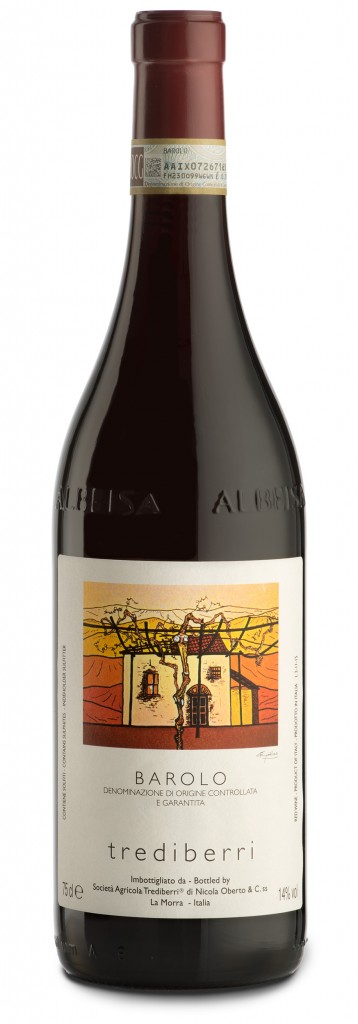
Barolo

The grapes come from vineyards located in La Morra, within the hamlets Berri and Capalot.  Alcoholic fermentation occurs in concrete and starts with a specific pied de cuve. It lasts around 2-3 weeks and, after the first racking, the wine goes straight into wooden casks, where malolactic fermentation starts. We use 52 and 25 hectoliter barrels, made of Slavonian oak, crafted by Garbellotto. The wine ages for about 2 years, then it is blended in steel or concrete and it is bottled in July, 6-7 months before its release.

Tekstboks: PICTURE OF BOTTLE

BASIC INFORMATION

Product name: Barolo
Grape: 
100% Nebbiolo
Classification: DOCG
Color: Bright pale-red
Fragrance: Rosehip, bergamot, spices
Taste: Fruity, balanced, approachable tannins

VINIFICATION (Wine-making)

Length: 2-3 weeks alcoholic fermentation in concrete tanks
Ageing: 2 years in large casks
Ageing in bottle: 6-7 months

VINEYARD: Berri & Capalot

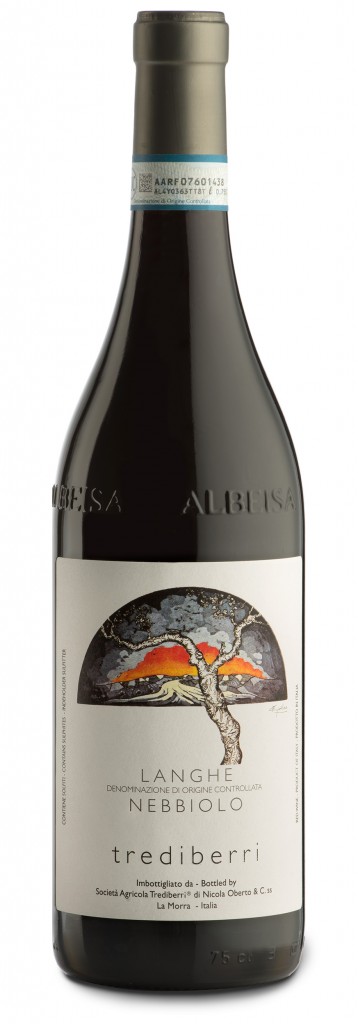
Langhe Nebbiolo

Grapes come from different vineyards of Nebbiolo within La Morra (Berri and Torriglione), Levice, Vicoforte and Roero area.

Tekstboks: PICTURE OF BOTTLE

Alcoholic fermentation happens in concrete tanks that starts with a specific pied de cuve and lasts around 1-2 weeks with no temperature control. Each parcel is processed and aged separately until the cold stabilization. Total ageing is approximately 6 months exclusively in concrete and stainless steel, with frequent rackings.

BASIC INFORMATION

Product name: Langhe Nebbiolo
Grape: 
100% Nebbiolo
Classification: DOC
Fragrance:
Red berries, spice notes, leather
Taste: Fruity, fresh, spices, fresh acidity

VINIFICATION (Wine-making)

Temperature: no temperature control
Length: 1-2 week alcoholic fermentation
Ageing: 6 months in cement and stainless steel

TASTING NOTES
Langhe Nebbiolo 2018

Barbera d’Alba

First fermentation: pied de cuve, about 7 days of fermentation and maceration in concrete

Malolactic fermentation: spontaneous in concrete and steel

Tekstboks: PICTURE OF BOTTLE

Aging: about 6 months in concrete and stainless steel.

BASIC INFORMATION

Product name: Barbera d’Alba
Grape: 
100% Barbera
Classification: DOC
Color:
Fragrance:
Taste:
Food pairing:
Tajarin, aged cheese, salami

VINIFICATION (Wine-making)

Method:
Temperature:

Length: 7 days fermentation in concrete

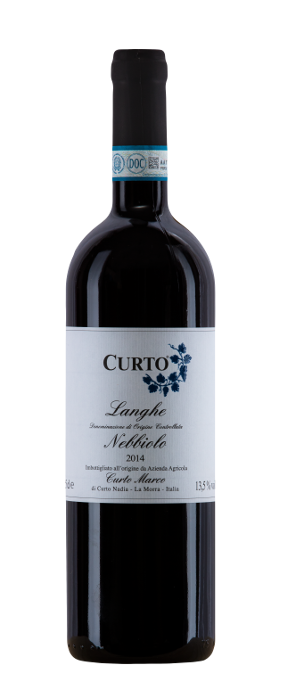
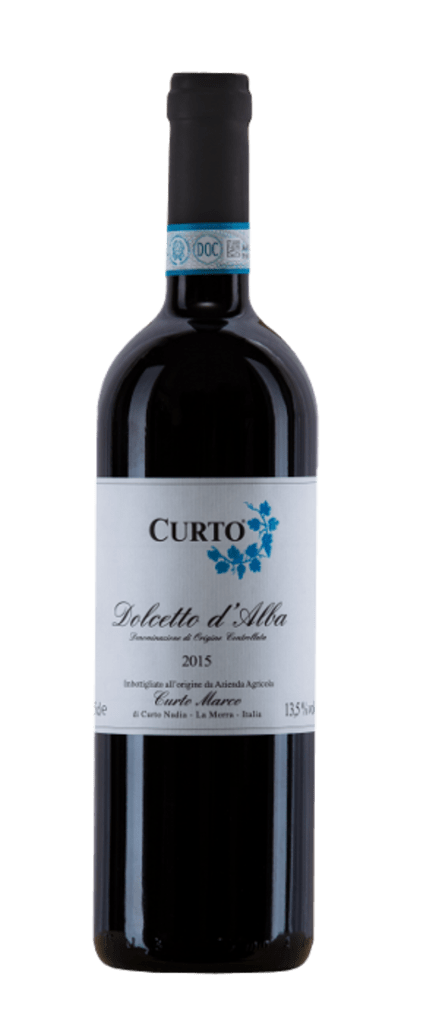
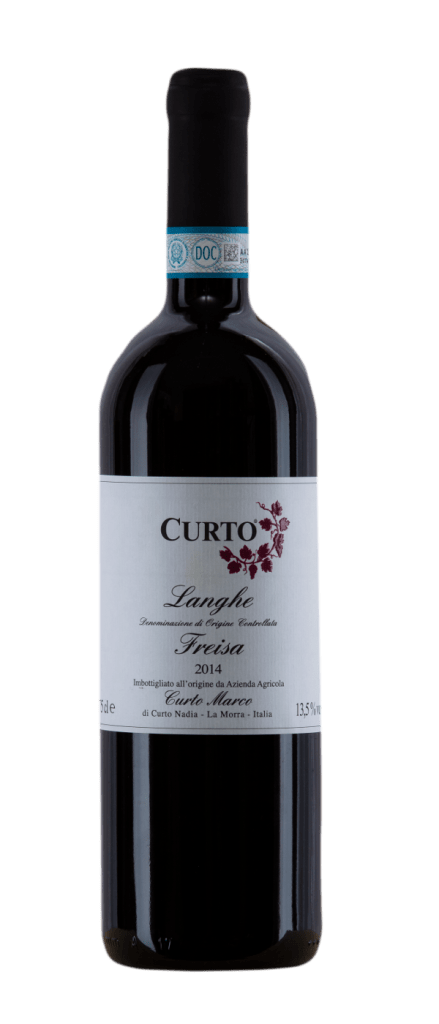
Nadia Curto

Nadia Curto, like her cousin Silvia Altare, is just bursting with energy! A visit with Nadia is sure to put a smile on your face, and not just because the wines are good!

Tekstboks: PICTURE OF FAMILY

Nadia Curto’s parents, Marco and Adele, have been cultivating their 4 hectares of vineyards for over 60 years. In 2000, Nadia joined the family winery, and have been running it for many years now.

Winemaking

Modernist or Traditionalist? If there is anyone I know that doesn’t “belong” in any boxes, it’s Nadia Curto. Her winemaking style is influenced by both her father and her uncle, and she applies the different methods to different wines. Does it matter what style you prefer, if your wines are good? I don’t think so.

Fun fact

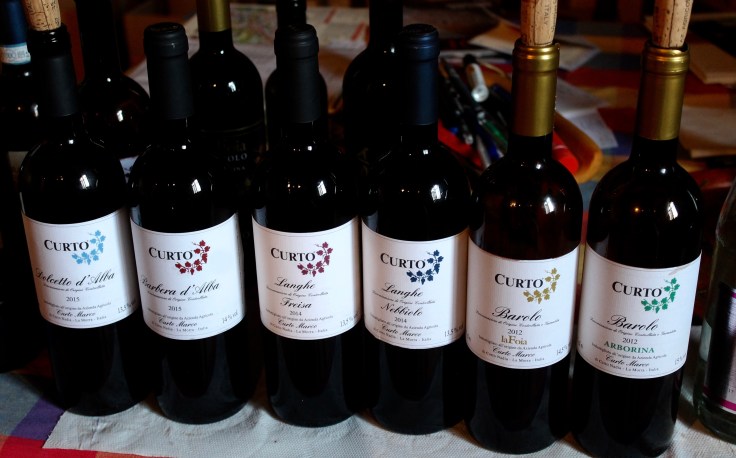
Both the Barolo Arborina and the Barolo La Foia are made with grapes from the Arborina vineyard. However, the winemaking methods are very different. With the Barolo Arborina, Nadia applies her uncle Elio’s method with short maceration and ageing in barrique. The Barolo La Foia undergoes a longer maceration and ages in larger barrels.

Wines

Wines available in:
Norway
Italy
Spain
USA
& more

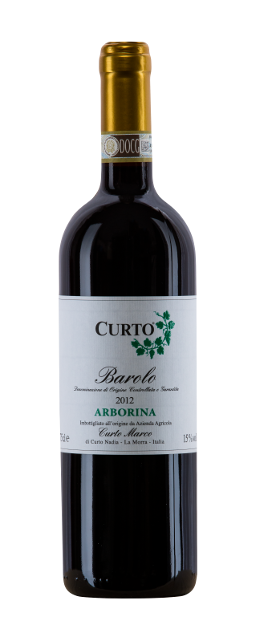
Barolo Arborina

Tekstboks: PICTURE OF BOTTLE Nadia Curto Barolo Arborina

The Barolo Arborina from Nadia Curto is made in the “modern way” with short maceration time and ageing in small barrique. The plants are located in the Arborina vineyard in La Morra, with a south exposure at an altitude of about 270-300 m a.s.l.

BASIC INFORMATION

Product name: Barolo Arborina
Grape: 
100% Nebbiolo
Classification: DOCG
Number of bottles produced: 5000
Color: Garnet red
Fragrance:
Spicy with hint of rose petals, fruity with balsamic notes
Taste:
Elegant, austere, fruity
Food pairing:
Braised meats

VINIFICATION (Wine-making)

Method: Fermentation takes place in rotary fermenters
Temperature:
30 – 32 degrees Celsius
Length: 5 day maceration
Ageing: 2 years in Barrique
Minimum aging in bottle: 1 year

VINEYARD

Vineyard: Arborina 
Soil: 
marna stone with clay and sand
Exposure: South

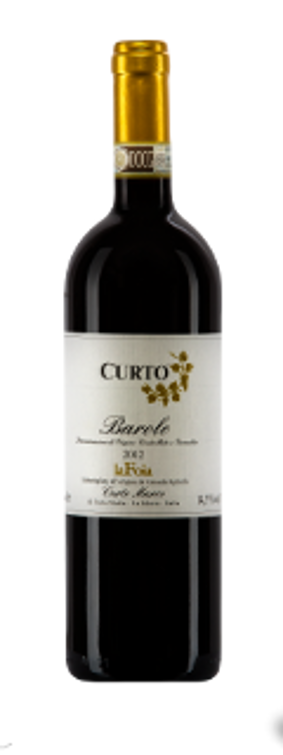
Barolo La Foia

Tekstboks: PICTURE OF BOTTLE Nadia Curto Barolo La Foia

The grapes for this wine is also located in Arborina, but Nadia uses a different method of vinification. With the Barolo La Foia, the wine undergoes long maceration and ages in bigger barrels (30 – 40 HL). The plants are located at an altitude of about 270-300 m a.s.l and have east, south-east exposure.

BASIC INFORMATION

Product name: Barolo La Foia
Grape: 
100% Nebbiolo
Classification: DOCG
Number of bottles produced: 7000
Color: Bright garnet red
Fragrance:
Spicy with hint of rose petals, liquorice, leather
Taste: Austere, full, elegant
Food pairing: Braised meats, aged cheese

VINIFICATION (Wine-making)

Method: Manual repassing and pressing
Temperature:
30 – 32 degrees Celsius
Length: 20 day maceration
Ageing: 2 in oak barrels (20 or 30 HL)
Minimum aging in bottle: 1 year

VINEYARD

Vineyard: Arborina 
Soil: 
marna stone with clay and sand
Exposure: South east

Langhe Nebbiolo

Tekstboks: PICTURE OF BOTTLE Nadia Curto Langhe Nebbiolo

BASIC INFORMATION

Product name: Langhe Nebbiolo
Grape: 
100% Nebbiolo
Classification: DOC
Number of bottles produced: 2000
Color: Garnet red
Fragrance:
Roses, red fruits, spices
Taste:
Elegant yet structured. Fresh.
Food pairing:
Pasta, meat, cheese, salami

VINIFICATION (Wine-making)

Method: Manual repassing and pressing
Length:
15 day maceration
Ageing: Aged in oak for about 1 year

VINEYARD

Vineyard: Arborina
Soil:  marna stone with clay and sand

Barbera d’Alba

Tekstboks: PICTURE OF BOTTLE Nadia Curto Barbera

BASIC INFORMATION

Product name: Barbera d’Alba
Grape: 
100% Barbera
Classification: DOC
Number of bottles produced: 3000
Color: Deep ruby red
Fragrance:
Blackcurrant, black cherries, blackberries
Taste:
Fresh acidity, long finish, red fruits
Food pairing:
Cheese and cured meats

VINIFICATION (Wine-making)

Method: Fermentation in rotary fermenters
Temperature:
30 – 32 degrees Celsius
Length: 5 day maceration
Ageing: 4 months in wood

VINEYARD

Vineyard: Arborina
Soil:  marna stone with clay and sand
Exposure: South

Dolcetto d’Alba

Tekstboks: PICTURE OF BOTTLE

BASIC INFORMATION

Product name: Dolcetto d’Alba
Grape: 
100% Dolcetto
Classification: DOC
Number of bottles produced: 3500
Color: Ruby red with purple tendencies
Fragrance:
Violet, cherry, plum, blueberry
Taste:
Fruity, easy to drink
Food pairing:
Pizza, light dishes, aperitivo

VINIFICATION (Wine-making)

Temperature: About 30 degrees Celsius
Length: 4 day maceration
Ageing: Stainless steel tanks

VINEYARD

Vineyard: Gattera
Exposure:  West – Northwest

Langhe Freisa

Tekstboks: PICTURE OF BOTTLE

BASIC INFORMATION

Product name: Langhe Freisa
Grape: 
100% Freisa
Classification: n/a
Number of bottles produced: 1000
Color: Ruby red
Fragrance:
Vegetable, fruity, spicy
Taste:
Rustic wine, rich tannins, good acidity
Food pairing:
Fatty foods, cheese, cold cuts

VINIFICATION (Wine-making)

Method:
Temperature:

Length: 8 day maceration
Ageing: Stainless steel tanks

VINEYARD

Vineyard: Arborina
Soil:  marna stone with clay and sand

Azelia

Azelia

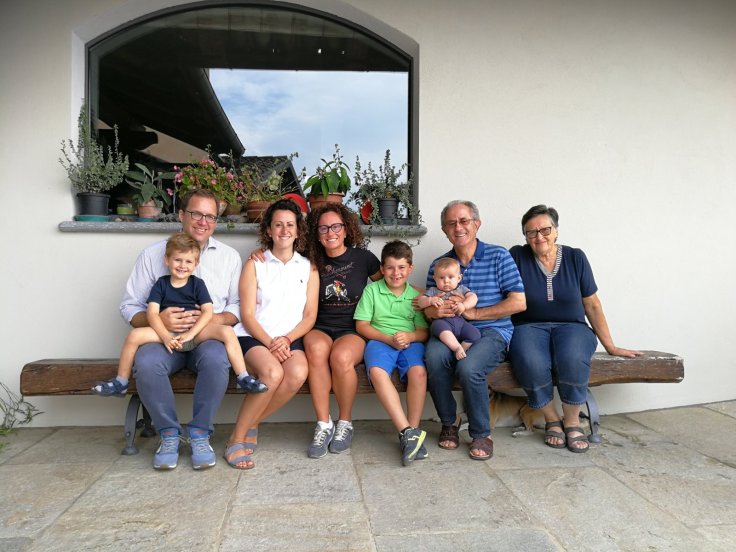
My good friend Lorenzo is the youngets generation of the Azelia family. Fun fact: one of the people in the world that makes me laugh the most is Lorenzo Scavino. I’m not sure why, but I swear I’m in stitches like 50% of the time I spend with Lorenzo.

The story of Azelia starts in 1920 when Cavalier Lorenzo Scavino started to vinify the grapes from the family owned vienyards. This would be the start of an incredible journey for the Scavino family. Today, Luigi, Lorella and their son Lorenzo run the show. Lorenzo, who bears the name of his great grandfather, represents the 5th generation of winemakers in the family.

Winemaking

When it comes to the “style” of winemaking, Azelia adopted a method in the cellar that represents a fusion between modern and traditional; a method I like to call Contemporary Traditionalist. But, as I’ve mentioned before, who really cares as long as the wines are good? As Luigi says, “It’s always a matter of balance.”

Azelia Wines

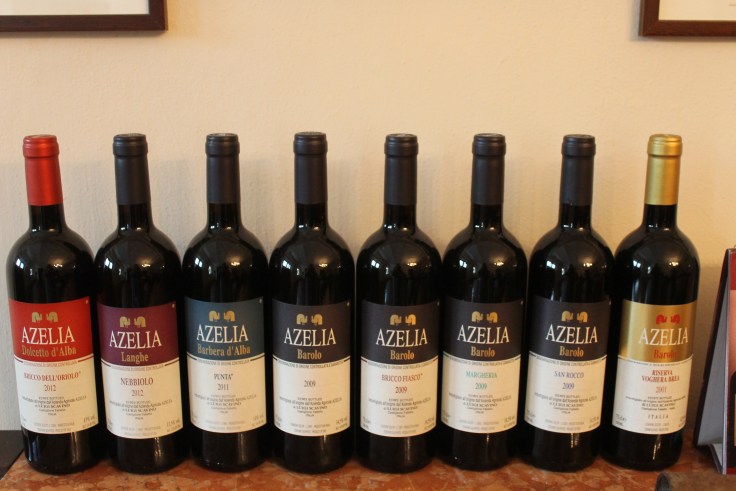
Azelia has 16 hectares across Castiglione Falletto, Serralunga d’Alba and Monelupe Albese. Some of their vineyards include Margheria, Bricco Fiasco and San Rocco, of which they make excellent Cru Barolo’s.

With 8 wines in their lineup, there are many good options to chose from. In addition to the Barolo’s, Azelia also makes Dolcetto, Langhe Nebbiolo and a Barbera Superiore.

Fun fact about the Azelia Label

Because there are a few Scavino’s in the area, Lorenzo the 1st decided to use a different name on the label: Azelia. Azelia (Azalae) is a wild flower similiar to Daisy that used to grow in the Langhe. Sadly, this flower no longer grows in this region.

And you might have noticed an image of a peacock on the label. It’s there because the family’s farm used to have many peacocks running around.

Fun fact II

You may have heard of the winemakers Paolo Scavino and Cavallotto. Well, as it turns out that the Azelia, Cavallotto and Paolo Scavino families are related (somehow). I forget exactly which family member is related to who, but how cool is it to have winemaker in your blood! Must have been some good genes in that family!

Azelia Wines

Wines available in:
Norway
Italy
Sweden
Switzerland
USA
United Kingdom

*List is not complete

Dolcetto d’Alba

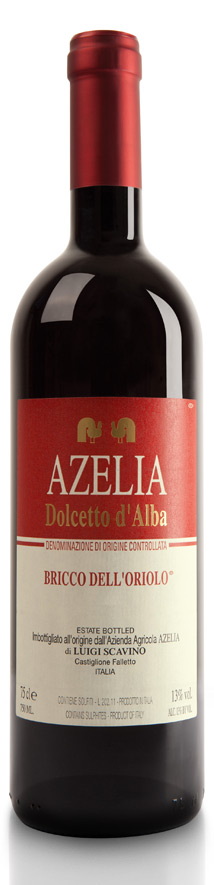
What distinguishes this Dolcetto from many other in the Barolo region, is the location of the vineyard. Located outside of the “borders” in Montelup Albese, the soil of this vineyard gives the wine a very different impression than if it were grown inside the “borders”.

Tekstboks: PICTURE OF AZELIA DOLCETTO

BASIC INFORMATION

Product name: Dolcetto d’Alba
Grape: 
Dolcetto
Classification: DOC
Number of bottles produced: 15,600
Color: Intense purple red color
Fragrance:
Red fruits, blackberry, rose, sweet spices
Taste:
Aromatic and mineral, fruity and flolar
Food pairing:
pizza, pasta, aperitivo

VINIFICATION (Wine-making)

Method: Rotorfermentors, vinification with indigeneous yeast
Temperature:
27 degrees celcius
Length:  7 days
Ageing: Stainless steel

VINEYARD:

Soil:  Calcareous tending to sandy
Exposure:  South, 600 m a.s.l.
Age of plants:  45 years

Tekstboks: PICTURE OF AZELIA LANGHE NEBBIOLO

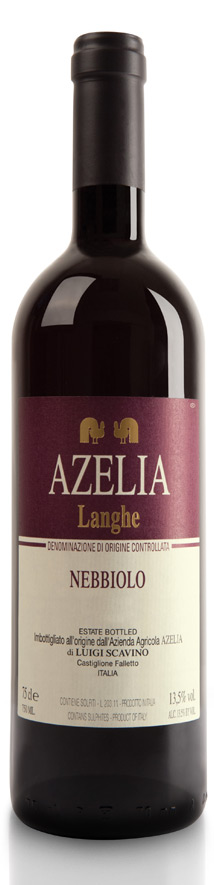
Langhe Nebbiolo

BASIC INFORMATION

Product name: Langhe Nebbiolo
Grape: Nebbiolo
Classification: DOC
Number of bottles produced: 10,200
Color:
Fragrance:
Violet and floral aromas, cherry, strawberry, currant
Taste:
Good acidity, ripe tannins, easy to drink

VINIFICATION (Wine-making)

Method: Rotorfermentors, vinification with indigeneous yeast
Temperature:
28 degrees celcius
Length:  7 days
Ageing: Stainless steel

VINEYARD:

Soil: White calcareous
Exposure: 
Age of plants: Average of 20 years

TASTING NOTES:

2015 Langhe Nebbiolo

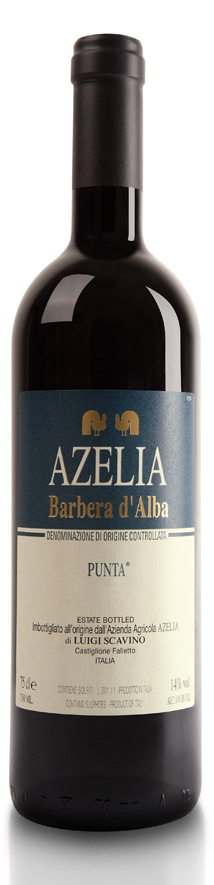
Barbera d’Alba Punta

Tekstboks: PICTURE OF AZELIA BARBERA

The age of the vines used for the Barbera are around 60 years old! It’s also a Barbera Superiore, which means it spends some time in oak.

BASIC INFORMATION

Product name: Punta
Grape: Barbera
Classification: DOC
Number of bottles produced: 6,700
Color:
Fragrance:
Forrest berries, prune and blackberry.
Taste:
Balanced acidity, fresh, fruity
Food pairing:

VINIFICATION (Wine-making)

Method: Rotorfermentors, vinification with indigenous yeast
Temperature:
29 degrees celcius
Length:  15 days
Ageing: 14 months in small barrels

VINEYARD:

Soil: Calcareous and Clayey
Exposure:  South-west
Age of plants: 60 years old

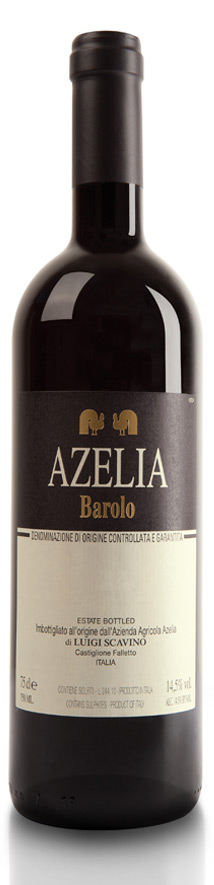
Azelia Barolo

Tekstboks: PICTURE OF AZELIA BAROLO

A classic Barolo with grapes from both Castiglione Falletto and Serralunga d’Alba. Spends about 2 years in big barrels. In the vintages where the Riserva isn’t made, those grapes go into this wine,

BASIC INFORMATION

Product name: Barolo
Grape: Nebbiolo
Classification: DOCG
Number of bottles produced: 26,400 bottles, 600 magnums
Fragrance:
Sweet nose, hints of cherry, black currant and licorice
Taste:
Fruity tannins

VINIFICATION (Wine-making)

Method: Rotorfermentors, vinification with indigenous yeast
Temperature:
31 degrees Celcius
Length:  4-5 weeks with submerged cap
Ageing: 24 months in large casks
Minimum aging in bottle: 1 year

VINEYARD:

Soil: White calcareous tending to clayey
Exposure: South-West
Age of plants: 45 years

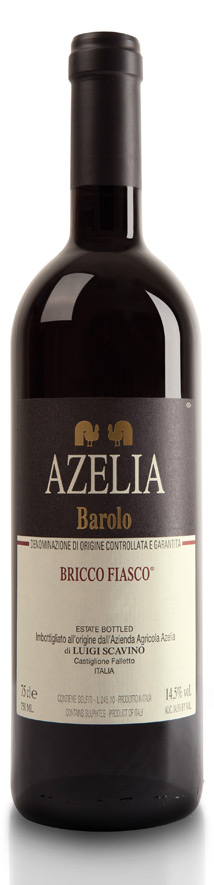
Barolo Bricco Fiasco

Tekstboks: PICTURE OF BOTTLE

The Barolo Bricco Fiasco has been made since 1978. A historic cru from Castiglione Falletto. The age of the vines average 65 years.

BASIC INFORMATION

Product name: Bricco Fiasco
Grape: Nebbiolo
Classification: DOCG
Number of bottles produced: 6,800 bottles, 520 magnums and 60 double magnums
Fragrance: Perfumed, floarl, red fruit
Taste: Rich, warm, fresh, ripe tannins

VINIFICATION (Wine-making)

Method: Vertical fermenters in stainless steel, vinification with indigenous yeast  
Temperature:
31 degrees Celsius
Length:  4-5 weeks with submerged cap
Ageing: 24 months in small barrels
Minimum aging in bottle: 1 year

VINEYARD:

Soil: White calcareous
Exposure: South
Age of plants: 65 years

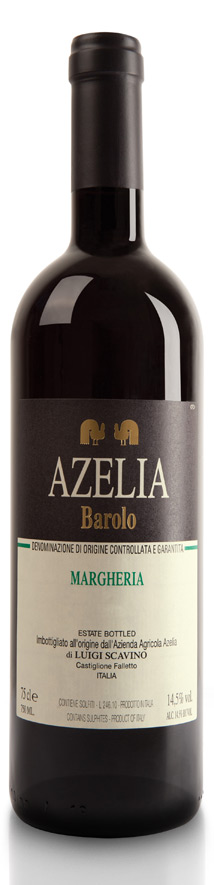
Barolo Margheria

Tekstboks: PICTURE OF BOTTLE

This was one of the first Barolo’s Luigi decided to put in big barrels. Typical Serralunga style. Energetic.

BASIC INFORMATION

Product name: Margheria
Grape: Nebbiolo
Classification: DOCG
Number of bottles produced: 8,100 bottles, 520 magnums, 60 double magnums
Fragrance:
Complex aromas, black fruits, licorice and spices
Taste:
Persistent tannins that give it structure, long finish

VINIFICATION (Wine-making)

Method: Vertical fermenters in stainless steel, vinification with indigenous yeast  
Temperature:
31 degrees celcius
Length:  4-5 weeks with submerged cap
Ageing: 28 months in large casks
Minimum aging in bottle: 1 year

VINEYARD:

Location: Serralunga d’Alba
Soil: Clayey with tufaceous marls
Exposure: South
Age of plants: 50 years

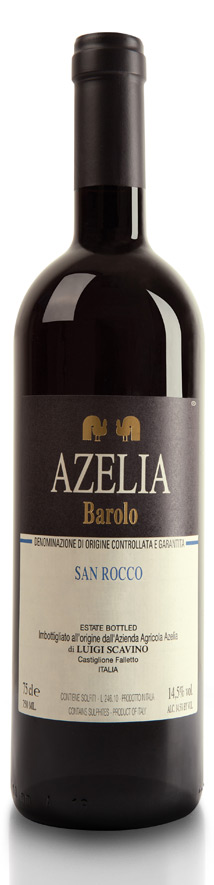
Barolo San Rocco

Tekstboks: PICTURE OF BOTTLE

BASIC INFORMATION

Product name: San Rocco
Grape: Nebbiolo
Classification: DOCG
Number of bottles produced: 6,400 bottles, 520 magnums, 60 double magnums
Fragrance:
Licorice, spices, dark fruits
Taste:
Fruity, cherry and blueberry. Sweet, ripe tannins, complex.

VINIFICATION (Wine-making)

Method: Vertical fermenters in stainless steel, vinification with indigenous yeast  
Temperature:
31 degrees celcius
Length:  4-5 weeks with submerged cap
Ageing: 24 months in small barrels
Minimum aging in bottle: 1 year

VINEYARD:

Location: Serralunga d’Alba
Soil: Clayey and Calcareous
Exposure: South
Age of plants:  55 years

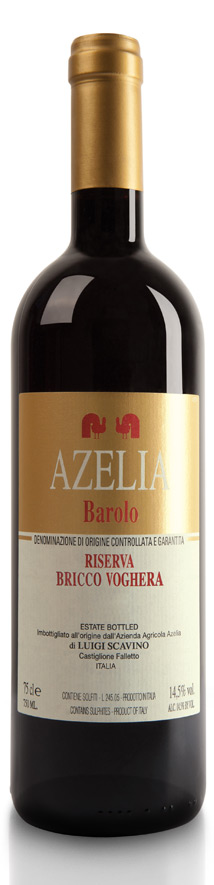
Barolo Riserva Bricco Voghera

Tekstboks: PICTURE OF BOTTLE

The Riserva from Azelia is only made in excellent vintages, and is released after 6 years.

BASIC INFORMATION

Product name: Riserva Bricco Voghera
Grape: Nebbiolo
Classification: DOCG
Number of bottles produced: 3,100 bottles, 340 magnums and 60 double magnums
Fragrance: Dried flowers, dried fruit, great freshness
Taste:
Black cherry, prune, rose, violet, dark chocolate, round tannins, long finish

VINIFICATION (Wine-making)

Method: Vertical fermenters and stainless steel, vinification with indigenous yeast
Temperature:
31 degrees Celcius
Length:  4-5 weeks with submerged cap
Ageing: 30 months in large casks

VINEYARD:

Location: Serralunga d’Alba
Soil: Clayey and calcareous
Exposure: South
Age of plants: 75 years old

*Pictures from the Azelia Website

Altare

Altare – the first of their name

Silvia Altare, Queen of the Andals, the Rhoynar and the first Cry, Protector of the grape, Queen of the Langhe, Khaleesi of the Great Grass Sea, Mother of Dragons, The Unburnt, Breaker of Chains and the Lady of the Annunziata

Toni Fadnes
Altare Family
Photo of the Altare Family, from their website

The words that come to mind when thinking of the Altare family are: Insieme & Energy.

And for those of you who are not Game of Throners, when I say that the Altare family is first of their name, I am referring to the “Barolo Revolution” and the introduction of barrique to the area. On top of that, they are known for their extraordinary wines and and incomparable energy.

Winemaking

In 1976, Elio traveled to Burgundy and it was a trip that would change the course of history forever. Elio infamously took his father’s big barrels outside and chopped them up. He wanted to use small barrels instead, barrique, like the french. This act would eventually lead to his disinheritance. But Elio persevered.

Today, the family still use small barrels (barrique) for most of their wines, and steel tanks for the dolcetto d’alba , barbera d’alba and langhe nebbiolo. The oak is used as a tool, and none of their wines have a significant presence of oak flavors. Try putting it in a blind tasting lineup and see for yourself.

With a total of 10 hectares, they make about 70,000 bottles a year.

Fun fact

SEVEN PRODUCERS,
SEVEN DIFFERENT STORIES,
ONE SINGLE LABEL: L’INSIEME

Silvia’s father, Elio Altare, isthe founder of L’Insieme. And what is L’Insieme? It’s a project between 7 winemakers in Langhe where they donate a percentage of the proceeds to a good cause. Below you will see their own explanation of the project (found on their website).

The project aims to make wines which, under a single brand, tell a story of friendship and collaboration, of hard work, shared passion for the Langhe and its outstanding grapes.

The dream is that, from this union, the resultant label will be a symbol of friendship and mutual aid. A wine that is our personal way of thanking the land that gave us our roots and its support.

Our goal is to make L’Insieme wine a practical ethical tool, allowing us to fund projects of high social value as a way of giving back to our local area a part of the good fortune and beauty it has given us.

Fun fact II

When it comes to blind tasting, we all know Silvia and Elio are very good. They have trained their noses for years. But the one who always seems to surprise us with her incredible ability is Lucia, Elio’s wife. She will sit quietly, while everyone shares their opinions and then all of a sudden she will blow you away with her analysis. A very impressive woman.

The Altare Wines

Wines available in:
Norway
Sweden
Denmark
USA
UK
Italy

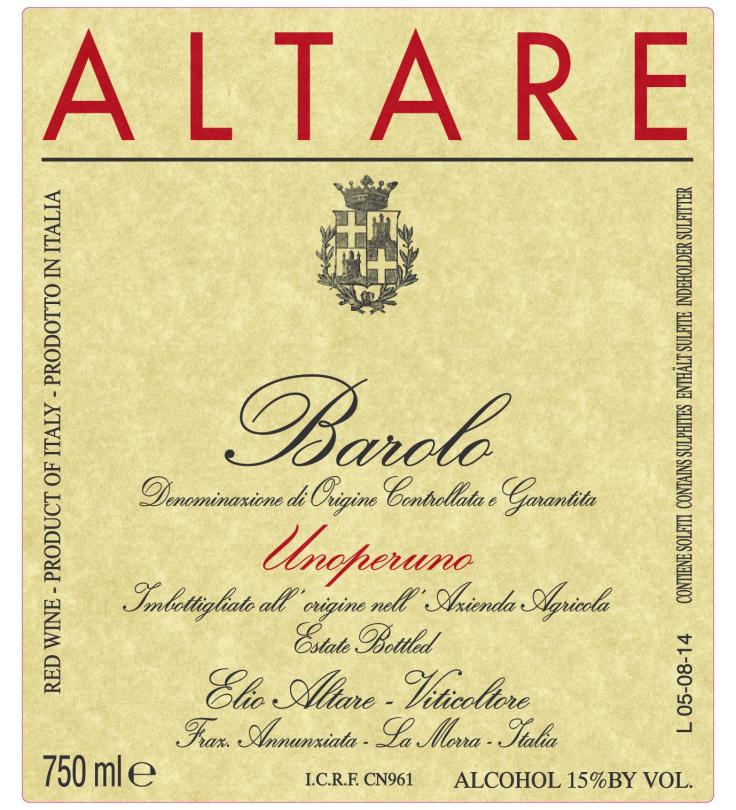
Altare Uno Per Uno

It’s exactly what it says: one by one. The family hand destems the grapes, berry by berry, and the results are magnificent. It’s also why the price might be a little higher. Imagine the work behind this wine. And if you can’t, check out the picture below.

BASIC INFORMATION

Product name: Uno Per Uno
Grape: 100% nebbiolo
Classification: DOCG
Number of bottles produced: 1,500
Color: light ruby red with garnet reflections
Fragrance: fresh fruits, rose petals and flowers
Taste: warm, elegant, smooth silky tannins
Food pairing: red meat, aged cheese

VINIFICATION (Wine-making)

Method: hand-destemming the berries, one by one. Looking for the purity of the fruit of nebbiolo, making sure there are no stems, no leaves and no ugly berries
Ageing: 

VINEYARD

Soil: marna with clay and sand
Exposure:  south, south-east
Year of plantation: 1948

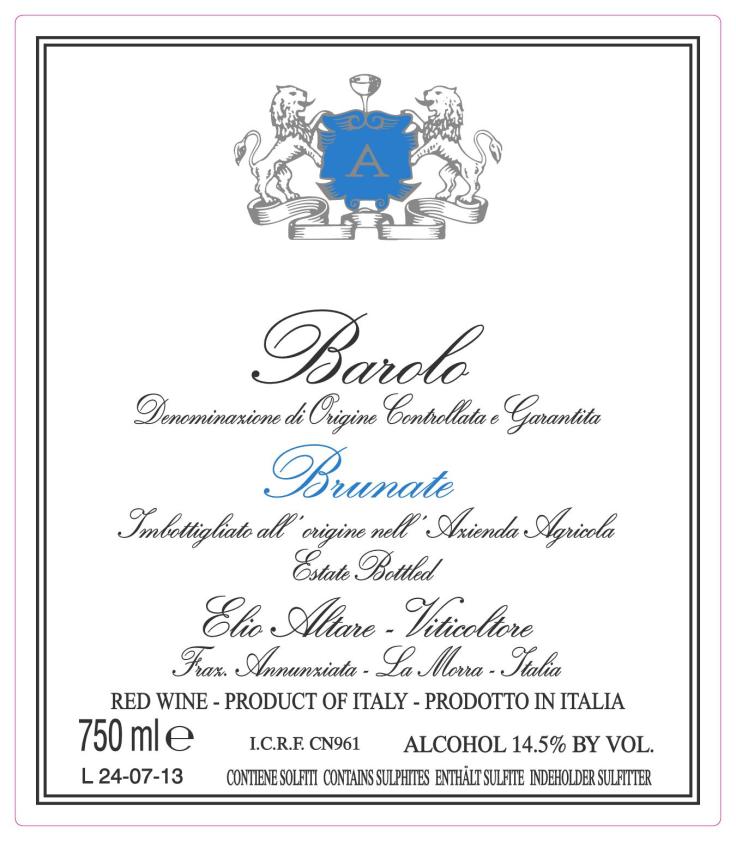
Barolo Brunate

The last vintage of Brunate is 2011. Altare rented the plot and the owners decided to make their own wine.

BASIC INFORMATION

Product name: Brunate
Grape: 100% Nebbiolo
Classification: DOCG
Number of bottles produced: 1,200 – 1,500
Color: intense ruby red with garnet reflections
Fragrance: red fruits, floral, light and feminine
Taste: warm, elegant, long finish with wild rose and violet
Food pairing: red meat, game, aged cheese

VINIFICATION (Wine-making)

Method: maceration on the skins for 4/5 days in rotary fermentors with temperature control
Ageing: 24 months in french barrique

VINEYARD

Soil:  various
Exposure:  south, south-east
Age of plants: 20 to 90 years old

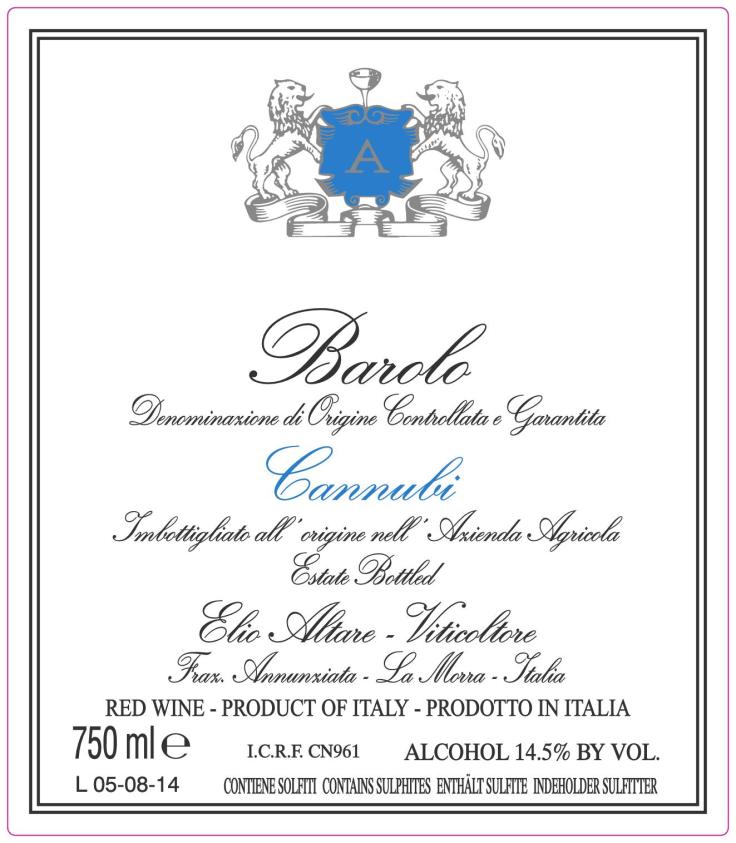
Cannubi

BASIC INFORMATION

Product name: Cannubi
Grape: 100% Nebiolo
Classification: DOCG
Number of bottles produced: 1,500
Color: light ruby red with garnet reflections
Fragrance: fresh fruits, rose petals and flowers
Taste: elegant, soft silky tannins
Food pairing: red meat, aged cheese

VINIFICATION (Wine-making)

Method: maceration on the skins for 4/5 days in rotary fermentors with temperature control
Ageing:  24 months in french barrique

VINEYARD

Soil: marna with clay and sand
Exposure:  south
Age of plants: 30 years old

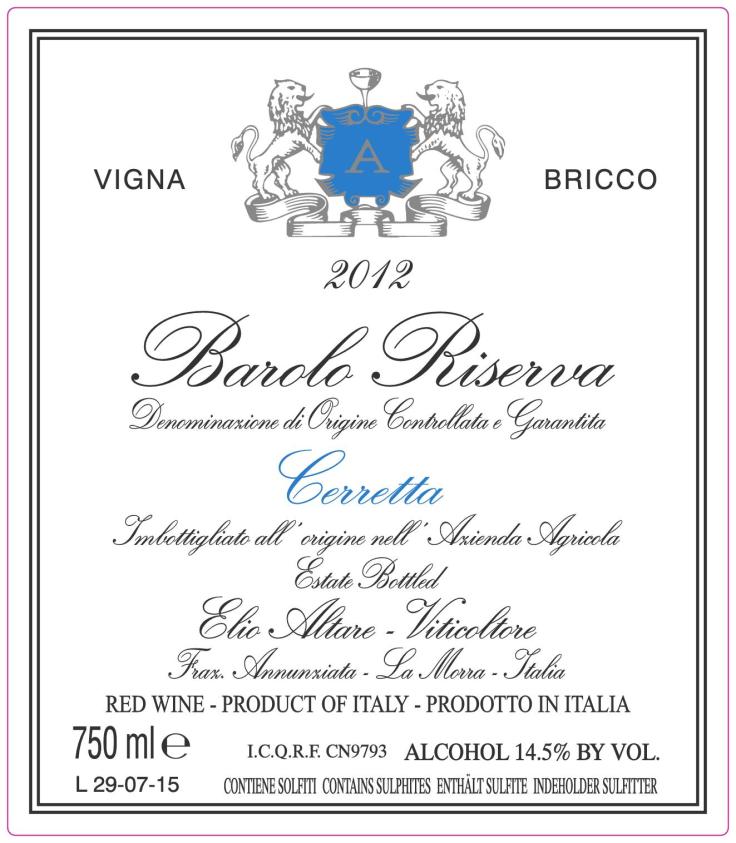
Barolo Ceretta Vigna Bricco Riserva

Altare chooses to release this wine later than the rest of the barolo’s. The extra time can be beneficial for a wine with more masculine characteristics.

BASIC INFORMATION

Product name: Ceretta Vigna Bricco Riserva
Grape: 100% Nebbiolo
Classification: DOCG
Number of bottles produced: 5,000 – 6,000
Color: intense ruby red with garnet reflections
Fragrance: mature fruits, spicy, tobacco, darker fruits, licorice
Taste: warm and elegant, with mint and spice notes
Food pairing: red meat, aged cheese

VINIFICATION (Wine-making)

Method: maceration on the skins for 4/5 days in rotary fermentors with temperature control
Ageing: 24 months in french barrique

VINEYARD

Soil: sandstone, limestone and chalk
Exposure:  south, south-east and south-west
Age of plants: 15 years old

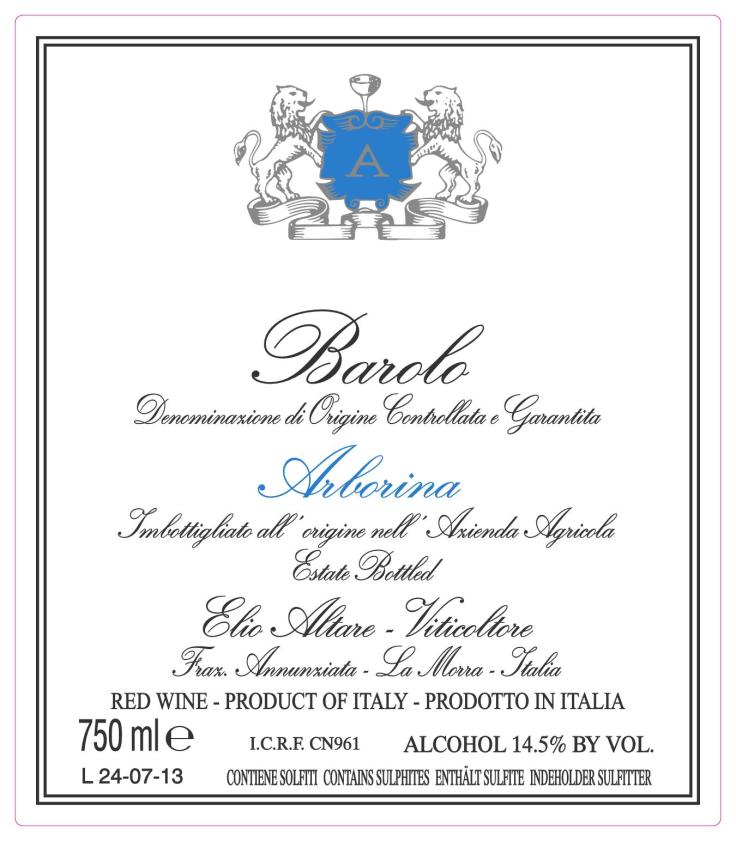
Barolo Arborina

BASIC INFORMATION

Product name: Arborina
Grape: 100% Nebbiolo
Classification: DOCG
Number of bottles produced: 6,000
Color: intense ruby red with garnet reflections
Fragrance: rose petals, flowers, light, sweet
Taste: elegant, with smooth but intense tannins
Food pairing: red meat, game, aged cheese

VINIFICATION (Wine-making)

Method: maceration on the skins for 4/5 days in rotary fermentors with temperature control
Ageing:  24 months in french barrique

VINEYARD

Soil: marna stone with clay and sand
Exposure:  south, south-east
Year of plantation:  1948

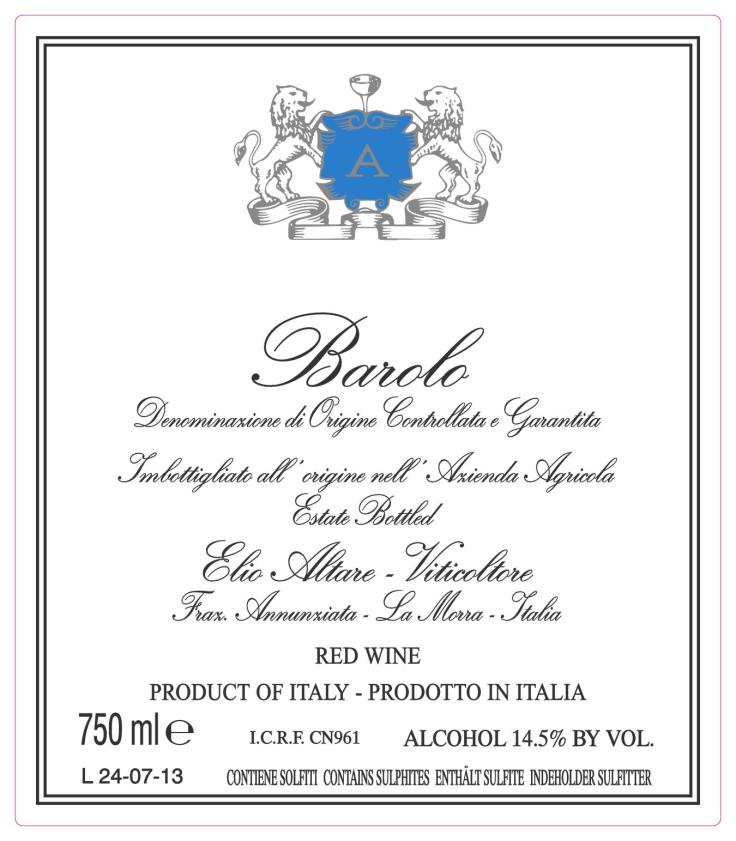
Barolo

BASIC INFORMATION

Product name: Barolo
Grape: 100% Nebbiolo
Classification: DOCG
Number of bottles produced: 10,000
Color: intense ruby red with garnet reflections
Fragrance: red fruit, raspberry, redcurrant, wold roses that evolve into licorice and spice notes
Taste: elegant, persistent with long finish ans soft tannins
Food pairing: red meat, aged cheese

VINIFICATION (Wine-making)

Method: maceration on the skins for 4/5 days in rotary fermentors with temperature control
Ageing:  24 months in french barrique

VINEYARD

Soil:  various
Exposure:  south, south-east
Age of plants:  from 20 to 30 years

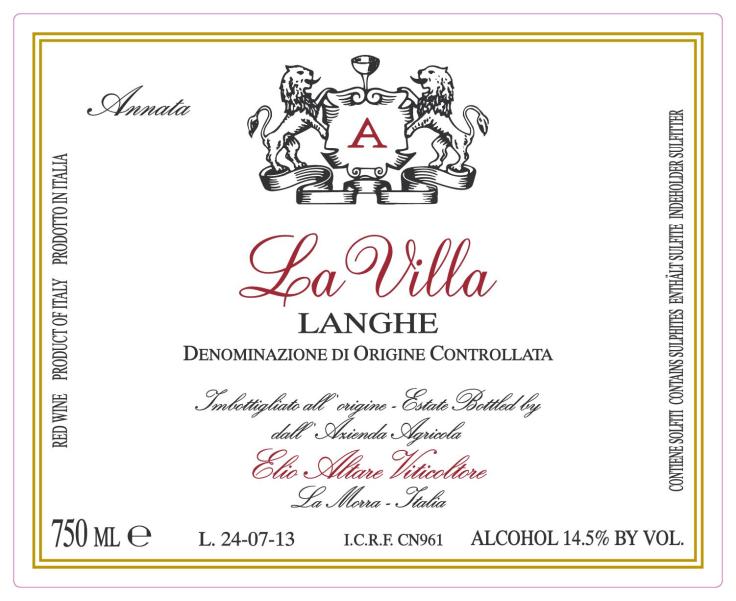
La Villa

La Villa is a blend of nebbiolo and barbera grapes, which gives the best of both worlds; tannins and acidity.

BASIC INFORMATION

Product name: Langhe La Villa
Grape: Barbera & Nebbiolo
Classification: DOC
Number of bottles produced: 2,500 – 3,000
Color: intense ruby red
Fragrance: plums, berries, rose petals
Taste: fresh, well balanced tannins, pleasant acidity from the barbera
Food pairing: pasta, charcuterie, meat

VINIFICATION (Wine-making)

Method: maceration on the skins for 3/4 days in rotary fermentors with temperature control
Ageing: new french barrique for 18 months

VINEYARD

Soil: clay and tufa stone
Exposure:  south-east
Year of plantation/age of plants:  various
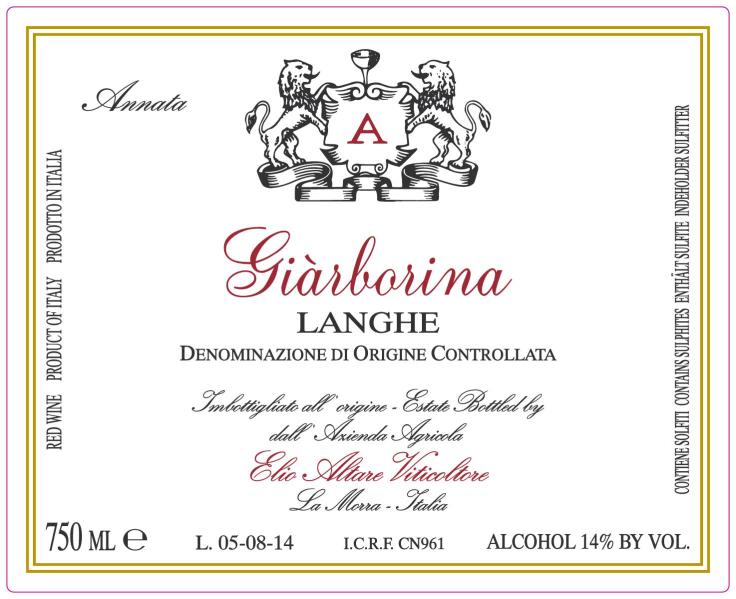
Giarborina

A “baby barolo”, somewhat in the middle of a langhe nebbiolo and a barolo, made with grapes from the Arborina vineyard.

BASIC INFORMATION

Product name: Langhe Giarborina
Grape: 100% nebbiolo
Classification: DOC
Number of bottles produced: 2,000 – 2,500
Color: ruby red with garnet reflections
Fragrance: intense balasmic notes, aromas of fruit, rose petals
Taste: red fruit, raspberry, persistant
Food pairing: red meat, soft to medium aged cheese

VINIFICATION (Wine-making)

Method: maceration on the skins for 3/4 days in rotary fermentors with temperature control
Ageing: new french barrique for 18 months

VINEYARD

Soil: clay and sand
Exposure: south, south-east
Year of plantation:  1948, 1989

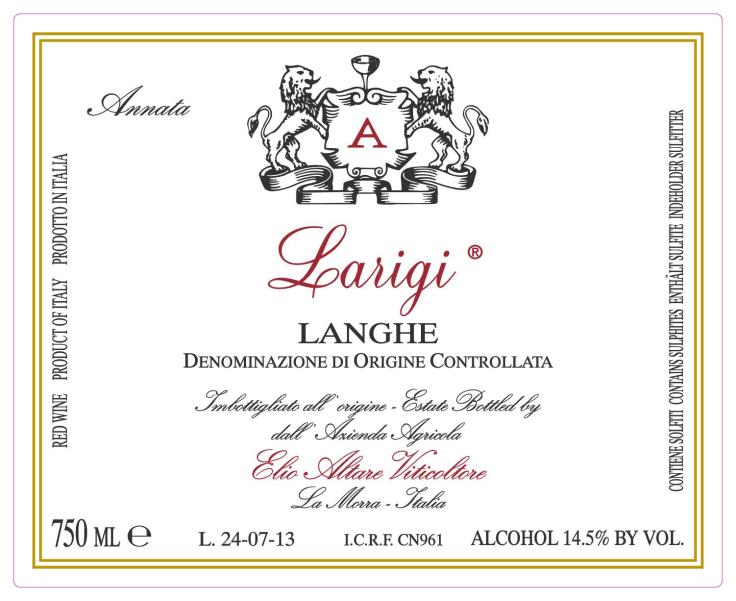
Larigi

Could also be called a “barbera superiore”, but I prefer the name Larigi. The vineyeard is located next to the winery. A “single vineyard” barbera named Larigi.

BASIC INFORMATION

Product name: Larigi
Grape: Barbera
Classification: DOC
Number of bottles produced: 2,500 – 3,000
Color: dense purple red
Fragrance: small red fruits, very persistent
Taste: warm, soft, intense, silky tannins, pleasant acidity, red berries
Food pairing: grilled meat,c heese and salami

VINIFICATION (Wine-making)

Method: maceration on the skins for 3/4 days in rotary fermentors with temperature control
Ageing: new french barrique for 18 months

VINEYARD

Soil: clay and sand
Exposure:  south, south-east
Year of plantation/age of plants: 1948

L’Insieme

You can read more about L’Insieme here.

BASIC INFORMATION

Product name: L’Insieme
Grape: various
Classification: 
Number of bottles produced: 1,500
Color: intense ruby red
Fragrance: spicy and intense
Taste: big structure, taste is much more “international”, spicy and herbal
Food pairing: red meat, game, cheese

VINEYARD

Soil: various
Exposure: various
Age of plants:  10 to 30 years

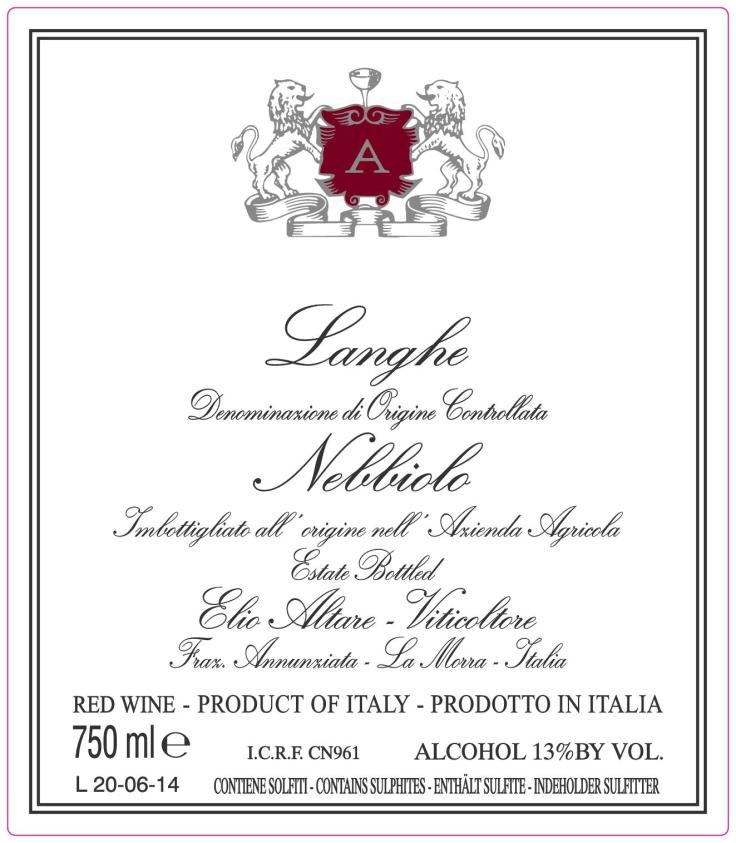
Langhe Nebbiolo

BASIC INFORMATION

Product name: Langhe Nebbiolo
Grape: Nebbiolo
Classification: DOC
Number of bottles produced: 8,000
Color: intense ruby
Fragrance: rose petals and red fruits
Taste: Tannins, but not dry. Red fruits and good acidity
Food pairing: antipasto, pasta, red meat

VINIFICATION (Wine-making)

Method: maceration on the skins for 3/4 days in rotary fermentors with temperature control
Ageing: 5 months in aged french barrique

VINEYARD

Soil: calcareous but also sandy
Exposure: various, south-east, east
Age of plants:  20 to 50 years old

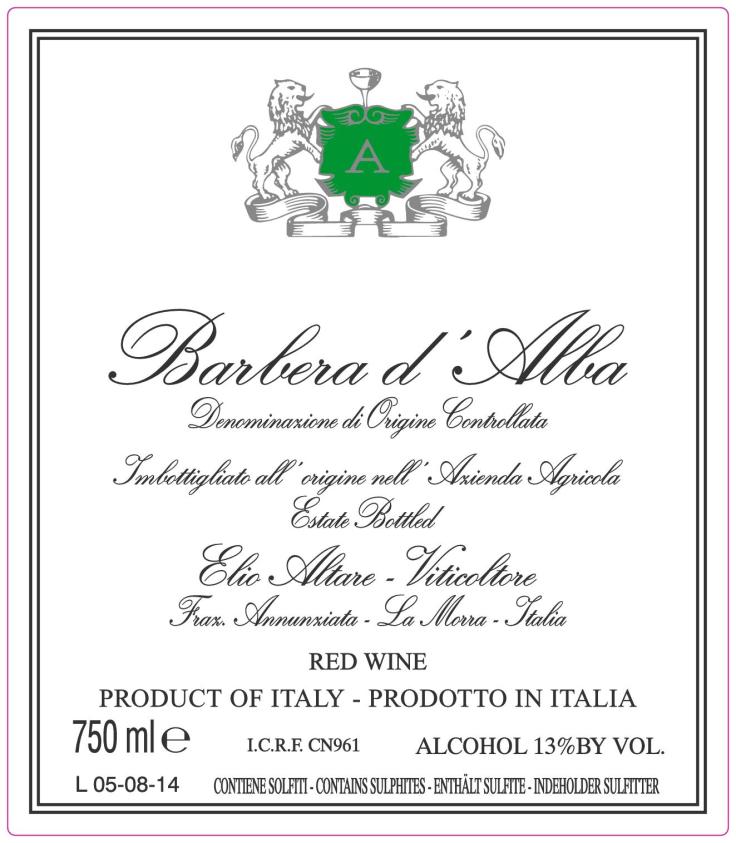
Barbera d’Alba

BASIC INFORMATION

Product name: Barbera d’Alba
Grape: Barbera
Classification: DOC
Number of bottles produced: 15,000
Color: ruby red with violet reflections
Fragrance: violets and black cherry
Taste: full bodied, good acidity, dark red fruits
Food pairing: antipasto, pasta, fatty cheese and salami

VINIFICATION (Wine-making)

Method: maceration on the skins for 3/4 days in rotary fermentors with temperature control
Ageing: 5 months in aged french barrique

VINEYARD

Soil: calcareous but also very sandy
Exposure:  various, east, north-east
Age of plants: 10 to 30 years old
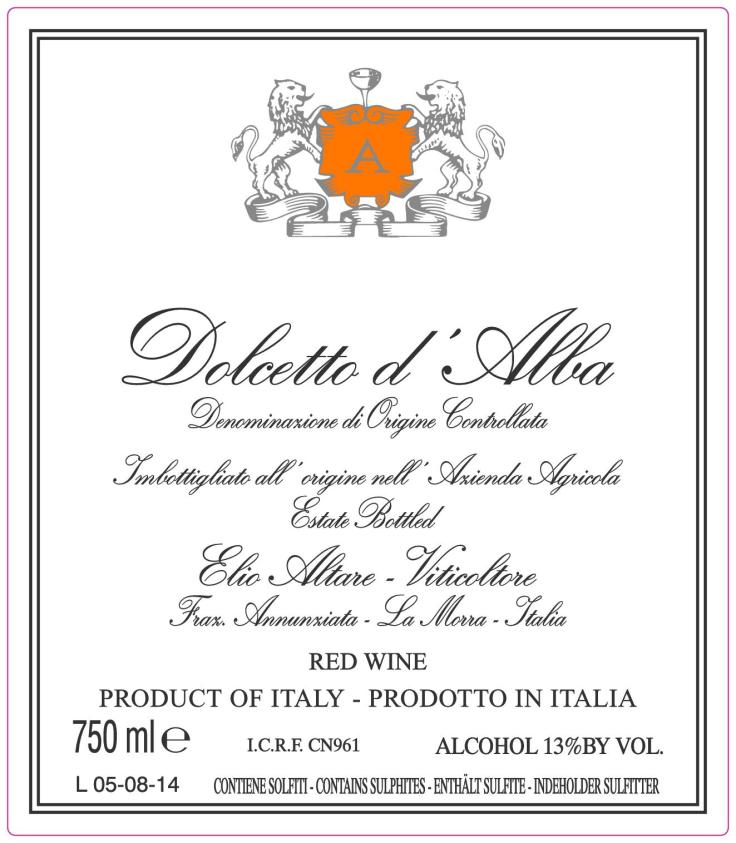
Dolcetto d’Alba

BASIC INFORMATION

Product name: Dolcetto d’Alba
Grape: Dolcetto
Classification: DOC
Number of bottles produced: 18,000 – 20,000
Color: intense violet
Fragrance: violet and black cherry
Taste: cherries, black cherry, medium-bodied, easy to drink
Food pairing: antipasto, pasta, light cheese, pizza, panini

VINIFICATION (Wine-making)

Method: maceration on the skins for approximately 2 to 3 days maximum in rotary fermentors with temperature control
Ageing:  stainless steal tank for about 10 months

VINEYARD

Soil: calcareous but also very sandy
Exposure: various, mostly north and north-east
Age of plants: 20 to 40 years old

Altare Winery

Frazione Annunziata 51, 12064 La Morra
elioaltare@elioaltare.com
+39 0173 50835

Cover photo: Elio Altare Website
Labels: Elio Altare Website
Other photos: Oda Randmæl
Text: Oda Randmæl & Toni Fadnes

Gianfranco Alessandria

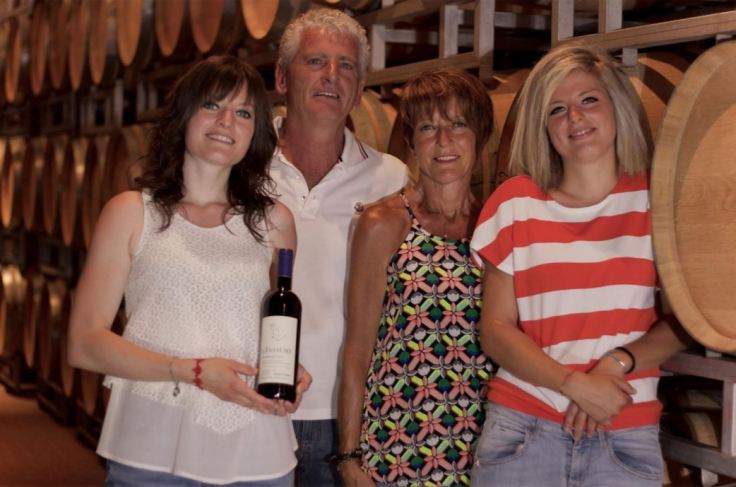
Smile. That’s what first comes to mind when I think of the Gianfranco Alessandria family of four. I have not met any family that smiles as much as and beautifully as they do. And while they smile a lot, they also work hard every day to make the best wine possible. Marta, the youngest daughter and last to officially join the family business just finished her studies at oenology school, and brings a lot of energy with her to work. The family travel the world to promote their wine and their story, and if you’re lucky you can catch up with them in New York, London, Verona or at their winery in Monforte.

The Gianfranco Alessandria Family

Wines of Gianfranco Alessandria

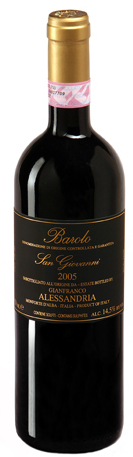
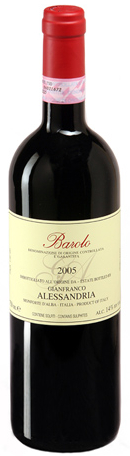
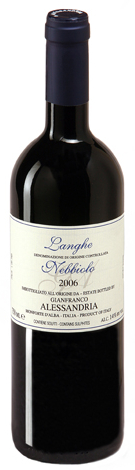
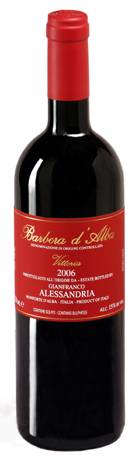
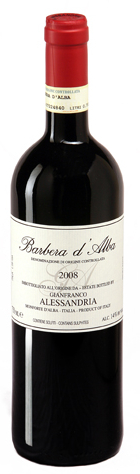
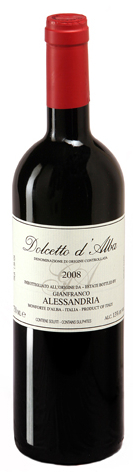
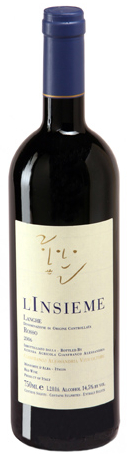
Gianfranco Alessandria makes 8 wines in total, spread out over 5.5 hectares. In their portfolio they have a Barolo and a cru Barolo, Barolo San Giovanni. In addition to the usual suspects like Dolcetto d’Alba, Barbera d’Alba and Langhe Nebbiolo, they also make a barbera superiore named after Vittoria, a special Barolo called EnPiasì and a L’Insieme.

Winemaking

Their work is based on natural principles, respecting the time and methods required to obtain a product most correct in its form. They work as natural as possible only using minimal amounts of sulfur and copper sulfate, out of respect for the environment, as well as their own personal health. From the beginning Gianfranco Alessandria worked with a drastic reduction in the yields of grapes per hectare, which encouraged better ripening of the fruits, making them healthier and more robust to have a wine of higher quality. The vinification is with short macerations in temperature-controlled, vertical fermenters and ageing in small, french oak barrels. The way they work the and is a beautiful journey, which takes them among vineyards, winery and the world.

Fun fact

The EnPiasì wine is a result of Marta’s oenology education. The first year she made it, was for her exam, and to make it in time she had to declassify it from DOCG to DOC (she was missing a month or two of ageing.) EnPiasì means “a pleasure” and it sure was a pleasure to drink! And not it’s a part of the Gianfranco Alessandria portfolio

Fun fact II

Marta can sometimes be found at the local pizza restaurant, pitching in when they need extra hands! 

Gianfranco Alessandria Portfolio

Wines available in:

Italy
United Kingdom
Australia
Canada
Russia
Japan
& other European countries

Barolo San Giovanni

A single vinyeard barolo, with vinyeard located in Monforte with a south-east exposure, this wine brings some of the best Monforte has to offer. The plants are 70 years old, spread out over 1 hectar, and with a drastic selection of the grapes (about 1.30kg per vine) the final wine is a perfect example of a barolo from this region.

Gianfranco Alessandria Barolo San Giovanni

Product name: Barolo San Giovanni
Grape: 
Nebbiolo
Classification: DOC

Color:  intense ruby color with garnet
Fragrance:
fruity and spicy aromas
Taste: right balance between acidity, tannin and structure.

VINIFICATION (Wine-making)

Ageing: 100% French Oak (50% new, 50% used) for 24 months

VINEYARD

% of Grape/Cépage:  nebbiolo
Soil:  mixed white soil: tufo-limestone and sand
Exposure:  south-east
Age of plants:  60-65 years old

Barolo

The grapes come from the same vineyard as the San Giovanni, but some of the plants are younger, about 25-45 years old.

Gianfranco Alessandria Barolo

Product name: Barolo
Grape: 
Nebbiolo
Classification: DOCG
Number of bottles produced: 

Color: ruby-garnet inflections
Fragrance:
ripe fruit, wild rose and licorice
Taste:
soft and balanced with focused tannins

VINIFICATION (Wine-making)

Ageing: 100% French oak (20% new, 80% used) for 24 months

VINEYARD

Soil:  mixed white soil: tufo-limestone and sand
Exposure: south-east
Year of plantation:  1975-2000

Langhe Nebbiolo

For the Langhe Nebbiolo, Gianfranco Alessandria uses young nebbiolo plants. The wine spends about 6 months in barrique, with 15-20% new oak.

Gianfranco Alessandria Nebbiolo

Product name: Langhe Nebbiolo
Grape: 
Nebbiolo
Classification: DOC

Colour: garnet highlight
Fragrance:
wild rose and delicate red fruits
Taste:
elegant with rounded tannins

VINIFICATION (Wine-making)

Ageing: French oak (10% new, 90% used) for 5-6 months

VINEYARD

Soil:  mixed white soil: tufo-limestone and sand
Exposure:  south-east
Year of plantation:  2005-2018

Barbera d’Alba Vittoria

The Barbera d’Alba Vittora is named after the oldest daugther, Vittoria. It’s a barbera superiore, so in contrast to the other barbera, this wine is aged in wood for about 18 months.

Gianfranco Alessandria Barbera Vittoria

Product name: Barbera d’Alba Vittoria
Grape: 
Barbera
Classification: DOC

Colour: intense ruby, purple hues. Garnet hue when ageing
Fragrance:
herbaceous and fruity aromas with hints of mature black fruit
Taste:
long and persistent finish with balancing acidity

VINIFICATION (Wine-making)

Ageing: French oak (40% new, 60% used) for about 18 months. (Second passage only)

VINEYARD
Exposure:  south-east
Year of plantation:  from 1936 +

Barbera d’Alba

This is their “regular” barbera, aged only in steel tanks for about 6 months, allowing the fruit to express itself naturally.

Gianfranco Alessandria Barbera

Product name: Barbera d’Alba
Grape: Barbera
Classification: DOC

Color: ruby red dark color, very intense
Fragrance:
hints of red fruit like cherry, blackberry, strawberry
Taste:
medium bodied, velvety and important acidity

VINIFICATION (Wine-making)

Ageing: steel tank for about 5-6 months

VINEYARD

Exposure:  south-east
Year of plantation: 1960 – 2009

Dolcetto d’Alba

Dolcetto, the every day wine, is made in stainless steel tanks. The dolcetto is known for its very intense ruby red color. Some of the plants that are used for this wine were planted in 1970.

Product name: Dolcetto d’Alba
Grape: 
Dolcetto
Classification: DOC

Color: ruby red with intense violet hues
Fragrance:
fresh, fruity
Taste:
fresh, fruity and youthful

VINIFICATION (Wine-making)

Ageing: steel tank for about 5-6 months

VINEYARD

Exposure:  south-east
Year of plantation: 1970+

Barolo EnPiasì

The EnPiasì wine is a result of Marta’s oenology education. The first year she made it, was for her exam, and to make it in time she had to declassify it from DOCG to DOC (she was missing a month or two of ageing.) The name EnPiasì means “a pleasure”.

Product name: Barolo EnPiasì
Grape: 
Nebbiolo
Classification: DOCG
Number of bottles produced: 150 magnum

Colour: light ruby color, with garnet reflections
Fragrance:
fruity and spicy aromas
Taste:
fresh and vigorous, round palate. Right balance between acidity round tannins and structure

VINIFICATION (Wine-making)

Method: harvest by hand, around middle of October. Destemming by hand, berry by berry. Fermentation is 1000lt barrel (frenc oak) for about 12-15 days with temperature around 24-26Malolactic fermentation in steel tanks.
Temperature:
24-26 degrees celcius
Length: 12-15 days
Aging: 100% French oak (third passage) in 225lt barrel for 24 months

VINEYARD

% of Grape/Cépage: 
Soil:  mixed white soil: tufo-limestone and sand
Exposure:  south-east
Year of plantation/age of plants:  60-65 years old

L’Insieme Langhe Rosso

L’Insieme is group of winegrowers from the Langhe, united by a project, a dream and a goal. Elio Altare is the founder. The project aims to make wines which, under a single brand, tell a story of friendship and collaboration, of hard work, shared passion for the Langhe and its outstanding grapes. The dream is that, from this union, the resultant label will be a symbol of friendship and mutual aid. A wine that is our personal way of thanking the land that gave us our roots and its support.

Our goal is to make L’Insieme wine a practical ethical tool, allowing us to fund projects of high social value as a way of giving back to our local area a part of the good fortune and beauty it has given us. The wine is It is actually a combination obtained from the individual decisions taken by each producer, from traditional grape varieties such as the Nebbiolo, Barbera and Dolcetto, with grapevines introduced only recently to the Langhe area, such as Cabernet Sauvignon, Merlot or Pinot Nero.

Product name: L’Insieme Langhe Rosso
Grape: 
2015: 40% barbera, 60% Nebbiolo. 2016: 10% cabernet sauvignon, 10% pinot noir, 40% barbera, 40% nebbiolo
Classification: DOC

Colour: intense garnet color
Fragrance:
ripe red fruit wrapped in spices
Taste:
compact flavors