I am a wine lover currently located in Boston. I drink wine mostly from Piemonte and Burgundy.
Two summers in a row I have worked at Vietti in Piemonte.
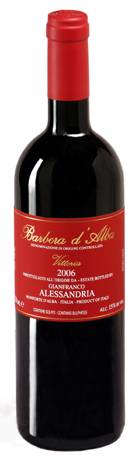
The Gianfranco Alessandria Vittoria is a barbera superiore. The wine is named after Gianfranco’s oldest daughther, Vittoria. When you call a barbera “superiore” it usually means that the wine has aged for a bit in oak. Sometimes the wine is also released a year later than the classic barbera.
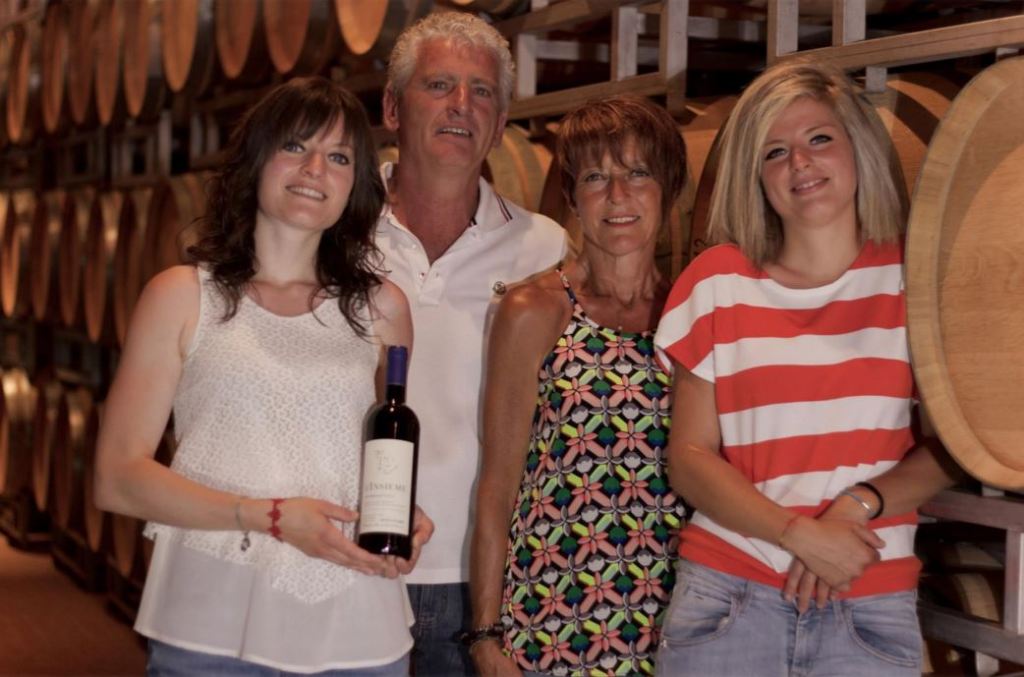
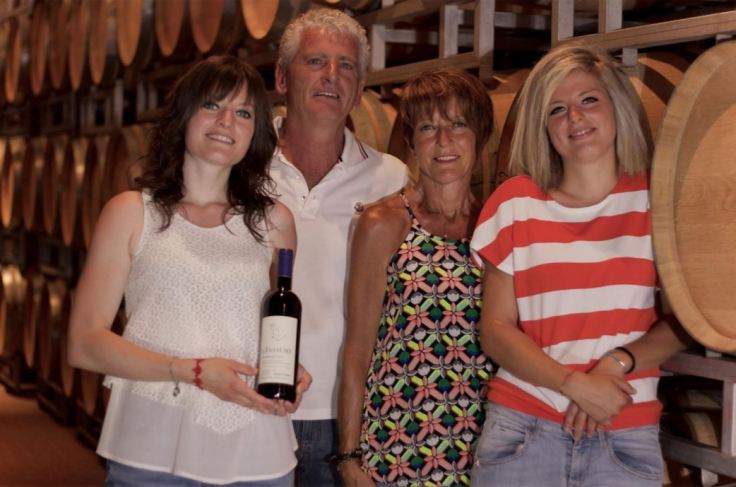
Right to left: Vittoria, Gianfranco, Bruna & Marta
Gianfranco Alessandria and his family have a winery in Monforte, where they cultivate 5.5 hectares. Even though they make excellent wine, I would say that the main “trademark” for this family is smiling. I don’t think I know another family that smiles as much as the Alessandria family does.
Marta, the youngest daughter and last to officially join the family business just finished her studies at oenology school, and brings a lot of energy with her to work.
In addition to their Vittoria barbera, they make 7 other wines, including a classic barbera. You’ll find two barolo’s in their lineup: a classic barolo and a barolo San Giovanni.
Vittoria Barbera d’Alba
The vines used for the Gianfranco Alessandria Vittoria were planted in 1936. The vinyeard has south-east exposure.
After the fermentation, the wine ages in french oak barrels, using 40% new oak and 60% used oak. The end result is a very intense ruby red wine with purple hues. You’ll find herbaceous and fruity aromas with hints of mature black fruit.
This wine is currently not available in Norway, but it is available in other countries, like: Denmark Germany United Kingdom Italy
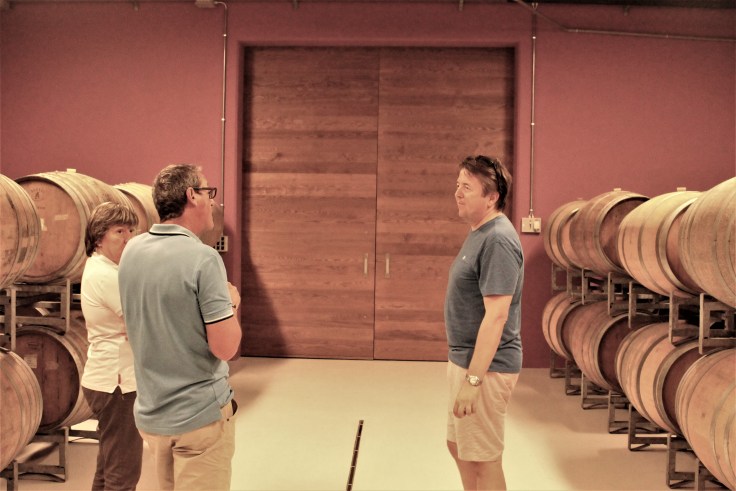
Marco Marengo: Geek or nerd, in the modern, positive, definition of the words. The same way Bill Gates is often referred to as a nerd, an expert and enthusiast, and obsessed with intellectual pursuit of winemaking.
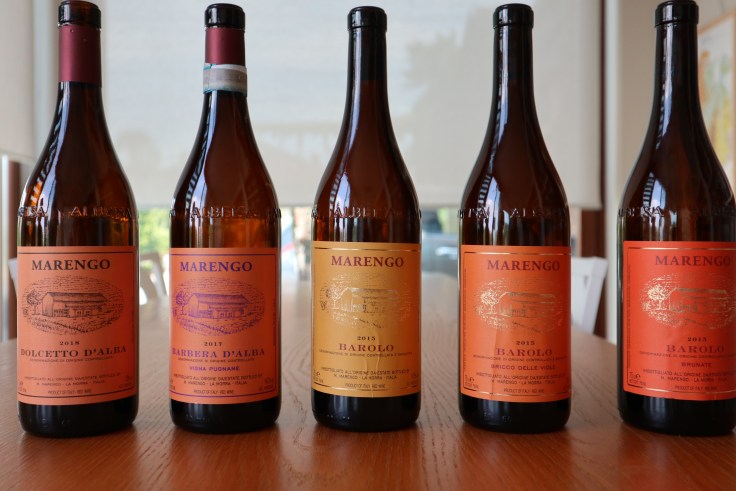
Cantina Marengo has about 6 hectares of vineyard in total, and the majority is used for nebbiolo for barolo. They make about 35,000 bottles of wine per year, which is spread out over the 6 (or 7) different wines they make. Both the Brunate and Bricco delle Viole vinyeards have belonged to the family for 5 generations.
Brunate is a well known name for many people.. Located in La Morra (73%) and Barolo (27%), the vineyard has mixed clay and silt soil with south/southeast exposure. There are 14 different wineries that have plots in Brunate (and some private).
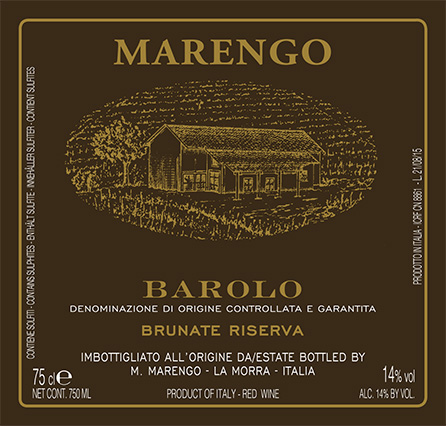
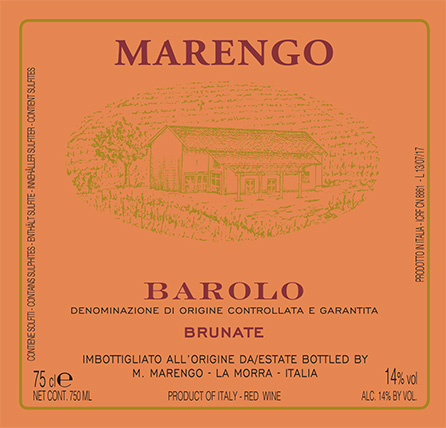
Marengo Barolo Brunate
The vines Marengo use for Brunate are almost 80 years old. The vineyard has mixed clay and silt soil and south exposition. Harvest happens in September/october, depending on the vintage. Then the wine goes through natural acoholic and malolactic fermentation, before spending 24 months in french barrique. After an additional 6 months in bottle, the Marengo Barolo Brunate is ready to go!
Brunate is perhaps one of my favorite cru’s from Piemonte, and Marengo makes a very good one. You’ll find aromas of fruit, black cherry and some spices. The wine is full body, with silky but persistent tannins. Goes well with meat and cheese.
Where can you find the Marengo Barolo Brunate?
Norwegians, you can order it at www.vinmonpolet.no or get it in these local stores: Aker Brygge – 5 Moss – 22
Marengo’s wine are availale in many other countries as well. Look for them in the US and Italy. You can always ask Jenny where to find their wines: marengo@cantinamarengo.it
Norwegians are getting ready for all the wines being released on Friday. I’ve been lucky to try a few (or more) beforehand and here are some of my favorites.
Weingut Walter Kabinett Riesling 2018
I’ve grown more and more fond of Riesling the past year, and this was a pretty good one. Must admit I don’t know a lot about the winery and how the wine is made, but I quite like the Kabinett from Weingut Walter. And it’s available at a very decent price as well.
Available in BU at Vinmonopolet (11357201) 149,90kr
Cigliuti Langhe Nebbiolo 2018
You’re probably not surprised that a Langhe Nebbiolo for Piemonte made the list. Claudia Cigliuti from Neive makes really good wines. She might be most known for the Serraboella, but I quite like the Langhe Nebbiolo. I might have priced it a little lower (the Altare Nebbiolo is 285kr and the Trediberri Nebbiolo is 189kr), but it’s always good with some variety!
Available in BU at Vinmonopolet (11347301) 299kr
Lamy Saint-Aubin La Princée 2017
Summer is over but one need not fret; it’s king crab season! And it’s never wrong to pair Hubert Lamy with king crab. With notes of citrus and white stone fruit, and of course a hint of oak, Hubert Lamy does not disappoint!
Available in BU at Vinmonopolet (11347101) 388kr
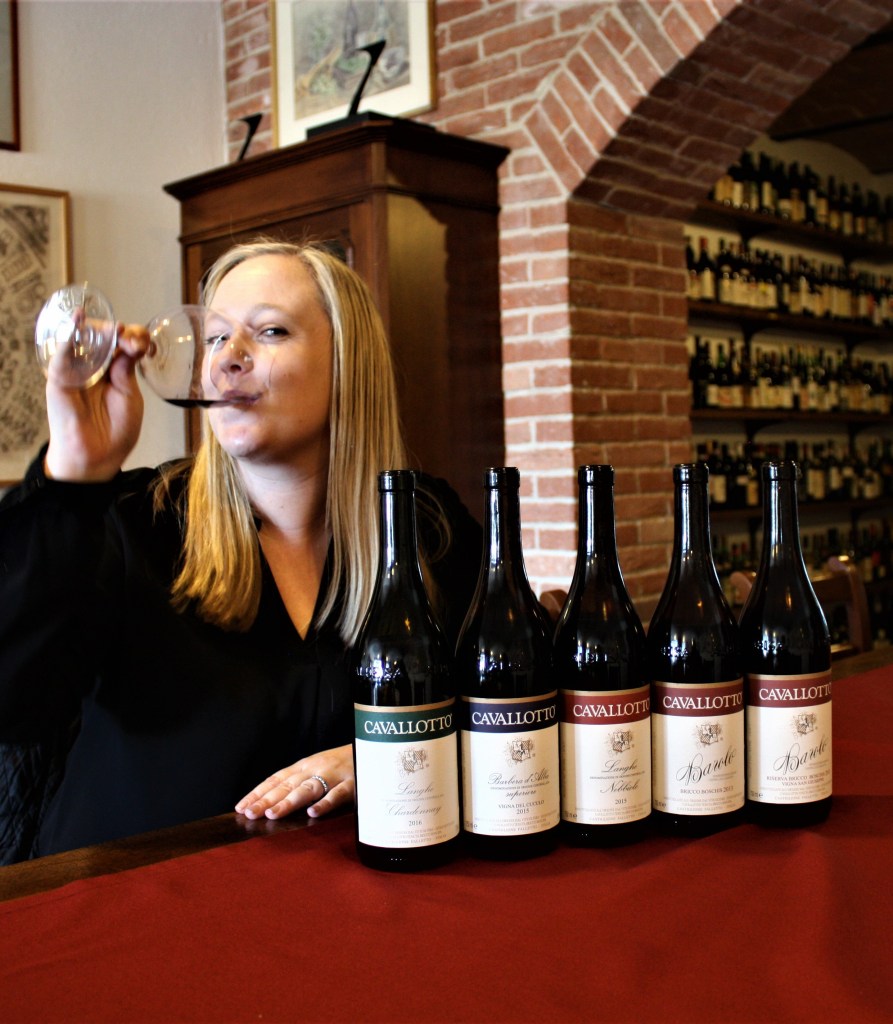
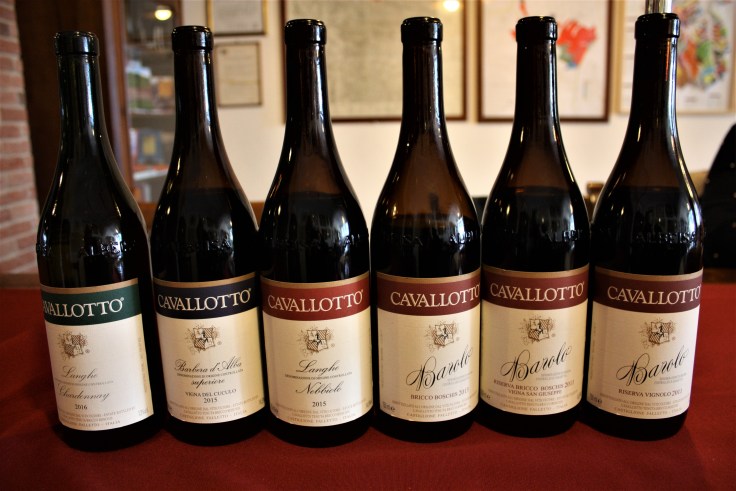
Cavallotto Barolo Bricco Boschis Riserva San Giuseppe 2013
I think the words Cavallotto, Bricco Boschis and Riserva say it all. But I’ll say more anyways. Obviously still very young, but with incredible potential. Tannins are persistent, but disappear after a while and you’re left with wonderful notes of fruit.
Last week I tagged along a guy’s trip with 10 Norwegians and I showed them some of the wonderful things Piemonte has to offer. Our days included participating in winery activities, walking a 10k with champagne as the prize and of course many great meals. I also got to tag along on my first ever truffle hunt! On a Piemontegirl Tour you will be able to do all of these things, and more!
Trediberri
During a Piemontegirl tour you are guaranteed a fun winery experience. Whether it’s with the very talented and energetic Silvia Altare, an interactive experience with Marco Marengo, or a trip in the vineyards with Nicola, you’ll learn something new and have a lot of fun! This time, we caught Nicola at Trediberri at the end of the harvest period, and we got to see how “pumping over” works. We also measured the sugar level in the wine (after we got to taste it). If you’re lucky, Nicola will join you for Champagnemilå after.
Champagnemilå
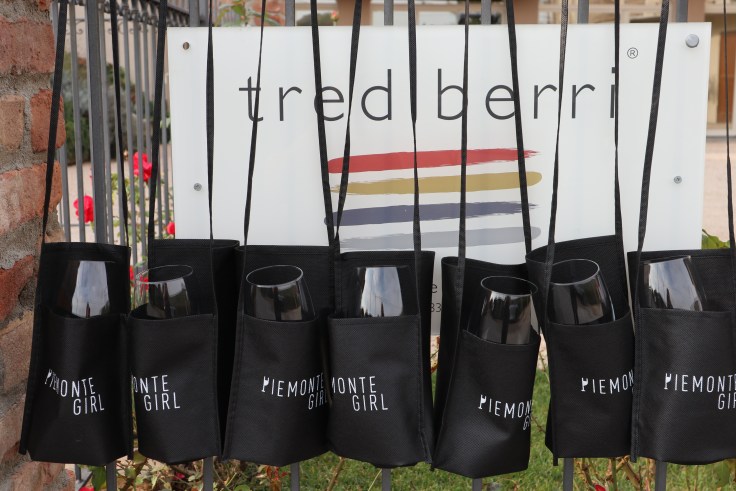
Q: What is it? A: A 10k walk through the vineyards from La Morra to Serralunga, with champagne served by Alessio at Vinoteca Centro Storico. If you do it “Piemontegirl style” you get one of these handy “bibs” and a glass so you can drink wine along the way.
Q: Why do you do it? A: It’s a unique way to experience Piemonte. Biking is fun, but when you walk you can get up close and personal with nature. And with a nice break in Castiglione to refuel, the walk doesn’t seem so bad. Even for people who normally prefer to drive (like me!)
Q: What happens when you reach the goal? A: Champagne! And then lunch. So make sure to book a table at Ciccio’s. And if your shoes are muddy, feel free to leave them outside. You’ll get a smile out of Alessio and Stefania.
What about food?
There is not exactly a shortage of restaurants in Piemonte. There are plenty of excellent option to chose from. I have compiled a list of restaurants here. FYI it’s in no way “complete”, but these are ones I have tried and highly recommend.
For this trip, More Macine and Vinoteca Centro Storico made the list. With a larger group (in the middle of the Truffle Festival) it can be difficult to find a place, so make sure you book far in advance.
For those who don’t speak Norwegians, this basically means “On a trip with Piemontegirl.” I am happy to join you in Piemonte or help you plan a trip! Interested? Send me a message or an email.
Silvia Altare, Queen of the Andals, the Rhoynar and the first Cry, Protector of the grape, Queen of the Langhe, Khaleesi of the Great Grass Sea, Mother of Dragons, The Unburnt, Breaker of Chains and the Lady of the Annunziata
Toni Fadnes
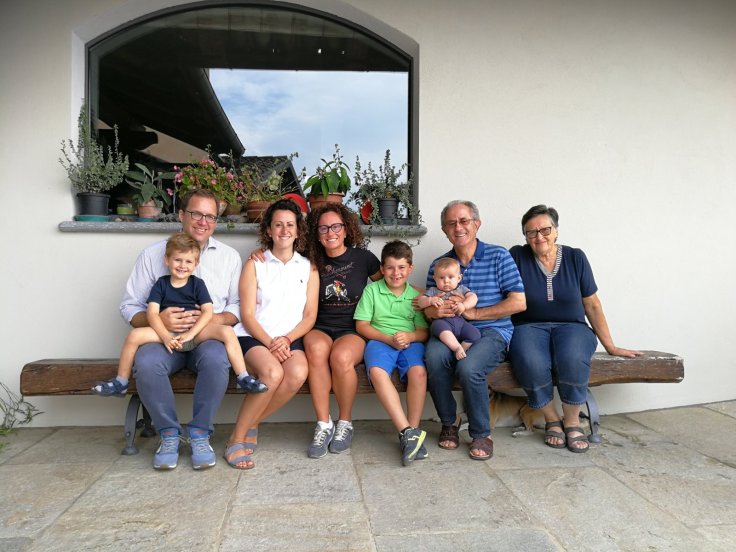
Photo of the Altare Family, from their website
The words that come to mind when thinking of the Altare family are: Insieme & Energy.
And for those of you who are not Game of Throners, when I say that the Altare family is first of their name, I am referring to the “Barolo Revolution” and the introduction of barrique to the area. On top of that, they are known for their extraordinary wines and and incomparable energy.
Winemaking
In 1976, Elio traveled to Burgundy and it was a trip that would change the course of history forever. Elio infamously took his father’s big barrels outside and chopped them up. He wanted to use small barrels instead, barrique, like the french. This act would eventually lead to his disinheritance. But Elio persevered.
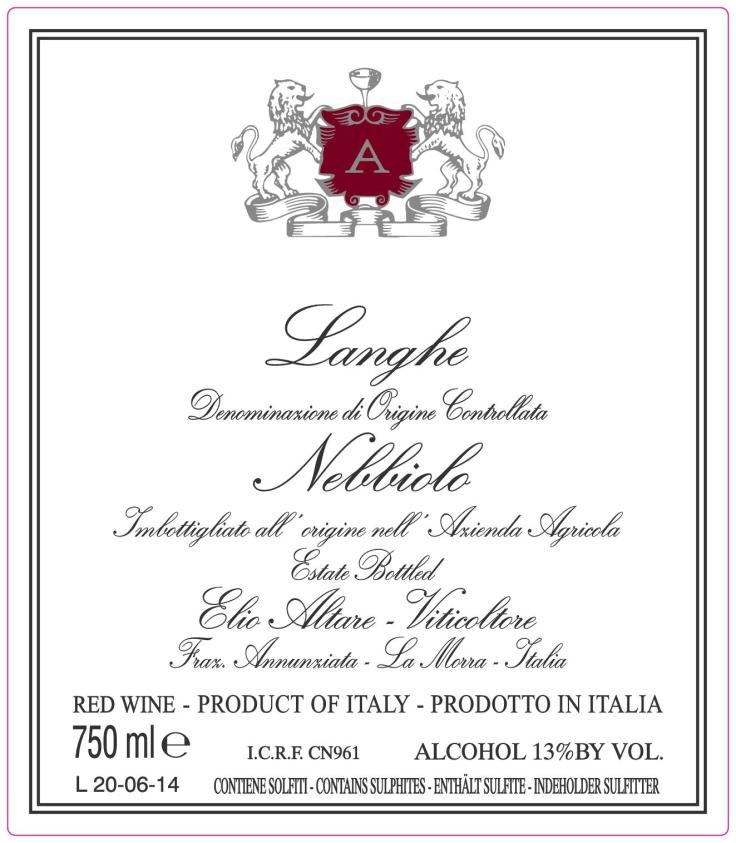
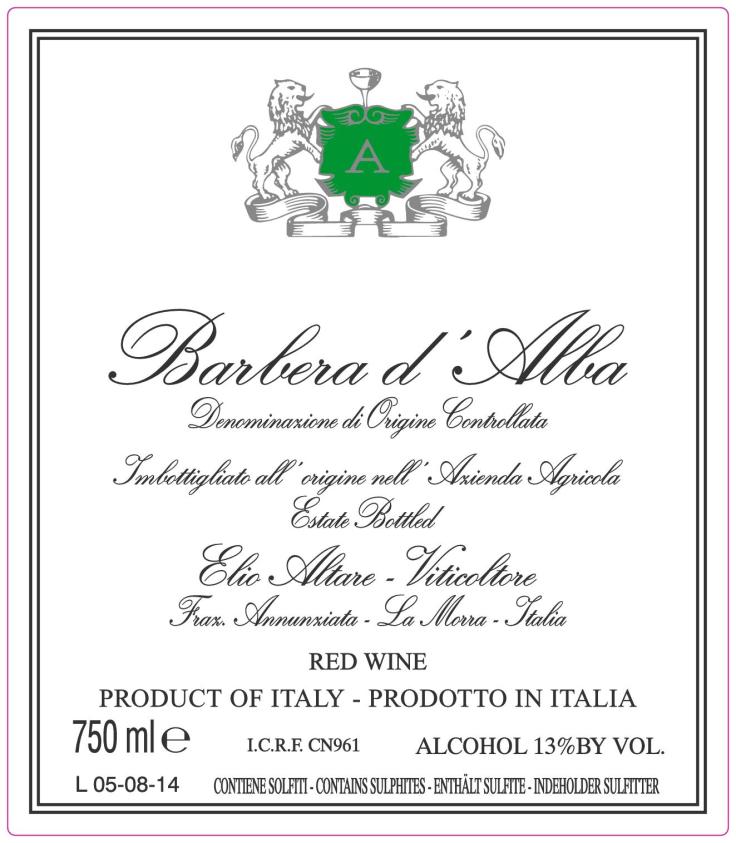
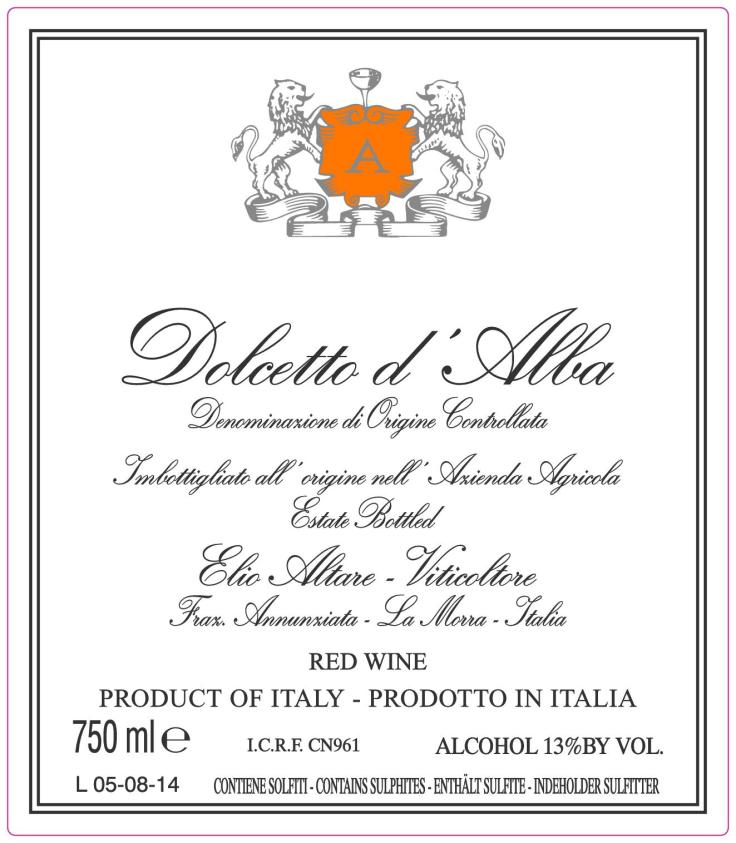
Today, the family still use small barrels (barrique) for most of their wines, and steel tanks for the dolcetto d’alba , barbera d’alba and langhe nebbiolo. The oak is used as a tool, and none of their wines have a significant presence of oak flavors. Try putting it in a blind tasting lineup and see for yourself.
With a total of 10 hectares, they make about 70,000 bottles a year.
Fun fact
SEVEN PRODUCERS, SEVEN DIFFERENT STORIES, ONE SINGLE LABEL: L’INSIEME
Silvia’s father, Elio Altare, isthe founder of L’Insieme. And what is L’Insieme? It’s a project between 7 winemakers in Langhe where they donate a percentage of the proceeds to a good cause. Below you will see their own explanation of the project (found on their website).
The project aims to make wines which, under a single brand, tell a story of friendship and collaboration, of hard work, shared passion for the Langhe and its outstanding grapes.
The dream is that, from this union, the resultant label will be a symbol of friendship and mutual aid. A wine that is our personal way of thanking the land that gave us our roots and its support.
Our goal is to make L’Insieme wine a practical ethical tool, allowing us to fund projects of high social value as a way of giving back to our local area a part of the good fortune and beauty it has given us.
Fun fact II
When it comes to blind tasting, we all know Silvia and Elio are very good. They have trained their noses for years. But the one who always seems to surprise us with her incredible ability is Lucia, Elio’s wife. She will sit quietly, while everyone shares their opinions and then all of a sudden she will blow you away with her analysis. A very impressive woman.
The Altare Wines
Wines available in: Norway Sweden Denmark USA UK Italy
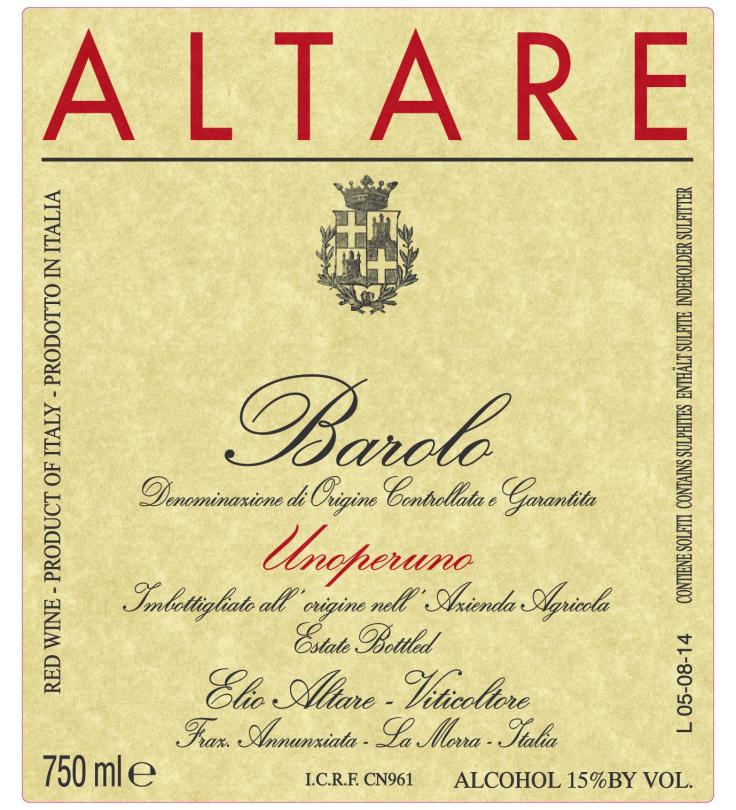
Altare Uno Per Uno
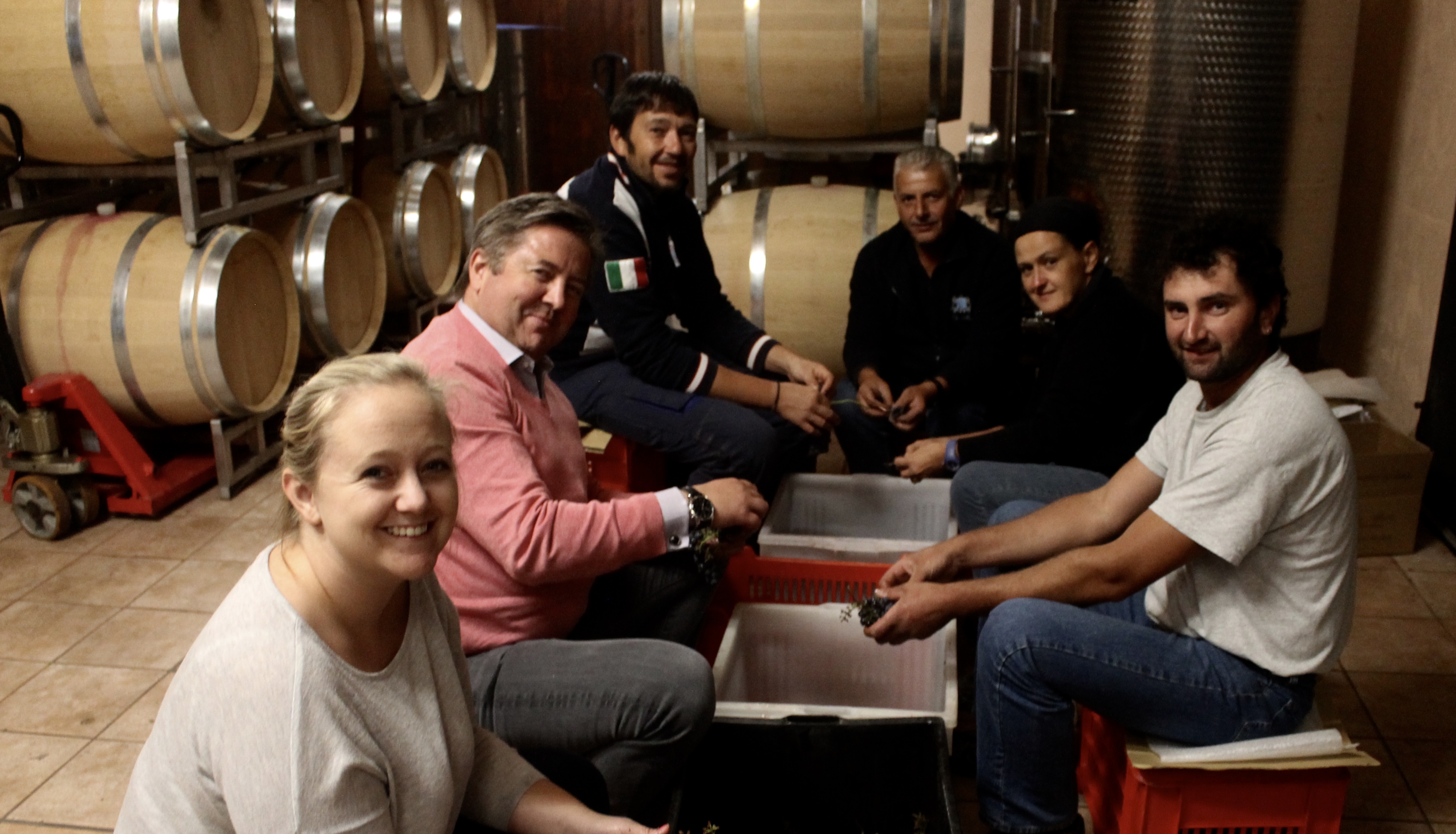
It’s exactly what it says: one by one. The family hand destems the grapes, berry by berry, and the results are magnificent. It’s also why the price might be a little higher. Imagine the work behind this wine. And if you can’t, check out the picture below.
BASIC INFORMATION
Product name: Uno Per Uno Grape: 100% nebbiolo Classification: DOCG Number of bottles produced: 1,500 Color: light ruby red with garnet reflections Fragrance: fresh fruits, rose petals and flowers Taste: warm, elegant, smooth silky tannins Food pairing: red meat, aged cheese
VINIFICATION (Wine-making)
Method: hand-destemming the berries, one by one. Looking for the purity of the fruit of nebbiolo, making sure there are no stems, no leaves and no ugly berries Ageing:
VINEYARD
Soil: marna with clay and sand Exposure: south, south-east Year of plantation: 1948
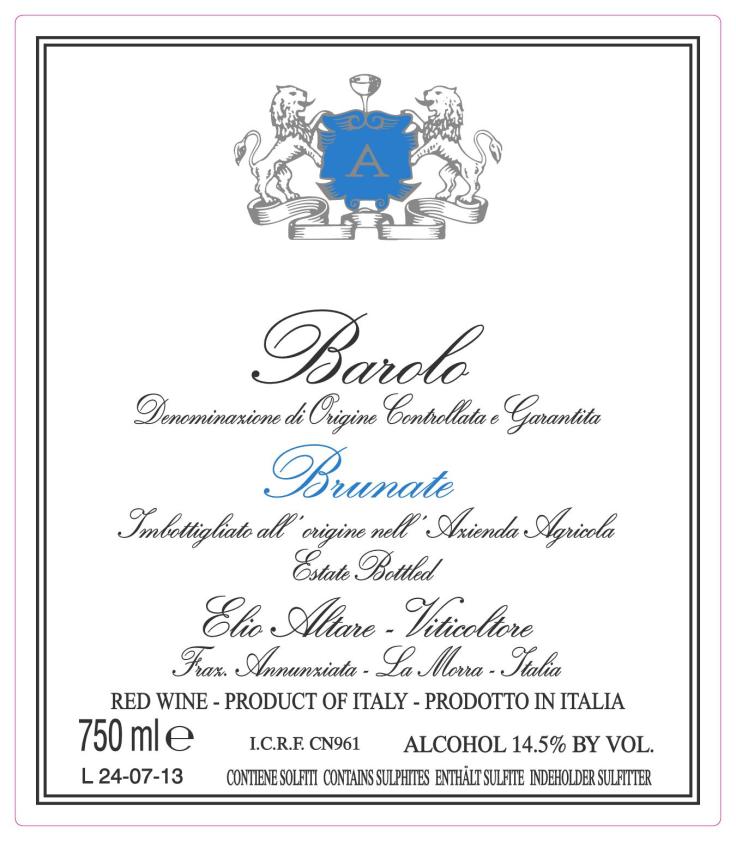
Barolo Brunate
The last vintage of Brunate is 2011. Altare rented the plot and the owners decided to make their own wine.
BASIC INFORMATION
Product name: Brunate Grape: 100% Nebbiolo Classification: DOCG Number of bottles produced: 1,200 – 1,500 Color: intense ruby red with garnet reflections Fragrance: red fruits, floral, light and feminine Taste: warm, elegant, long finish with wild rose and violet Food pairing: red meat, game, aged cheese
VINIFICATION (Wine-making)
Method: maceration on the skins for 4/5 days in rotary fermentors with temperature control Ageing: 24 months in french barrique
VINEYARD
Soil: various Exposure: south, south-east Age of plants: 20 to 90 years old
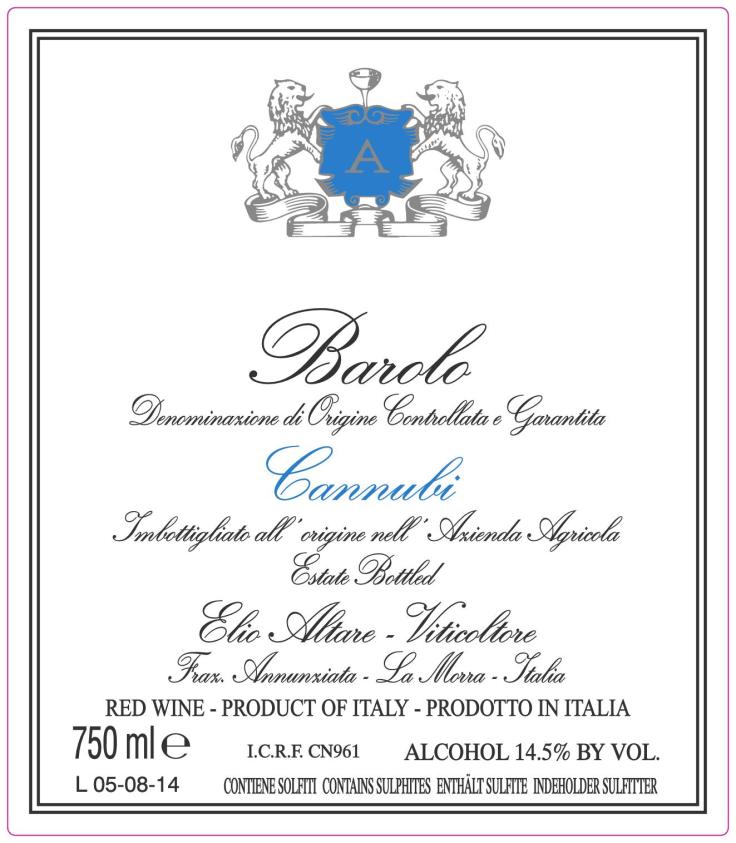
Cannubi
BASIC INFORMATION
Product name: Cannubi Grape: 100% Nebiolo Classification: DOCG Number of bottles produced: 1,500 Color: light ruby red with garnet reflections Fragrance: fresh fruits, rose petals and flowers Taste: elegant, soft silky tannins Food pairing: red meat, aged cheese
VINIFICATION (Wine-making)
Method: maceration on the skins for 4/5 days in rotary fermentors with temperature control Ageing: 24 months in french barrique
VINEYARD
Soil: marna with clay and sand Exposure: south Age of plants: 30 years old
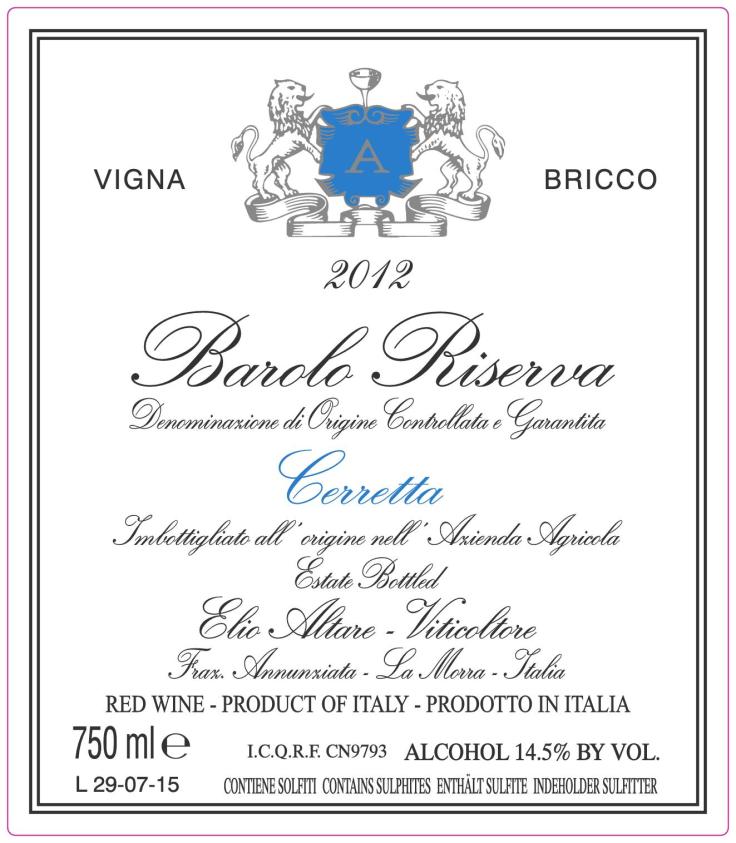
Barolo Ceretta Vigna Bricco Riserva
Altare chooses to release this wine later than the rest of the barolo’s. The extra time can be beneficial for a wine with more masculine characteristics.
BASIC INFORMATION
Product name: Ceretta Vigna Bricco Riserva Grape: 100% Nebbiolo Classification: DOCG Number of bottles produced: 5,000 – 6,000 Color: intense ruby red with garnet reflections Fragrance: mature fruits, spicy, tobacco, darker fruits, licorice Taste: warm and elegant, with mint and spice notes Food pairing: red meat, aged cheese
VINIFICATION (Wine-making)
Method: maceration on the skins for 4/5 days in rotary fermentors with temperature control Ageing: 24 months in french barrique
VINEYARD
Soil: sandstone, limestone and chalk Exposure: south, south-east and south-west Age of plants: 15 years old
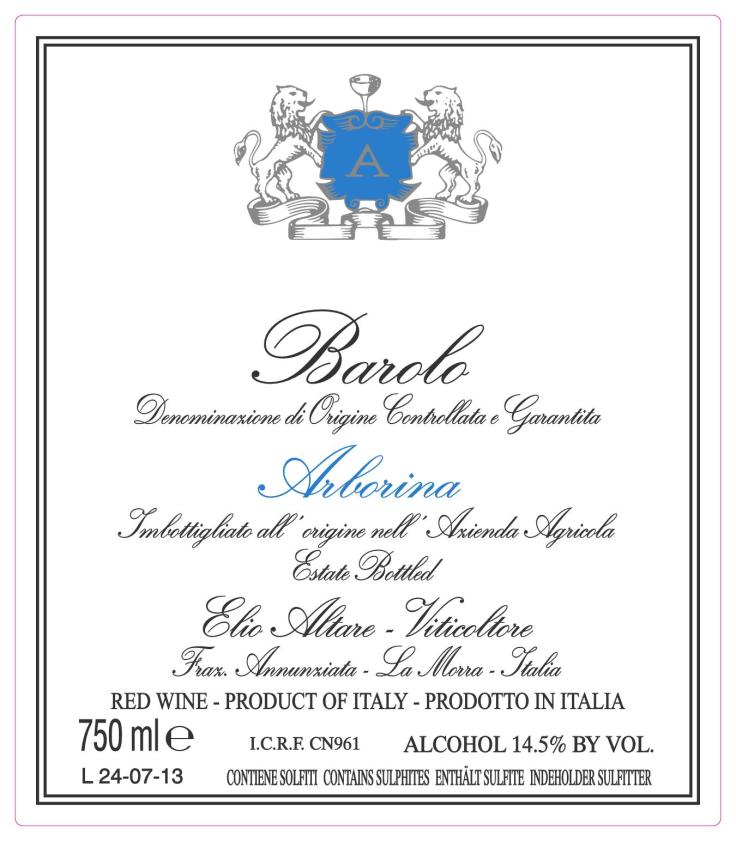
Barolo Arborina
BASIC INFORMATION
Product name: Arborina Grape: 100% Nebbiolo Classification: DOCG Number of bottles produced: 6,000 Color: intense ruby red with garnet reflections Fragrance: rose petals, flowers, light, sweet Taste: elegant, with smooth but intense tannins Food pairing: red meat, game, aged cheese
VINIFICATION (Wine-making)
Method: maceration on the skins for 4/5 days in rotary fermentors with temperature control Ageing: 24 months in french barrique
VINEYARD
Soil: marna stone with clay and sand Exposure: south, south-east Year of plantation: 1948
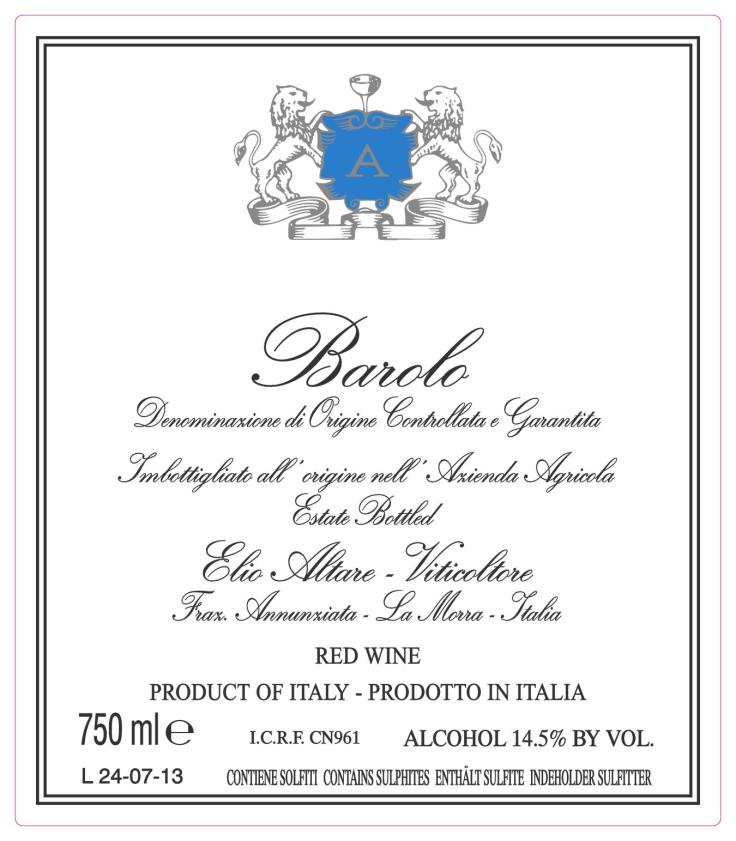
Barolo
BASIC INFORMATION
Product name: Barolo Grape: 100% Nebbiolo Classification: DOCG Number of bottles produced: 10,000 Color: intense ruby red with garnet reflections Fragrance: red fruit, raspberry, redcurrant, wold roses that evolve into licorice and spice notes Taste: elegant, persistent with long finish ans soft tannins Food pairing: red meat, aged cheese
VINIFICATION (Wine-making)
Method: maceration on the skins for 4/5 days in rotary fermentors with temperature control Ageing: 24 months in french barrique
VINEYARD
Soil: various Exposure: south, south-east Age of plants: from 20 to 30 years
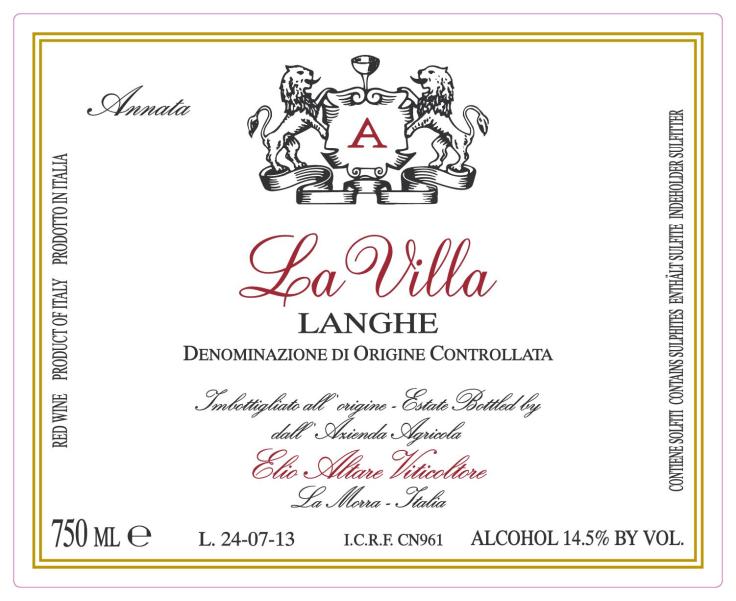
La Villa
La Villa is a blend of nebbiolo and barbera grapes, which gives the best of both worlds; tannins and acidity.
BASIC INFORMATION
Product name: Langhe La Villa Grape: Barbera & Nebbiolo Classification: DOC Number of bottles produced: 2,500 – 3,000 Color: intense ruby red Fragrance: plums, berries, rose petals Taste: fresh, well balanced tannins, pleasant acidity from the barbera Food pairing: pasta, charcuterie, meat
VINIFICATION (Wine-making)
Method: maceration on the skins for 3/4 days in rotary fermentors with temperature control Ageing: new french barrique for 18 months
VINEYARD
Soil: clay and tufa stone Exposure: south-east Year of plantation/age of plants: various
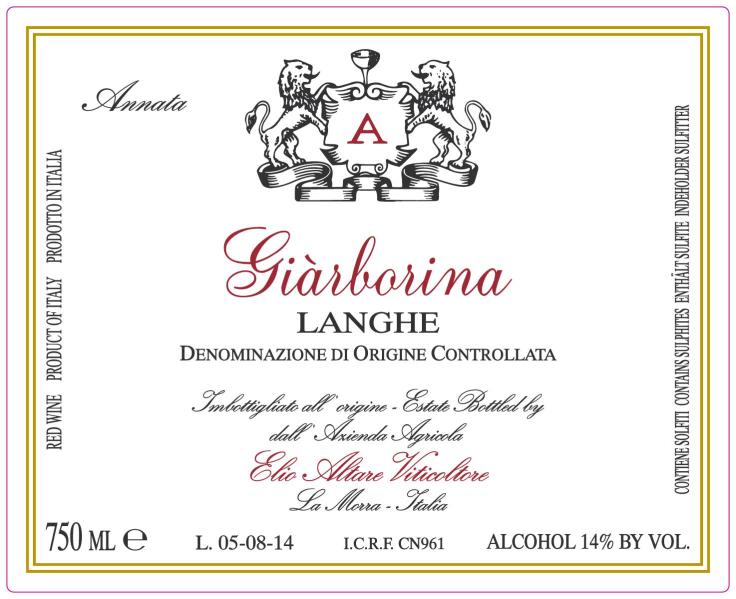
Giarborina
A “baby barolo”, somewhat in the middle of a langhe nebbiolo and a barolo, made with grapes from the Arborina vineyard.
BASIC INFORMATION
Product name: Langhe Giarborina Grape: 100% nebbiolo Classification: DOC Number of bottles produced: 2,000 – 2,500 Color: ruby red with garnet reflections Fragrance: intense balasmic notes, aromas of fruit, rose petals Taste: red fruit, raspberry, persistant Food pairing: red meat, soft to medium aged cheese
VINIFICATION (Wine-making)
Method: maceration on the skins for 3/4 days in rotary fermentors with temperature control Ageing: new french barrique for 18 months
VINEYARD
Soil: clay and sand Exposure: south, south-east Year of plantation: 1948, 1989
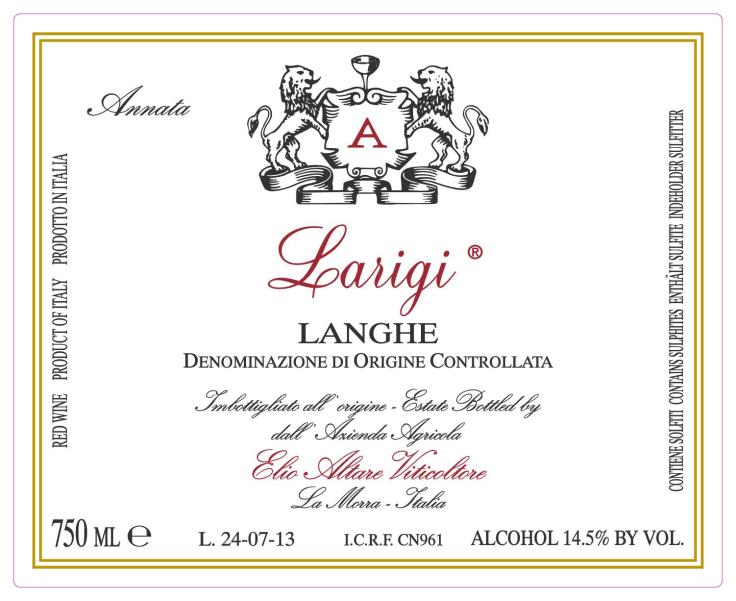
Larigi
Could also be called a “barbera superiore”, but I prefer the name Larigi. The vineyeard is located next to the winery. A “single vineyard” barbera named Larigi.
BASIC INFORMATION
Product name: Larigi Grape: Barbera Classification: DOC Number of bottles produced: 2,500 – 3,000 Color: dense purple red Fragrance: small red fruits, very persistent Taste: warm, soft, intense, silky tannins, pleasant acidity, red berries Food pairing: grilled meat,c heese and salami
VINIFICATION (Wine-making)
Method: maceration on the skins for 3/4 days in rotary fermentors with temperature control Ageing: new french barrique for 18 months
VINEYARD
Soil: clay and sand Exposure: south, south-east Year of plantation/age of plants: 1948
Product name: L’Insieme Grape: various Classification: Number of bottles produced: 1,500 Color: intense ruby red Fragrance: spicy and intense Taste: big structure, taste is much more “international”, spicy and herbal Food pairing: red meat, game, cheese
VINEYARD
Soil: various Exposure: various Age of plants: 10 to 30 years
Langhe Nebbiolo
BASIC INFORMATION
Product name: Langhe Nebbiolo Grape: Nebbiolo Classification: DOC Number of bottles produced: 8,000 Color: intense ruby Fragrance: rose petals and red fruits Taste: Tannins, but not dry. Red fruits and good acidity Food pairing: antipasto, pasta, red meat
VINIFICATION (Wine-making)
Method: maceration on the skins for 3/4 days in rotary fermentors with temperature control Ageing: 5 months in aged french barrique
VINEYARD
Soil: calcareous but also sandy Exposure: various, south-east, east Age of plants: 20 to 50 years old
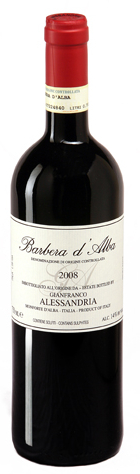
Barbera d’Alba
BASIC INFORMATION
Product name: Barbera d’Alba Grape: Barbera Classification: DOC Number of bottles produced: 15,000 Color: ruby red with violet reflections Fragrance: violets and black cherry Taste: full bodied, good acidity, dark red fruits Food pairing: antipasto, pasta, fatty cheese and salami
VINIFICATION (Wine-making)
Method: maceration on the skins for 3/4 days in rotary fermentors with temperature control Ageing: 5 months in aged french barrique
VINEYARD
Soil: calcareous but also very sandy Exposure: various, east, north-east Age of plants: 10 to 30 years old
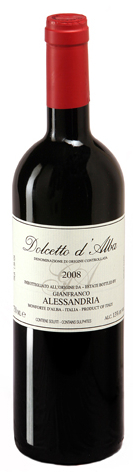
Dolcetto d’Alba
BASIC INFORMATION
Product name: Dolcetto d’Alba Grape: Dolcetto Classification: DOC Number of bottles produced: 18,000 – 20,000 Color: intense violet Fragrance: violet and black cherry Taste: cherries, black cherry, medium-bodied, easy to drink Food pairing: antipasto, pasta, light cheese, pizza, panini
VINIFICATION (Wine-making)
Method: maceration on the skins for approximately 2 to 3 days maximum in rotary fermentors with temperature control Ageing: stainless steal tank for about 10 months
VINEYARD
Soil: calcareous but also very sandy Exposure: various, mostly north and north-east Age of plants: 20 to 40 years old
Altare Winery
Frazione Annunziata 51, 12064 La Morra elioaltare@elioaltare.com +39 0173 50835
Cover photo: Elio Altare Website Labels: Elio Altare Website Other photos: Oda Randmæl Text: Oda Randmæl & Toni Fadnes
The Cavallotto Langhe Nebbiolo is made with nebbiolo grapes from Bricco Boschis, Vignolo, Codana and Pernanno. The wine is fermented with indigenous yeast, macerated with submerhed cap for 20-35 days and then aged in slavonian oak casks for 15-18 months. The wine spends another 6 months in the bottle before it’s released.
Cavallotto – Giuseppe & Alfio
At the top of the Bricco Boschis hill you’ll find the Cavallotto brothers. Alfio and Giuseppe (and their sister Laura) run the winery today as the 4th generation winemakers. Speaking of being a nerd, just like Marco Marengo, Giuseppe is a nerd. He has not one, not two but at least THREE weather stations of his own. And his attention to detail is not limited to weather. No wonder the wines are so damn good.
Langhe Nebbiolo 2016
The 2016 vintage has a an undeniable potential for greatness. Early bud break followed by cooler weather slowed the development, but the warm weather later in the summer/fall made for excellent conditions. A hail storm struck July 28th and unfortunately reduced the crop by about 40%, but the remaining crop continued a slow, even development until the harvest.
Characteristics
The Cavallotto Langhe Nebbiolo is meant to be drunk young, according to the brothers. You can of course age it, but their recommendation is to drink it fairly young. The wine has classic aromas and flavors of black cherry and roses, with a medium body and a long finish. Tannins are present, as they make their Langhe Nebbiolo fairly close to a Barolo, but the tannins are not overpowering.
Where can you find it?
If you’re in Norway, you can buy it online here or in local stores:
Marengo: Geek or nerd, in the modern, positive, definition of the words. The same way Bill Gates is often referred to as a nerd, an expert and enthusiast, and obsessed with intellectual pursuit of winemaking.
Jenny and Marco Marengo are warm and generous people, who are very passionate about their wines. Their son, Stefano, recently joined the winery full time, and the three of them work enthusiastically together in the pursuit of excellent winemaking.
Wines
Cantina Marengo has about 6 hectares of vineyard in total, and the majority is used for nebbiolo for barolo. They make about 35,000 bottles of wine per year, which is spread out over the 6 (or 7) different wines they make. Both the Brunate and Bricco delle Viole vinyeards have belonged to the family for 5 generations.
Winemaking
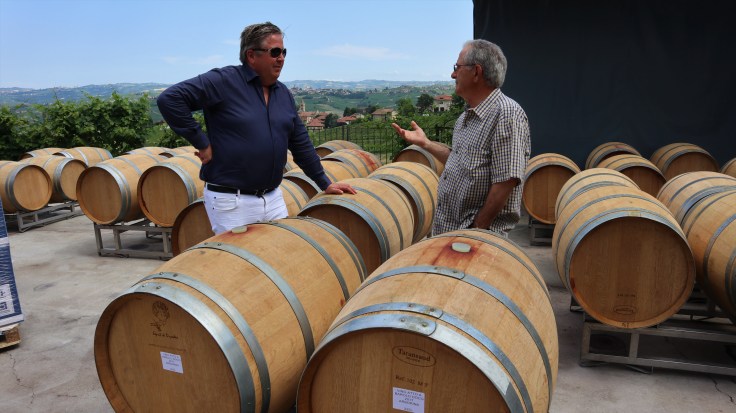
Marengo uses the “modern” winemaking method, which means the wine ages in either steel tanks or small barrique. Most of the work is done in the vineyards, as naturally as possible. The wines typically go through fermentation and maceration for an average of 5-6 days, and then age in small oak casks. The dolcetto is the only wine that only wine that doesn’t pass through any wood.
Fun fact
The vineyard in Valmaggiore belonged to Jenny’s family, and they recently expanded it. So soon there will be even more Valmaggiore Nebbiolo to drink!
Fun fact II
Marco’s son, Stefano, is often referred to as Marenghino. Or Claudio. Don’t ask. It has to do with some fotball player named Claudio.
Product name: Barolo Brunate Riserva Grape: nebbiolo Classification: DOCG Number of bottles produced: 1,000 Color: garnet red Fragrance: fruity, black cherry, spicy notes Taste: full body, silky tannins, persistent Food pairing: braised and roast meat, cheese
VINIFICATION (Wine-making)
Method: maceration on the skins for about 10 days. Natural alcoholic and malolactic fermentation. No yeast or bacteria added. Ageing: 24 months in french oak barriques (15% new) Minimum aging in bottle: about 6 months
VINEYARD
Soil: mixed clay and silt tending to calcarous Exposure: south Year of plantation: 1940 Date of harvest: September/October
Barolo Brunate
Product name: Grape: Classification: Number of bottles produced: 5,200 Color: ruby red with garnet tendencies Fragrance: small red berries, balasmic notes of sage andmint, floral and flint notes. Taste: silky and well integrated tannins Food pairing: red meat & seasoned cheese
VINIFICATION (Wine-making)
Method: maceration on the skins for about 10 days. Natural alcoholic and malolactic fermentation. No yeast or bacteria added. Ageing: 24 months in french oak barriques (15% new) Minimum aging in bottle: about 6 months
VINEYARD
Soil: mixed clay and silt tending to calcarous Exposure: South/South-East Year of plantation: 1947 & 1957 Date of harvest: September/October
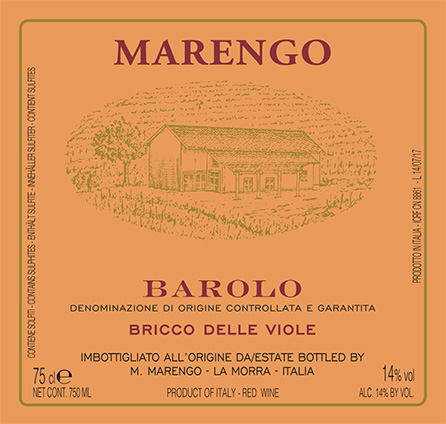
Barolo Bricco Delle Viole
About the wine The first vintage of Bricco Delle Viole was 1997. The grapes come from 4 different plots: Boiolo, Serradenari, Roncaglie and Fossati.
Product name: Barolo Bricco Delle Viole Grape: Nebbiolo Classification: DOCG Number of bottles produced: 5,000 Color: ruby red with orange reflections Fragrance: cherry, sweet spices, Taste: elegant, full body, balances, persistent
VINIFICATION (Wine-making)
Method: maceration with the skins for about 10 days. Natural alcoholic and malolactic fermentation. Ageing: 24 months in french oak barriques (15% new) Minimum aging in bottle: about 6 months
VINEYARD
Soil: calcarpus without rocks in the subsoil Exposure: south Year of plantation/age of plants: 1955 Date of harvest: September/October
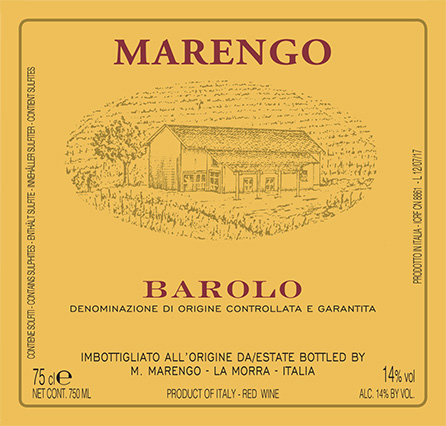
Barolo
The grapes come from 4 different plots: Boiolo, Serradenari, Roncaglie and Fossati.
Product name: Barolo Grape: Nebbiolo Classification: DOCG Number of bottles produced: 12,000 Color: ruby red Fragrance: red fruit and spices Taste: silky tannins, with good structure Food pairing: red meat, cheese
VINIFICATION (Wine-making)
Method: maceration on the skins for about 10 days. Natural alcoholic and malolactic fermentation. No yeast or bacteria added. Ageing: 24 months in french oak barriques (15% new) Minimum aging in bottle: about 6 months
VINEYARD
% of Grape/Cépage: Soil: various soil types Exposure: various exposures Year of plantation: 1999 & 2000 Date of harvest: September/October
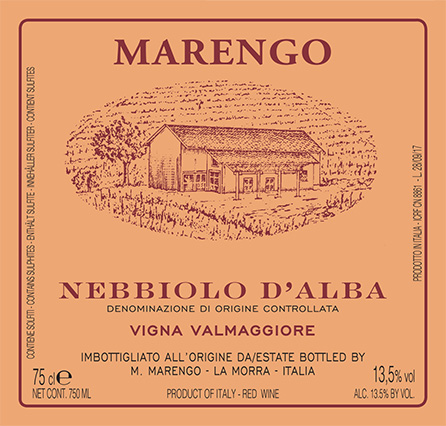
Product name: Nebbiolo d’Alba Valmaggiore Grape: Nebbiolo Classification: DOC Number of bottles produced: 5,000 Color: intense ruby red Fragrance: fresh, fruity, red berries Taste: sweet tannins, fresh, persistent Food pairing:
VINIFICATION (Wine-making)
Method: vinification in steel with temperature control Ageing: french oak barrique from 12-15 months (15% new oak) Minimum aging in bottle:
VINEYARD
Soil: loamy-clayey tending to calcarous Exposure: south Year of plantation: 1965 & 2019 Date of harvest: September/October
Barbera d’Alba
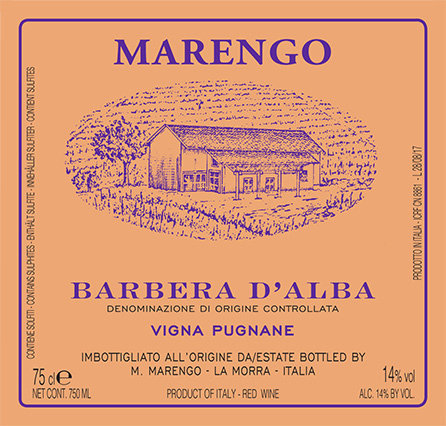
Product name: Barbera d’Alba Vigna Pugnane Grape: Barbera Classification: DOC Number of bottles produced: 3,200 Color: intense ruby red Fragrance: red fruit Taste: full bodied, warm, fruity Food pairing:
VINIFICATION (Wine-making)
Method: fermentation and maceration with the skins for 5-6 days. Ageing: 10 months in french oak barriques (15% new oak) Minimum aging in bottle: 4 months
VINEYARD
Date of harvest: September/October
Dolcetto d’Alba
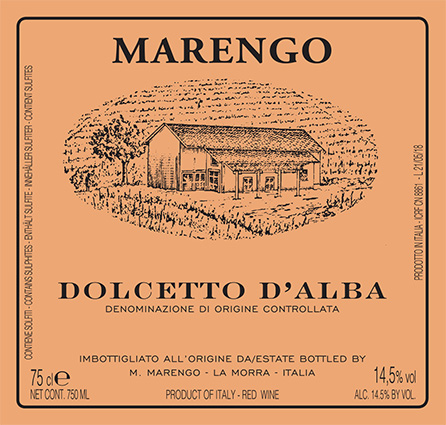
Product name: Dolcetto d’Alba Grape: Dolcetto Classification: DOC Number of bottles produced: 3,500 Color: ruby red Fragrance: fruity Taste: fruity with aftertaste of almonds Food pairing:
VINIFICATION (Wine-making)
Method: alcoholic fermentation in stainless steel tanks with temperature control. Ageing: 10 months in stainless steel tanks Minimum aging in bottle:
VINEYARD
Soil: mixed clay and silt Exposure: south-east Year of plantation: 2000 & 1997 Date of harvest: September/October
Elio Altare, aslo known as the Godfather of Barolo, has been making wines since about 1950. In 1976, Elio traveled to Burgundy and it was a trip that would change the course of history forever. Elio infamously took his father’s big barrels outside and chopped them up. He wanted to use small barrels instead, barrique, like the french. This act would eventually lead to his disinheritance. But Elio persevered.
Elio Altare’s use of Oak
Elio Altare uses barrique for their wines, but the oak is not dominant in the wines, just a helpful tool. Use of oak allows for small amounts of oxygen to pass through, helping to work the tannins. Oak can also help combat reductive qualities and add a richness to the barbera. The wines of Elio Altare do not have a huge presence of vanilla or toast, which can be a common aspect of wines made in barrique.
Altare Barbera d’Alba
Elio Altare Barbera is made with 10-30 year old vines, from different plots. The soil is calcareous but also very sandy. The wine spends about 5 months in 100% used barrique before it’s bottled. A barbera is perfectly paired with pasta or cheese.
Vintage 2017
2017 was a “big” vintage. Nicola at Trediberri comared it to Pamela Anderson. 2017 was one of the hottest and driest vintages, with temperatures above average throughout almost the entire season. The vintage will also be known for the lack of rain. Because of both the high temperatures and the lack of rain, the harvest was very early, with some barolo grapes picked before September! Although these conditions don’t sound great, it was quite optimal for barbera.
Where can you find it?
In Norway, you can either order it online or check out these local Vinmonopol: Ullevaal, Oslo – 15 Gjøvik – 8 Bagn – 18 Bergen, Valkendorfsgt. – 6
Smile. That’s what first comes to mind when I think of the Gianfranco Alessandria family of four. I have not met any family that smiles as much as and beautifully as they do. And while they smile a lot, they also work hard every day to make the best wine possible. Marta, the youngest daughter and last to officially join the family business just finished her studies at oenology school, and brings a lot of energy with her to work. The family travel the world to promote their wine and their story, and if you’re lucky you can catch up with them in New York, London, Verona or at their winery in Monforte.
Wines of Gianfranco Alessandria
Gianfranco Alessandria makes 8 wines in
total, spread out over 5.5 hectares. In their portfolio they have a Barolo and a
cru Barolo, Barolo San Giovanni. In addition to the usual suspects like
Dolcetto d’Alba, Barbera d’Alba and Langhe Nebbiolo, they also make a barbera superiore
named after Vittoria, a special Barolo called EnPiasì and a L’Insieme.
Winemaking
Their work is based on natural principles, respecting the time and methods required to obtain a product most correct in its form. They work as natural as possible only using minimal amounts of sulfur and copper sulfate, out of respect for the environment, as well as their own personal health. From the beginning Gianfranco Alessandria worked with a drastic reduction in the yields of grapes per hectare, which encouraged better ripening of the fruits, making them healthier and more robust to have a wine of higher quality. The vinification is with short macerations in temperature-controlled, vertical fermenters and ageing in small, french oak barrels. The way they work the and is a beautiful journey, which takes them among vineyards, winery and the world.
Fun fact
The EnPiasì wine is a result of Marta’s oenology education. The first year she made it, was for her exam, and to make it in time she had to declassify it from DOCG to DOC (she was missing a month or two of ageing.) EnPiasì means “a pleasure” and it sure was a pleasure to drink! And not it’s a part of the Gianfranco Alessandria portfolio
Fun fact II
Marta can sometimes be found at the local pizza restaurant, pitching in when they need extra hands!
Gianfranco Alessandria Portfolio
Wines available in:
Italy United Kingdom Australia Canada Russia Japan & other European countries
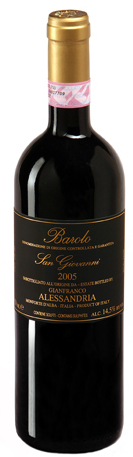
Barolo San Giovanni
A single vinyeard barolo, with vinyeard located in Monforte with a south-east exposure, this wine brings some of the best Monforte has to offer. The plants are 70 years old, spread out over 1 hectar, and with a drastic selection of the grapes (about 1.30kg per vine) the final wine is a perfect example of a barolo from this region.
Product name: Barolo San Giovanni Grape: Nebbiolo Classification: DOC
Color: intense ruby color with garnet Fragrance: fruity and spicy aromas Taste: right balance between acidity, tannin and structure.
VINIFICATION (Wine-making)
Ageing: 100% French Oak (50% new, 50% used) for 24 months
VINEYARD
% of Grape/Cépage: nebbiolo Soil: mixed white soil: tufo-limestone and sand Exposure: south-east Age of plants: 60-65 years old
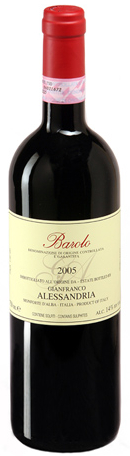
Barolo
The grapes come from the same vineyard as the San Giovanni, but some of the plants are younger, about 25-45 years old.
Product name: Barolo Grape: Nebbiolo Classification: DOCG Number of bottles produced:
Color: ruby-garnet inflections Fragrance: ripe fruit, wild rose and licorice Taste: soft and balanced with focused tannins
VINIFICATION (Wine-making)
Ageing: 100% French oak (20% new, 80% used) for 24 months
VINEYARD
Soil: mixed white soil: tufo-limestone and sand Exposure: south-east Year of plantation: 1975-2000
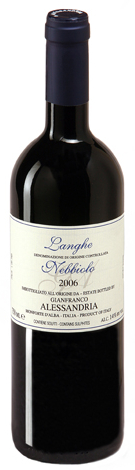
Langhe Nebbiolo
For the Langhe Nebbiolo, Gianfranco Alessandria uses young nebbiolo plants. The wine spends about 6 months in barrique, with 15-20% new oak.
Colour: garnet highlight Fragrance: wild rose and delicate red fruits Taste: elegant with rounded tannins
VINIFICATION (Wine-making)
Ageing: French oak (10% new, 90% used) for 5-6 months
VINEYARD
Soil: mixed white soil: tufo-limestone and sand Exposure: south-east Year of plantation: 2005-2018
Barbera d’Alba Vittoria
The Barbera d’Alba Vittora is named after the oldest daugther, Vittoria. It’s a barbera superiore, so in contrast to the other barbera, this wine is aged in wood for about 18 months.
Product name: Barbera d’Alba Vittoria Grape: Barbera Classification: DOC
Colour: intense ruby, purple hues. Garnet hue when ageing Fragrance: herbaceous and fruity aromas with hints of mature black fruit Taste: long and persistent finish with balancing acidity
VINIFICATION (Wine-making)
Ageing: French oak (40% new, 60% used) for about 18 months. (Second passage only)
VINEYARD Exposure: south-east Year of plantation: from 1936 +
Barbera d’Alba
This is their “regular” barbera, aged only in steel tanks for about 6 months, allowing the fruit to express itself naturally.
Color: ruby red dark color, very intense Fragrance: hints of red fruit like cherry, blackberry, strawberry Taste: medium bodied, velvety and important acidity
VINIFICATION (Wine-making)
Ageing: steel tank for about 5-6 months
VINEYARD
Exposure: south-east Year of plantation: 1960 – 2009
Dolcetto d’Alba
Dolcetto, the every day wine, is made in stainless steel tanks. The dolcetto is known for its very intense ruby red color. Some of the plants that are used for this wine were planted in 1970.
Color: ruby red with intense violet hues Fragrance: fresh, fruity Taste: fresh, fruity and youthful
VINIFICATION (Wine-making)
Ageing: steel tank for about 5-6 months
VINEYARD
Exposure: south-east Year of plantation: 1970+
Barolo EnPiasì
The EnPiasì wine is a result of Marta’s oenology education. The first year she made it, was for her exam, and to make it in time she had to declassify it from DOCG to DOC (she was missing a month or two of ageing.) The name EnPiasì means “a pleasure”.
Product name: Barolo EnPiasì Grape: Nebbiolo Classification: DOCG Number of bottles produced: 150 magnum
Colour: light ruby color, with garnet reflections Fragrance: fruity and spicy aromas Taste: fresh and vigorous, round palate. Right balance between acidity round tannins and structure
VINIFICATION (Wine-making)
Method: harvest by hand, around middle of October. Destemming by hand, berry by berry. Fermentation is 1000lt barrel (frenc oak) for about 12-15 days with temperature around 24-26Malolactic fermentation in steel tanks. Temperature: 24-26 degrees celcius Length: 12-15 days Aging: 100% French oak (third passage) in 225lt barrel for 24 months
VINEYARD
% of Grape/Cépage: Soil: mixed white soil: tufo-limestone and sand Exposure: south-east Year of plantation/age of plants: 60-65 years old
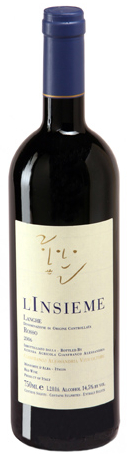
L’Insieme Langhe Rosso
L’Insieme is group of winegrowers from the Langhe, united by a project, a dream and a goal. Elio Altare is the founder. The project aims to make wines which, under a single brand, tell a story of friendship and collaboration, of hard work, shared passion for the Langhe and its outstanding grapes. The dream is that, from this union, the resultant label will be a symbol of friendship and mutual aid. A wine that is our personal way of thanking the land that gave us our roots and its support.
Our goal is to make L’Insieme wine a practical ethical tool, allowing us to fund projects of high social value as a way of giving back to our local area a part of the good fortune and beauty it has given us. The wine is It is actually a combination obtained from the individual decisions taken by each producer, from traditional grape varieties such as the Nebbiolo, Barbera and Dolcetto, with grapevines introduced only recently to the Langhe area, such as Cabernet Sauvignon, Merlot or Pinot Nero.
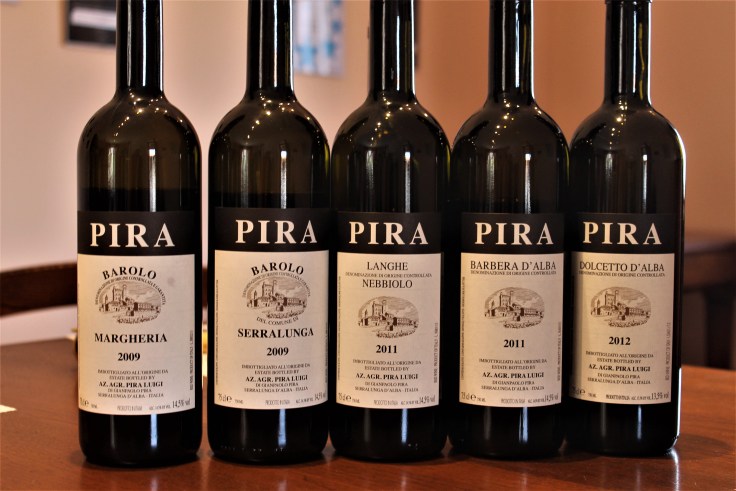
There’s a new law/rule in Piemonte, where the winemakers can put the name of the town on the label for their classic barolo. So when it says Pira Barolo Serralunga, it means that it’s a barolo blend from a winery in Serralunga. In La Morra, Giovanni Corino can write Barolo Del Commune Di La Morra.
What do I mean when I say “blend”?
Back in the day, there was a “war” between the Modernists and Traditionalists. When I use the term “Traditional”, I mean a winemaker that uses big barrels (botti) and generally only make one barolo, a blend. Take Maria Teresa Mascarello – she makes one barolo. And it’s a blend of grapes coming from all her vineyards.
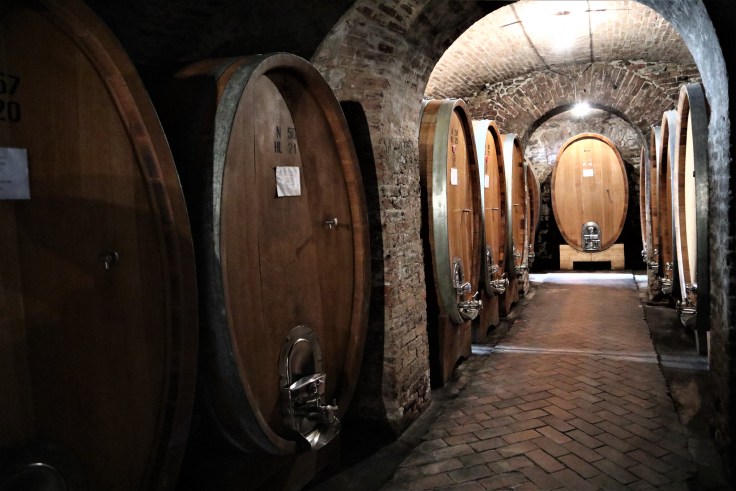
The alternative is the “modern” approach, spearheded by Elio Altare, where multiple barolos are made, one for each cru. So instead of blending the grapes from the different plots, it has become common to make different barolo cru. A modernist also uses small barrels (barrique). Although it’s common now to use all different size barrels. Vietti, for intance, uses barrique, big botti and sizen inbetween.
Contemporary Traditionalist
In my opinion, this whole modernist vs traditionalist is so 2003. Or 1992. But you catch my drift. Most winemakers these days love to experiment, trying new techniques and testing new methods. So many of those who used to be hard core traditionalists are what I like to call “contemporary traditionalists”. Meaning, they still mostly use botti, and many might have just one classci barolo, but some have adopted smaller barrels or cement. Maybe they have one cru barolo.
Cascina Fontana makes their barbera in cement instead of barrique. Why? Because that’s the way Mario likes it. I call it “Barbera the Mario Fontana Way. And i’ts damn good! Fratelli Alessandria make a Monvigliero cru. Do we really care what size barrels they use, as long as the wine tastes good?
Pira Barolo
Luigi Pira, from Serralunga, makes excellent wines. Apart from the Pira Barolo Serralunga, there are 3 crus, including the famous Vignarionda! The Serralunga barolo is a blend from the multiple vineyards Luigi has, including Marenca, Margheria and Vignarionda. Typically the younger vines are used in the blend, and the older vines are reserved for the different cru barolo’s.
Where can you find Pira Barolo Serralunga?
Unfortunately, you can’t order it online, but there are a few local stores that carry it! If you have your heart set on Pira wines, check out his Barolo Margheria or Barolo Marenca.
You can find the Serralunga at these Vinmonopol: Sandaker, Oslo – 5 Strømmen – 23 Vinterbro – 16 Bergen, Åsane Horisont – 11 Stryn – 4 Kristiansund N. – 8

 PIEMONTEGIRL