Let’s talk about Barolo

Let’s talk about Barolo

Most of you are probably already quite familiar, but let’s talk about Barolo. I mean, what is Barolo? I honestly don’t really know where to start but I guess I could start with the basics. Barolo is a wine made in the Barolo area, and it’s made with the Nebbiolo grape. There are strict rules with regards to the location  and the vinification process of the grapes, and unless you follow those rules, you can’t call it a Barolo. I’ll just touch on some of the rules really quickly:

  • The grapes have to come from inside the Barolo area, which includes 11 villages
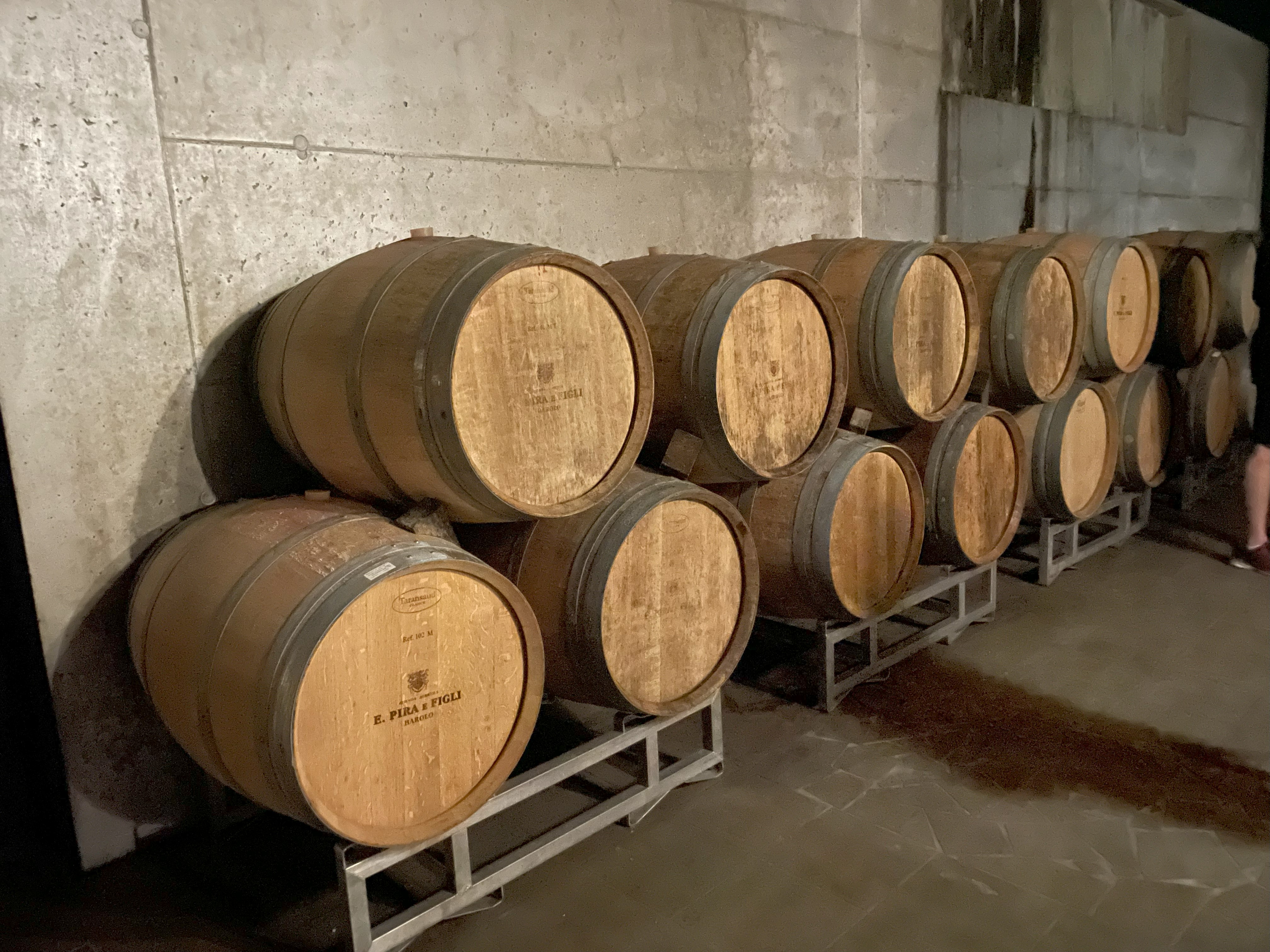
  • The wine has to age for a minimum of 18 months in oak
  • The wine should age for 36 months in total, the rest of the aging taking place in the bottle
Barolo  – where to start?

Now, like I mentioned before, there are 11 villages in which you can make Barolo. Some are more “famous” than others, like the Barolo village. But one of the most important things when it comes to Barolo is the terroir. The terroir varies quite dramatically across the Barolo area, in the different villages. So much so that it’s common to make Barolo’s with grapes harvested from very specific vineyards, and there are called single vineyard or cru Barolo’s. One of the most important educators on this topic is Alessandro Masnaghetti, aka Map Man Masna. I think terroir should have it’s own article, so I won’t go into too much detail here, but basically, the soil, the altitude, the climate and the biodiversity in each village plays a huge role in how the wine tastes. And I swear it’s evident in the different wines. Don’t believe me? Try it for yourself and see!
Where to start?

Ok, let’s talk about Barolo and how to start exploring the different kinds. One way, is to start at the top (literally) and work your way down. In the north you’ll find the village of Verduno. Burlotto is one of the first winemwakers that come to mind here, but his wines are nearly impossible to find these days. But don’t worry! Diego Morra also makes a Barolo Monvigliero, as well as a classic Barolo, so you could start there. Next up on this mini tour of Barolo: La Morra. The Cristian Boffa Barolo del Comune di La Morra is a safe bet. Another favorite is the Brunate from Marengo. And let’s not forget about Arborina. Nadia Curto, Giovanni Corino and Elio Altare come to mind. There are obviously many more wines I could suggest, but the article would be 7 pages long with a 100 links…

Moving right along to Castiglione Falletto, one of the wines that immediately come to mind is the Barolo from Cavallotto. Alfio and Giuseppe make really good wines, from their Pinner to their top cru Barolo. In certain vintages, I’d dare to say that their Langhe Nebbiolo resembles a “baby Barolo”. Just a friendly tip… From Barolo there’s the Francesco Borgogno Castellero. You could try to get your hands on a Chiara Boschis Cannubi, but those are a bit harder to come by.

We’ve made it all the way to Serralunga, at least for those of you who kept reading. If you haven’t already, you have to try the Barolo from Daniele Grasso. I could give a lengthy explanation why, but this is already a long article, so you’ll just have to take my word for it. Serralunga, similar to other towns in the Barolo area, is quite known for one vineyard in particular: Vignarionda. I’d give the one from Luigi Pira a try. But Vignarionda can be quite punchy, and is on the more expensive side, so another option is the Barolo del Comune di Serralunga. It will be a bit more approachable and won’t leave as big a dent in your wallet.

Last, but not least: Monforte d’Alba. There are some important Cru’s in Monforte as well, but my mind immediately goes to the Gianfranco Alessandria Barolo San Giovanni. Their classic Barolo is also a Monforte Barolo, so that’s another option. A more unknown cru within the borders of Monforte is Perno. You might know Perno because of Repubblica di Perno, one of my favorite restaurants. Right across the street you’ll find a brand new winemaker named Paolo Giordano. He makes a Perno Barolo, and it’s definitely worth a try.
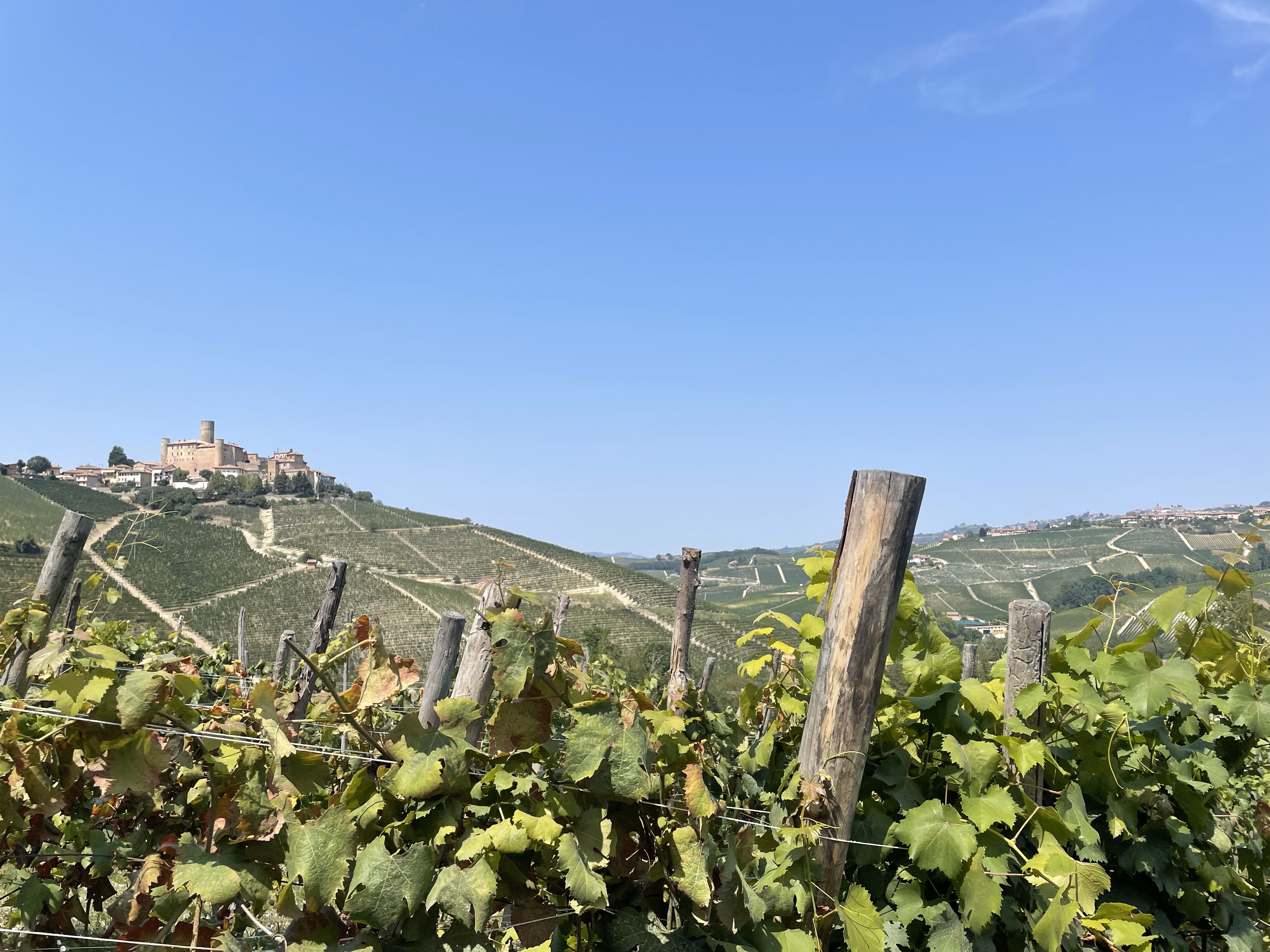
Disclaimer: I know I didn’t touch on all 11 villages here, but I tried to include some of the most important ones. The thing to note is that I didn’t forget them! Maybe that’s a topic for the next article?
Freisa

Freisa is not something I hear about often. On the contrary, I very rarely hear about people drinking Freisa. I don’t really see it in my social media feeds either. But why? What happened to the formerly well-established grape variety? And is it perhaps making a comeback?

Freisa dates back to the 1800s, and it was a fairly popular grape variety back in the day. But we don’t see it a lot these days. I won’t dive deep into the potential reasons for this, but it might have something to do with the increased popularity of Nebbiolo. Many other grape varieties suffered the same fate there, including many white piemontese varieties. Fortunately, like with these white grape varieties, Freisa is slowly but surely making a comeback.

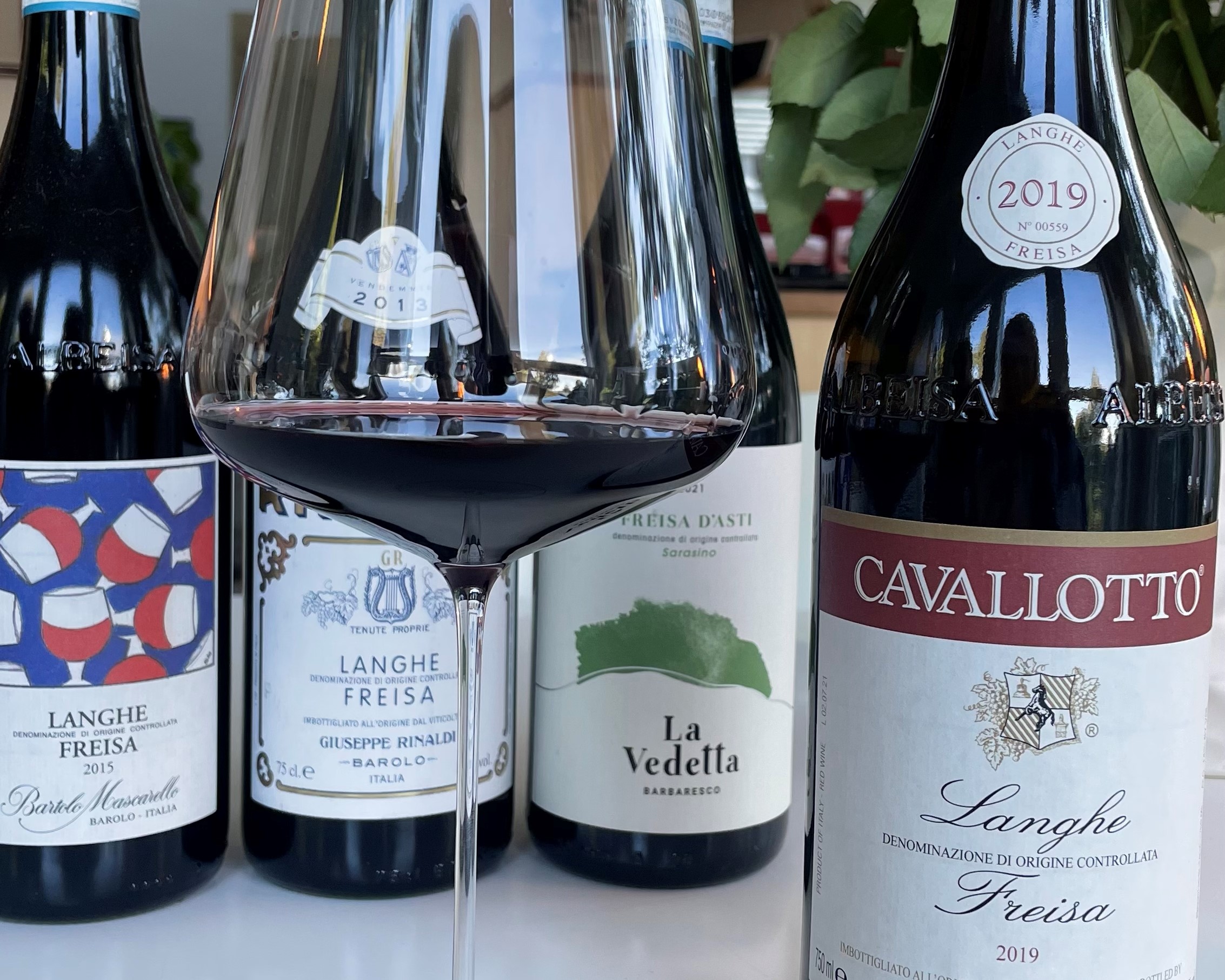
Four different Freisa

Freisa – Nebbiolo’s brother from another mother?

I’m just kidding. Kind of. Freisa is related to Nebbiolo, but they are not siblings. It is believed they share a parent-offspring relationship, and Nebbiolo is most likely one of the parents of Freisa. The other parent is still unknown. Nevertheless, this means that they share very similar DNA. Which again explains why they share so many similarities. They have a similar color. They both have tannins and acidity, which gives them the ability to age.

They are similar, but they have their differences. And their differences might explain why one gained popularity and the other one didn’t. While Nebbiolo is fairly elegant and quite complex, Freisa might be considered more rustic and a bit less complex. In an online discussion I had with Nadia Curto she described Freisa as “a country wine, because the smell is not only roses, it’s also leather and herbal notes.” She goes on to say that “we love very much this wine. We open with a smile. It’s a wine of our tradition and probably also the grandparents when they drink Freisa they are reminded of the past and it’s very nice.”

Freisa – still or sparkling?

There are a few different ways to make Freisa. Outside Langhe it’s not uncommon to make it sparkling or sweet. While in Langhe, the only sparkling one I know of is the one made by Maria Teresa. I also recently learned that it was common to “pass” Freisa over Nebbiolo, to give it a stronger character.  Today, wines are generally made “pure”, i.e Langhe Nebbiolo is 100% Nebbiolo and Barbera d’Alba is 100% Barbera. Besides, the Freisa we know today doesn’t need any help from Nebbiolo to get a strong character. This has a lot to do with climate change and warmer seasons, but I won’t get into that right now.

Freisa Tasting Notes

I recently tasted four different Freisa, from four different producers and four different vintages.

Rinaldi 2013
This wine has aged beautifully! I was impressed with the level of tannins and acidity. There were some hints of tertiary aromas on the nose, but still fresh and fruity. Truly a beautiful example of Freisa.

Bartolo Mascarello 2015
As usual, the onefrom Maria Teresa was sparkling. Personally, I prefer my Freisa “still”, but this is nevertheless a very good wine. It’s also more on the rustic side, especially compared to Rinaldi and Cavallotto.

Cavallotto 2019
The one from Cavallotto was quite concentrated with aromas of dark fruits. There was also quite some grip in the tannins. Some leather aromas in this one. Good acidity with a long finish.

Cavallotto 2021
Clean nose, mineral, floral with some spice notes. The tannins are quite hefty, but it’s still round in the mouth with good acidity. Quite rustic, which is fairly typical for this variety.

La Vedetta 2021
Very fresh and crisp. Fruity, with aromas fresh red fruit. Easy to drink, with elegant tannins.

Visit Piemonte

Planning to visit Piemonte? Looking for recommendations, suggestions & tips? Then you’ve come to the right place.

With over a decade of experience in Piemonte, I am prepared to help make your trip extraordinary. I promise to do absolutely everything I can so that you have the experience of a lifetime.

Visit Piemonte

I can help you

  • Find accommodations
  • Book winery visits
  • Book lunches and dinners
  • Organize activities – biking, hiking, truffle hunt, cooking class, and more

Testimonials

I can fully & honestly say: you really made our trip to Piedmont!!! I can’t thank you enough for the winery recommendation and the wonderful list of restaurants you told us about, including which had wonderful views. We have been to Piedmont many times already but you had the magic list that we actually never would have thought about. Your recommendations ended up being the highlights of trip. Grazie mille and we will gladly be in touch next time for more advice.

SARAH FROM FRANCE

We traveled to Piemonte for our honeymoon and had the most incredible time thanks to Piemontegirl! She helped us plan everything for the trip and it was just perfect. We loved the hotel she recommended along with the restaurants and wineries she helped us book. We highly recommend her if you are planning a trip to the area!

KRISTIN AND MATT FROM NORTH CAROLINA

Blends – Barbera + Nebbiolo

There are not that many blends in Langhe, at least not compared to other wine regions. But I find blends to be quite interesting. Combining two or more grapes often brings out the best in each, resulting in a very balanced wine. This is true for the blend between Barbera and Nebbiolo!

Barbera

Barbera is the third most planted grape variety in Italy, but you can also find it in other countries like California and Australia. You will find many wines made with 100% Barbera, known for its high levels of acidity Other characteristics include deep color, full body, and low tannins.

Nebbiolo

Nebbiolo, on the other hand, is known for its tannins. It’s probably the most important grape variety in Piemonte, and the most notable expression of Nebbiolo is Barolo. With Nebbiolo you can also make Barbaresco, Roero, Gattinara, Carema and Ghemme.

There is a long history if blending Nebbiolo with other grape varieties in Piemonte. Adding in other grapes can add some color to the otherwise light Nebbiolo, but one of the main reasons is to soften the grapes harsh tannins.

Barbera + Nebbiolo blends

I’ve found I quite like Barbera + Nebbiolo blends. The Barbera adds some acidity to the Nebbiolo, and the Nebbiolo helps calm the high acidity from the Barbera. In addition, the Nebbiolo brings some structure, and you’re left with a balanced wine.

Gianfranco Alessandria L’Insieme

L’Insieme, a project started by Elio Altare aims to make wines which, under a single brand, tell a story of friendship and collaboration, of hard work, shared passion for the Langhe and its outstanding grapes.  Each winery makes their own blend, and in the one by Gianfranco Alessandria you’ll find 70% Barbera and 30% Nebbiolo. A fruity wine with good structure. One of the best L’Insieme I’ve had!

La Vedetta Swanti

La Vedetta wants to make the best Nebbiolo based blend, depending on what the vintage offers. Using Nebbiolo as a base, they experiment by adding in Freisa, Barbera or Dolcetto. In 2019, Swanti consists of 60% Nebbiolo and 40% Barbera. A balanced wine, with good acidity and good structure.

Elio Altare La Villa

Altare’s blend might be one of my favorites. You can truly feel the best of both varieties: well balanced tannins and good acidity.

Ghiomo Ruit Hora

Ruit Hora is Ghiomos “passion project”. Barbera was the grape from his father and grandfather, and he considers Nebbiolo to be the grape of today. So by adding 15% Nebbiolo to the Barbera, he aims to unite the two.

Piemontegirl Tour

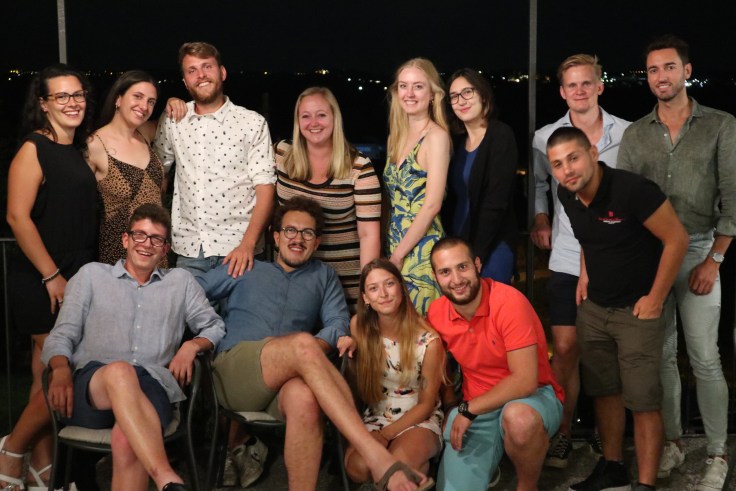
Last week I tagged along a guy’s trip with 10 Norwegians and I showed them some of the wonderful things Piemonte has to offer. Our days included participating in winery activities, walking a 10k with champagne as the prize and of course many great meals. I also got to tag along on my first ever truffle hunt! On a Piemontegirl Tour you will be able to do all of these things, and more!

Trediberri

During a Piemontegirl tour you are guaranteed a fun winery experience. Whether it’s with the very talented and energetic Silvia Altare, an interactive experience with Marco Marengo, or a trip in the vineyards with Nicola, you’ll learn something new and have a lot of fun! This time, we caught Nicola at Trediberri at the end of the harvest period, and we got to see how “pumping over” works. We also measured the sugar level in the wine (after we got to taste it). If you’re lucky, Nicola will join you for Champagnemilå after.

Champagnemilå

Q: What is it?
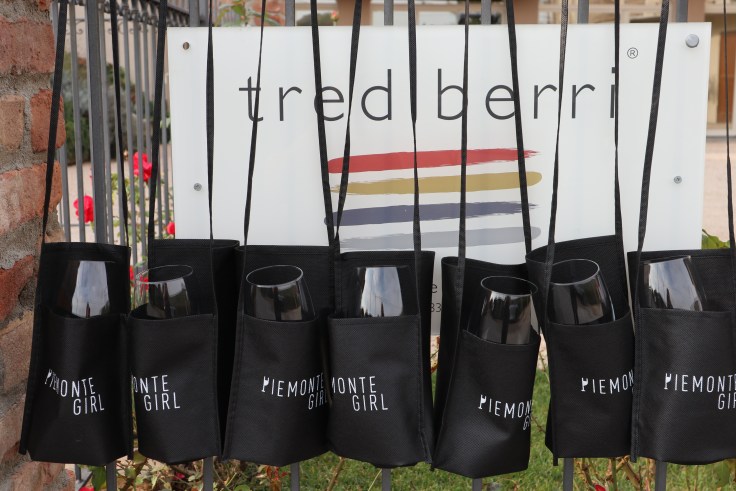
A: A 10k walk through the vineyards from La Morra to Serralunga, with champagne served by Alessio at Vinoteca Centro Storico. If you do it “Piemontegirl style” you get one of these handy “bibs” and a glass so you can drink wine along the way.

Q: Why do you do it?
A: It’s a unique way to experience Piemonte. Biking is fun, but when you walk you can get up close and personal with nature. And with a nice break in Castiglione to refuel, the walk doesn’t seem so bad. Even for people who normally prefer to drive (like me!)

Q: What happens when you reach the goal?
A: Champagne! And then lunch. So make sure to book a table at Ciccio’s. And if your shoes are muddy, feel free to leave them outside. You’ll get a smile out of Alessio and Stefania.

What about food?

There is not exactly a shortage of restaurants in Piemonte. There are plenty of excellent option to chose from. I have compiled a list of restaurants here. FYI it’s in no way “complete”, but these are ones I have tried and highly recommend.

For this trip, More Macine and Vinoteca Centro Storico made the list. With a larger group (in the middle of the Truffle Festival) it can be difficult to find a place, so make sure you book far in advance.

#PåTurMedPiemontegirl

For those who don’t speak Norwegians, this basically means “On a trip with Piemontegirl.” I am happy to join you in Piemonte or help you plan a trip! Interested? Send me a message or an email.

To see pictures from my trips, check out the hashtag #PåTurMedPiemontegirl!

A Family Affair

A Family Business

In the wine industry, it’s very common to work with your family. You pass the winery onto your children, your children pass it onto their children. And so it goes for generations. But what happens if your son or daughter don’t want to make wine? What happens if you don’t have any children? What happens if you disagree? Or, worst case; what happens if you don’t get along?

Winemakers are people, just like you and me. Do we always get along with our family? Do we always follow in the footsteps of our parents? No. My whole family works in one industry, and I chose another. But is it easy to chose a different path when you’re raised in the family business? I know that some of the Oddero family members became doctors instead of winemakers. Nicola at Trediberri studied business before he became a winemaker. Something that often happens, is a winery “splitting up”. Example: one sibling continues with the same winery while the other sibling starts up a new one. In La Morra you have Revello Fratelli and Carlo Revello & Figli, where the two sons decided to split up and do their own thing. Now, “splitting up” doesn’t have to be the cause of a fight or argument. Sometimes it’s just the right thing to do. Maybe they have different visions or strategies. Maybe they both have multiple kids who want to continue the tradition, and it makes sense to divide and conquer.

Complicated Also For Wine Lovers

I am not saying that this is as bad for us wine lovers as it is for the families involved, because it is not, but that is not to say that this phenomenon does not influence the lives of someone who just loves to enjoy wine.  I mean, have you ever thought about how many wineries have the same or similar names?! How many Boillots are there in Burgundy? Moreys? Colins? Or to make matters worse, someone decides to call their son Colin-Morey. It’s not weird that you sometimes feel confused when buying wine. Which one was the Colin you wanted? Pierre Yves Colin Morey or Marc Colin? Or a completely different Colin. The strangest part is that some of them are actually related, while others just have the same last name. Which just makes it harder for us consumers to navigate the vast world of wine.  

Did I Say Complicated?

For long, this was a burgundian “problem”.  In Piemonte, for example, the next generation just kept the name of their fathers.  But now with changes at the Fontana, Revello, Vietti, and Veglio wineres amongst others, one really needs to pay attention to be on top of which wine is which, and who makes what.  Take this example from La Morra:  A few years ago, news broke that Andrea Oberto’s son left the winery. But not only did he stop working with his father, he started his own winery, mere feet from his father. What will happen to Andrea Oberto now? Will his daughter (who I believe does some office work for the winery) step in and fill the shoes of her brother? Will Andrea have to pass his legacy onto someone outside the family?

A consequence of Fabio Oberto starting up his own company, La Collina di Dioniso, is that the wines of Andrea Oberto are no longer available in Norway. But you can find Andrea’s wines in La Morra, Piemonte, at the local restaurants and the local wine store. Interestingly enough, you can’t find Fabio’s wines there. What do you think that means?

And what does it mean for the consumer? For the producer? For the importer? This is so complicated I don’t even want to try to analyze. But just think about it next time you find Fabio Oberto’s wines instead of Andrea Oberto’s. So much is happening behind the scenes – at the wine store, at the importers office and in the homes of these wine families.

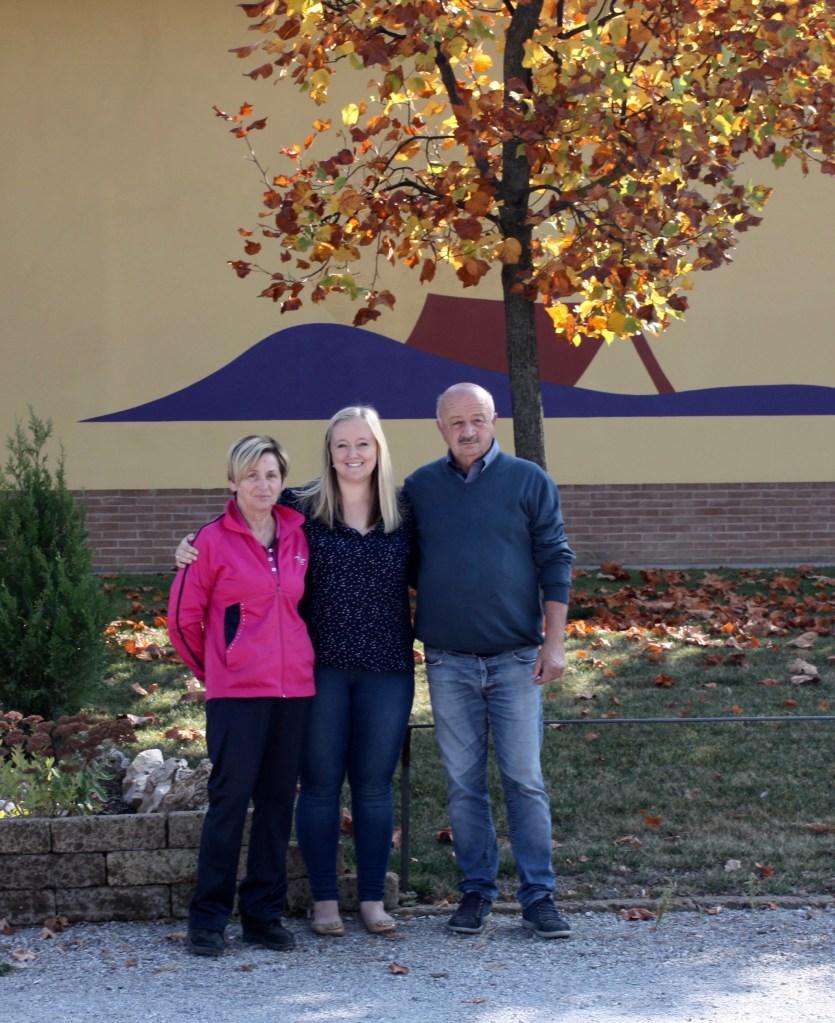
Andrea Oberto & his wife

Happily Ever After

What does a happily ever after look like at a winery in Piemonte? My answer would be: Happiness is in the eye of the beholder. I mean, who are we really to have an opinion on whether a winery stays in the family, if they split up or stay together, or even sell? Most of us have no clue what is going on in each of these families, and it’s up to them to find out what suits them the best.

When to travel to Piemonte

In my opinion, March to mid-August is the best time to visit Piemonte. The summer months can be quite hot, but if you have a hotel with a pool it’s quite manageable. Besides, I spend most of my time in a dark wine cellar, so the outside temperature doesn’t really matter.  If Festivals are your thing perhaps September and October better floats your boat.

January

January is the coolest month in Piemonte. Temperatures can drop below 0 degrees Celsius and rarely go above 10 degrees Celsius. It is a vacation month for many Piemontese. Check availability of hotels, restaurants, and winemakers before you plan to go in January.

February

Temperatures still low in February, but slowly starting to climb. Piemonte will be quite calm, but the winemakers are working hard. Wineries will most likely be open, and less busy as February is sort of an off-season.

March

Piemonte starts warming up. Temperatures can rise to about 15 degrees. Some days you can even sit outside and have lunch. Especially if you’re Norwegian.

A highlight in March is the Wine Fair Prowein. Although this event takes place in Germany, it still affects Piemonte because many winemakers will travel there to present their wines.

April

April is the month of Vinitaly. Chances are many of the producers head to Verona for about a week, so winery visits might be difficult those days.

Another happening in April is Easter. And the day after Easter Sunday is Pasquetta. On this day, families come together and celebrate. Long lunches, picnics, barbeque, drinking, dancing & more.

May

May is one of the best months to visit Piemonte. Temperatures reach 20’s, the hills of Langhe are green and it’s time for the event Barbaresco a Tavola! Every year, multiple restaurants in Barbaresco participate in a wine tasting where you  try about 20 different Barbaresco wines blind.

Serralunga stand their ground to, inviting you to their “Wine Festival a Serralunga d’Alba” late in the month.  May is also Barbera month, with both Castagnole Lanze and Nizza Monferrato having barbera festivals.

June

Summertime! Wineries open, flowers blooming and temperatures soaring. Toward the end of the month, there is a big wine event called Hill Barolo La Morra. At this event you get the opportunity to taste the new vintage of Barolo.

July

If you like music festivals & wine, July is the month for you. Collisioni Festival takes place every July in Barolo. Previous performers include Patti Smith, Bob Dylan, Elton John, Neil Young, Steven Tyler, Placebo, Passenger, Mark Knopfler & Lenny Kravitz.

Another music event in Piemonte is the Monforte In Jazz Festival.

August

August 15th, or Ferragosto, means it’s vacation time for the people of Langhe. A lot of wineries will be closed, for a week or two while the hardworking winemakers take some well deserved time off.

At the end of August, there is a very fun event called Mangialonga. It’s a “non competitive enogastronomic hike” and takes place in La Morra.

September

Harvest usually starts mid to late September. For wine enthusiast it might be wise to book the trip at the beginning, but you never know when it will start. Hence chances of winery visits are diminished. 

Weather wise it’s a beautiful time to visit, and there are plenty of other things to do in the area. Like eat and drink. In fact, the first Sunday in September there is Degusta La Morra – an event where the winemakers of La Morra put up booths in the streets and for only £15 you can try as many wines as you like!

Verduno hosts a dinner where Pelaverga is the center of attention. Find out more here.

Bra hold their annual Cheese Festival, simply called “Cheese”, the 3rd weekend of September. Asti their Festival of Festivals (Festival delle Sagre in Italian), celebrating the customs and tradition of country life. And Verduno their “Festa del Verduno Pelaverga” celebrating their native grape Pelaverga. Neive says hello too, with their “Neive Vino e…”

October

Harvest continues into October. The end of the harvest depends on the vintage, so if you want to visit wineries, the later you go, the better chance you have.

If you’re unable to book any winery visits, you can try wines at the Cantina Comunale instead. Every Saturday in October (into November) you can try wines from the winemakers of La Morra.

October = truffles. And truffles = lots of tourists. The Truffle Festival in Alba starts early October and last until late November.

October is also the wettest month, on average, so if you want to avoid rain, maybe postpone your trip to November.

November

Truffle Festival still going strong, and some say the best truffles are found in November.

The first 3 Sundays in November, you can try wines from the winemakers of La Morra at the Cantina Comunale.

December

Things are quieting down in Piemonte. Christmas is approaching, the vines are sleeping and there is not so much to do in the vineyards. Why not celebrate New Years Eve, or Cappdanno, in one of the many amazing restaurants? I assure you they have Champagne!

New year, new wine adventures

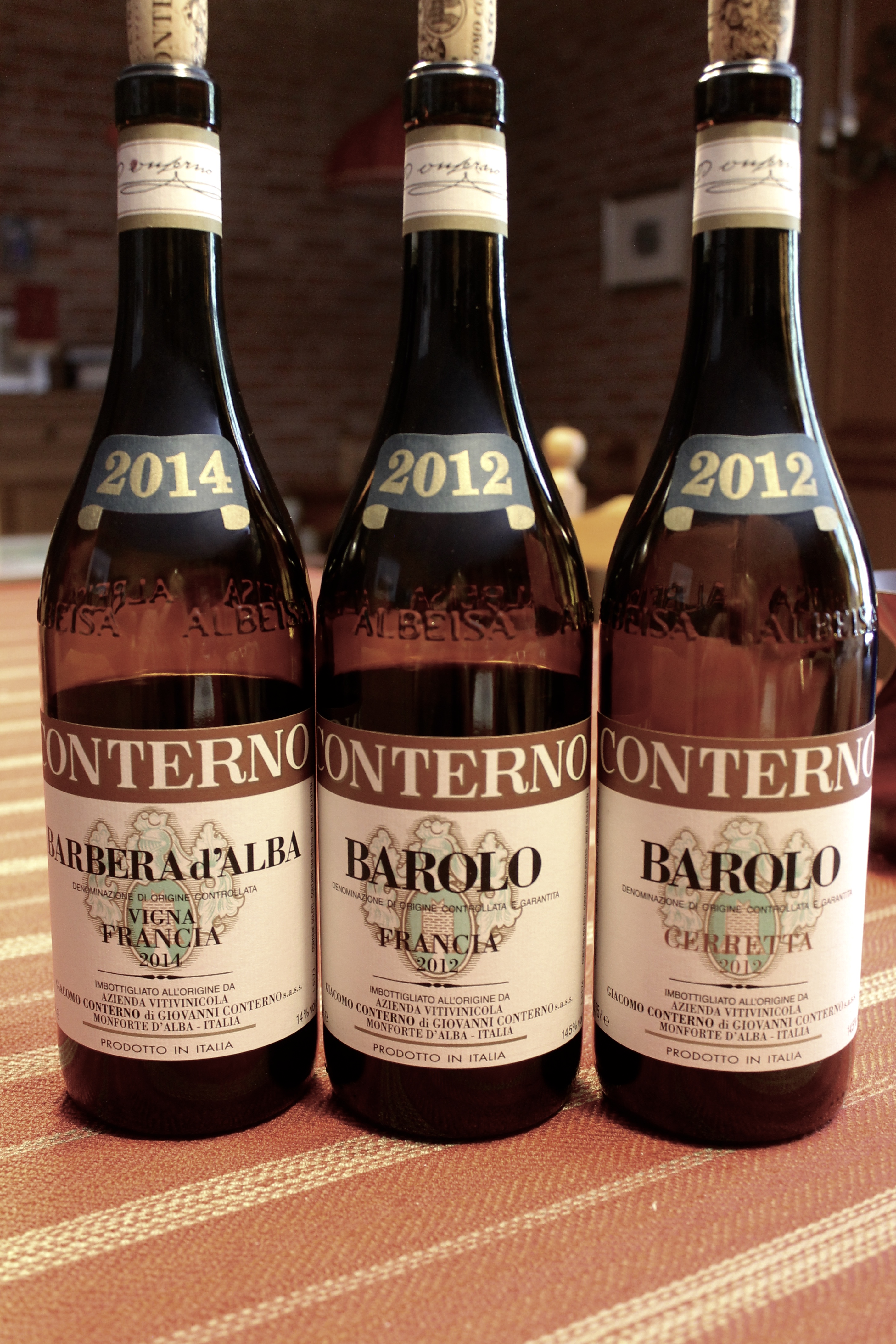
I have previously shared a sort of wine bucket list, but as it turns out I only checked off 1 out of the 5 items. Thanks to some wonderful friends of mine, I was able to visit with Conterno.

New year, new goals!

In 2019 I want to try a few new things, both restaurants and wineries. Maybe even some new experiences, like hot air ballooning over Barolo or going truffel hunting.

Wineries to try

  • Cappellano
  • F. Rinaldi
  • Giacosa

Restaurants to try

  • La Ciau Del Tornavento
  • Nesto
  • Agnulot

Breaking news!

Giovanni Corino Nov 2018

One of my favorite producers, Giovanni Corino, has started making a new cru barolo! Can you guess which cru? It is always exciting to see a winery evolve and grow! I got a sneak peak at a recent tasting, and let me tell you, the wine is really good!

Barolo Bricco Manescotto!

The vineyard, located near the Ceder Tree of Cordero di Montezemolo, gives the wine a mix of the characteristics Giachini and Arborina. Paolo Scavino, Revello and Cordero di Montezemolo also grow grapes in this vineyard, but so far the only to produce a cru is Giovanni Corino.

I tried the 2015 vintage of the Barolo Bricco Manescotto, and it honestly might be a new favorite! On the nose the wine is very similar to Arborina – floral, fruity, fresh. But in the mouth it resembles Giachini, with more aggressive tannins.

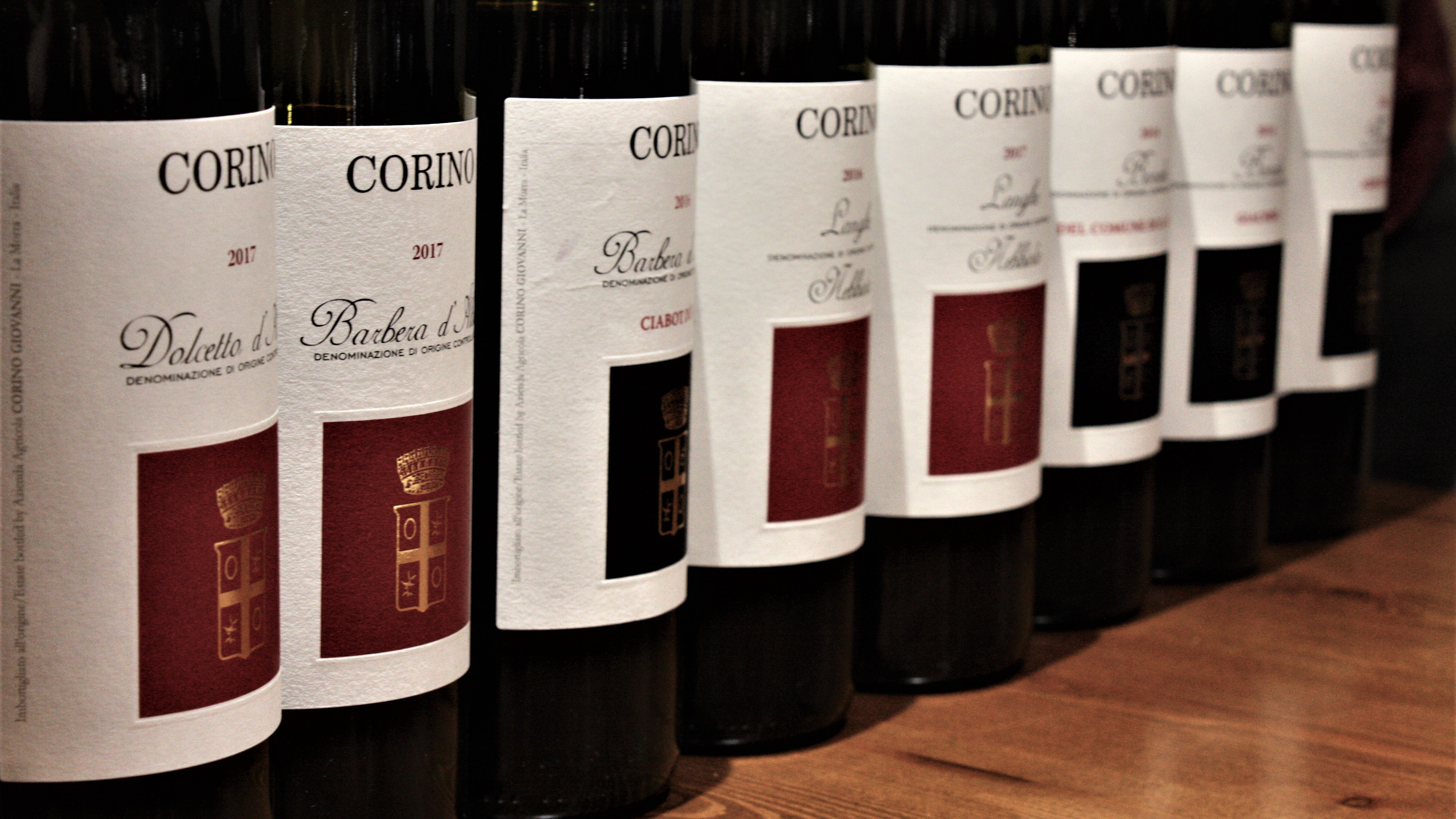
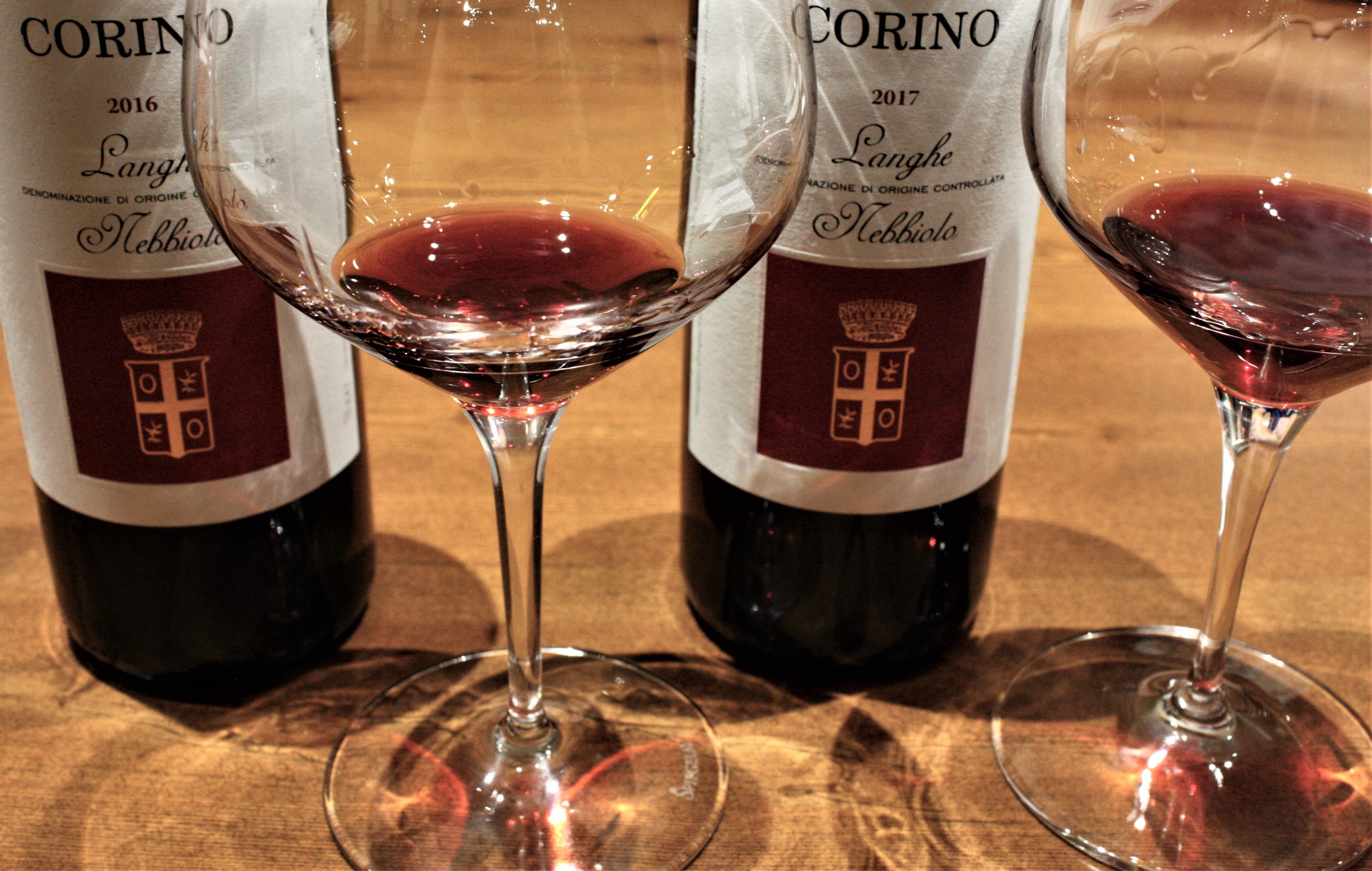
Giovanni Corino Langhe Nebbiolo Nov 2018

Autunno con il Barolo di La Morra

During the month of November you can taste a vadt variety of wines from the town of La Morra at the Cantina Comunale! Every Saturday in November there is a big tasting, featuring a dozen wines from the surrouding wineries. For only €15 you can taste over 40 wines from great producers! If you’re in the area you should check it out!