Piemontese White Wines

Piemontese White Wines

There are quite a few white grape varieties being cultivated in Piemonte, but because of the popularity of Nebbiolo, many of them almost became extinct! Several of the white grapes only survived because a handful of winemakers decided to keep cultivating them. Here are some of my favorite Piemontese white wines.
Arneis

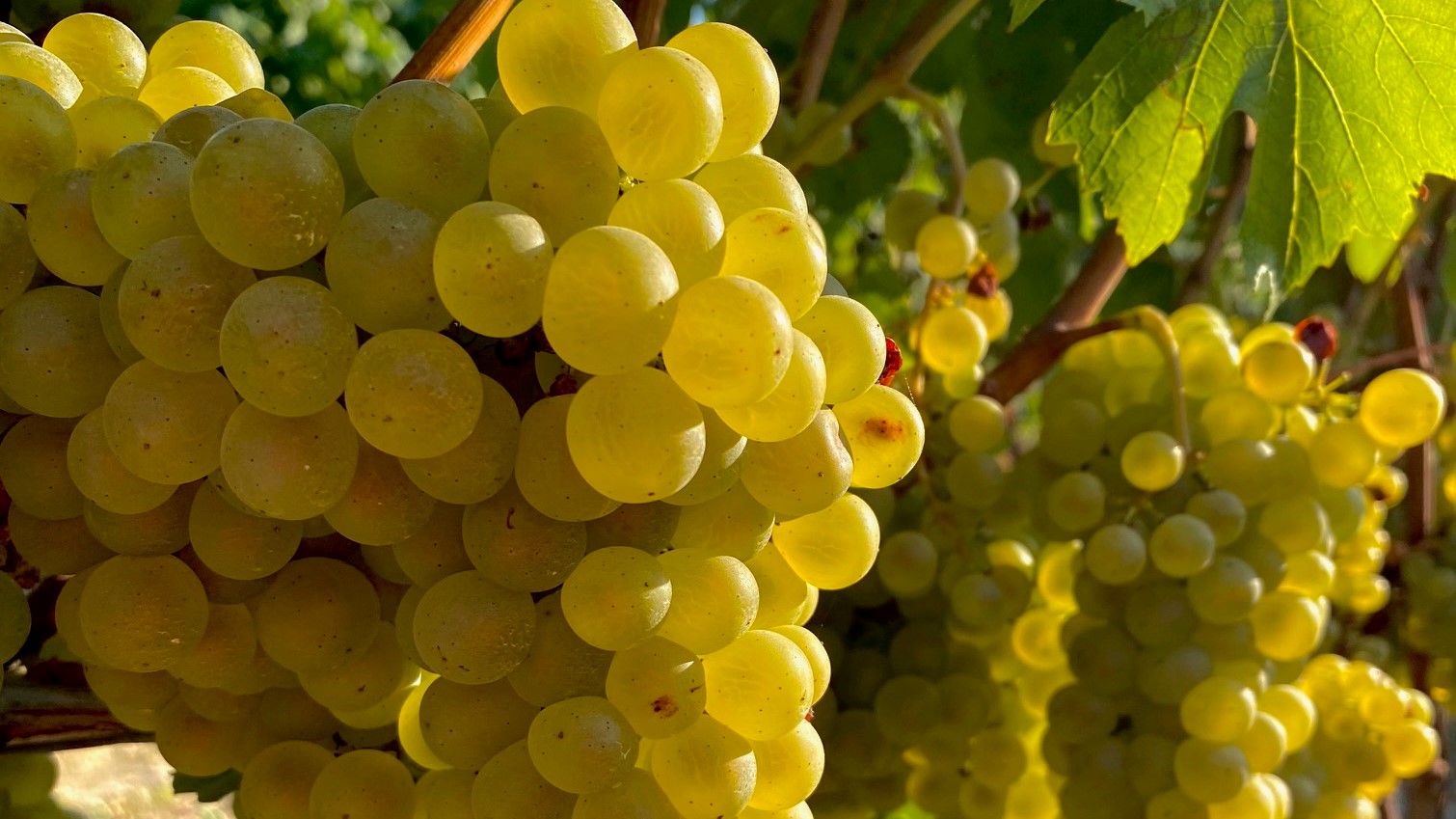
Arneis originates from Piemonte, and is most commonly found in the hills of Roero, although you can find it in other regions including Liguria, Sardinia, California and New Zealand. It has naturally low acidity and can easily get overripe. It’s also prone to powdery mildew. Arneis literally means “little rascal”, and it gets its name because it’s very difficult to cultivate.

Back in the day, Arneis was used to soften the tannins and harshness of Nebbiolo grape in the wines of Barolo. And as winemakers begun focusing on 100% Nebbiolo wines, the Arneis almost became extinct. By the 1970’s, only two winemakers were making Arneis: Vietti and Bruno Giacosa. Thankfully, that has changed in the recent years, and today you can find many good bottles of Arneis.

Nascetta

“Nas-Cetta” or “Anascetta” is another white Piemontese variety. The story of Nascetta is similar to that of the Arneis. As the popularity of Nebbiolo grew, rows of Nascetta were ripped out in favor of Nebbiolo. Nascetta was only kept alive by a handful of winemakers, like Elvio Cogno and Le Strette.

The story goes something like this: In 1993, Elvio Cogno and Valter Fissorre opened a 1986 Nascetta with a journalist named Armando Gambera, and they discovered that the 7 year old Nascetta had help up very well in the bottle. This was a pivotable moment for the local grape variety of Novello, and in 1994 Elvio Cogno released his first “Anas-Cetta”. And the rest is history! In 2002, Nascetta officially became a DOC and in 2010 it got it’s own appellation “Nascetta del Comune di Novello”.

Chardonnay

Chardonnay originated in Burgundy, France, but today you’ll find it in many corners of the world, including Piemonte. The grape itself is quite neutral, but is often associated with a variety of flavors derived from influences of oak and terroir. Chardonnay was often blended in with other grapes, like Favorita, but in Piemonte today it’s most common to find 100% Chardonnay.

Favorita

Favorita means “the favorite one”, a Piemontese white grape variety grown primarily in Piemonte and is widely planted on the left bank of the Tanaro river. It has long been a popular table wine Related to Liguria grapes Pigato and Vermentino. Has been a popular table wine. Pear notes, ability to age shorter than Arneis. Tend to ripen late and maintain fair amount of acidity. Used to be blended with Nebbiolo to soften harsh tannins, just like the many other white grape vairieties. Straw yellow, dry white wine, slightly bitter aftertaste. Pair with fish, shellfish, sushi.

3 of my favorite Piemontese white wines
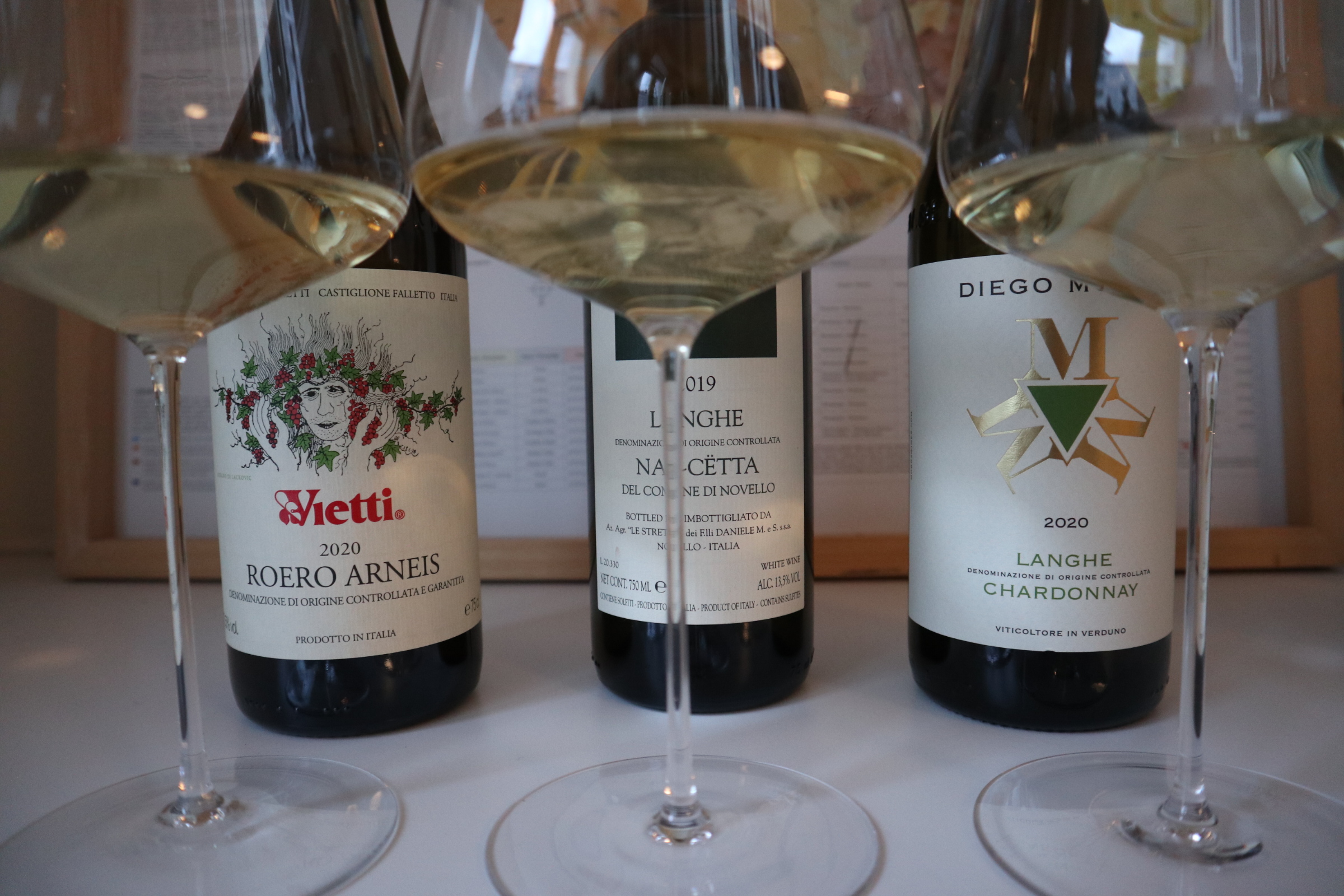
3 Piemontese White Wines

Vietti Roero Arneis 2020

Beautiful citrus aromas with hints of warmer yellow stone fruit. Very fruity in the mouth as well, with a hint of honey.

Le Strette Nas-cëtta 2019

Beautiful nose with hints of yellow stone fruit and apple. A distinct taste of honey in the mouth. Good acidity.

Diego Morra Langhe Chardonnay 2020

Yellow stone fruit and citrus aromas on the nose. Quite full bodied with good length.
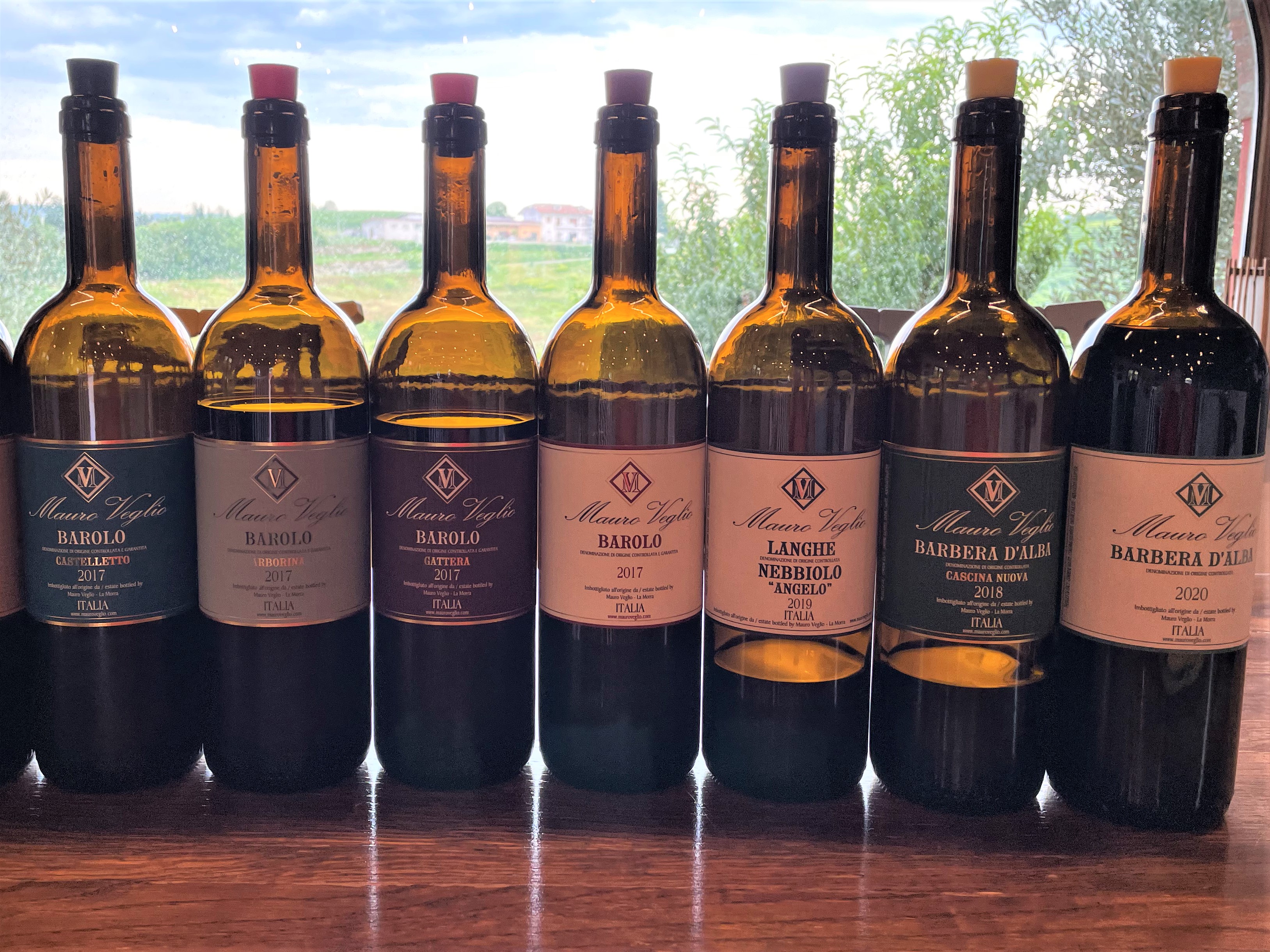
Recent Release from Veglio

Recent Release from Veglio

This summer I tasted the most recent release from Veglio. If I had to pick a favorite from the lineup it would be the Barolo Gattera 2017!

Recent Release from Mauro Veglio

Mauro Veglio Barbera 2020

The 2020 Barbera from Mauro Veglio is very fruity with good acidity. It’s very drinkable, light and fruity, despite the 15% alcohol.

Mauro Veglio Barbera Cascina Nuova 2018

The Cascina Nuova is their Barbera Superiore, so it’s no surprise that this wine is more complex. The ageing in wood has given the wine some spice notes as well as good structure. A balanced wine with good acidity.

Mauro Veglio Langhe Nebbiolo  2019

This wine has a beautiful nose, with aromas of fresh red fruit. It’s a bit concentrated in the mouth, but that’s not uncommon for the 2019’s. Good structure, good tannins, good length.  

Mauro Veglio Barolo 2017

The grapes in the Classic Barolo are sourced from Arborina, Castellero, and a small part of Gattera. Good nose, with red fruit and some spice notes. Quite fresh and easy to drink.

Mauro Veglio Gattera 2017

I like this wine a lot. A more masculine nose with aromas of tobacco, spices and some herbs. Quite soft tannins for a 2017.

Mauro Veglio Arborina 2017

The Arborina has that beautiful feminine nose. Quite aromatic for a 2017. A bit warm in the mouth, with round tannins.  

Mauro Veglio Castelletto 2017

More rustic nose on the Castelletto 2017, maybe even some leather. A more masculine Barolo, which is not surprising since it’s from Monforte. Dark red fruit and cherry aromas. The tannins are a bit more aggressive as well, structured with a good body.  

Roberto Voerzio La Serra 2015

Roberto Voerzio La Serra 2015

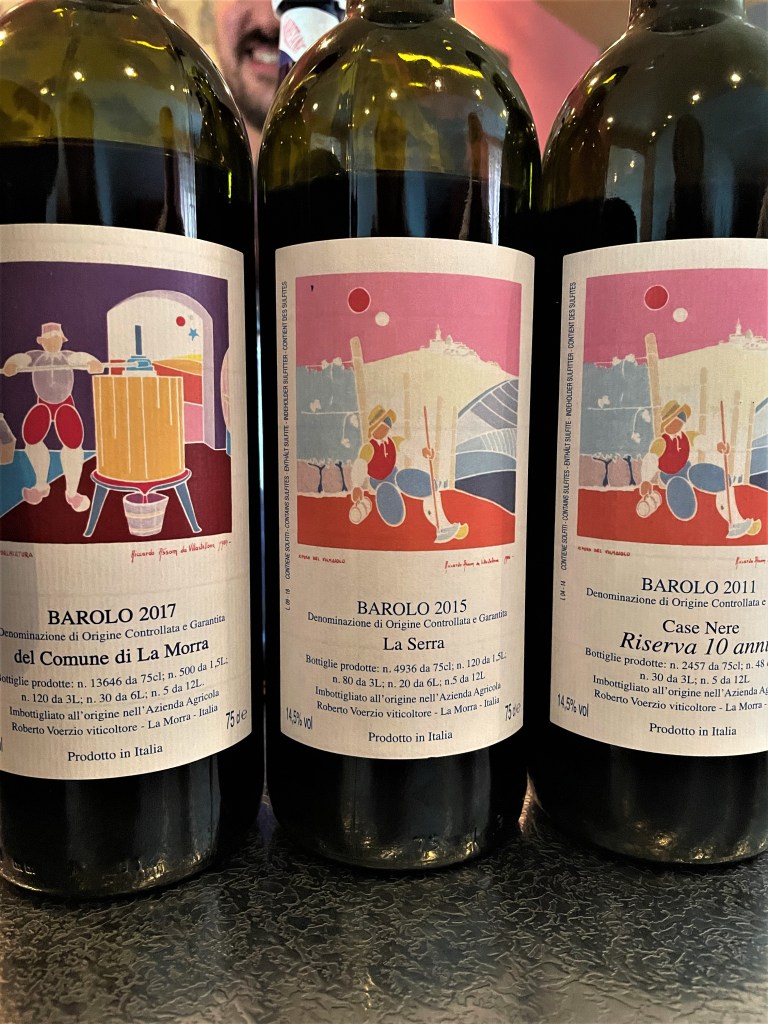
Here are my notes on the Roberto Voerzio La Serra 2015: I like it. Concise and to the point. There was just something about it. So drinkable. So approachable. So good. And out of all the wines I tasted that day, the La Serra was clearly a favorite.

La Serra

The La Serra vineyard is located in La Morra, right at the top above Cerequio and Case Nere. Why is the location so important? Altitude. Like MapMan Masna says: “elevation is always called into question, because at these heights (the border between La Serra and Cerequio is at exactly 400 meters) even 20-30 meters of difference can be important.”

2015

2015 is know as a “warm” vintage. But, being bookended by 2014 and 2016, 2015 kind of gets lost in translation. May, June and July were very hot, with very little rain, and it was not looking great for a while. Then, August came along with a whole 8 days of rain, followed by a relatively normal September, and a bit of rain in October, giving the vintage what it needed to avoid a 2003 situation.

Roberto Voerzio La Serra 2015

The Roberto Voerzio La Serra 2015 was so approachable with incredibly smooth tannins and lots of good fruit. I tasted it next to the Barolo del Comune di La Morra 2017 and the Case Nere Riserva 2011, and I can honestly say that the La Serra 2015 was my favorite out of the two!

Tasting Notes

During my visit to Roberto Voerzio, I tasted quite a few wines. Here are some notes:

Roberto Voerzio Cerequio 2020

Barrel tasting. The Cerequio 2020 had a beautiful nose. Fruity, fresh. This wine has a bit of structure. Will obviously develop further over the next few years.

Roberto Voerzio Rocche 2020 

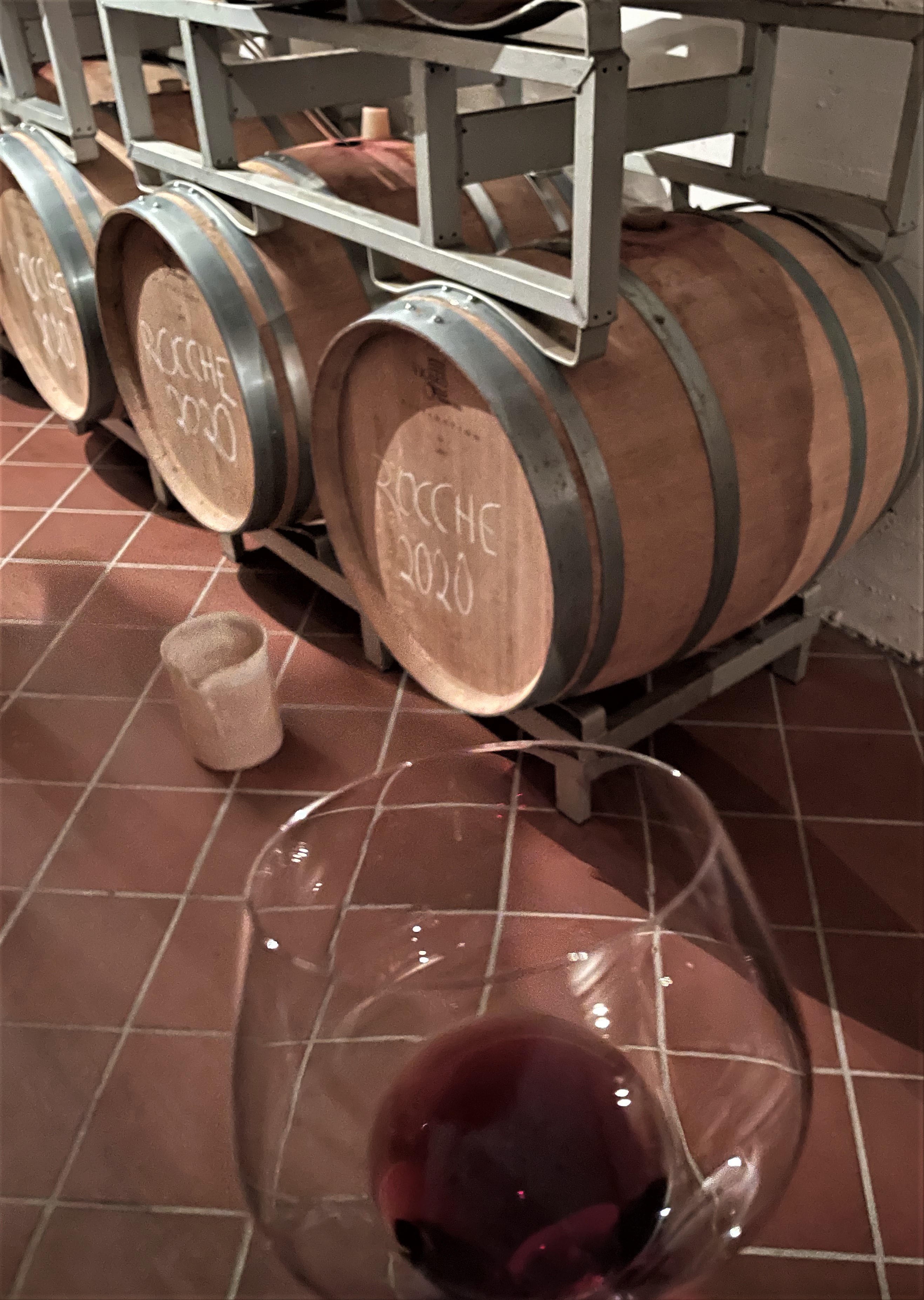
Barrel tasting. The Rocche had less structure than Cerequio, as of right now, maybe a bit more classic? This is a wine I look forward to taste once it’s in the bottle!

Roberto Voerzio Sarmassa 2019

Barrel tasting. The Sarmassa is made only in magnums! It had a beautiful nose, with a bit more concentration than Rocche, quite typical of the 2019 vintage.  A very good wine, a good roundness in the mouth. 

Roberto Voerzio La Serra 2019

Barrel tasting. The 2019 La Serra was even more concentrated than the Sarmassa with harsher tannins as well. A big wine with aromas of darker fruits, dark cherry. Very different to the 2015!

Roberto Voerzio Brunate 2018 

Tasted from tank. Wow, what an incredible nose. Elegant and concentrated, all at the same time with aromas of dark fruit. Elegant in the mouth as well. A classic wine.

Roberto Voerzio Fossati 2018

Tasted from tank. The Fossati is one of the more masculine wines I tasted that day. Aromas of tobacco, some herbs, red fruit. The tannins were quite harsh, at least compared to the other wines tasted.

Roberto Voerzio Barolo del Comune di La Morra 2017

The Barolo del Comune di La Morra 2017 is a mix of grapes from Boiolo 50% and 50% other cru’s. This was the first wine I tasted during this visit that had really prominent oak notes. Probably because the other wines had some months(+) left in the barrels.  

Roberto Voerzio  Case Nere riserva 2011

When tasting the Case Nere Riserva 2011, we had reached the end of the visit. And to be honest, we were all a bit preoccupied with out lunch plans, so the only note I have here is: “Quite impressive”. Incidentally, it’s the wine we ended up bringing to lunch. Pretty good way to end the tasting!

Barolo 2017

Barolo 2017

Barolo 2017

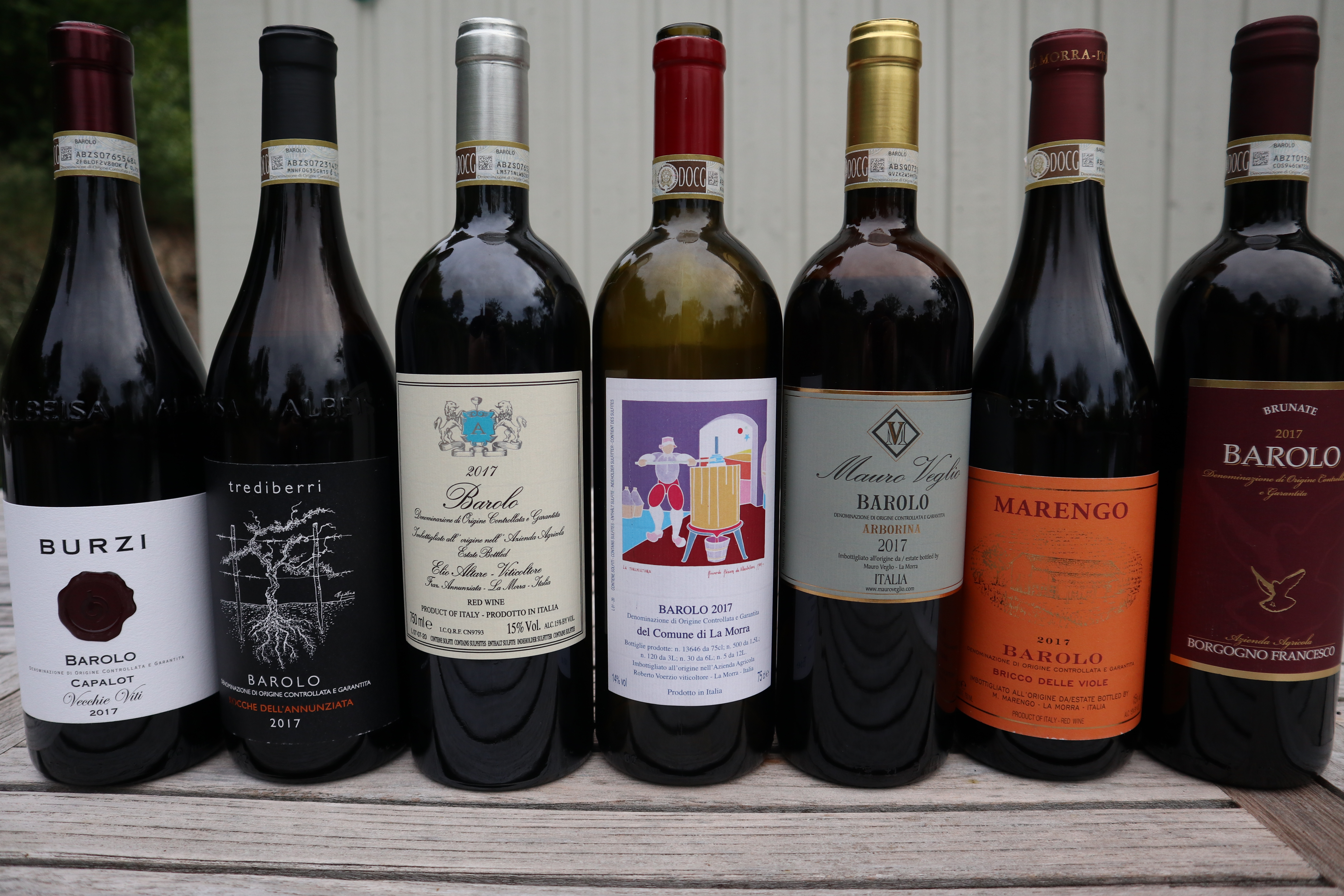
Below are tasting notes of Barolo 2017 in alphabetical order.

Altare Barolo
The Altare Barolo 2017 has a beautiful Nebbiolo nose. Floral, fruity and mineral; Just like a Barolo should smell. On the nose you’ll also find aromas of cherry, chocolate, tobacco and rose petals. A balanced and approachable Barolo with good length!

Andrea Oberto Barolo La Morra
A subtle but floral Barolo with aromas of red fruit. The tannins are present, but not in any way aggressive. In Andrea’s own words, it’s “molto morbido”, which means “very soft”.

Andrea Oberto Barolo Arbarella
The Albarella is even more subtle nose, with aromas of tobacco, spices and red fruit. The tannins are round, but a bit bigger than the La Morra.

Andrea Oberto Barolo Rocche dell’Annunziata
Round, good bodied and balanced. A big and complex wine that might need some time to open up in the glass. My favorite out of the three 2017 Barolo’s from Andrea Oberto.

Burzi Capalot
A more concentrated Barolo with aromas of dark red fruit and berries with a hint of tobacco. Some floral notes as wel

Cascina Fontana Barolo 2017
Beautiful on the nose, big in the mouth with robust tannins. This wine will benefit from some time in the bottle.

Cavallotto Bricco Boschis
Beautiful nose with aromas of  roses, herbs, red fruit and a hint of chocolate. Medium round tannins with a good finish.

Chiara Boschis Barolo Cannubi
The Cannubi is always more elegant than the Via Nuova and Mosconi. An attractive, voluptuous Barolo with good structure.  

Chiara Boschis Barolo Via Nuova
The Via Nuova has slightly bigger tannins compared to the Cannubi. In addition to the aromas of red fruit there are hints of herbs and spices.

Chiara Boschis Barolo Mosconi
The Mosconi was very floral and slightly feminine on the nose. Also quite aromatic. But in the mouth it’s more masculine. A big Barolo.  

Crissante Alessandria Barolo Del Comune di La morra
The Barolo Del Comune di La morra 2017 consists of 60% Rogeeri, 20% San Biagio and 20% Bettolotti. The wine ages for 24 months botte grande. The 2017 is quite concentrated and a bit war, with aromas of dark red fruit.

Diego Morra Barolo Zinzasco
Typical Barolo nose with aromas of red fruit, roses and spices. Well-rounded tannins and good balance. A beautiful wine.

Diego Morra Barolo Monvigliero
The Monvigliero is a bit “bigger” than the Zinxasco. Aromas of dark red fruit, spices and white pepper. Warm but not ripe. Big but balanced. A well rounded Barolo!

Ettore Germano Barolo Serralunga
A fruity, floral and fresh Barolo with a slight hint of mint. A more masculine Barolo with gripping tannins. Long finish. A very good wine.  

Ettore Germano Barolo Prapo
The Prapo Barolo is a bit more concentrated compared to the Cerretta. Warmer fruit, also a tad warmer in the mouth. A more linear wine, straight to the point.

Ettore Germano Barolo Cerretta
The Cerretta Barolo is quite fresh, with good fruit. A bit more complex than Prapo, with good fruit and some mineral notes.

Francesco Borgogno Barolo Brunate
The Francesco Borgogno Brunate was not as concentrated as many of the other Barolo 2017’s I’ve tasted. A big but elegant wine. Leaves you wanting more.

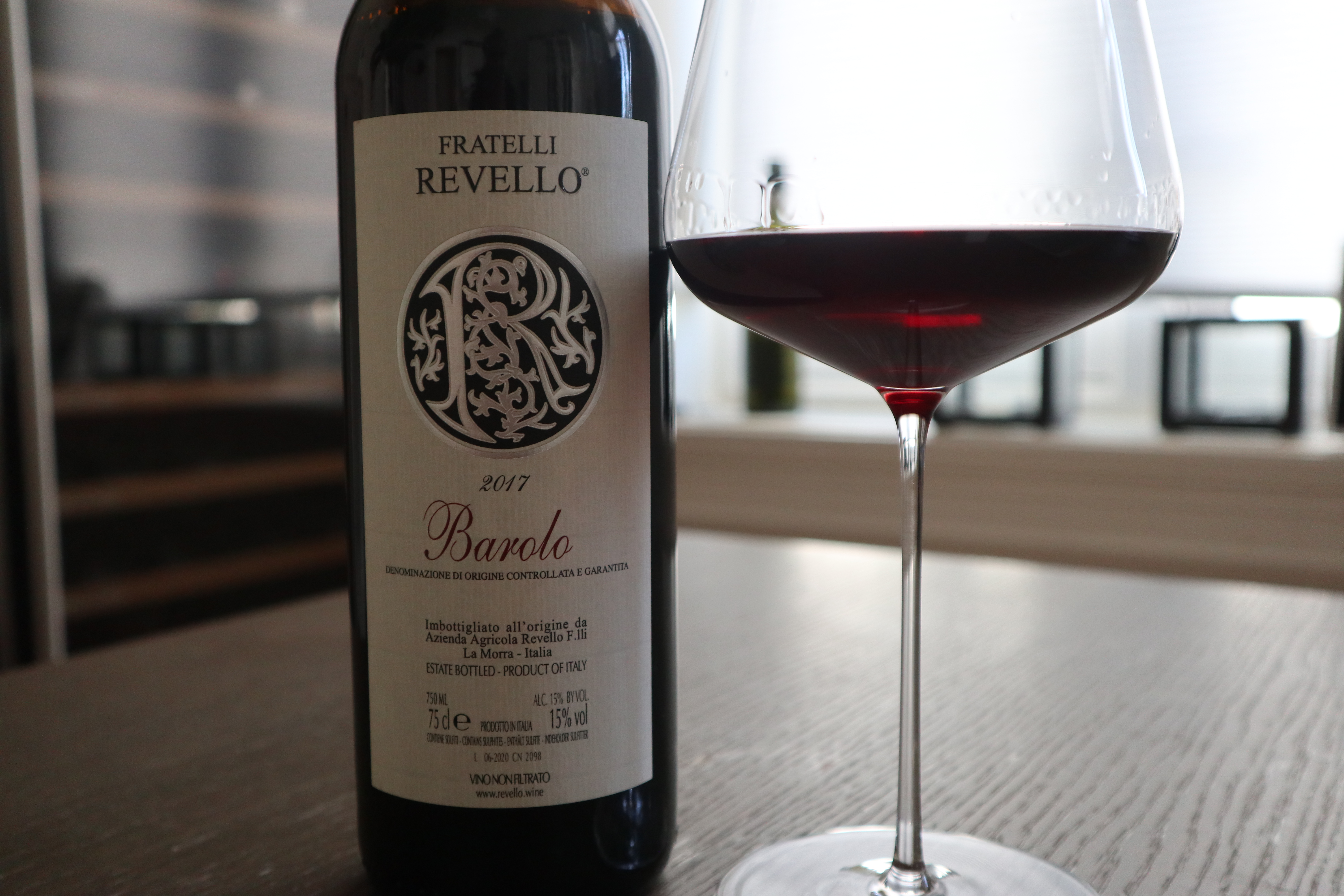
Fratelli Revello Barolo
The Fratelli Revello Barolo 2017 has that beautiful Barolo aroma. As with other 2017’s, it’s more concentrated than 2016, with aromas of dark fruit. There are also floral notes, a feminine touch, typical of wines from La Morra. Quite structured in the mouth, with good balance. The 2017’s are very young, and will probably benefit from some time in the bottle.

Fratelli Revello Barolo Conca
The Conca is more masculine than the classico. But it’s also a bit fruitier with aromas of red berries, Big tannins and good structure.

Giovanni Corino Barolo del Comune di La Morra
A complex nose, with hints of fruit. A more concentrated Barolo with relatively big tannins.

Giovanni Corino Barolo Bricco Manescotto
The Bricco Manescotto is quite similar to the Barolo del Comune di La Morra on the nose. Aromas of fruit and tobacco. Fruity in the mouth, followed by tannins.

Giovanni Corino Barolo Arborina
An aromatic Barolo with good concentration. Floral and fruity on the nose. A balanced wine with good tannins. Nice length as well. A great Barolo 2017!

Luigi Pira Barolo Vignarionda
The Luigi Pira Barolo Vignarionda is considered Pira’s top wine.  Aged for 24 months in a mix of barrique, tonneau and botte grande. Floral and fruity on the nose, with hints of mineral and we earth. The Vignarionda is a big, but the tannins disappear quickly, and you’re left with a well-balanced Barolo.

Marengo Barolo
The classic Barolo is a bit concentrated, similar to many other 2017 Barolo’s. The tannins are big and a bit more chewy, especially compared to the 2016, but the wine is good!

Marengo Bricco Delle Viole
The Bricco delle Viole has a beautiful floral nose with aromas of dark fruit. Also quite concentrated. Very easy to drink with lots of fruit and good length.

Marengo Barolo Brunate
The Brunate was a little bit closed at first, but opens up in the glass and becomes the Brunate we all know and love. A big but elegant wine with hints of tobacco and leather.

Mauro Veglio Arborina
The 2017 Arborina is perhaps a bit more masculine than the 2016. Aromas of darker fruits, flowers and a hint of tobacco. A very approachable Barolo.

Nadia Curto Barolo La Foia
The Nadia Curto Barolo La Foia is made exclusively with grapes from the Arborina vineyard. The 2017 was quite aromatic with notes of red fruits, flowers and a hint of tobacco. A good example of a 2017 Barolo!

Nadia Curto Barolo Arborina
The Arborina 2017 is a bit warmer than the Barolo La Foia 2017, with notes of darker red fruits and berries.

Principiano Barolo
An austere Barolo with aromas of leather and wet earth. Spicy in the mouth. A very interesting wine.

Roberto Voerzio Barolo del Comune di La Morra
The Roberto Voerzio Barolo del Comune di La Morra 2017 is quite concentrated. Aromas of red fruits with a hint of tobacco. Floral aromas of rose petals and violets. Feminine but concentrated. Develops in the mouth: Starts big, mellows out. Long finish.

Trediberri Rocche dell’Annunziata
The Trediberri Rocche is very inviting. Fruity and floral with aromas of red fruits and cherry. Perhaps a hint of licorice as well. Good balance and good length. An approachable wine.

Vietti Castiglione
A very fruity Barolo with a spicy nose. Perhaps a hint of mint? Balanced, approachable but also a bit austere. A very complex wine.

Fratelli Revello Barolo 2017

Fratelli Revello Barolo 2017

The Fratelli Revello Barolo 2017 has that beautiful Barolo aroma. As with other 2017’s, it’s more concentrated than 2016, with aromas of dark fruit. There are also floral notes, a feminine touch, typical of wines from La Morra. Quite structured in the mouth, with good balance. The 2017’s are very young, and will probably benefit from some time in the bottle. 

2017 vs 2016

Every vintage is different. Some are hot, some are cold, some are dry and some are wet. And then you have everything in between. You could refer to 2017 as a dry vintage. There was basially a drought from August to November. 2 days of rain in September “saved” the harvest, along with the water reserve from the rainfall in the spring. I’ve only tasted a handful of 2017 Barolo’s so far, but the vintage seems promising.

Fratelli Revello Barolo 2016

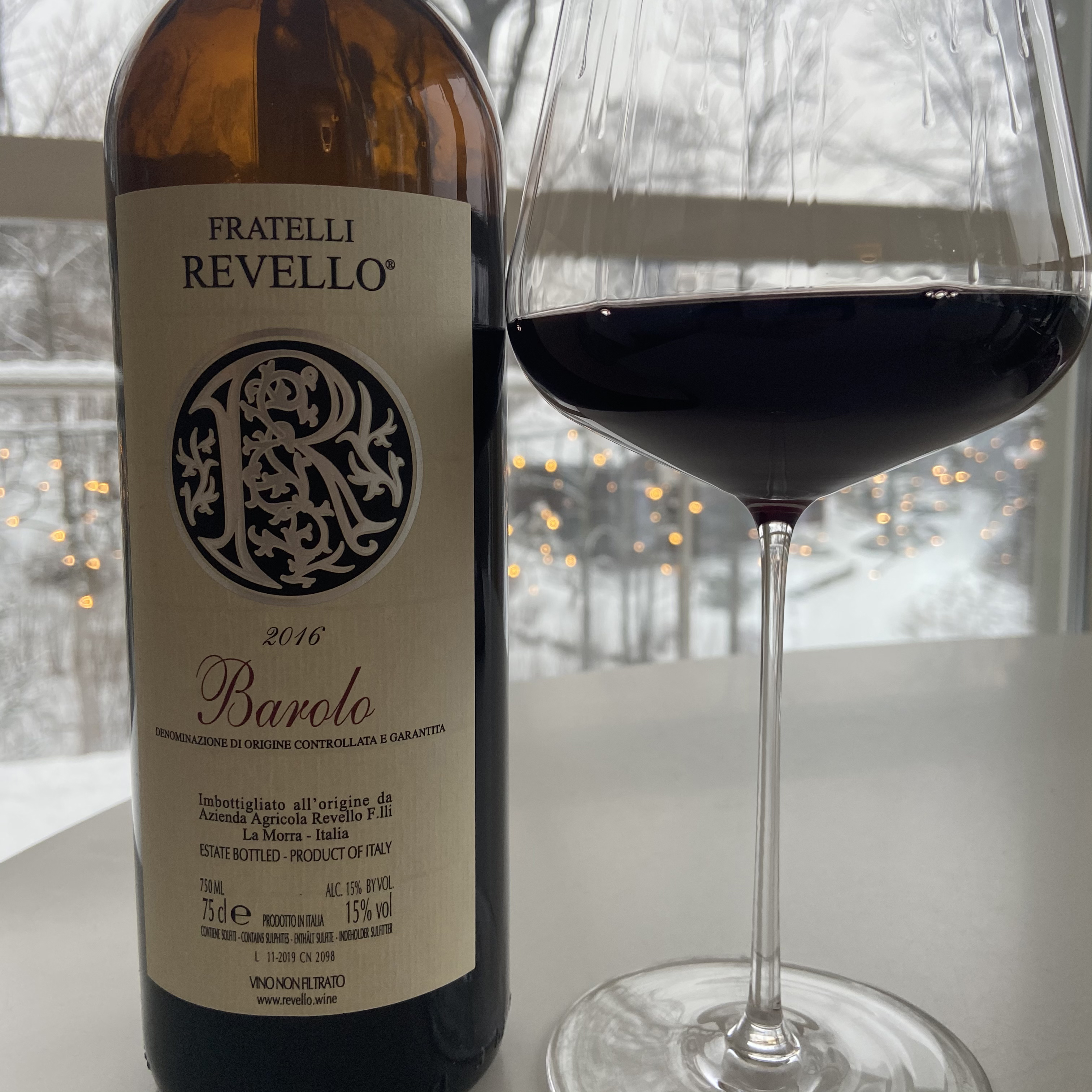
The Fratelli Revello Barolo 2016 seduces you with aromas of red berries, licorice, tobacco and roses. The wine is powerful yet elegant, with a round fruity feel backed up by a good structure.  

Fratelli Revello

The Fratelli Revello story dates all the way back to 1945, but it wasn’t until 1967 they started to vinify their grapes under a family label – Giovanni Revello & Figli. In 1990, Carlo and Lorenzo Revello took over the estate, and worked together until 2016 when they decided to go in different directions. Fratelli Revello stayed with Lorenzo while Carlo started his own label: Carlo Revello & Figli.

It’s quite common for wineries to divide and “multiply” as the family grows. The same happened to the Corino’s in 2005. Just imagine how many would end up working at a winery if everyone had 2-4 children each! I think it’s a win-win, because then each sibling gets to make wine in their own way and we get another interpretation of the wine!

Barolo del comune di …

Barolo del comune di …

What is a Barolo del comune di “La Morra” or a Barolo de comune di “Serralunga”?  The Comune Barolo’s are relatively new, and were previously called just Barolo. In the Barolo region there is a distinction between Barolo and single vineyard Barolo, the difference being where the grapes come from.

Arborina in La Morra

Blend vs. single Vineyard

In the classic  Barolo, the grapes usually come from different vineyards and are blended together into one wine, as opposed to the single vineyard Barolo, where all the grapes come from one specific vineyard.

Most winemakers these days make both a blend and single vineyard Barolo’s. I say most, but there are of course exceptions, like Maria Teresa Mascarello. There is only one Bartolo Mascarello Barolo, and it’s a blend from four different vineyards. Exceptions aside, you’ll find most winemakers have both a single vineyard Barolo as well as some single vineyard Barolo’s in their line-up.

Comune vs Classic Barolo

What is the difference between the “Barolo del commune di” and the Barolo Classico? In the Comune Barolo, all the grapes come from the specific Comune, whereas in the Barolo Classico the grapes can come from any of the Barolo villages. But why make the distinction? Terroir plays an integral part in Barolo, and the terroir differs from town to town, making a Comune Barolo an interesting concept. It’s not single vineyard representing a Cru, but it does represent the Comune.
*as with the rules for single vineyard wines, they can add up to 15% of the grapes from any Barolo vineyard.

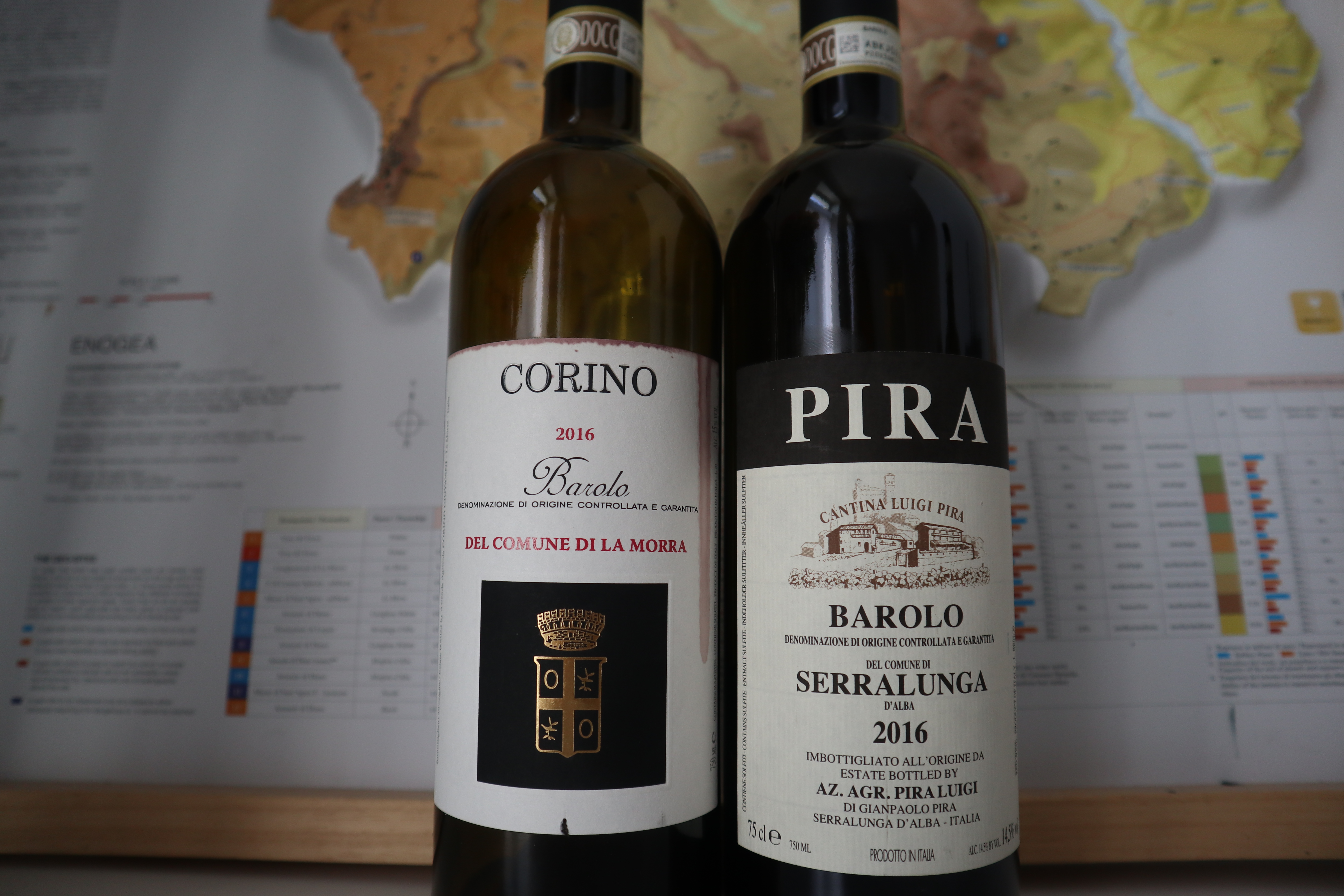
For instance, the Giovanni Corino Barolo del Comune di La Morra has quite different characteristics from the Luigi Pira Barolo del Comune di Serralunga. The La Morra Barolo is a bit more feminine and elegant, whereas the Serralunga Barolo is more masculine and structured.

Note: there are other factors that affect the wine, but it is generally accepted that the wines from La Morra are more feminine than wines from Serralunga.

Tasting Notes

Giovanni Corino Barolo del Comune di La Morra and Serralunga

Giovanni Corino Barolo del Comune di La Morra

Beautiful floral aromas, as well as cherry and other red fruit. Elegant and balanced, with a feminine touch. One year in the bottle has rounded the tannins quite a bit, and the wine has perhaps become even more approachable!

Luigi Pira Barolo del Comune di Serralunga

Aromas of cherry and black currant, darker fruits than the Barolo from La Morra. The tannins are also a bit bigger and the wine is more structured. A big but elegant wine. After one year in the bottle, the tannins are still quite persistent. I think this wine could benefit from a few more years in the cellar.

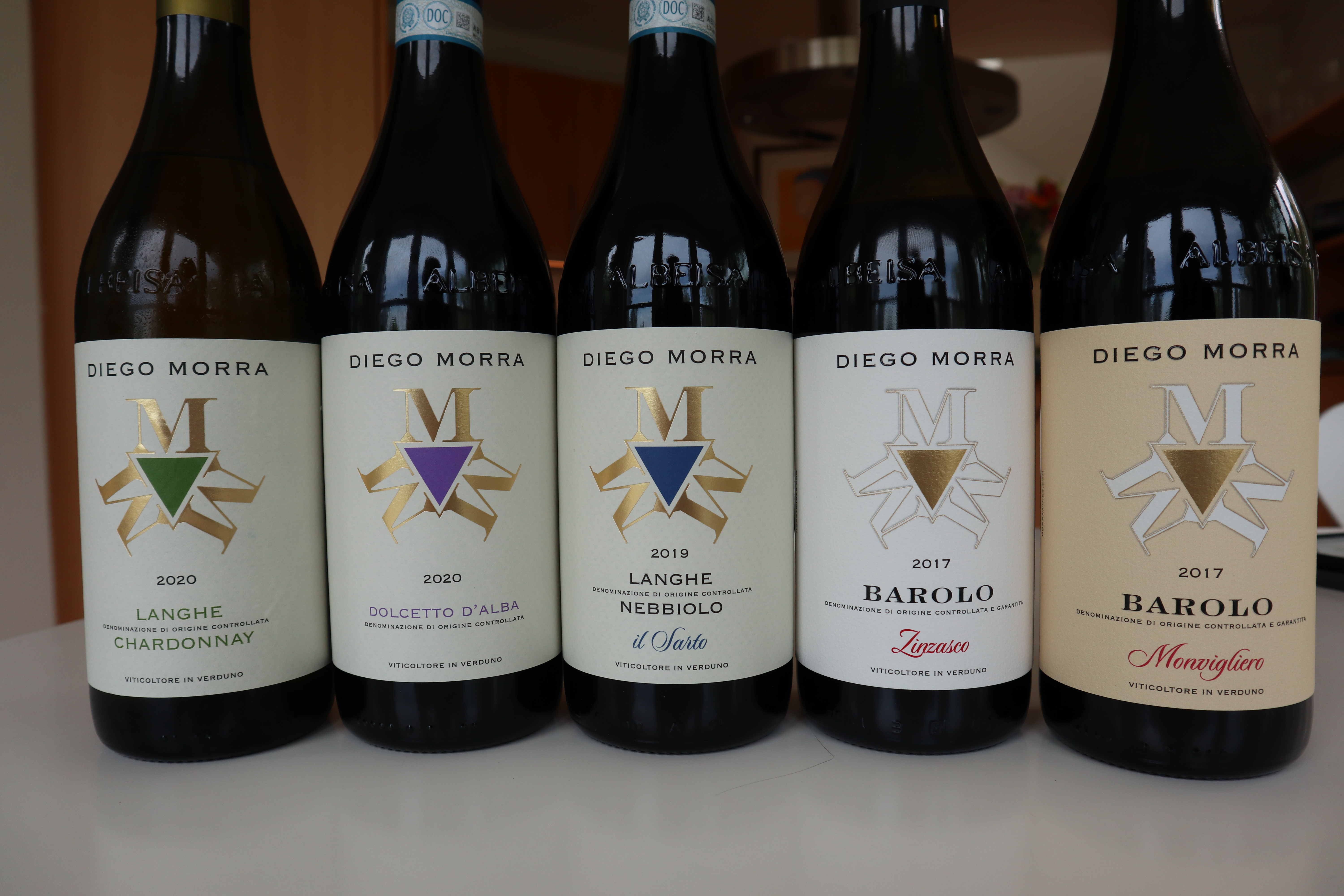
Diego Morra 2020

The Diego Morra 2020 wines are very good, as are the other 2020’s I’ve tasted so far. 2020 will be remembered for a pandemic, but it was also a good vintage for wine!

Diego Morra

Diego Morra’s family has been in the wine and hazelnut business since the mid 1900’s. But it’s not until recently Diego started to bottle the wine under his own label. This practice was quite common back in the day. Today, the wine is bottled under the label Diego Morra. You can read more about the winery here.

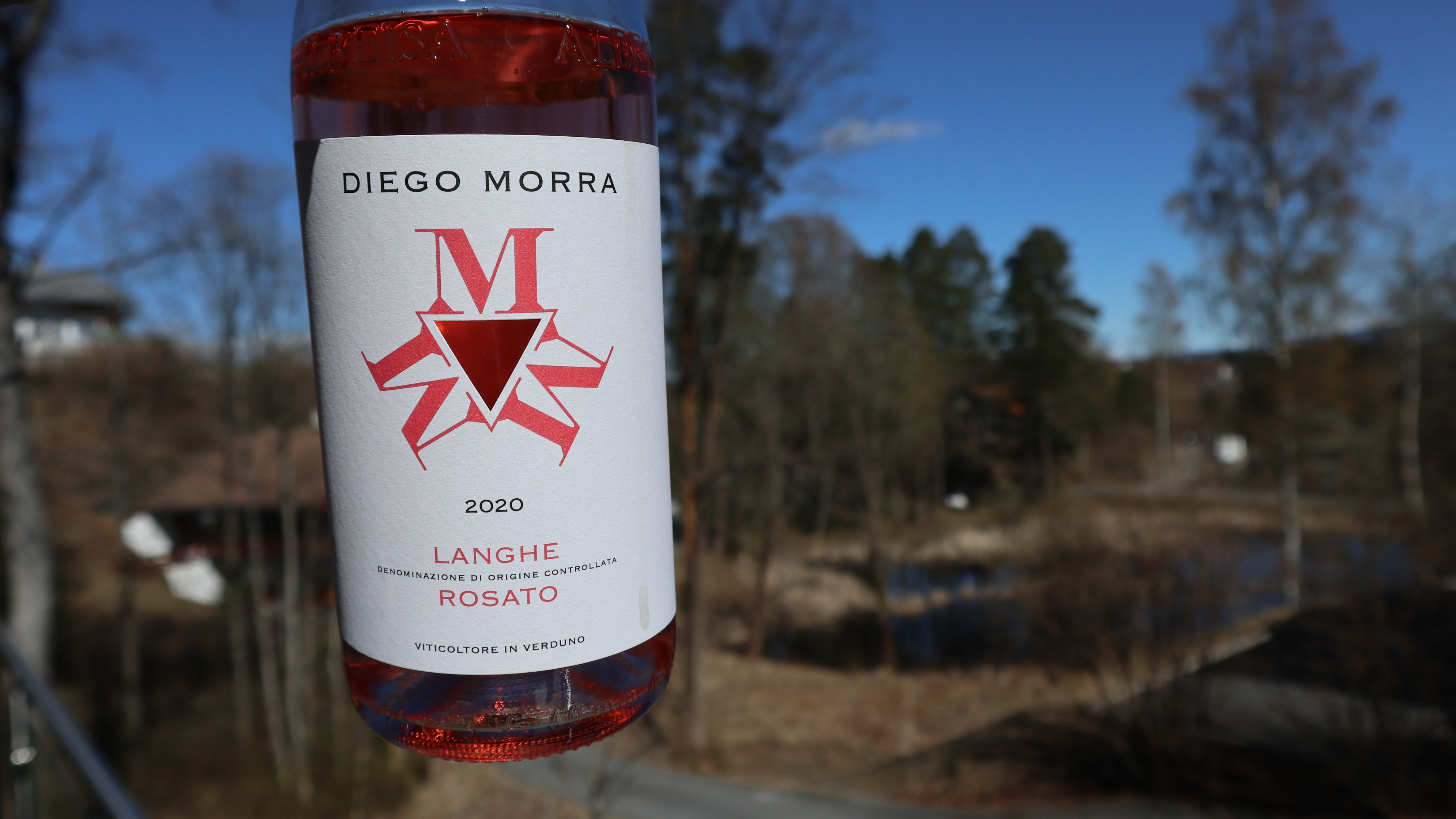
Diego Morra 2020 Langhe Rosato

The Diego Morra Langhe Rosato is made with 100% Nebbiolo, from the same vinyeards as the Nebbiolo Il Sarto.The grapes were harvested a little bit earlier than 2019, giving the wine a bit more freshness. Earlier harvest also results in lower alcohol, lower sugar and a bit higher acidity.

The Diego Morra Langhe Rosato is prefect for the summer! You can enjoy it on the terrace or with light dishes like salads or fish. You’ll find aromas of fresh fruits like strawberry and peach. It’s very fresh but also has a bit of structure.

Diego Morra 2020 Langhe Rosato

Diego Morra 2020 Langhe Chardonnay

For the 2020 vintage Diego Morra made a pretty big change to their vinification of the Chardonnay. The previous vintages have all been aged in stainless steel. Now, 30% of the wine ages in medium oak barrels for about 6 months before it’s blended with the 70% aged in stainless steel tanks. This gives the wine a great balance between structure and freshness!

The 2020 is my favorite Chardonnay from Diego Morra so far! Don’t get me wrong, the 2018 and 2019 were good, but the 2020 is excellent! Pear and citrus on the nose. Crisp, quite aromatic. Fruit and citrus notes in the mouth as well. Round, fuller than 2019. Very good!

Diego Morra 2020 Dolcetto d’Alba

The 2019 Dolcetto was quite explosive, whereas the 2020 is more concentrated, A very aromatic and fruity wine with aromas of dark red fruit, ripe cherry and blackcurrant. Quite full bodied for a Dolcetto.

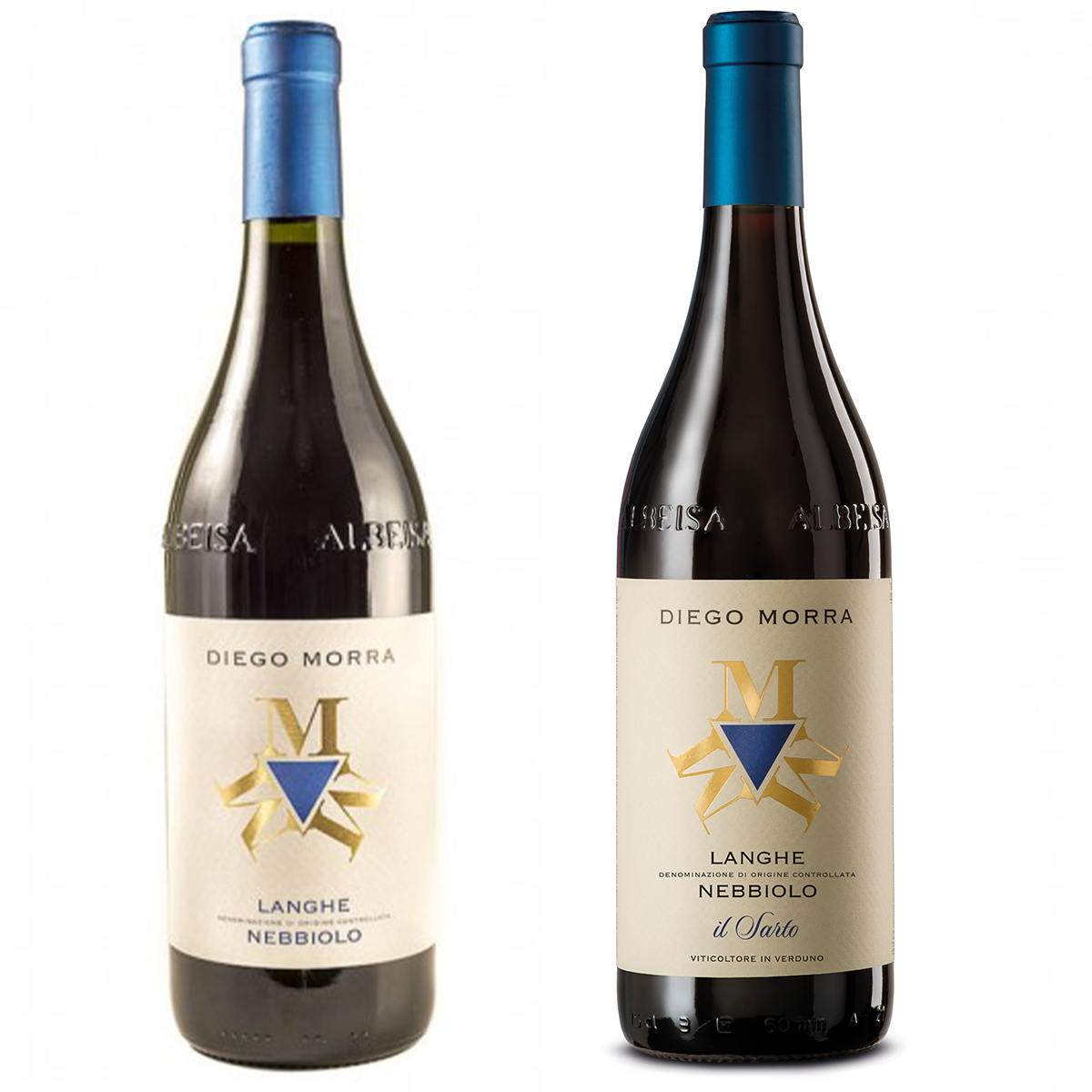
Diego Morra Langhe Nebbiolo il Sarto 2019

The Diego Morra Il Sarto 2019 is quite explosive, similar to other 2019’s. Aromas of red berries, cherry and some pepper on the nose. Very fruity in the mouth, with round and approachable tannins. Very balanced with a long finish. Absolutely delicious!

Diego Morra Barbera

Note there is no tasting note on the Barbera. For a very good reason. The Diego Morra Barbera is usually released about 18 months after harvest, having spent some time in oak barrels as well as stainless steel tanks. You could call it a mix between a Barbera and a Barbera Superiore. You’ll have to stay tuned to find out more about the Diego Morra Barbera, but I can promise you it’ll be worth it!

Luigi Pira Barolo 2017

Luigi Pira Barolo 2017 & more

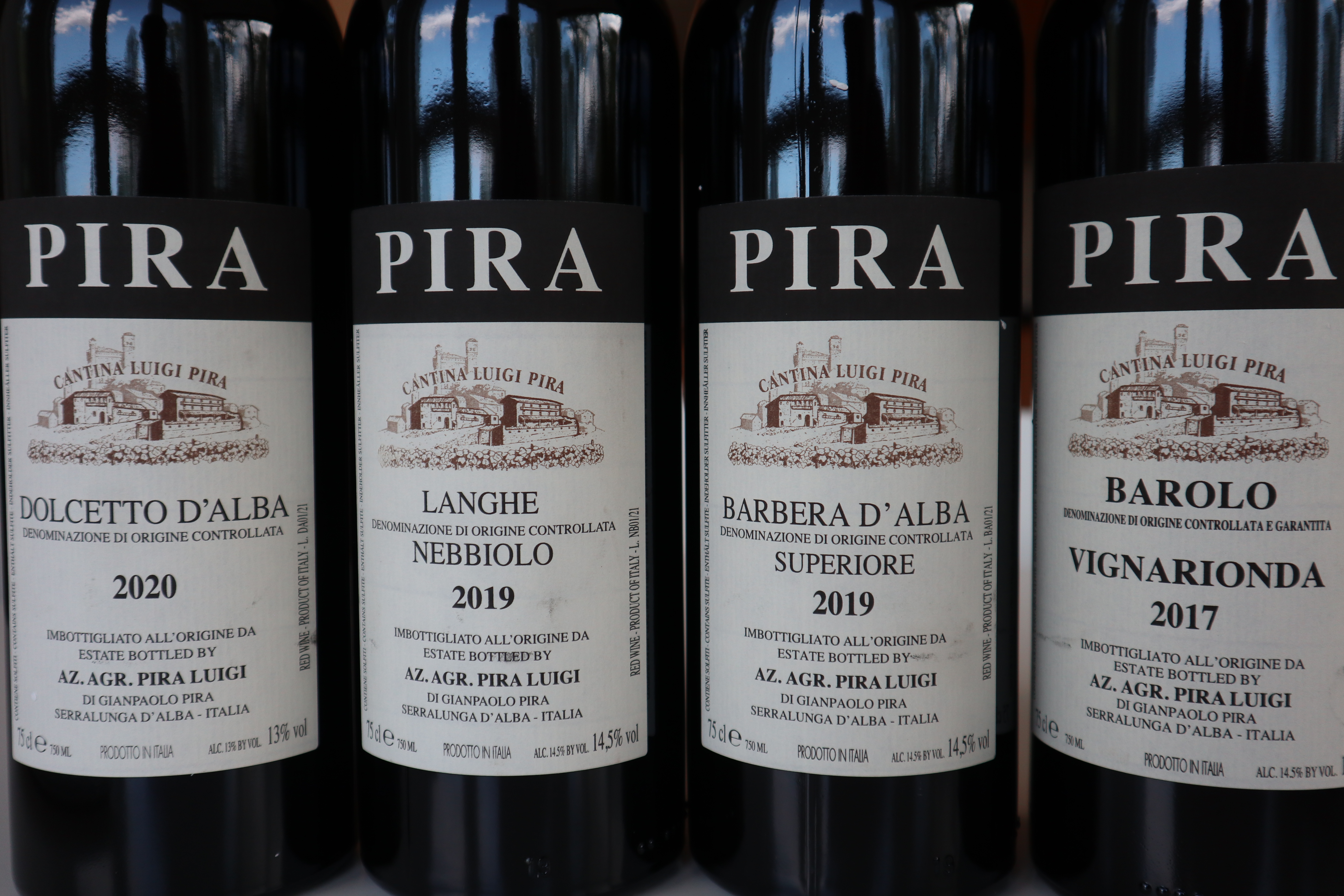
For many, the new year starts January 1st. For some of us, the real fun begins when the new vintages hit the market! The 2020’s should start to show up, and some have made their way to me! In addition to the new vintages of Dolcetto, Barbera and Nebbiolo, I was lucky to taste a Luigi Pira Barolo 2017 as well!

Luigi Pira Barolo 2017

Below are my tasting notes for the new vintages:

Luigi Pira Dolcetto d’Alba 2020

Luigi Pira’s Dolcetto is made with 40 year old Dolcetto vines. After spending 8-9 months in stainless steel, the wine is bottled and ready to go! The 2020 has a beautiful Dolcetto nose. Not as explosive and concentrated as 2019, but more floral with notes of dark red fruit and cherry. Good structure and relatively full bodied for a Dolcetto.

Luigi Pira Barbera d’Alba Superiore 2019

The Luigi Pira Barbera d’Alba Superiore ages 12 months in botte grande. The Barbera plants grow in Roddino a town that borders Serralunga d’Alba and Monforte d’Alba, and are about 20 years old.  

Luigi Pira Langhe Nebbiolo 2019

Released a year later than most of its “peers”, the Langhe Nebbiolo from Pira has spent about 12 months in big oak barrels. In addition to the terroir, the oak helps to give the wine its structure and complexity.
The 2019 is very fruity and crisp with hints of Strawberry. Full bodied and structured with tannins that disappear quickly, leaving you with red fruits. A balanced wine.
The Luigi Pira Langhe Nebbiolo 2018 was a bit different, with aroma of red fruit, leather, spices and tobacco as well as a hint of oak notes. Fruity in the mouth, crisp and complex. Persistent tannins with a long finish.

Luigi Pira Barolo 2017 – Vignarionda

The Luigi Pira Barolo Vignarionda is considered Pira’s top wine.  Aged for 24 months in a mix of barrique, tonneau and botte grande. Floral and fruity on the nose, with hints of mineral and we earth. The Vignarionda is a big, but the tannins disappear quickly, and you’re left with a well-balanced Barolo.

Diego Morra Il Sarto 2019

Diego Morra Langhe Nebbiolo Il Sarto 2019

The Diego Morra Langhe Nebbiolo Il Sarto 2019 is a new and improved Langhe Nebbiolo from Diego Morra. Diego Morra’s family has been in the wine and hazelnut business since the mid 1900’s, but it’s not until recently Diego started to bottle the wine under his own label.

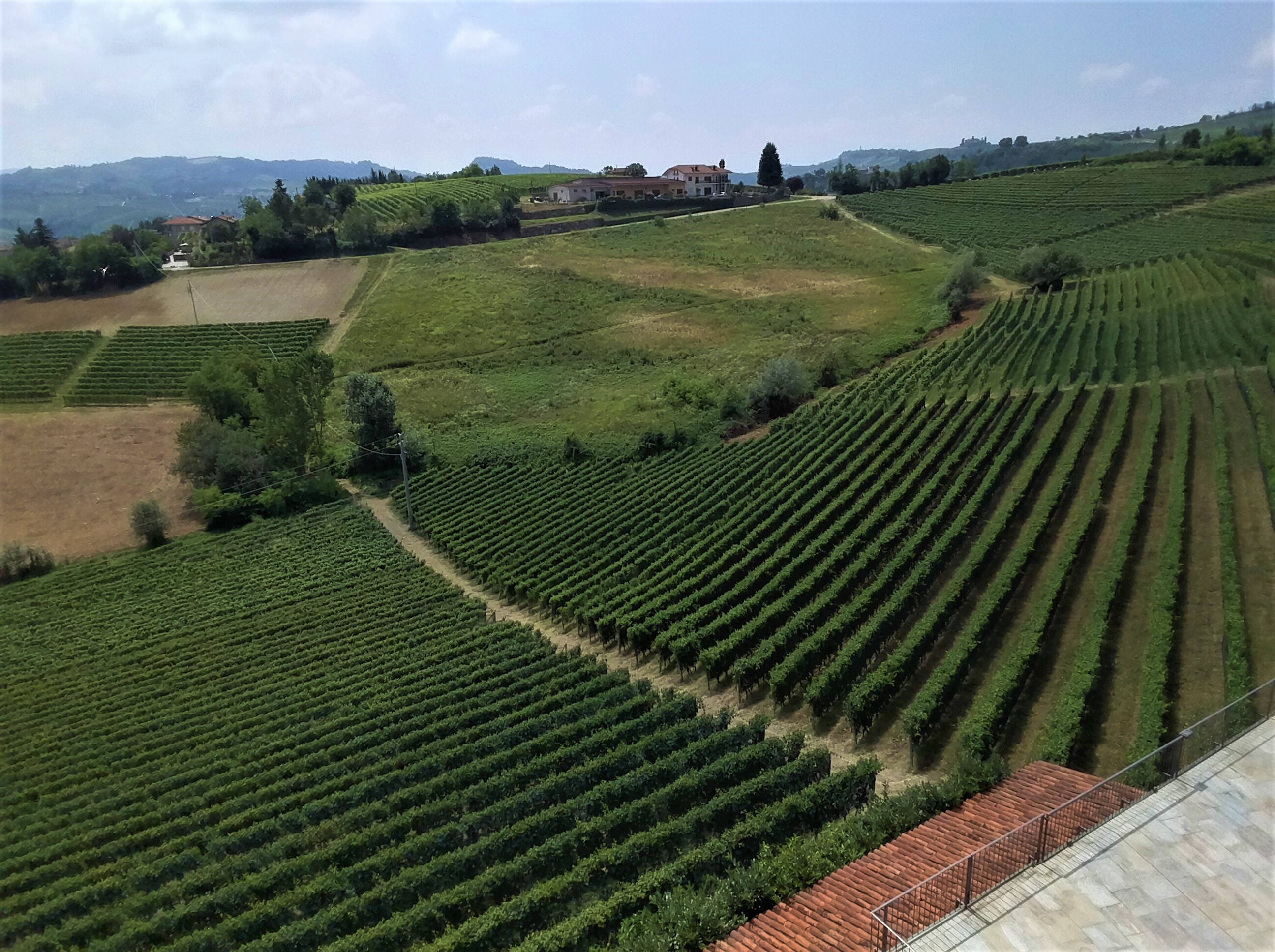
The Il Sarto sews together vineyards from two different towns which have different microclimate, exposure and terroir. One is the vineyard in the municipality of Roddi, with an altitude of about 200 meters and south exposure, and the other is from municipality of La Morra, the Castagni and Serra dei Turchi vineyards. At an altitude of about 380 meters with north-east exposure these vineyards are more fresh than the vineyard in Roddi.

Why the name Il Sarto

“Il Sarto” translates to “the tailor”. The choice of the name derives from two different reasons:

First, a tailor, with attention and craftsmanship, chooses and sews together the pieces of cloth that they consider best, giving harmony to the dress as a whole, in the same way this Nebbiolo sews together different vineyards, combining terroir from La Morra and Roddi.

Second, the tailor also represents the union of Diego Morra and Francesca. Francesca has origins in the north of Piedmont, in the area of Biella, which since the 1800 has been famous for the art of weaving, for fine fabrics that are sold all over the world. So the name “Il Sarto” also recalls the tradition of Francesca’s origins.

To sum up, Il Sarto represents two traditions sewn together: high quality wine and high quality tailoring.

Vinification

After a careful destemming, the spontaneous fermentation takes place in 8-10 days under constant temperature control (max.28-30°C), followed by short but frequent remounts and racking for about 10-12 days.  The wine-making process, the malolactic fermentation and large part of the aging process (which finishes with a period in wood) takes place in stainless steel containers during  a 12-16 month period.

Diego Morra Langhe Nebbiolo Il Sarto 2019 Tasting Notes:

The Diego Morra Il Sarto 2019 is quite explosive, similar to other 2019’s. Aromas of red berries, cherry and some pepper on the nose. Very fruity in the mouth, with round and approachable tannins. Very balanced with a long finish. Absolutely delicious!

Diego Morra Langhe Nebbiolo Il Sarto 2019

Fratelli Revello Barolo 2016

Climate in 2016

What is the best weather, you might ask. The reason it’s hard to answer this question is the fact that each step of the way, the grapes need different things. You want rain in the growing season, but not too much. During the harvest, the absence of rain is preferred. It needs to be warm, but not too warm, and you also want the nights to be cooler toward the harvest, but not too cool. The grapes are indeed quite high maintenance.

But then you have the “magic” vintages. The weather in 2016 was just about as perfect as can get for the Nebbiolo grapes. The growing season was long, there was an absence of natural disasters like hail, the weather was stable toward the end of the season and the harvest was late.

Fratelli Revello

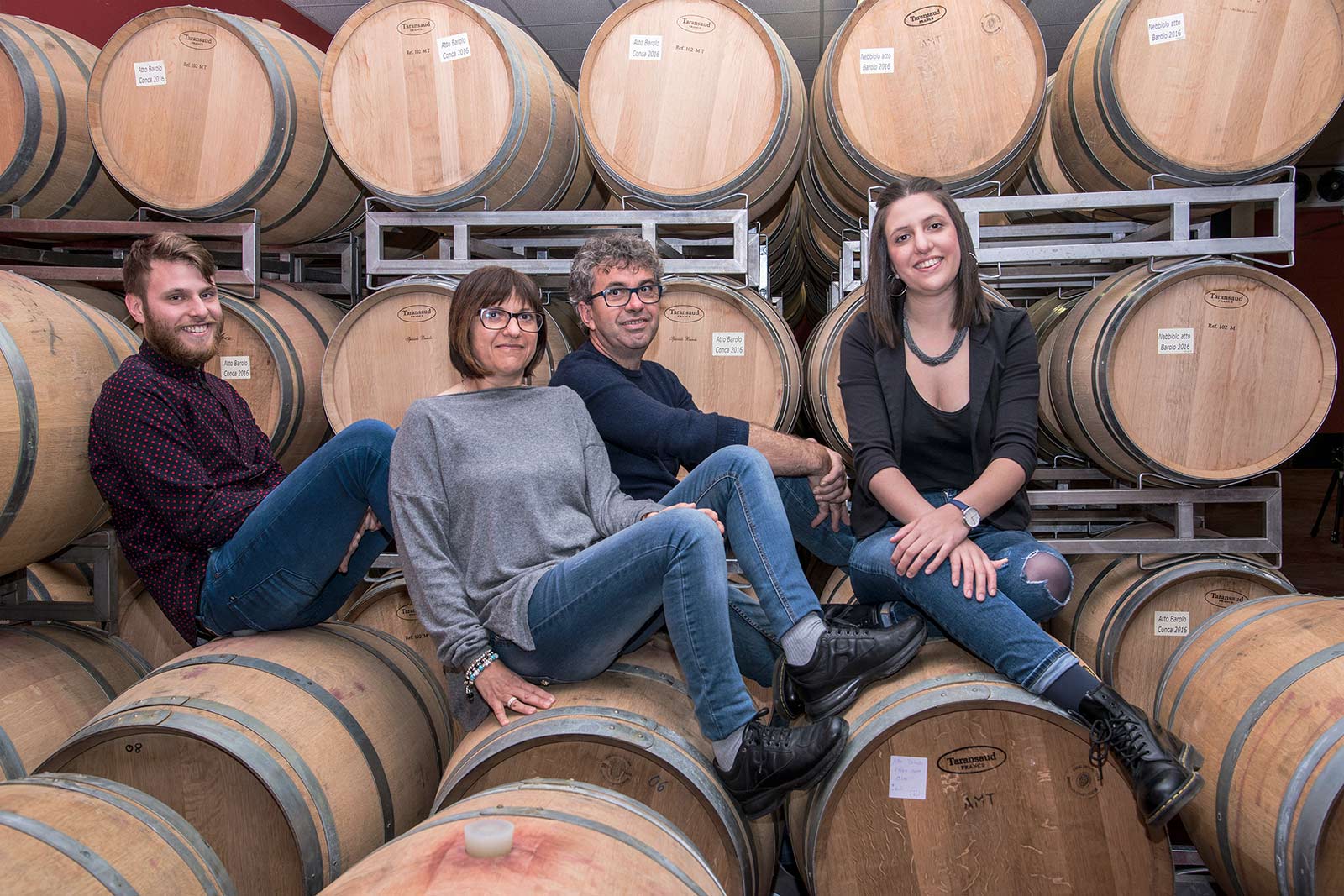
Fratelli Revello Family

The Fratelli Revello story dates all the way back to 1945, but it wasn’t until 1967 they started to vinify their grapes under a family label – Giovanni Revello & Figli. In 1990, Carlo and Lorenzo Revello took over the estate, and worked together until 2016 when they decided to go in different directions. Fratelli Revello stayed with Lorenzo while Carlo started his own label: Carlo Revello & Figli.

It’s quite common for wineries to divide and “multiply” as the family grows. The same happened to the Corino’s in 2005. Just imagine how many would end up working at a winery if everyone had 2-4 children each! I think it’s a win-win, because then each sibling gets to make wine in their own way and we get another interpretation of the wine!

Fratelli Revello Barolo 2016

Barolo 2016 – the vintage to rule them all? Every vintage is different. Some are hot, some are cold, some are dry and some are wet. And then you have everything in between. Sometimes, you have a vintage where everything kind of lines up. 2016 is such a vintage.

The Fratelli Revello Barolo 2016 is no exception. It seduces you with aromas of red berries, licorice, tobacco and roses. The wine is powerful yet elegant, with a round fruity feel backed up by a good structure.  

Fratelli Revello Barolo 2016