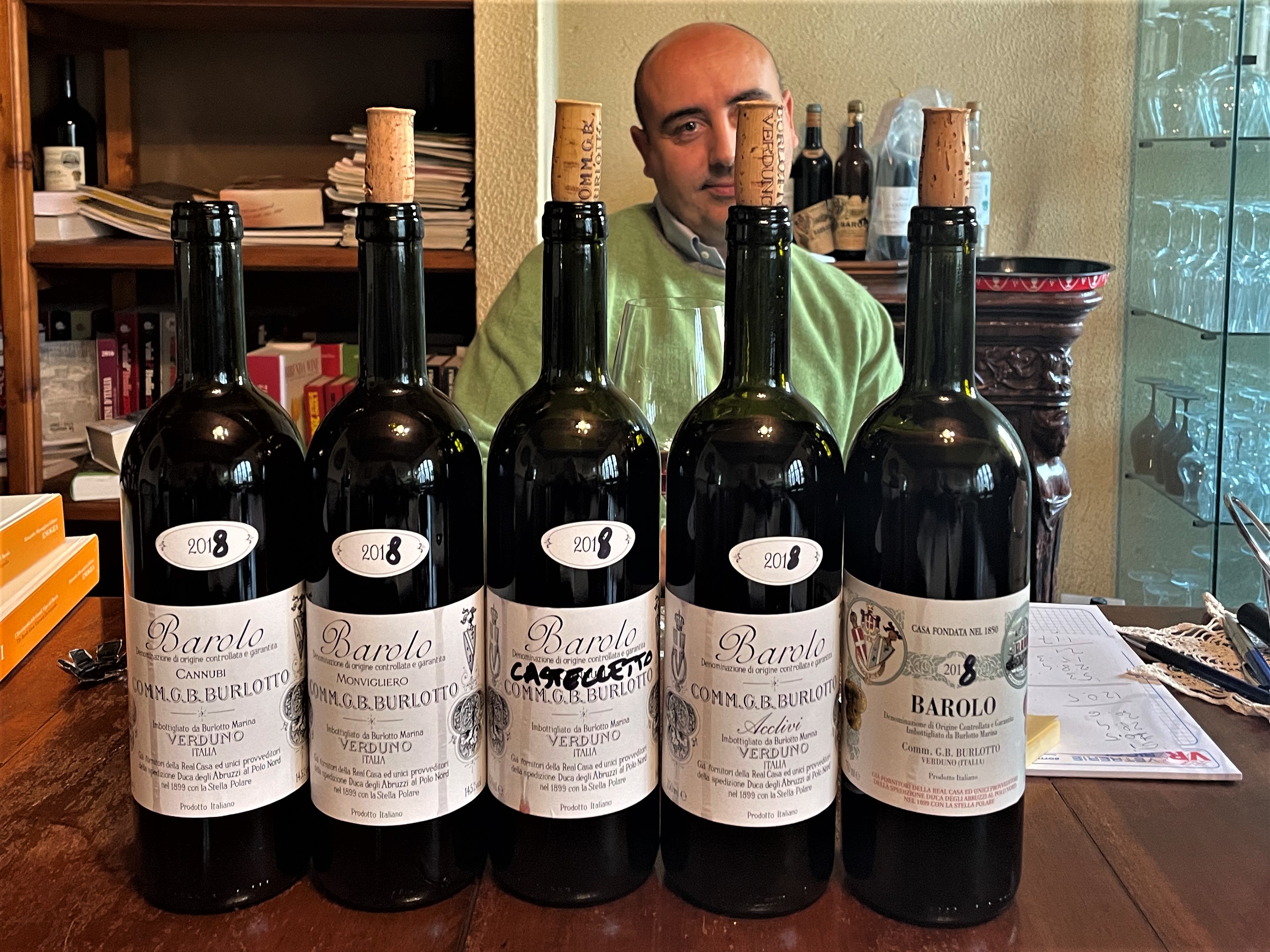
Introducing Burlotto Castelletto 2018 – the latest addition to the Burlotto estate. Fabio has been thinking about expanding his lineup for some time, looking mainly at vineyards in the south-east part of Barolo. At the beginning of 2018, opportunity came knocking. A plot in Castelletto had become available, and Fabio acquired about 1 hectares of vineyard. Which plot, you might ask? If you imagine the Castelletto hill, it’s located along the wooded area, towards the bottom. For a more accurate description, you can check out the zoom session with Fabio, where he talks about his new wine!
Castelletto
Castelletto is located in Monforte, near Gramolere, at around 250m.a.s.l. The highest part has looser, more sandy soil, while the lower part has more compact soil, giving the wine a bit more powerful tannins. The wooded area creates a slightly cooler microclimate than in Mosconi, perhaps giving the wine less intensity. At least compared to other Monforte Barolo’s, like Mosconi or Gramolere.
As Fabio said, “I adore the 18’s”. I too adore the 18’s. Don’t get me wrong, I like the 17. And 16. And 15. And 14. I think each vintage has their own characteristics, and will honestly go so far as to say that there is no such thing as a bad vintage. And it seems, on this, Fabio and I agree.
Because we pay a lot of attention in the vineyard and in the cellar, I think that it’s difficult to have a bad vintage
Fabio
According to Fabio, he had more work in the vineyards in 2018 than 2017. The spring was more humid, which led to more mildew. The wetness also led to more vegetation and good growth. Overall, the 18’s are quite approachable, gentle and elegant. Although Fabio finds it hard to predict the age of a wine, he thinks the 17 might age a bit better than 18. But as he also said, “it’s important to have wines that are more drinkable in the beginning.”
Burlotto Castelletto 2018
The Burlotto Castelletto 2018 has the structure of a Monforte Barolo, but the tannins were not invasive. So elegant in the nose, floral and fruity, with aromas of mint and orange, along with a balsamic note. A very balanced wine, with good length.
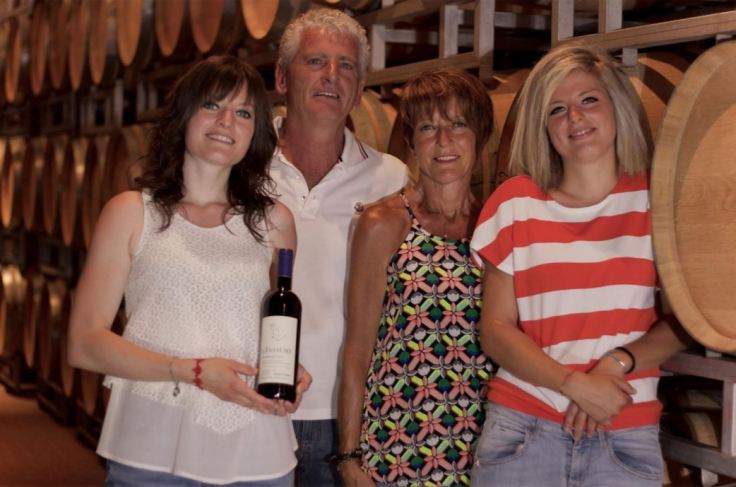
Smile. That’s what first comes to mind when I think of the Gianfranco Alessandria family of four. I have not met any family that smiles as much as and beautifully as they do. And while they smile a lot, they also work hard every day to make the best wine possible. Marta, the youngest daughter and last to officially join the family business just finished her studies at oenology school, and brings a lot of energy with her to work. The family travel the world to promote their wine and their story, and if you’re lucky you can catch up with them in New York, London, Verona or at their winery in Monforte.
Wines of Gianfranco Alessandria
Gianfranco Alessandria makes 8 wines in
total, spread out over 5.5 hectares. In their portfolio they have a Barolo and a
cru Barolo, Barolo San Giovanni. In addition to the usual suspects like
Dolcetto d’Alba, Barbera d’Alba and Langhe Nebbiolo, they also make a barbera superiore
named after Vittoria, a special Barolo called EnPiasì and a L’Insieme.
Winemaking
Their work is based on natural principles, respecting the time and methods required to obtain a product most correct in its form. They work as natural as possible only using minimal amounts of sulfur and copper sulfate, out of respect for the environment, as well as their own personal health. From the beginning Gianfranco Alessandria worked with a drastic reduction in the yields of grapes per hectare, which encouraged better ripening of the fruits, making them healthier and more robust to have a wine of higher quality. The vinification is with short macerations in temperature-controlled, vertical fermenters and ageing in small, french oak barrels. The way they work the and is a beautiful journey, which takes them among vineyards, winery and the world.
Fun fact
The EnPiasì wine is a result of Marta’s oenology education. The first year she made it, was for her exam, and to make it in time she had to declassify it from DOCG to DOC (she was missing a month or two of ageing.) EnPiasì means “a pleasure” and it sure was a pleasure to drink! And not it’s a part of the Gianfranco Alessandria portfolio
Fun fact II
Marta can sometimes be found at the local pizza restaurant, pitching in when they need extra hands!
Gianfranco Alessandria Portfolio
Wines available in:
Italy United Kingdom Australia Canada Russia Japan & other European countries
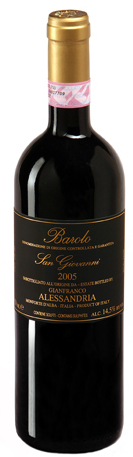
Barolo San Giovanni
A single vinyeard barolo, with vinyeard located in Monforte with a south-east exposure, this wine brings some of the best Monforte has to offer. The plants are 70 years old, spread out over 1 hectar, and with a drastic selection of the grapes (about 1.30kg per vine) the final wine is a perfect example of a barolo from this region.
Product name: Barolo San Giovanni Grape: Nebbiolo Classification: DOC
Color: intense ruby color with garnet Fragrance: fruity and spicy aromas Taste: right balance between acidity, tannin and structure.
VINIFICATION (Wine-making)
Ageing: 100% French Oak (50% new, 50% used) for 24 months
VINEYARD
% of Grape/Cépage: nebbiolo Soil: mixed white soil: tufo-limestone and sand Exposure: south-east Age of plants: 60-65 years old
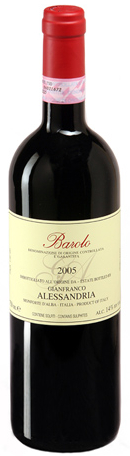
Barolo
The grapes come from the same vineyard as the San Giovanni, but some of the plants are younger, about 25-45 years old.
Product name: Barolo Grape: Nebbiolo Classification: DOCG Number of bottles produced:
Color: ruby-garnet inflections Fragrance: ripe fruit, wild rose and licorice Taste: soft and balanced with focused tannins
VINIFICATION (Wine-making)
Ageing: 100% French oak (20% new, 80% used) for 24 months
VINEYARD
Soil: mixed white soil: tufo-limestone and sand Exposure: south-east Year of plantation: 1975-2000
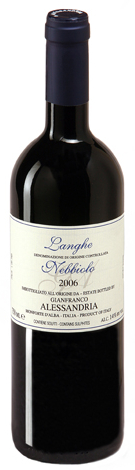
Langhe Nebbiolo
For the Langhe Nebbiolo, Gianfranco Alessandria uses young nebbiolo plants. The wine spends about 6 months in barrique, with 15-20% new oak.
Colour: garnet highlight Fragrance: wild rose and delicate red fruits Taste: elegant with rounded tannins
VINIFICATION (Wine-making)
Ageing: French oak (10% new, 90% used) for 5-6 months
VINEYARD
Soil: mixed white soil: tufo-limestone and sand Exposure: south-east Year of plantation: 2005-2018
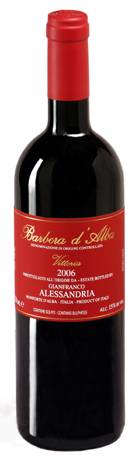
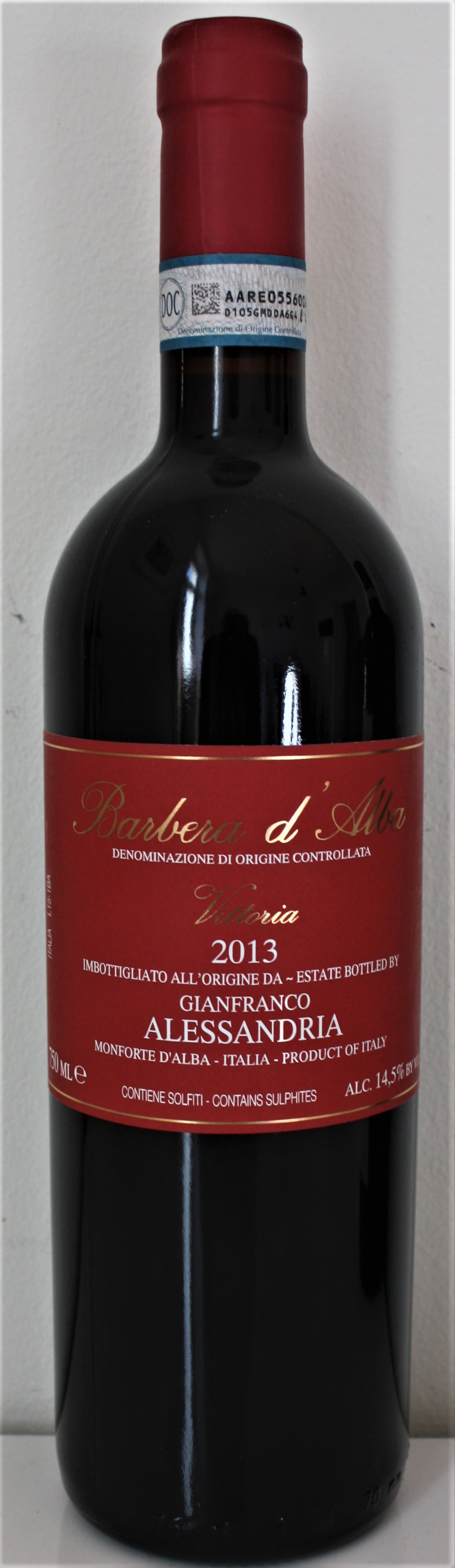
Barbera d’Alba Vittoria
The Barbera d’Alba Vittora is named after the oldest daugther, Vittoria. It’s a barbera superiore, so in contrast to the other barbera, this wine is aged in wood for about 18 months.
Product name: Barbera d’Alba Vittoria Grape: Barbera Classification: DOC
Colour: intense ruby, purple hues. Garnet hue when ageing Fragrance: herbaceous and fruity aromas with hints of mature black fruit Taste: long and persistent finish with balancing acidity
VINIFICATION (Wine-making)
Ageing: French oak (40% new, 60% used) for about 18 months. (Second passage only)
VINEYARD Exposure: south-east Year of plantation: from 1936 +
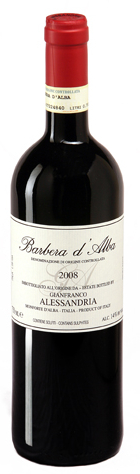
Barbera d’Alba
This is their “regular” barbera, aged only in steel tanks for about 6 months, allowing the fruit to express itself naturally.
Color: ruby red dark color, very intense Fragrance: hints of red fruit like cherry, blackberry, strawberry Taste: medium bodied, velvety and important acidity
VINIFICATION (Wine-making)
Ageing: steel tank for about 5-6 months
VINEYARD
Exposure: south-east Year of plantation: 1960 – 2009
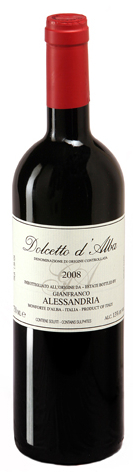
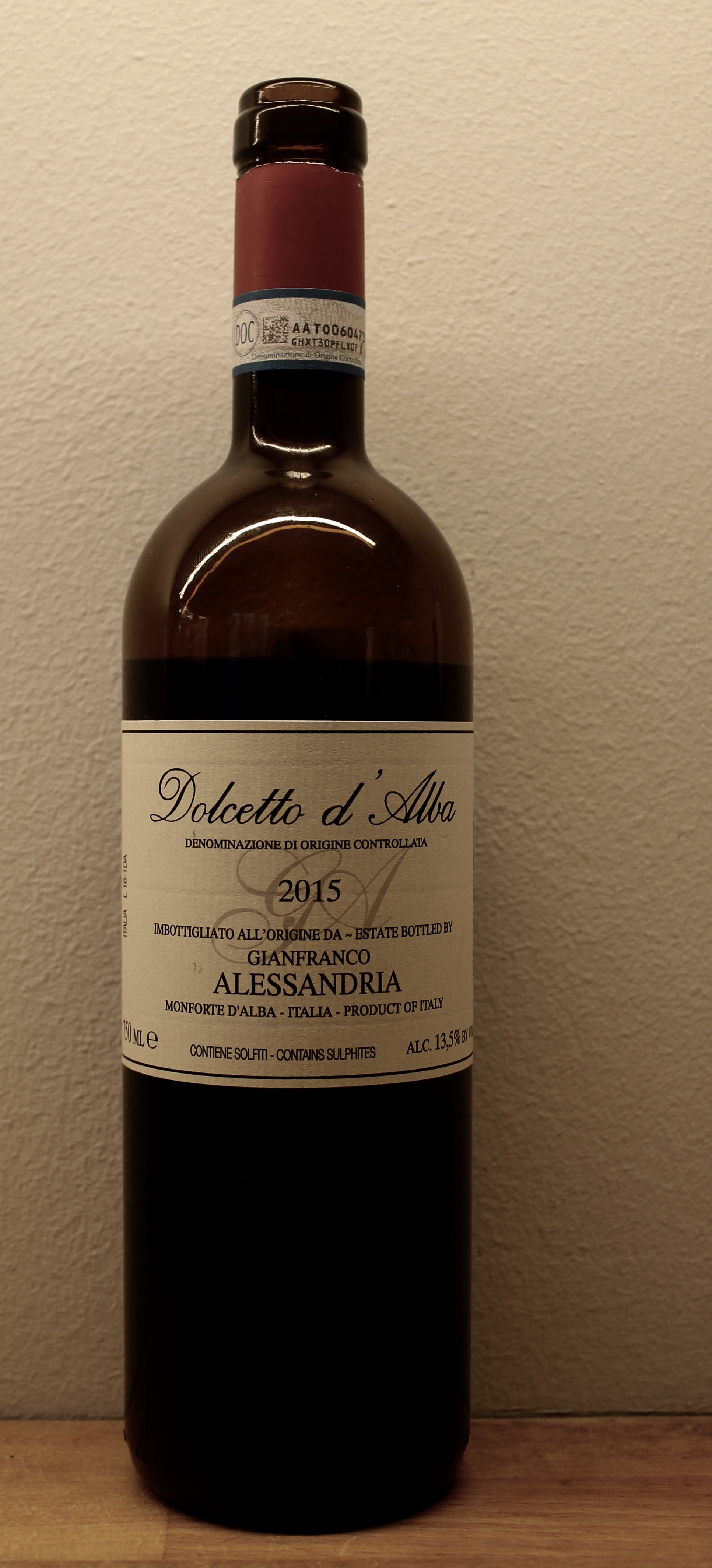
Dolcetto d’Alba
Dolcetto, the every day wine, is made in stainless steel tanks. The dolcetto is known for its very intense ruby red color. Some of the plants that are used for this wine were planted in 1970.
Color: ruby red with intense violet hues Fragrance: fresh, fruity Taste: fresh, fruity and youthful
VINIFICATION (Wine-making)
Ageing: steel tank for about 5-6 months
VINEYARD
Exposure: south-east Year of plantation: 1970+
Barolo EnPiasì
The EnPiasì wine is a result of Marta’s oenology education. The first year she made it, was for her exam, and to make it in time she had to declassify it from DOCG to DOC (she was missing a month or two of ageing.) The name EnPiasì means “a pleasure”.
Product name: Barolo EnPiasì Grape: Nebbiolo Classification: DOCG Number of bottles produced: 150 magnum
Colour: light ruby color, with garnet reflections Fragrance: fruity and spicy aromas Taste: fresh and vigorous, round palate. Right balance between acidity round tannins and structure
VINIFICATION (Wine-making)
Method: harvest by hand, around middle of October. Destemming by hand, berry by berry. Fermentation is 1000lt barrel (frenc oak) for about 12-15 days with temperature around 24-26Malolactic fermentation in steel tanks. Temperature: 24-26 degrees celcius Length: 12-15 days Aging: 100% French oak (third passage) in 225lt barrel for 24 months
VINEYARD
% of Grape/Cépage: Soil: mixed white soil: tufo-limestone and sand Exposure: south-east Year of plantation/age of plants: 60-65 years old
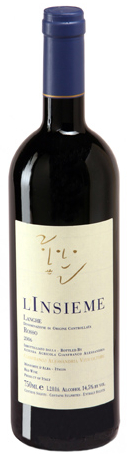
L’Insieme Langhe Rosso
L’Insieme is group of winegrowers from the Langhe, united by a project, a dream and a goal. Elio Altare is the founder. The project aims to make wines which, under a single brand, tell a story of friendship and collaboration, of hard work, shared passion for the Langhe and its outstanding grapes. The dream is that, from this union, the resultant label will be a symbol of friendship and mutual aid. A wine that is our personal way of thanking the land that gave us our roots and its support.
Our goal is to make L’Insieme wine a practical ethical tool, allowing us to fund projects of high social value as a way of giving back to our local area a part of the good fortune and beauty it has given us. The wine is It is actually a combination obtained from the individual decisions taken by each producer, from traditional grape varieties such as the Nebbiolo, Barbera and Dolcetto, with grapevines introduced only recently to the Langhe area, such as Cabernet Sauvignon, Merlot or Pinot Nero.
Winery Wednesday: This time I am taking you to Monforte
In case you haven’t been paying attention, I have been doing Winery Wednesday for quite some time now, recommending wineries to visit in the Piemonte region. This wednesday it’s Manzone’s turn.
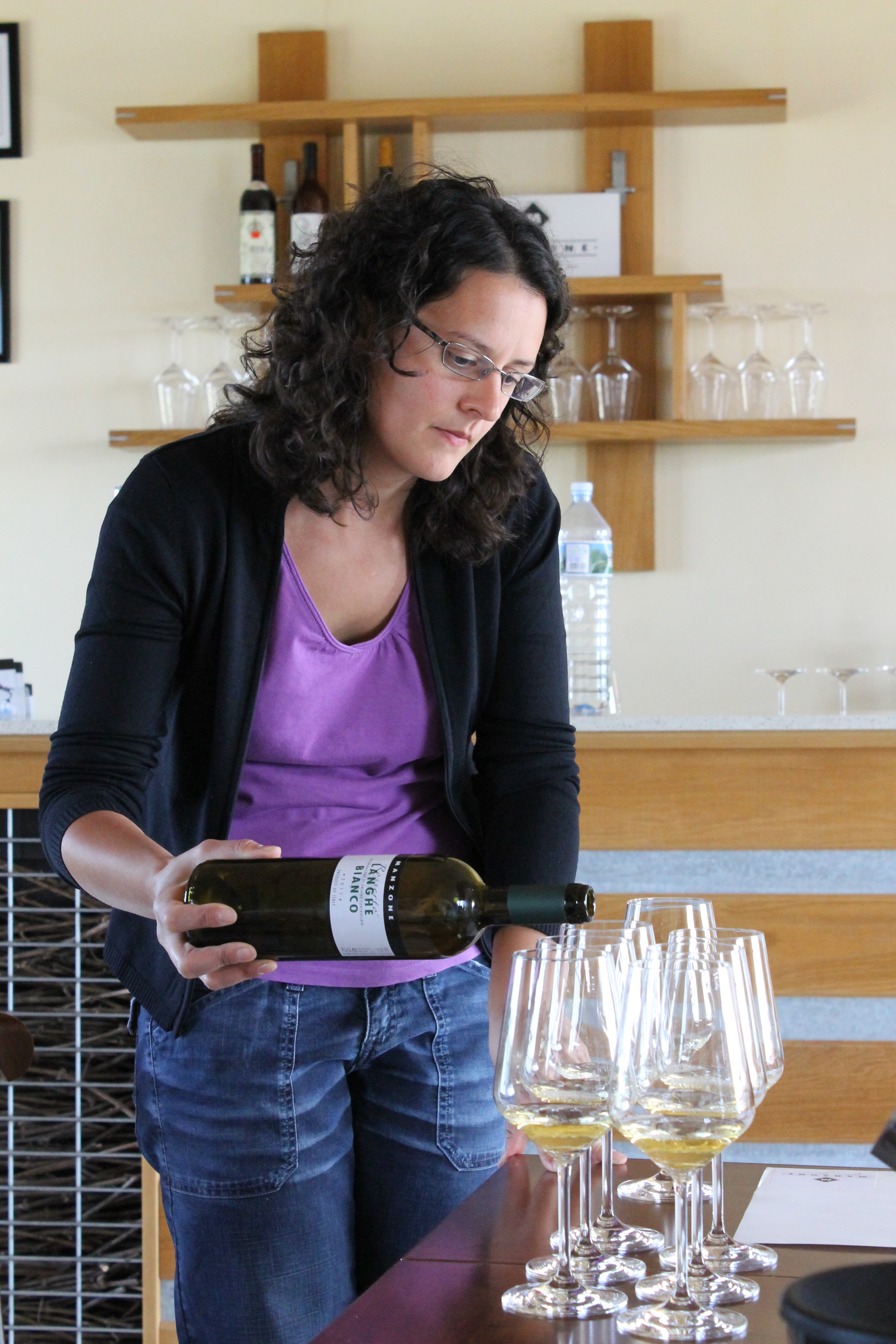
Mirella Manzone
Manzone is located a little “out of my comfort zone” (we all know I am a La Morra fan), but you should make the trip! And if you’re lucky you get to meet Mirella (pictured above). Mirella and her brother Mauro recently joined their father Giovanni at the winery, and the three of them work together to produce the wines.
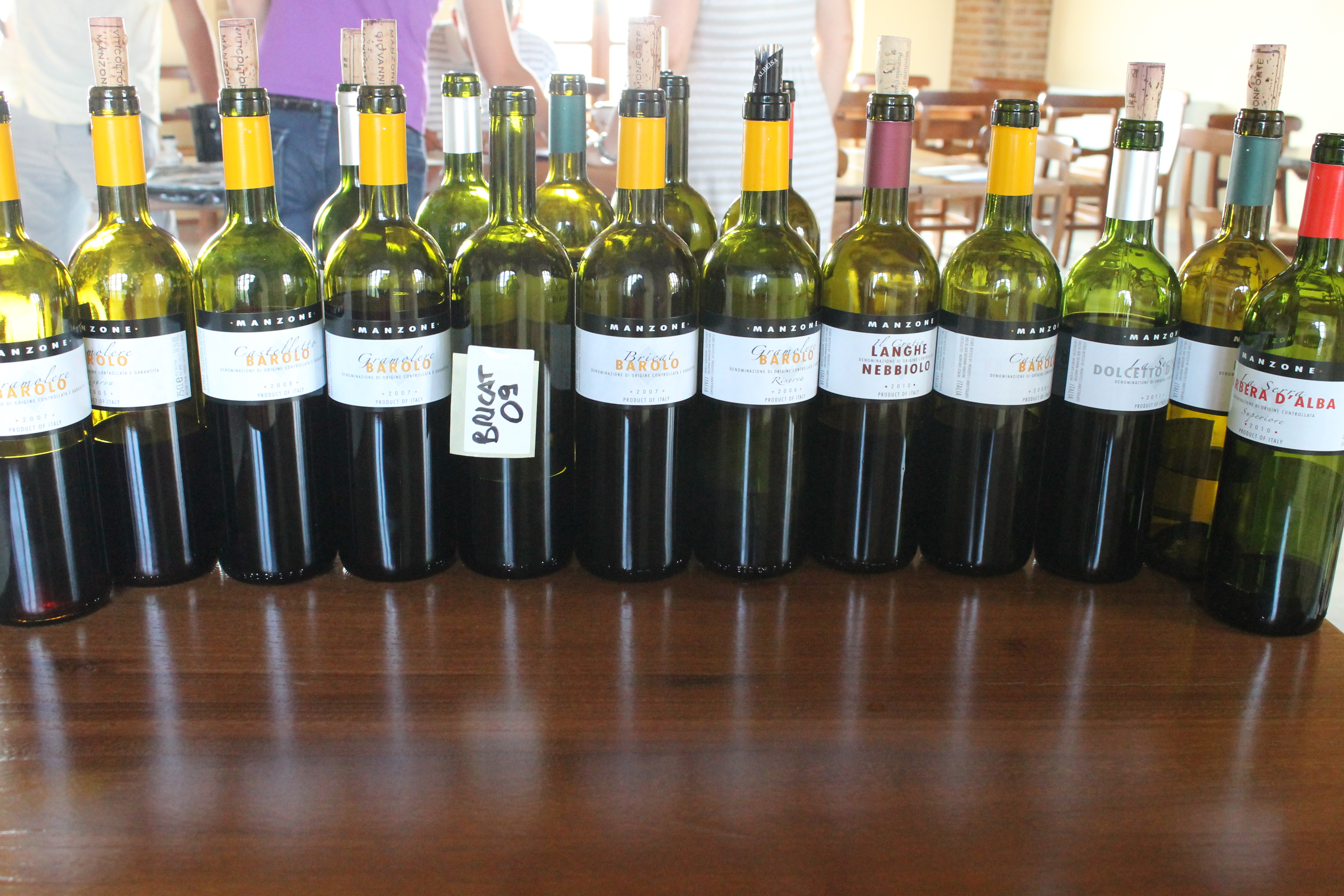
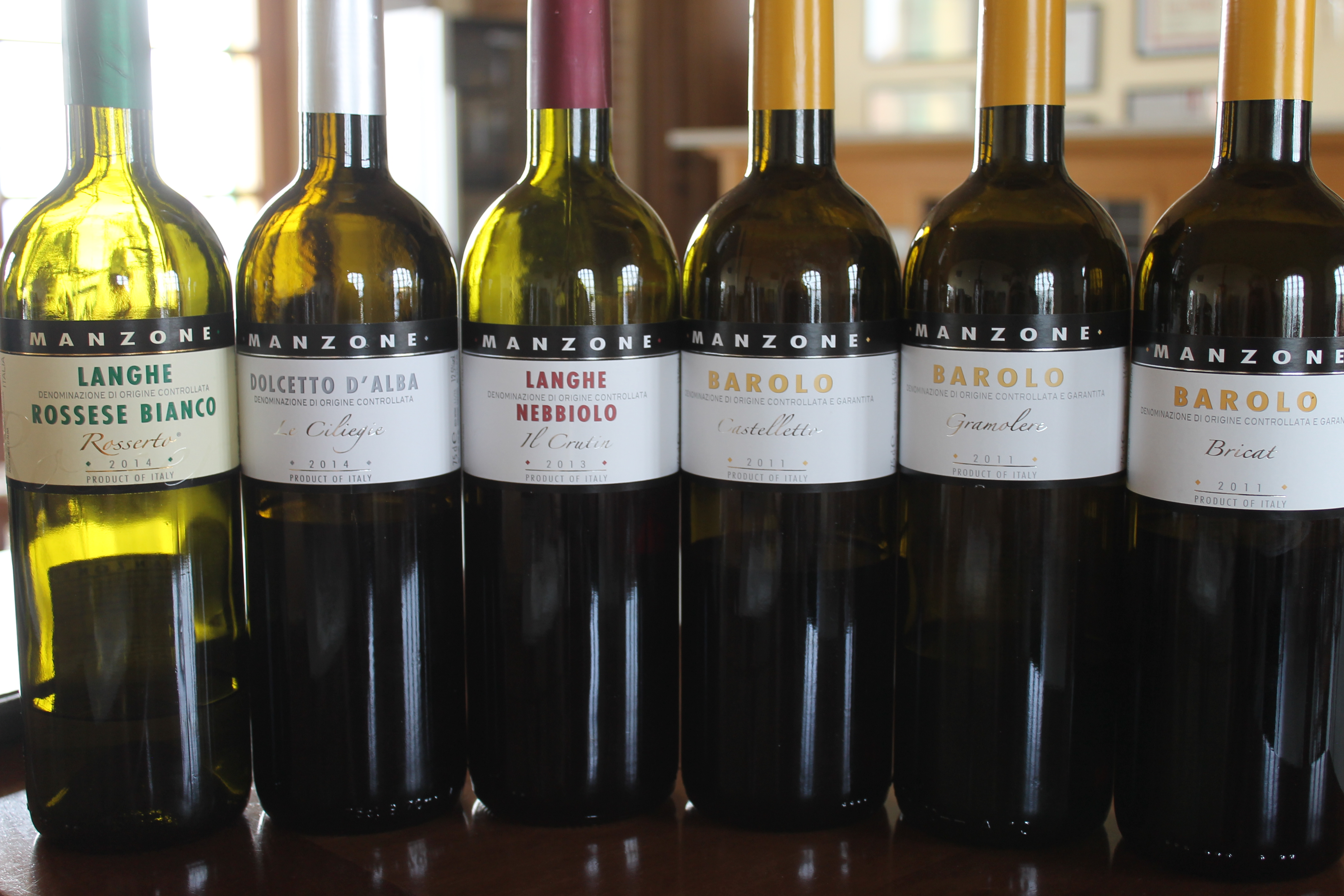
Manzone has a pretty good selection of wines as you can see below. And what’s cool about them is that all their wines have names. Normally all the cru barolos have names, but Manzones dolcetto is called “Le Cilegie” and the Barbera superiore is called “La Marchesa”. They also produces a white wine, Langhe Rossese Bianco, a fairly unusual grape that originally comes from Cinqueterre.
Manzone Lineup
Anyways, if you are looking for a winery to visit, stop by Manzone. You can check out their website here. And stay tuned for another Winery Wednesday next week!
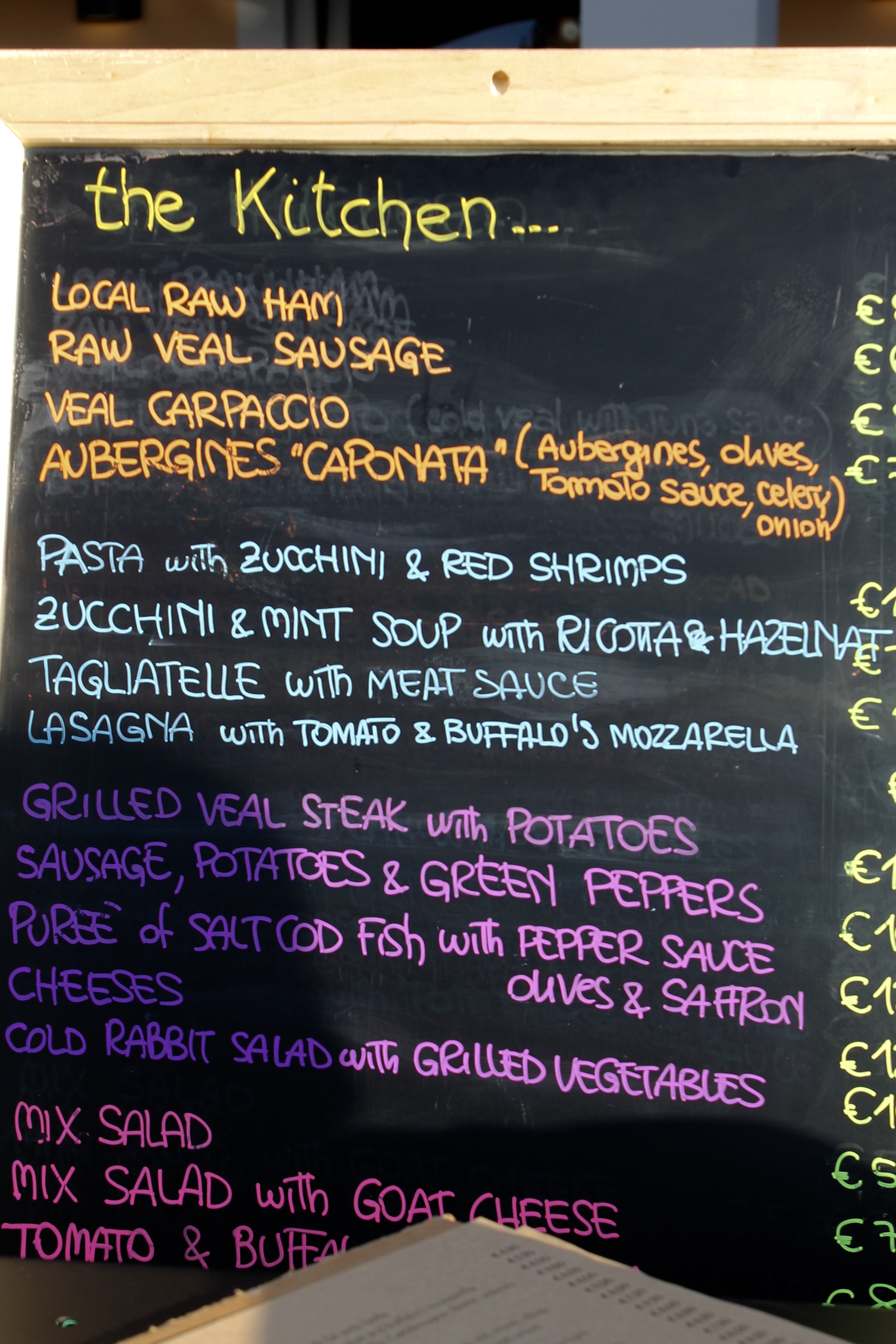
Piemonte is easily associated with good food. Good pizza, however, is hard to come by. If you are looking for Pizza, Monforte is the place to go. Right in the Piazza is an excellent pizza place. The have other dishes of course but it is a common place to get pizza. They also have a very good wine list and because it’s located in the piazza, it is usually quite lively. One Friday during our vacation, we had Friday Pizza here. I got my usual Margherita with prosciutto! It was belissimo!
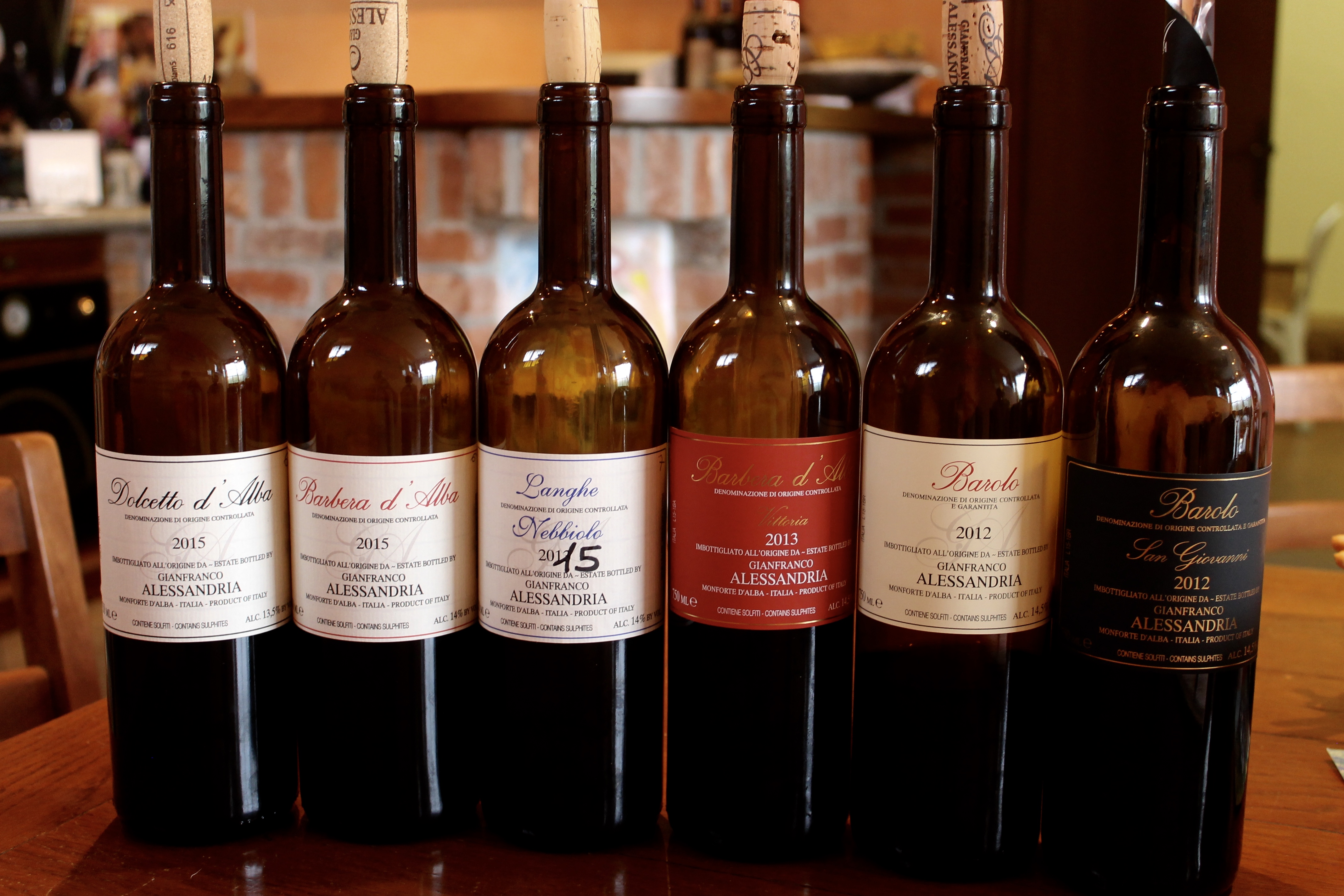
This was my first time visiting Gianfranco Alessandria, although not the first time trying his wines. His two daughters, Vittoria and Marta, showed us around and tasted with us. Gianfranco took over the winery after his father died in 1986, which happened to be the year of the freak hailstorm that destroyed all the vines, so no wine was produced that year.
Today the family produced about 45 000 bottles of wine spread out across the different wines. They produce Dolcetto, Barbera, Barbera “Superiore”, Langhe Nebbiolo, Barolo and one Barolo Cru.
We tried the 2015 Dolcetto, Barbera and Langhe Nebbiolo. 2015 is looking good, very powerful and intense compared to the 2014 which are more light. Then we tried the Barbera “Vittoria” 2013, a more concentrated and powerful Barbera due to the age of the vines and the more strict selection of grapes. The 2012 Barolo does not have as strong a structure as the 2011, but it is a more classic vintage. It may take some more time in the bottle, but I though it drank very nicely. Last we tried their Cru, Barolo San Giovanni 2o12. I have tried this before, but a 2000 (it was 15 years old at the time) and it was fantastic. I am excited to see the evolution of the 2012.
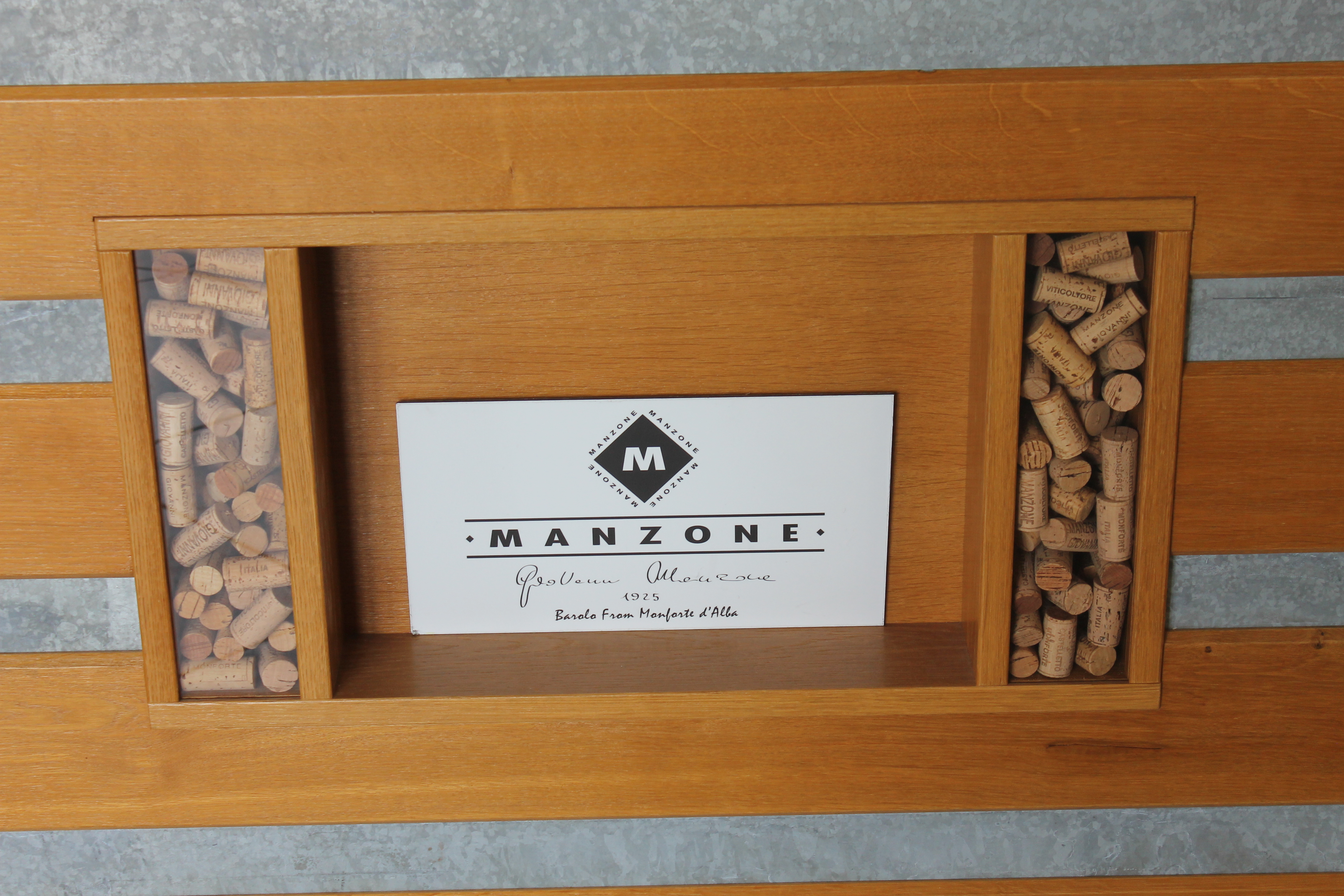
In March I went to Manzone for the first time. The winery is located a little outside of Monforte. I was lucky to meet Mirella, Giovanni Manzone’s daughter. Mirella joined her father at the winery in 2012. Giovanni bought a plot of land in 1925 and started making wine, and today they produce 9 different wines.
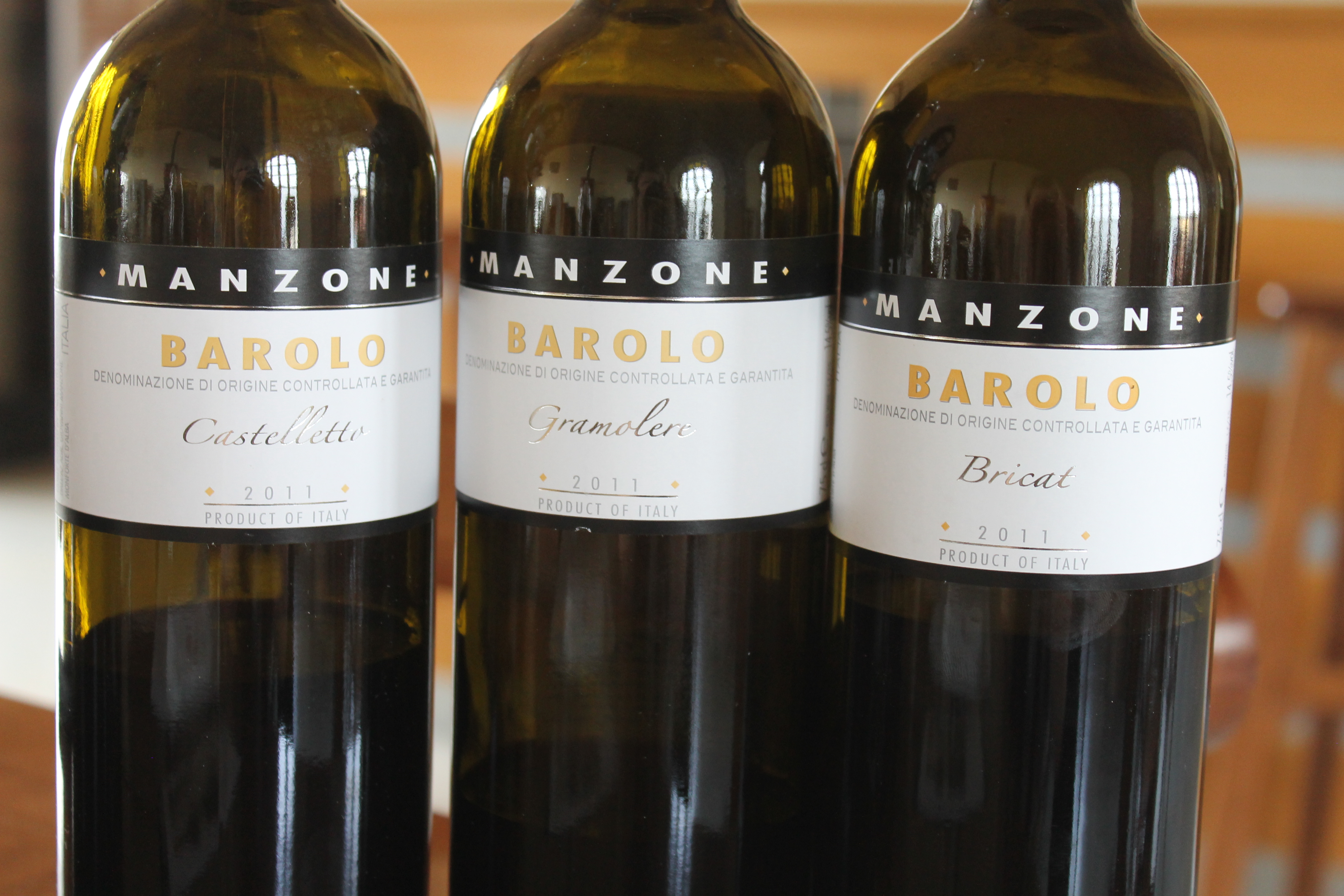
I tasted 6 wines. We started with the white, a Rossese Bianco. I have never tried it before, it was very interesting, very fun to try. We then moved on to the dolcetto, which is one of my favorite wines. Dolcetto is so easy to drink, very fresh. And Manzone’s was no exception. We then tried the langhe nebbiolo before we moved on to the barolo. We tried 3 different crus. It was very fun to try the different crus together. The only difference between them is the terroir. So the different crus are each an expression of the soil.
It was very nice to meet Mirella and I hope to be back again soon!
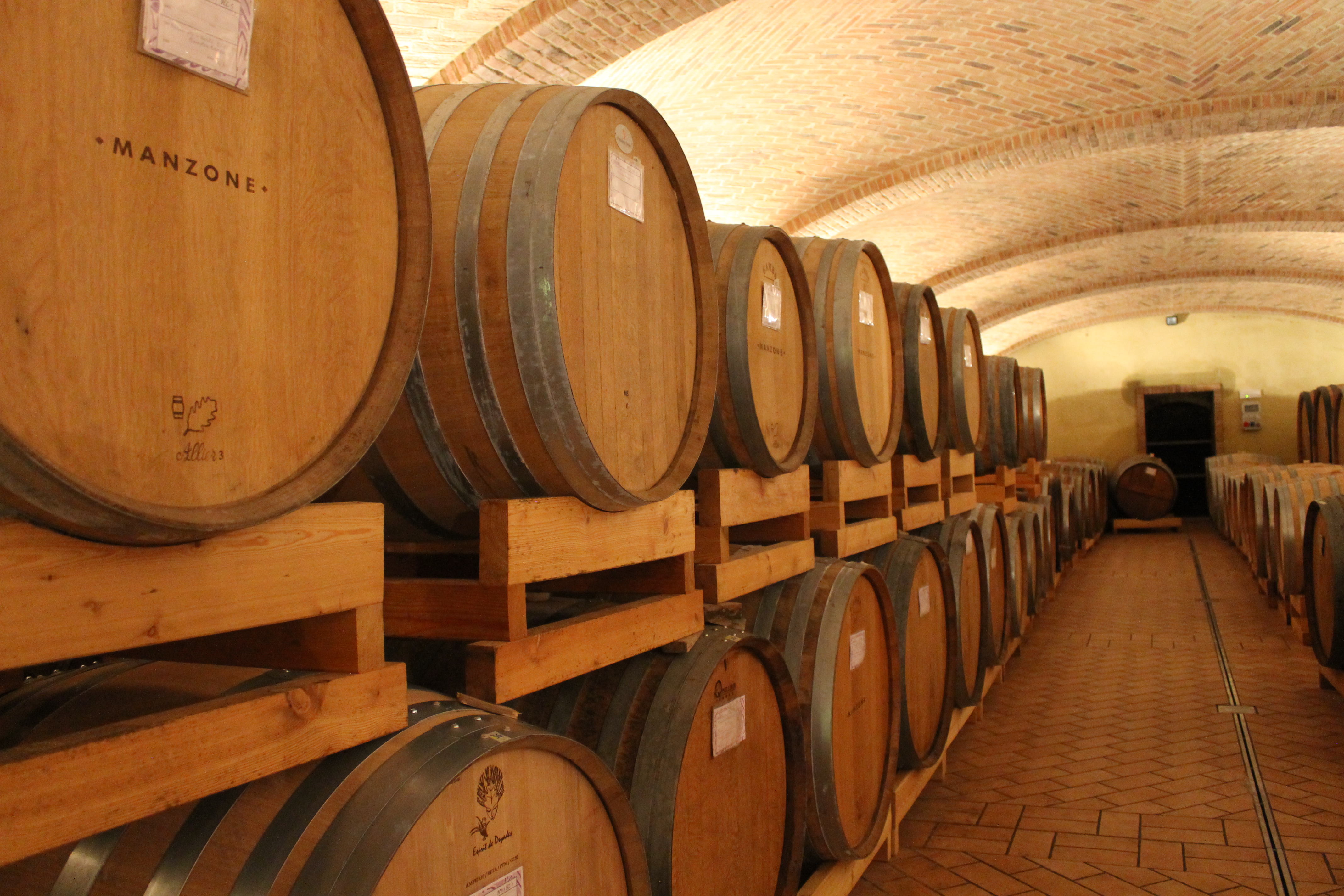
On the 6th day of my trip I started with a wine tasting at Manzone in Monforte. I had the pleasure of meeting with Mirella, and she showed me the cellar and a few of her wines. I will write more about my visit at a later time.
After the tasting I drove back to La Morra for lunch at Osteria Veglio with Isabella and Pietro Oddero. I know Isabella very well from before, but I only recently had the pleasure of meeting Pietro in Oslo at Territoriet when he was here for a wine tasting. For lunch we had Marchesi di Gresy’s Sauvignon.
After lunch I drove straigth to Brezza for a quick tasting and to buy some wine. Amanda, she works at Brezza, is a very nice young lady from America. We have spent some time together from before, so the tasting was more of a catch up. She has started a blog, check it out here: http://www.amandaswineadventures.com/
After Brezza I rushed over to see Carlotta Rinaldi and her beautiful dog Vida. I always love visiting Rinaldi. The whole family is great. And it is always a blast when Beppe *Citrico* joins us, as he did this time! The visit had more to do with dogs and motorbikes than to do with wine, although we did have the chance to try some of their fantastic wines.
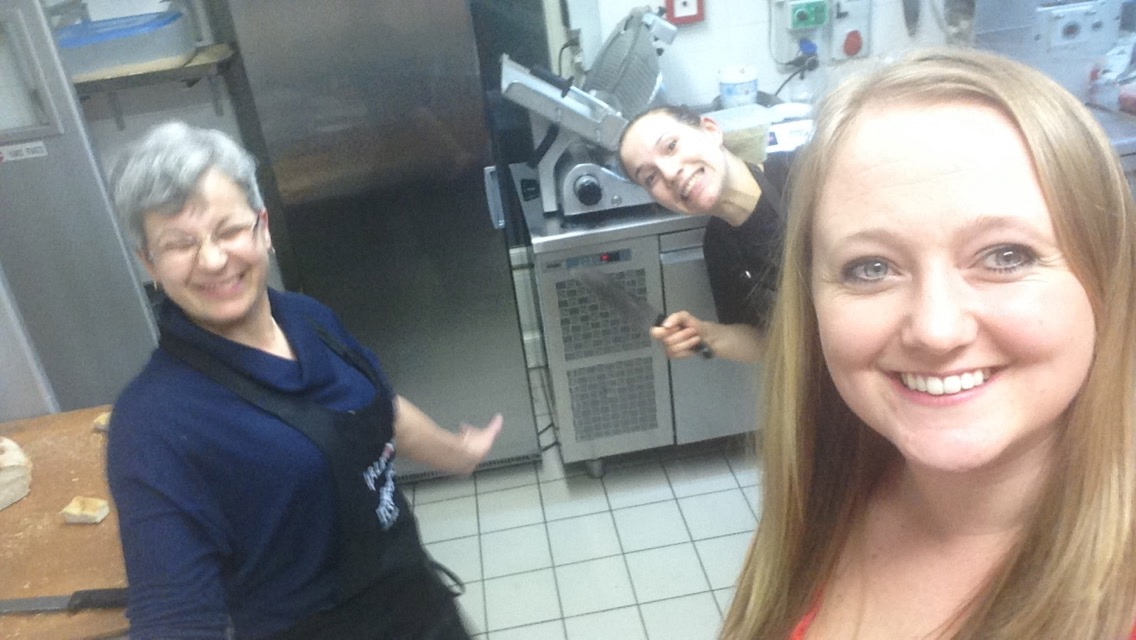
The night ended not so quietly at More e Macine with a little too much wine that I actually consumed in the kitchen. A first for me. I spent the majority of my time with the staff in the kitchen, trying both food and wine while dancing to *Watch me whip*. This was a day for the books.




 PIEMONTEGIRL