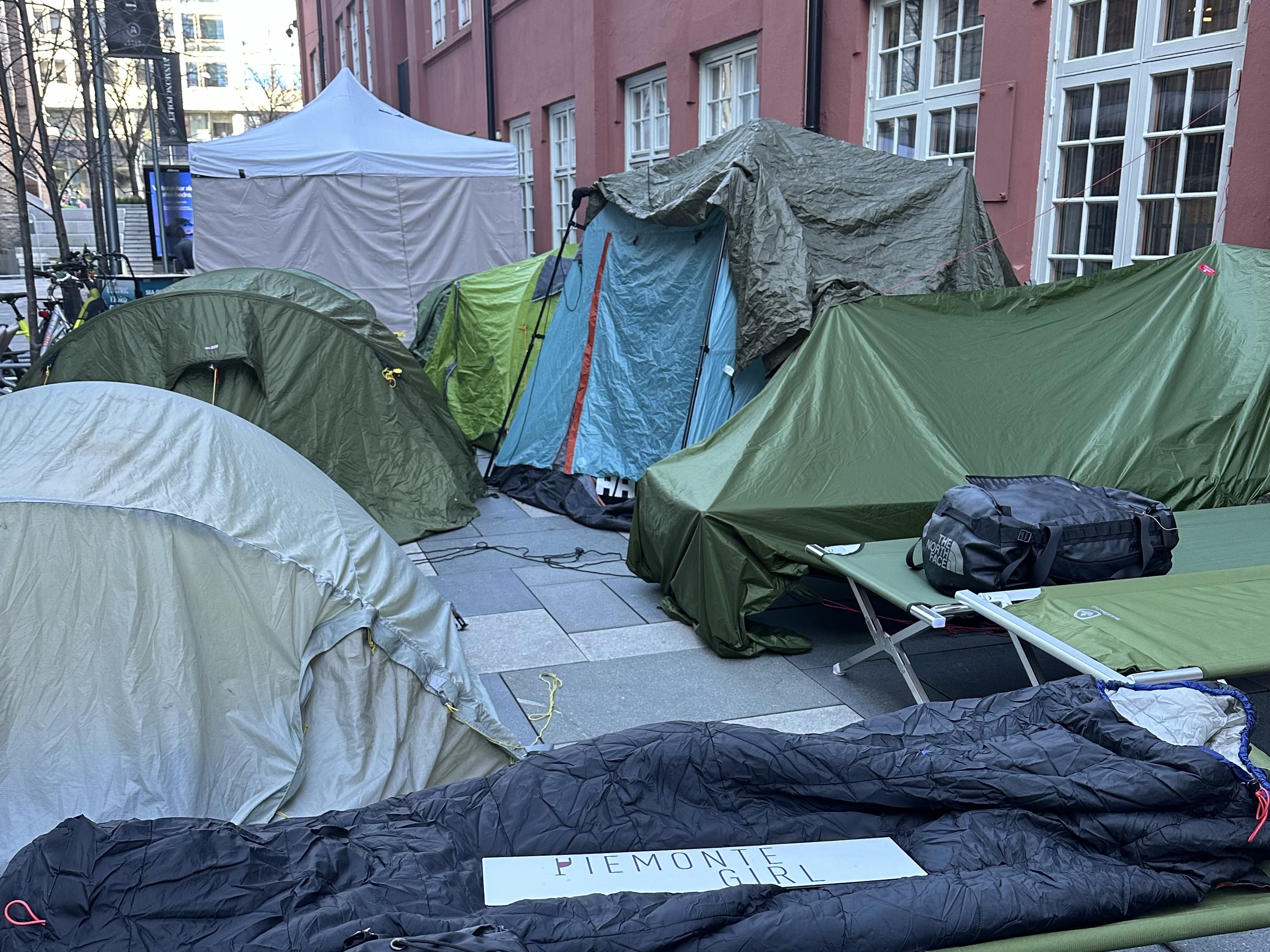
If it was on purpose, I totally get it. Either way, don’t worry! There are countless amazing wines available that you don’t have to sleep outside in the freezing Norwegian winter for. And with the selection of wines available at these releases being as disappointing as they are, there’s almost no point in queuing anymore. With a few exceptions. Also, if you have no idea what I’m talking about, you can read about it here.
Anyways, if Burgundy is what you’re looking for then there are a few options that won’t cost you an arm and a leg. It’s expensive, but that’s just the reality these days. My point is that here are some wines that don’t require queuing and won’t break the bank. Wines that are of high quality but for some reason didn’t make the cut for the list of the Burgundslipp.
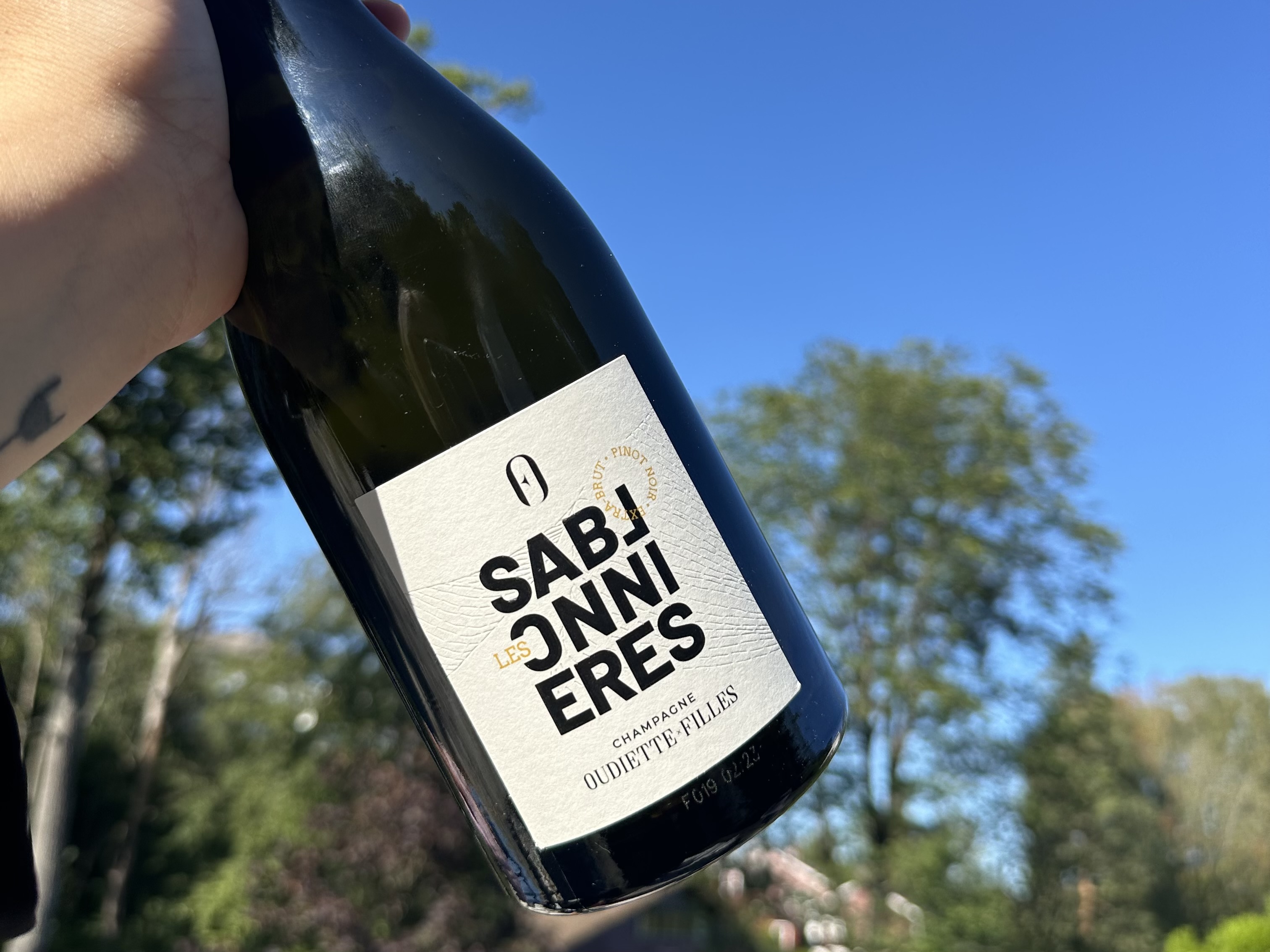
Since we’re on the topic of wine from France it’s har to skip past Champagne. Also an expensive region, but sadly, again, that’s just reality. I like highlighting some lesser know winemakers, so I’d like to direct your attention to two sisters making Champagne in Epernay. I can’t wait to visit them one day, but until then I am enjoying their wines as often as I can.
You’re probably thinking “Finally!”. I get why some are confused about why Piemontegirl is talking so much about wines outside Piemonte. Which is fair. But you can relax now. We’re back to regularly scheduled programming. And there are quite a few gems to be found in Piemonte.
Most of you are probably already quite familiar, but let’s talk about Barolo. I mean, what is Barolo? I honestly don’t really know where to start but I guess I could start with the basics. Barolo is a wine made in the Barolo area, and it’s made with the Nebbiolo grape. There are strict rules with regards to the location and the vinification process of the grapes, and unless you follow those rules, you can’t call it a Barolo. I’ll just touch on some of the rules really quickly:
The grapes have to come from inside the Barolo area, which includes 11 villages
The wine has to age for a minimum of 18 months in oak
The wine should age for 36 months in total, the rest of the aging taking place in the bottle
Barolo – where to start?
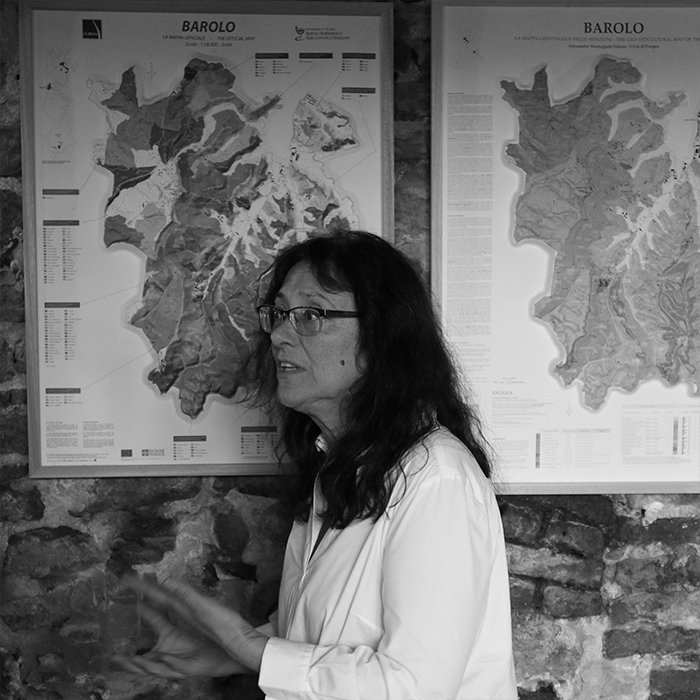
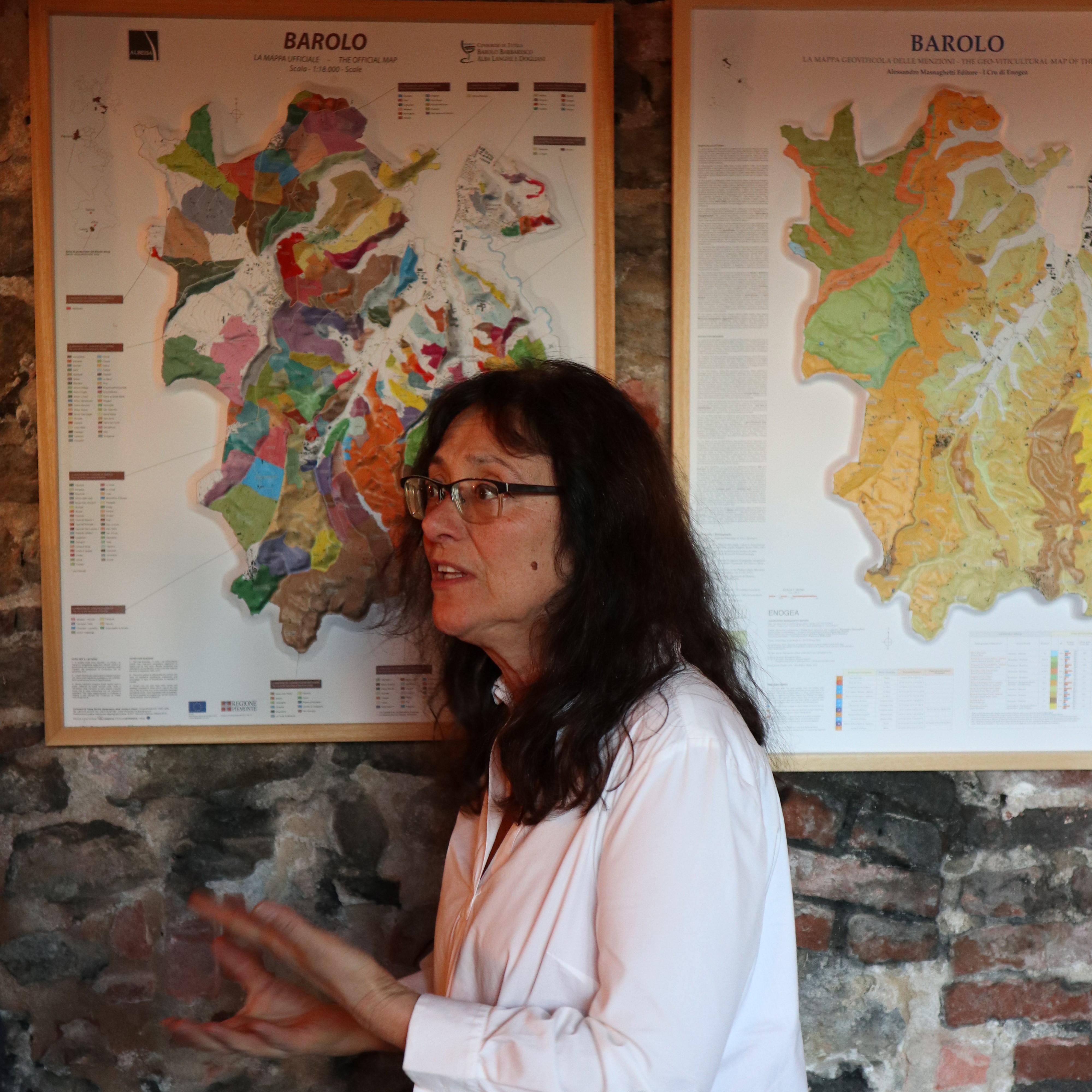
Now, like I mentioned before, there are 11 villages in which you can make Barolo. Some are more “famous” than others, like the Barolo village. But one of the most important things when it comes to Barolo is the terroir. The terroir varies quite dramatically across the Barolo area, in the different villages. So much so that it’s common to make Barolo’s with grapes harvested from very specific vineyards, and there are called single vineyard or cru Barolo’s. One of the most important educators on this topic is Alessandro Masnaghetti, aka Map Man Masna. I think terroir should have it’s own article, so I won’t go into too much detail here, but basically, the soil, the altitude, the climate and the biodiversity in each village plays a huge role in how the wine tastes. And I swear it’s evident in the different wines. Don’t believe me? Try it for yourself and see!
Where to start?
Ok, let’s talk about Barolo and how to start exploring the different kinds. One way, is to start at the top (literally) and work your way down. In the north you’ll find the village of Verduno. Burlotto is one of the first winemwakers that come to mind here, but his wines are nearly impossible to find these days. But don’t worry! Diego Morra also makes a Barolo Monvigliero, as well as a classic Barolo, so you could start there. Next up on this mini tour of Barolo: La Morra. The Cristian Boffa Barolo del Comune di La Morra is a safe bet. Another favorite is the Brunate from Marengo. And let’s not forget about Arborina. Nadia Curto, Giovanni Corino and Elio Altare come to mind. There are obviously many more wines I could suggest, but the article would be 7 pages long with a 100 links…
Moving right along to Castiglione Falletto, one of the wines that immediately come to mind is the Barolo from Cavallotto. Alfio and Giuseppe make really good wines, from their Pinner to their top cru Barolo. In certain vintages, I’d dare to say that their Langhe Nebbiolo resembles a “baby Barolo”. Just a friendly tip… From Barolo there’s the Francesco Borgogno Castellero. You could try to get your hands on a Chiara Boschis Cannubi, but those are a bit harder to come by.
We’ve made it all the way to Serralunga, at least for those of you who kept reading. If you haven’t already, you have to try the Barolo from Daniele Grasso. I could give a lengthy explanation why, but this is already a long article, so you’ll just have to take my word for it. Serralunga, similar to other towns in the Barolo area, is quite known for one vineyard in particular: Vignarionda. I’d give the one from Luigi Pira a try. But Vignarionda can be quite punchy, and is on the more expensive side, so another option is the Barolo del Comune di Serralunga. It will be a bit more approachable and won’t leave as big a dent in your wallet.
Last, but not least: Monforte d’Alba. There are some important Cru’s in Monforte as well, but my mind immediately goes to the Gianfranco Alessandria Barolo San Giovanni. Their classic Barolo is also a Monforte Barolo, so that’s another option. A more unknown cru within the borders of Monforte is Perno. You might know Perno because of Repubblica di Perno, one of my favorite restaurants. Right across the street you’ll find a brand new winemaker named Paolo Giordano. He makes a Perno Barolo, and it’s definitely worth a try.
Disclaimer: I know I didn’t touch on all 11 villages here, but I tried to include some of the most important ones. The thing to note is that I didn’t forget them! Maybe that’s a topic for the next article?
Barolo 2018 – delicious or disappointing? That is the question. But we’ll dig into that a little later. First, let’s look at some facts. As a stark contrast to 2017, which was very dry, 2018 was quite rainy. There were 62 days of rain during the growing season, just like 2014, which was considered one of the rainiest years of all time. But a few things distinguish 2014 from 2018, including the temperature. The temperature was on average higher in 2018 compared to 2014, especially towards the end of the growing season.
So what does all this mean? Well, first of all, too much rain leads to a lot of work in the vineyards. All that humidity creates perfect conditions for downy mildew, a fungus growing on the grapes. The winmakers combat this by spraying copper sulfate, but they basically have to spray after every rainfall. If you have half a hectare, that’s probably not too big a deal, but when you have three, five, or 14, it’s a lot of work.
The heavy rain combined with the high temperatures, also means quite a lot of growth in the vineyards. Which in turn meant they had to be vigilant about managing their vineyards. I think that’s really the key in any vintage: work in the vineyard. Fabio from Burlotto prefers to call himself a “winegrower” and not a “winemaker”, because he first and foremost considers himself a farmer. And when you pay a lot of attention in the vineyards, “it’s difficult to have a bad vintage.”[i] And I agree. In my experience, a good winemaker will make good wines in every vintage. And so in some vintages, like 2018, my advice would be to chose the winemaker and not the wine, if that makes sense.
Langhe July 2018
Barolo 2018 – many different opinions
I am not the first to share some thoughts on Barolo 2018. There have been split “reviews” on this vintage, both from the winemakers and from the wine reviewers. Some are on the more dramatic side, to the point of almost condemning the vintage. Others bear a more hopeful tone, highlighting that despite the difficulties of the vintage, the resulting wines are actually of higher quality than excepted.
Galloni said it’s “the most erratic, frustratingly inconsistent Barolo vintage” he has ever encountered. [ii]
Masnaghetti, a great source of information when it comes to Langhe, and the godfather of the Barolo maps, wrote this in his Barolo 2018 Vintage report: “In the history of Barolo, and not merely of Barolo, the vintages which presented themselves at their origin as problematical have been anything but rare. But, in a hypothetical classification of all the vintages, very few would be able to rival 2018.”[iii] But although the season was difficult, he thinks the wines will be “classified in the future as of good level.”
Joshua Dunning, the talent behind Word On The Grapevine, called the vintage a “tangram”. If you had to google that word, don’t worry, I did too. A tangram is “a Chinese puzzle made by cutting a square of thin material into five triangles, a square, and a rhomboid which are capable of being recombined in many different figures”. [iv] And I think it’s a fairly spot on description. He goes on to say that “challenges notwithstanding, the finished wines are an altogether more positive picture than their contributory climatic components might suggest.”[v]
Davy Żyw from Berry Bro’s and Rudd dared to say that the Barolo 2018 has “a Pinot Noir-style personality.”[vi] The same comparison was made by Fabio Alessandria when I visited him November 2021. Davy Żyw made some good points in his Barolo 2018 Vintage Report, including that the “best wines of the ’18 vintage showcase the strength of this multifaceted and extraordinary terroir, elegantly choreographed and infused by an equal sense of calm and place.”
Now, some of you might be waiting for Piemontegirl’s opinion on Barolo 2018. I have to start by saying that I believe there is not such thing as a bad vintage. However, I do believe there are bad wines. I think there is a difference between the two. What is it that they say? The proof is in the pudding? Well, in this case, the wine… There are so many really good 2018 Barolo’s out there. Floral. Fruity. Balanced. Elegant. Crisp. Wow. Beautiful. Incredible. These are only some of the words I used to describe Barolo 2018. And so yes, the growing season was difficult. And yes, overall this vintage might lack some structure compared to 2017, 2016 and 2015. But there are plenty of good Barolo’s out there. You just have to find them.
Here are some of my favorites:
Barolo 2018 Tasting Notes
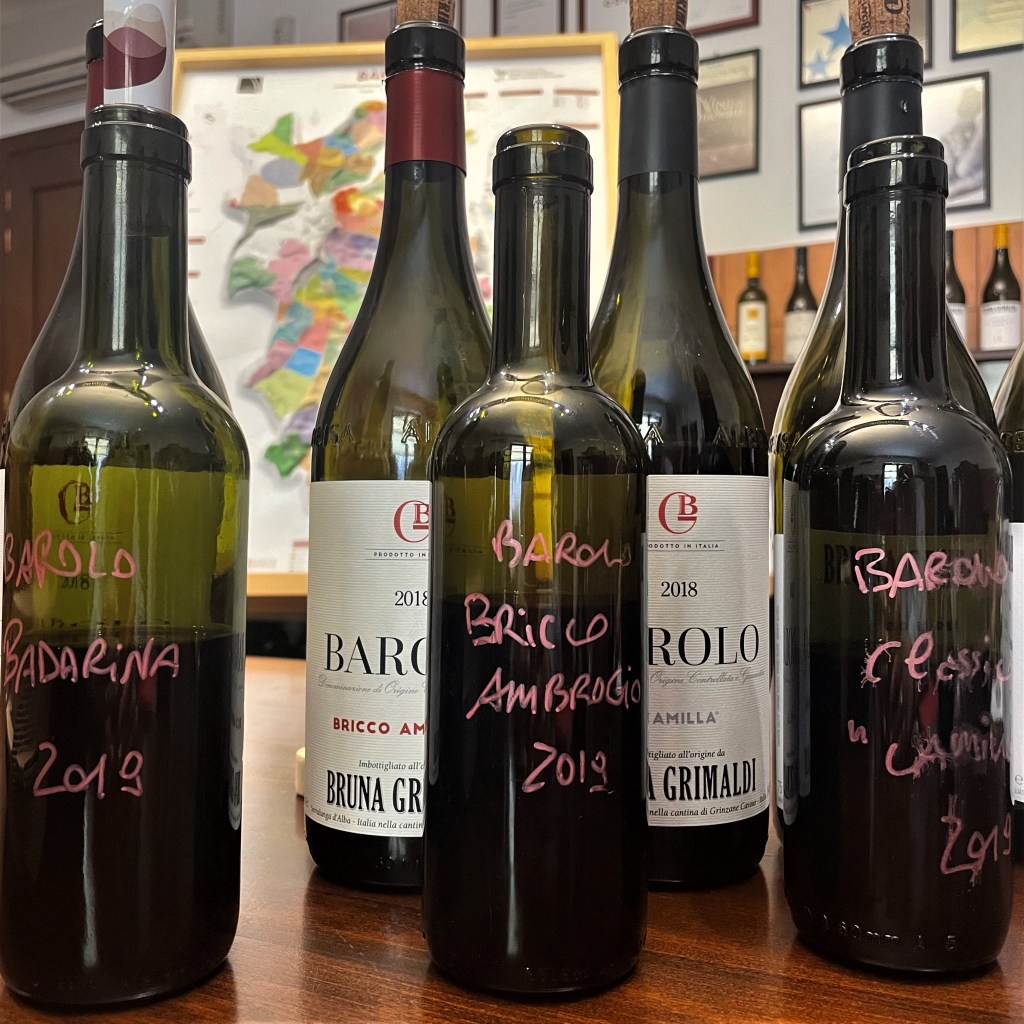
Bruna Grimaldi Barolo Bricco Ambrogio 2018
A classic nose, floral and fruity. Silky tannins. A very approachable Barolo.
Bruna Grimaldi Barolo Badarina 2018
A slightly vegetal and austere wine. Aromas of red fruit, leather and balsamic. Good structure.
Burlotto Barolo 2018
Masculine nose with aromas of leather and tobacco, but still fruity and quite approachable. A gentle and elegant wine.
Burlotto Barolo Acclivi 2018
The Acclivi is a bit deeper than the Classico. So elegant in the mouth with a very gentle structure. Fruity and crisp, with a long finish.
Burlotto Barolo Monvigliero 2018
Incredible nose with aromas of white pepper and red fruit, with a hint of spice. It was actually a bit spicy in the mouth as well. A very distinctive wine with a lot of personality.
Burlotto Barolo Cannubi 2018
With the Cannubi, the word elegance springs to mind. Elegant nose, elegant tannins, elegant structure. If I were to pick a wine to demonstrate how a Barolo should smell, this one would be a perfect example.
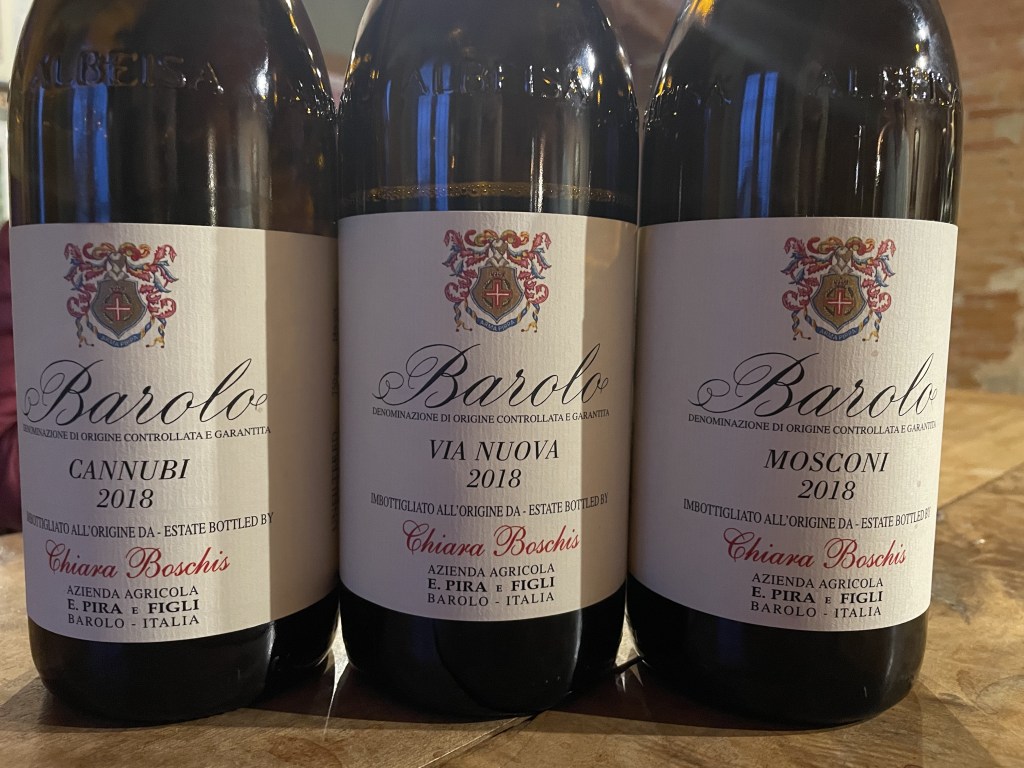
Chiara Boschis Barolo Cannubi 2018
I kid you not, my notes actually say “holy shit”. What a nose! Crisp, mineral, complex, rich, beautiful, feminine. There are aromas of tar and roses. Good depth and long finish. Chiara herself describes the Cannubi as “a kind wine”. And I can’t argue with that.
Chiara Boschis Barolo Via Nuova 2018
The Via Nuova is a bit more austere. A fruity and balanced wine. I agree with Chiara that the 2018 Barolo’s are more Burgundian than other recent vintages.
Chiara Boschis Barolo Mosconi 2018
I guess the word I’d use about Mosconi is “more”. More complex nose, more masculine, more spices, more structure. There are also hints of orange, apricot, peach and white pepper in this wine.
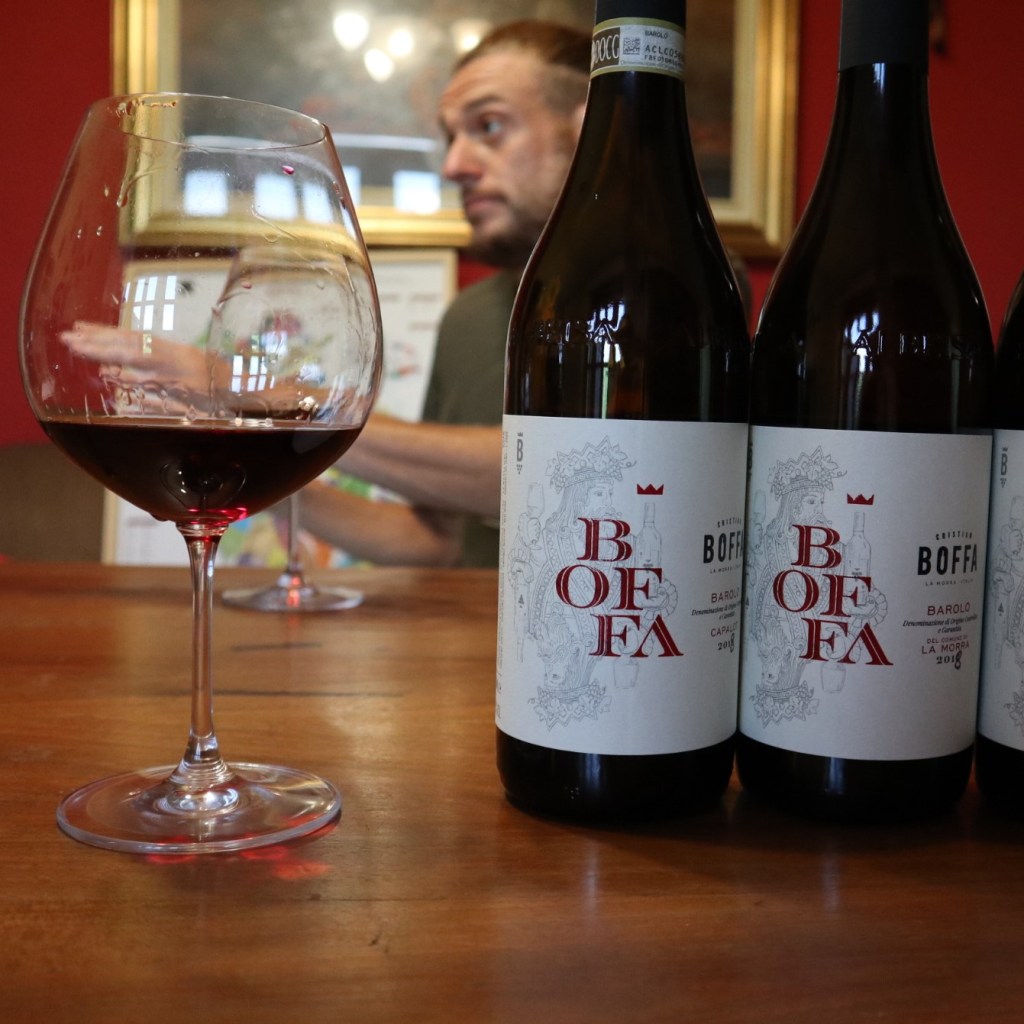
Cristian Boffa Barolo 2018
A delicate and balanced Barolo, with aromas of red fruit and strawberry. Long finish, with round, sweet tannins. A very good Barolo!
Diego Morra Barolo Zinzasco 2018
Beautiful nose with aromas of fruit, flowers and white pepper. Round tannins and good body. A wine with quite a lot of depth.
Diego Morra Barolo Monvigliero 2018
Floral aromas with hints of white pepper. A very good wine with good structure. Might need some time to open up fully.
Fratelli Revello Barolo Gattera 2018
The Revello Gattera has aromas of red fruit, liquorice and roses. It’s an elegant wine with soft tannins.
Marengo Barolo Bricco Delle Viole 2018
Wow! What an incredible nose. So floral and fruity, yet complex. Smooth tannins. Easy to drink.
Marengo Barolo Brunate 2018
Tried this straight from the tank, before it went into the bottle. A beautiful wine. Complex nose with aromas of leather, tobacco and a hint of chocolate. Good balance and structure. Long finish. balance.
Marengo Barolo Riserva 2018
“Very young, but so good.” Enough said. Or maybe not, but that’s all my notes said…
Nadia Curto Barolo La Foia 2018
Amazing nose with aromas of roses, red fruit and a hint of tar? Good body with round, smooth tannins.
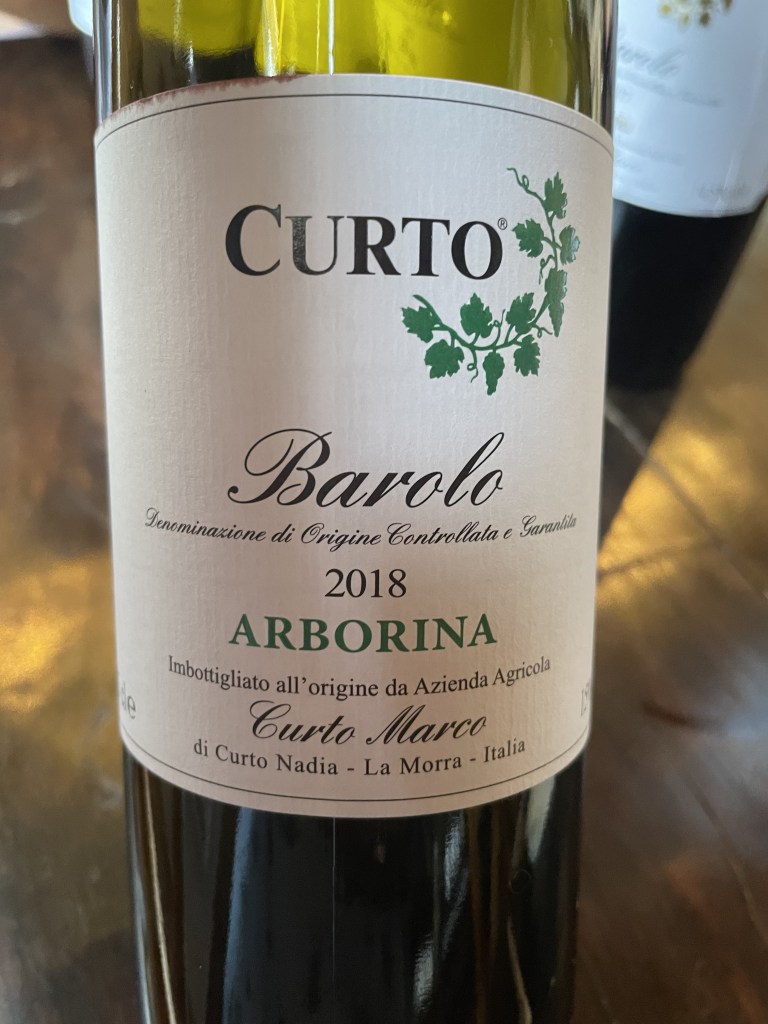
Nadia Curto Barolo Arborina 2018
The Arborina might be a bit more complex than the La Foia. More leather, tobacco and spice aromas. More powerful, more intense. This might be due to the south exposure and long extraction.
Paolo Giordano Barolo 2018
I was really impressed by this wine. Good structure, but still easy to drink. Round, well integrated tannins. And it really opened up in the glass.
Roberto Voerzio Barolo Del Comune de La Morra 2018
A complex wine with a good nose. Aromas of spices and a hint of mint. Delicious. Good grip in the tannins. A long finish.
Roberto Voerzio Barolo Brunate 2018
I’ve tasted this both from tank and from bottle. The tank sample had an incredible nose. Concentrated with aromas of dark fruit. Elegant. Classic. Then, when I tasted from the bottle the nose was quite closed. But it had that wonderful combination of a feminine nose and complex body. Tannins were a but dry, but the aftertaste was incredible. Long finish.
Roberto Voerzio Barolo Fossati 2018
I also tasted this from both tank and bottle. When I tasted from the tank the wine was quite masculine with aromas of tobacco, some herbs and quite harsh tannins. Then, when tasted from the bottle, the nose was still quite masculine, but the harsh tannins were gone and the wine was quite feminine. With a long, good finish.
Roberto Voerzio Barolo La Serra 2018
A wine with an interesting nose. Red fruit, spices and a hint of licorice? Smooth tannins, good body and good deoth. Easy to drink. Integrated tannins.
Roberto Voerzio Barolo Cerequio 2018
Stunning! I really liked this wine. Aromas of red fruit and tobacco. A bit austere maybe. But WOW what a delicious wine. A good example of how maybe the nose and taste don’t always “go together”.
Today, there are tons of women in wine. Just typing this statement feels weird, because why would there not be women working in wine? But rewind about 50 years; it wasn’t that common.
We all know (and love) Chiara Boschis, who today is one of the most important winemakers in Langhe. When she first started out, she was “sort of an exotic fruit” because the fact of the matter was, “there were no women in the winemaking.” Thankfully, it’s not like that today.
These days, there are so many incredibly talented women in wine. There is Carlotta Rinaldi, who is working tirelessly to “leave to the next generation a better place, a better soil or at least as good as our grandfathers and our fathers gave to us.” Then you have Diana Snowden Seysses, a badass woman doing everything in her power to be as sustainable as she possibly can. After experiencing extreme heatwaves in 2017, she started “learning about climate change with maternal fervor.” Her knowledge on climate change and C02 emissions is incredible, and I think we can all learn a lot from her!
Women in Wine – every step of the way
Women in wine are working in every step from the vineyard to the wine stores. And although the actual winemaking is a very important job (otherwise we wouldn’t be drinking really good wine), the other aspects of this industry are also very important. Marketing, Sales, Shipping, Logistics, Design – these are all areas involved in getting the wine out of the winery and into our cellars.
So you have Marta Alessandria and Nadia Curto, who spend a lot of time working in the vineyards and in the wine cellar. And then you have Isabella Oddero and Jenny Battaglino, who work mostly with getting the wine out of the winery and into wine stores (or your wine cellar). Which means you’ll likely find them in the tasting room showing their wines to people from all over the world, or in the office, trying to keep up with the many e-mails that pop up in their inbox every day. Honestly, you wouldn’t believe all the paperwork and bureaucracy that goes on in a winery. But someone has to do it! Which makes it a very important job. So thank you, Isabella and Jenny, and all the other women working in this industry, for all the hard work that you do!
More Wonderful Women
Nadia Curto, a hardworking farmer, doing everything in her power to avoid using chemicals and working sustainably.
Marta Alessandria, an energetic winegrower, who spends most of her time in the vineyards, working in harmony with nature.
Maria Teresa Mascarello, a force to be reckoned with, who makes some of the best wine this world has ever seen!
Swantje Rausch, a persevering young woman, who uprooted her entire life to come make wine in Barbaresco.
Clothilde Lafarge, a young, fierce winegrower, making some of the best wines Burgundy has to offer.
Silvia Altare, an incredibly intelligent woman, who has taught me so much over the years.
Veronica Corino, a passionate and kind winemaker, working hard in the vineyard, the cellar and the tasting room.
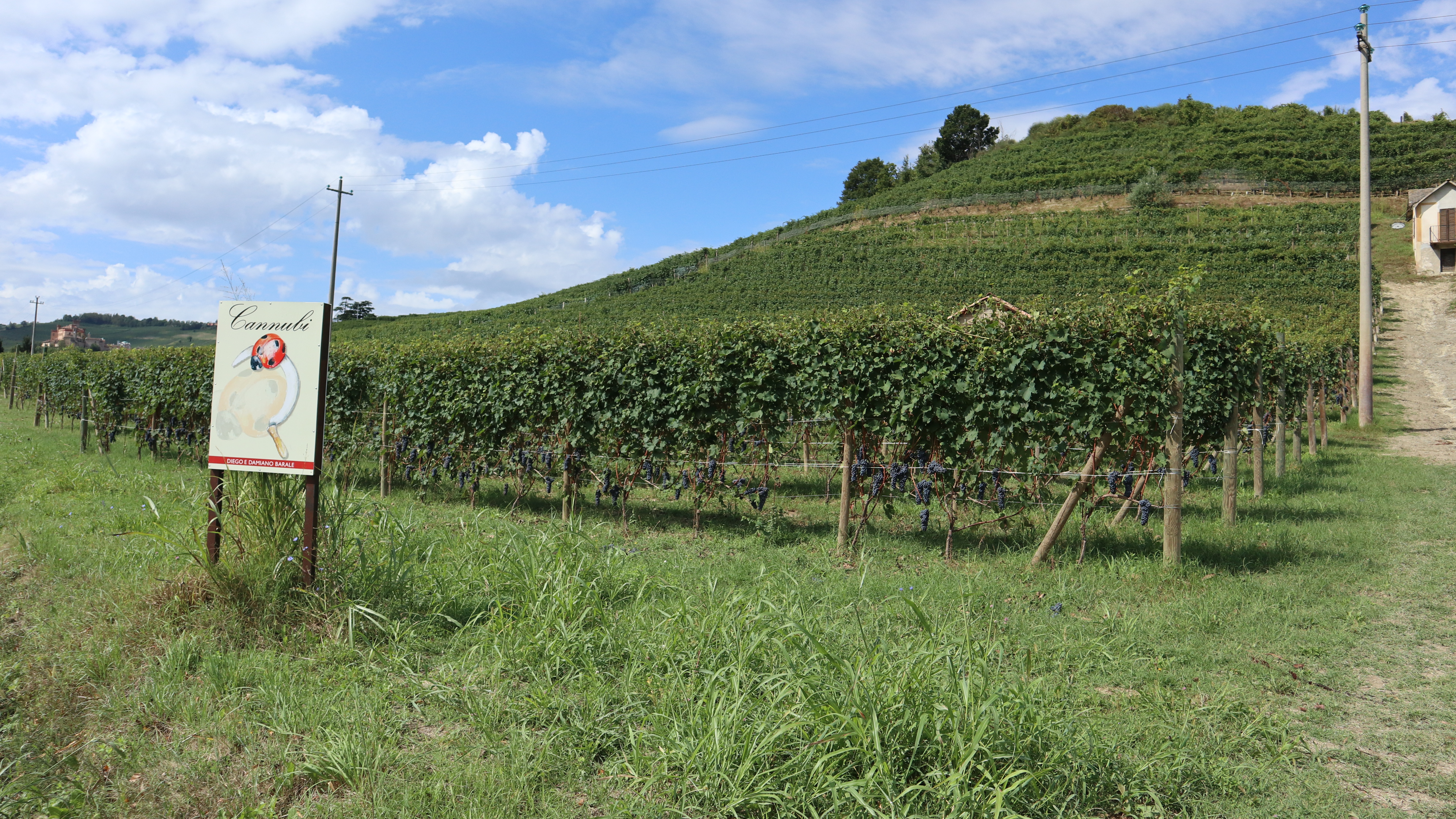
It’s not like we need yet another reason to love Chiara Boschis, but CannuBio definitely makes the list! And what is CannuBio you might ask? Well, it’s one of the many projects Chiara is currently working on.
Chiara Boschis has always worked in a sustainable and organic way, but in 2010, she decided to get the organic certification. She thinks it’s “very important to push on this and let people know. And to start to change the mind of the people.” One of the reasons why it’s important for Chiara to try and convince others to farm organically, is because her plants can be affected by her neighbors actions. So even if she farms organically, if one of her neighbors use chemicals, some of it might transfer over to her plants. This is a problem in any vineyard, including Cannubi, where the parcels are quite small. So she decided to start a project: CannuBio.
CannuBio
In Cannubi, there are 26 different owners. And Chiara, accompanied by what she calls the “guru of the organic farming”, went around to all the different owners and tried to convince the ones who weren’t already doing so, to start farming organically. One by one they agreed, and today 23 have joined the CannuBio project.
“I had nothing to lose. Even if it seems a crazy project, you know, the classical mission impossible, I really wanted hard to try to convince the other people.”
Chiara Boschis
One of the winemakers farming in Cannubi, is Fabio Alessandria from Burlotto. He sees first hand how important this project is, acknowledging that “when all the vineyard is treated like this, the benefit are much bigger than a single winemaker working this way”. And the benefits aren’t just limited to this one vineyard. In addition, he says that this project “motivated (them) to work more and more in this way”.
What does it all mean?
One of the main aspects of organic farming, is to avoid using chemicals. But for Chiara, it’s about so much more. Of course, not using chemicals is incredibly important, but “it’s really an holistic approach that means to care about every aspect of the agriculture and the winemaking. Not using chemicals is number 1 but you need to create the right environment which means of course to take care of the fauna and the birds, the insect, organize the soil, to have cover crop, flowers in the vineyard, manage the canopy.”
Let’s take it one step further, from organic farming to sustainable winemaking. As Carlotta Rinaldi says, “it’s a wider conversation, than just saying organic or biodynamic, using chemicals or not using chemicals.” It’s the whole picture. She goes on: “It doesn’t just cover treatments, it covers the amount of time of passages of the tractor in the vineyard for example.”
What motivates them to farm organically?
Another winemaker who farms organically is Nadia Curto. And when asked what motivates her to farm organically, Nadia had the best answer: “One more philanthropic reason, for we would like to offer to the customer wine that are healthy, that don’t give problem to the stomach. to the head, etc. But also for an ego reason because we are in the front line in the field, and so when we use chemicals we breathe these chemicals and we stay really in between that situation and so also for myself, and for the child, for my dog, because the little dog runs every day in the field, and so it’s very important to also protect this situation, for try to stay better.”
I think this is so important to keep in mind: they are on the front lines. They are in the field. They spend a lot of time in the vineyard. Of course they don’t want to be surrounded by chemicals. I bet you don’t either. I mean, we are so concerned with avoiding chemicals in the other aspects of our lives. Why shouldn’t this be extended to the wine we consume? And, for many of you, it probably already does. But I bet there are a lot of people who buy organic spinach, free range eggs, or BPA free water bottles, yet they drink wine that was made using chemicals.
So that was the “egoistic” and ethical reason behind organic farming. But Nadia also says that “the wine is better”. Why? “The wine without chemicals is something different. Every time is something unique. The character is special. When you drink a natural wine the heart become big, the joy arrive, its something different because give the life” she adds.
The future of CannuBio
Chiara’s goal is to reach 100% participation rate of the project in Cannubi, but it’s easier said than done. One of the hopes was that this idea would spread to other vineyards like Brunate. But Carlotta says that so far, “the response was a bit difficult.” However, even if it seems like a “mission impossible”, no one is giving up. And the CannuBio project had other positive “side effects” like the birth of the Green Experience. What started as a passion project in Cannubi, evolved into something bigger. And it’s definitely not the end.
So, let’s keep talking about it. Let’s do our part. And let’s support those who farm organic, so that they can do their part.
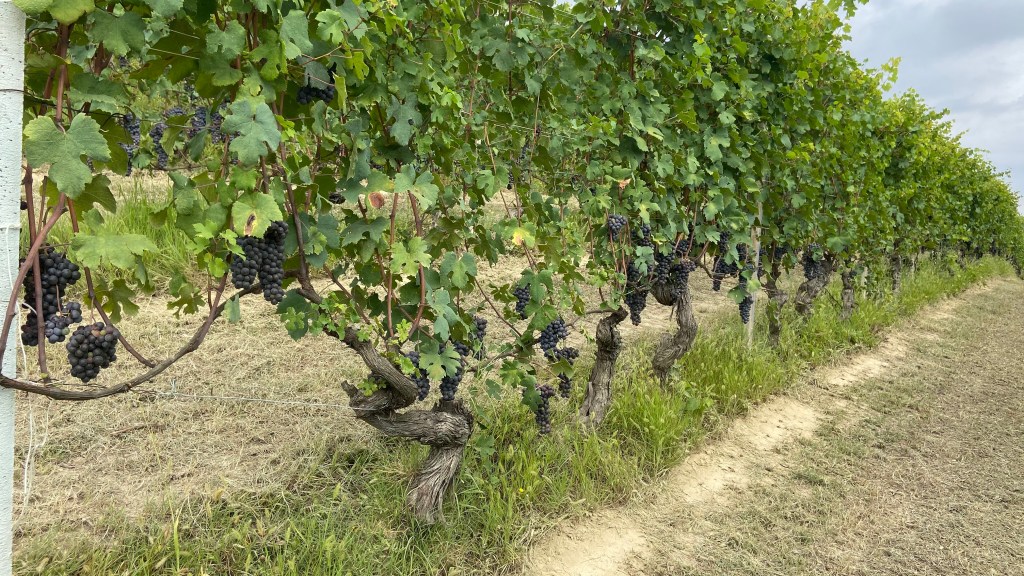
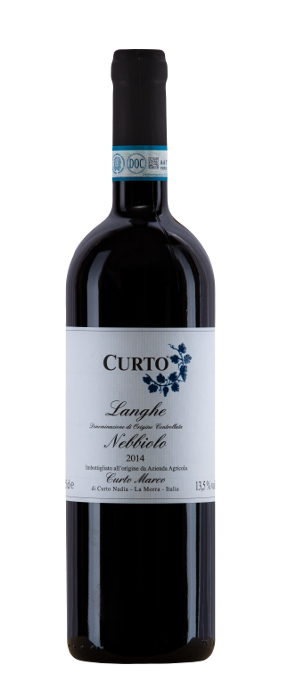
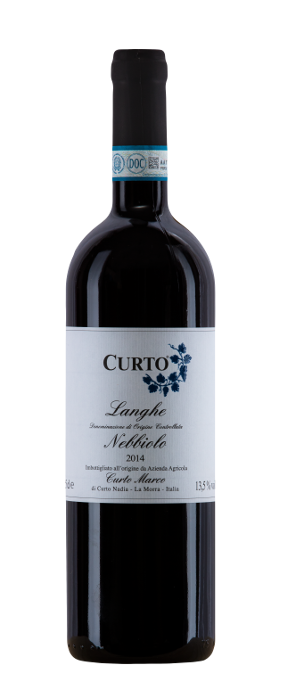
The grapes in the Nadia Curto Langhe Nebbiolo come from the Arborina vineyard! During fermentation Nadia proceeds with manual repassing and pressing. Nadia uses indigenous yeast. After a maceration of about 15 days, the wine is drawn off and after the malolactic fermentation the wine begins the refinement in wood for about a year. It is bottled in the summer months without clarification or filtration.
Nadia Curto Langhe Nebbiolo
2018
2018 was a difficult vintage, with a lot of rain and a lot of mildew. The Curto Nebbiolo is light with soft tannins. Beautiful nose, just like what a a nebbiolo should smell, with aromas of roses, fruit and cherry.
2016
2016 is considered one of the greatest vintages for Nebbiolo. Most people focus on Barolo, but I think the Nebbiolo’s should get a shoutout. The 2016 Langhe Nebbiolo from Nadia Curto is currently available in Norway!
2014
2014 was one of the most difficult vintages this decade. It rained and rained and rained. The wines are therefore quite light. The 2014 Curto Nebbiolo is quite elegant, with aromas of red fruits and roses.
Modernist or Traditionalist?
Modernist or Traditionalist? If there is anyone I know that doesn’t “belong” in any boxes, it’s Nadia Curto. Her winemaking style is influenced by both her father and her uncle, and she applies the different methods to different wines. Does it matter what style you prefer, if your wines are good? I don’t think so.
It’s officially Spring, which means that the newest vintage is making its way to stores. The same is true in Norway. So if you’re living in Norway, mark your calendars for May 8th!
In addition to new vintages, there are also new “kids on the block”! Keep reading to find out more!
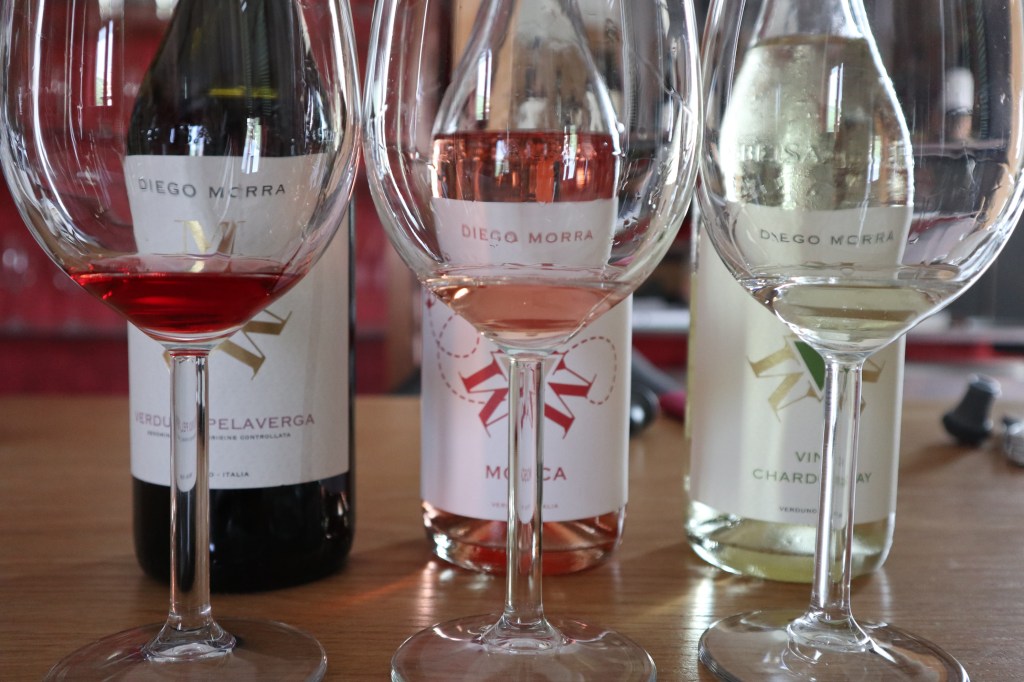
Diego Morra Rosato 2019 For the first time you’ll find Diego Morra wines in Norway! This wine, a Langhe Rosato, is made with 100% Nebbiolo grapes and is what I would call a “food rosè”, perfect with summer salads or fish.
Ghiomo Inprimis Langhe Arneis 2019 Fasten your seatbelts, because this is a newcomer in Norway as well. The Ghiomo winery is located in Guarene, a commune bordering on the more well known wine regions in Piemonte like Barolo and Barbaresco. The Langhe Arneis Inprimis is a fresh and fruity white wine that pairs well with fish and shellfish. Perfect for summer!
Bartolo Mascarello Dolcetto 2018 There is not much to say about Mascarello that has not already been said. And unfortunately I’ve not tried the 2018 vintage yet, but 2018 looks more promising for Dolcetto than 2017 was. I guess time will tell.
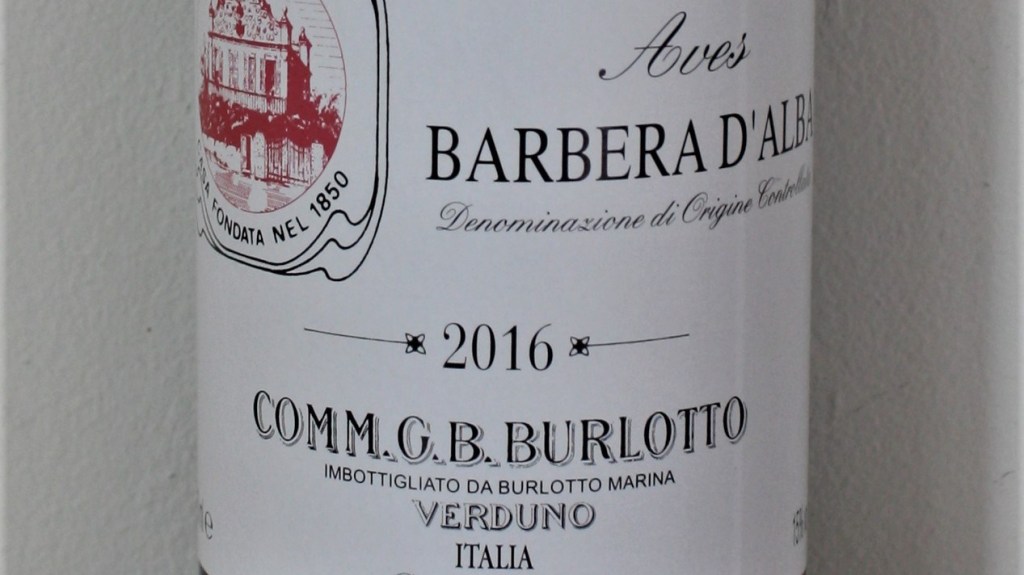
Burlotto Barbera Aves 2018 As far as Barbera goes, this might be one of my absolute favorites. His classic Barbera is good, but the Aves is just on a whole other level. I can’t wait to try the 2018 vintage!
Nadia Curto Barbera 2017 Did you know that you could get Nadia’s wines in Norway? You can! And the 2017 Barbera will be available Friday May 8th! Modernist or Traditionalist? If there is anyone I know that doesn’t “belong” in any boxes, it’s Nadia Curto. Her winemaking style is influenced by both her father and her uncle, and she applies the different methods to different wines. Does it matter what style you prefer, if your wines are good? I don’t think so.
Nadia Curto, like her cousin Silvia Altare, is just bursting with energy! A visit with Nadia is sure to put a smile on your face, and not just because the wines are good!
Nadia Curto’s parents, Marco and Adele,
have been cultivating their 4 hectares of vineyards for over 60 years. In 2000,
Nadia joined the family winery, and have been running it for many years now.
Winemaking
Modernist or Traditionalist? If there is
anyone I know that doesn’t “belong” in any boxes, it’s Nadia Curto. Her
winemaking style is influenced by both her father and her uncle, and she
applies the different methods to different wines. Does it matter what style you
prefer, if your wines are good? I don’t think so.
Fun fact
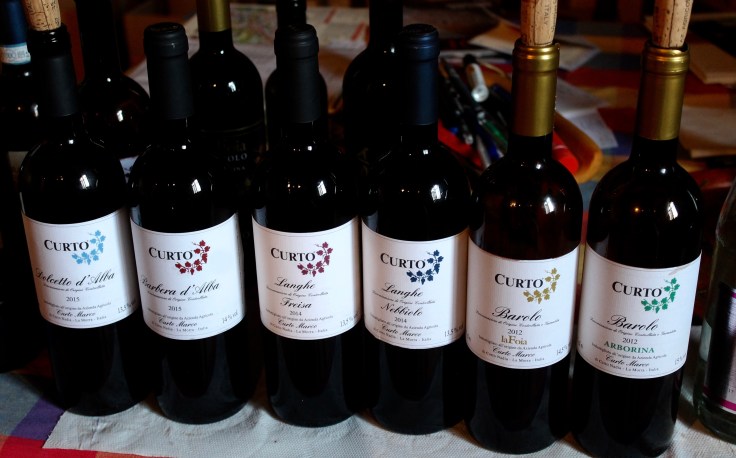
Both the Barolo Arborina and the Barolo La Foia are made with grapes from the Arborina vineyard. However, the winemaking methods are very different. With the Barolo Arborina, Nadia applies her uncle Elio’s method with short maceration and ageing in barrique. The Barolo La Foia undergoes a longer maceration and ages in larger barrels.
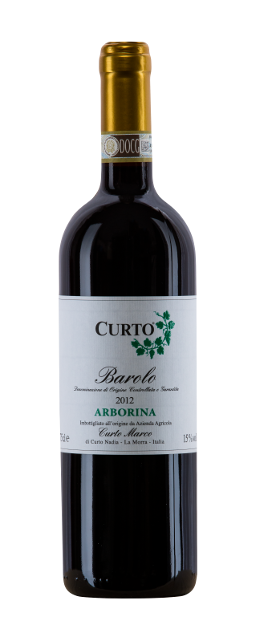
The Barolo Arborina from Nadia Curto is made in the “modern way” with short maceration time and ageing in small barrique. The plants are located in the Arborina vineyard in La Morra, with a south exposure at an altitude of about 270-300 m a.s.l.
BASIC INFORMATION
Product name: Barolo Arborina Grape: 100% Nebbiolo Classification: DOCG Number of bottles produced: 5000 Color: Garnet red Fragrance: Spicy with hint of rose petals, fruity with balsamic notes Taste: Elegant, austere, fruity Food pairing: Braised meats
VINIFICATION (Wine-making)
Method: Fermentation takes place in rotary fermenters Temperature: 30 – 32 degrees Celsius Length: 5 day maceration Ageing: 2 years in Barrique Minimum aging in bottle: 1 year
VINEYARD
Vineyard: Arborina Soil: marna stone with clay and sand Exposure: South
Barolo La Foia
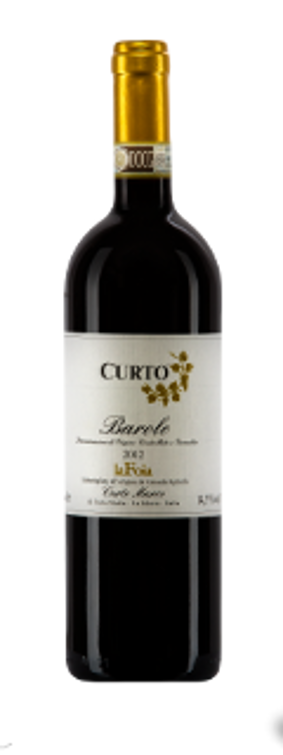
The grapes for this wine is also located in Arborina, but Nadia uses a different method of vinification. With the Barolo La Foia, the wine undergoes long maceration and ages in bigger barrels (30 – 40 HL). The plants are located at an altitude of about 270-300 m a.s.l and have east, south-east exposure.
BASIC INFORMATION
Product name: Barolo La Foia
Grape: 100% Nebbiolo Classification: DOCG Number of bottles produced: 7000 Color: Bright garnet red
Fragrance: Spicy with hint of rose petals, liquorice, leather Taste: Austere, full, elegant Food pairing: Braised meats, aged cheese
VINIFICATION (Wine-making)
Method: Manual
repassing and pressing
Temperature: 30 – 32 degrees Celsius Length: 20 day maceration Ageing: 2 in oak barrels (20 or 30 HL) Minimum aging in bottle: 1 year
VINEYARD
Vineyard: Arborina Soil: marna stone with clay and sand Exposure: South east
Langhe Nebbiolo
BASIC INFORMATION
Product name: Langhe Nebbiolo Grape: 100% Nebbiolo Classification: DOC Number of bottles produced: 2000 Color: Garnet red Fragrance: Roses, red fruits, spices Taste: Elegant yet structured. Fresh. Food pairing: Pasta, meat, cheese, salami
VINIFICATION (Wine-making)
Method: Manual repassing and pressing Length: 15 day maceration Ageing: Aged in oak for about 1 year
VINEYARD
Vineyard: Arborina Soil: marna stone with clay and sand
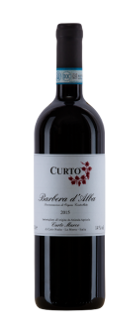
Barbera d’Alba
BASIC INFORMATION
Product name: Barbera d’Alba Grape: 100% Barbera Classification: DOC Number of bottles produced: 3000 Color: Deep ruby red Fragrance: Blackcurrant, black cherries, blackberries Taste: Fresh acidity, long finish, red fruits Food pairing: Cheese and cured meats
VINIFICATION (Wine-making)
Method: Fermentation in rotary fermenters Temperature: 30 – 32 degrees Celsius Length: 5 day maceration Ageing: 4 months in wood
VINEYARD
Vineyard: Arborina Soil: marna stone with clay and sand Exposure: South
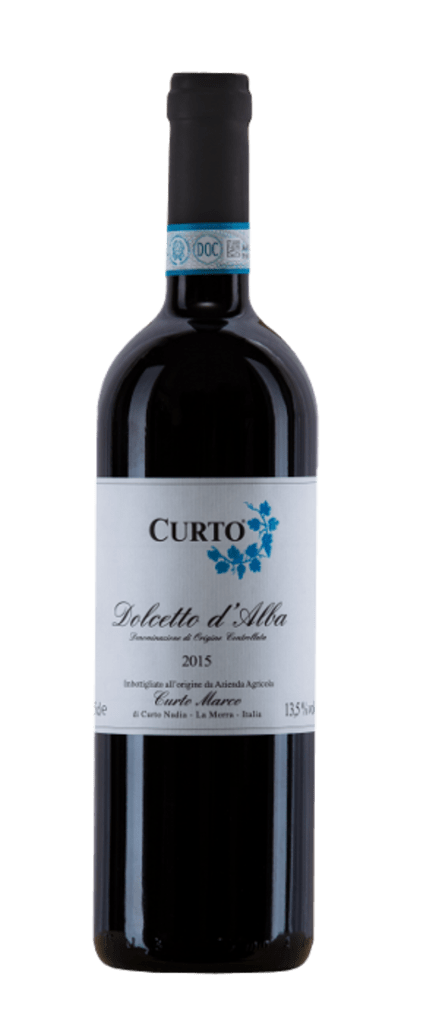
Dolcetto d’Alba
BASIC INFORMATION
Product name: Dolcetto d’Alba
Grape: 100% Dolcetto Classification: DOC Number of bottles produced: 3500 Color: Ruby red with purple tendencies
Fragrance: Violet, cherry, plum, blueberry
Taste: Fruity, easy to drink
Food pairing: Pizza, light dishes, aperitivo
VINIFICATION (Wine-making)
Temperature: About 30 degrees Celsius Length: 4 day maceration Ageing: Stainless steel tanks
VINEYARD
Vineyard: Gattera Exposure: West – Northwest
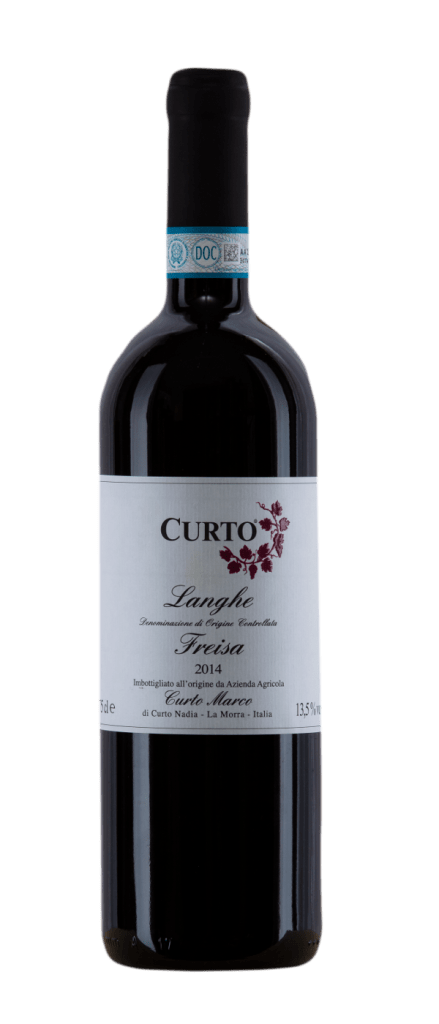
Langhe Freisa
BASIC INFORMATION
Product name: Langhe Freisa
Grape: 100% Freisa Classification: n/a Number of bottles produced: 1000 Color: Ruby red
Fragrance: Vegetable, fruity, spicy
Taste: Rustic wine, rich tannins, good acidity
Food pairing: Fatty foods, cheese, cold cuts
VINIFICATION (Wine-making)
Method: Temperature: Length: 8 day maceration Ageing: Stainless steel tanks
VINEYARD
Vineyard: Arborina Soil: marna stone with clay and sand
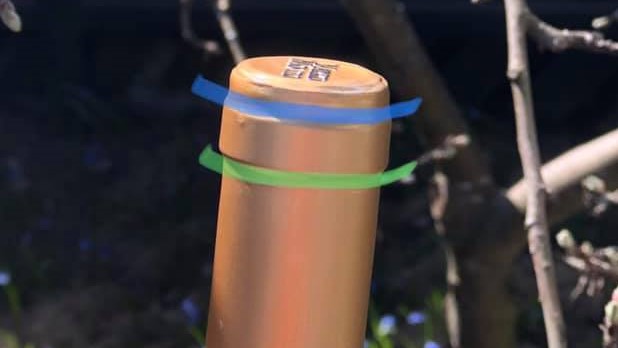
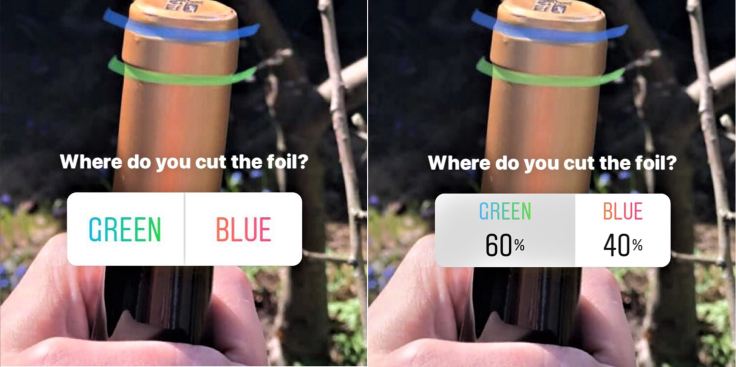
Does it matter? Is there a right way? Apparently, people have a lot of opinions on the subject. Here are a few of the preferences: Green Blue In between green and blue Take the whole foil off Use a foil cutter (and then the type of cutter decides) Used to be green, now blue (or vice versa) Don’t care
Does it matter?
Apart from peoples preferences, is there a reason to do it one way or the other? Does one way affect the wine or the pouring of the wine? Some people say that cutting by the blue line will interfere with the wine, because the wine can come in contact with the foil on the way into the glass or the decanter. Others say cutting by the blue line will increase chances of spilling the wine while pouring.
What do the winemakers say?
Without “outing” any winemakers, it was interesting so see to which team they pledged allegiance. And just like my instagram story, they favor green. Here are some of the winemakers that participated in the survey: Carlotta Rinaldi Nadia Curto Giovanni Corino Alberto Viberti Alessandro Veglio Lorenzo Scavino from Azelia
What do the the experts say?
Most of the experts are Team Green. However, they dispute the fact that the foil affects the wine if it comes in contact. It’s more about the look, the ease of removing the foil and the ease of pouring without spilling
Jancis Robinson: Team Green Wine Folly: Team Green Dr. Vinny (Wine Spectator): Foil Cutter
Conclusion?
It doesn’t really matter. Most people are Team Green. And some are neither. In the end, do whatever you prefer. And what team am I?
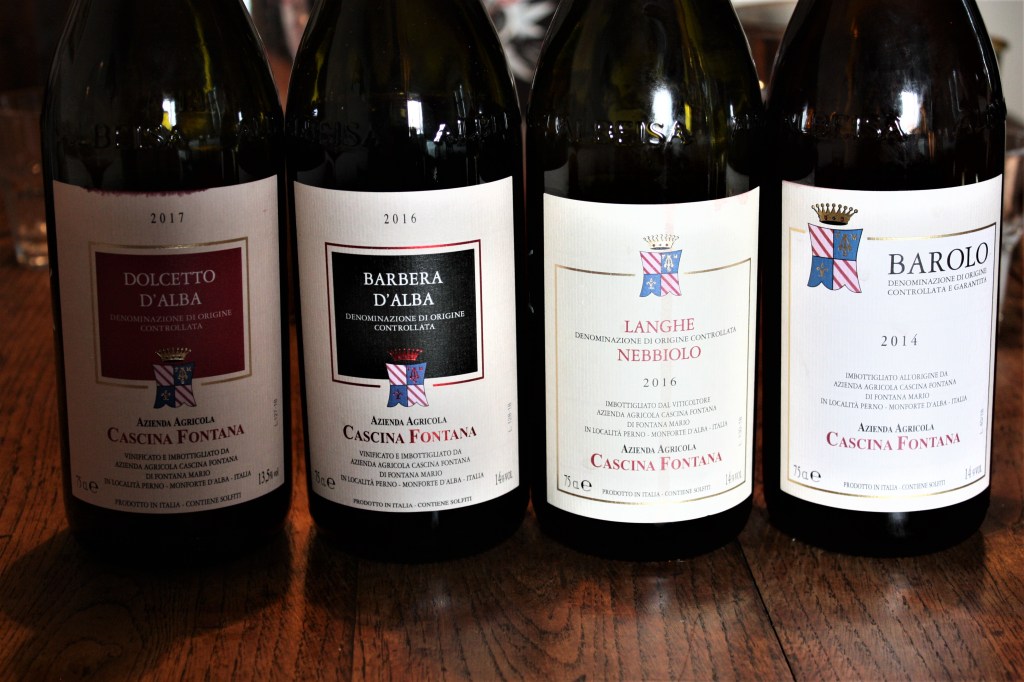
Here are some new additions to Vinmonopolet’s selection. I love that Nadia Curto has made it on the list, it’s been a while since I’ve seen her wines in Norway. Cavallotto and Cascina Fontana are also favorites of mine. Looking forward to a year full of wine!
 PIEMONTEGIRL