What is the best weather, you might ask. The reason it’s hard to answer this question is the fact that each step of the way, the grapes need different things. You want rain in the growing season, but not too much. During the harvest, the absence of rain is preferred. It needs to be warm, but not too warm, and you also want the nights to be cooler toward the harvest, but not too cool. The grapes are indeed quite high maintenance.
But then you have the “magic” vintages. The weather in 2016 was just about as perfect as can get for the Nebbiolo grapes. The growing season was long, there was an absence of natural disasters like hail, the weather was stable toward the end of the season and the harvest was late.
Fratelli Revello
The Fratelli Revello story dates all the way back to 1945, but it wasn’t until 1967 they started to vinify their grapes under a family label – Giovanni Revello & Figli. In 1990, Carlo and Lorenzo Revello took over the estate, and worked together until 2016 when they decided to go in different directions. Fratelli Revello stayed with Lorenzo while Carlo started his own label: Carlo Revello & Figli.
It’s quite common for wineries to divide and “multiply” as the family grows. The same happened to the Corino’s in 2005. Just imagine how many would end up working at a winery if everyone had 2-4 children each! I think it’s a win-win, because then each sibling gets to make wine in their own way and we get another interpretation of the wine!
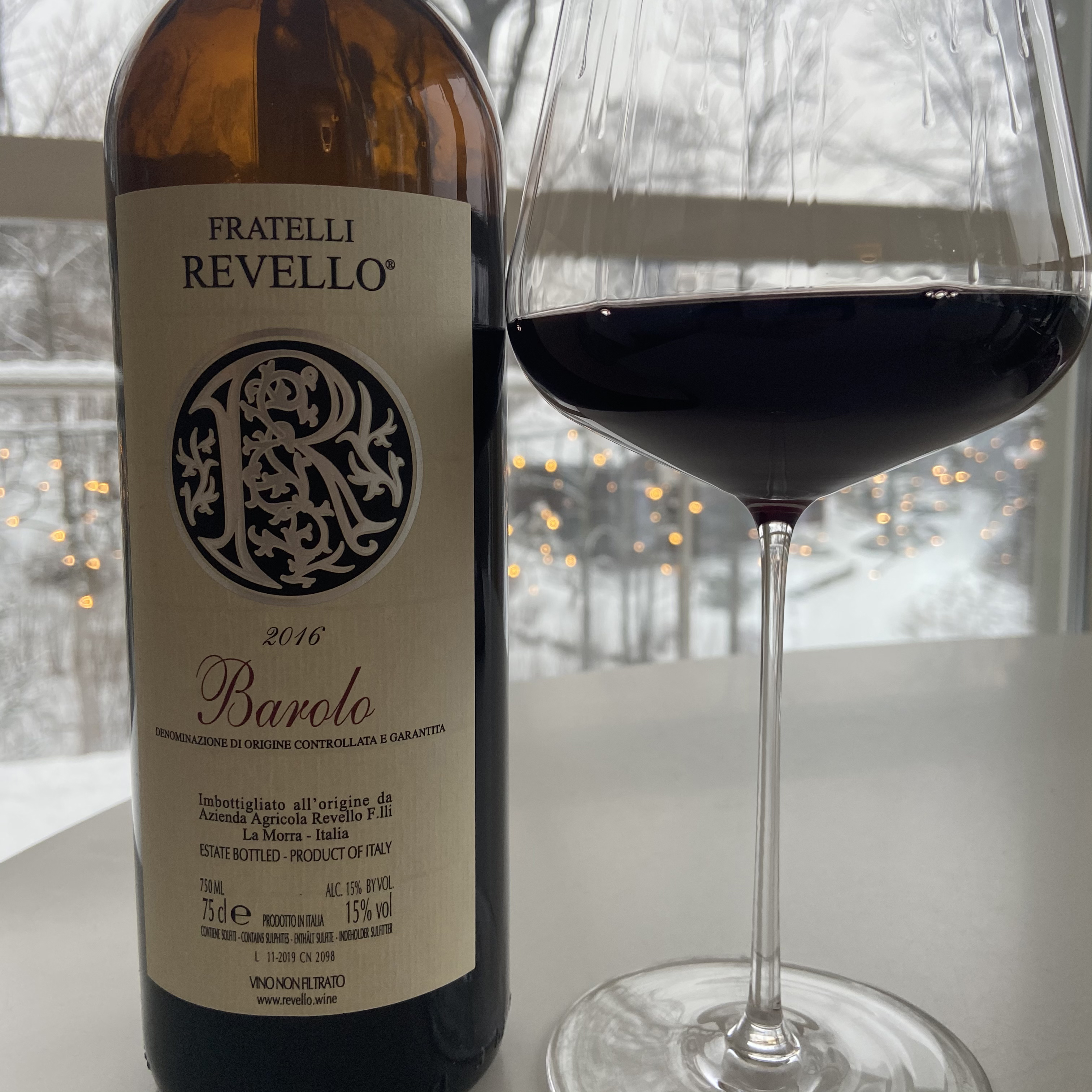
Fratelli Revello Barolo 2016
Barolo 2016 – the vintage to rule them all? Every vintage is different. Some are hot, some are cold, some are dry and some are wet. And then you have everything in between. Sometimes, you have a vintage where everything kind of lines up. 2016 is such a vintage.
The Fratelli Revello Barolo 2016 is no exception. It seduces you with aromas of red berries, licorice, tobacco and roses. The wine is powerful yet elegant, with a round fruity feel backed up by a good structure.
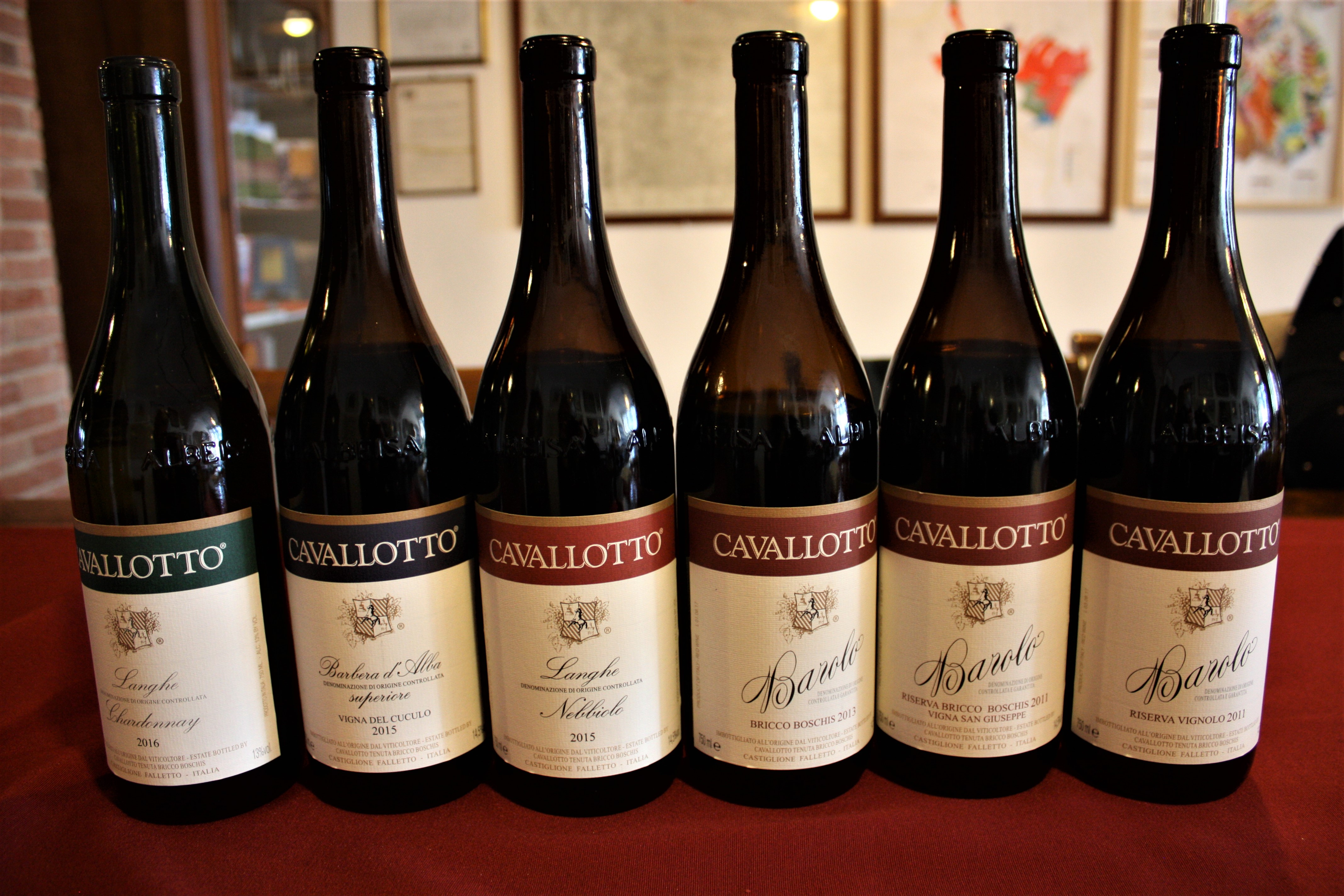
The Cavallotto estate dates back to 1928, but the first bottle of Cavallotto Barolo wasn’t released until 1948. Back then it wasn’t common to bottle wine under a family label. Most farmers sold their grapes or sold the wine in bulk. Olivio and Gildo Cavallotto were the ones who began to vinify and bottle the wine under the family name, and today their children Alfio, Giuseppe and Laura continue the work of their family.
Wines
All the Cavallotto vineyards are located around the estate in Castiglione, and most of the grapes grow in the historic Bircco Boschis vineyard. Of the 25 hectares a whopping 17 hectares (more than half) is Nebbiolo for Barolo. In addition to the usual suspects (Dolcetto, Barbera and Nebbiolo), the Cavallotto family also cultivates Freisa, Pinot Noir, Chardonnay and Grignolino.
Winemaking
Contemporary Traditionalists – that’s what I would call the Cavallotto family. They use “modern” technology like temperature controlled stainless steel tanks and modern crushing techniques, but “traditional” ageing methods with bigger barrels. Honestly, I think the whole “modern” vs “traditionalist” debate is out of date, and there is so much more to the whole story than what type of oak is used. Just ask Chiara Boschis!
Sustainable winemaking – another term to use about the Cavallotto family! As it says on their website, “Alfio and Giuseppe Cavallotto, both enologists, are deeply attentive to their vineyard practices, and all work is performed according to a fundamental respect for the land.”
Fun fact
The Cavallotto have multiple weather stations, where they monitor the weather closely. They started this because the local weather station was located in Alba, and the climate there is quite different from the climate in Castiglione.
Fun fact II
Alfio is experimenting with alternative methods to spray plants with natural herbicides and one of the options currently on the table is drones.
Wines
Wines available in: Norway Australia Germany Hong Kong Italy Netherlands Switzerland UK USA
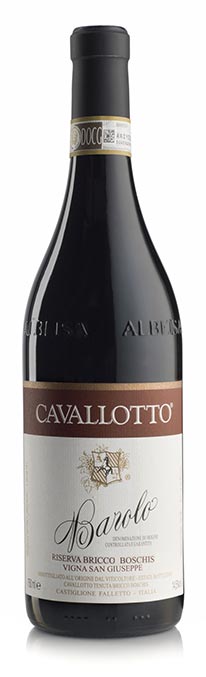
Barolo Riserva Bricco Boschis Vigna San Giuseppe
BASIC INFORMATION
Product name: Barolo Riserva Bricco Boschis Vina San Giuseppe Grape: Nebbiolo Classification: DOCG Number of bottles produced: 9 000 Fragrance: fruity, floral, spices Taste: fresh acidity, ripe fruits, long finish Food pairing: prosciutto, salami, red meat, grilled fish, aged cheese
VINIFICATION (Wine-making)
Method: fermented with indigenous yeasts, macerated with submerged cap for 20-35 days. Ageing: Traditional in Slavonian Oak Casks for 4-5 years. Minimum aging in bottle: 12 months
VINEYARD
Vineyard: San Giuseppe Exposure: South-West Year planted/Age of plants: 1961 / 60 years old
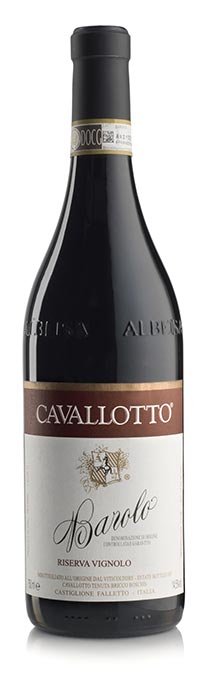
Barolo Riserva Vignolo
BASIC INFORMATION
Product name: Barolo Riserva Vignolo Grape: Nebbiolo Classification: DOCG Number of bottles produced: 6 500 Fragrance: fruity, floral, spices Taste: structured, long finish Food pairing: prosciutto, salami, red meat, grilled fish, aged cheese
VINIFICATION (Wine-making)
Method: fermented with indigenous yeasts, macerated with submerged cap for 20-35 days. Ageing: Traditional in Slavonian Oak Casks for 4-5 years. Minimum aging in bottle: 12 months
VINEYARD
Vineyard: Vignolo Exposure: South-West Year planted/Age of plants: 1966/ 55 years old
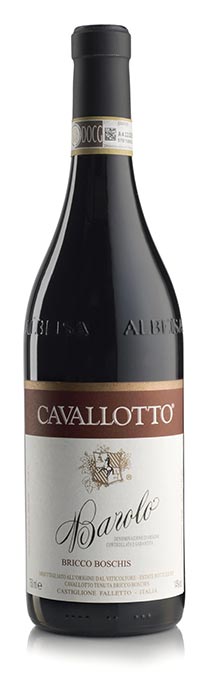
Barolo Bricco Boschis
BASIC INFORMATION
Product name: Barolo Bricco Boschis Grape: Nebbiolo Classification: DOCG Number of bottles produced: about 35 000 Fragrance: fruity, floral, spices Taste: dark fruits, licorice, ripe tannins Food pairing: prosciutto, salami, red meat, grilled fish, aged cheese
VINIFICATION (Wine-making)
Method: fermented with indigenous yeasts, macerated with submerged cap for 20-35 days Ageing: Traditional in Slavonian Oak Casks for 3-3.5 years Minimum aging in bottle: 6-12 months
VINEYARD
Vineyard: Various parcels inside Bricco Boschis, including the historic Punta Marcello and Colle SudOvest plots Exposure: : South, South-West, South-East, West Year planted/Age of plants: 1971/ 50 years old
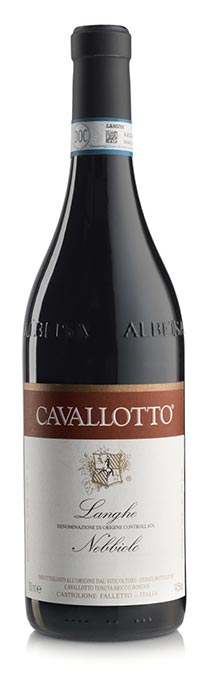
Langhe Nebbiolo
This Nebbiolo comes from Barolo vineyards, generally from the youngest vines.
BASIC INFORMATION
Product name: Langhe Nebbiolo Grape: Nebbiolo Classification: DOC Number of bottles produced: about 20 000 Fragrance: red fruits and flowers, spices Taste: red fruit, spices, intense, structured Food pairing: pasta, simple red meat, seasoned cheese
VINIFICATION (Wine-making)
Method: fermented with indigenous yeasts, macerated with submerged cap for 20-35 days Ageing: Traditional in Slavonian Oak Casks for 15-18 months Minimum aging in bottle: 6 months
VINEYARD
Vineyard: Various inside Bricco Boschis, Codana and Pernanno; grown in 100% Nebbiolo da Barolo parcels Exposure: South-East, South, South-West, West Age of plants: 50-60 years old
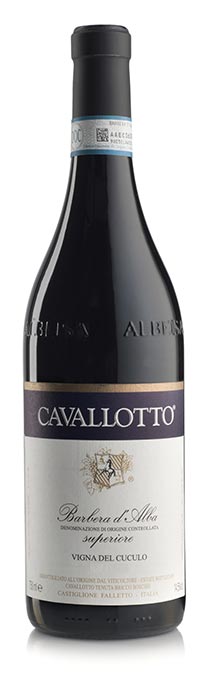
Barbera d’Alba
BASIC INFORMATION
Product name: Barbera d’Alba Vigna Cuculo Grape: Barbera Classification: DOC Number of bottles produced: around13 000 Fragrance: red fruit, ref flowers Taste: black stone fruit, cassis, fresh, goof acidity Food pairing: salami, pasta, pizza, robust white meat, aged cheese
VINIFICATION (Wine-making)
Method: fermented with indigenous yeasts, macerated with submerged cap for 10-15 days Ageing: Traditional in Slavonian Oak Casks for 15-18 months Minimum aging in bottle: 6 months
VINEYARD
Vineyard: the “Vigna Cuculo” parcel inside Bricco Boschis Exposure: Southwest/West Age of plants: 59 years old
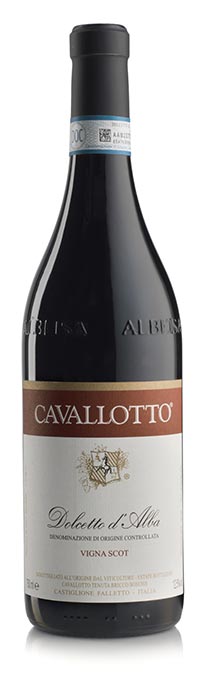
Dolcetto D’Alba Vigna Scot
BASIC INFORMATION
Product name: Dolcetto d’Alba Vigna Scot Grape: Dolcetto Classification: DOC Number of bottles produced: 13 000 Fragrance: cherries and other red fruit Taste: red fruit and berries, spices, mineral notes Food pairing: appetizers, pizza
VINIFICATION (Wine-making)
Method: fermented with indigenous yeasts, macerated with submerged cap for 3-4 days Ageing: In large Slavonian oak botti of 50 hl for 6 months, then in cement tanks for 6 months Minimum aging in bottle: none
VINEYARD
Vineyard: Vigna Scot parcel between Bricco Boschis and Vignolo Exposure: East/North-East Year planted: 1979
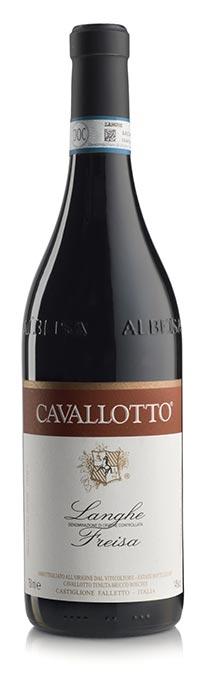
Langhe Freisa
BASIC INFORMATION
Product name: Langhe Freisa Grape: Freisa Classification: DOC Number of bottles produced: 3 000 Fragrance: cherry, strawberry and other red fruits, flowers and spices Taste: Well-structured and complex Food pairing: pasta, pizza, simple red meat
VINIFICATION (Wine-making)
Method: fermented with indigenous yeasts, macerated with submerged cap for 3-5 days Ageing: Traditional in Slavonian Oak Casks for 12-15 months Minimum aging in bottle: 6 months
VINEYARD
Vineyard: Bricco Boschis Exposure: West Year planted: 1991
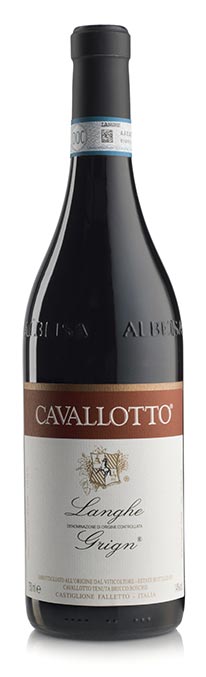
Langhe “Grign”
BASIC INFORMATION
Product name: Langhe Grign Grape: Grignolino Classification: DOC Number of bottles produced: Fragrance: strawberries, red fruits, herbs Taste: mid-weight and aromatic, red fruit, mineral Food pairing: appetizers, pasta, simple red meat, seasoned cheese
VINIFICATION (Wine-making)
Method: fermented with indigenous yeasts, macerated with submerged cap for 5 days Ageing: steel tanks for 12 months Minimum aging in bottle: 6 months
VINEYARD
Vineyard: Bricco Boschis Exposure: West and South- West Year planted: 1974
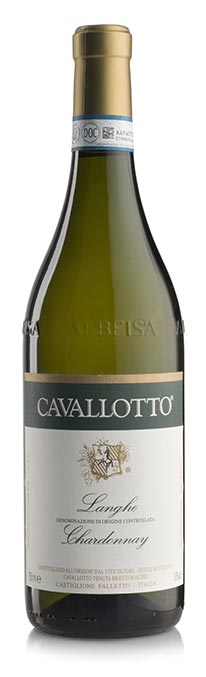
Langhe Chardonnay
BASIC INFORMATION
Product name: Langhe Chardonnay Grape: Chardonnay Classification: DOC Number of bottles produced: 4 000 Color: pale straw colored Fragrance: apple, pear, lime, tropical fruit, minerals Taste: apple, peach, mineral notes Food pairing: aperitivo, white meat, seafood
VINIFICATION (Wine-making)
Method: Low-pressure, very gentle whole berry pneumatic pressing before fermentation. Fermentation controlled at 16°-18°C for 45 days under slight pressure in stainless steel autoclaves Ageing: The wine is aged sûr lie for 9 months in the steel autoclave with daily batonnage Minimum aging in bottle: 6 months
VINEYARD
Vineyard: Slopes between Bricco Boschis and Vignane Exposure: East/North-East Year planted: 1972
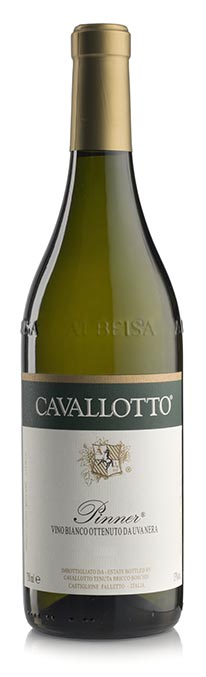
Pinner
BASIC INFORMATION
Product name: Pinner Grape: Pinot Noir Classification: Number of bottles produced: 6 000 Color: pale straw colored Fragrance: tropical fruit, minerals Taste: peach, melon, citrus Food pairing: aperitivo, white meat, seafood
VINIFICATION (Wine-making)
Method: Low-pressure, very gentle whole berry pneumatic pressing before fermentation. Fermentation controlled at 16°-18°C for 45 days under slight pressure in stainless steel autoclaves Ageing: The wine is aged sûr lie for 9 months in the steel autoclave with daily batonnage Minimum aging in bottle: 6 months
VINEYARD
Vineyard: Vignolo and Bricco Boschis Exposure: East/North-East Year planted: 1972
2019 started with a drought from January to late March, followed by heavy rain in April and May. The weather was quite unstable which led to uneven development of the vines. In addition to this there were two critical events in 2019: a hailstorm and rain forecast during harvest. The hailstorm that occurred on September 5th was quite localized and only affected certain areas. The rain however, affected everyone. Rain during harvest is not good, and so when the forecast predicted rain on October 15th, many growers harvested earlier than they would have liked. Weather is a fickle thing…
Many describe Barbera 2019 as a “traditional and classic” vintage. I, along with other winemakers I’ve spoken to, would agree. Alberto Viberti thinks 2019 is an elegant vintage for Barbera.
Tasting Notes Barbera 2019
Tasting notes below are in alphabetical order.
Alberto Viberti Barbera
Elegant and balanced Barbera. Good acidity and long finish. The wine has spent 6 months in oak but the only trace of oak is in the structure. Aromas of red fruits and berries.
Burlotto Barbera d’Alba
A powerful wine with an explosive nose. I almost get a hint of mint, along with dark red berries and some spices. Good acidity and long finish.
Cascina Fontana Barbera 2019
Amazing, explosive nose with aromas of darker fruit. Not as concentrated as many other Barbera 2019. A very balanced wine.
Emilio Vada Barbera d’Asti 2019
A barbera with an explosive nose. Fruity and mineral. Good acidity.
Fratelli Revello Barbera d’Alba
Dark red fruit and floral aromas. Explosive in the mouth. Fruity with good acidity.
Ghiomo Barbera Lavai
Giuseppino uses barrique for his Barbera because he thinks the two work well together. The only way you would know this wine had been in oak barrels is because of the excellent structure. No oak aromas. Only fresh fruits and berries.
La Vedetta Sarasino 2019
Beautiful nose! A fruity and fresh Barbera with good acidity.
Lalu Barbera d’Alba 2019
Balanced Barbera with a beautiful nose. Explosive nose, with aromas of red fruit. A very good wine.
Marengo Barbera 2019
This Barbera is quite explosive. Aromas of red berries and red fruit. Maybe a hint of spices. Quite structured, but balanced with good acidity.
Mauro Veglio Barbera d’Alba
A beautiful wine with aromas of red fruit. Juicy, with good acidity.
Nadia Curto Barbera d’Alba
Fresh and fruity with slightly warm aromas. Darker fruit and berries. Good acidity. 14.5% alcohol but you don’t feel it.
Vietti Barbera D’Alba Tre Vigne 2019
The Barbera d’Alba Tre Vigne was quite impressive. Fruity and floral on the nose, an aromatic wine. A very impressive wine.
Vietti Barbera d’Asti Tre Vigne2019
The Barbera d’Asti was not as aromatic as the Barbera d’Alba Tre Vigne. It’s also more crisp and more mineral, with aromas of red fruit.
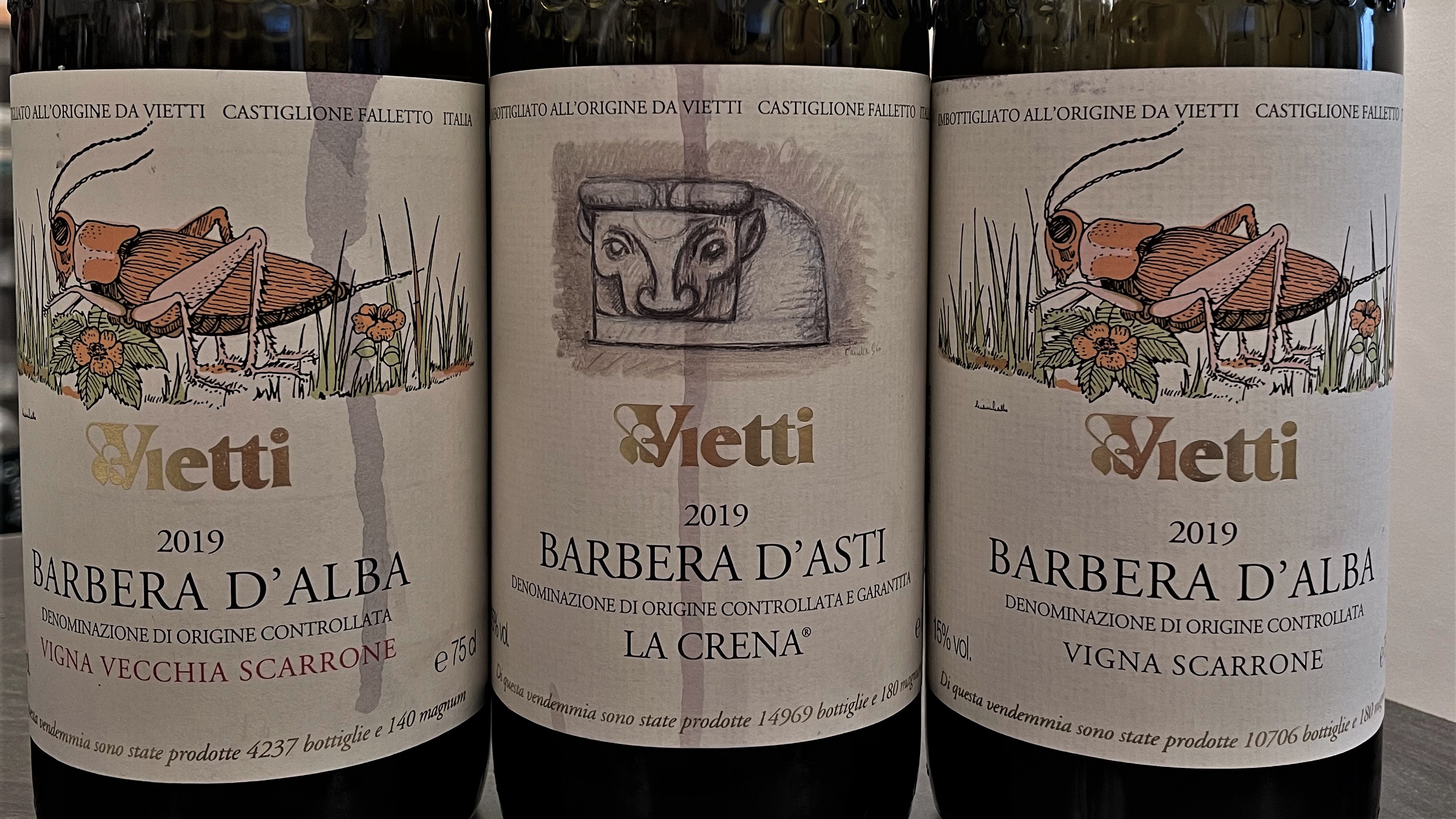
Vietti Barbera d’Alba Vigna Scarrone 2019
Aromas of red fruits, especially cherry. Also some spice notes. A complex, balanced Barbera.
Vietti Barbera d’Asti La Crena 2019
The La Crena was a bit more subtle on the nose compared to the Vigna Scarrone, but also more structured in the mouth. Aromas of red fruits and spices. Will probably benefit from some time in the bottle. Has excellent potential.
Vietti Barbera d’Alba Vigna Vecchia Scarrone 2019
A very young wine that opened up in the glass. Good structure with a long finish. A full bodied, complex Barbera.
Burlotto Langhe Freisa is a wine that should not be forgotten. Freisa is an underappreciated grape, in my humble opinion, and should get some more attention. But before we dive into this underrated grape variety, let’s have a look at the history of G.B. Burlotto!
Burlotto
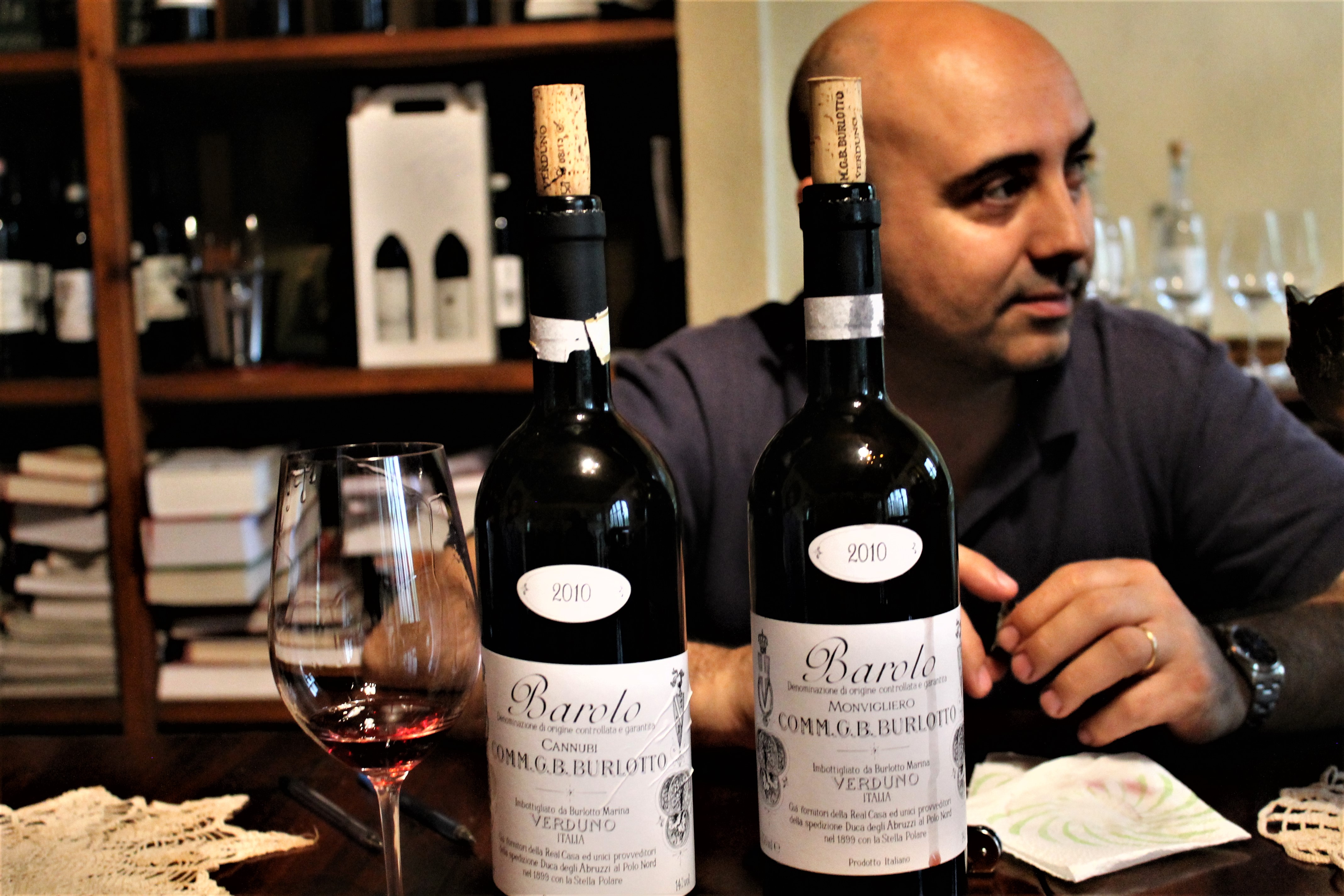
Giovan Battista Burlotto worked as a winemaker for seventy-seven years, and in that time he became world renowned. In addition to his accomplishments as a winemaker, he also made history by being the first to sell Barolo in bottle! After G.B. Burlotto’s death in 1927, the driving force behind the winery went with him and it wasn’t until his great-grandson Fabio Alessandria took over that the winery was brought back to its former glory.
Fabio continues the legacy of G.B., and has himself gained notoriety for his excellent work. His wines receive high marks and high praise from prominent wine critics. The focus is often on Barolo, and in the case of Burlotto, Monvigliero gets a lot of attention. But I think a good winemaker is defined not just by his Barolo, but the other wines like Dolcetto or Freisa. And Fabio does not disappoint!
Freisa
Freisa likely originates from Piemonte, and plantings date all the way back to the 18th century. Traditionally it was produced as a light sparkling wine, but today you’ll find full sparkling and still Freisa. Similar to Nebbiolo, Freisa has both tannins and acidity. Typical aromas are raspberry, strawberry and violets.
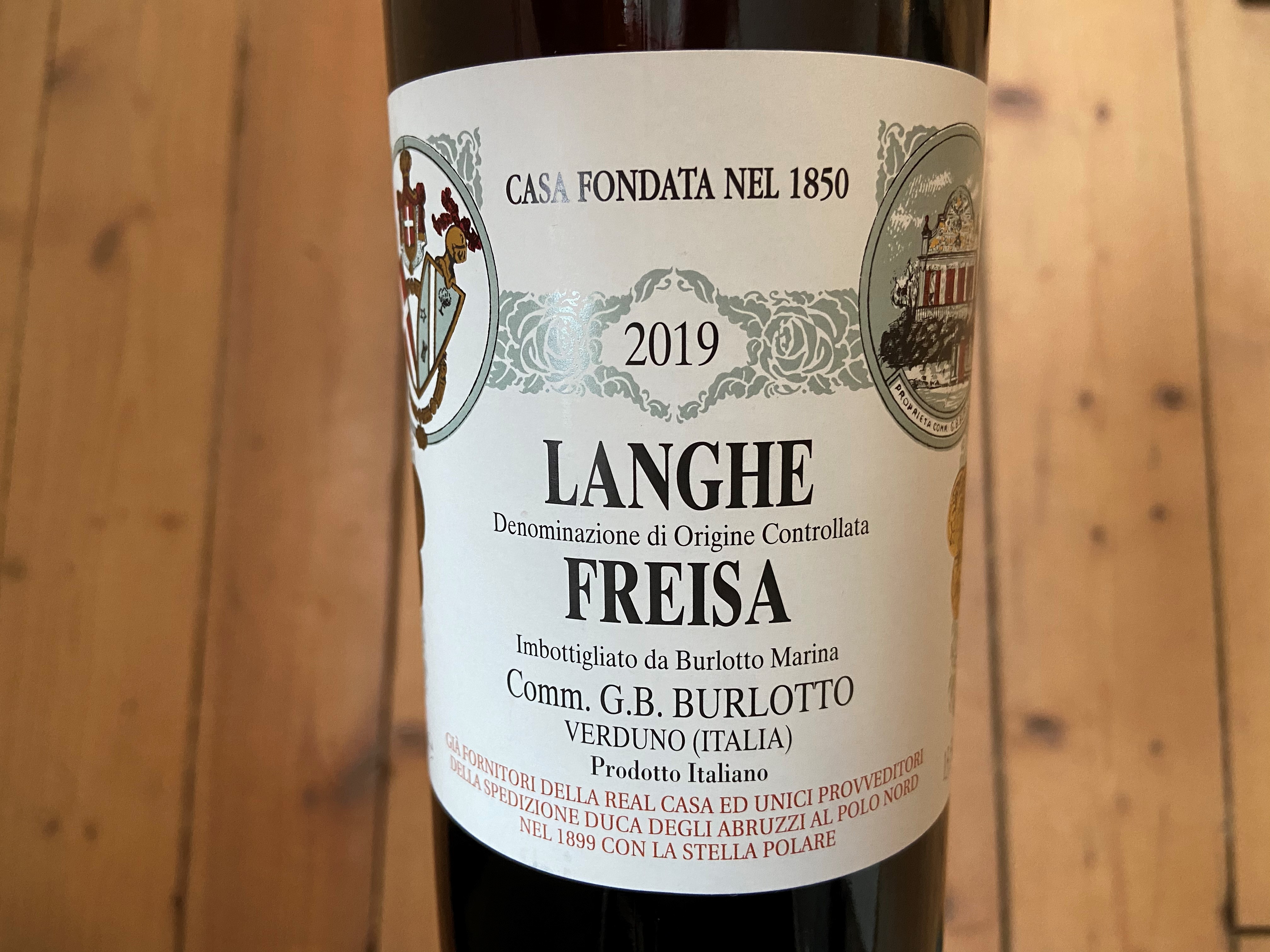
Burlotto Langhe Freisa 2019
The Burlotto Langhe Freisa 2019 is very fruity and fresh. On the nose you’ll find notes of red fruits and violet. It’s powerful, but elegant with soft tannins and medium acidity. A very balanced wine with a long finish.
Barolo 2014 gets a bad rap! With this vintage we truly see the power of wine journalists. What do I mean by that? Let me try and explain.
April showers bring May flowers
While this is a beautiful proverb, it was not the case in 2014. Instead of just April showers, it rained pretty much all of July. And not just a little bit of drizzle. It poured. I know, because I was there that year. It didn’t look good for the grapes and the winemakers were worried. And if that was not enough, the wine journalist and wine enthusiasts started to slam the 2014 vintage before the grapes were even harvested.
Here’s where it gets interesting: the weather picked up just in time for ripening season. While the Dolcetto and Freisa suffered quite a bit (also due to hail storms), the Barbera and Nebbiolo grapes were able to ripen just in time for harvest season. In the end, a year that seemed unsalvageable due to horrible weather conditions was indeed salvaged by good weather conditions.
The “Problem” with Barolo 2014
You’d think the winemakers would be happy with the way the vintage turned out. But, the damaged had already been done during the first half of the year. The 2014 vintage got such a bad rap that many had problems selling their wines. I think some still have 2014’s sitting in their cellar. In Norway, there are still Barolo 2014 available today, whereas the glorious 2016 vintage is sold out! And it’s such a shame because so many wonderful Barolos were made in 2014.
As Galloni said, “Navigating through the 2014 Barolo vintage is going to require a bit of work, although the time spent will be hugely rewarding.” And he is right. Good winemakers always make good wines, even in challenging years. Hard work pays off! And so while Barolo 2014 gets a bad rap, I’d encourage you to spend some time seeking out the great bottles that were made in this trying vintage. You’ll be pleasantly surprised!
Diego Barale in Cannubi
Tasting Notes Barolo 2014
Cascina Fontana Barolo
As Mario Fontana famously said: “The wine must reflect the season”. He said this while we tasted the Barolo 2014 together at his winery in July 2018. The wine was approachable and pleasant to drink, with plenty of fruit. It lacked a bit of structure, especially compared to the 2013 vintage but the wine did not live up to its “bad reputation.” In fact, it was quite the opposite!
Diego e Damiano Barale Barolo
Diego Barale has a soft spot for his 2014 Barolo. And I can see why. Beautiful aromas of roses, leather and liquorice jump out of the glass inviting you to taste it. The wine is light and fresh with smooth tannins making it very approachable. According to the brothers, they don’t feel their 2015 is ready yet. And while we wait for it to be ready we can drink the 2014. Which is what we did the summer of 2020.
Fratelli Alessandria Barolo
Blindtasted this against another wine October 2019 and I would NEVER have guessed it was 2014. Aromas of strawberries and other red fruit. Smooth but persistent tannins. Very fresh. A wonderful wine.
Giovanni Corino Barolo Arborina
Tasted this at the winery with Veronica Corino March 2018. As predicted, it did not have the same structure as 2013, but the wine did not feel like it was lacking anything. I think we should move away from using the terms “good” and “bad” when talking about vintages, and instead focus on the differences. Because every year is different. We just have to remember that different isn’t necessarily a bad thing.
Trediberri Rocche dell’Annunziata
A little closed on the nose when first opened, but after a while aromas of red fruits appeared. Good acidity, balances with a long finish. A fresh and approachable Barolo. Tasted in April 2019.
Vietti Barolo Lazzarito
Aromas of wet earth, mushroom, truffle and leather. Approachable, but perhaps a little green on the nose? Quite complex. Tasted this as a “pop and pour” at the winery August 2019. Would probably benefit from a little bit of air.
Barolo 2014 for my Norwegians:
There are still some Barolo 2014 available at Vinmonopolet!
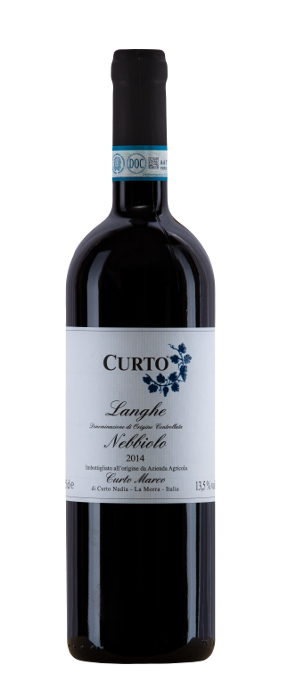
The grapes in the Nadia Curto Langhe Nebbiolo come from the Arborina vineyard! During fermentation Nadia proceeds with manual repassing and pressing. Nadia uses indigenous yeast. After a maceration of about 15 days, the wine is drawn off and after the malolactic fermentation the wine begins the refinement in wood for about a year. It is bottled in the summer months without clarification or filtration.
Nadia Curto Langhe Nebbiolo
2018
2018 was a difficult vintage, with a lot of rain and a lot of mildew. The Curto Nebbiolo is light with soft tannins. Beautiful nose, just like what a a nebbiolo should smell, with aromas of roses, fruit and cherry.
2016
2016 is considered one of the greatest vintages for Nebbiolo. Most people focus on Barolo, but I think the Nebbiolo’s should get a shoutout. The 2016 Langhe Nebbiolo from Nadia Curto is currently available in Norway!
2014
2014 was one of the most difficult vintages this decade. It rained and rained and rained. The wines are therefore quite light. The 2014 Curto Nebbiolo is quite elegant, with aromas of red fruits and roses.
Modernist or Traditionalist?
Modernist or Traditionalist? If there is anyone I know that doesn’t “belong” in any boxes, it’s Nadia Curto. Her winemaking style is influenced by both her father and her uncle, and she applies the different methods to different wines. Does it matter what style you prefer, if your wines are good? I don’t think so.
The Dolcetto 2019 are quite structured with lots of fruit. I find them to be a bit more complex, especially compared to 2018, giving the wine a little more “oomph”. One could argue that the Dolcetto from 2017 also had “oomph” but perhaps not complex. The warm temperature of the 2017 vintage gave the wines a bigger character, but also a lack of balance when it came to acidity and alcohol. Keep in mind, this is one person’s opinion and taste, opinions and tastes which might differ from yours.
I really like Dolcetto 2019. I know that is a general statement, but after tasting quite a few Dolcetto from 2019, I feel like I can be fairly general. Everything is relative, and my opinion may stem from the fact that I was not as impressed by Dolcetto in 2017 and 2018 as I am by 2019. Below are some of my tasting notes in alphabetical order. Enjoy!
Dolcetto 2019
Burlotto Dolcetto
Concentrated nose with aromas of cherry and red fruits. Also quite concentrated in the mouth. A beautiful Dolcetto!
A perfect Dolcetto nose. Elegant and rich with good structure. The grapes come from a vineyard in Sinio where the soil is composed of limestone with some clay. Mario vinifies his Dolcetto in stainless steel tanks.
Fruity and fresh, yet complex, both on the nose and in the mouth. Violets and dark berries on the nose. The vines, grown in San Giovanni, are 50 years old.
A powerful wine with a crisp nose. Fresh and fruity with good acidity. Aromas of blackcurrant, dark fruit and berries.
Marengo Dolcetto
Powerful aromas of dark berries. A good wine that’s easy to drink. Fruity. More structure than 2018
Nadia Curto Dolcetto
Nadia had an issue with storms in her Gattera vineyard where the Dolcetto grows. Maturation of the grapes was blocked due to the storm which resulted in a Dolcetto with a higher acidity. Aromas of blackcurrant, cherry and other dark berries.
As with most of the 2019 Dolcetto’s, the Paolo Scavino Dolcetto is quite structured. I really like it. Concentrated and explosive. Fruity with good length.
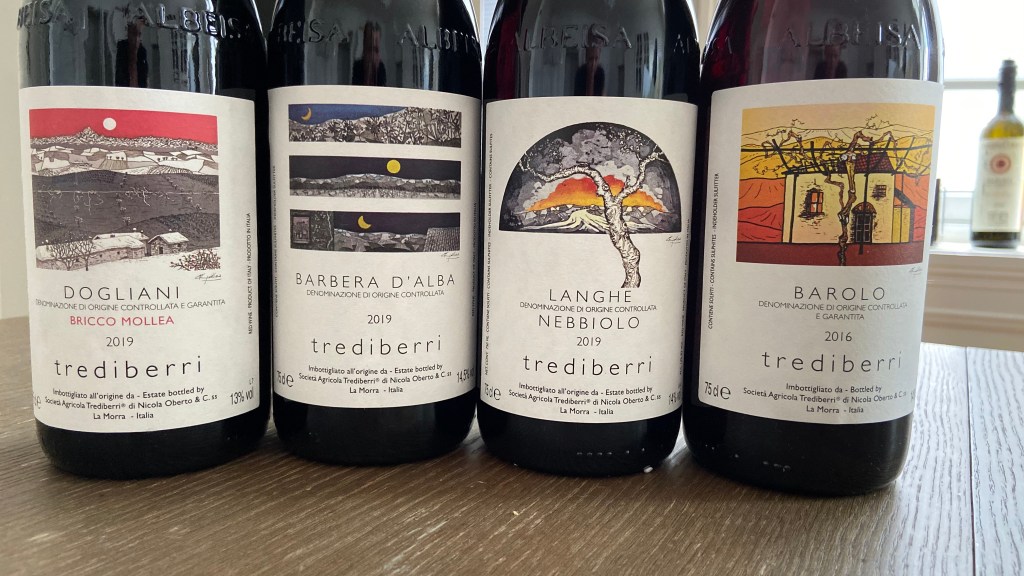
Trediberri Dogliani Bricco Mollea
The Bricco Mollea vineyard is located in Vicoforte, far south in Langhe. Dolcetto’s from Dogliani tend to be more intense than Dolcetto’s from La Morra, and if you combine the terroir with the 62 year old plants, you get a complex and intense Dolcetto.
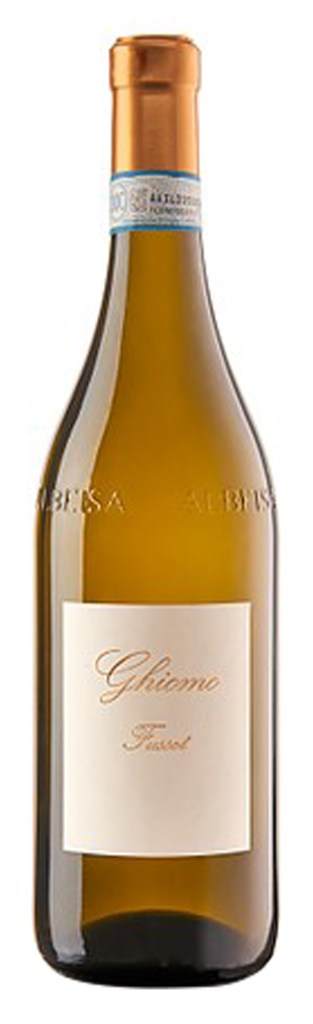
Giuseppino “Ghiomo” Anfossi is a farmer first, something he will tell you when you visit him in Guarene. Come to think of it, when you plan to visit him and his family, allow for significant time, as he has a lot on his heart and numerous stories to tell. Visiting Giuseppino, Ghiomo and Guarane is fast becoming a must when visiting Langhe and Piemonte.
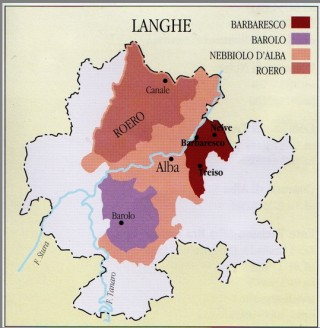
The Ghiomo estate, which was first established in the early 1800’s, is named after the Ghiomo farmhouse, formerly a monastery, in Guarene. Giuseppino’s winery and vineyards are located just 2 miles from Alba, smack in the middle of, but not inside any of, Barolo, Barbaresco and Roero.
Wines
Ghiomo makes wines true to terroir, using sustainable winemaking practices in Guarene. As Giuseppino says, he wants “to make wine for the land.” The soils in Guarene are rich in grey marl, clay, and a little sand, giving the wine great texture and character.
Winemaking
Ghiomo is a winery founded on honesty and respect for nature. Giuseppino, does not like to be defined as biodynamic, organic, or conventional, but rather as a farmer. Who lives and works for the well-being of the land and what they cultivate from it.
Giuseppino uses both big and small barrels for aging, depending on the wine. He believes barrique works well with Barbera, but he prefers bigger barrels for the Nebbiolo.
Fun fact
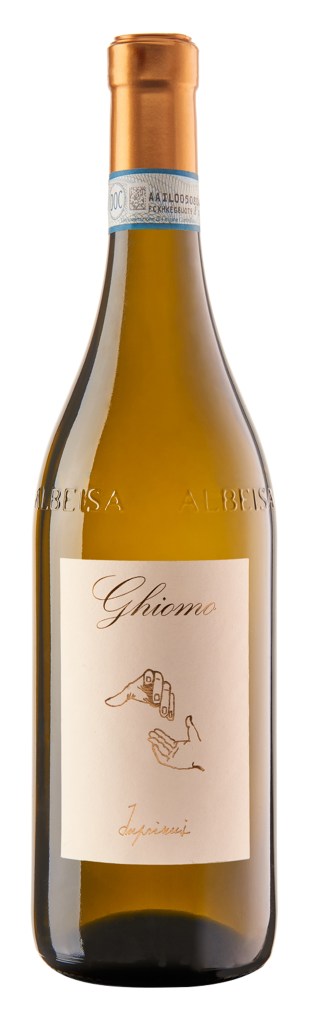
The Langhe Arneis Inprimis has a special back story. Nicola Oberto from Trediberri came up with the name, Nicola’s mom designed the label, and the hands belong to Giuseppino and Nicola’s father.
Fun fact II
Giuseppino’s oldest son plays for the Juventus team and Giuseppino’s side gig is driving him back and forth to football practice every day.
Wines
Wines available in: Norway Italy USA
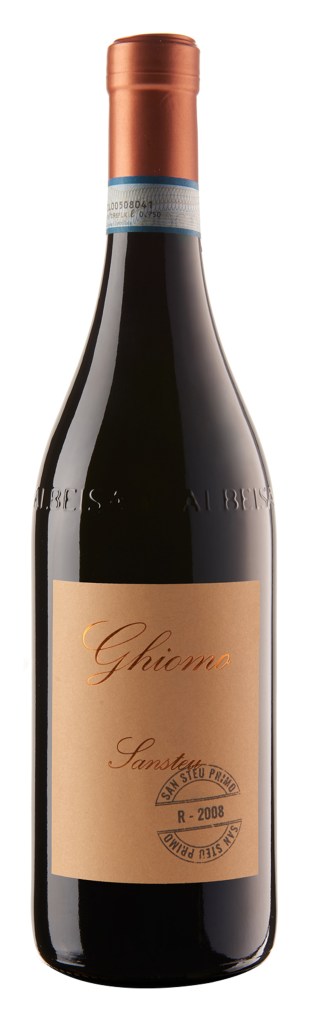
Sansteu Primo
The first vintage of Sansteu Primo was 2008, the year Giuseppino’s first son was born. This wine follows a very traditional method, where the caps are submerged in the juice for about 90-100 days followed by 16-20 months in oak. The wine spends a bit of time in steel tanks before transferred into the bottle. The Sansteu Primo will then spend a total 7 years in the winery before release!
BASIC INFORMATION
Product name: Ghiomo Sansteu Primo Nebbiolo DOC Alba Superiore Grape: Nebbiolo Classification: DOC Color: intense ruby red Fragrance: raspberry, strawberry, rose petals Taste: intense, round and structured. Rich fruit and hints of oak Food pairing: pasta, red meat, cheese
VINIFICATION (Winemaking)
Method: 90-100 day maceration with submerged cap Ageing: 16-30 months in oak Minimum aging in bottle: 4-5 years
VINEYARD
Vineyard: Fussot and Dario Soil: marl Exposure: Southeast
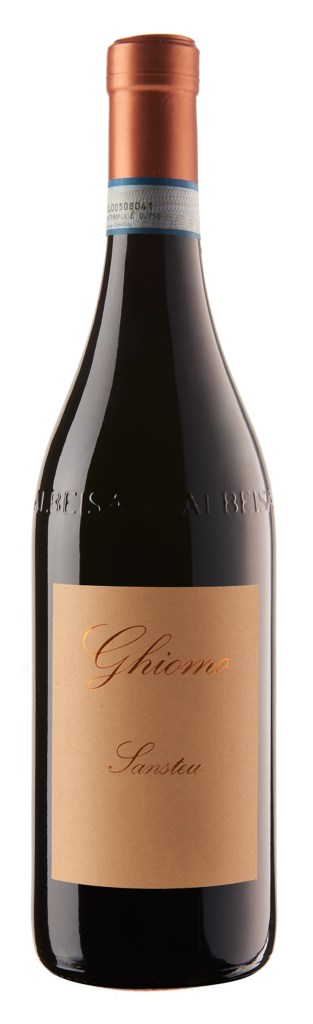
Sansteu
Energetic yet somewhat holding back, immediate yet layered and complex, genuinely rooted in tradition and yet aiming for the stars. Sourced from south-east facing vines in Sansteu (marly soils), the wine matures for 12 months in oak casks followed by a further six months in the bottle. Wild strawberries, wild raspberries, and crushed rose petal aromas, with a hint of white tea. A distinct salty minerality (the kind often found in red burgundies), structured and long.
BASIC INFORMATION
Product name: Sansteu Nebbiolo DOC Alba Superiore Grape: 100% Nebbiolo Classification: DOC Color: intense ruby red Fragrance: raspberry, strawberry, rose petals Taste: intense, round and structured. Rich fruit and hints of oak Food pairing: pasta, red meat, cheese
VINIFICATION (Winemaking)
Method: 70 day maceration with submerged cap Ageing: 12 months in oak Minimum aging in bottle: 6 months
VINEYARD
Vineyard: Fussot and Dario Soil: marl Exposure: Southeast
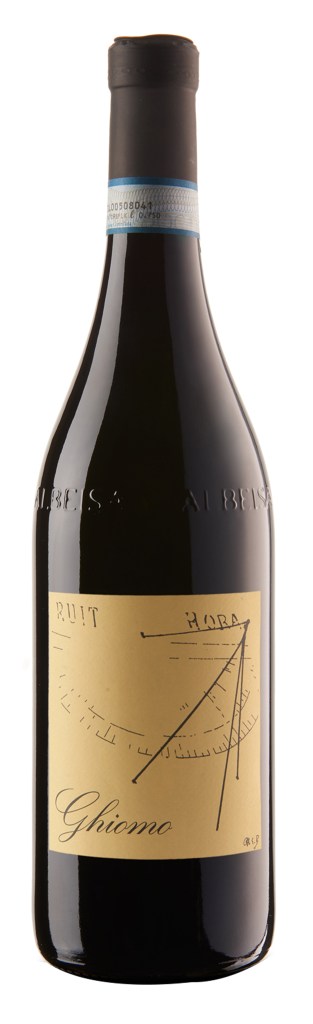
Ruit Hora
The Ruit Hora is a “wine for passion” for Giuseppino. The composition of 85% Barbera and 15% Nebbiolo combine two important grape varieties in Piemonte. Barbera was the grape from his father and grandfather and Nebbiolo is the grape of today. With this wine Giuseppino wanted to unite the two!
BASIC INFORMATION
Product name: Ruit Hora Alba Riserva DOC Grape: 85% Barbera and 15% Nebbiolo Classification: DOC Color: red with violet hues Fragrance: red fruit, hints of oak Taste: rich, big structure, tannins Food pairing: red meat, aged cheese, pasta
VINIFICATION (Winemaking)
Method: 250 hour maceration Ageing: 14 months in barrique, 3 months in stainless steel Minimum aging in bottle: 6 months
VINEYARD
Vineyard: Fussot, Dario, Vignot, San Steu, Vigna Granda, Vigna Bursa and San Lusè Soil: calcareous soil, marl Exposure: south
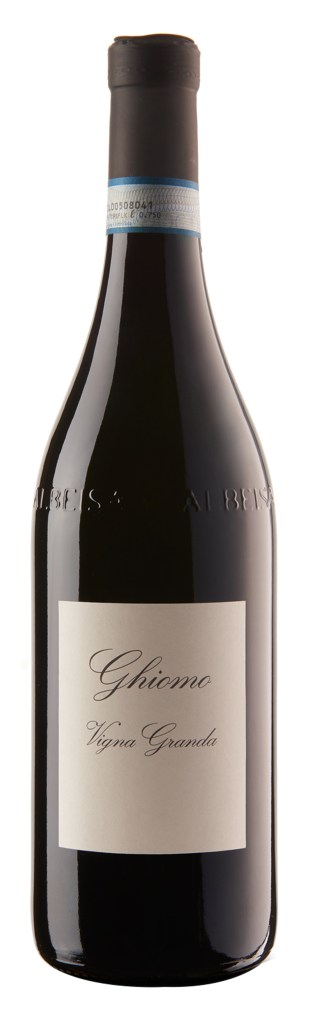
Ghiomo Vigna Granda
Expressive aromas, wild strawberries, dried tobacco leaves, and a touch of rainy day. A very nice saline minerality to the mid-palate, soft tannins, with a long chalky mineral finish.
BASIC INFORMATION
Product name: Vigna Granda Langhe Nebbiolo Grape: 100% Nebbiolo Classification: DOC Color: brilliant ruby red Fragrance: fruity, floral, mineral Taste: elegant with persistent tannins Food pairing: appetizers, light main dishes, cheese
VINIFICATION (Winemaking)
Method: 30 day maceration with submerged cap Ageing: 12 months in oak, part barrique and part botti Minimum aging in bottle: 2 months
VINEYARD
Vineyard: Vigna Granda, Vigna Bursa and San Lusè Soil: calcareous soil, marl
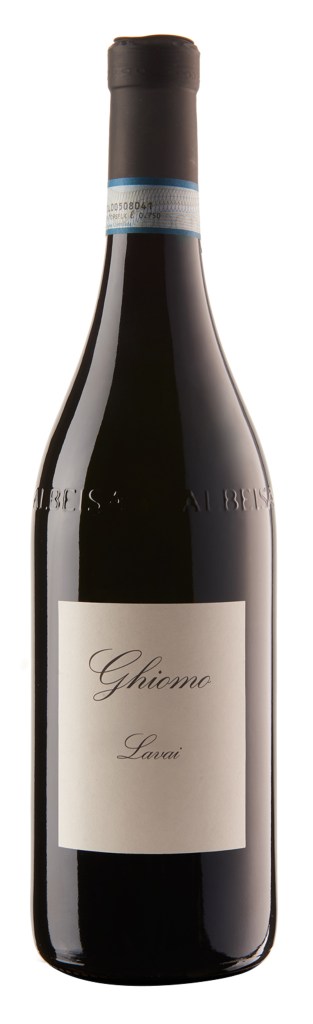
Ghiomo Lavai
BASIC INFORMATION
Product name: Lavai Barbera DOC Alba Superiore Grape: 100% Barbera Classification: DOC Color: violet red Fragrance: fruity Taste: potent and rich Food pairing: red meat, cheese, pasta
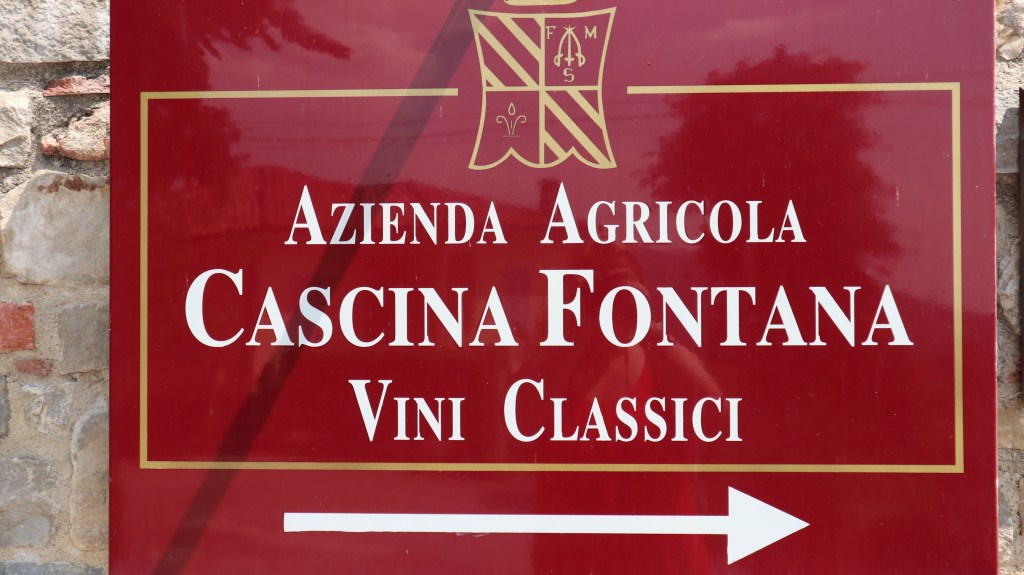
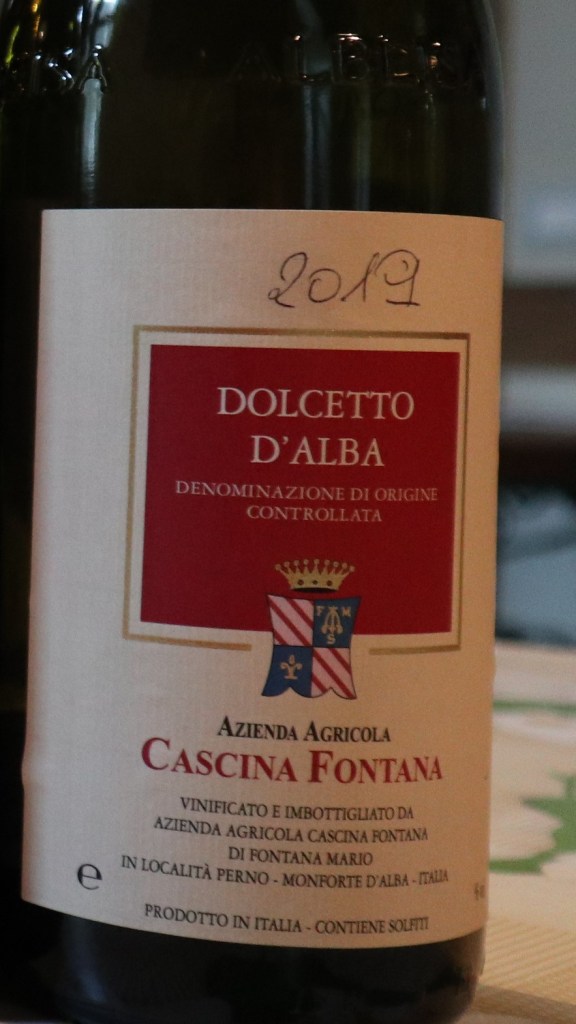
I bet you didn’t know that the Cascina Fontana Dolcetto holds a special place in Mario’s heart! Personally, I think Dolcetto is quite underrated. We don’t give it enough attention. And, as it turns out, the Dolcetto grape is not the easiest to deal with. But that doesn’t stop Mario! During my last visit we spent quite a bit of time talking about Dolcetto. Turns out it’s one of Mario’s favorite to grow. Even if it can be a pain in the a**!
Winemaking
The Cascina Fontana Dolcetto is aged in stainless steel tanks. The grapes come from a vineyard in Sinio, which is outside the DOCG area. The vineyard has soil composed of limestone with some clay. Something that is very important to Mario is the fact that the wine must reflect the vintage. He said this when talking about the 2014 vintage, but it also applies to any other vintage. As you can see below, the Dolcetto has quite different expressions in the separate vintages and I like all of them!
Cascina Fontana Dolcetto Tasting Notes
Dolcetto 2019
In the words of Mario Fontana: “2019 is a great vintage.” You have this perfect Dolcetto nose, good structure and wonderful freshness. I think the 2019 Dolcetto’s are elegant and rich, with more power than 2018.
Dolcetto 2018
As Nicola from Trediberri once said, the 2018 vintage is skinny just like Miley Cyrus. The 2018 Dolcetto is light and fruity – a very drinkable Dolcetto. Lacks the structure you find in 2017 and 2019, but structure isn’t always something you strive for in a Dolcetto.
Dolcetto 2017
Compared to 2019, 207 was a warm vintage, and so the alcohol is a little higher. The 2017 has 13.5% alcohol, but because Mario is such a wonderful winemaker, you cannot taste it!
Cascina Fontana Barolo 2016
You can find tasting notes on the Cascina Fontana 2016 Barolo’s here.
 PIEMONTEGIRL