I was recently asked about barbera, and if I had a favorite. This is a tough question to answer, because there are so many good ones. And so many different styles. I don’t think I could pinpoint just one, and here’s why.
Barbera vs Barbera Superiore
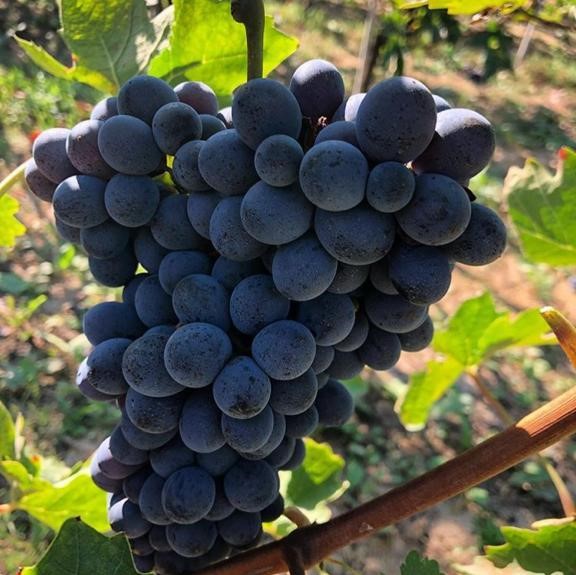
Barbera is a grape, and just like with Nebbiolo, there are multiple ways to make it. Most winemakers have a “classic” barbera, a wine made in steel tanks with no influence of wood. The wine completes both malolactic and alcoholic fermentation in steel tanks, and remain there until bottling. These wines tend to be high in acidity, full bodied with aromas of red fruits.
You will also find barbera superiore, and this wine will have influence of oak. After pressing the juice, the wine is transferred into barrels and complete the malolactic and alcoholic fermentation in barrels instead of steel tanks.* The wood gives the wine some tannins, helps balance the acidity and you might find hints of oak flavor.
“The Mario Fontana Way”
Mario Fontana is what we would call a “traditional” wine maker, and uses big barrels for all his wines. Except his Barbera. A few years ago, he decided to use cement for this grape because that made more sense to him. And we see this with other winemakers. They may chose to interpret the grapes in different ways, and use new types of material when cultivating them. Kinda cool, right?
Now, you can see where choosing a favorite can be difficult. However, there are a few I tend to chose over and over again.
In the wine industry, it’s very common to work with your family. You pass the winery onto your children, your children pass it onto their children. And so it goes for generations. But what happens if your son or daughter don’t want to make wine? What happens if you don’t have any children? What happens if you disagree? Or, worst case; what happens if you don’t get along?
Winemakers are people, just like you and me. Do we always get along with our family? Do we always follow in the footsteps of our parents? No. My whole family works in one industry, and I chose another. But is it easy to chose a different path when you’re raised in the family business? I know that some of the Oddero family members became doctors instead of winemakers. Nicola at Trediberri studied business before he became a winemaker. Something that often happens, is a winery “splitting up”. Example: one sibling continues with the same winery while the other sibling starts up a new one. In La Morra you have Revello Fratelli and Carlo Revello & Figli, where the two sons decided to split up and do their own thing. Now, “splitting up” doesn’t have to be the cause of a fight or argument. Sometimes it’s just the right thing to do. Maybe they have different visions or strategies. Maybe they both have multiple kids who want to continue the tradition, and it makes sense to divide and conquer.
Complicated Also For Wine Lovers
I am not saying that this is as bad for us wine lovers as it is for the families involved, because it is not, but that is not to say that this phenomenon does not influence the lives of someone who just loves to enjoy wine. I mean, have you ever thought about how many wineries have the same or similar names?! How many Boillots are there in Burgundy? Moreys? Colins? Or to make matters worse, someone decides to call their son Colin-Morey. It’s not weird that you sometimes feel confused when buying wine. Which one was the Colin you wanted? Pierre Yves Colin Morey or Marc Colin? Or a completely different Colin. The strangest part is that some of them are actually related, while others just have the same last name. Which just makes it harder for us consumers to navigate the vast world of wine.
Did I Say Complicated?
For long, this was a burgundian “problem”. In Piemonte, for example, the next generation just kept the name of their fathers. But now with changes at the Fontana, Revello, Vietti, and Veglio wineres amongst others, one really needs to pay attention to be on top of which wine is which, and who makes what. Take this example from La Morra: A few years ago, news broke that Andrea Oberto’s son left the winery. But not only did he stop working with his father, he started his own winery, mere feet from his father. What will happen to Andrea Oberto now? Will his daughter (who I believe does some office work for the winery) step in and fill the shoes of her brother? Will Andrea have to pass his legacy onto someone outside the family?
A consequence of Fabio Oberto starting up his own company, La Collina di Dioniso, is that the wines of Andrea Oberto are no longer available in Norway. But you can find Andrea’s wines in La Morra, Piemonte, at the local restaurants and the local wine store. Interestingly enough, you can’t find Fabio’s wines there. What do you think that means?
And what does it mean for the consumer? For the producer? For the importer? This is so complicated I don’t even want to try to analyze. But just think about it next time you find Fabio Oberto’s wines instead of Andrea Oberto’s. So much is happening behind the scenes – at the wine store, at the importers office and in the homes of these wine families.
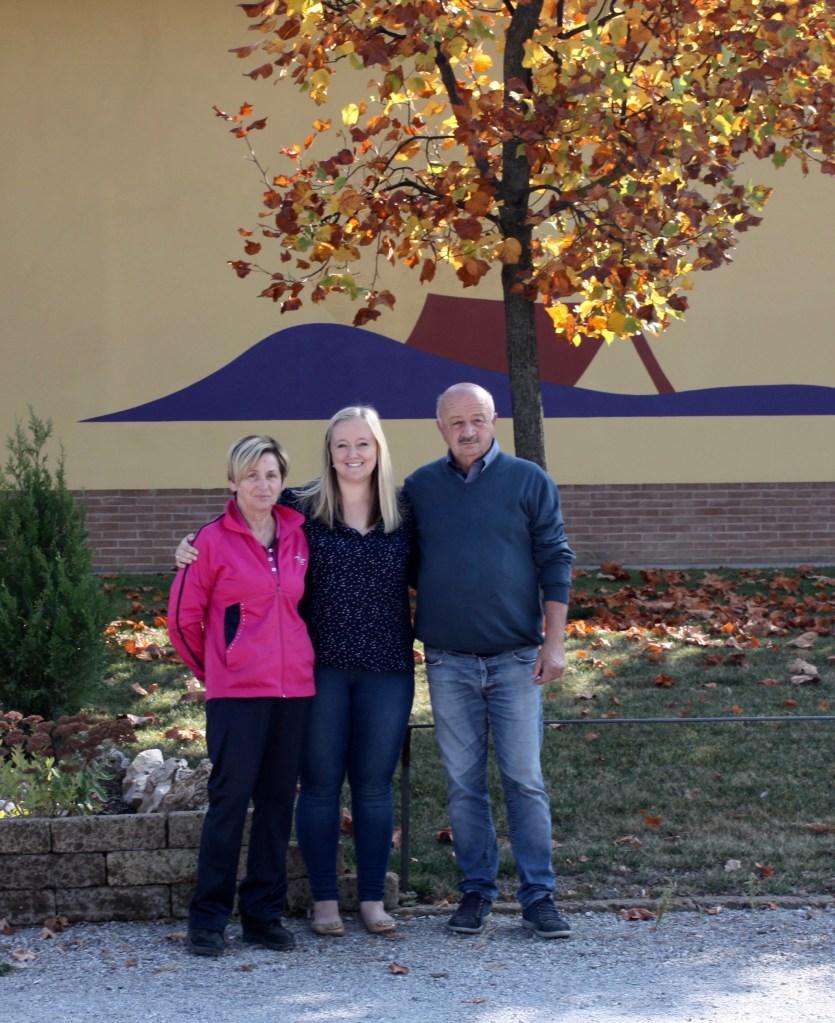
Andrea Oberto & his wife
Happily Ever After
What does a happily ever after look like at a winery in Piemonte? My answer would be: Happiness is in the eye of the beholder. I mean, who are we really to have an opinion on whether a winery stays in the family, if they split up or stay together, or even sell? Most of us have no clue what is going on in each of these families, and it’s up to them to find out what suits them the best.
Valentine’s Day is coming up, and you might be on the hunt for a wine to go with your plans. Maybe you’re cooking a special meal for your significant other and need a wine that pairs with your food? Or you’re watching romcom’s with popcorn and want something other than diet coke?
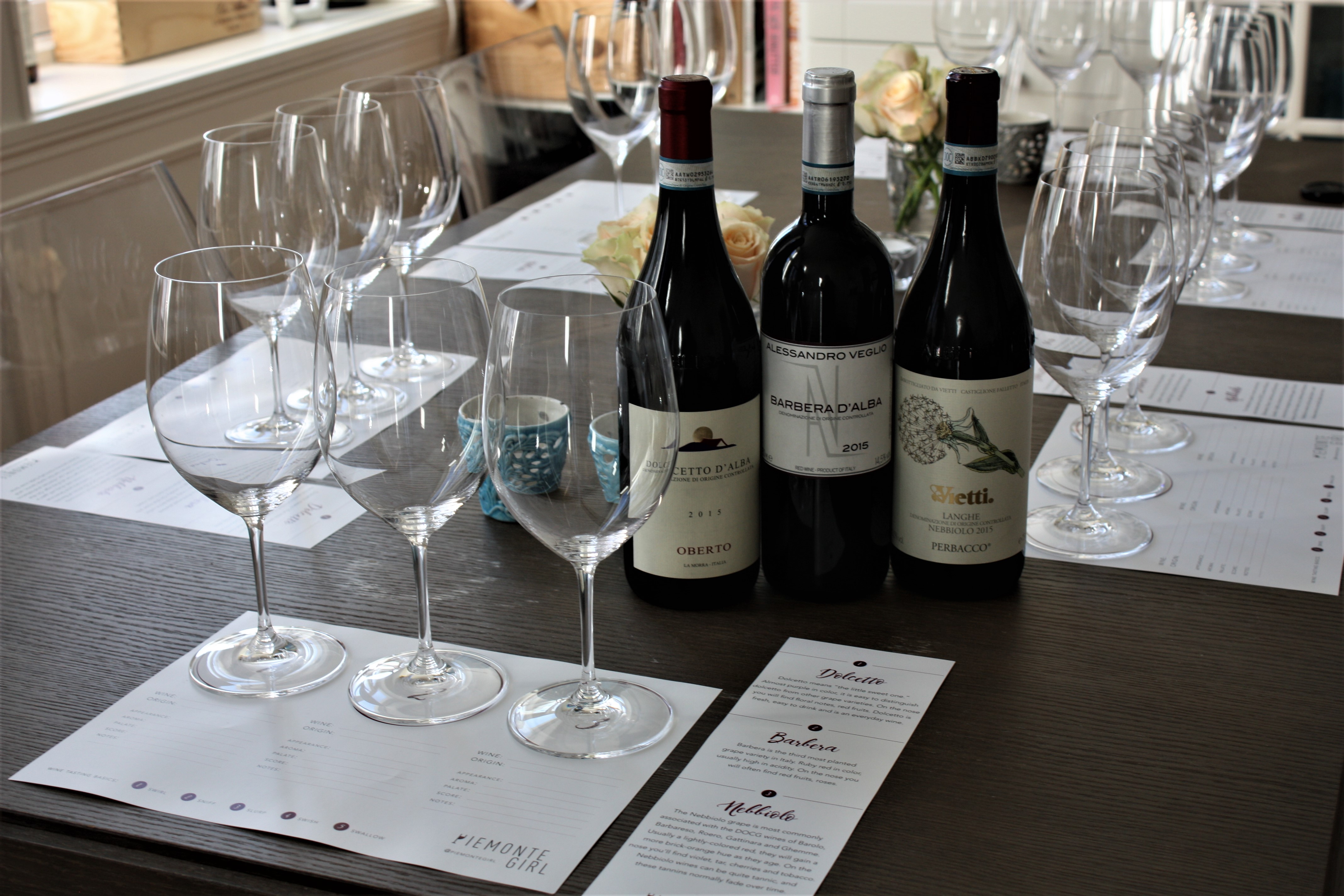
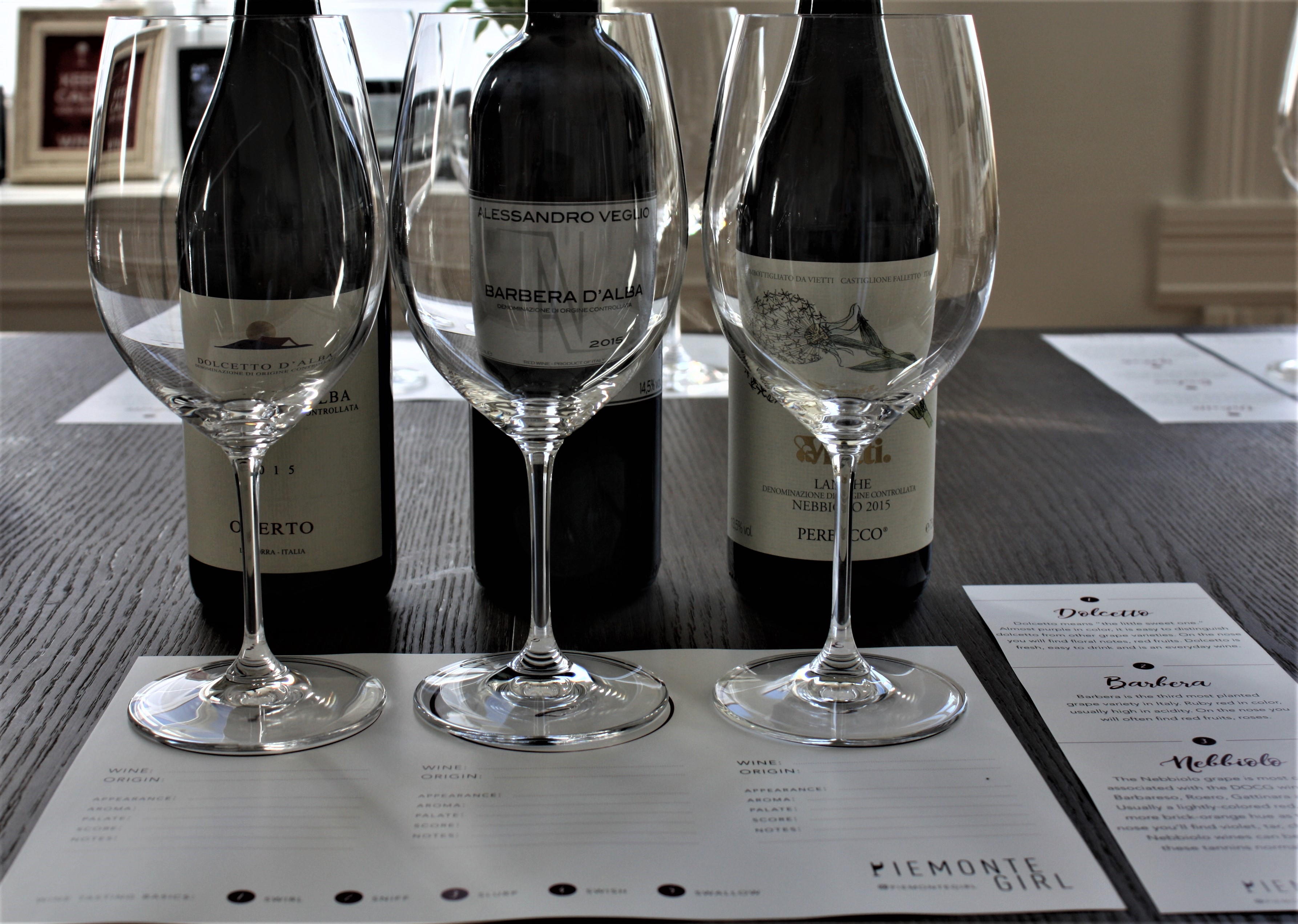
As you probably already know, I’ve started to host some wine tastings! Mostly basic tastings, differentiating between 3 grapes: dolcetto, barbera and nebbiolo. I think it is a good way to learn the difference between the 3 main grapes in Piemonte.
The dolcetto from Andrea Oberto had the typical purple color of dolcetto. On the nose it had kind of a strange smell. I think there might have been something strange with this bottle, maybe some reduction, because I’ve had this wine many times before and it did not smell like that. In the mouth it was as it should be – fresh, fruity, light.
Alessandro Veglio’s barbera had a ruby red color, slightly opaque. The nose was a little closed at the beginning, but came to after a while in the glass. It was fresh, fruity and had a good amount of acidity.
Lastly, the Perbacco. Color was brownish red, typical of the nebbiolo grape. On the nose there was roses, violets and earth tones. As Vietti makes their nebbiolo quite similar to their barolo, there were tannins present, as there should be with nebbiolo.
We are continuing the success of Barolo Night, this time destionation: Stockholm!
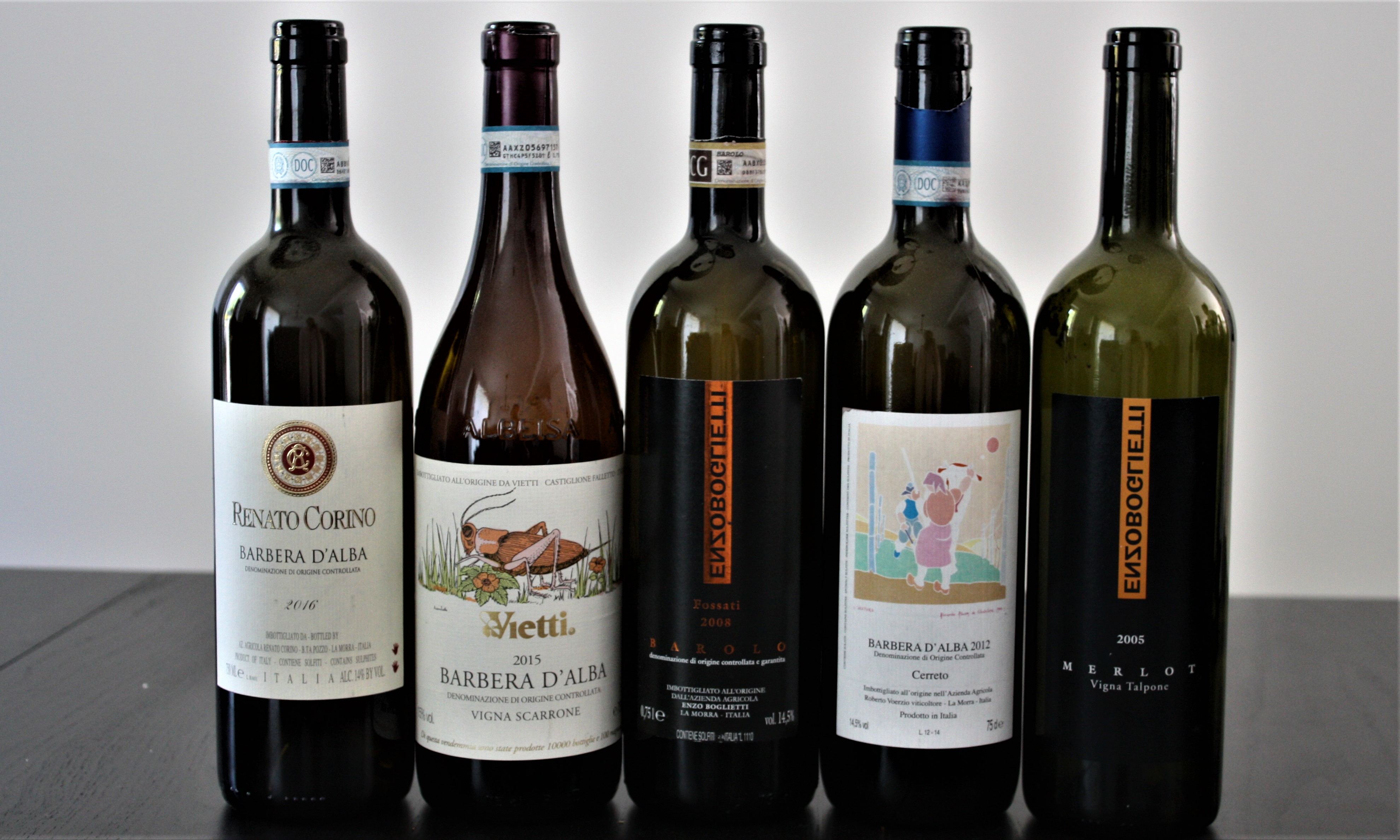
As per usual, we start the weekend with Friday Pizza and some “low key” wines. As you can see in the picture below the “low key” wines are quickly escalating! We did blind tasting Friday as well – because why not?? For me Wine of the Night was the Voerzio barbera, which is strange because his wine are normally not my taste. Vietti at a close second, but who are we kidding: all the wines are good!
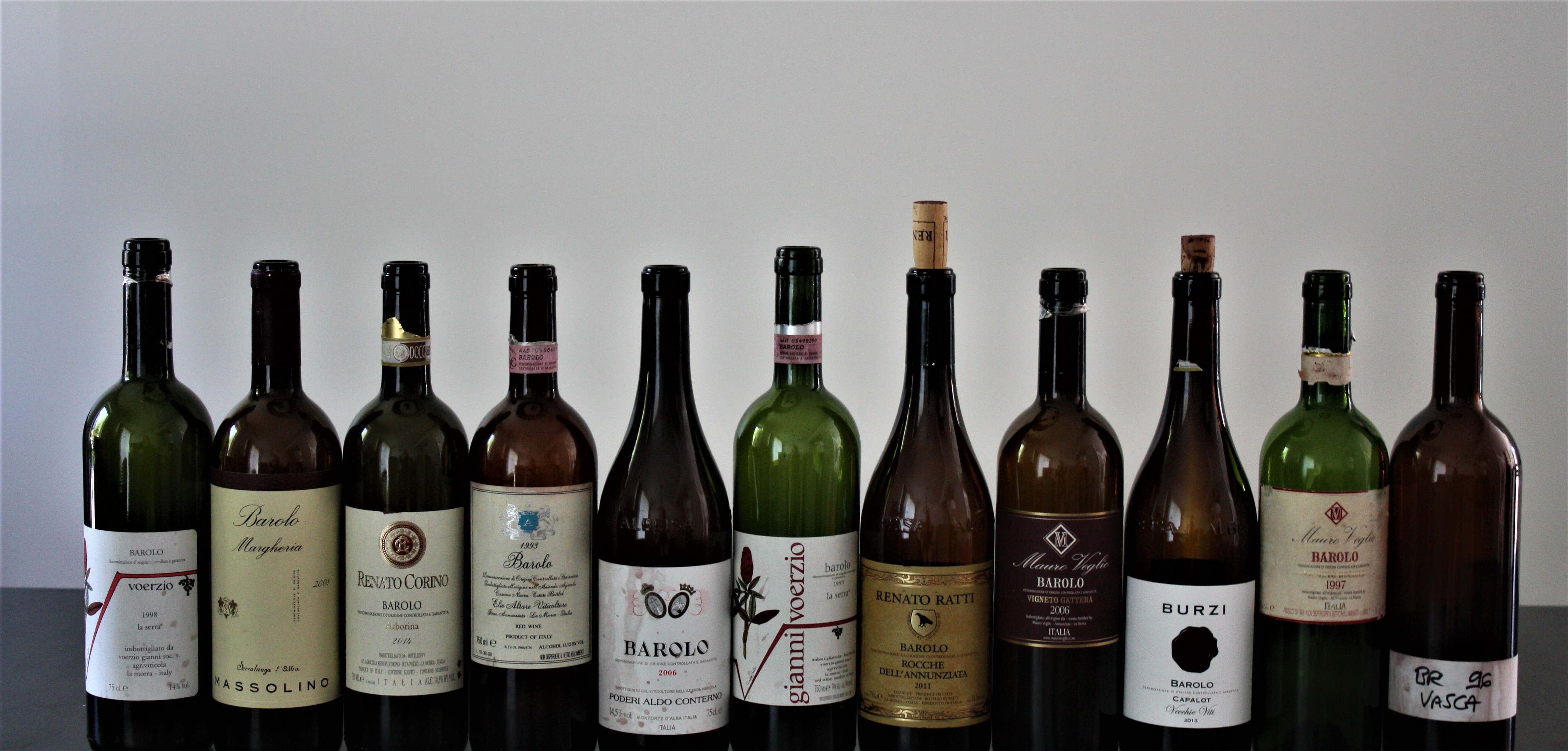
Saturday went a little crazy – look at that lineup! Double blind tasting, as in we didn’t know which wines were which when we were tasting, not even our own. Super interesting both to compare the ones in each round but also comparing them all at the end. More detailed notes will follow!
It’s that time of year again. Pylsa & Barolo. Hot dogs and red wine.
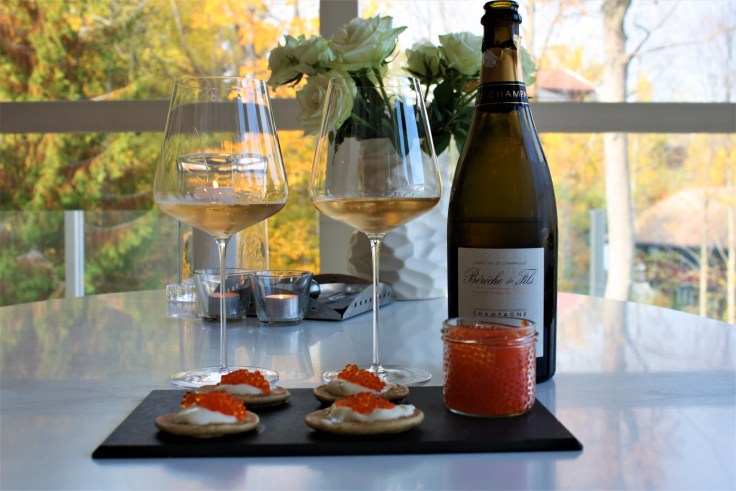
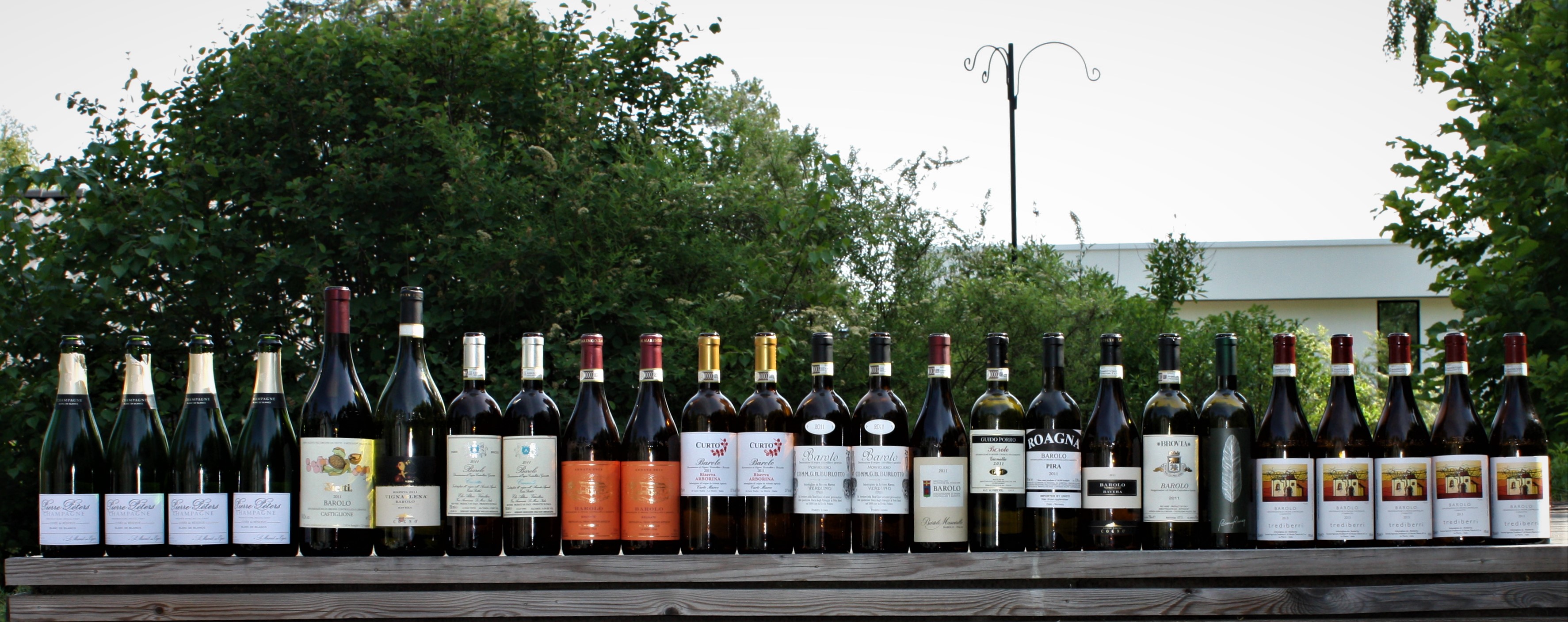
Pylsa & Barolo 2018 went off without a hitch and as you can see we drank some good wines. We started the night off with champagne from Pierre Peters (a bubbly that even I enjoy) and moved into 2011 barolo while eating hot dogs flown in from Idsøe in Stavanger.
2011 is supposed to be a very approachable vintage now, but for me it is still too young. We all know I prefer older barolo. Unfortunately I did not make it to all of the wines as many disappeared long before they reached my table. But some of my favorites include Vietti Castiglione, Marengo Brunate and Bartolo Mascarello. I had some Altare Cerretta, and although this is a very good wine, for me it is a little too masculine and should have stayed in the cellar another decade.
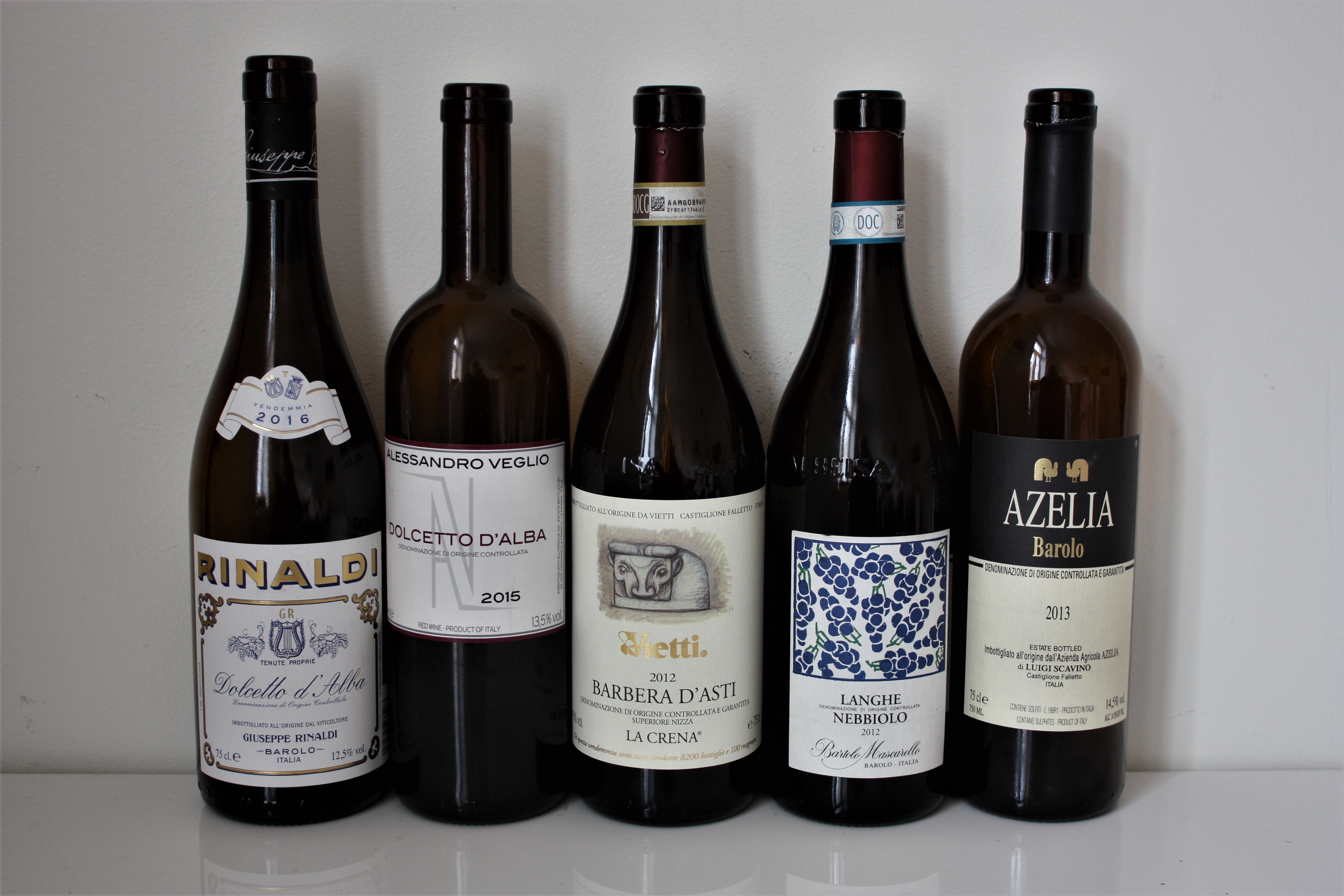
Remember the Barolo Night I had in Sweden? This weekend was Barolo Night 2.0 Oslo edition! Oh man did we drink some good wines. The layout of these Barolo Weekends are starting to form, and so on Friday we eat pizza and drink Pizza Wines. Check out these amazing Pizza Wines in the picture below.
Represented in the first night were some amazing producers: Rinaldi, Alessandro Veglio, Vietti, Bartolo Mascarello and Azelia. And we hit all the typical Piemonte/Barolo categories: Dolcetto, Barbera, Langhe Nebbiolo and Barolo.
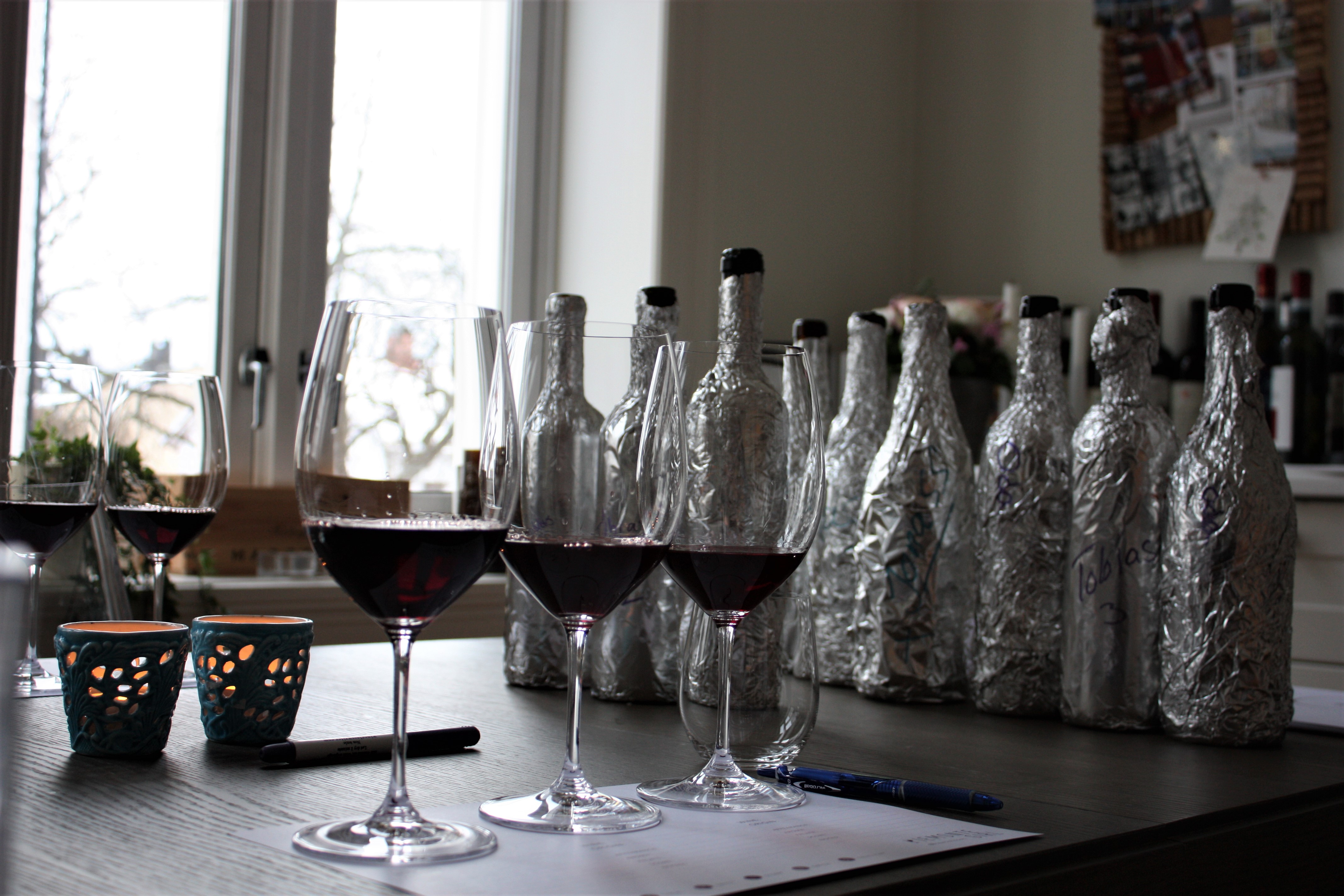
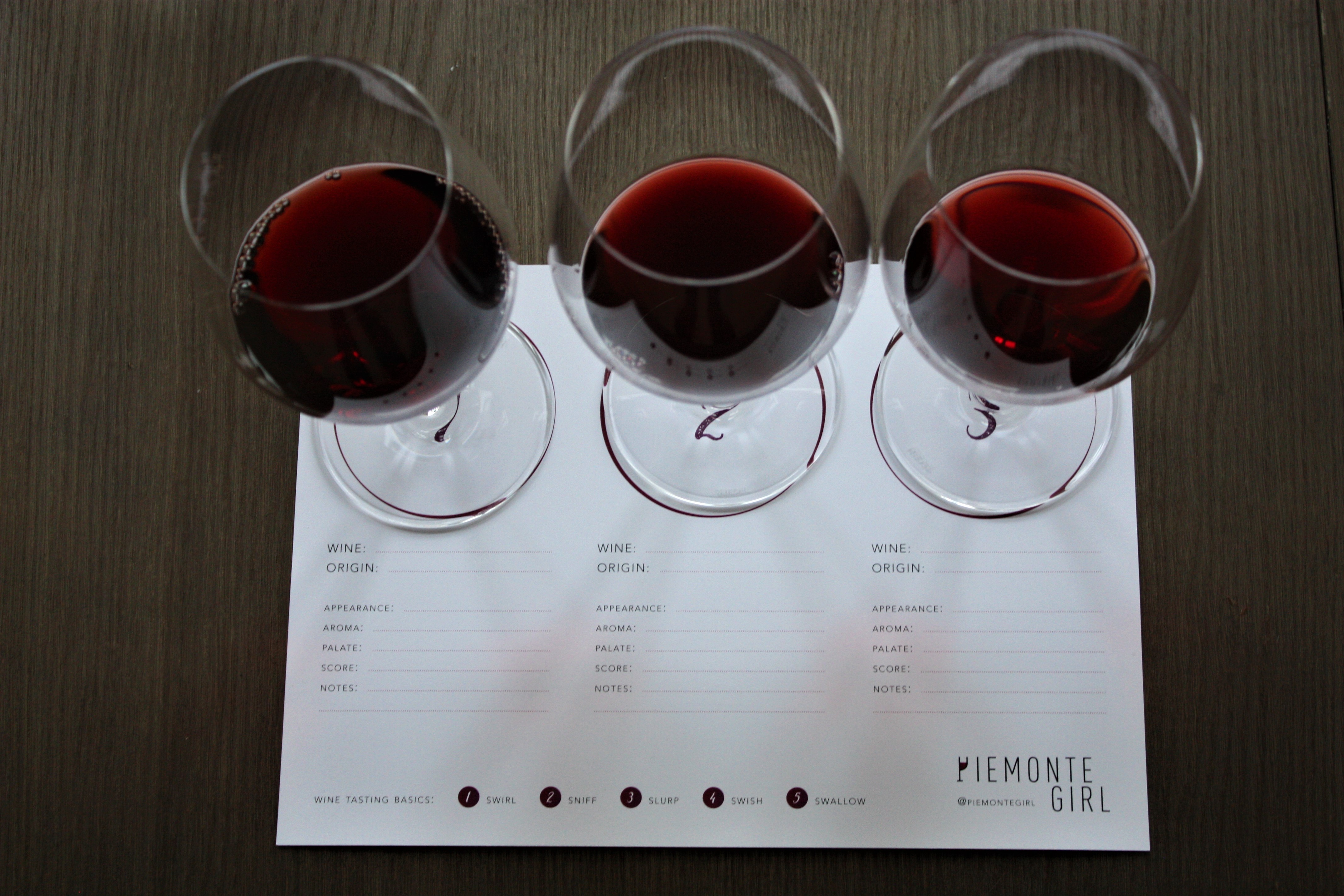
Saturday is the big wine tasting night, with blind tasting and tasting sheets. This time it was 9 wines and 4 people – maybe a tad much but we went with it. We do 3 and 3 wines at a time, taking time to smell and taste and discuss before we reveal. And once we are through all the wines, we just drink and enjoy.
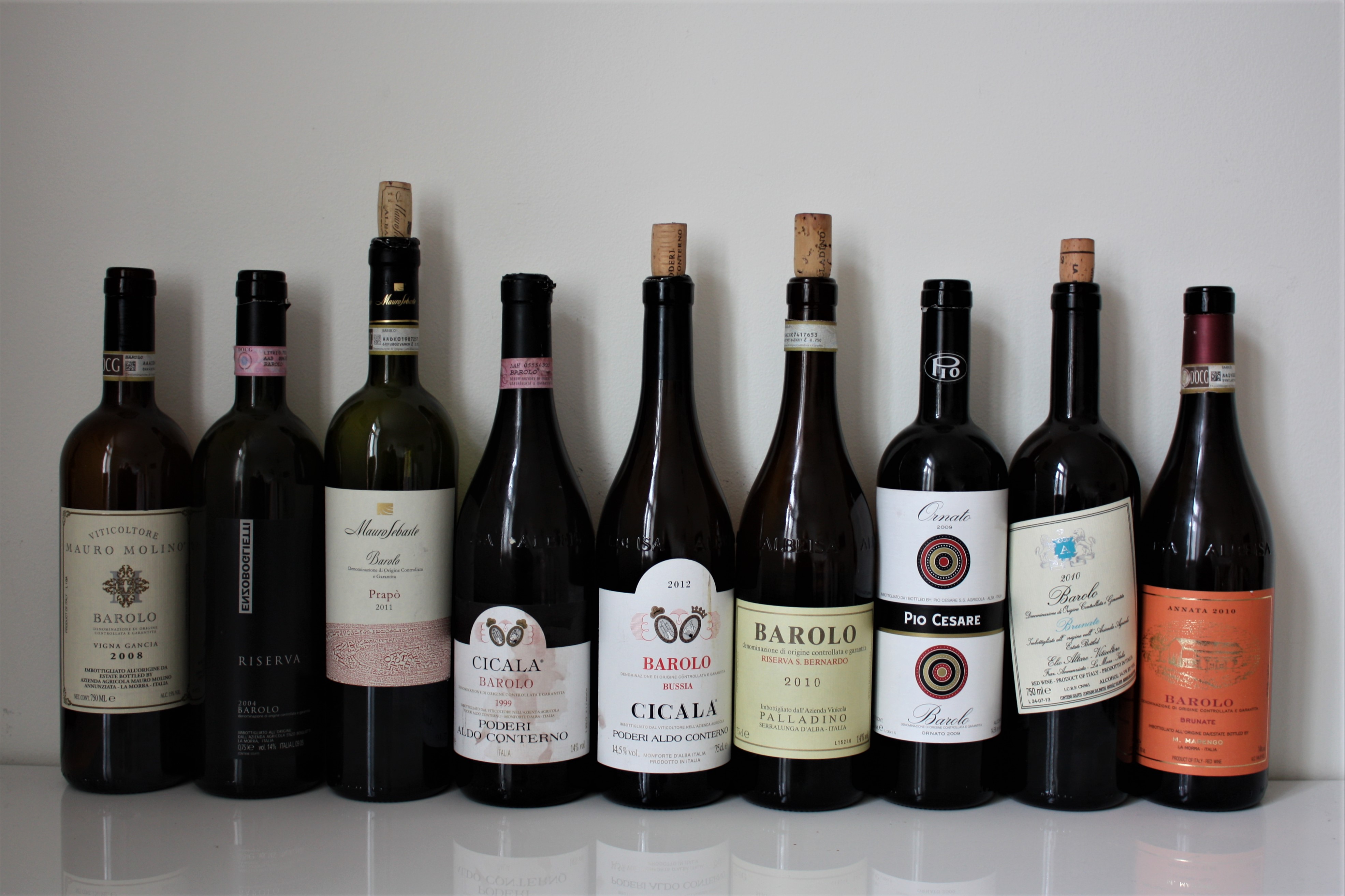
Below are the wines of Barolo Night 2.0. More detailed description and tasting notes will follow, but for now just enjoy the view!
6 people, 10 barolo, 1 night: does it get any better? (Yes I know one of them is technically a Barbaresco, but it’s not my fault someone cheated!) The deal was: bring one (or three) bottles of barolo and we’ll taste them blind. So, blindtasting gallore!
The bottles were a little too cold when we started, which made it even harder to taste and try to differentiate and eventually guess the wines. But we had some good conversations around all the wines, and after they warmed up and opened up they were all pretty much incredible.
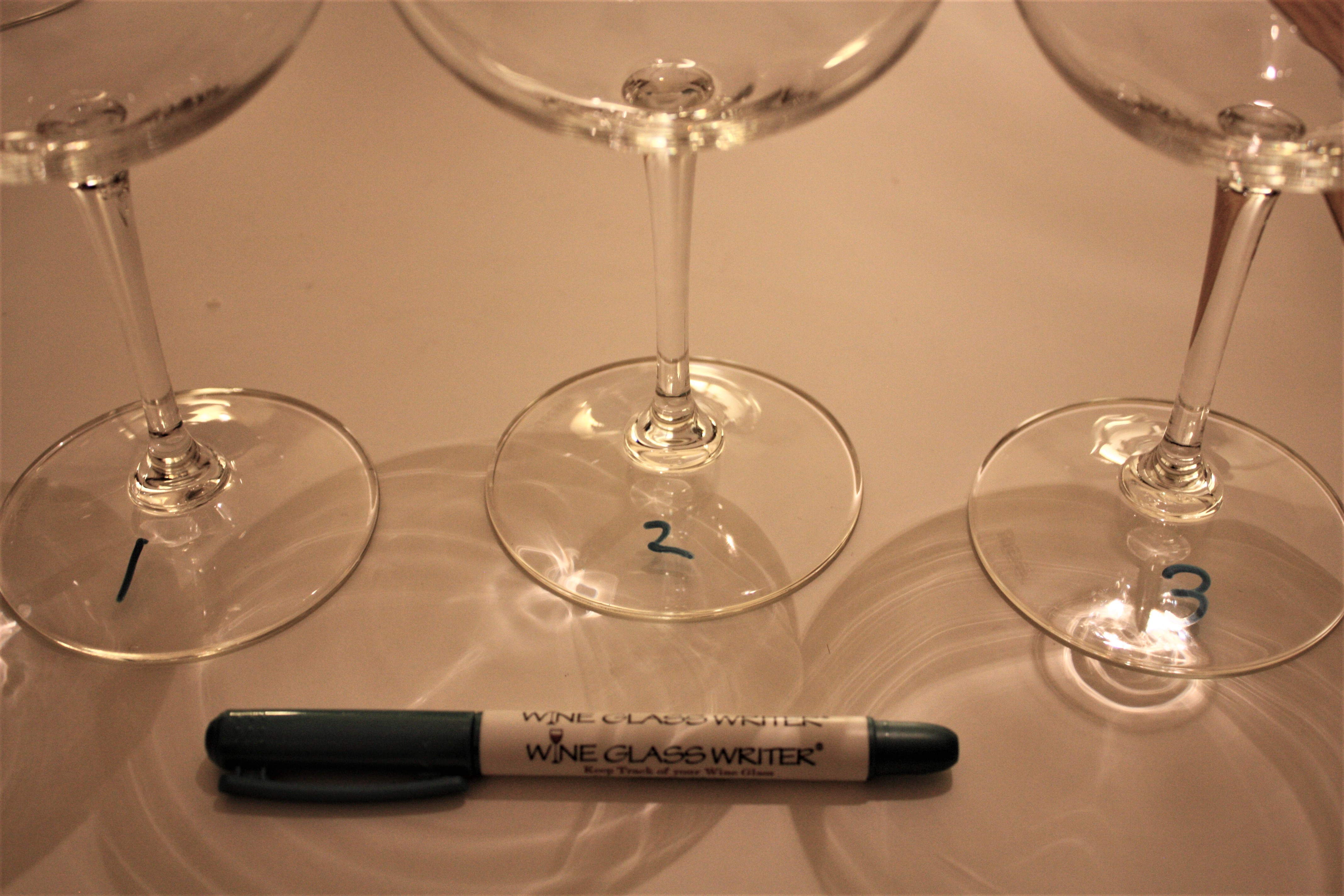
The way we did it was: 3 bottles at a time, random order. To help us remember which was which I brought my Wine Glass Writer along. Genius way to assist during a blind taste. I also sometimes use them for seating arrangements at dinner parties. You just write the guests names on the glasses instead of on a card. Safe to say I use mine all the time!
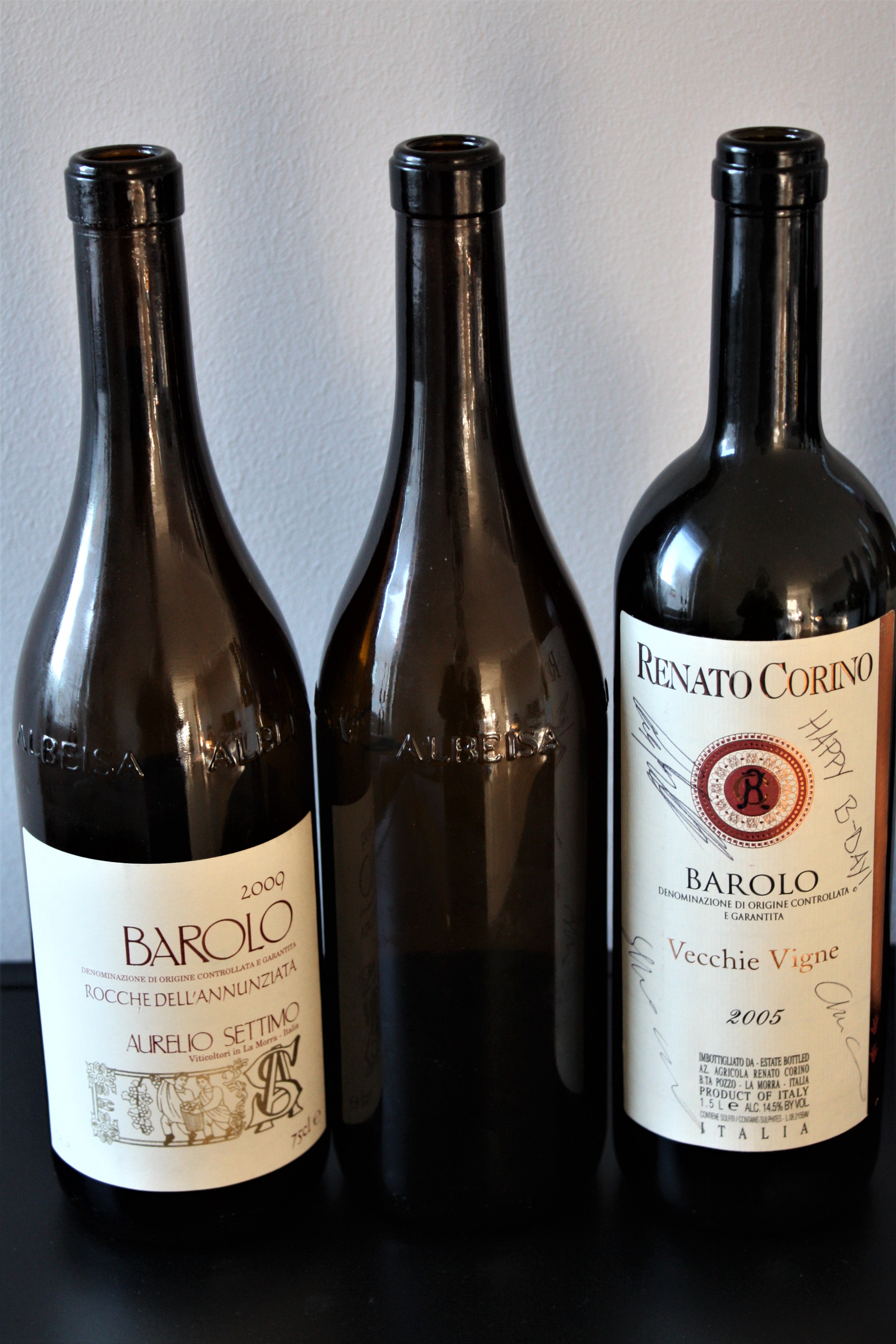
Man surprises during the night. What was difficult was that some of the older bottles outshone the younger ones, even though the younger ones were also very good. Example: 2013 Alessandro Veglio is a very good wine, but for me too young and therefore the 2009 Barbaresco and 2010 Enzoboglietti came out a little stronger. I had also set my mind on the Marengo (without label) and so any wines after that were sort of put in second place.
Top 3 wines of the night: Aurelio Settimo Rocche dell’Annunziata 2009, Marengo Unknown Barolo and 2005 Renato Corino Vecchie Vigne. Outstanding. Looking forward to the next Barolo Night!





 PIEMONTEGIRL