Gaia Gaja @ Vinoteket

Vinoteket, a hot new meeting place for wine enthusiast, recently hosted Gaia Gaja for a winetasting. Clearly, I was in attendance. Although I have tried quite a few of the wines from Gaja, I have never been to the winery.
All in all we tasted 5 different wines, 3 from Piemonte and 2 from Tuscany (who knew!).
Gaja has recently started a new project in Tuscany, and at the tasting Gaia showed us two of the wines from there. First, the Camarcanda, which is 80% Cabernet Sauvignon and 20% Cabernet Franc. A simple, but structured wine from a flat area with limestone soil.

Bolgheri is a simple beauty

Gaia Gaja

The second wine from Tuscany is the Brunello di Montalcino, the “brown grape” from Montalcino. With 100% sangiovese, a Brunello can be very tannic if made “poorly”. Gaja brought the Brunello from 2014, a difficult vintage, but a vintage that resulted in lower tannins and good acidity.
Wines from Piemonte

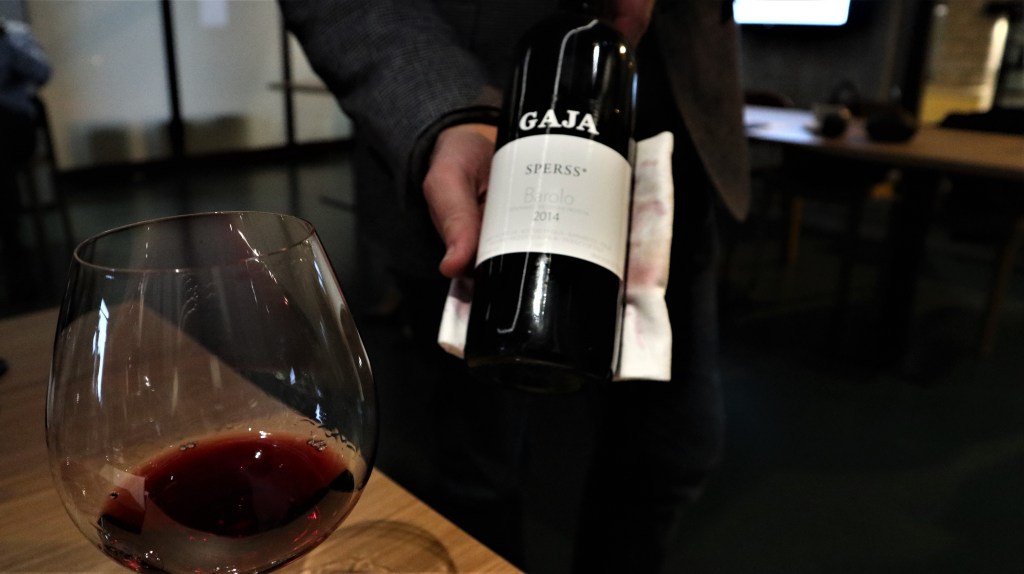
From Piemonte, we tried Conteisa, Spress and Sori Tildin. Conteisa, where the grapes are from La Morra, was more elegant and fruity than Sperss, where the grapes are from Serralunga. Both balanced wines with good structure and good acidity. Compared to the wines from Tuscany, Gaia feels like the nebbiolo wines are less persistent, more quiet.

Nebbiolo allows the vintage to be in front

Gaia Gaja

Sori Tildin comes from a vineyard planted veritcally (very unusual) which allows for a higher density of vines. Located on the top of the hill, southfacing on dense soil means the wine is very concentrated. Rich, dark fruits with a hint of mineralism.

Gaja on climate change & biodiversity

Although she spoke a lot about the wines, she also spend a significant amount of time on the topics climate change and biodiversity. Climate change has become an issue in the vineyards, as the weather is even more unpredictable than normal, making the work in the vineyards more and more difficult. A proposed solution to this problem is more biodiversity.

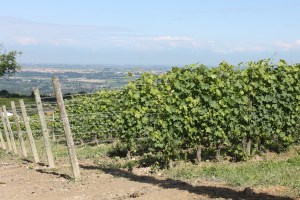
If you look out into the landscape in Piemonte, you’ll see miles and miles of vineyards as far as the eye can see. The problem with this “mono agriculture” is a lack of biodiversity. Despite protests from Angelo Gaja, they decided to hire consultants to help. Bee keeping, different types of herbal essence, leaving the grass growing, planting trees – all of these ideas are meant to encourage biodiversity.

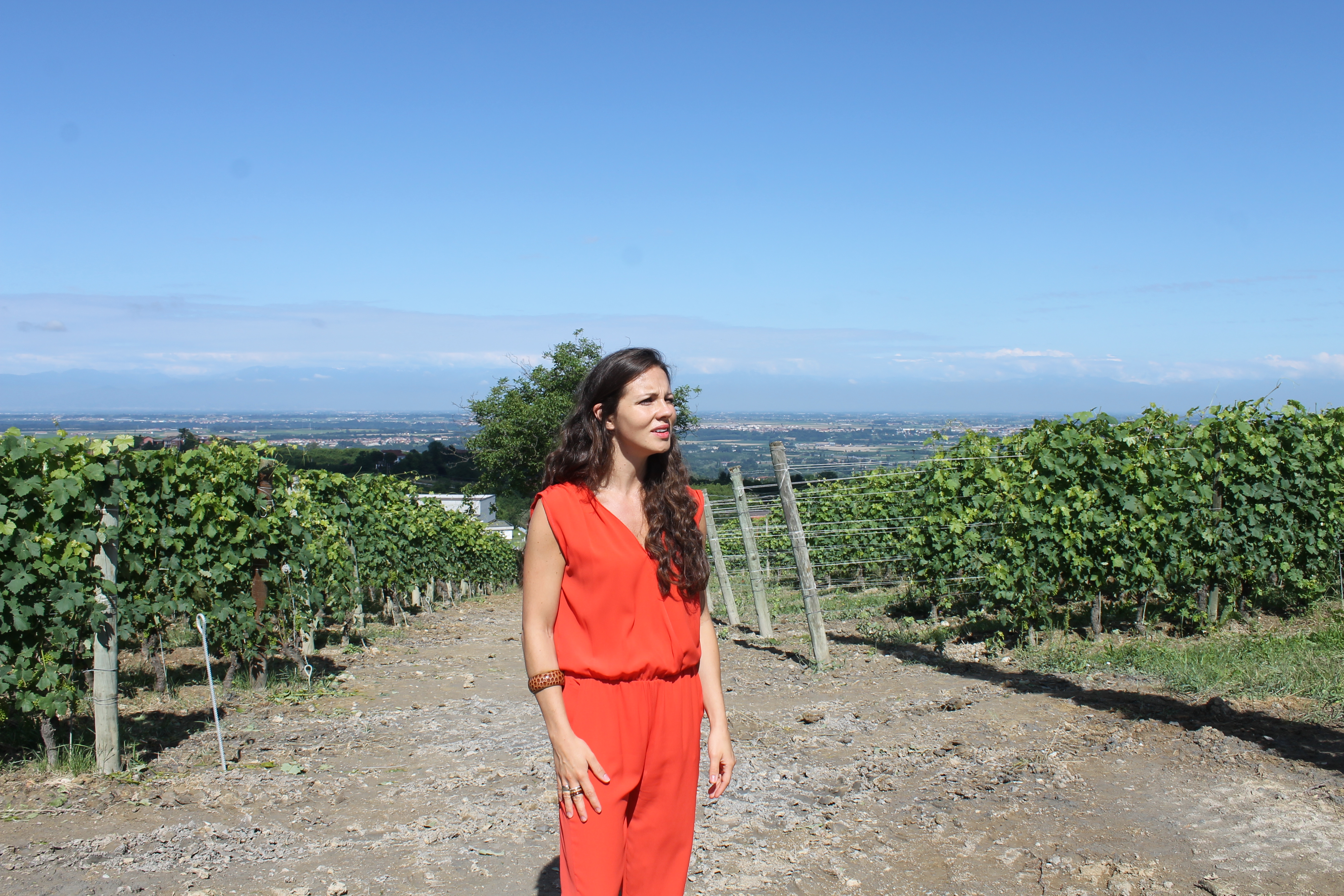
A truly interesting woman, who comes from a winery with an incredible history! If I were to describe Gaia in 3 words:
Passionate
Fierce
Intelligent

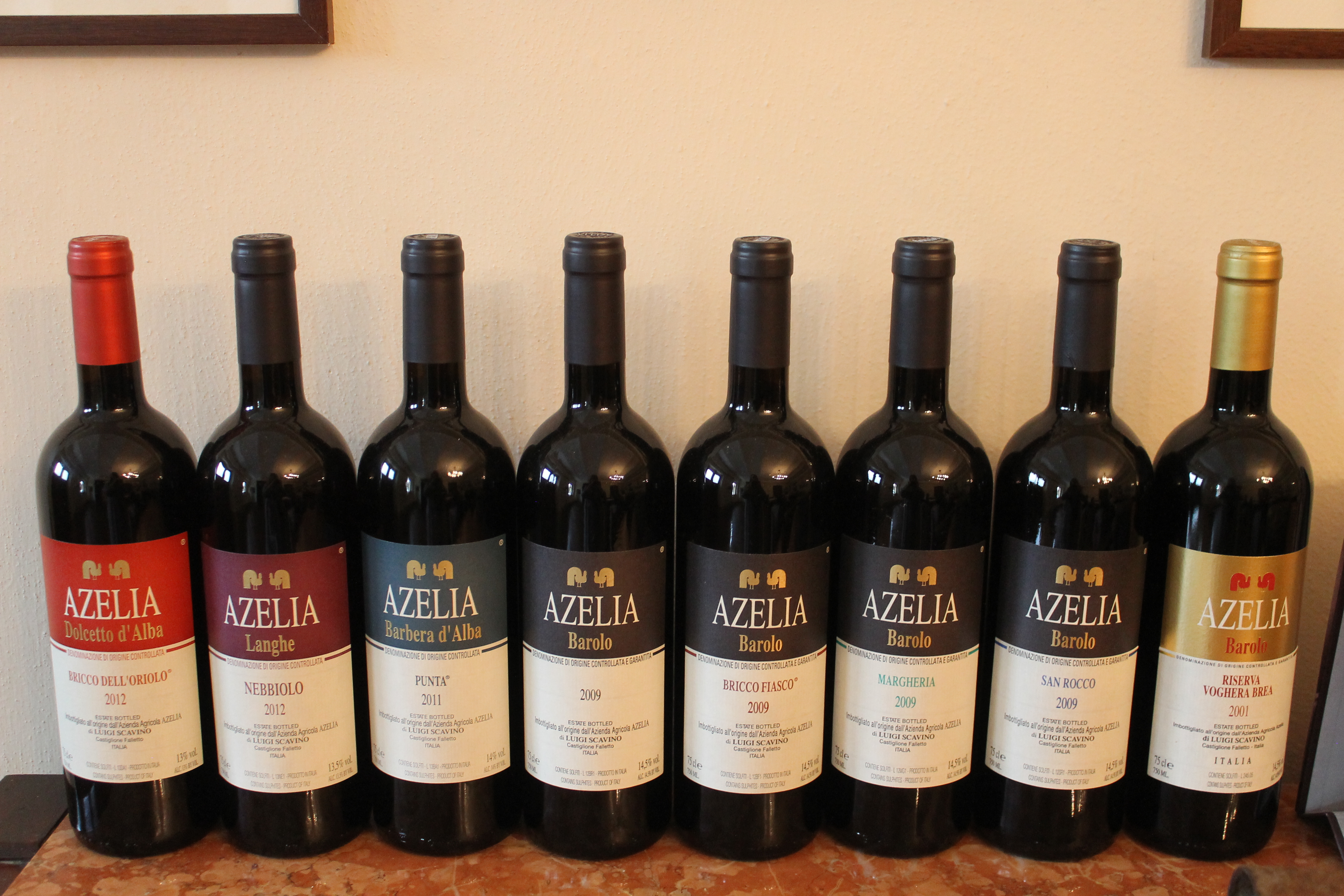
Azelia

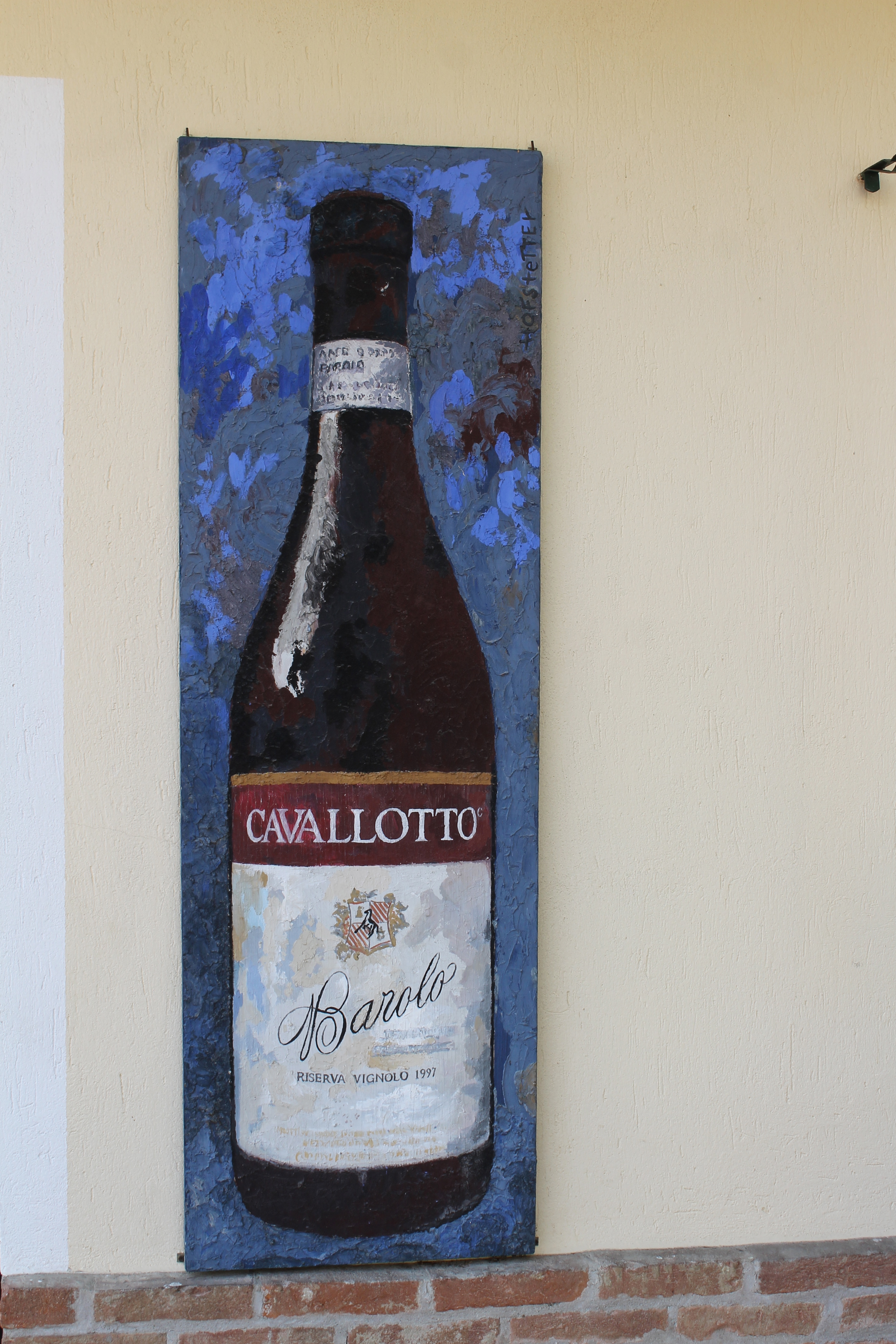
IMG_5607I recently discovered, and befriended, the winemakers at Azelia. Located at the bottom of Castiglione, next to Paolo Scavino, you find the not so small winery of Azelia. It just so happens that Azelia, Cavallotto and Scavino are all related– welcome to Barolo!
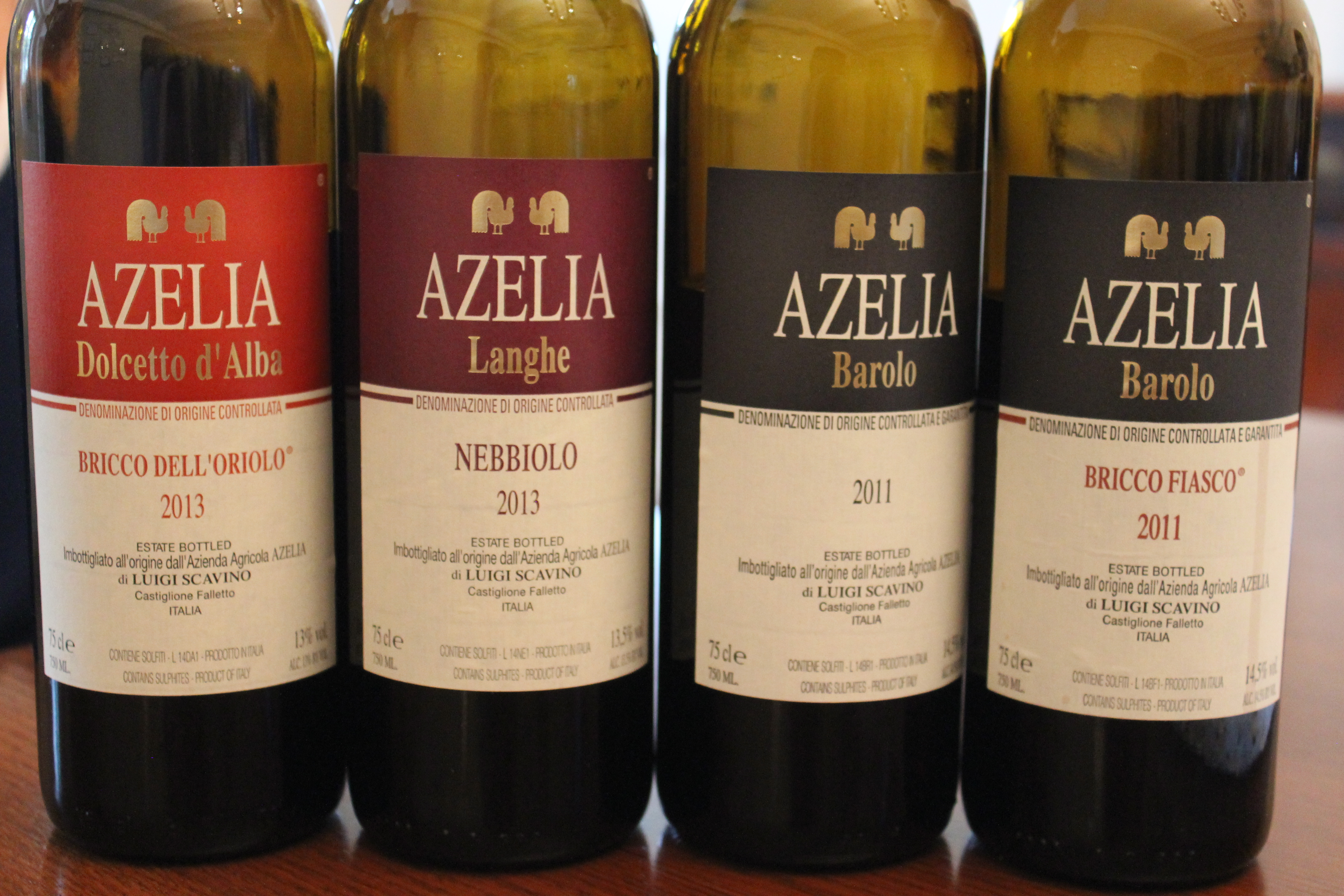
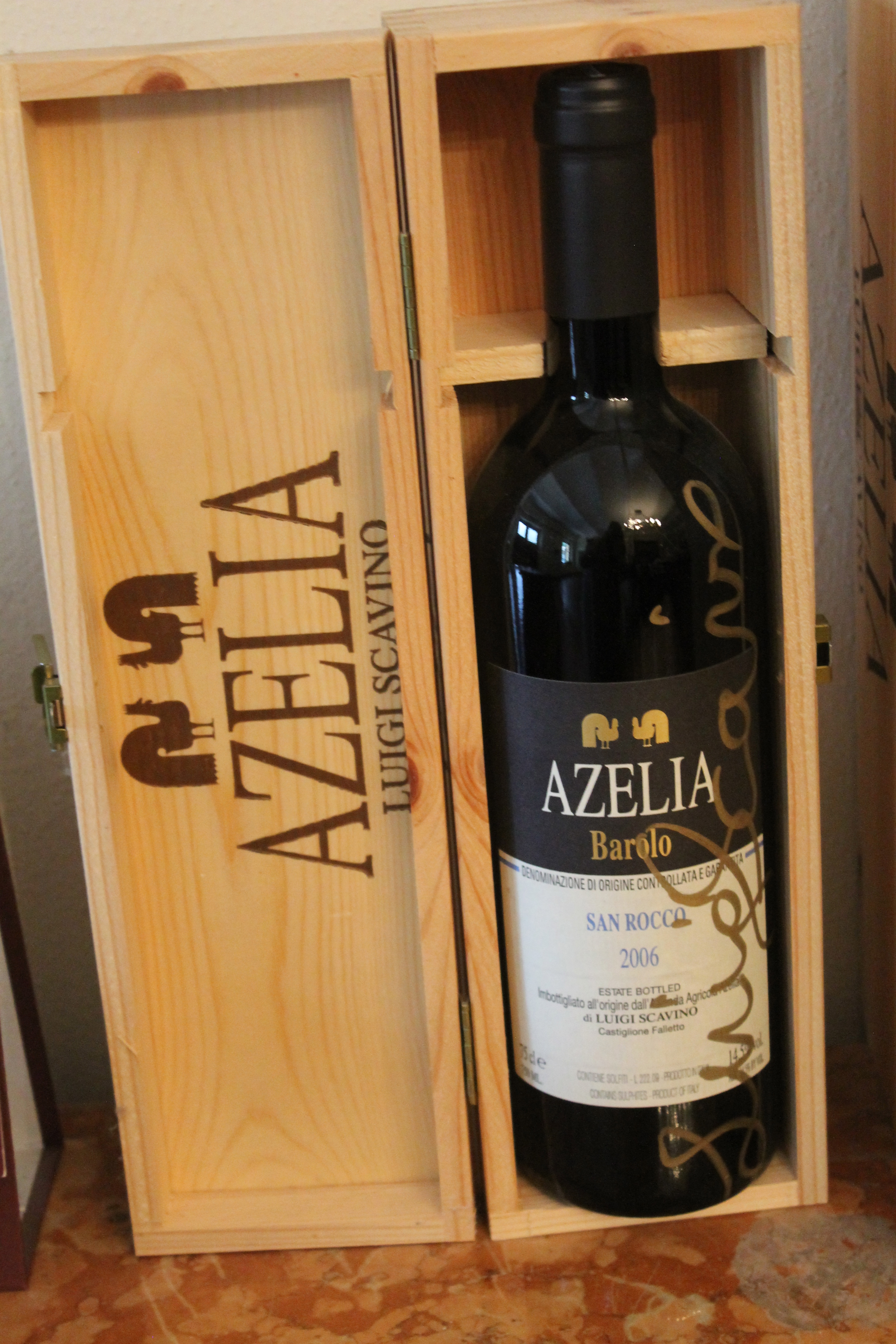
At the Azelia winery, Lorenzo the son is now the 5th generation of winemakers. Lorenzo, named after his grandfather, works with his dad at the winery. When you go on the tour, you will pass by a corner with a bunch of wine stacked. This is wine from the vintage Lorenzo was born, and it will be saved until a wedding or a birthday. A very nice idea, I wish my parents had been into wine when I was born.

IMG_5606

Azelia makes a fairly wide range of wines, red, from Dolcetto to Barolo Riserva. What is interesting about Azelia, is that a large portion of their vines are very old. The vines used to make the Barbera Punta is around 60 years old. So the Azelia barbera is rather different from a lot of other barbera’s from the Barolo region.

IMG_5610IMG_5609

If you want to visit the winery, you can call ahead or send an email. Check out their website for more information.

Oddero

si2

Isabella Oddero and I have been friends online for a while, and I figured it was time to meet in person. And what better way thank to do a tasting at the winery. She was kind enough to show me around even though she was sick, and I got the grand and Manhatten, her golden retriever, joined us in the cellar.

si

The Oddero winery is an old one, one of the historical ones in Piemonte, dating back to the 18th century. At the start of the tour there is a little museum showing the old tools used to make wine. I just have to say “Thank God for technology.”

si1

Today, Christina Oddero is the main winemaker, with her niece Isabella doing most of the travelling and wine marketing. The first recorded bottle of wine made is in 1878. Another interesting fact about the Oddero winery is that they have a vineyard in Barbaresco, and make a Barbaresco wine, but they are one of the few who are allowed to bring the grapes back to La Morra and make it there. Usually, if you have vineyards in Barbaresco you can only call the wine Barbaresco if the wine is made within the borders of Barbaresco. The exception was made because Oddero started making Barbaresco before the rule was set in place.

si3

After the tour, we of course tasted some wines. We started with their White wine, which is a blend of Riseling and Chardonnay. It is an unusual blend of grapes, but it was very good and refreshing. We went on to the reds, starting with Dolcetto, then Barbera, then Barolo of course, their Barbaresco, and at the end I tried their Moscato. I LOVE Moscato, especially in the summer! And their Moscato Vineyard was the dowry from Isabella’s grandmothers wedding.

Roberto Voerzio

This is one for the books.

ok2

I had met Roberto at a Champagne dinner earlier this month, and decided I needed to visit his winery. I have tasted very few, if any, of his wines before, and so it was time. And it was a very good decision. Naturally, I did not expect him to be there. He is a busy man, and as always I try to not expect to much when I visit, as I know it’s a busy business to be in. His daughter in law, Miriam, showed me around (we were a group, it was not just me).

okok1

We started in the vineyard. Few wineries do this, but I think it’s one of the best ways to start a visit. Because, after all, that is where the winemaking starts. And Voerzio is a firm believer in that the winemaking is mostly done in the vineyard. The work done in the cellar, once the grapes are picked, does not have an enormous effect on the wine. And as they add nothing to the wine, it’s really the vines, soil and grapes that makes the wine what it is.

“The wines are an expression of the soil” (paraphrased, but nonetheless what Miri said.

ok3

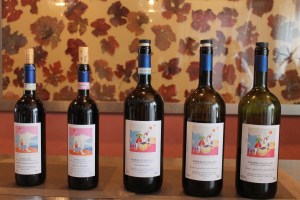
We of course went in the cellar, where we ran into Roberto. He was doing a tour simultaneously. An example of how busy they are. After the cellar, we went to the beautiful tasting room. We tasted Barolo 2008, Barolo Riserva 2005, Barbera Pozzo 2010 2008 2004. Of all the wines my favorite was the Barbera 2008. Extremely good. They treat this barbera like a barolo, which is probably one of the reasons why it was exceptionally good.

ok4ok5

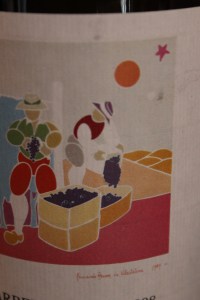
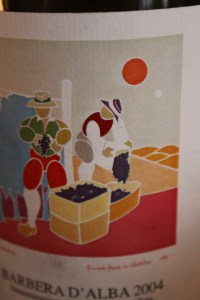
Now lastly, I want to mention the label. I think this is my favorite label so far. And this is why: As you can see, the label in 2004 does not have a star in the upper left corner, but the 2008 and 2010 do. This is because Roberto’s wife died of cancer. So the star represents her. A beautiful way to commemorate a family member.

Brezza

Brezza, a winery, hotel and restaurant, lies right on the edge of the town Barolo. The Brezza family bottled their first wine in 1910. Today, the fourth generation runs the operations, with over twenty two hectares. Brezza also has a hotel and a restaurant.

IMG_5394

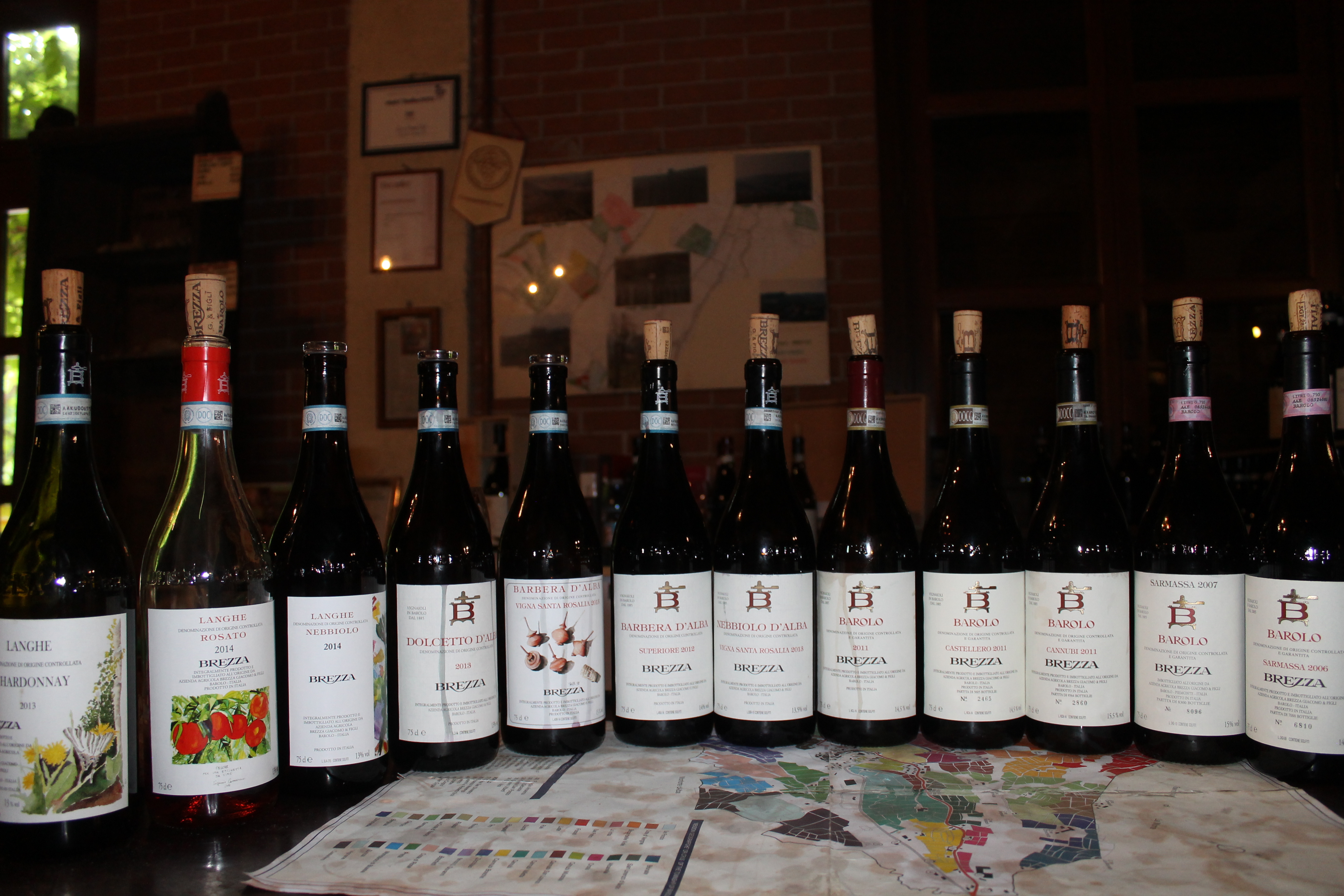
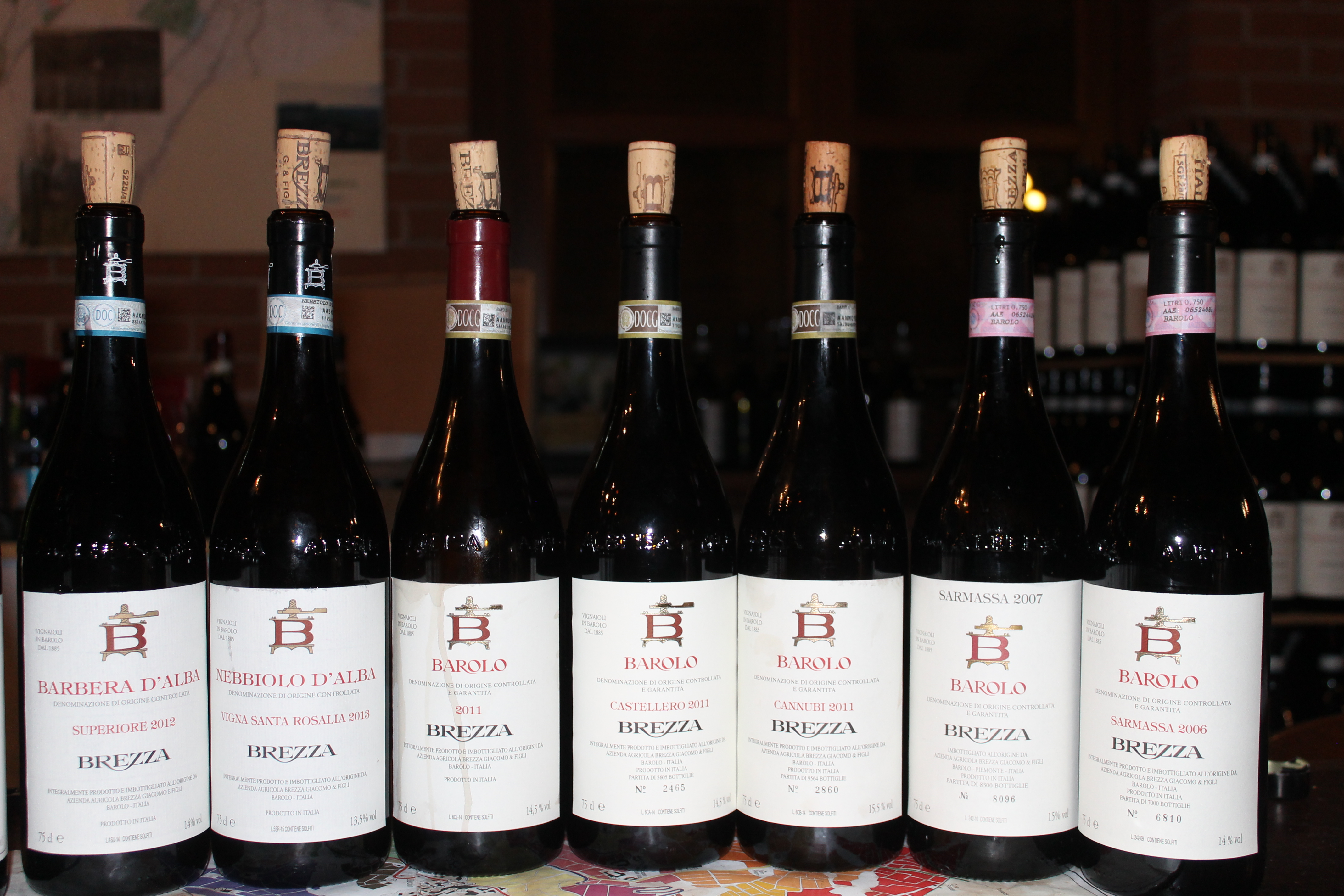
Brezza has a Langhe Chardonnay and a Rosé. Not many wineries I have visited makes a rosé and it was interesting to taste. I tasted almost all the wines, and I think my favorites were the Barbera Santa Rosalia, Nebbbiolo Santa Rosalia and Barolo Classico 2011. There were a vast number of wines to chose from, and of course the others were good, but the abovementioned three wines stood out for me.

IMG_5391

Brezza uses glass corks on some of their wine. There are different reasons to do this. One is to reduce the number of corcked wines. It is also said that the glass cork preserves the wines better, and the wine will hold onto it’s freshness longer. I have very little knowledge when it comes to traditional cork vs glass cork, but I know the DOCG does not allow glass corks, at least not yet.