I am a wine lover currently located in Boston. I drink wine mostly from Piemonte and Burgundy.
Two summers in a row I have worked at Vietti in Piemonte.
The year has just begun, and with a new year comes new vintages. And new wines. Friday January 10th you’ll find many new releases at Vinmonopolet. If you’re a Piemonte fan like me, look out for both Giacomo Conterno and Roberto Voerzio. But we will have to wait a little while longer for the 2016 Barolo’s.
Some of my favorites
Roberto Voerzio Dolcetto d’Alba Priavino 2018 289,- 289 NOK is a bit steep for a Dolcetto, but if you’re a Voerzio fan, this is the most “approachable” at least price wise. I know many think he makes wine in a particular way, but I quite like his wines. Haven’t tried the new vintages, so looking forward to that!
Matrot Bourgogne Blanc 2017 239,- As far as white burgundy goes, I think this one has a good price/quality ratio. A fairly simple Chardonnay, not a ton of oak, very fresh – one of my favorites.
Lamy Saint-Aubin 1er Cru En Remilly 2017 608,- Jumping quite a bit in price, but had to mention this one! A beautiful wine that put a huge smile on my face. Mineral with a hint of toast, perfect amount of oak for me. Long finish. Did not want to put my glass down.
We all know that Nebbiolo is the main grape in Piemonte. Personally, I think there are many other great grape varieties in the area, like Dolcetto, Barbera, Chardonnay, Nascetta, Freisa – I mean the list goes on. But Nebbiolo usually gets the most attention.
And with Nebbiolo, the winemakers can make both Langhe Nebbiolo or Nebbiolo d’Alba, as well as Barolo, Barbaresco, Roero, Gattinara, Carema & Ghemme. The latter all qualify as DOCG when made in their respective areas. Honestly, the rules and regulations in Piemonte are too complicated to get into right now.
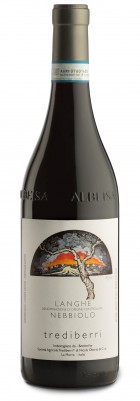
Trediberri Nebbiolo – 2018
As Nicola so eloquently put it, 2018 is as skinny as Miley Cyrus. So the Trediberri Nebbiolo in 2018 will be a bit more “thin” than 2017. But skinny or thin is not necessarily a bad thin. It’s just different.
Fruity, fresh, approachable and well balanced – all the above describe this wine. I personaly prefer 2018 over 2017. At least for the moment.
Nicola’s take on the past vintages
I know you’ve seen this before. But I have to repost it, because it’s just too good.
Every year is different, for better or worse. 2014 is known for it’s massive amounts of rain. 2010 is considered a wine for the books. But I believe a truly great winemaker can make good wine in any vintage. If you work with nature, respect nature and generally just work hard, you can make magic happen.
In recent encounter with Nicola, this is what he said about the past vintages:
2016 is all class like Jaqueline Kennedy. 2017 is as huge Pamela Anderson. And 2018 is as skinny as Miley Cyrus.
Giovanni Corino started making his own wines in the 1980’s. As many of the other winemakers in the area, his family farmed land and sold the fruit. Today, Giovanni spends more time in his vegetable garden than in the vineyards. Giovanni’s son Giuliano runs the show today, along with his wife Stefania and their two children, Veronica and Andrea.
Kind. That’s the first word that comes to mind when I think of the Corino family. The first time I flew solo in Piemonte, my second winery visit was with Corino. My brother and I had bought some wine at the previous winery, Nadia Curto, and proceeded to by more wine at Corino. At age 19, I didn’t have a rental car, so we were on foot. And Stefania, who gave us the winery tour, offered to drive us back up to La Morra. Believe me, we were eternally grateful. I don’t know if you’ve walked from Annunziata to La Morra, but it’s quite a hill.
On another occasion, I found myself early at a tasting, this time with Andrea Corino. Giovanni and his wife live above the winery, and they saw me standing outside. With my basic Italian skills I managed to explain the situation, and it wasn’t long before I found myself in Giovanni’s kitchen drinking coffee! With my conversational Italian and his Piemontese dialect, conversation was interesting, but we managed. I seldom witness such kindness of strangers, and it’s one of the reasons why I love Piemonte.
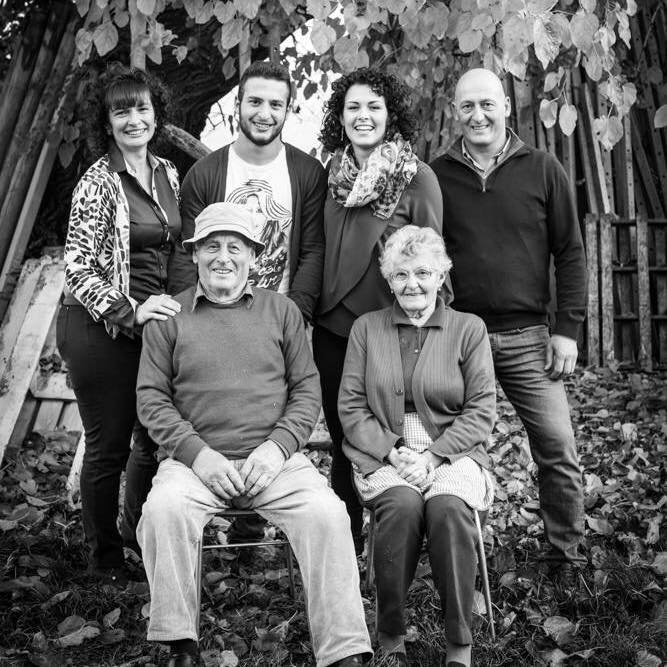
The Corino Family: Stefania, Andrea, Veronica, Giuliano, Giovanni and Delfina
Wines & Winemaking
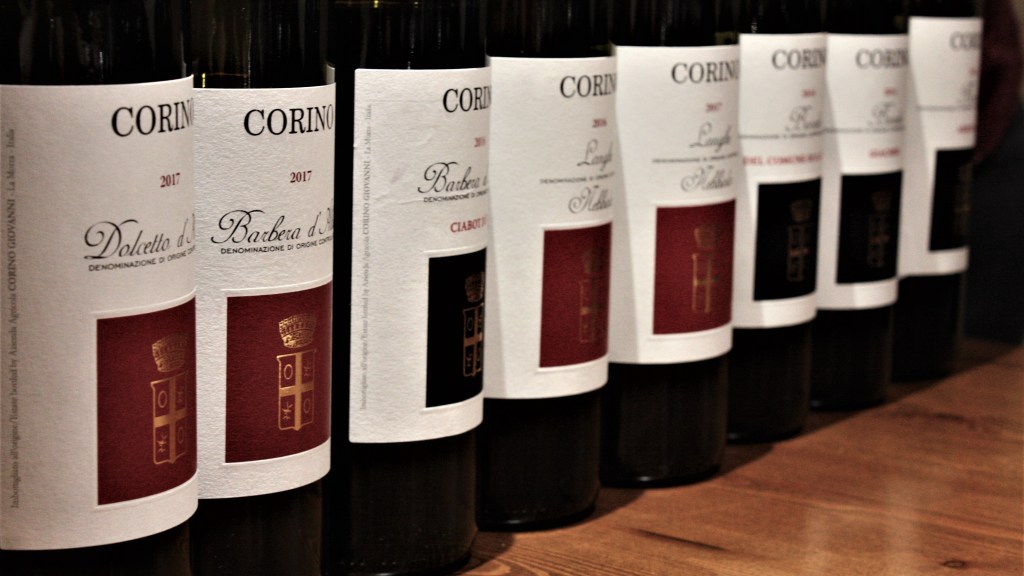
Giovanni Corino follows what some like to call the “modern style” of wine making. With small oak barrels, also called barrique, they make about 50 000 bottles a year. All the vineyards are in La Morra, with barolo vineyards in Arborina, Giachini and Bricco Manescotto. In addition to the Dolcetto, Barbera and Langhe Nebbiolo, they also make a Barbera Ciabot du Re, and a L’Insieme.
They follow similar methods for all their wines. Maceration takes place between 5-7 days in a temperature controlled rotaryfermenter, at about 25 – 30 degrees celcius. The Dolcetto, Barbera and Langhe Nebbiolo spend about 10 months in steel tanks before bottling. The Barolo’s and the Barbera superiore spend time in small oak barrels. The precentage of new and old oak depend on the wine.
Fun fact
Giovanni Corino has one of the best vegetable gardens in La Morra (maybe even Piemonte). He supplies many of the homes, hotels and restaurants with his superior vegetables. I stayed in a B&B once, and the tomatoes provided were grown by Giovanni.
Fun fact II
Andrea Corino did an internship at a winery in New Zealand. It’s fairly common for the younger generation to explore wineries outside their own area.
Giovanni Corino Wines
Wines available in: Norway Belgium Denmark Italy Netherlands Switzerland United Kingdom United States
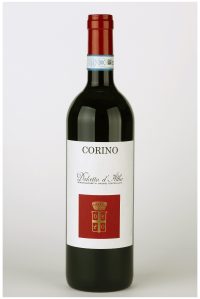
Dolcetto d’Alba
BASIC INFORMATION
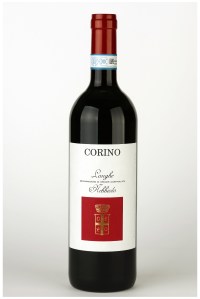
Product name: Dolcetto d’Alba Grape: 100% Dolcetto Classification: DOC Number of bottles produced: 7000 Color: dark red, violet Fragrance: dark berries, fruity Taste: light to medium bodied, fresh and fruity Food pairing: something light, like a basic pizza
VINIFICATION (Wine-making)
Temperature: 25 – 30 degrees celcius Length: 5-7 days of maceration Ageing: 8-10 months in steel tank
VINEYARD Soil: Clayey Calcareous Exposure: West Year of plantation/age of plants:
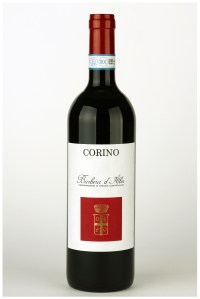
Barbera d’Alba
BASIC INFORMATION
Product name: Barbera d’Alba Grape: 100% Barbera Classification: DOC Number of bottles produced: 12000 Color: ruby red Taste: good acidity, fresh Food pairing: salami, cheese, turkey, ribbe, pinnekjøtt
VINIFICATION (Wine-making)
Temperature: 25-30 degrees celcius Length: 5-7 days of maceration Ageing: 8-10 months in steel tanks
VINEYARD Soil: Clayey and Calcareous Exposure: West & South West Year of plantation/age of plants:
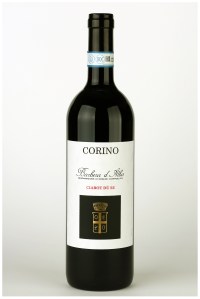
Barbera d’Alba Ciabot dù Re
The vines for the Giovanni Corino Ciabot dù Re are old and the soil porous. After the maceration in rotary fermentor, the wine goes through fermentation in oak barrels (50% new, 50% used). It will spend about 18 months in barrels before bottling.
BASIC INFORMATION
Product name: Barbera d’Alba Ciabot dù Re Grape: 100% Barbera Classification: DOC Number of bottles produced: 2500 Color: ruby red Fragrance: red fruits Taste: powerful yet smooth with good acidity Food pairing: salami, cheese, turkey, ribbe, pinnekjøtt
VINIFICATION (Wine-making)
Method: Sugar fermentation and malolactic fermentation takes place in small oak barrels Temperature: 25-30 degrees celcius Length: 5-7 days maceration Ageing: 18 months in small oak barrels, 50% new and 50% used. Then 3-4 months in steel tanks
VINEYARD Soil: Clayey and Calcareous Exposure: West & South West Year of plantation/age of plants:
Langhe Nebbiolo
BASIC INFORMATION
Product name: Langhe Nebbiolo Grape: 100% Nebbiolo Classification: DOC Number of bottles produced: 10 000 Color: garnet red Fragrance: cherries, liquorice, violets and forest floor Taste: good structure, notes of cherries and liquorice Food pairing: red meat, pasta, pizza
VINIFICATION (Wine-making)
Method: Sugar fermentation and malolactic fermentation in steel tanks Temperature: 25-30 degrees celcius Length: 5-7 days maceration Ageing: 8-10 months in steel tanks
VINEYARD Soil: Clayey and Calcareous Exposure: South & South West Year of plantation/age of plants:
Barolo Del Comune di La Morra
This is the classic Barolo, meaning it’s a blend of multiple plots. Recent changes to the regulations allow for the winemakers to write the Comune of the wine on the label.
BASIC INFORMATION
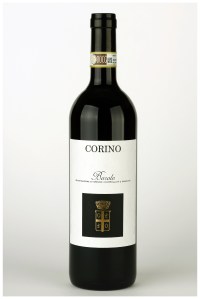
Product name: Barolo Del Comune di La Morra Grape: 100% Nebbiolo Classification: DOCG Number of bottles produced: 10 000 Color: garnet red Fragrance: red fruits, cherries, liquorice Taste: medium bodied, fruity, Food pairing: red meat
VINIFICATION (Wine-making)
Temperature: 25-30 degrees celcius Length: 5-7 days maceration Ageing: 24 months in small oak barrels Minimum ageing in bottle: 12 months
VINEYARD Soil: Clayey Exposure: South Year of plantation/age of plants:
Barolo Giachini
BASIC INFORMATION
Product name: Barolo Giachini Grape: 100% Nebbiolo Classification: DOCG Number of bottles produced: 6000 & 150 Magnum Color: garnet red Fragrance: red fruits, ripe cherries, tobacco, violets Taste: darker fruits, tobacco, liquorice, long finish Food pairing: red meat
VINIFICATION (Wine-making)
Temperature: 25-30 degrees celcius Length: 5-7 days maceration Ageing: 24 months in small oak barrels, 35% new oak Minimum aging in bottle: 12 months
VINEYARD Soil: Clayey-Calcareous Exposure: South Year of plantation/age of plants:
The 2014 Barolo Arborina is a very pleasant, attractive Barolo. In 2014, the Arborina has good bit of midpalate pliancy that softens some of the typically coarse Arborina tannins. Black cherry and plum fruit are nicely pushed forward in this attractive, medium-bodied Barolo. Sweet tobacco, menthol, leather and dark spice all develop in the glass, but it is really the wine’s harmony that impresses most. All the elements are in the right place. The 2014 is a small-scale, somewhat hushed Arborina, but its balance is impeccable. Drink it over the next decade or so. Drinking window: 2022-2028. 92 points
Antonio Galloni, Vinous (02/18)
BASIC INFORMATION
Product name: Barolo Arborina Grape: 100% nebbiolo Classification: DOCG Number of bottles produced: Color: garnet red Fragrance: delicate aromas, red fruits, floral Taste: full body with silky smooth tannins, high acidity, long finish Food pairing: red meat
VINIFICATION (Wine-making)
Temperature: 25 – 30 degrees celcius Length: 5-7 day maceration Ageing: 24 months in small oak barrels, 35% new and 65% used Minimum aging in bottle: 12 months
VINEYARD Soil: clay and sand Exposure: south & southeast Year of plantation/age of plants: Date of harvest: In 2014, October 7th
Barolo Bricco Manescotto
BASIC INFORMATION
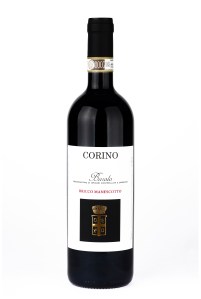
Product name: Barolo Bricco Manescotto Grape: 100% Nebbiolo Classification: DOCG Number of bottles produced: 2600 and 100 Magnums Color: garnet red Fragrance: red fruits, hint of tobacco Taste: full bodied, red fruits, wet forest floor Food pairing: red meat
VINIFICATION (Wine-making)
Temperature: 25-30 degrees celcius Length: 5-7 days maceration Ageing: 24 months in small oak barrels, 35% new oak Minimum aging in bottle: 12 months
VINEYARD Soil: Clayey, calcareous, sandy Exposure: West Year of plantation/age of plants: Date of harvest:
Giovanni Corino Barolo Riserva
The Barolo Riserva is made only in excellent vintages. The first vintage to be released was 2010, which they released in 2016 (6 years after the harvest). It spends about 30 months in bottle before the release.
L’Insieme
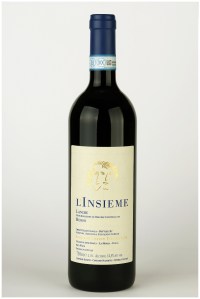
L’Insieme is group of winegrowers from the Langhe, united by a project, a dream and a goal. Elio Altare is the founder. The project aims to make wines which, under a single brand, tell a story of friendship and collaboration, of hard work, shared passion for the Langhe and its outstanding grapes. The dream is that, from this union, the resultant label will be a symbol of friendship and mutual aid. A wine that is our personal way of thanking the land that gave us our roots and its support.
Our goal is to make L’Insieme wine a practical ethical tool, allowing us to fund projects of high social value as a way of giving back to our local area a part of the good fortune and beauty it has given us. The wine is It is actually a combination obtained from the individual decisions taken by each producer, from traditional grape varieties such as the Nebbiolo, Barbera and Dolcetto, with grapevines introduced only recently to the Langhe area, such as Cabernet Sauvignon, Merlot or Pinot Nero.
BASIC INFORMATION
Product name: L’Insieme Grape: 40% Nebbiolo, 30% Barbera, 15% Merlot, 15% Cabernet Classification: DOC Number of bottles produced: 1000
VINIFICATION (Wine-making)
Method: each grape variety us vinified separately due to different harvest times. But they go through the same process. Temperature: 25 – 30 degrees celcius Length: 5-7 days maceration Ageing: small french oak barrels for 18 months, 40% new and 60% used Minimum aging in bottle: about 12 months
VINEYARD Soil: Clayey and Calcareous Exposure: South & South West
Norwegians are getting ready to consume tons and tons of Ribbe next week, and many are wondering what wine to drink. And I have three words for you: Barbera, Barbera, Barbera!
If you look other places, you’ll see suggestions like Riesling, Pinot Noir or Beer. Champagne is another option. Or hard liquor. But if you ask me, Barbera is the way to go. Why? The acidity in the Barbera will help clean your palate after eating all that fatty, salty, heavy Christmas food. And Barbera just tastes good. So why not?
Which Barbera?
I would suggest a Barbera that has been in contact with some oak. The classic Barbera will also work, of course, so I’ll throw in some of those as well.
The one from Burlotto is always a winner. If you can, go for his Aves – it’s out of this world. This is unfortunately not available in Norway at the moment, but I’m crossing my fingers for 2020!
Vietti makes a wide range of Barbera (all good) but my favorite has to be the La Crena! On the spectrum, it’s on the expensive side, but the Tre Vigne or Vigna Scarrone would work great with Ribbe as well!
I don’t think I’ll ever mention Barbera without also mentioning Trediberri. And in Norway, it’s always my go to. I mean, talk about bang for your buck! Hopefully it’s also available in whatever country you’re in. If not, shoot him an email (info@trediberri.com) and let him know you’re interested!
Azelia’s wines just became available in Norway again! Woop woop! Another great wine to pair with your Ribbe this year.
For Thanksgiving this year we had the Barbera from Mauro Veglio, and it was perfect with the turkey! Try it with Ribbe as well.
Other Suggestions
If you are dead set on something other than Barbera, keep reading. Although I really don’t think you need to.
If you want Champagne, I would go for Pierre Peters Cuvée de Reserve Grand Cru or Bereche Brut Reserve. Both good value and good quality. You can also have this for your aperitivo, Christmas brunch or just because. It’s never a bad time to drink Champagne.
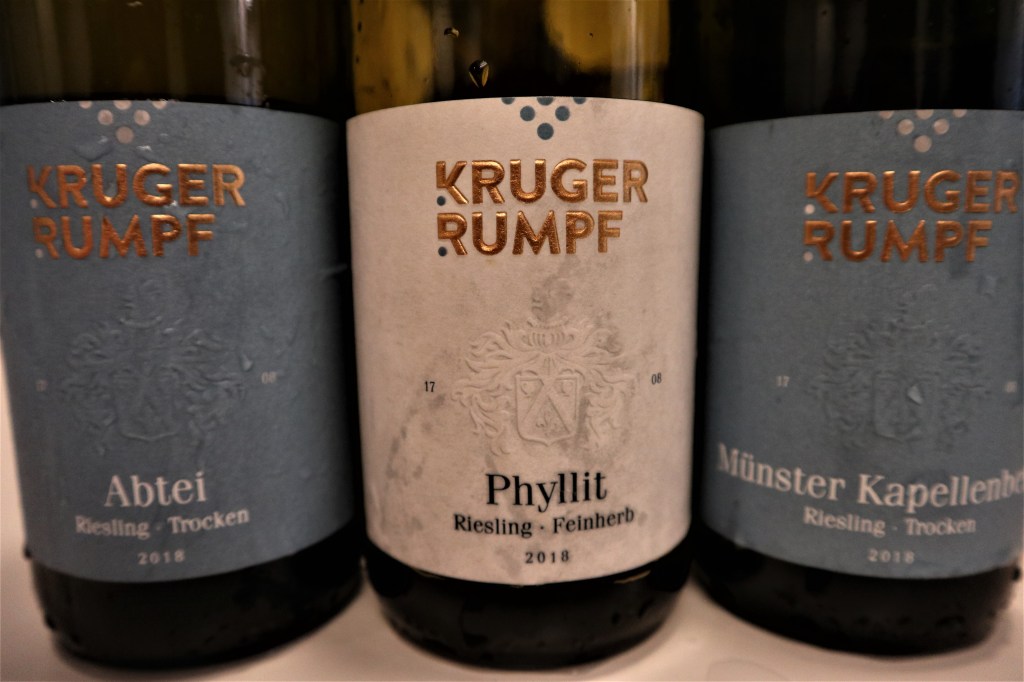
If Riesling is your thing, you could try Kruger-Rumpf Phyllit Riesling Feinherb or Dönnhoff Schlossbockelheimer Felsenberg GG. I hear GG is the way to go, but some less expensive options should work as well.
Do you have a wine lover in your family? Or maybe one of your friends love all things wine? I’ve put together some of my favorite “wine related” gift ideas.
Wineglass writer
There are many gadgets around that help you keep track of your wine glass. Colorful rubber “bracelets” or “stickers” in different varieties to put on your glass. Problem with that? You have to remember if you were the red fish or the orange fish? Or maybe it was the blue grape?
With a wineglass writer, all you have to do is write your name. And if you’ve had so much wine that you can’t remember your name, maybe it’s time to leave the party.
You don’t have to use this magical marker to keep track of your glasses. You can use them as place cards at a dinner. Or to keep track of your spices in the spice cabinet. Or just to decorate. So easy to use. Comes right off in the wash. A perfect gift for anyone, really. You can get them from me (you ncan also send me a message) or if you’re located in the US you can get them here.
Blindtasting sleeves
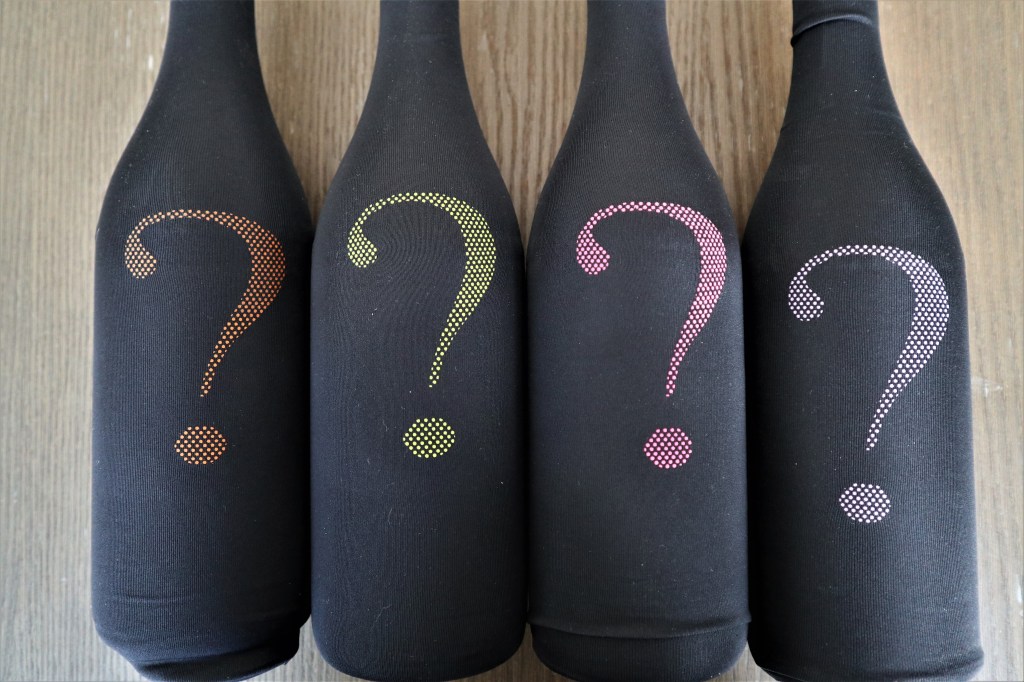
This might be mostly for wine geeks, but if you know someone who loves blind tasting, this is the gift for them! Instead of using aluminum foil to cover the bottles, these reusable sleeves are a great alternative. You can buy them here.
Riedel Vinum Bordeaux glasses
If you’re looking for a universal wine glass, I highly recommend this one. In my opinion, it’s the most versatile glass. Personally, I use it for red, white and champagne. I know many like to have specific glasses for specific wines. But if you are just starting out, or honestly can’t afford 32 different glasses right now, the Riedel Vinum Bordeaux glass is the one to go for!
If you have a higher budget, Zalto is another great alternative! Again, I would go for the Bordeayx but the Zalto Universal is also a good alternative.
Barolo MGA Vol 1
Yet another gift for the wine geek. Or wine nerd. The Barolo MGA books from Alessandro Masnaghetti are legendary. His books dig deep into the different cru’s of barolo, the different winemakers, the terroir and the history. An encyclopedia for the wine lover. And his level of detail is extraordinary! You can buy the Barolo MGA Vol 1 here.
Vinmonopolet gift card
Unsure of what wine to buy your extra picky wine lover friend? Vinmonopolet sells gift cards! That way you don’t have to worry about buying the “wrong” wine for your friend.
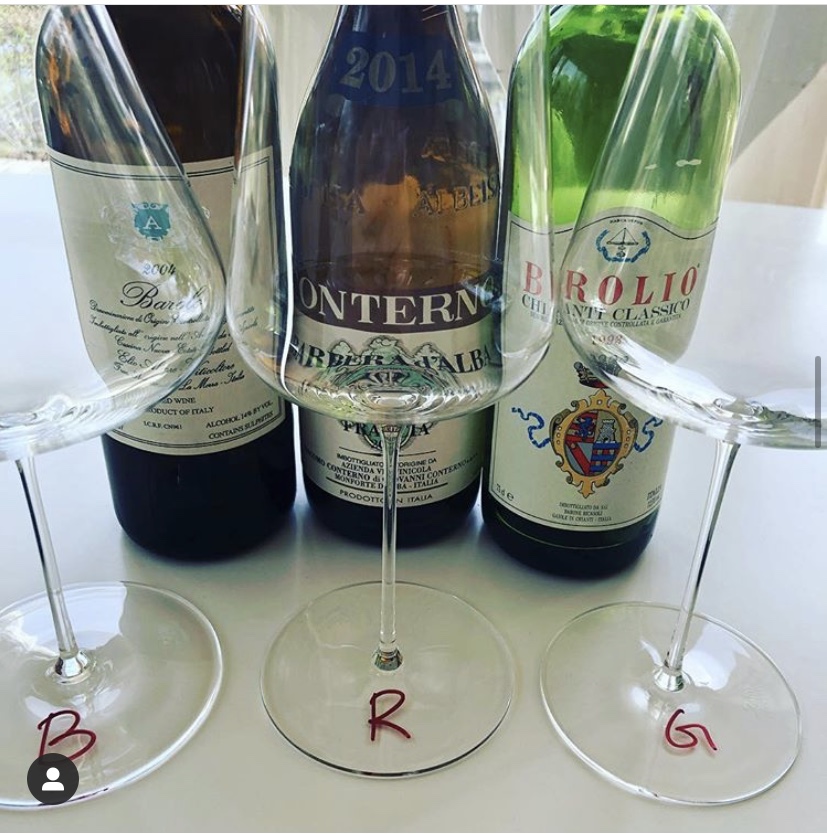
Quite a few blind tasting’s take place throughout the year. It’s how I learn. And it’s fun. Looking back on the year, two tastings stick out.
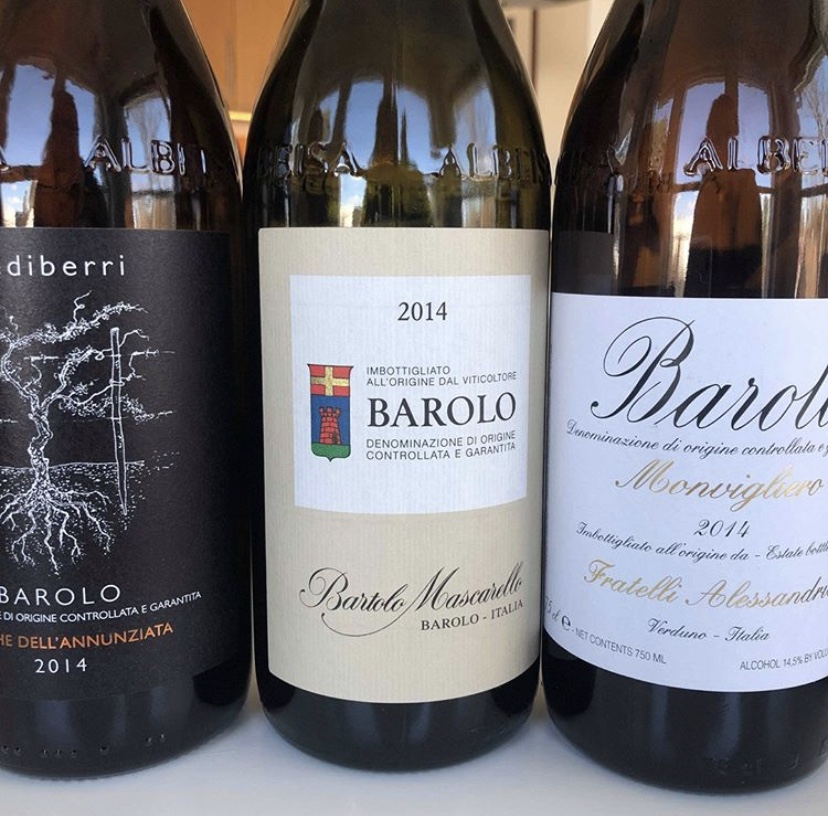
A 2014 lineup with three Barolo: Trediberri Rocche dell’Annunizata: this was a little closed on the nose at first, but after a while a bouquet of red fruits appeared. The wine had good acidity, good balance and an excellent finish. For a “young” barolo it was very fresh and approachable. Bartolo Mascarello Barolo: Notes of red fruits, strawberries and some spices. High acidity, round tannins and well balanced. Fratelli Alessandria Monvigliero: Dark fruits, some ripe fruits on the nose. Good acidity, fresh tannins and a good finish. This bottle had been open for about 24 hours (with the cork “put back in”) so it was very approachable.
A more “diverse” lineup: Elio Altare Barolo 2004: When tasting this blind, it still had so much “oumph” that it could have been mistaken for a fresh nebbiolo! This was wine of the night for me. Giacomo Conterno Barbera Vigna Francia 2014: I have always thought the barbera from Contero has a very distinct nose, a nose very different from other barbera’s. This was really hard to figure out next to the other wines. A Chianti Classico 1993: Curveball! Could tell this wine had some age, with notes of toffee both on the nose and in the mouth. In my opinion, this was past it’s prime. Impossible to identify blind in this lineup.
Vietti Barolo Castiglione 2009
Vietti never ceases to amaze me. After some air, this wine from 2009 (10 years old) blew me away with its fresh fruit, round tannins and unbelievable finish. In my opinion, this wine is not even close to reaching it’s potential!
Ester Canale Rosso Langhe Nebbiolo 2015
This wine “had” to be tried. The new project of Giovanni Rosso gained quite a bit of fame, and I had to see what all the fuss was about. The wine is good. Is it worth the price? Let me put it this way, here are many other wines I would buy before this one. However, it will be very interesting following this project going forward!
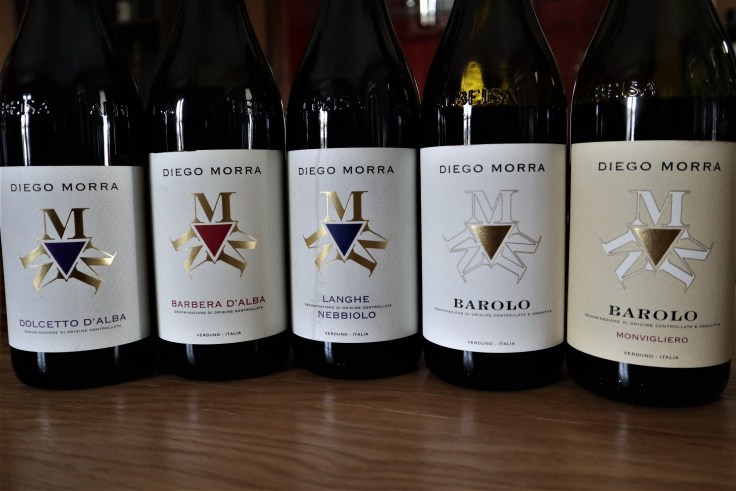
Diego Morra Monvigliero
2019 would be the year I discovered quite a few new wineries. One of my favorites is Diego Morra. And one of the wines in their portfolio is a Monvigliero. You might have heard of it. Antonio Galloni gave a 100 points to the Monviglerio of Burlotto in 2013. So it’s safe to say it’s quite famous. And the one from Diego Morra is very good!
Diego Mora Monvigliero 2015 had some truffle and wet soil on the nose, quite strong tannins (typical of this cru), but still very elegant and floral.
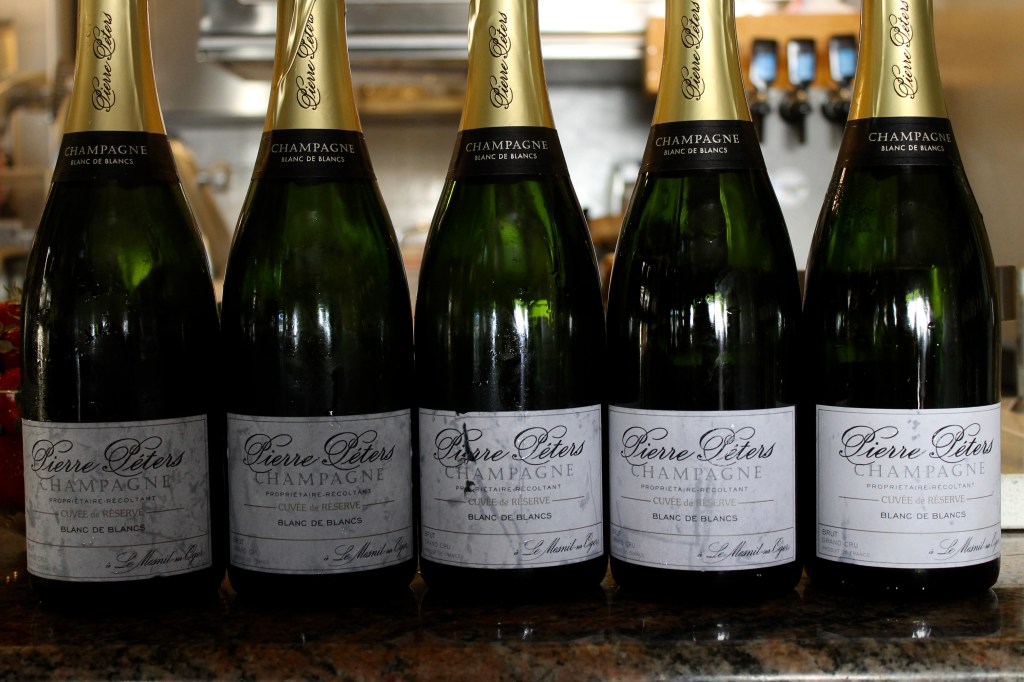
I may have mentioned Pierre Peters a few times before. So it’s not really new. But my consumption of Pierre Peters champagne has skyrocketed the past few months. Alessio at Vinoteca Centro Storico introduced me to it a few years ago, and it has quickly become the family’s “house champagne.”
I find his 100% chardonnay Cuvée de Reserve Grand Cru, Brut, so approachable. He makes it just the way I like it: almost more like a white wine. The bubbles are elegant and smooth; not protruding like bubbles in some of the other champagnes. And i find it perfectly balances: dry but not too dry, hint of citrus without being too sour, fruity but not overwhelmingly so.
A Family Business
The Peters estate has been in the family for 6 generations, going all the way back to 1919. And I recently learned they have about 19 hectares of chardonnay – and only chardonnay. A so called Blanc de Blanc estate. in 1944, Pierre took over the winery after his mother died, and the first label with the name Pierre Peters came to life.
Today, Rodolphe Peters is in charge. You’ll find 6 different wines from Pierre Peters today: Cuvée de Réserve Blancs de Blancs Cuvée Spéciale LES CHETILLONS Champagne Blancs de Blancs – Grand Cru Cuvée EXTRA BRUT Champagne Blancs de Blancs – Grand Cru Cuvée Millésimée L’ESPRIT Champagne Blancs de Blancs – Grand Cru Cuvée La Perle Champagne Blancs de Blancs Cuvée “Rosé for Albane” Champagne Rosé
Where to find Pierre Peters
If you’re located in Norway, Vinmonopolet, you’ll find that the Cuvée de Reserve Grand Cru is quite available. Many local stores have it in stock, and you can order it! It looks like most of the others have been available at some point, but is now sold out. So keep an eye out!
In 10 years (or 20 or 30) I think I can, with certainty, say that the year 2019 was a game changer. The highlights include: Quit my job Got a dog Slept outside for 2 days Started my own company Organized my first Winemakers dinner Hosted my first ever “Piemontegirl Tour” in Piemonte Walked the “Champagne Mile” for the first time Was on the News (and the radio)
And many many more adventures. You could say it’s been quite a year! But let’s start at the beginning.
JANUARY
One of the first items on the agenda for 2019 was a visit to Beijing Palace to eat delicious Dim Sum and drink Pinot Noir and Chardonnay for Burgundy. Nothing like spending some quality time with Hong and his crew when you’re going through hell. Next, I quit my job. What a relief. But did I have a plan? Not really. So what did I do? Put my heart and soul into my work. That’s how I ended up on the news for the first time in my adult life. Intrigued? I am only just beginning.
FEBRUARY
Got a dog. Her name is Tilla, named after my good friend
Silvia Altare. I adopted Tilla after she failed her training as a seeing eye
dog. Failure, you said? I’ll tell you she doesn’t fail at anything else.
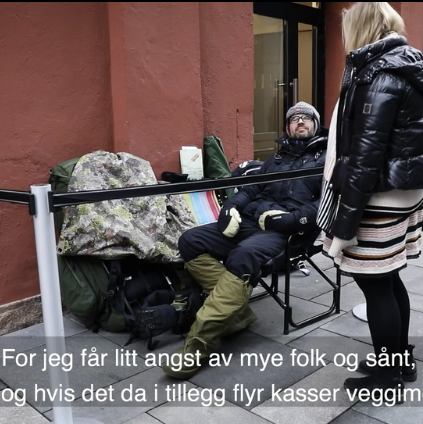
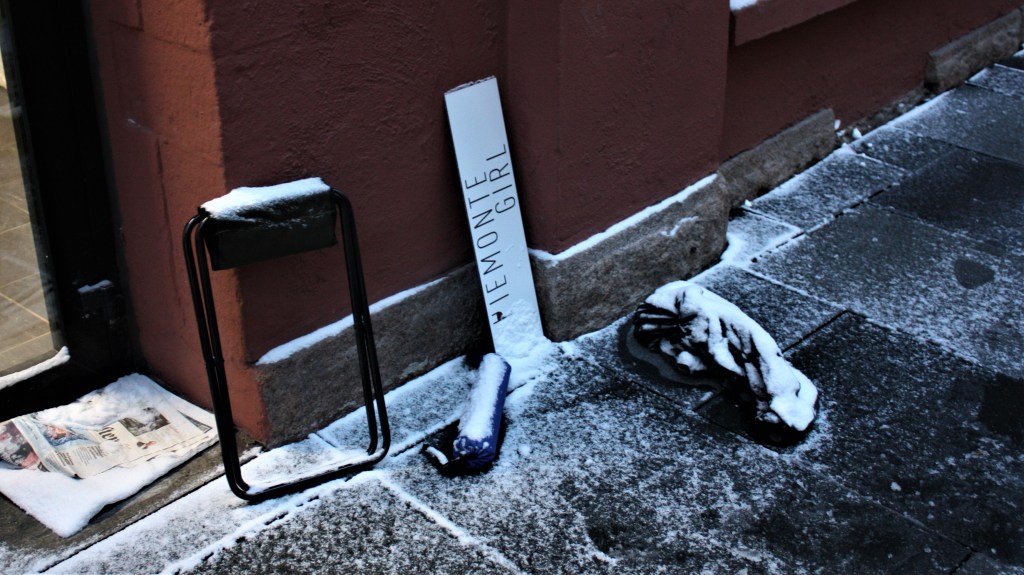
The next thing that happened might be one of the most crazy and strange thing I’ve ever done: I decided to pack a bag (with lots of warm clothes) and spend 48 hours outside on the street in the freezing Norwegian winter. Why did I do that? I got one word for you: Burgund Slipp! I’ve got more words, but you’ll have to read them here.
Oh, and I officially started my own company: Piemontegirl! Most of you know I’ve had a passion for wine since I was about 17. What started as a summer vacation in Italy in 2011 ended up being the beginning of a wonderful adventure! And slowly, Piemontegirl grew. And now it’s become a reality. A scary, challenging, amazing, interesting and fun reality.
MARCH
One of my first tasks in my new role as CEO & Founder of Piemontegirl was expand my knowledge base. Thank you Kulinarisk Akademi and Heidi for taking me through WSET Level 2!
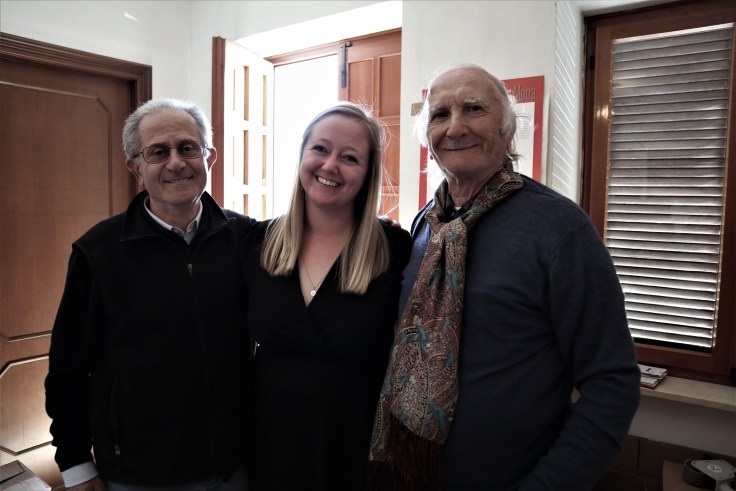
March might be my favorite month, because…. You guessed it: It’s my birthday!! My annual birthday trip to Piemonte included a visit (and photo) with Accomasso, multiple birthday celebrations with my second family, visit to Ciccio & Centro Storico, birthday Insalata Russa (thanks to the beautiful staff at More Macine), and many other incredible moments. I will forever be grateful to my Piemonte Family! And am already looking forward to my next birthday trip!
APRIL
“April would mark a milestone for my Piemontegirl career. Trediberri accepted my offer to come to Oslo for a tasting! This “Trediberri Masterclass” was Piemontegirl’s first official tasting – and it was a huge success. I don’t think I’ve ever seen Nicola so enthusiastic before. Hopefully he’ll come back again in 2020!
MAY
The month of “Pylsa & Barolo” – the yearly non celebration of my Dad. And it’s exactly like it sounds. We eat hot dogs and drink Barolo. Don’t know it ’til you try it!
17th of May, the Norwegian national holiday, calls for a celebration. Our annual tradition brings us to Cru for some delicious food and good wine. Norwegians consume a lot of Champagne on this day. Myself included.
JUNE
All of a sudden I find myself on a plane to New York. This time it’s not for pleasure. Although I did managed to enjoy a very good meal at Babbo. I try to stop by either Lupa or Babbo when I’m in the big apple. Lupa used to be my regular spot back when I lived in the States.
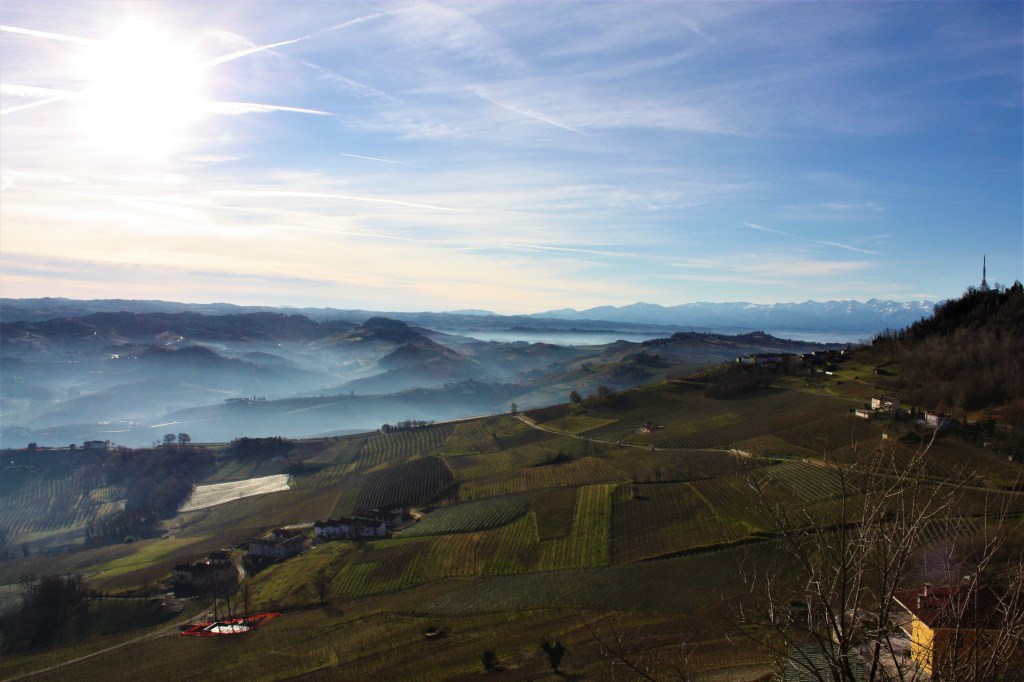
June would be a month for travel, and I once again found myself on a plane. This time to La Morra. I’ve never been to La Morra in June before and let me tell you: it was amazing. The temperature was perfect, the tourists were not overwhelming, and the wineries were “regular” busy and not harvest busy. So if you’re looking for a good time to go, June is a good time!
JULY
Summer vacation time! This year Burgundy made the list of destinations, and I spent 3 wonderful days in Beaune. Highlights include a visit with Joseph Voillot, Michel Lafarge, dinner at Caves Madeleine & a stroll through Romanee-Conti.
In La Morra that summer I would test my skills as a tour guide, as I dragged my friends around for winery visits, lunches and dinners. I’d say it was a success! The activities include, but are not limited to: A visit with Nicola at Trediberri where we got to taste the Barolo 2016 fresh off the bottling belt. Lunch at Repubblica di Perno, where we ran into Jan Restoff, a very talented chef from Denmark. A trip into the vineyard with Veronica and Andrea Corino, where we learned about plants getting sunburned. Champagne at Vinoteca Centro Storico – of course. All in all a very successful summer vacation!
AUGUST
Back to work, and the fall started lining up with many fun Piemontegirl Tastings.
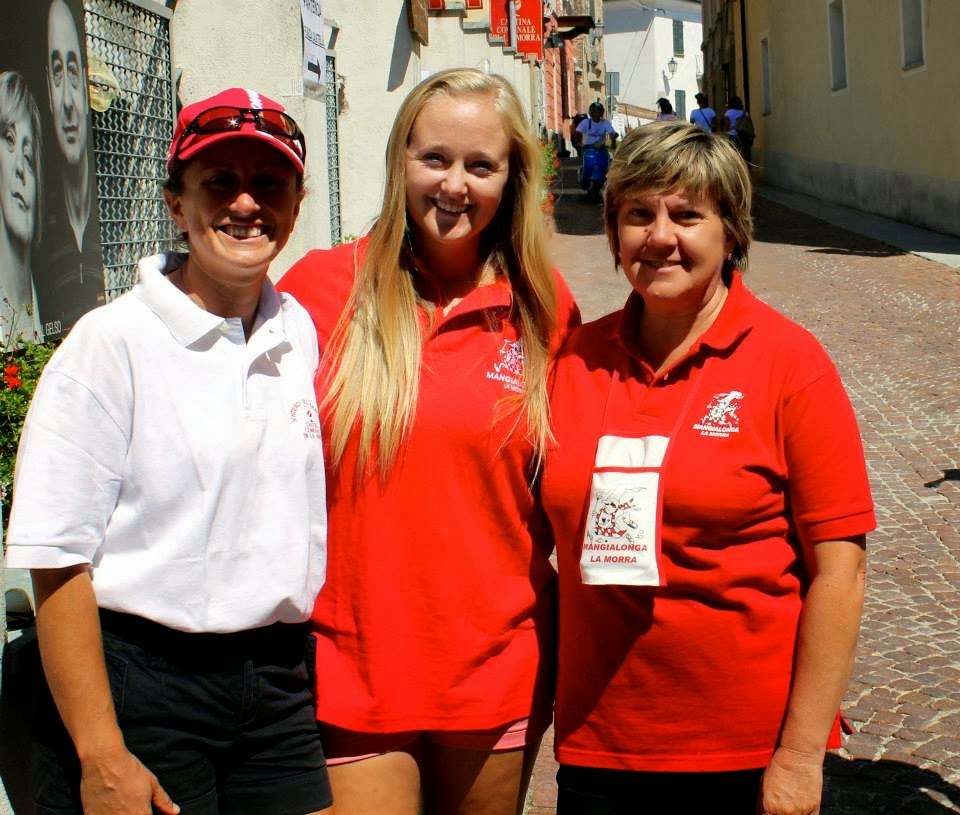
August is also the month of Mangialonga! Mangialonga might be my favorite wine event of the year! It involves eating and drinking while walking in beautiful surroundings. I usually work at a stand with the local youth serving wine, and when the last participants pass through, we grab some glasses and go!
Ladies of Mangialonga
SEPTEMBER
You heard about the Burgund Slipp? Well, the Piemonte Slipp (or random wines from Italy ++) took place in September. For fun, I decided to spend the night on the street outside the store. I did not have as much fun as I did in February. I flew solo until about 7am. Oh well, here’s to hoping next year will be better!
September will be remembered for something besides Piemonte Slipp – Ludo had it’s official opening! This new pizza joint in my neighborhood has become a favorite! Might have something to do with all the italians working there, but if that’s not your thing, the pizza’s are excellent! So for whatever reason works for you, check it out if you’re ever in Oslo.
OCTOBER
Big things are happening! Piemontegirl organized her first Piemontegirl Tour! The trip included a winery visit with Marengo, where we got to taste wine just after the alcoholic fermentation. The group’s birthday boy got to try his hand at pumping over with Nicola at Trediberri. We also walked the Champagne Mile – a legendary 10k from La Morra to Serralunga. And the reason we call it the Champagne Mile is because Alessio greets you with a glass (or two) of Champagne at the finish line!
NOVEMBER
Masterclasses and Winemakers dinners! Both Marengo and Gianfranco Alessandria came to Oslo for Piemontegirl tastings. Along with my partner Gutta på Haugen, we were able to organize multiple successful events! The feedback I’ve recieved is overwhelming and I am so grateful to everyone who is supporting me during this startup phase of my business. I have high hopes for many more winemakers dinners and masterclasses in 2020!
DECEMBER
I’ve come a long way since December 2018. Just last year I was experiencing multiple nose bleeds due to stress, I had no idea where my life was heading and my future didn’t look all that bright. But with a little help from my friends, family and licenced professionals, I’ve managed to slowly build Piemontegirl into a business, and gotten my life back on track. Looking forward to seeing what 2020 will bring!
Thanksgiving might be an American (and Canadian) thing, so chances are you might not have a relationship with this holiday. Turkey, however, is something most of us (at least meat eaters) have a relationship with. And since Turkey is a big part of Thanksgiving, it may be fitting with suggestions of wines that pair well with turkey!
Thanksgiving – what wine should you get?
If you google “wine pairing turkey” you get many different results. I guess it all comes down to taste. Decanter suggests oaked chardonnay or pinot noir. Forbes brings out the big guns and suggests Champagne! While these are all good ideas, my suggestion (as Piemontegirl) would be Barbera.
Barbera for Thanksgiving
When it comes to fatty food, like Turkey, tannin is the enemy and acidity is your friend. And if there is one thing you’ll find in Barbera, it’s acidity. Personally I also prefer red wine with meat, even if it’s “light meat”, and would therefore choose Barbera over Champagne or a white wine. Again, this comes down to tastes and preferences, but it should come as no surprise that Piemontegirl recommends something from Piemonte.
Barbera 2020
2020 has been a strange year. A lot of things have happened. And a lot of things have been cancelled. However, one aspect of my life that remains the same is my love of wine. Here are some of my favorite Barbera from 2020:
Andrea Oberto Barbera Giada Easily one of my all time favorites! Andrea Oberto makes 3 different Barbera, each with different use of oak. The Giada is in my opinion the best, and even though it spends quite some time in wood barrels, you can’t feel the oak in the mouth.
Diego Morra Barbera A recent discovery, and a good one at that! The 2018 has good acidity with notes of red fruit and minerals.
Ghiomo Ruit Hora With 15% of Nebbiolo, this wine will rock your world! This is Giuseppino’s passion project, and it shows!
Trediberri Barbera It’s as good in 2019 as it was in 2018, perhaps even better! Not sure if all wine tastes better in 2020 (f**k Covid), but the Barbera from Trediberri certainly does!
Barbera 2021
Burlotto Barbera Both the classic Barbera and the Aves from Burlotto are out of this world! Fabio is an outstanding winemakerm, able to make good wine in any vintage; even the difficult ones!
Elio Altare Barbera A beautiful Barbera made by wonderful people. So happy to see it back in stock in Norway.
La Vedetta Barbera d’Asti I know I mostly stick to Barbera d’Alba, but we can’t forget about Barbera d’Asti. And this one from La Vedetta is one of my favorites.
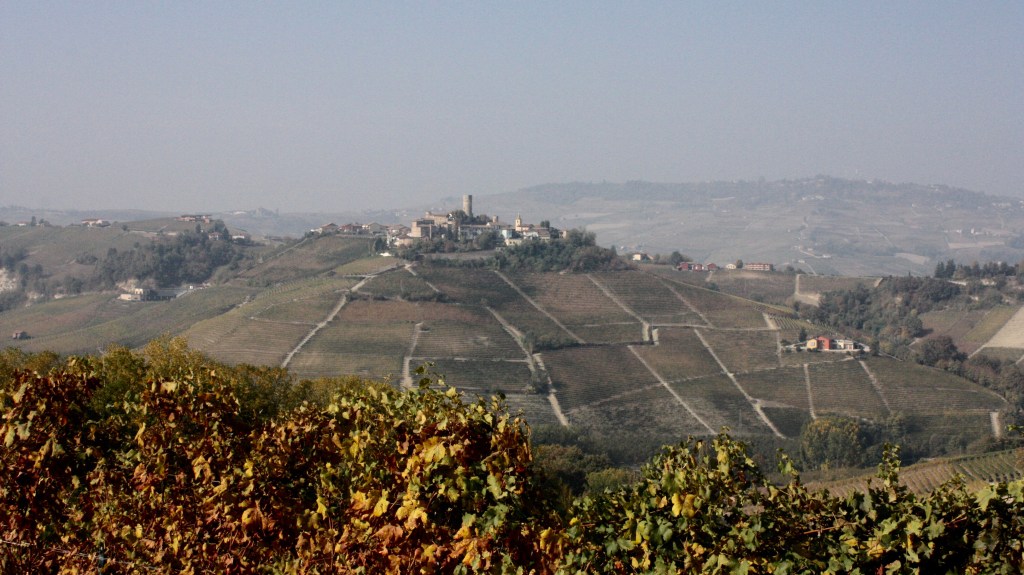
The Corino family from La Morra (or Annunziata if you wan’t to be really specific), cultivate 9 hectares which are all located in La Morra. In the 1980’s Giovanni Corino decided to not only grow grapes to sell, but to actually bottle some wine as well. And so the winery was born. Today the son of Giovanni, Giuliano, is the winemaker. His wife, Stefania, and their 2 children, Andrea and Veronica, all work at the winery as well. It truly is a family business.
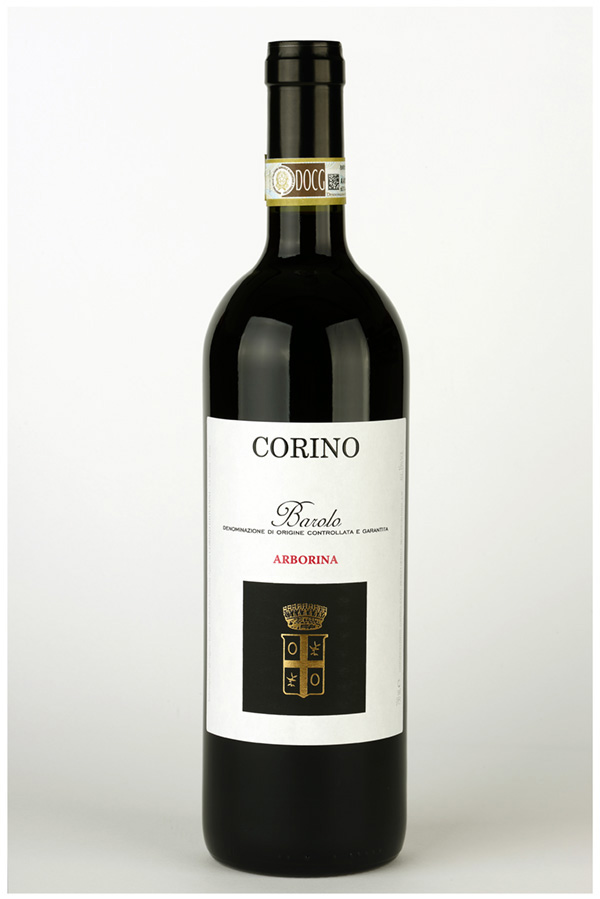
Arborina
Among the many Cru’s in Barolo, you’ll find Arborina. The Vineyard is located in Annunziata in La Morra. The soil consists of clay, sand and limestone, and is actually quite poor in nutrients. However, the wines made from this vineyard offer characteristics of extreme elegance, finesse, fruitiness and freshness.
Winemaking
The Corino Barolo Arborina is one of a few Arborina’s in Barolo. After 5-7 days of maceration in a rotor fermenter, the wine moves to steel tanks where it remains until the end of the fermentation. The wine then moves into small oak barrels, 35% new and 65% used, to age for 24 months. You’d think it would be ready, but the wine has to spend a year in the bottle before being released.
Corino Barolo Arborina 2014
2014 was a challenging year in Piemonte, but I think the end results proves that hard work pays off. Although the wines from 2014 might not have the same structure as 2013, the wine certainly doesn’t disappoint. Very approachable, even young, with good fruit and a long finish.
Where to find it?
If you live in Norway, you can buy the Corino Barolo Arborina 2014 at www.vinmonopolet.no.
The Corino wines are also available in other countries, like: United Kingdom Italy Germany United States




 PIEMONTEGIRL