Andrea Oberto

Andrea Oberto

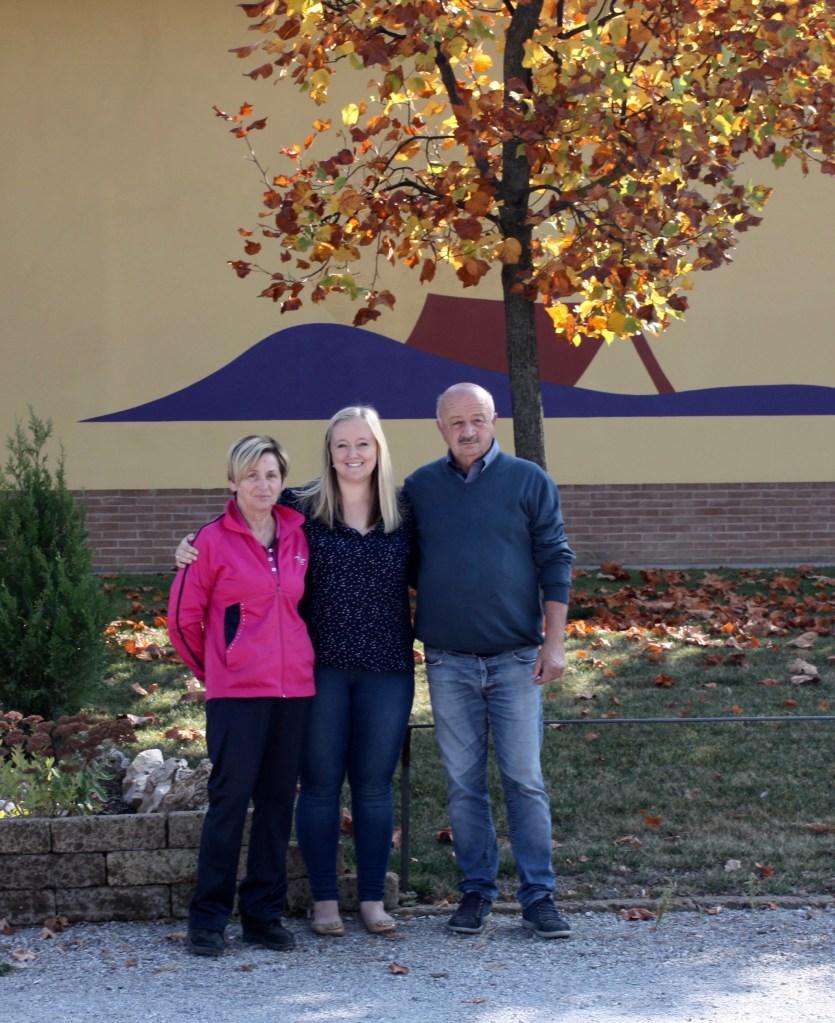
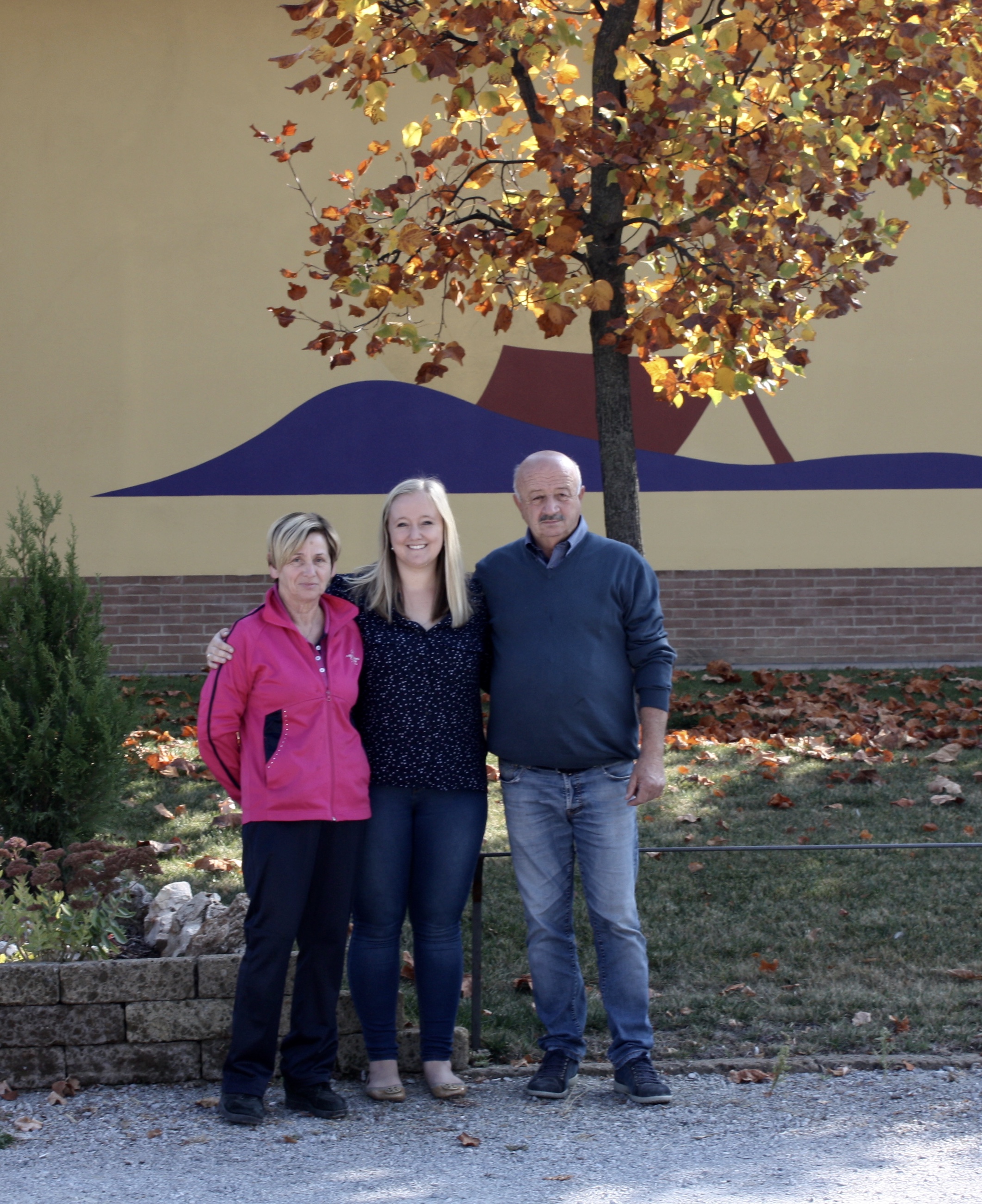
Andrea Oberto started out as a truck driver. Back in 1959, when the family bought the farmouse, they cultivated multiple crops in order to make a living.  When his father died unexpectedly, Andrea began managing the farm. After a full day of work Andrea Oberto found energy to work the three hectares of vineyard he inherited from his father, and one day he decided to be a farmer full time. The 3 hectares have become 10, and to this day it’s still Andrea who’s running the show!
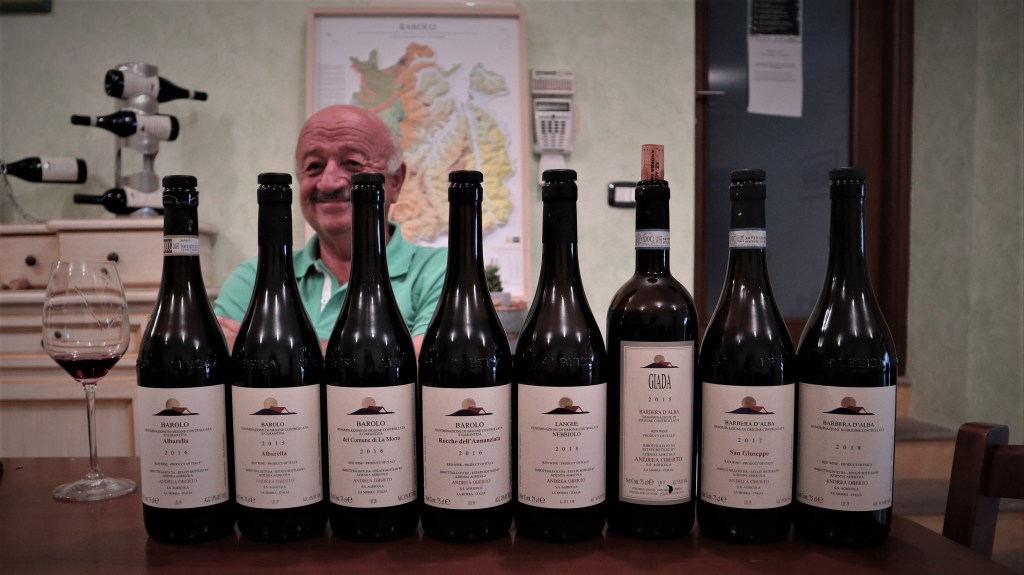
Andrea Oberto behind his wines

“93 points for the classic Barolo is more important than the 95 points for Barolo Rocche dell’Annunziata” – Andrea Oberto

During my last visit with Andrea Oberto, Robert Parker had just released his tasting notes of the 2016 Barolo’s. His Barolo’s scored very well, but Andrea was particularly happy with his classic Barolo “93 points for the classic Barolo is more important than the 95 points for Barolo Rocche dell’Annunziata”.

Winemaking

Andrea Oberto practices what I like to call Sustainable Winemaking. He has an immense respect for the land, and wants to focus on quality over quantity. This includes green harvest in the vineyard, in order to achieve the highest quality. He uses small barrels (barrique) for the aging of his wines.

Andrea Oberto Fun fact

Andrea Oberto loves Barbera. He makes 3 different ones, each one with different amounts of oak.
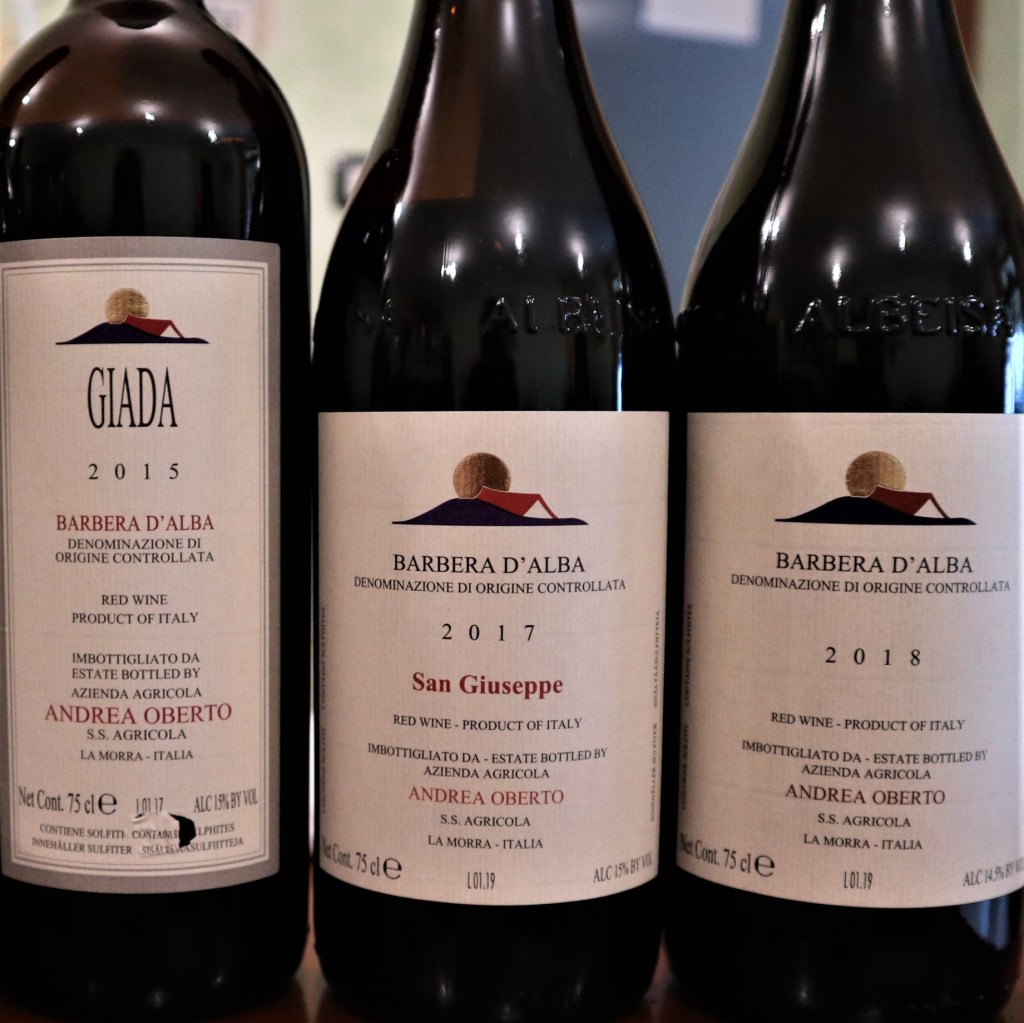
Andrea Oberto loves Barbera

Wines

Wines available in:
Switzerland
UK
USA

NB: Andrea Oberto is not the same as Fabio Oberto.

Barolo Rocche dell’Annunziata
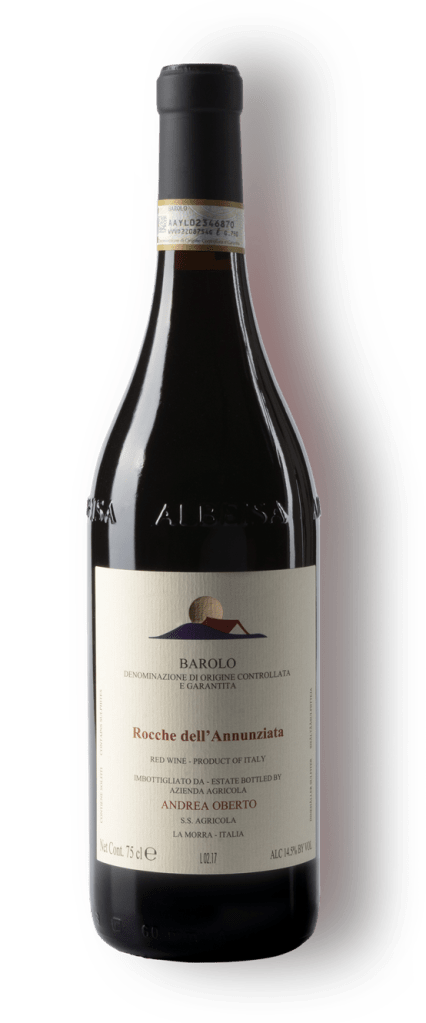
Andrea Oberto Rocche dell'Annunziata Bottle Image

BASIC INFORMATION

Product name: Barolo Rocche dell’Annunziata
Grape: 
100% Nebbiolo
Classification: DOCG
Number of bottles produced: 3 800
Color: deep ruby red, hints of pale orange
Fragrance:
floral and spicy
Taste:
forward tannins, balanced
Food pairing:
red meat, strong blue cheese

VINIFICATION (Wine-making)

Ageing: 26 months in barrique
Minimum aging in bottle: 6 months

VINEYARD: Rocche dell’Annunziata

Soil:  sandy
Exposure:  southeast

Barolo Arbarella
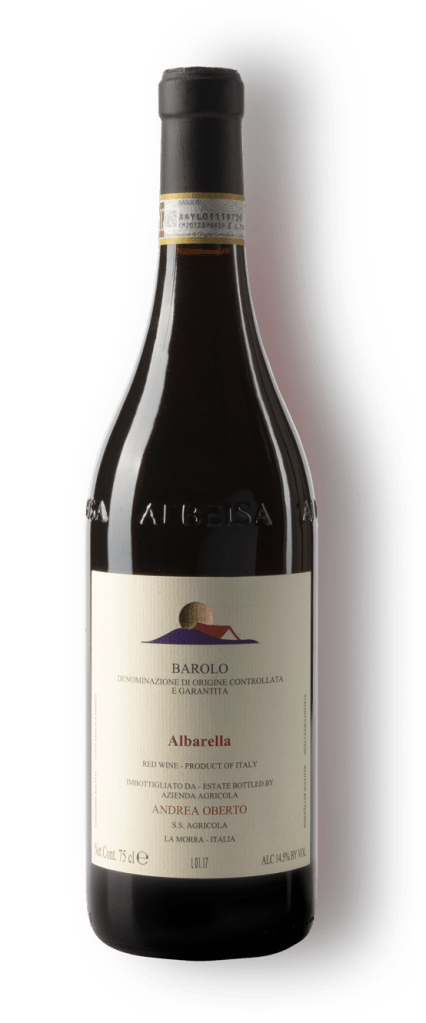
BASIC INFORMATION

Product name: Barolo Arbarella
Grape: 
100% Nebbiolo
Classification: DOCG
Number of bottles produced: 5 200
Color: bright garnet red, orange tint
Fragrance:
bark, tobacco, dried flowers
Taste:
fine structure, powerful, good acidity, easy drinking
Food pairing:
braised meat, roasts, flavored cheese

VINIFICATION (Wine-making)

Aging: 24 months in barrique
Minimum aging in bottle: 6 months

VINEYARD

Soil:  clay
Exposure: southwest

Barolo
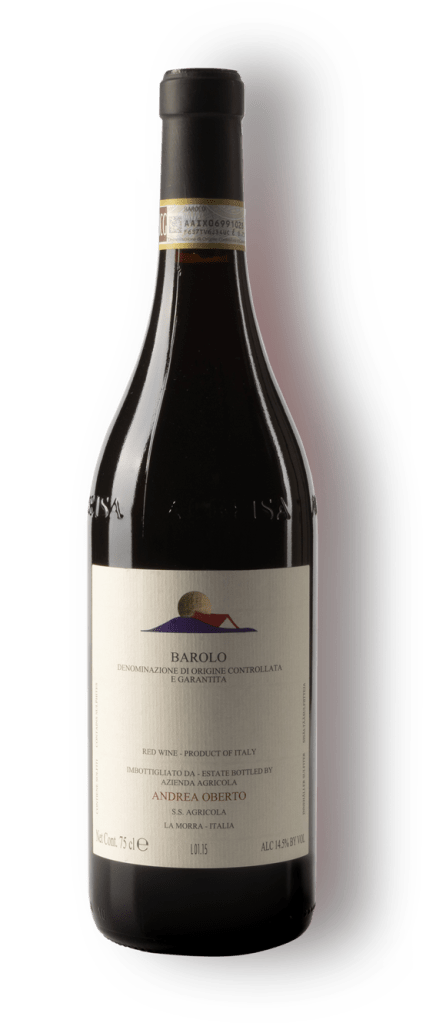
BASIC INFORMATION

Product name: Barolo
Grape: 
100% Nebbiolo
Classification: DOCG
Number of bottles produced: 16 000
Color: garnet red
Fragrance:
fruity, tar, leather
Taste:
complex, fruity, firm structure
Food pairing:
roast, truffles, aged cheese

VINIFICATION (Wine-making)

Aging: 24 months in barrique
Minimum aging in bottle: 6 months

VINEYARD

Soil: clay and limestone
Exposure: southeast

Barbera d’Alba Giada
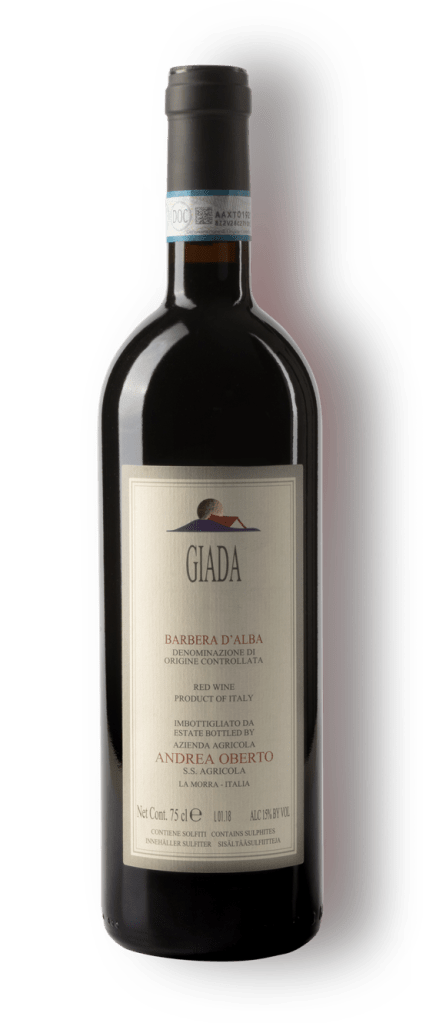
BASIC INFORMATION

Product name: Giada
Grape: 
100% Barbera
Classification: DOC
Number of bottles produced: 5 500
Color: deep purple with ruby edges
Fragrance:
dried plum, blackberry, espresso bean
Taste:
good acidity, balanced, dry finish
Food pairing:
filled pastas, red meat

VINIFICATION (Wine-making)

Aging: 20 months in barrique, new oak
Minimum aging in bottle: 6 months in bottle

VINEYARD

Soil: clay and limestone
Exposure:  southeast

Barbera d’Alba San Giuseppe
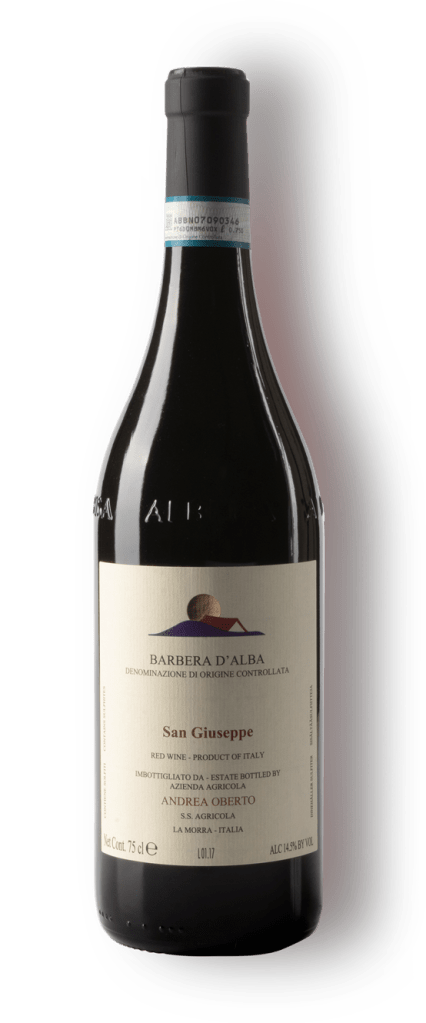
BASIC INFORMATION

Product name: San Giusepppe
Grape: 
100% Barbera
Classification: DOC
Number of bottles produced: 6 000
Color: deep, brilliant purple
Fragrance:
generous oak notes, spices, cherries
Taste:
firm acidity, savory, red fruit
Food pairing:
appetizers, aged cheese, pasta

VINIFICATION (Wine-making)

Aging: 12 months in second passage barrique
Minimum aging in bottle: 

VINEYARD

Soil: clay and limestone
Exposure:  southwest
Year of plantation/age of plants: 
Date of harvest: 

Barbera d’Alba
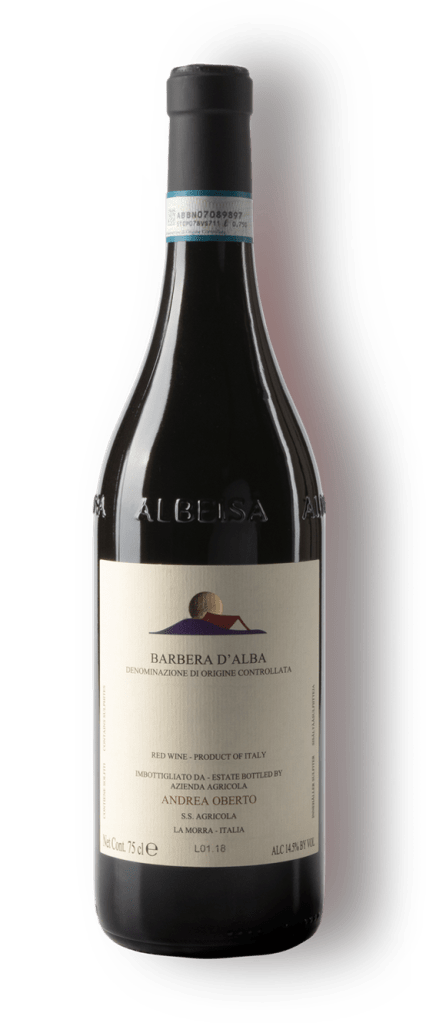
BASIC INFORMATION

Product name: Barbera d’Alba
Grape: 
100% Barbera
Classification: DOC
Number of bottles produced: 24 000
Color: deep ruby red
Fragrance:
well-integrated oak, ripe berry, fruit preserves
Taste:
ripe berries
Food pairing:
appetizers, medium aged cheese

VINIFICATION (Wine-making)

Aging: 4 months in third passage barrique
Minimum aging in bottle: 

VINEYARD

% of Grape/Cépage: 
Soil: clay and limestone
Exposure:  southwest

Langhe Nebbiolo
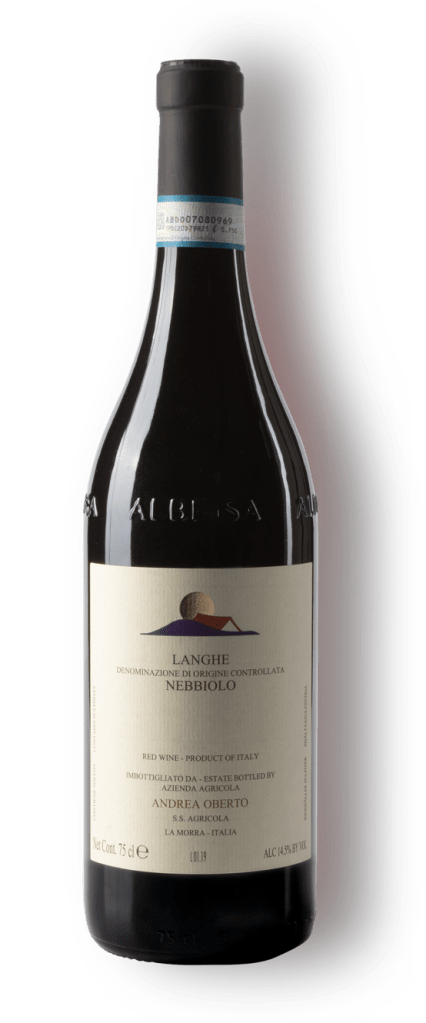
BASIC INFORMATION

Product name: Langhe Nebbiolo
Grape: 
100% Nebbiolo
Classification: DOC
Number of bottles produced: 9 500
Color: garnet ruby red
Fragrance:
fruity, hints of violets
Taste:
warm and firm, long finish
Food pairing:
fresh pasta, red meat

VINIFICATION (Wine-making)

Method:
Temperature:

Length:
Aging: 6 months in wood and stainless steel
Minimum aging in bottle: 2 months

VINEYARD

Soil:  clay and limestone
Exposure:  southeast
Year of plantation/age of plants: 
Date of harvest: 

Dolcetto d’Alba
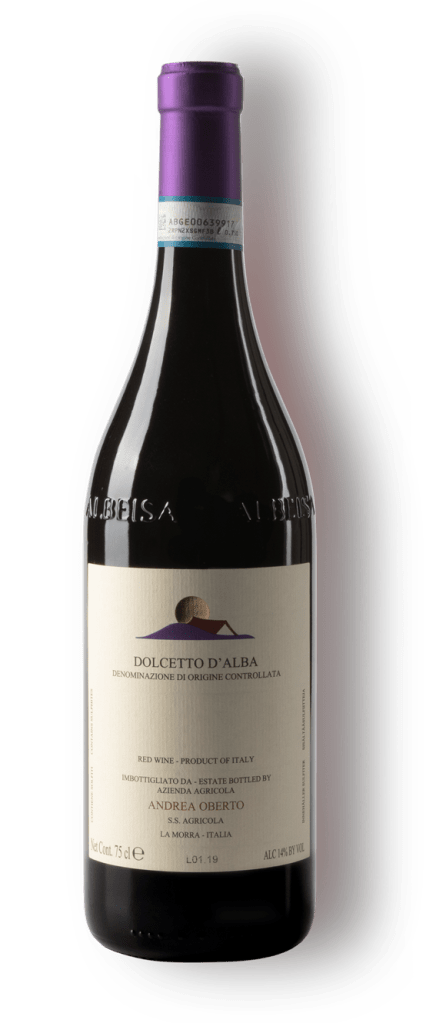
BASIC INFORMATION

Product name: Dolcetto d’Alba
Grape: 
100% Dolcetto
Classification: DOC
Number of bottles produced: 9 500
Color: deep ruby red with violet nuances
Fragrance:
berries and dark fruit
Taste:
lively acidity, sweet almond finish
Food pairing:
appetizers, pasta

VINIFICATION (Wine-making)

Aging: stainless steel

VINEYARD

Soil:  clay and limestone
Exposure:  southwest
Langhe Nebbiolo 2018

Although the focus is on the 2016 Barolo’s these days, I think it’s important to give some attention to the Langhe Nebbiolo’s! Since the 2016 Barolo’s should be bought and then put away for a long time, it’s nice to have a wine to enjoy in the meantime. You get the same characteristics as a Barolo, but you don’t have to wait to long for the wine to be approachable. On my last trip to Langhe I got to taste quite a few Langhe Nebbiolo 2018. Here are my tasting notes in alphabetical order.

Alberto Viberti LogHero 2018

Alberto is the new kid on the block. He works for his family winery Cascina Ballarin in La Morra, but has his own project on the side. His Nebbiolo goes through fermentation in cement tanks. Alberto does not use any oak with his Nebbiolo. The grapes come from Roero, and the soil there gives this wine a little bit of pepper notes.  A very good Nebbiolo for a “rookie”. Looking forward to seeing how he evolves!

Andrea Oberto Langhe Nebbiolo 2018

And oldie, but a goodie! I think the world should drink more Andrea Oberto! And why not start with his Nebbiolo. On the nose you’ll find tobacco and roses. The wine is fruity with a long finish. A very good wine made by a wonderful man.

Azelia Langhe Nebbiolo 2018

The focus this year has been on Azelia’s new Barolo Cerretta, but let’s not forget about all the other wines they make! The Nebbiolo is quite structured in 2018. Notes of spices, licorice, leather, cherries and flowers. The tannins are round and the wine fruity, making it very drinkable.

Cascina Fontana Langhe Nebbiolo 2018

Mario uses both cement  and Slavonian oak for his Nebbiolo, for a total of 12 months. The 2018 is less concentrated than 2017 with lots of dark fruit and a bouquet of flowers. The wine is elegant with a long finish.

Cavallotto Langhe Nebbiolo 2018

I tasted the 2017 and 2018 side by side. The 2017 was very good, but when tasting it next to the 2018 it almost fell a little short. In the 2018 there is an explosion of floral notes. A very powerful nose. One of the more expressive Nebbiolo’s I’ve tried. The wine is young with big tannins, but they disappear quite quickly and you’re left with beautiful floral notes.

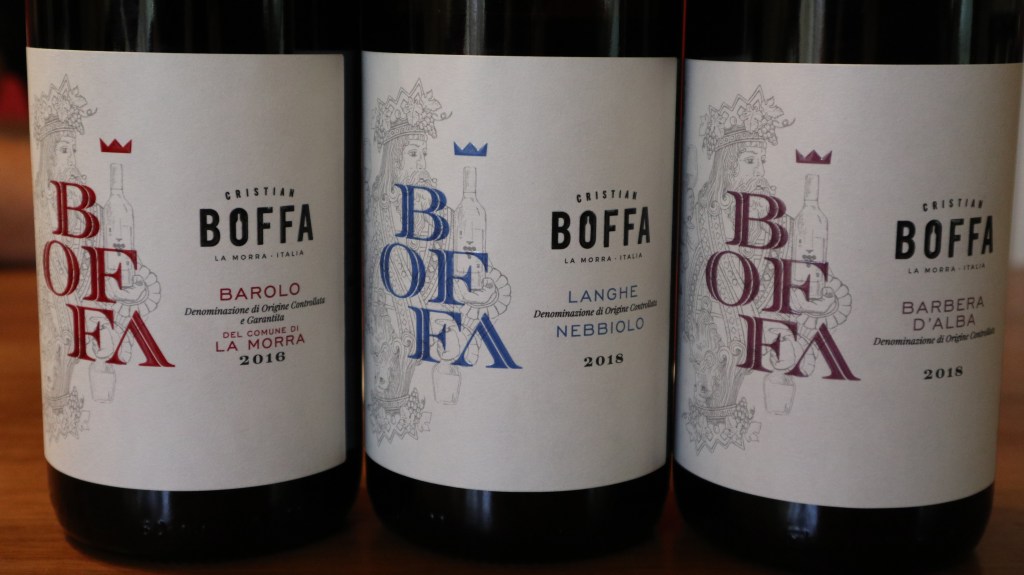
Cristian Boffa Langhe Nebbiolo 2018

This Nebbiolo is made with 16 year old vines from the Santa Maria vineyard. Cristian uses about 20% botte grande and 80% cement for 6 months. On the nose there are notes of strawberry jam, fruits, and flower, and the tannins are very smooth.  As a relatively new player in the game, it will be interesting to see the evolution of Cristian Boffa! Stay tuned.

Cristian Boffa Langhe Nebbiolo

Diego e Damiano Barale Langhe Nebbiolo 2018

A very drinkable Nebbiolo from Monforte, with vines planted by their grandfather in the San Giovanni vineyard about 40-50 years ago. The brothers use 2nd or 3rd passage tonno because they prefer to taste the natural tannins. One interesting aspect of the vinification is that they take out the seeds, a practice they learned from Vaira. A beautiful nose, elegant tannins and a long finish.

Diego Morra Langhe Nebbiolo 2018

Diego ages his Nebbiolo for a long time in the bottle, compared to other winemaker. Before the prolonged aging in bottle, the wine spends about 6 months in tonno, with 10% new oak. This might be one of my favorites. Very approachable, round tannins and a fresh expression.

Gianfranco Alessandria Langhe Nebbiolo 2018

Here’s a wine with a typical Nebbiolo nose: red berries, roses, hint of leather and spices. Aged 6 months in barrique with 10% new oak. The grapes come from San Giovanni, so there’s the Monforte power but the tannins are still elegant and sweet, making it quite approachable.   

Giovanni Corino Langhe Nebbiolo 2018

Of all the Corino wines, this might be my favorite. So elegant with fresh fruit and raspberry. Good structure with round tannins.

Luigi Pira Langhe Nebbiolo 2018

Released a year later than most of its “peers”, the Langhe Nebbiolo from Pira has spent about 12 months in small and big oak barrels. In addition to the terroir, the oak helps to give the wine its structure and complexity. Aroma of red fruit, leather, spices and tobacco as well as a hint of oak notes. Fruity in the mouth, crisp and complex. Persistent tannins with a long finish.

Mauro Veglio Angelo 2018

At first the Angelo came off a little green, but with some air it disappeared and I was left with licorice and raspberries. Very crisp! The tannins are there but they disappear. A relatively approachable Nebbiolo.

A Family Affair

A Family Business

In the wine industry, it’s very common to work with your family. You pass the winery onto your children, your children pass it onto their children. And so it goes for generations. But what happens if your son or daughter don’t want to make wine? What happens if you don’t have any children? What happens if you disagree? Or, worst case; what happens if you don’t get along?

Winemakers are people, just like you and me. Do we always get along with our family? Do we always follow in the footsteps of our parents? No. My whole family works in one industry, and I chose another. But is it easy to chose a different path when you’re raised in the family business? I know that some of the Oddero family members became doctors instead of winemakers. Nicola at Trediberri studied business before he became a winemaker. Something that often happens, is a winery “splitting up”. Example: one sibling continues with the same winery while the other sibling starts up a new one. In La Morra you have Revello Fratelli and Carlo Revello & Figli, where the two sons decided to split up and do their own thing. Now, “splitting up” doesn’t have to be the cause of a fight or argument. Sometimes it’s just the right thing to do. Maybe they have different visions or strategies. Maybe they both have multiple kids who want to continue the tradition, and it makes sense to divide and conquer.

Complicated Also For Wine Lovers

I am not saying that this is as bad for us wine lovers as it is for the families involved, because it is not, but that is not to say that this phenomenon does not influence the lives of someone who just loves to enjoy wine.  I mean, have you ever thought about how many wineries have the same or similar names?! How many Boillots are there in Burgundy? Moreys? Colins? Or to make matters worse, someone decides to call their son Colin-Morey. It’s not weird that you sometimes feel confused when buying wine. Which one was the Colin you wanted? Pierre Yves Colin Morey or Marc Colin? Or a completely different Colin. The strangest part is that some of them are actually related, while others just have the same last name. Which just makes it harder for us consumers to navigate the vast world of wine.  

Did I Say Complicated?

For long, this was a burgundian “problem”.  In Piemonte, for example, the next generation just kept the name of their fathers.  But now with changes at the Fontana, Revello, Vietti, and Veglio wineres amongst others, one really needs to pay attention to be on top of which wine is which, and who makes what.  Take this example from La Morra:  A few years ago, news broke that Andrea Oberto’s son left the winery. But not only did he stop working with his father, he started his own winery, mere feet from his father. What will happen to Andrea Oberto now? Will his daughter (who I believe does some office work for the winery) step in and fill the shoes of her brother? Will Andrea have to pass his legacy onto someone outside the family?

A consequence of Fabio Oberto starting up his own company, La Collina di Dioniso, is that the wines of Andrea Oberto are no longer available in Norway. But you can find Andrea’s wines in La Morra, Piemonte, at the local restaurants and the local wine store. Interestingly enough, you can’t find Fabio’s wines there. What do you think that means?

And what does it mean for the consumer? For the producer? For the importer? This is so complicated I don’t even want to try to analyze. But just think about it next time you find Fabio Oberto’s wines instead of Andrea Oberto’s. So much is happening behind the scenes – at the wine store, at the importers office and in the homes of these wine families.

Andrea Oberto & his wife

Happily Ever After

What does a happily ever after look like at a winery in Piemonte? My answer would be: Happiness is in the eye of the beholder. I mean, who are we really to have an opinion on whether a winery stays in the family, if they split up or stay together, or even sell? Most of us have no clue what is going on in each of these families, and it’s up to them to find out what suits them the best.

Piemontegirl Tasting

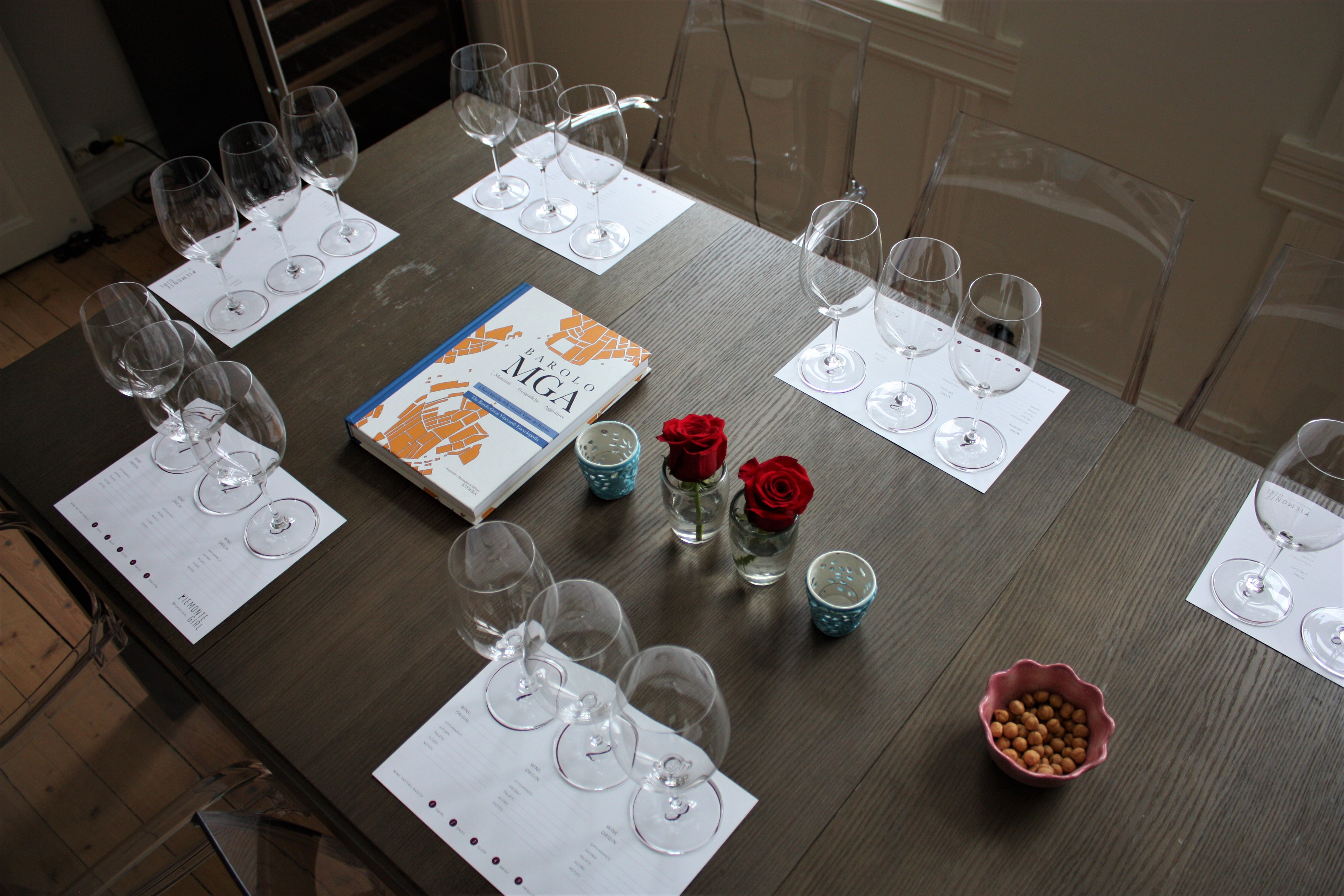
Piemontegirl tasting 2 Table

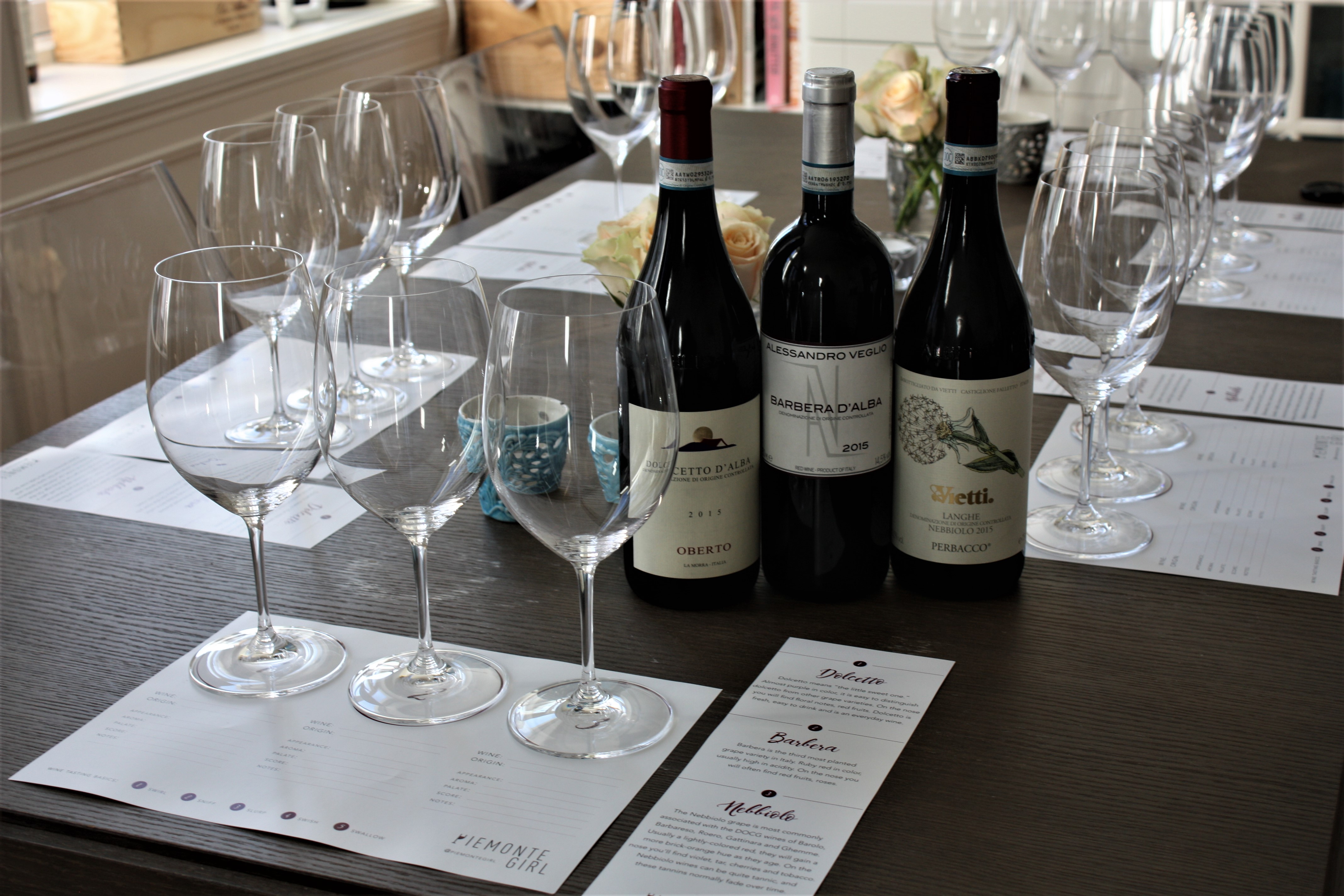
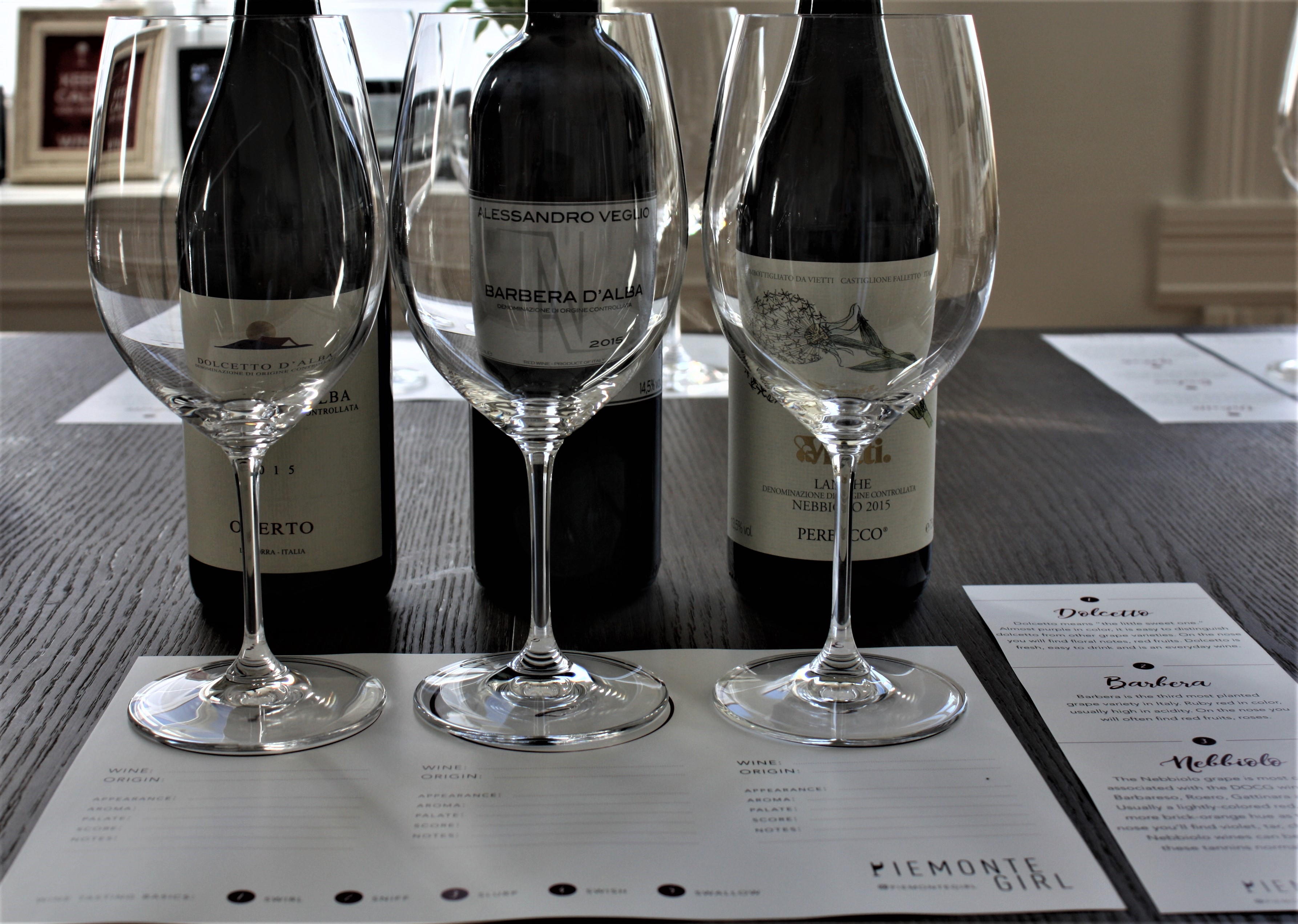
As you probably already know, I’ve started to host some wine tastings! Mostly basic tastings, differentiating between 3 grapes: dolcetto, barbera and nebbiolo. I think it is a good way to learn the difference between the 3 main grapes in Piemonte.

The dolcetto from Andrea Oberto had the typical purple color of dolcetto. On the nose it had kind of a strange smell. I think there might have been something strange with this bottle, maybe some reduction, because I’ve had this wine many times before and it did not smell like that. In the mouth it was as it should be – fresh, fruity, light.

Alessandro Veglio’s barbera had a ruby red color, slightly opaque. The nose was a little closed at the beginning, but came to after a while in the glass. It was fresh, fruity and had a good amount of acidity.

Lastly, the Perbacco. Color was brownish red, typical of the nebbiolo grape. On the nose there was roses, violets and earth tones. As Vietti makes their nebbiolo quite similar to their barolo, there were tannins present, as there should be with nebbiolo.

Piemontegirl tasting 2

Wines under 200kr at Vinmonopolet

Wines at Vinmonopolet under 200kr

Wines don’t have to be super expensive to be good quality or taste good. These wines are some of my favorites. If you try them feel free to tell me about your experience! Enjoy!


IMG_8693

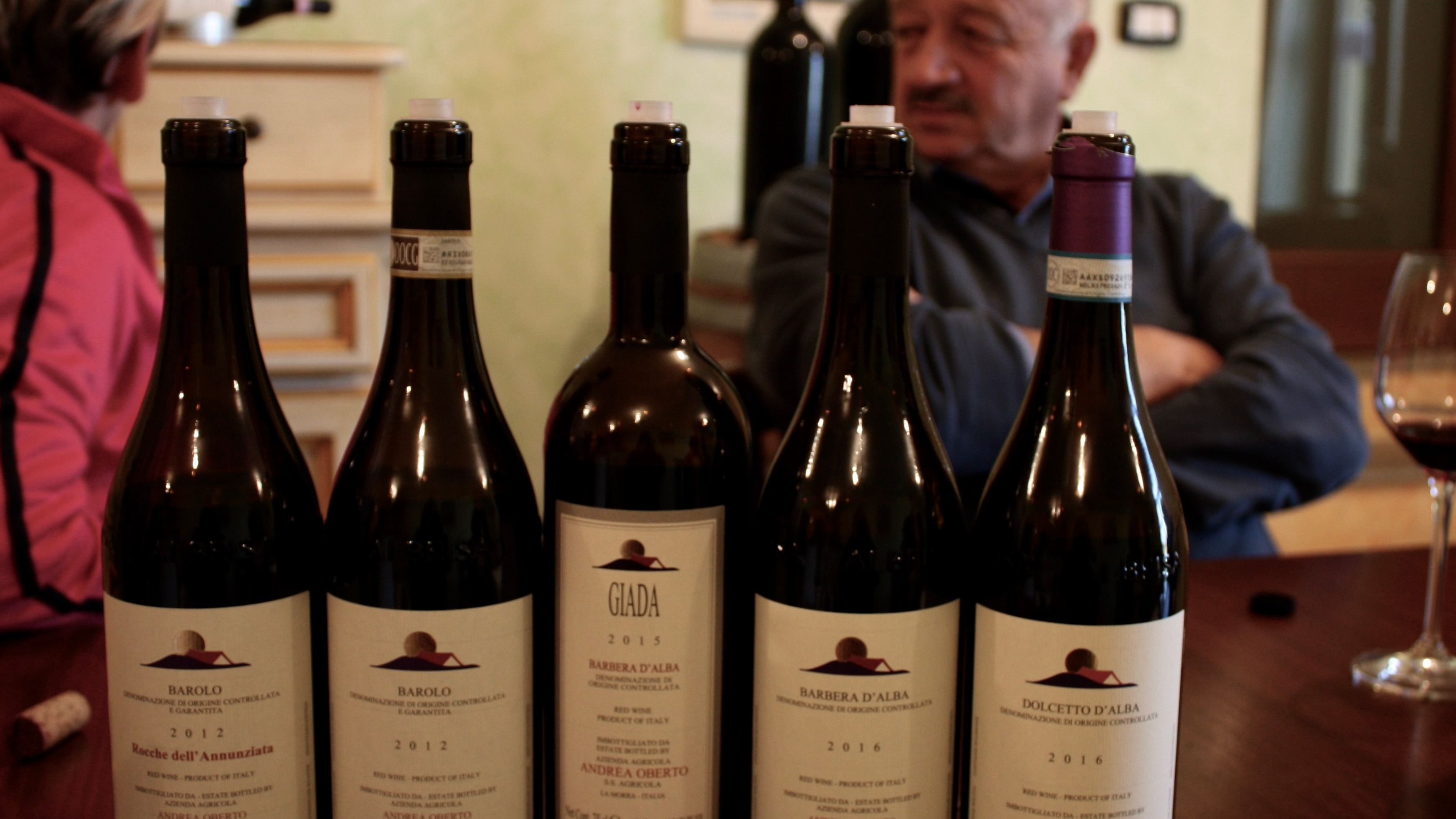
Andrea Oberto and his wines


Wine Night at Cascina Nuova

Wine Night a la Piemontegirl

Remember I asked you for advice on how to run a Wine Tasting? Well, here is how it went!

Wine Night 3

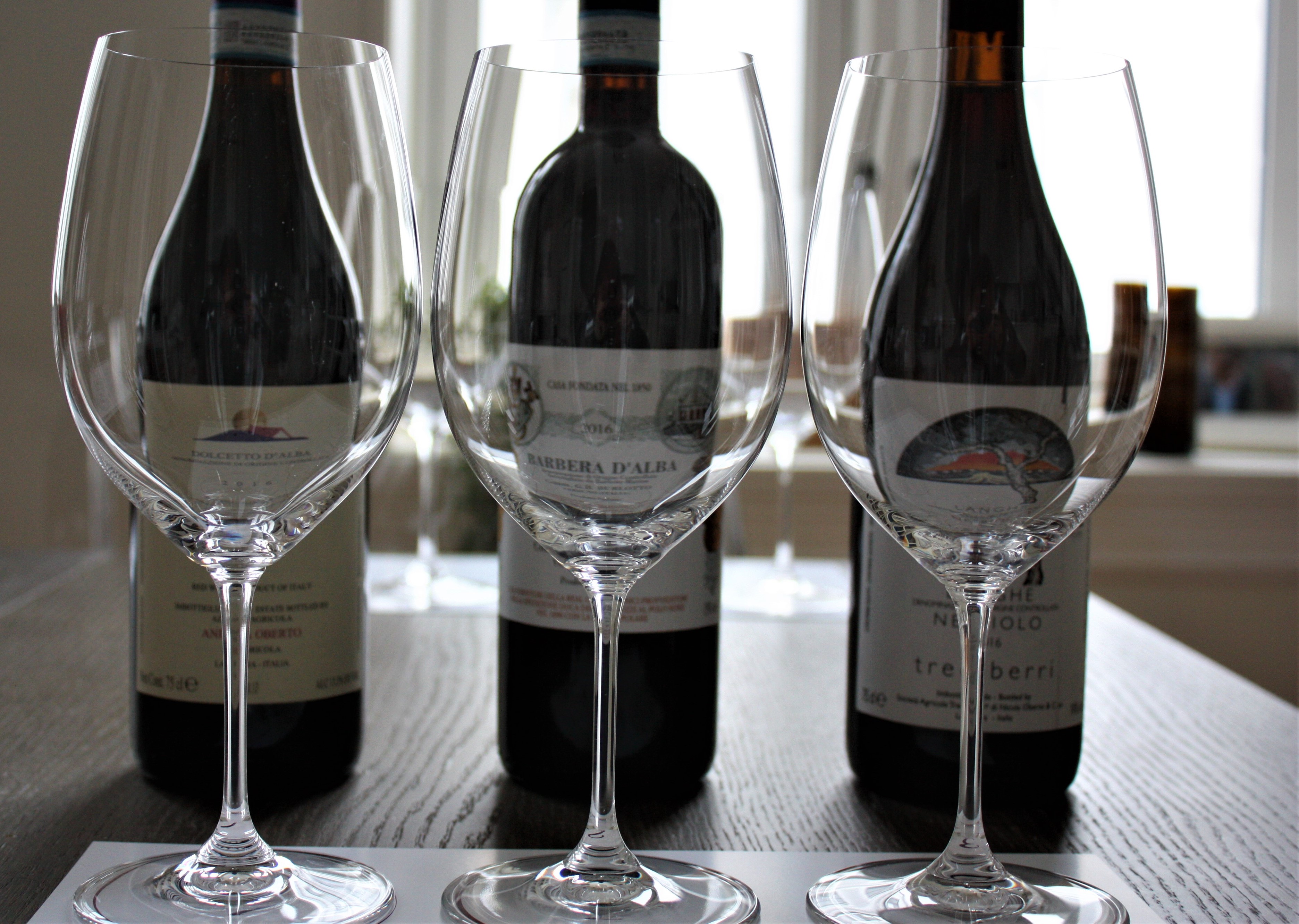
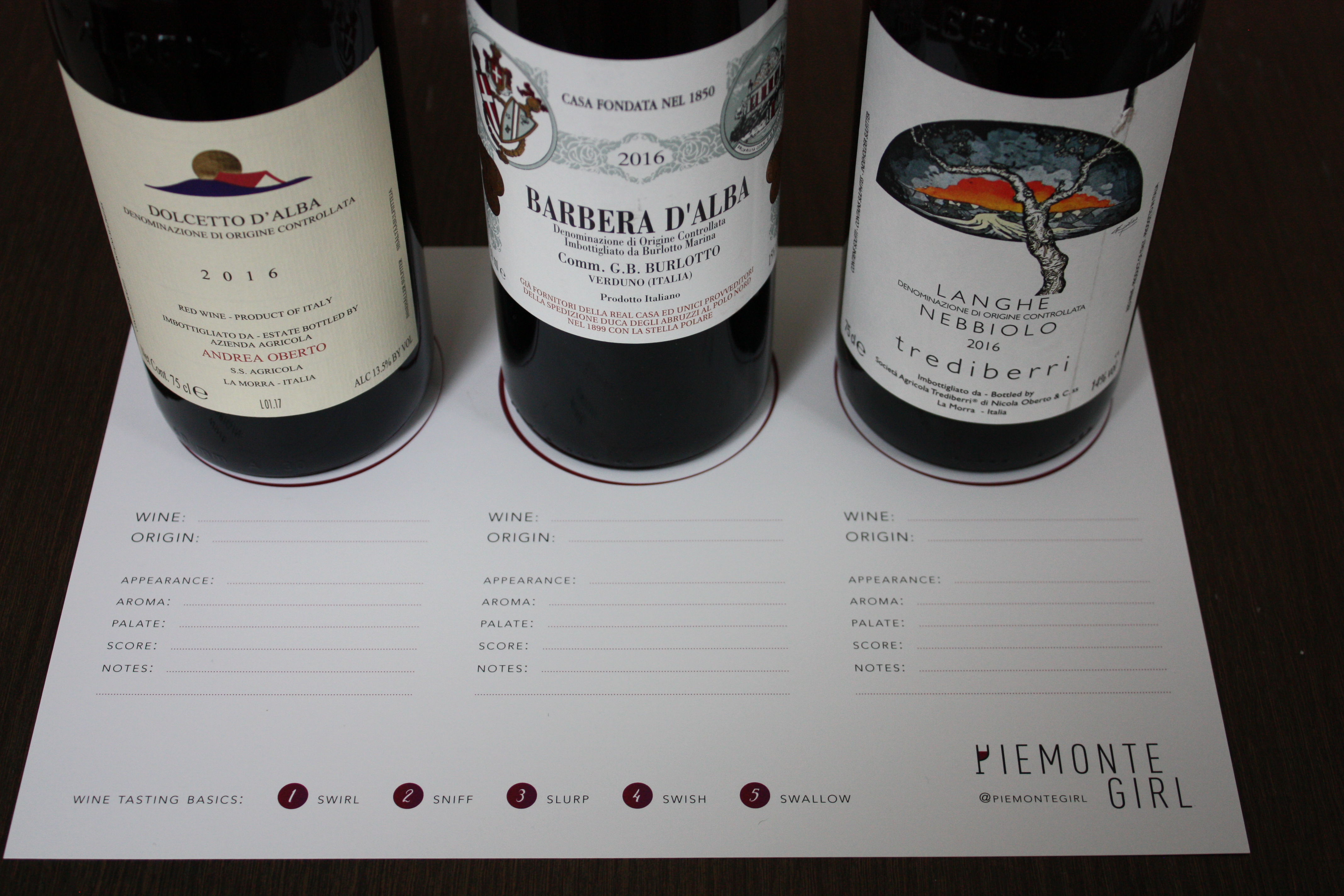
My very talented friend Elena Baseotto made me some tasting sheets, and I decided to go for 3 wines next to each other: dolcetto, barbera and nebbiolo. The knowledge level among the participants varied a lot, so this was a nice way to show them the different grapes and their characteristics.

I chose a dolcetto from Andrea Oberto, a barbera from Burlotto and a langhe nebbiolo from Trediberri. These 3 producers are different yet they share the same philosophy (and are people I care about). It was very interesting to see which wines the guests preferred and why. I like all three, but in very different ways. Dolcetto is very easy to drink, not a lot of structure, but very pleasant. Barbera tends to be bigger (in comparison to dolcetto) and tastes better with food (in my opinion). And langhe nebbiolo is tannin free and smooth, yet has more structure than the dolcetto. All in all good wines to try.

Wine Night 1

I think maybe next time I will do a comparison of the same type of wine but either from different producers or different cru. I think it is interesting to see the different producers interpretation of the wine. Any thougths?

Wine Night 4

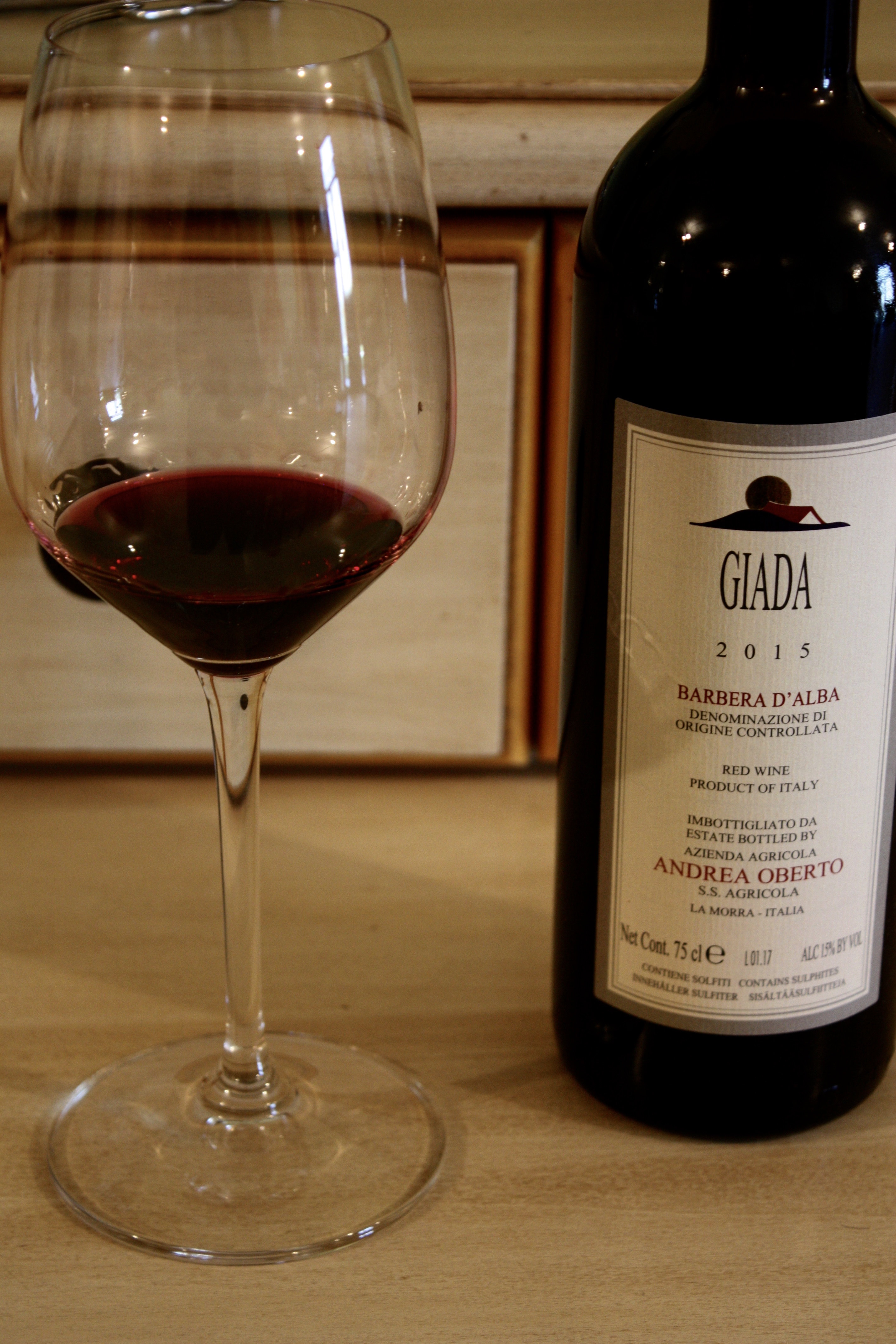
Giada – new favorite barbera

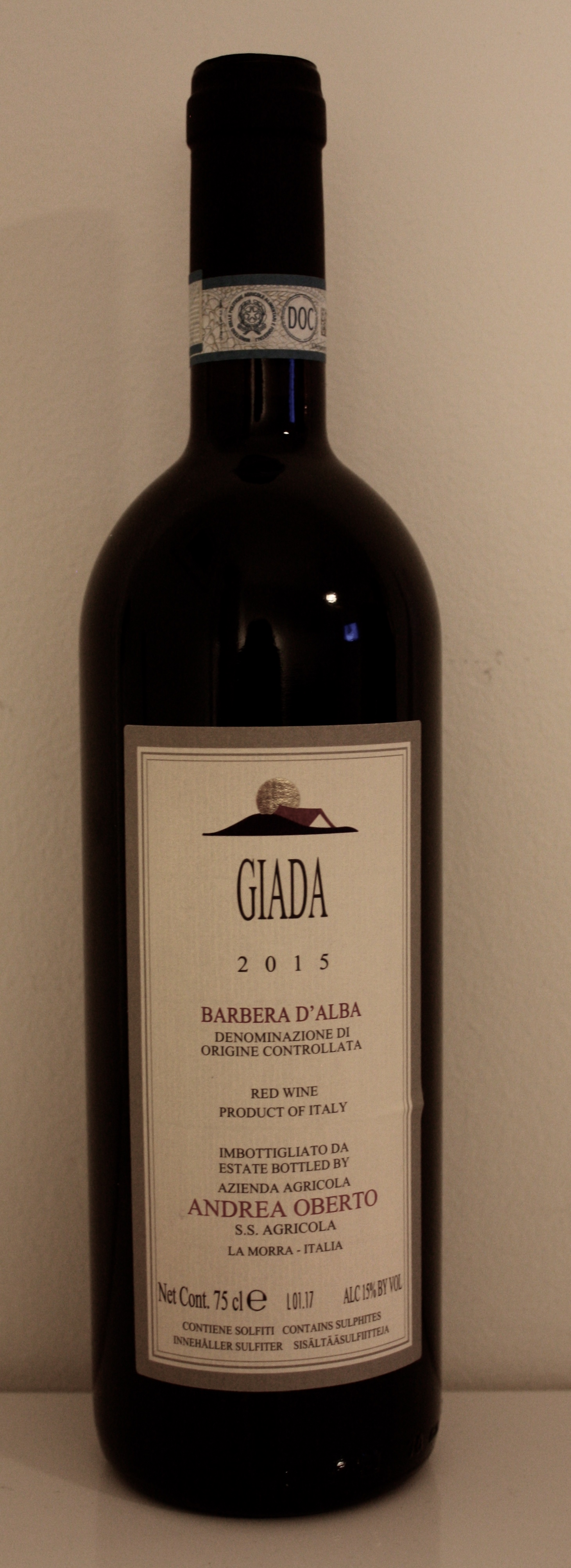
Andrea Oberto Barbera Giada

Andrea Oberto, my newest friend in Barolo, makes a wonderful Barbera Giada. Some may like to call it a Barbera Superiore, which means that it’s made from the barber grapes but vinified differently, most likely either in oak or longer in oak (compared to the classic barbera). Those who understand Norwegian can read SMAK’s tasting notes onAndrea Oberto’s Giada here.

IMG_8917

Wine: Barbera Giada

Producer: Andrea Oberto

Region/Appellation: Piemonte, Italy

Grape varieties: Barbera

Vintage: 2015


Eye: deep purple ruby

Nose: plums, berries,

Mouth: tobacco, coffee, balanced, long finish

Price Point: $40

Available at Vinmonopolet: yes

Available at Systembolaget: no

Winery Wednesday – Legendary visit with Andrea Oberto

Winery Wednesday is back! Last October I had the sincere pleasure of meeting Andrea Oberto! It was probably the most legendary winery visit I have ever had.

IMG_8707

It started with just me and Andrea, speaking ONLY Italian. He showed me the cellar and we tasted his wines. Then, this swiss couple show up. And guess what? They only speak German and very little English. And Andrea does not speak any English or German. So, the Norwegian (me) had to translate. So, I did the visit all over again! 4 hours later, I left with wine for my cellar and a dinner invitation!

IMG_8693

Andrea Oberto started his winery in 1978, and in 2003 the new wine cellar was finished. You can now find Andrea near the town of Verduno, in the outskirts of La Morra. He has 16 acres of vineyards, among them are Barolo BrunateBarolo Rocche and Barolo Albarella. 


winery wednesday

If you ever have the chance to visit with Andrea, you should! I can come as a translator! To make an appointment you can email the cantina obertoandrea@libero.it or call 0173 50104. If you go, say hello from me! And stay tuned for more Winery Wednesday!