Biodynamic, Organic or Natural?

You’ve probably hear the words Biodynamic, Organic or Natural before. But do you actually know what it means? I thought I had a pretty good idea, but when digging deeper I realized that I hadn’t quite grasped these terms. For example, I didn’t know that when it says “organic” you’re allowed to use some additives. Did you?
Biodynamic

Biodynamic agriculture started with Rudolph Steiner. It was the first of the organic agricultural movements, but in addition to being “organic”, the biodynamic approach includes various esoteric concepts, emphasizing spiritual and mystical perspectives. Biodynamic farming uses management practices that are intended to “restore, maintain and enhance ecological harmony”. One of the main ideas or theories revolve around the phases of the moon. This means that the farmers chose to plant, cultivate or harvest based on the phases of the moon.

Unlike “Organic” farming, “Biodynamic” farming prohibits the use of chemicals and manufactured additives, including commercial yeast. However, this does not mean that the wine is sulfur free. Nor does it mean that no other “natural” additives have been used, like manure.

Organic

If a wine says it’s “Organic”, it means that if follows the principles of organic farming, which typically excludes the use of artificial chemical fertilizer or pesticides.  But, did you know that in an “Organic” wine, other additives are allowed? In an organic wine you can find manufactured yeast, egg whites and other animal enzymes. So correct me if I am wrong, but this technically means that the term “organic” only applies to products used in the vineyard? Does that make any sense?

And then there is the whole sulfite debate. The rules for this differs in the US and Europe. In the US, if a wine is organic, you are not allowed to add any sulfites. Whereas in Europe, you can add sulfites. And then you have to remember that virtually no wine is sulfite free, since sulfur occur naturally in all living things, including grapes. Which brings us to the next category, “Natural” wine.

Natural

The “Natural Wine Movement” started in Beaujolais with the goal of using less pesticides and chemicals. The problem with the term “Natural Wine” is that it’s somewhat ambiguous, and can mean different things for different people. But here are some “rules” that seem to apply to the term:

  • Organic or biodynamic grapes
  • Dry farmed
  • Hand-picked
  • No added sugar or yeast
  • Minimal or no filtration
  • No heavy manipulation
  • Minimal or no sulfites added

Basically, it means the farmers try not to intervene.

What are sulfites and why use it in wine?

Sulfites are substances that naturally occur in some foods and the human body. But it’s also used as food additives. How does that apply to wine? Very simply, sulfites help preserve wine and slow chemical reactions which cause wine to go bad. Ever notice that some wines can stay corked in the fridge for days, and others “die” almost immediately? This is related to the amount of sulfur in the wine. And let me be clear, the amount of sulfur used in the wines I drink is way lower than the amount of sulfur used in other food products available at the grocery store!

Biodynamic? Organic? Do I care?

Honestly, I’ve never paid much attention to these terms. Most of (or all) the wines I drink are made by passionate farmers, who stay away from pesticides and chemicals. They also stay away from “fake” yeast and rarely use any form of filtration, including egg whites.

When I use the word “organic”, I most often mean farming practices that cycle resources, promote ecological balance, and conserve biodiversity. In other words, NOT “organic wine.” A great example is my friend Silvia Altare. She farms organically, but does not use manufactured yeast or any form of filtration. Technically her wines could be classified “organic” as they comply with the criteria, but then she is automatically lumped together with other farmers who add yeast, sugar, egg whites and other things..

In conclusion, do I care about a wine being certified “organic” or “biodynamic”? No. My question now is, after having read this article, do you?
To Decant or Not To Decant

What does it mean when we decant a wine? Why do we decant wine? What are some reasons not to?

There are some strong opinions out there, as to whether or not you should decant a wine. So, I asked around to figure out the big question: To Decant or Not To Decant?

What does decanting mean?

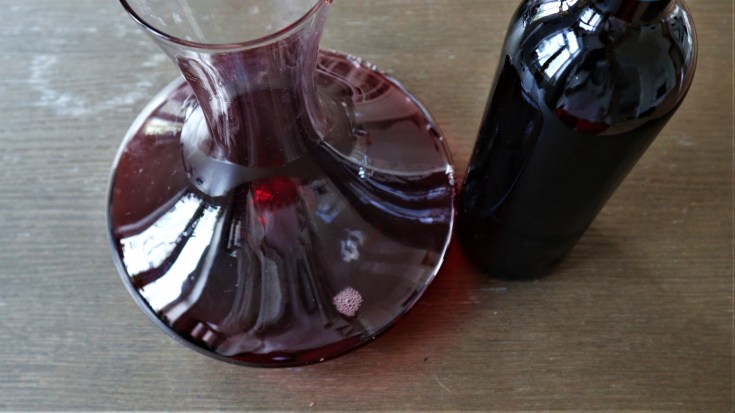
When you google “decanting”, you’ll most likely get a result from a dictionary, which says decanting is: gradually pour (wine, port, or another liquid) from one container into another, typically in order to separate out sediment. An article from Wine Spectator also shows up, check it out here.

This pretty much sums up what decanting is. When you decant a wine, you pour it out of it’s bottle and into something else, typically a decanter. If you do not have one, you can use something else. I have once used a measuring cup (which I then used to pour the wine back into the bottle) or a vase. Shhh, don’t tell anyone!

Decant - to do or not to do?

Why does one decant a wine?

So, I asked around. Why do you decant a wine? Here are some of the most popular responses:

  • To remove sediment
  • Give the wine air
  • Depends on the wine

Now, some say you should not decant a wine. There can be a few reasons for this. Adding too much air can make the wine fade faster. An old, fragile wine can be damaged by adding too much air. Another popular opinion is that a winemaker would not have released a wine that was not ready to drink.

A nice rule of thumb is to first try the wine, and then decide for yourself whether or not it should be decanted. If the wine feels closed or inexpressive, adding some air can be a good way to open it up.

I do not have very strong feelings on the subject. For me, as with most winemakers, I’d say it depends. Depends on the vintage, the age, the wine making style. Some wines definitely benefit from getting some air. Others, maybe stay away. Refer to the rule of thumb if in doubt: try it first, and then see.

Panettone & Moscato

You know it’s the holiday season when Panettone decorates store windows, store displays and your instagram. I tried to make Panettone myself, and it turned out quite good, if I may say so myself. You can get the recipe here.

My sources tell me that for the holidays, a popular combination is Panettone & Moscato! Doesn’t sound half bad, right?

Cru – Arborina

Cru – most of us are familiar with them, right? If not, a cru indicates a certain vineyard. And each cru has specific characteristics based on soil, altitude and exposure. When it comes to different cru, I think Arborina might be one of my favorite! It helps that many of my favorite producers make Barolo Arborina, like Altare and Giovanni Corino.

Arborina is known for it’s elegance and freshness. It is one of the more “feminine” wines, with a intense bouquet of fruits and berries.

Location: Frazione Annunziata
Size: 10.81 hectares
Soil composition: marna stone with clay, limestone and sand
Grape variations: 68% nebbiolo, 15% barbera, 15% dolcetto, 2% langhe rosso
Exposure: south, south-east
Characteristics: fruity, fresh, elegant

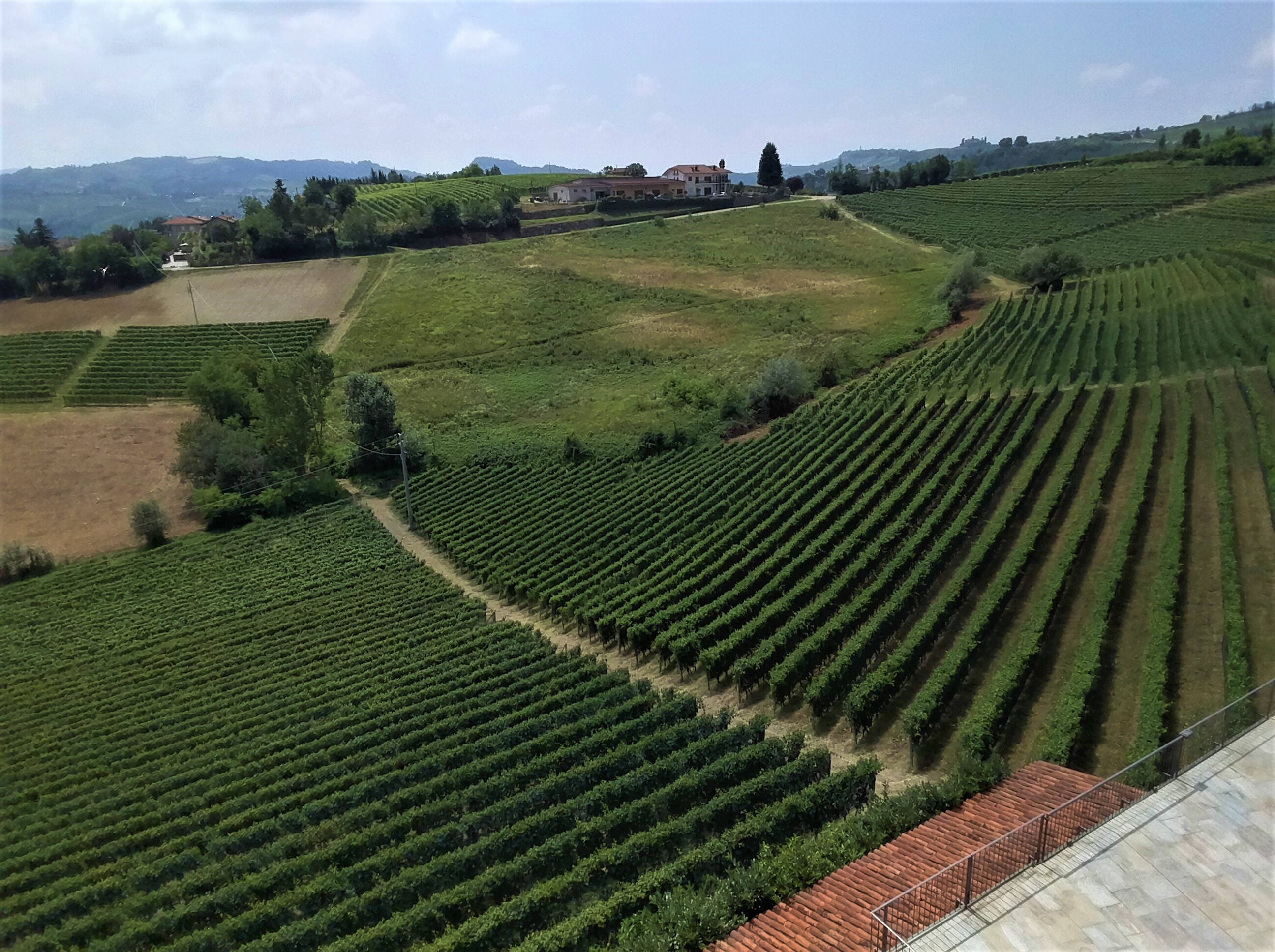
Arborina

Part of Arborina (From Elio Altare’s Winery)

Producer’s of Arborina include:

  • Giovanni Corino
  • Elio Altare
  • Renato Corino
  • Nadia Curto
  • Mauro Veglio
  • Bovio

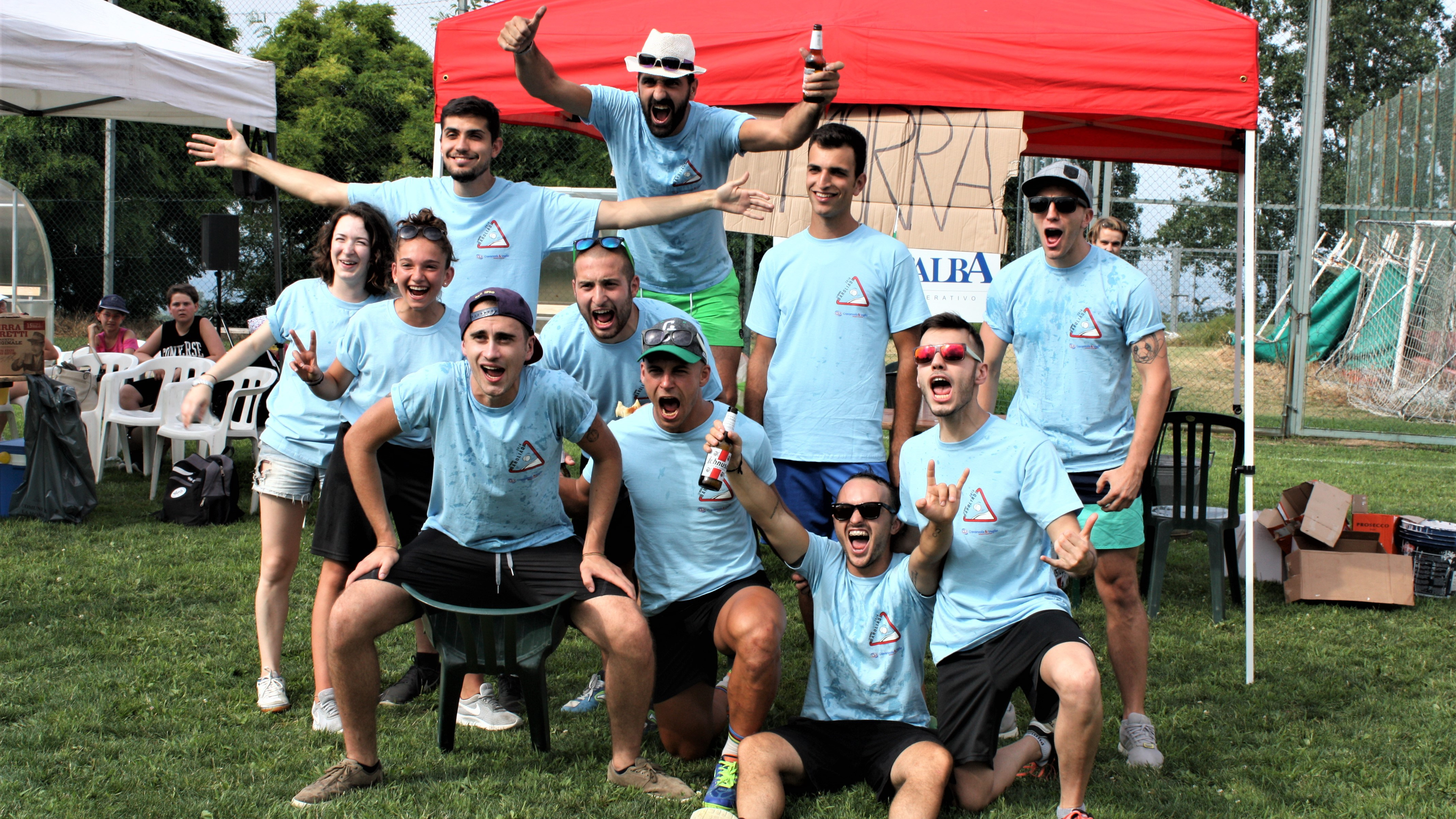
Baroliadi 2018

Baroliadi-Team.jpg

This summer I was able to join the La Morra team in their annual competition: Baroliadi!

Picture a sort of Olympics/triathlon with games centering around wine. Sounds like a recipe for success right?! Well it was!

There were 4 different games. First there was the egg toss, where you had to catch an egg in a bag held by two contestants. Second, there was the sack race where you had to carry a bottle during the course and hand it to a team mate. Third you had to slide on a tube while carrying a ball (to make it more difficult I imagine). And lastly, there was the Barrique race. The race starts with chugging a bottle of wine (because why the hell not). Then you have to roll the barrique through a course like a relay race, handing it off to team members along the way. And if you wall, 1 second is added to the time.

It was quite the day! Every year is different, because the host town changes. The only consistency is the barrique relay race. And the party at the end of course.

Oh, and La Morra won. Just FYI.

Baroliadi victorious


Fun Fact Friday: Nadia Curto Chinato

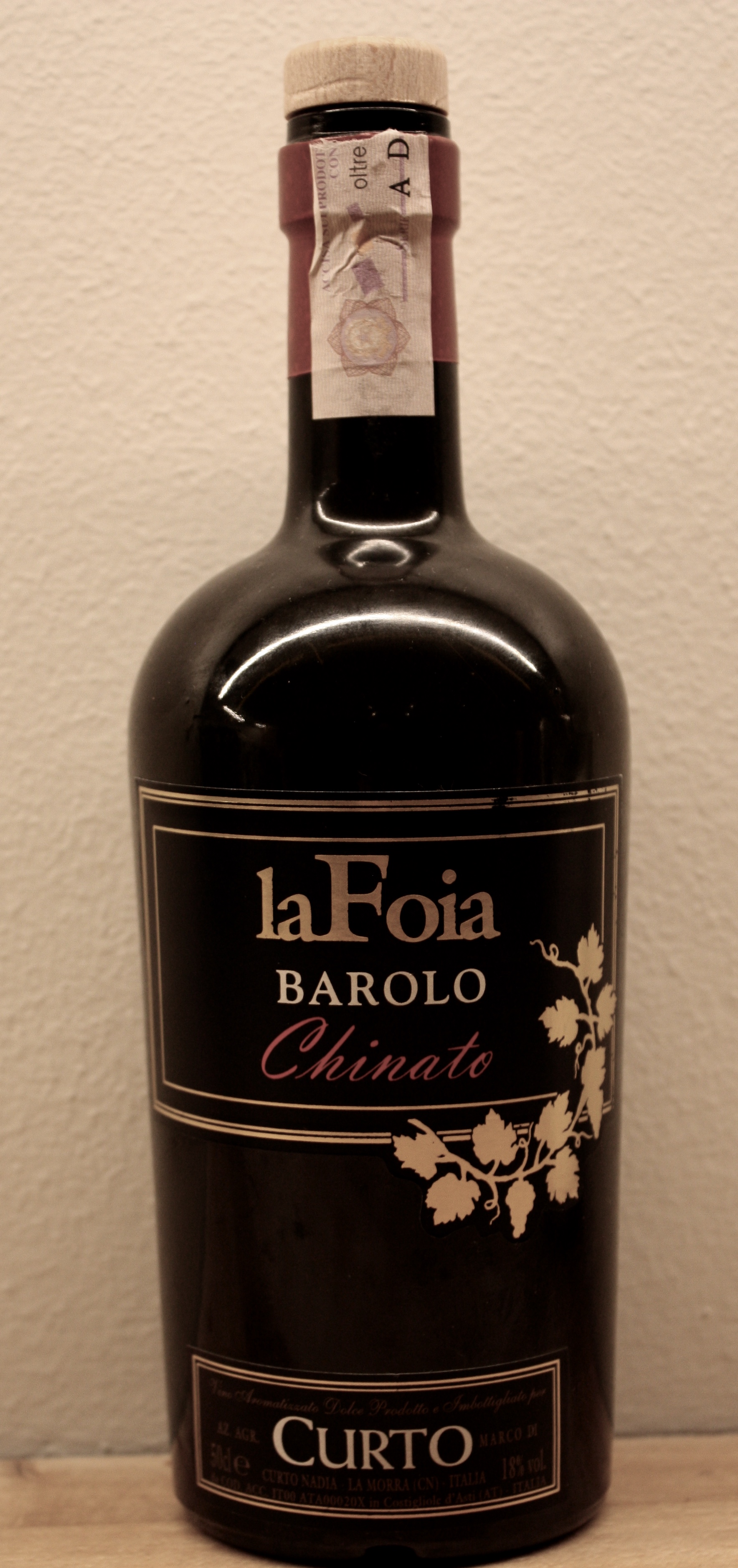
Barolo Chinato: a piemontese digestif

I mostly drink Barolo (or dolcetto, barbera, nebbiolo). I rarely find myself drinking Barolo Chinato, but if I had to drink one it would be the one that Nadia Curto makes. The way it works is that everyone who makes chinato has their own sort of recipe, so they can taste very different from one another. You can argue that the same is said for barolo, but the difference is that they sometimes add spices to the chinato. Back in the days it was made as a sort of medicine, which in my opinion it kind of tastes like today… But then again, who doesn’t want barolo as medicine?

IMG_9075

Nadia Curto also makes great wines; it’s not just her Chinato that is worth trying. Tastings with Nadia are super fun so you should definitely stop by! Check out her winery on her website.

curto ask


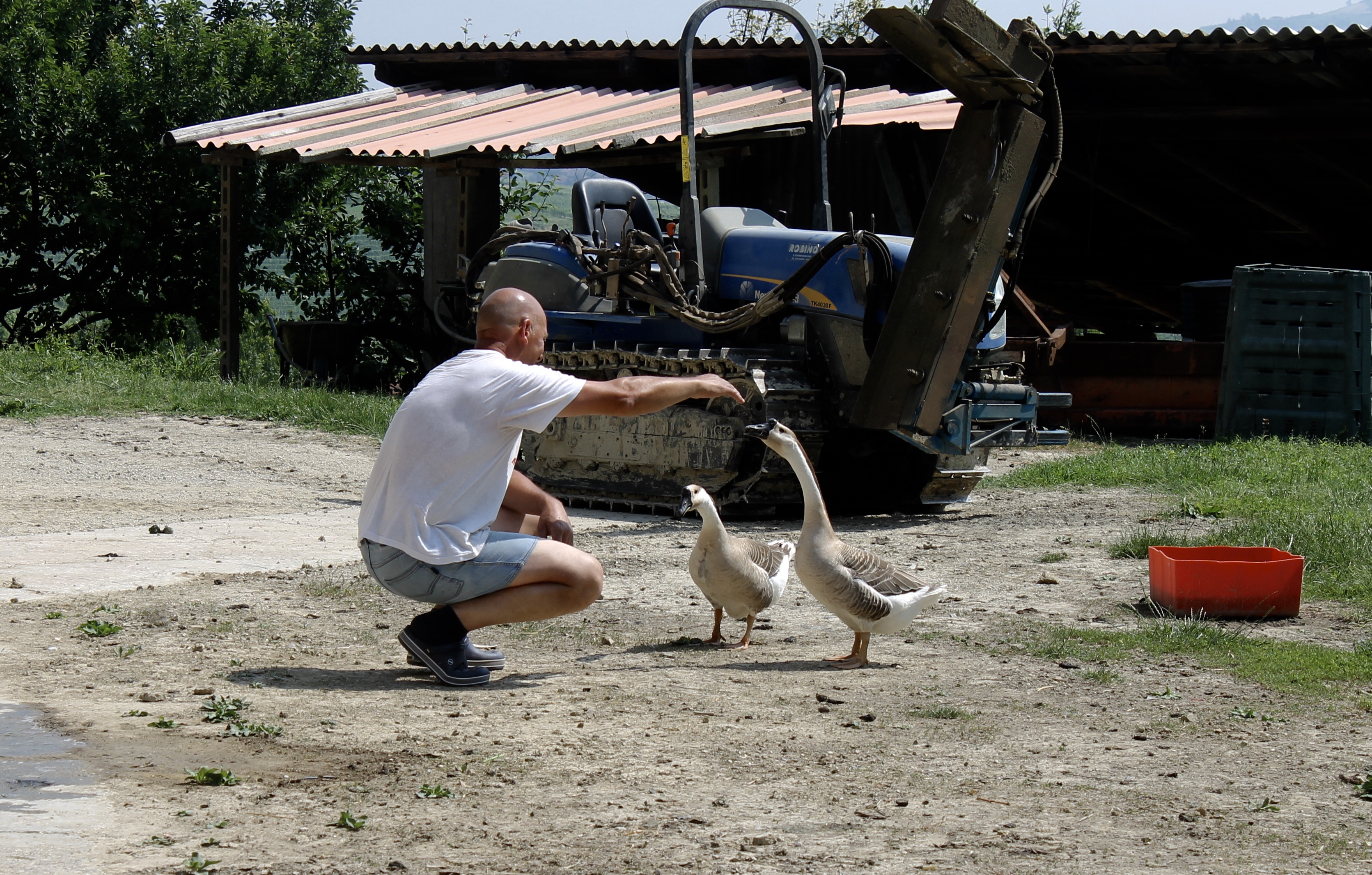
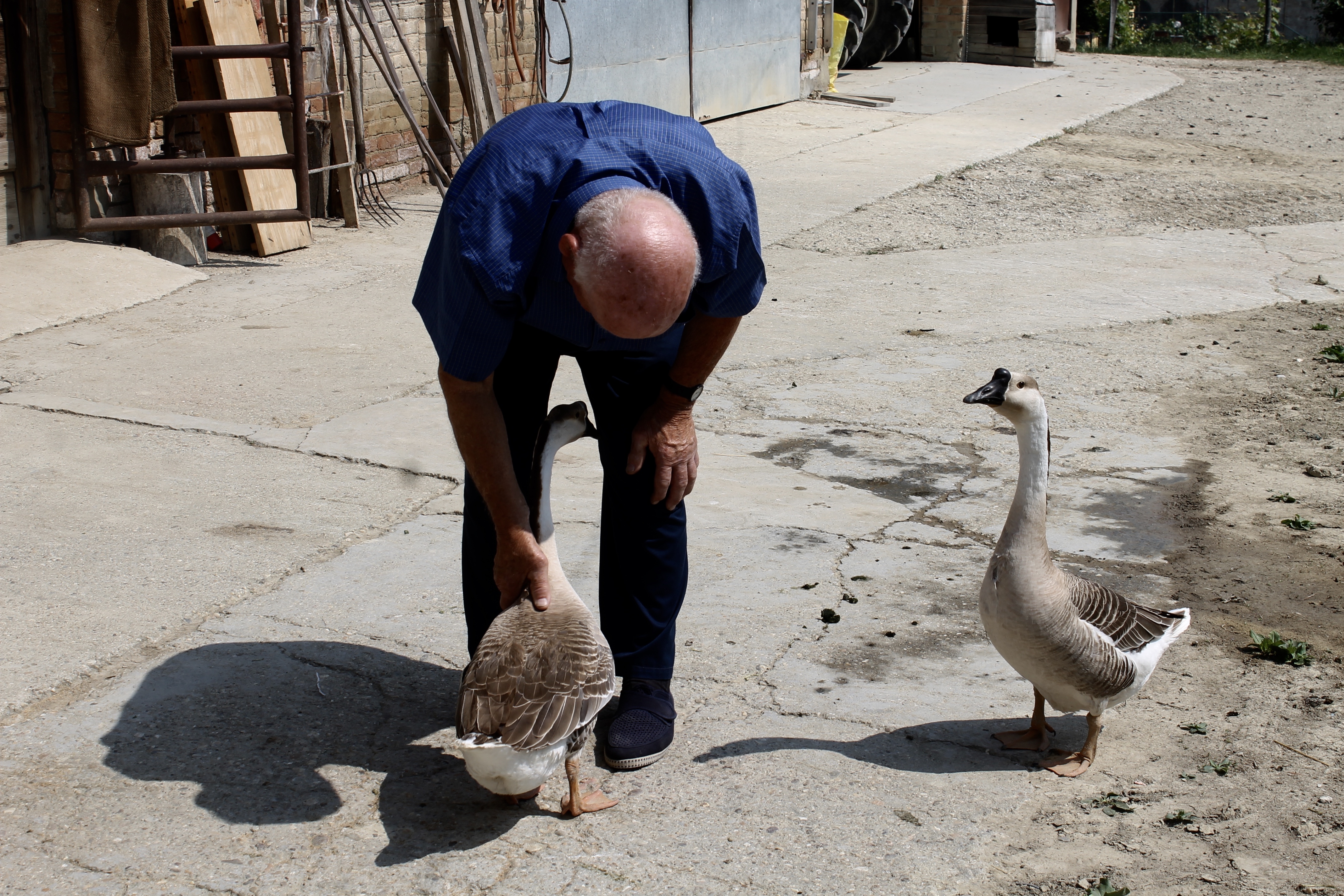
Giovanni Corino and his geese. Did you say fun fact?!

You heard me: Giovanni Corino has geese

Most of you think of wine when you hear Giovanni Corino. And they still make wine (don’t worry), but they also have geese! How cool is that?

Giuliano Corino and the Geese

I am actually terrified of geese, so the pictures are really zoomed in. These geese are not really scared of humans so they will come right up close, especially if Giovanni is there. They LOVE him. And his vegetables. Giovanni is also known for his garden (I wrote about it earlier), and it turns out the geese are just as big a fan as me. Rumor has it they ate all his lettuce and some of the carrots. Oops. Anyway, maybe it’s just me that’s fascinated with farm birds. But if you go, let me know! Are you brave enough to pet them? I was!

Giovanni Corino and the Geese

Just casually petting his goose