What is a Barolo del comune di “La Morra” or a Barolo de comune di “Serralunga”? The Comune Barolo’s are relatively new, and were previously called just Barolo. In the Barolo region there is a distinction between Barolo and single vineyard Barolo, the difference being where the grapes come from.
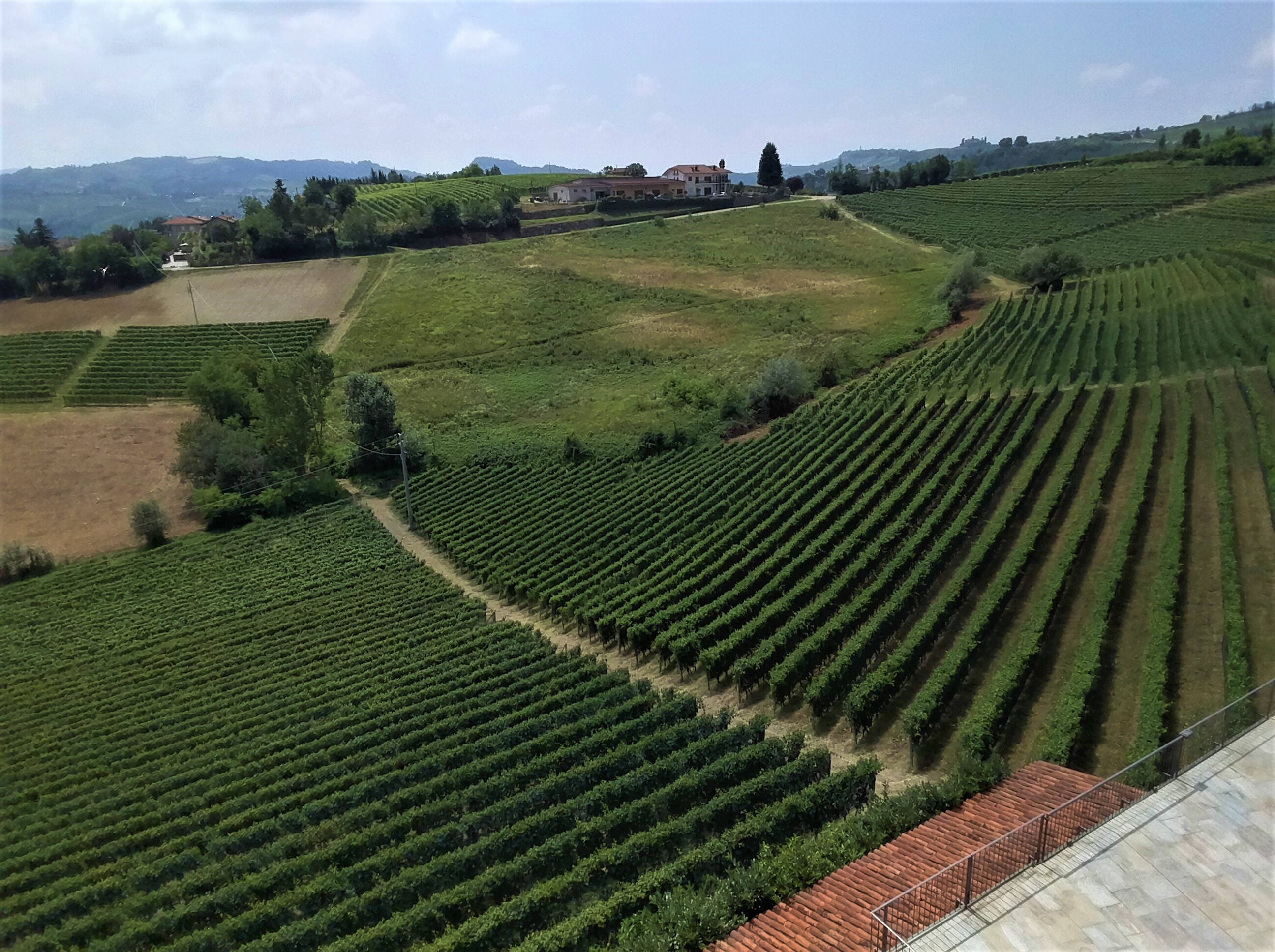
Arborina in La Morra
Blend vs. single Vineyard
In the classic Barolo, the grapes usually come from different vineyards and are blended together into one wine, as opposed to the single vineyard Barolo, where all the grapes come from one specific vineyard.
Most winemakers these days make both a blend and single vineyard Barolo’s. I say most, but there are of course exceptions, like Maria Teresa Mascarello. There is only one Bartolo Mascarello Barolo, and it’s a blend from four different vineyards. Exceptions aside, you’ll find most winemakers have both a single vineyard Barolo as well as some single vineyard Barolo’s in their line-up.
Comune vs Classic Barolo
What is the difference between the “Barolo del commune di” and the Barolo Classico? In the Comune Barolo, all the grapes come from the specific Comune, whereas in the Barolo Classico the grapes can come from any of the Barolo villages. But why make the distinction? Terroir plays an integral part in Barolo, and the terroir differs from town to town, making a Comune Barolo an interesting concept. It’s not single vineyard representing a Cru, but it does represent the Comune. *as with the rules for single vineyard wines, they can add up to 15% of the grapes from any Barolo vineyard.
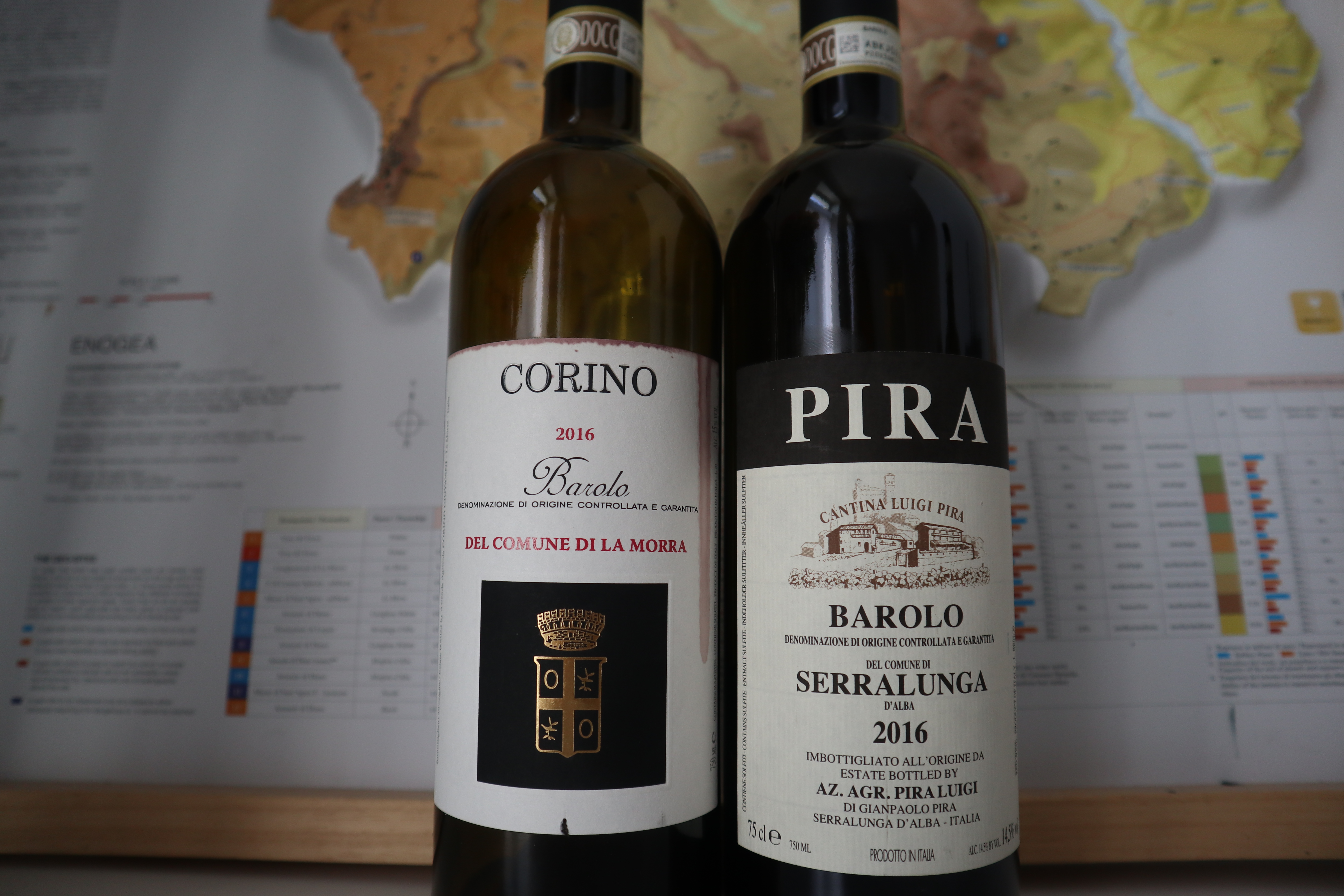
For instance, the Giovanni Corino Barolo del Comune di La Morra has quite different characteristics from the Luigi Pira Barolo del Comune di Serralunga. The La Morra Barolo is a bit more feminine and elegant, whereas the Serralunga Barolo is more masculine and structured.
Note: there are other factors that affect the wine, but it is generally accepted that the wines from La Morra are more feminine than wines from Serralunga.
Tasting Notes
Giovanni Corino Barolo del Comune di La Morra
Beautiful floral aromas, as well as cherry and other red fruit. Elegant and balanced, with a feminine touch. One year in the bottle has rounded the tannins quite a bit, and the wine has perhaps become even more approachable!
Luigi Pira Barolo del Comune di Serralunga
Aromas of cherry and black currant, darker fruits than the Barolo from La Morra. The tannins are also a bit bigger and the wine is more structured. A big but elegant wine. After one year in the bottle, the tannins are still quite persistent. I think this wine could benefit from a few more years in the cellar.
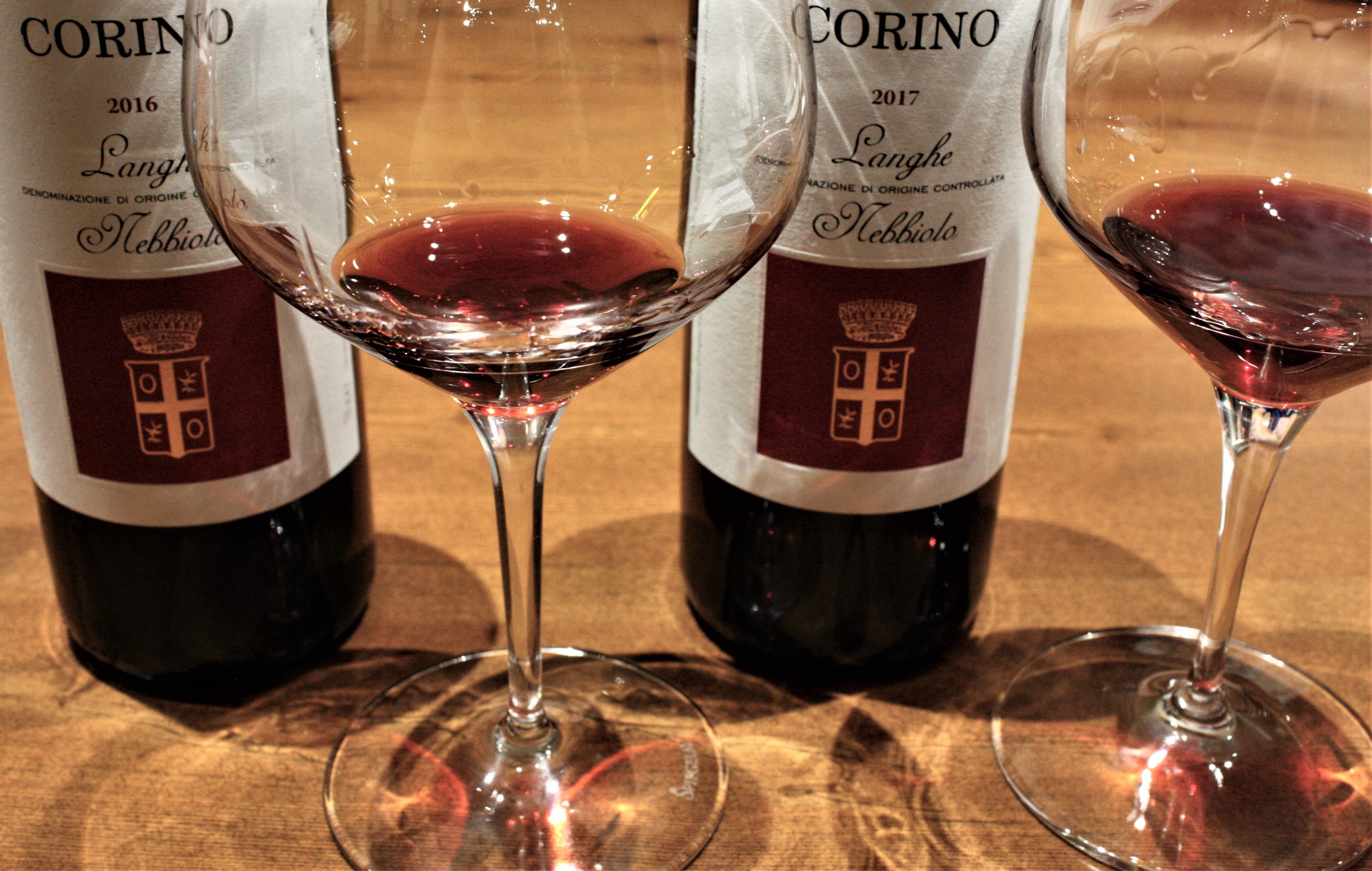
Although the focus is on the 2016 Barolo’s these days, I think it’s important to give some attention to the Langhe Nebbiolo’s! Since the 2016 Barolo’s should be bought and then put away for a long time, it’s nice to have a wine to enjoy in the meantime. You get the same characteristics as a Barolo, but you don’t have to wait to long for the wine to be approachable. On my last trip to Langhe I got to taste quite a few Langhe Nebbiolo 2018. Here are my tasting notes in alphabetical order.
Alberto Viberti LogHero 2018
Alberto is the new kid on the block. He works for his family winery Cascina Ballarin in La Morra, but has his own project on the side. His Nebbiolo goes through fermentation in cement tanks. Alberto does not use any oak with his Nebbiolo. The grapes come from Roero, and the soil there gives this wine a little bit of pepper notes. A very good Nebbiolo for a “rookie”. Looking forward to seeing how he evolves!
Andrea Oberto Langhe Nebbiolo 2018
And oldie, but a goodie! I think the world should drink more Andrea Oberto! And why not start with his Nebbiolo. On the nose you’ll find tobacco and roses. The wine is fruity with a long finish. A very good wine made by a wonderful man.
Azelia Langhe Nebbiolo 2018
The focus this year has been on Azelia’s new Barolo Cerretta, but let’s not forget about all the other wines they make! The Nebbiolo is quite structured in 2018. Notes of spices, licorice, leather, cherries and flowers. The tannins are round and the wine fruity, making it very drinkable.
Cascina Fontana Langhe Nebbiolo 2018
Mario uses both cement and Slavonian oak for his Nebbiolo, for a total of 12 months. The 2018 is less concentrated than 2017 with lots of dark fruit and a bouquet of flowers. The wine is elegant with a long finish.
Cavallotto Langhe Nebbiolo 2018
I tasted the 2017 and 2018 side by side. The 2017 was very good, but when tasting it next to the 2018 it almost fell a little short. In the 2018 there is an explosion of floral notes. A very powerful nose. One of the more expressive Nebbiolo’s I’ve tried. The wine is young with big tannins, but they disappear quite quickly and you’re left with beautiful floral notes.
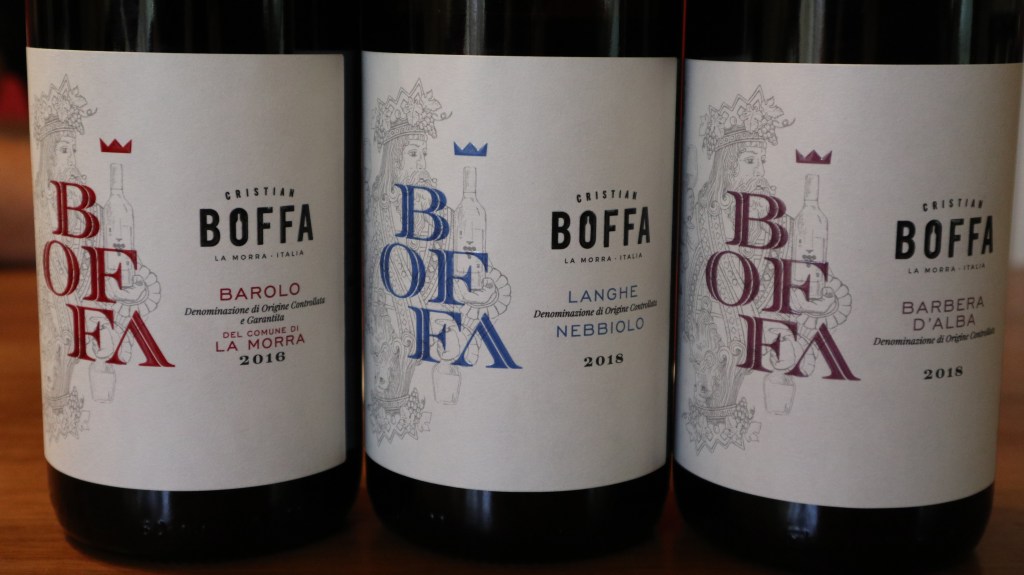
Cristian Boffa Langhe Nebbiolo 2018
This Nebbiolo is made with 16 year old vines from the Santa Maria vineyard. Cristian uses about 20% botte grande and 80% cement for 6 months. On the nose there are notes of strawberry jam, fruits, and flower, and the tannins are very smooth. As a relatively new player in the game, it will be interesting to see the evolution of Cristian Boffa! Stay tuned.
Diego e Damiano Barale Langhe Nebbiolo 2018
A very drinkable Nebbiolo from Monforte, with vines planted by their grandfather in the San Giovanni vineyard about 40-50 years ago. The brothers use 2nd or 3rd passage tonno because they prefer to taste the natural tannins. One interesting aspect of the vinification is that they take out the seeds, a practice they learned from Vaira. A beautiful nose, elegant tannins and a long finish.
Diego Morra Langhe Nebbiolo 2018
Diego ages his Nebbiolo for a long time in the bottle, compared to other winemaker. Before the prolonged aging in bottle, the wine spends about 6 months in tonno, with 10% new oak. This might be one of my favorites. Very approachable, round tannins and a fresh expression.
Gianfranco Alessandria Langhe Nebbiolo 2018
Here’s a wine with a typical Nebbiolo nose: red berries, roses, hint of leather and spices. Aged 6 months in barrique with 10% new oak. The grapes come from San Giovanni, so there’s the Monforte power but the tannins are still elegant and sweet, making it quite approachable.
Giovanni Corino Langhe Nebbiolo 2018
Of all the Corino wines, this might be my favorite. So elegant with fresh fruit and raspberry. Good structure with round tannins.
Released a year later than most of its “peers”, the Langhe Nebbiolo from Pira has spent about 12 months in small and big oak barrels. In addition to the terroir, the oak helps to give the wine its structure and complexity. Aroma of red fruit, leather, spices and tobacco as well as a hint of oak notes. Fruity in the mouth, crisp and complex. Persistent tannins with a long finish.
Mauro Veglio Angelo 2018
At first the Angelo came off a little green, but with some air it disappeared and I was left with licorice and raspberries. Very crisp! The tannins are there but they disappear. A relatively approachable Nebbiolo.
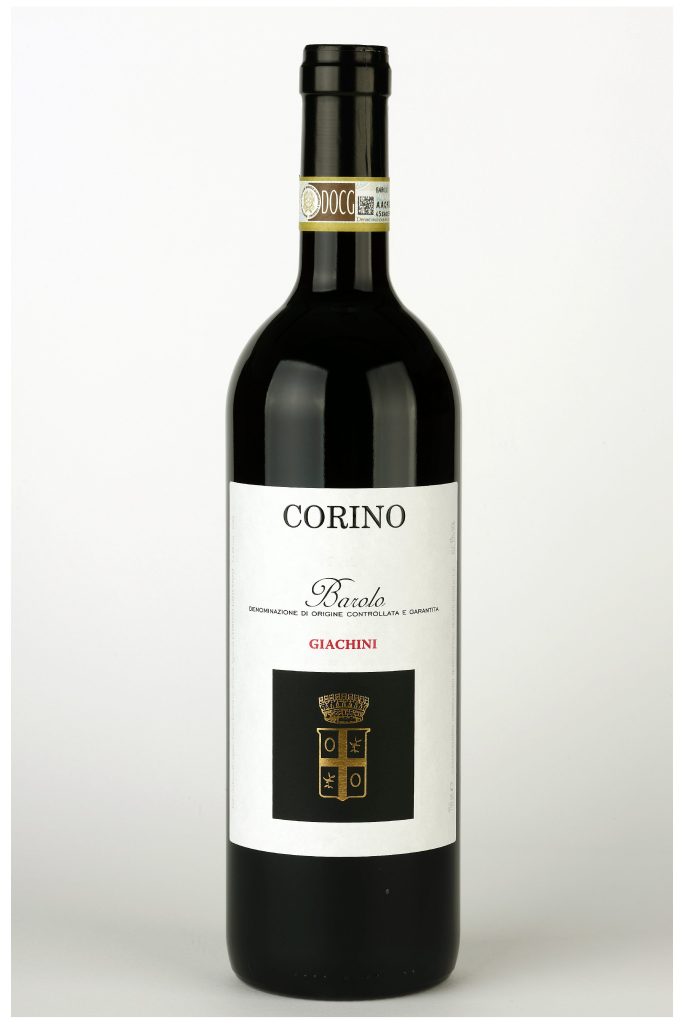
The Giovanni Corino Giachini is very elegant, with typical La Morra Barolo flavors. 2016 is recognized as an incredible vintage, and if you can, you should store the 2016 Barolo’s for a long, long time.
However, the Giachini 2016 is drinable now. The tannins are big, but elegant. You’ll find lots of fruit, some tar and rose petals.
Giovanni Corino follows what some like to call the “modern style” of wine making using small oak barrels, also called barrique.
Maceration takes place between 5-7 days in a temperature controlled rotaryfermenter, at about 25 – 30 degrees celcius. The Giachini Barolo then moves into the oak barrels where it stays for 24 months.
Giovanni Corino
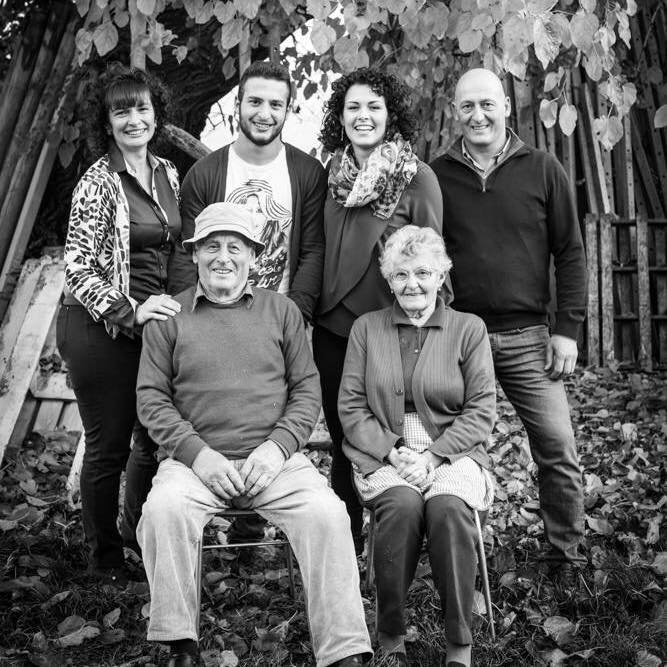
Giovanni Corino started making his own wines in the 1980’s. As many of the other winemakers in the area, his family farmed land and sold the fruit. Today, Giovanni spends more time in his vegetable garden than in the vineyards. Giovanni’s son Giuliano runs the show today, along with his wife Stefania and their two children, Veronica and Andrea.
Antonio Galloni on the Giachini Barolo 2016
The 2016 Barolo Giachini is bold and fleshy, with lovely textural richness that will emerge with more time in bottle. Black cherry, plum, lavender and dark spice nuances develop effortlessly. The Giachini has a track record of developing beautifully in the cellar; I imagine that will be the case here as well. All of the elements are present for that to happen.
Giovanni Corino started making his own wines in the 1980’s. As many of the other winemakers in the area, his family farmed land and sold the fruit. Today, Giovanni spends more time in his vegetable garden than in the vineyards. Giovanni’s son Giuliano runs the show today, along with his wife Stefania and their two children, Veronica and Andrea.
Kind. That’s the first word that comes to mind when I think of the Corino family. The first time I flew solo in Piemonte, my second winery visit was with Corino. My brother and I had bought some wine at the previous winery, Nadia Curto, and proceeded to by more wine at Corino. At age 19, I didn’t have a rental car, so we were on foot. And Stefania, who gave us the winery tour, offered to drive us back up to La Morra. Believe me, we were eternally grateful. I don’t know if you’ve walked from Annunziata to La Morra, but it’s quite a hill.
On another occasion, I found myself early at a tasting, this time with Andrea Corino. Giovanni and his wife live above the winery, and they saw me standing outside. With my basic Italian skills I managed to explain the situation, and it wasn’t long before I found myself in Giovanni’s kitchen drinking coffee! With my conversational Italian and his Piemontese dialect, conversation was interesting, but we managed. I seldom witness such kindness of strangers, and it’s one of the reasons why I love Piemonte.
The Corino Family: Stefania, Andrea, Veronica, Giuliano, Giovanni and Delfina
Wines & Winemaking
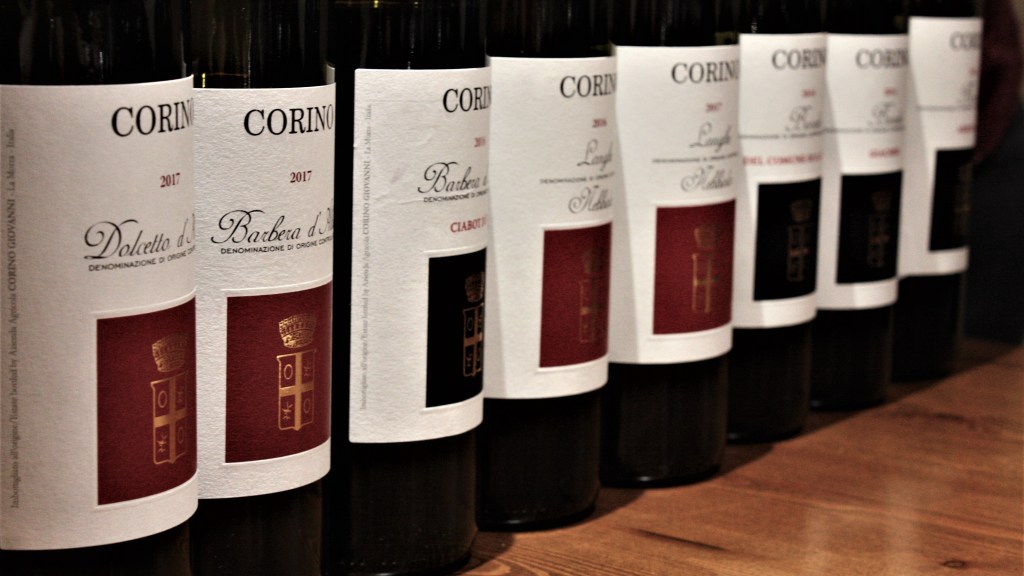
Giovanni Corino follows what some like to call the “modern style” of wine making. With small oak barrels, also called barrique, they make about 50 000 bottles a year. All the vineyards are in La Morra, with barolo vineyards in Arborina, Giachini and Bricco Manescotto. In addition to the Dolcetto, Barbera and Langhe Nebbiolo, they also make a Barbera Ciabot du Re, and a L’Insieme.
They follow similar methods for all their wines. Maceration takes place between 5-7 days in a temperature controlled rotaryfermenter, at about 25 – 30 degrees celcius. The Dolcetto, Barbera and Langhe Nebbiolo spend about 10 months in steel tanks before bottling. The Barolo’s and the Barbera superiore spend time in small oak barrels. The precentage of new and old oak depend on the wine.
Fun fact
Giovanni Corino has one of the best vegetable gardens in La Morra (maybe even Piemonte). He supplies many of the homes, hotels and restaurants with his superior vegetables. I stayed in a B&B once, and the tomatoes provided were grown by Giovanni.
Fun fact II
Andrea Corino did an internship at a winery in New Zealand. It’s fairly common for the younger generation to explore wineries outside their own area.
Giovanni Corino Wines
Wines available in: Norway Belgium Denmark Italy Netherlands Switzerland United Kingdom United States
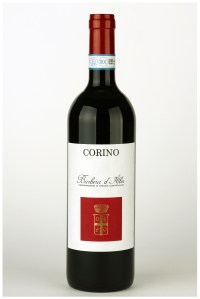
Dolcetto d’Alba
BASIC INFORMATION
Product name: Dolcetto d’Alba Grape: 100% Dolcetto Classification: DOC Number of bottles produced: 7000 Color: dark red, violet Fragrance: dark berries, fruity Taste: light to medium bodied, fresh and fruity Food pairing: something light, like a basic pizza
VINIFICATION (Wine-making)
Temperature: 25 – 30 degrees celcius Length: 5-7 days of maceration Ageing: 8-10 months in steel tank
VINEYARD Soil: Clayey Calcareous Exposure: West Year of plantation/age of plants:
Barbera d’Alba
BASIC INFORMATION
Product name: Barbera d’Alba Grape: 100% Barbera Classification: DOC Number of bottles produced: 12000 Color: ruby red Taste: good acidity, fresh Food pairing: salami, cheese, turkey, ribbe, pinnekjøtt
VINIFICATION (Wine-making)
Temperature: 25-30 degrees celcius Length: 5-7 days of maceration Ageing: 8-10 months in steel tanks
VINEYARD Soil: Clayey and Calcareous Exposure: West & South West Year of plantation/age of plants:
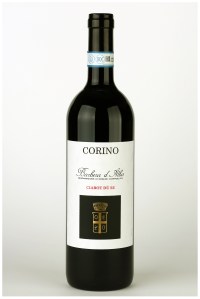
Barbera d’Alba Ciabot dù Re
The vines for the Giovanni Corino Ciabot dù Re are old and the soil porous. After the maceration in rotary fermentor, the wine goes through fermentation in oak barrels (50% new, 50% used). It will spend about 18 months in barrels before bottling.
BASIC INFORMATION
Product name: Barbera d’Alba Ciabot dù Re Grape: 100% Barbera Classification: DOC Number of bottles produced: 2500 Color: ruby red Fragrance: red fruits Taste: powerful yet smooth with good acidity Food pairing: salami, cheese, turkey, ribbe, pinnekjøtt
VINIFICATION (Wine-making)
Method: Sugar fermentation and malolactic fermentation takes place in small oak barrels Temperature: 25-30 degrees celcius Length: 5-7 days maceration Ageing: 18 months in small oak barrels, 50% new and 50% used. Then 3-4 months in steel tanks
VINEYARD Soil: Clayey and Calcareous Exposure: West & South West Year of plantation/age of plants:
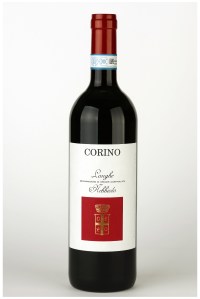
Langhe Nebbiolo
BASIC INFORMATION
Product name: Langhe Nebbiolo Grape: 100% Nebbiolo Classification: DOC Number of bottles produced: 10 000 Color: garnet red Fragrance: cherries, liquorice, violets and forest floor Taste: good structure, notes of cherries and liquorice Food pairing: red meat, pasta, pizza
VINIFICATION (Wine-making)
Method: Sugar fermentation and malolactic fermentation in steel tanks Temperature: 25-30 degrees celcius Length: 5-7 days maceration Ageing: 8-10 months in steel tanks
VINEYARD Soil: Clayey and Calcareous Exposure: South & South West Year of plantation/age of plants:
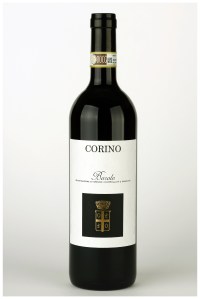
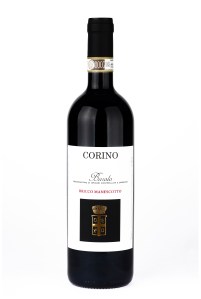
Barolo Del Comune di La Morra
This is the classic Barolo, meaning it’s a blend of multiple plots. Recent changes to the regulations allow for the winemakers to write the Comune of the wine on the label.
BASIC INFORMATION
Product name: Barolo Del Comune di La Morra Grape: 100% Nebbiolo Classification: DOCG Number of bottles produced: 10 000 Color: garnet red Fragrance: red fruits, cherries, liquorice Taste: medium bodied, fruity, Food pairing: red meat
VINIFICATION (Wine-making)
Temperature: 25-30 degrees celcius Length: 5-7 days maceration Ageing: 24 months in small oak barrels Minimum ageing in bottle: 12 months
VINEYARD Soil: Clayey Exposure: South Year of plantation/age of plants:
Barolo Giachini
BASIC INFORMATION
Product name: Barolo Giachini Grape: 100% Nebbiolo Classification: DOCG Number of bottles produced: 6000 & 150 Magnum Color: garnet red Fragrance: red fruits, ripe cherries, tobacco, violets Taste: darker fruits, tobacco, liquorice, long finish Food pairing: red meat
VINIFICATION (Wine-making)
Temperature: 25-30 degrees celcius Length: 5-7 days maceration Ageing: 24 months in small oak barrels, 35% new oak Minimum aging in bottle: 12 months
VINEYARD Soil: Clayey-Calcareous Exposure: South Year of plantation/age of plants:
The 2014 Barolo Arborina is a very pleasant, attractive Barolo. In 2014, the Arborina has good bit of midpalate pliancy that softens some of the typically coarse Arborina tannins. Black cherry and plum fruit are nicely pushed forward in this attractive, medium-bodied Barolo. Sweet tobacco, menthol, leather and dark spice all develop in the glass, but it is really the wine’s harmony that impresses most. All the elements are in the right place. The 2014 is a small-scale, somewhat hushed Arborina, but its balance is impeccable. Drink it over the next decade or so. Drinking window: 2022-2028. 92 points
Antonio Galloni, Vinous (02/18)
BASIC INFORMATION
Product name: Barolo Arborina Grape: 100% nebbiolo Classification: DOCG Number of bottles produced: Color: garnet red Fragrance: delicate aromas, red fruits, floral Taste: full body with silky smooth tannins, high acidity, long finish Food pairing: red meat
VINIFICATION (Wine-making)
Temperature: 25 – 30 degrees celcius Length: 5-7 day maceration Ageing: 24 months in small oak barrels, 35% new and 65% used Minimum aging in bottle: 12 months
VINEYARD Soil: clay and sand Exposure: south & southeast Year of plantation/age of plants: Date of harvest: In 2014, October 7th
Barolo Bricco Manescotto
BASIC INFORMATION
Product name: Barolo Bricco Manescotto Grape: 100% Nebbiolo Classification: DOCG Number of bottles produced: 2600 and 100 Magnums Color: garnet red Fragrance: red fruits, hint of tobacco Taste: full bodied, red fruits, wet forest floor Food pairing: red meat
VINIFICATION (Wine-making)
Temperature: 25-30 degrees celcius Length: 5-7 days maceration Ageing: 24 months in small oak barrels, 35% new oak Minimum aging in bottle: 12 months
VINEYARD Soil: Clayey, calcareous, sandy Exposure: West Year of plantation/age of plants: Date of harvest:
Giovanni Corino Barolo Riserva
The Barolo Riserva is made only in excellent vintages. The first vintage to be released was 2010, which they released in 2016 (6 years after the harvest). It spends about 30 months in bottle before the release.
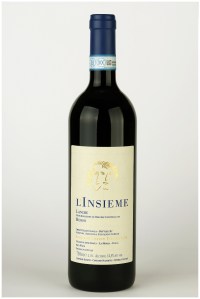
L’Insieme
L’Insieme is group of winegrowers from the Langhe, united by a project, a dream and a goal. Elio Altare is the founder. The project aims to make wines which, under a single brand, tell a story of friendship and collaboration, of hard work, shared passion for the Langhe and its outstanding grapes. The dream is that, from this union, the resultant label will be a symbol of friendship and mutual aid. A wine that is our personal way of thanking the land that gave us our roots and its support.
Our goal is to make L’Insieme wine a practical ethical tool, allowing us to fund projects of high social value as a way of giving back to our local area a part of the good fortune and beauty it has given us. The wine is It is actually a combination obtained from the individual decisions taken by each producer, from traditional grape varieties such as the Nebbiolo, Barbera and Dolcetto, with grapevines introduced only recently to the Langhe area, such as Cabernet Sauvignon, Merlot or Pinot Nero.
BASIC INFORMATION
Product name: L’Insieme Grape: 40% Nebbiolo, 30% Barbera, 15% Merlot, 15% Cabernet Classification: DOC Number of bottles produced: 1000
VINIFICATION (Wine-making)
Method: each grape variety us vinified separately due to different harvest times. But they go through the same process. Temperature: 25 – 30 degrees celcius Length: 5-7 days maceration Ageing: small french oak barrels for 18 months, 40% new and 60% used Minimum aging in bottle: about 12 months
VINEYARD Soil: Clayey and Calcareous Exposure: South & South West
The Corino family from La Morra (or Annunziata if you wan’t to be really specific), cultivate 9 hectares which are all located in La Morra. In the 1980’s Giovanni Corino decided to not only grow grapes to sell, but to actually bottle some wine as well. And so the winery was born. Today the son of Giovanni, Giuliano, is the winemaker. His wife, Stefania, and their 2 children, Andrea and Veronica, all work at the winery as well. It truly is a family business.
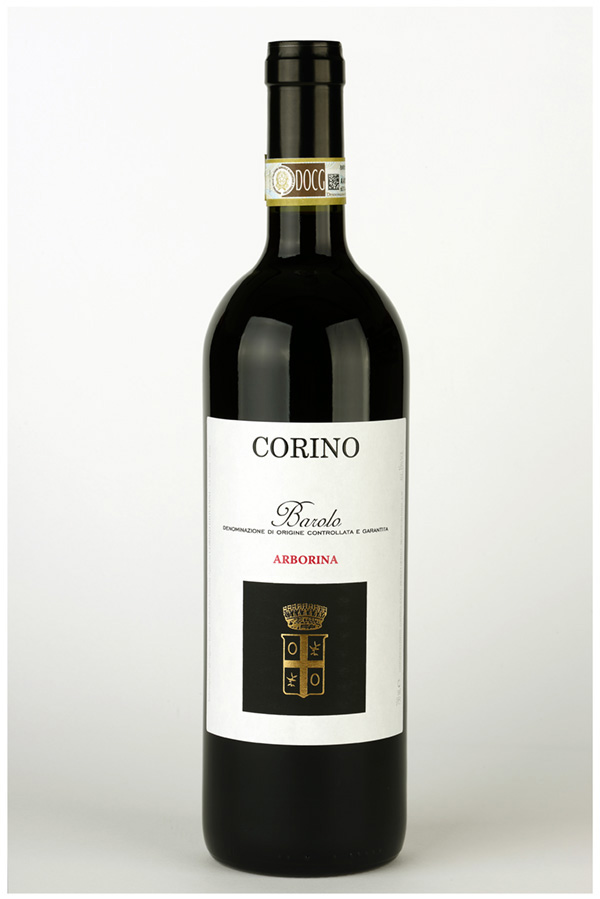
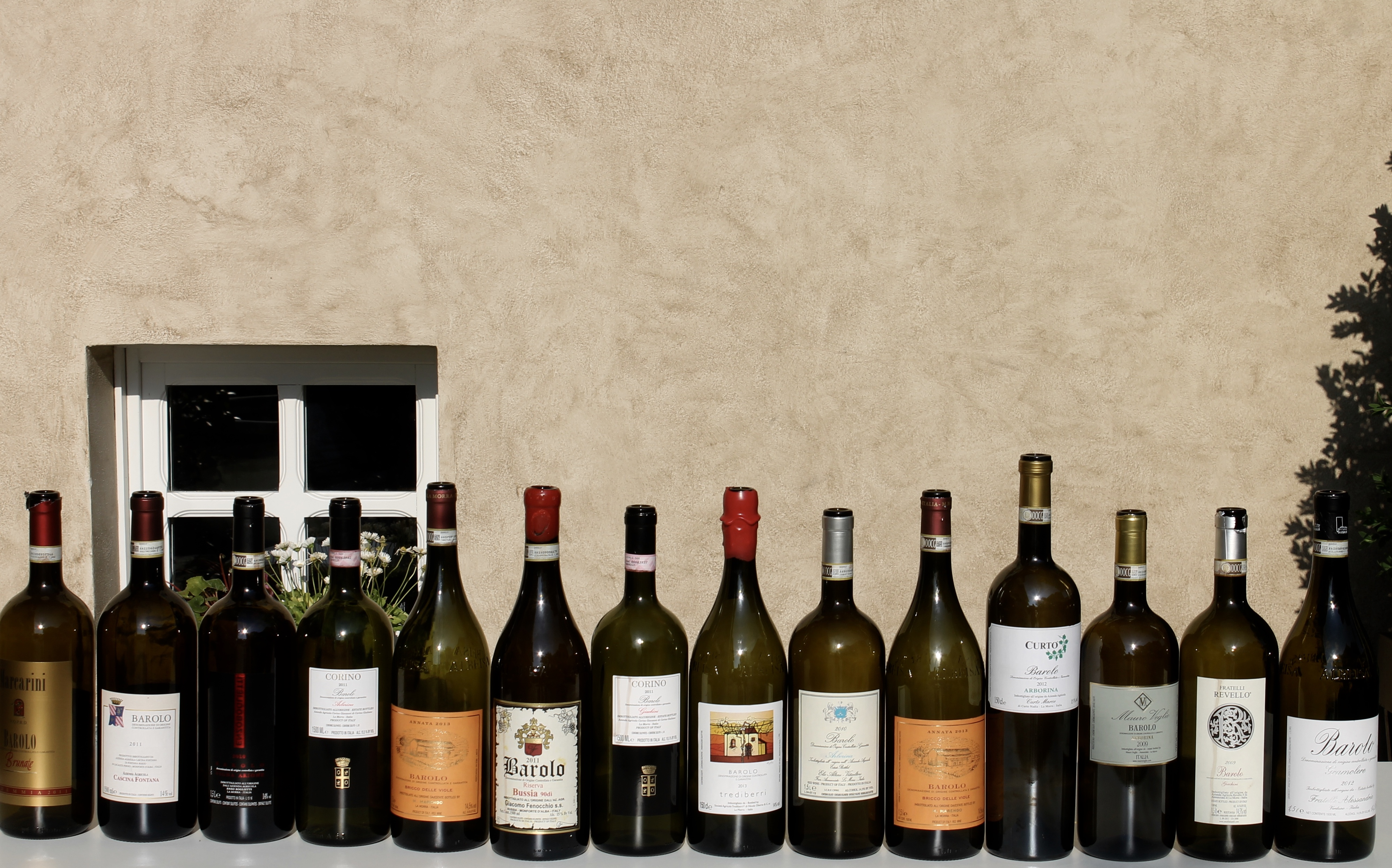
Arborina
Among the many Cru’s in Barolo, you’ll find Arborina. The Vineyard is located in Annunziata in La Morra. The soil consists of clay, sand and limestone, and is actually quite poor in nutrients. However, the wines made from this vineyard offer characteristics of extreme elegance, finesse, fruitiness and freshness.
Winemaking
The Corino Barolo Arborina is one of a few Arborina’s in Barolo. After 5-7 days of maceration in a rotor fermenter, the wine moves to steel tanks where it remains until the end of the fermentation. The wine then moves into small oak barrels, 35% new and 65% used, to age for 24 months. You’d think it would be ready, but the wine has to spend a year in the bottle before being released.
Corino Barolo Arborina 2014
2014 was a challenging year in Piemonte, but I think the end results proves that hard work pays off. Although the wines from 2014 might not have the same structure as 2013, the wine certainly doesn’t disappoint. Very approachable, even young, with good fruit and a long finish.
Where to find it?
If you live in Norway, you can buy the Corino Barolo Arborina 2014 at www.vinmonopolet.no.
The Corino wines are also available in other countries, like: United Kingdom Italy Germany United States
I was recently asked about barbera, and if I had a favorite. This is a tough question to answer, because there are so many good ones. And so many different styles. I don’t think I could pinpoint just one, and here’s why.
Barbera vs Barbera Superiore
Barbera is a grape, and just like with Nebbiolo, there are multiple ways to make it. Most winemakers have a “classic” barbera, a wine made in steel tanks with no influence of wood. The wine completes both malolactic and alcoholic fermentation in steel tanks, and remain there until bottling. These wines tend to be high in acidity, full bodied with aromas of red fruits.
You will also find barbera superiore, and this wine will have influence of oak. After pressing the juice, the wine is transferred into barrels and complete the malolactic and alcoholic fermentation in barrels instead of steel tanks.* The wood gives the wine some tannins, helps balance the acidity and you might find hints of oak flavor.
“The Mario Fontana Way”
Mario Fontana is what we would call a “traditional” wine maker, and uses big barrels for all his wines. Except his Barbera. A few years ago, he decided to use cement for this grape because that made more sense to him. And we see this with other winemakers. They may chose to interpret the grapes in different ways, and use new types of material when cultivating them. Kinda cool, right?
Now, you can see where choosing a favorite can be difficult. However, there are a few I tend to chose over and over again.
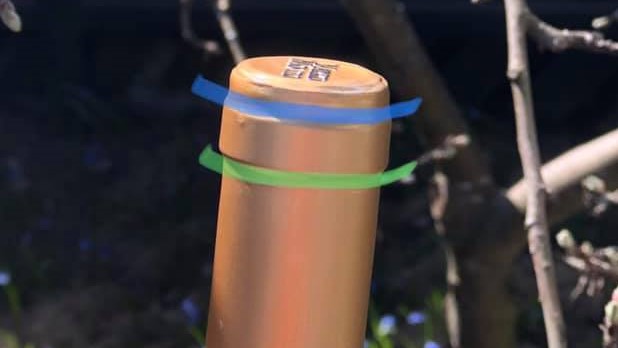
Does it matter? Is there a right way? Apparently, people have a lot of opinions on the subject. Here are a few of the preferences: Green Blue In between green and blue Take the whole foil off Use a foil cutter (and then the type of cutter decides) Used to be green, now blue (or vice versa) Don’t care
Does it matter?
Apart from peoples preferences, is there a reason to do it one way or the other? Does one way affect the wine or the pouring of the wine? Some people say that cutting by the blue line will interfere with the wine, because the wine can come in contact with the foil on the way into the glass or the decanter. Others say cutting by the blue line will increase chances of spilling the wine while pouring.
What do the winemakers say?
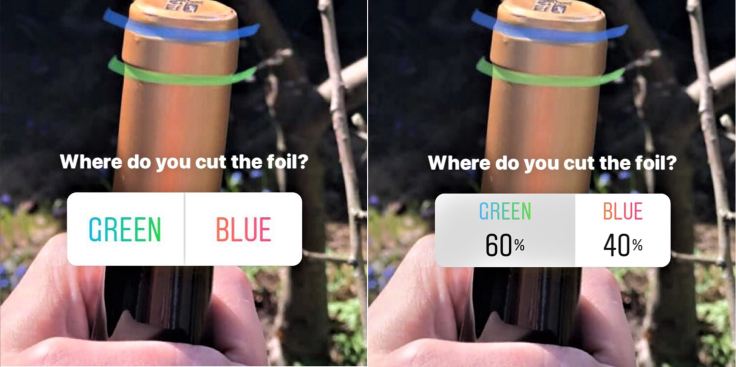
Without “outing” any winemakers, it was interesting so see to which team they pledged allegiance. And just like my instagram story, they favor green. Here are some of the winemakers that participated in the survey: Carlotta Rinaldi Nadia Curto Giovanni Corino Alberto Viberti Alessandro Veglio Lorenzo Scavino from Azelia
What do the the experts say?
Most of the experts are Team Green. However, they dispute the fact that the foil affects the wine if it comes in contact. It’s more about the look, the ease of removing the foil and the ease of pouring without spilling
Jancis Robinson: Team Green Wine Folly: Team Green Dr. Vinny (Wine Spectator): Foil Cutter
Conclusion?
It doesn’t really matter. Most people are Team Green. And some are neither. In the end, do whatever you prefer. And what team am I?
One of my favorite producers, Giovanni Corino, has started making a new cru barolo! Can you guess which cru? It is always exciting to see a winery evolve and grow! I got a sneak peak at a recent tasting, and let me tell you, the wine is really good!
Barolo Bricco Manescotto!
The vineyard, located near the Ceder Tree of Cordero di Montezemolo, gives the wine a mix of the characteristics Giachini and Arborina. Paolo Scavino, Revello and Cordero di Montezemolo also grow grapes in this vineyard, but so far the only to produce a cru is Giovanni Corino.
I tried the 2015 vintage of the Barolo Bricco Manescotto, and it honestly might be a new favorite! On the nose the wine is very similar to Arborina – floral, fruity, fresh. But in the mouth it resembles Giachini, with more aggressive tannins.
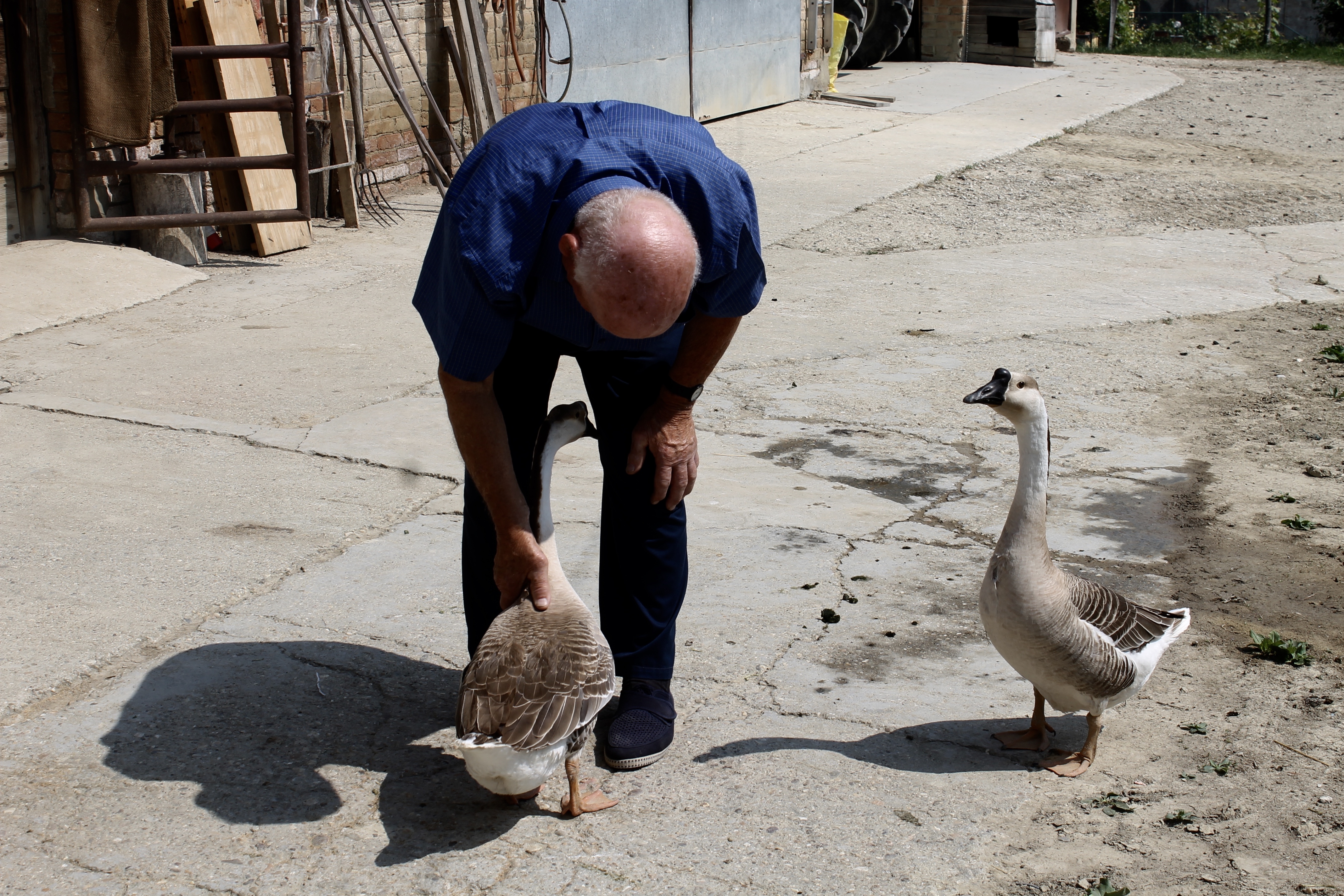
This was a very strange but fun experience. Those geese were crazy, but they loved Giovanni. FYI I did not pet the goose. Not even close.
Just casually petting his goose
Lunch at Ciccio
Imagine 30+ crazy norwegians signing at the top of their lungs in Serralunga. Ciccio couldn’t believe his eyes. I wonder if we’re allowed to come back?
I am excite to see what this summer will bring! Stay tuned!




 PIEMONTEGIRL