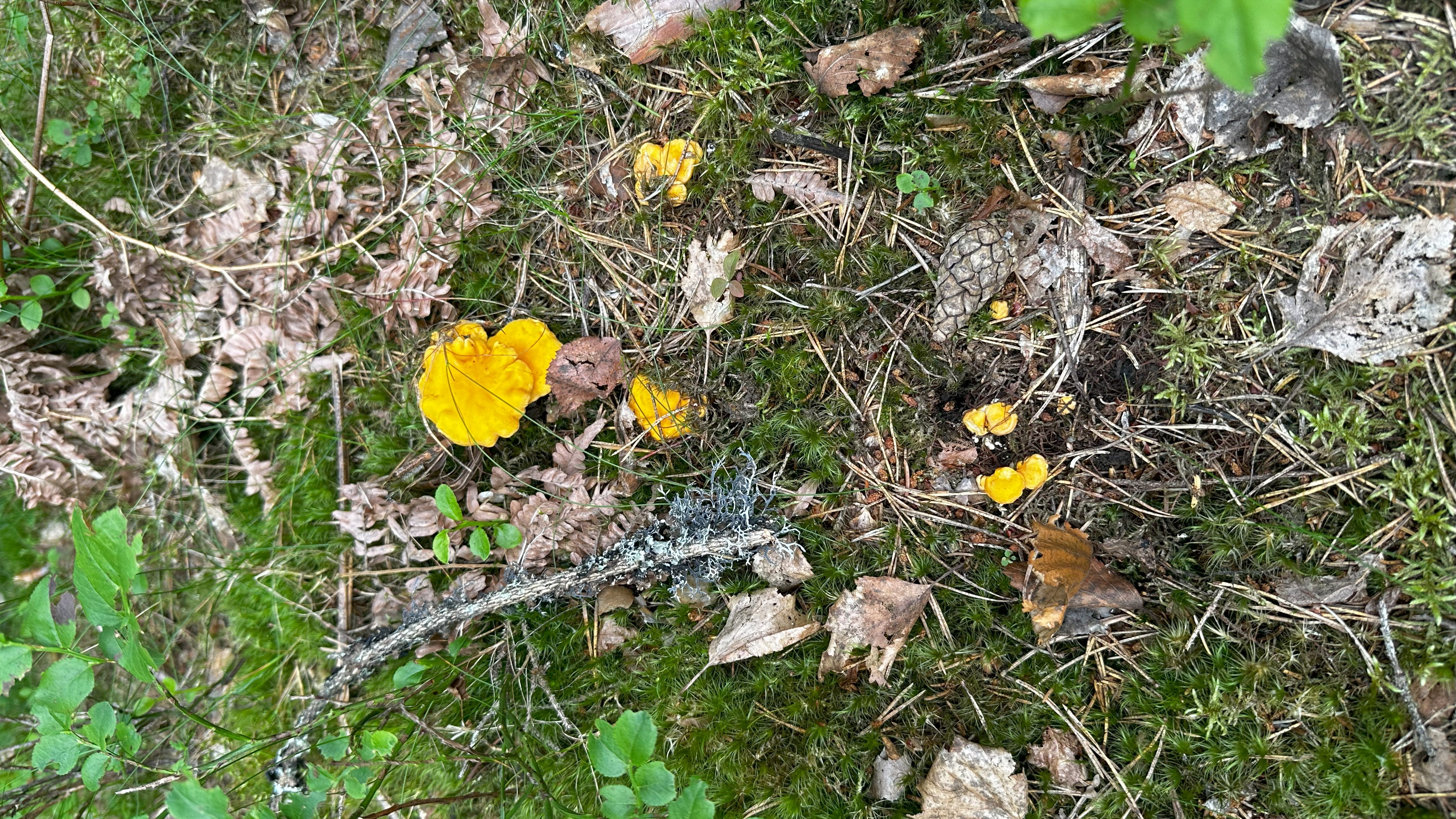
We’re almost halfway through summer already. And I could be sad about it, but instead I am super excited. Do you know why? Because it’s mushroom season! And do you know what that means? Mushroom pasta, mushroom pizza, mushroom risotto, fried mushroom, mushroom consommee etc etc etc! You catch my drift. So, for the next, I don’t know how many weeks, I’ll be in the forest, hunting mushrooms.
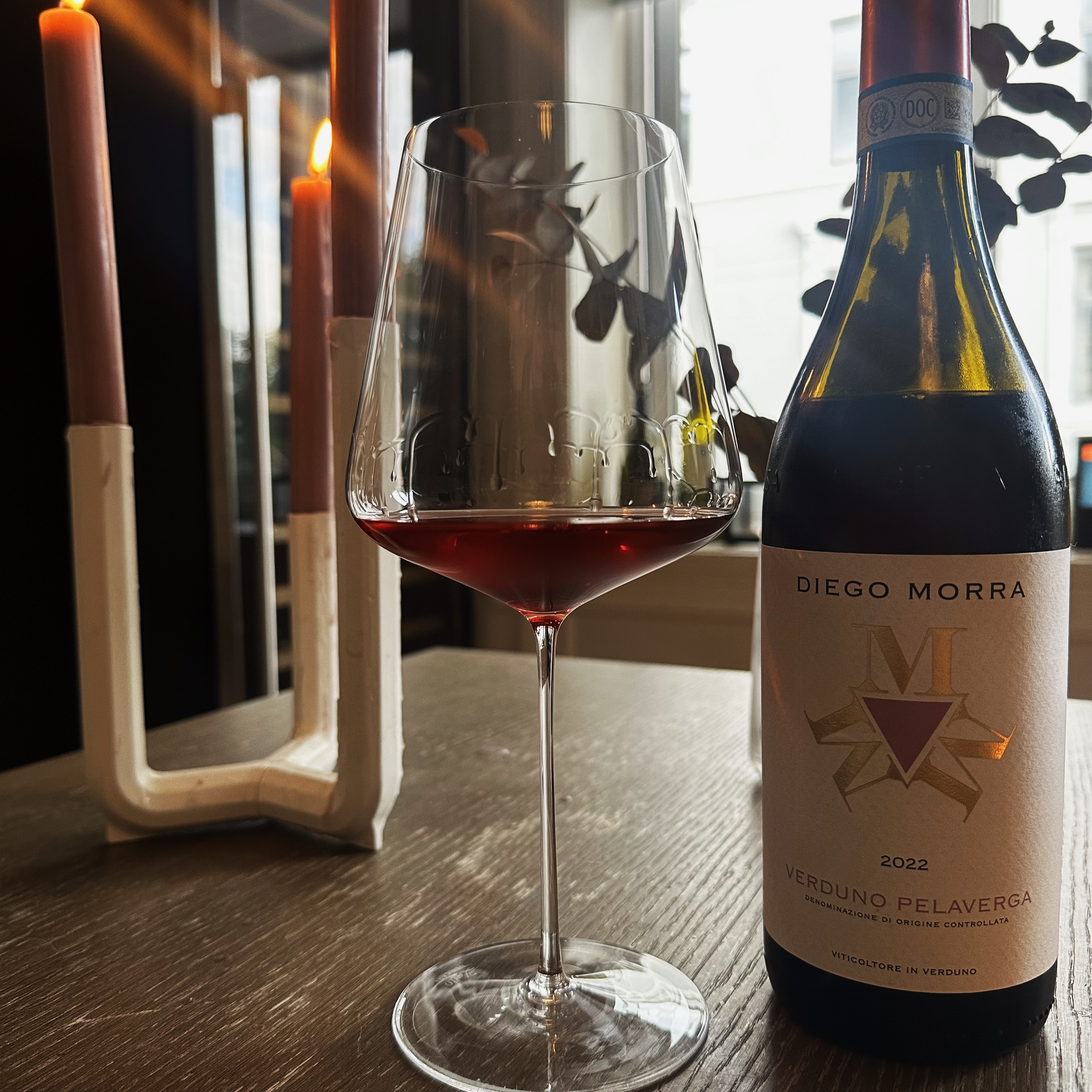
There’s something extra special about cooking a meal using ingredients you found in nature. I honestly don’t really even eat mushrooms I didn’t pick myself. Which is probably something I shouldn’t admit, but whatever. Now, are you ready to hear my what my go to “mushroom wine” is? Drumroll please: Verduno Pelaverga. It wouldn’t surprise me if it’s the first time you’re hearing about Pelaverga. So let me tell you a bit about it.
Pelaverga
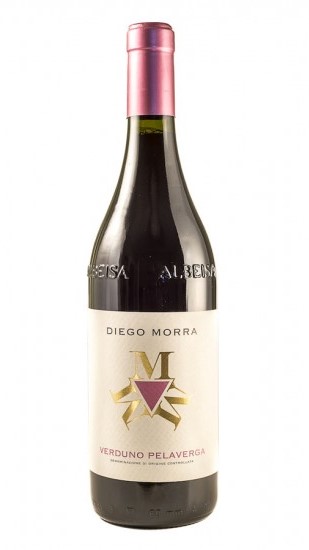
Pelaverga is a red grape variety that’s native to Piemonte. It’s most commonly grown in the town of Verduno. Although it’s not widely grown, there are thankfully still some winegrowers in Langhe who still make it. like Burlotto, Diego Morra and Fratelli Alessandria. Pelaverga typically has a very light color, and often has a strawberry aroma. Hisotrically it was a sparkling wine, but that is less and less common. I haven’t had any that are sparkling recently. But sparkling or not, it’s still one of my favorite wines with mushroom!
Others suggestions of wines with mushroom
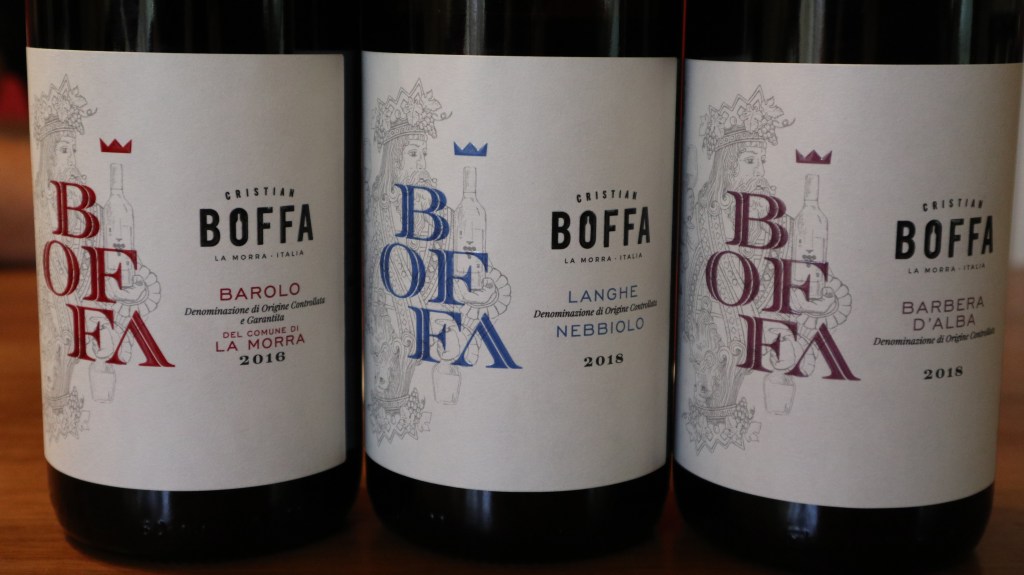
Pelaverga is a fairly versatile wine and goes with a variety of dishes, but since it’s not a super easy wine to find, I’ll give you some alternative examples. If you’re making a very creamy mushroom dish, it might be a good idea to pair it with a Barbera, like the one from Cristian Boffa or Fratelli Revello. Or maybe you’re having steak with a side of mushrooms. Then I’d go for a Langhe Nebbiolo or Barolo. Have you tried the Barolo from Paolo Giordano? He makes a great Langhe Nebbiolo as well, but if you can’t get a hold of it, you could try the one from Trediberri.
It’s about time to start thinking about wines for Christmas! If I’m being honest, it’s a little late to start thinking about it, so hopefully you’re way ahead of me! The options are endless, but if you’ve been following me for a while, you know I tend to stick to certain areas. Since we don’t have a ton of time, I’m diving right in!
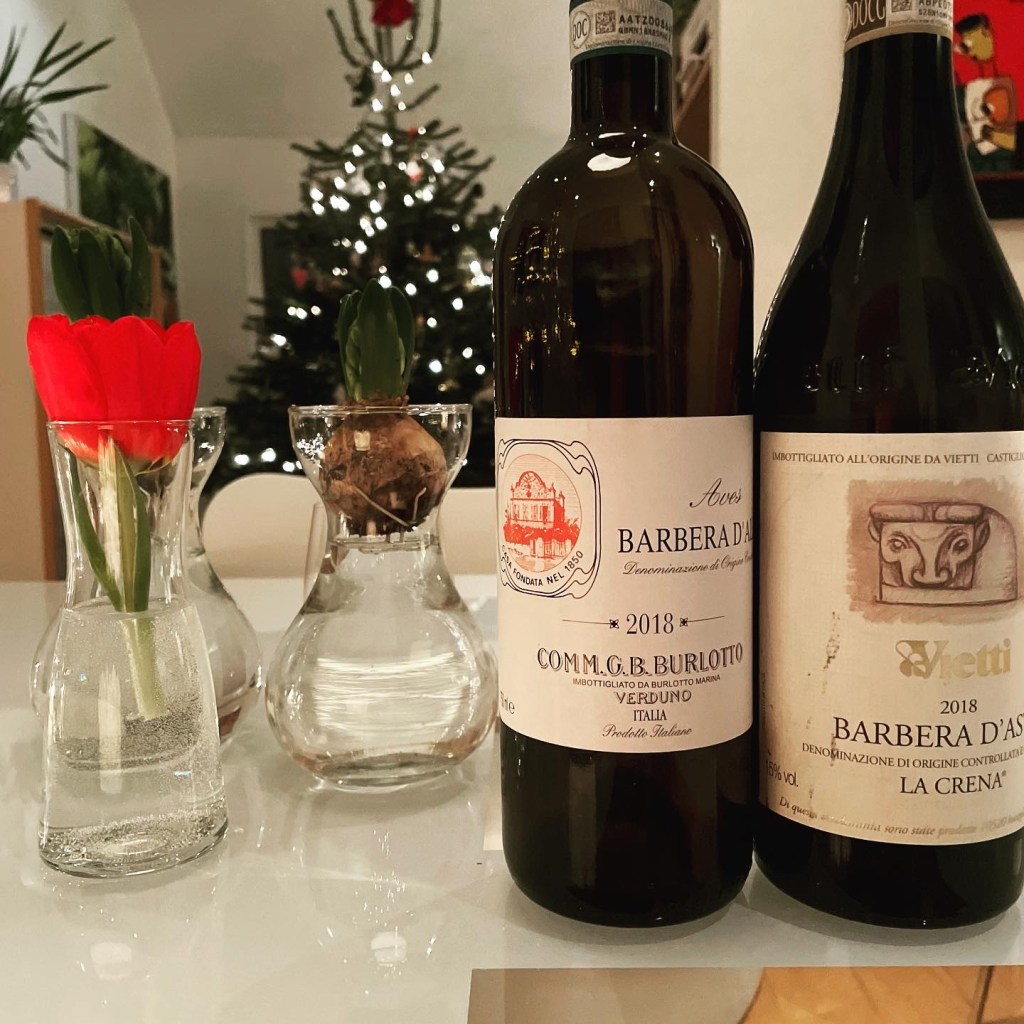
We should touch on wine pairing quickly, because it’s important when choosing wine for your Christmas (or holiday) dinner. In Norway we tend to eat very fatty, salty, heavy foods like pinnekjøtt and ribbe, and for me the obvious choice would be a Barbera. Here you could go for a mineral, fresh Barbera like the one from Emilio Vada or the one from La Vedetta. You could also up the ante and go for a little more structured Barbera. Good options include Ghiomo Lavai and Luigi Pira Barbera Superiore. These will also go well with any charcuterie board or cheese plate, as well as any ragu, or even your New Years Eve turkey, so feel free to stock up for after your Christmas celebration as well.
Now, if you don’t fall in the pinnekjøtt or ribbe category, but rather the juletorsk category, you might want to go for a Pinot Noir. Some of my favorites these days are the ones from Domaine Voillot, Domaine Joillot and Domaine de Bellene. You can of course also pair the cod with Barbera, but I’ve always thought it was good to have options! Since we’ve moved outside the borders of Piemonte, I might as well mention Champagne quickly. Oudiette released a new one this year, Les Sablonnieres, and although you have to order it by e-mailing or calling Vinmonopolet, it’s worth the extra 2 minutes! Just trust me on this. Seriously.
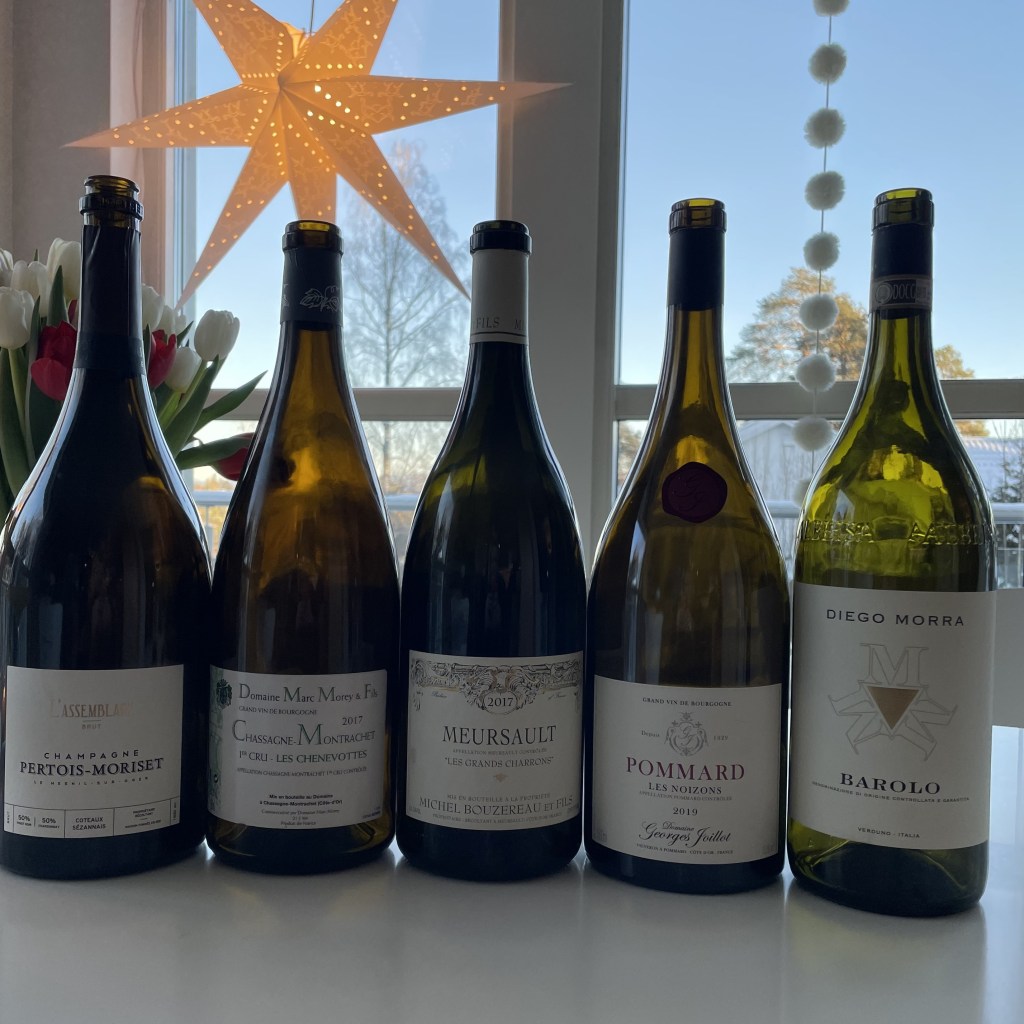
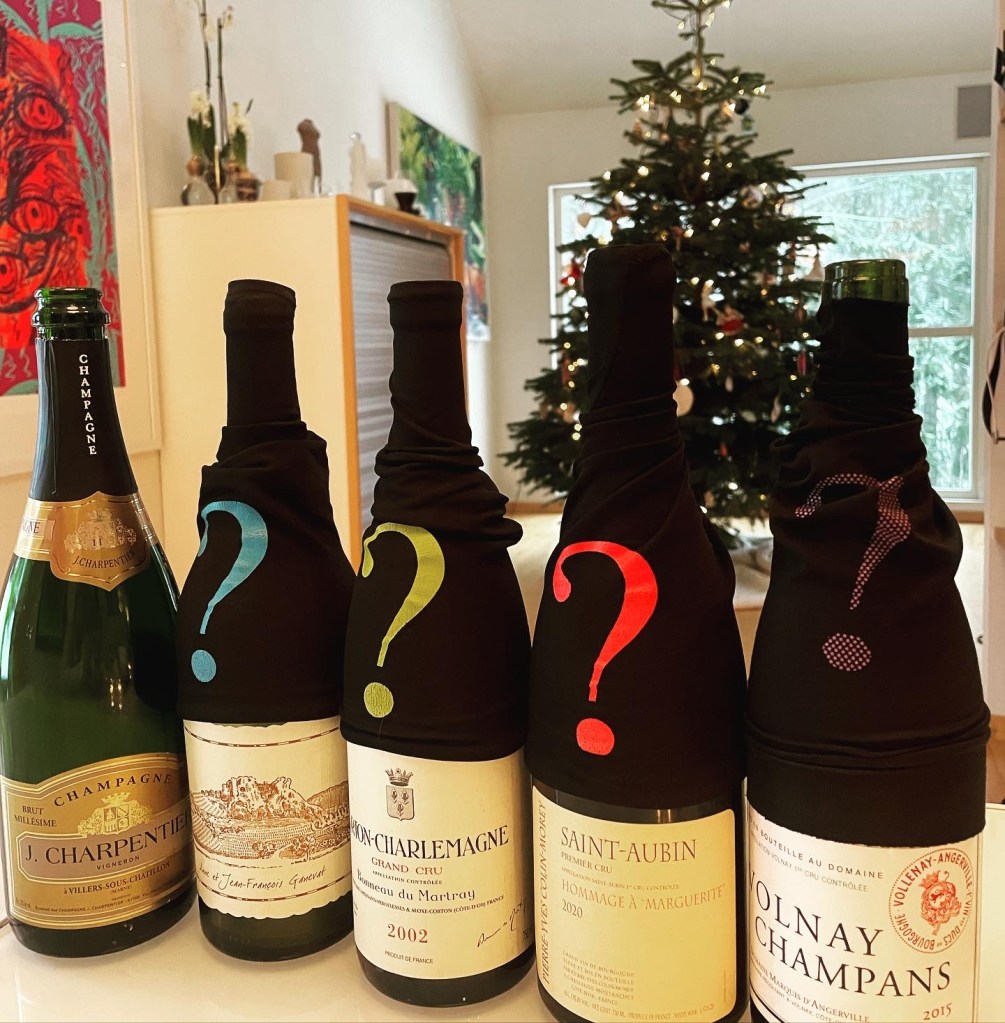
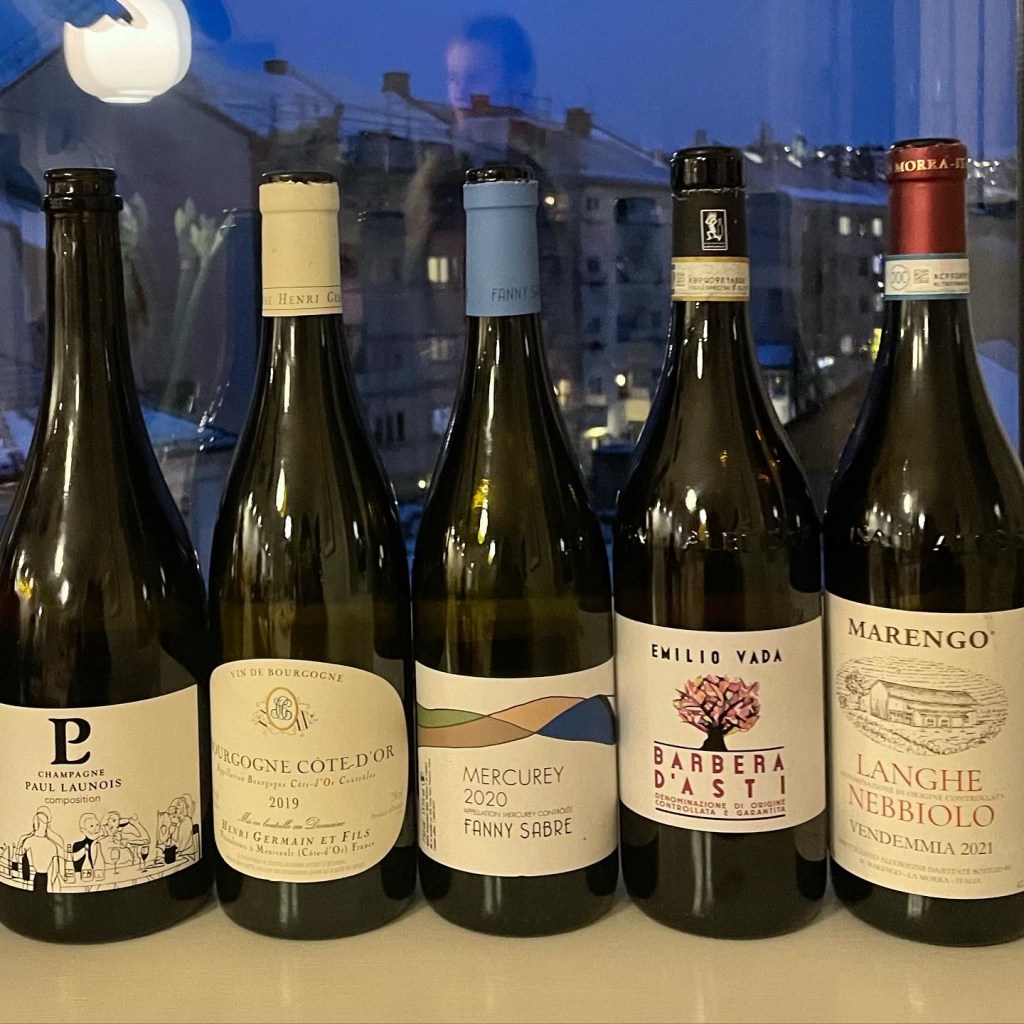
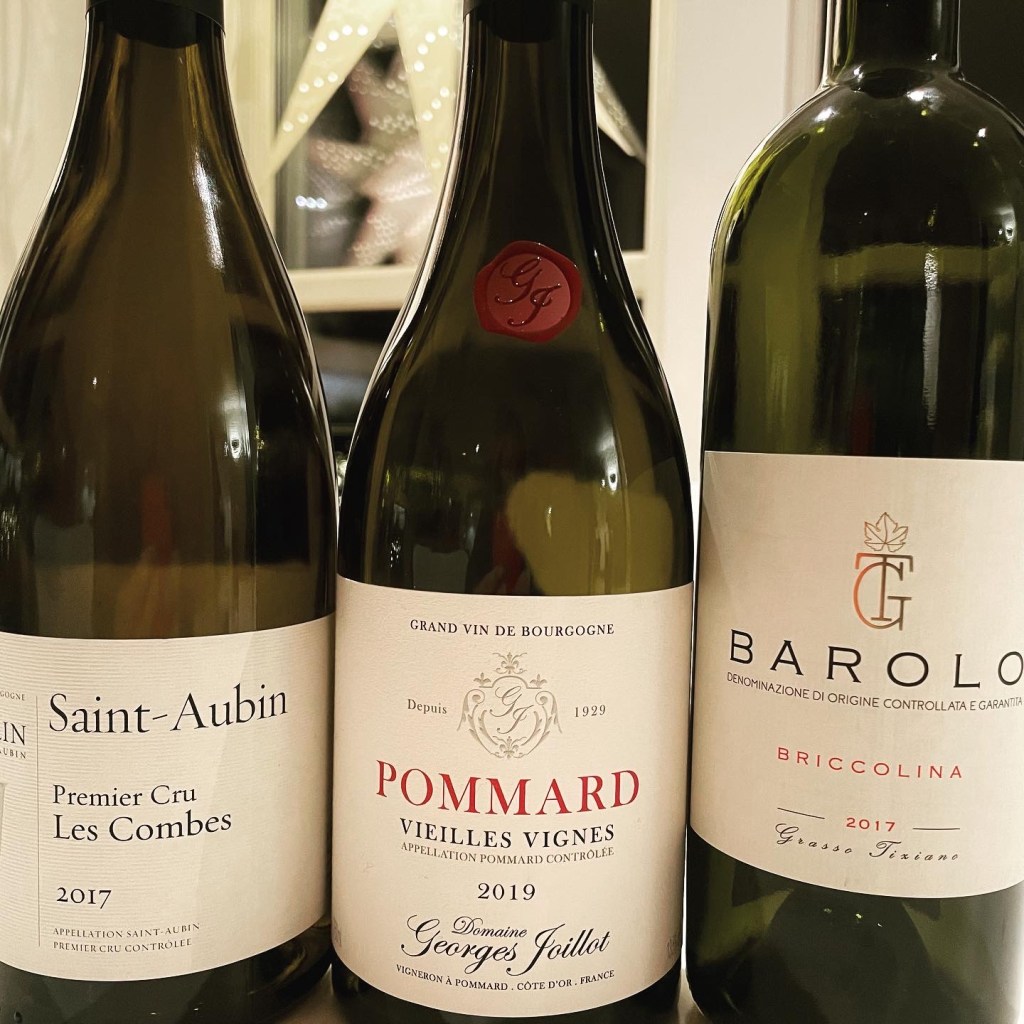
Here are some of the wines I’ve had the past few Christmases.
Wines for Christmas: Gifts
Stuck on what to get your in-laws for Christmas? Or perhaps you’re just tired of shopping? Relax, I’ve got you. You can just order wine online, from the comfort of your own home, or from your phone while you’re on the subway to work. And then you just pick it up at your local store. Since the options are endless, I’ll help you narrow it down!
Hopefully you’ll find some good ideas in here, whether it’s a wine to pair with food or a wine to give to a good friend. And if you order it right now, you might even get it in time for the holidays!
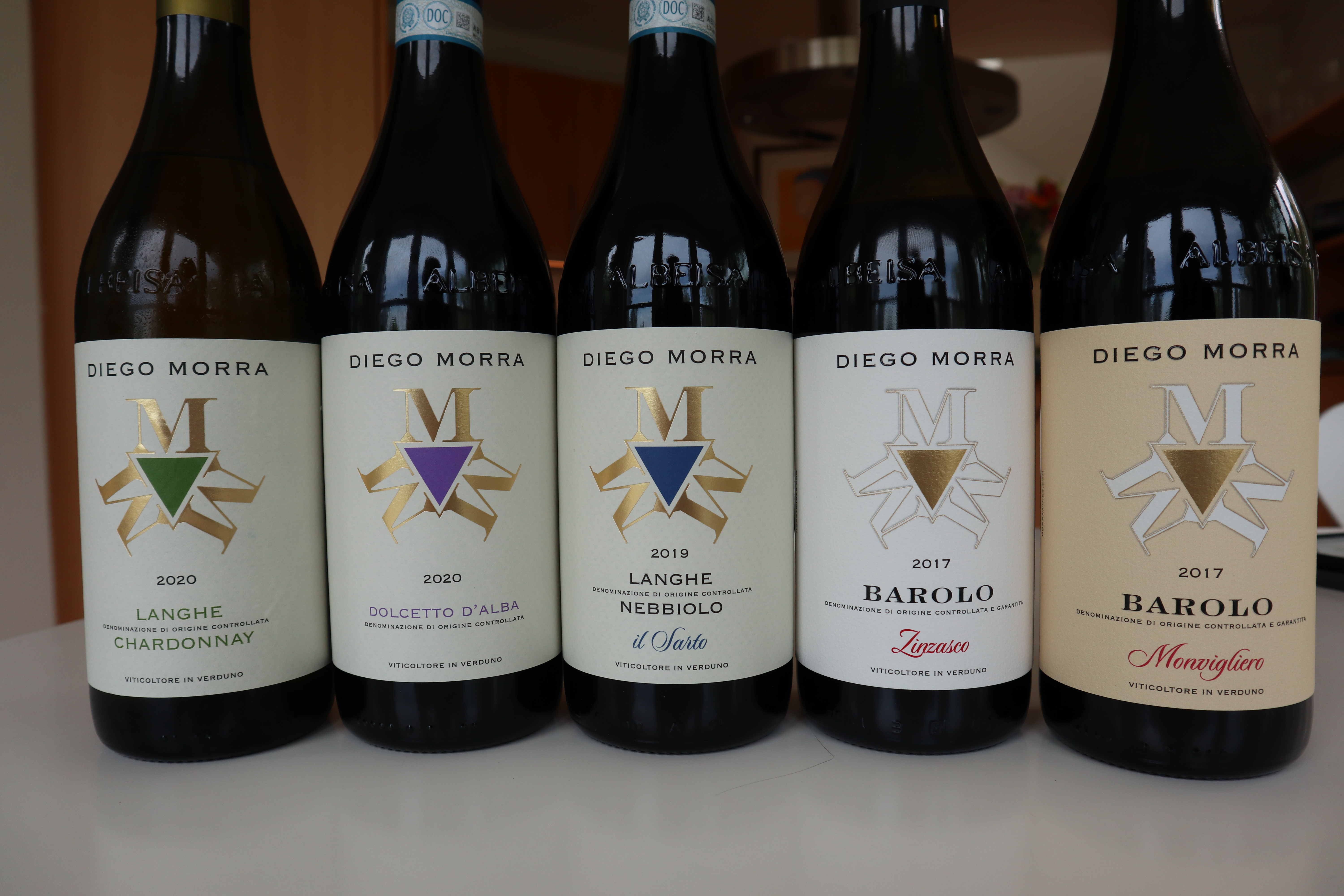
The Diego Morra 2020 wines are very good, as are the other 2020’s I’ve tasted so far. 2020 will be remembered for a pandemic, but it was also a good vintage for wine!
Diego Morra
Diego Morra’s family has been in the wine and hazelnut business since the mid 1900’s. But it’s not until recently Diego started to bottle the wine under his own label. This practice was quite common back in the day. Today, the wine is bottled under the label Diego Morra. You can read more about the winery here.
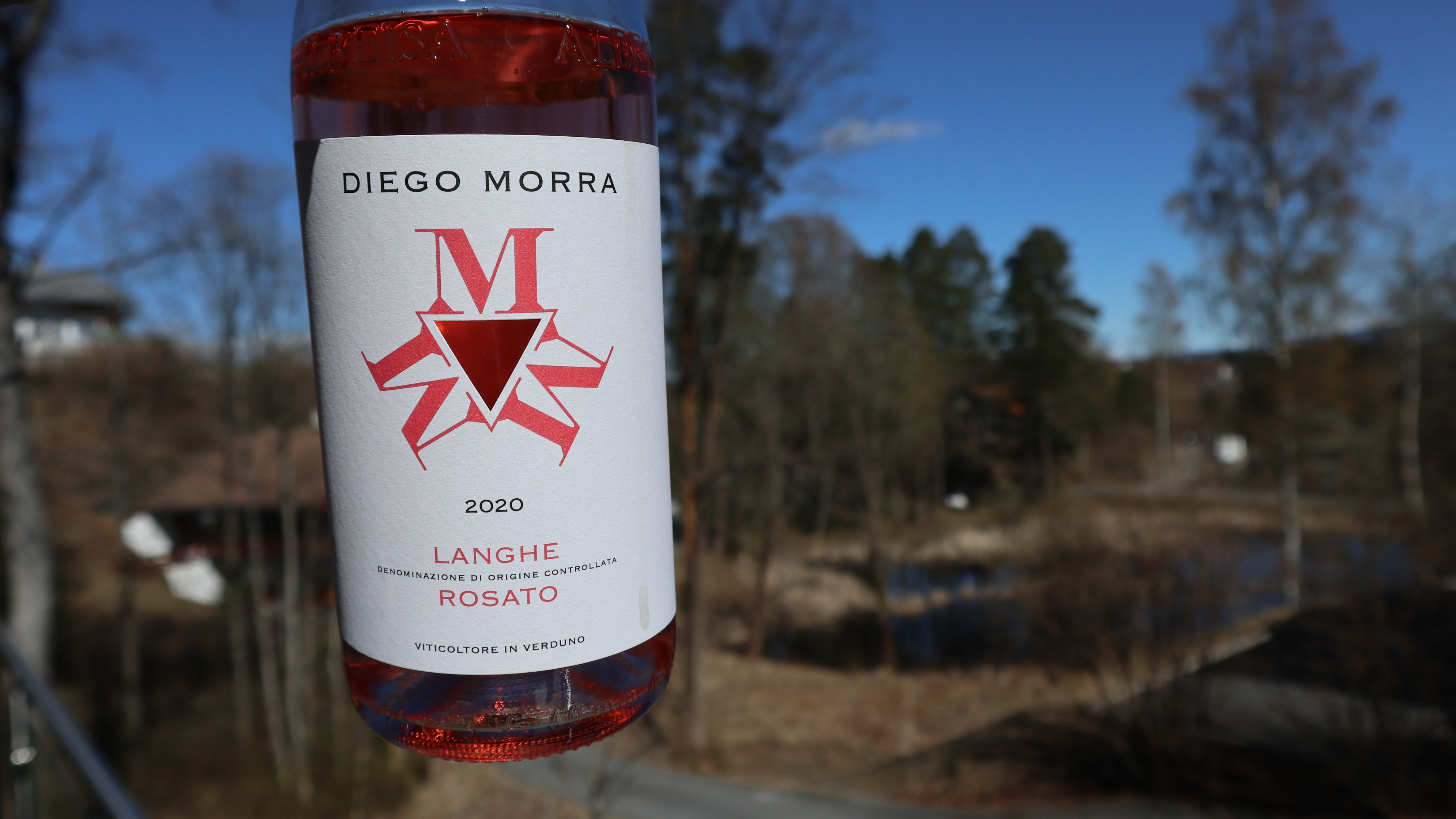
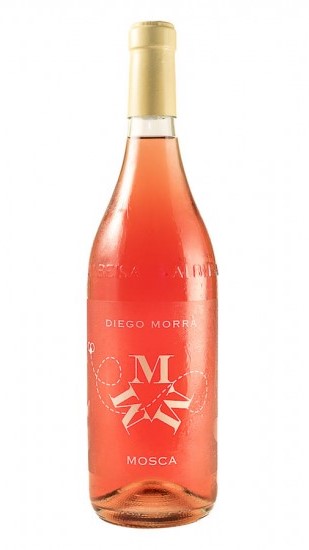
Diego Morra 2020 Langhe Rosato
The Diego Morra Langhe Rosato is made with 100% Nebbiolo, from the same vinyeards as the Nebbiolo Il Sarto.The grapes were harvested a little bit earlier than 2019, giving the wine a bit more freshness. Earlier harvest also results in lower alcohol, lower sugar and a bit higher acidity.
The Diego Morra Langhe Rosato is prefect for the summer! You can enjoy it on the terrace or with light dishes like salads or fish. You’ll find aromas of fresh fruits like strawberry and peach. It’s very fresh but also has a bit of structure.
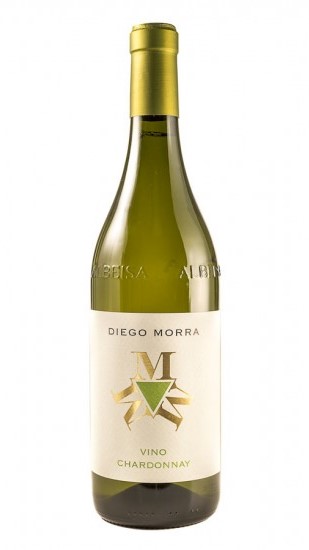
Diego Morra 2020 Langhe Chardonnay
For the 2020 vintage Diego Morra made a pretty big change to their vinification of the Chardonnay. The previous vintages have all been aged in stainless steel. Now, 30% of the wine ages in medium oak barrels for about 6 months before it’s blended with the 70% aged in stainless steel tanks. This gives the wine a great balance between structure and freshness!
The 2020 is my favorite Chardonnay from Diego Morra so far! Don’t get me wrong, the 2018 and 2019 were good, but the 2020 is excellent! Pear and citrus on the nose. Crisp, quite aromatic. Fruit and citrus notes in the mouth as well. Round, fuller than 2019. Very good!
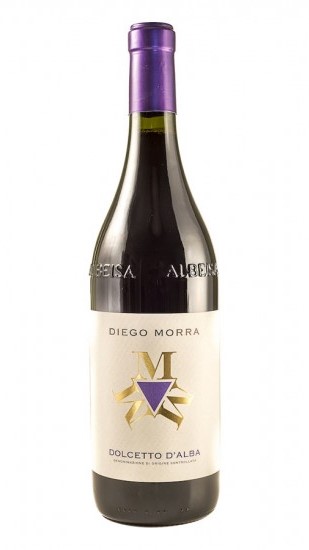
Diego Morra 2020 Dolcetto d’Alba
The 2019 Dolcetto was quite explosive, whereas the 2020 is more concentrated, A very aromatic and fruity wine with aromas of dark red fruit, ripe cherry and blackcurrant. Quite full bodied for a Dolcetto.
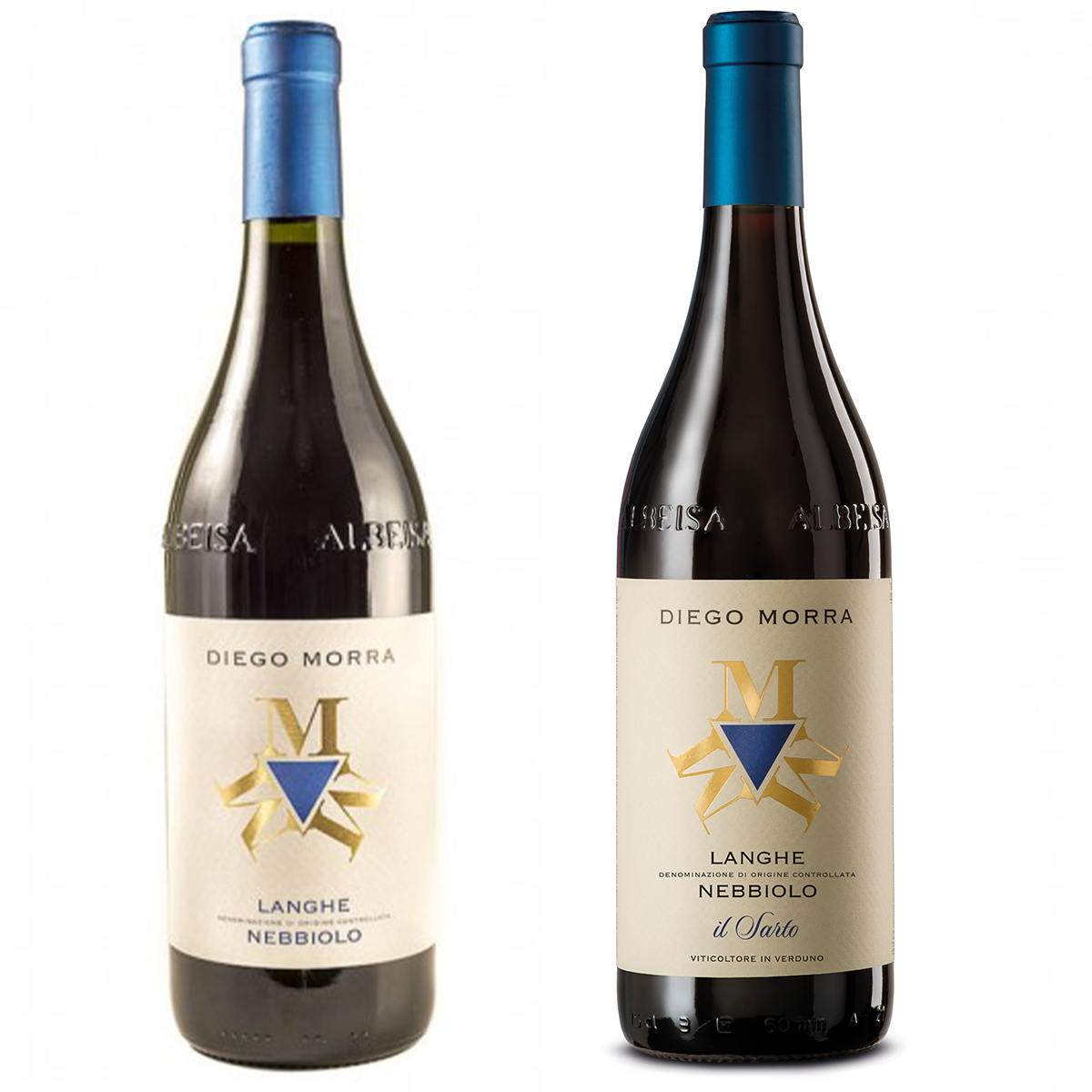
Diego Morra Langhe Nebbiolo il Sarto 2019
The Diego Morra Il Sarto 2019 is quite explosive, similar to other 2019’s. Aromas of red berries, cherry and some pepper on the nose. Very fruity in the mouth, with round and approachable tannins. Very balanced with a long finish. Absolutely delicious!
Diego Morra Barbera
Note there is no tasting note on the Barbera. For a very good reason. The Diego Morra Barbera is usually released about 18 months after harvest, having spent some time in oak barrels as well as stainless steel tanks. You could call it a mix between a Barbera and a Barbera Superiore. You’ll have to stay tuned to find out more about the Diego Morra Barbera, but I can promise you it’ll be worth it!
The Diego Morra Langhe Nebbiolo Il Sarto 2019 is a new and improved Langhe Nebbiolo from Diego Morra. Diego Morra’s family has been in the wine and hazelnut business since the mid 1900’s, but it’s not until recently Diego started to bottle the wine under his own label.
The Il Sarto sews together vineyards from two different towns which have different microclimate, exposure and terroir. One is the vineyard in the municipality of Roddi, with an altitude of about 200 meters and south exposure, and the other is from municipality of La Morra, the Castagni and Serra dei Turchi vineyards. At an altitude of about 380 meters with north-east exposure these vineyards are more fresh than the vineyard in Roddi.
Why the name Il Sarto
“Il Sarto” translates to “the tailor”. The choice of the name derives from two different reasons:
First, a tailor, with attention and craftsmanship, chooses and sews together the pieces of cloth that they consider best, giving harmony to the dress as a whole, in the same way this Nebbiolo sews together different vineyards, combining terroir from La Morra and Roddi.
Second, the tailor also represents the union of Diego Morra and Francesca. Francesca has origins in the north of Piedmont, in the area of Biella, which since the 1800 has been famous for the art of weaving, for fine fabrics that are sold all over the world. So the name “Il Sarto” also recalls the tradition of Francesca’s origins.
To sum up, Il Sarto represents two traditions sewn together: high quality wine and high quality tailoring.
Vinification
After a careful destemming, the spontaneous fermentation takes place in 8-10 days under constant temperature control (max.28-30°C), followed by short but frequent remounts and racking for about 10-12 days. The wine-making process, the malolactic fermentation and large part of the aging process (which finishes with a period in wood) takes place in stainless steel containers during a 12-16 month period.
Diego Morra Langhe Nebbiolo Il Sarto 2019 Tasting Notes:
The Diego Morra Il Sarto 2019 is quite explosive, similar to other 2019’s. Aromas of red berries, cherry and some pepper on the nose. Very fruity in the mouth, with round and approachable tannins. Very balanced with a long finish. Absolutely delicious!
Ready for wild garlic wine pairing? It’s spring which means it’s wild garlic season! We live in a world where we can get almost any ingredient year round, making seasonal foods that much more interesting. I’ve also found that picking or “gathering” my own food makes the whole experience a lot more fun. So, while I wait for chantrelle season, I’ll be “hunting” wild garlic!
What is wild garlic?
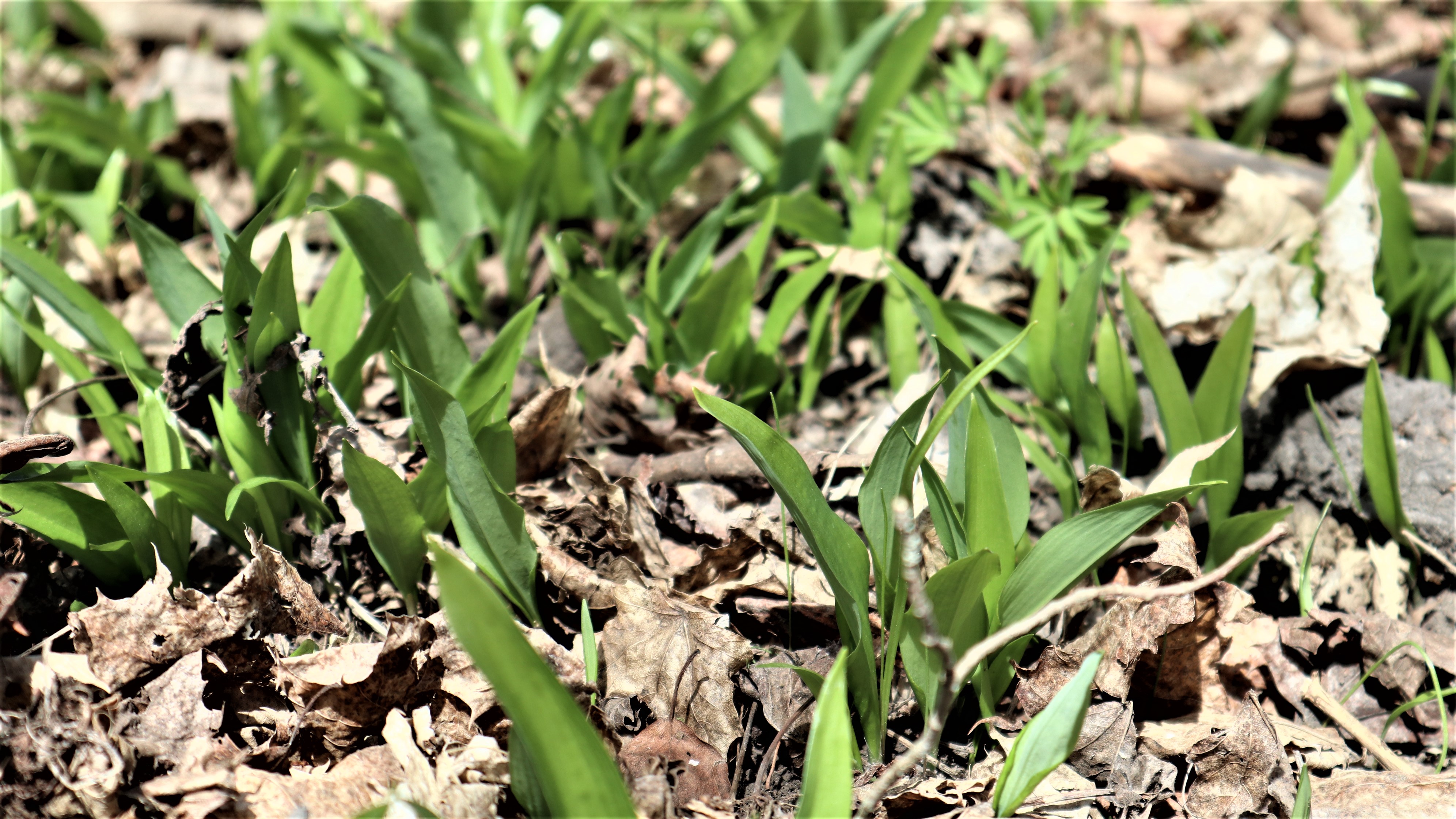
Wild garlic, or ramsons, is a relative of onion and garlic. It’s often used as an herb or spice, or as an ingredient in different foods, like pesto or butter.
NB: don’t mistake wild garlic with lily of the valley. The latter is poisonous. You’ll know it’s wild garlic by grinding your fingers on the leaf and checking for a garlic smell.
Wild Garlic Wine Pairing
With Wild garlic wine pairing is all about how you intend on using the wild garlic.
If you put wild garlic pesto on your pasta, I would try a fresh and fruity white wine like Vietti Arneis or Diego Morra Langhe Chardonnay. You can also put wild garlic pesto on your hamburger. In that case a Langhe Nebbiolo from Alessandro Veglio or Trediberri would work well.
The parmesan in risotto makes Barbera a good pairing. The Corino Barbera could be a good fit. A Langhe Nebbiolo would probably also work. I really like the Cavallotto Langhe Nebbiolo.
Wild Garlic and Barolo
If you serve wild garlic as a “garnish” with meat, it might be a nice opportunity to pop open a Barolo. You could try the Gianfranco Alessandria Barolo or the Azelia Barolo.
Diego Morra’s family has been in the wine and hazelnut business since the mid 1900’s. But it’s not until recently Diego started to bottle the wine under his own label. This practice was quite common back in the day. Today, the wine is bottled under the label Diego Morra.
Wines
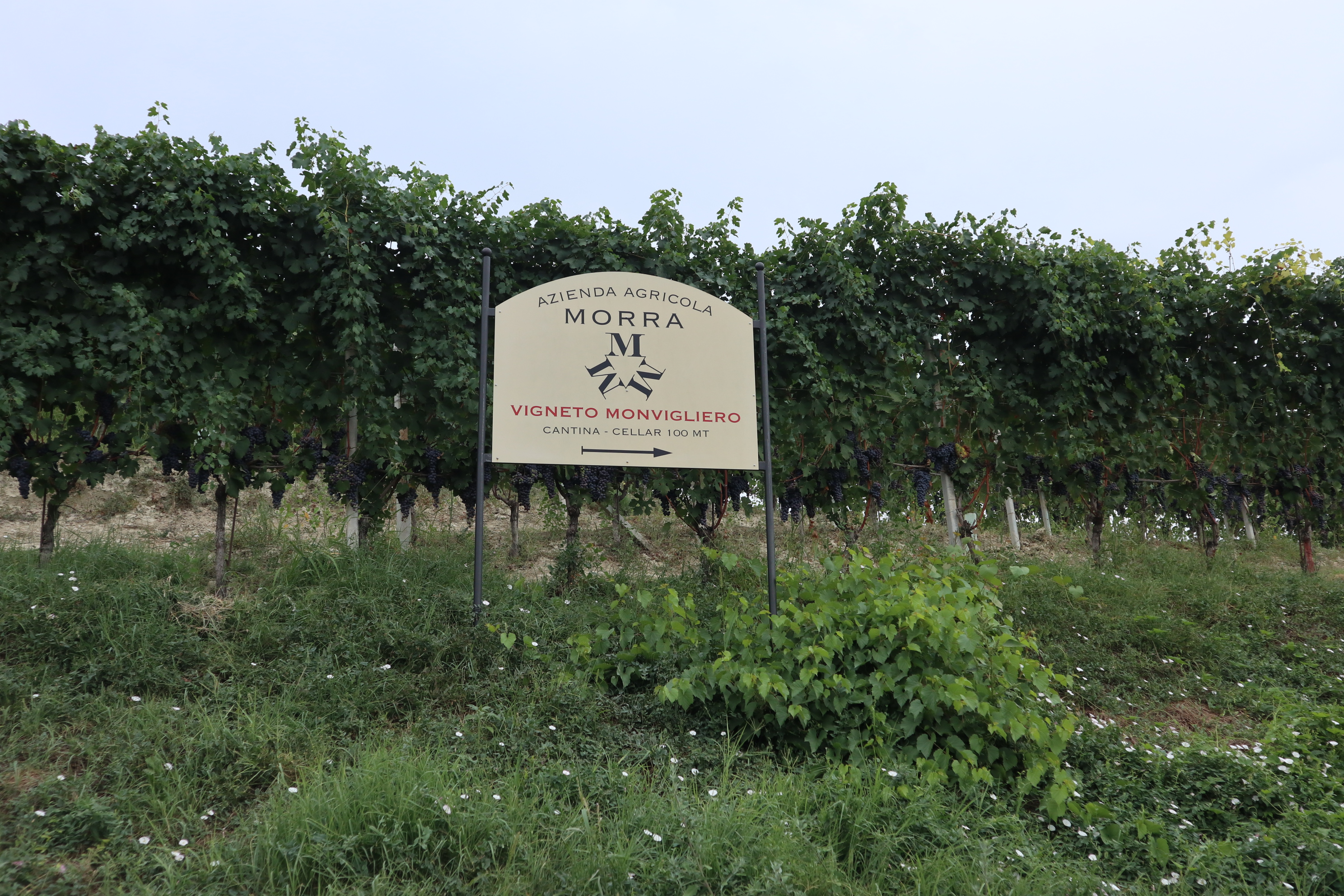
Diego Morra owns about 30 hectares of vineyards spread across the towns of Verduno, La Morra and Roddi, and they make about 80.000 bottles in total. The age of the vineyard range in age from 13 years old (Pelaverga) to 40 years old (Monvigliero).
The Nebbiolo for Barolo Monvigliero comes from multiple plots in the Monvigliero vineyard that add up to total of 12 hectares, all of which have South/South-East exposure and an altitude around 230-300m. Monvigliero is generally noted for elegant wines, capable of reconciling structure and balance, with a touch of depth and austerity that neighboring crus rarely express (with the exception of Massara). Fun fact: The Pelaverga grapes also come from the Monvigliero vineyard. That’s a hell of a Pelaverga!
Winemaking
Diego does not apply one specific method when it comes to his winemaking. Instead, he adjusts his approach depending on which wine he is working with. The Barolo’s undergo 25-35 days, fermentation and maceration, while the Langhe Nebbiolo undergoes about 8-10 days. The same applies to use of barrels.
Diego Morra Fun fact
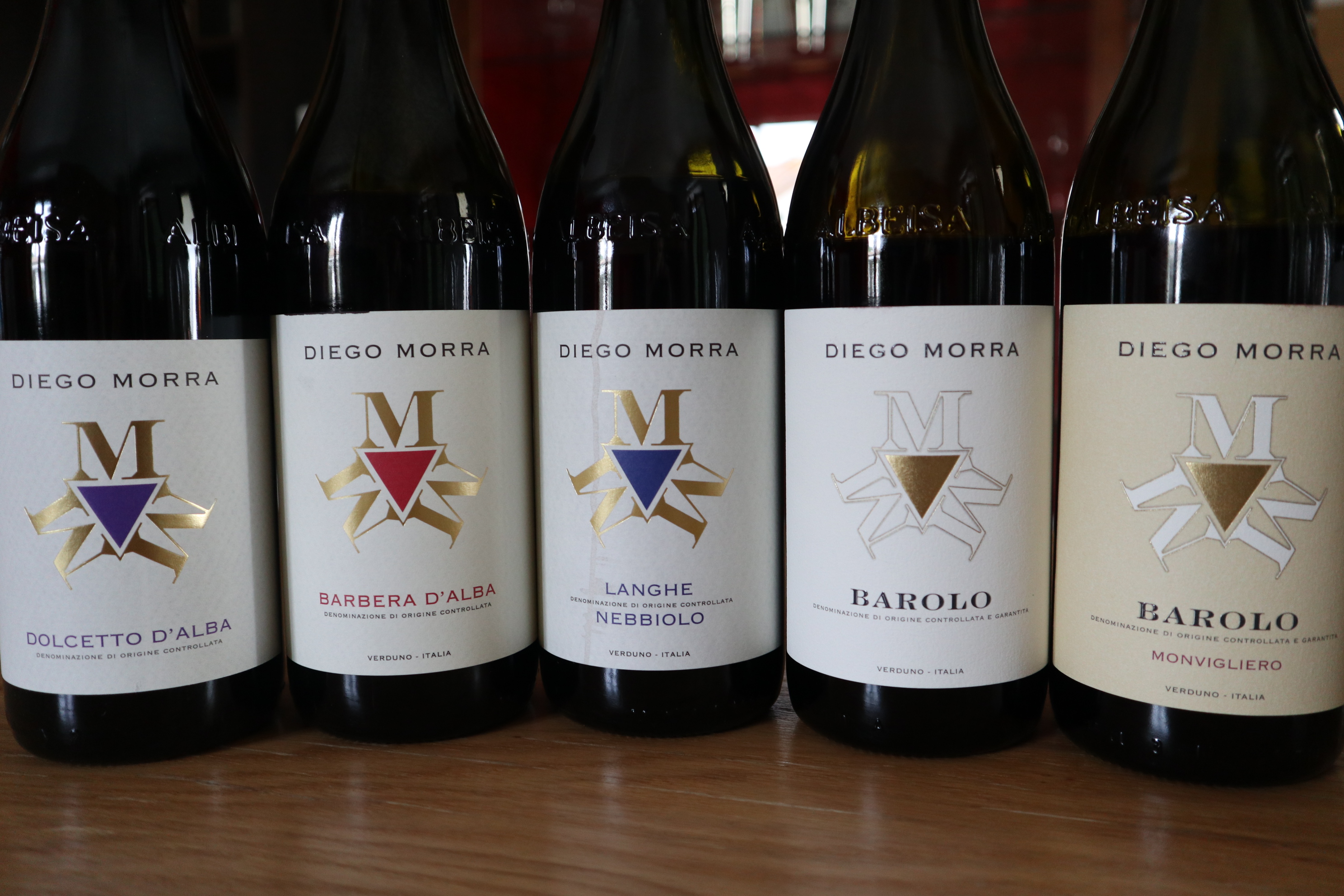
The 3 M’s on the Diego Morra label stand for Morra, Mosca and Monvigliero
Diego Morra Fun fact II
Diego Morra owns the most hectares in the Monvigliero vineyard. Which means the number of Monvigliero bottles will increase as the winery grows!
Wines
Wines available in:
Norway Italy United Kingdom United States
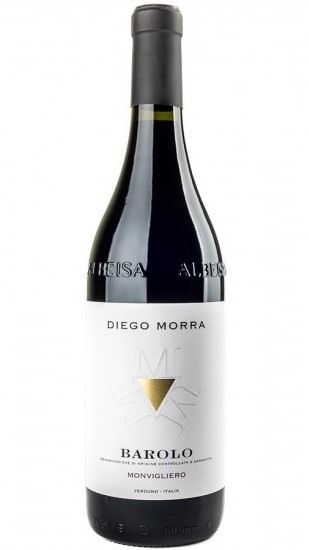
Monvigliero
BASIC INFORMATION
Product name: Barolo Monvigliero Grape: 100% Nebbiolo Classification: DOCG Number of bottles produced: 3000 Color: Red with orange hue Fragrance: mature red fruit, roses, spices, tobacco Taste: structured, round tannins, red fruit, some spice Food pairing: meat, aged cheese
VINIFICATION (Winemaking)
Method: Fermentation and maceration in stainless steel tanks at a controlled temperature of no more than 30°C for 30/35 days Ageing: French Oak tonneaux for 10 months, and after in medium barrel of 2500 lt (each one) for 20 months, followed by 6 months in stainless steel tanks Minimum aging in bottle: 9 months
VINEYARD:
Vineyard: Monvigliero Exposure: south, south-east Age of plants: 40 years old on average
Zinzasco
About the wine Multiple cru: Monvigliero, San Lorenzo di Verduno, Boscatto, Campasso, Massara, Neirane, Breri, Castagni, Silio, Santa Maria.
BASIC INFORMATION
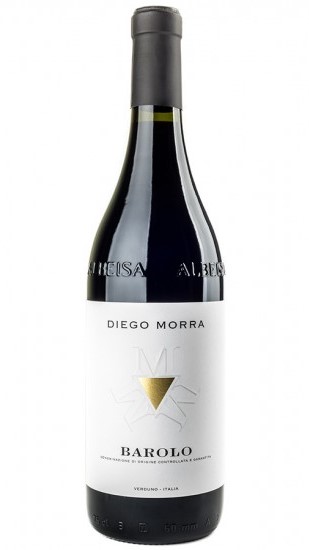
Product name: Barolo Zinzasco Grape: 100% Nebbiolo Classification: DOCG Number of bottles produced: 4500 Color: Red with orange hue Fragrance: spices, roses Taste: Food pairing: Braised meat, aged cheese
VINIFICATION (Wine-making)
Method: Fermentation and maceration in stainless steel tanks at a controlled temperature of no more than 30°C for 25/30 days. Ageing: French Oak tonneaux for 8 months, and after in medium barrel of 2500 lt (each one) for 16 months, followed by 6 months in stainless steel tanks Minimum aging in bottle: 6 months
VINEYARD
Vineyard: 75% La Morra & 25% Verduno Monvigliero, San Lorenzo, Boscattom Campasso, Massara, Neirane, Breri, Castagni, Silio, Santa Maria Age of plants: 28 years old on average
Langhe Nebbiolo
BASIC INFORMATION
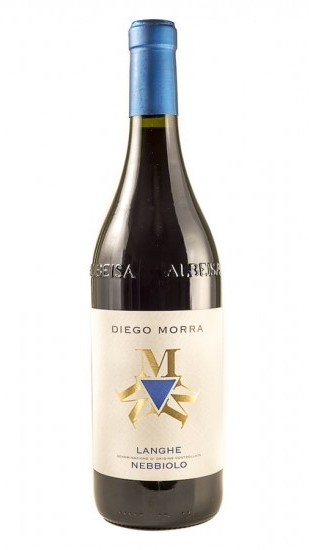
Product name: Langhe Nebbiolo Grape: 100% nebbiolo Classification: DOC Number of bottles produced: 6000 Color: ruby red with garnet hue Fragrance: mature red fruit, red berries, notes of rose petals, with hints of oak. Taste: approachable, round tannins, some tobacco Food pairing: meat, game, aged cheese
VINIFICATION (Winemaking)
Method: 8-10 temperature controlled fermentation Aging: 6 months in 10% tonno followed by 12-16 months in stainless steel tanks. Minimum aging in bottle: 4-6 months
VINEYARD: Verduno, Roddi d’Alba, La Morra
Age of plants: 20 years old on average
Barbera d’Alba
BASIC INFORMATION
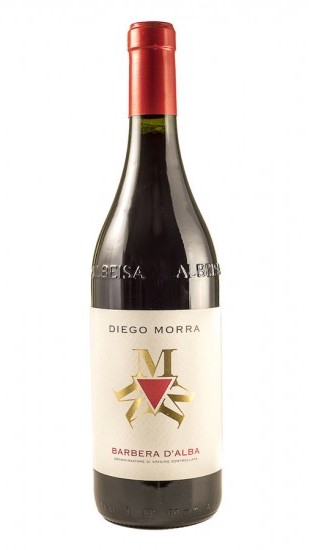
Product name: Barbera d’Alba Grape: Barbera Classification: DOC Number of bottles produced: 6000 Color: intense ruby red hit violet hue Fragrance: red fruit, floral notes, hint of oak Taste: hints of oak, good acidity, round with hints of red fruit Food pairing: meat, aged cheese, fatty dishes
VINIFICATION (Winemaking)
Method: 8-10 days temperature controlled fermentation followed by malolactic fermentation in stainless steel tanks for about 8 months. Aging: 4-5 months in tonno, some new oak Minimum aging in bottle: 4-6 months
VINEYARD:
Exposure: south, north-east Age of plants: 25 years old on average
Dolcetto d’Alba
BASIC INFORMATION
Product name: Dolcetto Grape: Dolcetto Classification: DOC Number of bottles produced: 2500 Color: ruby red with violet reflections Fragrance: peach, blackberry, violets Taste: easy to drink, fruity Food pairing: meat appetizers and first courses, pizza
VINIFICATION (Winemaking)
Method: temperature controlled fermentation for 4-6 days Aging: a period in oak, and 6 months in stainless steel Minimum aging in bottle: 3 months
VINEYARD
Age of plants: 45 years old on average
Pelaverga
BASIC INFORMATION
Product name: Pelaverga Grape: Pelaverga Classification: DOC Number of bottles produced: 10 000 Color: vibrant red Fragrance: spices, pepper Taste: fresh and fruity, with spice notes and a long finish Food pairing: salumi, aged cheese, first courses
VINIFICATION (Winemaking)
Method: temperature controlled fermentation for 4-6 days Aging: a period in oak, and 6 months in stainless steel Minimum aging in bottle: 2-3 months
VINEYARD
Exposure: south, south-east Age of plants: 13 years old Date of harvest: last 10 days of September
Langhe Rosato
BASIC INFORMATION
Product name: Langhe Rosato Grape: 100% Nebbiolo Classification: DOC Number of bottles produced: 4000 Color: pink Fragrance: red berries, some herbs Taste: good structure, good acidity, balanced Food pairing: light dishes, fish, salads, appetizers, aperitivo and chocolate desserts
VINIFICATION (Winemaking)
Method: quick maceration followed by a rapid racking. Fermentation under constant temperature control. All in stainless steel tanks. Minimum aging in bottle: 2 months
VINEYARD
Age of plants: 20 years old on average
Langhe Chardonnay
BASIC INFORMATION
Product name: Langhe Chardonnay Grape: Chardonnay Classification: DOC Number of bottles produced: 4000 Color: yellow Fragrance: apple and citrus Taste: good acidity, mineral, fresh Food pairing: fish, white meat, appetizers, risotto, aperitivo
VINIFICATION (Winemaking)
Method: light pressing followed by a slow fermentation at low temperatures (max 20 degrees Celsius). No malolactic fermentation. Entire process in stainless steel tanks. Ageing: Minimum aging in bottle: 2 months
VINEYARD
Exposure: east, north-west Age of plants: 30 years old on average
The Dolcetto 2019 are quite structured with lots of fruit. I find them to be a bit more complex, especially compared to 2018, giving the wine a little more “oomph”. One could argue that the Dolcetto from 2017 also had “oomph” but perhaps not complex. The warm temperature of the 2017 vintage gave the wines a bigger character, but also a lack of balance when it came to acidity and alcohol. Keep in mind, this is one person’s opinion and taste, opinions and tastes which might differ from yours.
I really like Dolcetto 2019. I know that is a general statement, but after tasting quite a few Dolcetto from 2019, I feel like I can be fairly general. Everything is relative, and my opinion may stem from the fact that I was not as impressed by Dolcetto in 2017 and 2018 as I am by 2019. Below are some of my tasting notes in alphabetical order. Enjoy!
Dolcetto 2019
Burlotto Dolcetto
Concentrated nose with aromas of cherry and red fruits. Also quite concentrated in the mouth. A beautiful Dolcetto!
A perfect Dolcetto nose. Elegant and rich with good structure. The grapes come from a vineyard in Sinio where the soil is composed of limestone with some clay. Mario vinifies his Dolcetto in stainless steel tanks.
Fruity and fresh, yet complex, both on the nose and in the mouth. Violets and dark berries on the nose. The vines, grown in San Giovanni, are 50 years old.
A powerful wine with a crisp nose. Fresh and fruity with good acidity. Aromas of blackcurrant, dark fruit and berries.
Marengo Dolcetto
Powerful aromas of dark berries. A good wine that’s easy to drink. Fruity. More structure than 2018
Nadia Curto Dolcetto
Nadia had an issue with storms in her Gattera vineyard where the Dolcetto grows. Maturation of the grapes was blocked due to the storm which resulted in a Dolcetto with a higher acidity. Aromas of blackcurrant, cherry and other dark berries.
As with most of the 2019 Dolcetto’s, the Paolo Scavino Dolcetto is quite structured. I really like it. Concentrated and explosive. Fruity with good length.
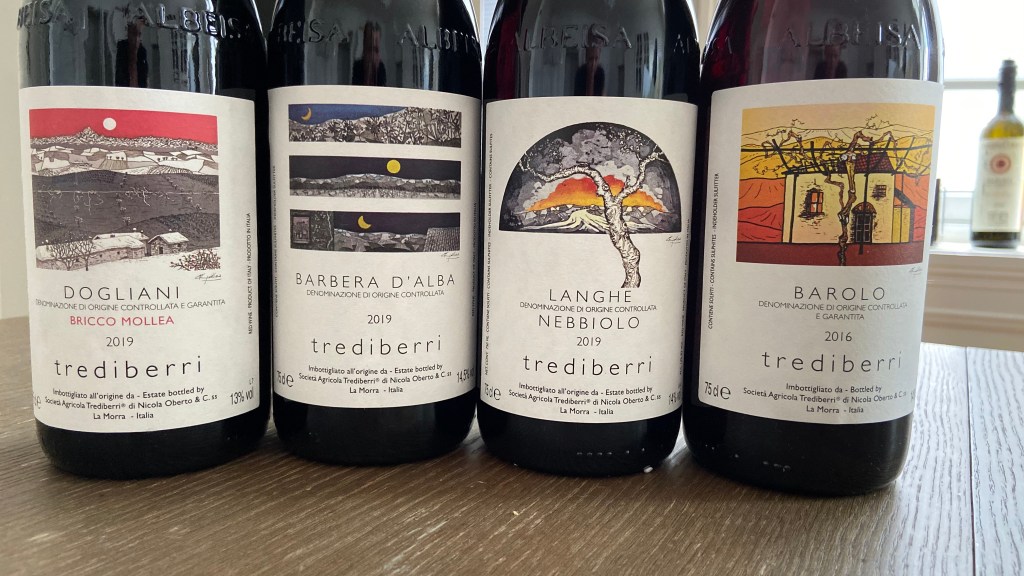
Trediberri Dogliani Bricco Mollea
The Bricco Mollea vineyard is located in Vicoforte, far south in Langhe. Dolcetto’s from Dogliani tend to be more intense than Dolcetto’s from La Morra, and if you combine the terroir with the 62 year old plants, you get a complex and intense Dolcetto.
Barolo 2016 – the vintage to rule them all? Every vintage is different. Some are hot, some are cold, some are dry and some are wet. And then you have everything in between. Sometimes, you have a vintage where everything kind of lines up. 2016 is such a vintage.
What is the best weather, you might ask. The reason it’s hard to answer this question is the fact that each step of the way, the grapes need different things. You want rain in the growing season, but not too much. During the harvest, the absence of rain is preferred. It needs to be warm, but not too warm, and you also want the nights to be cooler toward the harvest, but not too cool. The grapes are indeed quite high maintenance.
But then you have the “magic” vintages. The weather in 2016 was just about as perfect as can get for the Nebbiolo grapes. The growing season was long, there was an absence of natural disasters like hail, the weather was stable toward the end of the season and the harvest was late.
Barolo 2016
A lot of good Barolos came out of 2016, but what struck me the most is the high quality of the classic blends compared to the Cru Barolos. The classic blends are usually simpler, less complicated and can sometimes be perceived as inferior to the Cru Barolos. But in 2016 the disparity between the two is much smaller. I found the blends to be approachable, elegant, fresh and complex. It might be the year to stock up on the classic blends and give your wallet a break.
Top 5
Among the Barolo 2016s I’ve tasted, a few stood out. The unifying aspect connecting these wines was the “wow” feeling I got when I tried them. They were more than good wines, there was something extraordinary about them.
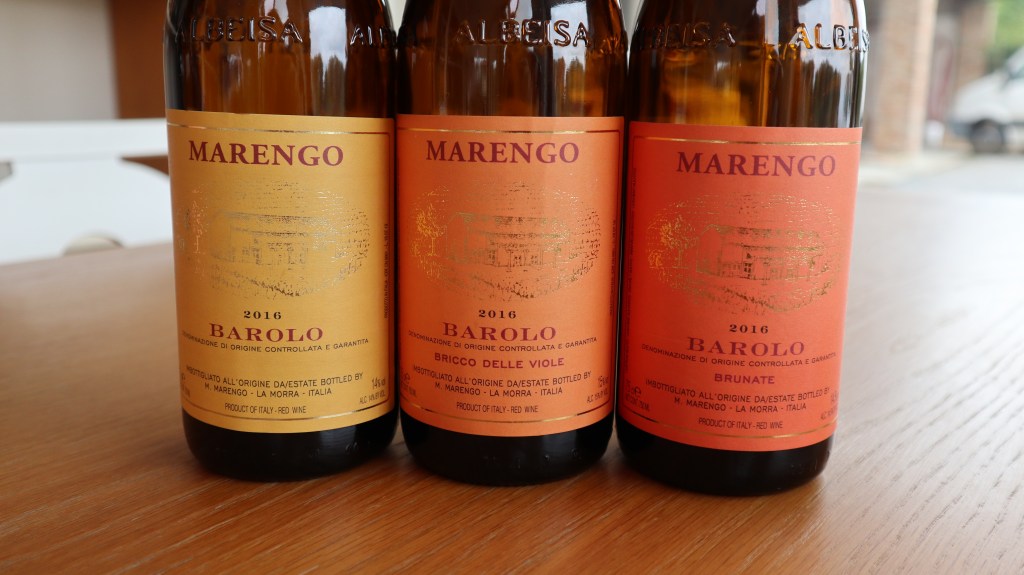
Azelia Barolo Cerretta 2016 – Now we’re talking! A powerful Barolo with an explosive nose. Notes of chocolate, tobacco, fruit. Big but sweet tannins. Burlotto Barolo 2016 – Holy shit. An incredibly approachable Barolo with elegant tannins. On the nose you’ll find hints of spices, tobacco, some chocolate and violets. Diego e Damiano Barale Barolo 2016 – Smooth and elegant Barolo with notes of leather, roses and red fruit. Excellent structure with round but persistent tannins. Francesco Borgogno Barolo Brunate 2016 – Beautiful nose, just like a Brunate should smell. Elegant wine with a long finish. Hints of tar on the nose. Marengo Barolo Brunate 2016 – Holy tits on toast. Those were my exact notes. A beautiful nose – floral and fruity. Elegant tannins, very smooth. This wine has huge potential.
Note that our tastes may differ, and these are based on my personal preferences. The wines are sorted in alphabetical order.
Barolo 2016 Tasting Notes
Andrea Oberto Barolo Commune di La Morra A very fresh Barolo with some balsamic notes. Hint of red fruit and tobacco. Tasted blind next to Barolo Rocche dell’Annunziata 2016 and Barolo Arbarella 2015.
Andrea Oberto Barolo Rocche dell’Annunziata Lovely floral and fruity nose. A big wine with sweet (round) tannins. My favorite Barolo 2016 from Andrea Oberto. Tasted blind next to Barolo 2016 and Barolo Arbarella 2015.
Andrea Oberto Barolo Albarella A very floral and feminine Barolo with hint of licorice. Tasted next to the Barolo Albarella 2015, and although 2015 is a good vintage, 2016 is definitely more expressive and approachable.
Azelia Barolo Floral and fruity nose, elegant tannins, good structure and long finish. A classic Barolo with grapes from Castiglione and Serralunga, giving the wine a good mix of feminine and masculine characteristics.
Azelia Barolo Margheria A powerful wine! Notes of tobacco, chocolate and spices.
Azelia Barolo San Rocco Another big wine from Azelia. Notes of chocolate and warm dark fruit.
Azelia Barolo Cerretta Now we’re talking! A powerful Barolo with an explosive nose. Notes of chocolate, tobacco, fruit. Big but sweet tannins.
Burlotto Barolo Holy shit. An incredibly approachable Barolo with elegant tannins. On the nose you’ll find hints of spices, tobacco, some chocolate and violets.
Burlotto Barolo Acclivi My first thought: What an extreme difference to the classic. The nose was so much more explosive. Roses, wet forest floor, spices. Smooth tannins. Spicy in the mouth.
Burlotto Barolo Monvigliero Again, so different on the nose. Typical monvigliero notes, almost like perfume. Spicy and floral. Impressive wine that is both powerful and elegant at the same time, with a long finish.
Burlotto Barolo Cannubi Floral, fruity, fresh. Bigger in the mouth than the other three. Big but with sweet tannins, making it relatively approachable now. But this is a wine I would store for a while.
Cascina Fontana Barolo “A wine complete” – Mario. Everything is good – well integrated, good nose, good structure. Elegant with a long finish.
Cascina Fontana Barolo Castiglione More masculine notes compared to the classic Barolo. Bigger in the mouth, but still elegant.
Cavallotto Barolo Beautiful nose with notes of roses, fruit and leather. Very elegant tannins.
Cavallotto Barolo Vignolo Big but approachable. Notes of roses and tobacco. Long finish.
Chiara Boschis Barolo Cannubi Explosive nose, very feminine and fresh. A very elegant Barolo.
Chiara Boschis Barolo Nia Nuova Via Nuova is a lot bigger than Cannubi, more masculine.
Chiara Boschis Barolo Mosconi A big wine with a long finish. Can feel the Monforte tannins. Huge potential!
Diego e Damiano Barale Barolo Smooth and elegant Barolo with notes of leather, roses and red fruit. Excellent structure with round but persistent tannins.
Diego Morra Barolo Zinzasco Balsamic and tobacco on the nose with a hint of chocolate. Big round tannins but they go away quite quickly and then you’re left with beautiful fruit and chocolate.
Ettore Germano Barolo Prapo A powerful yet elegant Barolo with softer tannins.
Ettore Germano Barolo Cerretta More powerful and concentrated. Balsamic nose with hints of concentrated fruit. Powerful tannins, a rustic Barolo.
Francesco Borgogno Barolo Brunate Beautiful nose, just like a Brunate should smell. Elegant wine with a long finish. Hints of tar on the nose.
Fratelli Revello Barolo The Fratelli Revello Barolo 2016 seduces you with aromas of red berries, licorice, tobacco and roses. The wine is powerful yet elegant, with a round fruity feel backed up by a good structure.
Gianfranco Alessandria Barolo Notes of oak, spices and rose petals. Big tannins, typical of a Monforte Barolo. Very good, long finish.
Gianfranco Alessandria Barolo San Giovanni This Barolo smells just like e a Barolo should smell. Some oak notes in addition to notes of licorice, leather and cherries. Big in the mouth, a typical Monforte Barolo. A tad spicy with a long finish.
Luigi Pira Barolo Marenca A more masculine and austere Barolo, but also quite crisp and fresh. Notes of tobacco, spices and menthol.
Luigi Pira Barolo Vignarionda Beautiful nose with notes of roses, red fruit and chocolate. An explosive wine with a long finish.
Marengo Barolo Smells just like a Barolo should, with notes of roses, leather and fruit. Smooth tannins that disappear quickly.
Marengo Barolo Bricco Delle Viole A more floral nose compared to the classic, with hints of roses and violets. More tannins than the classic as well.
Marengo Barolo Brunate Holy tits on toast. Those were my exact notes. A beautiful nose – floral and fruity. Elegant tannins, very smooth. This wine has huge potential.
Mauro Veglio Barolo Subtle nose with notes of spices, leather, flowers. Tastes just like a Barolo should taste – elegant and balanced. A big powerful wine, yet elegant, with a long finish.
Mauro Veglio Barolo Arborina Smells like Arborina, a beautifully feminine wine. Notes of rose petals with a hint of leather. An impressive Barolo that’s smooth in the mouth. Arborina tends to be more direct/vertical than Gattera.
Mauro Veglio Barolo Gattera Slightlymore masculine than Arborina. Notes of wet soil, spices, leather on the nose. Bigger tannins, rounder, more complex than the Arborina.
Mauro Veglio Barolo Castelletto Very spicy nose. Notes of tar and forest floor. More tannins and more structure than Arborina and Gattera.
Mauro Veglio Paiagallo Mauro Veglio Barolo Paiagallo 2016 has a very elegant nose of red berries, mainly strawberry and raspberry. The wine is powerful but elegant. Remarkably soft tannins!
Mauro Molino Barolo Bricco Luciani Feminine with smooth tannins. Red berries and floral notes.
Nadia Curto Barolo La Foia More tension than 2015. Fresh and crisp. Big but elegant.
Trediberri Barolo Roses, tobacco and tar. A wonderful, big Barolo. Might need some time in the glass to open up.
Vietti Barolo Perfect Barolo nose! A powerful wine with big tannins but they disappear quickly and you’re left with wonderful fruit.
Vietti Barolo Lazzarito Fresh nose, very fruity and floral with hints of spices and forest floor. Good structure.
Vietti Barolo Ravera Balsamic nose with hints of leather and licorice. Spicy in the mouth with a long finish. This wine needs time
Vietti Barolo Brunate Beautiful nose – floral, elegant, fruity. Powerful but also elegant. Long finish.
Although the focus is on the 2016 Barolo’s these days, I think it’s important to give some attention to the Langhe Nebbiolo’s! Since the 2016 Barolo’s should be bought and then put away for a long time, it’s nice to have a wine to enjoy in the meantime. You get the same characteristics as a Barolo, but you don’t have to wait to long for the wine to be approachable. On my last trip to Langhe I got to taste quite a few Langhe Nebbiolo 2018. Here are my tasting notes in alphabetical order.
Alberto Viberti LogHero 2018
Alberto is the new kid on the block. He works for his family winery Cascina Ballarin in La Morra, but has his own project on the side. His Nebbiolo goes through fermentation in cement tanks. Alberto does not use any oak with his Nebbiolo. The grapes come from Roero, and the soil there gives this wine a little bit of pepper notes. A very good Nebbiolo for a “rookie”. Looking forward to seeing how he evolves!
Andrea Oberto Langhe Nebbiolo 2018
And oldie, but a goodie! I think the world should drink more Andrea Oberto! And why not start with his Nebbiolo. On the nose you’ll find tobacco and roses. The wine is fruity with a long finish. A very good wine made by a wonderful man.
Azelia Langhe Nebbiolo 2018
The focus this year has been on Azelia’s new Barolo Cerretta, but let’s not forget about all the other wines they make! The Nebbiolo is quite structured in 2018. Notes of spices, licorice, leather, cherries and flowers. The tannins are round and the wine fruity, making it very drinkable.
Cascina Fontana Langhe Nebbiolo 2018
Mario uses both cement and Slavonian oak for his Nebbiolo, for a total of 12 months. The 2018 is less concentrated than 2017 with lots of dark fruit and a bouquet of flowers. The wine is elegant with a long finish.
Cavallotto Langhe Nebbiolo 2018
I tasted the 2017 and 2018 side by side. The 2017 was very good, but when tasting it next to the 2018 it almost fell a little short. In the 2018 there is an explosion of floral notes. A very powerful nose. One of the more expressive Nebbiolo’s I’ve tried. The wine is young with big tannins, but they disappear quite quickly and you’re left with beautiful floral notes.
Cristian Boffa Langhe Nebbiolo 2018
This Nebbiolo is made with 16 year old vines from the Santa Maria vineyard. Cristian uses about 20% botte grande and 80% cement for 6 months. On the nose there are notes of strawberry jam, fruits, and flower, and the tannins are very smooth. As a relatively new player in the game, it will be interesting to see the evolution of Cristian Boffa! Stay tuned.
Diego e Damiano Barale Langhe Nebbiolo 2018
A very drinkable Nebbiolo from Monforte, with vines planted by their grandfather in the San Giovanni vineyard about 40-50 years ago. The brothers use 2nd or 3rd passage tonno because they prefer to taste the natural tannins. One interesting aspect of the vinification is that they take out the seeds, a practice they learned from Vaira. A beautiful nose, elegant tannins and a long finish.
Diego Morra Langhe Nebbiolo 2018
Diego ages his Nebbiolo for a long time in the bottle, compared to other winemaker. Before the prolonged aging in bottle, the wine spends about 6 months in tonno, with 10% new oak. This might be one of my favorites. Very approachable, round tannins and a fresh expression.
Gianfranco Alessandria Langhe Nebbiolo 2018
Here’s a wine with a typical Nebbiolo nose: red berries, roses, hint of leather and spices. Aged 6 months in barrique with 10% new oak. The grapes come from San Giovanni, so there’s the Monforte power but the tannins are still elegant and sweet, making it quite approachable.
Giovanni Corino Langhe Nebbiolo 2018
Of all the Corino wines, this might be my favorite. So elegant with fresh fruit and raspberry. Good structure with round tannins.
Released a year later than most of its “peers”, the Langhe Nebbiolo from Pira has spent about 12 months in small and big oak barrels. In addition to the terroir, the oak helps to give the wine its structure and complexity. Aroma of red fruit, leather, spices and tobacco as well as a hint of oak notes. Fruity in the mouth, crisp and complex. Persistent tannins with a long finish.
Mauro Veglio Angelo 2018
At first the Angelo came off a little green, but with some air it disappeared and I was left with licorice and raspberries. Very crisp! The tannins are there but they disappear. A relatively approachable Nebbiolo.
Norwegians are gearing up for Constitution Day. Many are graduating from school this spring. Perhaps some of you are getting ready for a birthday or an anniversary? And what better way than to celebrate with some good wine!
Champagne
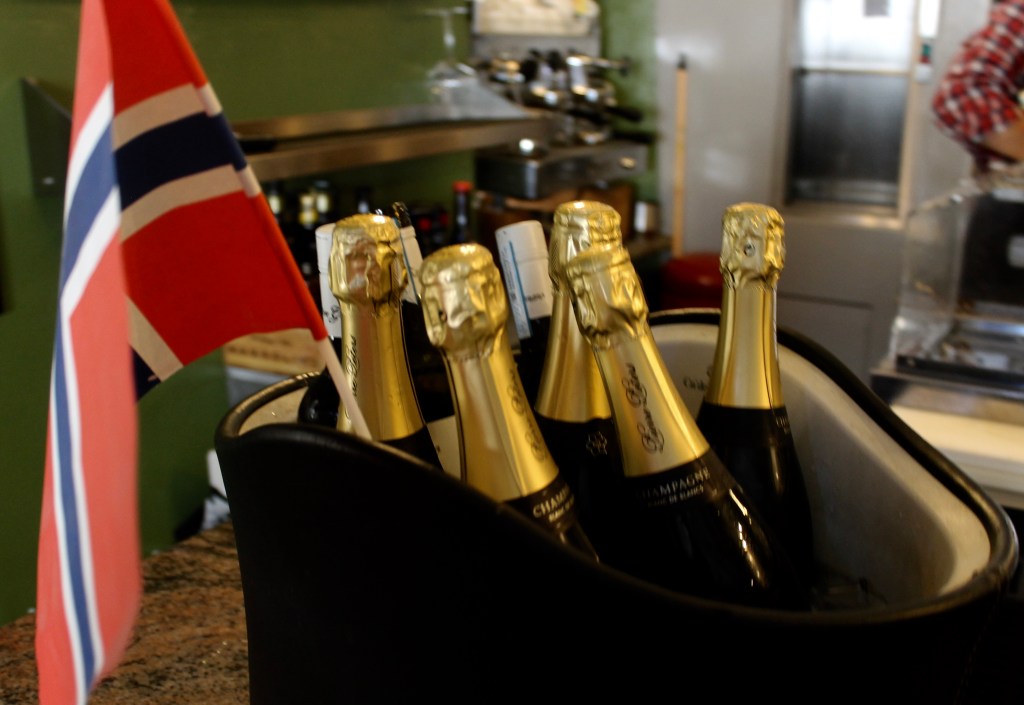
I personally celebrate with Champagne. There’s something about bubbles that puts me in a festive mood. And I have a few “regulars” that I go back for. Bereche Brut Reserve 495,00kr is one of them. A very fresh and crisp wine, with subtle bubbles, just the way I like it. Agrapart Terroirs Grand Cru Blanc de Blancs Extra Brut 568,10kr is another great wine. It’s a little more expensive, but worth it if you want to celebrate a little extra!
Pierre Peters Brut 399,90kr still has to be the Champagne with the best QPR. Even with the small increase in price, it’s still under 400kr and one of my go-to when drinking bubbly. But if I really want to celebrate, I sometimes get Philipponnat Royale Réserve Brut 559,90kr. After meeting Charles Philipponnat at a winemakers dinner many years ago it has been my favorite!
White Wine
Not a fan of bubbles? Not even Champagne? Don’t worry! There are many other wines in the world. White wine is a good alternative. Vietti Roero Arneis 249,90kr is perfect for summer. Goes well with seafood, salads and light dishes. And while we are in Piemonte, maybe try the Diego Morra Chardonnay 198,00kr. Although a Chardonnay from Piemonte is typically more mineral than a Chardonnay from Burgundy, it’s still juicy and fresh. But if Burgundy is more to your liking, try the Matrot Bourgogne Chardonnay 250,00kr.
Red Wine
After drinking some Champagne and white wine, red wine often becomes an obvious choice. Need something light that doesn’t necessarily require food? Dolcetto is the grape for this scenario. Just saw that Cascina Fontana Dolcetto 260,00kr arrived in Norway, and I had to run out and get a bottle. Luigi Pira Dolcetto 205,90kr is a good, slightly cheaper option. And I know we are all excited to see the Dolcetto from Trediberri!
Speaking of Trediberri, his Barbera at only 189,90kr is still the best buy in Norway at the moment. There are plenty other great Barbera’s, and one of them is the Altare Barbera 315,00kr. Prices recently went up in Norway, and unfortunately this wine is no longer under 300kr. I blame Covid-19…


 PIEMONTEGIRL