Unknown's avatar

About Piemontegirl

I am a wine lover currently located in Boston. I drink wine mostly from Piemonte and Burgundy. Two summers in a row I have worked at Vietti in Piemonte.

Francesco Borgogno

When trying to put words to their experiences when visiting the Barolo region, the word family often make it to the top of the list.  When visiting Francesco Borgogno, this is very much so. 
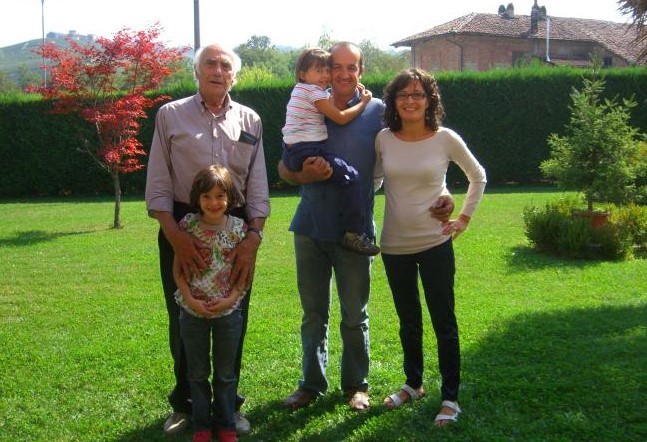
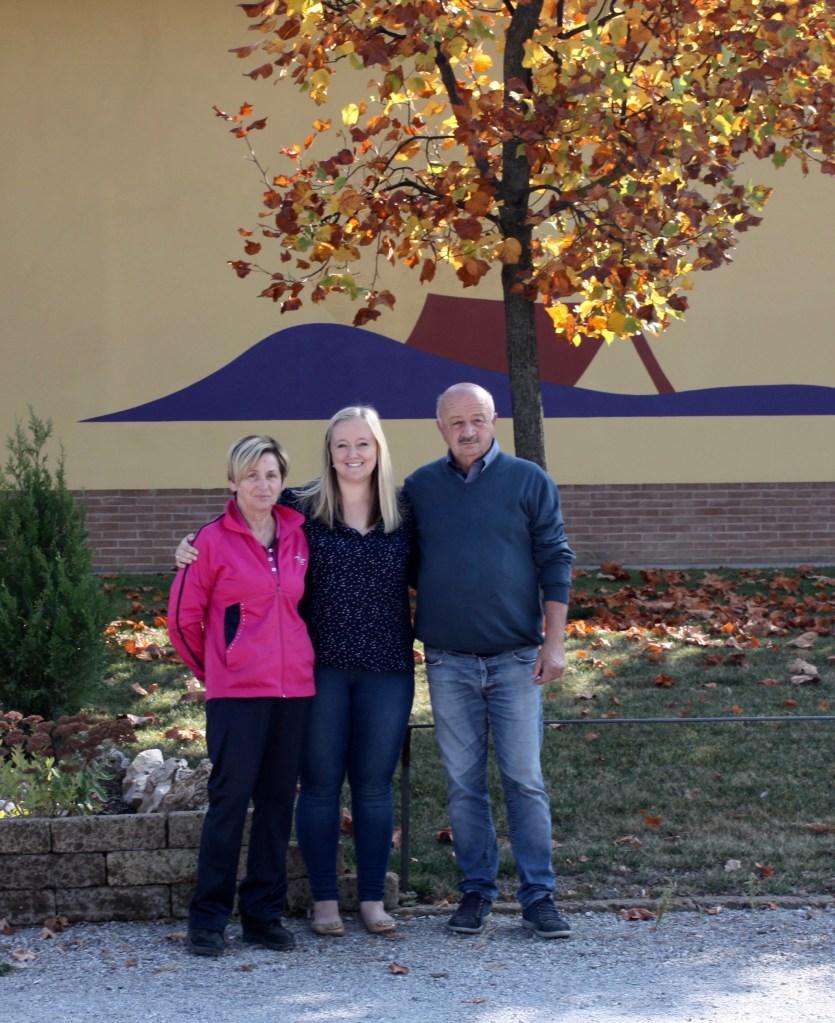
Francesco Borgogno Family

 In a location right at the interface between Barolo’s historic Cannubi hill and La Morra’s Brunate vineyard, you’ll find a winery founded in the early 1930s that is the classic family-run wine estate.   The passion, the knowledge, and the hard work ethic has been handed down from father to son. Today, Francesco Borgogno’s sons (Giancarlo and Claudio) lead the winery’s endeavours, flanked by Claudio’s wife Silvia. They look after the winemaking, the cellar and the vineyards.  Apart from Barolo, the company produces Dolcetto d’Alba, Barbera d’Alba, Langhe Nebbiolo and Langhe Favorita.

The family strives to produce high quality wines, respecting tradition and environment fully.  Aiming for genuine and terroir-based wines.  

Wines

Cantina Francesco Borgogno own approx 7 hectars of land and produce every year 35.000 bottles of wine  (15,000 of Barolo Brunate, 10,000 between Barbera d’Alba and Dolcetto, and some 5,000 of Nebbiolo and Favorita).

The nebbiolo for Barolo comes from a 4+ hectare vineyard located in the heart of the Brunate hill, with southwest exposure at an altitude of 350 metres, and planted on calcareous-clay marl that makes its influence felt in the wine. Their vineyards in La Morra, in the area called Liste, is their source for their Dolcetto d’Alba.  Barbera is sourced from a vineyard in Monforte d’Alba.  Grapes for the Langhe Favorita are from vines in Sommariva Perno (in Roero). The vineyards range in age from 19 years (planted in 2000) to over 60 (Brunate).

Winemaking

The vinification is made under temperature controlled after the pressing of grapes. The process of fermentation and maceration are different for each type of wine and every step is followed from us with the help of expert of oenology Piero Ballario.

Francesco Borgogno Dolcetto d’Alba and Langhe Favorita wines stay just in stainlees steel and not in wood. Barberad d’Alba and Langhe Nebbiolo remain between 6 and 8 months in wood barrel (7 hl).

The philosophy of Barolo Brunate is rigorously traditional, with fairly lengthy macerations on the order of 20 days and more, followed by long maturations of about three years in 30-hectolitre oak botti, and 10 months’ bottle-ageing before release. Thus, Francesco Borgogno Barolo appears on the market about a year later than the average, although the word “riserva” does not appear on the label.

Francesco Borgogno Fun fact

Every August, more than forty years, La Morra celebrates the King of Wines with an event in his honor: “The party of the Barolo wine in his land.“

Just on this occasion, in the summer of ’71, Francesco Borgogno was awarded the title of “Buon Vignaiolo” official recognition conferred for having distinguished himself in wine production, hard work, passion and dedication that characterized the family’s Borgogno in the production of their wines.

Fun fact II

The Francesco Borgogno 2015 Barolo Brunate does not say Brunate on the label, only Barolo.   

Langhe Favorita

Favorita is a dry white wine made from grapes grown in a small plot of land in the Roero.  The golden yellow bunches of grapes produced by the favorita vine are medium-sized, long and cylindrical.

The wine itself is straw-yellow with greenish highlights, a delicate nose showing light fruit, and a dry taste with a slightly bitter finish. It is generally drunk as a “young” wine, within a year of the vintage. It is delicate and fruity, slightly “flowery”, dry with a slightly bitter aftertaste.

Excellent as an aperitif, it goes very well with fish and white meat. Serve chilled.
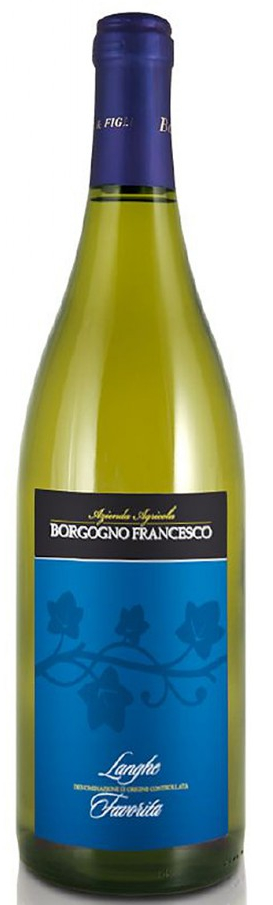
Product name: Langhe Favorita DOC 2017
Classification: DOC
Number of bottles produced: 1,000

Vinification (Wine-making)

Method: the grape-harvest starts the second half of September. After the grapes are crushed and de-stemmed, the must undergoes its alcoholic fermentation in the winery at a constantly low temperature (17-18°C). The wine is then stored in stainless steel, and bottling generally takes place in spring.
Temperature: 17-18°
Lenght: 5/6 days
Aging: in steel
Minimum aging in bottle: 2 months

Vineyard

% of Grape/Cépage: Favorita 100%
Soil: sandy
Exposure: southwest
Agricultural method: sustainable agriculture with no use of herbicides
Year of plantation: 1990
Date of harvest: September
Type of harvest: by hand

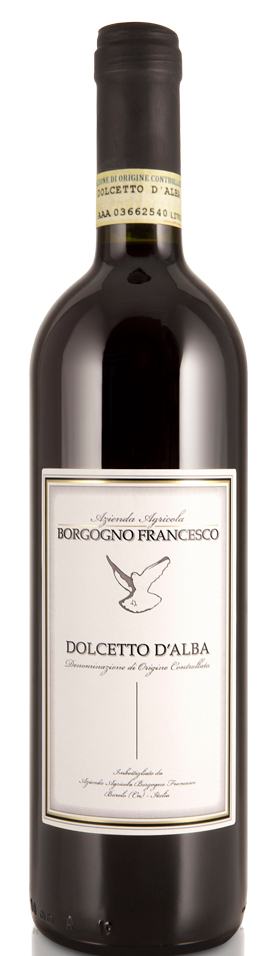
Dolcetto d’Alba

This wine is defined as “the friendship wine” because it is the true country wine. It is generally consumed at an early age.

The care of Dolcetto vines follows the same steps as Nebbiolo da Barolo – that is, winter pruning of the vines, the jobs of allegation, cleaning and cutting of branches – and finally harvesting in the month of September.  Afterwards the pressing and separation, the steeping in the presence of the peels for circa 5-6 days at a maximum temperature of 25-27°C.  Conservation of the wine is in stainless steel tubs, where the malolactic fermentation terminates. Then it is poured off. The bottling is in April, May.

Colour: very bright ruby red with violet reflections.
Fragrance: delicate and fruity.
Taste: rounded, dry and slightly bitter – recalling fruits such as amarena cherry.
Temperature: 18 – 19 °C.
Gastronomic combinings: antipasti, first courses with, above all, meat sauces, soups.

Product name: Dolcetto d’Alba DOC
Classification: DOC
Number of bottles produced: 5,000

Vinification (Wine-making)

Method: we start with pressing and separation, the steeping in the presence of the peels for circa 5-6 days at a maximum temperature of 25-27°C. Conservation of the wine is in stainless steel tubs, where the malolactic fermentation terminates. Then it is poured off. The bottling is in April, May.
Temperature: 25 – 28 °C
Lenght: 5/6 days
Aging: in steel
Minimum aging in bottle: 2 months

Vineyard

% of Grape/Cépage: Dolcetto 100%
Soil: clay
Exposure: southeast
Agricultural method: sustainable agriculture without chemical products – mechanical weeding
Year of plantation: 1973
Date of harvest: September

Barolo Brunate

We start during the winter by pruning the vines (“guyot” method) and then, in the following months of the year we proceed with other jobs such as cleaning and cutting the vines.

The wine-making starts in the Barolo winery with the pressing and the traditional fermentation of about thirty days.   The wine ages for about 3 years in 30 or 50 hectolitre oak Slavonian barrels and then in the bottle for 12 months.
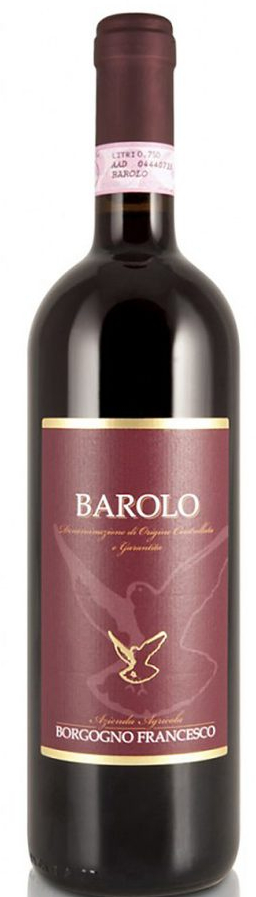
Colour: ruby red, very intense red.
Fragrance: very pleasant and delicate, recalling wilted roses and notes licorice and wood vanilla.
Taste: velvety, dry, rounded, rich and balanced in body and structure.
Temperature: 16 – 18 °C
Gastronomic’s combining: risottos, fondues, game, red meat and meat in general (roasts, grilled or skewered).

Product name: Barolo DOCG
Classification: DOCG
Number of bottles produced: 10,000

Vinification (Wine-making)

Method: the process of the product’s transformation begins: wine-making starts in the Barolo winery with pressing and the traditional fermentation of about thirty days.
The entire philosophy of our Barolo is rigorously traditional, with fairly lengthy macerations followed by long maturations of about three years in 30 or 50-hectolitre oak Slavonian barrels and 12 months’ bottle ageing before release. It can be enjoyed after a few months in the bottle, but will continue improving and developing its elegance during the years…. it is the true jewel of Italian and international enology.
Temperature: 25 – 28°
Length: 1 month
Malolactic: done
Aging: in slavonian oak
Age of barrels: 5 years
Aging time in wood: 3 years
Minimum aging in bottle: 6 months

Vineyard

% of Grape/Cépage: Nebbiolo da Barolo 100% Soil: clay
Exposure: south
Agricultural method: sustainable agriculture, without the use of herbicide – mechanical weeding
Year of the plantation: 1990
Date of harvest: October

Barbera d’Alba

Cantina Borgogno also produces a small quantity of Barbera d’Alba with grapes which comes from the near village of Monforte d’Alba.  Barbera is a “peppy” wine with a robust structure and it is one of a most characteristic Piemonte vine.  The work in the winery begins with the crushing of the grapes, followed by fermentation – lasting around 9 days for this wine, drawing off, and a further racking approximately 18 days later.   Then, the wine is stored prior to bottling in the following spring.
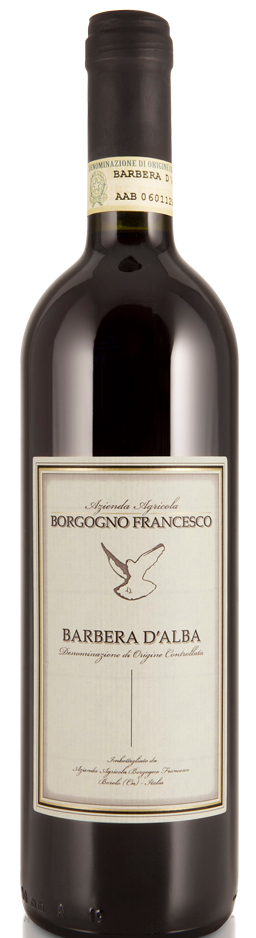
Colour: bright red with purplish highlights when young; deep ruby red following ageing.
Fragrance: intense and fruity; dry flavour and good body.
Taste: bitterish, though fresh, dry and well-bodied.
Temperature: 19 – 20°C.
Gastronomic’s combining: best served with strong-tasting dishes, red and grilled meats, game, and mature cheeses.

Product name: Barbera d’Alba DOC
Classification: DOC
Number of bottles produced: 4,000

Vinification (Wine-making)

Method: the process in winery is very traditional because grapes’ fermentation is in steel barrel at checked temperature. Then we pour off the wine and at the end of maturation we bottling it. Then, the wine is stored for about two months before release.
Temperature: 25 – 28°
Lenght: 8 / 9 days
Aging: in steel
Minimum aging in bottle: 2 months

Vineyard

% of Grape/Cépage: Barbera 100%
Soil: clay
Exposure: southeast
Agricultural method: sustainable agriculture without the use of herbicides – mechanical weeding
Year of plantation: 1961
Date of harvest: October
Type of harvest: by hand

Author: Toni Fadnes
Pictures:
Francesco Borgogno
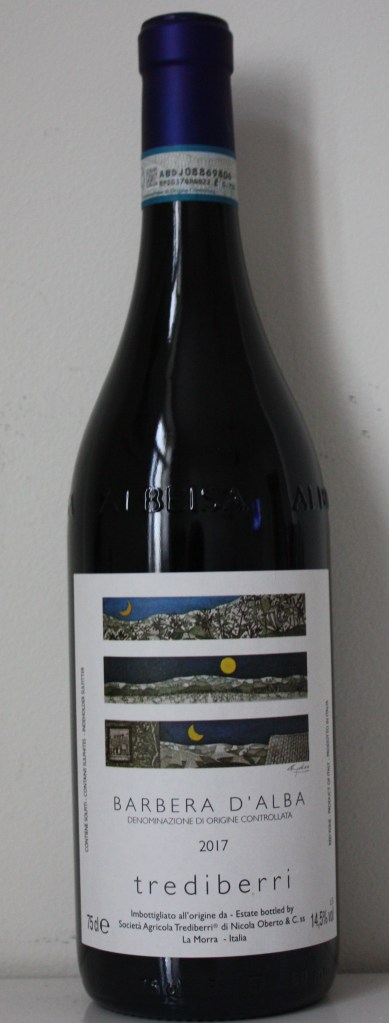
Trediberri Barbera d’Alba

I talk about Trediberri quite a lot. For many reasons. One: Nicola rocks. He’s just an incredible person. Two: his wines also rock. He just makes good wines. End of story. Nicola and his team work so hard and their hard work pays off. Three: the prices are ridiculous. I mean, 189NOK (roughly $19) in Norway is almost too hard to believe.

Trediberri Barbera d’Alba Rocks

When I say that the Barbera d’Alba from Trediberri rocks, what do I mean? I could say things like:
Full body, long finish
Dark fruit, good concentration of fruit

But I won’t. Wine is so individual. Tastes are so individual. But I will tell you that I think this barbera from Trediberri is representative of a quality barbera. Very drinkable now but you can keep it for a few years (if you can stop yourself from opening them all).

Buy it?

So what am I getting at? You should be buying his wines! Did you know that some Vinmonopol stock them on their shelf? And if you’d rather buy online, you can do that too! So you really don’t have any excuses!

These are the stores that currently stock Trediberri Barbera d’Alba:
Aker Brygge – 16
Levanger – 15
Tromsdalen – 13

Nicola’s take on Vintages

Every year is different, for better or worse. 2014 is known for it’s massive amounts of rain. 2010 is considered a wine for the books. But I believe a truly great winemaker can make good wine in any vintage. If you work with nature, respect nature and generally just work hard, you can make magic happen.

In recent encounter with Nicola, this is what he said about the past vintages:

2016 is all class like Jaqueline Kennedy. 2017 is as huge Pamela Anderson. And 2018 is as skinny as Miley Cyrus.

Nicola
Trediberri Barbera d'Alba

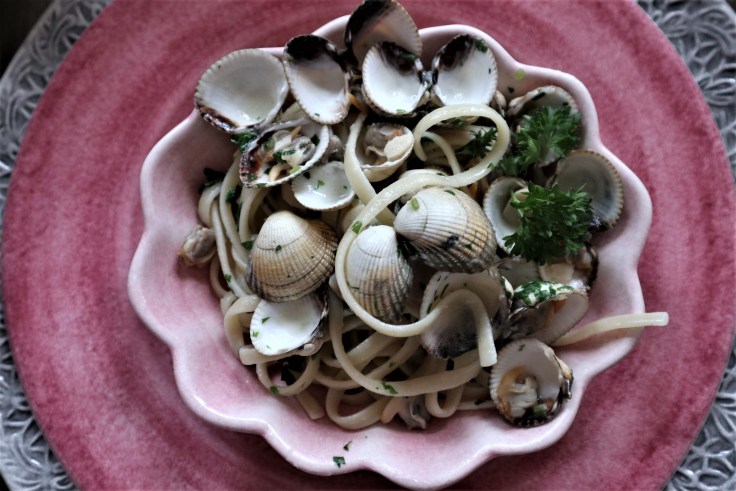
Linguine Pasta alla Vongole

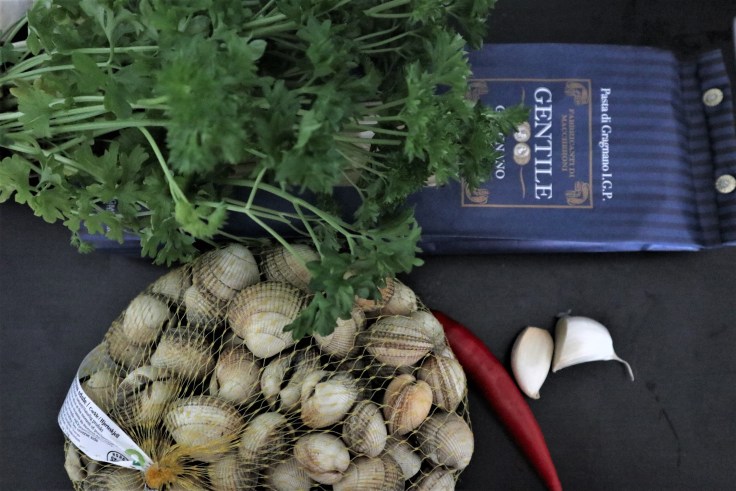
In honor of Linguine Day, I’ve prepared a recipe for you: Pasta alla Vongole. There are quite a few variations of this recipe, but this one uses Linguine and Cockle (instead of Vongole).

What You Need

  • 1 kg small clams (Vongole or Cockle)
  • 1/2 a bunch parsley
  • 4 cloves of garlic
  • 250 ml white wine
  • 400 g dried pasta (spaghetti or linguine)
  • olive oil
  • fresh chilly

How To Make It

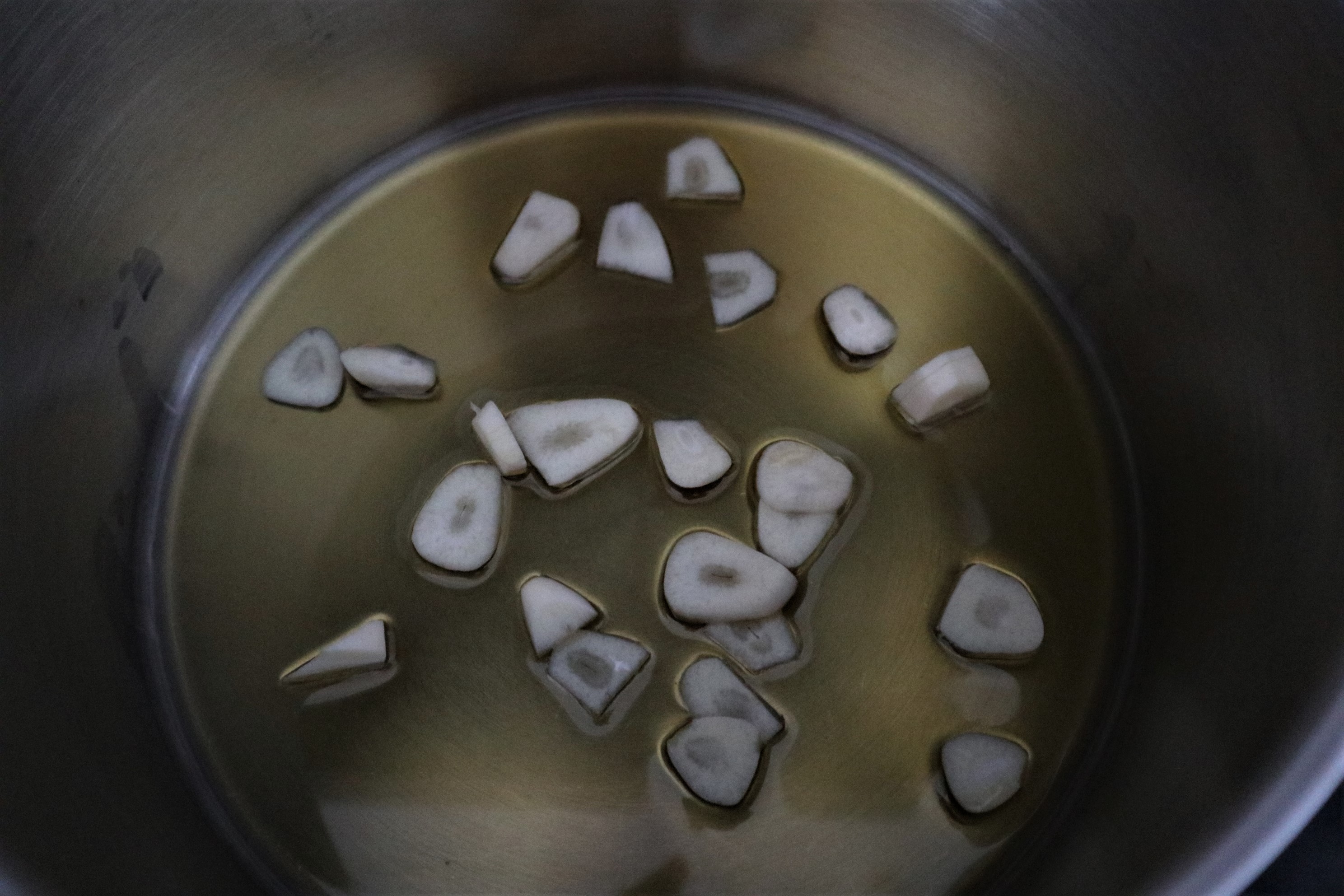
  1. Boil water in a pot. At the same time, put some olive oil in another pan and heat it up. Slice the garlic and add them to the oil. This should sit for a while.
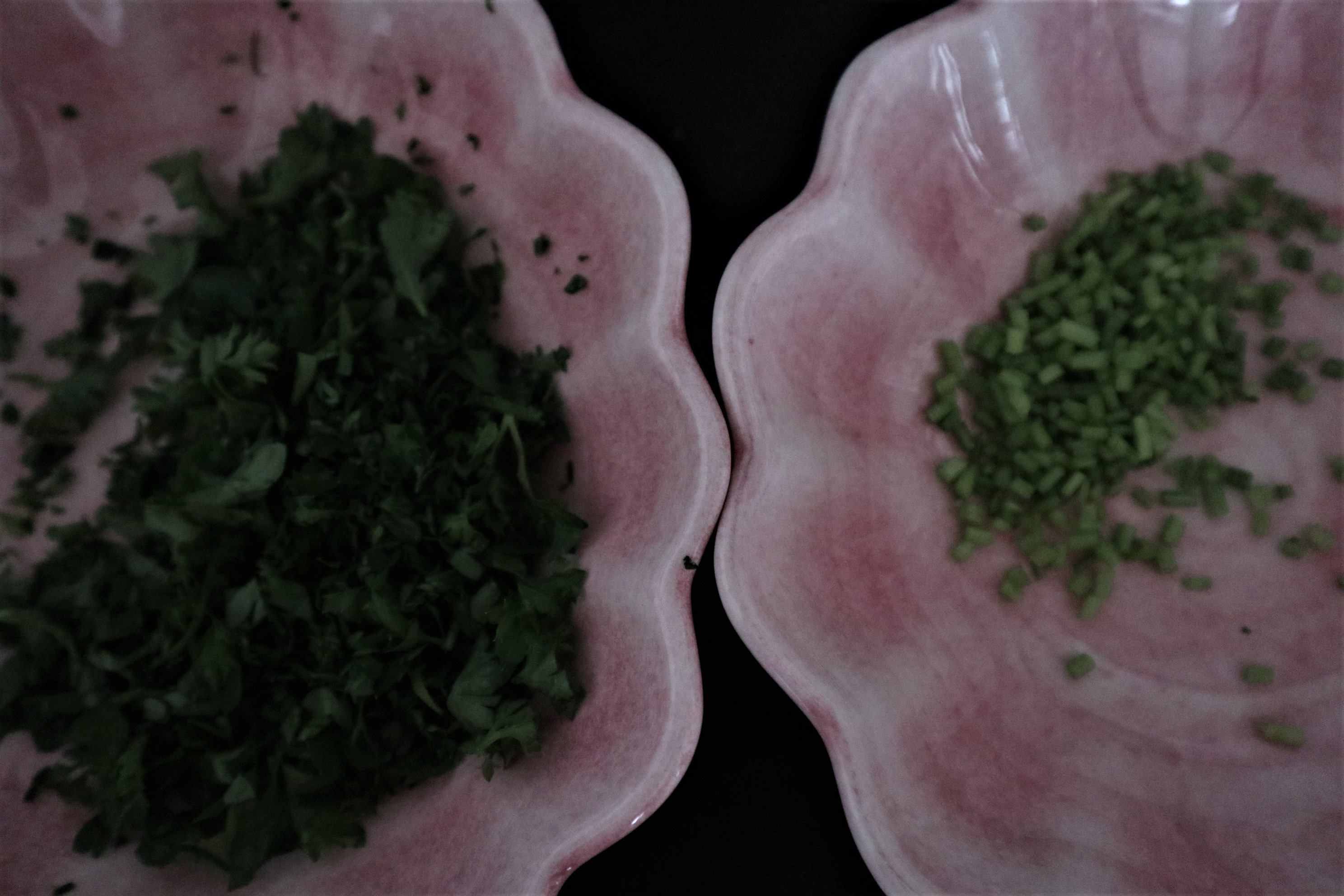
  2. Slice the parsley stalk and roughly chop the leaves. Get your wine ready.
  3. Add the pasta to the boiling water. You’ll want to cook it al dente.
  4. About 5 minutes before the pasta is ready, add the parsley stalks and finely chopped chilly to the pan with garlic. Stir for a little, then add in the wine and the clams.
  5. The clams should start to open. You can stir them a little to help the process. Get rid of any clams that do not open.
  6. (Optional). Put half the clams aside, and remove them from the shell. This can make the plate “less crowded”. Once the pasta is cooked al dente, add it to the pan with all the clams and sprinkle the parsley leaves on top. Toss & serve! You might want to serve with bread so your guests can dip it in the delicious sauce.

    Pro tip: timing is everything. You might not get it right the first time, but keep at it.

# Piemonte Slipp

Piemonte Slipp Release List

Can’t access it? Send me a message and I can send it to you!

Piemonte Slipp x Piemonte Girl

Thursday – It’s happening! Similar to the Burgund Slipp, exclusive & rare wines from Piemonte will be released Thursday morning, spread throughout special stores across the country. You’ll find me at Aker Brygge! You can also follow #PiemonteSlipp on Instagram to stay tuned.

Piemonte Slipp vs Burgund Slipp

Which wines can you expect?

Compared to the Burgundy release, the number of wines are fewere and the prices lower. Some of my favorites are on the list, like Chiara Boschis, Francesco Rinaldi and Brovia. It’s not limited to Piemonte, wines from Tuscany, Sicilia and more also made the list. You might also get your hands on a Soldera for 4000kr (roughly $450).

Chiara Boschis Mosconi

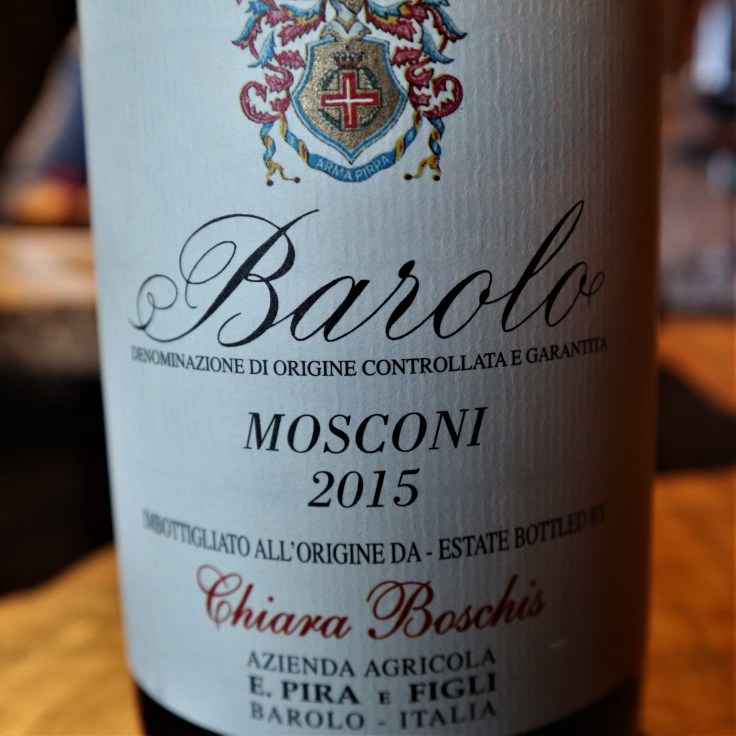
One of the wines to be released is Chiara Boschis Barolo Mosconi 2015. A single vineyard cru from Monforte, aged in barrique for 2 years and then one year in bottle. Although the wine is from a more “masculine” terroir, Chiara manages to integrate the tannins very well, allowing the floral notes of barolo to surface. The spice notes, like chocolate and pepper, are also present. 2015 was a good vintage, but I would keep this wine for at least 10 years.

Chiara Boschis Piemonte Slipp

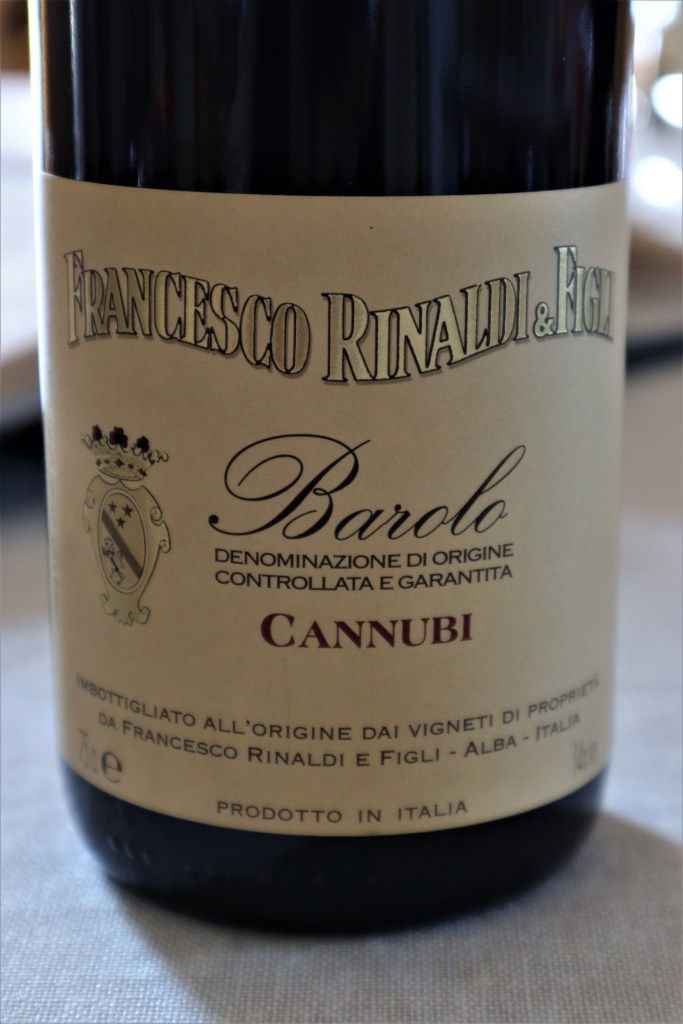
Francesco Rinaldi Cannubi

Cannubi, a historic cru in Piemonte, also made the Piemonte Slipp list! Francesco Rinaldi, located in Barolo next to the Cannubi hills, take pride in this barolo. The soil in Barolo is more sandy than in Monforte, giving the wine more floral and fruity flavors. You can drink it now, or keep 10+ years. I find that the wines from La Morra, Barolo & Castiglione are more apporachable early, compared to wines from Serralunga and Monforte. But this is all about personal taste as well.

Francesco Rinaldi Cannubi Piemonte Slipp

Oher wines at the Piemonte Slipp

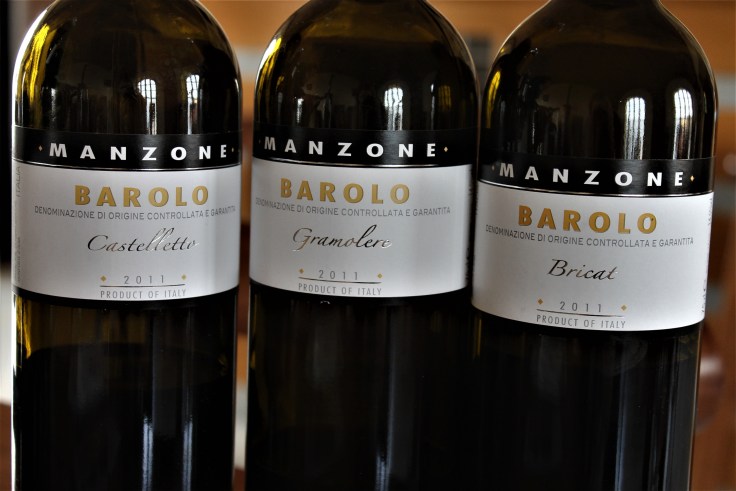
Famous names like Bruno Giacosa, Roagna, Manzone, Elvio Cogno & Aldo Conterno are also on the list. There will also be a few magnums. And it doesn’t seem like any of the wines have a quota, like with the Burgundy Release, so it’s every woman for herself! Wish me luck!

Manzone Piemonte Slipp

What is missing at the Piemonte Slipp?

There are many names that have not made the list (at least not yet). Where are the wines from Giuseppe Rinaldi? Or Bartolo Mascarello? Burlotto? What about Elio Altare? I also think the Rocche dell’Annunziata from Trediberri should be on the list… Still trying to wrap my head around how the system works at Vinmonopolet, so if anyone knows, feel free to enlighten me!

Fossils in Valmaggiore

You’ve heard of the Valmaggiore wine from Marengo, right? If not, you’re missing out. One of the reasons you might not have heard of it is because this particular Nebbiolo d’Alba is almost ALWAYS sold out! I swear, it’s almost impossible to get your hands on a bottle. But, I have some very good news: Marengo just expanded the vineyard in Valmaggiore!

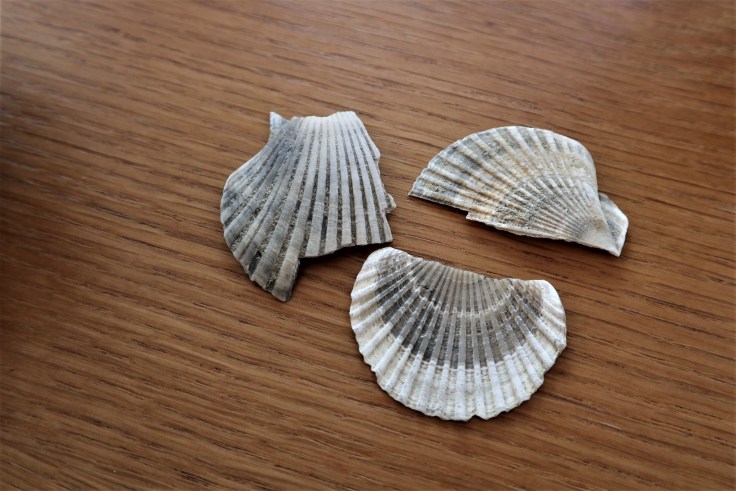
While expanding the vineyard, reworking the soil and planting new vines, they found fossils! How cool is that? We all know that the soil plays an important role for wine, and the soil can vary drastically from vineyard to vineyard. Finding those fossils is just further proof, and can attest to some of the characteristics in this particular nebbiolo.

Valmaggiore Fossils

The expansion also means more Nebbiolo d’Alba Valmaggiore! Unfortunately, we have to wait about 3 years before any wine can be made from the new vines. But mark your calendars, because it’s a wine you don’t want to miss. In the meantime, you should try the other wines from Marengo. I highly recommend their Brunate!

Barbera – My Favorites

I was recently asked about barbera, and if I had a favorite. This is a tough question to answer, because there are so many good ones. And so many different styles. I don’t think I could pinpoint just one, and here’s why.

Barbera vs Barbera Superiore

Barbera is a grape, and just like with Nebbiolo, there are multiple ways to make it. Most winemakers have a “classic” barbera, a wine made in steel tanks with no influence of wood. The wine completes both malolactic and alcoholic fermentation in steel tanks, and remain there until bottling. These wines tend to be high in acidity, full bodied with aromas of red fruits.

You will also find barbera superiore, and this wine will have influence of oak. After pressing the juice, the wine is transferred into barrels and complete the malolactic and alcoholic fermentation in barrels instead of steel tanks.* The wood gives the wine some tannins, helps balance the acidity and you might find hints of oak flavor.

“The Mario Fontana Way”

Mario Fontana is what we would call a “traditional” wine maker, and uses big barrels for all his wines. Except his Barbera. A few years ago, he decided to use cement for this grape because that made more sense to him. And we see this with other winemakers. They may chose to interpret the grapes in different ways, and use new types of material when cultivating them. Kinda cool, right?

Now, you can see where choosing a favorite can be difficult. However, there are a few I tend to chose over and over again.

Barbera

What’s available Vinmonopolet

Trediberri Barbera d’Alba 189kr
Altare Barbera d’Alba 285kr
Burlotto Barbera d’Alba 285kr
Azelia Punta (superiore) 289kr
Cavallotto Vigna Cuculo (superiore) 300kr
Vietti La Crena (superiore) 460kr

Other Favorites

Altare Larigi
Giovanni Corino Ciabot dù Re
Burlotto Aves
Marengo Vigna Pugnane

There are so many others, but if I had to chose a few then these are high on my list.

*this might vary from winery to winery, but is a general idea of how to make this wine

(Small) Guide to Burgundy

After spending a few days in Burgundy this summer, and a few days some years ago, I’ve put together a few tips and suggestions for anyone who is thinking about visiting this beautiful wine region.

Where to Stay

I always stay in Beaune. A relatively big town, compared to the other small ones like Volnay or Mersault, it has everything you’ll need, along with some pretty great restaurants. Many Airbnb’s are scattered over the city, as well as many different hotels. Depends on your price range and wishes, of course, but you’ll most likely find a place that suits your needs.

A place I can highly recommend is Beaune Duplex Maison du Bastion 4, found on Airbnb. Beautiful garden, nice rooms, kitchen and parking. There are also multiple apartments, so larger groups can fit nicely here.

Where to Eat

Here are some of my go-to places for lunch and dinner:

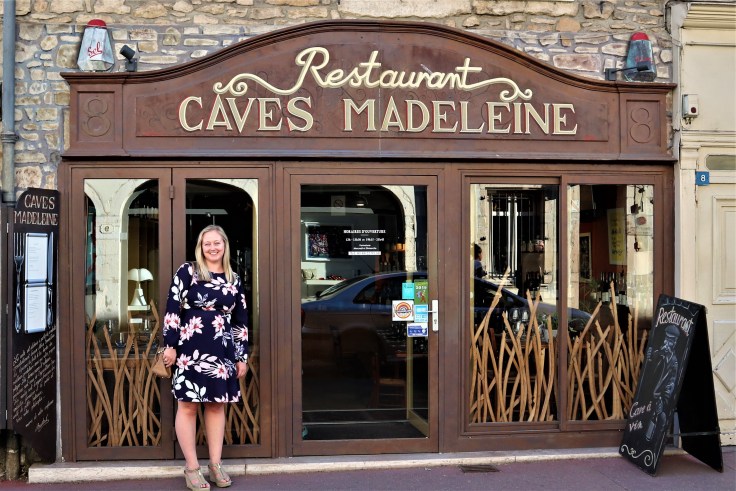
Caves Madeleine
Le Bistrot Bourguignon
Ma Cuisine
La Sufflot
Volnaysien

Wineries

Now, Burgundy is busting with wineries. Of all sizes, shapes and forms. We all have different tastes and preferences, and mine might vary drastically from yours. But here are some of my favorite winemakers in the area.

Michel Lafarge
Joseph Voillot
Domaine Dujac
Comte Liger-Belair
Benjamin Leroux
Matrot

Wine Shopping (the best kind of shopping)

If you’re looking to buy wine in Burgundy, here are some of the best places (in my opinion) to find great wines.

Mes Bourgognes Beaune
Cavon de Bacchus, Nuits St George
Caveau de Puligny Montrachet
Caveau Chassagne Montrachet

“Sightseeing”

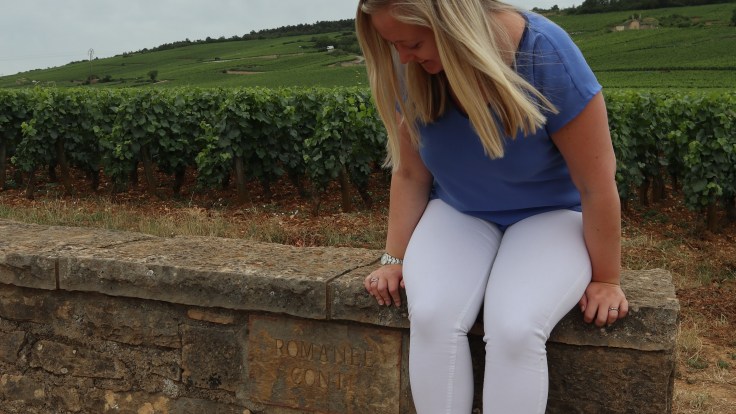
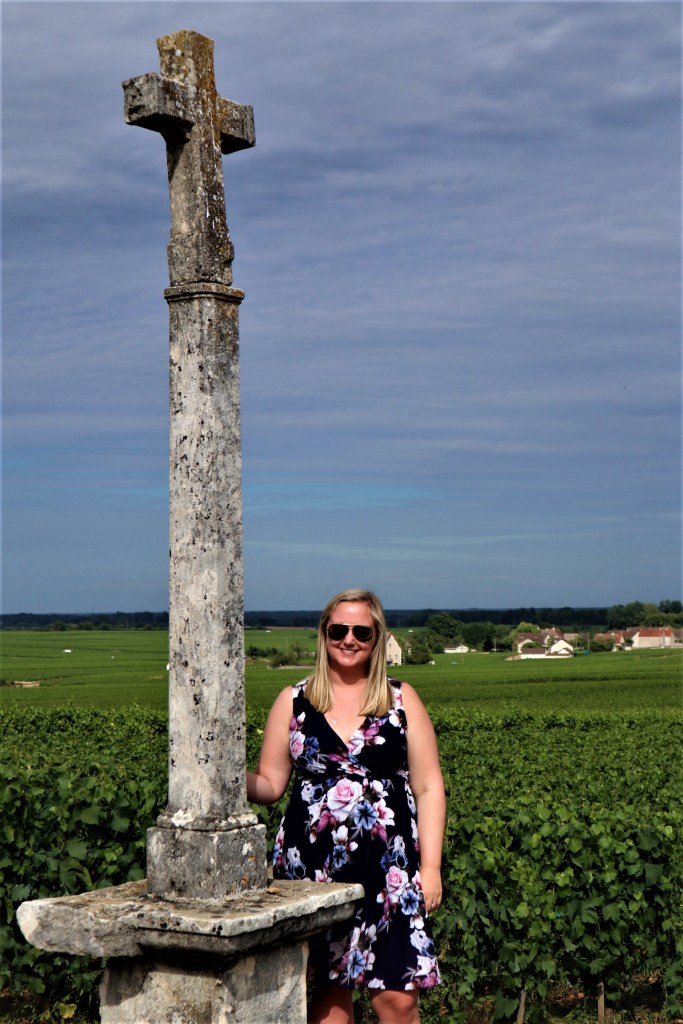
One thing I recommend everyone to do, is to just explore. These small towns are filled with beautiful streets, buildings and “landmarks”. You can take a stroll down “Rue de La Tache”, or walk to the famous Romanee-Conti vineyard or take the “obligatory” picture with the cross. So much history and so many great wines. It’s paradise for us wine lovers. And I can’t wait to go back!

A Family Affair

A Family Business

In the wine industry, it’s very common to work with your family. You pass the winery onto your children, your children pass it onto their children. And so it goes for generations. But what happens if your son or daughter don’t want to make wine? What happens if you don’t have any children? What happens if you disagree? Or, worst case; what happens if you don’t get along?

Winemakers are people, just like you and me. Do we always get along with our family? Do we always follow in the footsteps of our parents? No. My whole family works in one industry, and I chose another. But is it easy to chose a different path when you’re raised in the family business? I know that some of the Oddero family members became doctors instead of winemakers. Nicola at Trediberri studied business before he became a winemaker. Something that often happens, is a winery “splitting up”. Example: one sibling continues with the same winery while the other sibling starts up a new one. In La Morra you have Revello Fratelli and Carlo Revello & Figli, where the two sons decided to split up and do their own thing. Now, “splitting up” doesn’t have to be the cause of a fight or argument. Sometimes it’s just the right thing to do. Maybe they have different visions or strategies. Maybe they both have multiple kids who want to continue the tradition, and it makes sense to divide and conquer.

Complicated Also For Wine Lovers

I am not saying that this is as bad for us wine lovers as it is for the families involved, because it is not, but that is not to say that this phenomenon does not influence the lives of someone who just loves to enjoy wine.  I mean, have you ever thought about how many wineries have the same or similar names?! How many Boillots are there in Burgundy? Moreys? Colins? Or to make matters worse, someone decides to call their son Colin-Morey. It’s not weird that you sometimes feel confused when buying wine. Which one was the Colin you wanted? Pierre Yves Colin Morey or Marc Colin? Or a completely different Colin. The strangest part is that some of them are actually related, while others just have the same last name. Which just makes it harder for us consumers to navigate the vast world of wine.  

Did I Say Complicated?

For long, this was a burgundian “problem”.  In Piemonte, for example, the next generation just kept the name of their fathers.  But now with changes at the Fontana, Revello, Vietti, and Veglio wineres amongst others, one really needs to pay attention to be on top of which wine is which, and who makes what.  Take this example from La Morra:  A few years ago, news broke that Andrea Oberto’s son left the winery. But not only did he stop working with his father, he started his own winery, mere feet from his father. What will happen to Andrea Oberto now? Will his daughter (who I believe does some office work for the winery) step in and fill the shoes of her brother? Will Andrea have to pass his legacy onto someone outside the family?

A consequence of Fabio Oberto starting up his own company, La Collina di Dioniso, is that the wines of Andrea Oberto are no longer available in Norway. But you can find Andrea’s wines in La Morra, Piemonte, at the local restaurants and the local wine store. Interestingly enough, you can’t find Fabio’s wines there. What do you think that means?

And what does it mean for the consumer? For the producer? For the importer? This is so complicated I don’t even want to try to analyze. But just think about it next time you find Fabio Oberto’s wines instead of Andrea Oberto’s. So much is happening behind the scenes – at the wine store, at the importers office and in the homes of these wine families.

Andrea Oberto & his wife

Happily Ever After

What does a happily ever after look like at a winery in Piemonte? My answer would be: Happiness is in the eye of the beholder. I mean, who are we really to have an opinion on whether a winery stays in the family, if they split up or stay together, or even sell? Most of us have no clue what is going on in each of these families, and it’s up to them to find out what suits them the best.

Joseph Voillot

A secret in Volnay

Prices in Burgundy are soaring, but there are still some very good producers flying under the radar, with prices relatively low. One of these producers is Joseph Voillot.

A stonethrow away from another great producer, Michel Lafarge, you’ll find the Voillot family. At the moment it is Etienne and his uncle who run things. Don’t ask me about the family intricacies of families in Bourgogne. It’s too complicated. But the bottom line is that the Voillot winery is a family winery.

2017 – a normal vintage

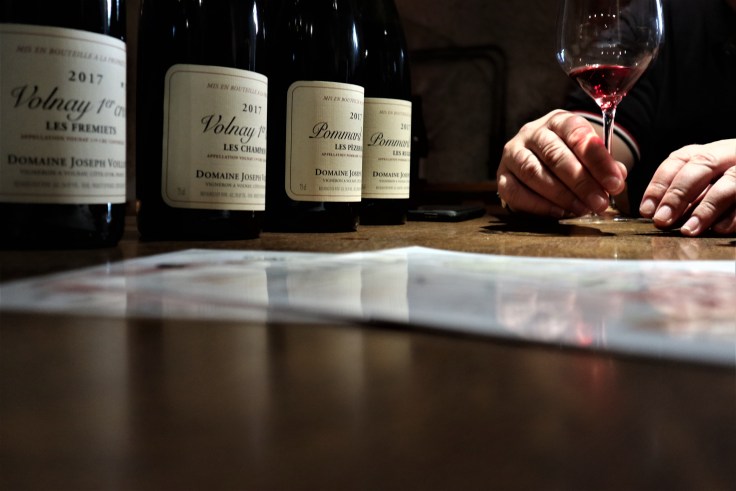
The new vintage released is the 2017. 2017 was a normal year, no frost damage, no hail damage – so what they would call a normal year. There was some frost and hail, but not out of the ordinary and not as damaging as 2016. To combat the frost 2017 they used smoke, as you’ve probably seen in the pictures.

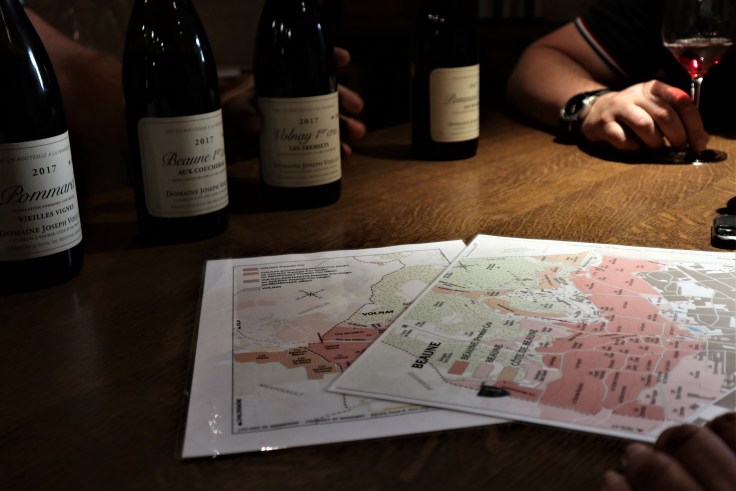
Joseph Voillot makes about 12 different wine, we tried 10 of the. Pardon my spelling, I did my best:
Bourgogne Aligoté
Mersault Les Chevaliers
Mersault Les Cras
Bourgogne Vielles Vigne
Pommard Vielles VIgne
Beaune aux Coucherias
Volnay Les Fremiets
Volnay Les Champans
Pommard Les Pezerolles
Pommard Les Rugiens

My Voillot Favorites

In all honesty, all the wines were good. Voillot makes wines with incredible passion, hard work and meticulous attention to detail. For them, the most important part of winemaking is the fruit. They destem the grapes, instead of using whole cluster, because they believe it takes away from the fruit. They work diligently in the vineyard to make sure that when the harvest comes along, the fruit is perfect.

Among the 10 wines we tasted, my favorites were the Bourgogne Vielles Vigne 2017, Beaune aux Coucheries 2017 and the Volnay Les Fremiets 2017. Out of all the wines, these (for me) were the most elegant and very easy to drink. I think in a few years, (5-10) the Volnay Les Champans will be incredible! So many good options to chose from!

News @ Vinmonopolet

New wines are coming in July, and here are some of my favorites. Keep in mind some you might have to order online.

Kruger-Rumpf

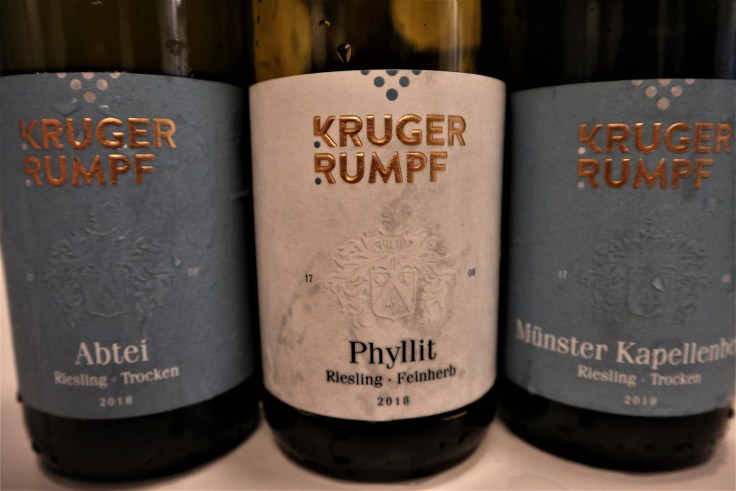
One new wine from Kruger-Rumpf’s lineup will be available at Vinmonopolet in July. Soon you can find Riesling Münster Kapellenberg priced at 225kr at a Vinmonopol near you! His other wines (pictured below) will also be released with new vintages.

I’ve recently become a fan of Kruger-Rumpf. Since I met him in person in February at a wine fair organized by Moestue, I’ve encountered his wines again and again at other wine events. And although my knowledge of Riesling or wines from Germany in general is quite low, it’s been a lot of fun to learn more this past year.

Riesling Phyllit – Feinherb 169,90kr
Riesling Münster Kapellenberg 225,00kr
Riesling Abtei Rupertsberg 237,90kr

Carillon

New vintages of Cariollon will also be released in July. Fresh & crips chardonnay, perfect for summer!
Carillon Bourgogne Aligote 239,90kr
Cariollon Bourgogne Chardonnay 269,90kr
Carillon Puligny-Montrachet 499,90kr

Adams Wein

Moestue can proudly present a new producer, Adams Wein. The two wines I tried, a Weissburgunder and a Grauburgunder were both dry with medium acidity. My knowledge of wines from Germany, but these two were fresh and easy to drink, and seems perfect on a warm summer day.
Adams Wein Weissburgunder Kaliber 9 199,90kr
Adams Wein Grauburgunder Kaliber 19 246,00kr