The year has just begun, and with a new year comes new vintages. And new wines. Friday January 10th you’ll find many new releases at Vinmonopolet. If you’re a Piemonte fan like me, look out for both Giacomo Conterno and Roberto Voerzio. But we will have to wait a little while longer for the 2016 Barolo’s.
Some of my favorites
Roberto Voerzio Dolcetto d’Alba Priavino 2018 289,- 289 NOK is a bit steep for a Dolcetto, but if you’re a Voerzio fan, this is the most “approachable” at least price wise. I know many think he makes wine in a particular way, but I quite like his wines. Haven’t tried the new vintages, so looking forward to that!
Matrot Bourgogne Blanc 2017 239,- As far as white burgundy goes, I think this one has a good price/quality ratio. A fairly simple Chardonnay, not a ton of oak, very fresh – one of my favorites.
Lamy Saint-Aubin 1er Cru En Remilly 2017 608,- Jumping quite a bit in price, but had to mention this one! A beautiful wine that put a huge smile on my face. Mineral with a hint of toast, perfect amount of oak for me. Long finish. Did not want to put my glass down.
Norwegians are getting ready to consume tons and tons of Ribbe next week, and many are wondering what wine to drink. And I have three words for you: Barbera, Barbera, Barbera!
If you look other places, you’ll see suggestions like Riesling, Pinot Noir or Beer. Champagne is another option. Or hard liquor. But if you ask me, Barbera is the way to go. Why? The acidity in the Barbera will help clean your palate after eating all that fatty, salty, heavy Christmas food. And Barbera just tastes good. So why not?
Which Barbera?
I would suggest a Barbera that has been in contact with some oak. The classic Barbera will also work, of course, so I’ll throw in some of those as well.
The one from Burlotto is always a winner. If you can, go for his Aves – it’s out of this world. This is unfortunately not available in Norway at the moment, but I’m crossing my fingers for 2020!
Vietti makes a wide range of Barbera (all good) but my favorite has to be the La Crena! On the spectrum, it’s on the expensive side, but the Tre Vigne or Vigna Scarrone would work great with Ribbe as well!
I don’t think I’ll ever mention Barbera without also mentioning Trediberri. And in Norway, it’s always my go to. I mean, talk about bang for your buck! Hopefully it’s also available in whatever country you’re in. If not, shoot him an email (info@trediberri.com) and let him know you’re interested!
Azelia’s wines just became available in Norway again! Woop woop! Another great wine to pair with your Ribbe this year.
For Thanksgiving this year we had the Barbera from Mauro Veglio, and it was perfect with the turkey! Try it with Ribbe as well.
Other Suggestions
If you are dead set on something other than Barbera, keep reading. Although I really don’t think you need to.
If you want Champagne, I would go for Pierre Peters Cuvée de Reserve Grand Cru or Bereche Brut Reserve. Both good value and good quality. You can also have this for your aperitivo, Christmas brunch or just because. It’s never a bad time to drink Champagne.
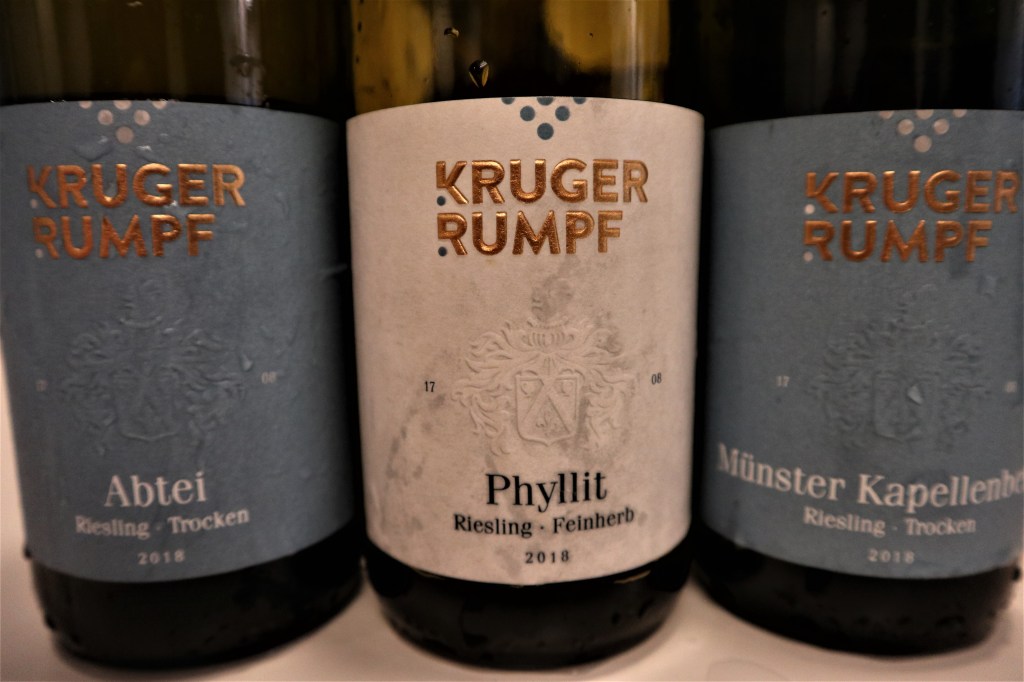
If Riesling is your thing, you could try Kruger-Rumpf Phyllit Riesling Feinherb or Dönnhoff Schlossbockelheimer Felsenberg GG. I hear GG is the way to go, but some less expensive options should work as well.
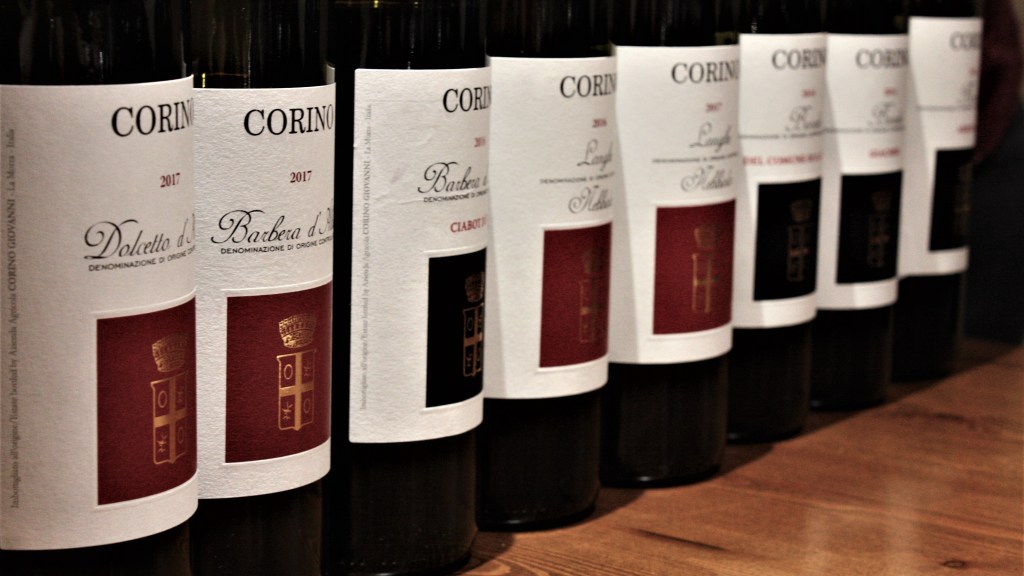
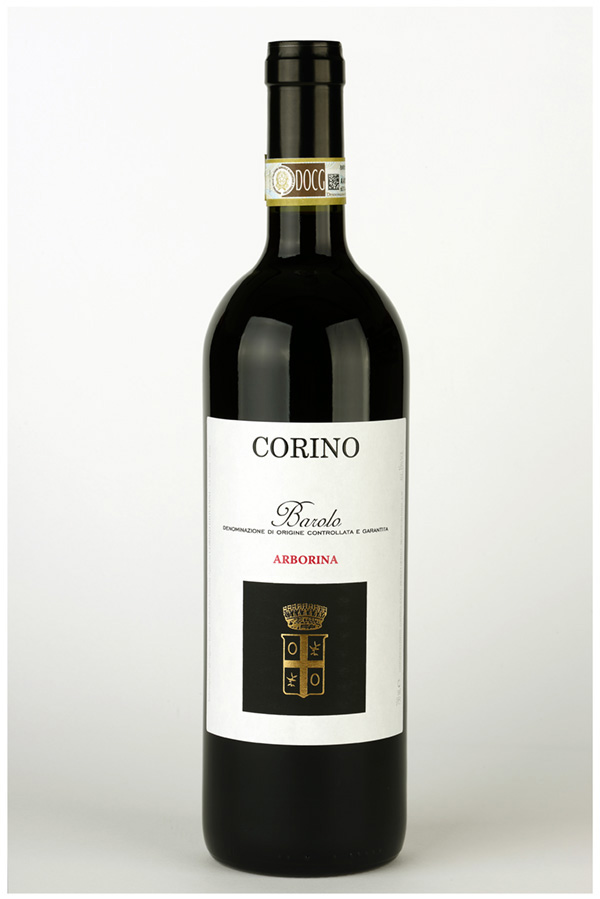
The Corino family from La Morra (or Annunziata if you wan’t to be really specific), cultivate 9 hectares which are all located in La Morra. In the 1980’s Giovanni Corino decided to not only grow grapes to sell, but to actually bottle some wine as well. And so the winery was born. Today the son of Giovanni, Giuliano, is the winemaker. His wife, Stefania, and their 2 children, Andrea and Veronica, all work at the winery as well. It truly is a family business.
Arborina
Among the many Cru’s in Barolo, you’ll find Arborina. The Vineyard is located in Annunziata in La Morra. The soil consists of clay, sand and limestone, and is actually quite poor in nutrients. However, the wines made from this vineyard offer characteristics of extreme elegance, finesse, fruitiness and freshness.
Winemaking
The Corino Barolo Arborina is one of a few Arborina’s in Barolo. After 5-7 days of maceration in a rotor fermenter, the wine moves to steel tanks where it remains until the end of the fermentation. The wine then moves into small oak barrels, 35% new and 65% used, to age for 24 months. You’d think it would be ready, but the wine has to spend a year in the bottle before being released.
Corino Barolo Arborina 2014
2014 was a challenging year in Piemonte, but I think the end results proves that hard work pays off. Although the wines from 2014 might not have the same structure as 2013, the wine certainly doesn’t disappoint. Very approachable, even young, with good fruit and a long finish.
Where to find it?
If you live in Norway, you can buy the Corino Barolo Arborina 2014 at www.vinmonopolet.no.
The Corino wines are also available in other countries, like: United Kingdom Italy Germany United States
Marco Marengo: Geek or nerd, in the modern, positive, definition of the words. The same way Bill Gates is often referred to as a nerd, an expert and enthusiast, and obsessed with intellectual pursuit of winemaking.
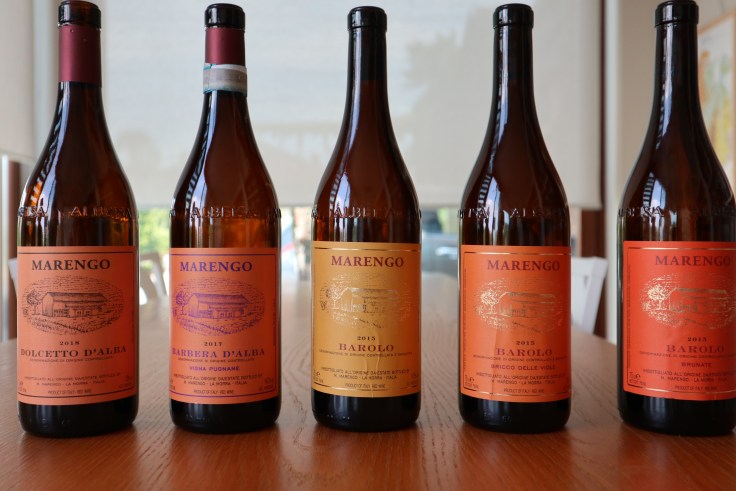
Cantina Marengo has about 6 hectares of vineyard in total, and the majority is used for nebbiolo for barolo. They make about 35,000 bottles of wine per year, which is spread out over the 6 (or 7) different wines they make. Both the Brunate and Bricco delle Viole vinyeards have belonged to the family for 5 generations.
Brunate is a well known name for many people.. Located in La Morra (73%) and Barolo (27%), the vineyard has mixed clay and silt soil with south/southeast exposure. There are 14 different wineries that have plots in Brunate (and some private).
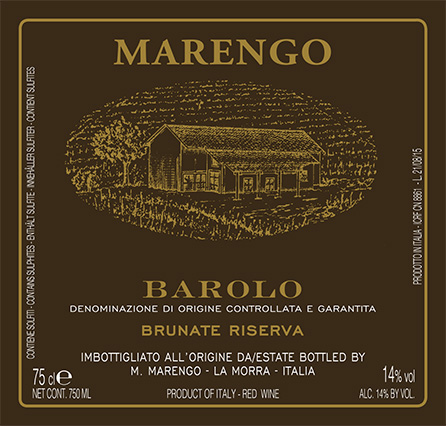
Marengo Barolo Brunate
The vines Marengo use for Brunate are almost 80 years old. The vineyard has mixed clay and silt soil and south exposition. Harvest happens in September/october, depending on the vintage. Then the wine goes through natural acoholic and malolactic fermentation, before spending 24 months in french barrique. After an additional 6 months in bottle, the Marengo Barolo Brunate is ready to go!
Brunate is perhaps one of my favorite cru’s from Piemonte, and Marengo makes a very good one. You’ll find aromas of fruit, black cherry and some spices. The wine is full body, with silky but persistent tannins. Goes well with meat and cheese.
Where can you find the Marengo Barolo Brunate?
Norwegians, you can order it at www.vinmonpolet.no or get it in these local stores: Aker Brygge – 5 Moss – 22
Marengo’s wine are availale in many other countries as well. Look for them in the US and Italy. You can always ask Jenny where to find their wines: marengo@cantinamarengo.it
Norwegians are getting ready for all the wines being released on Friday. I’ve been lucky to try a few (or more) beforehand and here are some of my favorites.
Weingut Walter Kabinett Riesling 2018
I’ve grown more and more fond of Riesling the past year, and this was a pretty good one. Must admit I don’t know a lot about the winery and how the wine is made, but I quite like the Kabinett from Weingut Walter. And it’s available at a very decent price as well.
Available in BU at Vinmonopolet (11357201) 149,90kr
Cigliuti Langhe Nebbiolo 2018
You’re probably not surprised that a Langhe Nebbiolo for Piemonte made the list. Claudia Cigliuti from Neive makes really good wines. She might be most known for the Serraboella, but I quite like the Langhe Nebbiolo. I might have priced it a little lower (the Altare Nebbiolo is 285kr and the Trediberri Nebbiolo is 189kr), but it’s always good with some variety!
Available in BU at Vinmonopolet (11347301) 299kr
Lamy Saint-Aubin La Princée 2017
Summer is over but one need not fret; it’s king crab season! And it’s never wrong to pair Hubert Lamy with king crab. With notes of citrus and white stone fruit, and of course a hint of oak, Hubert Lamy does not disappoint!
Available in BU at Vinmonopolet (11347101) 388kr
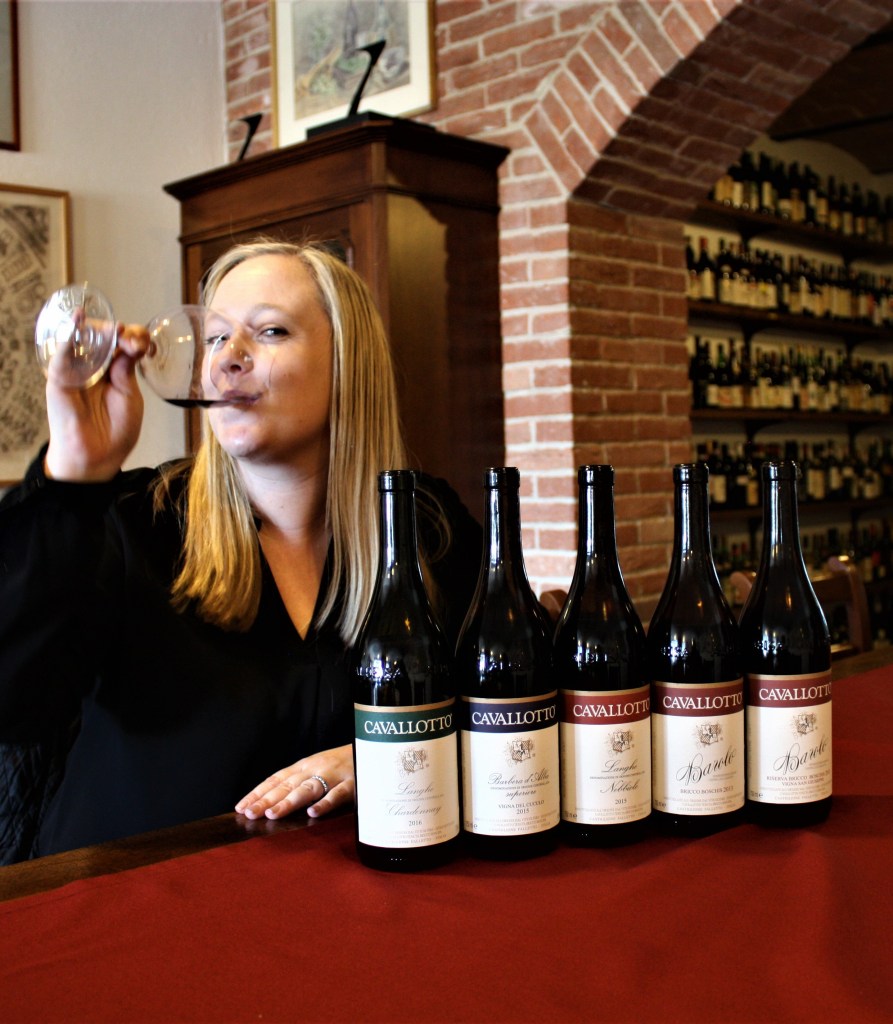
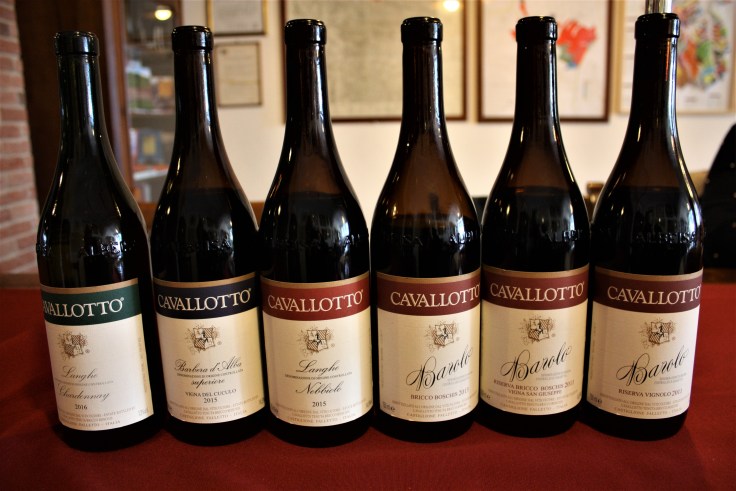
Cavallotto Barolo Bricco Boschis Riserva San Giuseppe 2013
I think the words Cavallotto, Bricco Boschis and Riserva say it all. But I’ll say more anyways. Obviously still very young, but with incredible potential. Tannins are persistent, but disappear after a while and you’re left with wonderful notes of fruit.
The Cavallotto Langhe Nebbiolo is made with nebbiolo grapes from Bricco Boschis, Vignolo, Codana and Pernanno. The wine is fermented with indigenous yeast, macerated with submerhed cap for 20-35 days and then aged in slavonian oak casks for 15-18 months. The wine spends another 6 months in the bottle before it’s released.
Cavallotto – Giuseppe & Alfio
At the top of the Bricco Boschis hill you’ll find the Cavallotto brothers. Alfio and Giuseppe (and their sister Laura) run the winery today as the 4th generation winemakers. Speaking of being a nerd, just like Marco Marengo, Giuseppe is a nerd. He has not one, not two but at least THREE weather stations of his own. And his attention to detail is not limited to weather. No wonder the wines are so damn good.
Langhe Nebbiolo 2016
The 2016 vintage has a an undeniable potential for greatness. Early bud break followed by cooler weather slowed the development, but the warm weather later in the summer/fall made for excellent conditions. A hail storm struck July 28th and unfortunately reduced the crop by about 40%, but the remaining crop continued a slow, even development until the harvest.
Characteristics
The Cavallotto Langhe Nebbiolo is meant to be drunk young, according to the brothers. You can of course age it, but their recommendation is to drink it fairly young. The wine has classic aromas and flavors of black cherry and roses, with a medium body and a long finish. Tannins are present, as they make their Langhe Nebbiolo fairly close to a Barolo, but the tannins are not overpowering.
Where can you find it?
If you’re in Norway, you can buy it online here or in local stores:
Elio Altare, aslo known as the Godfather of Barolo, has been making wines since about 1950. In 1976, Elio traveled to Burgundy and it was a trip that would change the course of history forever. Elio infamously took his father’s big barrels outside and chopped them up. He wanted to use small barrels instead, barrique, like the french. This act would eventually lead to his disinheritance. But Elio persevered.
Elio Altare’s use of Oak
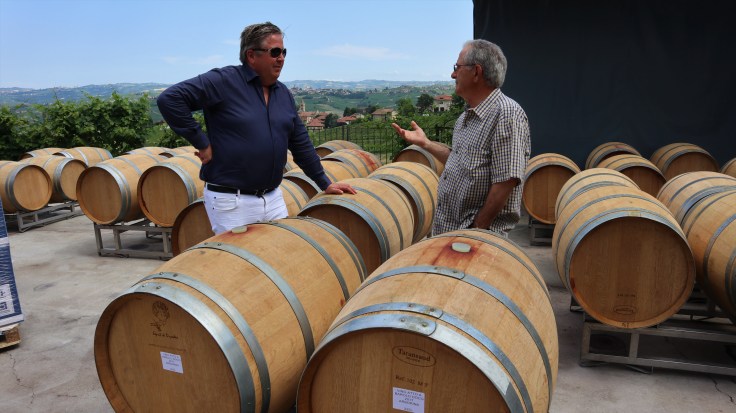
Elio Altare uses barrique for their wines, but the oak is not dominant in the wines, just a helpful tool. Use of oak allows for small amounts of oxygen to pass through, helping to work the tannins. Oak can also help combat reductive qualities and add a richness to the barbera. The wines of Elio Altare do not have a huge presence of vanilla or toast, which can be a common aspect of wines made in barrique.
Altare Barbera d’Alba
Elio Altare Barbera is made with 10-30 year old vines, from different plots. The soil is calcareous but also very sandy. The wine spends about 5 months in 100% used barrique before it’s bottled. A barbera is perfectly paired with pasta or cheese.
Vintage 2017
2017 was a “big” vintage. Nicola at Trediberri comared it to Pamela Anderson. 2017 was one of the hottest and driest vintages, with temperatures above average throughout almost the entire season. The vintage will also be known for the lack of rain. Because of both the high temperatures and the lack of rain, the harvest was very early, with some barolo grapes picked before September! Although these conditions don’t sound great, it was quite optimal for barbera.
Where can you find it?
In Norway, you can either order it online or check out these local Vinmonopol: Ullevaal, Oslo – 15 Gjøvik – 8 Bagn – 18 Bergen, Valkendorfsgt. – 6
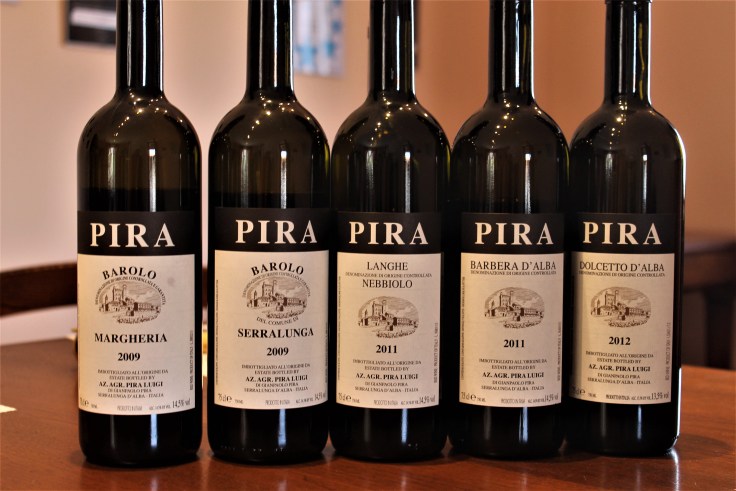
There’s a new law/rule in Piemonte, where the winemakers can put the name of the town on the label for their classic barolo. So when it says Pira Barolo Serralunga, it means that it’s a barolo blend from a winery in Serralunga. In La Morra, Giovanni Corino can write Barolo Del Commune Di La Morra.
What do I mean when I say “blend”?
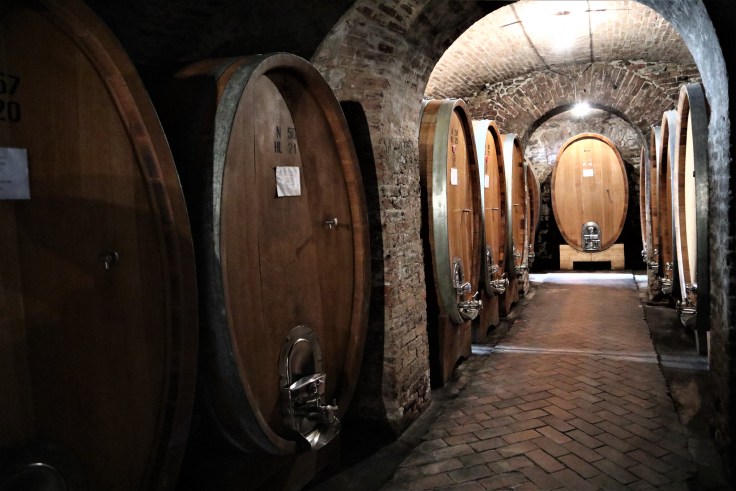
Back in the day, there was a “war” between the Modernists and Traditionalists. When I use the term “Traditional”, I mean a winemaker that uses big barrels (botti) and generally only make one barolo, a blend. Take Maria Teresa Mascarello – she makes one barolo. And it’s a blend of grapes coming from all her vineyards.
The alternative is the “modern” approach, spearheded by Elio Altare, where multiple barolos are made, one for each cru. So instead of blending the grapes from the different plots, it has become common to make different barolo cru. A modernist also uses small barrels (barrique). Although it’s common now to use all different size barrels. Vietti, for intance, uses barrique, big botti and sizen inbetween.
Contemporary Traditionalist
In my opinion, this whole modernist vs traditionalist is so 2003. Or 1992. But you catch my drift. Most winemakers these days love to experiment, trying new techniques and testing new methods. So many of those who used to be hard core traditionalists are what I like to call “contemporary traditionalists”. Meaning, they still mostly use botti, and many might have just one classci barolo, but some have adopted smaller barrels or cement. Maybe they have one cru barolo.
Cascina Fontana makes their barbera in cement instead of barrique. Why? Because that’s the way Mario likes it. I call it “Barbera the Mario Fontana Way. And i’ts damn good! Fratelli Alessandria make a Monvigliero cru. Do we really care what size barrels they use, as long as the wine tastes good?
Pira Barolo
Luigi Pira, from Serralunga, makes excellent wines. Apart from the Pira Barolo Serralunga, there are 3 crus, including the famous Vignarionda! The Serralunga barolo is a blend from the multiple vineyards Luigi has, including Marenca, Margheria and Vignarionda. Typically the younger vines are used in the blend, and the older vines are reserved for the different cru barolo’s.
Where can you find Pira Barolo Serralunga?
Unfortunately, you can’t order it online, but there are a few local stores that carry it! If you have your heart set on Pira wines, check out his Barolo Margheria or Barolo Marenca.
You can find the Serralunga at these Vinmonopol: Sandaker, Oslo – 5 Strømmen – 23 Vinterbro – 16 Bergen, Åsane Horisont – 11 Stryn – 4 Kristiansund N. – 8
Can’t access it? Send me a message and I can send it to you!
Piemonte Slipp x Piemonte Girl
Thursday – It’s happening! Similar to the Burgund Slipp, exclusive & rare wines from Piemonte will be released Thursday morning, spread throughout special stores across the country. You’ll find me at Aker Brygge! You can also follow #PiemonteSlipp on Instagram to stay tuned.
Which wines can you expect?
Compared to the Burgundy release, the number of wines are fewere and the prices lower. Some of my favorites are on the list, like Chiara Boschis, Francesco Rinaldi and Brovia. It’s not limited to Piemonte, wines from Tuscany, Sicilia and more also made the list. You might also get your hands on a Soldera for 4000kr (roughly $450).
Chiara Boschis Mosconi
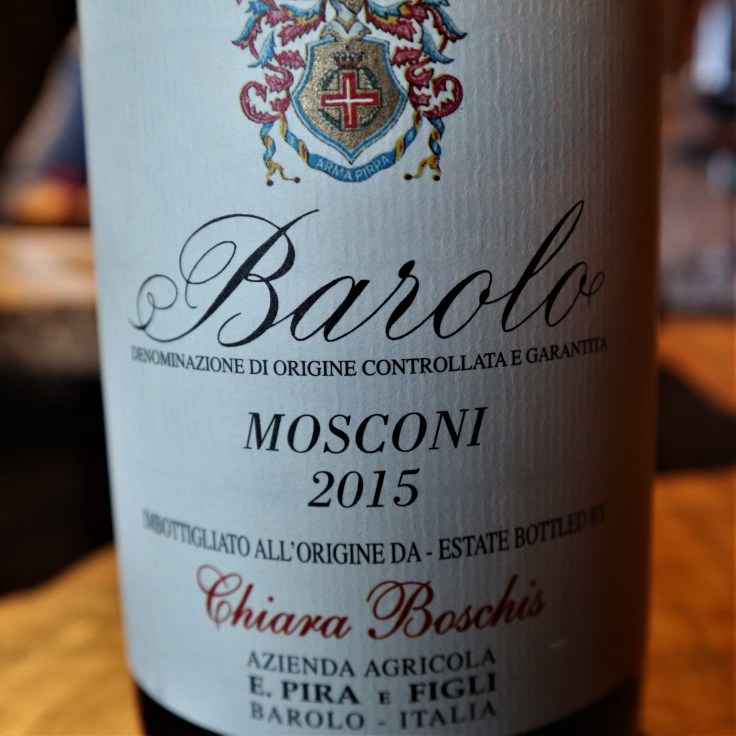
One of the wines to be released is Chiara Boschis Barolo Mosconi 2015. A single vineyard cru from Monforte, aged in barrique for 2 years and then one year in bottle. Although the wine is from a more “masculine” terroir, Chiara manages to integrate the tannins very well, allowing the floral notes of barolo to surface. The spice notes, like chocolate and pepper, are also present. 2015 was a good vintage, but I would keep this wine for at least 10 years.
Francesco Rinaldi Cannubi
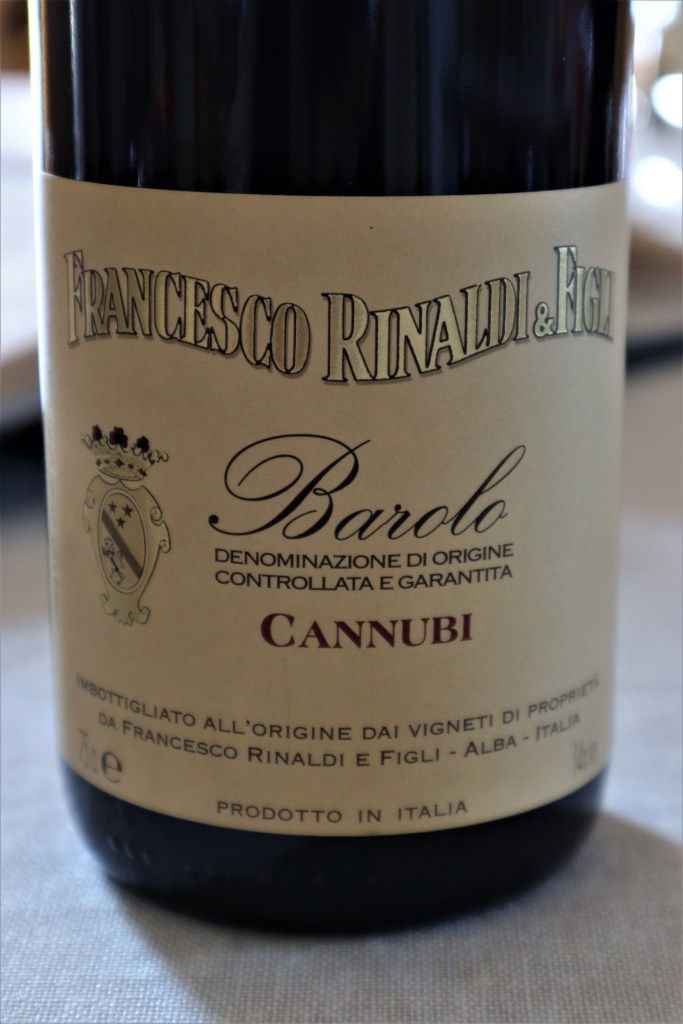
Cannubi, a historic cru in Piemonte, also made the Piemonte Slipp list! Francesco Rinaldi, located in Barolo next to the Cannubi hills, take pride in this barolo. The soil in Barolo is more sandy than in Monforte, giving the wine more floral and fruity flavors. You can drink it now, or keep 10+ years. I find that the wines from La Morra, Barolo & Castiglione are more apporachable early, compared to wines from Serralunga and Monforte. But this is all about personal taste as well.
Oher wines at the Piemonte Slipp
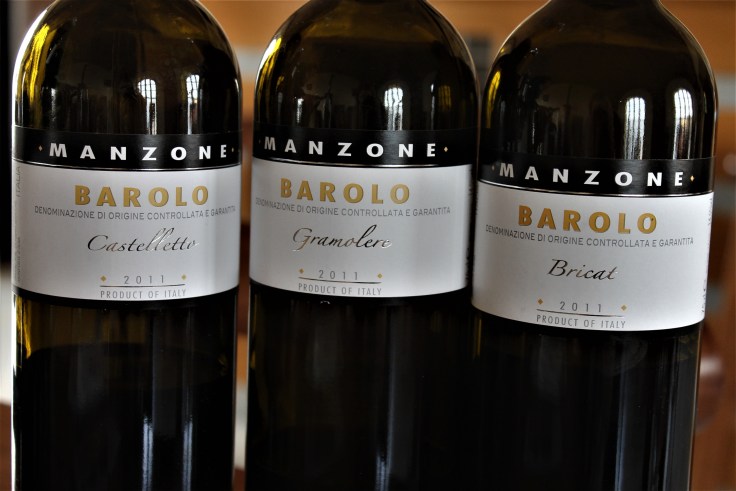
Famous names like Bruno Giacosa, Roagna, Manzone, Elvio Cogno & Aldo Conterno are also on the list. There will also be a few magnums. And it doesn’t seem like any of the wines have a quota, like with the Burgundy Release, so it’s every woman for herself! Wish me luck!
What is missing at the Piemonte Slipp?
There are many names that have not made the list (at least not yet). Where are the wines from Giuseppe Rinaldi? Or Bartolo Mascarello? Burlotto? What about Elio Altare? I also think the Rocche dell’Annunziata from Trediberri should be on the list… Still trying to wrap my head around how the system works at Vinmonopolet, so if anyone knows, feel free to enlighten me!
I was recently asked about barbera, and if I had a favorite. This is a tough question to answer, because there are so many good ones. And so many different styles. I don’t think I could pinpoint just one, and here’s why.
Barbera vs Barbera Superiore
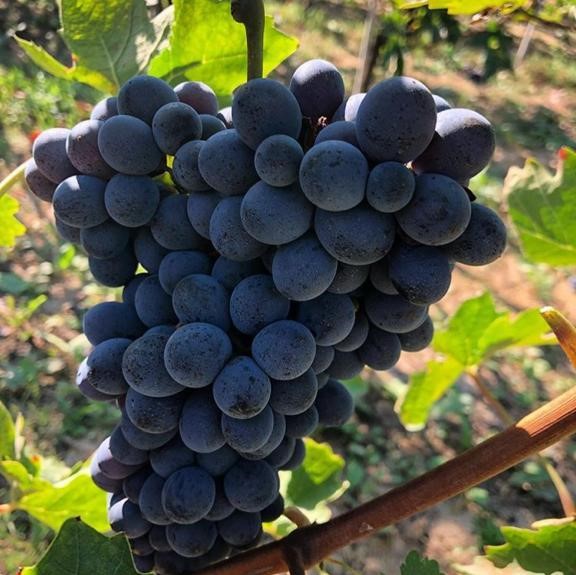
Barbera is a grape, and just like with Nebbiolo, there are multiple ways to make it. Most winemakers have a “classic” barbera, a wine made in steel tanks with no influence of wood. The wine completes both malolactic and alcoholic fermentation in steel tanks, and remain there until bottling. These wines tend to be high in acidity, full bodied with aromas of red fruits.
You will also find barbera superiore, and this wine will have influence of oak. After pressing the juice, the wine is transferred into barrels and complete the malolactic and alcoholic fermentation in barrels instead of steel tanks.* The wood gives the wine some tannins, helps balance the acidity and you might find hints of oak flavor.
“The Mario Fontana Way”
Mario Fontana is what we would call a “traditional” wine maker, and uses big barrels for all his wines. Except his Barbera. A few years ago, he decided to use cement for this grape because that made more sense to him. And we see this with other winemakers. They may chose to interpret the grapes in different ways, and use new types of material when cultivating them. Kinda cool, right?
Now, you can see where choosing a favorite can be difficult. However, there are a few I tend to chose over and over again.

 PIEMONTEGIRL