Barolo 2019

Barolo 2019

Before we dive into Barolo 2019, I want to just touch on something quickly. One can go on an on  about rainfall, temperature, weather conditions, natural disasters and more, but in the end, you can’t judge a wine before you have it in a glass in front of you. I am not saying that weather isn’t important. And it definitely affects the wine. I am just saying that because vintage is defined as “warm” or  “cold” or “dry”, doesn’t mean that all wines in that vintage reflect the general characteristics that go with that classification. If you catch my drift?

Anyways, a lot of good things have been said about Barolo 2019, and the vintage 2019, and I find I tend to agree. I’ve tried a few 2019’s, and my immediate thoughts are: concentrated, intense, aromatic. Now, that’s not to say that every Barolo 2019 is intense, or aromatic. But looking over my notes, those are words that pop up frequently. 2019 will most likely be remembered as a “classic” vintage, but the temperatures were quite high, which is probably what contributed to the fairly high concentration in the wines. I’m no expert, so feel free to refer to Masnaghetti or Berry Bro’s for a more detailed vintage report.

Now, moving on to the reason you’re here: Barolo 2019 tasting notes!
PS: they are in alphabetical order
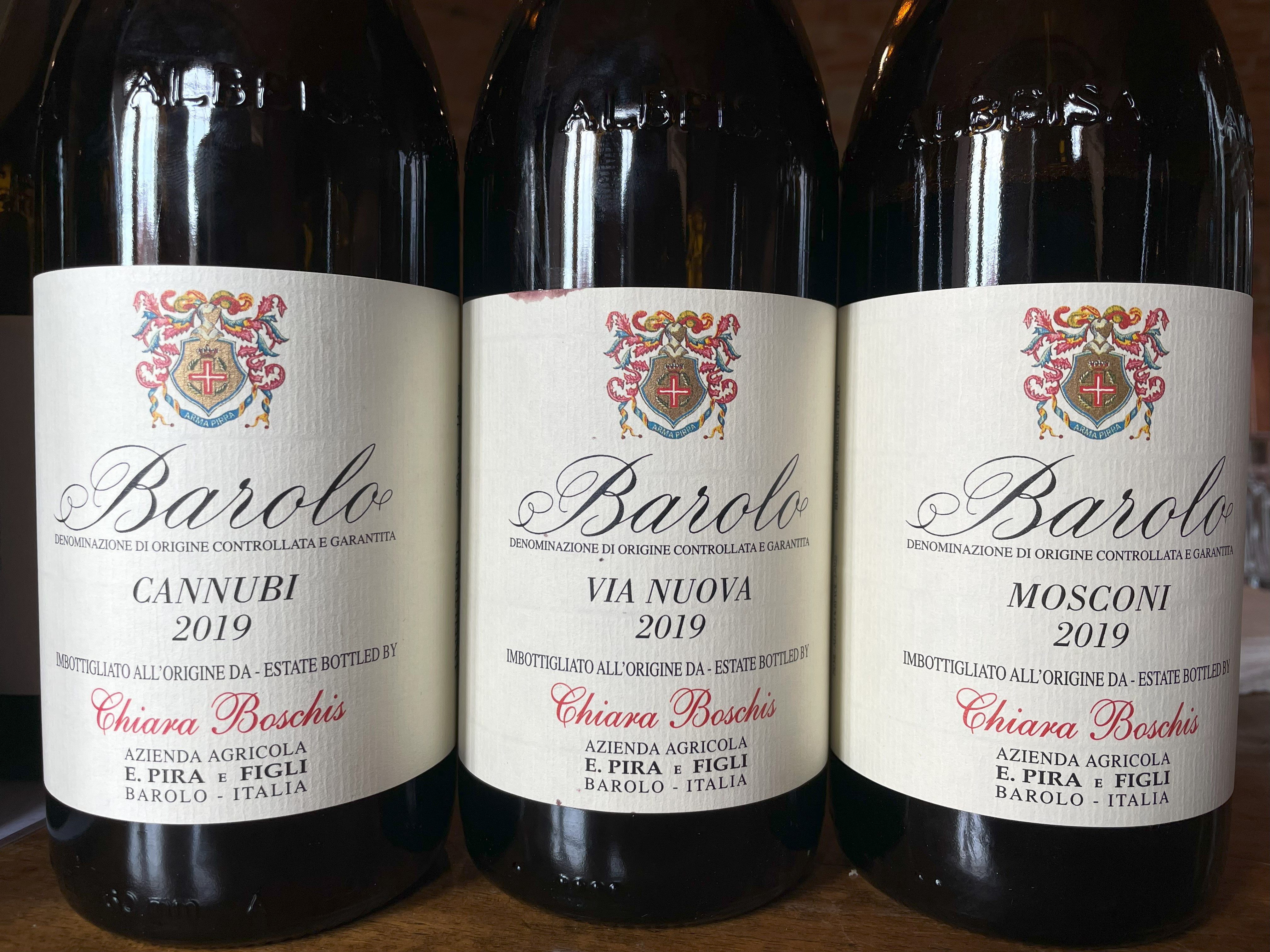
Chiara Boschis Barolo 2019

Tasting Notes

Bartolo Mascarello Barolo 2019
Beautiful, clean, crisp nose. Complex, delicious. My notes literally say “Mouth is amazing. Full of tastes”. Smooth, but big at the same time. Round tannins. Quite high in acidity, so it has a good aging potential!

Bruna Grimaldi Barolo Camilla 2019
Beautiful nose. Aromas of dark fruit, with some spice notes. Very different from the 2019. More tension, bigger tannins.

Bruna Grimaldi Barolo bricco Ambrogio 2019
Vegetal, herbal. A bit closed on the nose, needs some time to open up. More tension in this one as well, compared to the 2018.

Bruna Grimaldi Barolo Badarina 2019
Beautiful nose, less vegetal than the Bricco Amborgio. Balsamic, herbal and fruity. I even caught a glimpse of some chocolate. A super wine!

Cavallotto Barolo 2019
Floral notes, with a hint of spices. Clean and crisp. Round in the mouth, with a long aftertaste. An approachable, balanced Barolo.  

Chiara Boschis Barolo Cannubi 2019
The Cannubi is often a favorite of mine, and the 19 is no different. It’s such a beautiful wine. Aromas of red fruits, maybe a hint of strawberry? The 19 is intense, but the tannins are round. Good body with a long finish. And I think maybe I detect a hint of herbs?

Chiara Boschis Barolo Mosconi 2019
The Mosconi is slightly more masculine. The fruit is darker, and there is a hint of balsamic. The nose is intense. Although the tannins are more intense, they are still round. This is a wine with good body and a long finish.

Chiara Boschis Barolo Via Nuova 2019
The Via Nuova is even more masculine than the Mosconi. The fruit is not as dark in this wine, but there is a stronger hint of balsamic. A very intense wine. The tannins are also more intense, but not overpowering.

Cristian Boffa Barolo del Comune di la Morra 2019
An aromatic and intense wine, with a beautiful nose. Floral aromas, as well as red fruit, cherry. A mineral and crisp nose. Quite easy to drink, very approachable tannins, with a long finish.  

Cristian Boffa Barolo Capalot 2019
More aggressive tannins in the Capalot, compared to the Comune di La Morra, but not overpowering. A beautiful, intense nose. Quite complex. Has good aging potential!  

Elio Altare Barolo Arborina 2019
Beautiful nose, has that typical La Morra feel to it. Floral and fruity. Good tannins, with a little bit of oomph.

Luigi Pira Barolo Serralunga 2019
Their classic Barolo contain grapes from multiple vineyards including Marenca, Margheria, Sorano and Rivete. It’s aged in big barrel for 24 months. Beautiful, typical Barolo nose. Floral with hints of leather and balsamic. Big tannins, but still very fruity. A good bodied wine with a long finish.

Luigi Pira Barolo Margheria 2019
The Margheria is quite a bit more aromatic than the Serralunga. Crisp with aromas red fruit and hints of herbs and spices. Very crisp in the mouth. An elegant wine with quite approachable tannins.

Luigi Pira Barolo Marenca 2019
The Marenca spends 12 months tonneaux and 12 months in big barrels. The nose is similar to the Margheria. Maybe a bit more balsamic. The grapes come from a steep hill. The bunches are smaller, more concentrated. This is a bit more punchy, with bigger tannins.

Luigi Pira Barolo Vignarionda 2019
Now on the to grand finale: Vignarionda! The Vignarionda has a bit more masculine nose with aromas of tobacco and herbs. Powerful, but elegant. Tannins are big but not punchy.

Marengo Barolo 2019
The classic Barolo has an intense nose with aromas of red fruit, flowers, tobacco and a hint of spices. The tannins are smooth. Round in the mouth, with good balance and quite long finish.

Marengo Barolo Bricco Delle Viole 2019
Beautiful nose on the Bricco Delle Viole. More explosive than intense. A bit more floral and fruity than the classic Barolo. Bigger tannins, but still smooth. A balanced, beautiful wine.

Marengo Barolo Brunate 2019
The Brunate was, not surprisingly, a bit more complex than the other two. Beautiful nose with aromas of red fruit and spices, with a hint of floral notes. Bigger tannins, more structure, yet smooth. Good balance with a long finish.
Freisa

Freisa is not something I hear about often. On the contrary, I very rarely hear about people drinking Freisa. I don’t really see it in my social media feeds either. But why? What happened to the formerly well-established grape variety? And is it perhaps making a comeback?

Freisa dates back to the 1800s, and it was a fairly popular grape variety back in the day. But we don’t see it a lot these days. I won’t dive deep into the potential reasons for this, but it might have something to do with the increased popularity of Nebbiolo. Many other grape varieties suffered the same fate there, including many white piemontese varieties. Fortunately, like with these white grape varieties, Freisa is slowly but surely making a comeback.

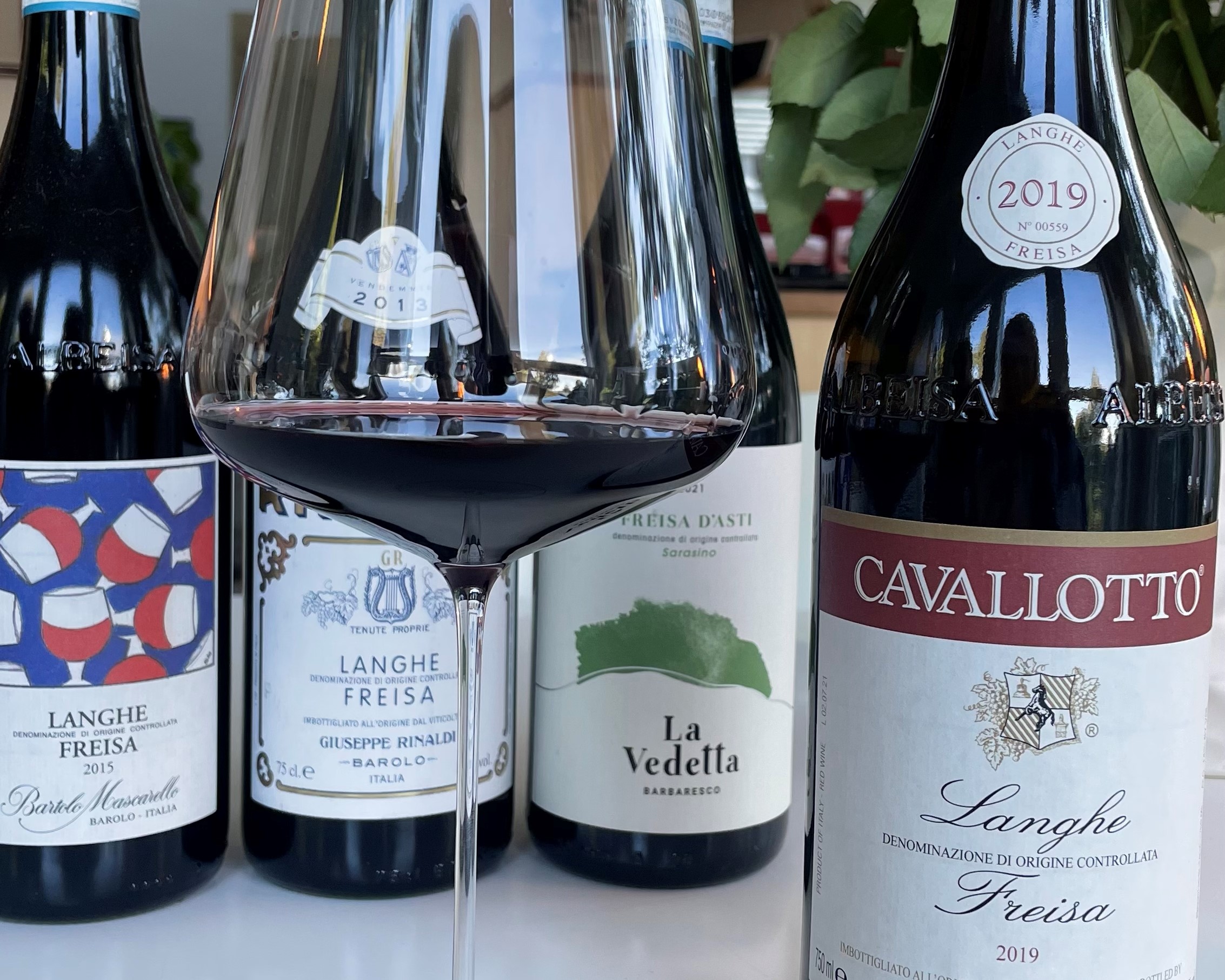
Four different Freisa

Freisa – Nebbiolo’s brother from another mother?

I’m just kidding. Kind of. Freisa is related to Nebbiolo, but they are not siblings. It is believed they share a parent-offspring relationship, and Nebbiolo is most likely one of the parents of Freisa. The other parent is still unknown. Nevertheless, this means that they share very similar DNA. Which again explains why they share so many similarities. They have a similar color. They both have tannins and acidity, which gives them the ability to age.

They are similar, but they have their differences. And their differences might explain why one gained popularity and the other one didn’t. While Nebbiolo is fairly elegant and quite complex, Freisa might be considered more rustic and a bit less complex. In an online discussion I had with Nadia Curto she described Freisa as “a country wine, because the smell is not only roses, it’s also leather and herbal notes.” She goes on to say that “we love very much this wine. We open with a smile. It’s a wine of our tradition and probably also the grandparents when they drink Freisa they are reminded of the past and it’s very nice.”

Freisa – still or sparkling?

There are a few different ways to make Freisa. Outside Langhe it’s not uncommon to make it sparkling or sweet. While in Langhe, the only sparkling one I know of is the one made by Maria Teresa. I also recently learned that it was common to “pass” Freisa over Nebbiolo, to give it a stronger character.  Today, wines are generally made “pure”, i.e Langhe Nebbiolo is 100% Nebbiolo and Barbera d’Alba is 100% Barbera. Besides, the Freisa we know today doesn’t need any help from Nebbiolo to get a strong character. This has a lot to do with climate change and warmer seasons, but I won’t get into that right now.

Freisa Tasting Notes

I recently tasted four different Freisa, from four different producers and four different vintages.

Rinaldi 2013
This wine has aged beautifully! I was impressed with the level of tannins and acidity. There were some hints of tertiary aromas on the nose, but still fresh and fruity. Truly a beautiful example of Freisa.

Bartolo Mascarello 2015
As usual, the onefrom Maria Teresa was sparkling. Personally, I prefer my Freisa “still”, but this is nevertheless a very good wine. It’s also more on the rustic side, especially compared to Rinaldi and Cavallotto.

Cavallotto 2019
The one from Cavallotto was quite concentrated with aromas of dark fruits. There was also quite some grip in the tannins. Some leather aromas in this one. Good acidity with a long finish.
Cavallotto 2021
Clean nose, mineral, floral with some spice notes. The tannins are quite hefty, but it’s still round in the mouth with good acidity. Quite rustic, which is fairly typical for this variety.

La Vedetta 2021
Very fresh and crisp. Fruity, with aromas fresh red fruit. Easy to drink, with elegant tannins.

Barolo 2017

Barolo 2017

Barolo 2017

Below are tasting notes of Barolo 2017 in alphabetical order.

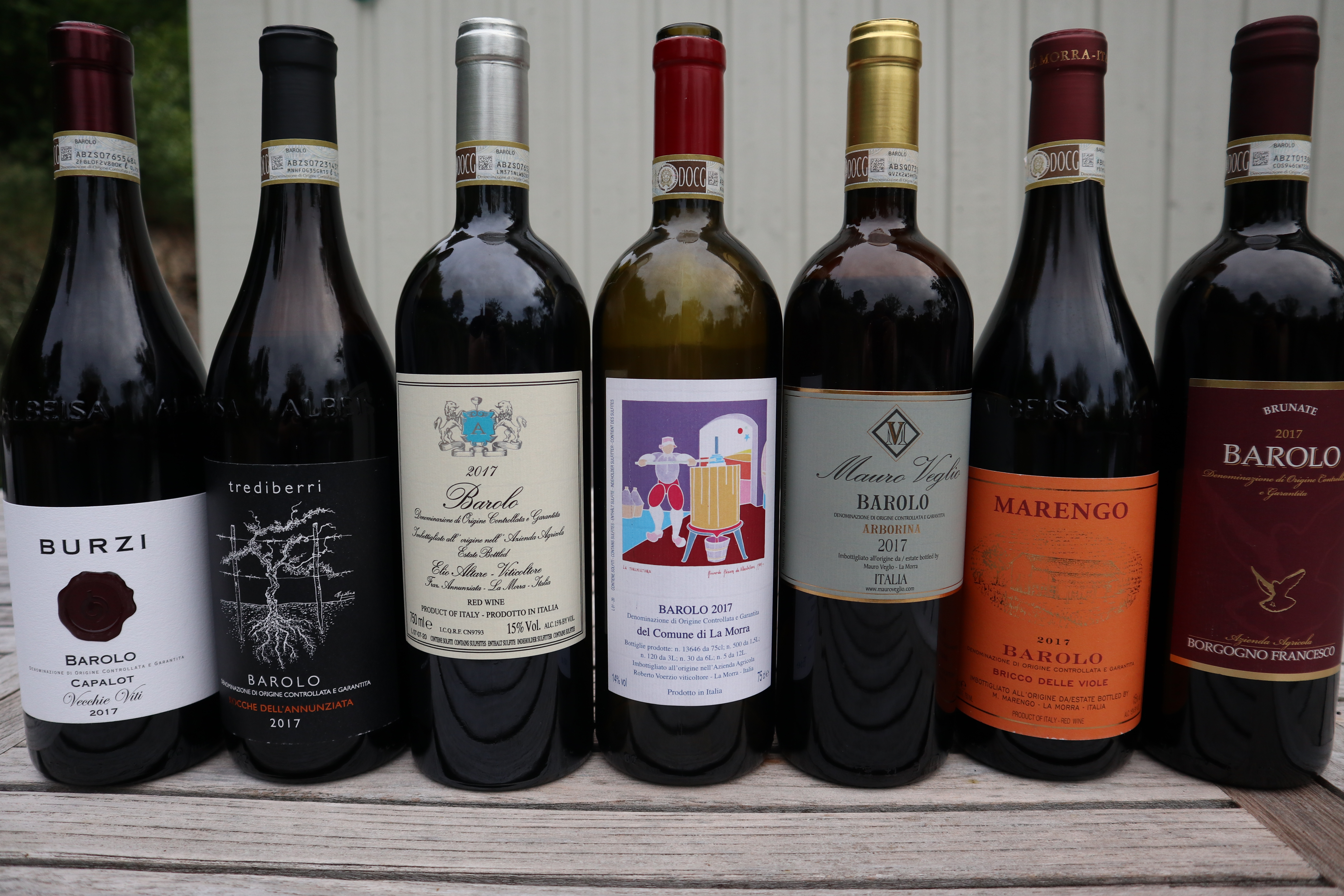
Altare Barolo
The Altare Barolo 2017 has a beautiful Nebbiolo nose. Floral, fruity and mineral; Just like a Barolo should smell. On the nose you’ll also find aromas of cherry, chocolate, tobacco and rose petals. A balanced and approachable Barolo with good length!

Andrea Oberto Barolo La Morra
A subtle but floral Barolo with aromas of red fruit. The tannins are present, but not in any way aggressive. In Andrea’s own words, it’s “molto morbido”, which means “very soft”.

Andrea Oberto Barolo Arbarella
The Albarella is even more subtle nose, with aromas of tobacco, spices and red fruit. The tannins are round, but a bit bigger than the La Morra.

Andrea Oberto Barolo Rocche dell’Annunziata
Round, good bodied and balanced. A big and complex wine that might need some time to open up in the glass. My favorite out of the three 2017 Barolo’s from Andrea Oberto.

Burzi Capalot
A more concentrated Barolo with aromas of dark red fruit and berries with a hint of tobacco. Some floral notes as wel

Cascina Fontana Barolo 2017
Beautiful on the nose, big in the mouth with robust tannins. This wine will benefit from some time in the bottle.

Cavallotto Bricco Boschis
Beautiful nose with aromas of  roses, herbs, red fruit and a hint of chocolate. Medium round tannins with a good finish.

Chiara Boschis Barolo Cannubi
The Cannubi is always more elegant than the Via Nuova and Mosconi. An attractive, voluptuous Barolo with good structure.  

Chiara Boschis Barolo Via Nuova
The Via Nuova has slightly bigger tannins compared to the Cannubi. In addition to the aromas of red fruit there are hints of herbs and spices.

Chiara Boschis Barolo Mosconi
The Mosconi was very floral and slightly feminine on the nose. Also quite aromatic. But in the mouth it’s more masculine. A big Barolo.  

Crissante Alessandria Barolo Del Comune di La morra
The Barolo Del Comune di La morra 2017 consists of 60% Rogeeri, 20% San Biagio and 20% Bettolotti. The wine ages for 24 months botte grande. The 2017 is quite concentrated and a bit war, with aromas of dark red fruit.

Diego Morra Barolo Zinzasco
Typical Barolo nose with aromas of red fruit, roses and spices. Well-rounded tannins and good balance. A beautiful wine.

Diego Morra Barolo Monvigliero
The Monvigliero is a bit “bigger” than the Zinxasco. Aromas of dark red fruit, spices and white pepper. Warm but not ripe. Big but balanced. A well rounded Barolo!

Ettore Germano Barolo Serralunga
A fruity, floral and fresh Barolo with a slight hint of mint. A more masculine Barolo with gripping tannins. Long finish. A very good wine.  

Ettore Germano Barolo Prapo
The Prapo Barolo is a bit more concentrated compared to the Cerretta. Warmer fruit, also a tad warmer in the mouth. A more linear wine, straight to the point.

Ettore Germano Barolo Cerretta
The Cerretta Barolo is quite fresh, with good fruit. A bit more complex than Prapo, with good fruit and some mineral notes.

Francesco Borgogno Barolo Brunate
The Francesco Borgogno Brunate was not as concentrated as many of the other Barolo 2017’s I’ve tasted. A big but elegant wine. Leaves you wanting more.

Fratelli Revello Barolo
The Fratelli Revello Barolo 2017 has that beautiful Barolo aroma. As with other 2017’s, it’s more concentrated than 2016, with aromas of dark fruit. There are also floral notes, a feminine touch, typical of wines from La Morra. Quite structured in the mouth, with good balance. The 2017’s are very young, and will probably benefit from some time in the bottle.

Fratelli Revello Barolo Conca
The Conca is more masculine than the classico. But it’s also a bit fruitier with aromas of red berries, Big tannins and good structure.

Giovanni Corino Barolo del Comune di La Morra
A complex nose, with hints of fruit. A more concentrated Barolo with relatively big tannins.

Giovanni Corino Barolo Bricco Manescotto
The Bricco Manescotto is quite similar to the Barolo del Comune di La Morra on the nose. Aromas of fruit and tobacco. Fruity in the mouth, followed by tannins.

Giovanni Corino Barolo Arborina
An aromatic Barolo with good concentration. Floral and fruity on the nose. A balanced wine with good tannins. Nice length as well. A great Barolo 2017!

Luigi Pira Barolo Vignarionda
The Luigi Pira Barolo Vignarionda is considered Pira’s top wine.  Aged for 24 months in a mix of barrique, tonneau and botte grande. Floral and fruity on the nose, with hints of mineral and we earth. The Vignarionda is a big, but the tannins disappear quickly, and you’re left with a well-balanced Barolo.

Marengo Barolo
The classic Barolo is a bit concentrated, similar to many other 2017 Barolo’s. The tannins are big and a bit more chewy, especially compared to the 2016, but the wine is good!

Marengo Bricco Delle Viole
The Bricco delle Viole has a beautiful floral nose with aromas of dark fruit. Also quite concentrated. Very easy to drink with lots of fruit and good length.

Marengo Barolo Brunate
The Brunate was a little bit closed at first, but opens up in the glass and becomes the Brunate we all know and love. A big but elegant wine with hints of tobacco and leather.

Mauro Veglio Arborina
The 2017 Arborina is perhaps a bit more masculine than the 2016. Aromas of darker fruits, flowers and a hint of tobacco. A very approachable Barolo.

Nadia Curto Barolo La Foia
The Nadia Curto Barolo La Foia is made exclusively with grapes from the Arborina vineyard. The 2017 was quite aromatic with notes of red fruits, flowers and a hint of tobacco. A good example of a 2017 Barolo!

Nadia Curto Barolo Arborina
The Arborina 2017 is a bit warmer than the Barolo La Foia 2017, with notes of darker red fruits and berries.

Principiano Barolo
An austere Barolo with aromas of leather and wet earth. Spicy in the mouth. A very interesting wine.

Roberto Voerzio Barolo del Comune di La Morra
The Roberto Voerzio Barolo del Comune di La Morra 2017 is quite concentrated. Aromas of red fruits with a hint of tobacco. Floral aromas of rose petals and violets. Feminine but concentrated. Develops in the mouth: Starts big, mellows out. Long finish.

Trediberri Rocche dell’Annunziata
The Trediberri Rocche is very inviting. Fruity and floral with aromas of red fruits and cherry. Perhaps a hint of licorice as well. Good balance and good length. An approachable wine.

Vietti Castiglione
A very fruity Barolo with a spicy nose. Perhaps a hint of mint? Balanced, approachable but also a bit austere. A very complex wine.

Wild Garlic Wine Pairing

Ready for wild garlic wine pairing? It’s spring which means it’s wild garlic season! We live in a world where we can get almost any ingredient year round, making seasonal foods that much more interesting. I’ve also found that picking or “gathering” my own food makes the whole experience a lot more fun. So, while I wait for chantrelle season, I’ll be “hunting” wild garlic!

What is wild garlic?

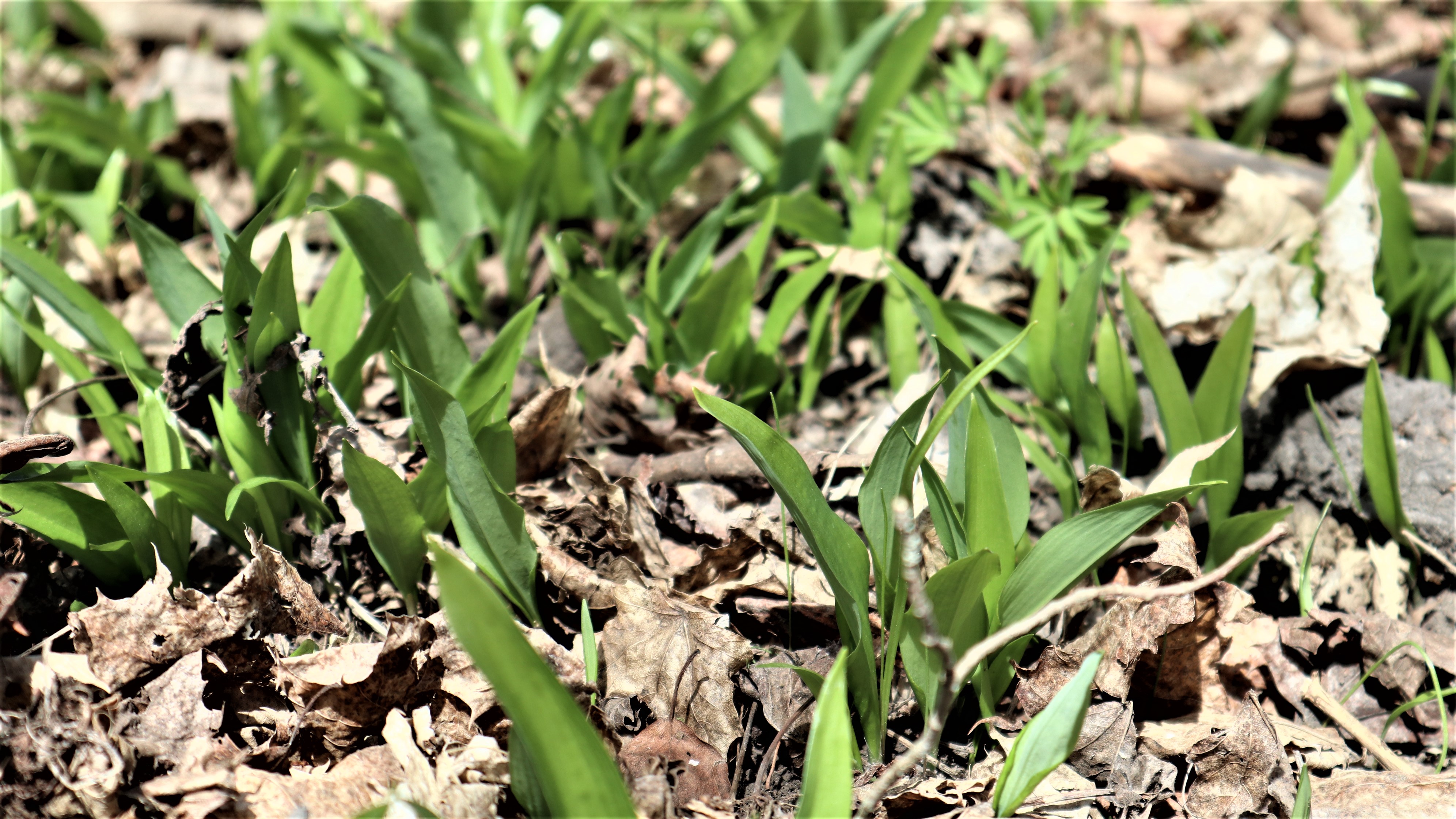
Wild garlic, or ramsons, is a relative of onion and garlic. It’s often used as an herb or spice, or as an ingredient in different foods, like pesto or butter.  

NB: don’t mistake wild garlic with lily of the valley. The latter is poisonous. You’ll know it’s wild garlic by grinding your fingers on the leaf and checking for a garlic smell.

Wild Garlic Wine Pairing

With Wild garlic wine pairing is all about how you intend on using the wild garlic.

Wild garlic pesto

If you put wild garlic pesto on your pasta, I would try a fresh and fruity white wine like Vietti Arneis or  Diego Morra Langhe Chardonnay. You can also put wild garlic pesto on your hamburger. In that case a Langhe Nebbiolo from Alessandro Veglio or Trediberri would work well.

Wild Garlic Risotto

The parmesan in risotto makes Barbera a good pairing. The Corino Barbera could be a good fit. A Langhe Nebbiolo would probably also work. I really like the Cavallotto Langhe Nebbiolo.

Wild Garlic and Barolo

If you serve wild garlic as a “garnish” with meat, it might be a nice opportunity to pop open a Barolo. You could try the Gianfranco Alessandria Barolo or the Azelia Barolo.

Cavallotto

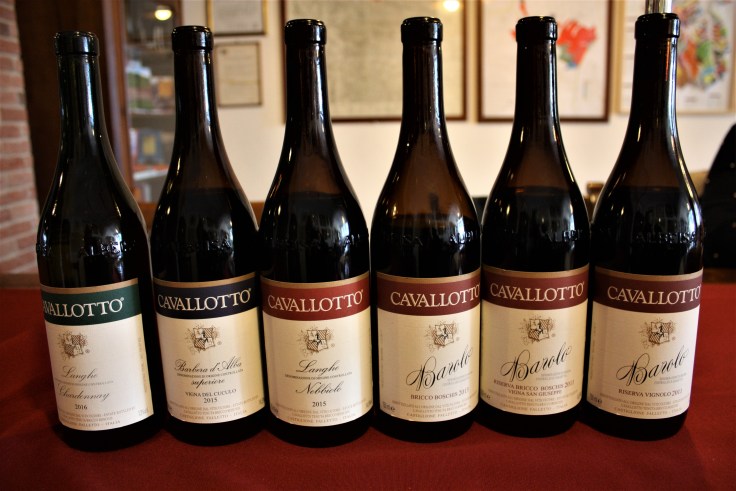
Cavallotto Winery

The Cavallotto estate dates back to 1928, but the first bottle of Cavallotto Barolo wasn’t released until 1948. Back then it wasn’t common to bottle wine under a family label. Most farmers sold their grapes or sold the wine in bulk. Olivio and Gildo Cavallotto were the ones who began to vinify and bottle the wine under the family name, and today their children Alfio, Giuseppe and Laura continue the work of their family.

Cavallotto Vineyard Bricco Boschis

Wines

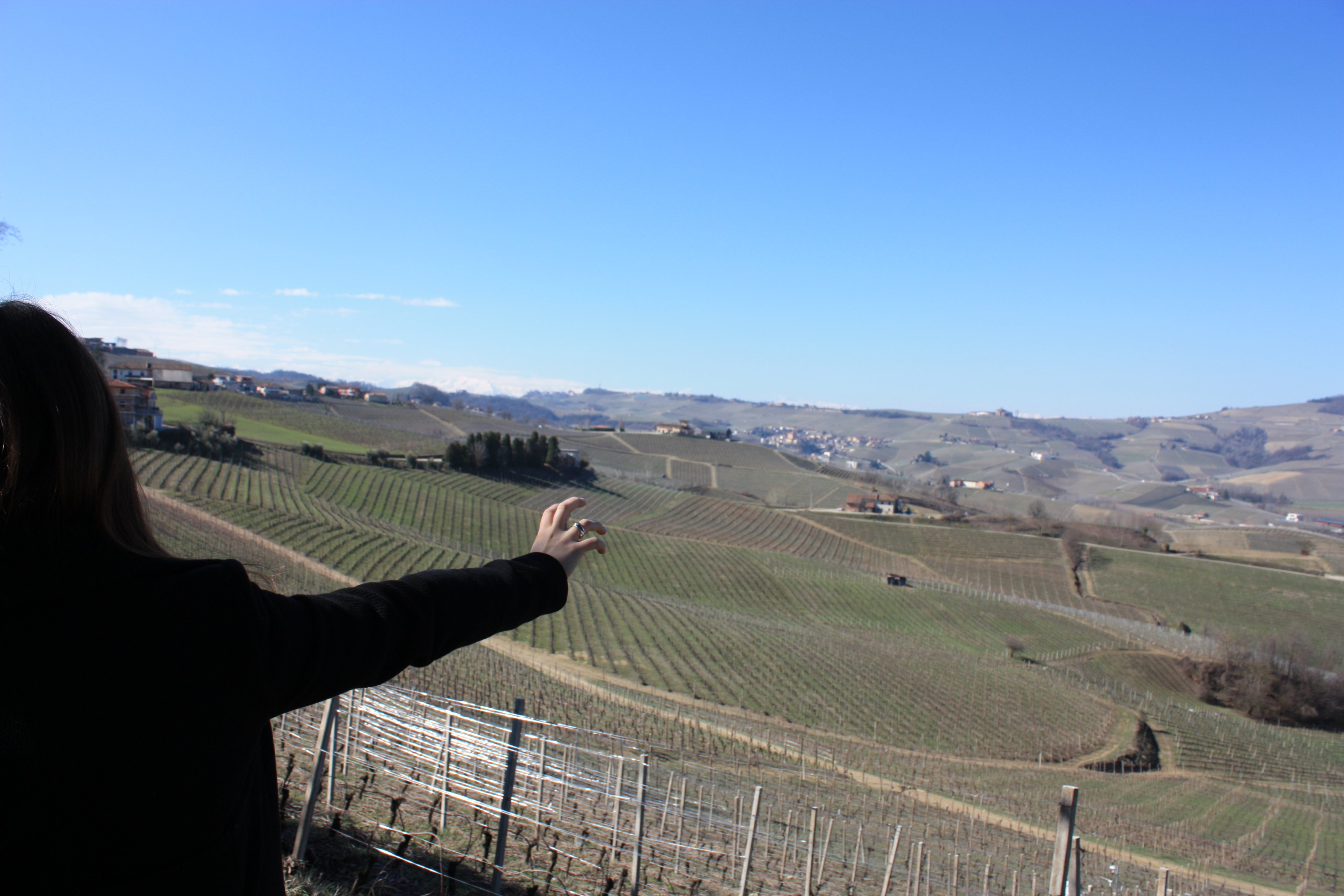
All the Cavallotto vineyards are located around the estate in Castiglione, and most of the grapes grow in the historic Bircco Boschis vineyard. Of the 25 hectares a whopping 17 hectares (more than half) is Nebbiolo for Barolo. In addition to the usual suspects (Dolcetto, Barbera and Nebbiolo), the Cavallotto family also cultivates Freisa, Pinot Noir, Chardonnay and Grignolino.  

Winemaking

Contemporary Traditionalists – that’s what I would call the Cavallotto family. They use “modern” technology like temperature controlled stainless steel tanks and modern crushing techniques, but “traditional” ageing methods with bigger barrels. Honestly, I think the whole “modern” vs “traditionalist” debate is out of date, and there is so much more to the whole story than what type of oak is used. Just ask Chiara Boschis!

Sustainable winemaking – another term to use about the Cavallotto family! As it says on their website, “Alfio and Giuseppe Cavallotto, both enologists, are deeply attentive to their vineyard practices, and all work is performed according to a fundamental respect for the land.”

Fun fact

The Cavallotto have multiple weather stations, where they monitor the weather closely. They started this because the local weather station was located in Alba, and the climate there is quite different from the climate in Castiglione.

Fun fact II

Alfio is experimenting with alternative methods to spray plants with natural herbicides and one of the options currently on the table is drones.

Wines

Wines available in:
Norway
Australia
Germany
Hong Kong
Italy
Netherlands
Switzerland
UK
USA

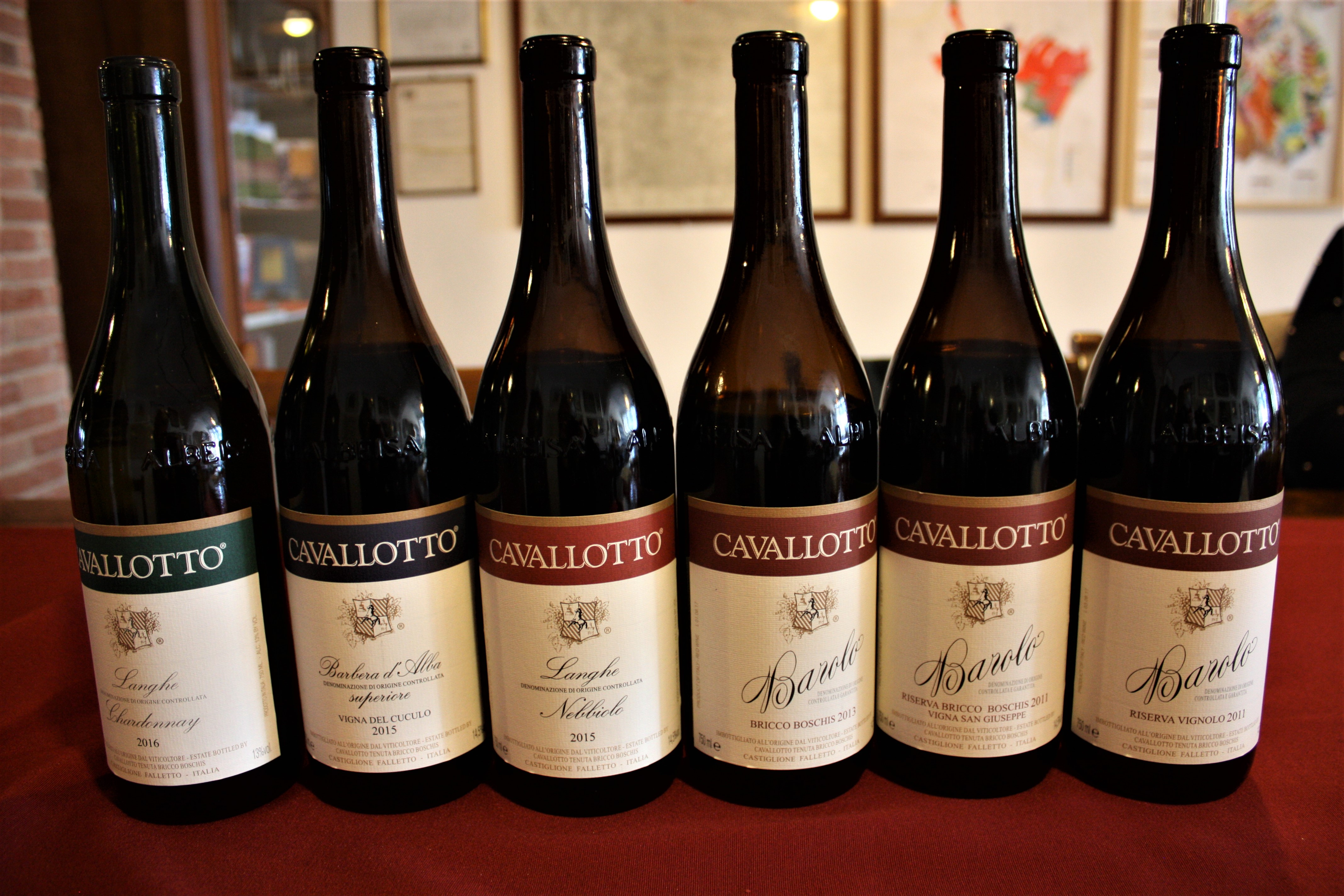
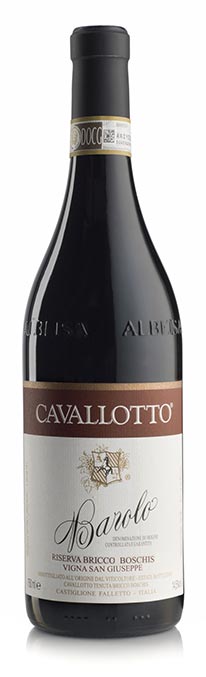
Barolo Riserva Bricco Boschis Vigna San Giuseppe

BASIC INFORMATION

Product name: Barolo Riserva Bricco Boschis Vina San Giuseppe
Grape: 
Nebbiolo
Classification: DOCG
Number of bottles produced: 9 000
Fragrance: fruity, floral, spices
Taste:
fresh acidity, ripe fruits, long finish
Food pairing:
prosciutto, salami, red meat, grilled fish, aged cheese

VINIFICATION (Wine-making)

Method: fermented with indigenous yeasts, macerated with submerged cap for 20-35 days.
Ageing: Traditional in Slavonian Oak Casks for 4-5 years.
Minimum aging in bottle: 12 months

VINEYARD

Vineyard: San Giuseppe
Exposure: South-West
Year planted/Age of plants:  1961 / 60 years old

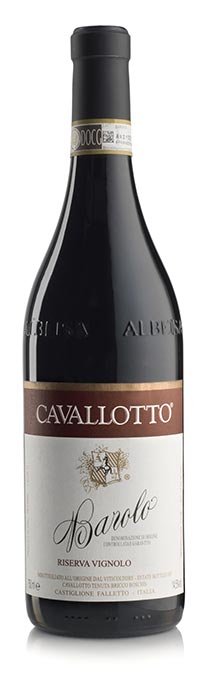
Barolo Riserva Vignolo

BASIC INFORMATION

Product name: Barolo Riserva Vignolo
Grape: 
Nebbiolo
Classification: DOCG
Number of bottles produced: 6 500
Fragrance: fruity, floral, spices
Taste:
structured, long finish
Food pairing:
prosciutto, salami, red meat, grilled fish, aged cheese

VINIFICATION (Wine-making)

Method: fermented with indigenous yeasts, macerated with submerged cap for 20-35 days.
Ageing: 
Traditional in Slavonian Oak Casks for 4-5 years.
Minimum aging in bottle: 12 months

VINEYARD

Vineyard: Vignolo
Exposure: South-West
Year planted/Age of plants:  1966/ 55 years old

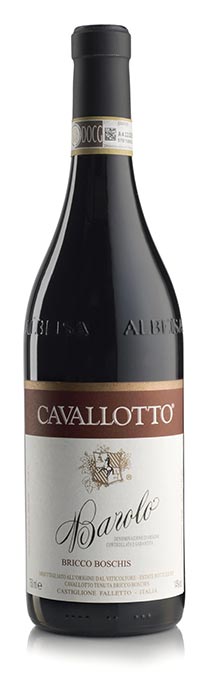
Barolo Bricco Boschis

BASIC INFORMATION

Product name: Barolo Bricco Boschis
Grape: 
Nebbiolo
Classification: DOCG
Number of bottles produced: about 35 000
Fragrance: fruity, floral, spices
Taste:
dark fruits, licorice, ripe tannins
Food pairing:
prosciutto, salami, red meat, grilled fish, aged cheese

VINIFICATION (Wine-making)

Method: fermented with indigenous yeasts, macerated with submerged cap for 20-35 days
Ageing: Traditional in Slavonian Oak Casks for 3-3.5 years
Minimum aging in bottle: 6-12 months

VINEYARD

Vineyard: Various parcels inside Bricco Boschis, including the historic Punta Marcello and Colle SudOvest plots
Exposure: : South, South-West, South-East, West
Year planted/Age of plants:  1971/ 50 years old

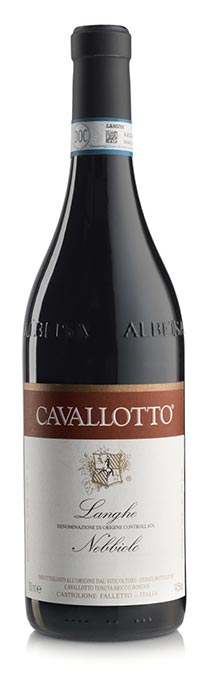
Langhe Nebbiolo

This Nebbiolo comes from Barolo vineyards, generally from the youngest vines.

BASIC INFORMATION

Product name: Langhe Nebbiolo
Grape: 
Nebbiolo
Classification: DOC
Number of bottles produced: about 20 000
Fragrance: red fruits and flowers, spices
Taste:
red fruit, spices, intense, structured
Food pairing:
pasta, simple red meat, seasoned cheese

VINIFICATION (Wine-making)

Method: fermented with indigenous yeasts, macerated with submerged cap for 20-35 days
Ageing: 
Traditional in Slavonian Oak Casks for 15-18 months
Minimum aging in bottle: 6 months

VINEYARD

Vineyard: Various inside Bricco Boschis, Codana and Pernanno; grown in 100% Nebbiolo da Barolo parcels
Exposure: South-East, South, South-West, West
Age of plants:  50-60 years old

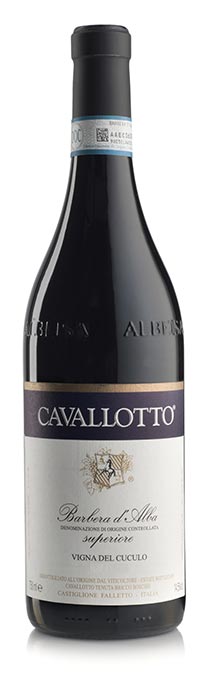
Barbera d’Alba

BASIC INFORMATION

Product name: Barbera d’Alba Vigna Cuculo
Grape: 
Barbera
Classification: DOC
Number of bottles produced: around13 000
Fragrance: red fruit, ref flowers
Taste:
black stone fruit, cassis, fresh, goof acidity
Food pairing:
salami, pasta, pizza, robust white meat, aged cheese

VINIFICATION (Wine-making)

Method: fermented with indigenous yeasts, macerated with submerged cap for 10-15 days
Ageing: 
Traditional in Slavonian Oak Casks for 15-18 months
Minimum aging in bottle: 6 months

VINEYARD

Vineyard: the “Vigna Cuculo” parcel inside Bricco Boschis
Exposure: Southwest/West
Age of plants:  59 years old

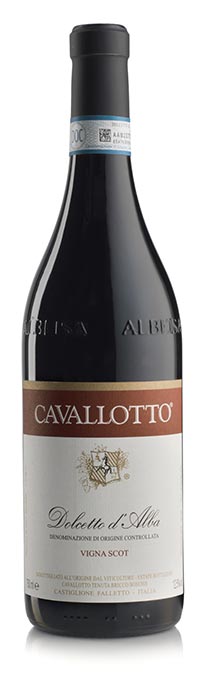
Dolcetto D’Alba Vigna Scot

BASIC INFORMATION

Product name: Dolcetto d’Alba Vigna Scot
Grape: 
Dolcetto
Classification: DOC
Number of bottles produced: 13 000
Fragrance:
cherries and other red fruit
Taste:
red fruit and berries, spices, mineral notes
Food pairing:
appetizers, pizza

VINIFICATION (Wine-making)

Method: fermented with indigenous yeasts, macerated with submerged cap for 3-4 days
Ageing: 
In large Slavonian oak botti of 50 hl for 6 months, then in cement tanks for 6 months
Minimum aging in bottle: none

VINEYARD

Vineyard: Vigna Scot parcel between Bricco Boschis and Vignolo
Exposure: East/North-East
Year planted: 1979

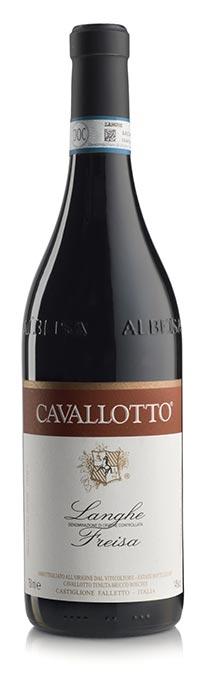
Langhe Freisa

BASIC INFORMATION

Product name: Langhe Freisa
Grape: 
Freisa
Classification: DOC
Number of bottles produced: 3 000
Fragrance: cherry, strawberry and other red fruits, flowers and spices
Taste:
Well-structured and complex
Food pairing:
pasta, pizza, simple red meat

VINIFICATION (Wine-making)

Method: fermented with indigenous yeasts, macerated with submerged cap for 3-5 days
Ageing: 
Traditional in Slavonian Oak Casks for 12-15 months
Minimum aging in bottle: 6 months

VINEYARD

Vineyard: Bricco Boschis
Exposure: West
Year planted: 1991

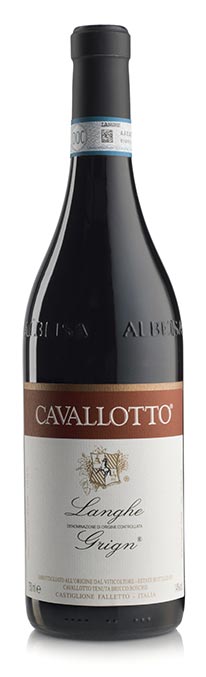
Langhe “Grign”

BASIC INFORMATION

Product name: Langhe Grign
Grape: 
Grignolino
Classification: DOC
Number of bottles produced: 
Fragrance: strawberries, red fruits, herbs
Taste:
mid-weight and aromatic, red fruit, mineral
Food pairing:
appetizers, pasta, simple red meat, seasoned cheese

VINIFICATION (Wine-making)

Method: fermented with indigenous yeasts, macerated with submerged cap for 5 days
Ageing: 
steel tanks for 12 months
Minimum aging in bottle: 6 months

VINEYARD

Vineyard: Bricco Boschis
Exposure: West and South- West
Year planted: 1974

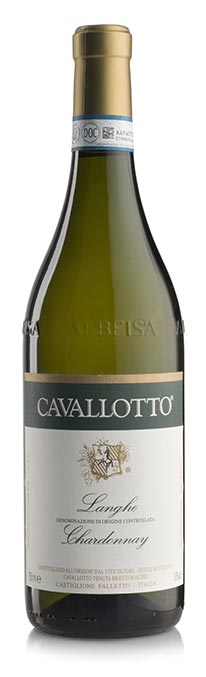
Langhe Chardonnay

BASIC INFORMATION

Product name: Langhe Chardonnay
Grape: 
Chardonnay
Classification: DOC
Number of bottles produced: 4 000
Color: pale straw colored
Fragrance:
apple, pear, lime, tropical fruit, minerals
Taste:
apple, peach, mineral notes
Food pairing:
aperitivo, white meat, seafood

VINIFICATION (Wine-making)

Method: Low-pressure, very gentle whole berry pneumatic pressing before fermentation. Fermentation controlled at 16°-18°C for 45 days under slight pressure in stainless steel autoclaves
Ageing: 
The wine is aged sûr lie for 9 months in the steel autoclave with daily batonnage
Minimum aging in bottle: 6 months

VINEYARD

Vineyard: Slopes between Bricco Boschis and Vignane
Exposure: East/North-East
Year planted: 1972

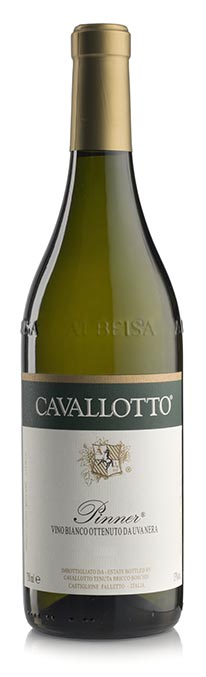
Pinner

BASIC INFORMATION

Product name: Pinner
Grape: 
Pinot Noir
Classification: 
Number of bottles produced: 6 000
Color: pale straw colored
Fragrance:
tropical fruit, minerals
Taste:
peach, melon, citrus
Food pairing:
aperitivo, white meat, seafood

VINIFICATION (Wine-making)

Method: Low-pressure, very gentle whole berry pneumatic pressing before fermentation. Fermentation controlled at 16°-18°C for 45 days under slight pressure in stainless steel autoclaves
Ageing: The wine is aged sûr lie for 9 months in the steel autoclave with daily batonnage
Minimum aging in bottle: 6 months

VINEYARD

Vineyard: Vignolo and Bricco Boschis
Exposure:  East/North-East
Year planted: 1972

Valentine’s Wine

Valentine’s Wine

Celebrating Valentine’s Day? Honestly, if there is a time to celebrate, it’s now. Grab a bottle, pour a glass and toast with yourself, your friends, your family or your significant other! Here are some of my current favorites!

J. Charpentier Blanc de Blancs Brut

There’s a new favorite Champagne in town, and it’s J. Charpentier Blanc de Blancs Brut. Perfect for a celebration or just a regular Tuesday.

Ghiomo Arneis Inprimis

The Langhe Arneis Inprimis is a fresh and fruity white wine that pairs well with fish and shellfish. You’ll find aromas of yellow flowers and peach and a high (but balanced) acidity!

Voerzio Dolcetto 2018

The first notes that hit are spices. Herbs. Licorice. Concentrated fruit in the mouth, typical of a Roberto Voerzio Dolcetto. Juicy, almost sweet. Predominantly ripe cherries, but also other ripe dark fruits. An impressive wine!

Burlotto Barbera d’Alba 2019

A powerful wine with an explosive nose. I almost get a hint of mint, along with dark red berries and some spices. Good acidity and long finish.

Cavallotto Langhe Nebbiolo 2018

I tasted the 2017 and 2018 side by side. The 2017 was very good, but when tasting it next to the 2018 it almost fell a little short. In the 2018 there is an explosion of floral notes. A very powerful nose. One of the more expressive Nebbiolo’s I’ve tried. The wine is young with big tannins, but they disappear quite quickly and you’re left with beautiful floral notes.

Mauro Veglio Barolo 2016

Subtle nose with notes of spices, leather, flowers. Tastes just like a Barolo should taste – elegant and balanced. A big powerful wine, yet elegant, with a long finish.
Favorites @ Vinmonopolet

Cavallotto

Barbera d’Alba 2017 308kr (New Vinatage)
Cavallotto’s barbera supriore is excellent. 2017 is not my favorite vintage, but when you’re a good winemaker, you make good wines in any vintage. This is a barbera that has excellent aging potential. It spends 15-18 months in big barrels and then 6 months in the bottle before it’s release. Good acidity, dark fruits, intense – perfect with pasta or pizza.

Langhe Nebbiolo 2017 280kr (New Vintage)
Cavallotto makes their Langhe Nebbiolo almost like a barolo. The grapes come from the Barrolo Cru vineyards and spend 15-18 months in big barrels after a long fermentation. The tannins are quite persistent, but the fruit shines through and lasts a while in the mouth. Can drink now, but I’d keep it for a little bit.

Moccagatta

Moccagatta Barbaresco Bric Balin 2016 575kr (New Vintage)
I’ve recently been served this blind, and I was mega impressed. 2016 is a big vintage, but the tannins disappear quite quickly and you’re left with an impressive fruit boquet.

Vietti

Vietti Barolo Castiglione
While we’re waiting for the 2016 Barolo’s from Vietti, the 2015 is drinking quite nicely right now!

Trediberri

Shhhh don’t tell anyone, but the 2016 Barolo from Trediberri will be released tomorrow! I’ve only ever tried it directly from a freshly bottles bottle, but I can tell you that the wine is INCREDIBLE.

News @ Vinmonopolet

Norwegians are getting ready for all the wines being released on Friday. I’ve been lucky to try a few (or more) beforehand and here are some of my favorites.

Weingut Walter Kabinett Riesling 2018

I’ve grown more and more fond of Riesling the past year, and this was a pretty good one. Must admit I don’t know a lot about the winery and how the wine is made, but I quite like the Kabinett from Weingut Walter. And it’s available at a very decent price as well.

Available in BU at Vinmonopolet (11357201) 149,90kr

Cigliuti Langhe Nebbiolo 2018

You’re probably not surprised that a Langhe Nebbiolo for Piemonte made the list. Claudia Cigliuti from Neive makes really good wines. She might be most known for the Serraboella, but I quite like the Langhe Nebbiolo. I might have priced it a little lower (the Altare Nebbiolo is 285kr and the Trediberri Nebbiolo is 189kr), but it’s always good with some variety!

Available in BU at Vinmonopolet (11347301) 299kr

Lamy Saint-Aubin La Princée 2017

Summer is over but one need not fret; it’s king crab season! And it’s never wrong to pair Hubert Lamy with king crab. With notes of citrus and white stone fruit, and of course a hint of oak, Hubert Lamy does not disappoint!

Available in BU at Vinmonopolet (11347101) 388kr

Cavallotto Barolo Bricco Boschis Riserva San Giuseppe 2013

I think the words Cavallotto, Bricco Boschis and Riserva say it all. But I’ll say more anyways. Obviously still very young, but with incredible potential. Tannins are persistent, but disappear after a while and you’re left with wonderful notes of fruit.

Available in BU at Vinmonopolet (11336201) 1274kr

Cavallotto Langhe Nebbiolo

Cavallotto Langhe Nebbiolo

The Cavallotto Langhe Nebbiolo is made with nebbiolo grapes from Bricco Boschis, Vignolo, Codana and Pernanno. The wine is fermented with indigenous yeast, macerated with submerhed cap for 20-35 days and then aged in slavonian oak casks for 15-18 months. The wine spends another 6 months in the bottle before it’s released.

Cavallotto – Giuseppe & Alfio

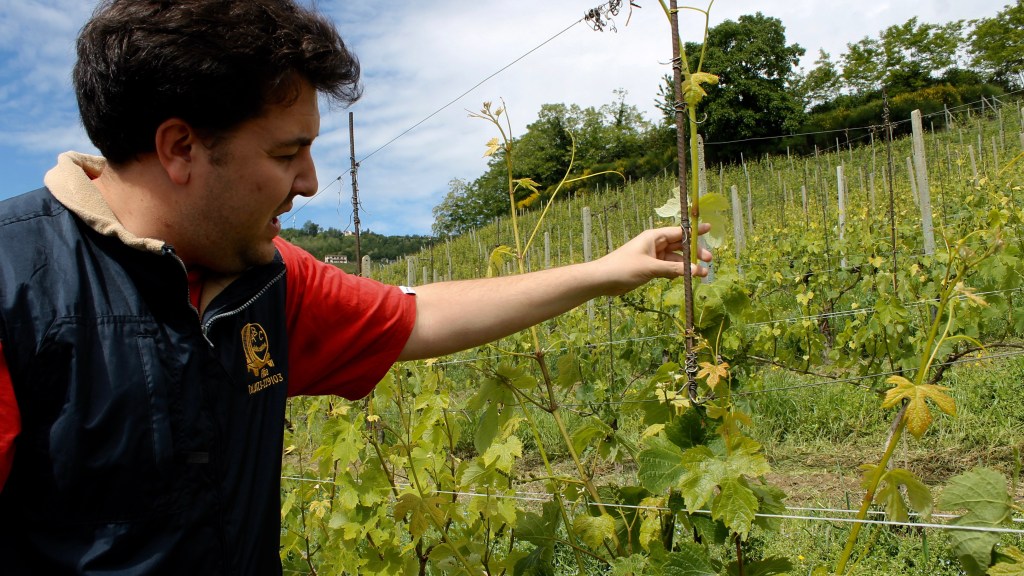
At the top of the Bricco Boschis hill you’ll find the Cavallotto brothers. Alfio and Giuseppe (and their sister Laura) run the winery today as the 4th generation winemakers. Speaking of being a nerd, just like Marco Marengo, Giuseppe is a nerd. He has not one, not two but at least THREE weather stations of his own. And his attention to detail is not limited to weather. No wonder the wines are so damn good.

Cavallotto Langhe Nebbiolo

Langhe Nebbiolo 2016

The 2016 vintage has a an undeniable potential for greatness. Early bud break followed by cooler weather slowed the development, but the warm weather later in the summer/fall made for excellent conditions. A hail storm struck July 28th and unfortunately reduced the crop by about 40%, but the remaining crop continued a slow, even development until the harvest.

Characteristics

The Cavallotto Langhe Nebbiolo is meant to be drunk young, according to the brothers. You can of course age it, but their recommendation is to drink it fairly young. The wine has classic aromas and flavors of black cherry and roses, with a medium body and a long finish. Tannins are present, as they make their Langhe Nebbiolo fairly close to a Barolo, but the tannins are not overpowering.

Where can you find it?

If you’re in Norway, you can buy it online here or in local stores:

Aker Brygge – 14
Grünerløkka – 4
Oslo City – 13
Ullevaal Stadion – 10
Grorud – 1
Ski – 6
Halden – 2
Moelv – 9
Bergen, Arna – 15
Stryn – 3

Barbera – My Favorites

I was recently asked about barbera, and if I had a favorite. This is a tough question to answer, because there are so many good ones. And so many different styles. I don’t think I could pinpoint just one, and here’s why.

Barbera vs Barbera Superiore

Barbera is a grape, and just like with Nebbiolo, there are multiple ways to make it. Most winemakers have a “classic” barbera, a wine made in steel tanks with no influence of wood. The wine completes both malolactic and alcoholic fermentation in steel tanks, and remain there until bottling. These wines tend to be high in acidity, full bodied with aromas of red fruits.

You will also find barbera superiore, and this wine will have influence of oak. After pressing the juice, the wine is transferred into barrels and complete the malolactic and alcoholic fermentation in barrels instead of steel tanks.* The wood gives the wine some tannins, helps balance the acidity and you might find hints of oak flavor.

“The Mario Fontana Way”

Mario Fontana is what we would call a “traditional” wine maker, and uses big barrels for all his wines. Except his Barbera. A few years ago, he decided to use cement for this grape because that made more sense to him. And we see this with other winemakers. They may chose to interpret the grapes in different ways, and use new types of material when cultivating them. Kinda cool, right?

Now, you can see where choosing a favorite can be difficult. However, there are a few I tend to chose over and over again.

Barbera

What’s available Vinmonopolet

Trediberri Barbera d’Alba 189kr
Altare Barbera d’Alba 285kr
Burlotto Barbera d’Alba 285kr
Azelia Punta (superiore) 289kr
Cavallotto Vigna Cuculo (superiore) 300kr
Vietti La Crena (superiore) 460kr

Other Favorites

Altare Larigi
Giovanni Corino Ciabot dù Re
Burlotto Aves
Marengo Vigna Pugnane

There are so many others, but if I had to chose a few then these are high on my list.

*this might vary from winery to winery, but is a general idea of how to make this wine