I am a wine lover currently located in Boston. I drink wine mostly from Piemonte and Burgundy.
Two summers in a row I have worked at Vietti in Piemonte.
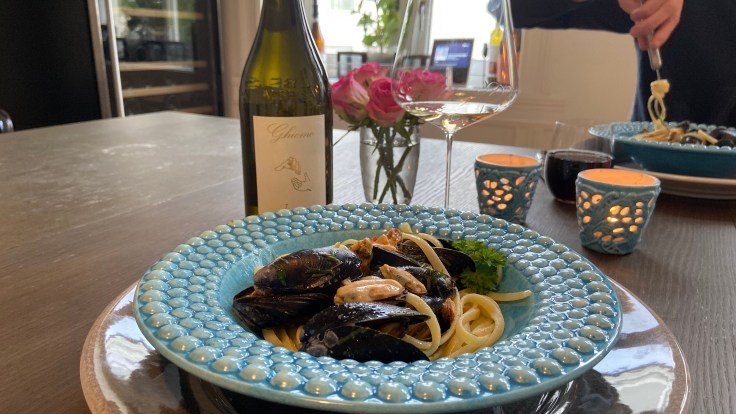
Mussel Linguine is a dish perfect for summer. Pair it with a nice glass of white wine and you’re good to go! It’s also fairly easy to make, and requires few ingredients.
What you need for Mussel Linguine
Mussels (1 nett)
3-4 garlic cloves (sliced)
Chives
Parsley
Chili (optional)
Olive oil
Dry white wine (about 2 dl)
Pepper
Linguine (or other
How to make it
Steam 3/4 of the mussels. You can use just water or water with some white wine. When these are done, strain them and separate the mussels from their shells. Lay aside to use later.
Chop the chives and parsley so it’s ready to use later. Chop the chili as well if you’re using it.
In a pot, add the olive oil and sliced garlic. Let it simmer on low/medium heat for about 10 minutes. Make sure the garlic does not burn. You can also add the chili here if you want.
In another pot, boil water for the linguine. When the water boils, add the linguine. Simultaneously, increase the heat on the pot with the olive oil and garlic. Remember to stir.
When you have about 5 minutes left, add the 2 dl of white wine to the olive oil and increase the hear again. When the wine is boiling, add the remaining 1/4 of the mussels. Let simmer/boil for about 5 minutes.
Reduce heat on the mussels, add the 3/4 of the peeled mussels.
When the linguine is cooked, strain it and add the pasta to the mussels. Make sure to save some of the pasta water in a cup.
Add the chives, parsley and some pepper and serve!
Pro tip for the Mussel Linguine
Make sure to get a little of the “sauce” from the bottom of the pot into every serving! It’s easily the best part and if you serve the dish with some bread, you basically have a second course right there!
Why steam 3/4 of the mussels before?
This is mostly for the aesthetics, as well as convenience. By removing the shell from 3/4 of the mussels, your plate doesn’t just look less “crowded” but you also spend less time peeling the mussels from the shells why you eat. You don’t need to do this. You can steam them all at the same time in step 5.
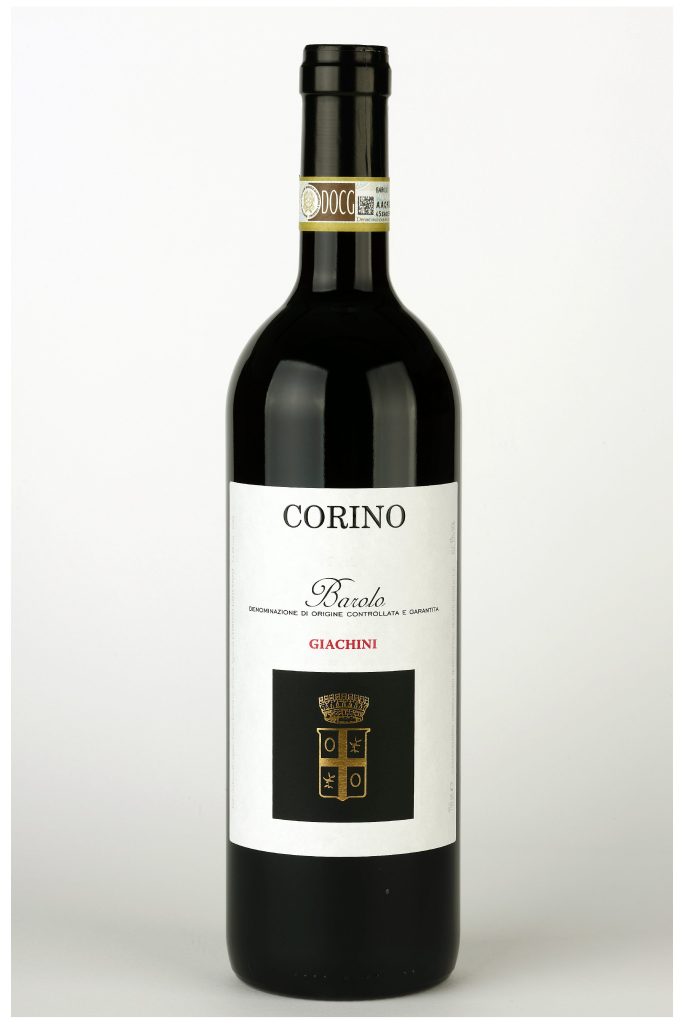
The Giovanni Corino Giachini is very elegant, with typical La Morra Barolo flavors. 2016 is recognized as an incredible vintage, and if you can, you should store the 2016 Barolo’s for a long, long time.
However, the Giachini 2016 is drinable now. The tannins are big, but elegant. You’ll find lots of fruit, some tar and rose petals.
Giovanni Corino follows what some like to call the “modern style” of wine making using small oak barrels, also called barrique.
Maceration takes place between 5-7 days in a temperature controlled rotaryfermenter, at about 25 – 30 degrees celcius. The Giachini Barolo then moves into the oak barrels where it stays for 24 months.
Giovanni Corino
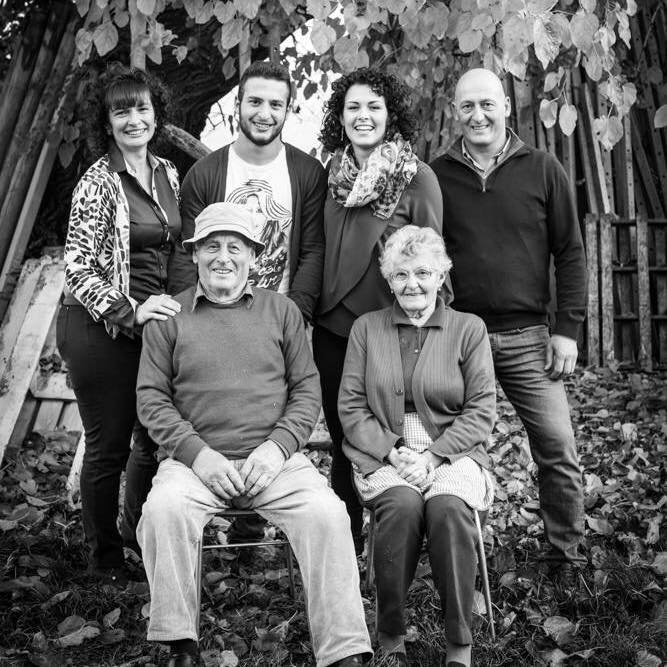
Giovanni Corino started making his own wines in the 1980’s. As many of the other winemakers in the area, his family farmed land and sold the fruit. Today, Giovanni spends more time in his vegetable garden than in the vineyards. Giovanni’s son Giuliano runs the show today, along with his wife Stefania and their two children, Veronica and Andrea.
Antonio Galloni on the Giachini Barolo 2016
The 2016 Barolo Giachini is bold and fleshy, with lovely textural richness that will emerge with more time in bottle. Black cherry, plum, lavender and dark spice nuances develop effortlessly. The Giachini has a track record of developing beautifully in the cellar; I imagine that will be the case here as well. All of the elements are present for that to happen.
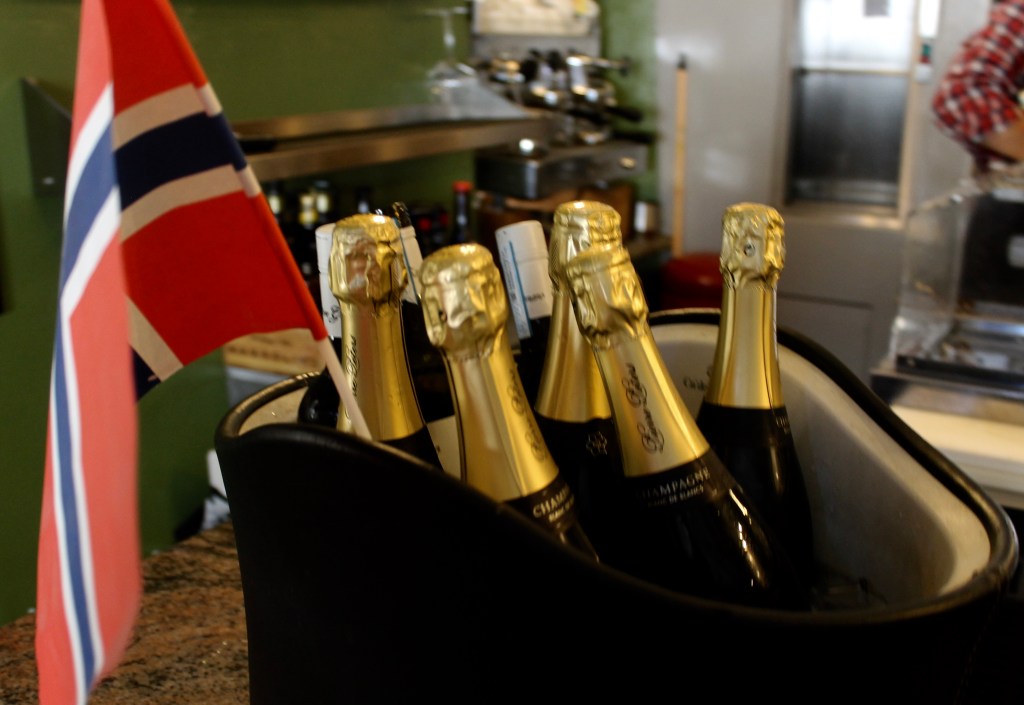
Norwegians are gearing up for Constitution Day. Many are graduating from school this spring. Perhaps some of you are getting ready for a birthday or an anniversary? And what better way than to celebrate with some good wine!
Champagne
I personally celebrate with Champagne. There’s something about bubbles that puts me in a festive mood. And I have a few “regulars” that I go back for. Bereche Brut Reserve 495,00kr is one of them. A very fresh and crisp wine, with subtle bubbles, just the way I like it. Agrapart Terroirs Grand Cru Blanc de Blancs Extra Brut 568,10kr is another great wine. It’s a little more expensive, but worth it if you want to celebrate a little extra!
Pierre Peters Brut 399,90kr still has to be the Champagne with the best QPR. Even with the small increase in price, it’s still under 400kr and one of my go-to when drinking bubbly. But if I really want to celebrate, I sometimes get Philipponnat Royale Réserve Brut 559,90kr. After meeting Charles Philipponnat at a winemakers dinner many years ago it has been my favorite!
White Wine
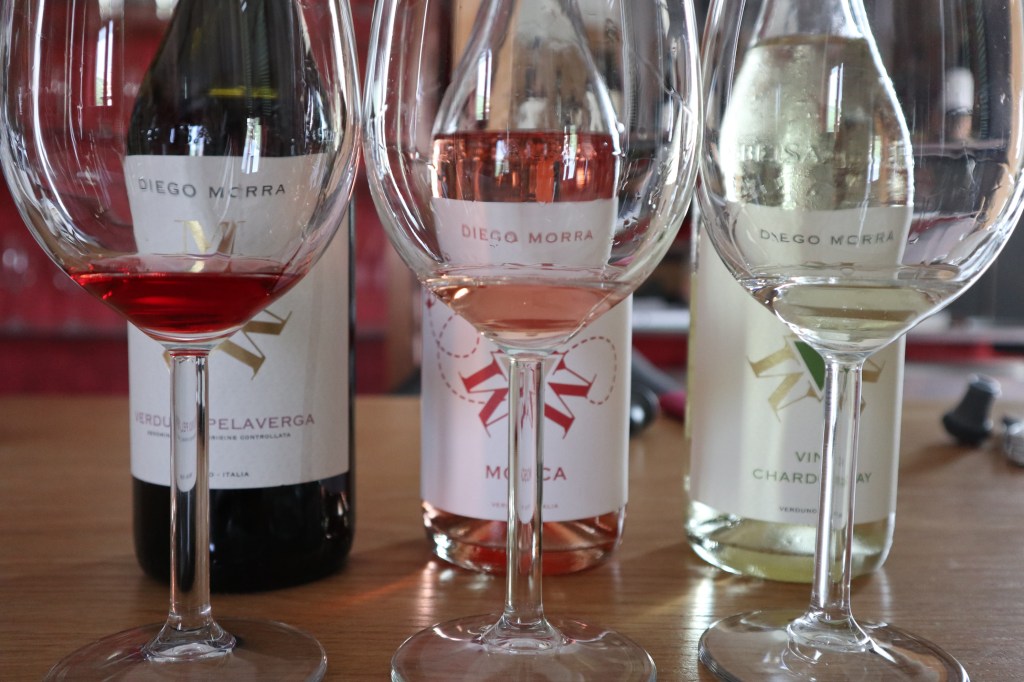
Not a fan of bubbles? Not even Champagne? Don’t worry! There are many other wines in the world. White wine is a good alternative. Vietti Roero Arneis 249,90kr is perfect for summer. Goes well with seafood, salads and light dishes. And while we are in Piemonte, maybe try the Diego Morra Chardonnay 198,00kr. Although a Chardonnay from Piemonte is typically more mineral than a Chardonnay from Burgundy, it’s still juicy and fresh. But if Burgundy is more to your liking, try the Matrot Bourgogne Chardonnay 250,00kr.
Red Wine
After drinking some Champagne and white wine, red wine often becomes an obvious choice. Need something light that doesn’t necessarily require food? Dolcetto is the grape for this scenario. Just saw that Cascina Fontana Dolcetto 260,00kr arrived in Norway, and I had to run out and get a bottle. Luigi Pira Dolcetto 205,90kr is a good, slightly cheaper option. And I know we are all excited to see the Dolcetto from Trediberri!
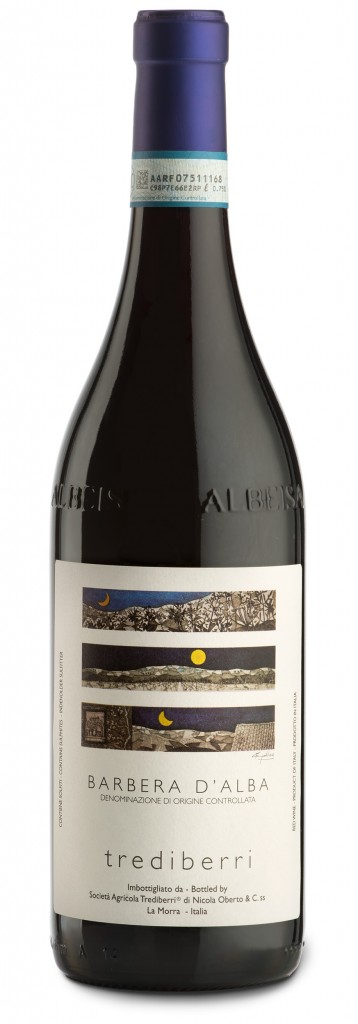
Speaking of Trediberri, his Barbera at only 189,90kr is still the best buy in Norway at the moment. There are plenty other great Barbera’s, and one of them is the Altare Barbera 315,00kr. Prices recently went up in Norway, and unfortunately this wine is no longer under 300kr. I blame Covid-19…
It’s officially Spring, which means that the newest vintage is making its way to stores. The same is true in Norway. So if you’re living in Norway, mark your calendars for May 8th!
In addition to new vintages, there are also new “kids on the block”! Keep reading to find out more!
Diego Morra Rosato 2019 For the first time you’ll find Diego Morra wines in Norway! This wine, a Langhe Rosato, is made with 100% Nebbiolo grapes and is what I would call a “food rosè”, perfect with summer salads or fish.
Ghiomo Inprimis Langhe Arneis 2019 Fasten your seatbelts, because this is a newcomer in Norway as well. The Ghiomo winery is located in Guarene, a commune bordering on the more well known wine regions in Piemonte like Barolo and Barbaresco. The Langhe Arneis Inprimis is a fresh and fruity white wine that pairs well with fish and shellfish. Perfect for summer!
Bartolo Mascarello Dolcetto 2018 There is not much to say about Mascarello that has not already been said. And unfortunately I’ve not tried the 2018 vintage yet, but 2018 looks more promising for Dolcetto than 2017 was. I guess time will tell.
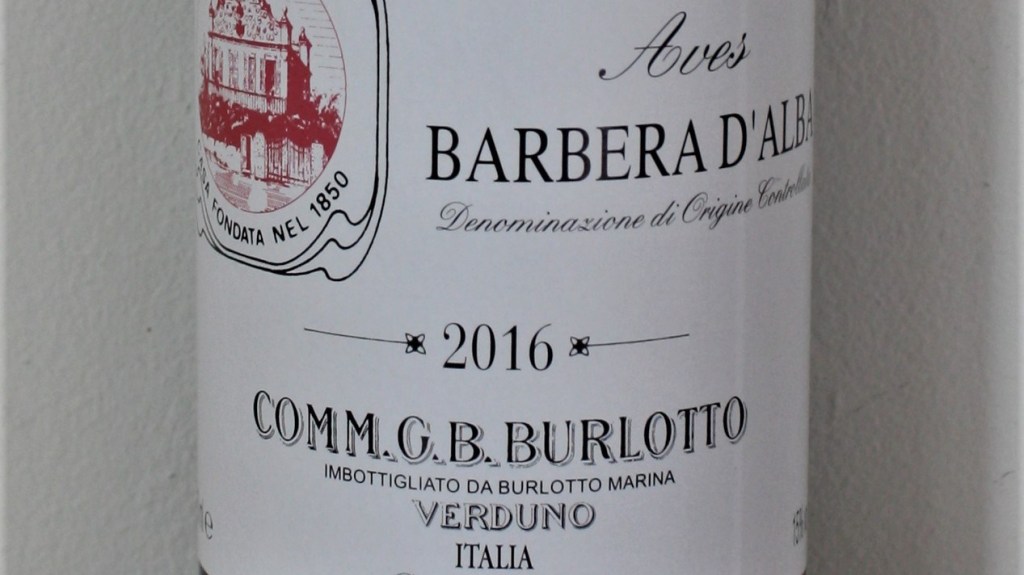
Burlotto Barbera Aves 2018 As far as Barbera goes, this might be one of my absolute favorites. His classic Barbera is good, but the Aves is just on a whole other level. I can’t wait to try the 2018 vintage!
Nadia Curto Barbera 2017 Did you know that you could get Nadia’s wines in Norway? You can! And the 2017 Barbera will be available Friday May 8th! Modernist or Traditionalist? If there is anyone I know that doesn’t “belong” in any boxes, it’s Nadia Curto. Her winemaking style is influenced by both her father and her uncle, and she applies the different methods to different wines. Does it matter what style you prefer, if your wines are good? I don’t think so.
Inimitable. Passionate. Affable. Energetic. Incomparable. Words often used to describe Nicola Oberto, the face of Azienda Agricola Trediberri. And, a lover of fine wine.
I often think of Nicola as a young Bill Gates – smarter
than most, passionate beyond words, with an unprecedented attention to detail,
and an inherent ambition to get better every day. Bill, back in the days, would get so
passionate at exhibitions selling his vision that he would forget to change his
clothes for 3 days. I am not saying that Nicola does not change clothes, but I
am not saying that it is not entirely possible either.
Add multifaceted. Always a smile lurking, the jokes come
regularly, yet probably one of the most serious people you will ever meet. So visionary at times that you’re afraid he is
going to disappear in into the sky, yet fully grounded. With ideas at the forefront of wine making
innovation, but always wholly rooted in the tradition.
Do not take my word for it – visit the Trediberri winery
and vineyards, and you will have an experience for life.
The Trediberri Family
Nicola is quick to put out though, this is not his show
alone, this is a family effort. His
father, Federico, spent 40 years working for Renato Ratti, a renowned winery in
La Morra. You do not perhaps see Anna
Rosa (mother of Nicola and wife of Federico) too often, but there is no
underestimating her. She is guiding the
work in the vineyards as much as anybody.
Finally, you have Stefania, who keeps the checks and balances in the
winery. In addition to making sure there
is always gas in Nicola’s car.
Winemaking
“We love to drink wine, therefore the
greatest recognition for us is a bottle that is quickly finished.”
Want to try to put Trediberri in a box labelled
“Modernist” or “Traditionalist”? Forget about it. Instead, Trediberri follows a
beautiful philosophy: equilibrium. Using cement tanks, stainless steel tanks
and wood barrels, they modify the method each year in order to make the wine as
balanced and as drinkable as possible!
Trediberri Fun fact
Whilst there is absolutely no chance of the industrious Nicola
Oberto ever running out of gas, there is a big chance his car will. We have yet to figure out the underlying logic
behind the fear of a full tank of gas, but it sure makes every trip in his car
an adventure.
Fun fact II
The Trediberri winery of La Morra got its
name from the fact that it pulls together the triumvirate of Nicola Oberto, his
father Federico and their associate Vladimiro Rambaldi. Together they invested. 5 hectars of Berri
vineyards, a hamlet of La Morra, back in 2008.
Hence, Tre – Di – Berri.
Wines
Wines available in: Norway Australia Denmark Germany Hong Kong Italy United Kingdom United States & more
indigenous yeasts, 11 days of alcoholic
fermentation in concrete (3-4 pump-overs per day) + 7 days of skin
post-fermentative maceration (1-2 pump-over a day)
BASIC INFORMATION
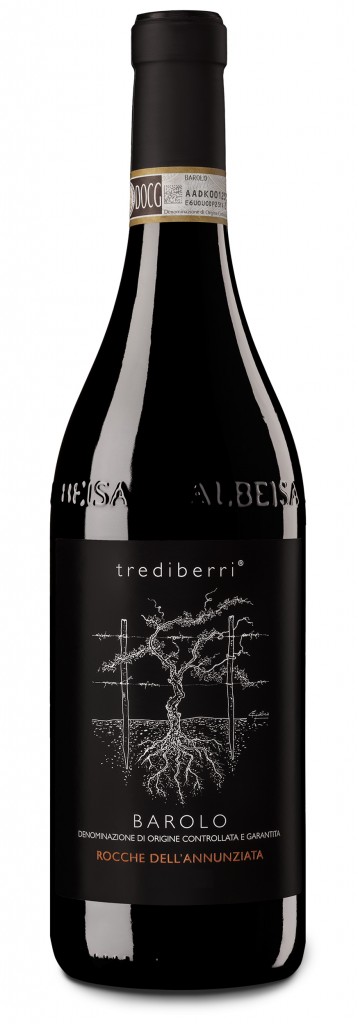
Product name: Barolo Rocche dell’Annunziata Grape: 100% Nebbiolo Classification: DOCG Fragrance: delicate, floral, spicy aromas. Cherry, rose and strawberry. Taste: Full bodied, good balance, structured, approachable tannins
VINIFICATION (Wine-making)
Method: indigenous yeasts, 11 days of alcoholic fermentation in concrete (3-4 pump-overs per day) + 7 days of skin post-fermentative maceration (1-2 pump-over a day) Ageing: 23 months in big barrels (slavonian oak)
VINEYARD
Soil: Calcareous blue marl Exposure: Southeast, south Year of plantation: 1951, 1961, 1989, 1999
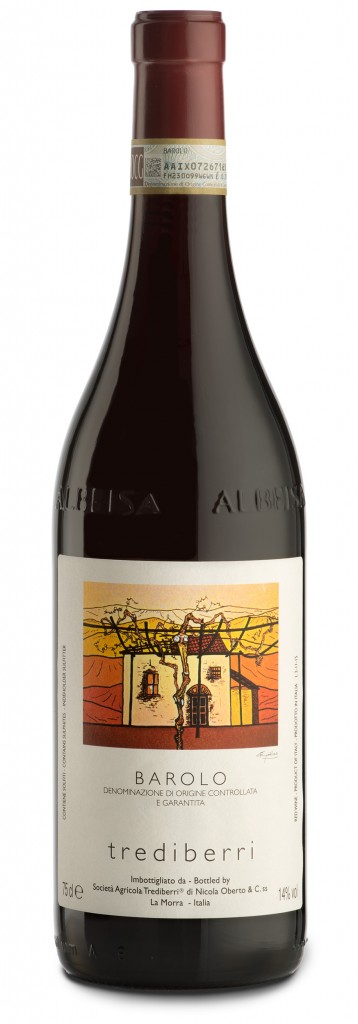
Barolo
The grapes come
from vineyards located in La Morra, within the hamlets Berri and Capalot. Alcoholic fermentation occurs in concrete and
starts with a specific pied de cuve. It lasts around 2-3 weeks and, after the
first racking, the wine goes straight into wooden casks, where malolactic
fermentation starts. We use 52 and 25 hectoliter barrels, made of Slavonian
oak, crafted by Garbellotto. The wine ages for about 2 years, then it is
blended in steel or concrete and it is bottled in July, 6-7 months before its release.
Length: 2-3 weeks alcoholic fermentation in concrete tanks Ageing: 2 years in large casks Ageing in bottle: 6-7 months
VINEYARD: Berri & Capalot
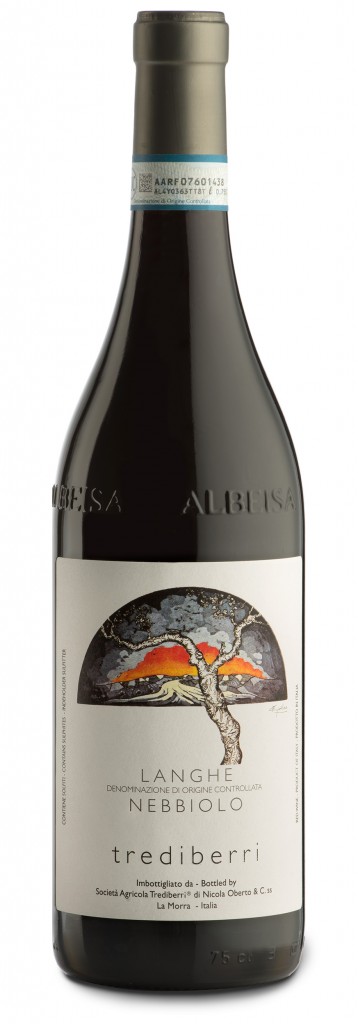
Langhe Nebbiolo
Grapes come from different vineyards of
Nebbiolo within La Morra (Berri and Torriglione), Levice, Vicoforte and Roero
area.
Alcoholic fermentation happens in concrete
tanks that starts with a specific pied de cuve and lasts around 1-2 weeks with
no temperature control. Each parcel is processed and aged separately until the
cold stabilization. Total ageing is approximately 6 months exclusively in
concrete and stainless steel, with frequent rackings.
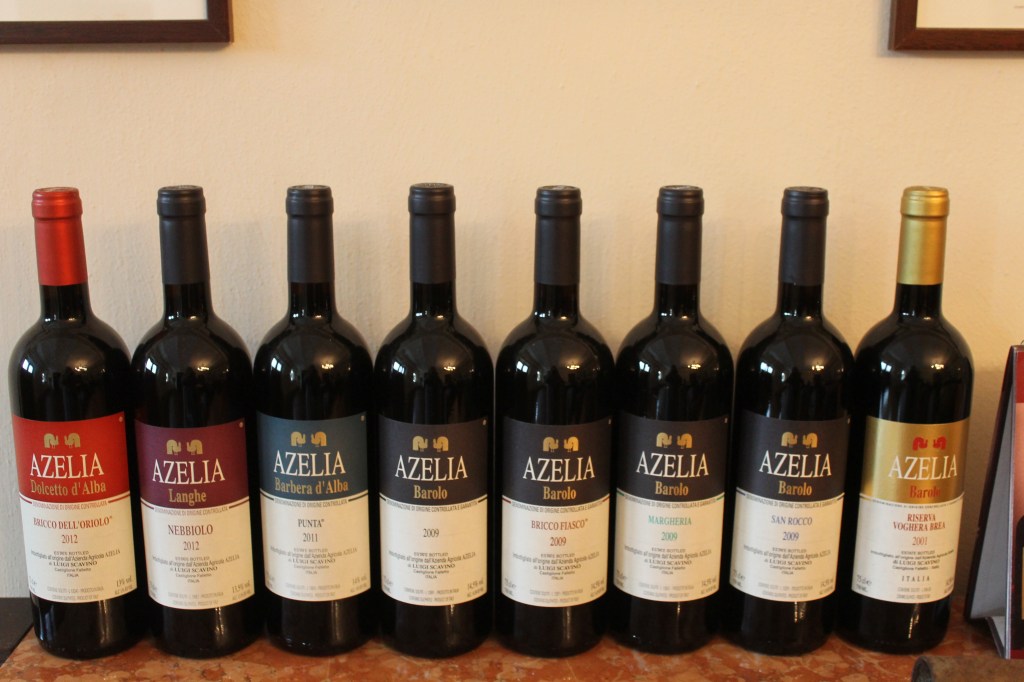
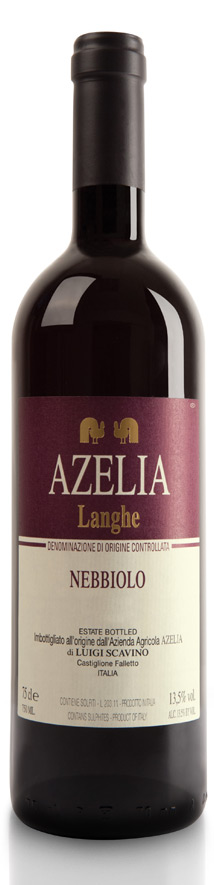
The 2015 Azelia Langhe Nebbiolo brings me right back to the tasting room that lies at the beginning of the “Champagnemilå” hill in Castiglione. The old clock ticks away in the background, drowned out by a passioante Lorenzo who is telling me about this wines (for the umpteenth time). Oh how I wish I was back there right now.
I’ll have to make do with drinking Azelia wines in Oslo while practicing Social Distancing.
Azelia
The story of Azelia starts in 1920 when Cavalier Lorenzo Scavino started to vinify the grapes from the family owned vienyards. This would be the start of an incredible journey for the Scavino family. Today, Luigi, Lorella and their son Lorenzo run the show. Lorenzo, who bears the name of his great grandfather, represents the 5th generation of winemakers in the family.
The Azelia Langhe Nebbiolo come from vines with an average age of 20 years. After a short temperature controlled fermentation in rotorfermenters, the wine moves into steel tanks where it stays until its bottled.
Since I don’t have access to the current release of Azelia Langhe Nebbiolo I had to “make do” with the 2015 vintage.
Fruity – the first thing that comes to mind. Digging deeper you’ll find strawberry, red fruit, some tobacco & hint of roses. All those good things that a nebbiolo should smell. And then there’s the tannins. They are there, but they are smooth. 2015 was a warm vintage with very little rain, which often results in “warm” wines, i.e. ripe fruit, hints of toffee, etc. But the Langhe Nebbiolo from Azelia was fresh, full of red fruits and berries! Just the way I like it!
For my Norwegians
I just checked and the Langhe Nebbiolo is sold out at Vinmonopolet… I believe a new shipment is coming in, but while you wait you can try his Barbera or perhaps a Barolo!?
Nadia Curto, like her cousin Silvia Altare, is just bursting with energy! A visit with Nadia is sure to put a smile on your face, and not just because the wines are good!
Nadia Curto’s parents, Marco and Adele,
have been cultivating their 4 hectares of vineyards for over 60 years. In 2000,
Nadia joined the family winery, and have been running it for many years now.
Winemaking
Modernist or Traditionalist? If there is
anyone I know that doesn’t “belong” in any boxes, it’s Nadia Curto. Her
winemaking style is influenced by both her father and her uncle, and she
applies the different methods to different wines. Does it matter what style you
prefer, if your wines are good? I don’t think so.
Fun fact
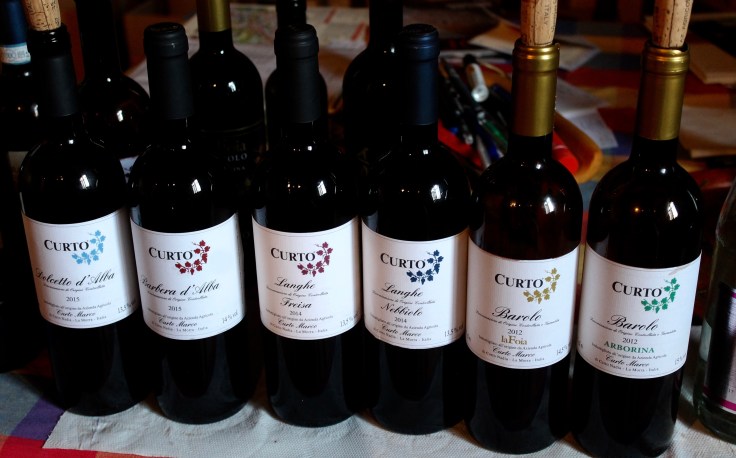
Both the Barolo Arborina and the Barolo La Foia are made with grapes from the Arborina vineyard. However, the winemaking methods are very different. With the Barolo Arborina, Nadia applies her uncle Elio’s method with short maceration and ageing in barrique. The Barolo La Foia undergoes a longer maceration and ages in larger barrels.
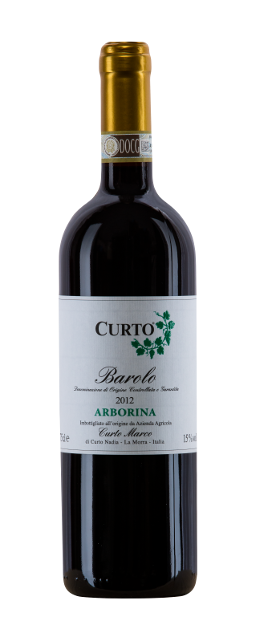
The Barolo Arborina from Nadia Curto is made in the “modern way” with short maceration time and ageing in small barrique. The plants are located in the Arborina vineyard in La Morra, with a south exposure at an altitude of about 270-300 m a.s.l.
BASIC INFORMATION
Product name: Barolo Arborina Grape: 100% Nebbiolo Classification: DOCG Number of bottles produced: 5000 Color: Garnet red Fragrance: Spicy with hint of rose petals, fruity with balsamic notes Taste: Elegant, austere, fruity Food pairing: Braised meats
VINIFICATION (Wine-making)
Method: Fermentation takes place in rotary fermenters Temperature: 30 – 32 degrees Celsius Length: 5 day maceration Ageing: 2 years in Barrique Minimum aging in bottle: 1 year
VINEYARD
Vineyard: Arborina Soil: marna stone with clay and sand Exposure: South
Barolo La Foia
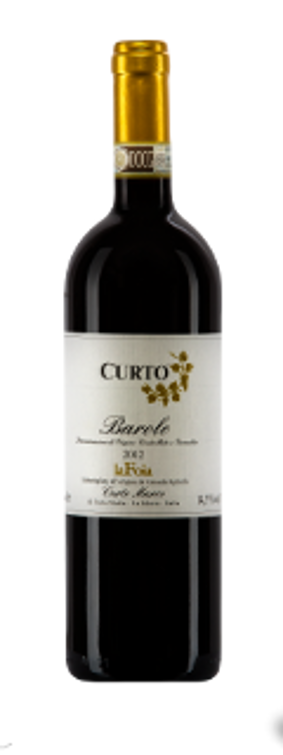
The grapes for this wine is also located in Arborina, but Nadia uses a different method of vinification. With the Barolo La Foia, the wine undergoes long maceration and ages in bigger barrels (30 – 40 HL). The plants are located at an altitude of about 270-300 m a.s.l and have east, south-east exposure.
BASIC INFORMATION
Product name: Barolo La Foia
Grape: 100% Nebbiolo Classification: DOCG Number of bottles produced: 7000 Color: Bright garnet red
Fragrance: Spicy with hint of rose petals, liquorice, leather Taste: Austere, full, elegant Food pairing: Braised meats, aged cheese
VINIFICATION (Wine-making)
Method: Manual
repassing and pressing
Temperature: 30 – 32 degrees Celsius Length: 20 day maceration Ageing: 2 in oak barrels (20 or 30 HL) Minimum aging in bottle: 1 year
VINEYARD
Vineyard: Arborina Soil: marna stone with clay and sand Exposure: South east
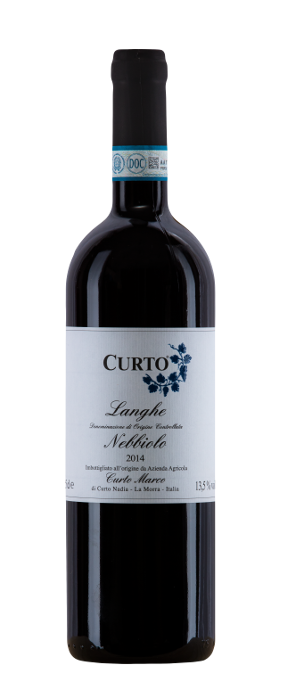
Langhe Nebbiolo
BASIC INFORMATION
Product name: Langhe Nebbiolo Grape: 100% Nebbiolo Classification: DOC Number of bottles produced: 2000 Color: Garnet red Fragrance: Roses, red fruits, spices Taste: Elegant yet structured. Fresh. Food pairing: Pasta, meat, cheese, salami
VINIFICATION (Wine-making)
Method: Manual repassing and pressing Length: 15 day maceration Ageing: Aged in oak for about 1 year
VINEYARD
Vineyard: Arborina Soil: marna stone with clay and sand
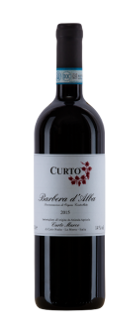
Barbera d’Alba
BASIC INFORMATION
Product name: Barbera d’Alba Grape: 100% Barbera Classification: DOC Number of bottles produced: 3000 Color: Deep ruby red Fragrance: Blackcurrant, black cherries, blackberries Taste: Fresh acidity, long finish, red fruits Food pairing: Cheese and cured meats
VINIFICATION (Wine-making)
Method: Fermentation in rotary fermenters Temperature: 30 – 32 degrees Celsius Length: 5 day maceration Ageing: 4 months in wood
VINEYARD
Vineyard: Arborina Soil: marna stone with clay and sand Exposure: South
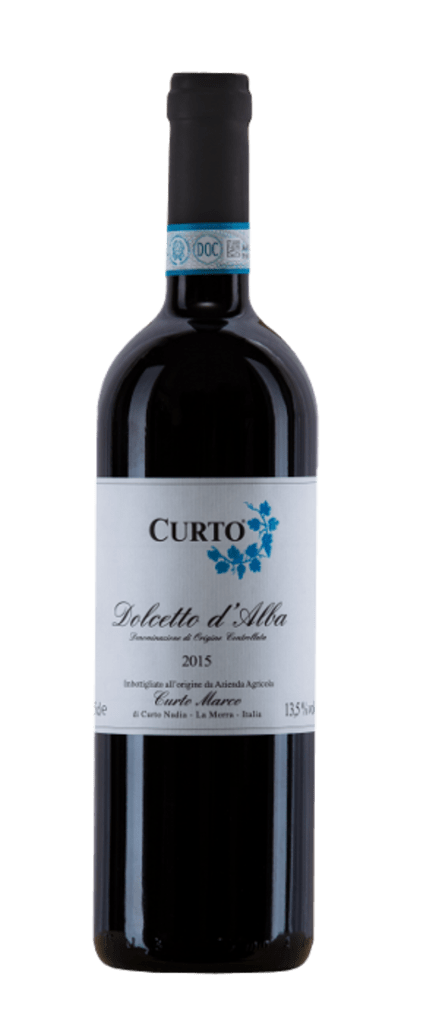
Dolcetto d’Alba
BASIC INFORMATION
Product name: Dolcetto d’Alba
Grape: 100% Dolcetto Classification: DOC Number of bottles produced: 3500 Color: Ruby red with purple tendencies
Fragrance: Violet, cherry, plum, blueberry
Taste: Fruity, easy to drink
Food pairing: Pizza, light dishes, aperitivo
VINIFICATION (Wine-making)
Temperature: About 30 degrees Celsius Length: 4 day maceration Ageing: Stainless steel tanks
VINEYARD
Vineyard: Gattera Exposure: West – Northwest
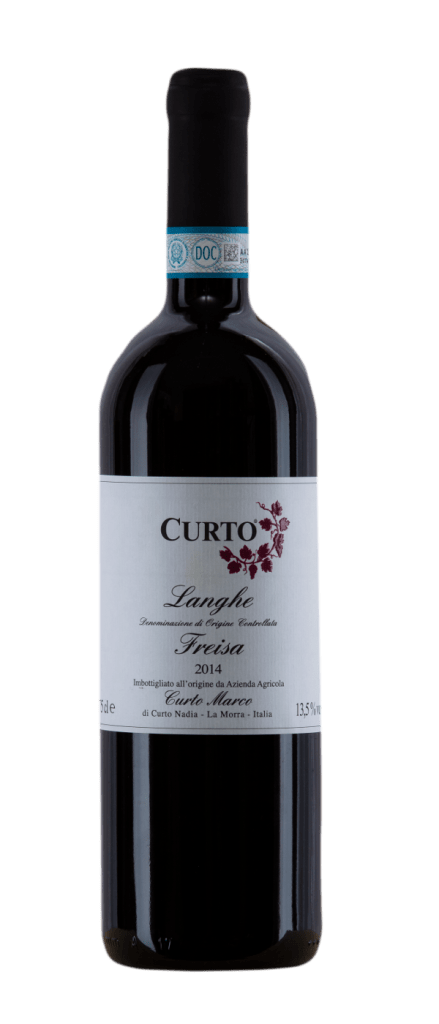
Langhe Freisa
BASIC INFORMATION
Product name: Langhe Freisa
Grape: 100% Freisa Classification: n/a Number of bottles produced: 1000 Color: Ruby red
Fragrance: Vegetable, fruity, spicy
Taste: Rustic wine, rich tannins, good acidity
Food pairing: Fatty foods, cheese, cold cuts
VINIFICATION (Wine-making)
Method: Temperature: Length: 8 day maceration Ageing: Stainless steel tanks
VINEYARD
Vineyard: Arborina Soil: marna stone with clay and sand
I mostly make my food from scratch. But I am very lucky to have the time to do so. Many, or most, of us are very busy and can’t always make dinners that take 4 hours. Or even 1 hour. That’s why I am so glad that Picard Norge opened a store near my house. So far I’ve only encountered high quality frozen foods, and it can be a very good alternative when there are not enough hours in a day.
What You Need
Skrei (or cod)
Risotto
Peas (cooked)
Parmesan (as much as you’d like)
Vegetable stock (optional)
White wine (also optional)
What You Do
Risotto
I use vegetable stock and white wine for this risotto, but you can prepare it however you like. I used 2dl risotto rise, 2dl vegetable stock and 2dl white wine. Pour rice and the wine into a pot, then bubble and stir until completely absorbed. Continue cooking like this, adding a ladleful of stock at a time, and stirring continuously until the rice is tender and has a good consistency – this will take 20-30 mins.
Add the cooked peas to the risotto. I used frozen peas from Picard Norge. With cooked frozen peas I suggest adding them in earlier than if they are not frozen.
A few minutes before the risotti is ready, add in the parmesan. The risotto should have a creamy texture.
Skrei (or cod)
I used the frozen cod filets from Picard Norge. There are multiple ways to prepare this, just follow the directions on the box. I chose to boil it without defrosting. If you have time, I would recommend defrosting and then either frying it in a pan or baking it in the oven.
Wine Pairing
When pairing wine with cod there are many good options. But since I am Piemonte Girl, I have to go with Barbera!
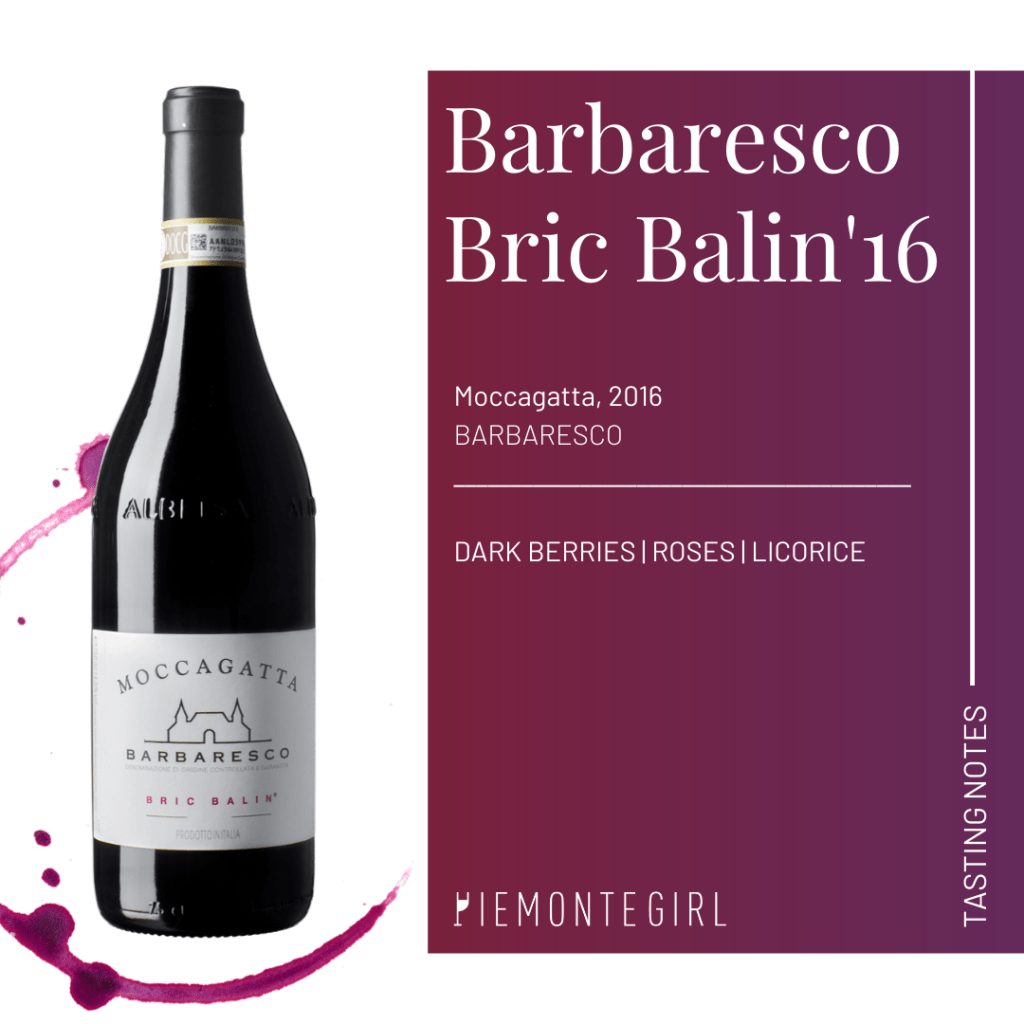
Disclaimer: I have not visited Moccagatta before. And honestly, haven’t tried many of their wines. However, a few weeks ago my friend served me the Bric Balin 2016 blind and it blew me away! Which then led to my new interest in the Moccagatta wines.
Barbaresco
Nebbiolo for Barolo or Nebbiolo for Barbaresco? The grape may be the same, but the end results are quite different. Why? Climate has a lot to do with it. So does soil. The “Map Man” makes great 3d maps of the different areas, that show you how different the soil, altitude & exposition are in the different cities of Piemonte.
Even though I tend to stay within the confounds of Barolo, I do try to venture out and try wines from all over Piemonte (and the world). And Barberasco is not exactly very far away from Barolo. Although I have not tried all wines from Barbaresco, I normally prefer the wines from Barolo. But the Moccagatta Barbaresco Bric Balin 2016 really impressed me.
Moccagatta Bric Balin 2016
2016 produced some really big wines. Often compared to 2010, wines from 2016 will benefit from staying in the cellar for quite a few years.
The tannins are big, but they disappear fairly quickly and you’re left with beautiful fruit flavors. The wine lasts long in the mouth and it’s hard to put the glass down. If you drink it now, having some food with a glass will go a long way. Some air might also be beneficial to the drinking experience.
Barbera d’Alba 2017 308kr (New Vinatage) Cavallotto’s barbera supriore is excellent. 2017 is not my favorite vintage, but when you’re a good winemaker, you make good wines in any vintage. This is a barbera that has excellent aging potential. It spends 15-18 months in big barrels and then 6 months in the bottle before it’s release. Good acidity, dark fruits, intense – perfect with pasta or pizza.
Langhe Nebbiolo 2017 280kr (New Vintage) Cavallotto makes their Langhe Nebbiolo almost like a barolo. The grapes come from the Barrolo Cru vineyards and spend 15-18 months in big barrels after a long fermentation. The tannins are quite persistent, but the fruit shines through and lasts a while in the mouth. Can drink now, but I’d keep it for a little bit.
Moccagatta
Moccagatta Barbaresco Bric Balin 2016 575kr (New Vintage) I’ve recently been served this blind, and I was mega impressed. 2016 is a big vintage, but the tannins disappear quite quickly and you’re left with an impressive fruit boquet.
Vietti
Vietti Barolo Castiglione While we’re waiting for the 2016 Barolo’s from Vietti, the 2015 is drinking quite nicely right now!
Trediberri
Shhhh don’t tell anyone, but the 2016 Barolo from Trediberri will be released tomorrow! I’ve only ever tried it directly from a freshly bottles bottle, but I can tell you that the wine is INCREDIBLE.

 PIEMONTEGIRL